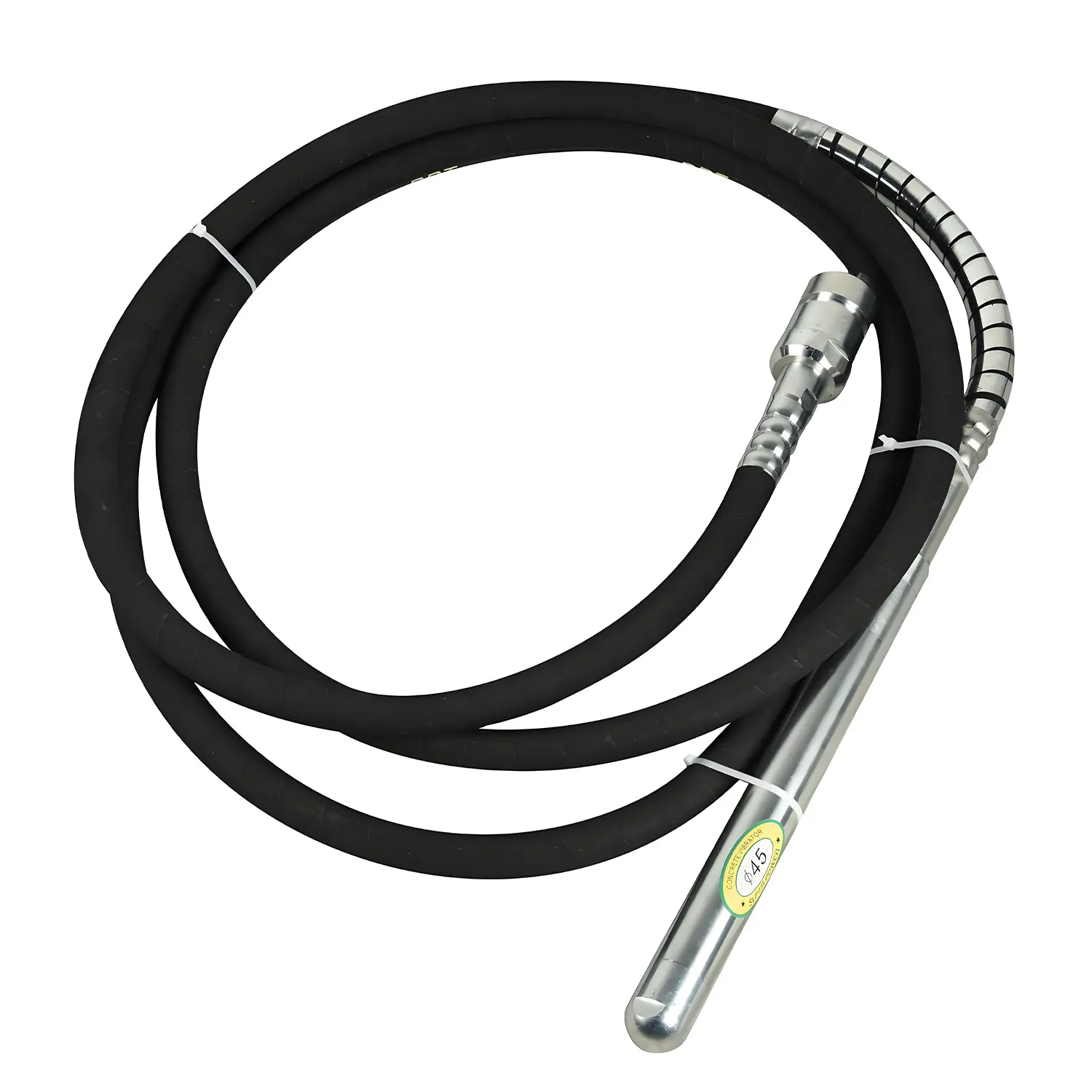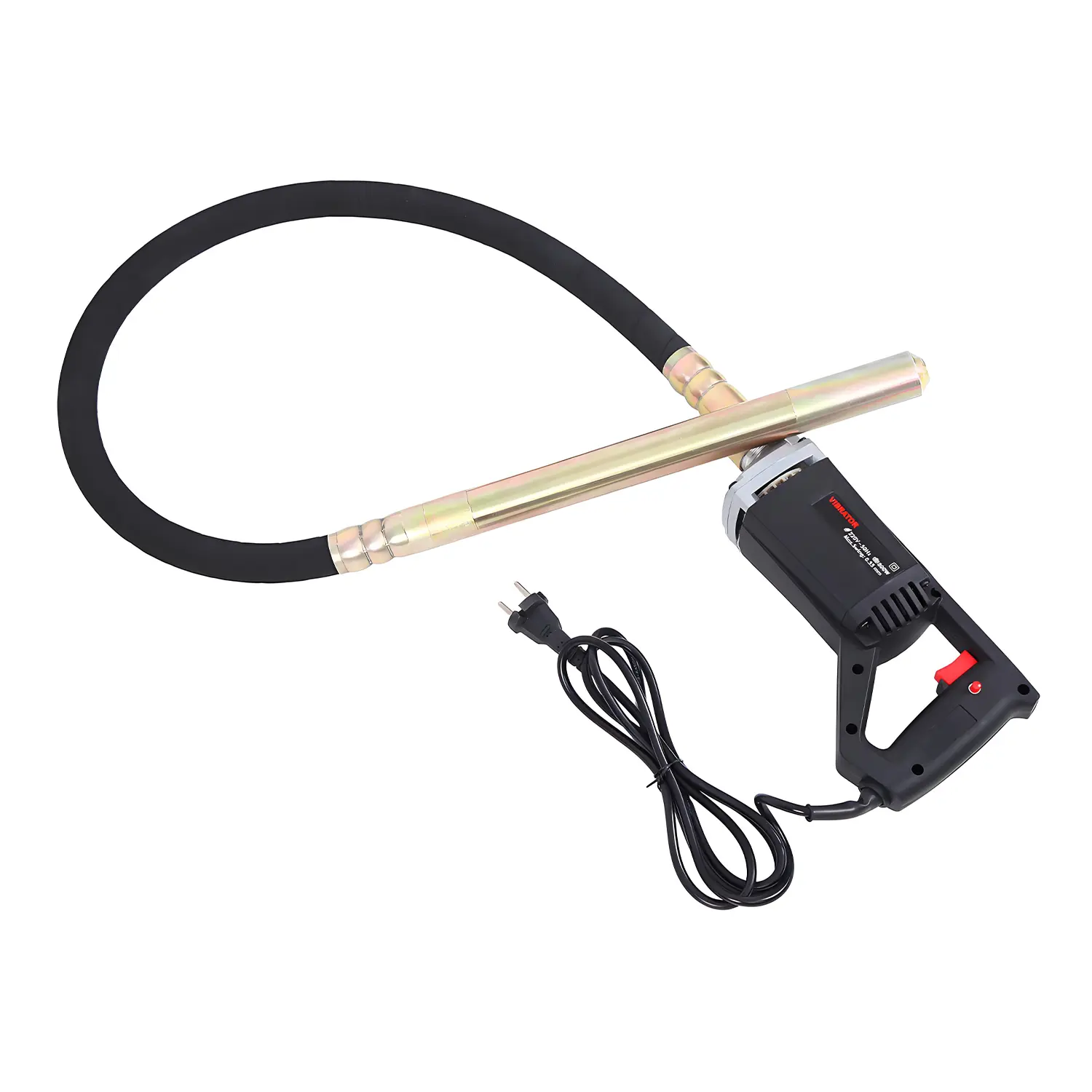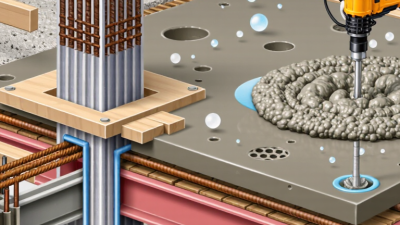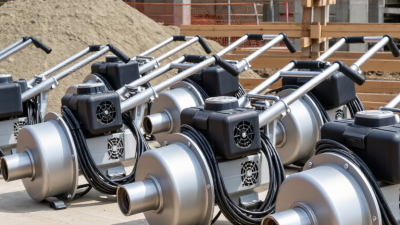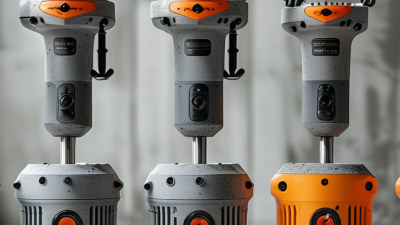
Global concrete production remains enormous, creating steady demand for dependable vibration equipment and replacement components. The Global Cement and Concrete Association reports that concrete is the world’s most widely used manufactured material, with billions of tonnes placed annually. This scale makes the Concrete Poker Lead more than a small accessory. It affects worksite continuity, vibration efficiency, and equipment safety.
Market research from Grand View Research and MarketsandMarkets continues to show growth in construction equipment, infrastructure investment, and concrete machinery worldwide. However, broad market figures do not explain every purchasing decision. Buyers still compare conductor quality, insulation thickness, connector design, bend resistance, operating temperature, and compatibility with different poker heads. A lead that survives repeated movement across wet slabs can save more than a cheaper product that fails early.
Concrete technology specialist Peter Bamforth has emphasized the practical purpose of vibration: “Compaction is essential to remove entrapped air and achieve the required concrete performance.” His point remains relevant when selecting a Concrete Poker Lead. Stable power delivery supports consistent consolidation around reinforcement, corners, and congested sections.
Details matter.
This guide examines the leading types for global buyers in 2026, including heavy-duty rubber leads, polyurethane-coated options, and flexible reinforced designs. It will consider export packaging, traceability, testing records, and supplier communication. Some purchasing assumptions deserve reconsideration. The lowest quoted price may hide weaker insulation or limited service support. Likewise, a premium lead is not automatically the best match. Performance depends on the vibrator, site conditions, duty cycle, and maintenance discipline.
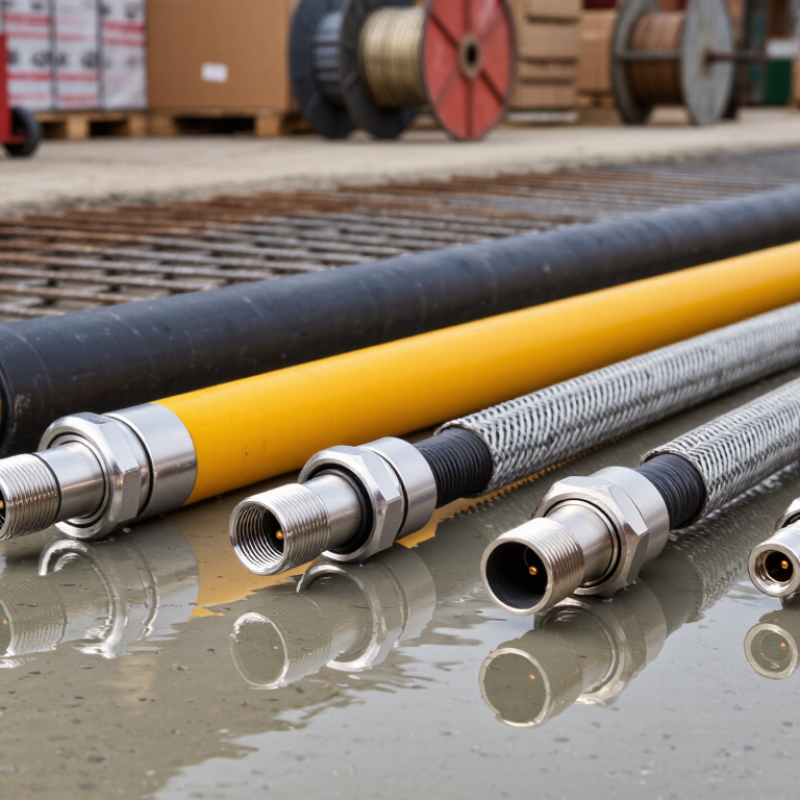
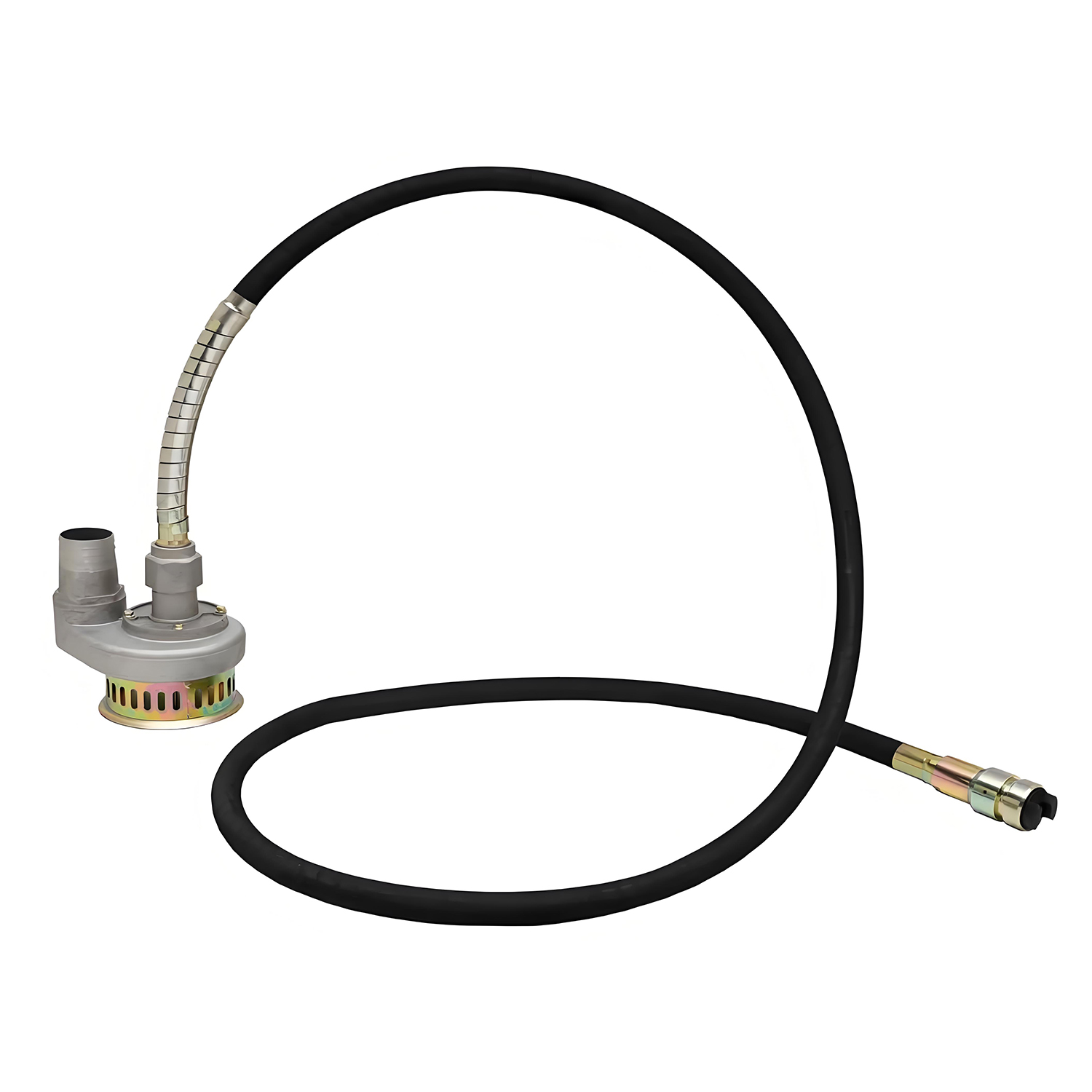
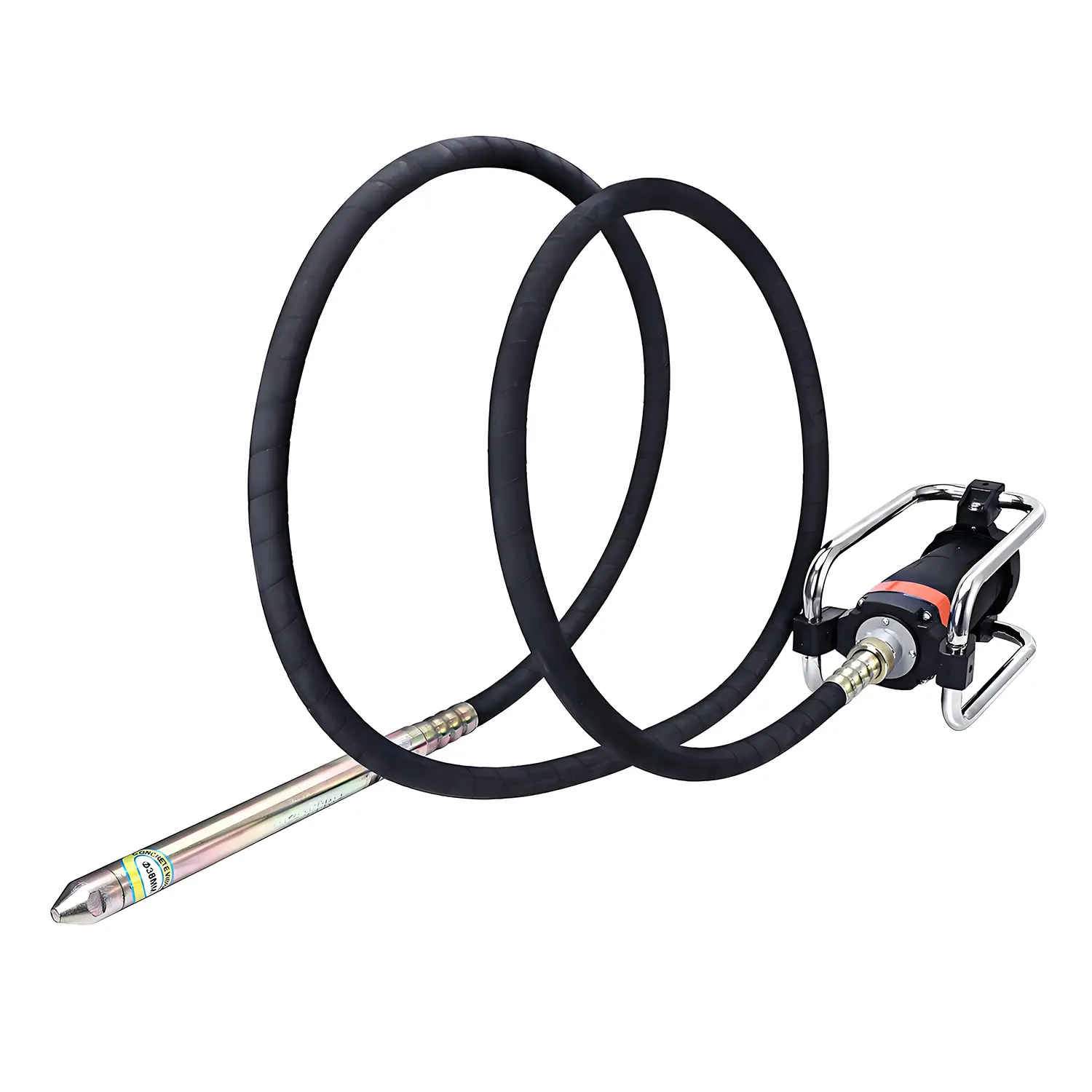
Concrete poker leads connect the vibrator head to its power or drive source. In electric systems, the lead carries current through a flexible, protected cable. In mechanical systems, it may contain a rotating shaft inside a reinforced hose. This difference matters when buyers compare specifications. A cable lead does not transmit rotation. A shaft lead does not work like a standard electrical cord.
The lead must tolerate movement, wet concrete, abrasion, and repeated bending. During placement, workers often drag it across rough formwork. Sharp bends can damage internal conductors or restrict shaft movement.
A suitable lead length keeps the operator close to the pour without creating loose loops. Shorter leads usually reduce handling problems, while longer leads improve access around columns and deep slabs. The correct choice depends on site layout, vibrator power, and daily workload.
Inspect the outer jacket before every shift. Look for cuts, flattened sections, exposed wiring, loose connectors, or unusual heat. A stiff lead may signal internal wear, even when the surface looks acceptable. This is easy to overlook. Keep connectors away from standing water and follow the equipment’s rated voltage and duty cycle. For demanding projects, buyers should request material details, bending limits, connector drawings, and replacement guidance. One imperfect assumption can be costly: a heavy-looking lead is not automatically stronger. Proper matching usually matters more than appearance.

Concrete poker leads look simple, but their design affects vibration quality, safety, and service life. Cable types usually include standard rubber, heavy-duty neoprene, and flexible polyurethane. Rubber suits controlled indoor work. Neoprene performs better around moisture, abrasion, and rough slabs. Polyurethane is lighter and resists repeated bending, although it can cost more. A 2024 MarketsandMarkets assessment places the global construction equipment market above USD 250 billion, reflecting stronger demand for durable, mobile equipment. Concrete poker leads are small components, yet downtime often begins there.
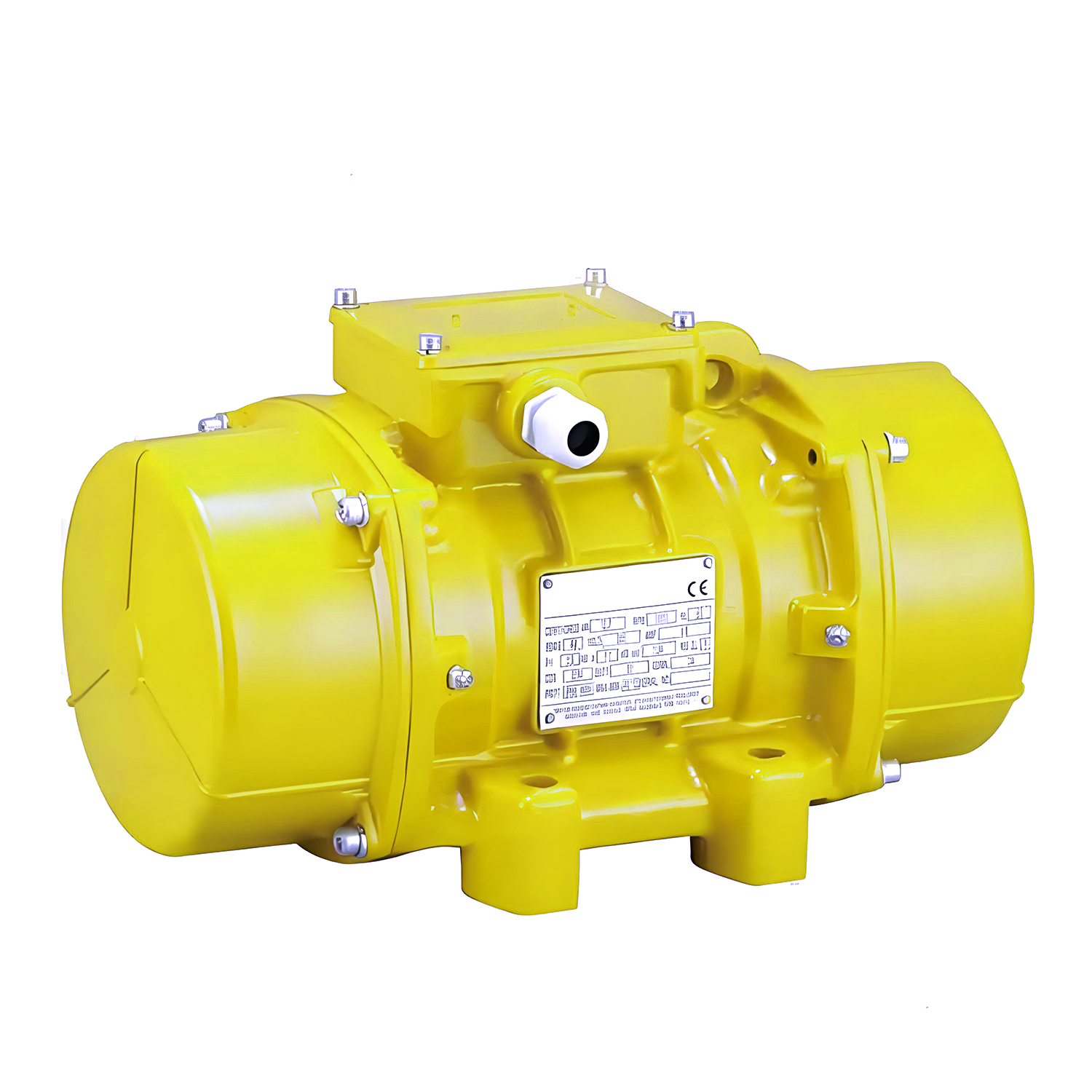
Connector design deserves careful checking. Threaded connectors provide a firm fit during continuous vibration. Quick-lock connectors save time on busy sites, but poor locking systems may loosen under movement. Power design commonly includes single-phase, three-phase, and high-frequency systems. Single-phase leads fit smaller projects. Three-phase designs support longer operation and larger poker heads. High-frequency systems can reduce motor weight, but they require matching converters and stable electrical protection. IEC 60529 guidance also makes enclosure protection important in dusty or wet environments. A higher IP rating is helpful, not magical.
Tips: Match lead length to the work area, not the warehouse shelf. Inspect bends, pins, insulation, and connector heat before every pour. Check local voltage and frequency. One detail is easy to miss: a lead that feels flexible when cold may stiffen outdoors. Buyers should request test records, conductor size, connector drawings, and replacement availability. I would not choose the cheapest cable without comparing its bend radius and rated duty cycle. That decision can look efficient, until the concrete truck is waiting.
2026 Top Concrete Poker Lead Types for Global Buyers
When comparing concrete poker leads, start with electrical compatibility, not price. Check rated voltage, frequency, current capacity, and connector configuration. A lead designed for 230V may not suit a 110V worksite. Cable length also matters. A 10-meter lead improves reach, but adds weight and voltage drop. Confirm the conductor size before ordering.
For demanding sites, inspect insulation thickness, bending radius, abrasion resistance, and water protection. Flexible rubber insulation usually handles repeated movement better than rigid plastic. Check the declared IP rating, operating temperature, and duty cycle. The lead must match the poker’s diameter, shaft design, and connection method. In field inspections, damaged outer jackets often appear near sharp formwork edges. This detail is easy to overlook. I have also seen buyers choose heavy-duty leads that were difficult to handle all day.
Tips: Request test reports, wiring diagrams, connector photos, and sample measurements. Confirm compliance documents for the destination market. Compare weight per meter, not just total length. Ask how the lead performs after repeated bending. A perfect specification sheet may still miss real site conditions. Review actual handling feedback when available. Small differences can affect productivity, safety, and replacement costs.
Global buyers evaluating concrete poker lead types in 2026 should treat electrical compatibility as a safety requirement, not a purchasing detail. A lead may be detachable, integrated, single-phase, or three-phase. Each option suits different site layouts and power systems. Detachable leads simplify replacement, while integrated designs can reduce connection points. However, fixed wiring is not automatically safer.
Check the rated voltage, frequency, current, conductor size, insulation class, and earthing method. A 230-volt tool may not operate correctly on a 110-volt site. Frequency differences can also affect motor performance. Confirm the plug configuration and local socket requirements before shipment. Ask for test records covering insulation resistance, earth continuity, and protective-device compatibility. Residual-current protection may be required on some construction sites.
Look for a suitable IP rating when wet concrete, rain, or washdown exposure is expected. The cable should remain flexible in cold conditions and resist abrasion around steel reinforcement. Standards may include IEC requirements, national electrical rules, and market-specific conformity assessments. Documentation must match the actual production model, not a similar sample. Small details matter.
Field experience still exposes weak assumptions. A longer lead improves reach but can create voltage drop and trip hazards. A higher IP rating does not protect a damaged connector. Buyers should inspect strain relief, connector locking, markings, and service instructions. Compatibility is never universal. Site conditions deserve the final decision.
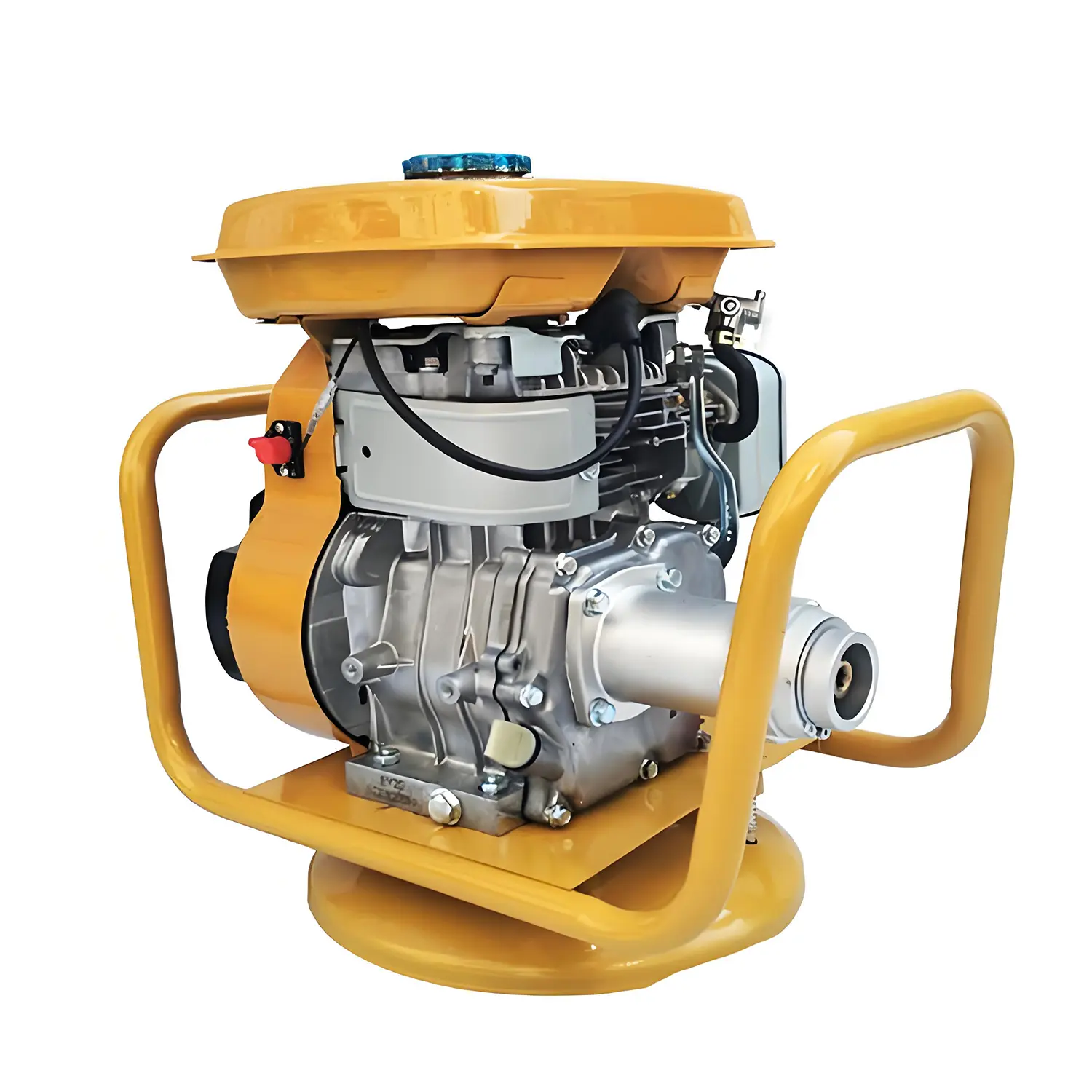
Global buyers should treat concrete poker selection as an application decision, not a catalogue exercise. Electric high-frequency pokers suit indoor slabs and urban projects with stable power. Pneumatic models fit tunnelling, precast, and wet environments where compressed air is available. Petrol-powered pokers offer mobility on remote sites, but they create exhaust, noise, and fuel-handling concerns. The right type depends on pour depth, reinforcement density, access, and daily operating hours.
The Global Construction Perspectives and Oxford Economics report forecasts global construction output to rise 85% by 2030, reaching about US$15.5 trillion. That growth increases demand for durable compaction equipment across varied job sites. Buyers should compare poker-head diameter, vibration frequency, amplitude, hose length, voltage, protection rating, and continuous-duty limits. A 25–38 mm head usually works around dense reinforcement, while larger heads cover open slabs faster. Bigger is not always better.
Request test videos using similar concrete slump and aggregate size. Ask for vibration data measured under load, not only no-load figures. Confirm plug standards, spare-part availability, warranty terms, packaging protection, and local repair support. World Bank logistics data shows considerable differences in shipment reliability between markets, so replacement hoses and carbon brushes deserve attention. I would also inspect the motor housing and cable strain relief personally. Specifications can look convincing. Field failures still happen. A lower purchase price may become expensive when one damaged hose stops a pour.