Why Use a Concrete Needle Vibrator?
Concrete looks solid after placement, but hidden voids can weaken the entire structure. Entrapped air may remain around reinforcement, corners, and formwork surfaces. A Concrete Needle vibrator transfers rapid mechanical energy through fresh concrete, helping remove these gaps and improve particle contact.
ACI 309R-05, Guide for Consolidation of Concrete, identifies vibration as the primary method for consolidating normal concrete. The National Ready Mixed Concrete Association also warns in its CIP 6 guidance that poorly consolidated concrete can develop honeycombing, surface voids, and reduced durability. These defects are not merely cosmetic. Water can enter them, reach reinforcement, and accelerate deterioration.
Small gaps matter.
Concrete specialist Colin L. Lobo has emphasized the practical principle: “Good consolidation is essential to achieving durable concrete.” The statement is simple, yet many crews still treat vibration as a quick finishing step. That is a mistake worth reconsidering. Correct insertion spacing, steady withdrawal, and suitable vibration time require experience. Over-vibration can also cause segregation, especially in highly workable mixes.
A needle vibrator is not a cure for poor mix design or careless placement. It is one controlled part of a reliable process. Used correctly, it helps concrete flow around steel bars, fill narrow corners, and produce a denser internal structure. Field conditions remain unpredictable, however. The best equipment cannot replace trained operators, inspection, and documented quality control.
Why Use a Concrete Needle Vibrator?
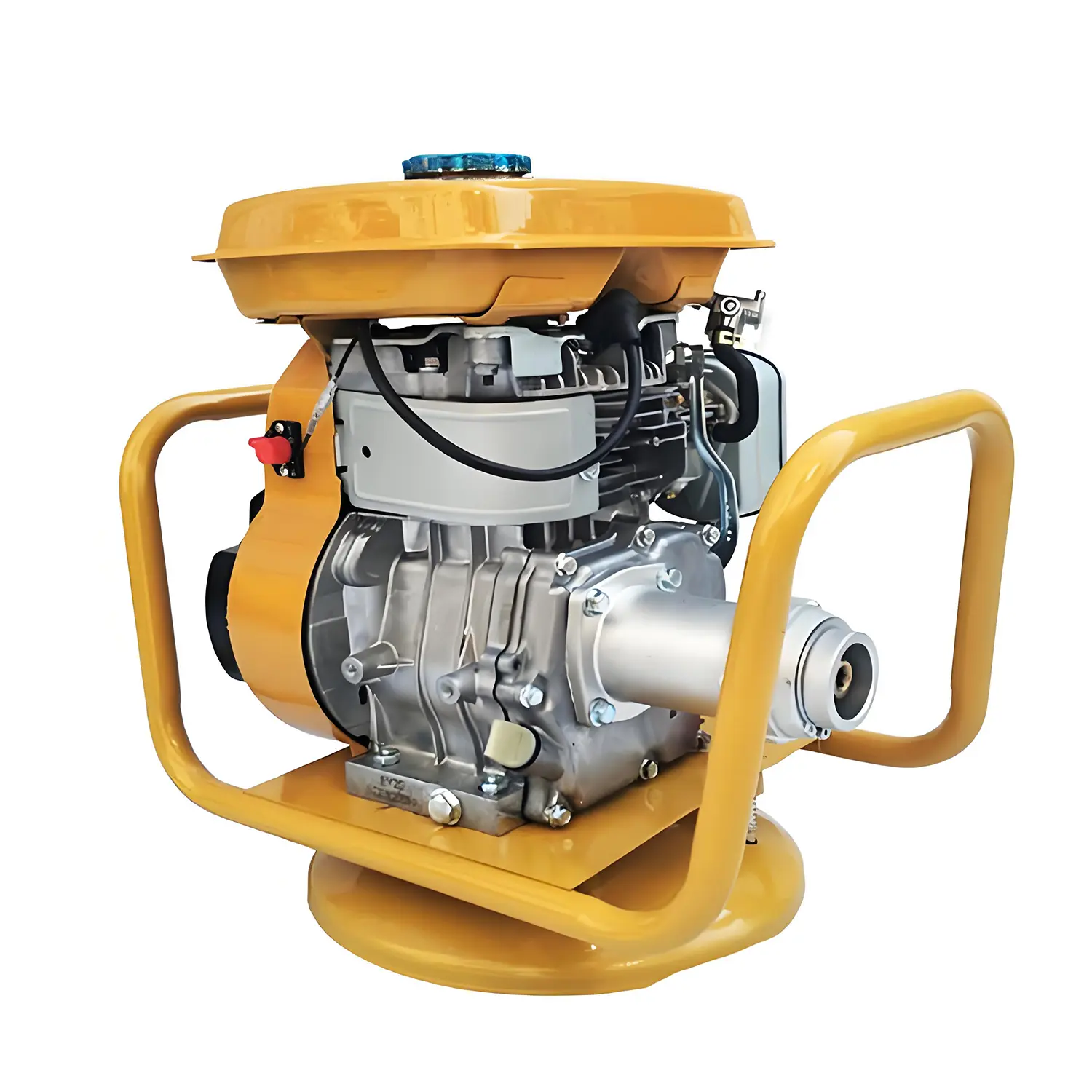
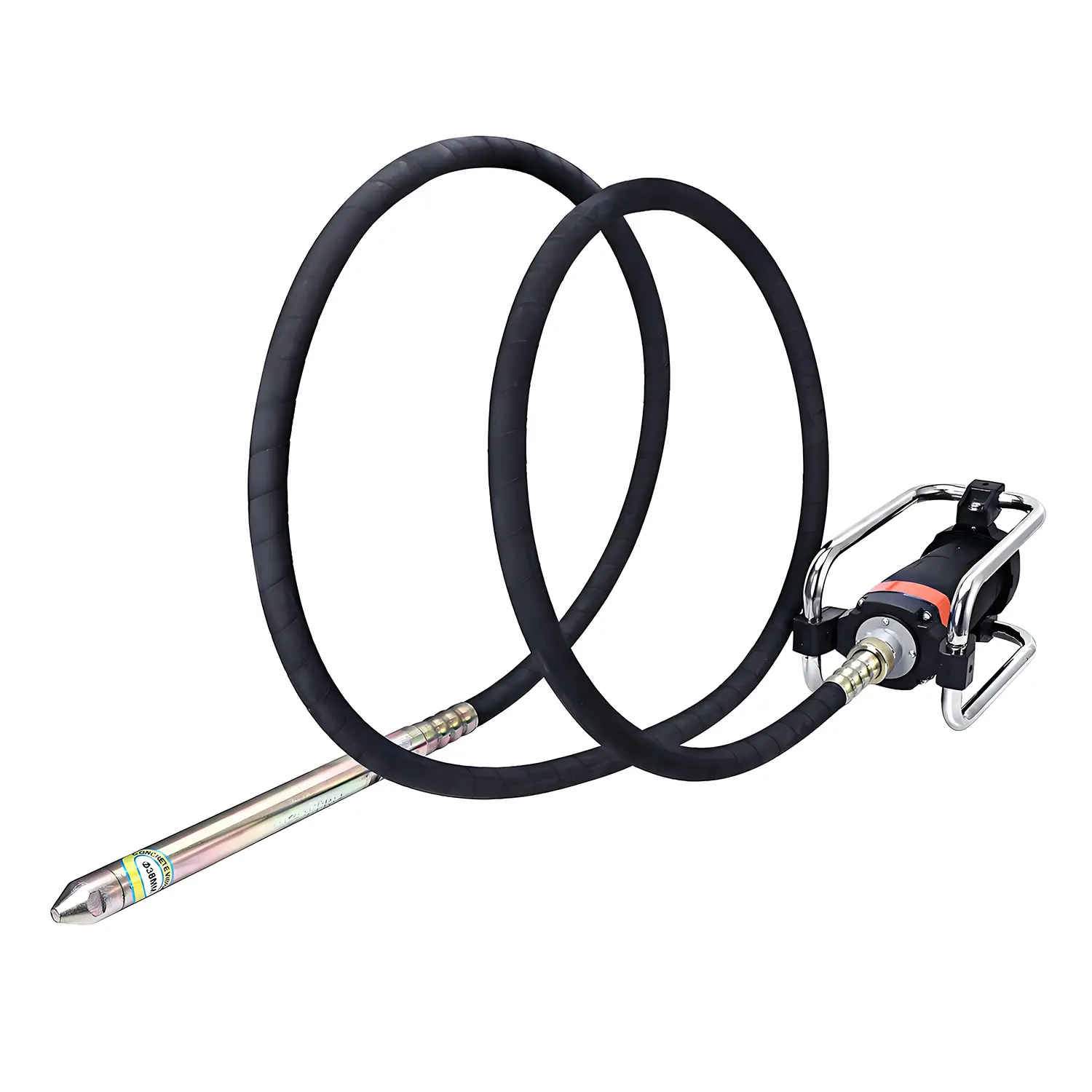
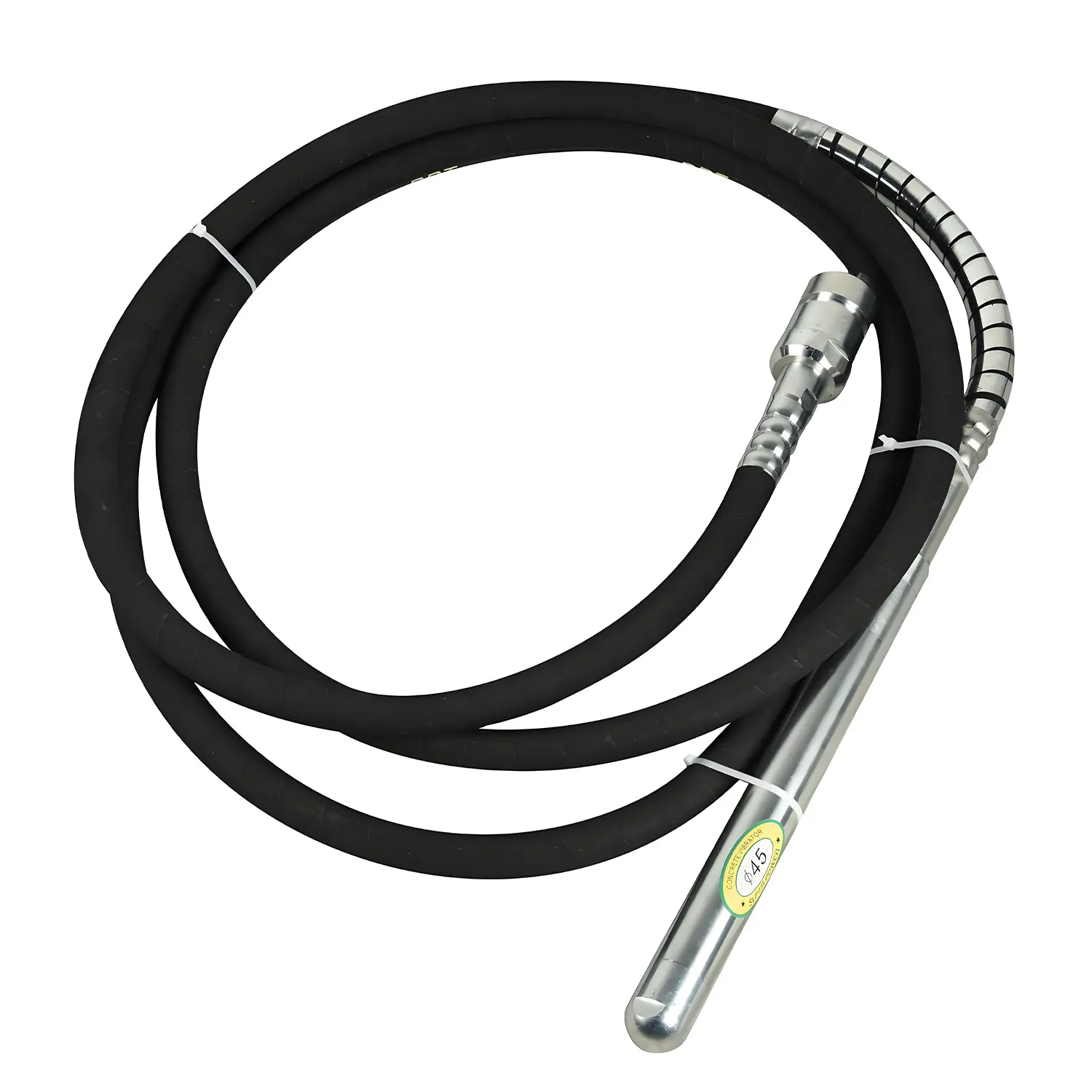
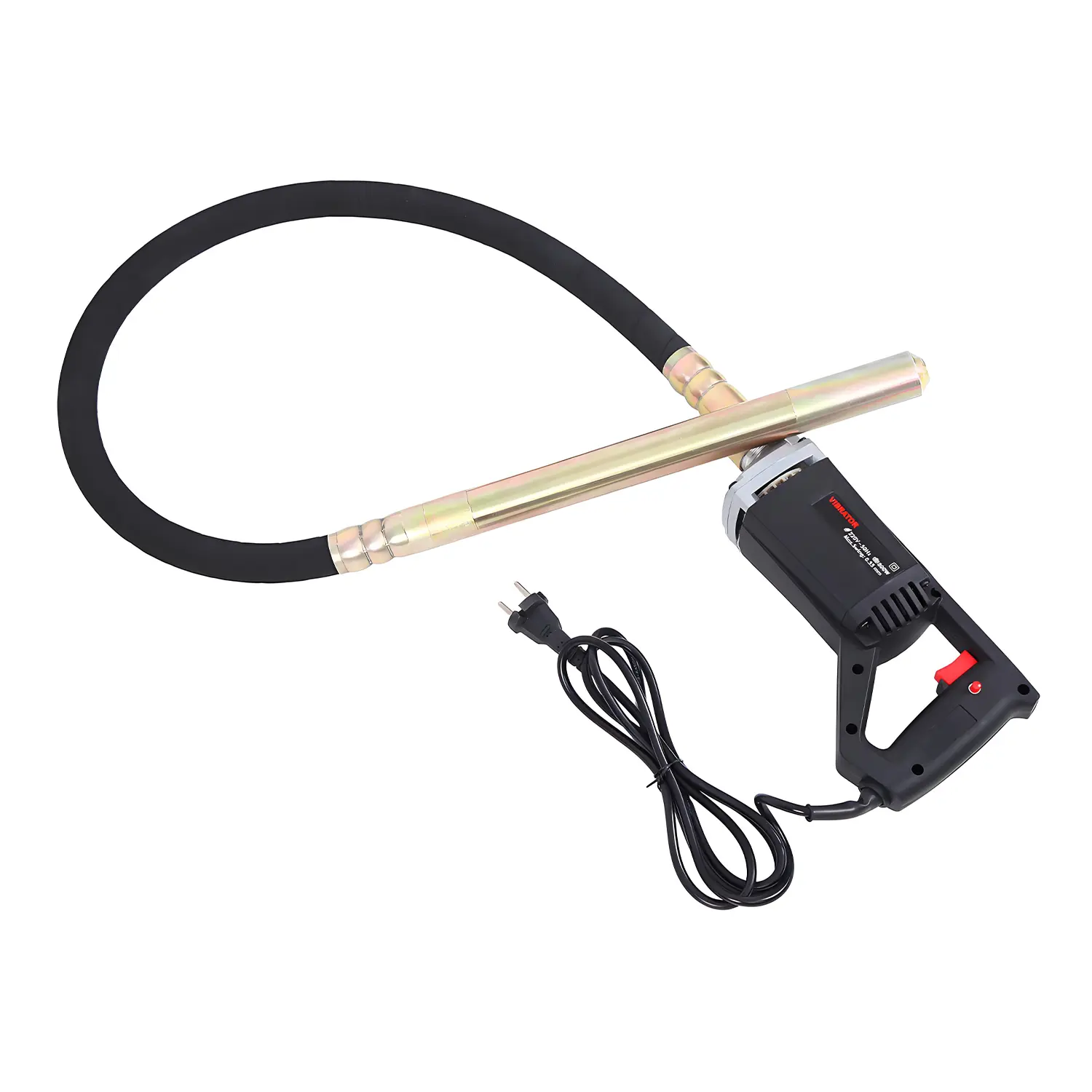
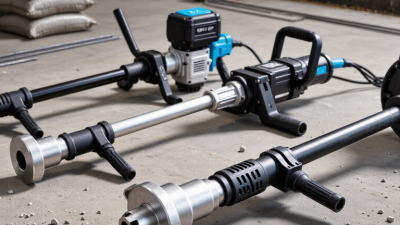
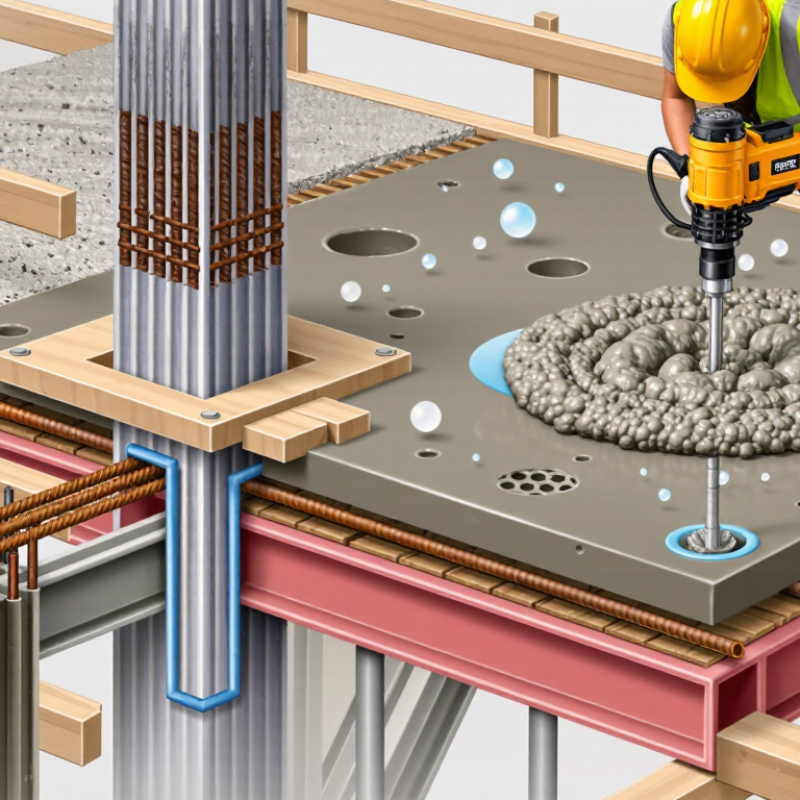
A concrete needle vibrator is a handheld consolidation tool with a vibrating metal head. Workers place the needle into freshly poured concrete, usually between reinforcing bars. Its rapid vibration moves through the mix and releases trapped air. It also helps concrete flow around steel and into narrow corners. The tool is not a pump or mixing device. It is a compaction instrument.
ACI 309R-05 identifies internal vibration as a primary method for consolidating structural concrete. The guide discusses operating frequencies commonly ranging from about 9,000 to 12,000 vibrations per minute. Proper insertion spacing matters. The vibrating head should overlap its effective radius, rather than leaving quiet pockets between insertion points. NRMCA’s Concrete in Practice guidance also links adequate consolidation with fewer voids, honeycombing risks, and surface defects.
On site, the needle should enter vertically and remain in one position briefly. A typical insertion may last 5 to 15 seconds, depending on slump, reinforcement density, and vibrator power. Withdraw it slowly, not abruptly. The surface should appear glossy, but not violently churned. Over-vibration can encourage segregation, especially in wet mixes. I have seen crews hurry this step, then discover stone pockets after form removal. That mistake is avoidable, though judgment still matters. Concrete rarely behaves exactly like a training example.

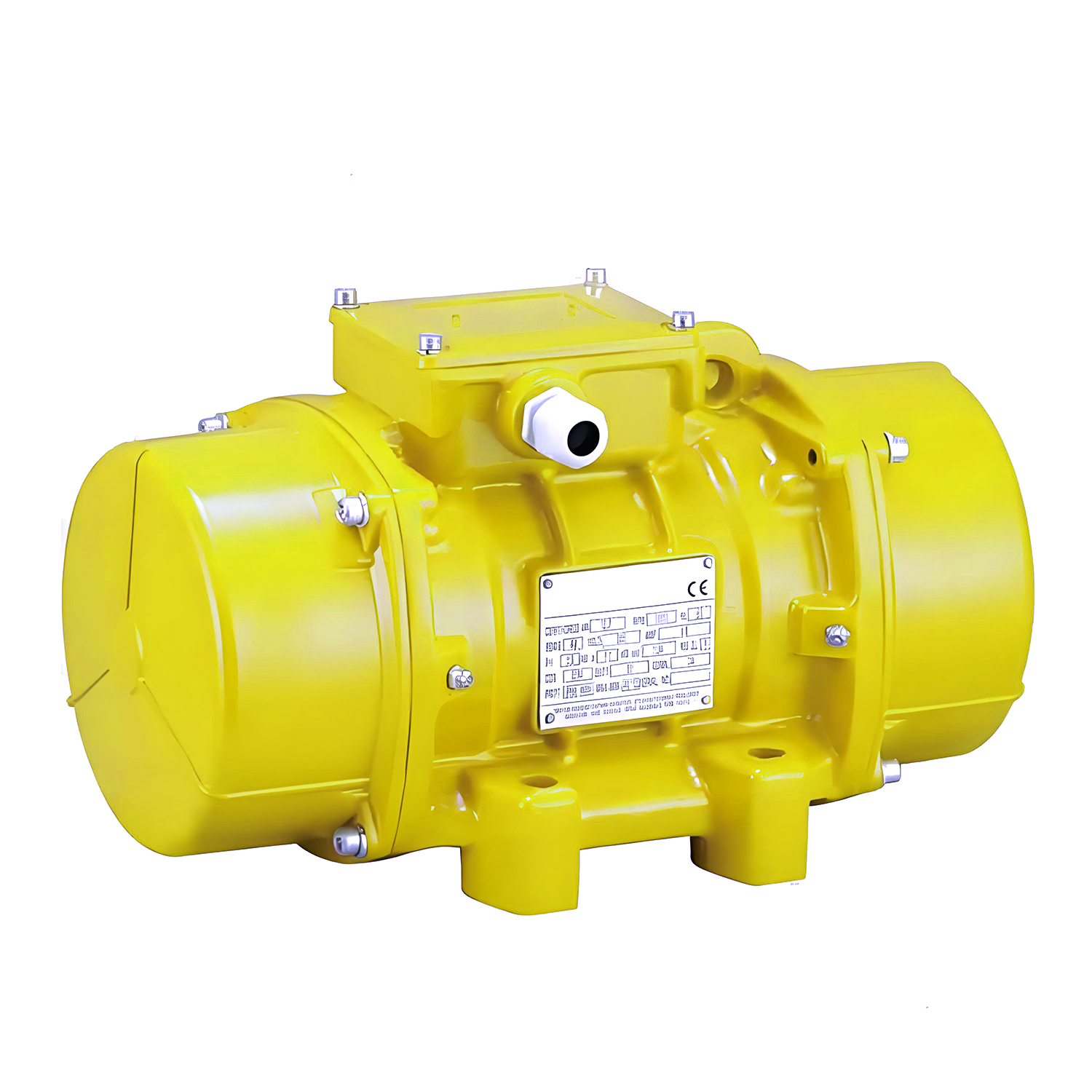
A concrete needle vibrator uses rapid vibration to remove trapped air from freshly placed concrete. Its motor drives an eccentric weight inside the metal needle. As the weight rotates, the needle produces high-frequency movement through the surrounding mix. This vibration reduces friction between cement paste, sand, and coarse aggregate. Air bubbles then rise toward the surface, while the concrete flows around reinforcement and into narrow corners.
The operator lowers the needle vertically into the fresh concrete. It should penetrate the previous layer slightly, creating a continuous bond between pours. Keep the needle still for several seconds, then withdraw it slowly. A small change in surface texture often shows that consolidation is working. The mix may settle, and fine bubbles may appear around the insertion point. Do not drag the needle through the concrete. Avoid striking reinforcement or formwork, since contact can damage equipment or disturb the finished shape.
Spacing and timing require judgment. A common mistake is vibrating one area too long because the surface looks uneven. Over-vibration can separate coarse aggregate from cement paste. This rule is not perfect, especially with stiff mixes or dense reinforcement. Experienced workers watch the surface, listen to the motor, and adjust insertion points. Proper training, protective equipment, and inspection of the cable, needle, and power supply remain essential before use.
Fresh concrete contains more air than most crews can see. A needle vibrator releases trapped air and helps cement paste surround the aggregate. Without proper consolidation, small voids remain beside reinforcement and formwork. These pockets can create honeycombing, weak edges, and visible surface defects. The National Ready Mixed Concrete Association identifies consolidation as essential for producing dense, durable concrete.
The numbers are not minor.
A common industry estimate links each 1% of entrapped air with roughly a 5% loss in compressive strength. ACI 309R, Guide for Consolidation of Concrete, also warns that poor vibration can reduce uniformity and durability. The vibrator must enter steadily, usually at regular spacing. Keep the head vertical when possible. Withdraw it slowly.
Timing matters.
Over-vibration can separate coarse aggregate from the paste, especially in highly workable mixes. Under-vibration leaves hidden weaknesses that may appear years later. Field crews sometimes rely on sound and surface movement alone. That judgment helps, but it is not perfect. A measured placement plan is safer. Check the mix, reinforcement density, and vibrator frequency before work begins. NRMCA guidance also stresses placing concrete in manageable layers, allowing the vibrator to penetrate slightly into the previous lift.
The tool does not repair a poor mix. It only helps the concrete reach its designed potential.
When Should a Concrete Needle Vibrator Be Used?
A concrete needle vibrator is useful when fresh concrete must flow around reinforcement and fill narrow forms. Use it with ordinary, low-to-medium-slump concrete in columns, beams, walls, footings, and congested reinforcement zones. It becomes valuable when the mix cannot settle under its own weight. ACI 309R-05, Guide for Consolidation of Concrete, lists typical internal-vibrator frequencies around 8,000 to 12,000 vibrations per minute for general work. This energy releases trapped air and improves contact with steel and formwork.
Insert the needle vertically at regular spacing. Keep it inside the concrete until the surface turns glossy and large bubbles stop rising. Then withdraw it slowly. Do not drag the vibrator through the mix or use it to move concrete sideways. ACI 309R-05 identifies poor consolidation as a cause of honeycombing, segregation, and weak surface zones. The National Ready Mixed Concrete Association also describes inadequate consolidation as a common source of rock pockets and voids.
Stop when the concrete responds, not after a fixed countdown. That judgment matters. Avoid vibration with properly designed self-consolidating concrete unless project specifications allow it. Excessive vibration can separate coarse aggregate from mortar, especially in fluid mixes. On site, I would check slump, reinforcement spacing, lift depth, and needle diameter first. I would also record the method. More vibration is not automatically better.
A concrete needle vibrator removes entrapped air and helps fresh concrete flow around reinforcement, improving consolidation and reducing voids. The chart shows typical effective consolidation-radius ranges for common needle diameters.
When should it be used? Use a needle vibrator during placement of normal or low-slump concrete in footings, columns, beams, slabs, walls, and heavily reinforced sections. Insert the needle vertically at regular intervals, keep it away from formwork and reinforcement, and withdraw it slowly. Actual performance depends on concrete workability, vibrator frequency, aggregate size, and site conditions.
Why Use a Concrete Needle Vibrator?
How to Use a Concrete Needle Vibrator Safely and Effectively
A concrete needle vibrator removes trapped air from freshly placed concrete. It helps the mix flow around reinforcement and fill narrow corners. Before starting, inspect the cable, plug, housing, and vibrating head for damage. Keep connections dry and use suitable electrical protection for the work area. Wear eye protection, gloves, hearing protection, and slip-resistant boots. Small details matter.
Place the needle vertically into the concrete, rather than dragging it sideways. Insert it slowly until the head reaches the required depth. Keep insertion points close enough to overlap the previous compacted zone. A short vibration period usually works better than aggressive movement. Watch for escaping bubbles and a slightly glossy surface. Do not use the vibrator to push concrete across the form.
Withdraw the needle gradually while it remains running. This helps close the temporary channel left in the mix. Avoid touching reinforcement, formwork, or the needle during operation. Never lift the equipment by its cable. Stop the power before clearing blockages, changing parts, or cleaning the head. Concrete work can look simple, but poor timing causes segregation, weak pockets, or surface defects. I have sometimes removed the needle too quickly and had to correct visible voids later. That mistake is worth remembering. Follow the equipment instructions, maintain a steady pace, and let a trained supervisor check difficult placements.
| Dimension | Practical Data or Guidance | Why It Matters |
|---|---|---|
| Primary purpose | A concrete needle vibrator, also called an internal vibrator, removes trapped air and helps concrete flow around reinforcement and formwork. | Better consolidation reduces voids, honeycombing, weak spots, and surface defects. |
| Common head diameter | Approximately 25–75 mm, selected according to reinforcement spacing, form dimensions, and concrete workability. | A smaller head reaches congested reinforcement; a larger head generally consolidates a wider area more quickly. |
| Typical vibration frequency | Many internal vibrators operate at approximately 9,000–12,000 vibrations per minute under working conditions. Always follow the equipment manual. | Adequate vibration helps release air without requiring excessive handling of the concrete. |
| Insertion depth | Insert the head vertically and deeply enough to consolidate the full lift. When placing in layers, penetrate the previous layer by about 100–150 mm where practical. | Penetrating the previous layer helps bond successive lifts and prevents horizontal planes of weakness. |
| Insertion spacing | Place insertion points close enough for the vibration zones to overlap. A practical starting point is about 1–1.5 times the vibrator’s effective radius of action, adjusted by observation and the equipment manual. | Overlapping zones prevent unvibrated pockets between insertion points. |
| Typical time at each point | Often about 5–15 seconds, depending on slump, mix design, head size, and placement depth. Stop when large air bubbles largely disappear and the surface becomes slightly glossy. | Time should be controlled by the concrete’s response rather than by a fixed duration alone. |
| Correct movement | Insert rapidly through the concrete, allow consolidation, then withdraw slowly and steadily so the hole closes behind the head. | Slow withdrawal reduces the risk of leaving channels or air voids. |
| What to avoid | Do not drag or use the vibrator to move concrete horizontally. Do not force the head against reinforcement, formwork, embedded items, or hardened concrete. | Improper use can cause segregation, damage equipment, disturb reinforcement, or produce uneven consolidation. |
| Over-vibration warning signs | Excessive bleeding, visible separation of coarse aggregate, cement paste collecting at the surface, or prolonged vibration in one location. | Over-vibration can promote segregation and reduce uniformity, especially in highly workable mixes. |
| Electrical safety | Before use, inspect the cable, plug, switch, housing, and connections. Use suitable grounding and ground-fault protection for electrical equipment, and keep connections away from standing water. | Wet concrete and wet work areas increase the risk of electric shock. |
| Personal protective equipment | Wear safety glasses, waterproof gloves, protective footwear with slip-resistant soles, long sleeves, and hearing protection where noise levels require it. | PPE helps protect against cement splashes, wet surfaces, vibration, noise, and electrical hazards. |
| Operator handling | Maintain stable footing, keep the cable or flexible shaft behind the operator, avoid sharp bends, and never lift or pull the vibrator by its power cable. | Good handling reduces trips, cable damage, loss of control, and premature equipment wear. |
| Concrete placement sequence | Place concrete in manageable, fairly uniform lifts and vibrate each area before the concrete begins to lose workability. | A consistent sequence improves density and reduces cold joints and unfilled areas. |
| Maintenance after use | Switch off and isolate the equipment, clean concrete residue promptly, inspect for damage, and store the vibrator dry according to the maintenance instructions. | Hardened concrete can restrict movement, damage seals, and shorten service life. |