400-181-1680
Leave Your Message

How to Choose a Cement Vibrating Poker in 2026?

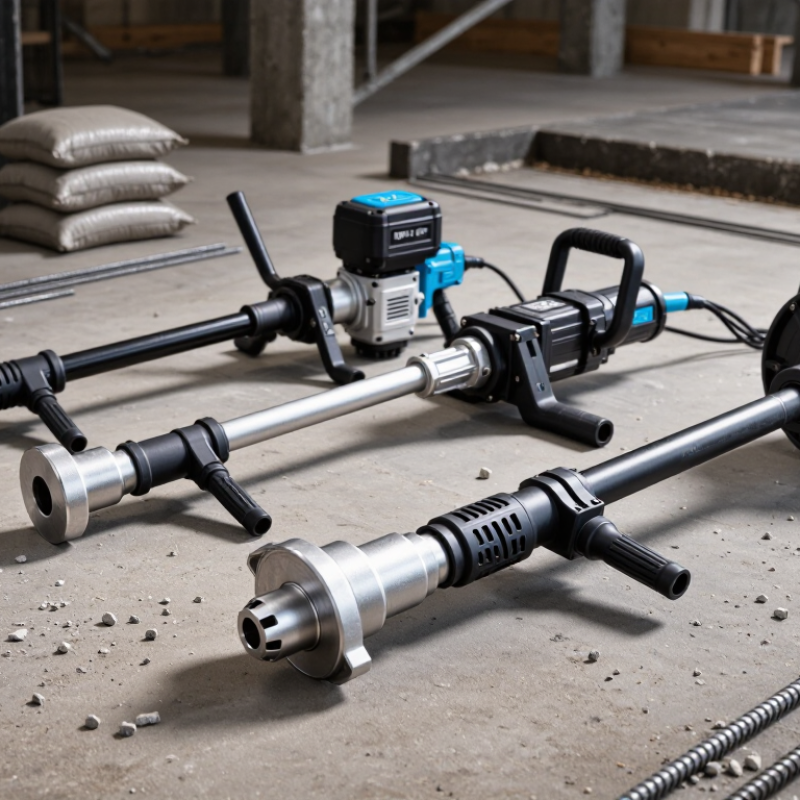
Choosing a Cement Vibrating Poker in 2026 requires more than comparing motor power and price. The right tool must match the concrete mix, pour depth, reinforcement spacing, and site conditions. A poker that works well for a small foundation may struggle inside a dense column. That difference matters.

Experienced contractors usually inspect vibration frequency, shaft length, head diameter, electrical protection, and handle comfort. A compact 25-millimeter head can move between closely spaced steel bars, while a larger head may consolidate slabs faster. Frequency should suit the mix without causing excessive segregation. Check the manufacturer’s technical data, service support, warranty terms, and applicable safety requirements. Reliable information is more valuable than impressive advertising.

Practical testing still reveals details that brochures miss. Hold the tool for several minutes. Notice heat, grip fatigue, cable flexibility, and unusual noise. A stable vibration pattern often indicates better assembly quality. Yet no selection guide can predict every job. Concrete temperature, aggregate size, and operator technique can change performance. That is easy to underestimate.

This guide examines how to choose a Cement Vibrating Poker for modern construction work. It considers performance, durability, portability, energy use, maintenance, and total operating cost. It also highlights common buying mistakes, including oversized heads, weak shafts, and unsuitable power supplies. Careful selection protects concrete quality and reduces avoidable rework. The best choice is not always the strongest model. It is the one that performs consistently, safely, and realistically on your site.
How to Choose a Cement Vibrating Poker in 2026?

What Is a Cement Vibrating Poker and How Does It Work?

How to Choose a Cement Vibrating Poker in 2026?

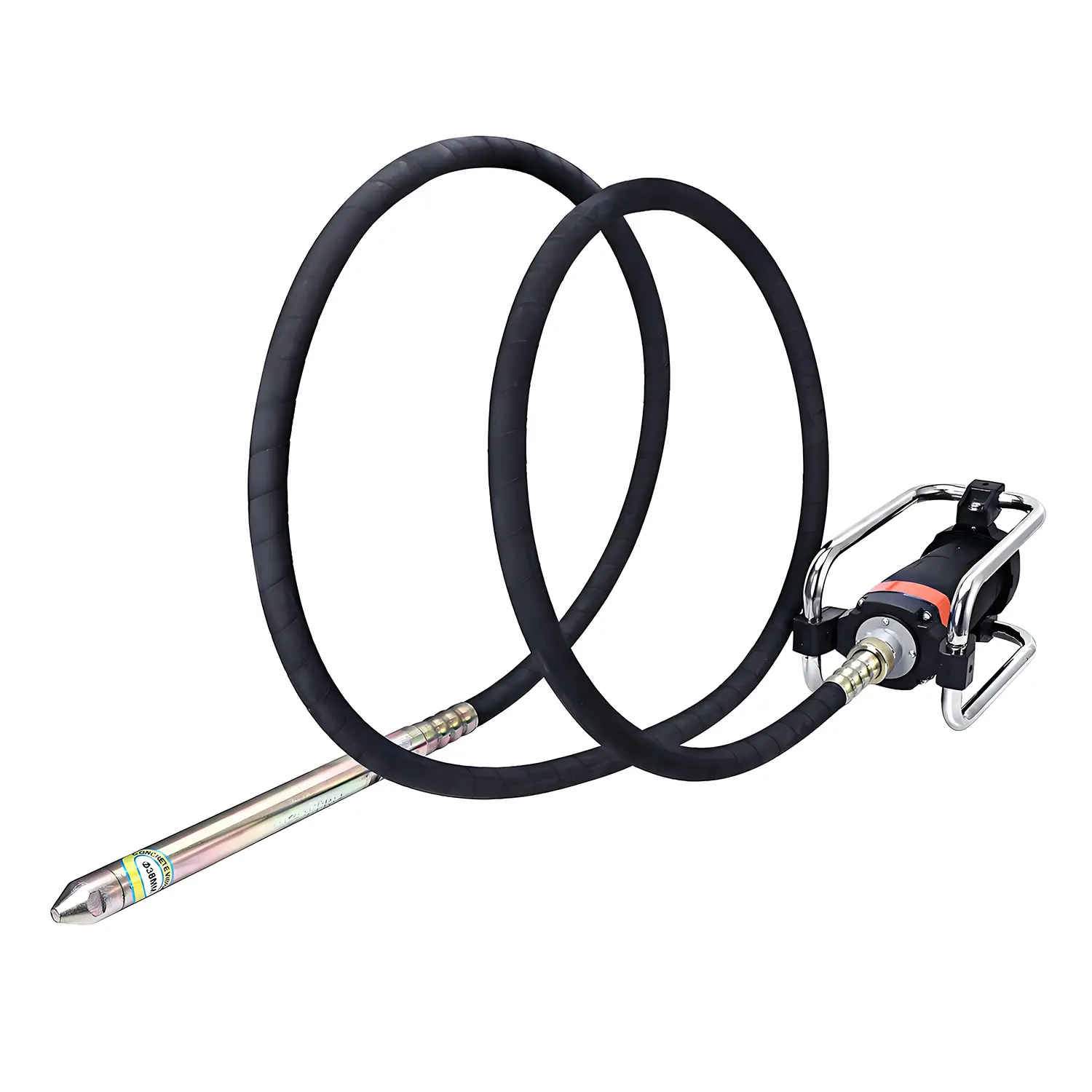
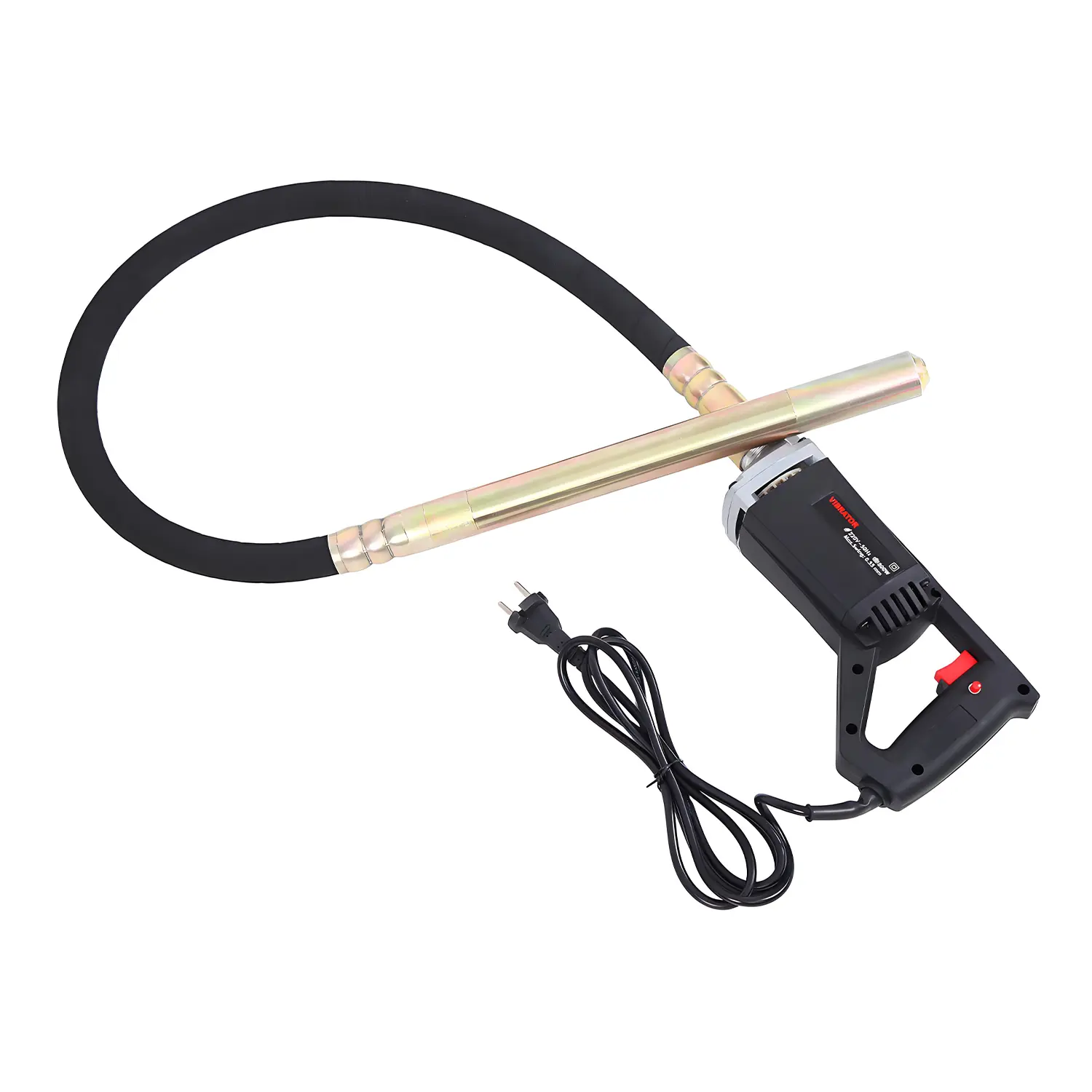
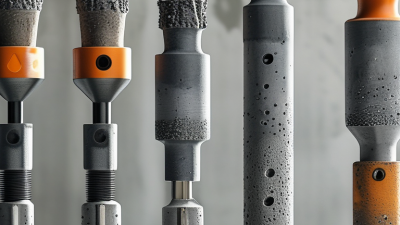
A cement vibrating poker, commonly called an internal concrete vibrator, is a steel-headed tool for fresh concrete. Its eccentric weight spins inside the poker head. This creates rapid vibration through the mix. Entrapped air rises, while aggregate settles around reinforcement and into corners. The result is denser concrete with fewer visible voids. It does not strengthen poor mix design by itself.

The Global Cement and Concrete Association reports that around 14 billion cubic metres of concrete are produced worldwide each year. Even small consolidation mistakes can therefore affect huge volumes of work.

ACI 309R explains that vibration improves concrete consolidation when operators choose suitable insertion spacing, duration, and intensity.

In practice, a 25–40 mm head suits many reinforced sections, while larger heads cover wider pours faster. However, access matters more than speed. Excessive vibration may cause segregation, especially in highly workable mixes. I have seen operators follow fixed timing rules too strictly. That approach needs reconsideration.

Tips: Insert the poker vertically and withdraw it slowly. Keep insertion points close enough to overlap each vibration zone. Watch for escaping air and a glossy surface, but do not wait for heavy bleeding. Check frequency, amplitude, hose length, and power supply before purchase. A lighter tool may feel easier, yet insufficient power can leave honeycombing around steel bars. Reference project specifications and test the selected poker on a small area first.

Which Vibrating Poker Specifications Match Your Concrete Project?

How to Choose a Cement Vibrating Poker in 2026?

Which Vibrating Poker Specifications Match Your Concrete Project?

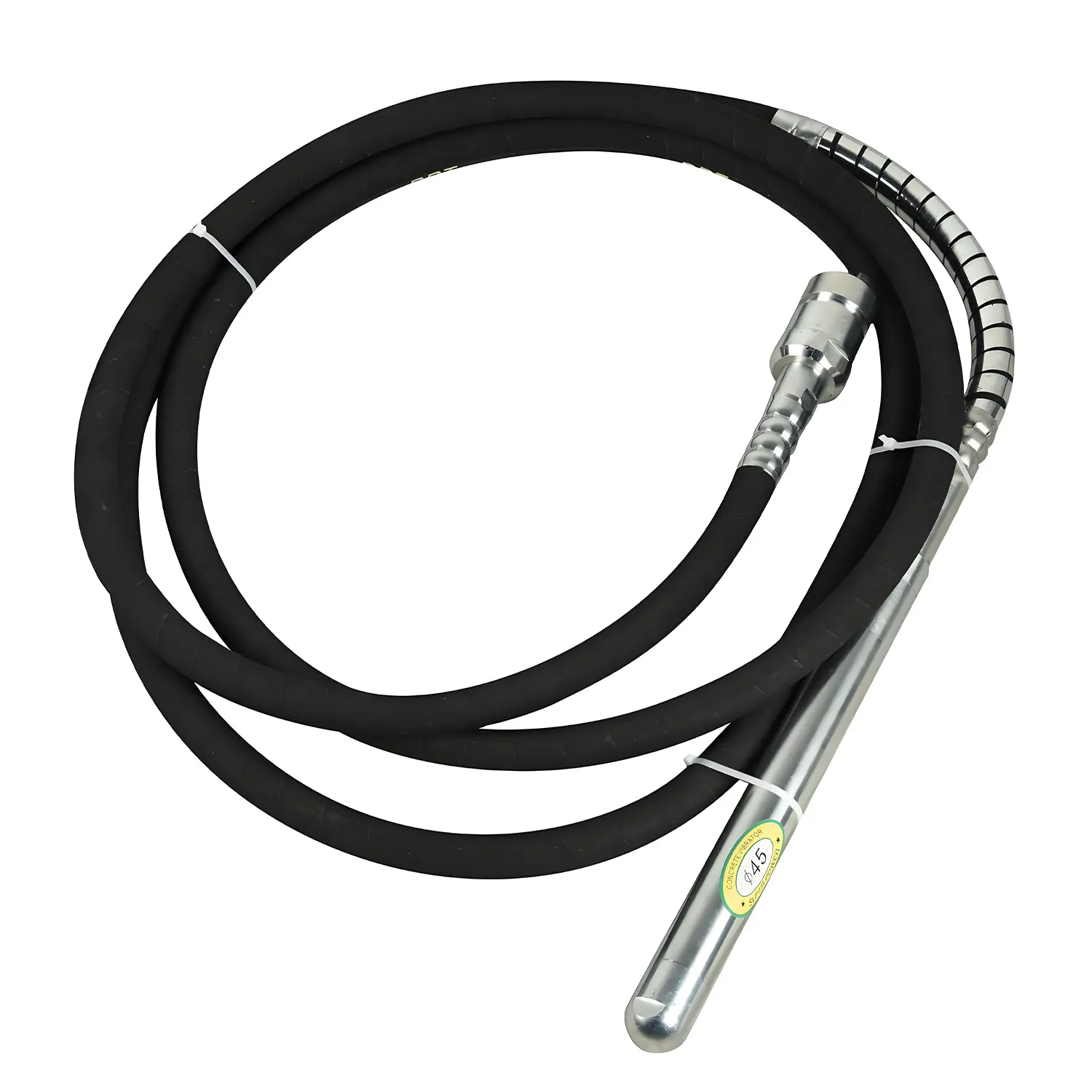
Match the poker diameter to the reinforcement spacing and slab thickness. A 25–35 mm head suits narrow columns and congested steel. Larger 45–60 mm heads work faster in open slabs. The head should pass between bars without forcing them apart. Measure the tightest gap before ordering.

Frequency affects how quickly trapped air leaves the concrete. Higher frequency can suit fluid mixes and thin sections. Lower frequency may offer better control in stiffer concrete. Amplitude also matters. Excessive movement can separate aggregates or disturb carefully placed reinforcement. Check the concrete slump, aggregate size, and required finish together.

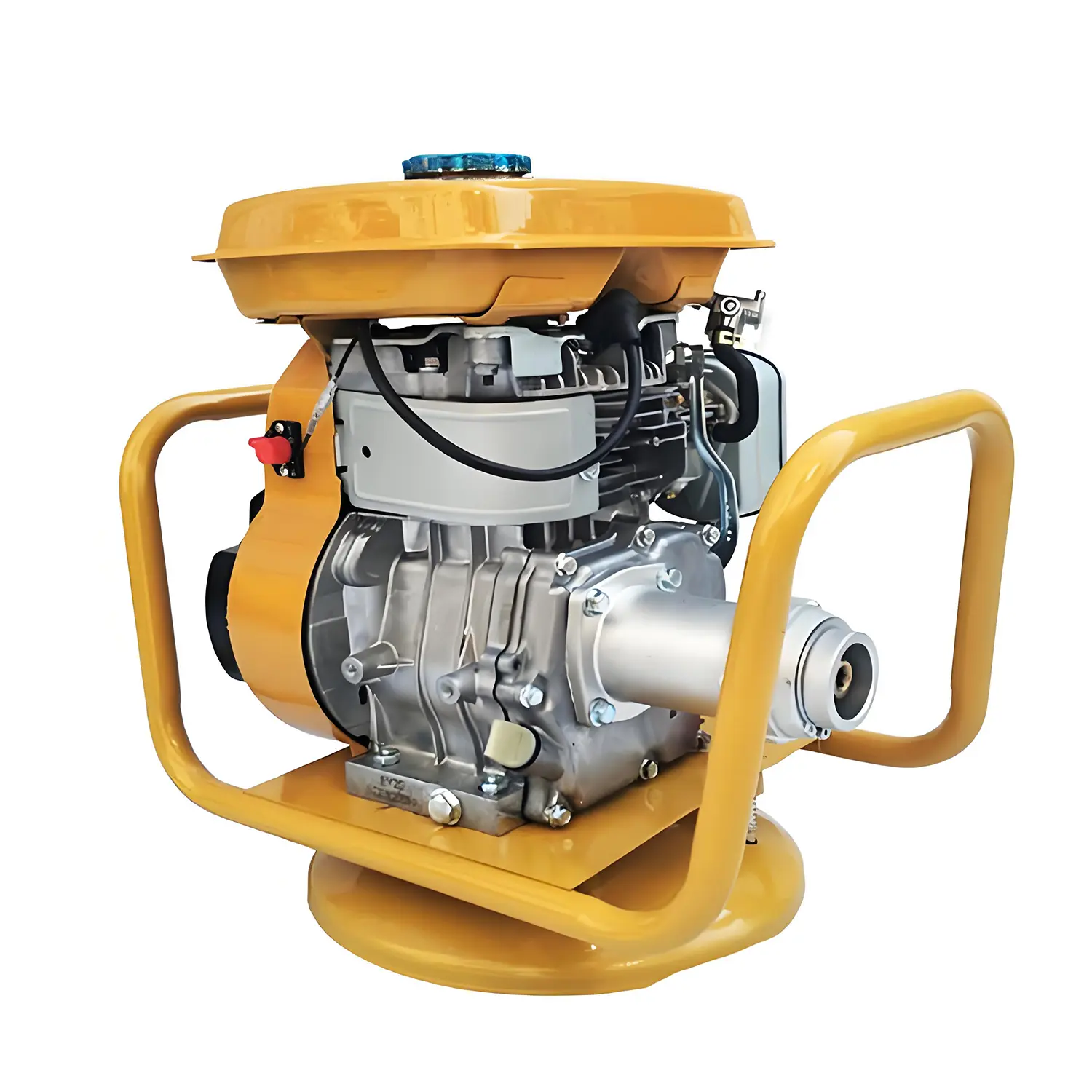
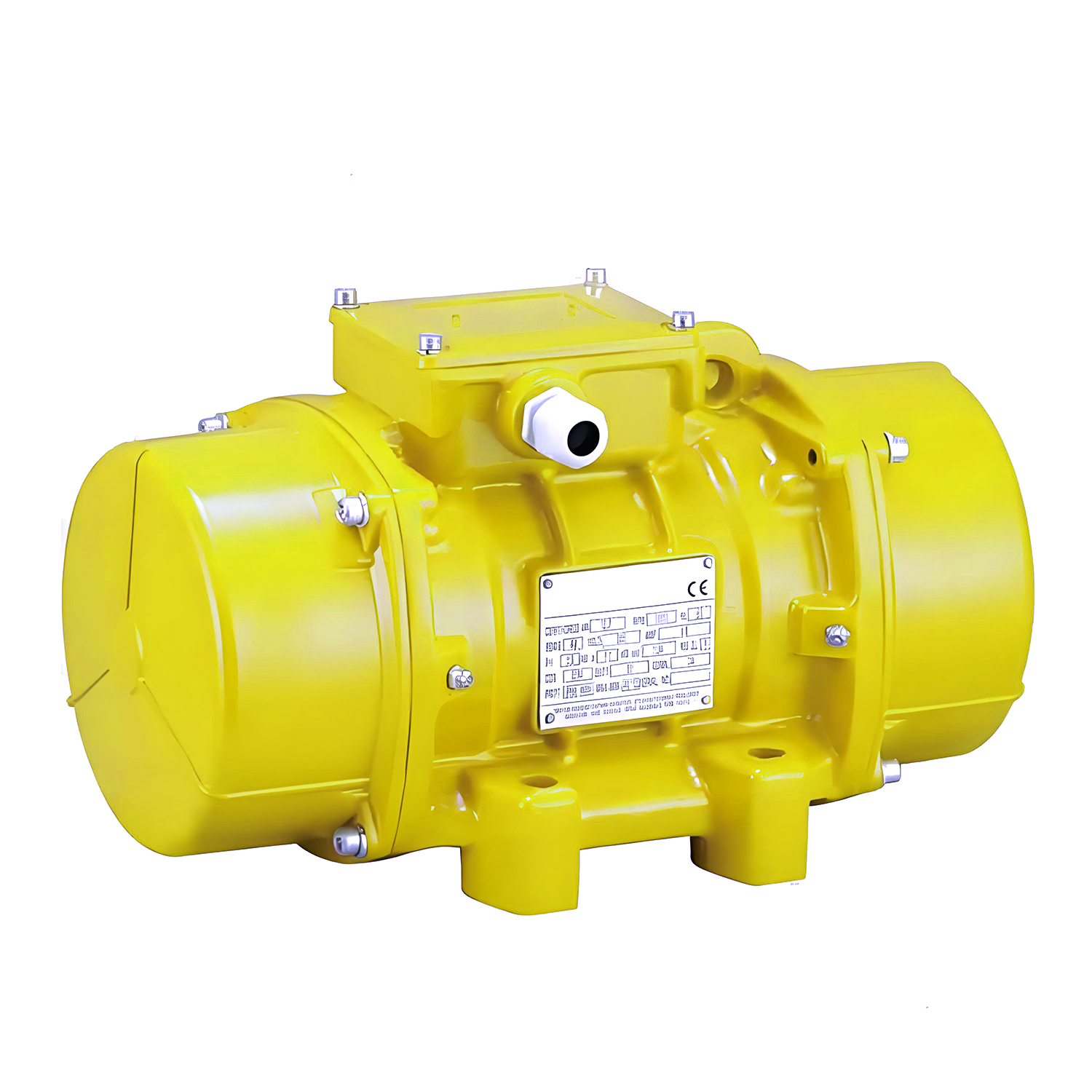
Choose a shaft length that reaches the pour comfortably. A shaft that is too short encourages poor posture and uneven insertion. A long shaft may become tiring around small forms. Electric models need suitable voltage, cable protection, and ground-fault safety. Petrol-powered equipment can help where electricity is unavailable, but ventilation becomes critical. Keep the poker vertical and withdraw it slowly near each insertion point.

Small details matter.

Clean the head after every pour. Inspect the coupling, hose, and cable before work begins. A heavier unit is not automatically better. I once assumed extra power would improve consolidation, but it made a thin section harder to control. Project conditions should decide the specification, not impressive numbers alone.

How to Choose a Cement Vibrating Poker in 2026? — Which Vibrating Poker Specifications Match Your Concrete Project?

Concrete Project Typical Placement Conditions Recommended Poker Diameter Effective Consolidation Radius Typical Vibration Frequency Recommended Power / Drive Type Key Selection Considerations
Small slabs, steps and repair patches Thin sections, light reinforcement, limited access and short operating periods. 25–35 mm Approximately 100–200 mm, depending on mix and poker design. 10,000–15,000 vibrations/min Portable electric drive, generally about 0.8–1.5 kW. Choose a slim head for edge work and congested areas. Avoid touching formwork or reinforcement continuously.
Footings, grade beams and narrow foundations Medium-density reinforcement and sections commonly 200–500 mm thick. 35–45 mm Approximately 150–300 mm. 9,000–13,000 vibrations/min Portable electric or high-frequency electric drive, generally about 1.0–2.0 kW. Balance reach and maneuverability. A flexible shaft length of about 3–6 m is often practical for standard foundation work.
Residential walls, columns and beams Moderate to dense reinforcement, narrow forms and vertical placement. 25–40 mm Approximately 100–250 mm. 10,000–15,000 vibrations/min Portable electric drive, generally about 1.0–2.0 kW. Prioritize a small head diameter, manageable weight and a flexible shaft that can move between reinforcement bars.
Large slabs and pavements Broad horizontal areas with relatively open reinforcement and higher placement volume. 45–60 mm Approximately 250–400 mm. 8,000–12,000 vibrations/min Electric or petrol-driven unit, generally about 1.5–3.0 kW. A larger head can improve productivity, but use overlapping insertion points to prevent unvibrated zones.
Heavily reinforced beams and columns Dense steel congestion, restricted insertion paths and structural concrete requiring careful placement. 25–38 mm Approximately 100–220 mm. 10,000–15,000 vibrations/min High-frequency electric drive, generally about 1.0–2.5 kW. Use the smallest diameter that provides adequate consolidation. Confirm that the head can pass between bars without forcing the reinforcement aside.
Thick footings, pile caps and mass concrete Large sections, longer insertion depths and substantial concrete volume. 50–75 mm Approximately 300–500 mm. 7,000–12,000 vibrations/min Heavy-duty electric, petrol-driven or pneumatic drive, generally about 2.0–4.0 kW equivalent. Check duty cycle, cooling and shaft length. Larger heads increase output but require adequate spacing between reinforcement and formwork.
Precast concrete components Controlled production environment, repeatable molds and often stiff or low-slump mixes. 25–50 mm Approximately 120–300 mm. 9,000–15,000 vibrations/min High-frequency electric drive, generally about 1.0–3.0 kW. Select a unit with consistent frequency, low hand-arm vibration and a duty rating suitable for repeated production cycles.
Low-slump or fiber-reinforced concrete Stiffer mixtures with reduced flow and greater resistance to consolidation. 38–60 mm Approximately 200–400 mm. 8,000–12,000 vibrations/min Heavy-duty electric or pneumatic drive, generally about 1.5–3.5 kW equivalent. Favor adequate torque and continuous-duty capability. Avoid excessive vibration that may cause segregation or fiber distribution problems.
Remote sites or areas without reliable electricity Outdoor work, long cable runs, limited access to mains power or demanding mobility requirements. 35–60 mm Approximately 150–400 mm. 8,000–13,000 vibrations/min Petrol-driven unit or pneumatic drive; select according to site power and ventilation conditions. Consider fuel handling, exhaust ventilation, noise, portability and the availability of a suitable air compressor before choosing the drive type.
Indoor or noise-sensitive construction Basements, occupied buildings, workshops or locations with strict emissions and noise controls. 25–50 mm Approximately 100–300 mm. 9,000–15,000 vibrations/min Electric drive, generally about 0.8–2.5 kW. Use electric equipment where ventilation is limited. Check measured sound pressure, cable protection and ground-fault safety requirements.

Selection note: The ranges above are typical planning values rather than universal limits. Actual performance depends on concrete slump, aggregate size, reinforcement spacing, form geometry, insertion depth and the manufacturer’s operating instructions. The consolidation radius should be verified through a site trial before full-scale placement.

How to Choose the Right Poker Head, Shaft, and Power Source

How to Choose a Cement Vibrating Poker in 2026?

Choosing a cement vibrating poker starts with the poker head, shaft, and power source. The Global Cement and Concrete Association estimates that around 14 billion cubic metres of concrete are produced globally each year. Small equipment decisions therefore affect enormous volumes of work. ACI 309R-05 identifies internal vibration as a standard method for removing trapped air and improving concrete consolidation. The head diameter should fit between reinforcing bars without forcing them apart. A larger head works quickly in open slabs. A smaller head reaches congested beams and columns more safely.

The shaft length should match the pour depth, not the operator’s preference. A shaft that is too short leaves lower zones poorly compacted. One that is too long becomes tiring and difficult to control. Electric power suits indoor sites and steady access to electricity. Pneumatic units can perform well where compressed air already exists, but hose management matters. Battery models improve mobility, although runtime and charging temperatures need checking. Petrol-powered units suit remote work, yet ventilation and noise become serious concerns. I have seen crews choose maximum power, then over-vibrate thin sections. More power is not always better.

Tips: Check bar spacing before ordering. Test the mix. Insert the head vertically and withdraw it slowly. Watch for surface settlement and escaping air. Keep the shaft straight during use. A simple trial pour can reveal more than a specification sheet. Recheck the choice after the first shift; real site conditions often expose assumptions.

How to Compare Performance, Safety, Durability, and Operating Costs

Choosing a cement vibrating poker in 2026 requires more than checking vibration speed. Compare consolidation performance, operator safety, service life, and daily energy use. ACI 309R-05 explains that proper vibration removes trapped air and improves concrete density. The poker must match the slab thickness, reinforcement spacing, and mix slump. A large head may consolidate faster, but it can strike reinforcement or damage formwork.

Look for stable frequency under load, controlled amplitude, and a flexible shaft that reaches corners without sharp bending. HSE guidance sets 2.5 m/s² A(8) as the hand-arm vibration action value and 5.0 m/s² as the exposure limit. Record actual trigger time, not the entire shift. Shorter sessions help. Still, workers often underestimate repeated exposure. That deserves honest checking.

Durability depends on sealed switches, protected bearings, strain relief, and a shaft designed for frequent cleaning. Review service intervals and spare-part availability before purchase. For operating costs, compare rated power with realistic daily runtime. A 1.5 kW unit running four hours uses about 6 kWh daily, before efficiency losses. A lower-wattage poker is not automatically cheaper if it stalls in stiff concrete. Test it with the intended mix. The concrete may behave differently than the brochure suggests. Industry buyers should also document noise, overheating, repair frequency, and output quality across several pours, rather than trusting one demonstration.

How to Use, Maintain, and Store a Cement Vibrating Poker Properly

How to Choose a Cement Vibrating Poker in 2026?

Using a cement vibrating poker correctly starts with choosing the right head diameter, shaft length, and vibration frequency. Match the poker to the reinforcement spacing and form depth. ACI 309R-05 recommends inserting the vibrator vertically and overlapping its effective radius. Keep the head away from formwork and reinforcement. Insert it slowly, hold it briefly, then withdraw it gradually. Do not drag it through fresh concrete. That can leave weak zones and visible voids.

Watch your hands.

The European Commission’s Directive 2002/44/EC sets a daily hand-arm vibration action value of 2.5 m/s² A(8), with a limit value of 5 m/s² A(8). Record operating time, rotate tasks, and use suitable gloves when conditions require them. Gloves are not a substitute for exposure control. My practical mistake was running the poker too long in one spot. The surface looked smooth, but trapped air remained below. Concrete can hide poor technique.

After each pour, disconnect the power and remove wet cement before it hardens. Check the cable, switch, coupling, shaft, and rubber head for cuts or unusual looseness. Follow the maintenance schedule for lubrication; too much grease can attract abrasive dust. Never bend the flexible shaft sharply. Store the poker straight, clean, dry, and raised from the floor. Protect the head from impact. Before the next job, test it briefly without load and listen for rattling. Small noises are easy to ignore. That is exactly why they deserve attention.