- Home
- About Us
- products
- Resource
- Blog
- Contact Us
 Internal Vibrator
 External Vibrator
 Submersible Pump
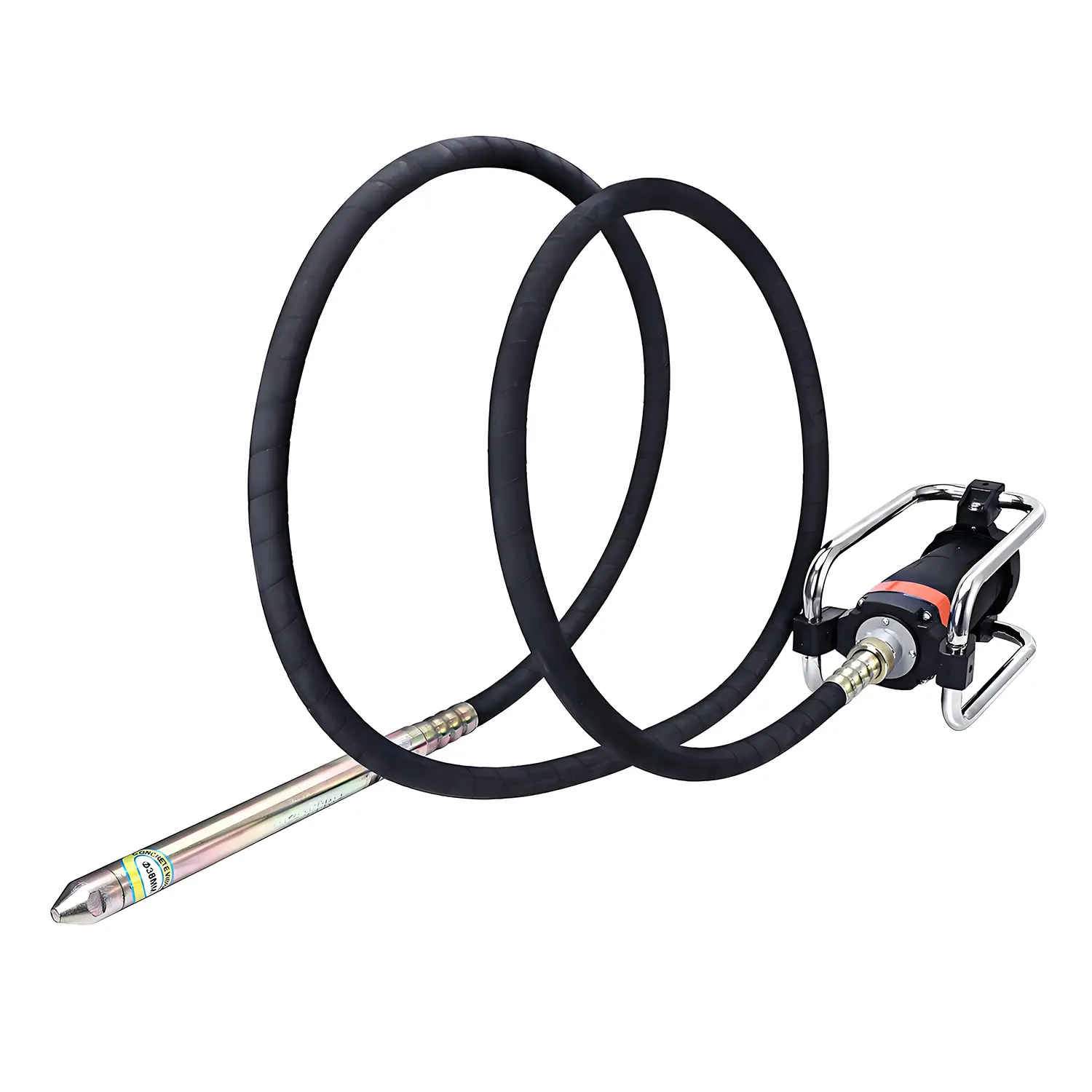 Eccentric shaft
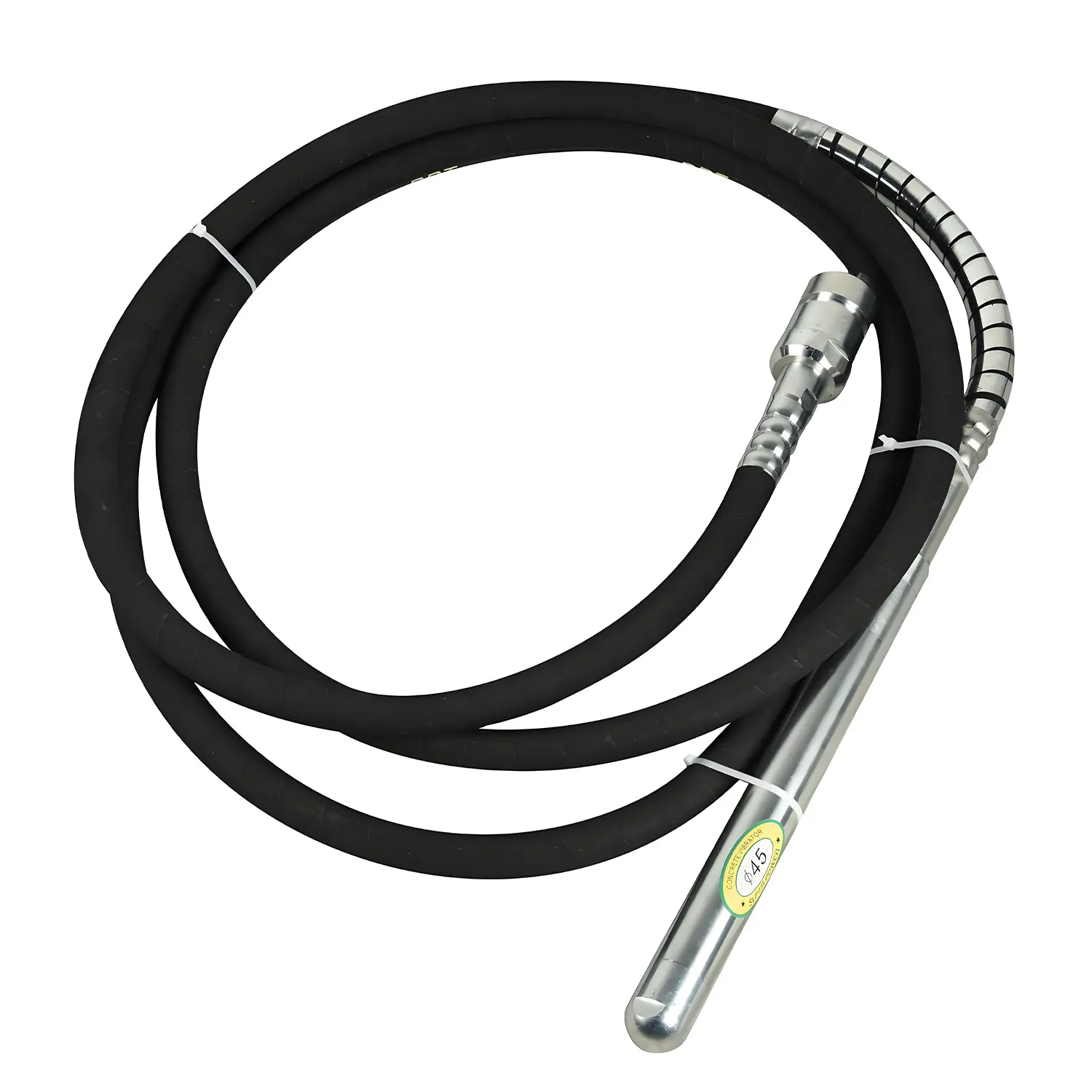 Pendulum shaft
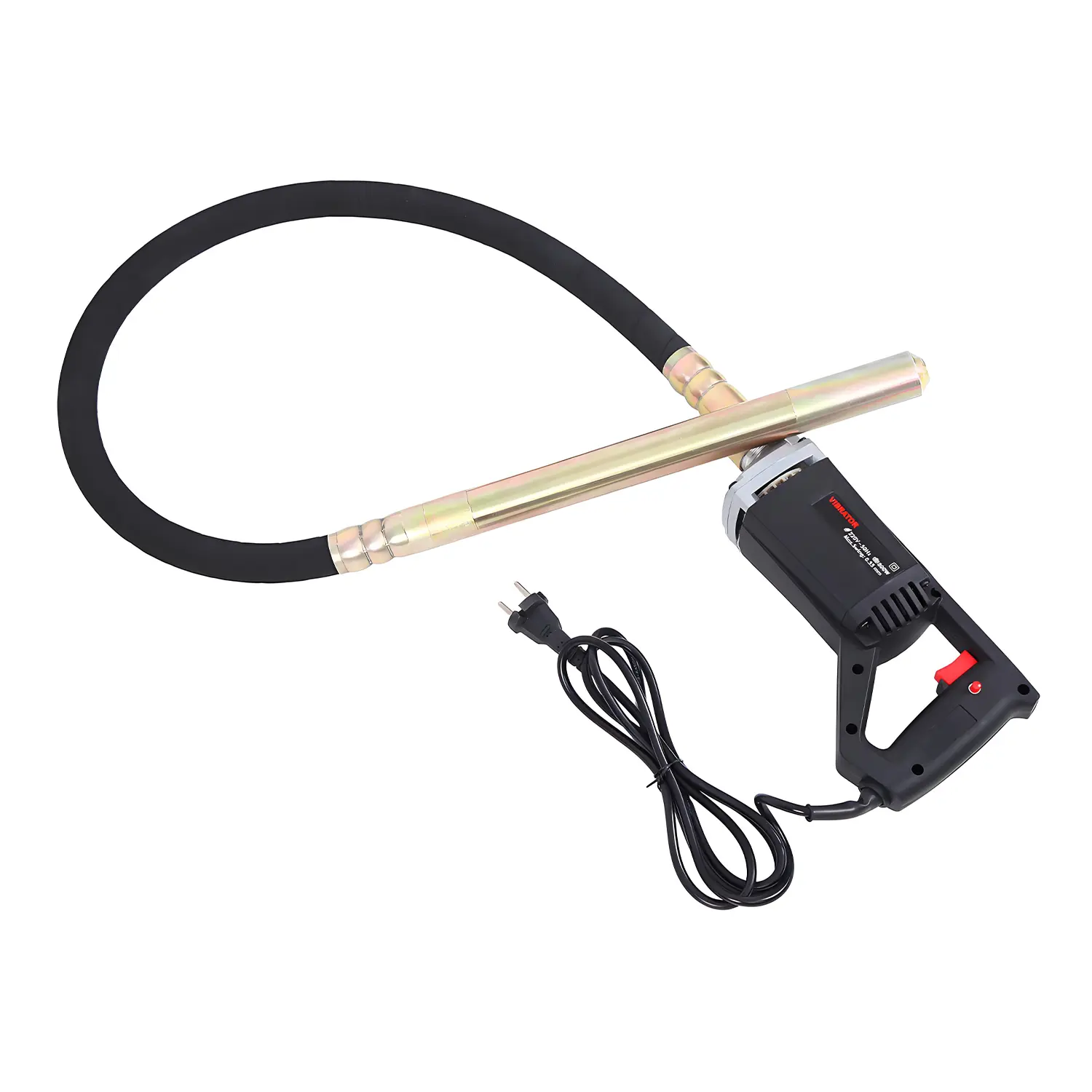 Portable vbrator shaft
 Portable concrete mixer
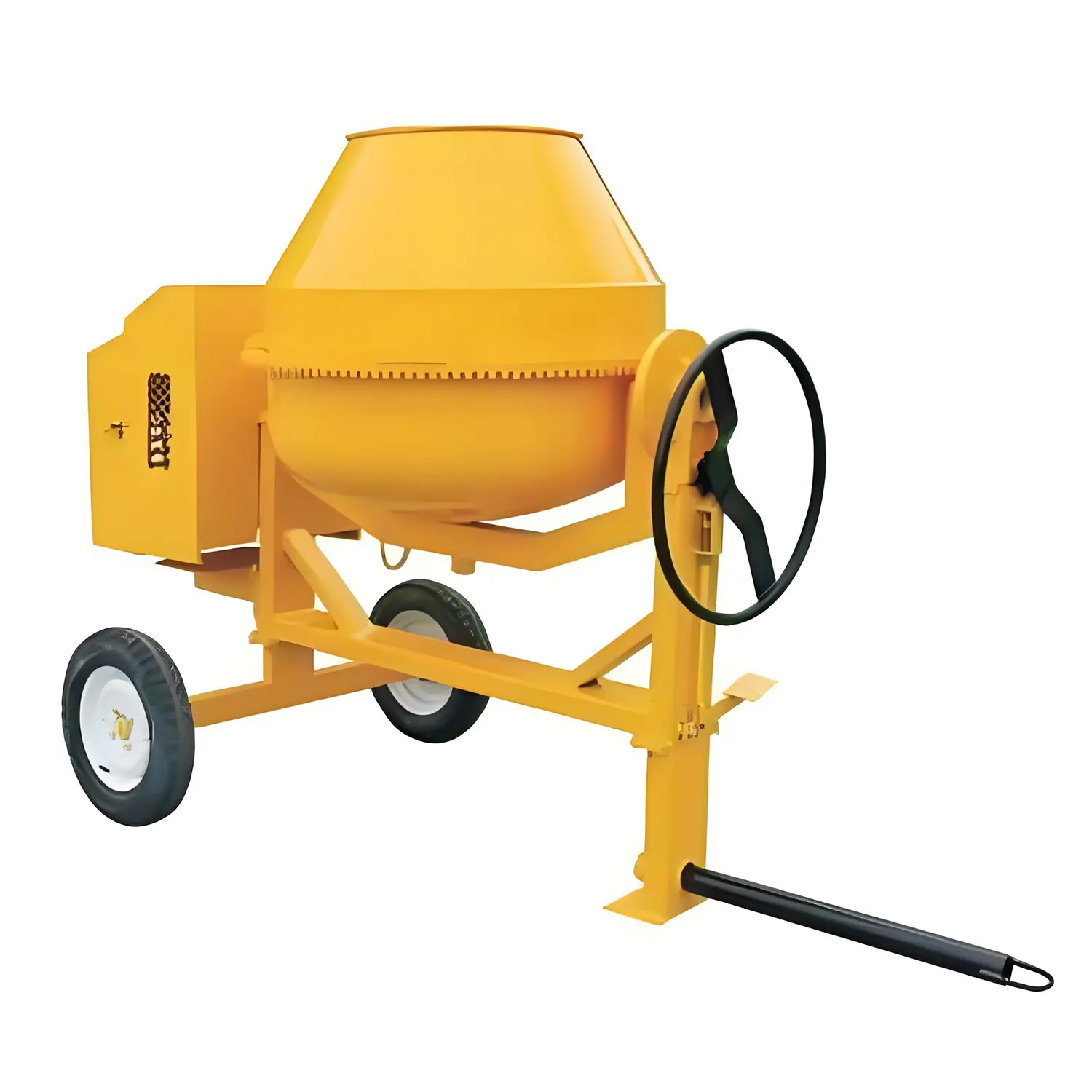 Vertical concrete mixer
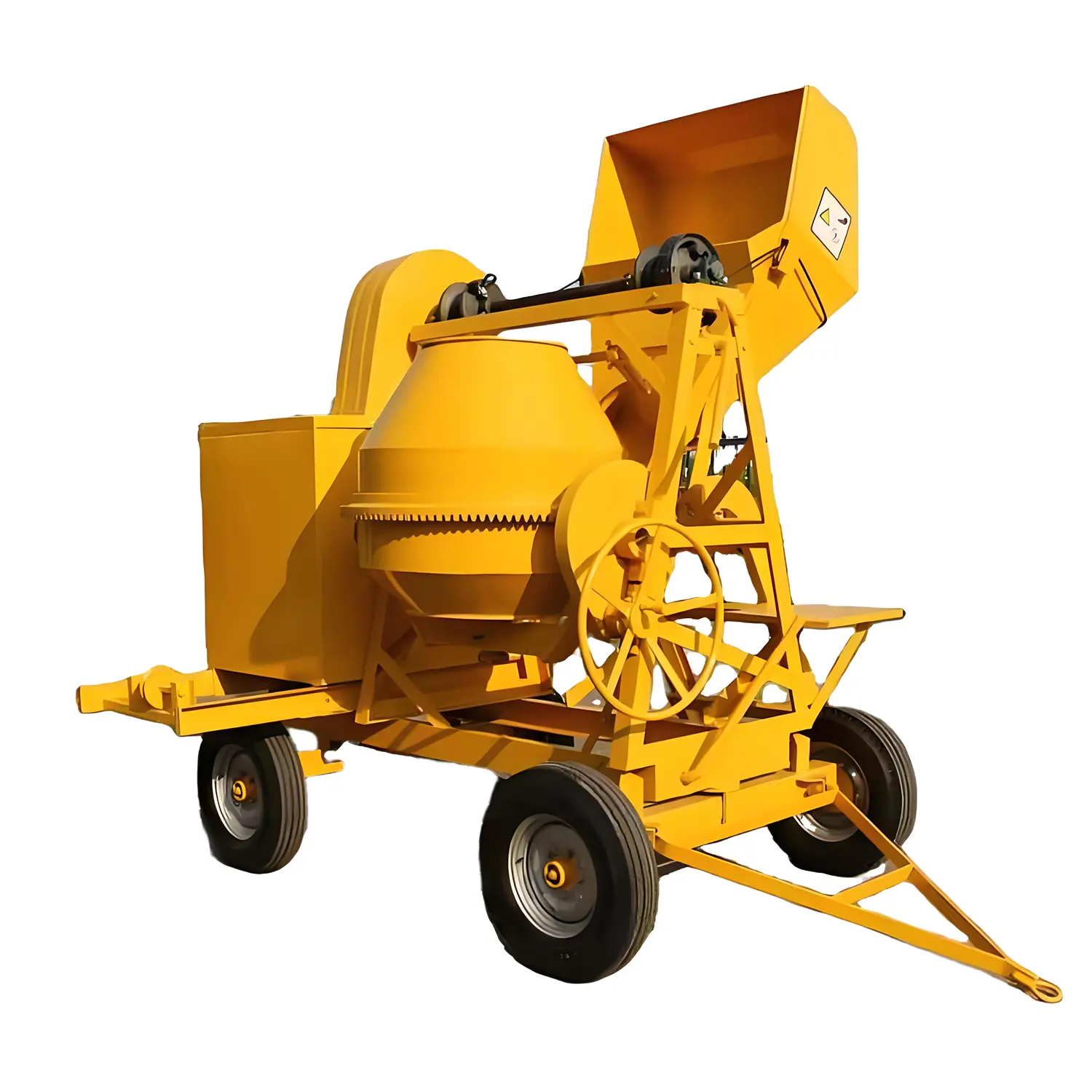 Hydraulic concrete mixer
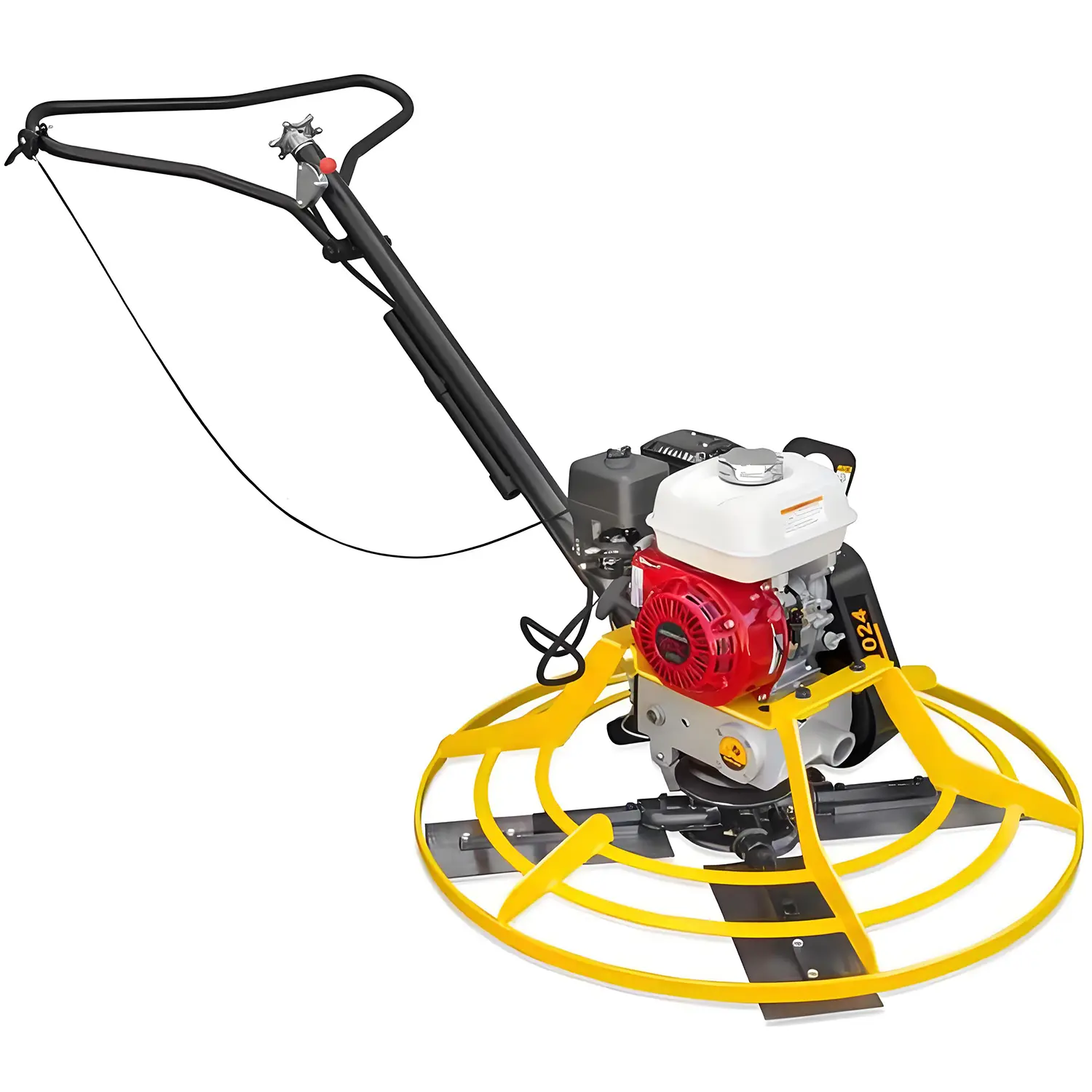 Walk behind power trowel
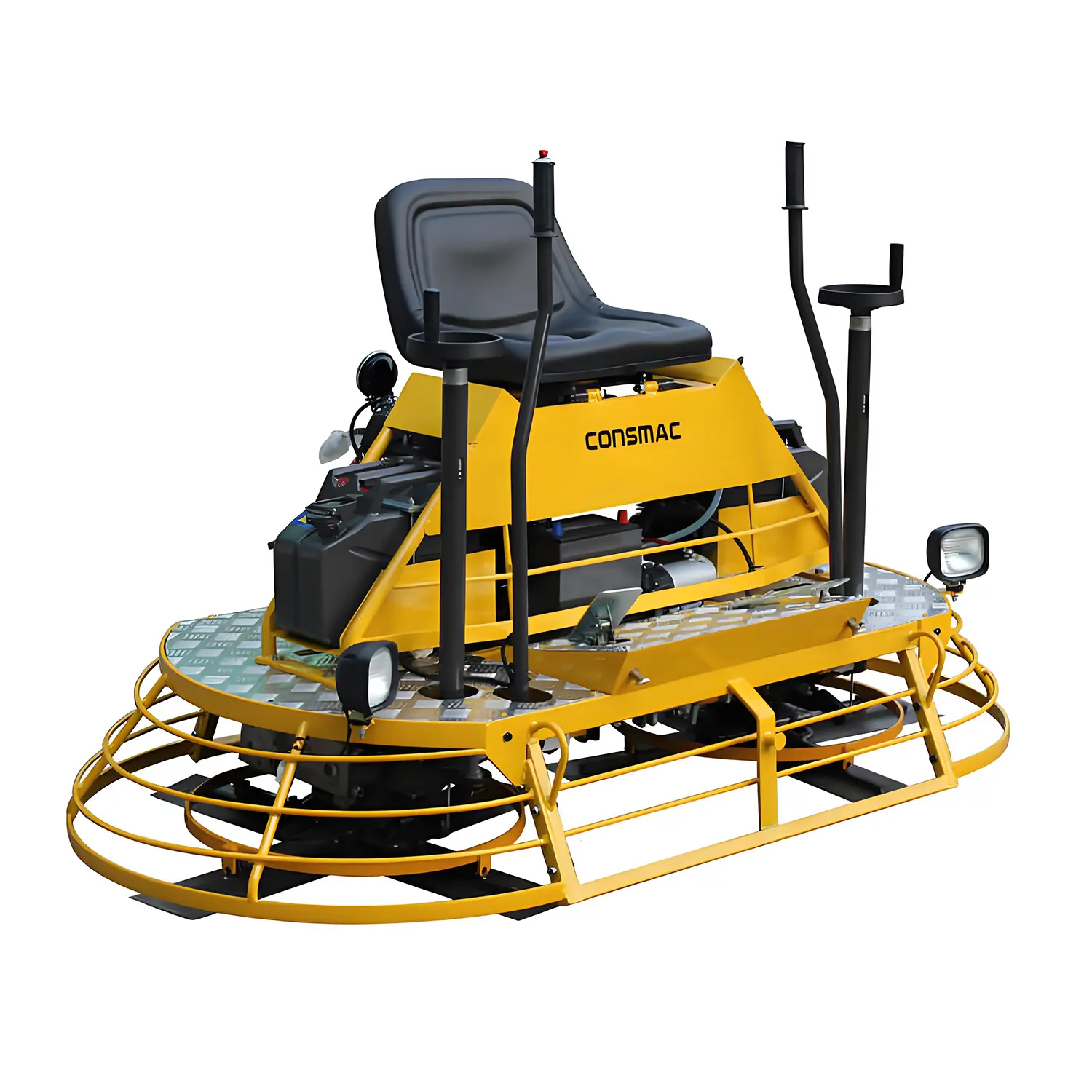 Ride on power trowel
 Concrete screed
 Tamping rammer
 Plate compactor
 Vibratory roller
Leave Your Message
Choosing among the 10 best Cement Vibrating Poker machines requires more than comparing motor power and price. Concrete quality often depends on vibration control, operator technique, and site conditions. A poorly consolidated slab may show honeycombing, trapped air, weak edges, or visible surface defects after curing. These problems are expensive to repair.
The American Concrete Institute explains that internal vibration helps consolidate fresh concrete and remove entrapped air when applied correctly (ACI 309R-05, Guide for Consolidation of Concrete). Its guidance also stresses proper insertion spacing, vibration duration, and withdrawal speed. In practical terms, a 38 mm poker may suit columns and narrow beams, while a 50 mm head can cover larger pours faster. Size matters.
Recent construction outlooks from Dodge Construction Network and the Global Cement and Concrete Association indicate continued pressure for productivity, durability, and lower material waste. That pressure makes equipment selection more important on busy sites. However, market reports often compare broad equipment categories, not every poker’s real performance. Buyers should remain cautious.
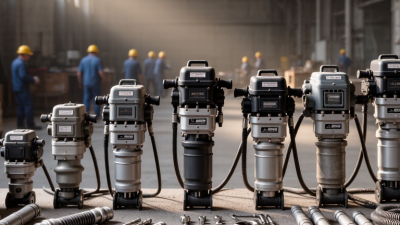
This guide evaluates power source, vibration frequency, shaft flexibility, head diameter, waterproofing, handling comfort, spare-part access, and warranty support. It also considers muddy floors, long operating periods, and limited electrical supply. A lightweight machine may feel efficient during the first hour, then become tiring. That detail is easy to miss.
No single model fits every project. Some rankings may change after field testing. The best Cement Vibrating Poker is the one that matches the concrete mix, pour geometry, available power, and trained operator. Safety requirements should always follow local regulations and manufacturer instructions.
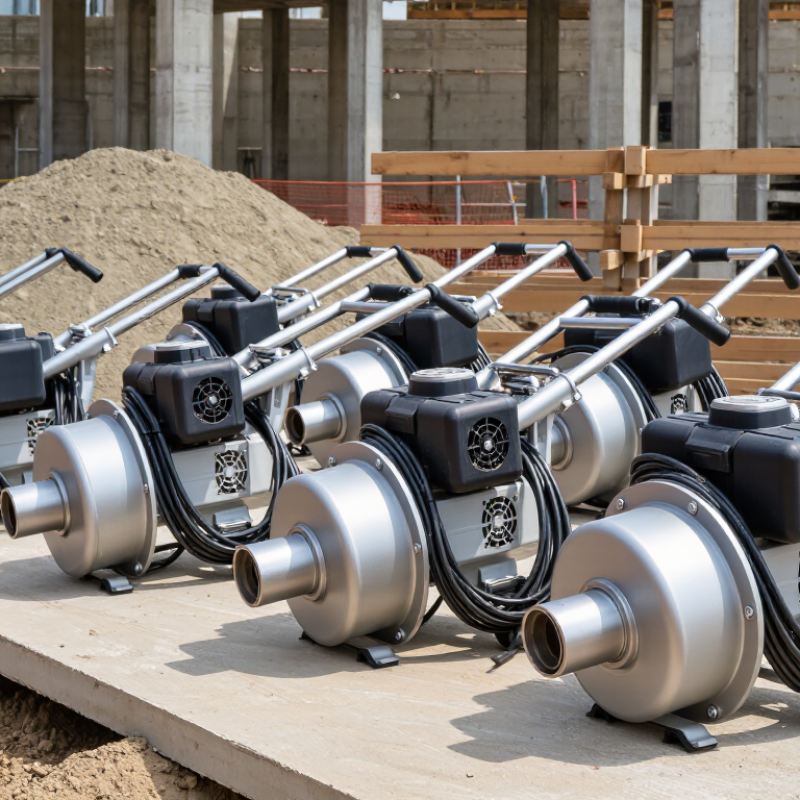
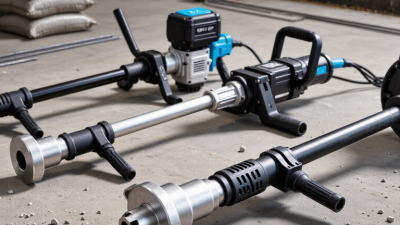
A cement vibrating poker machine, often called an internal concrete vibrator, removes trapped air from freshly poured concrete. It has a motor, flexible shaft, and metal poker head. Inside the head, an eccentric weight spins at high speed. This creates rapid vibration that travels through the wet concrete.
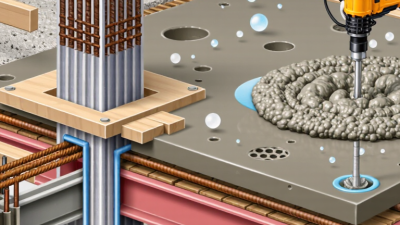
Workers insert the poker vertically into the pour, usually at regular intervals. The vibration helps concrete flow around steel reinforcement, corners, and embedded fittings. It also reduces honeycombing, weak pockets, and rough surfaces. Keep the head fully submerged during operation. Pull it out slowly, allowing the surrounding concrete to close behind it. Never use the poker to push concrete across a large area. That can separate stone from cement paste.
Tips: Check the cable, shaft, and head before each use. Hold the poker steadily, and avoid touching reinforcement for long periods. A short insertion often works better than constant vibration. Over-vibration can cause segregation, though beginners sometimes vibrate too briefly. Watch the surface for escaping bubbles and a slight sheen. Stop when the concrete settles, not when all movement disappears. Clean the poker immediately after use; hardened concrete can damage the head and reduce future performance. Noise, heat, and fatigue also matter, so operators should use suitable protective equipment and take regular breaks.
| Rank | Machine Profile | Drive Type | Typical Motor Rating | Typical Vibration Frequency | Poker Head Diameter | Typical Shaft Length | Recommended Application | Main Buying Advantage |
|---|---|---|---|---|---|---|---|---|
| 1 | Heavy-Duty Electric Internal Vibrator | Single-phase electric motor | 1.5–2.0 kW | Approximately 12,000–18,000 vibrations/min | 45–60 mm | 4–6 m | Large slabs, footings, columns, beams, and general construction work | Strong consolidation performance with convenient continuous power |
| 2 | Portable Electric Poker Vibrator | Single-phase electric motor | 0.8–1.5 kW | Approximately 10,000–16,000 vibrations/min | 35–50 mm | 2–5 m | Small foundations, pathways, floors, walls, and repair work | Good balance between portability, output, and operating cost |
| 3 | High-Frequency Reinforcement Vibrator | Electric converter with high-frequency poker | 1.0–2.0 kW | Approximately 10,000–12,000 vibrations/min | 25–40 mm | 3–5 m | Reinforced columns, narrow beams, walls, and congested forms | Slender head reaches tight spaces with reduced risk of hitting rebar |
| 4 | Petrol-Driven Internal Vibrator | Four-stroke petrol engine | 1.5–3.0 kW equivalent output | Approximately 9,000–12,000 vibrations/min | 38–50 mm | 4–6 m | Remote sites, roadwork, foundations, and areas without reliable electricity | Independent operation where mains power is unavailable |
| 5 | Pneumatic Concrete Vibrator | Compressed-air drive | Requires approximately 0.4–0.8 m³/min air supply | Approximately 12,000–18,000 vibrations/min | 25–50 mm | 2–5 m | Industrial plants, precast production, and hazardous or wet work areas | No electric motor at the poker head and suitable for washdown environments |
| 6 | Battery-Powered Cordless Poker Vibrator | Rechargeable battery motor | Typically 0.5–1.0 kW equivalent output | Approximately 9,000–12,000 vibrations/min | 25–38 mm | 1.5–3 m | Small repairs, residential work, short pours, and locations with limited access to power | Low setup time and no trailing mains cable |
| 7 | Flexible-Shaft Electric Vibrator | Separate electric drive unit and flexible shaft | 1.0–2.0 kW | Approximately 10,000–18,000 vibrations/min | 35–60 mm | 2–6 m | General reinforced concrete placement and repeated daily use | Replaceable shafts and poker heads can lower long-term maintenance cost |
| 8 | High-Cycle Slab Vibrator | Electric motor with flexible shaft | 1.5–2.5 kW | Approximately 12,000–18,000 vibrations/min | 45–60 mm | 4–6 m | Large floor slabs, foundations, tanks, and heavily poured sections | Large head diameter supports efficient consolidation in open sections |
| 9 | Small-Diameter Detail Vibrator | Electric or pneumatic drive | 0.5–1.2 kW equivalent output | Approximately 10,000–18,000 vibrations/min | 20–30 mm | 1.5–4 m | Precast components, thin walls, small columns, and detailed formwork | Best access for narrow sections and closely spaced reinforcement |
| 10 | Heavy-Use Construction Poker Set | Three-phase electric motor with interchangeable shaft | 2.0–3.0 kW | Approximately 10,000–16,000 vibrations/min | 45–75 mm | 5–8 m | Commercial foundations, bridge work, retaining walls, and high-volume pours | High capacity and extended reach for demanding professional applications |