Why Use a Cement Vibrating Poker for Concrete Work?
Concrete work can look smooth on the surface while hiding serious weaknesses underneath. Air pockets may remain around reinforcement, corners, and embedded fixtures. These voids can reduce strength, create rough surfaces, and allow moisture to enter.
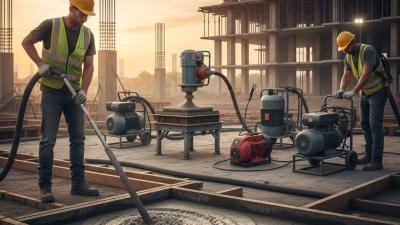
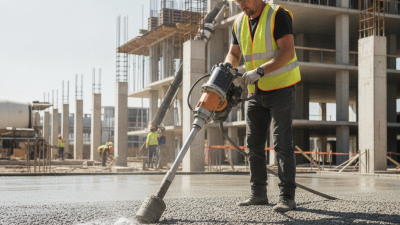
A Cement Vibrating Poker helps solve this problem by compacting freshly placed concrete. Its vibrating head moves through the mix, encouraging trapped air to rise and cement paste to fill narrow spaces. On a busy slab, the difference can be visible: fewer honeycombed edges and a denser finish around steel bars. Experienced crews usually insert the poker vertically and withdraw it slowly. They avoid dragging it sideways or forcing it against reinforcement. Each insertion should overlap the previous vibration zone without overworking the concrete.
Timing matters. Vibrating concrete after it has begun stiffening may damage the surface instead of improving it. Excessive vibration can also separate aggregate from cement paste. That mistake is easy to make when workers focus only on appearance. The correct method depends on slump, mix design, reinforcement density, and equipment power. There is no single setting for every pour.
This article explains why a Cement Vibrating Poker remains valuable on construction sites. It examines concrete consolidation, surface quality, tool selection, operating technique, and common errors. It also considers practical limitations, because vibration cannot repair poor mix proportions or careless placement. Good results come from combining suitable equipment with trained judgment, consistent inspection, and respect for the concrete’s changing condition. Small details matter.
What a Cement Vibrating Poker Is and How Internal Vibration Works
Why Use a Cement Vibrating Poker for Concrete Work?
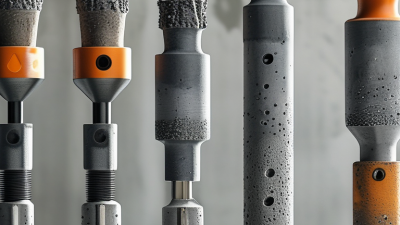
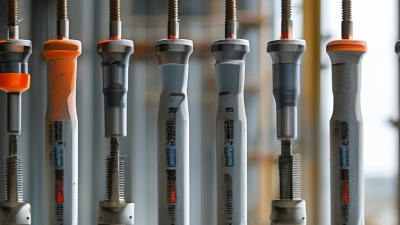
A cement vibrating poker is a slender, powered tool placed inside fresh concrete. Its vibrating head creates rapid pulses through the mix. These pulses release trapped air and help cement paste flow around reinforcement, corners, and embedded fittings. Internal vibration works from within the concrete, unlike surface vibration, which mainly affects the upper layer.
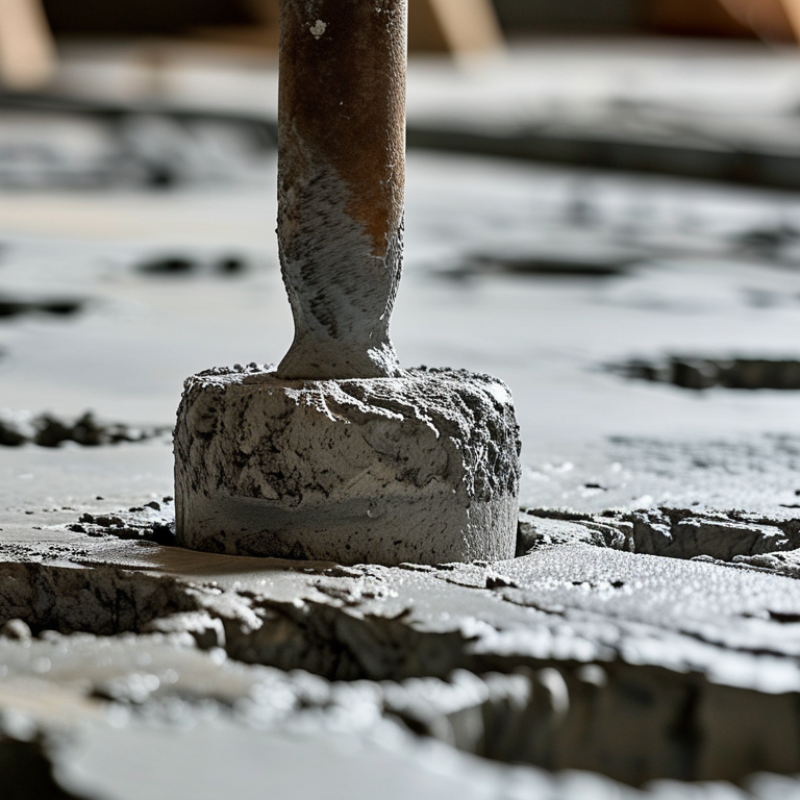
ACI 309R-05 lists typical internal-vibrator frequencies near 9,000–12,000 vibrations per minute, depending on equipment and placement conditions. Operators should insert the poker vertically and space each insertion evenly. The head should penetrate slightly into the previous lift, often by several inches, to improve bonding between layers. Hold it briefly, then withdraw it slowly. Watch the surface. Air bubbles should reduce, and the concrete may appear glossier.
Do not drag the poker sideways.
Over-vibration can separate coarse aggregate from the paste, especially in highly workable mixes. Under-vibration leaves honeycombing around steel bars and formwork. The American Concrete Institute emphasizes matching vibration time and spacing to slump, reinforcement congestion, and member geometry. That judgment is not always perfect on a busy site. A trained operator should adjust carefully, because one fixed timing rule cannot suit every concrete placement.
How 8,000–12,000 VPM Consolidates Concrete and Removes Entrapped Air
A cement vibrating poker helps fresh concrete become dense, uniform, and properly bonded. Its 8,000–12,000 vibrations per minute create rapid movement around the poker head. This movement loosens trapped air between aggregate particles and cement paste. Air bubbles rise toward the surface instead of remaining inside the pour. The result can be fewer voids, stronger edges, and a smoother finished appearance.
Good technique matters as much as frequency. Insert the poker vertically into fresh concrete, allowing the vibration to spread through each nearby zone. Withdraw it slowly, so the surrounding mix closes behind the head. Keep insertions close enough to overlap their effective radius. Do not drag the poker horizontally to move concrete. That habit can separate coarse aggregate from the paste. Watch for the surface to settle, air bubbles to reduce, and the mix to look slightly glossy. Then move on.
Over-vibration is still possible. Excessive time may cause segregation, especially in fluid or poorly proportioned concrete. I have found that operators often focus on speed and forget to observe the surface. That is an avoidable mistake. Concrete temperature, slump, reinforcement density, and poker diameter all affect the correct duration. A practical worker should test a small area first and adjust carefully. The poker removes entrapped air, but it cannot repair a weak mix, poor placement, or neglected curing.
Why Use a Cement Vibrating Poker for Concrete Work?
How 8,000–12,000 VPM helps consolidate concrete and release entrapped air. The chart converts vibration speed from vibrations per minute (VPM) into cycles per second (Hz).
At 8,000–12,000 VPM, a vibrating poker produces approximately 133–200 vibration cycles per second. These rapid cycles help reduce voids and improve concrete consolidation when the poker is inserted and withdrawn correctly. Actual air removal also depends on concrete slump, aggregate size, reinforcement density, insertion spacing, and vibration duration.
How to Choose Poker Diameter, Amplitude, and Radius of Action
Why Use a Cement Vibrating Poker for Concrete Work?
Choosing a vibrating poker requires more than matching the tool to the concrete volume. Diameter, amplitude, and radius of action directly affect consolidation quality. ACI 309R-05 identifies internal vibration as a primary method for removing trapped air from structural concrete. It also reports typical vibrator frequencies between 8,000 and 12,000 vibrations per minute.
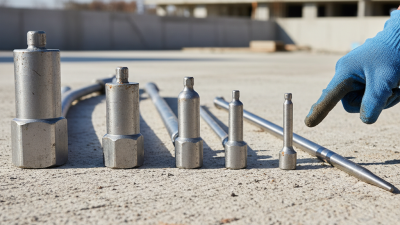
Start with the poker diameter. A 25–35 mm head suits narrow columns and heavily reinforced beams. A 45–60 mm head works better for slabs, footings, and open reinforcement. Leave enough clearance around steel bars. A large head can become trapped, causing uneven consolidation and possible bar displacement.
Amplitude controls how force travels through fresh concrete. Higher amplitude helps move stiff mixes and larger aggregate. Lower amplitude is safer for thin sections and congested reinforcement. In practical field guides, the effective radius often ranges from four to ten head diameters, depending on slump, aggregate size, and vibration energy. Treat this as a working estimate, not a guarantee.
Mark insertion points before pouring. Overlap each vibration zone slightly, and keep the poker vertical. Pull it out slowly, about 25 mm per second, while watching for escaping air bubbles. The American Concrete Institute warns that excessive vibration may cause segregation, while insufficient vibration leaves voids and honeycombing. I have found that timing matters as much as equipment choice. Concrete can look settled while hidden air remains. Recheck the spacing when reinforcement is dense.
Why Use a Cement Vibrating Poker for Concrete Work? — How to Choose Poker Diameter, Amplitude, and Radius of Action
| Poker Diameter |
Typical Amplitude |
Typical Radius of Action |
Recommended Concrete Application |
Suitable Reinforcement and Formwork |
Typical Placement Guidance |
| 25–35 mm |
Approximately 1–2 mm |
Approximately 100–180 mm |
Thin slabs, narrow columns, small beams, precast sections, and congested areas requiring precise insertion. |
Dense reinforcement, small cover zones, and narrow or delicate formwork. |
Insert vertically at regular intervals. Keep the poker moving slowly to avoid disturbing reinforcement or form liners. |
| 40–50 mm |
Approximately 1.5–3 mm |
Approximately 180–250 mm |
General-purpose work such as floor slabs, walls, beams, footings, and medium-sized columns. |
Light to moderate reinforcement with sufficient access for the poker head. |
Use overlapping vibration zones. A practical starting point is to space insertions at about 300–500 mm, then adjust according to the concrete response. |
| 55–65 mm |
Approximately 2–4 mm |
Approximately 250–350 mm |
Thick slabs, foundations, large beams, retaining walls, and heavily loaded structural members. |
Moderate reinforcement and robust formwork with adequate clearance. |
Use only where the poker can enter and withdraw without forcing bars apart. Maintain overlapping zones to prevent unvibrated pockets. |
| 70–90 mm |
Approximately 3–5 mm |
Approximately 350–500 mm |
Mass concrete, large foundations, thick walls, and high-volume pours with relatively open reinforcement. |
Open reinforcement layouts and strong, well-supported formwork. |
Use wider insertion spacing, but verify consolidation visually. Avoid use in thin sections or densely reinforced members. |
|
Selection note: The values above are typical working ranges, not universal specifications. Actual amplitude and radius of action depend on vibration frequency, concrete slump, aggregate size, mix cohesion, poker orientation, and formwork conditions. Choose the smallest poker diameter that can effectively consolidate the section, and confirm performance with the equipment manufacturer's technical data and the project specification.
|
Why 5–15 Seconds per Insertion Improves Concrete Density and Strength
Why Use a Cement Vibrating Poker for Concrete Work?
A vibrating poker removes trapped air from freshly placed concrete. This improves contact around reinforcement, corners, and embedded fittings. ACI 309R-05 identifies 5–15 seconds as a typical vibration duration per insertion. The timing matters more than simply using maximum power. Hold the poker vertically, then withdraw it slowly. Watch the surface change from a rough, bubbling texture to a glossy, settled appearance. The mix should stop releasing large air bubbles. Over-vibration can separate coarse aggregate from mortar, especially in wet concrete. That is an easy mistake to make.
Better consolidation increases concrete density and reduces voids. The American Concrete Institute links proper consolidation with fewer honeycombs and improved strength uniformity. ASTM C138 provides a field method for checking fresh-concrete density, while ASTM C39 measures hardened compressive strength. These tests do not prove that every insertion was correct, but they expose inconsistent practice. A dense slab may still fail if curing is poor. Vibration is only one part of quality control.
Tips: Insert the poker at regular intervals, usually within its effective radius. Keep the head away from formwork and reinforcement. Start with 5 seconds, then extend toward 15 seconds when bubbles continue rising. Do not drag the poker sideways. Record mix consistency, insertion time, and visible surface changes. Site conditions vary, so the recommended interval should be verified against the project specification and an experienced concrete supervisor.
How 1.5× the Action Radius Guides Safe, Even Poker Spacing
Why Use a Cement Vibrating Poker for Concrete Work?
A cement vibrating poker consolidates fresh concrete around reinforcement, corners, and embedded parts. Its value depends on controlled spacing, not speed alone. ACI 309R-05, Guide for Consolidation of Concrete, recommends placing internal vibrator insertions at intervals no greater than 1.5 times the poker’s action radius. If the measured action radius is 300 millimeters, the maximum practical spacing becomes 450 millimeters, center to center. This overlap helps each vibration zone connect with the next one.
Keep the poker vertical when possible. Insert it quickly, then withdraw it slowly through the concrete. Watch for trapped air, a slight surface sheen, and reduced movement around the insertion point. These field signs support the guidance in ACI 301-20, which requires proper consolidation for cast-in-place concrete work. Do not drag the poker through the mix. That can create uneven consolidation and disturb reinforcement.
The 1.5 figure is not magic. Dense rebar, stiff mixes, and cold joints may require closer insertions. A narrow beam can also need a different pattern than a wide slab. I have seen smooth surfaces hide voids beside bars. That mistake is easy to repeat. Marking a simple grid on the formwork improves consistency. Leave no silent gaps. A measured radius, overlapping insertion zones, and a slower withdrawal usually produce more reliable results than hurried passes.

 Internal Vibrator
 External Vibrator
 Submersible Pump
 Eccentric shaft
 Pendulum shaft
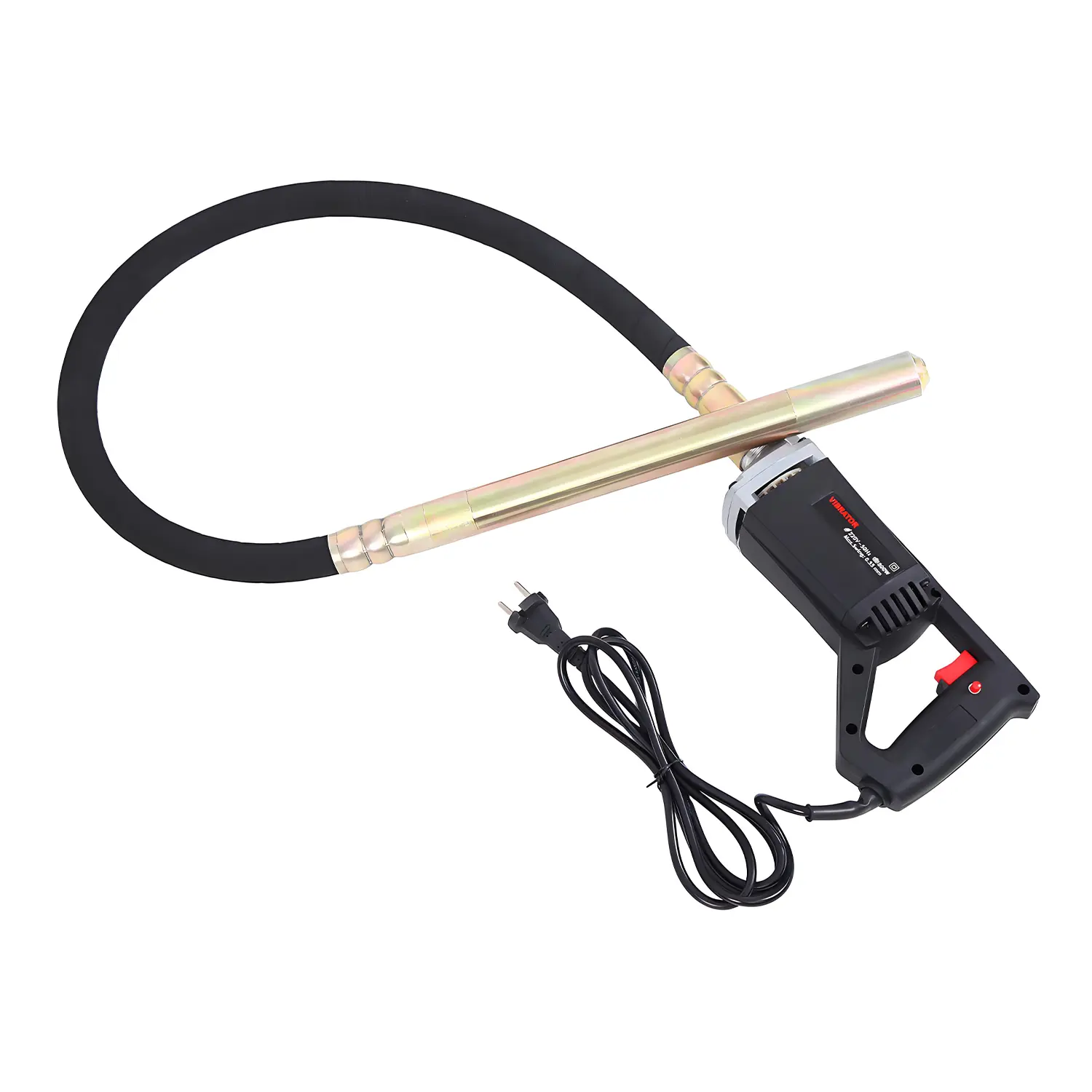 Portable vbrator shaft
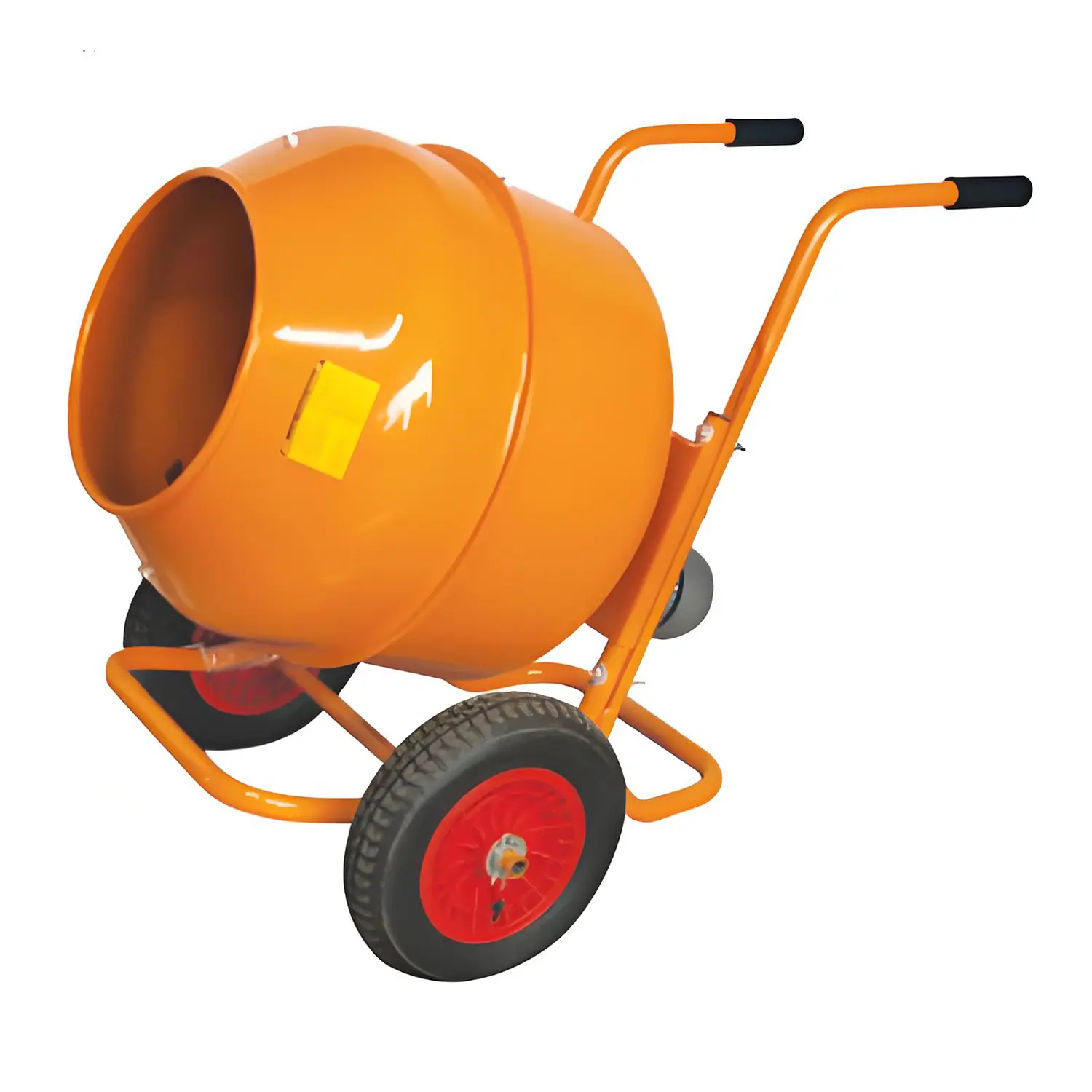 Portable concrete mixer
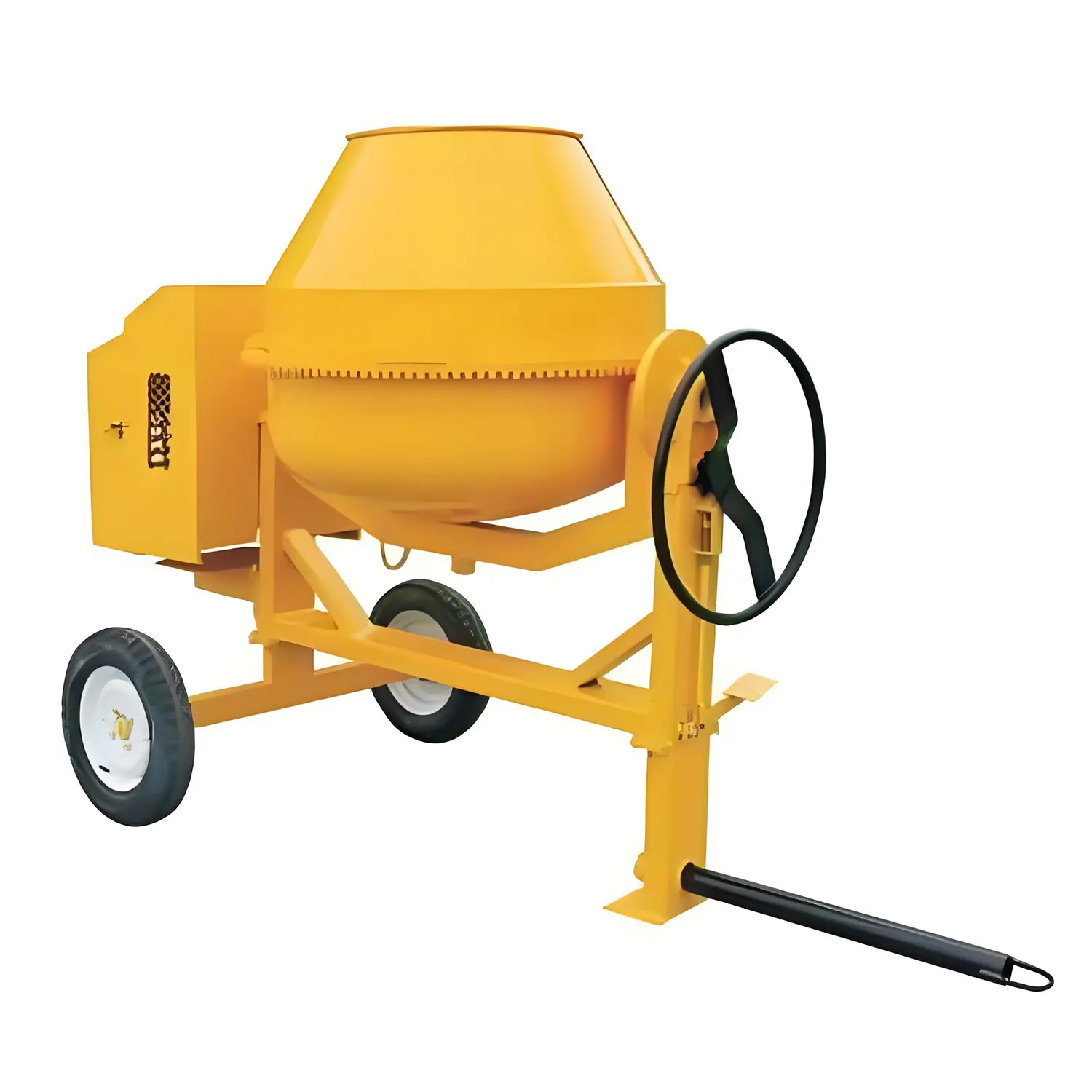 Vertical concrete mixer
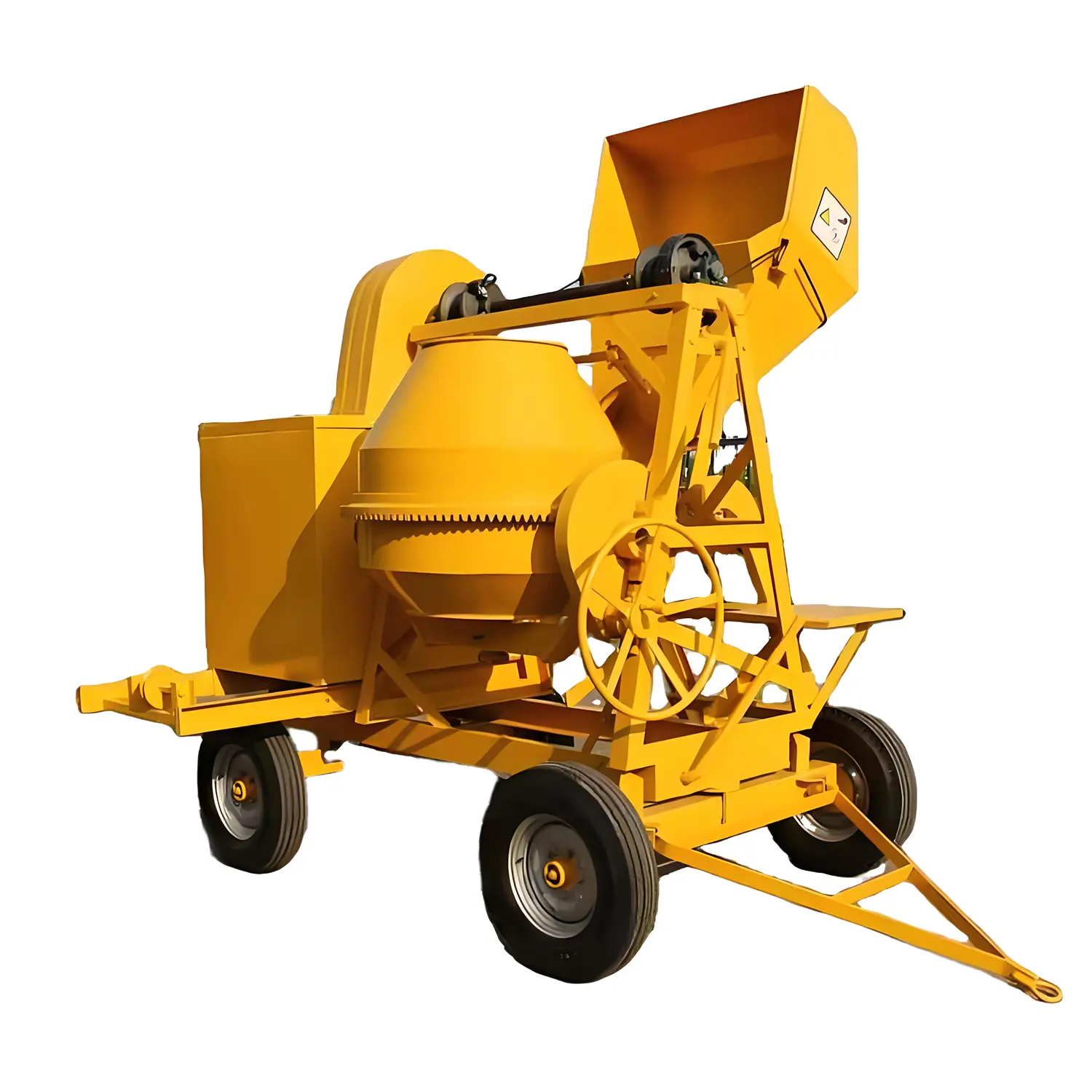 Hydraulic concrete mixer
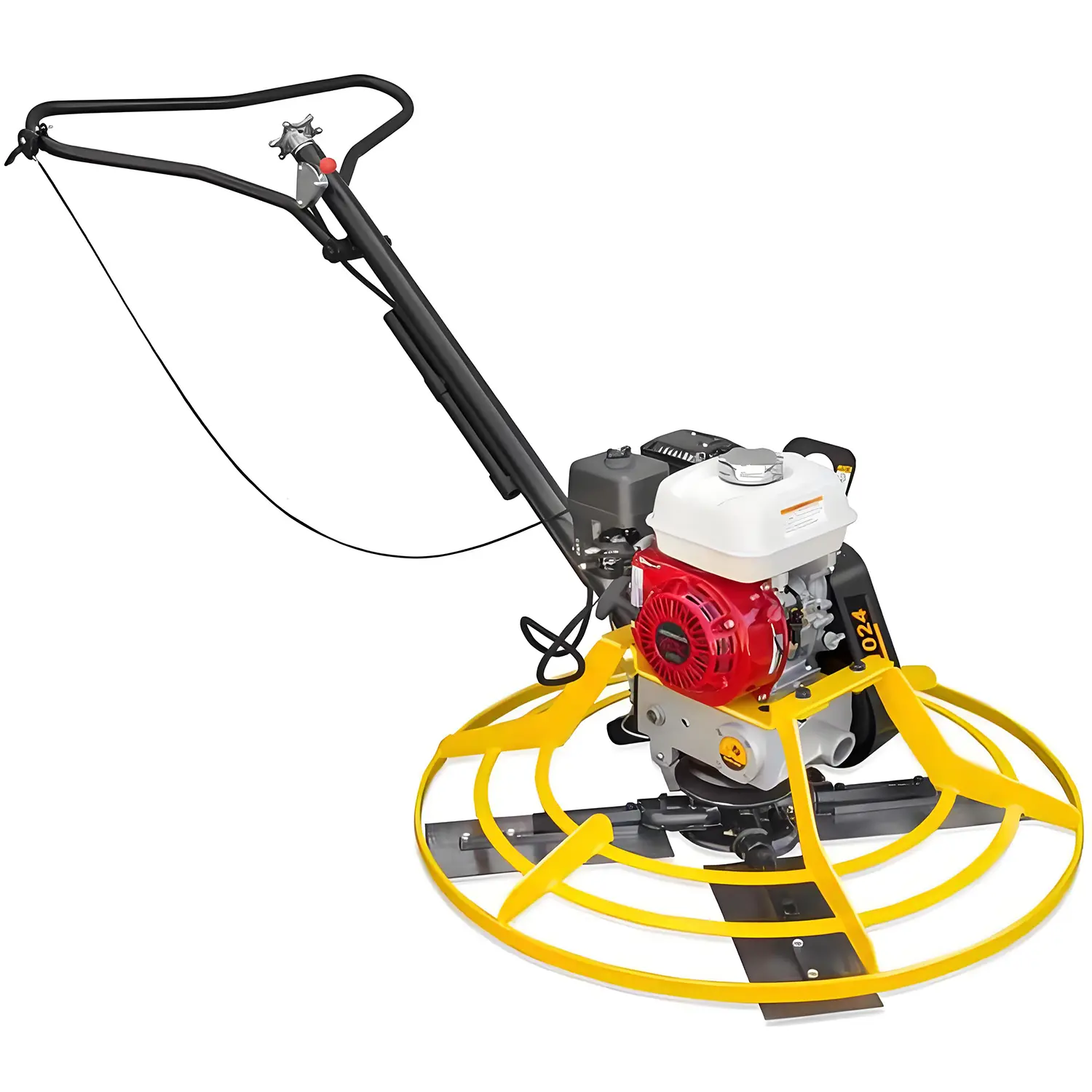 Walk behind power trowel
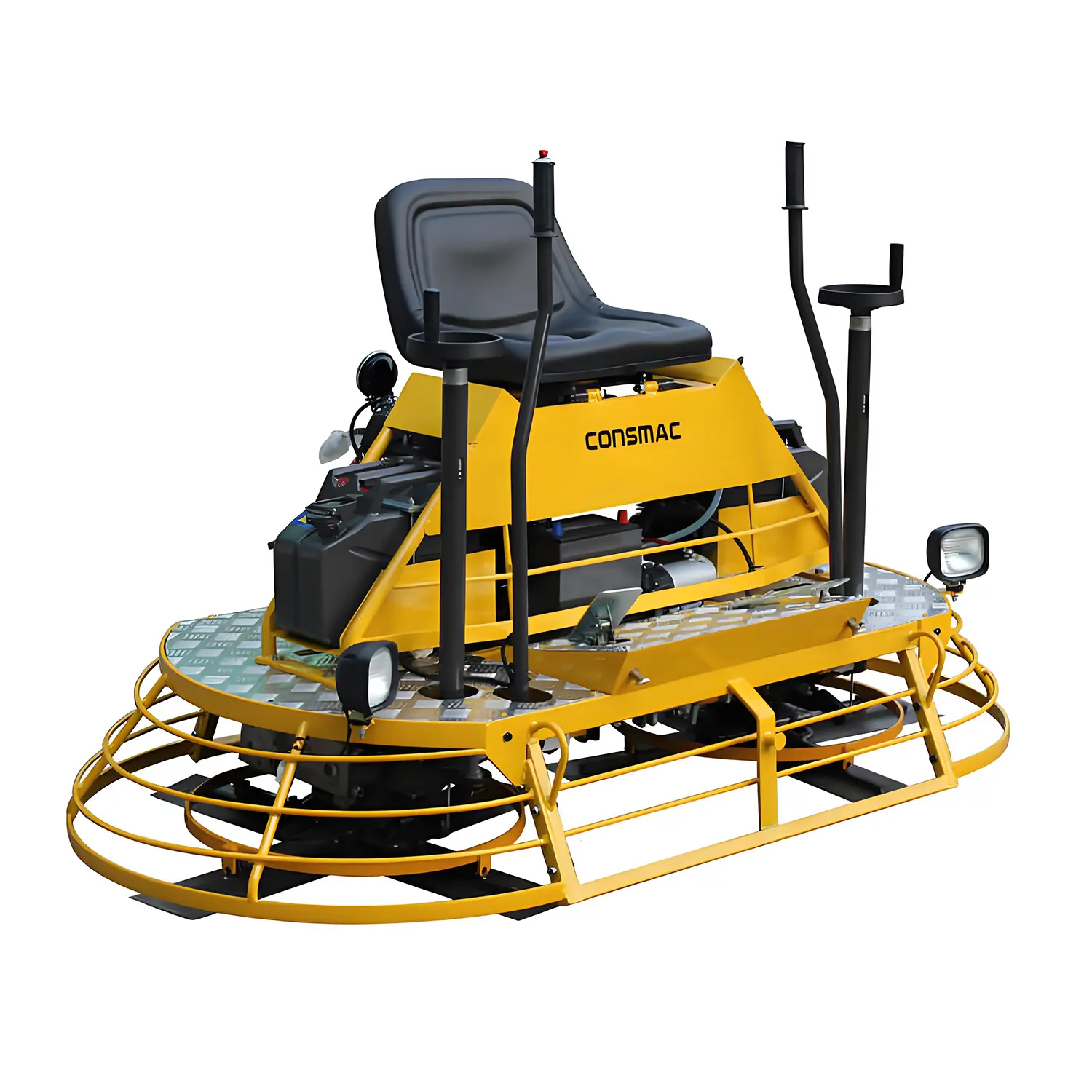 Ride on power trowel
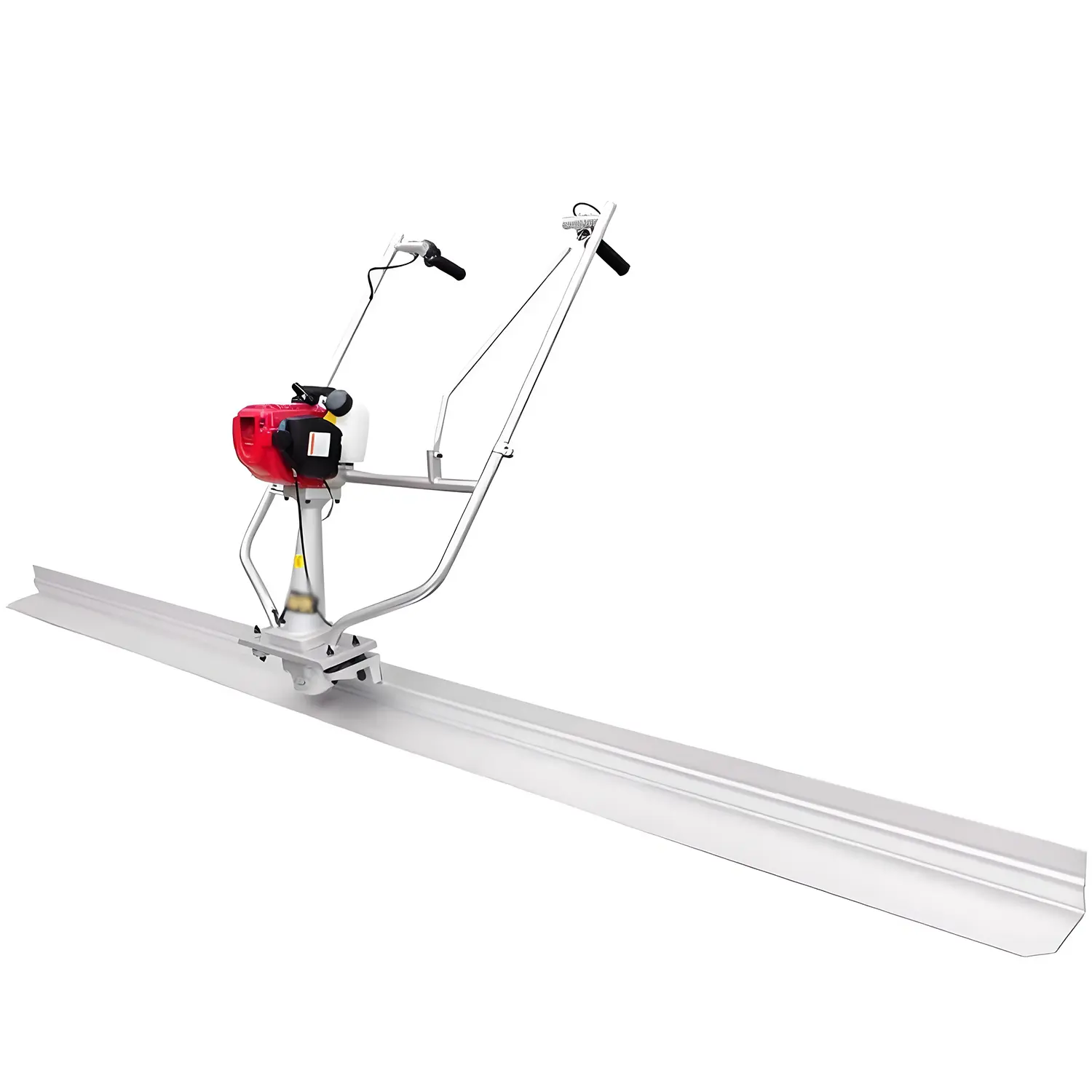 Concrete screed
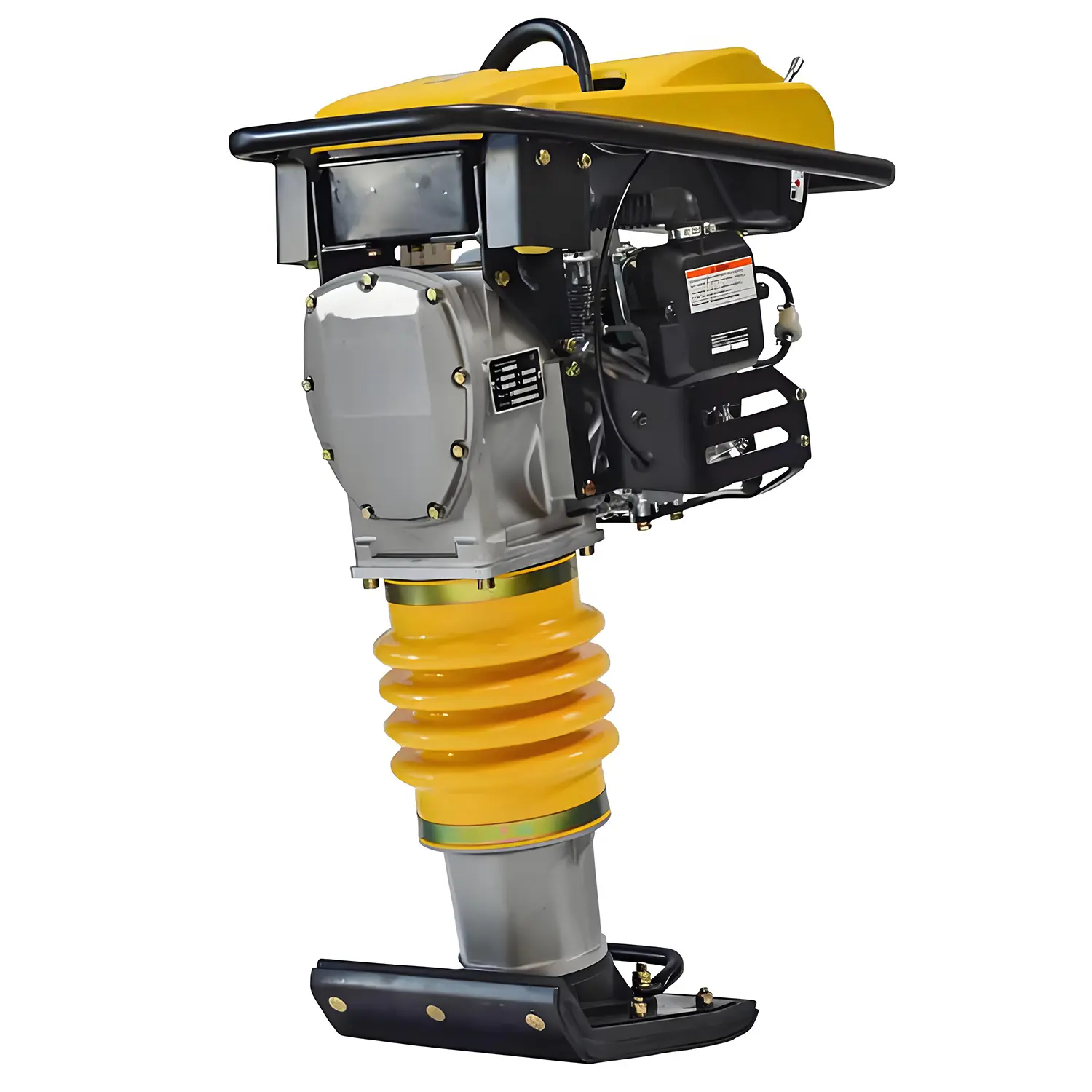 Tamping rammer
 Plate compactor
 Vibratory roller