2026 Best Cement Vibrator Needle for Efficient Construction?
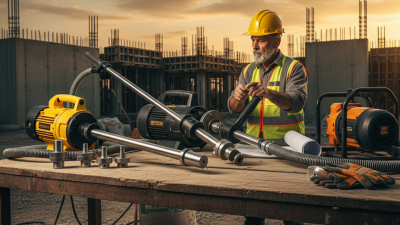
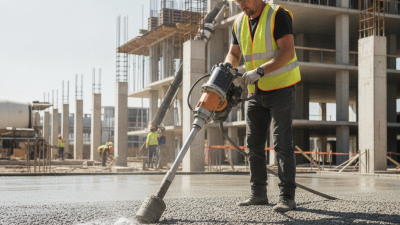
In the construction industry, the efficiency of concrete compaction can significantly affect project timelines and costs. A high-performance "Cement Vibrator Needle" is essential for ensuring maximum strength and durability in concrete structures. According to a report by the American Concrete Institute, the right vibratory tools can improve concrete consistency by over 40%, ultimately contributing to fewer repair costs down the line.
Expert John Smith, a respected figure in concrete technology, states, "Choosing the right Cement Vibrator Needle can make or break a project." He emphasizes the importance of selecting tools that resonate with the specific needs of each job. There is a myriad of options available, yet not all needles provide the same effectiveness.
As advancements continue in this field, some products might promise exceptional results but fail in real-world scenarios. Construction professionals must critically assess tools, considering performance data and practical applications. This careful evaluation ensures that projects are completed on time and with the desired quality. The industry's reliance on effective compaction tools cannot be overstated; without them, the foundations of modern architecture may fall short of their potential.
2026 Overview of Cement Vibrator Needles in Construction
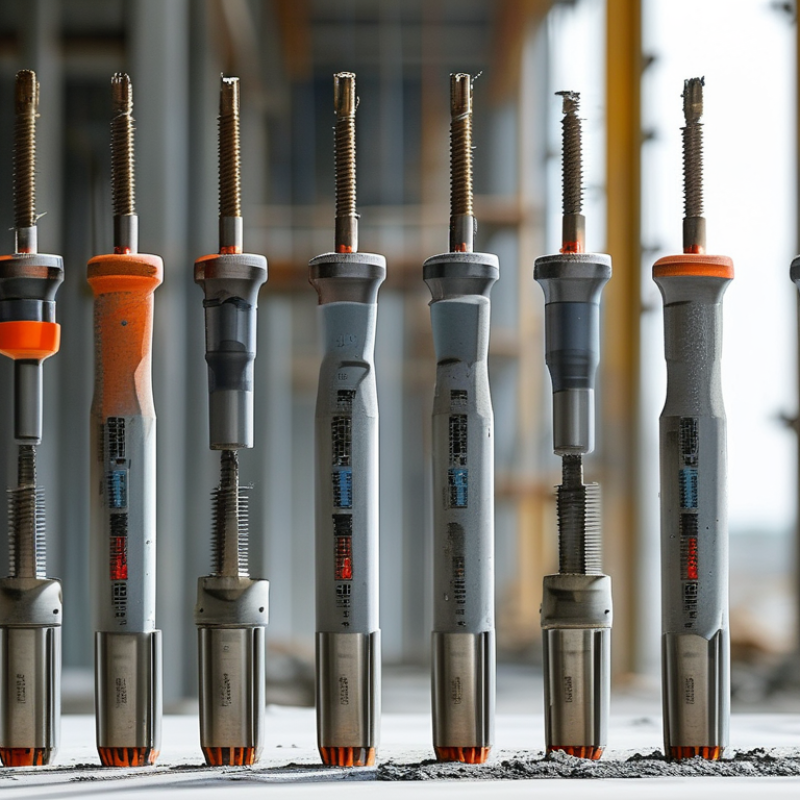
Cement vibrators are essential tools in the construction industry. In 2026, the focus is on creating efficient and reliable solutions. These tools help eliminate air pockets in concrete mixtures, ensuring stronger structures. A well-functioning vibrator needle improves the quality of the poured concrete. By using an appropriate needle, contractors can achieve smoother finishes.
Choosing the right cement vibrator needle requires careful consideration. Factors like diameter and length play crucial roles in effectiveness. A needle that is too thick may not penetrate the mixture properly. On the other hand, a very thin needle might not provide adequate vibration. Experimentation and adjustment are necessary.
While many options exist, not all vibrators perform equally. Performance consistency varies among different models. Builders must assess their unique project needs before making a decision. Frequent maintenance checks are also vital. Sometimes, a simple repair can vastly improve a needle’s performance. Construction teams should share experiences to refine their tool choices. Continuous learning enhances overall productivity.
Key Features to Look for in Cement Vibrator Needles
When selecting a cement vibrator needle, several key features are essential for efficient performance.
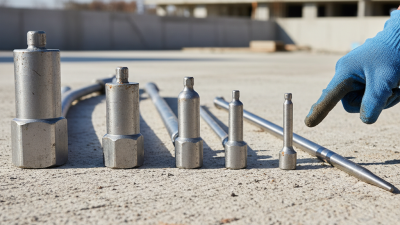
The diameter of the needle is crucial; it determines how well the vibrator can penetrate
and consolidate the concrete mix. A narrower needle can reach tighter spaces, while broader options may cover larger areas. This choice can impact
the final structure's strength and durability.
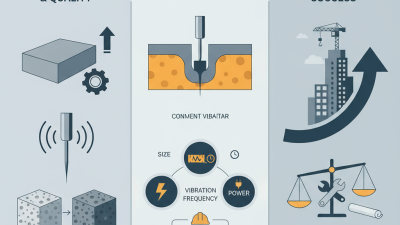
The motor's power is another critical factor. A higher wattage typically means better vibration and more effective compaction. Pay attention to both
the frequency and amplitude
of the vibration. These specifications indicate how effectively the needle will eliminate air pockets and improve concrete flow.
Insufficient vibration can lead to weak spots in the final product.
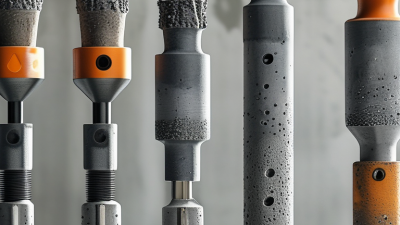
Additionally, material quality matters. Needles made from durable,
rust-resistant materials offer longevity and reliability. Users often overlook maintenance needs, which can lead to performance issues.
A well-maintained needle delivers consistent results, and understanding how to care for it is vital.
Regular checks for wear and tear are essential to ensure optimal performance during construction projects.
Top Brands and Models of Cement Vibrator Needles for 2026
When it comes to cement vibrators, efficiency is key. Choosing the right vibrator needle can make a significant difference in construction quality. In 2026, several models stand out due to their innovative designs and user-friendly features. These options can help ensure a more consistent and reliable performance during work.
Some needles are designed for high-speed vibration, which is crucial for compacting concrete effectively. Their lightweight frames allow for better maneuverability, especially in tight spaces. However, not every model is perfect. Some users report that certain needles may lack durability over time. It's important to read reviews to understand the experiences of other professionals.
The technology behind these vibrators continues to evolve. Many brands now integrate smart features for improved control. This can make the execution of complex projects easier. Still, not all features are necessary for every user. Reflecting on personal needs can be crucial in making a sound choice. Investing time in researching various models will ultimately pay off in construction success.
Comparing Performance: Electric vs. Pneumatic Cement Vibrator Needles
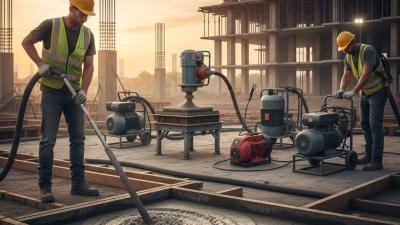
When choosing between electric and pneumatic cement vibrator needles, several factors come into play.
Electric models are often favored for their ease of use.
They plug into standard outlets, making them accessible for most job sites.
These vibrators produce consistent vibrations, which can lead to improved concrete settling.
However, they may struggle in extreme conditions. High humidity or wet environments can lead to performance issues.
On the other hand, pneumatic options tend to offer more power.
They use compressed air, making them suitable for heavy-duty tasks.
These vibrators can handle larger volumes of concrete and often work well in challenging conditions.
The downside is that they require an air compressor, adding to setup time. Users need to consider their site’s infrastructure before making a choice.
Both tools have their unique strengths and weaknesses. Electric models shine in convenience, while pneumatic ones excel in performance.
The decision ultimately hinges on specific project needs and workplace conditions. Understanding these nuances helps ensure efficient construction practices.
Construction professionals should carefully weigh their options for optimal results.
Maintenance Tips for Prolonging the Life of Your Cement Vibrator Needle
Cement vibrator needles are essential for achieving optimal concrete consolidation. Proper maintenance not only enhances performance but also extends the lifespan of these tools. According to a report from the American Society of Civil Engineers (ASCE), regular maintenance can increase equipment longevity by up to 30%. This saves costs in the long run.
One key tip is to clean the needles after each use. Residue build-up can hinder effectiveness. Use a soft brush and clean water. Ensure all components are free from debris. Consider lubricating moving parts regularly with appropriate oils. This reduces wear and tear.
Check for signs of wear frequently. Cracks or bends in the needle can compromise efficiency. A damaged needle can lead to uneven concrete pouring. Always replace worn-out parts promptly. This proactive approach prevents bigger issues later on. By adhering strictly to these maintenance practices, contractors can ensure that their equipment performs reliably and efficiently.

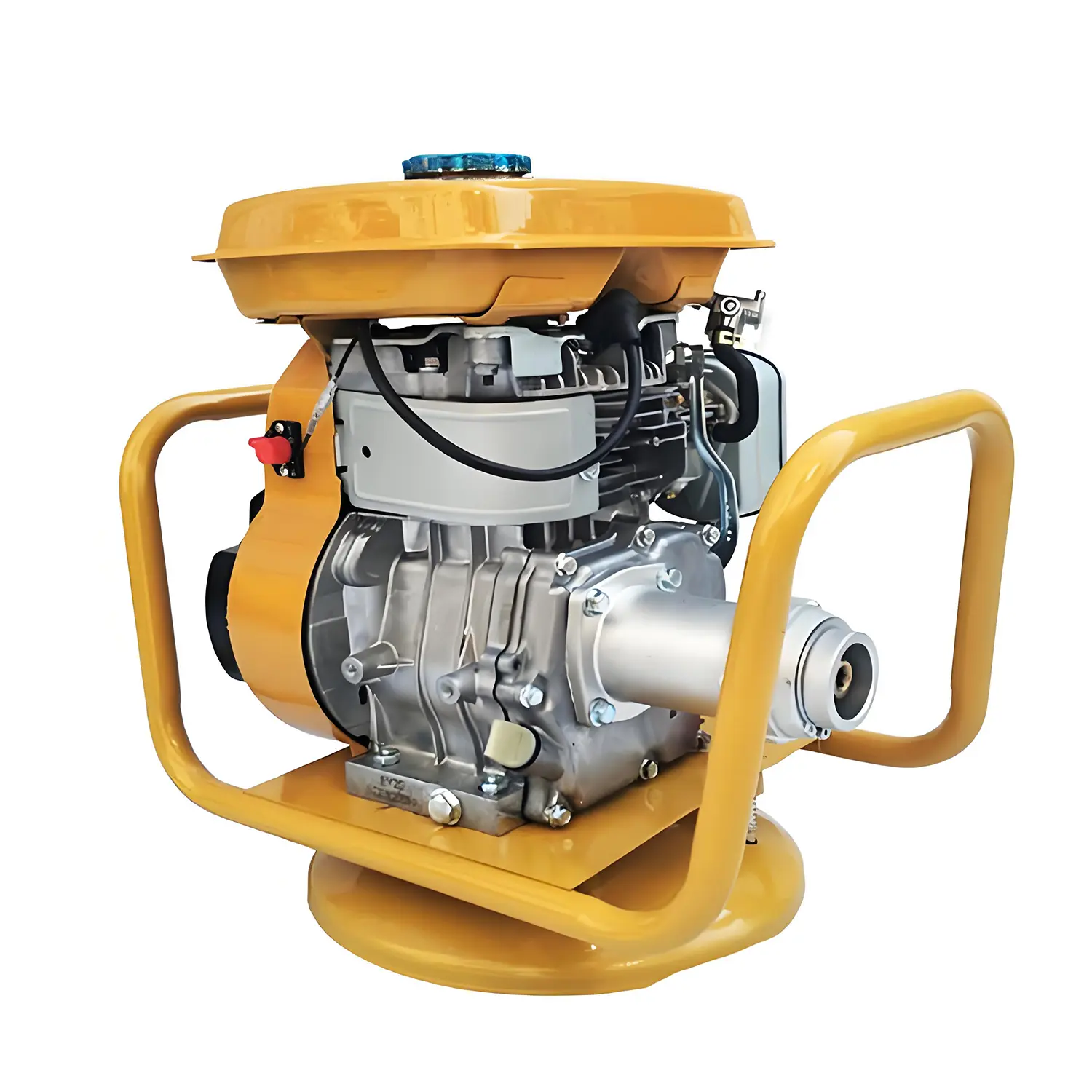 Internal Vibrator
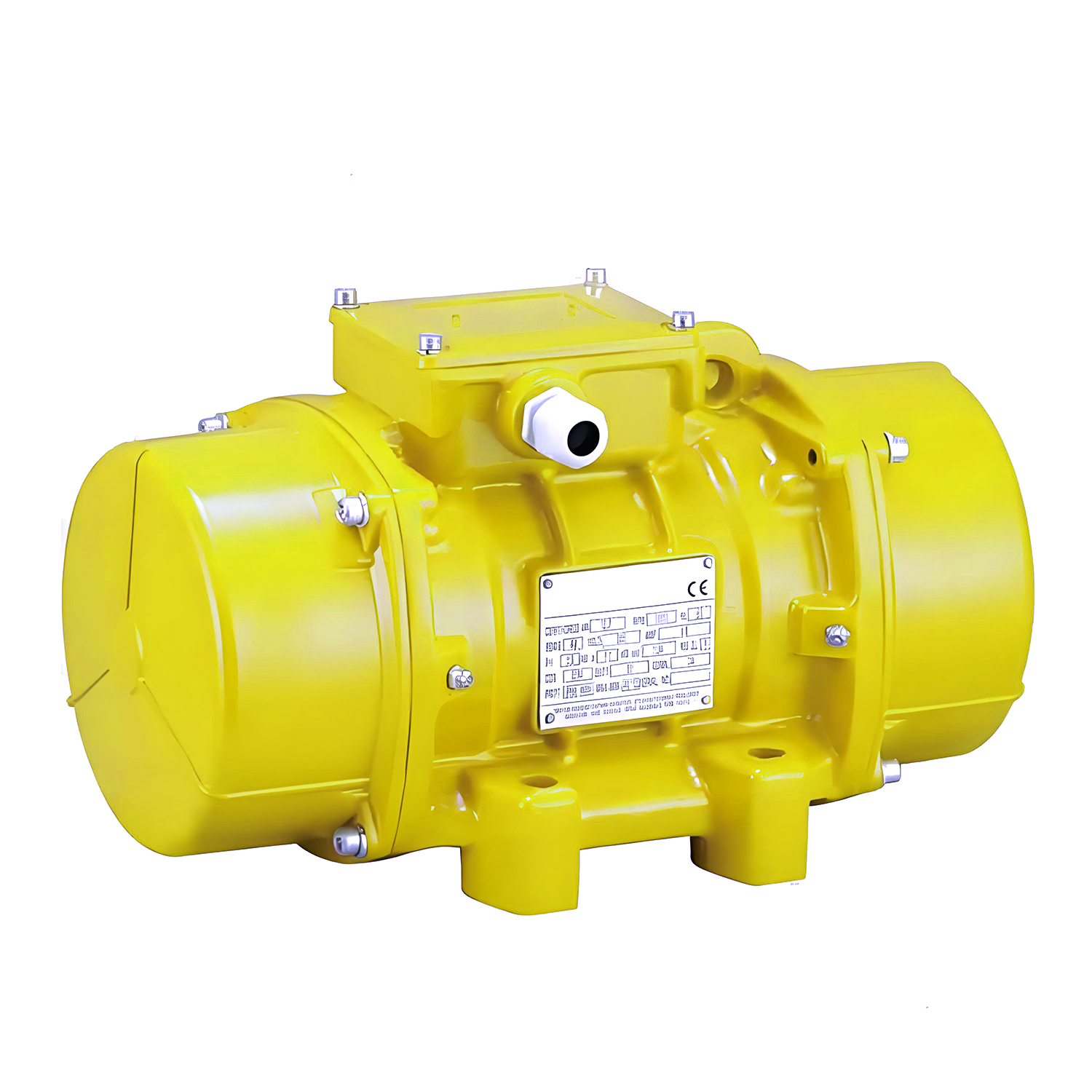 External Vibrator
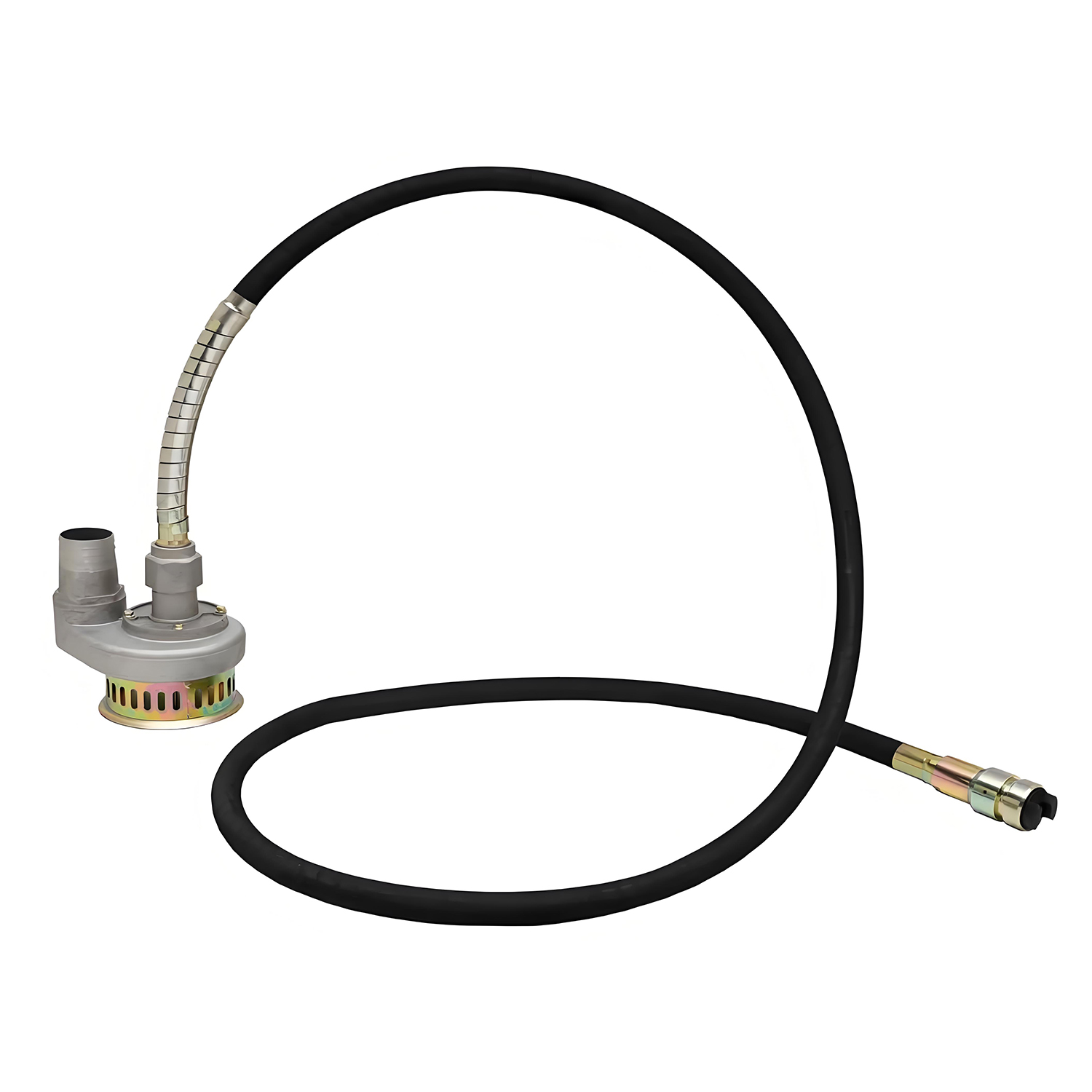 Submersible Pump
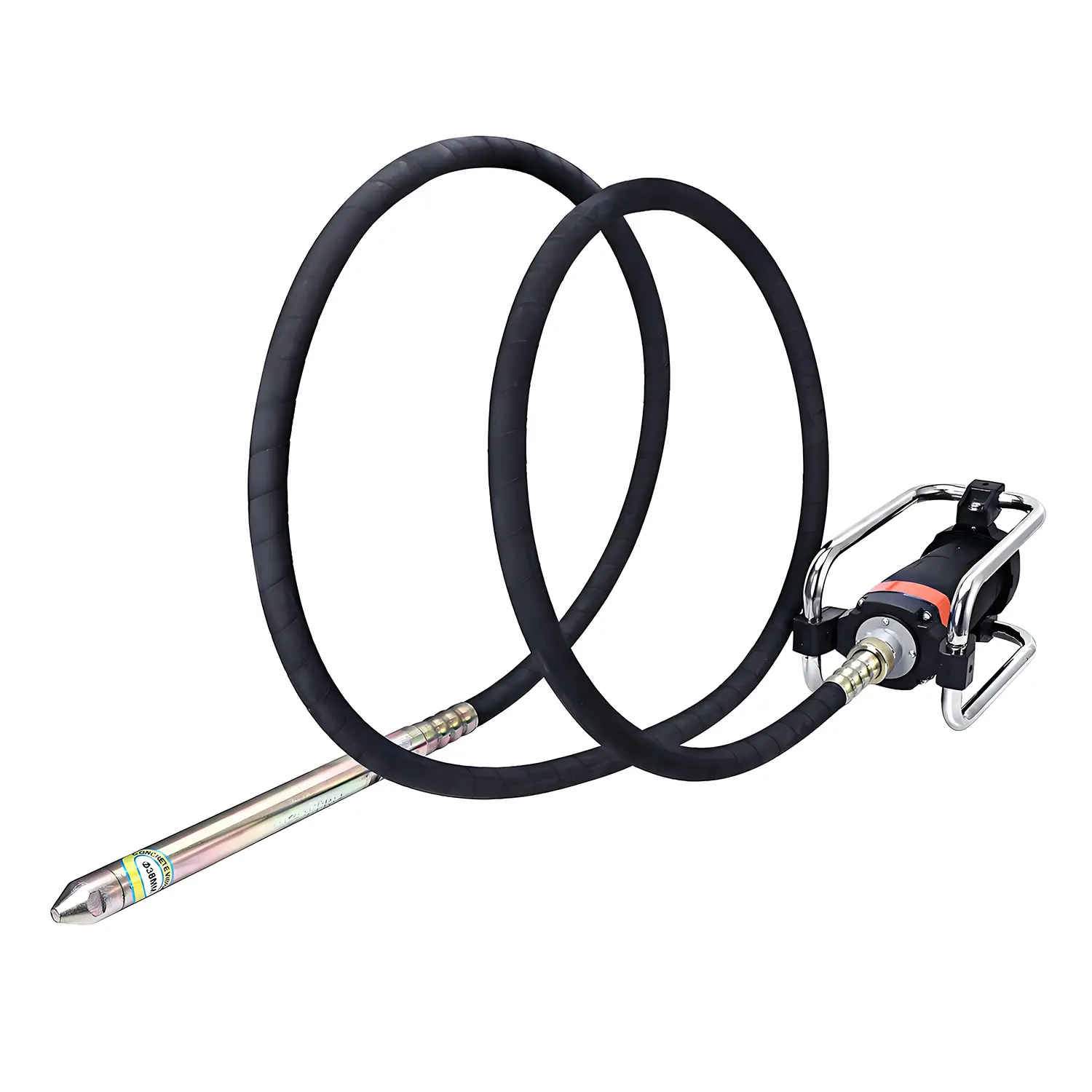 Eccentric shaft
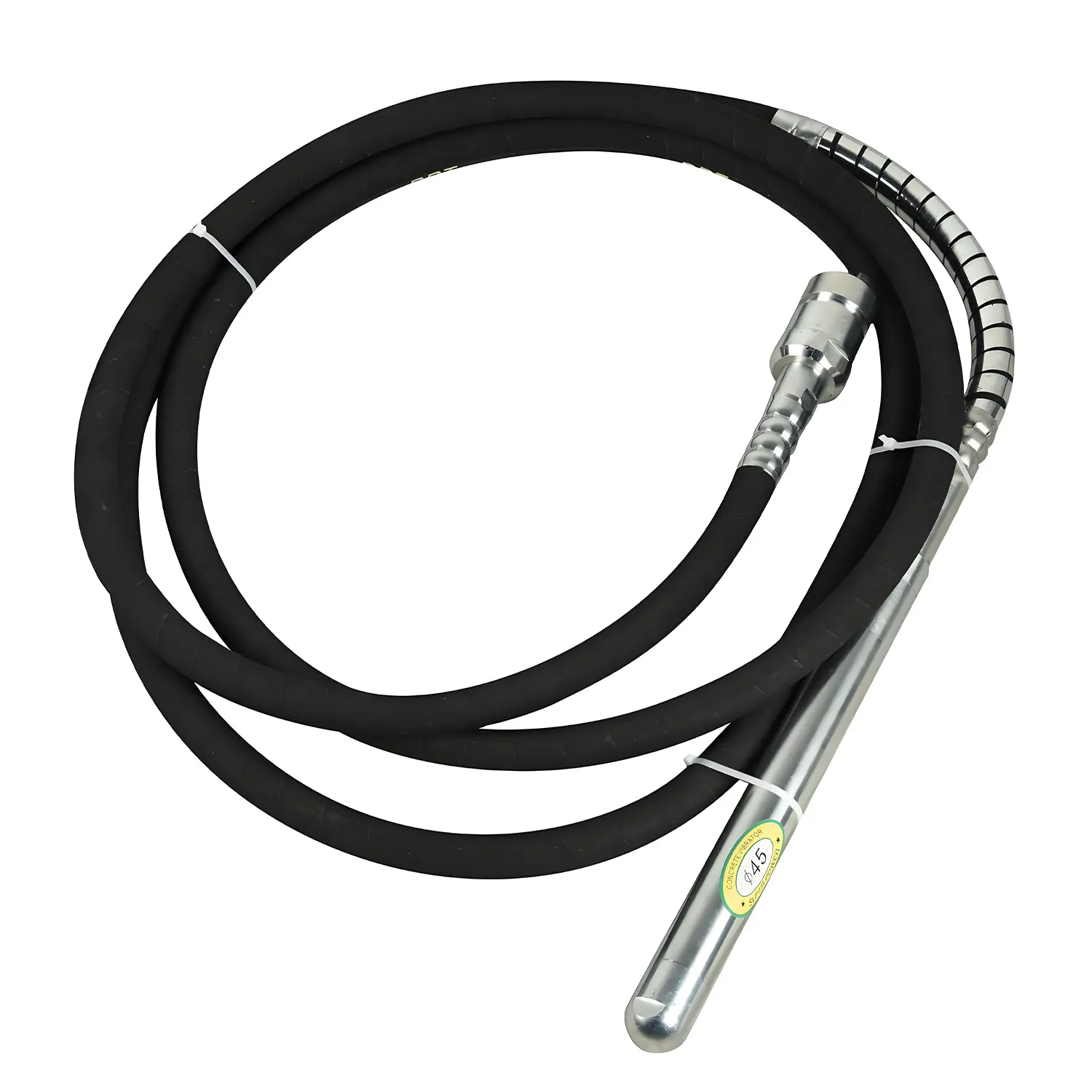 Pendulum shaft
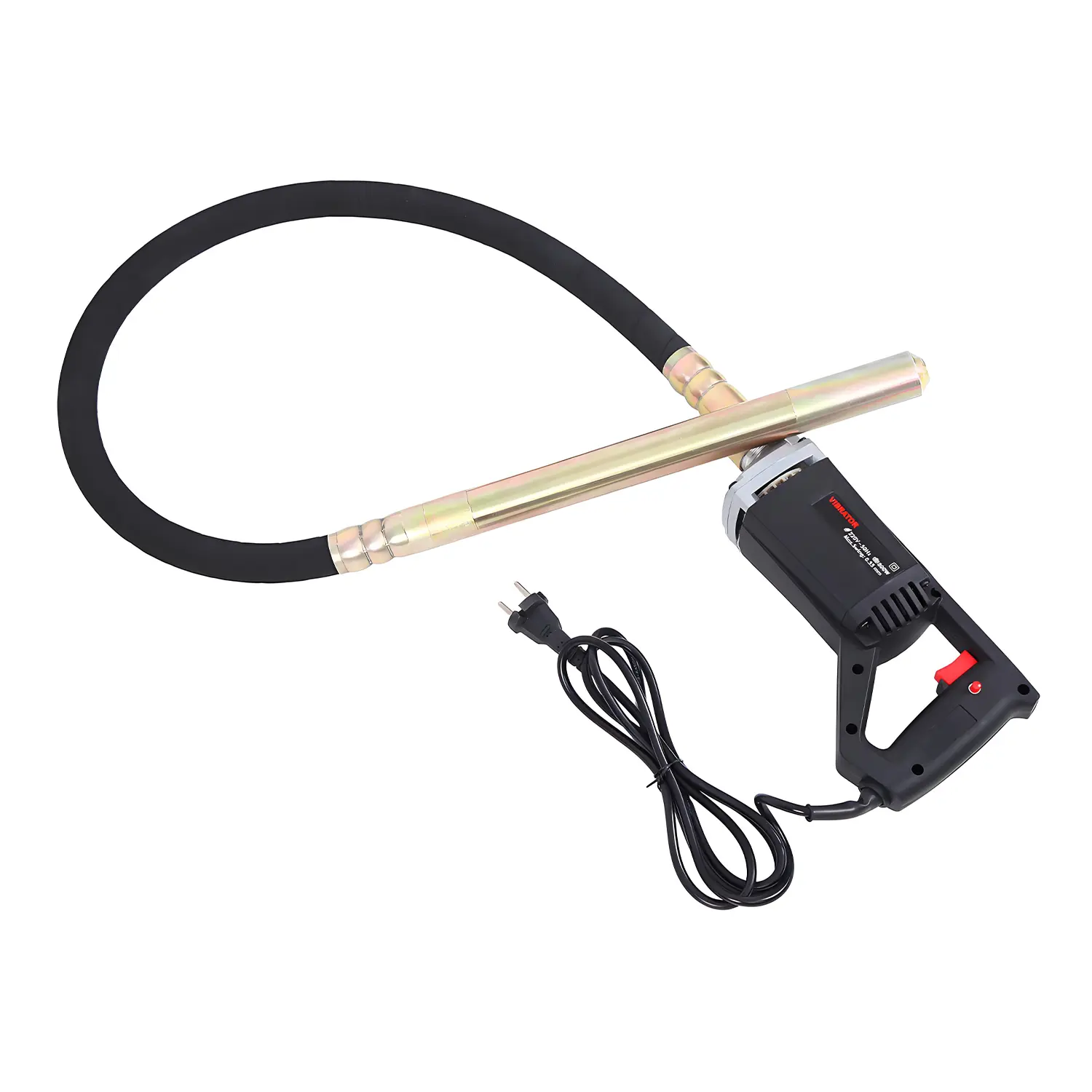 Portable vbrator shaft
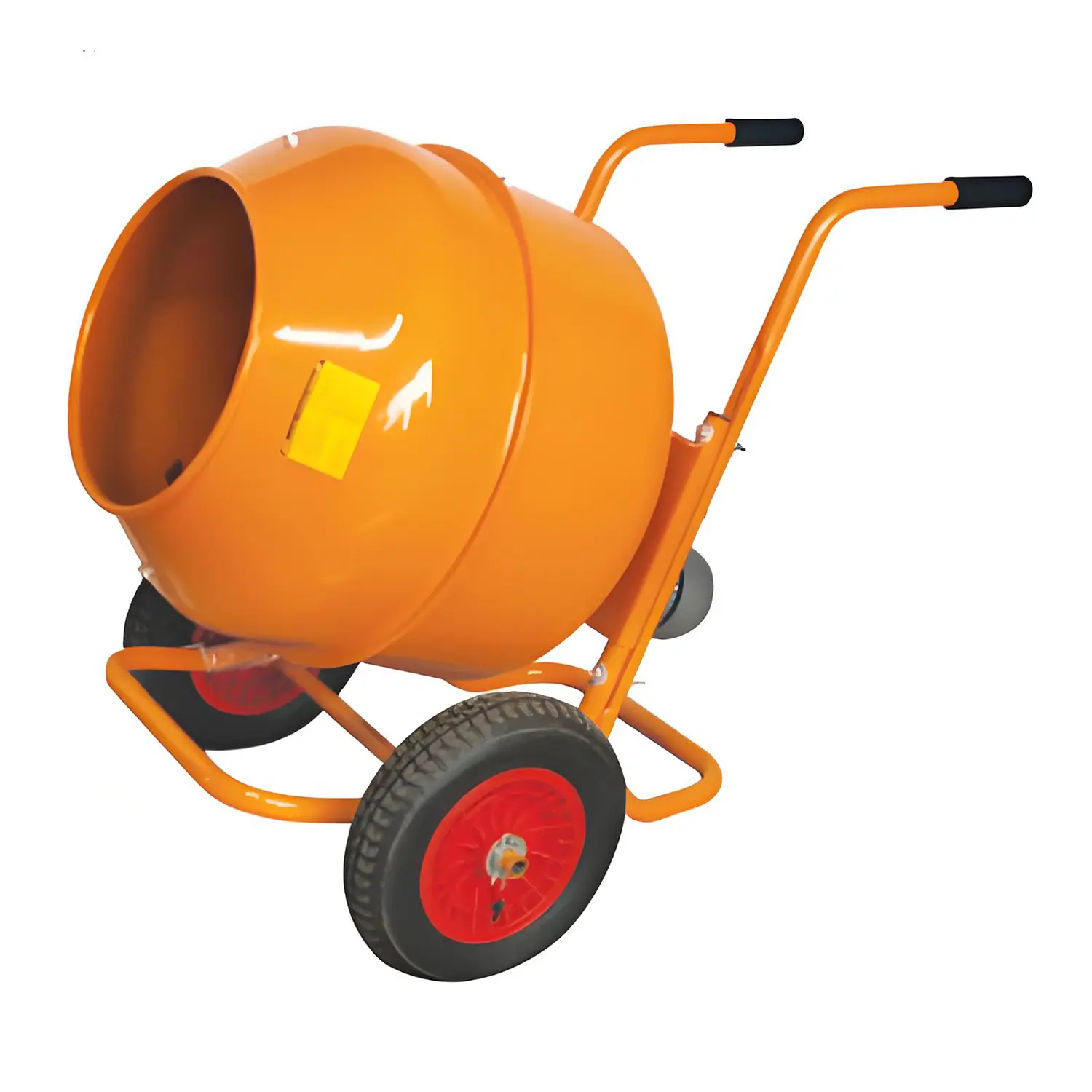 Portable concrete mixer
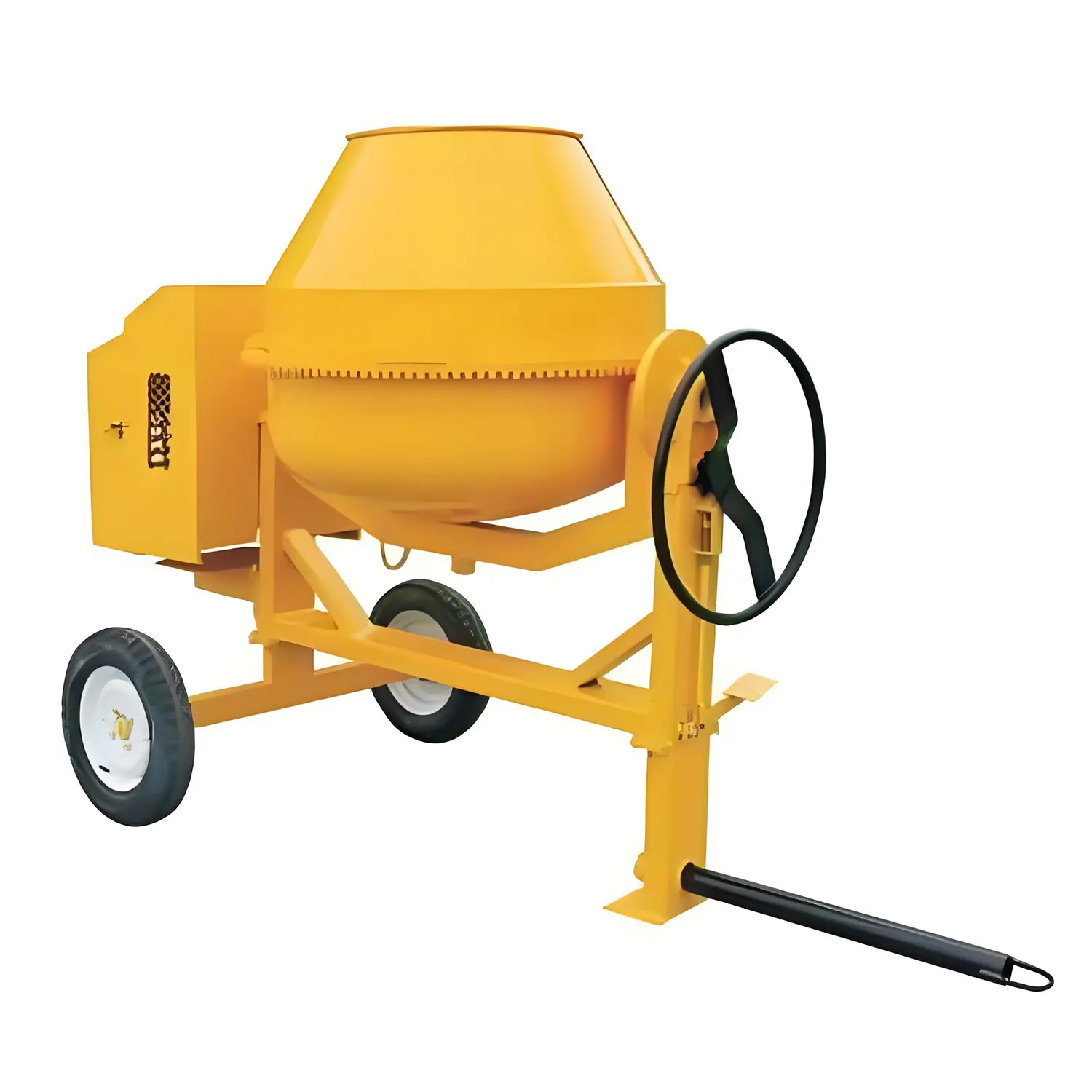 Vertical concrete mixer
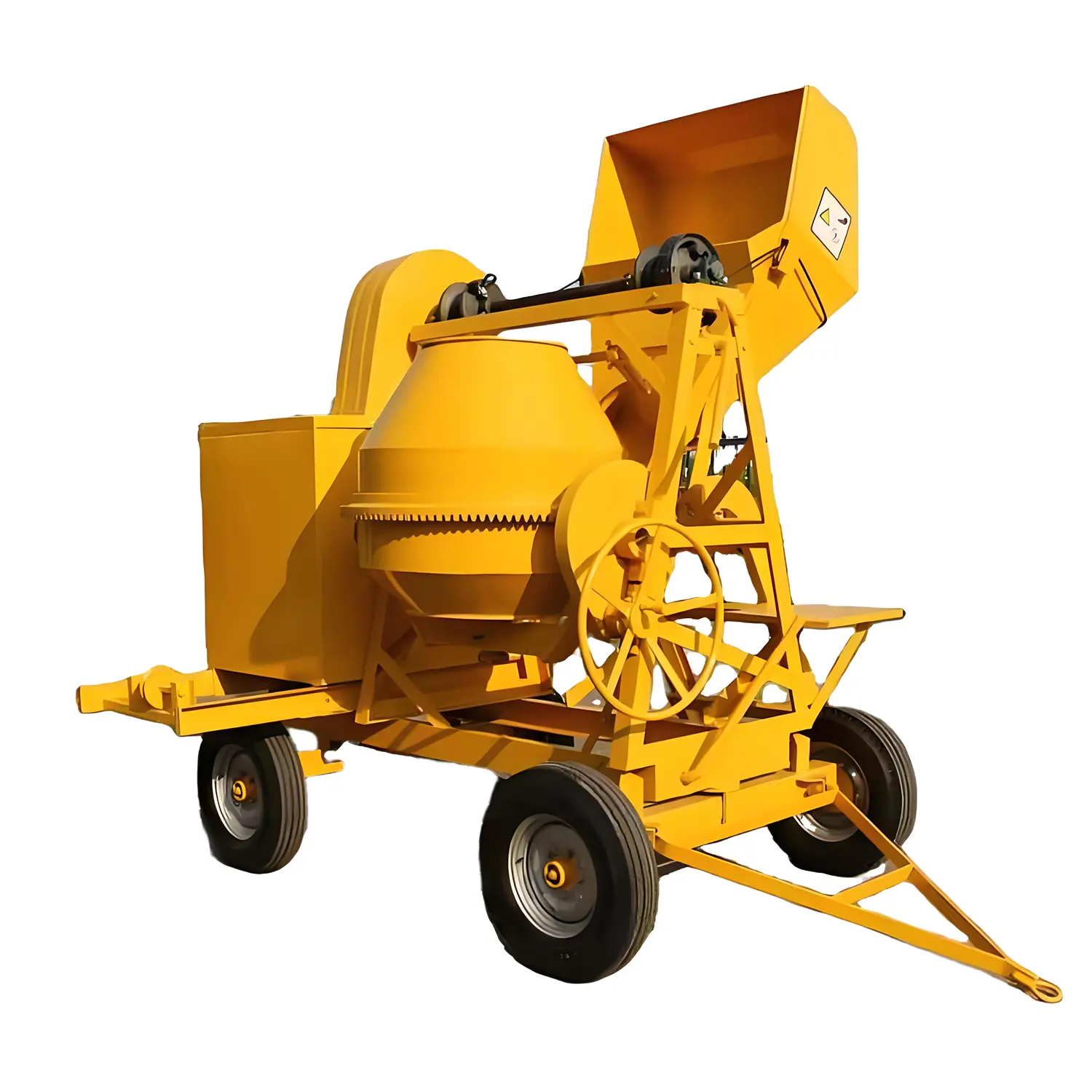 Hydraulic concrete mixer
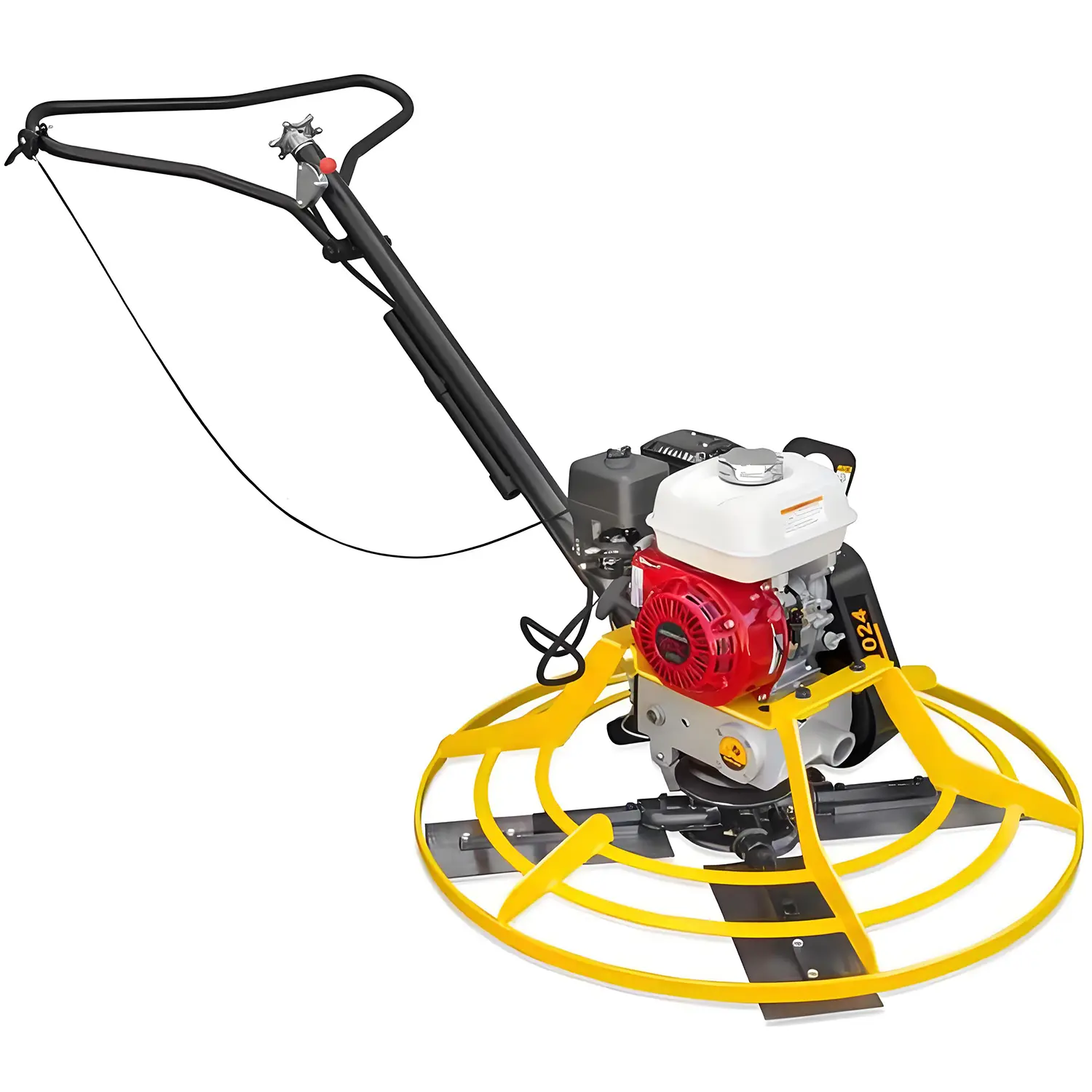 Walk behind power trowel
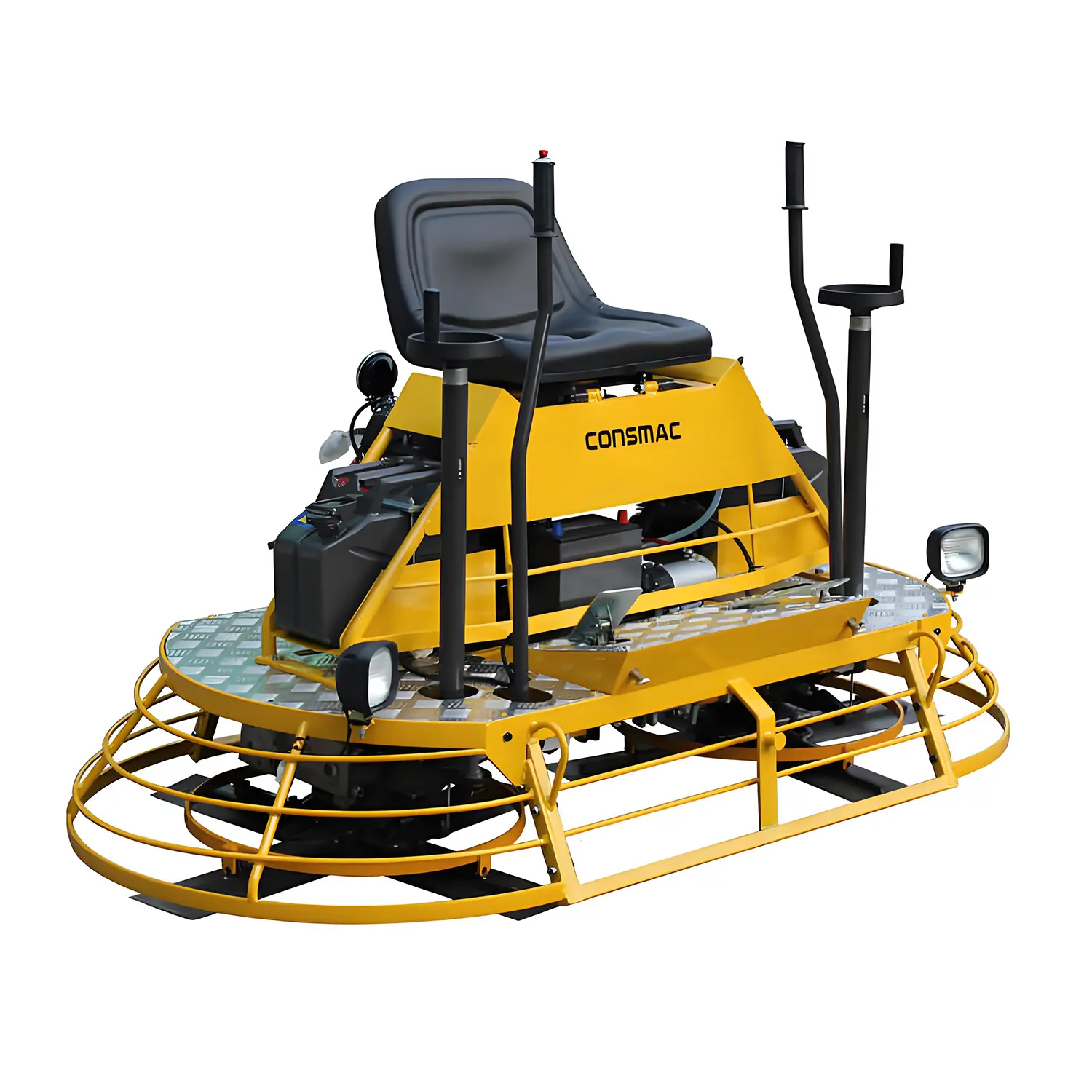 Ride on power trowel
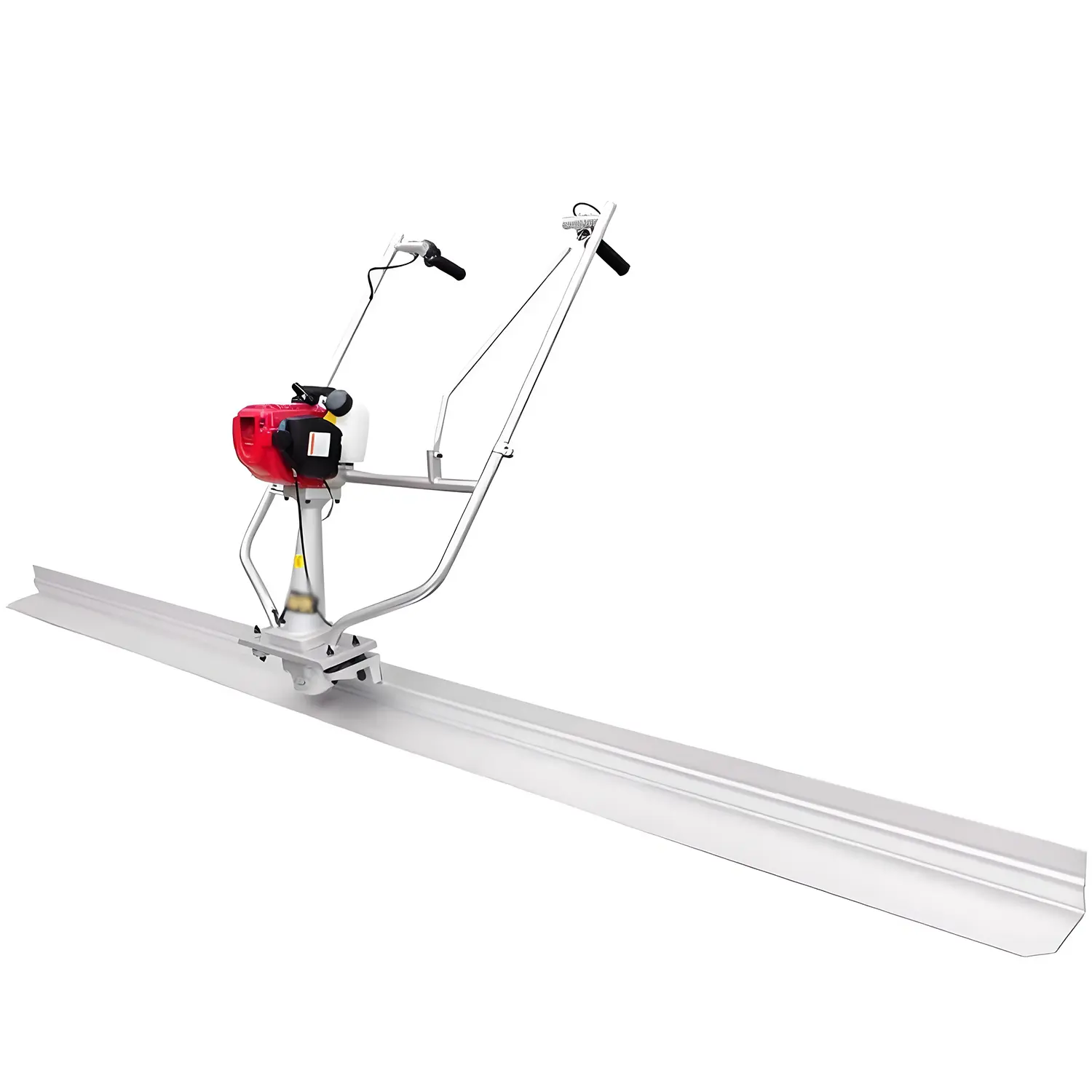 Concrete screed
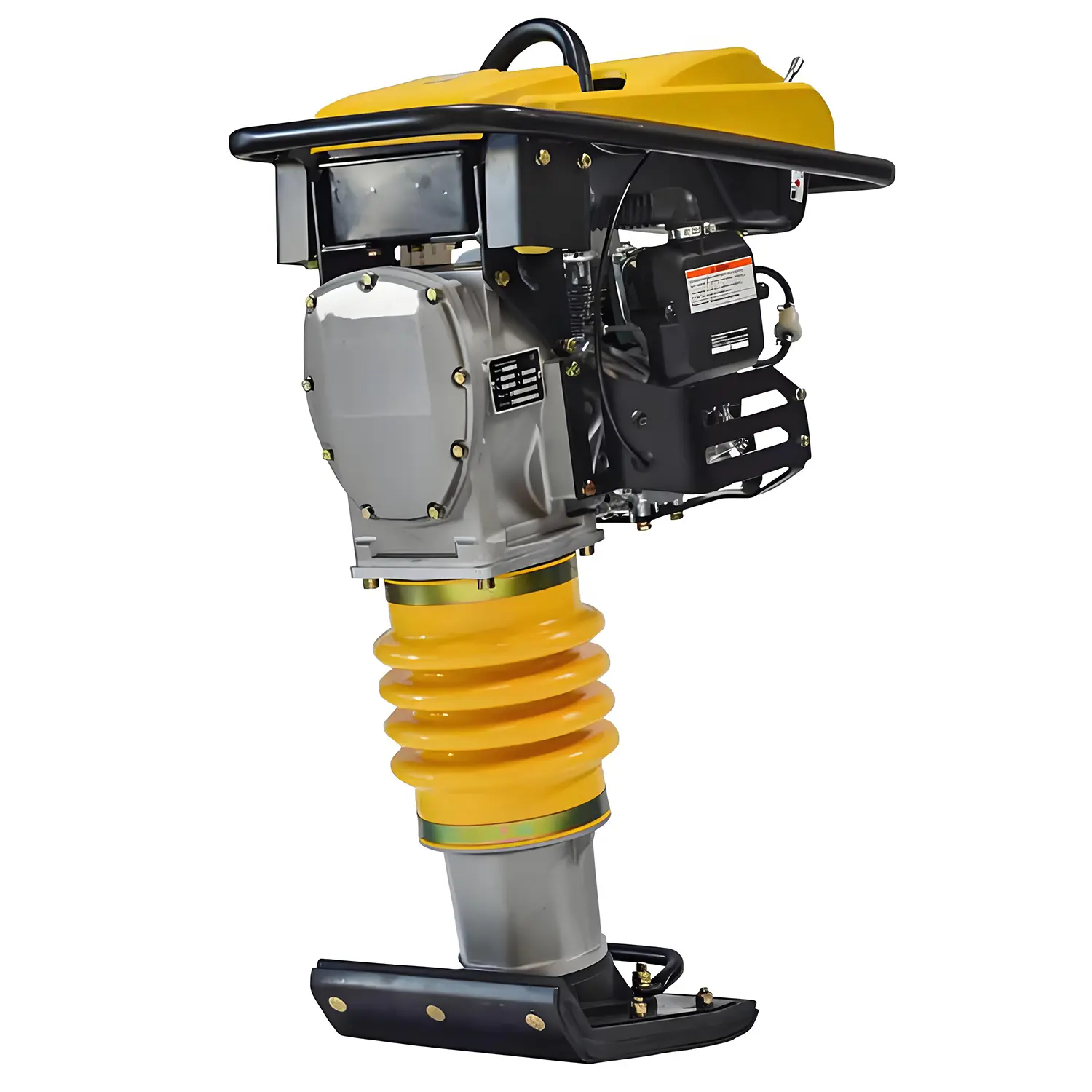 Tamping rammer
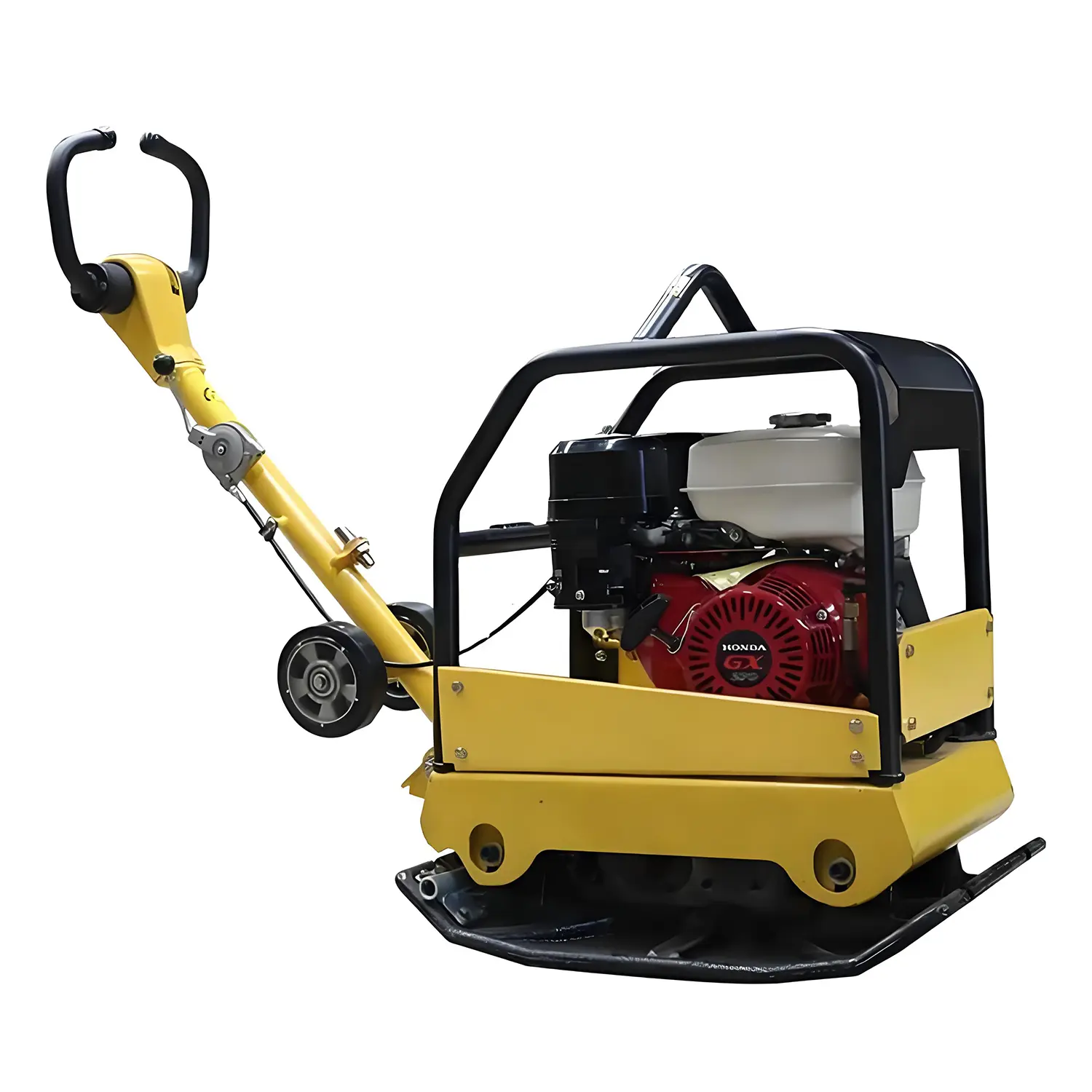 Plate compactor
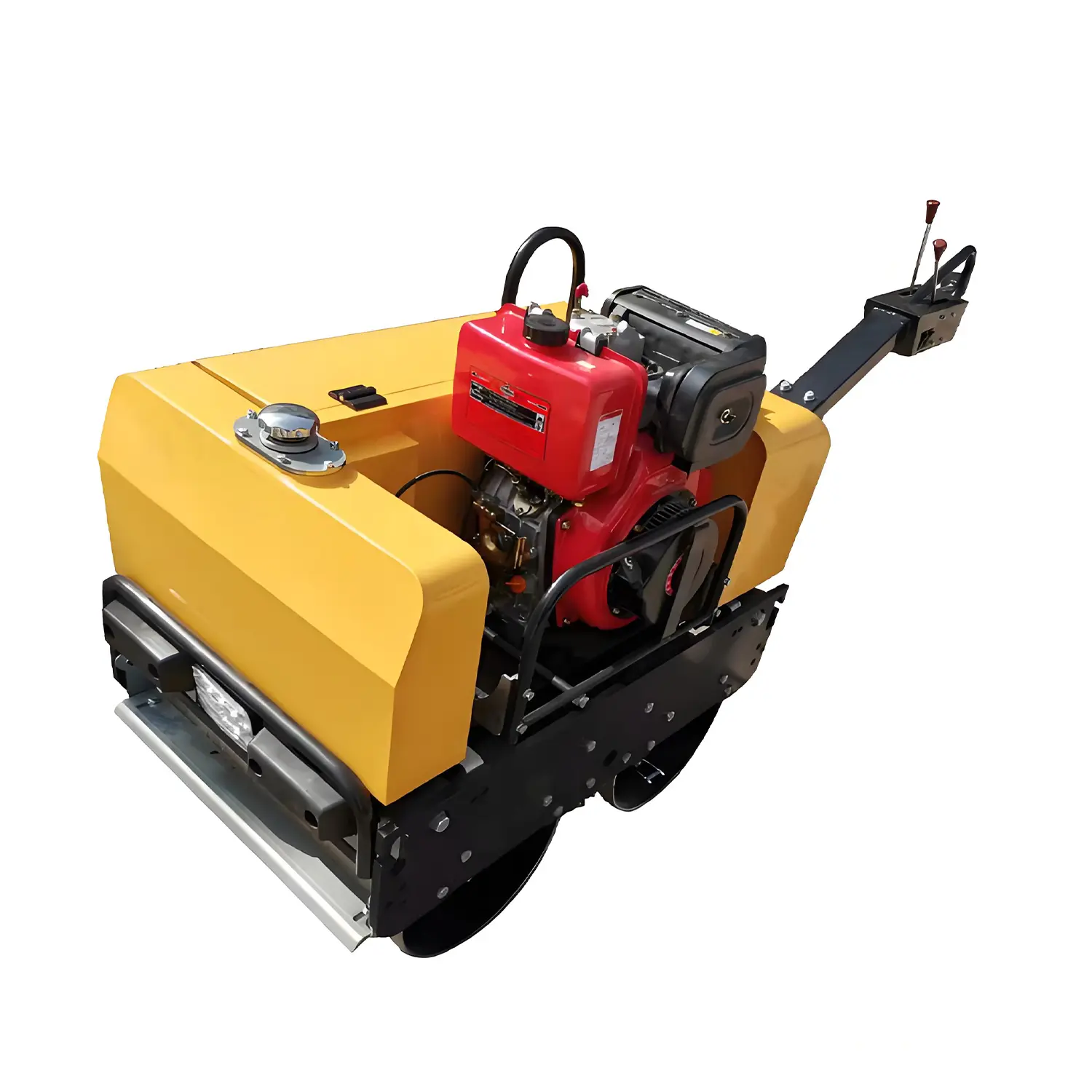 Vibratory roller