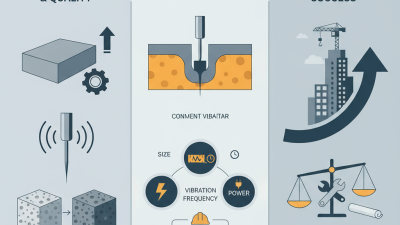
Top Cement Vibrating Poker for Efficient Construction Needs?
In the construction industry, the efficiency and quality of concrete work directly depend on effective compaction methods. The **Cement Vibrating Poker** has emerged as a critical tool to meet these demands. According to a report by the Global Cement Report, improper compaction can lead to over 30% of concrete defects, costing the industry billions annually. Utilizing a Cement Vibrating Poker enhances the compaction process, ensuring a denser and more uniform concrete mix that minimizes air pockets.
Moreover, the market for concrete vibrating equipment is projected to grow significantly. A recent survey indicated that more than 60% of construction projects face delays due to inadequate compaction techniques. The Cement Vibrating Poker addresses this challenge by providing vibrational energy that effectively settles the concrete, resulting in a stronger final product. However, while these tools are effective, improper use can lead to issues, such as segregation of materials or surface damage.
This highlights the necessity for skilled operators who understand the proper techniques. Industry standards dictate that education and training are imperative for optimal usage of vibrating equipment. By acknowledging these factors, we can better appreciate the value of investing in top-tier Cement Vibrating Poker equipment for meeting modern construction needs.
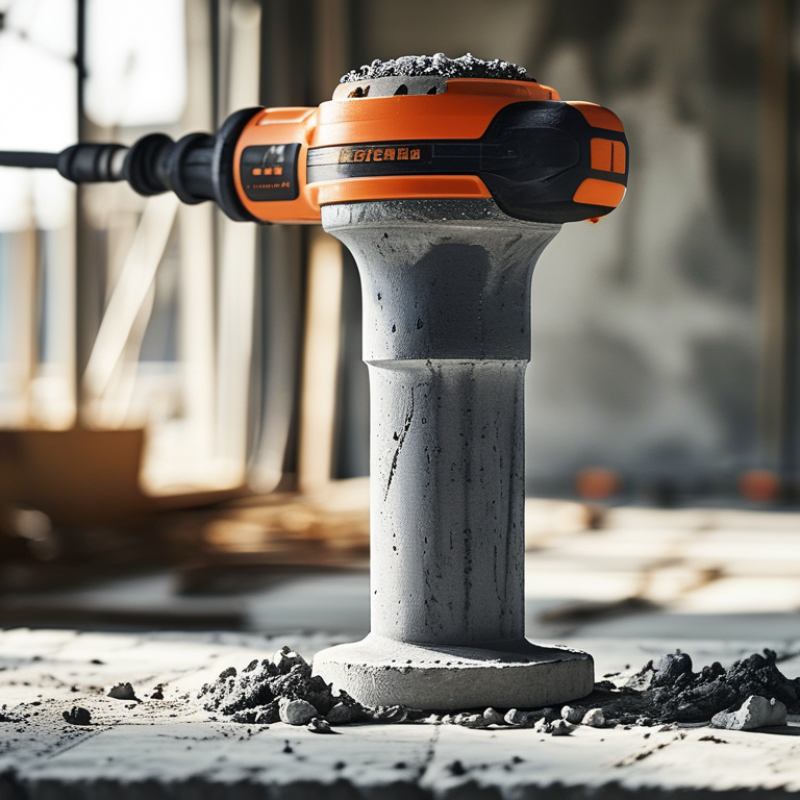
Types of Cement Vibrating Pokers for Construction Applications
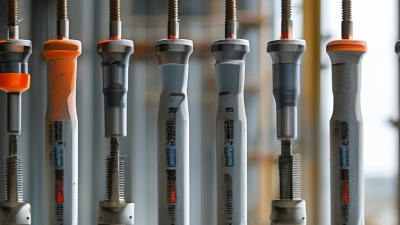
When choosing a cement vibrating poker, understanding its types and applications is crucial. There are generally three categories: internal, external, and handheld vibrators. Each type serves distinct purposes on construction sites.
Internal vibrators, often used for poured concrete, excel in compacting mixtures. These devices help eliminate air pockets, ensuring strong concrete structures. Reports indicate that using internal vibrators can improve compressive strength by up to 30%. In contrast, external vibrators are employed for prefabricated elements. They work by vibrating the mold, promoting even settling of the concrete. Research suggests that this can reduce casting time by nearly 20%.
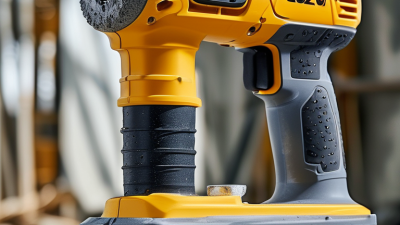
Handheld vibrators, the most versatile option, cater to smaller jobs. They're ideal for repairing or adjusting small batches of concrete. They allow for precise control, but require skilled operators to prevent over-vibration. Each type offers unique benefits, but also has limitations. For instance, while internal vibrators are efficient, incorrect usage can lead to segregation of materials. Understanding these nuances helps maximize efficiency and enhances overall construction quality.
Key Features to Look for in a Cement Vibrating Poker
When selecting a cement vibrating poker, key features play a vital role. Look for a model with a powerful motor. A powerful motor ensures effective vibration and is crucial for compacting cement thoroughly. The ideal motor should be durable and capable of handling long working hours. A lightweight design can also enhance usability. A portable poker can easily be maneuvered in tight spaces, making it suitable for various construction sites.
Another essential feature is the shaft length. A longer shaft allows deeper penetration into thicker concrete. It helps prevent air bubbles and achieves a better finish. The quality of the vibration head matters too. A high-quality head can withstand consistent use and perform reliably over time. Additionally, consider the noise level. Some models can be quite loud, which might not be suitable for residential areas or small sites.
Lastly, ease of maintenance cannot be overlooked. Choose a poker that is easy to clean and store. Regular maintenance can improve its lifespan. However, some users might struggle to find the right balance between performance and handling. It's essential to reassess personal needs and job requirements. Experience shows that the right choice can significantly impact construction outcomes, but trial and error often lead to the best results in the long run.
Comparative Analysis of Top Cement Vibrating Poker Brands
When it comes to construction projects, choosing the right cement vibrating poker is crucial. Not only does it enhance work efficiency, but it also ensures quality in concrete placements. A comparative analysis of various brands reveals notable differences in power, weight, and ergonomic design. These factors heavily influence usability on job sites.
One popular aspect that stands out is the vibration frequency. Higher frequencies can lead to better consolidation of cement, reducing air bubbles. However, it is important to note that excessive vibration might compromise material integrity. Users often express concerns about overheating during extended use. This highlights the need for devices that balance performance with durability.
Another consideration is portability. Some models are lighter and easier to handle, while others may offer robust features but at the cost of convenience. Feedback from construction professionals indicates that ease of transport often impacts project timelines. The need for user-friendly features can sometimes be overlooked in high-performance models, leading to potential frustrations on site.
Top Cement Vibrating Poker for Efficient Construction Needs
This chart compares the performance metrics of various cement vibrating pokers based on power, weight, and efficiency. The data reflects typical attributes essential for effective construction usage.
Best Practices for Using Cement Vibrating Pokers in Construction
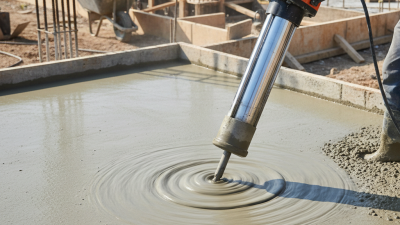
Using a cement vibrating poker correctly is crucial for achieving optimal concrete consolidation. Vibrating pokers help eliminate air pockets in freshly poured concrete. This process results in a denser, more durable structure. To ensure effective use, start by maintaining proper immersion depth. The poker should be submerged sufficiently but not too deep. This prevents overheating of the motor and reduces the chance of excess vibration.
Timing is essential when operating a vibrating poker. Begin vibrating immediately after pouring the concrete. This immediate action allows for better distribution of aggregates. However, over-vibration can lead to segregation, where heavier particles settle at the bottom. It's a delicate balance that requires careful observation. Operators must also be wary of how long they run the poker in one spot. Ideally, the tool should move slowly upward once the concrete settles to avoid disturbing the surface.
Regular maintenance of the equipment is vital. Checking for wear and tear ensures reliability on the job site. Operators should also keep the vibrating poker clean and free from concrete build-up. A clean tool performs better and contributes to the overall quality of the work. Awareness of these practices elevates efficiency but requires discipline and attention to detail from the user. Mistakes happen, and reflection on these can guide future improvements.
Maintenance Tips for Enhancing the Lifespan of Vibrating Pokers
Maintaining your cement vibrating poker is crucial for its longevity and performance. Regular inspections can prevent small issues from becoming significant problems. Check the wiring and connections for any signs of wear or damage. Loose wires can lead to malfunction and even safety hazards on the job site. Cleaning the poker after each use will help remove concrete residues that can harden and cause blockages.
Proper storage is equally important. Store your vibrating poker in a dry place to avoid rust and corrosion. Extreme temperatures can affect its functionality, so find a stable environment. Additionally, consider lubricating the moving parts periodically. This step can significantly reduce wear and tear, assuring that your equipment works smoothly.
Even with careful maintenance, mistakes can happen. Over time, components may wear out unexpectedly. If you notice unusual vibrations or sounds, it's time to investigate. Ignoring these signs can lead to costly repairs. Listening to your equipment can save you time and money in the long run. Pay attention to the details; they often reveal much about your tool’s health.

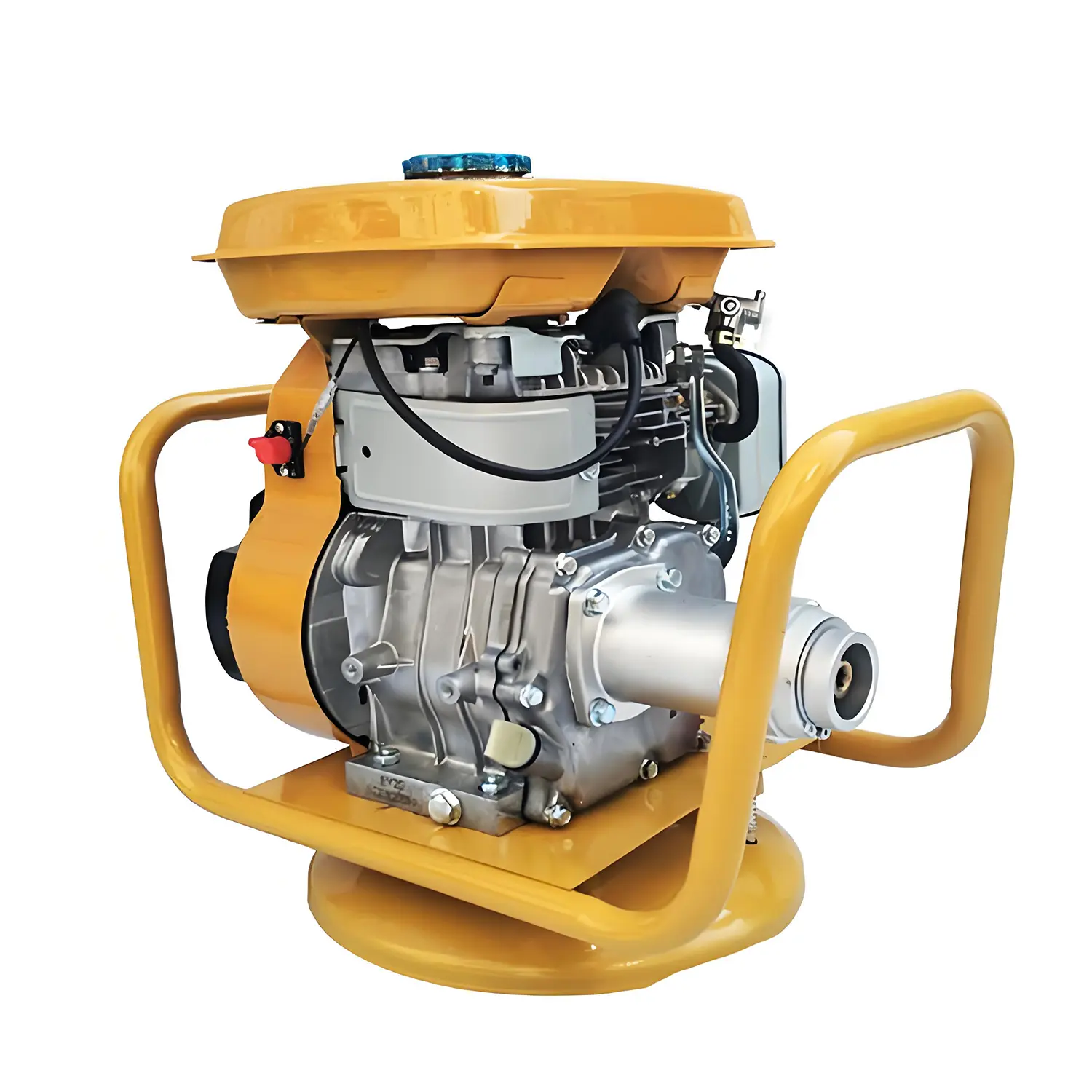 Internal Vibrator
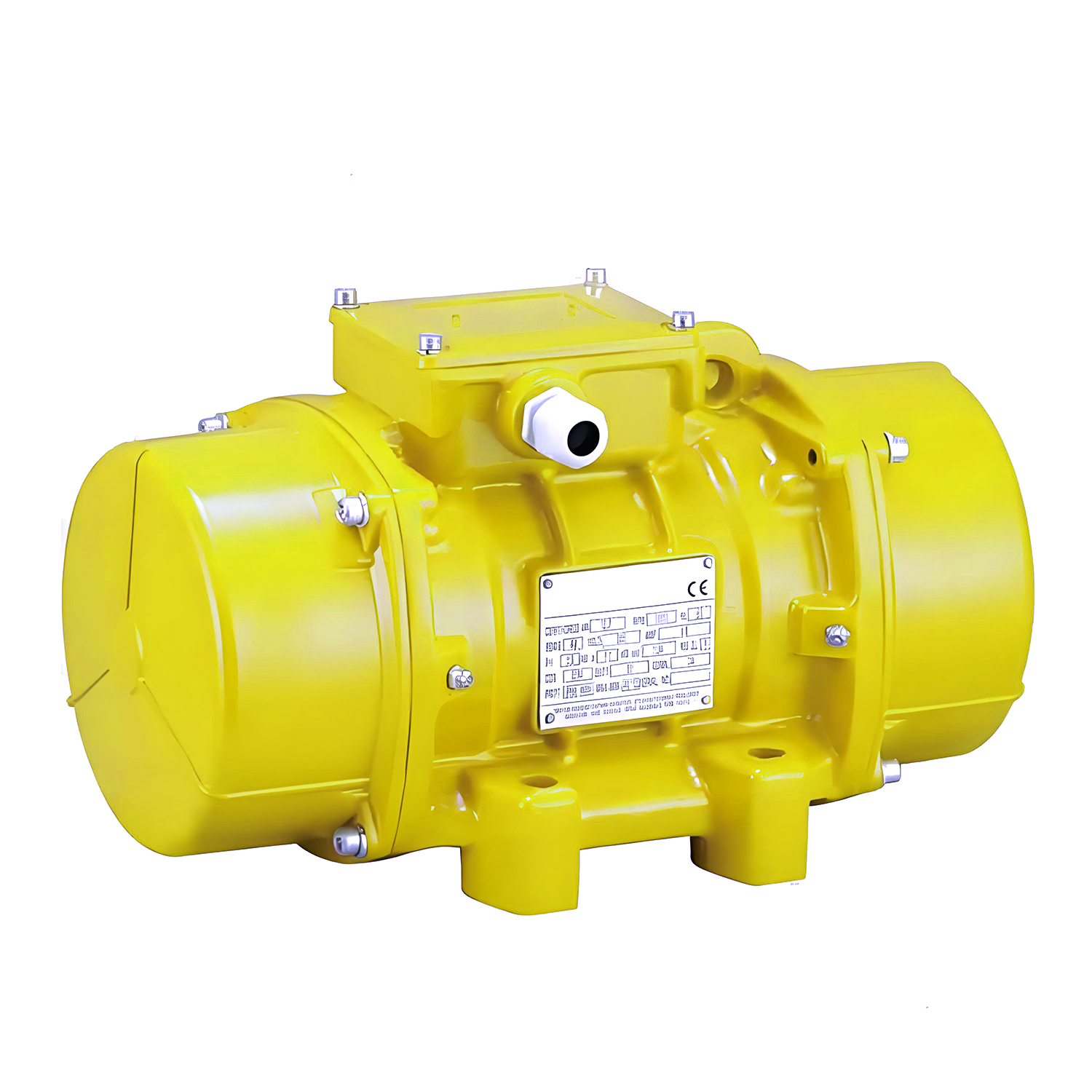 External Vibrator
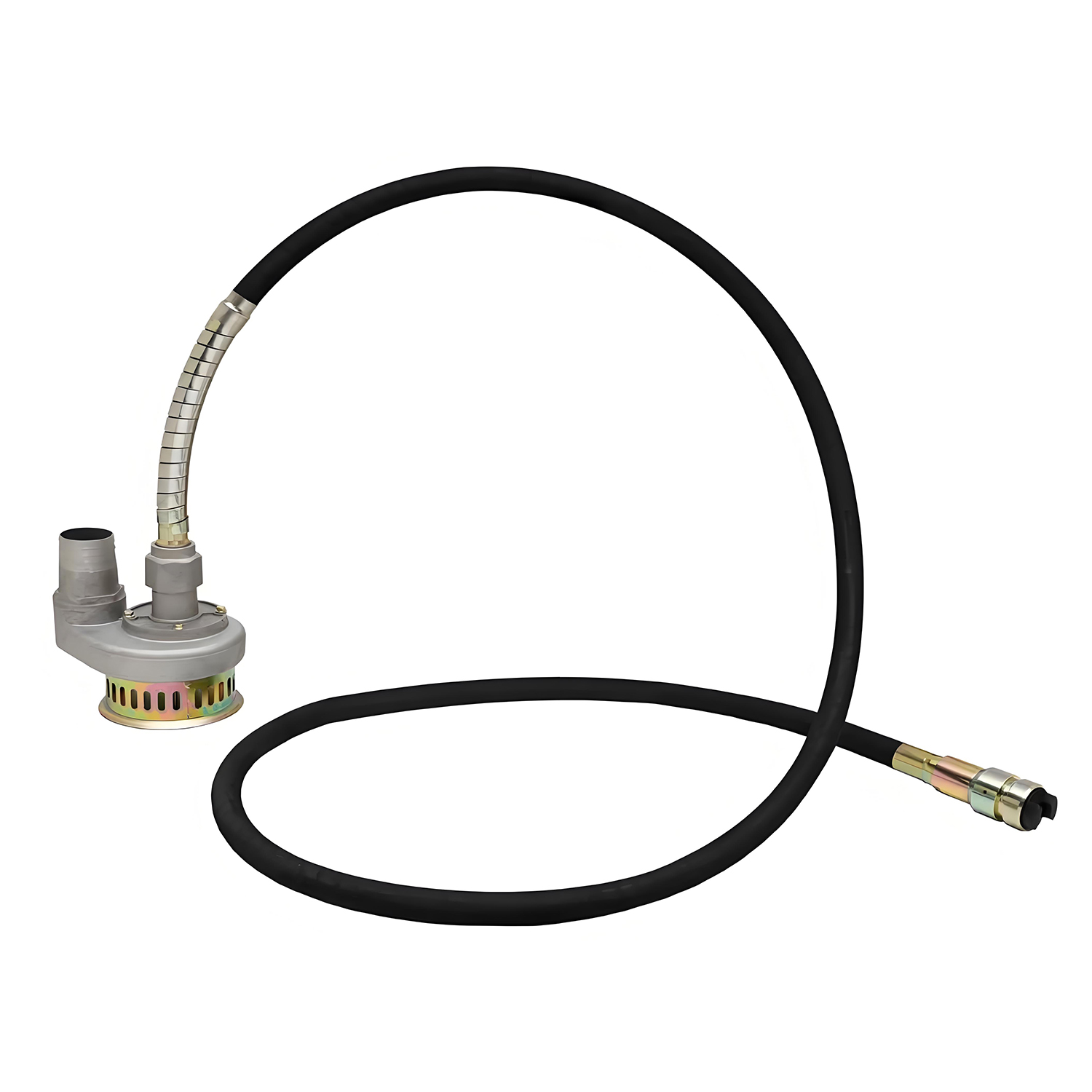 Submersible Pump
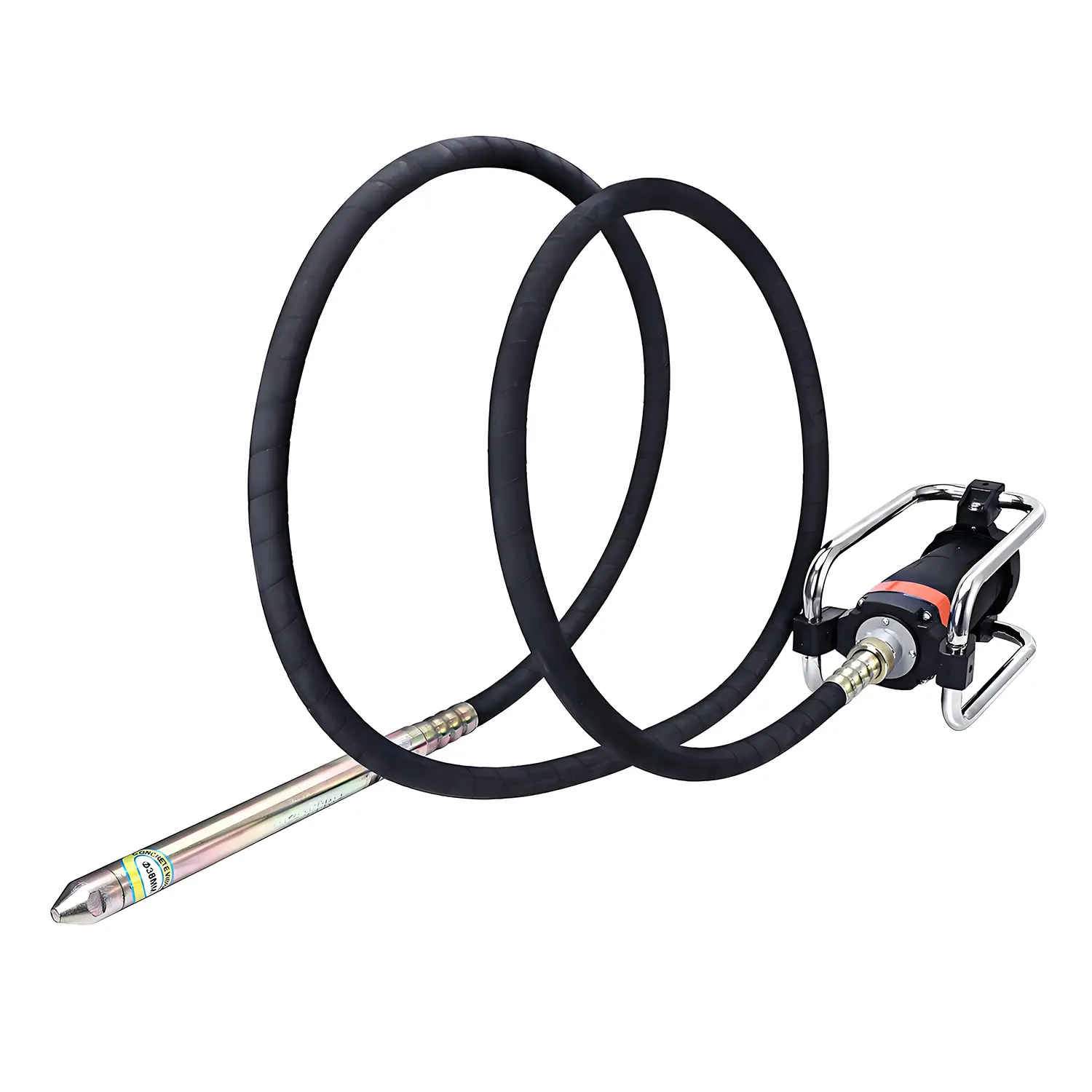 Eccentric shaft
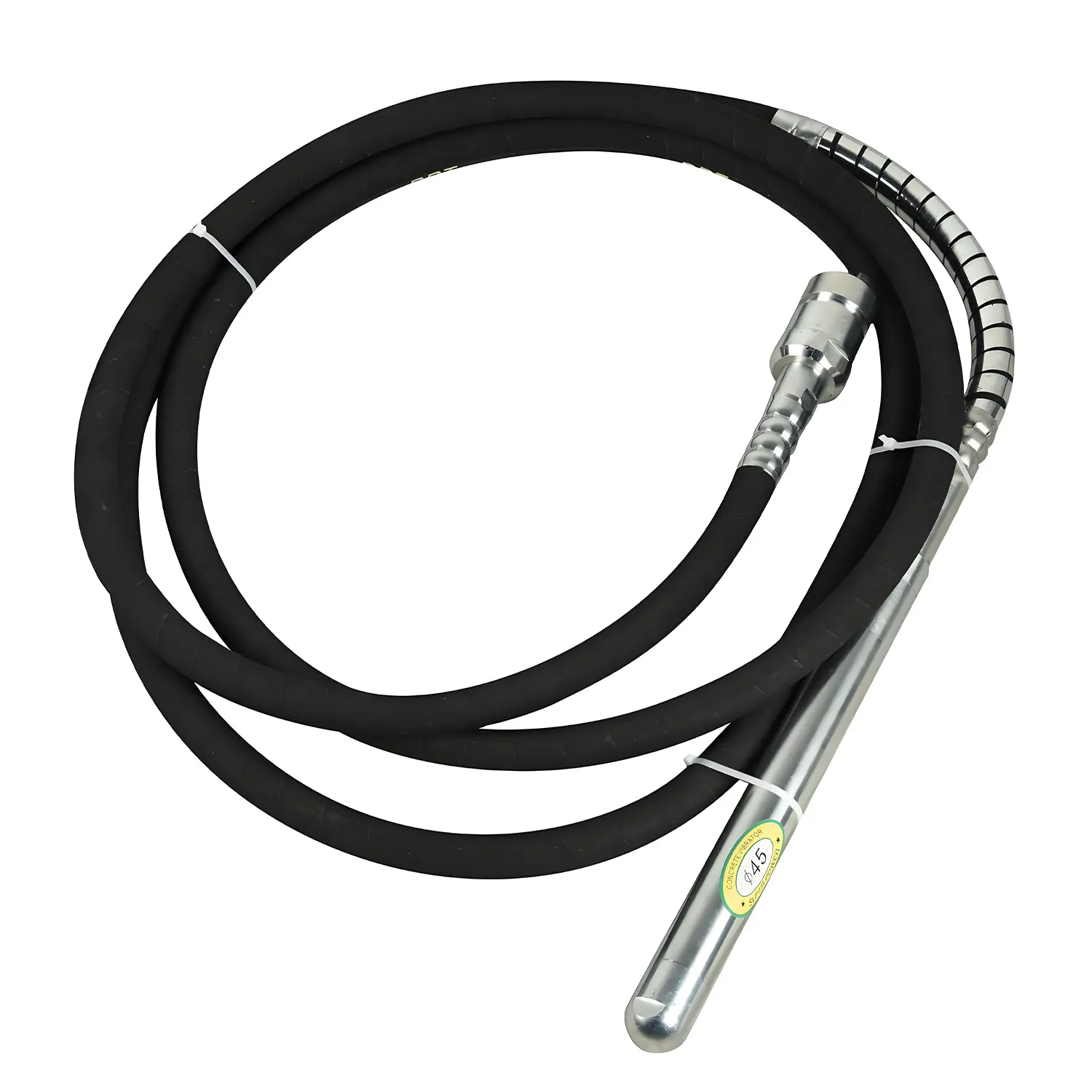 Pendulum shaft
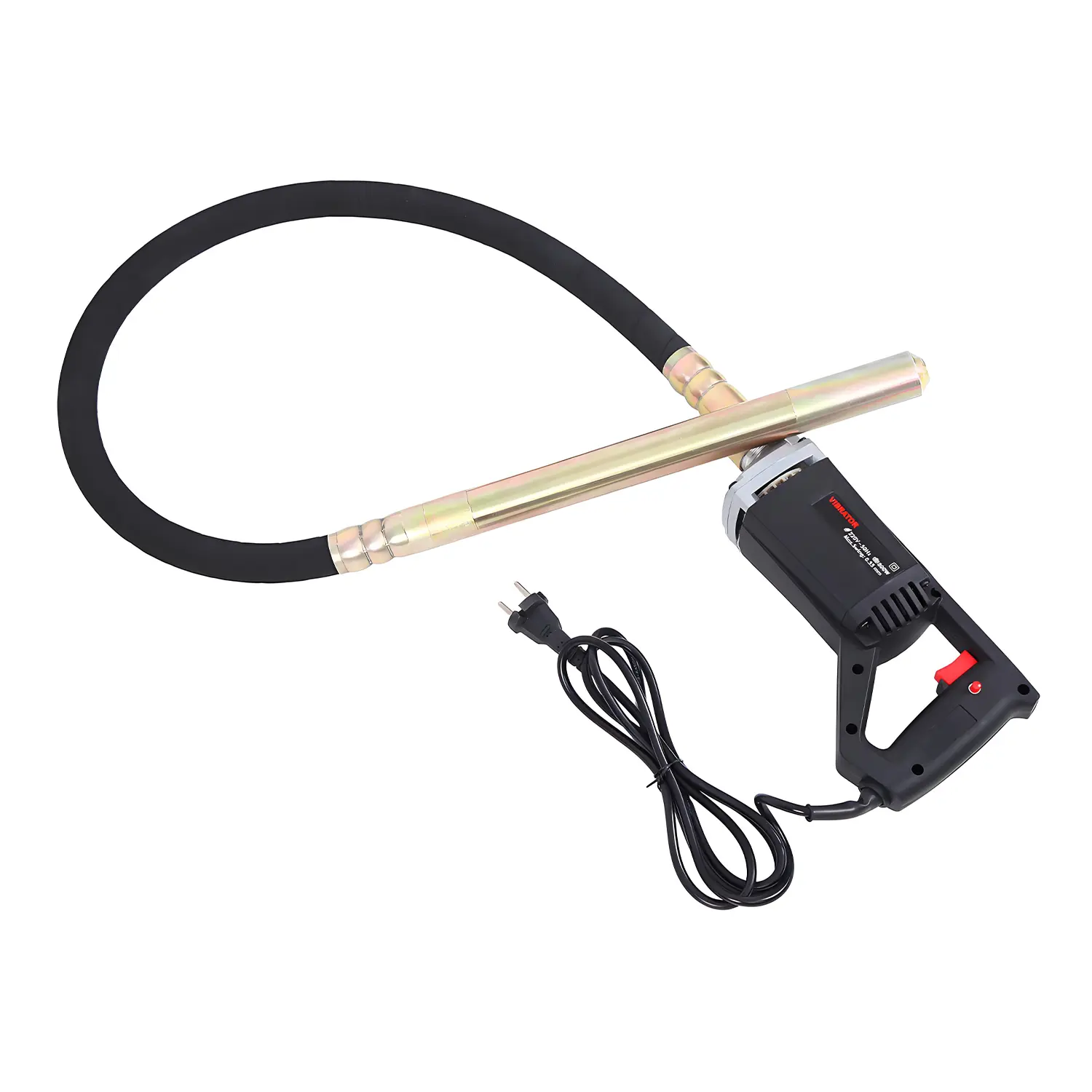 Portable vbrator shaft
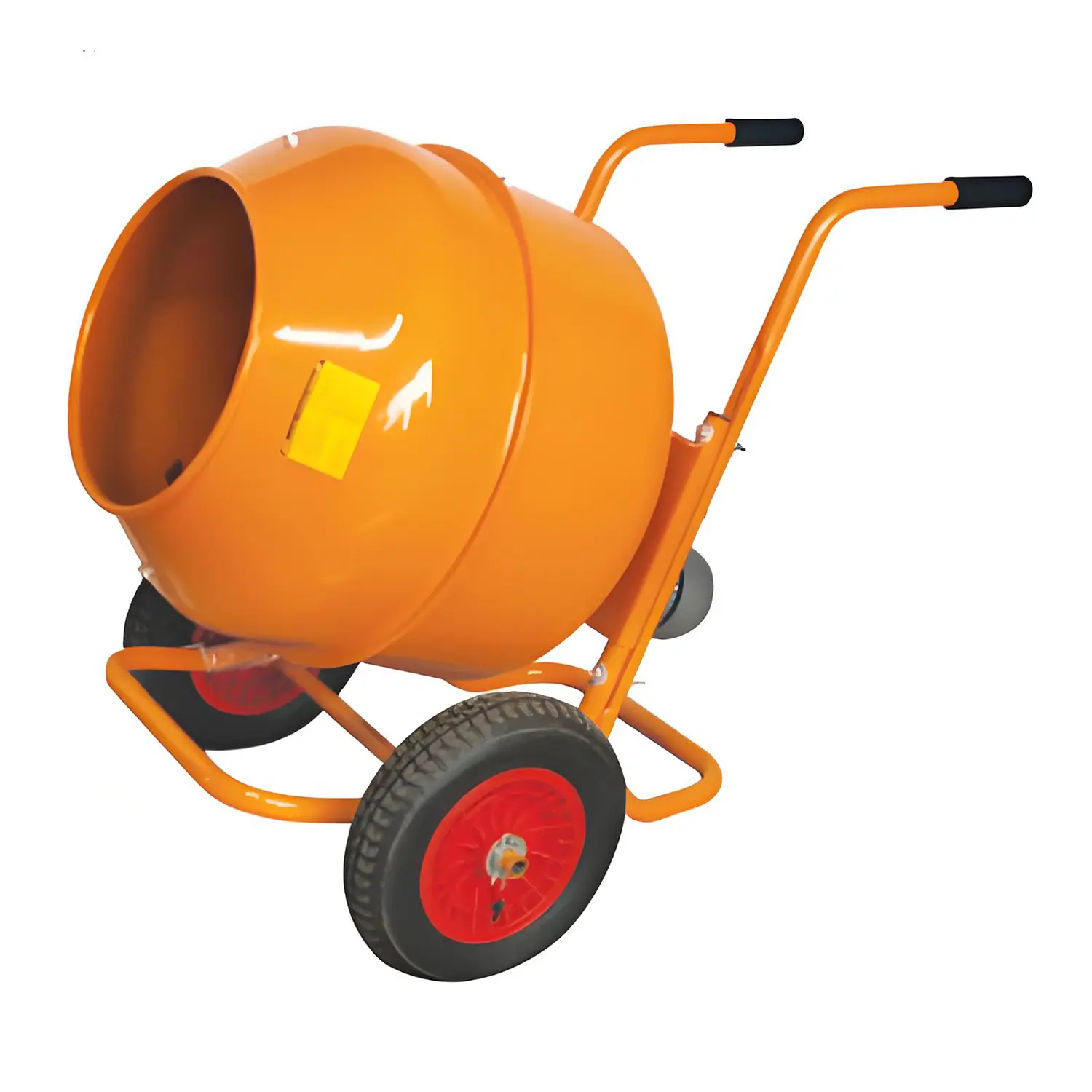 Portable concrete mixer
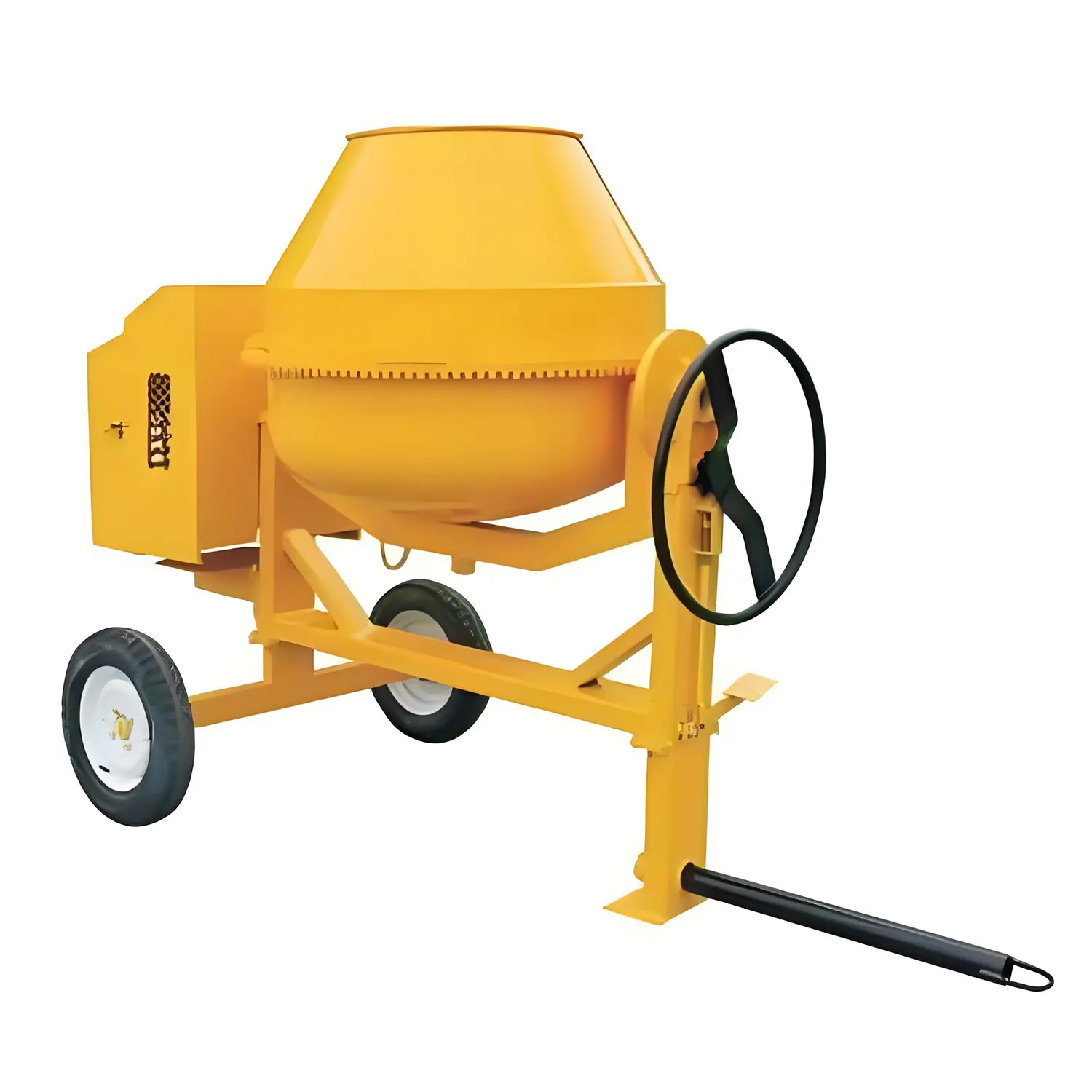 Vertical concrete mixer
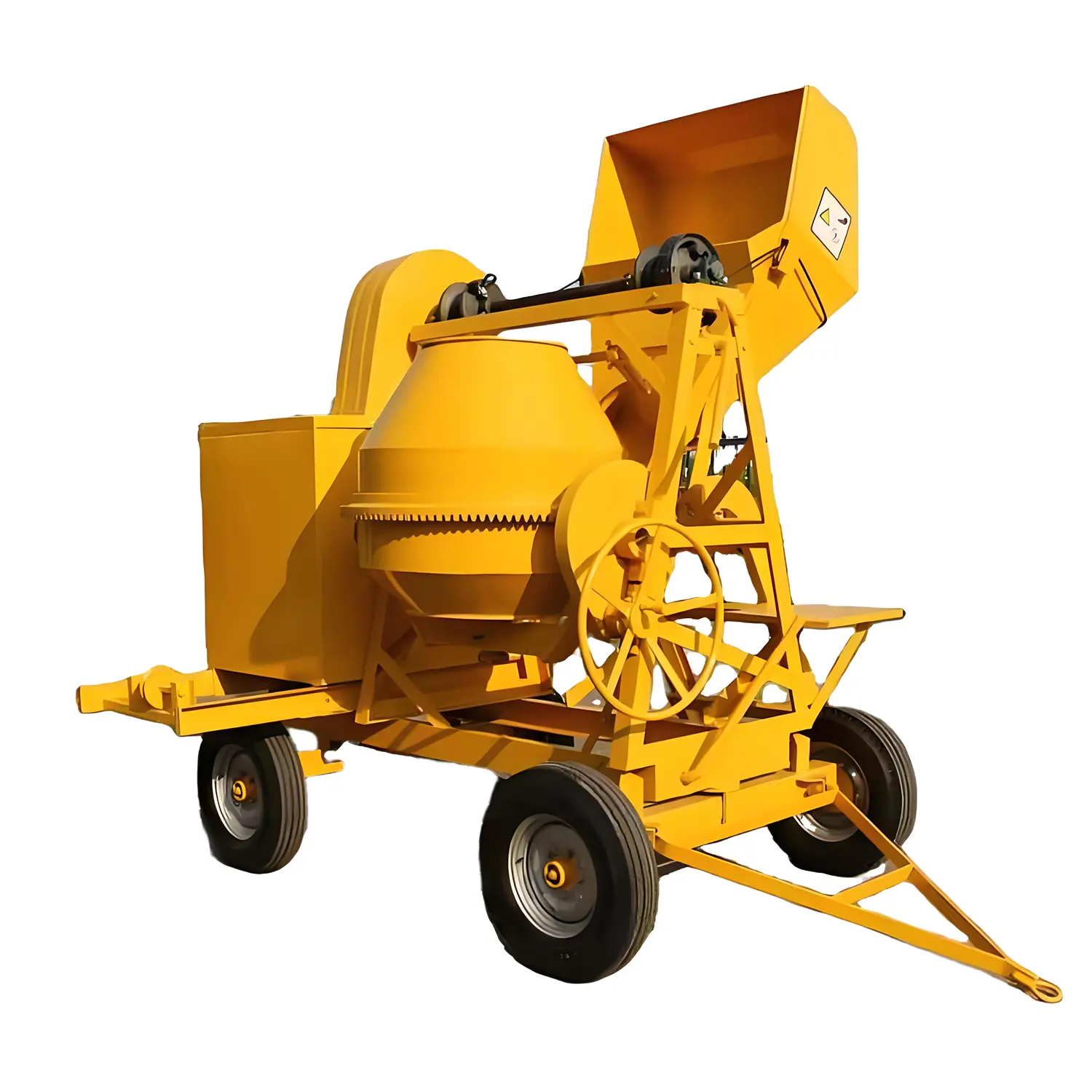 Hydraulic concrete mixer
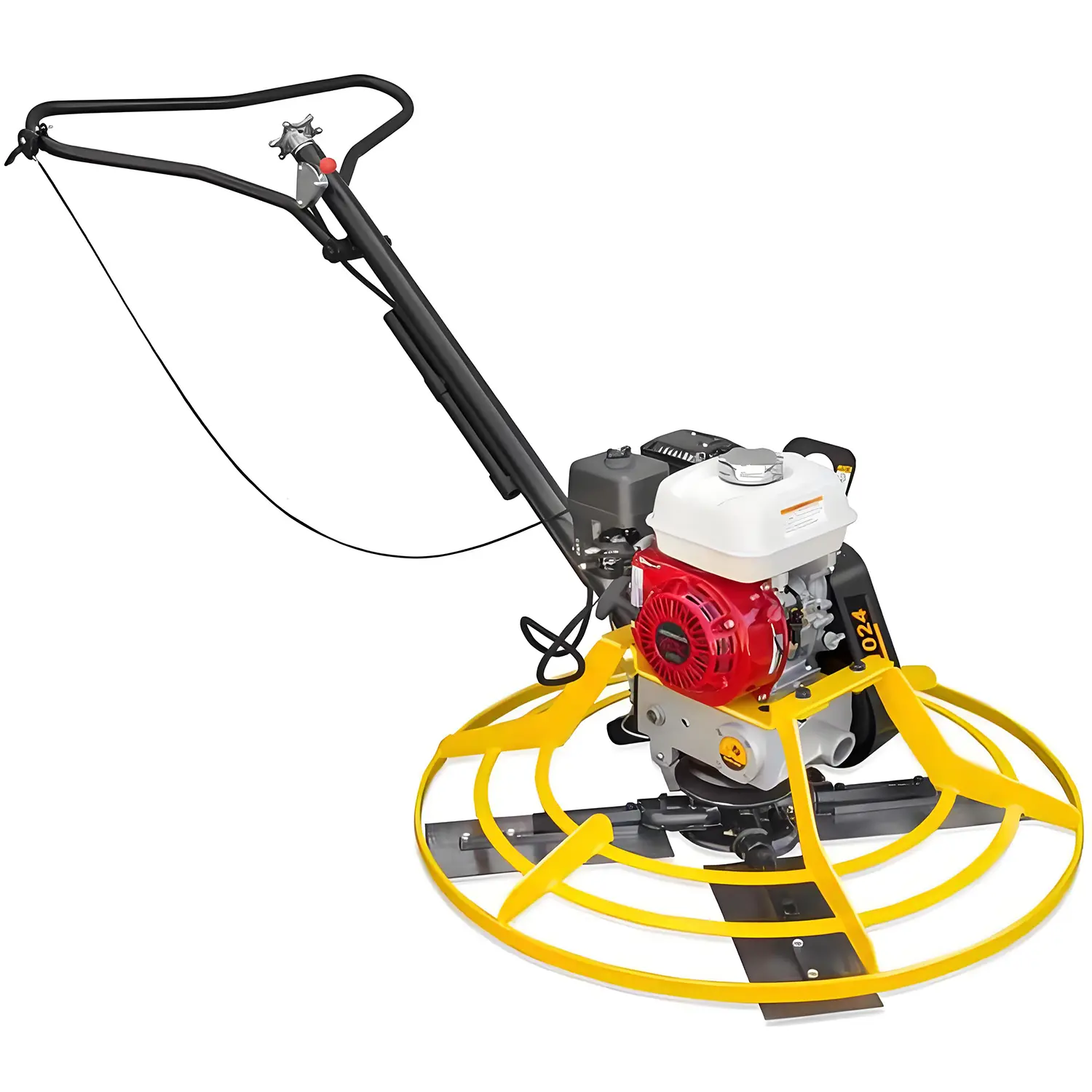 Walk behind power trowel
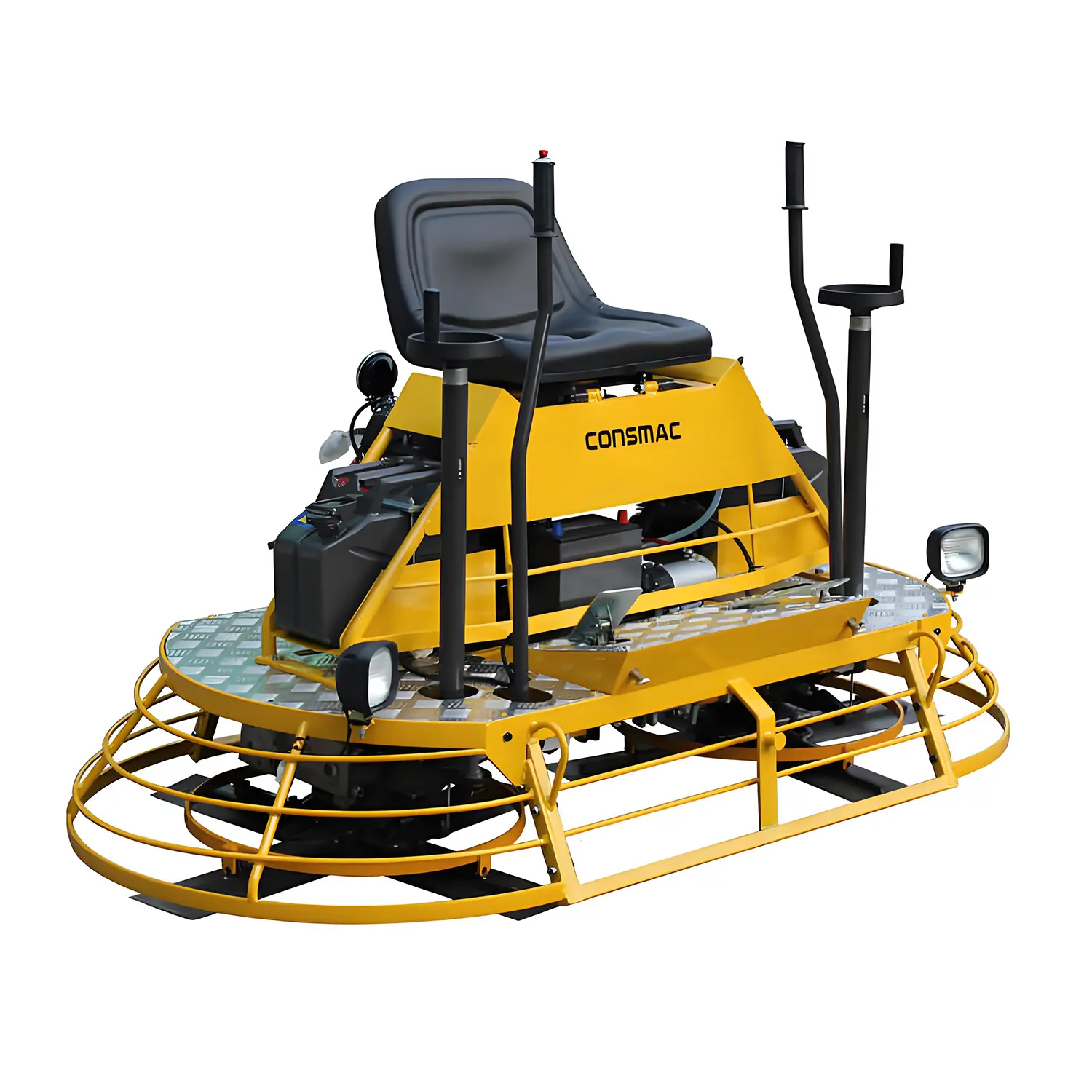 Ride on power trowel
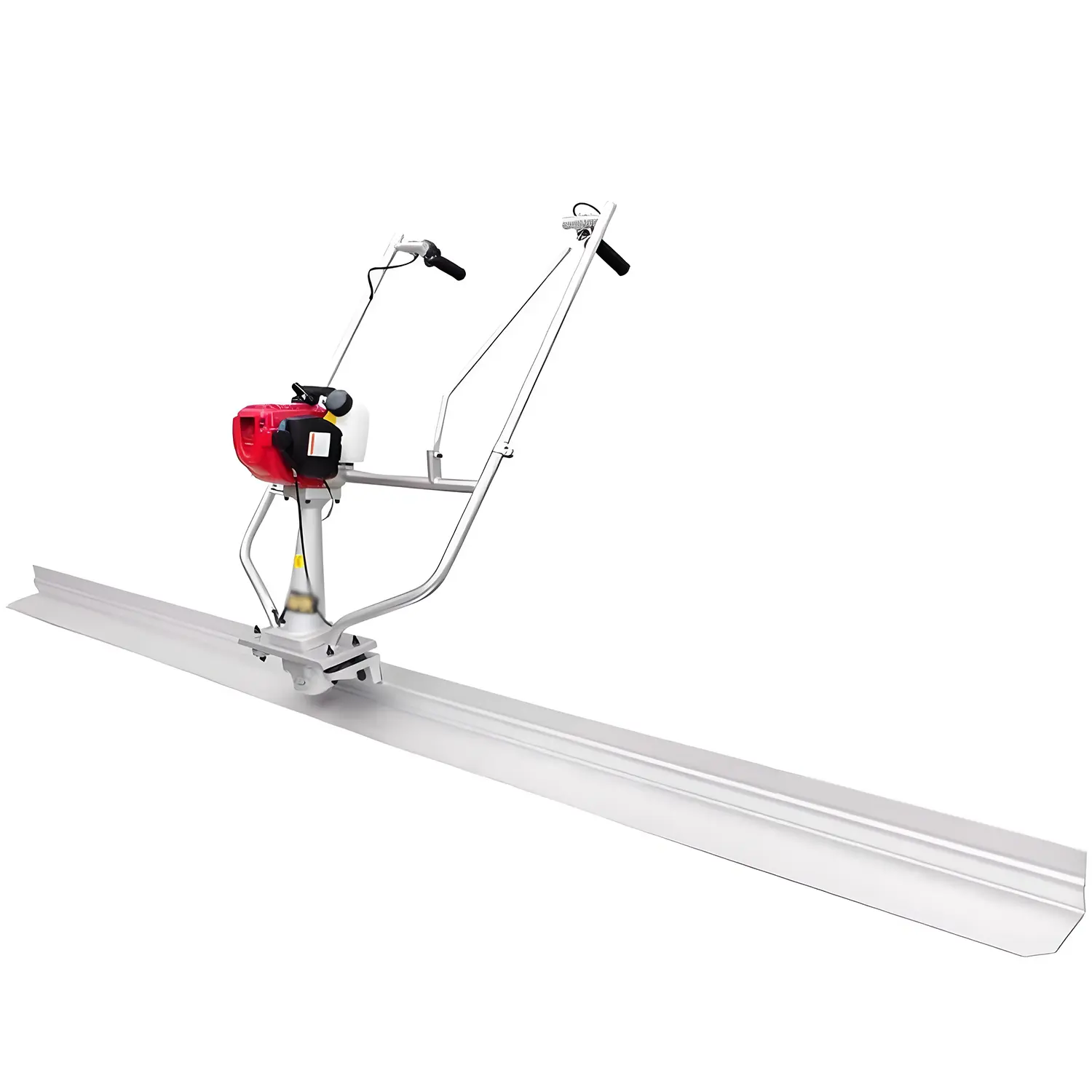 Concrete screed
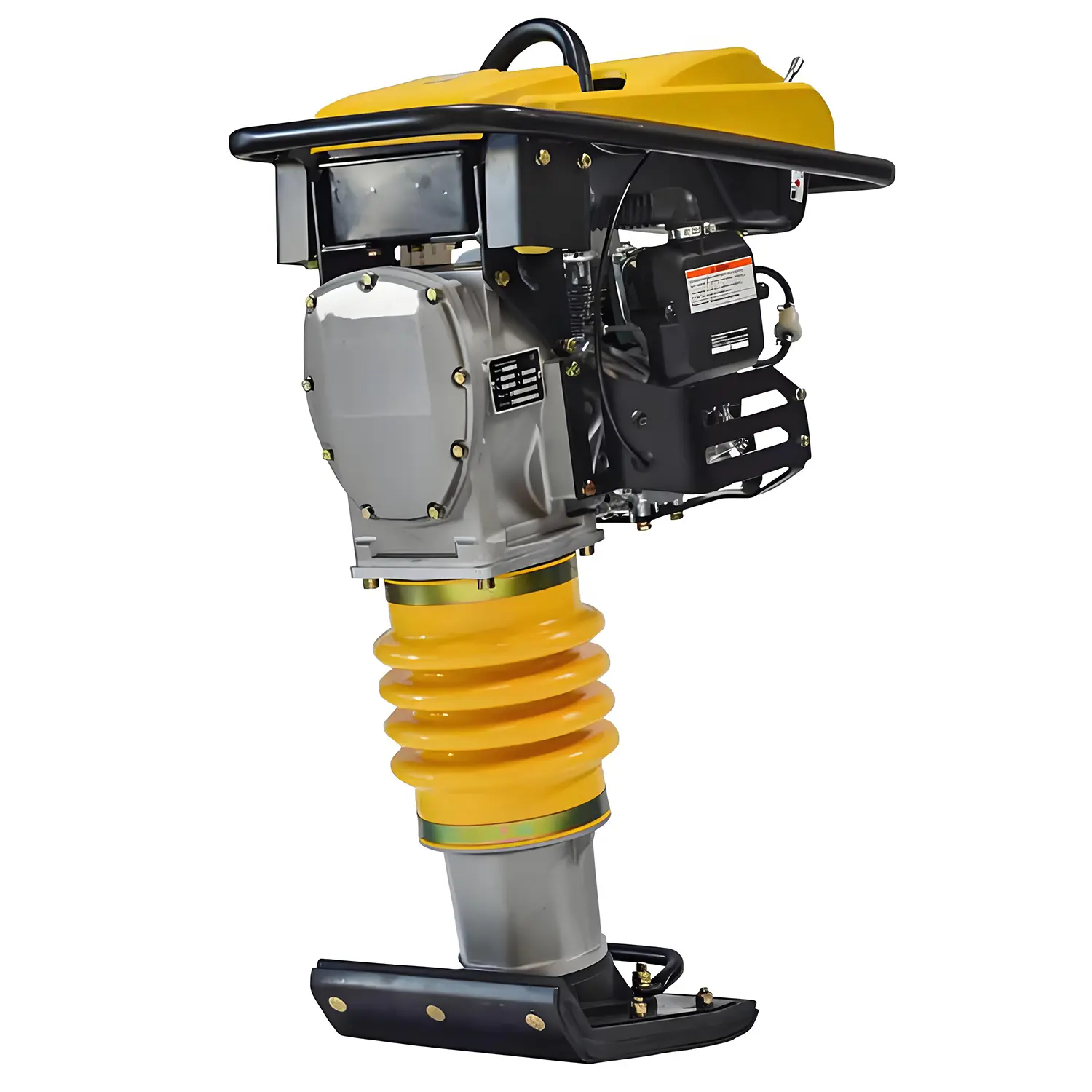 Tamping rammer
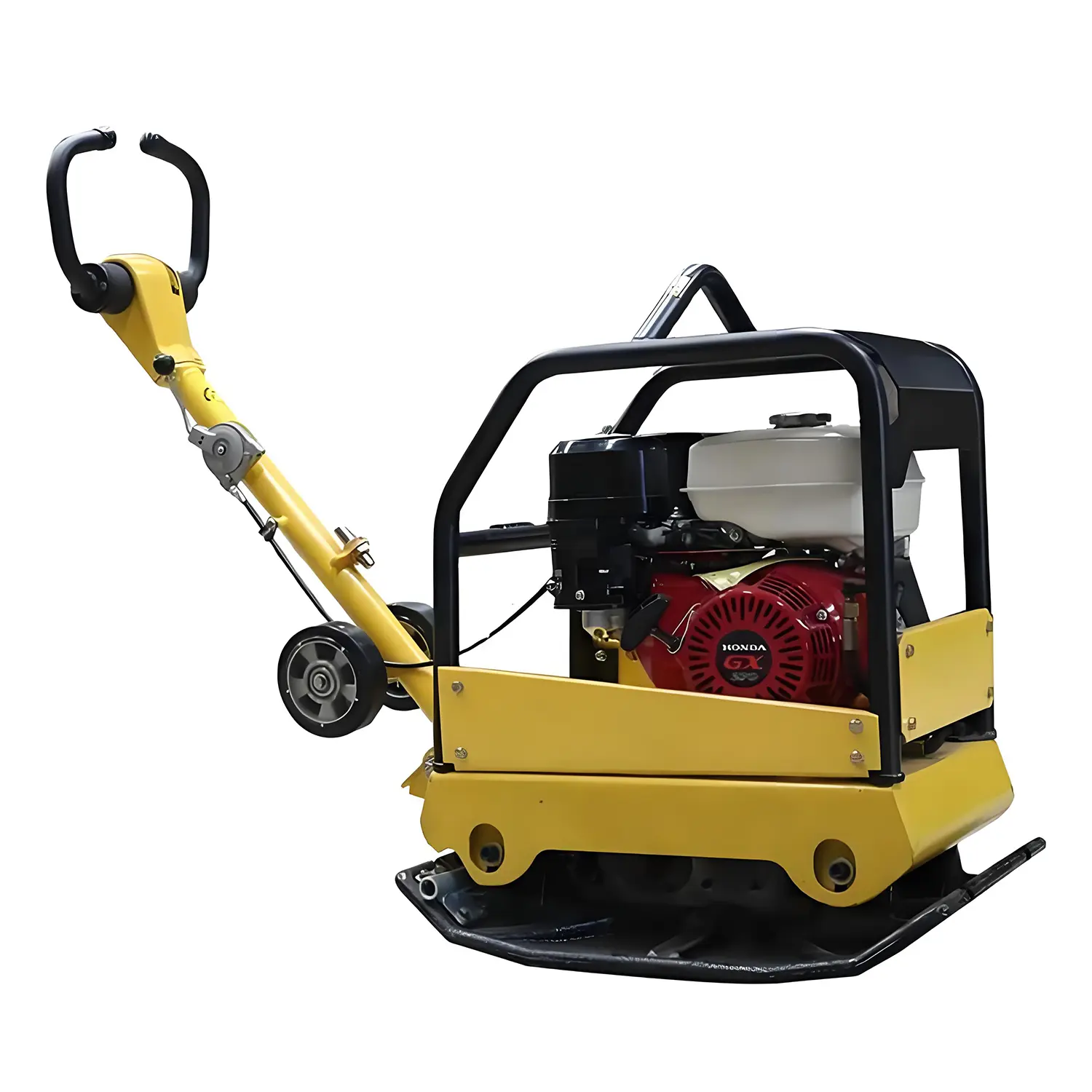 Plate compactor
 Vibratory roller