Top 10 Ways Concrete Needle Transforms Construction Industry?
In the ever-evolving construction industry, innovation is vital. One such innovation is the "Concrete Needle," a tool that has gained significant attention. According to industry expert Dr. Emily Thatcher, “The Concrete Needle revolutionizes how we approach concrete repairs, saving time and enhancing quality.” This statement underscores the growing influence of this technology.
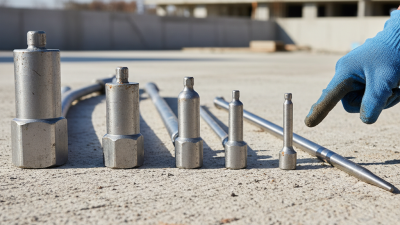
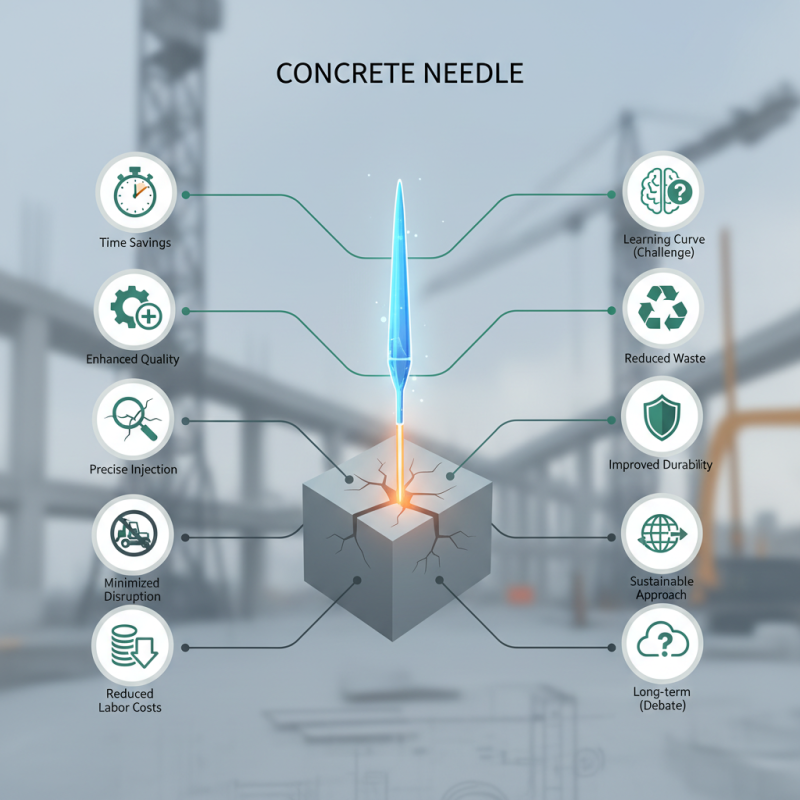
The Concrete Needle allows for precise injection of materials into concrete, addressing cracks and damage effectively. With its slim profile and advanced design, it minimizes disruption during repairs. Users report that it significantly reduces labor costs. However, the learning curve for effective use can be a challenge for some professionals. Despite the initial hurdles, many find that the benefits outweigh these difficulties.
The impact of the Concrete Needle extends beyond efficiency. It encourages a shift towards a more sustainable approach in construction. With reduced waste and improved durability, it aligns well with modern environmental standards. Yet, some remain skeptical about its long-term performance and reliability, reflecting the ongoing conversations about innovation in the sector.
Impact of Concrete Needle on Construction Efficiency
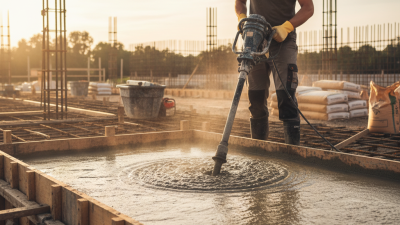
The construction industry is witnessing a significant transformation due to the introduction of concrete needles. These tools enhance construction efficiency in various ways. By allowing precise drilling and pouring, they reduce the time needed for complex tasks. This leads to quicker project completions, which is vital in meeting tight deadlines.
Moreover, concrete needles improve material usage. They minimize waste by ensuring accurate and targeted applications of concrete. This not only conserves resources but also cuts costs for contractors. However, achieving perfect results can be a challenge. Workers must be well-trained, as improper use can lead to structural issues.
Yet, the advantages often outweigh the risks. Enhanced safety measures are a necessity to prevent accidents. As this technology evolves, ongoing training is essential. Continuous improvement in techniques ensures that the construction industry can fully benefit from concrete needles while mitigating potential drawbacks.
Impact of Concrete Needle on Construction Efficiency
Enhancing Precision and Accuracy with Concrete Needle Technology
The construction industry is constantly evolving. Concrete needle technology is at the forefront of this transformation. This innovative approach boosts precision and accuracy in various projects. A recent report from the Construction Industry Institute highlights that precision in concrete application can reduce waste by up to 30%. This means that construction firms can save significant costs while enhancing quality.
When using concrete needles, contractors notice an immediate improvement in surface quality. The technology allows for meticulous control over the injection of concrete. This is crucial in complex construction projects where every detail matters. Industry experts have seen a reduction in errors, leading to fewer project delays. However, while this technology is transforming the landscape, it demands skilled operators. Inadequate training can lead to mistakes that negate the benefits of precision.
Moreover, the adaptability of concrete needle technology is noteworthy. It can be employed in various environments, from urban settings to remote areas. Yet, it is essential to evaluate the suitability for each project. Not all conditions favor this technology, and poor implementation can lead to structural issues. Organizations must weigh the benefits against potential challenges to ensure the best outcomes.
Reducing Labor Costs through Concrete Needle Innovations
The construction industry is witnessing a significant shift with innovations like concrete needles. These tools are designed to enhance precision and speed. This improvement directly leads to reduced labor costs. Industry reports indicate that labor expenses can account for up to 40% of total project costs. By utilizing concrete needle technology, companies streamline processes, which can cut these expenses by up to 20%.
Moreover, the automation integrated into concrete needle applications reduces reliance on manual labor. A recent study published by a leading construction analytics firm highlights that projects utilizing automated technologies saw a 30% increase in efficiency. This means fewer workers are needed on-site, allowing companies to allocate resources better. However, reliance on technology also poses challenges. Workers may need retraining to adapt to this new technology.
Not all workers are easily replaced or retrained. There are skills that remain unique to human workers. Projects can face delays due to this transitional phase. Nevertheless, the long-term gains from using concrete needle innovations paint a promising picture for the industry. Reducing labor costs while maintaining quality is attainable with the right balance. The construction industry is evolving, and adapting to these changes is essential.
Top 10 Ways Concrete Needle Transforms Construction Industry - Reducing Labor Costs through Concrete Needle Innovations
| Method |
Description |
Impact on Labor Costs (%) |
Implementation Time (Weeks) |
| Modular Construction |
Using pre-fabricated concrete elements to speed up construction |
30% |
6 |
| Advanced Machinery |
Utilizing robotic systems for precision placement |
25% |
4 |
| 3D Printing |
Printing concrete structures layer by layer |
40% |
8 |
| Optimized Labor Scheduling |
Using software tools for efficient workforce management |
15% |
2 |
| Automated Quality Control |
Real-time monitoring of concrete quality |
20% |
3 |
| Telematics |
Using IoT for equipment tracking and maintenance |
12% |
5 |
| Sustainable Materials |
Incorporating recycled materials into concrete mixtures |
18% |
3 |
| Integrated Project Delivery |
Collaboration between contractors and clients for efficiency |
22% |
4 |
| Training and Skill Development |
Enhancing worker skills for modern techniques |
10% |
6 |
| Virtual Reality Design |
Using VR for design visualization and early problem detection |
30% |
5 |
Sustainability Benefits of Using Concrete Needles in Construction
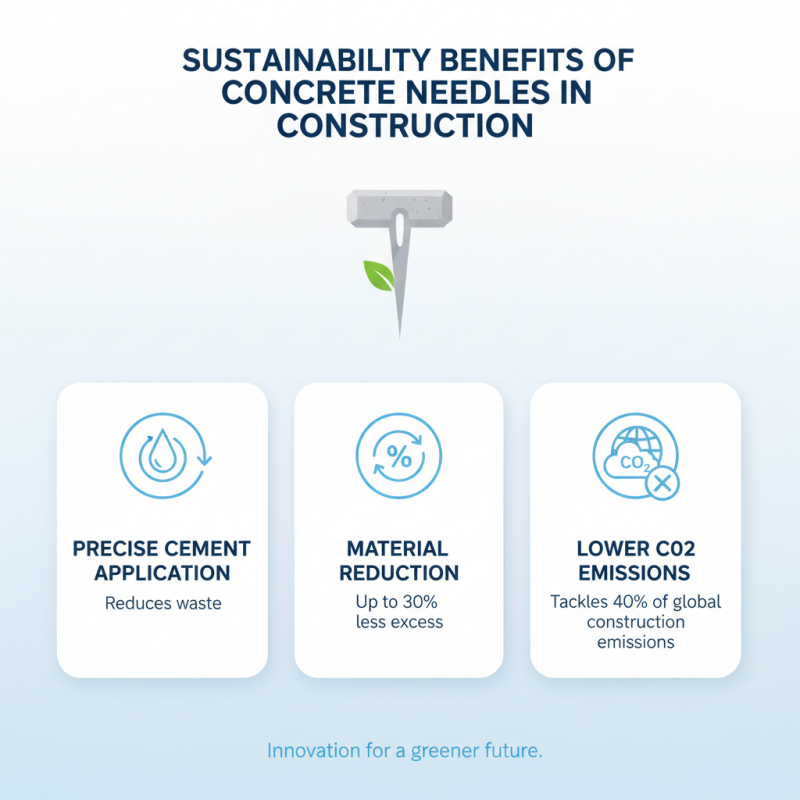
Concrete needles are emerging as a game changer in the construction sector, particularly in terms of sustainability. These innovative tools allow for precise and controlled application of cement, reducing waste significantly. Reports indicate that they can minimize excess material usage by up to 30%. This aspect is crucial as the construction industry accounts for nearly 40% of global CO2 emissions.
Additionally, concrete needles facilitate the use of eco-friendly materials. They enhance the strength and durability of structures while supporting sustainable practices. A recent study revealed that projects utilizing concrete needles reported a 25% decrease in energy consumption during construction. Despite these advantages, challenges remain. Workers need proper training to ensure safety and efficiency. Misuse can negate the benefits, leading to increased waste.
By adopting concrete needles, construction companies can drive progress toward greener practices. Their reliability in ensuring quality while reducing environmental impact is promising. However, addressing the learning curve for teams is necessary for maximizing their potential. An ongoing dialogue about best practices will facilitate a smoother integration in the industry.
Future Trends in Concrete Needle Applications within the Industry
Concrete needles are revolutionizing the construction industry by improving efficiency and safety. Recent studies indicate that productivity in construction projects can increase by up to 30% with advanced concrete needle technology. This shift is driven by the need for faster project completion and higher quality standards.
Future trends suggest a significant rise in automated concrete needle applications. Innovations include robotic systems that can precisely inject concrete into hard-to-reach areas. Reports show that by 2025, automation may account for nearly 50% of all concrete applications in urban construction. However, challenges remain, such as the need for skilled personnel to manage these systems.
Moreover, sustainability is a growing concern. The construction industry is responsible for a large share of global carbon emissions. While concrete needle technology can reduce waste and increase material efficiency, its environmental impact requires careful consideration. Industry experts highlight the necessity for ongoing research in eco-friendly materials and processes to ensure that advances serve both productivity and sustainability goals.

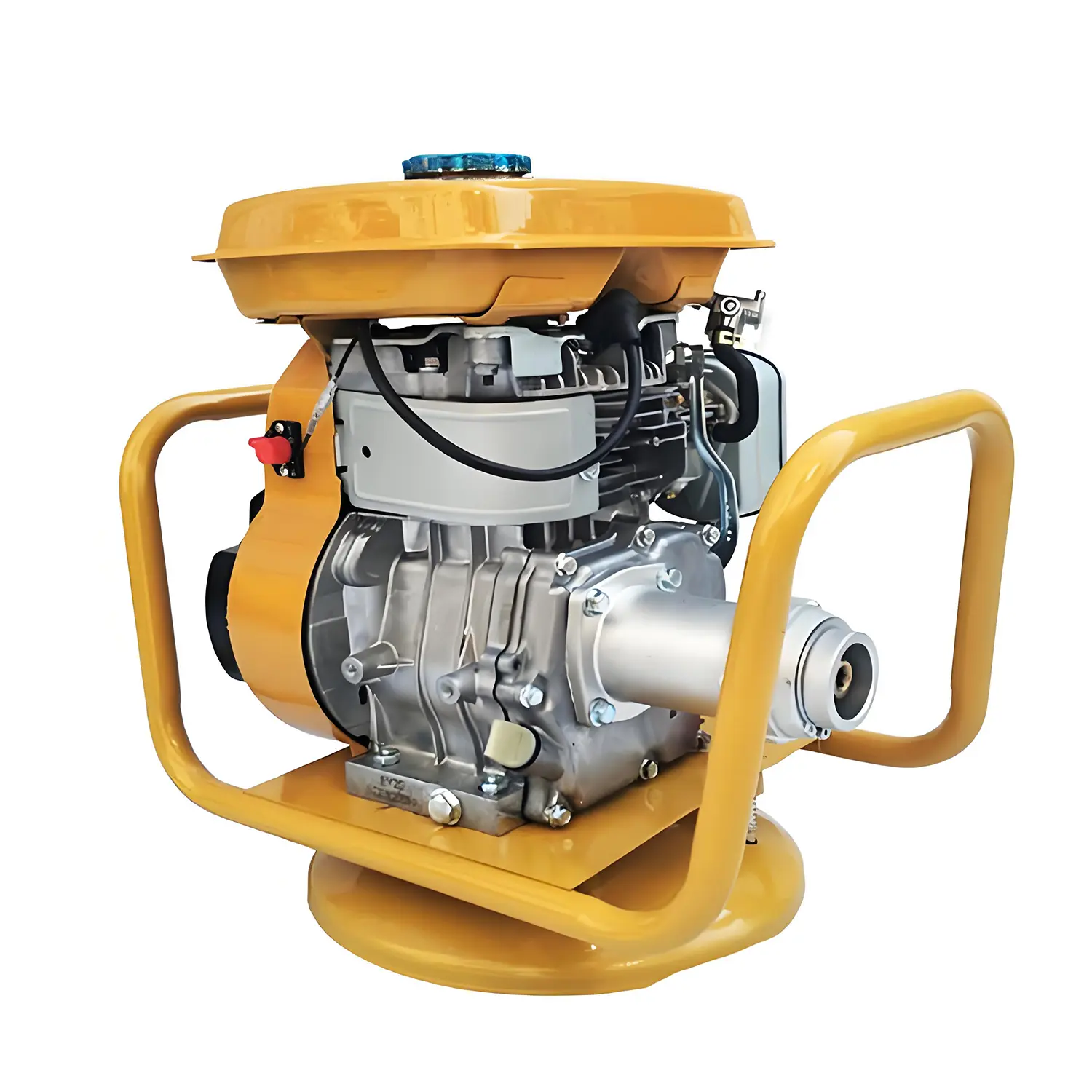 Internal Vibrator
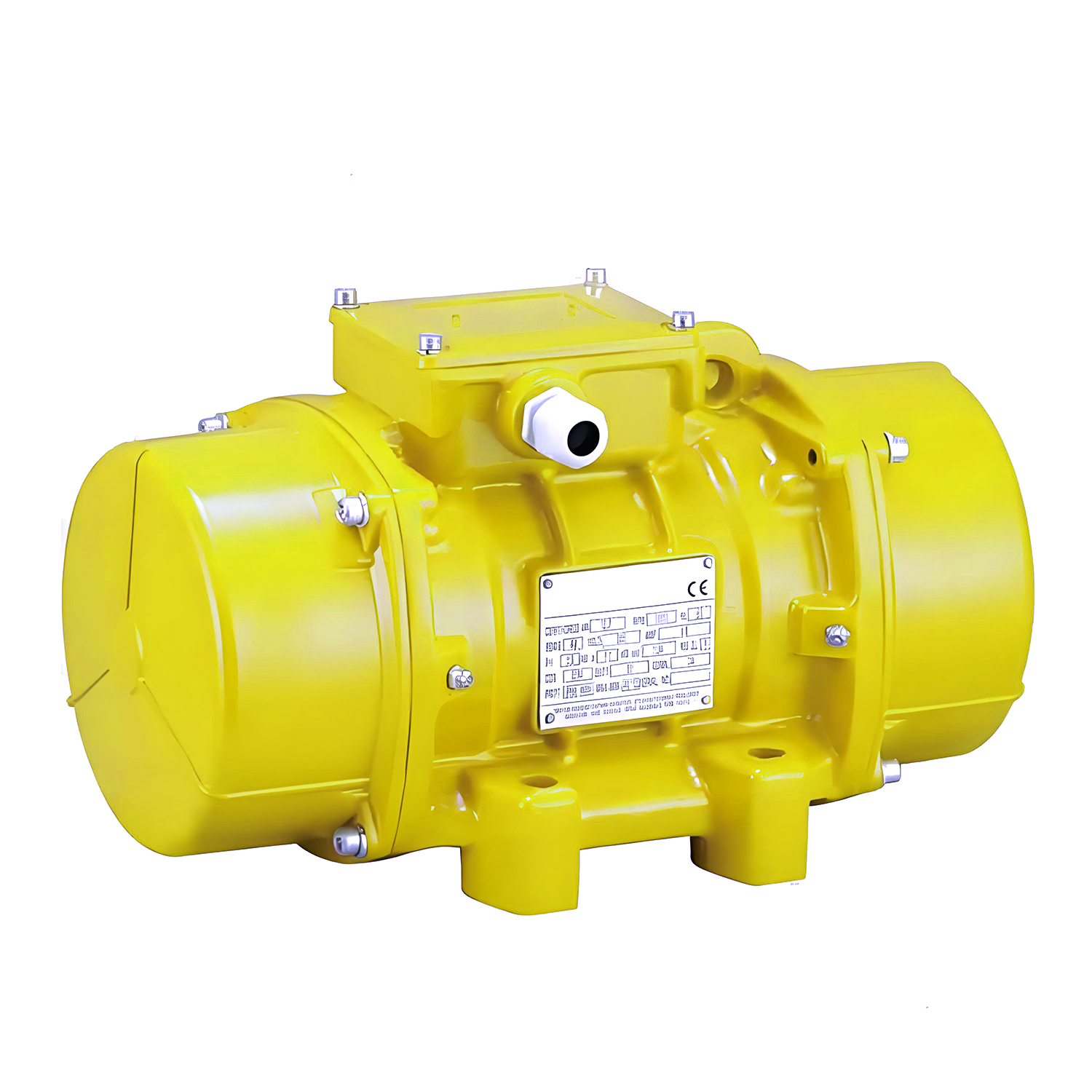 External Vibrator
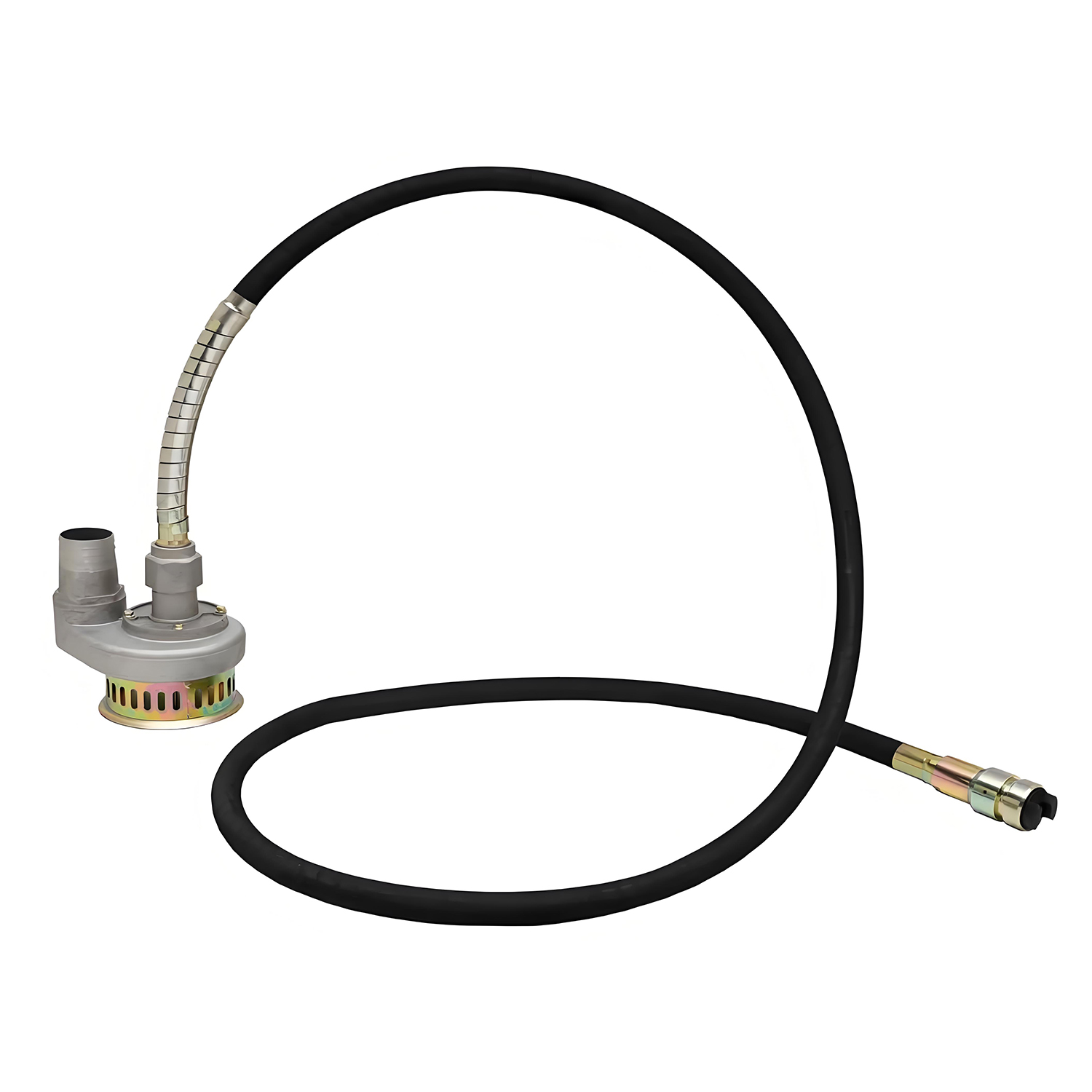 Submersible Pump
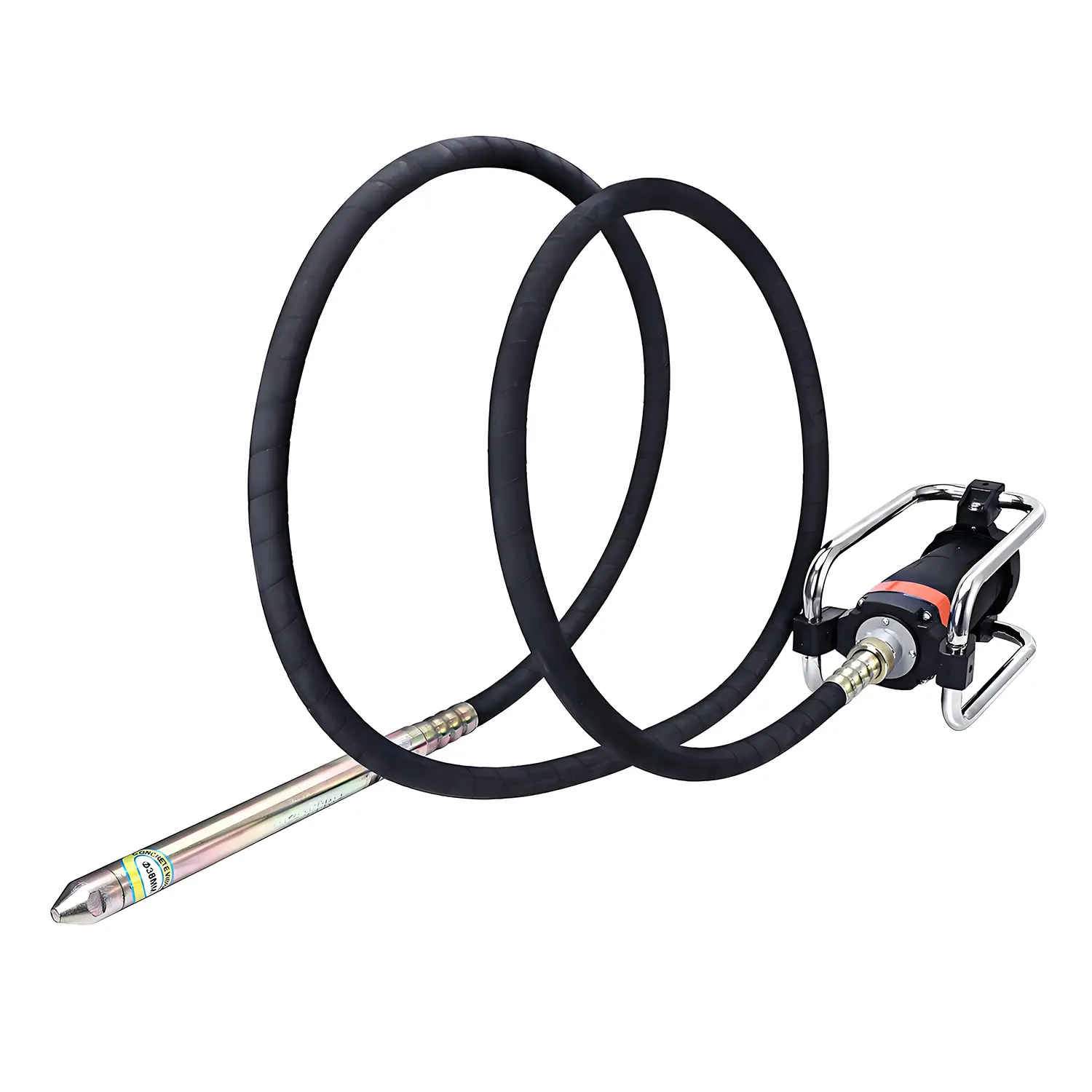 Eccentric shaft
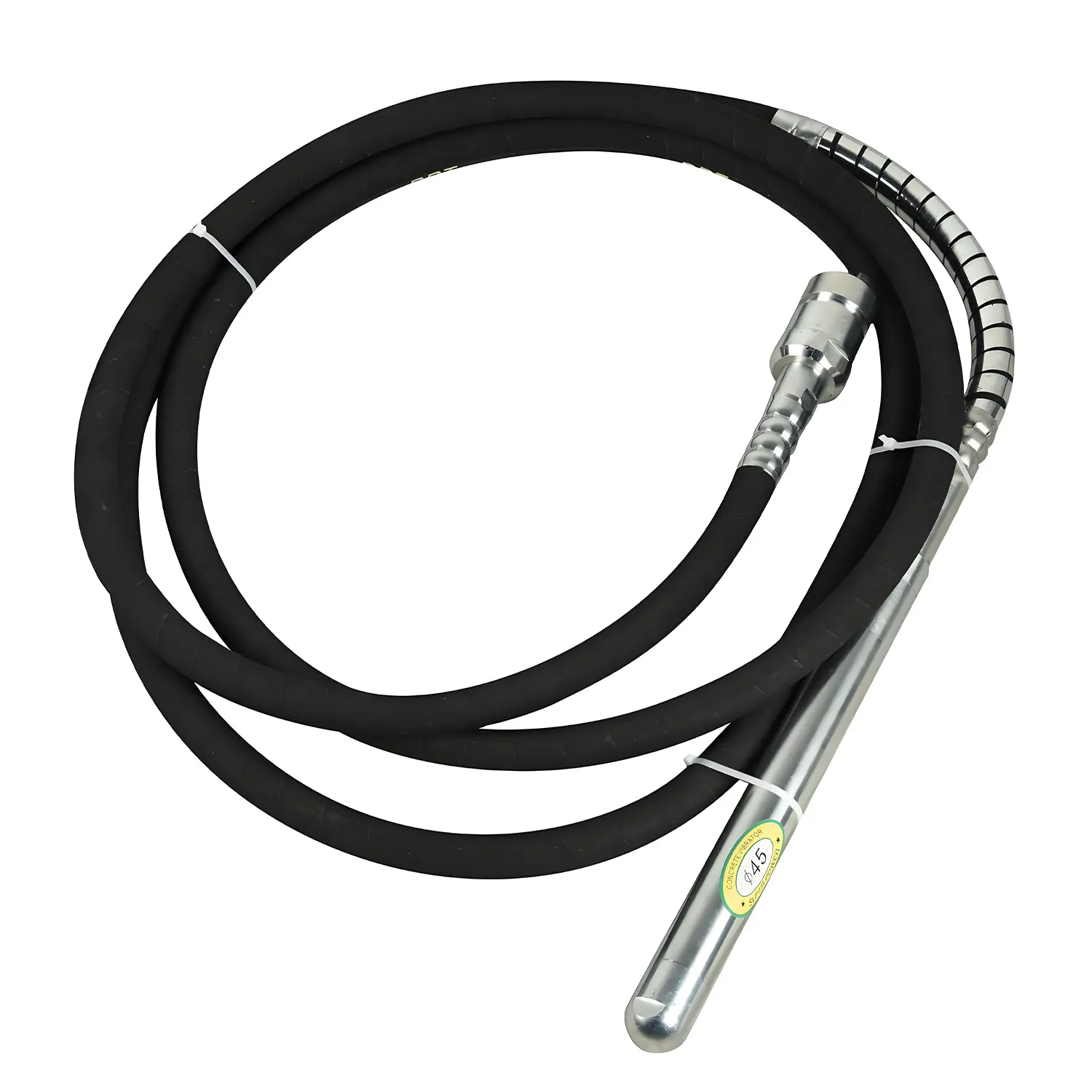 Pendulum shaft
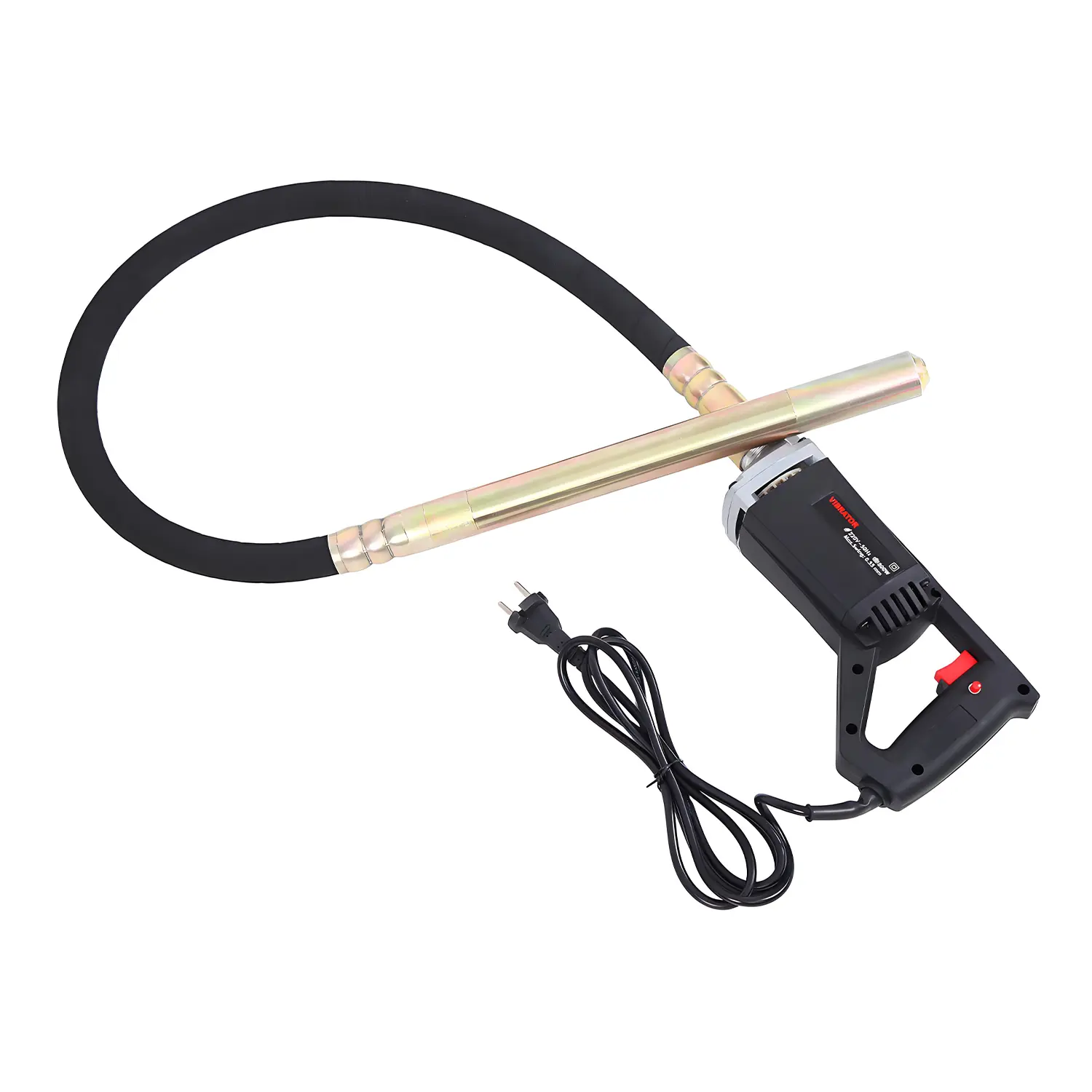 Portable vbrator shaft
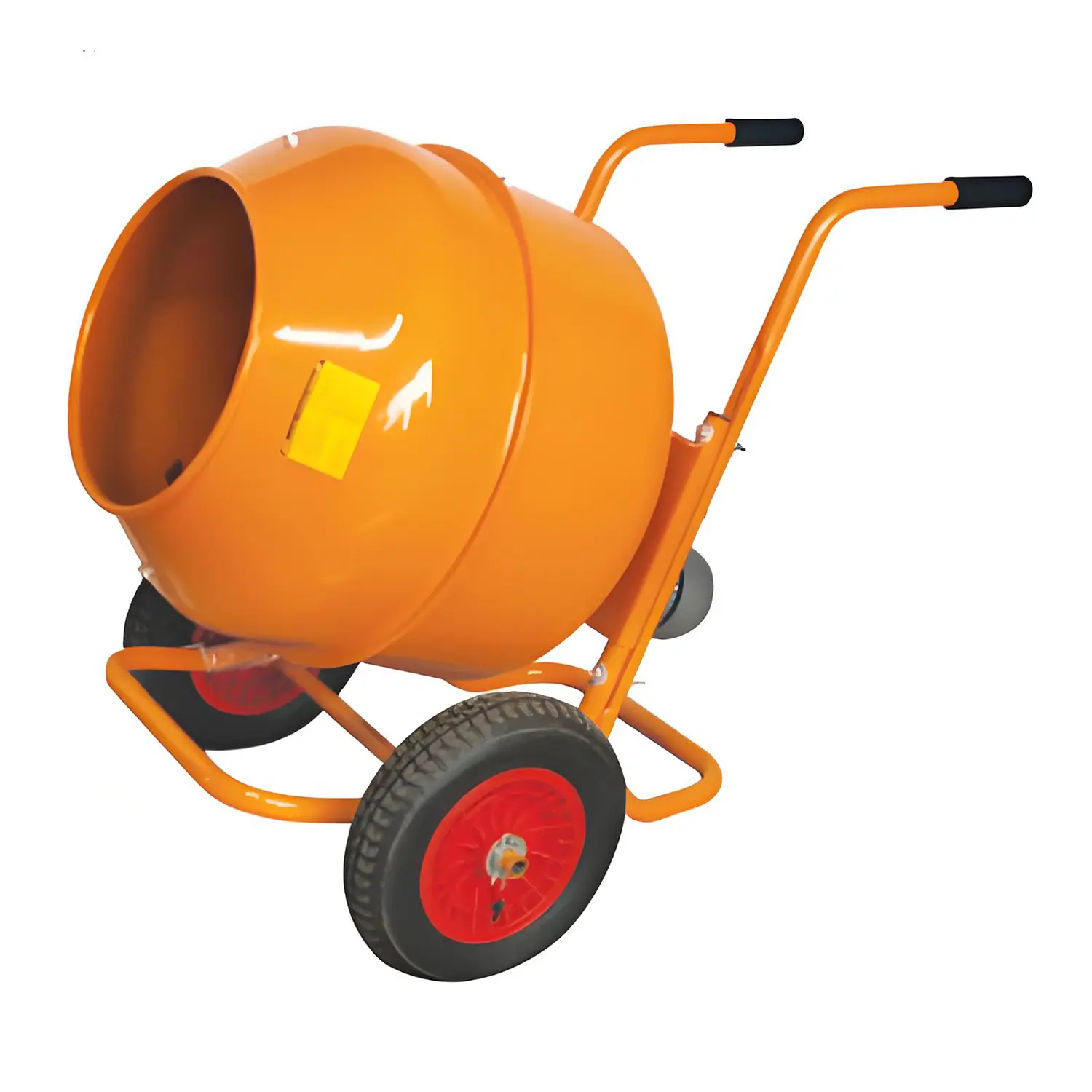 Portable concrete mixer
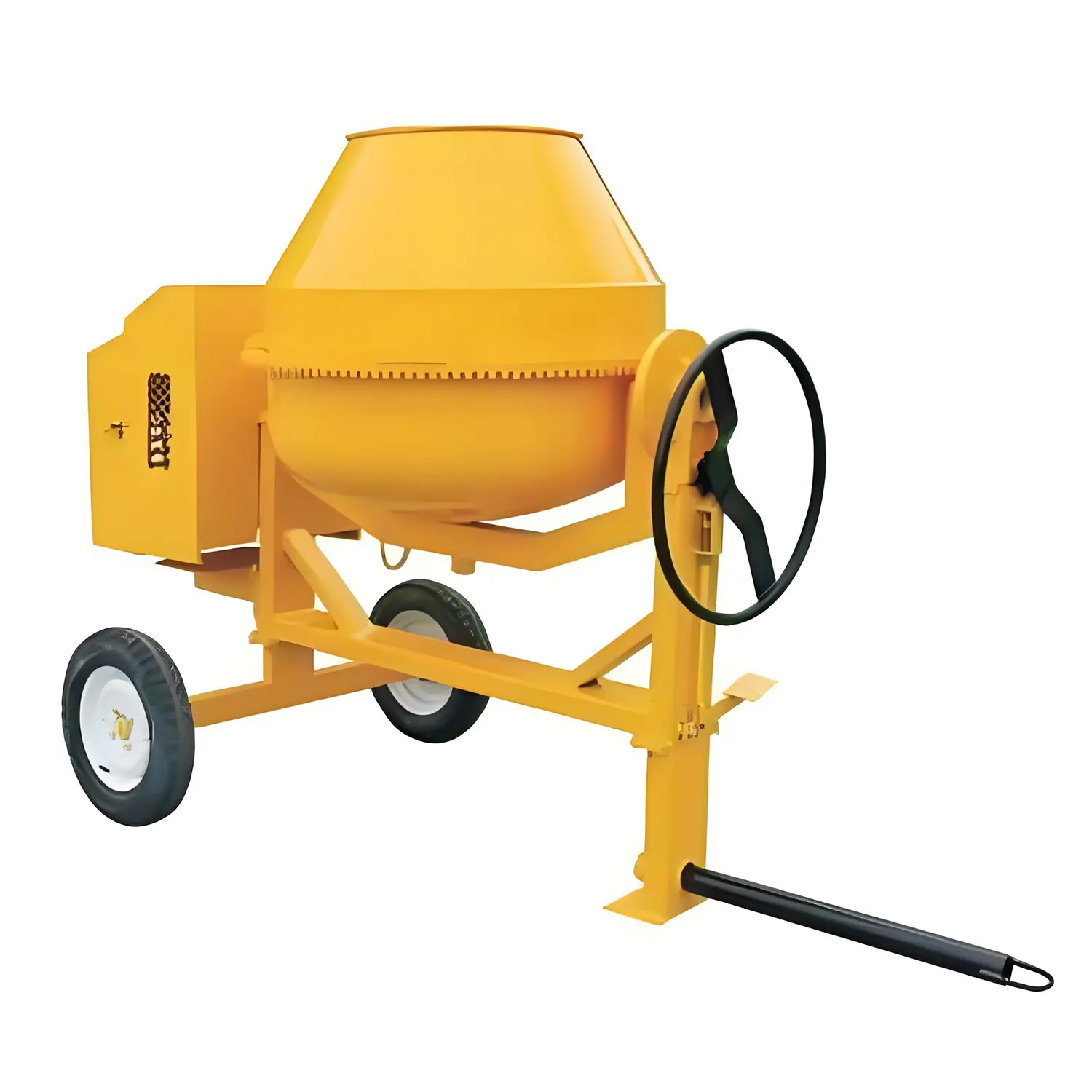 Vertical concrete mixer
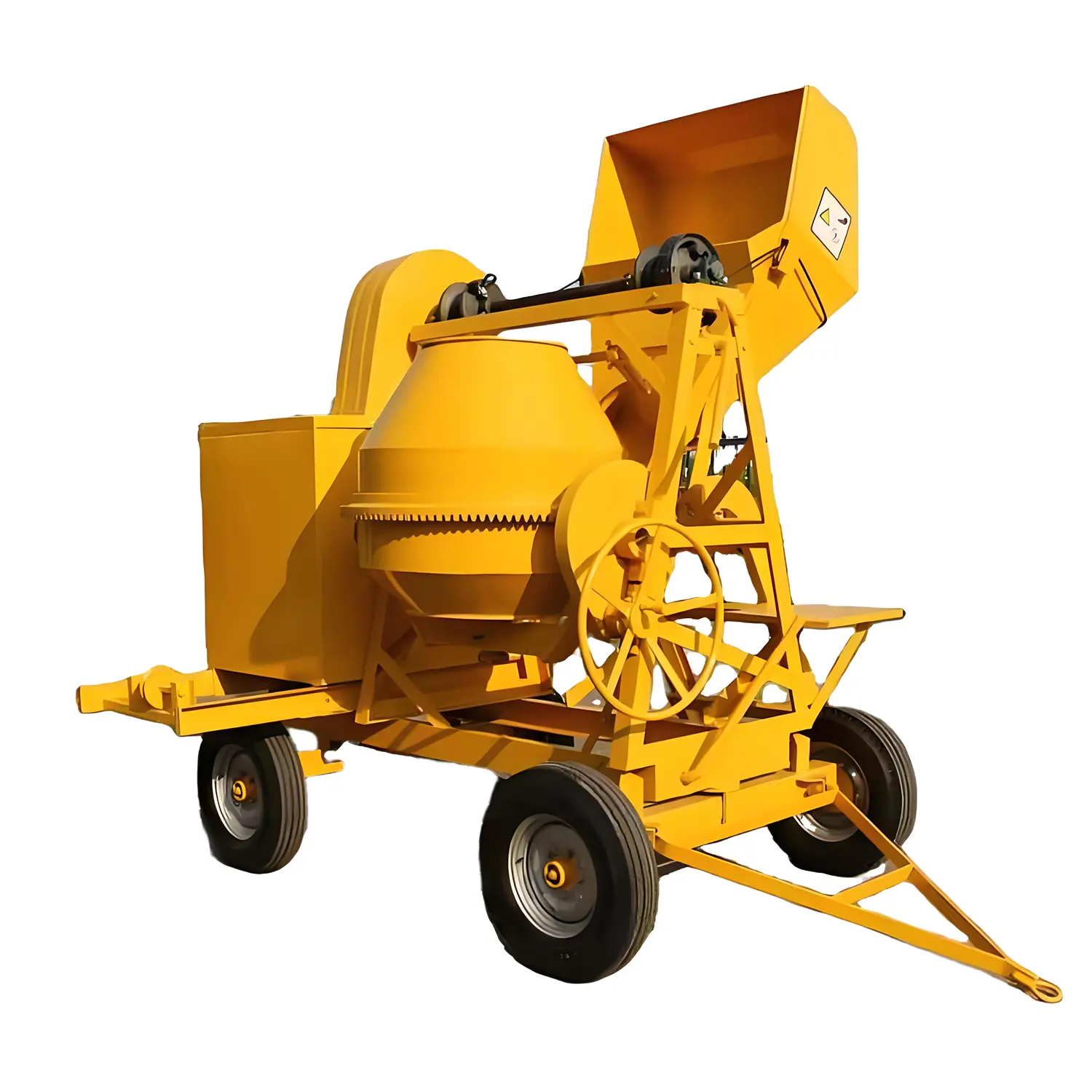 Hydraulic concrete mixer
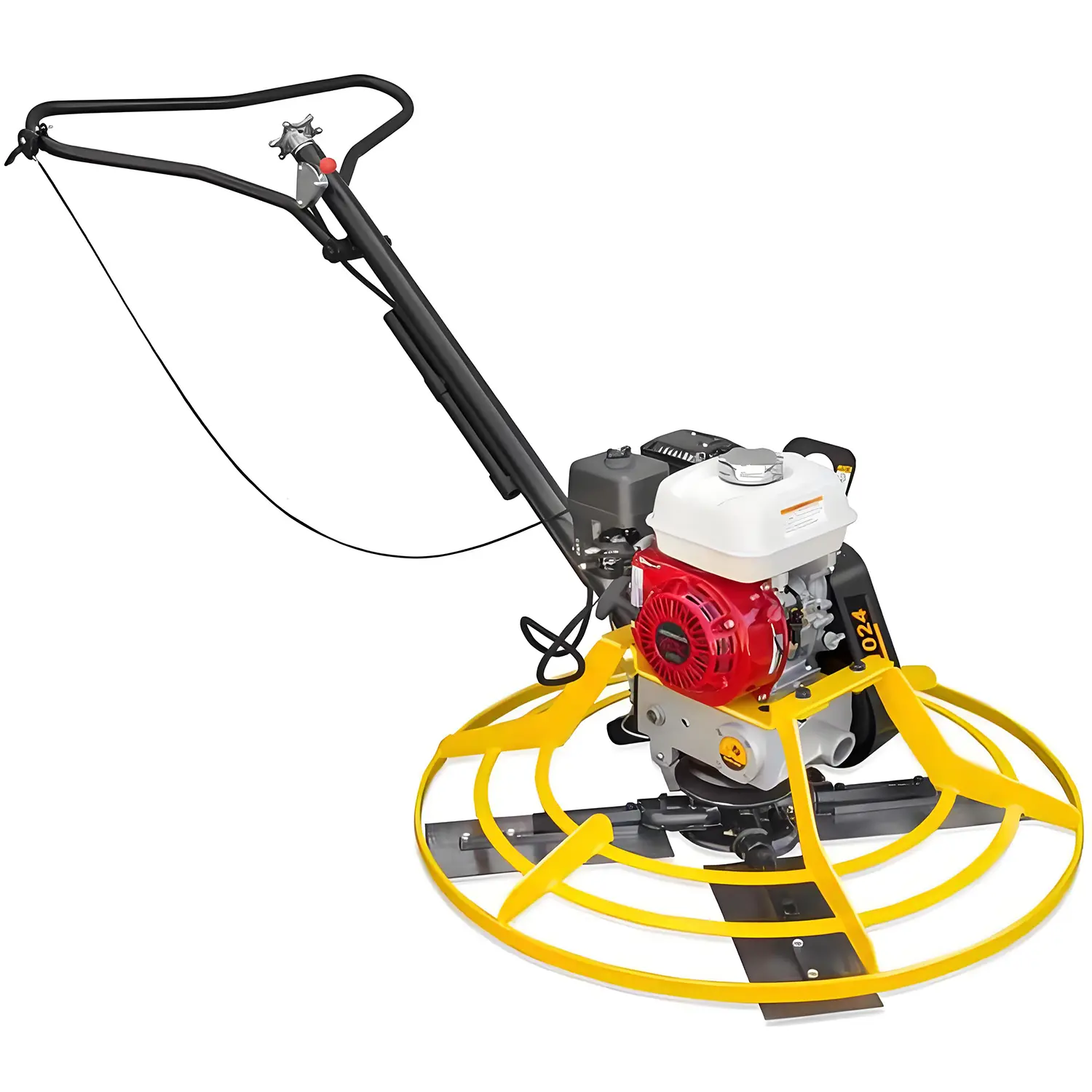 Walk behind power trowel
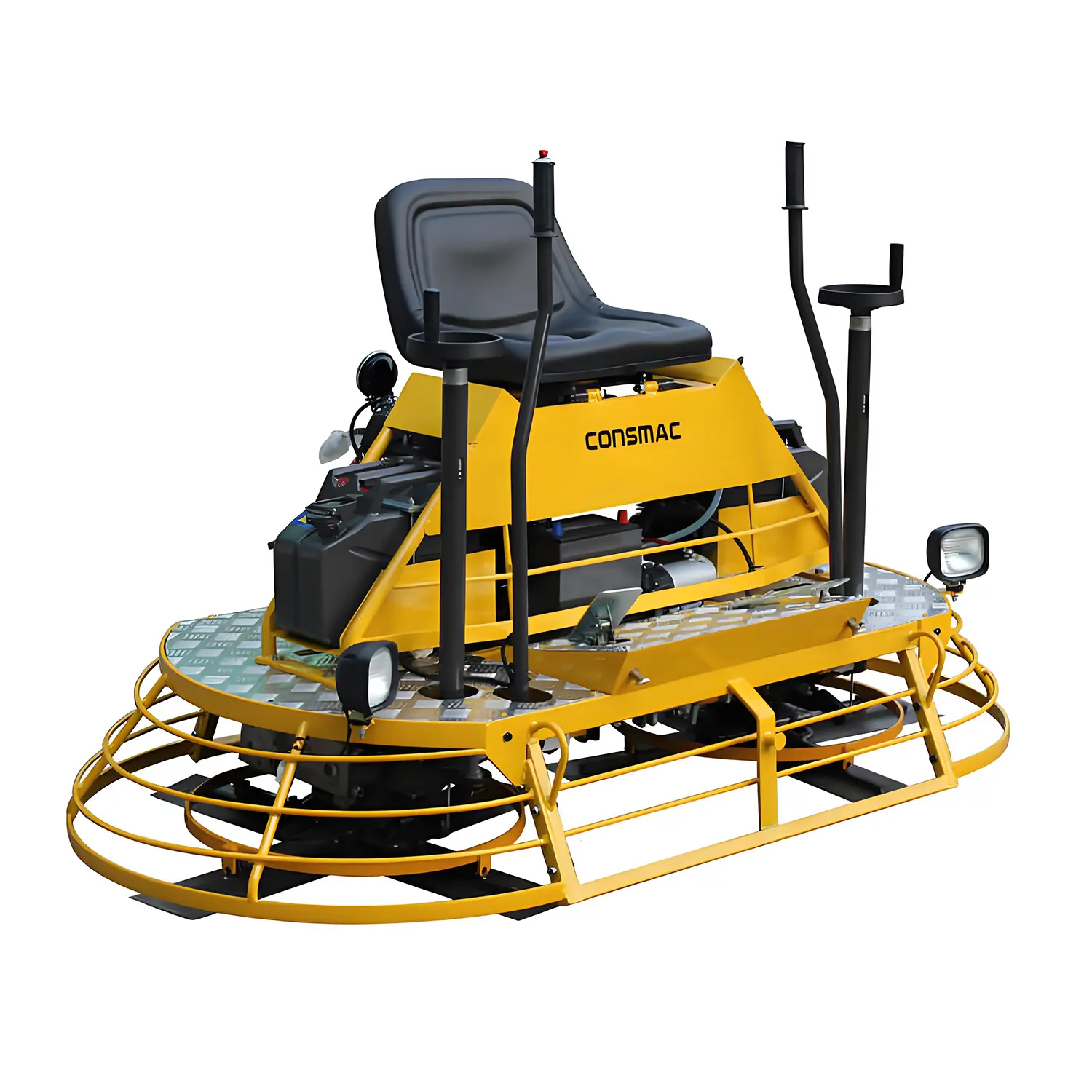 Ride on power trowel
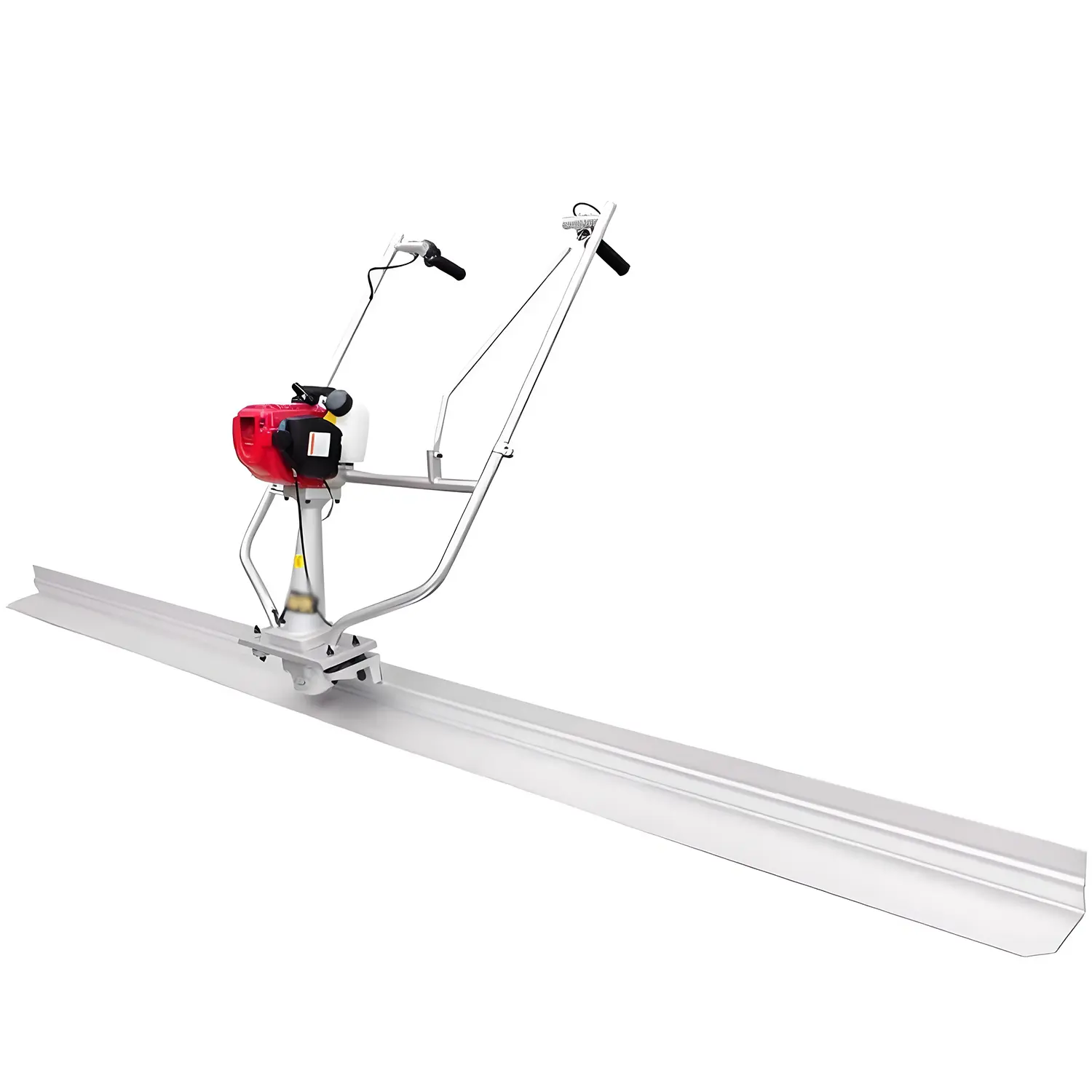 Concrete screed
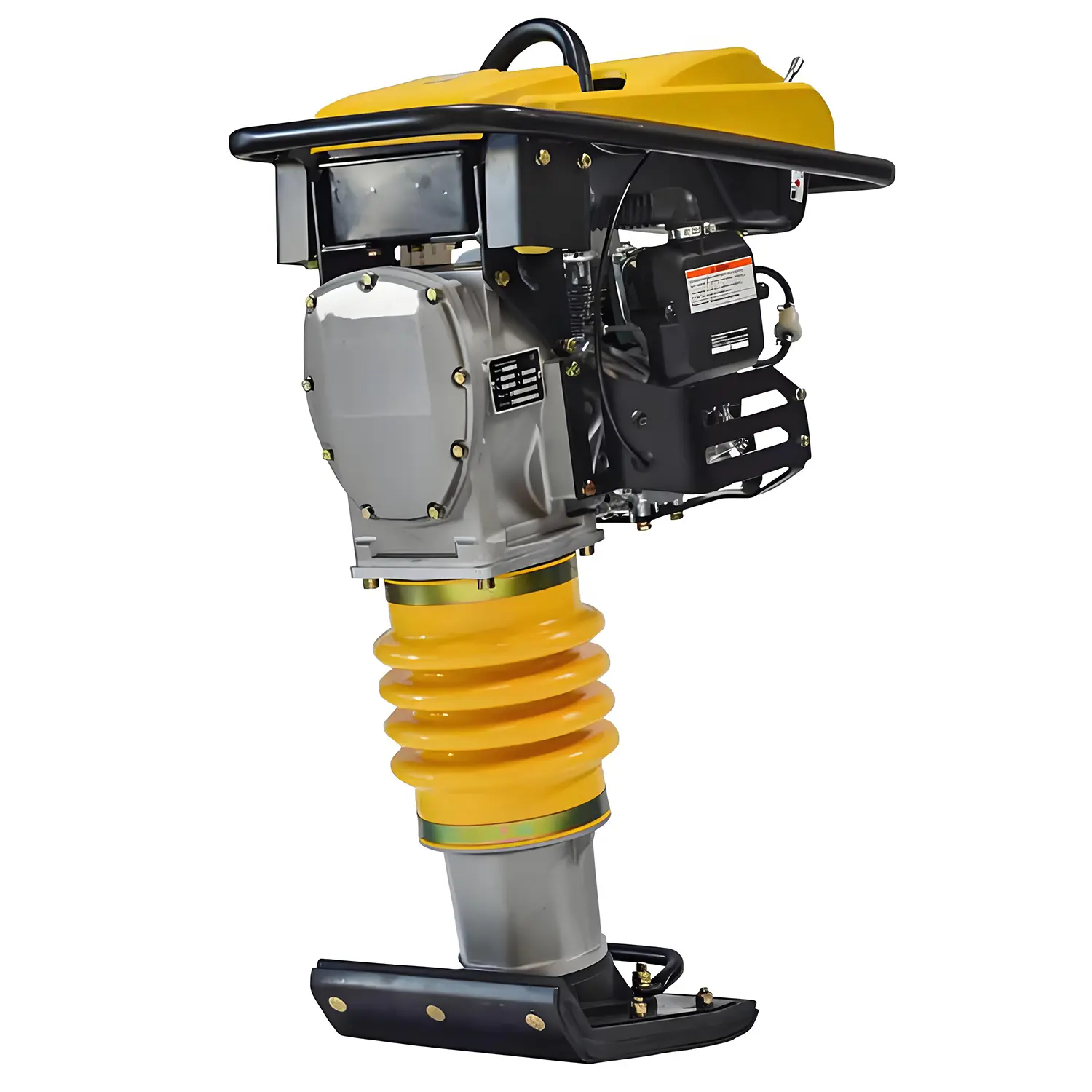 Tamping rammer
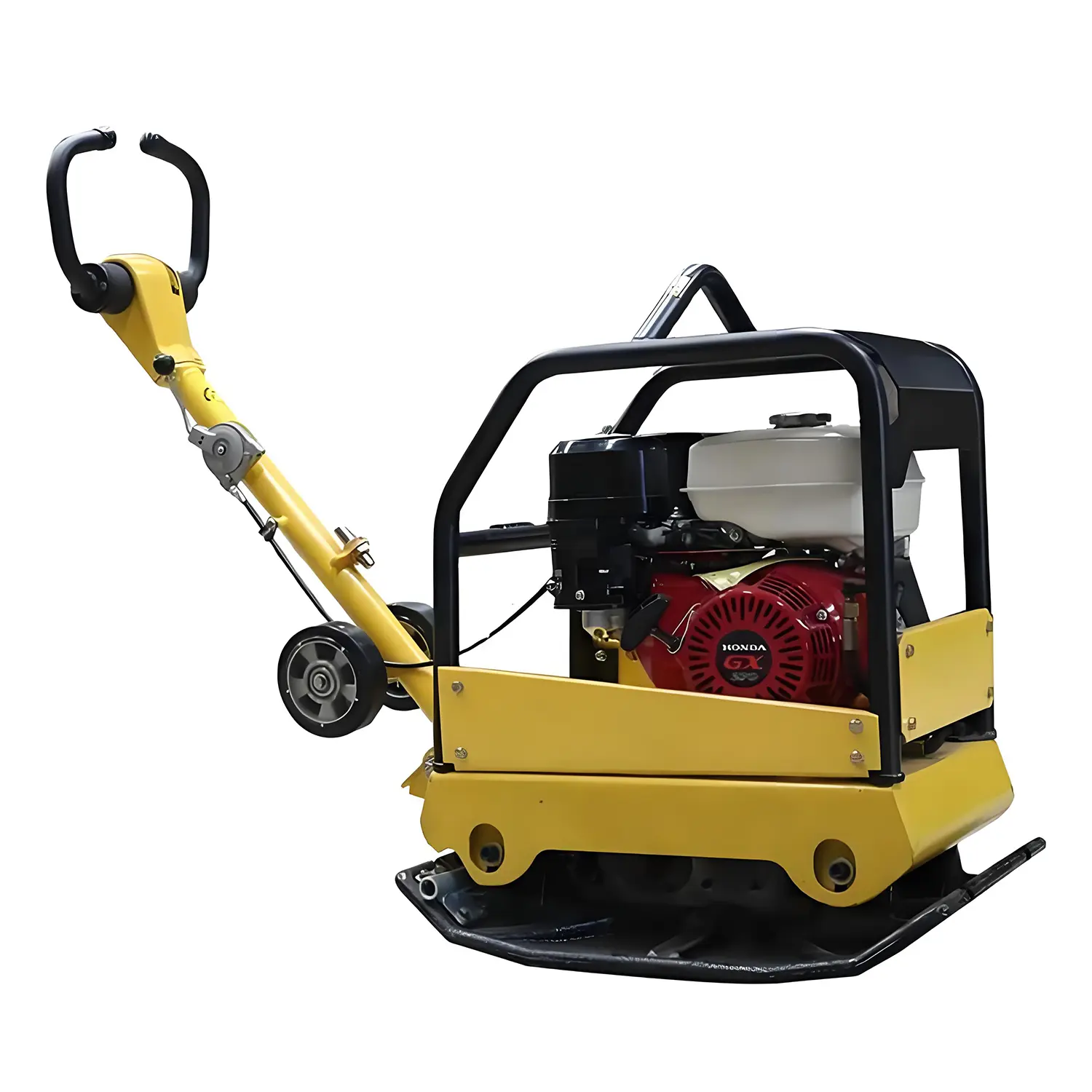 Plate compactor
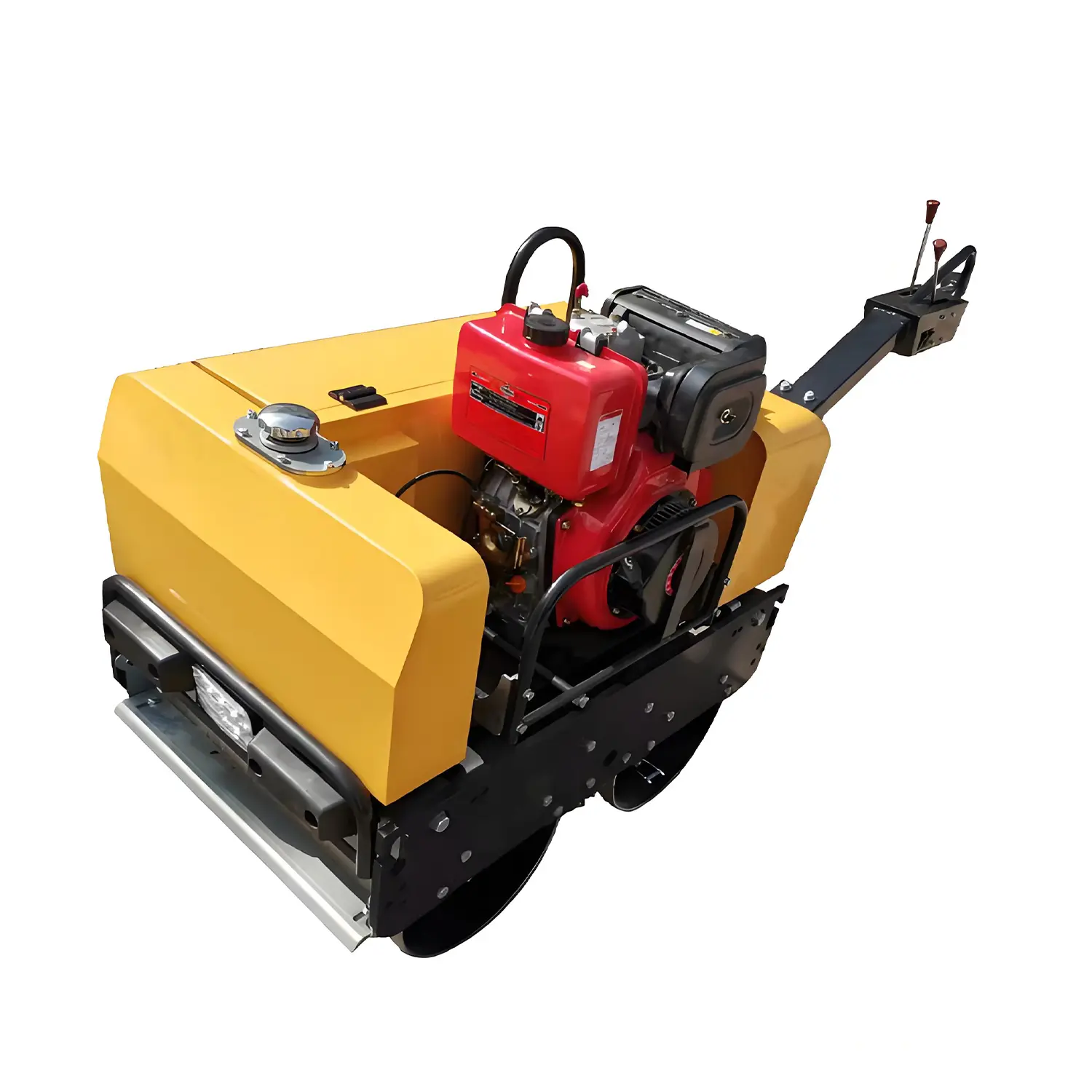 Vibratory roller