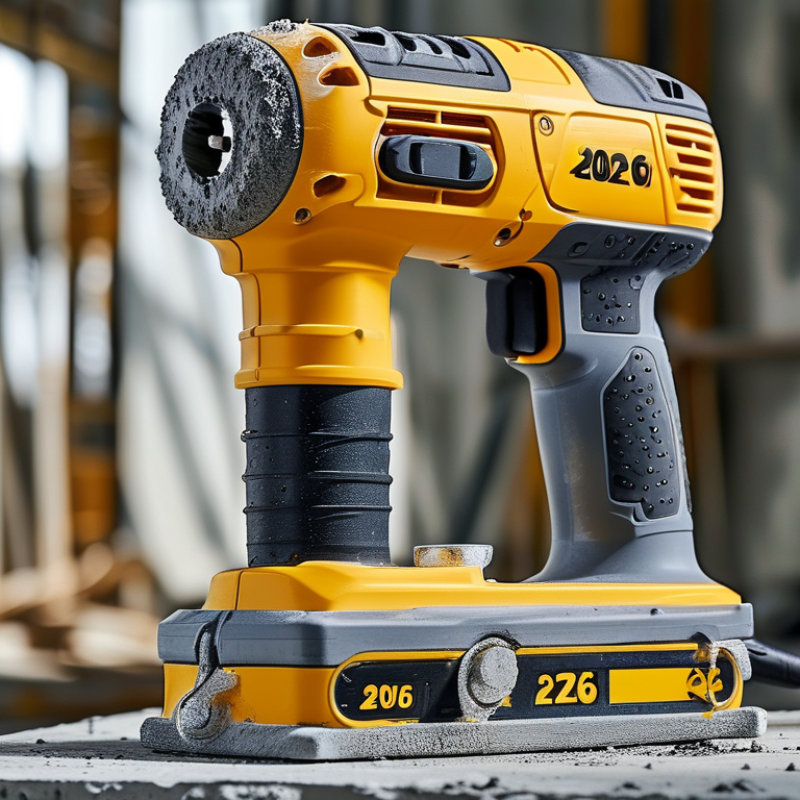
2026 Best Concrete Vibration Tool for Efficient Construction?
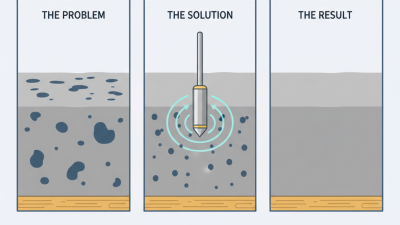
In the world of construction, efficiency is key. The right tools can make a significant difference. Among these tools, the Concrete Vibration Tool stands out. This tool is essential for achieving optimal concrete consolidation. Proper vibration ensures that air bubbles escape and the concrete cures evenly.
As we approach 2026, selecting the best Concrete Vibration Tool becomes increasingly important. The market offers various options, making the choice daunting. Some tools are robust, while others are compact and user-friendly. It's crucial to assess what fits your project best.
Inexperienced users may struggle with vibration intensity. Too much can lead to segregation, while too little may cause voids. Understanding the capabilities and limitations of each tool is vital. By doing so, contractors can ensure strong, long-lasting structures. Choosing the right tool is not just about brand but also about the outcomes it delivers.
Top Features to Look for in Concrete Vibration Tools
When selecting a concrete vibration tool, several features can significantly enhance efficiency in construction. Key aspects include motor power, weight, and vibration frequency. For instance, a tool with a powerful motor ensures better consolidation of concrete, leading to stronger structures. According to industry reports, a reliable vibration frequency typically ranges from 10,000 to 15,000 vibrations per minute, maximizing compaction results.
It’s also crucial to consider ergonomics. A lightweight tool reduces operator fatigue, making it easier to use over extended periods. Features such as adjustable handles or anti-vibration grips can improve comfort. A study from the American Concrete Institute emphasizes that user-friendly designs promote consistent use, which is vital for quality concrete placement.
Tips: Always assess the tool's noise levels and consider whether they comply with local regulations. High noise levels can impact worker health and safety. Additionally, regularly check the maintenance needs of the tool; a well-maintained device will perform better and last longer. Remember, investing time in understanding these features can lead to better efficiency and quality in your construction projects, even if it requires trial and error to find the right fit.
Types of Concrete Vibration Tools: A Comprehensive Overview
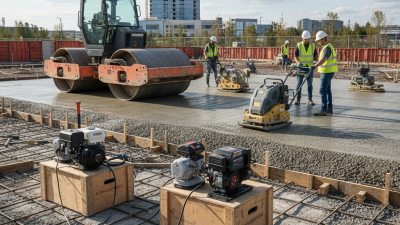
When it comes to concrete construction, vibration tools play a vital role. They ensure proper settling and compaction of concrete mixtures. This process enhances durability and strength, limiting surface defects. Understanding the types of concrete vibration tools is essential for effective use.
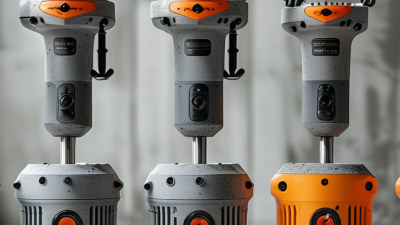
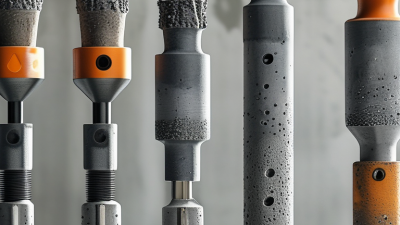
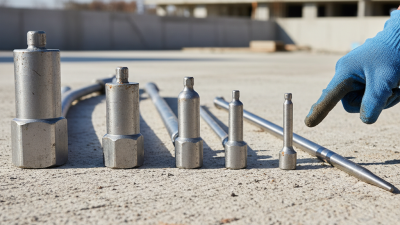
There are several categories of concrete vibration tools. Internal vibrators are commonly used for thick pours. They penetrate deep into the mixture, promoting cellular elimination. External vibrators, on the other hand, attach to forms. They work well for thin layers and large areas. Another type is the surface vibrator, which is ideal for finishing. Each tool serves a specific purpose, highlighting the need for appropriate selection.
While using these tools, operators should consider potential challenges. For instance, over-vibration can lead to segregation of aggregates. Additionally, improper technique may cause air pockets to form. It's crucial to monitor the process closely and adjust as needed. Learning from past mistakes can enhance overall performance. The right tools, combined with proper techniques, can significantly improve concrete outcomes.
2026 Best Concrete Vibration Tool for Efficient Construction
| Type |
Power Source |
Frequency |
Vibration Amplitude |
Weight |
Price Range |
| Electric Vibration Table |
Electric |
50-60 Hz |
0.2-0.8 mm |
100-150 kg |
$2000 - $3000 |
| Handheld Vibrator |
Gasoline |
60 Hz |
0.3-1.0 mm |
15-25 kg |
$300 - $600 |
| High-Frequency Vibrator |
Electric |
20-30 kHz |
0.1-0.5 mm |
8-15 kg |
$800 - $1200 |
| Vibrating Beam |
Electric |
50-70 Hz |
0.2-1.0 mm |
50-100 kg |
$1500 - $2500 |
| Vibratory Poker |
Electric/Gas |
50-60 Hz |
0.5-1.5 mm |
5-10 kg |
$200 - $400 |
Factors Affecting Efficiency in Concrete Vibration During Construction
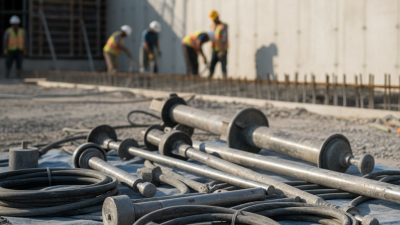
The efficiency of concrete vibration during construction can be influenced by several key factors. Proper equipment selection is crucial. A suitable vibration tool can significantly enhance the consolidation process, leading to a denser final product. However, many construction teams overlook the importance of tool maintenance. Regular checks can prevent breakdowns and ensure optimal performance.
Another vital aspect is the operator's skill. Experienced operators are adept at adjusting vibration frequency and duration based on various concrete mixtures. In contrast, less experienced personnel may not achieve the desired results, potentially compromising the structure's integrity. Training programs can address these skill gaps, but participation is often inconsistent.
Concrete mix design also plays a role. Higher water content may lead to better workability but can negatively affect strength. Balancing the mix is essential. Some teams rush this process to saved time but end up with surfaces that require retrofitting. Understanding these elements can help teams reflect on their practices for better outcomes.
Maintenance Tips for Prolonging the Life of Vibration Tools
Concrete vibration tools are essential for achieving durable and smooth finishes in construction. However, proper maintenance is crucial to ensure their longevity and efficiency. Neglecting these tools can lead to subpar performance and costly repairs. Regular cleaning is one simple yet effective way to prolong their lifespan. After each use, make sure to remove any concrete residue. This prevents buildup that can hinder the tool's operation.
Lubrication is another vital maintenance tip. Check the moving parts and apply the appropriate lubricant. This helps reduce friction and wear, ensuring smooth functionality. Additionally, inspect the power cord and connections for any signs of wear. A damaged cord can lead to electrical issues and safety hazards.
User experience often reveals that improper storage also contributes to tool deterioration. Store vibration tools in a dry and cool place. Avoid exposure to moisture, as it can lead to rust and other failures. It’s a common mistake to leave equipment in harsh environments. Taking a few extra minutes for maintenance can save time and money in the long run. Careful attention to these details reflects a commitment to quality work and tool reliability.
2026 Best Concrete Vibration Tool Efficiency Comparison
This chart compares the efficiency ratings of various concrete vibration tools in 2026. The ratings range from 1 to 10, reflecting the performance metrics of each tool.
Comparative Prices of the Best Concrete Vibration Tools in 2026
In 2026, the construction industry emphasizes the importance of efficiency. Concrete vibration tools play a key role in achieving better results. Recent reports indicate that proper use can reduce air pockets in concrete by up to 80%. This significantly affects the final product's strength and durability.
A survey of prices for top concrete vibration tools reveals a broad range. The average cost varies from $150 to $800, influenced by features and specifications. Simple handheld models are more affordable, making them accessible for small job sites. On the other hand, advanced vibration systems may require larger budgets but offer excellent efficiency gains. It's worth considering if the initial investment pays off through reduced labor costs and improved project timelines.
However, not all tools deliver on promises of efficiency. Some users report issues with durability and maintenance. A tool might function well in the beginning but could show wear after limited use. This raises questions about long-term reliability versus immediate performance. Balancing cost with quality becomes crucial for contractors seeking value in their equipment.

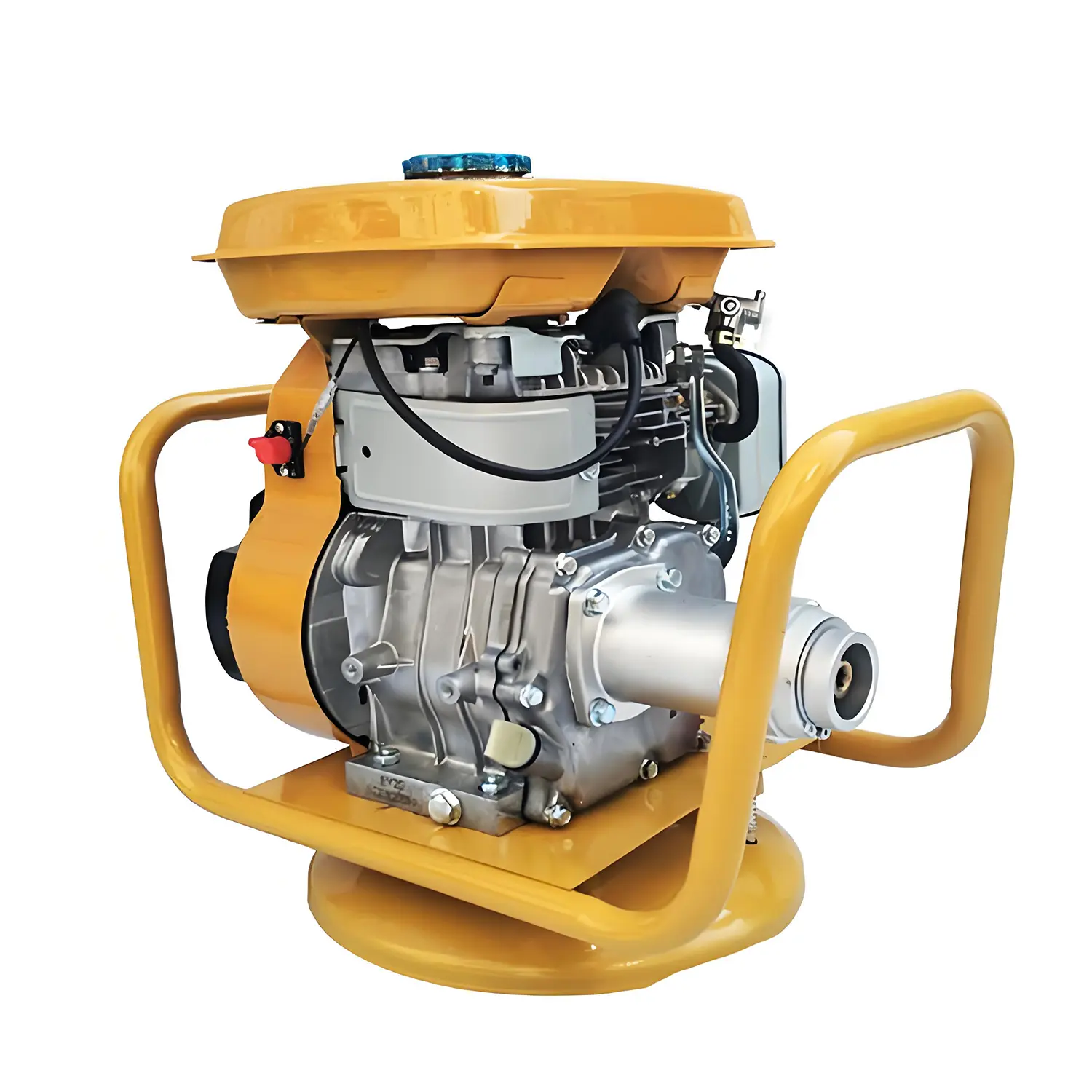 Internal Vibrator
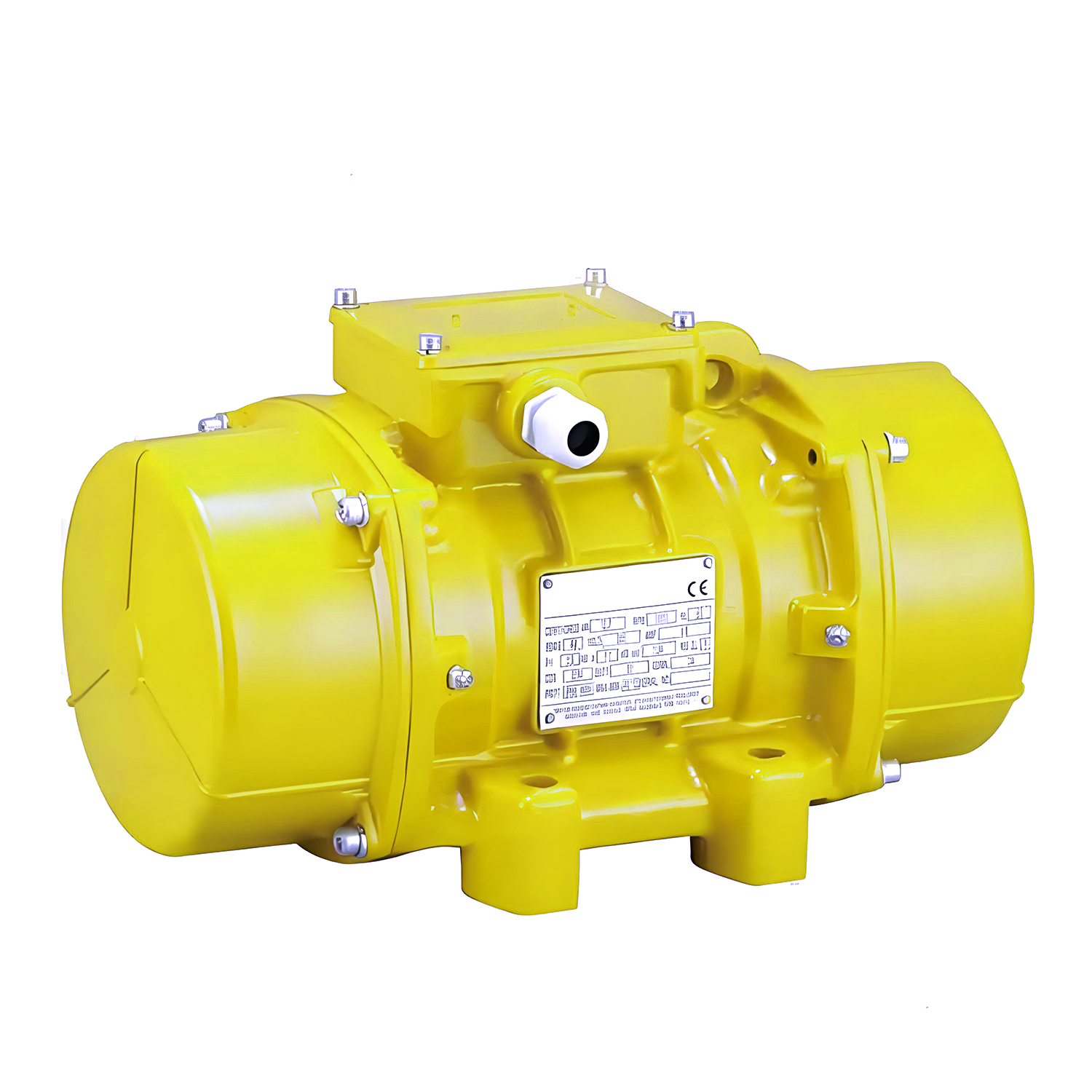 External Vibrator
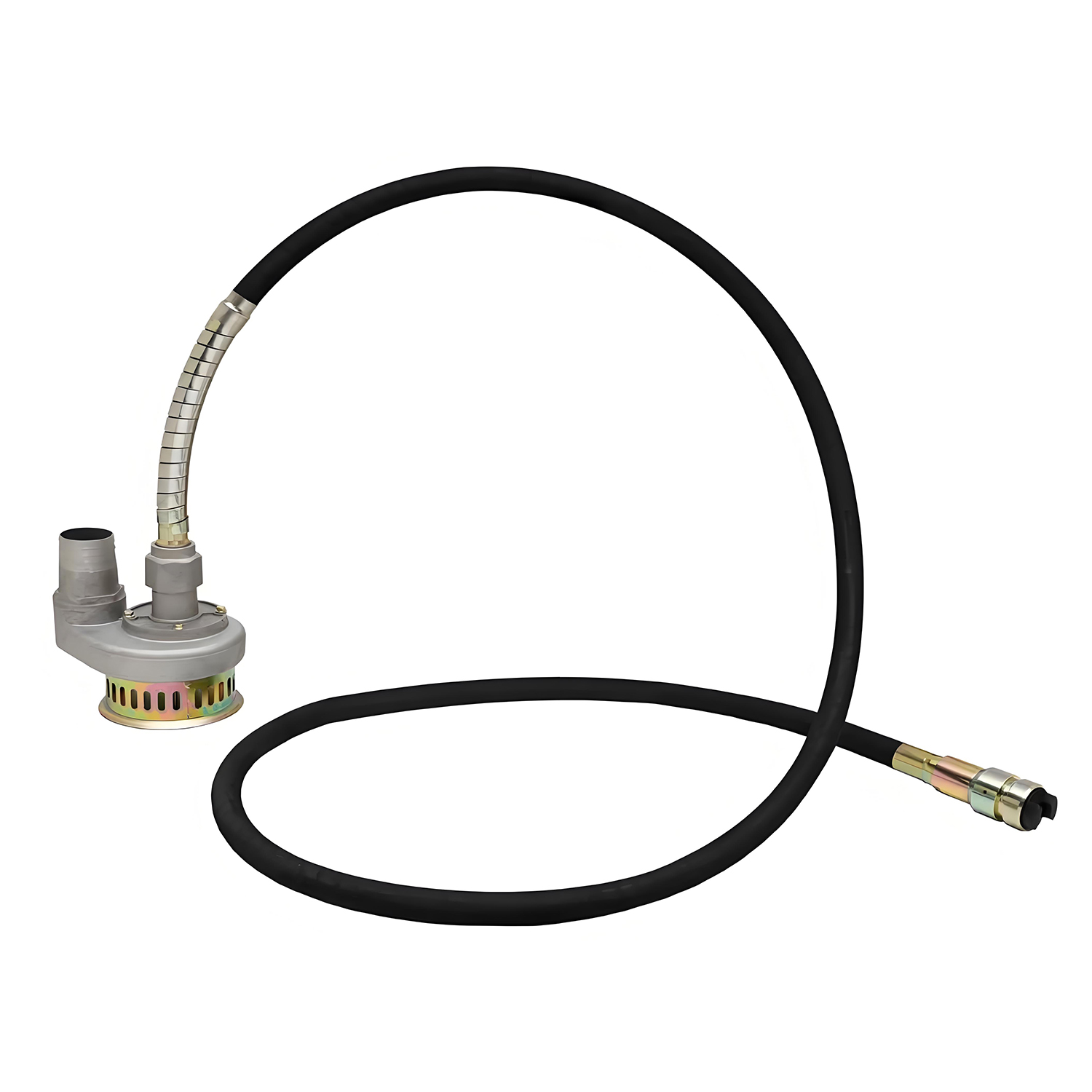 Submersible Pump
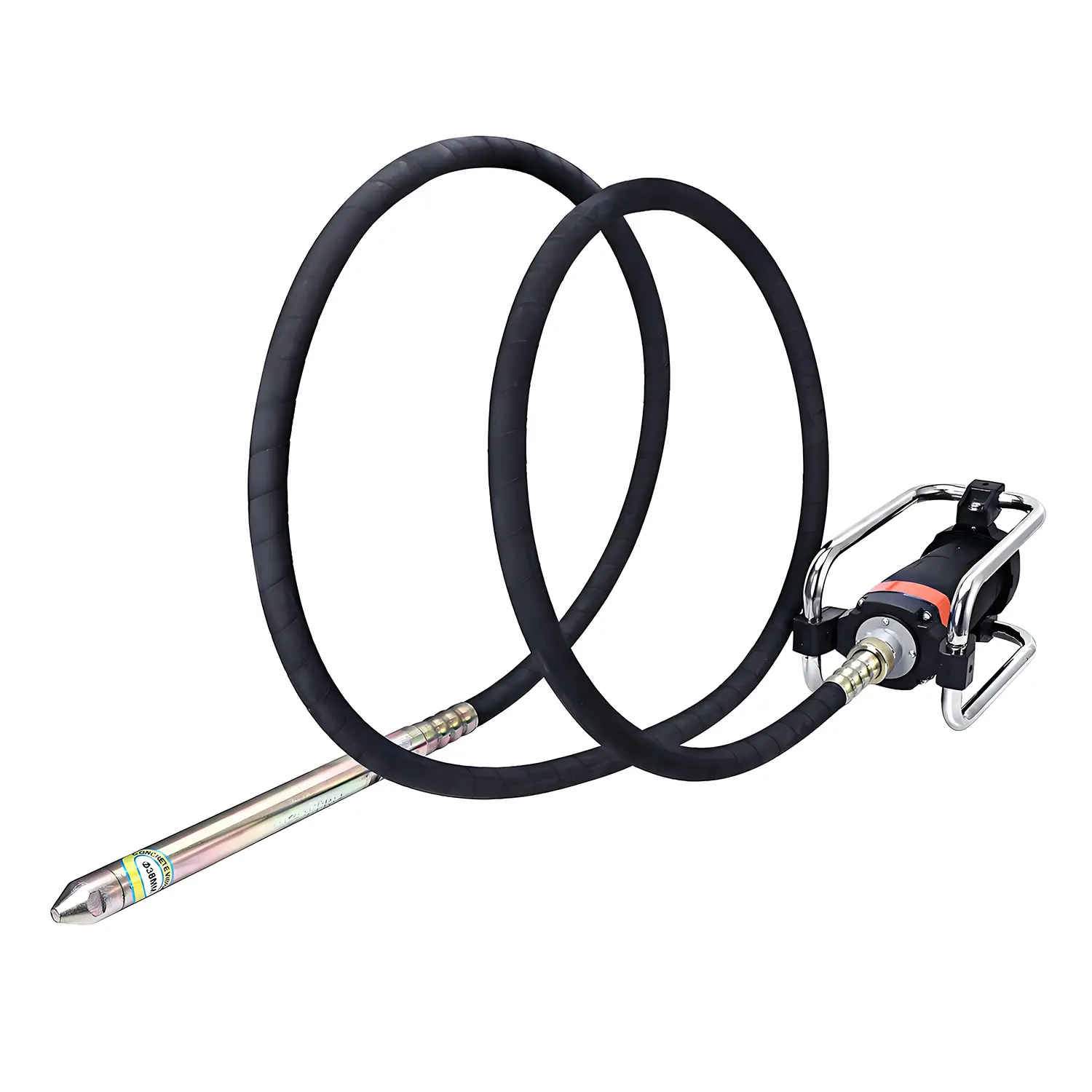 Eccentric shaft
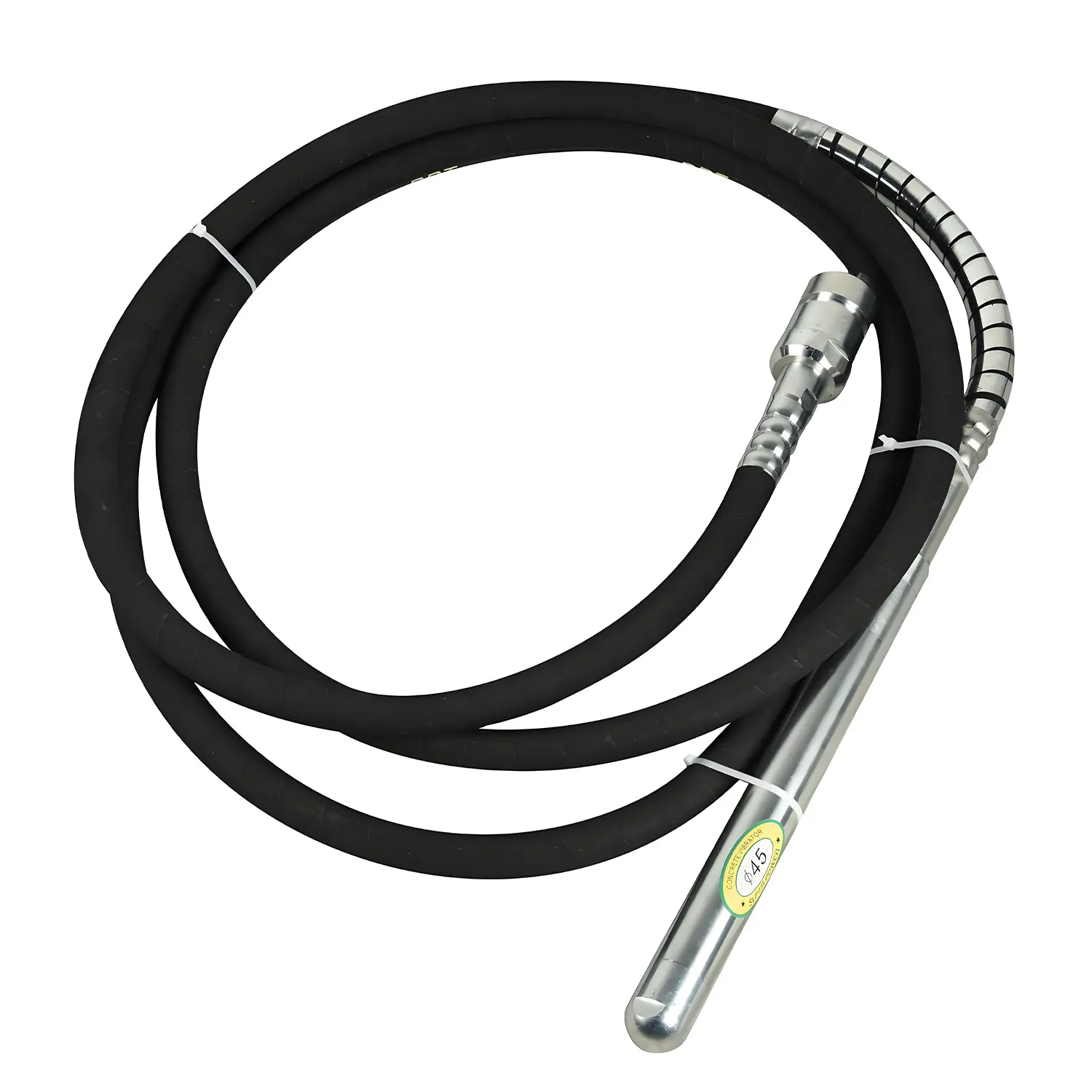 Pendulum shaft
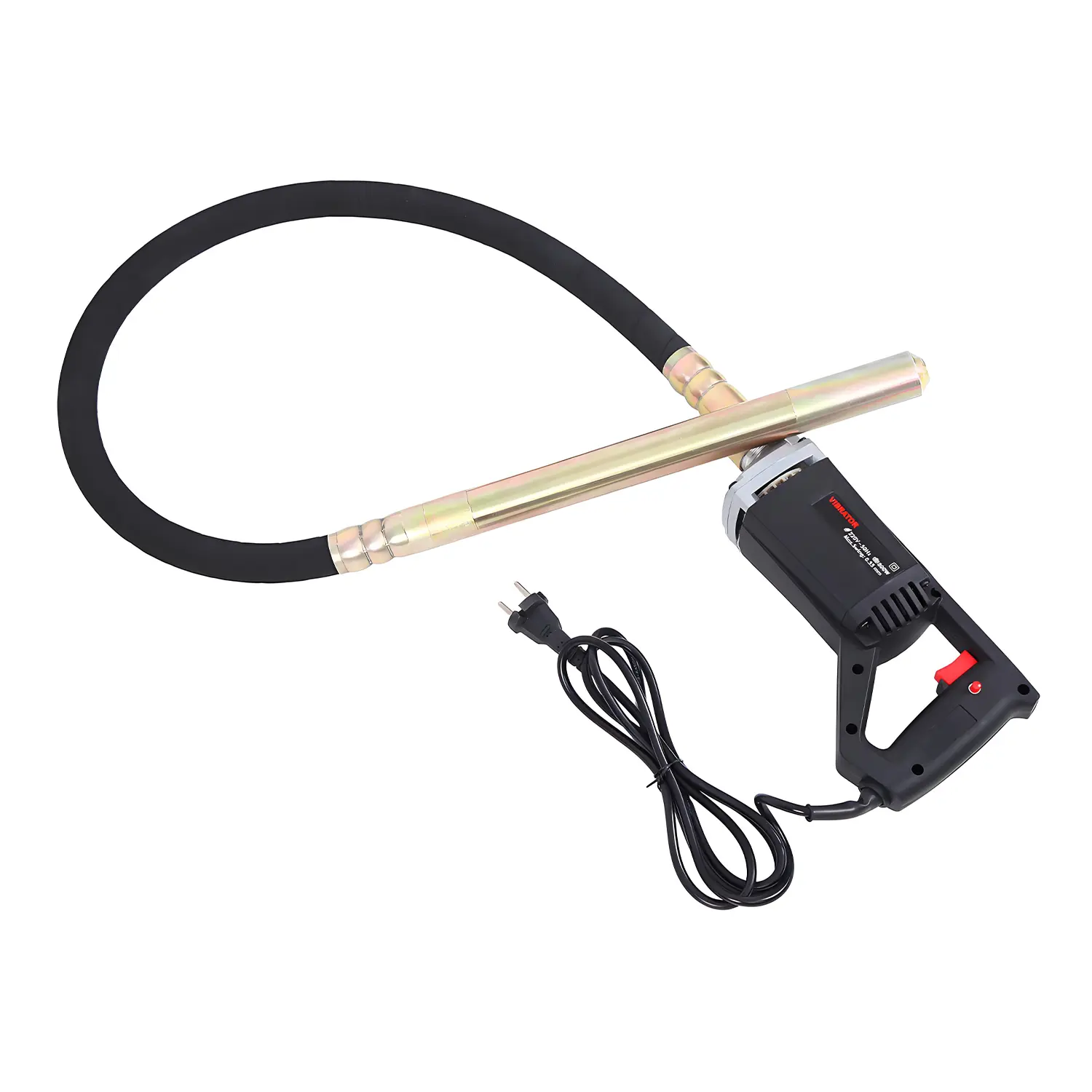 Portable vbrator shaft
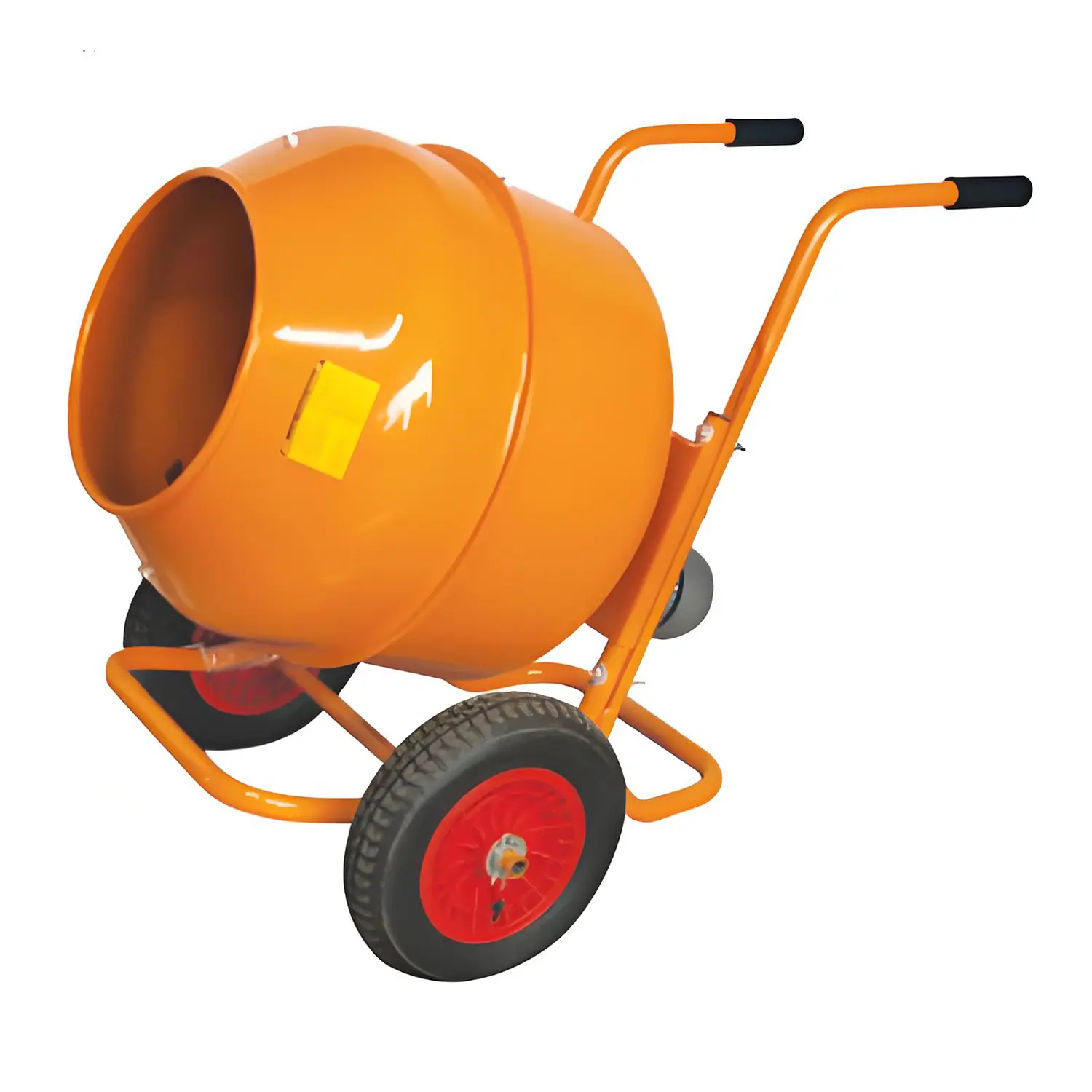 Portable concrete mixer
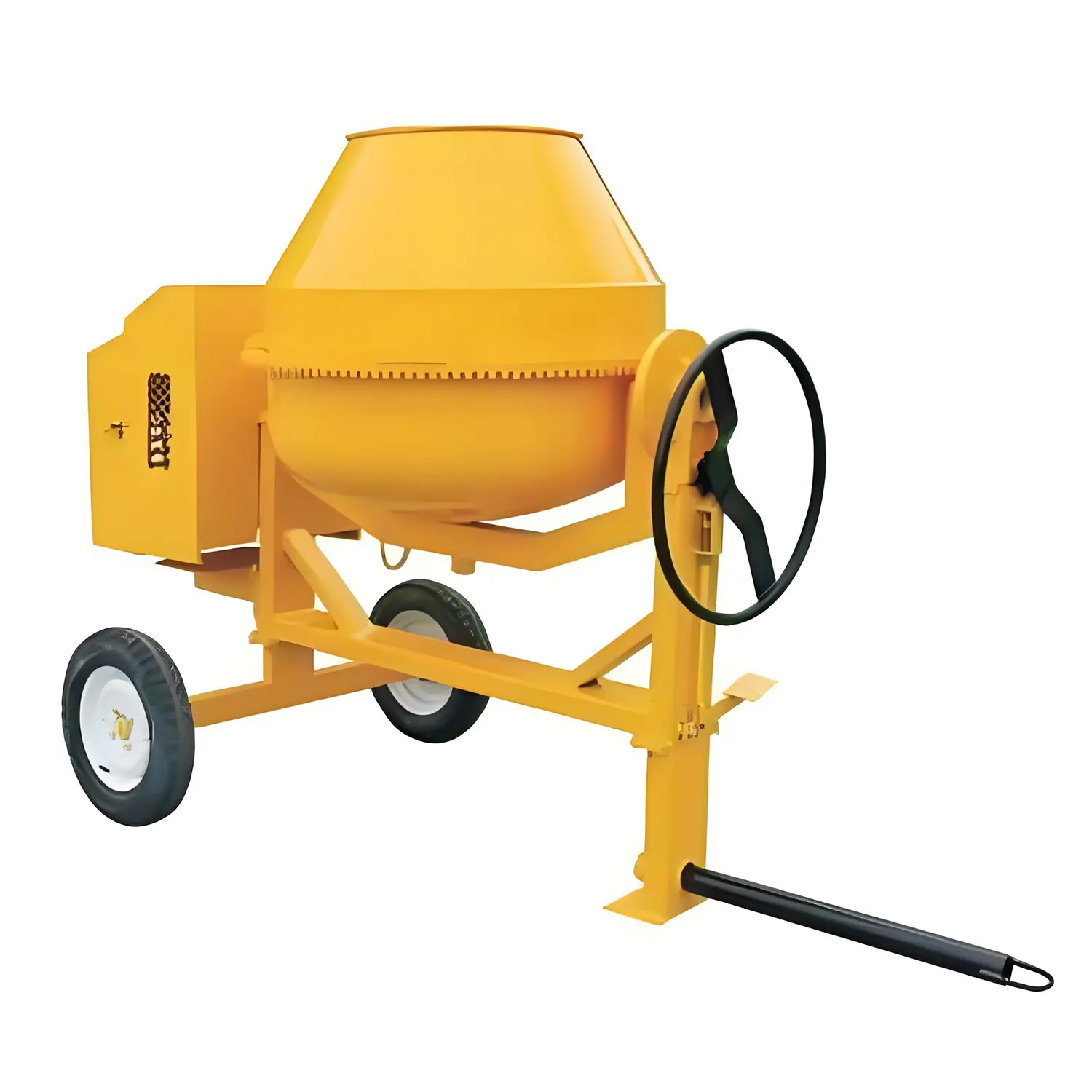 Vertical concrete mixer
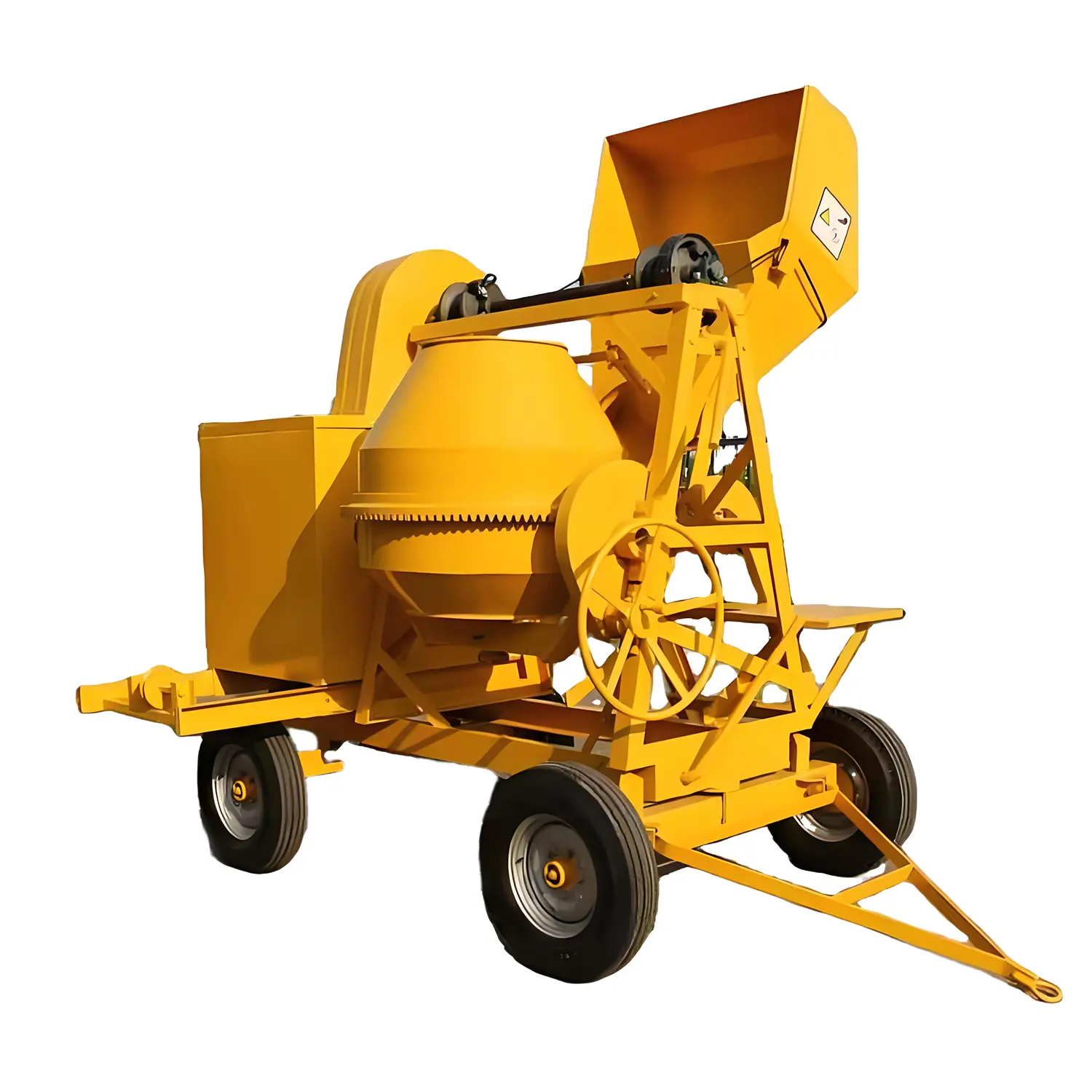 Hydraulic concrete mixer
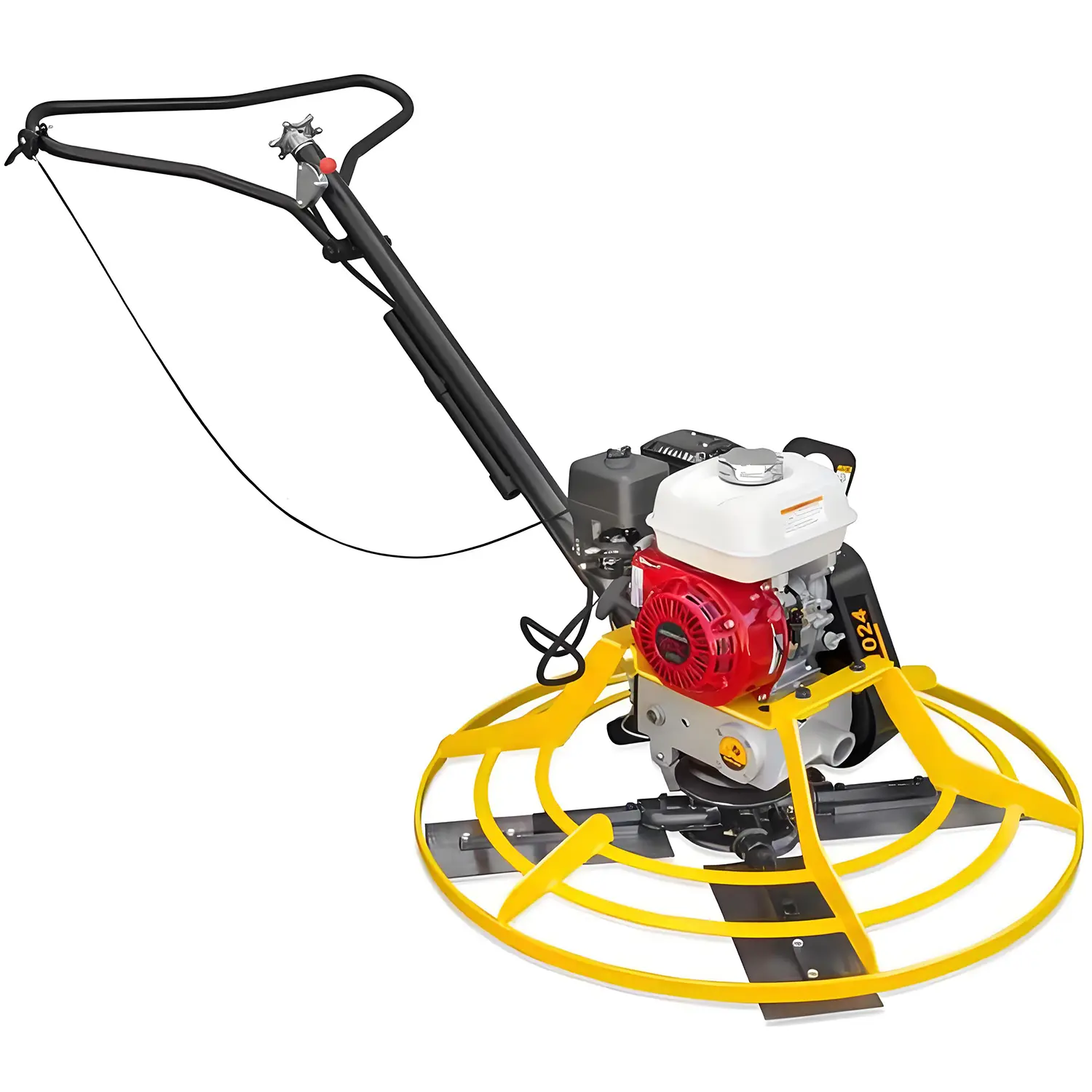 Walk behind power trowel
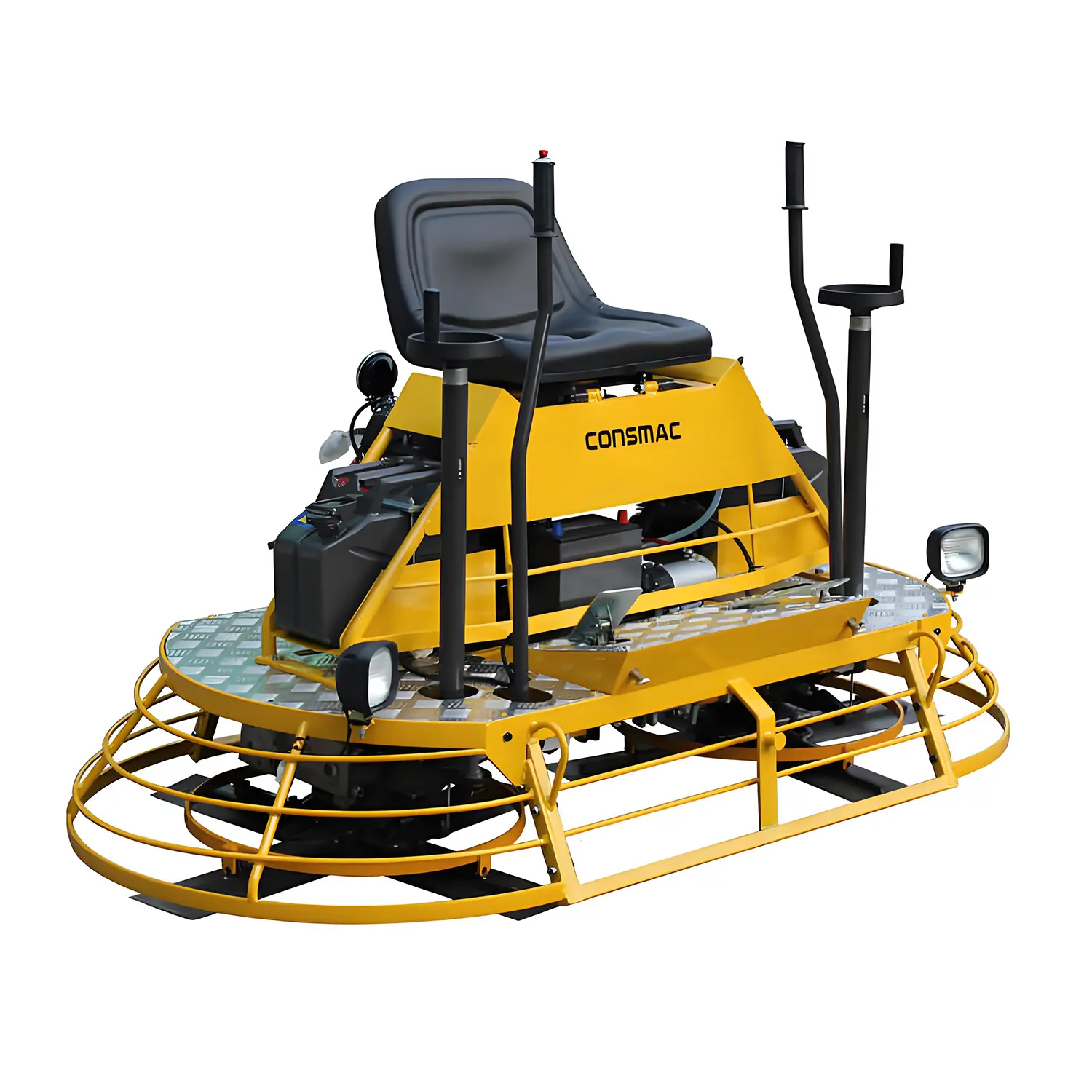 Ride on power trowel
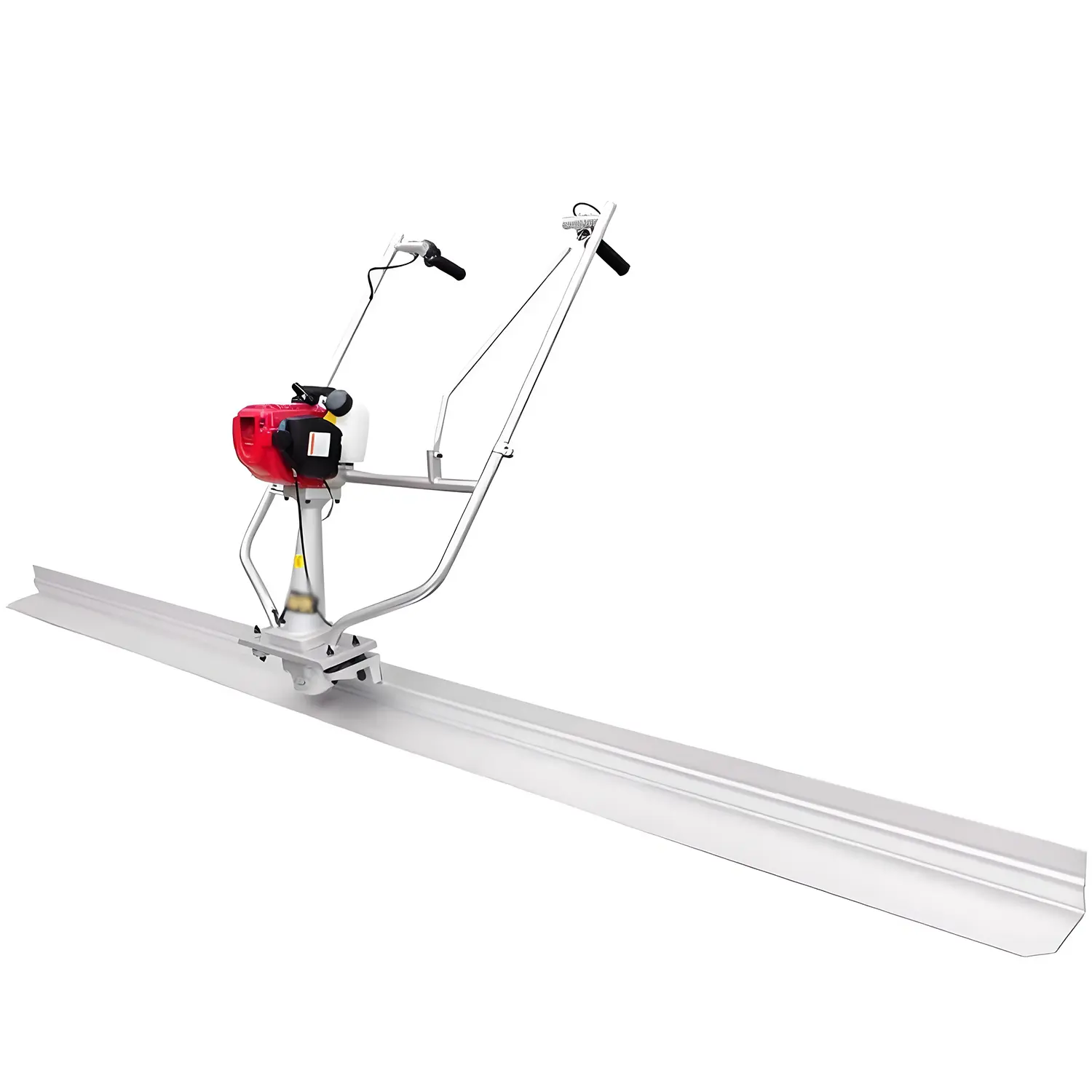 Concrete screed
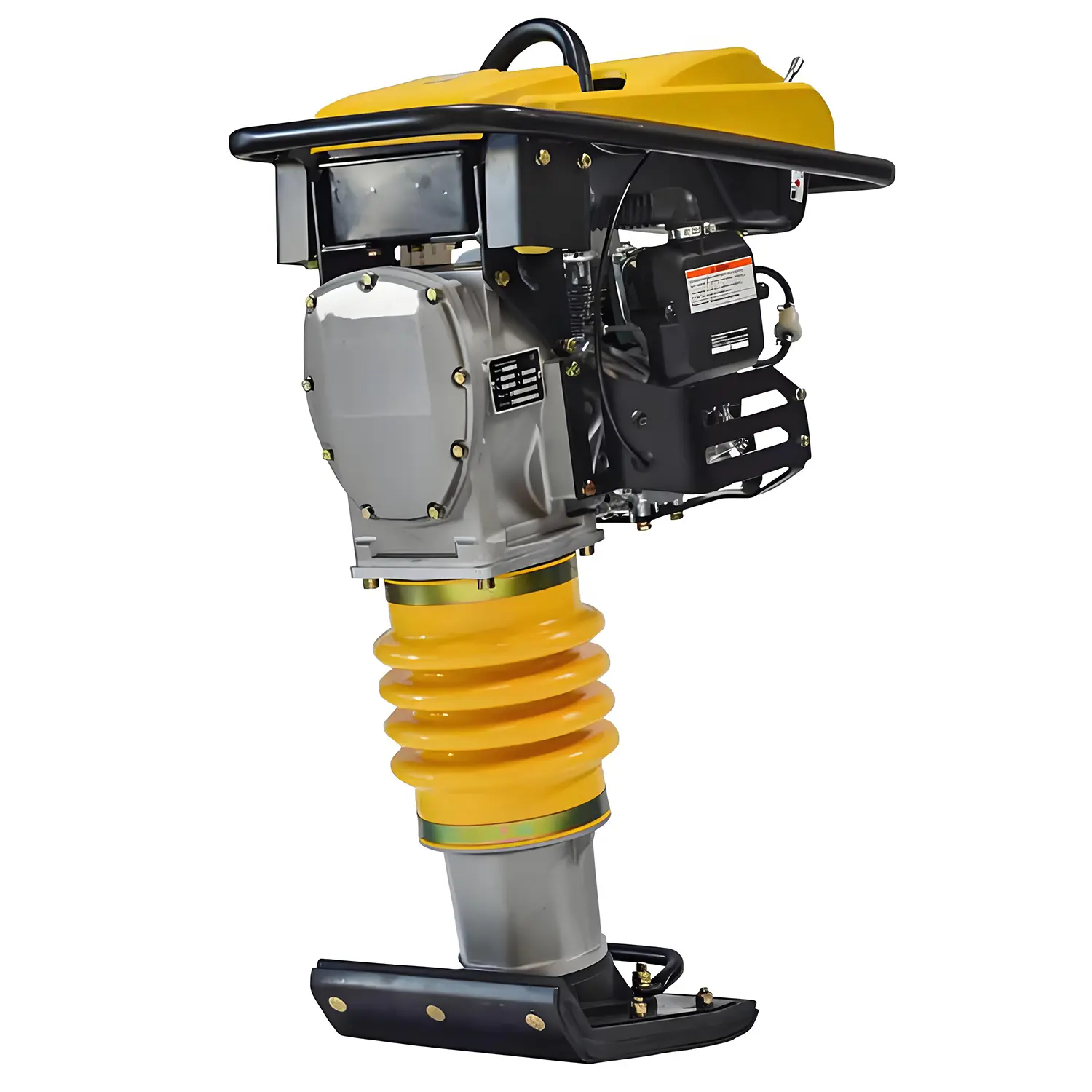 Tamping rammer
 Plate compactor
 Vibratory roller