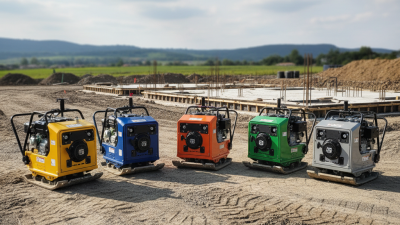
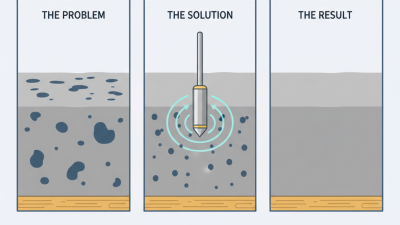
Top 10 Benefits of Using a Construction Compactor Today?
The construction industry is evolving rapidly. A key tool that has stood the test of time is the Construction Compactor. According to a recent report by the Associated General Contractors of America, the demand for compactors has surged with a projected growth of 5% per annum in the next five years. Professionals in the field recognize the critical role these machines play, not only in efficiency but also in project safety.
Construction Compactors are essential for various applications, including road building, site preparation, and foundation laying. Their effectiveness lies in the ability to achieve optimal soil compaction quickly. Studies show that proper compaction can improve load-bearing capacity by up to 30%. Despite the advantages they offer, some contractors still overlook regular maintenance, which can undermine performance and safety. It’s a reminder that ignoring details can lead to unintended consequences in a project’s timeline and budget.
Construction Compactors represent a blend of innovation and reliability. However, growth in usage also requires a commitment to workforce training. Companies failing to adapt risk losing competitive edge. Industry experts emphasize the importance of staying informed about the latest compacting technologies. Embracing advancements can enhance project outcomes and ensure sustainability in construction practices.
Advantages of Enhanced Soil Stability with Construction Compactors
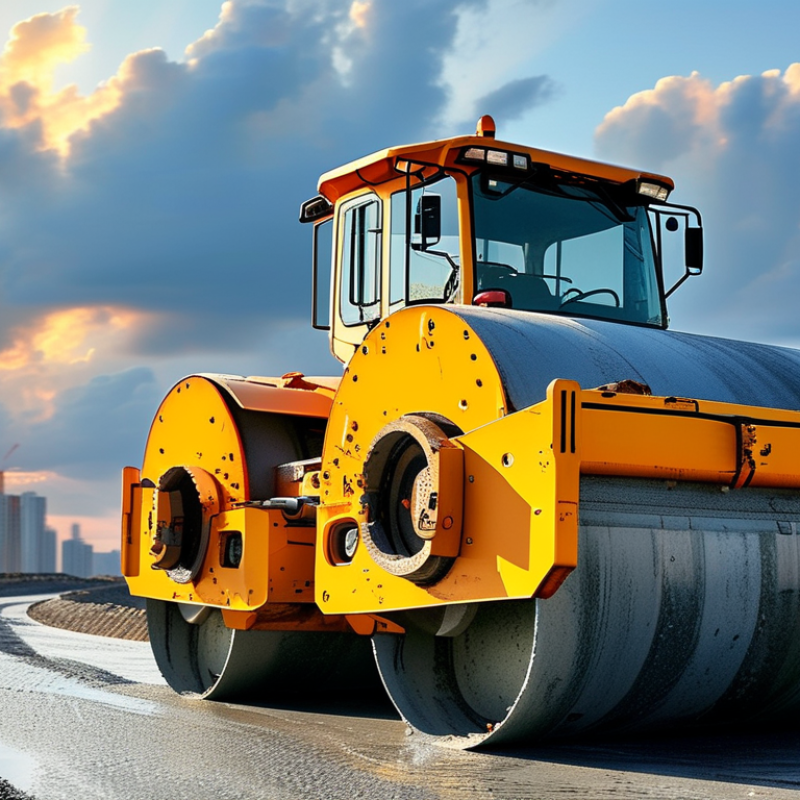
Construction compactors play a critical role in enhancing soil stability. According to the American Society of Civil Engineers, poorly compacted soil can lead to structural failures, costing companies significant resources. A well-compacted surface improves load-bearing capacity, reducing settlements over time. When using compactors, soil becomes denser and more resistant to erosion.
The National Institute of Standards and Technology emphasizes that soil compaction density can improve by over 30% with proper techniques and equipment. Enhanced compaction helps manage water drainage, reducing the risk of soil saturation. For road construction, compacted ground leads to prolonged surface life. Yet, improper compaction might create uneven surfaces, resulting in future repairs.
Soil stability is vital for construction projects. Compacting soil lowers the risk of landslides. However, the factors of local soil types and moisture levels must be carefully monitored. Each project presents unique challenges that need addressing to ensure stability and durability. The use of compactors provides many advantages, but awareness of potential pitfalls is crucial for success.
Top 10 Benefits of Using a Construction Compactor Today
Improved Efficiency in Construction Projects Through Compaction Technology
Compaction technology plays a crucial role in enhancing efficiency in construction projects. It compresses soil and other materials effectively. This process leads to a more stable foundation for buildings and roadways. A well-compacted site reduces the risk of future settlement. Settling can cause cracks and other structural failures.
Using a construction compactor can improve productivity. Projects progress faster when material handling is optimized. Construction teams save time and resources. However, it’s important to monitor the compaction level closely. Over-compaction may lead to material degradation. This could affect the project's overall durability.
Skilled operators understand the balance needed for optimal compaction. Training is essential to avoid mistakes. Investing in proper techniques improves the outcome of every project. By focusing on these details, construction teams can achieve superior results. The impact of quality compaction ripples through the entire project lifecycle.
Cost Savings Associated with Reduced Construction Time and Labor Needs
Using a construction compactor can lead to significant cost savings, primarily through reduced construction time and lower labor requirements. A compactor efficiently compresses soil, asphalt, or other materials. This process speeds up preparation for laying foundations or paving roads. When tasks are completed faster, project deadlines are met, which ultimately means less overhead.
Labor savings are another crucial aspect. Fewer workers are required when a compactor is in use, as it reduces the need for manual labor. This not only minimizes payroll costs, but also decreases the risk of workplace injuries. However, it is important to note that reliance on machinery can lead to skill gaps among workers. Without hands-on experience, teams may struggle with troubleshooting or maintenance.
Construction projects often face delays due to weather or unforeseen issues. While compactors improve efficiency, their effectiveness depends on proper operation. Mistakes in usage can lead to uneven surfaces, requiring additional rework. This can negate some of the time and cost benefits. Continuous training and adaptation are essential for ensuring that compactors are used effectively in every project.
Environmental Benefits of Using Modern Compaction Equipment
Modern compaction equipment brings significant environmental benefits to the construction industry. These machines reduce soil compaction time and improve the efficiency of materials used. According to a report by the Environmental Protection Agency, enhanced compaction methods can cut energy consumption by up to 25%. This results in lower carbon emissions and a reduced ecological footprint for construction sites.
Using advanced compaction technologies also minimizes soil disturbance. Proper compaction conserves soil structure, promoting healthier ecosystems. Compacted soil has better water retention, which supports vegetation growth. Industry studies have shown that areas with well-compacted soil require 30% less water, contributing to sustainable water management practices.
However, it’s important to note that there are challenges. Not all compaction equipment is equally effective in terms of emissions. Some older models still linger in the industry, contributing to pollution. Continuous innovation is necessary to ensure the best practices are adopted. Keeping abreast of these changes can lead to more responsible environmental stewardship. The construction sector must consistently evaluate its methods to align with modern sustainability goals.
Versatility of Compactors Across Various Construction Applications
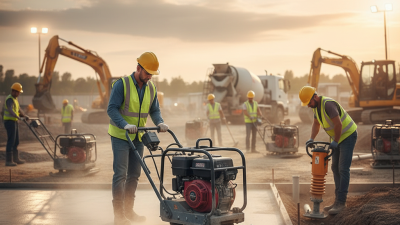
Compactors play a crucial role across various construction applications, offering unmatched versatility. They are essential for site preparation, compacting soil, gravel, and asphalt. This equipment ensures a solid foundation for structures, helping to avoid future settlement issues. By effectively reducing voids in the ground, compactors enhance the stability of roads and pavement.
In addition to traditional uses, modern compactors adapt to diverse scenarios. They work on uneven terrain and fit into confined spaces, making them invaluable for urban construction. Workers can maneuver them around obstacles, increasing efficiency and productivity. However, selecting the right type of compactor remains a challenge. Many operators may overlook machine specifications, risking inadequate compaction or damage to surfaces.
The effectiveness of compactors hinges on operator expertise. While machines provide power, skilled hands are vital for achieving desired results. Inexperienced users might underutilize this equipment, leading to wasted resources or project delays. Ultimately, utilizing compactors can transform construction sites, but a thoughtful approach is necessary to maximize their potential.

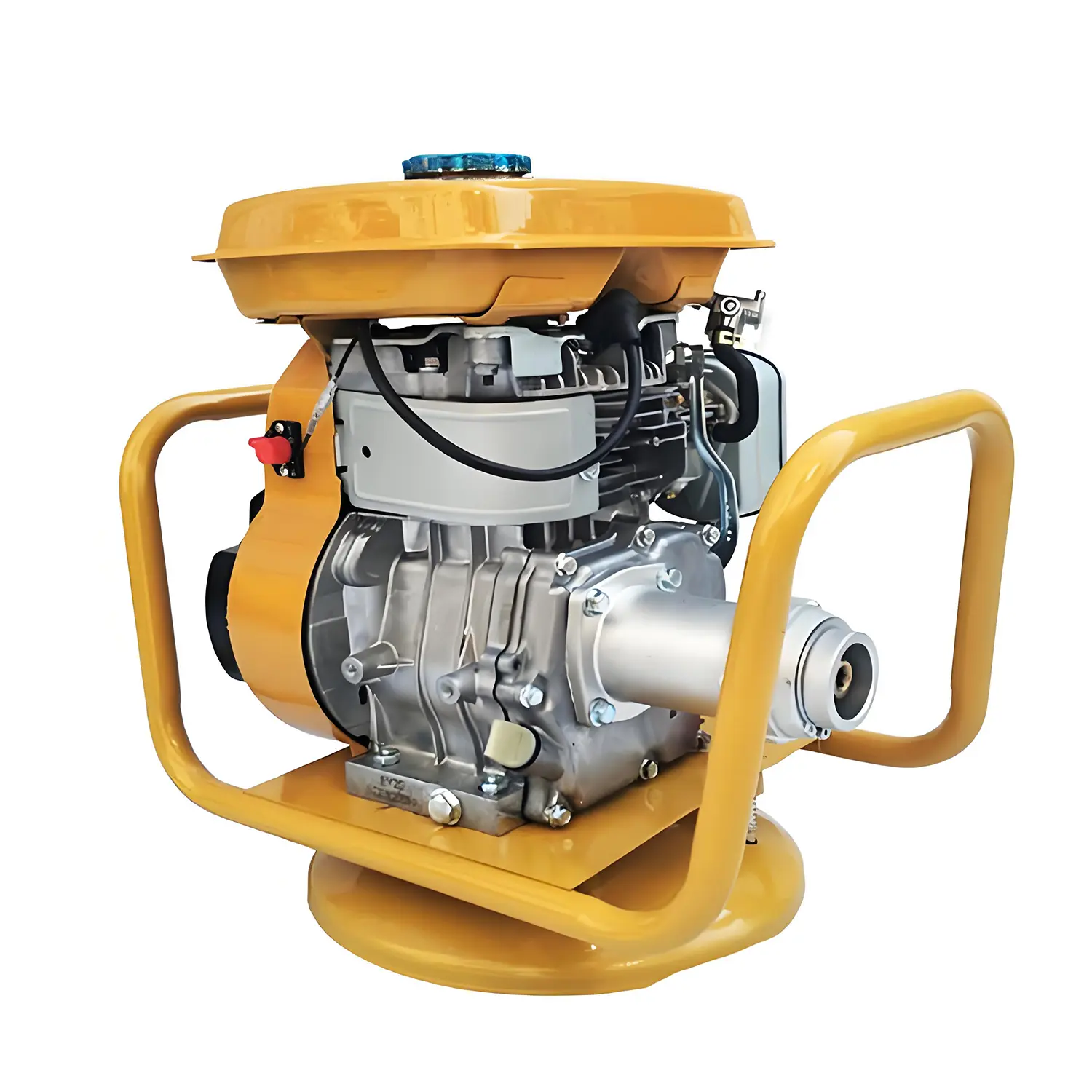 Internal Vibrator
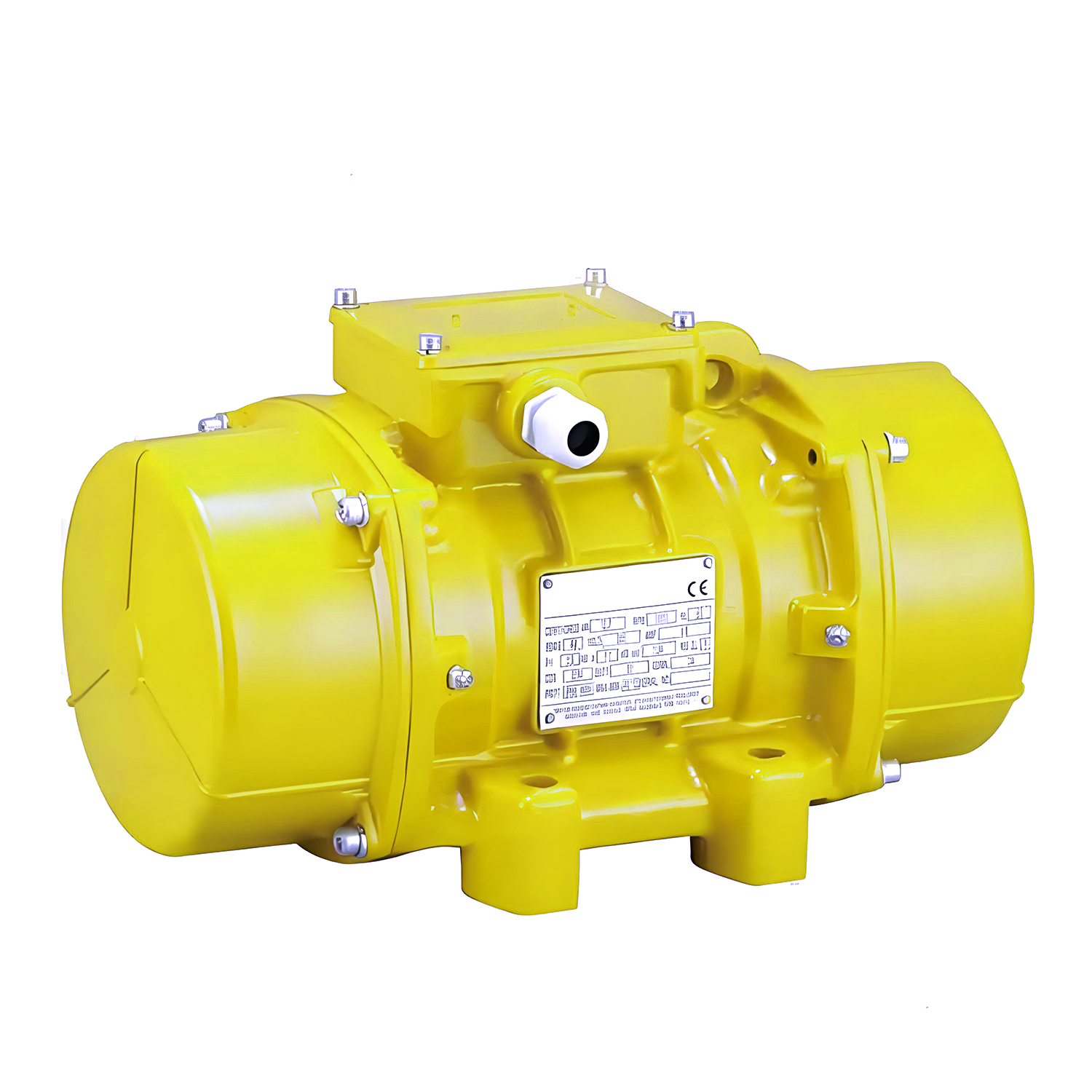 External Vibrator
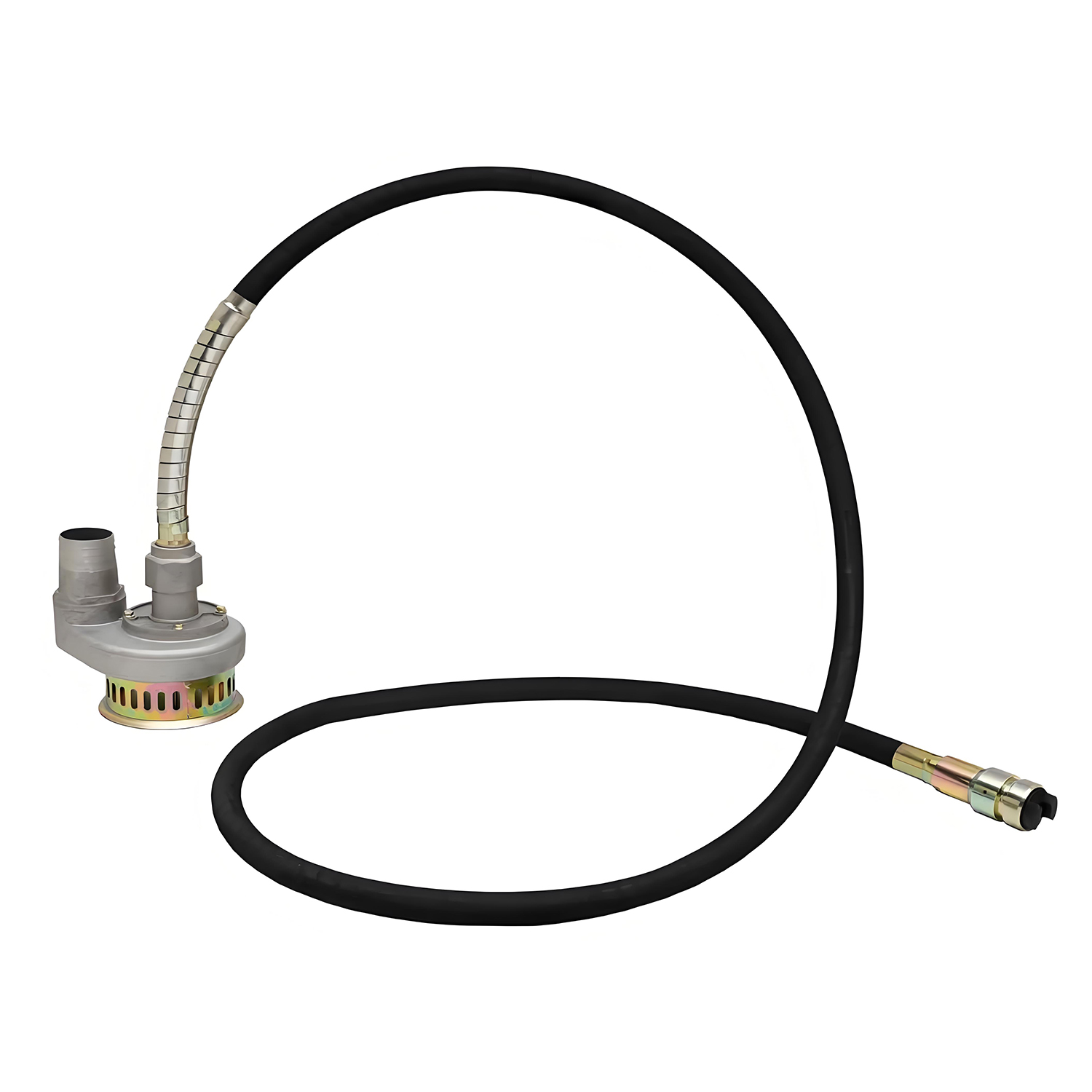 Submersible Pump
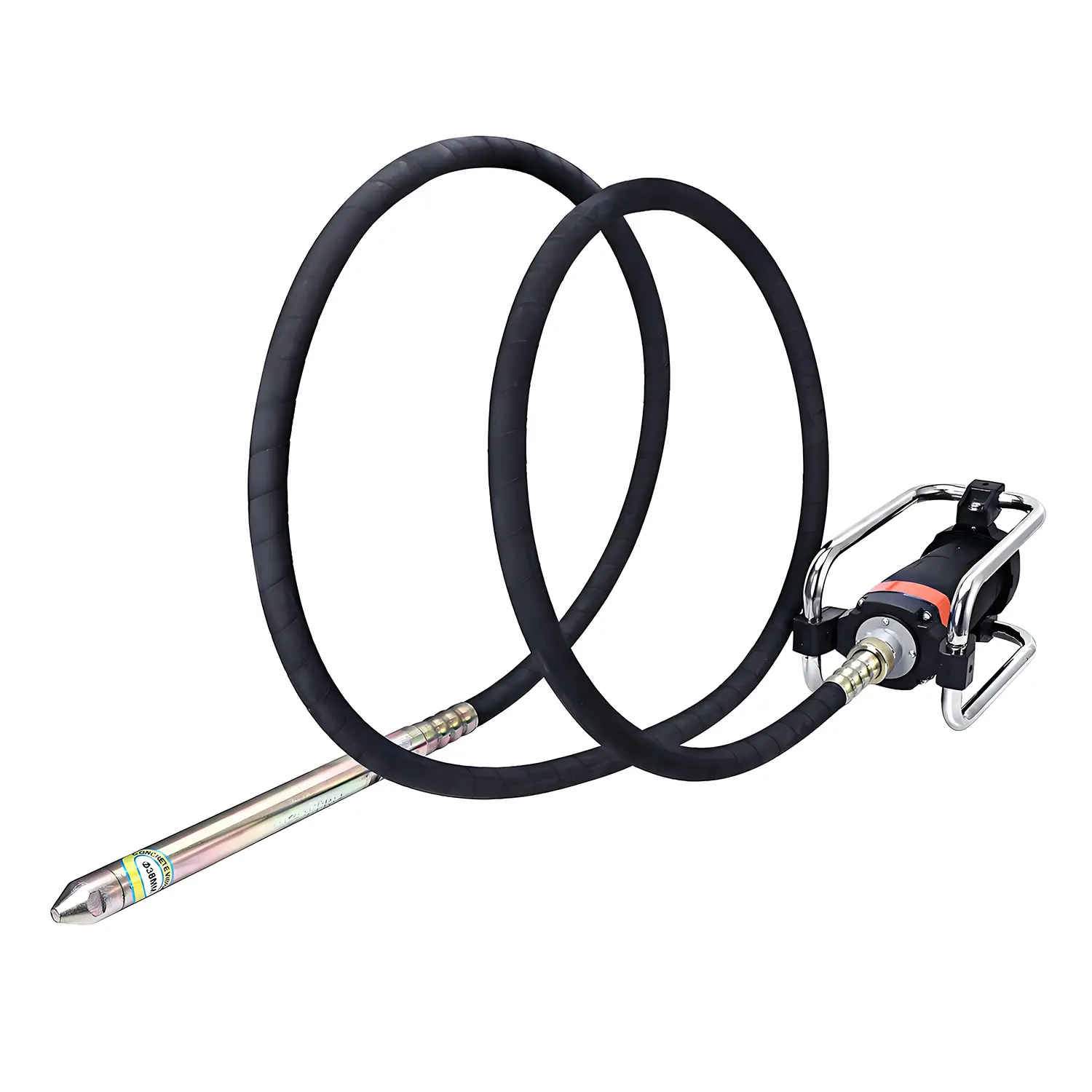 Eccentric shaft
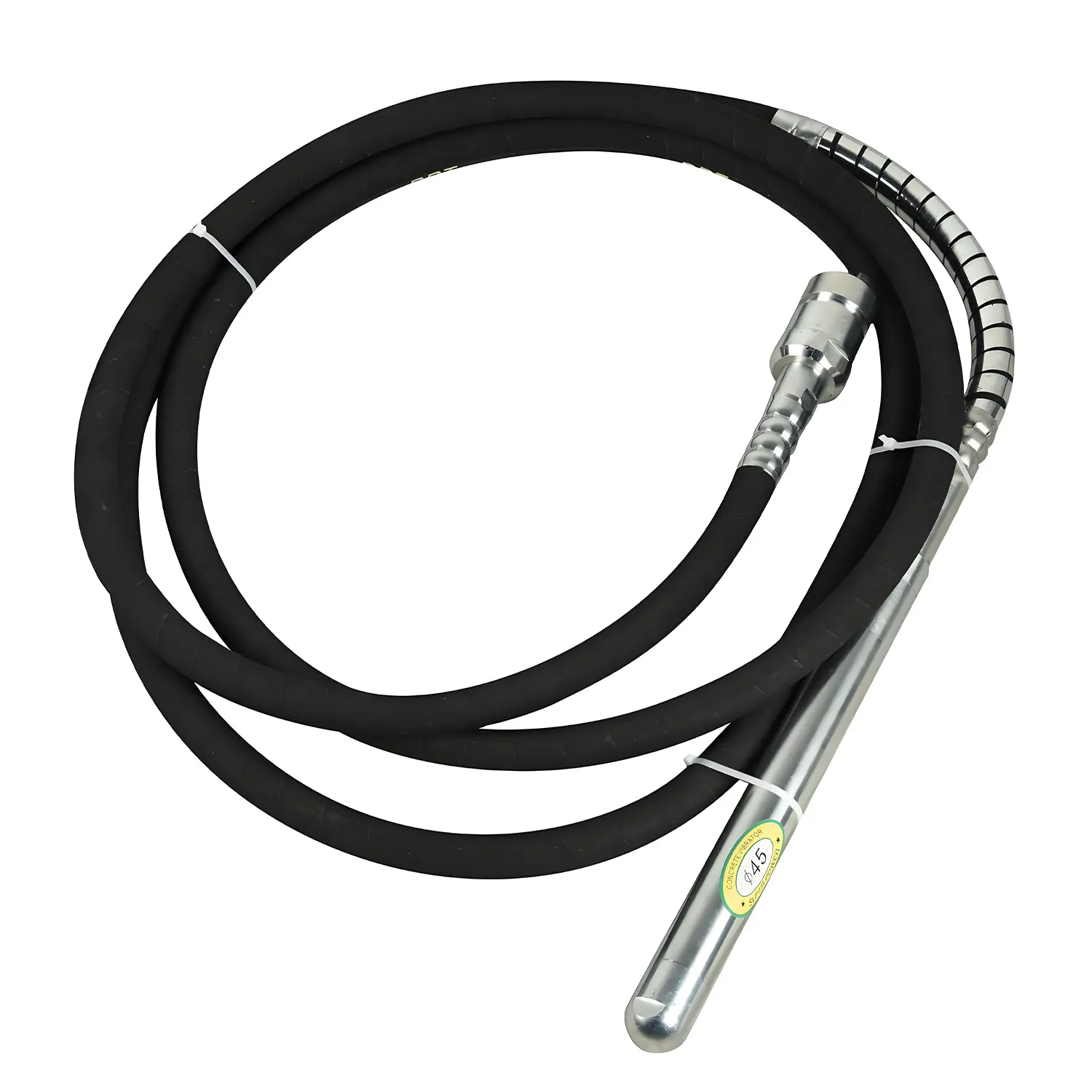 Pendulum shaft
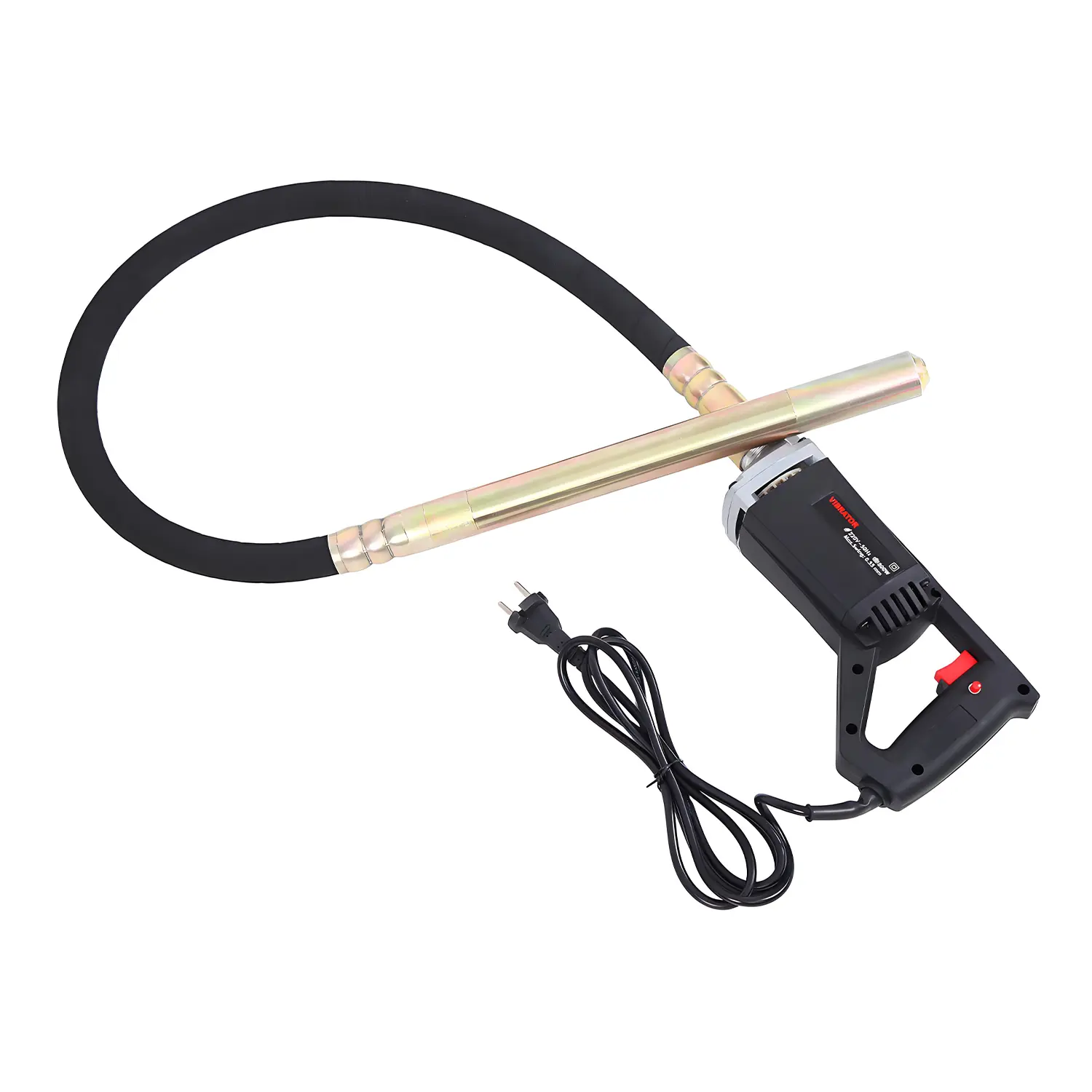 Portable vbrator shaft
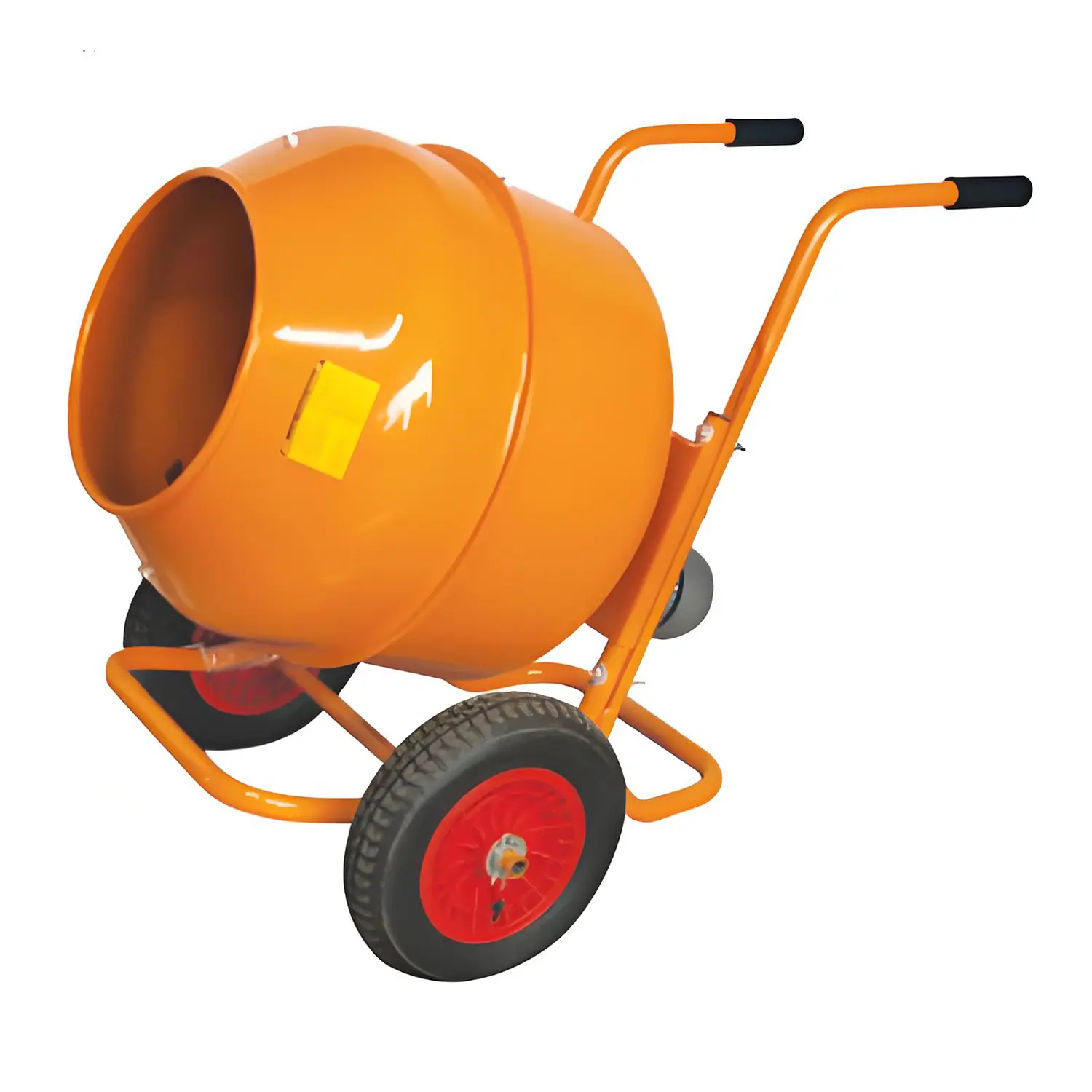 Portable concrete mixer
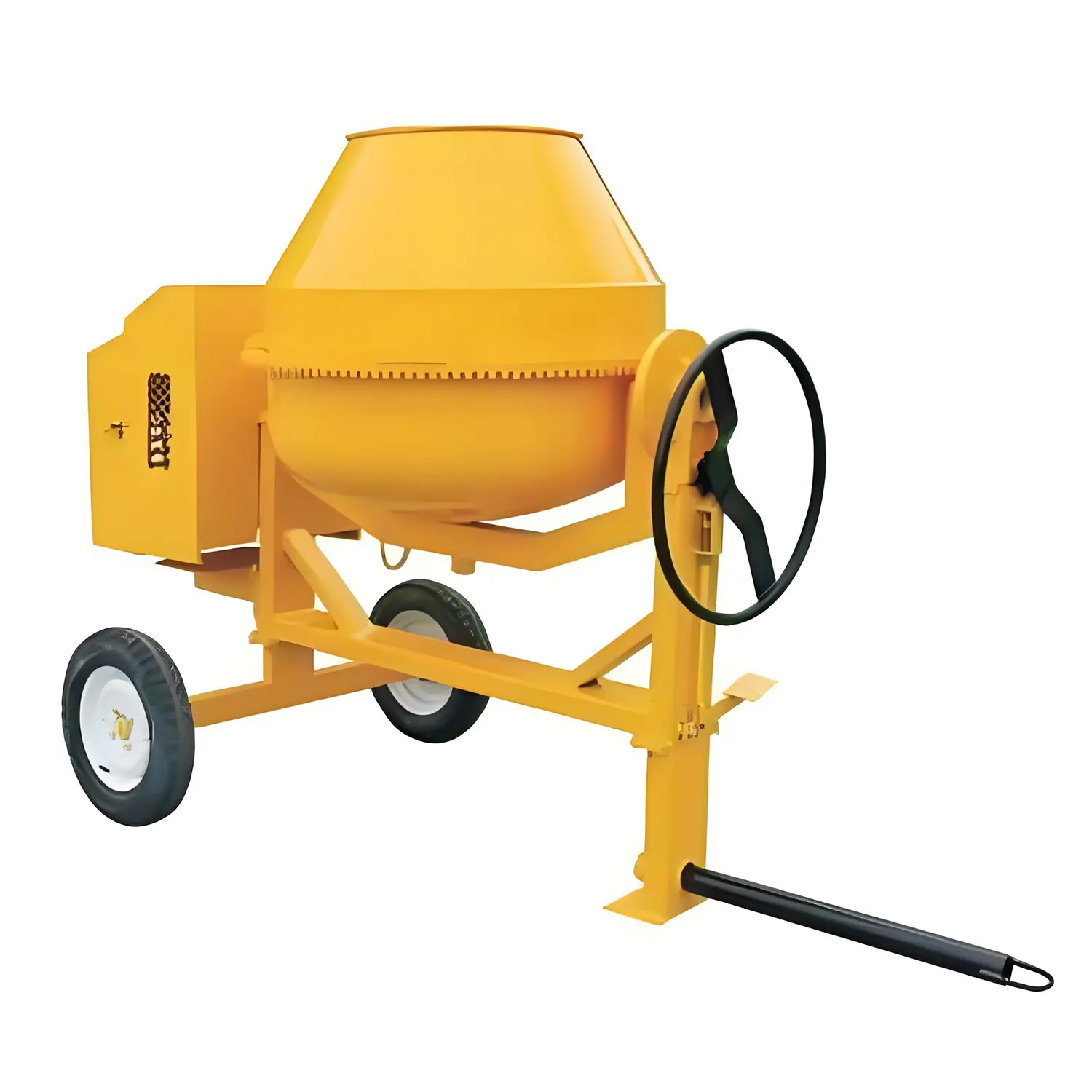 Vertical concrete mixer
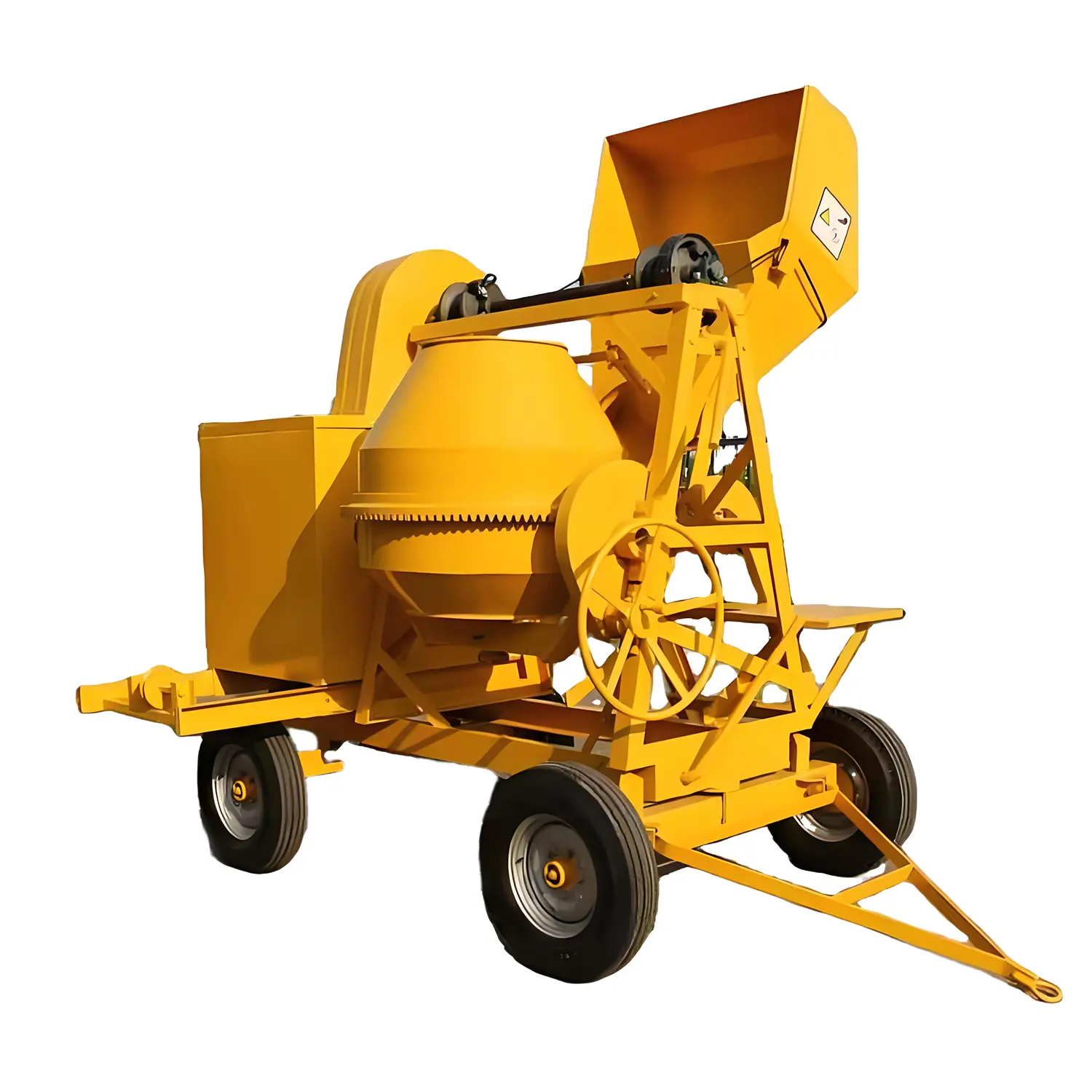 Hydraulic concrete mixer
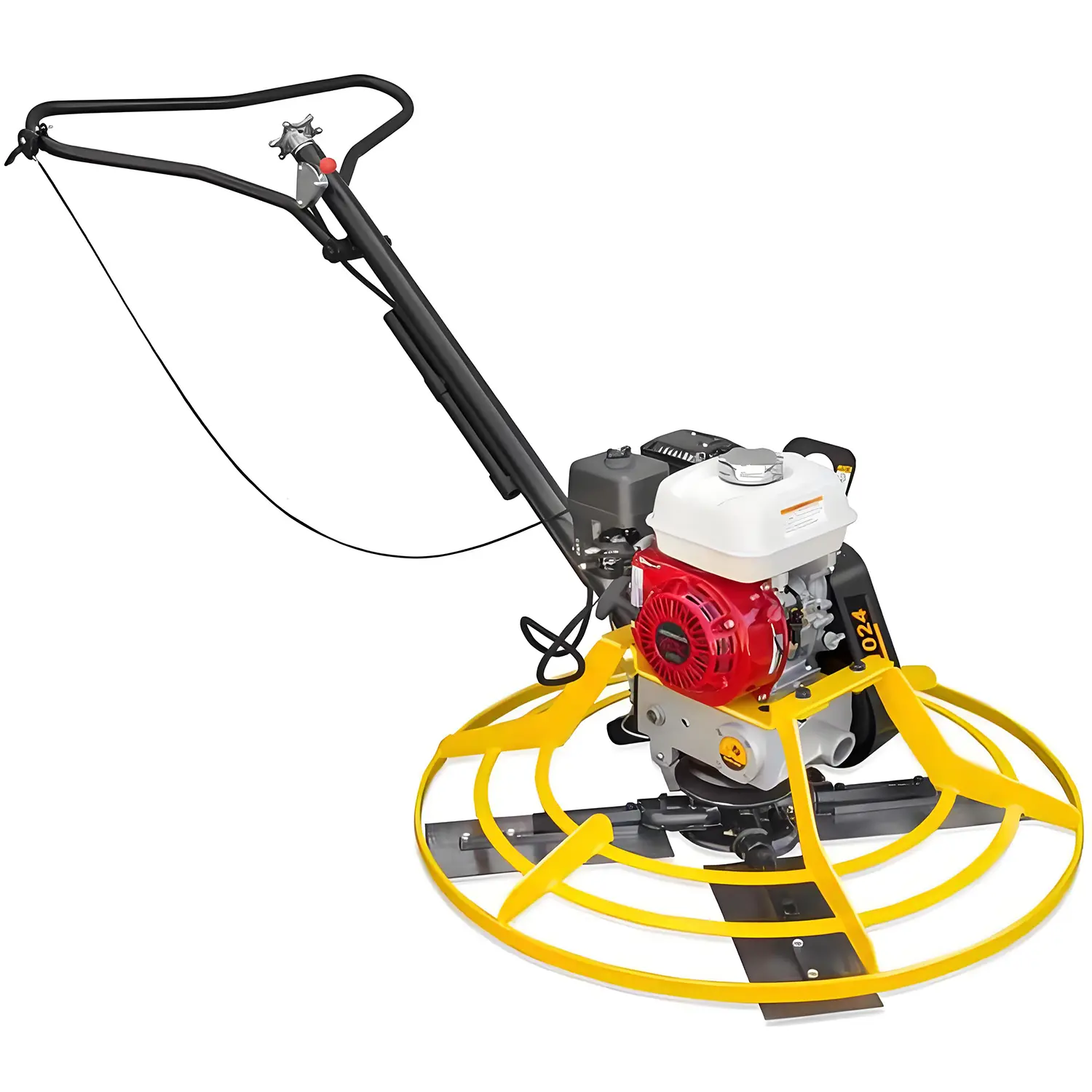 Walk behind power trowel
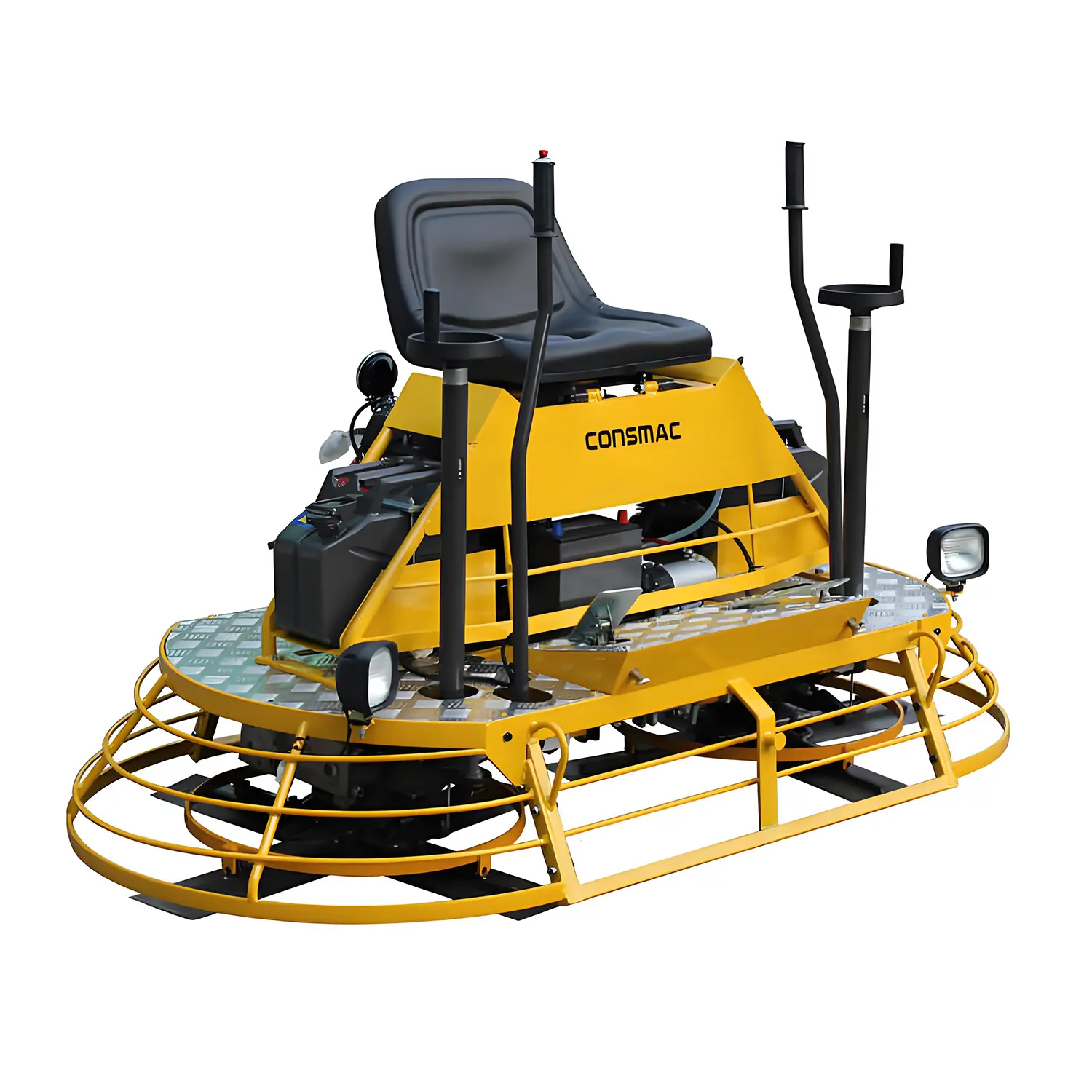 Ride on power trowel
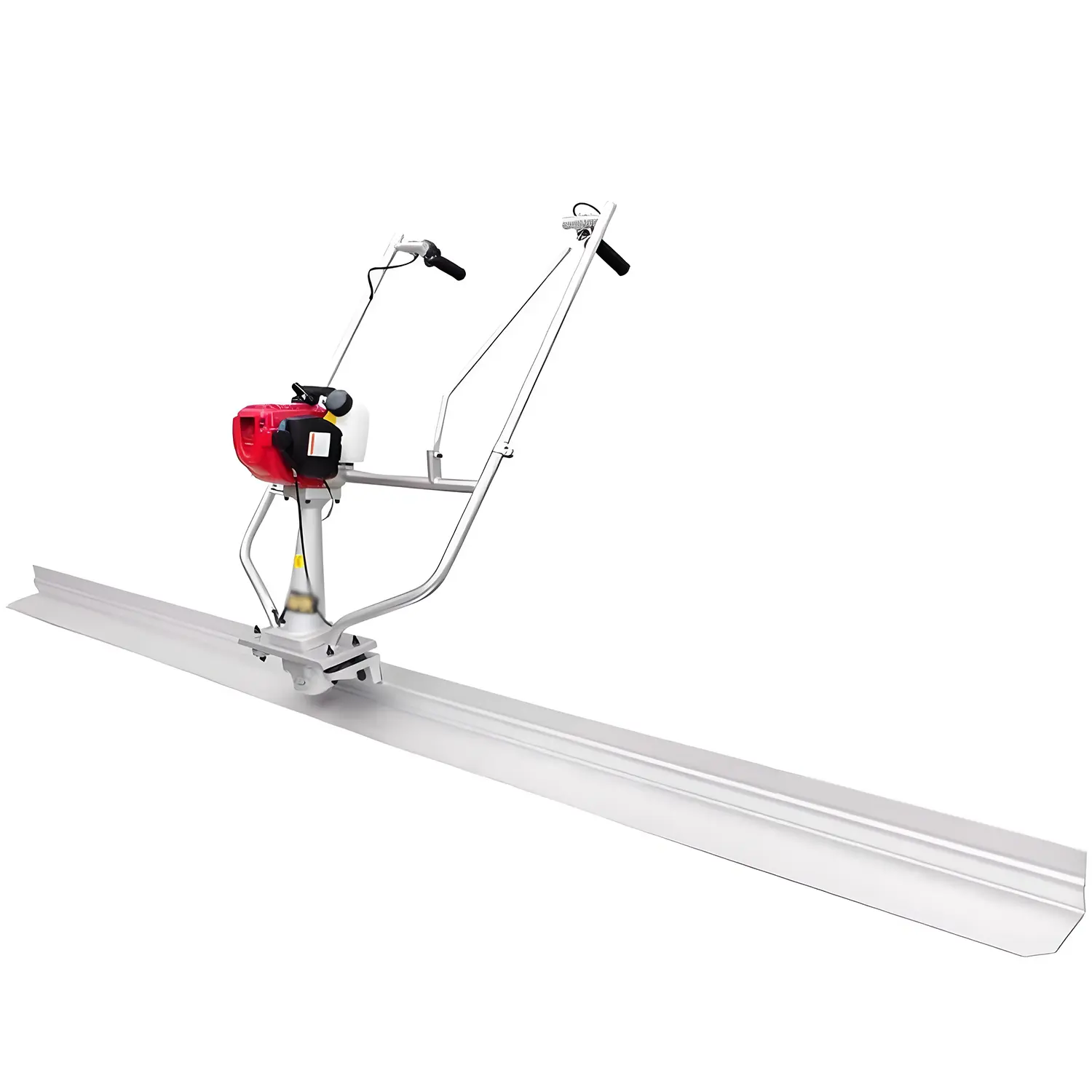 Concrete screed
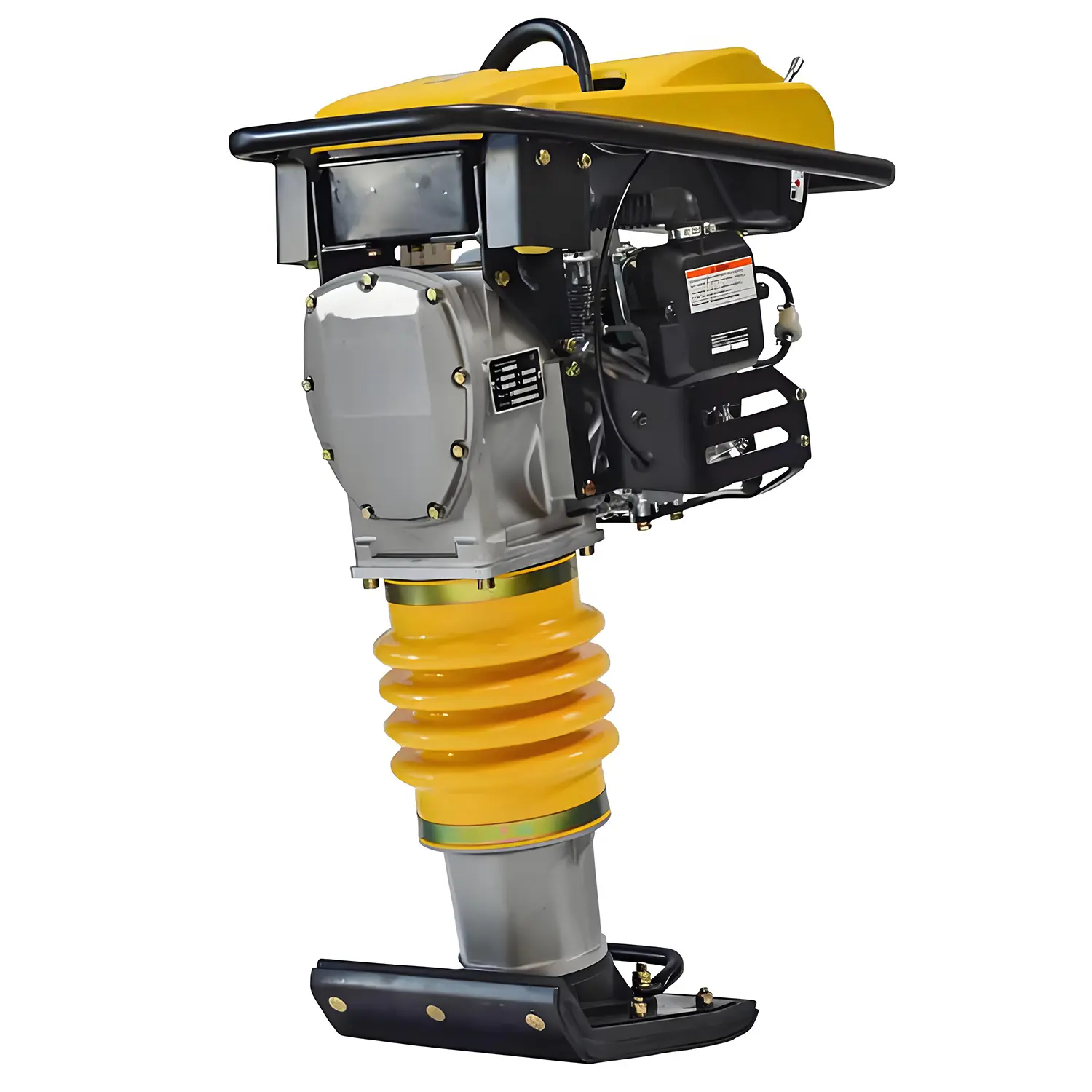 Tamping rammer
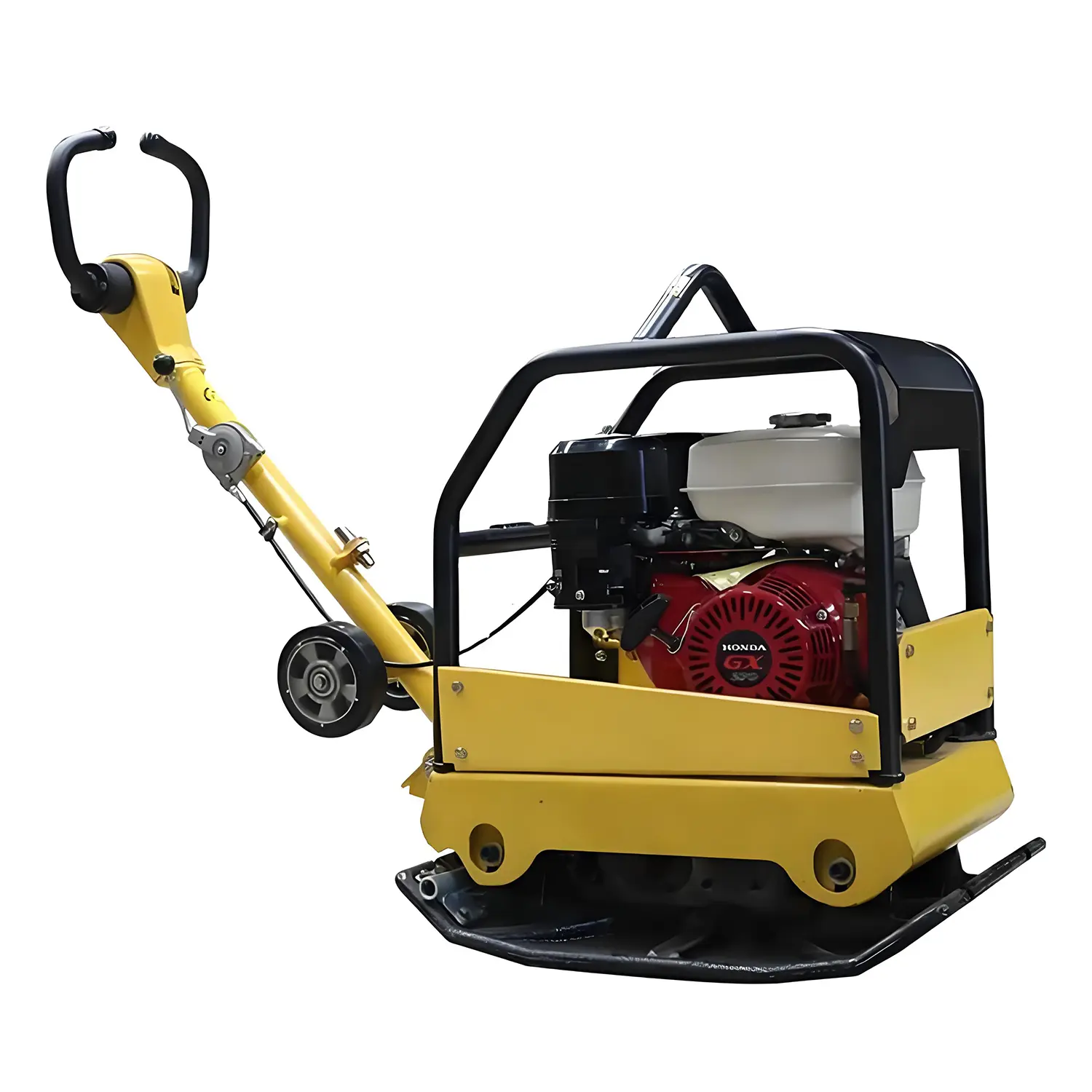 Plate compactor
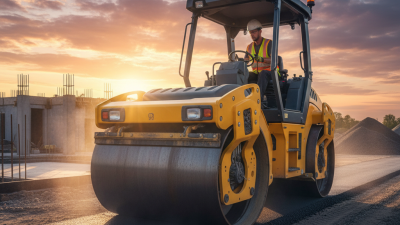
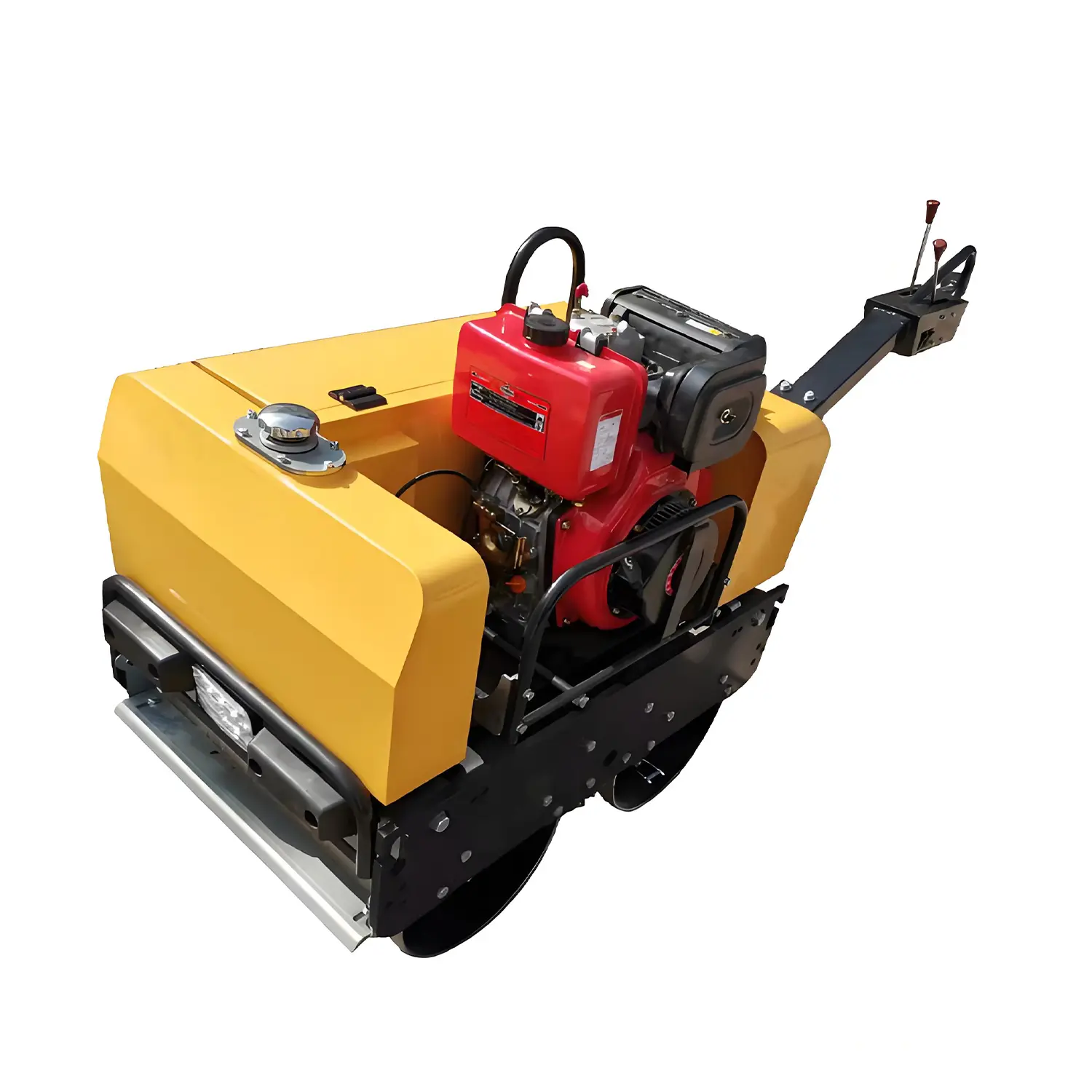 Vibratory roller