What to Consider When Buying a Plate Compactor?
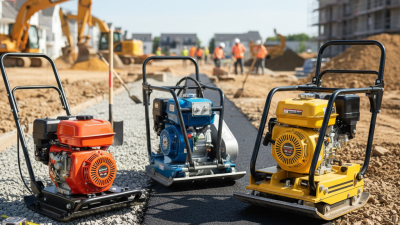
When considering a new plate compactor, it's essential to evaluate several critical factors. This equipment is crucial for construction and landscaping projects. A good plate compactor offers efficient soil compaction, paving, and asphalt work. However, not all models are created equal. Understanding your specific needs can reduce the risk of making a poor choice.
One key aspect to consider is the compactor's weight. Heavier models provide deeper compaction but may be challenging to maneuver. Portability is vital for smaller sites or tight spaces. Engine power is another factor. A powerful engine often means increased efficiency, but higher fuel consumption may result in additional costs. Think about your project's scale to determine the best fit.
Additionally, check the warranty and customer support offered by the manufacturer. A reliable brand often provides better service, contributing to long-term satisfaction. Investing in a plate compactor is a significant decision. Taking time to analyze these elements will help you make a more informed choice, though it requires careful consideration and sometimes even re-evaluation of your initial preference.
Factors to Evaluate When Selecting a Plate Compactor for Your Project
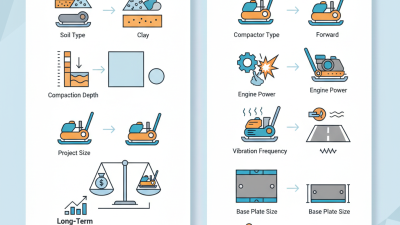
When selecting a plate compactor for your project, it's essential to evaluate several key factors. Start with the plate size. A larger plate covers more area, making it efficient for bigger tasks. Conversely, a smaller plate works in tight spaces, offering versatility. Think about your specific needs when measuring the area.
Next, consider the weight of the compactor. Heavier units provide better compaction for cohesive soils and asphalt. However, lighter models are easier to handle. If you plan to move the unit around often, a lighter model may be a better choice. However, don’t underestimate the need for adequate compaction in certain materials.
Power type is another crucial aspect. Gas-powered compactors typically offer higher compaction force. Electric options, though often less powerful, can be quieter and more suitable for indoor use. Always reflect on your project environment when making this choice. Each project has unique requirements; understanding these will guide you toward the best plate compactor for your work.
Understanding the Types of Plate Compactors and Their Applications
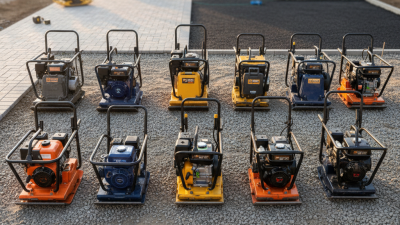
When considering a plate compactor, it's essential to understand the various types available. Generally, three main types exist:
vibratory plate compactors, reversible plate compactors, and single direction compactors.
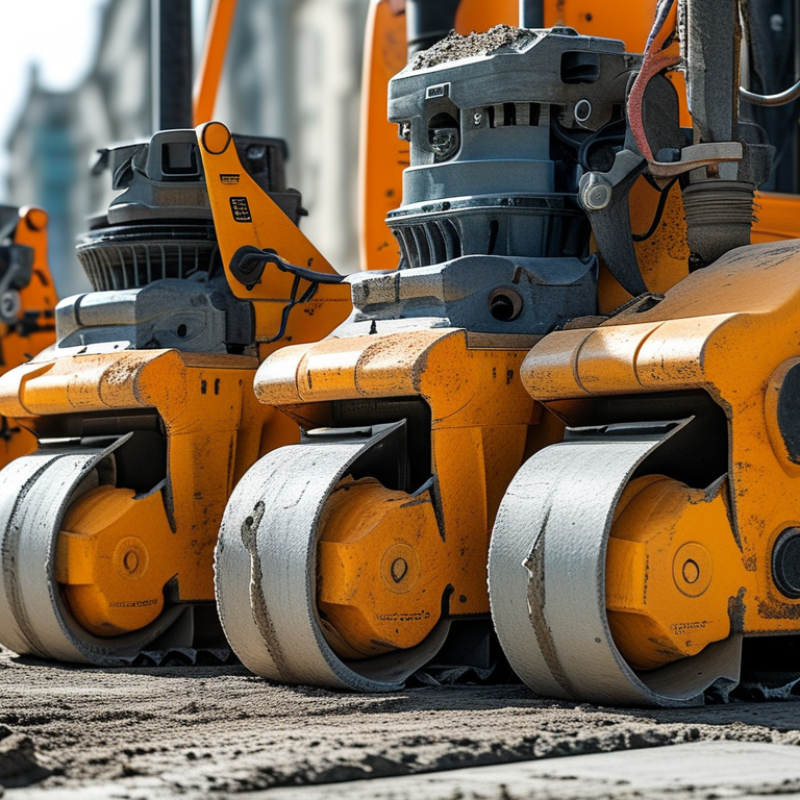
Vibratory compactors are common for asphalt and soil applications.
They utilize vibration to increase density and reduce air pockets in the material.
A study by the American Society of Civil Engineers indicates that vibratory compactors can improve compaction efficiency by up to 30%.
Reversible compactors feature a dual-action mechanism, allowing operators to compact in both directions.
This versatility is ideal for tight spaces and uneven surfaces. Their design promotes better maneuverability, which can be crucial during extensive jobs.
According to research from the Construction Industry Institute, using reversible models can decrease labor time on projects by as much as 15%.
Single direction compactors are often used for basic applications. They are straightforward and simpler to operate, making them a good choice for smaller projects.
However, operators should be mindful that their limited versatility may not suit all situations.
Understanding the specific needs of your project is crucial.
Not all compactors are made equal; selecting the wrong type can lead to inefficient compaction and wasted resources.
Be mindful of project requirements before making a decision.
Key Specifications: Weight, Frequency, and Force Metrics in Compactors
When selecting a plate compactor, understanding key specifications is crucial. Weight is a primary factor. Heavier compactors deliver greater force and are effective for dense materials. Lighter models are easier to handle. The right weight balances ease of use and compacting efficiency.
Frequency plays a vital role in performance. Most compactors operate between 5,000 to 7,000 vibrations per minute. Higher frequencies often result in better compaction but may require more skill to operate. It’s essential to match the frequency to the material type. Dense soils benefit from higher frequencies, while lighter fill may require less.
Force metrics should not be overlooked. This describes how much compaction the machine can exert. Typically measured in pounds of force, knowing this helps gauge how deep the compactor will work. Insufficient force may lead to poor outcomes, especially in construction or landscaping projects. Evaluating these specifications helps make an informed choice, but users should be cautious. Misjudging the needs can affect project success. Aim for a balance that meets your specific requirements without overcomplicating the task.
What to Consider When Buying a Plate Compactor? - Key Specifications
| Model |
Weight (lbs) |
Vibration Frequency (Hz) |
Compaction Force (lbs) |
| Model A |
140 |
70 |
3,200 |
| Model B |
160 |
75 |
3,500 |
| Model C |
180 |
65 |
4,000 |
| Model D |
200 |
80 |
4,500 |
| Model E |
220 |
85 |
5,000 |
Assessing Engine Power and Fuel Efficiency in Plate Compactor Models
When assessing engine power in plate compactor models, it's essential to consider various factors. Engine power significantly influences the compactor's performance on different surfaces. A typical plate compactor ranges from 3 to 6 horsepower. Powerful engines can handle dense materials, ensuring better compaction. However, they may consume more fuel. A balance must be struck between power and efficiency.
Fuel efficiency is another critical aspect. According to recent industry reports, the average fuel consumption for compactors is around 1 to 2 gallons per hour. Efficient models provide extended operational periods on lower fuel. This can lead to reduced operational costs over time. Testing user reviews and performance data can help gauge real-world fuel consumption. Not all high-horsepower engines are efficient. Some may have subpar fuel management systems.
Selecting the right engine power and fuel efficiency depends on project needs. Compacting softer soils may not require excessive horsepower. However, working with asphalt or heavy materials demands stronger engines. Also, consider maintenance requirements of different models. A powerful engine isn't effective if it frequently breaks down. Reliability is key for consistent project completion.
Safety Features and Maintenance Considerations for Plate Compactors
When considering the purchase of a plate compactor, safety features should be at the forefront. According to industry reports, nearly 30% of workplace injuries stem from improper equipment handling. This statistic underscores the importance of features like anti-vibration handles and emergency shut-off controls. Such features can significantly reduce operator fatigue and risks associated with prolonged use. Ensuring that the compactor has adequate protective measures can make a significant difference in user experience.
Maintenance considerations also deserve serious attention. Regular maintenance can extend the lifespan of the equipment and prevent costly repairs. Identifying wear on crucial components, like the base plate and engine, can prevent failure during use. Reports suggest that up to 20% of machinery failures are due to neglecting routine checks. However, many operators overlook this simple yet vital aspect. Keeping a maintenance log can help monitor performance and adhere to recommended service intervals. This often leads to smoother operation and safer working conditions.
Lastly, operators should not underestimate the learning curve associated with using plate compactors. Training programs can mitigate risks and enhance productivity. However, many new users skip formal training, leading to improper use. Investing time in training can instill confidence and promote safer operating techniques. Ultimately, fostering a culture of safety and accountability in maintenance will ensure the equipment performs optimally and safely.

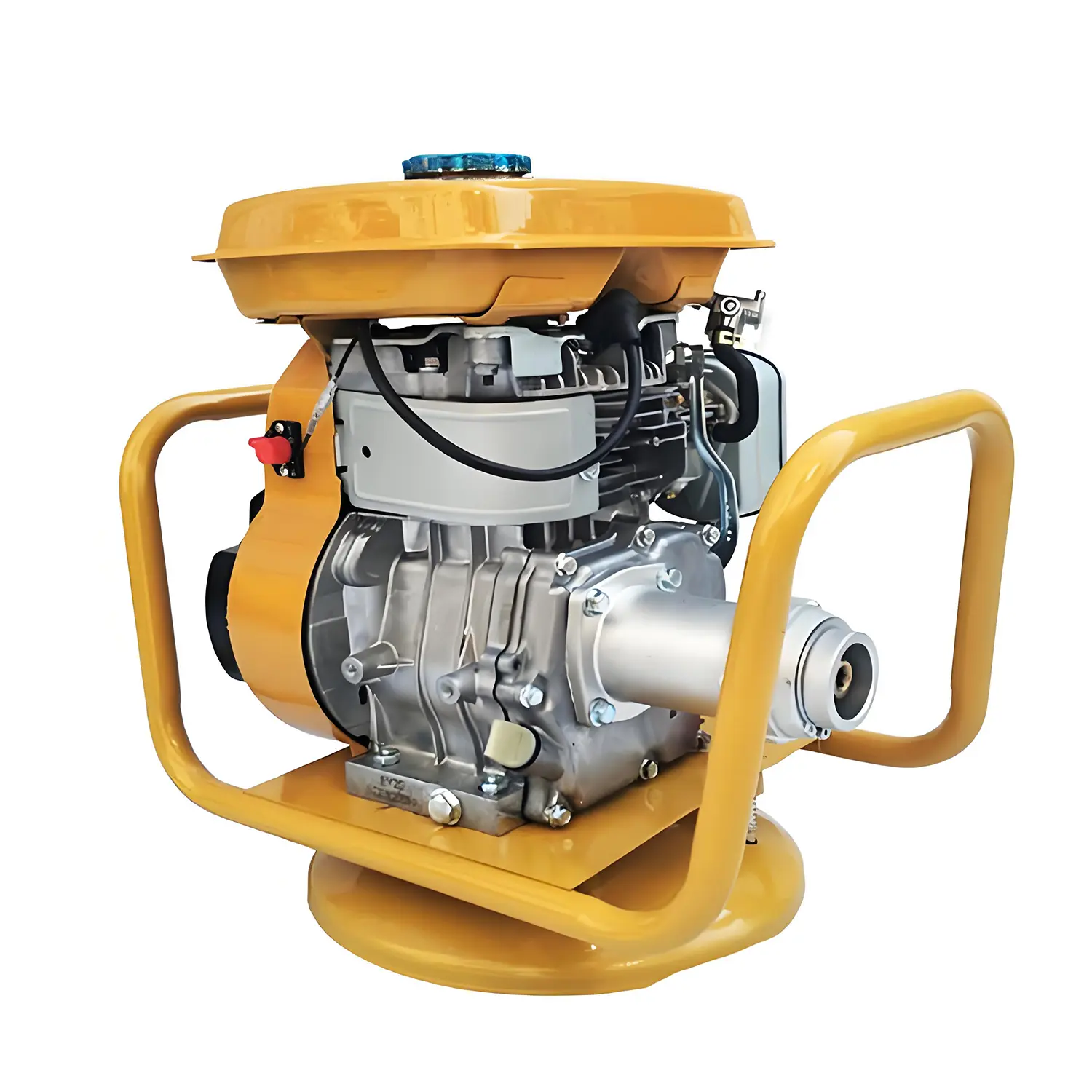 Internal Vibrator
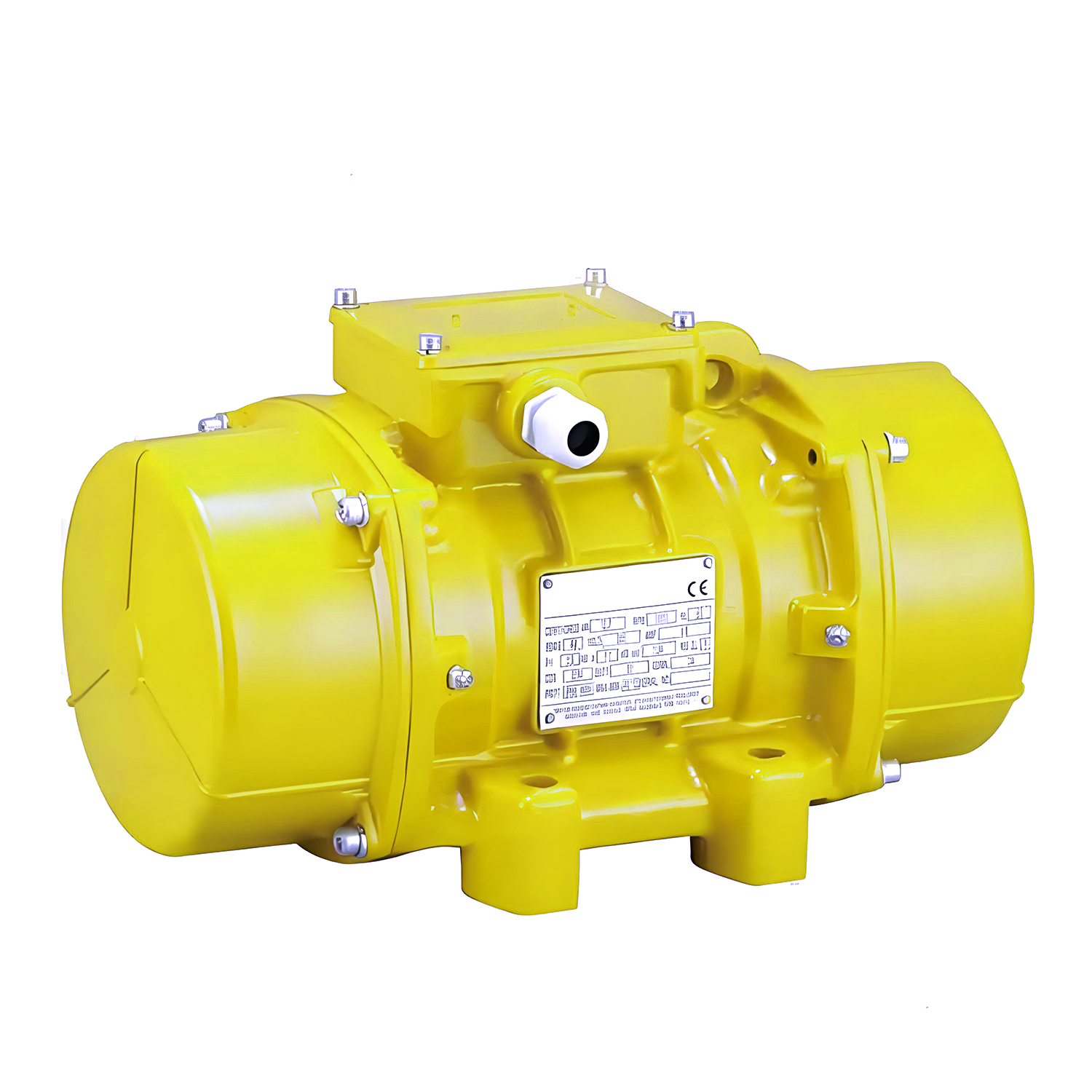 External Vibrator
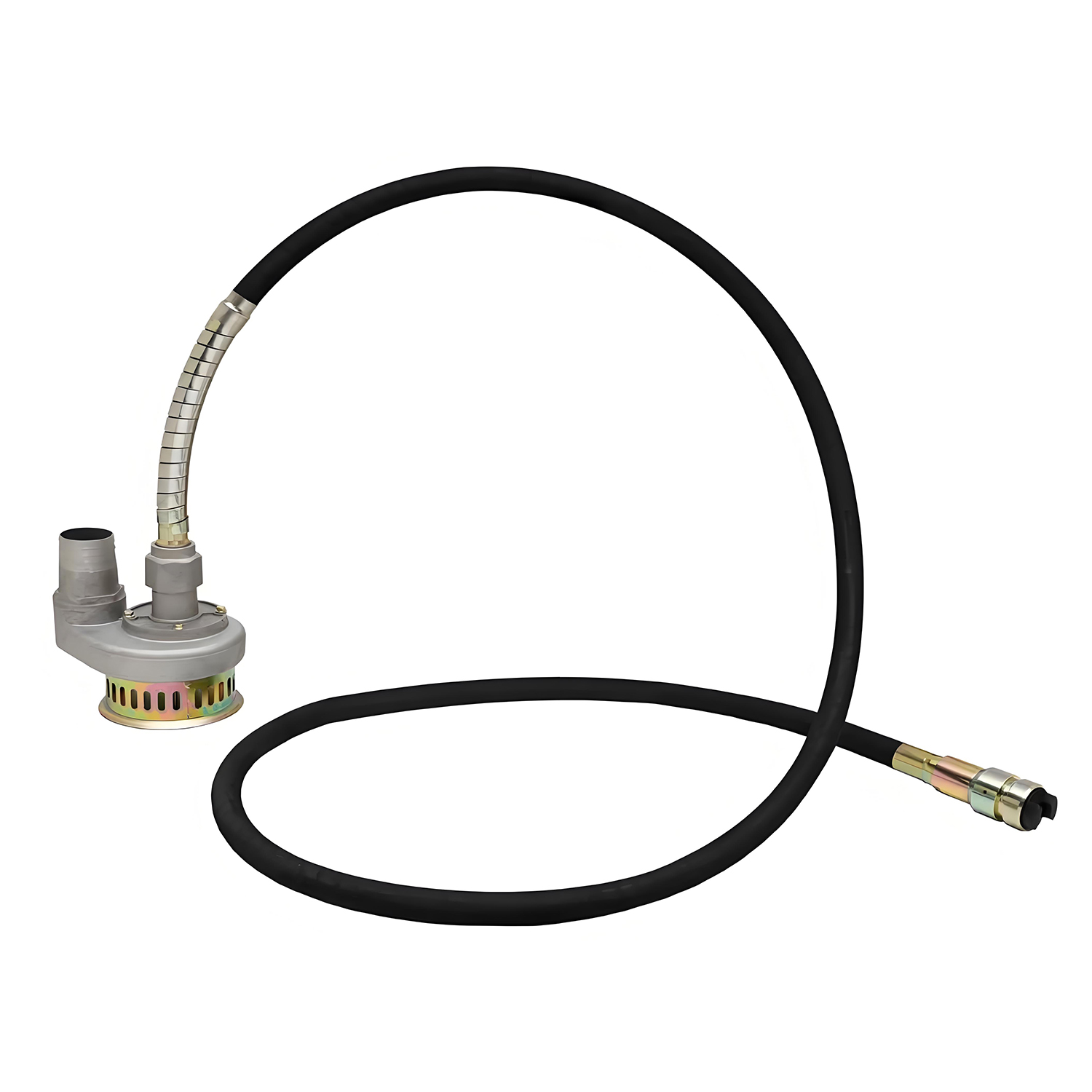 Submersible Pump
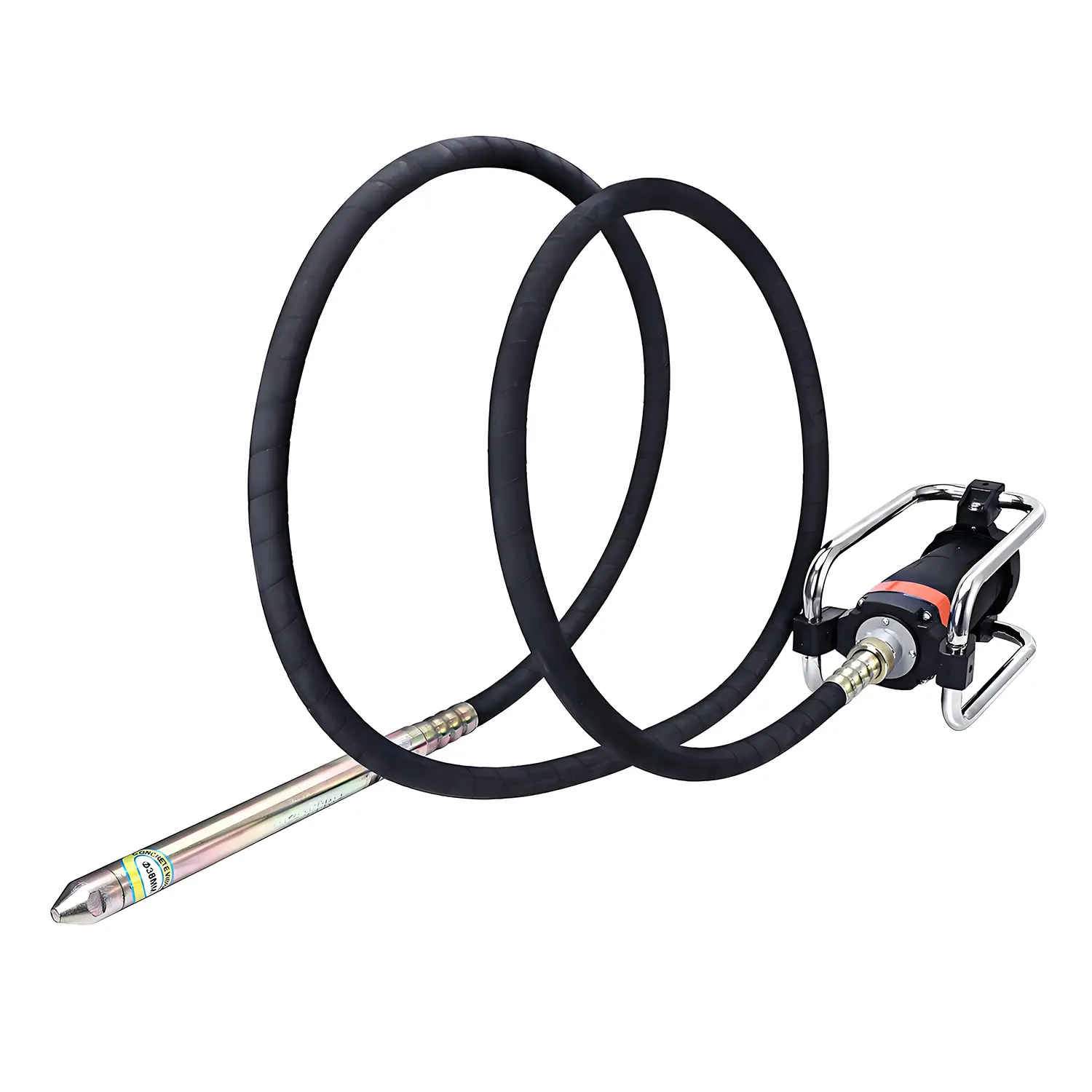 Eccentric shaft
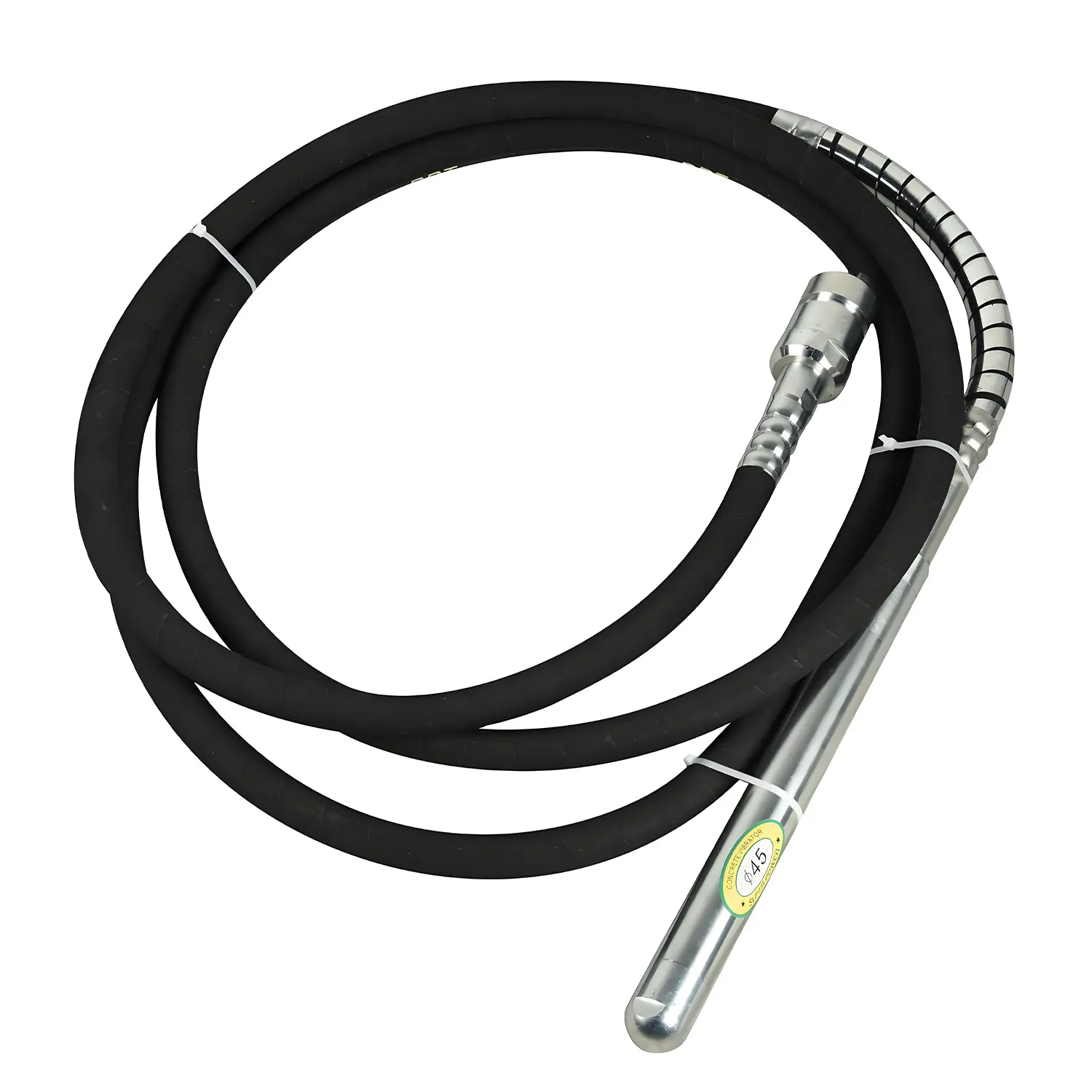 Pendulum shaft
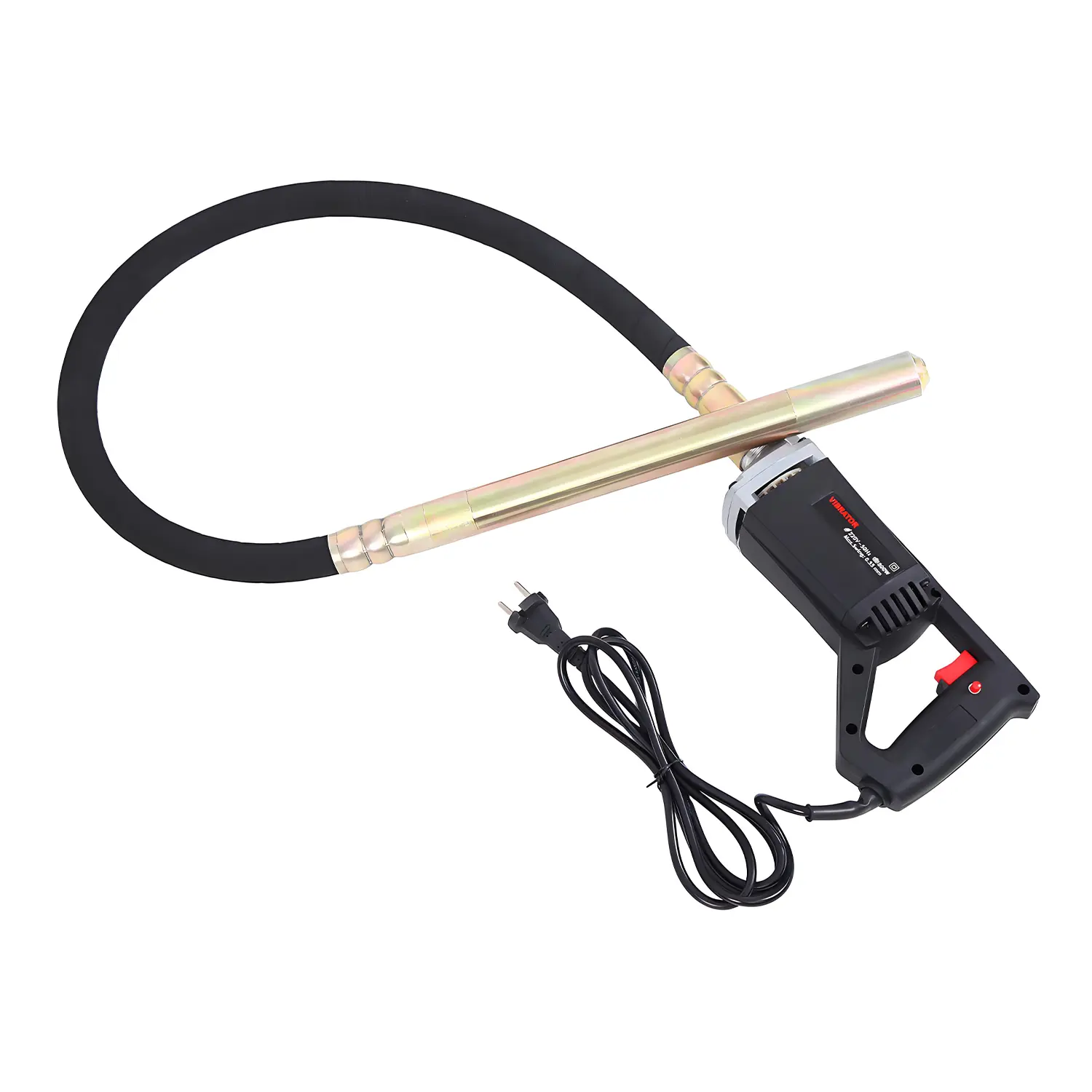 Portable vbrator shaft
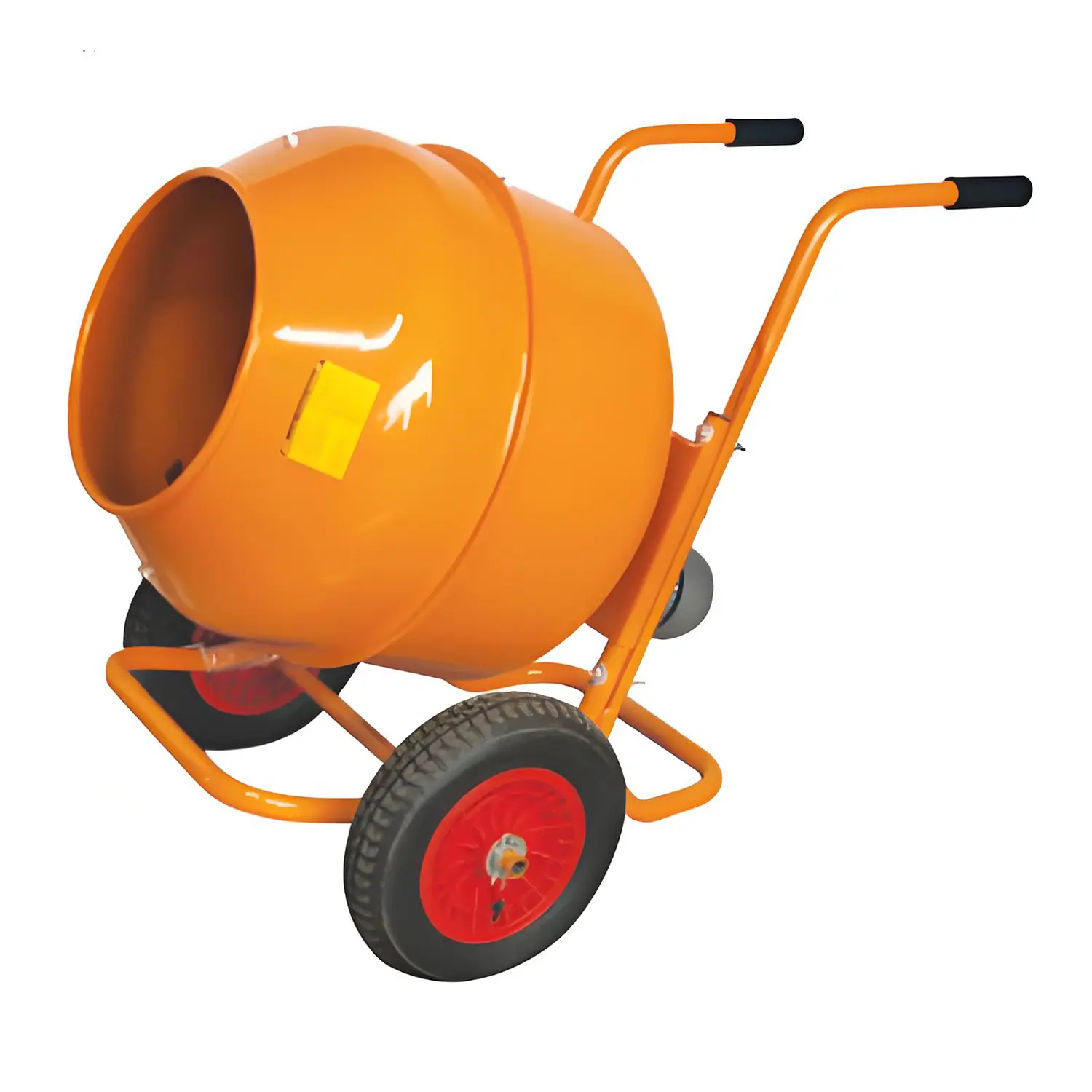 Portable concrete mixer
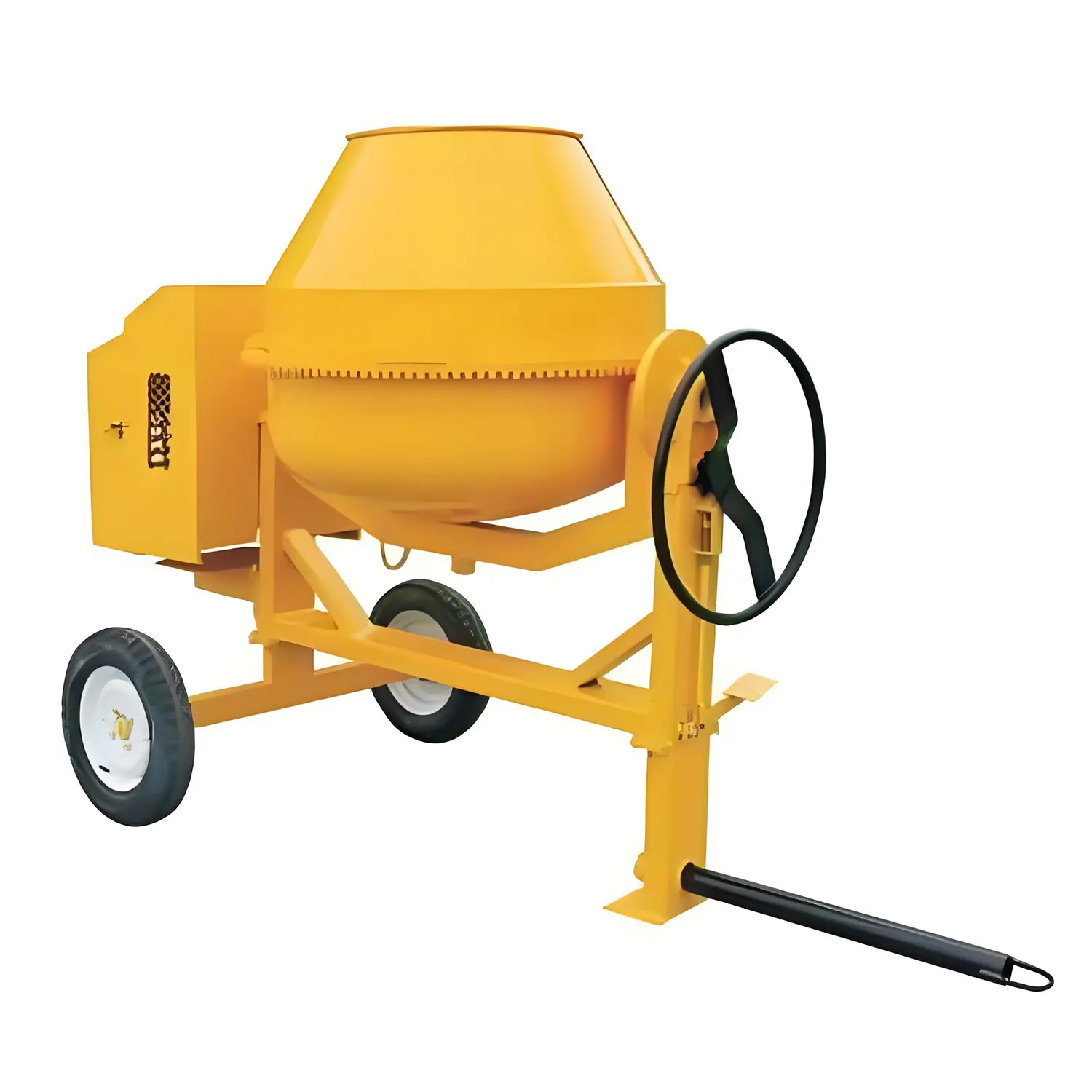 Vertical concrete mixer
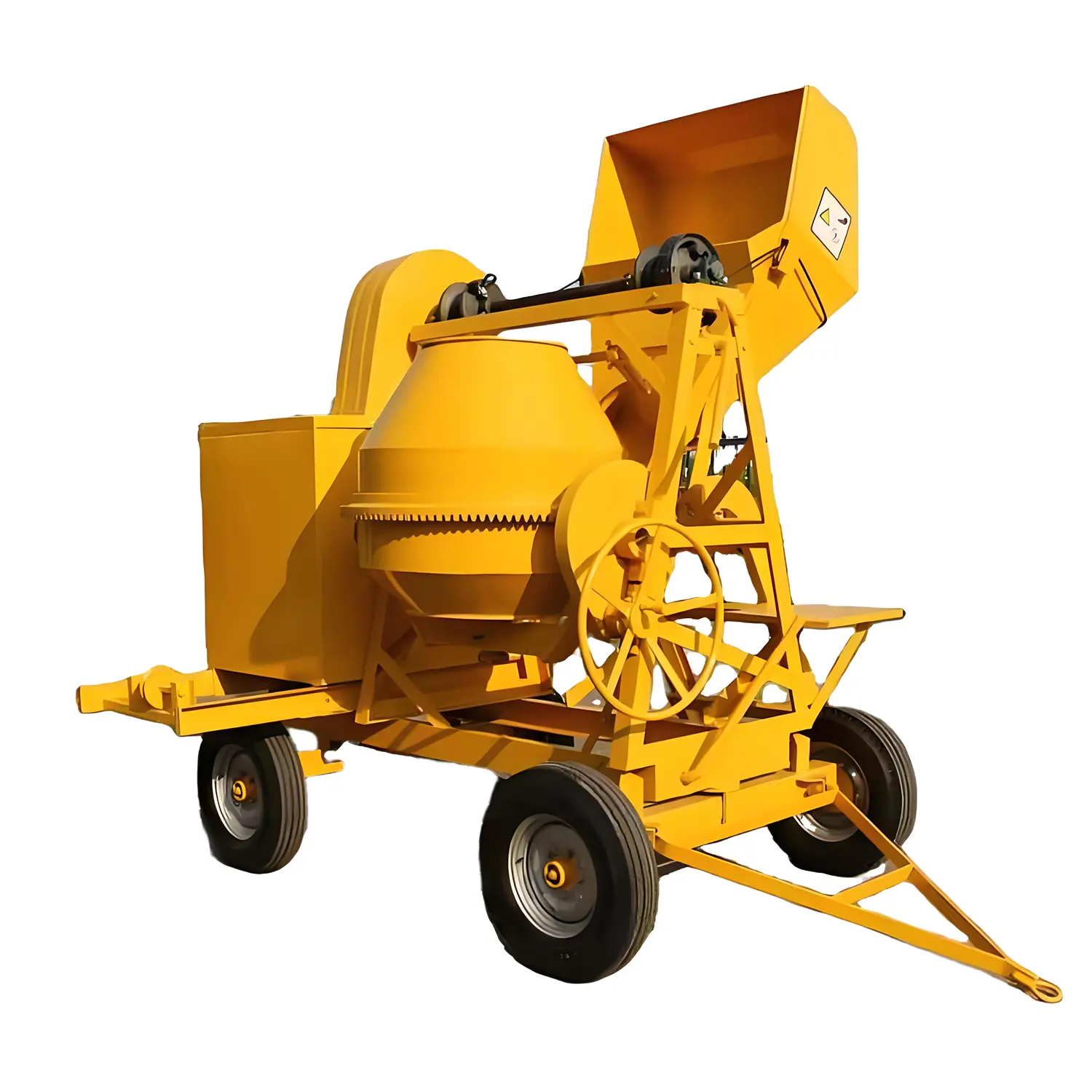 Hydraulic concrete mixer
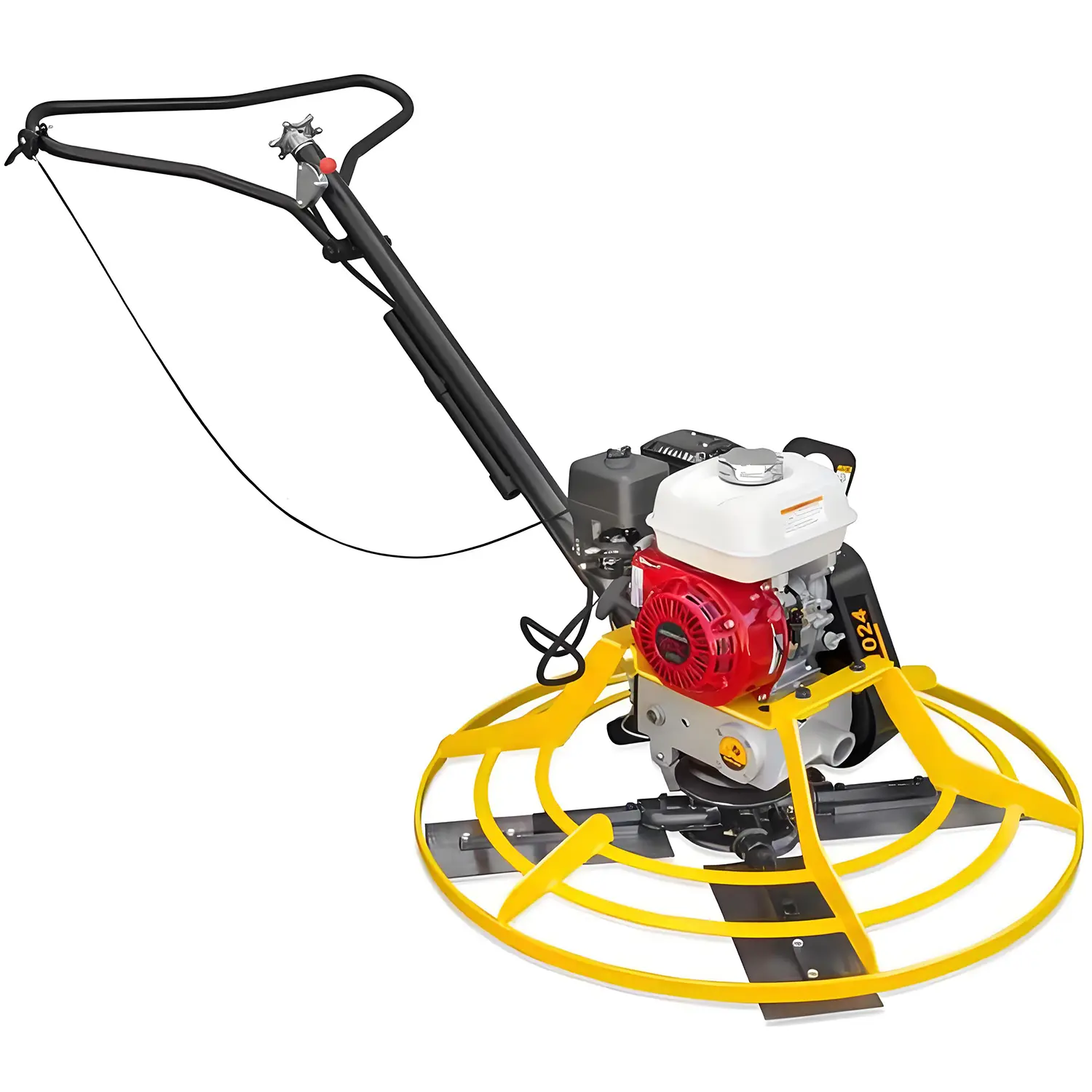 Walk behind power trowel
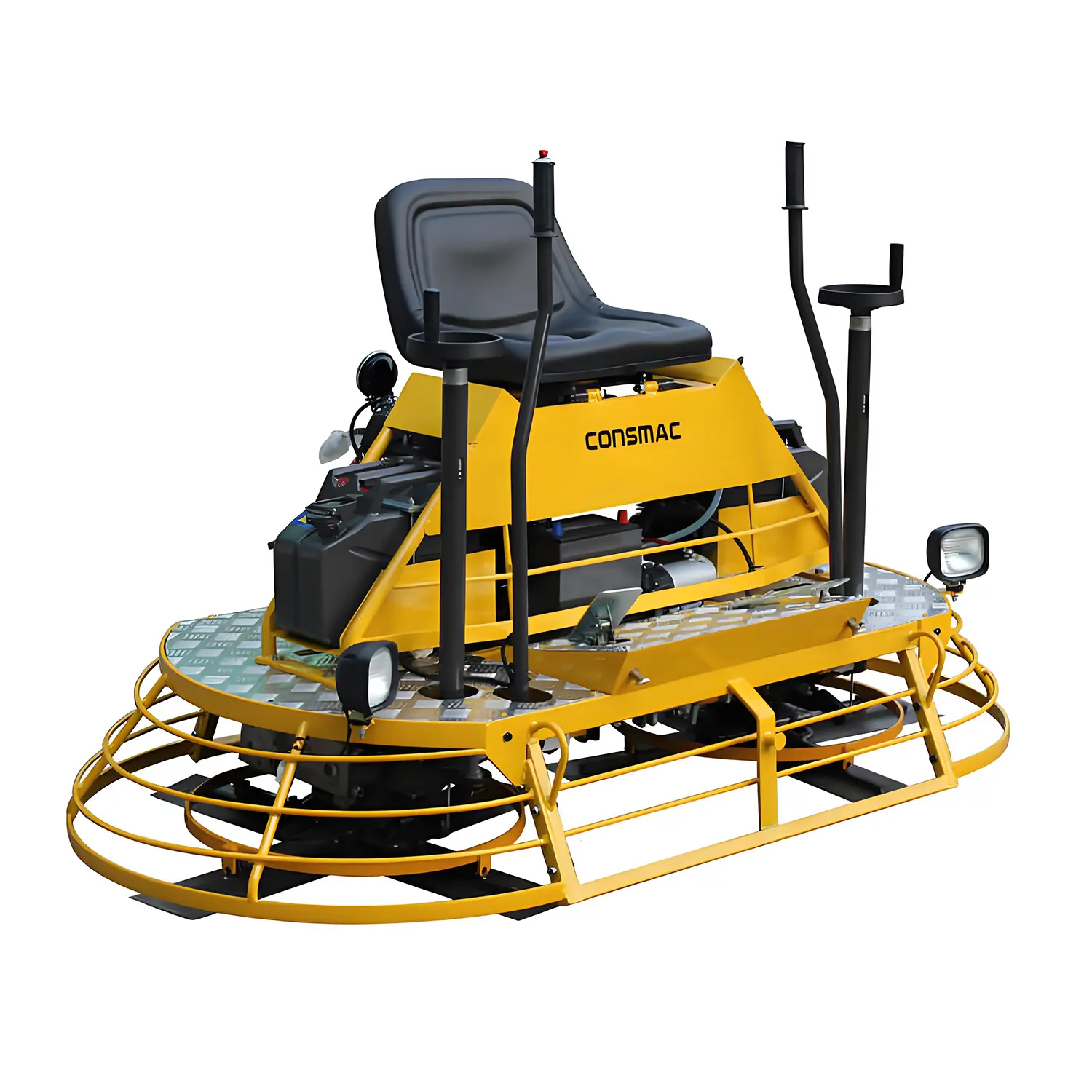 Ride on power trowel
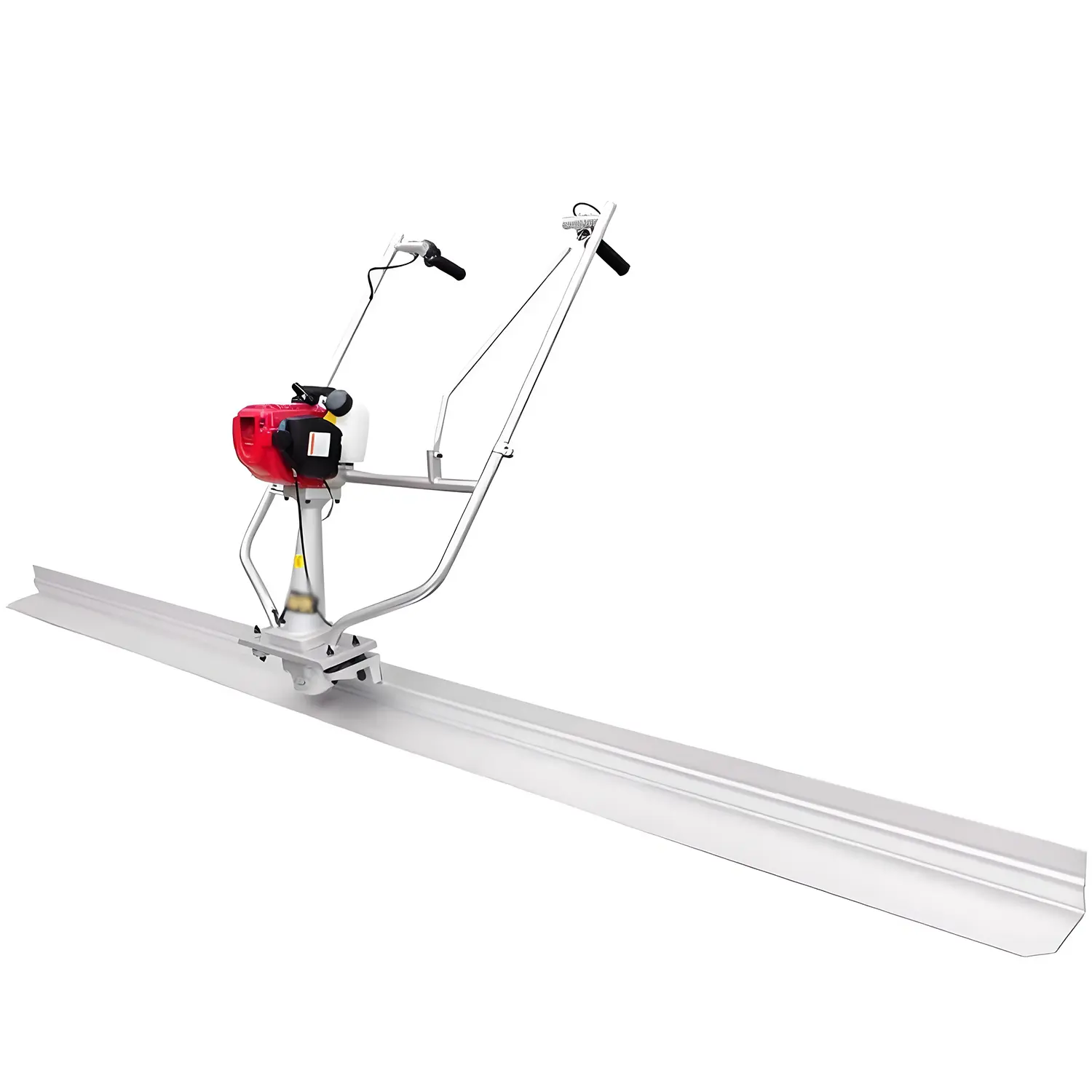 Concrete screed
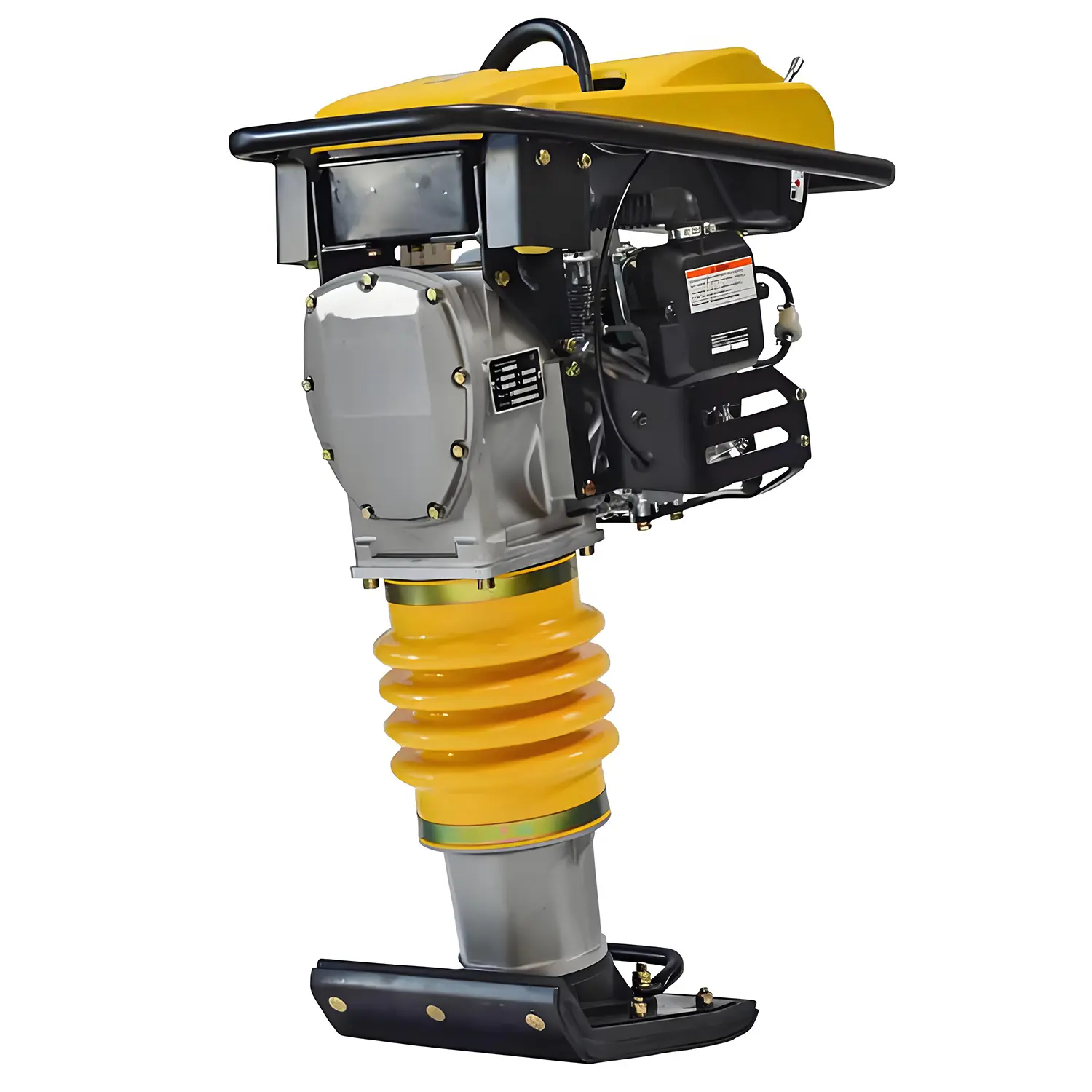 Tamping rammer
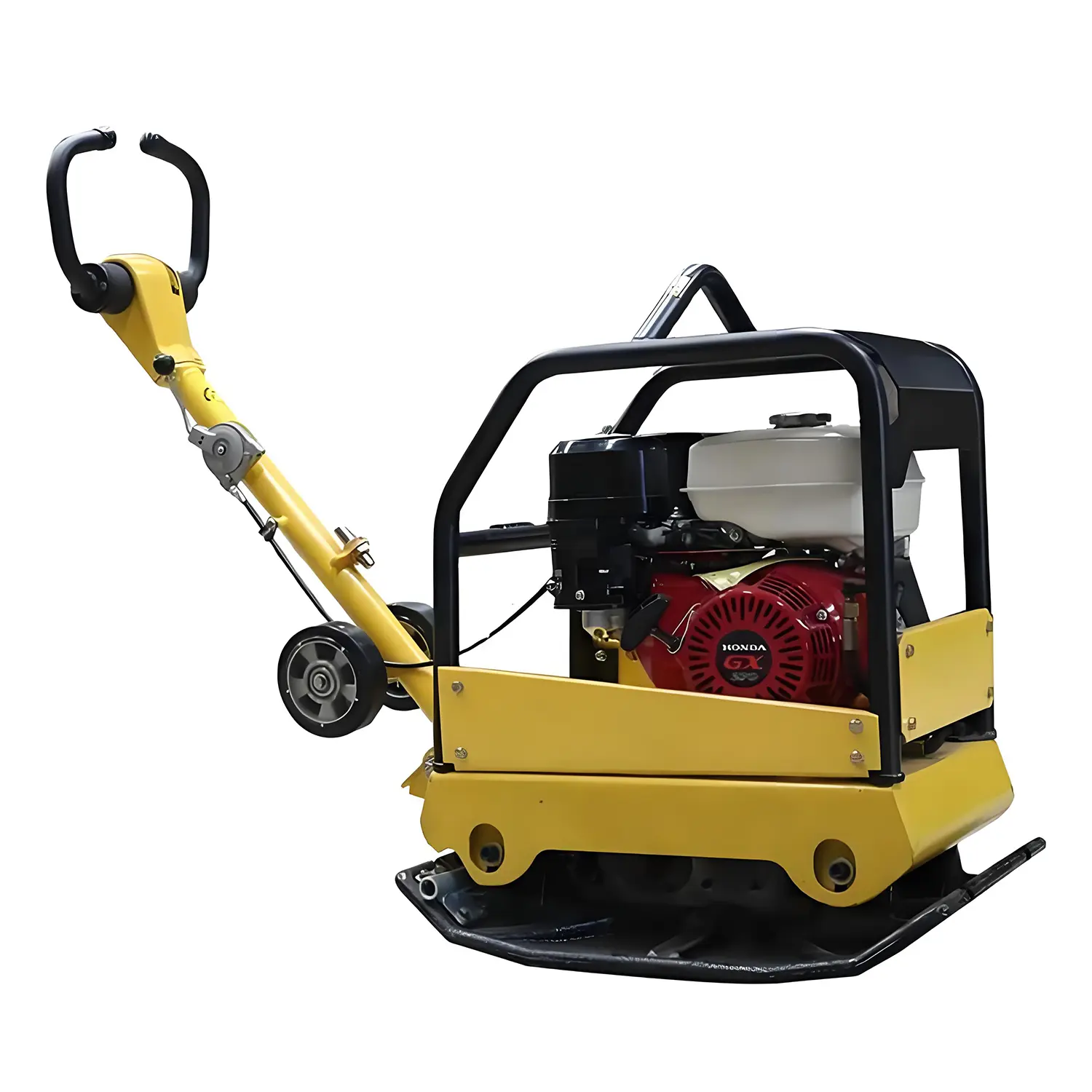 Plate compactor
 Vibratory roller