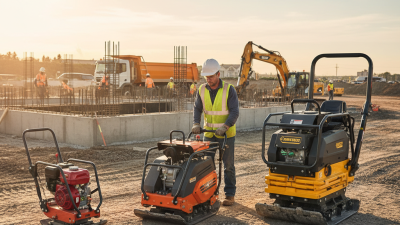
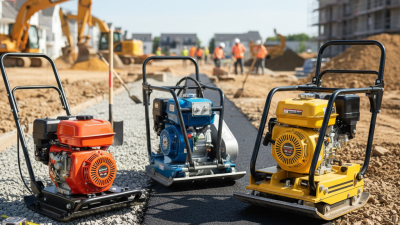
Why Choose a Vibration Compactor for Your Construction Needs?
In the construction industry, the choice of equipment can significantly influence project outcomes. A Vibration Compactor is a powerful tool designed for effective soil and asphalt compaction. According to a report by the Construction Industry Institute, using vibratory equipment can increase productivity by up to 30%. This is vital in meeting tight deadlines and budget constraints.
Expert John Smith, a leading authority in construction technology, noted, "The right compaction method can make or break a project." His insight emphasizes the importance of selecting appropriate machinery. Vibration Compactors not only enhance soil stability but also improve material density. Proper use ensures long-lasting structures and reduces the risk of costly repairs later.
However, selecting a Vibration Compactor involves careful consideration. Factors like soil type, moisture content, and project scale must be evaluated. Relying solely on brand reputation can be misleading. Making a choice without comprehensive knowledge can lead to inefficiencies. In this evolving field, understanding equipment capabilities is key to achieving success in construction projects.
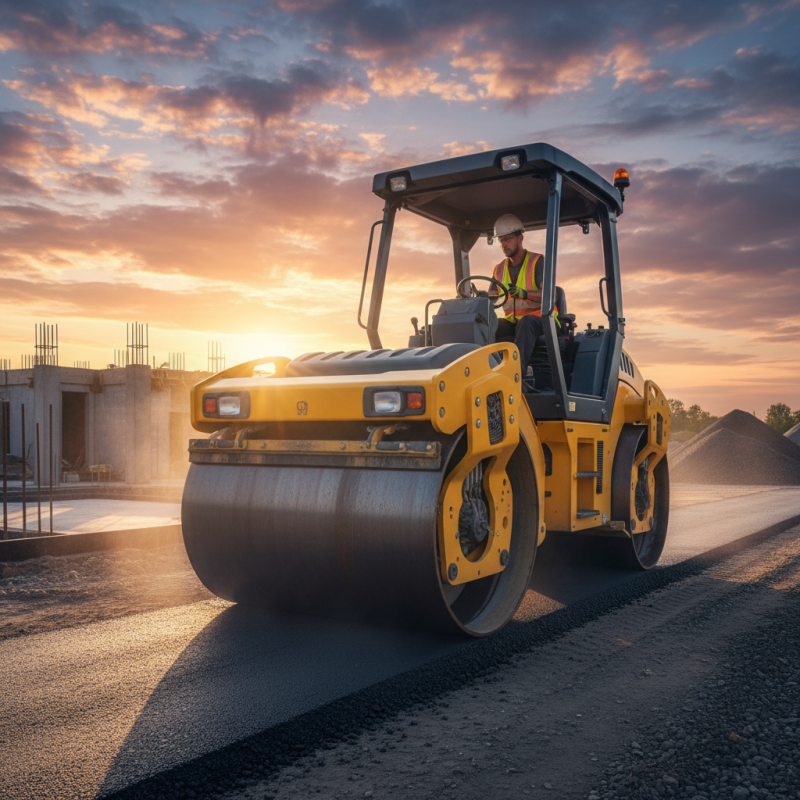
Benefits of Using Vibration Compactors in Modern Construction Projects
Vibration compactors have gained significant traction in modern construction projects due to their efficiency and versatility. These machines achieve optimal soil density, crucial for stability and safety in structures. Research indicates that properly compacted soil can enhance load-bearing capacity by up to 40%. This reduction in groundwork failure can save companies substantial costs over time.
Using vibration compactors also speeds up construction timelines. Unlike traditional methods, these compactors provide immediate results, allowing crews to proceed with subsequent layers without delay. A study from the American Society of Civil Engineers highlights that projects utilizing vibration compactors report a 25% reduction in completion time. However, the technology is not foolproof; operators must be well-trained to prevent over-compaction, which may lead to soil degradation.
Another critical factor to consider is the environmental impact. Many vibration compactors now incorporate eco-friendly features, minimizing fuel consumption and emissions. Yet, awareness of these functions is vital, as not all models meet sustainable standards. Construction companies must evaluate the efficiency of their equipment regularly to ensure compliance and effectiveness.
Benefits of Using Vibration Compactors in Modern Construction Projects
This bar chart displays the key benefits of using vibration compactors in construction projects, rated on a scale of 1 to 10. Higher ratings indicate greater advantages, showcasing how vibration compactors improve efficiency, compaction quality, cost and time savings, and user-friendliness in modern construction endeavors.
Key Features that Make Vibration Compactors Effective for Soil Compaction
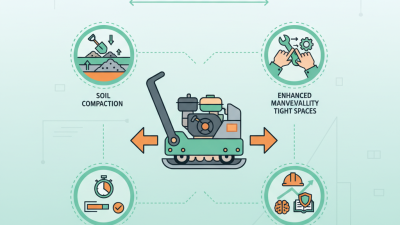
When dealing with soil compaction in construction, vibration compactors offer unique advantages. These machines use rotational and reciprocating masses to generate vibrations that effectively densify soil. Research from the International Journal of Construction Engineering and Management indicates that vibration compactors can increase compaction efficiency by up to 30% compared to traditional methods.
Key features of vibration compactors make them particularly effective. They provide uniform compaction across the target area. This reduces the risk of uneven surfaces which can lead to structural issues. The adjustable frequency of vibrations allows operators to cater to different soil types. Soft soils require low frequencies, while dense soils benefit from higher frequencies. Data suggests that using the correct vibration frequency significantly enhances soil density, achieving up to 95% compaction, which is crucial for stability.
Despite their benefits, vibration compactors require skilled operators to maximize their potential. Misuse can lead to overcompaction, causing soil to become too dense, which can negatively impact drainage. Construction sites should ensure adequate training and monitoring. Hence, professionals must assess soil types and compaction requirements carefully, as poor decisions can lead to project delays and increased costs. Understanding these dynamics is essential for successful project outcomes.
Comparative Analysis of Vibration Compactors vs. Other Compaction Equipment
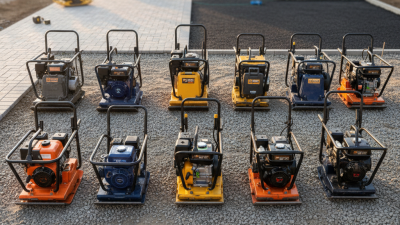
When considering compaction equipment, vibration compactors stand out. A comparative analysis shows that they often outperform traditional options like plate compactors and rammers. Industry reports indicate that vibration compactors can reach density levels up to 95% more effectively than their counterparts. This efficiency is crucial in construction, where soil stabilization is paramount.
Vibration compactors work by generating rapid, high-frequency vibrations. This technique allows them to penetrate deeper into the soil, modifying its internal structure. The strong vibrations create a denser packing of particles. In contrast, other compactors rely mainly on static pressure. This often leads to uneven compaction and requires more time.
Tip: When choosing equipment, consider the soil type. Vibration compactors excel with granular soils, while static machines may suffice for cohesive soils.
Additionally, some operators report challenges in using vibration compactors in densely populated areas. The noise levels and vibrations can become disruptive. It’s essential to weigh the benefits against these potential drawbacks when planning. Addressing site-specific needs ensures effective compaction while minimizing disturbances.
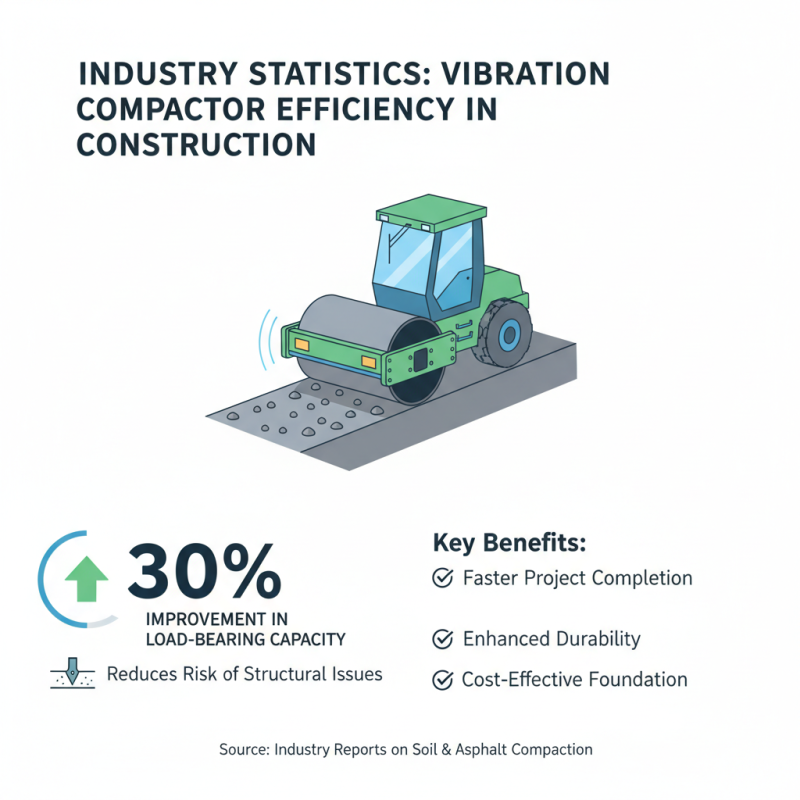
Industry Statistics on the Efficiency of Vibration Compactors in Construction
Vibration compactors play a crucial role in construction, especially in soil and asphalt compaction. Industry statistics reveal that projects utilizing vibration compactors often show a marked increase in efficiency. For instance, proper compaction can lead to a 30% improvement in load-bearing capacity. This alone significantly reduces the risk of future structural issues.
Additionally, studies show that vibration compactors can shorten project timelines. By reducing the time required for compaction, they allow workers to focus on other critical tasks. However, it is essential to consider the nuances of using these machines. While their efficiency is undeniable, improper use can lead to uneven surfaces or over-compaction. Understanding the mechanics behind the machinery is vital for achieving optimal results.
Recent data indicates that well-trained operators achieve better outcomes. Companies investing in operator training saw an increase in project success rates. Training enables workers to utilize the machinery to its full potential, avoiding common pitfalls. It’s clear that while vibration compactors enhance construction efficiency, proper training and awareness of their limitations are equally important.
Best Practices for Operating Vibration Compactors in Various Terrain Conditions
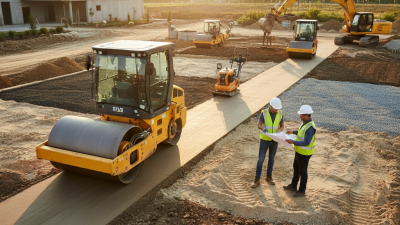
Operating vibration compactors requires careful consideration of terrain conditions. On rocky ground, ensure the unit is suitable for uneven surfaces. A compactor may struggle or even tip over if the ground is too rough. Always assess the terrain before starting. In sandy areas, a different approach is needed. Drainage can be a challenge. Use a slower speed to allow thorough compaction without losing material.
For clay soils, moisture content is critical. Wet clay can become sticky and resist compaction. Conversely, dry clay may not compact well. It’s important to understand the soil type and adjust your methods accordingly. Sometimes, multiple passes are necessary to achieve desired density. This can be time-consuming, but patience pays off.
Operators should be mindful of their technique. Uneven pressure can lead to inadequate results. Regularly check the compactor's performance during operation. Learning the nuances of different terrains is essential. It’s an ongoing process of trial and error. Accept that mistakes happen. Each job site is unique, and adapting your methods is key to success.

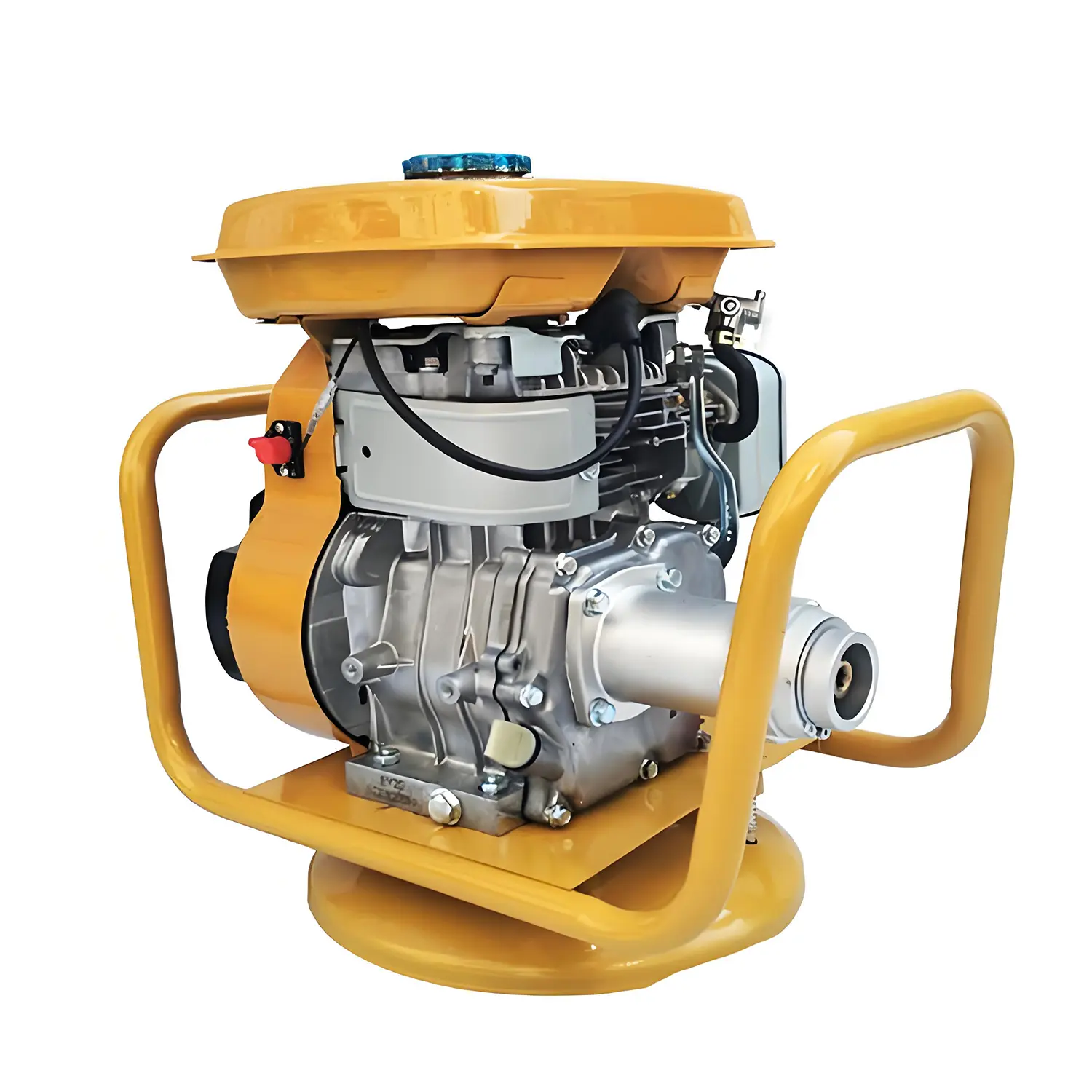 Internal Vibrator
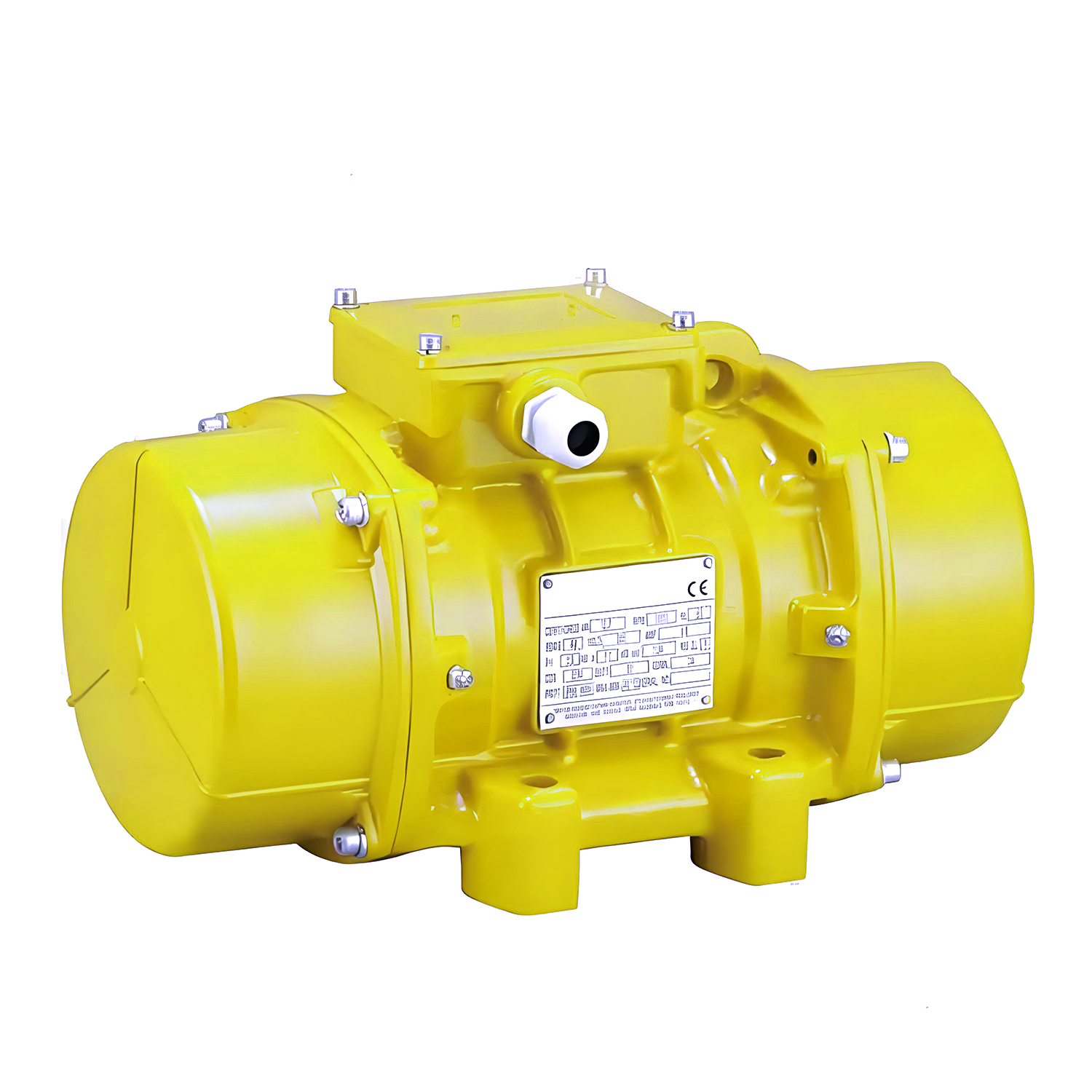 External Vibrator
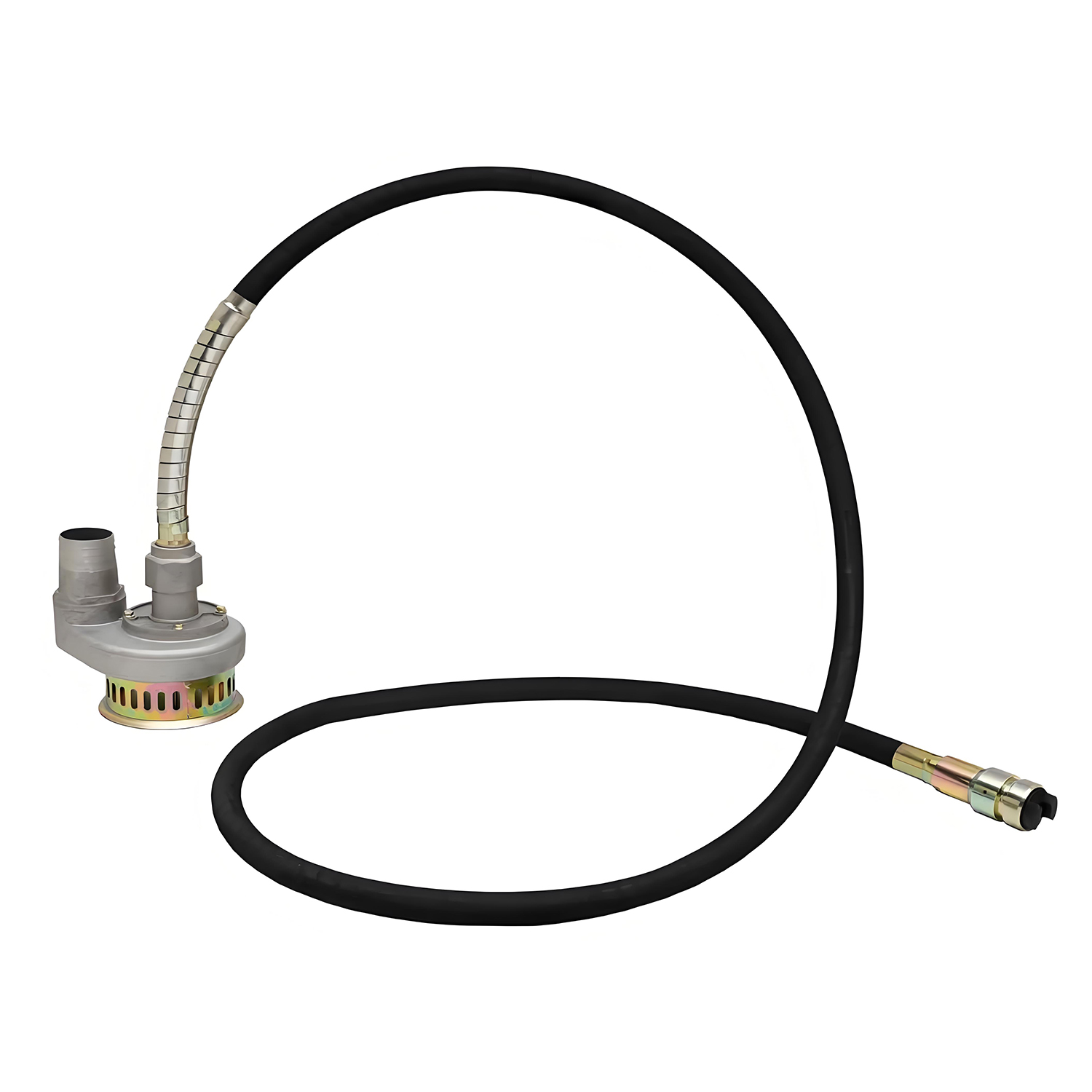 Submersible Pump
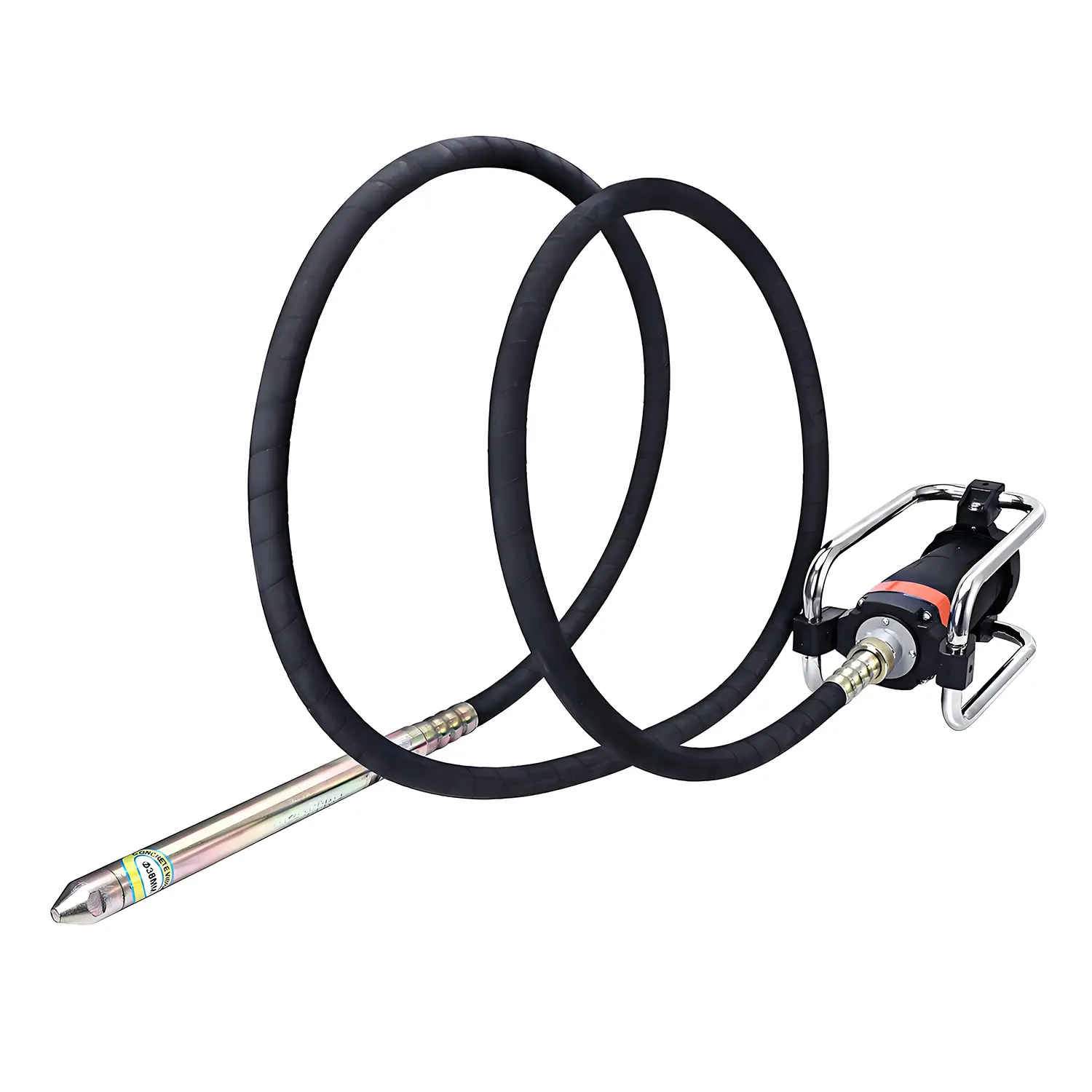 Eccentric shaft
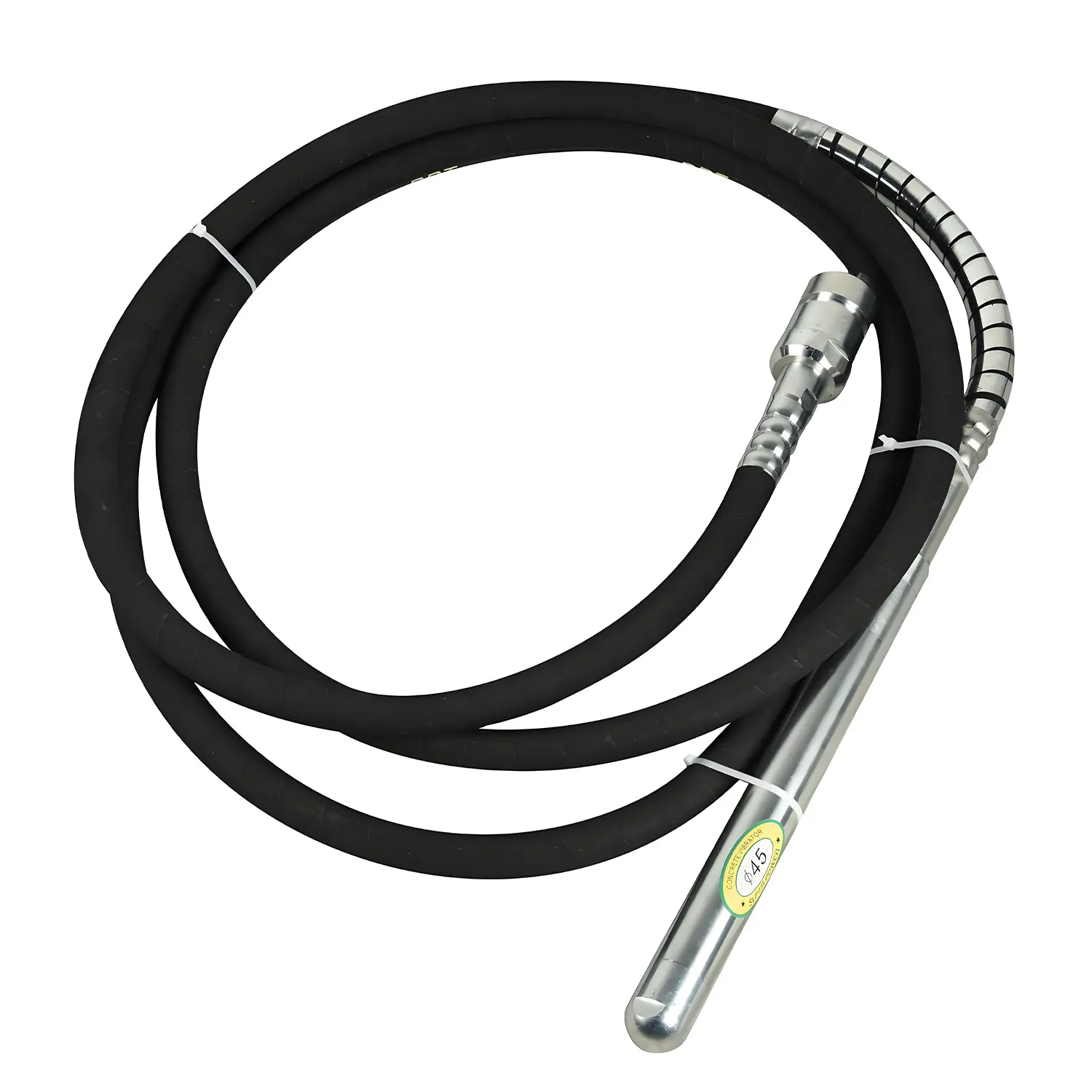 Pendulum shaft
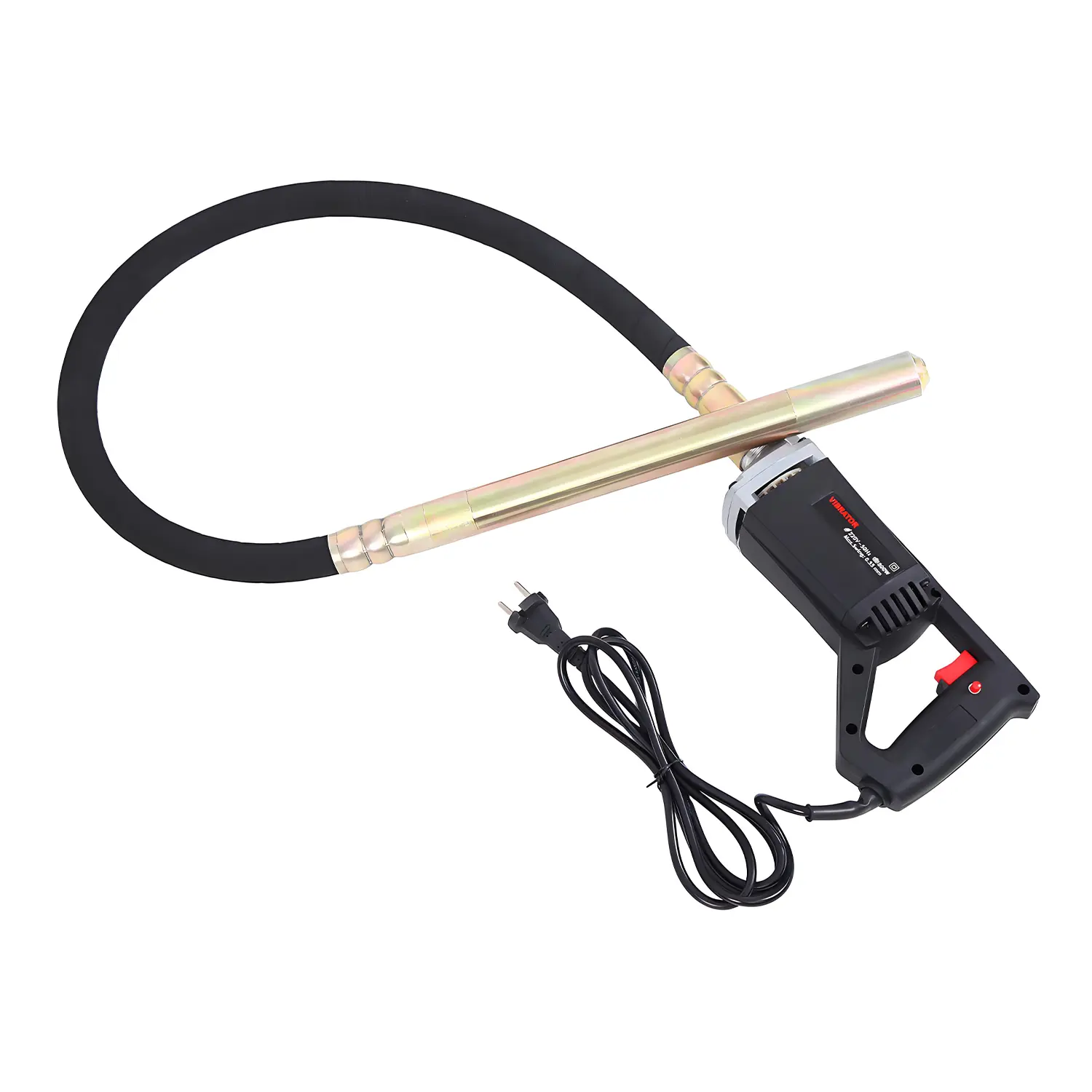 Portable vbrator shaft
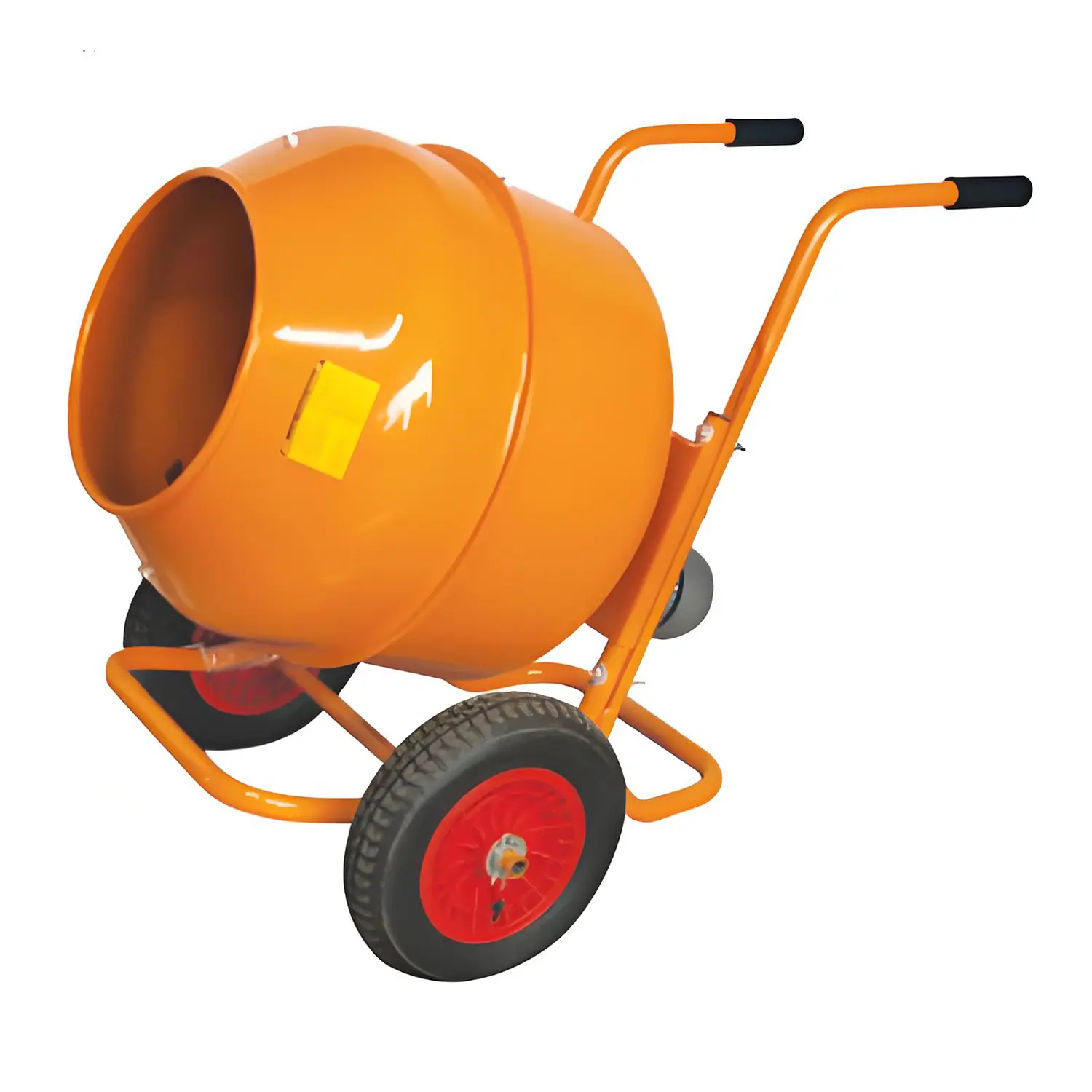 Portable concrete mixer
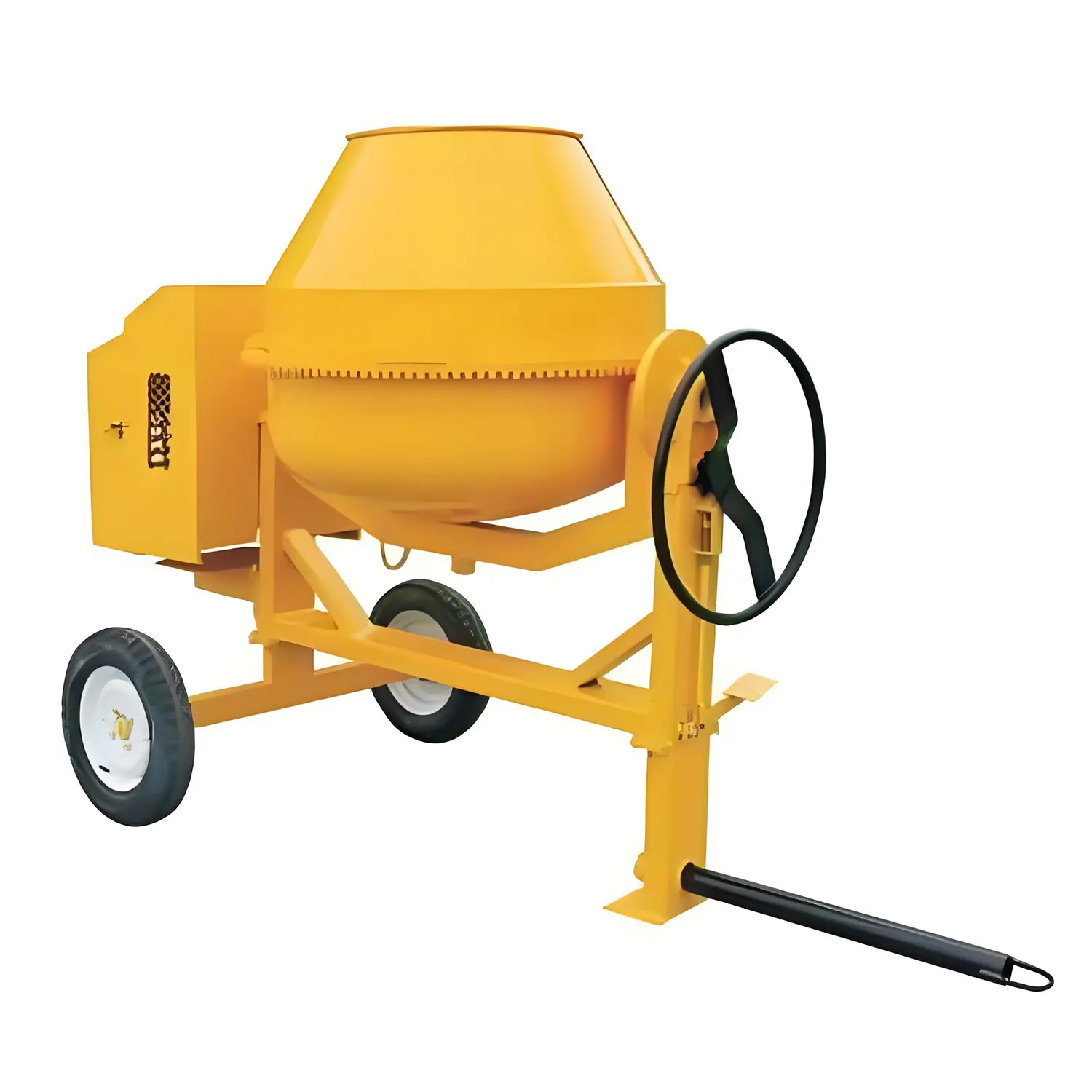 Vertical concrete mixer
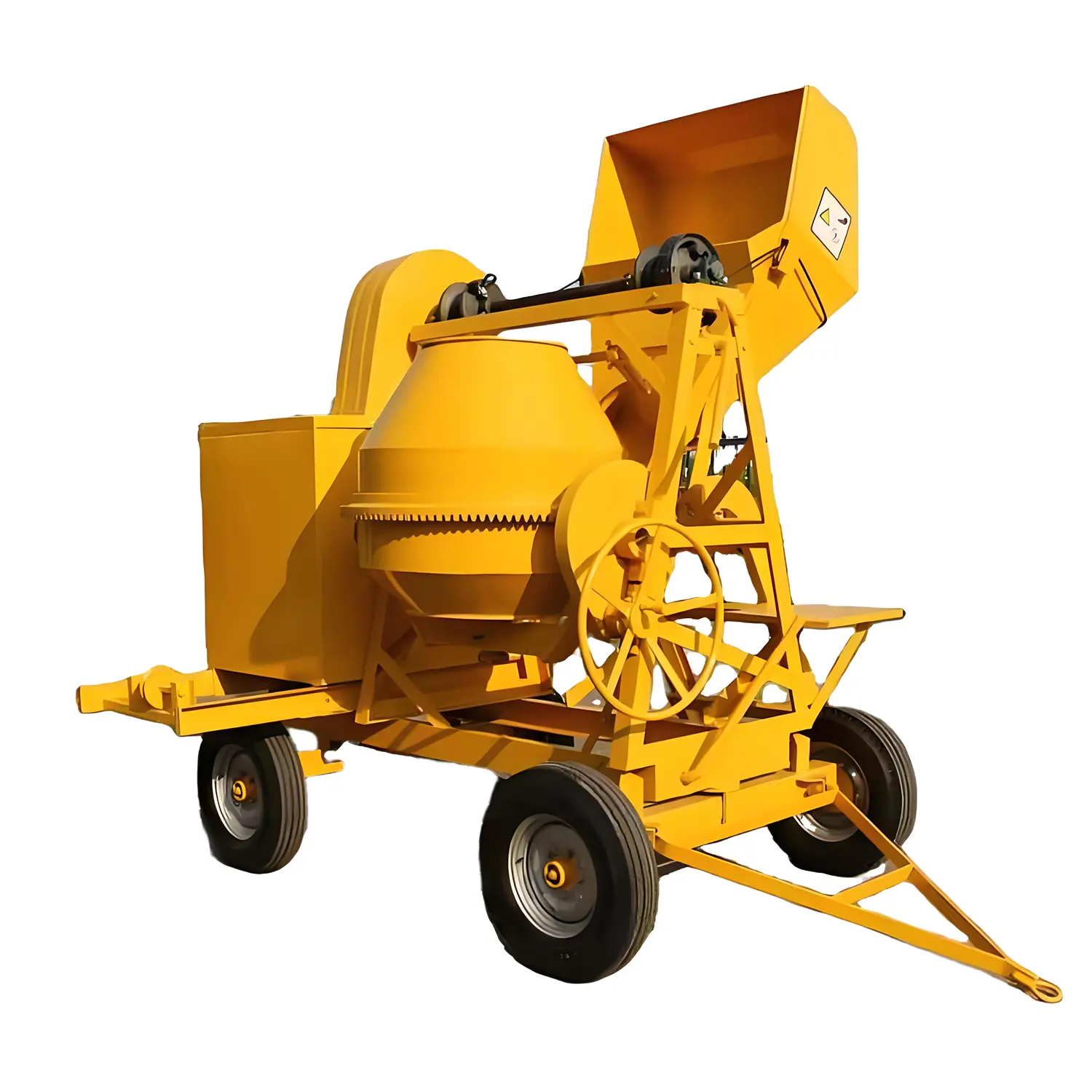 Hydraulic concrete mixer
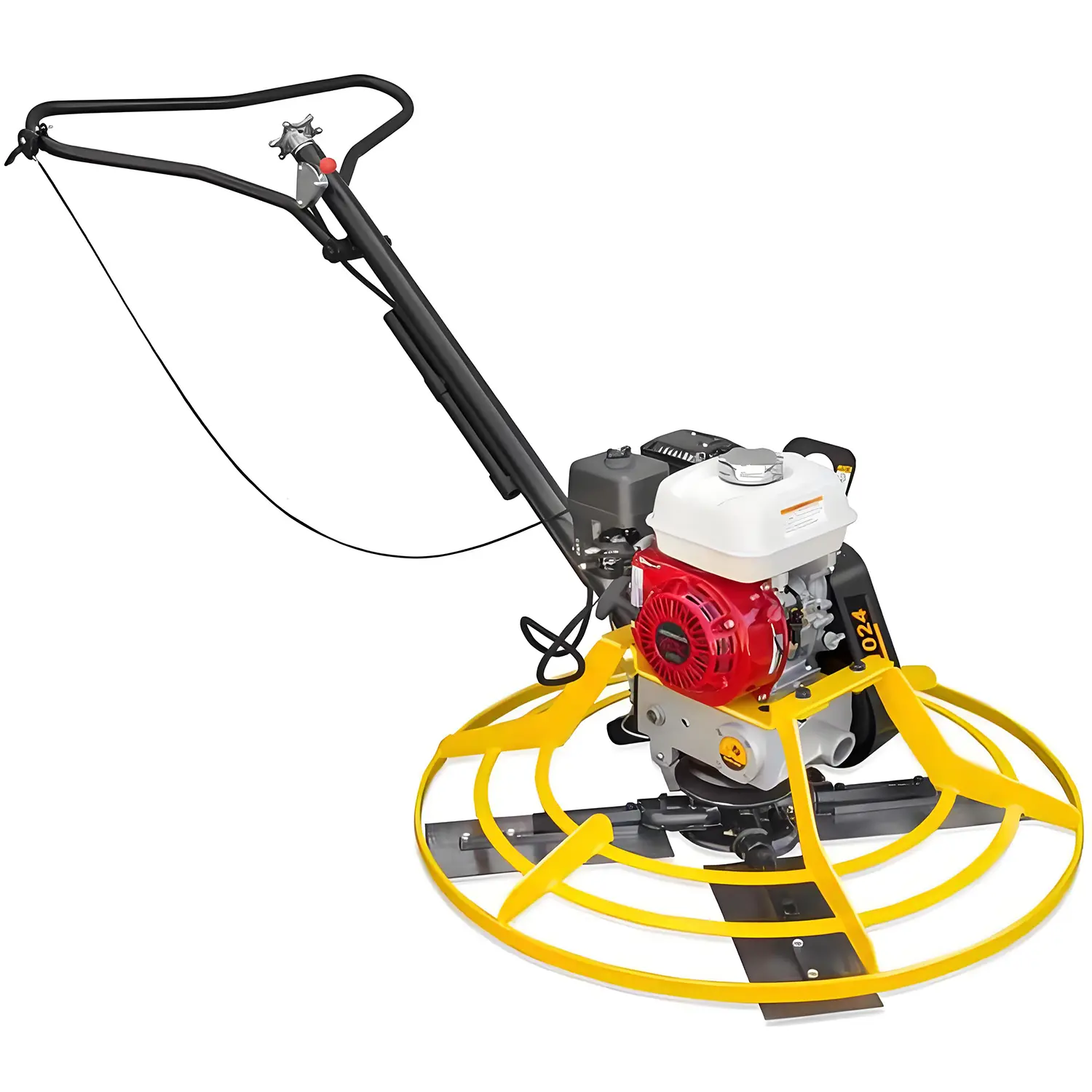 Walk behind power trowel
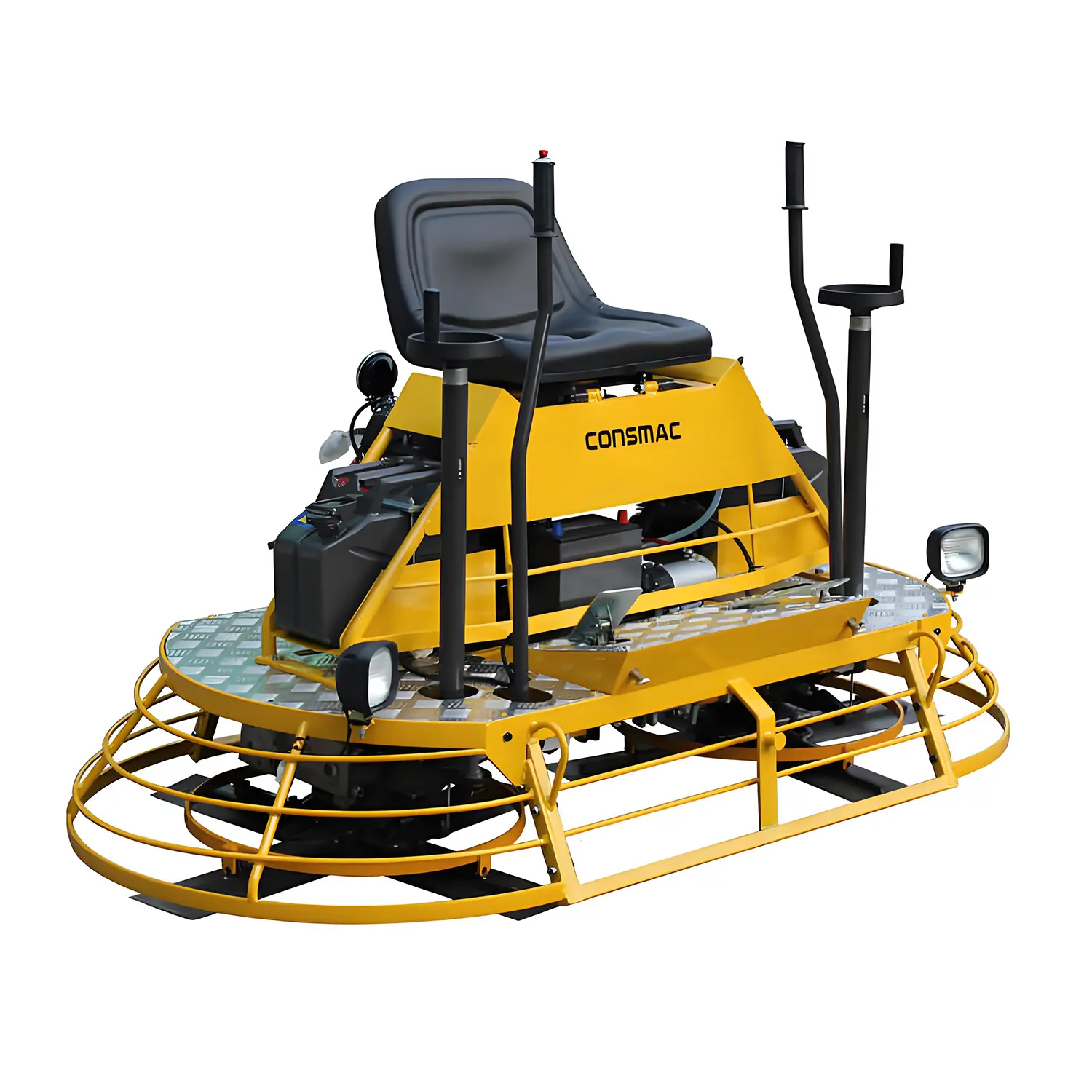 Ride on power trowel
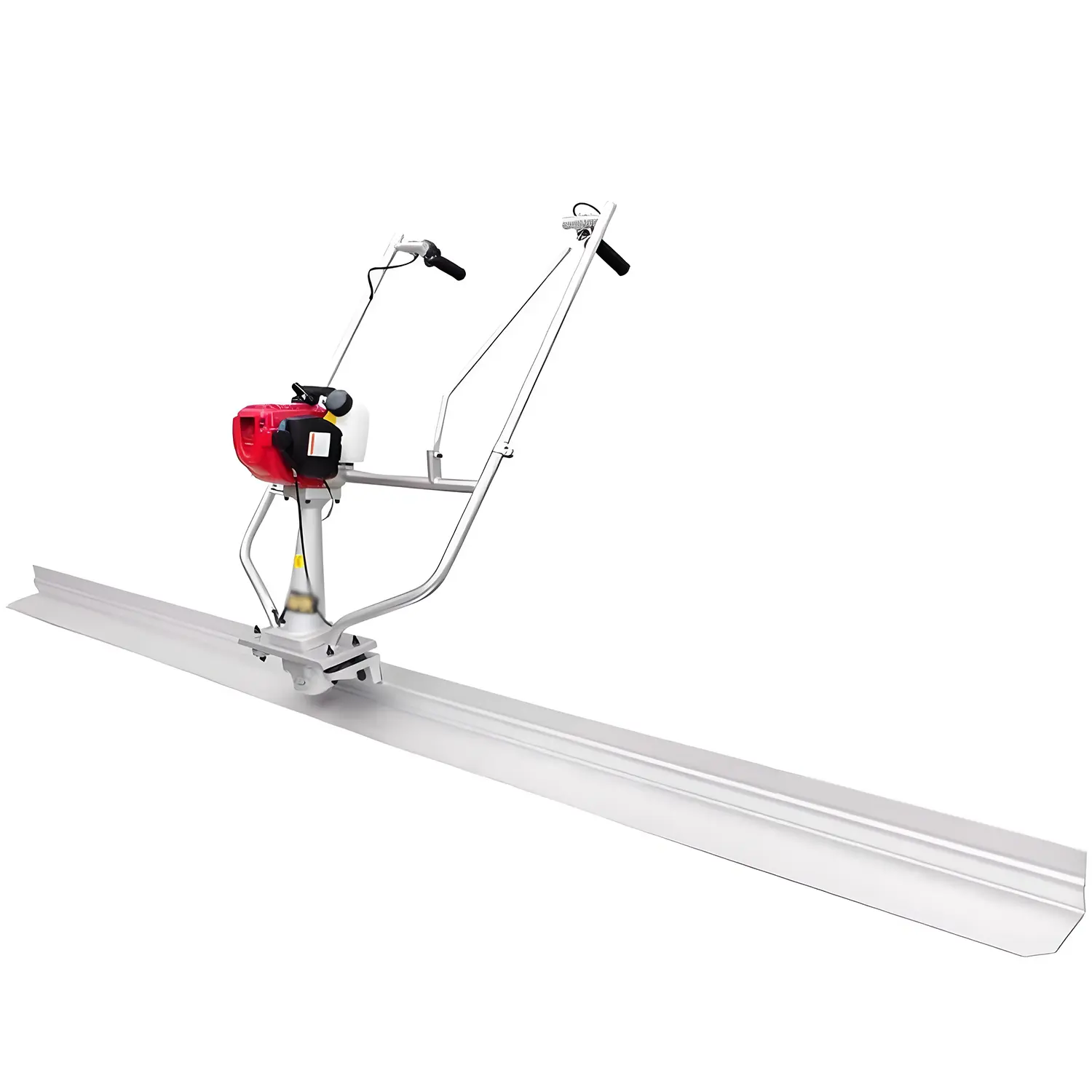 Concrete screed
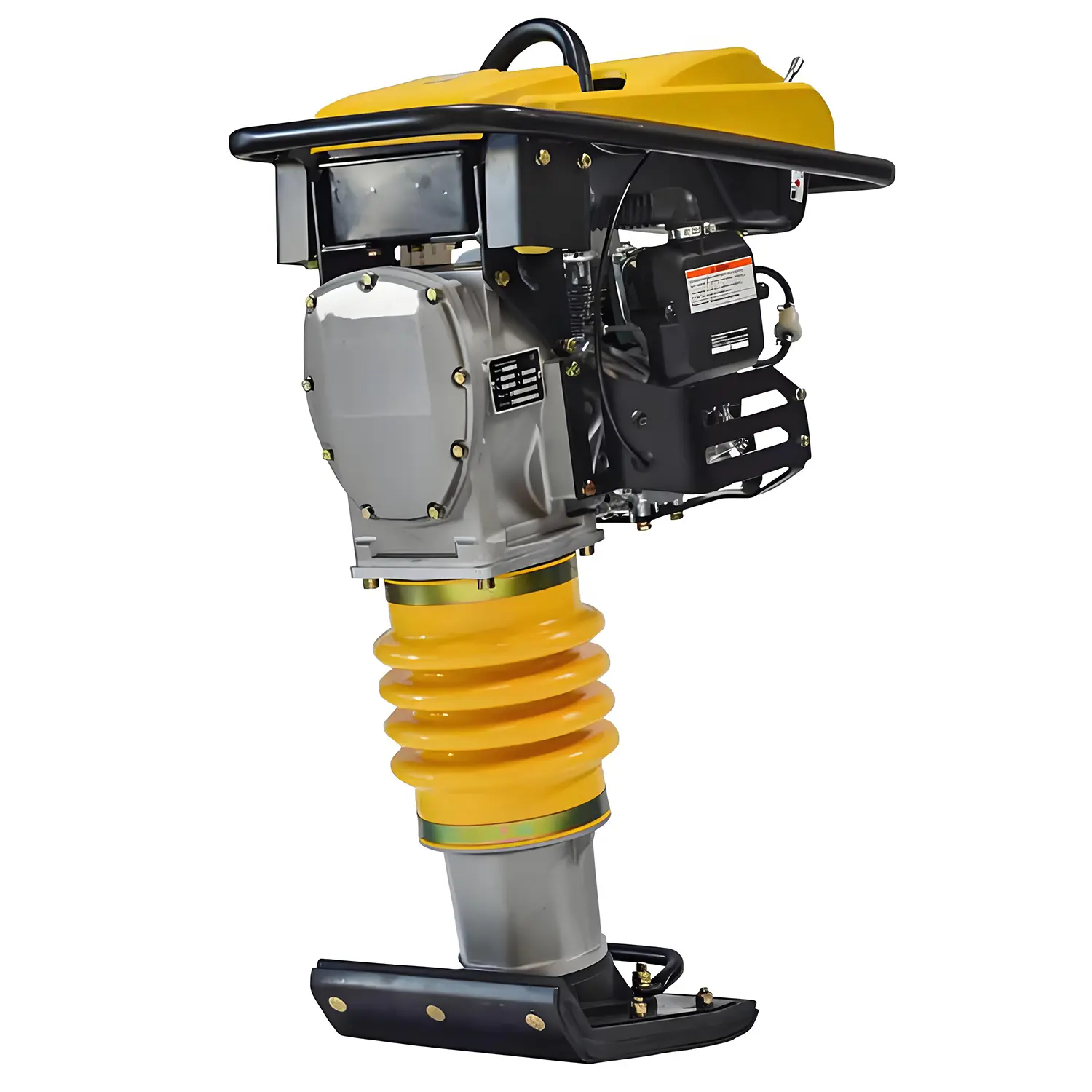 Tamping rammer
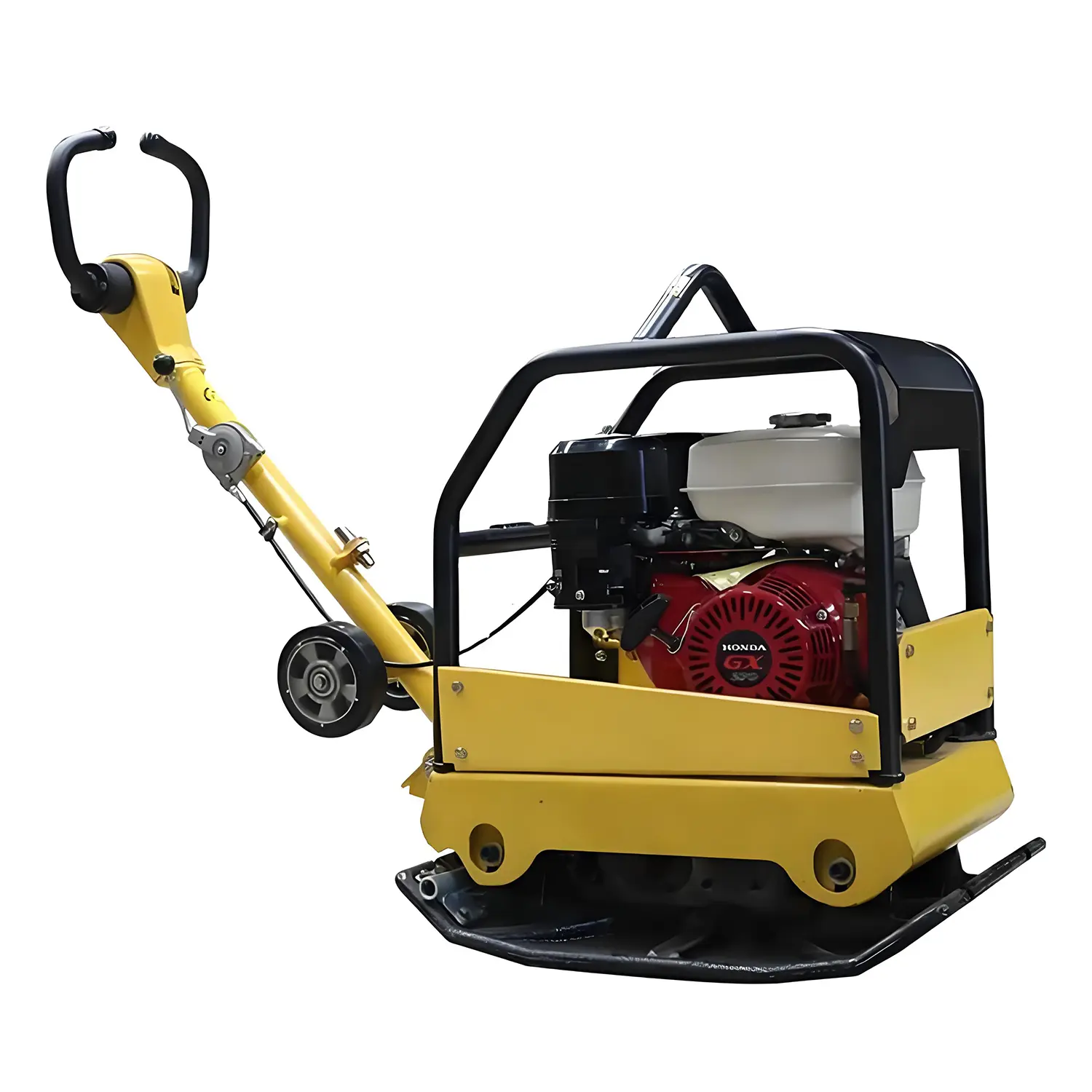 Plate compactor
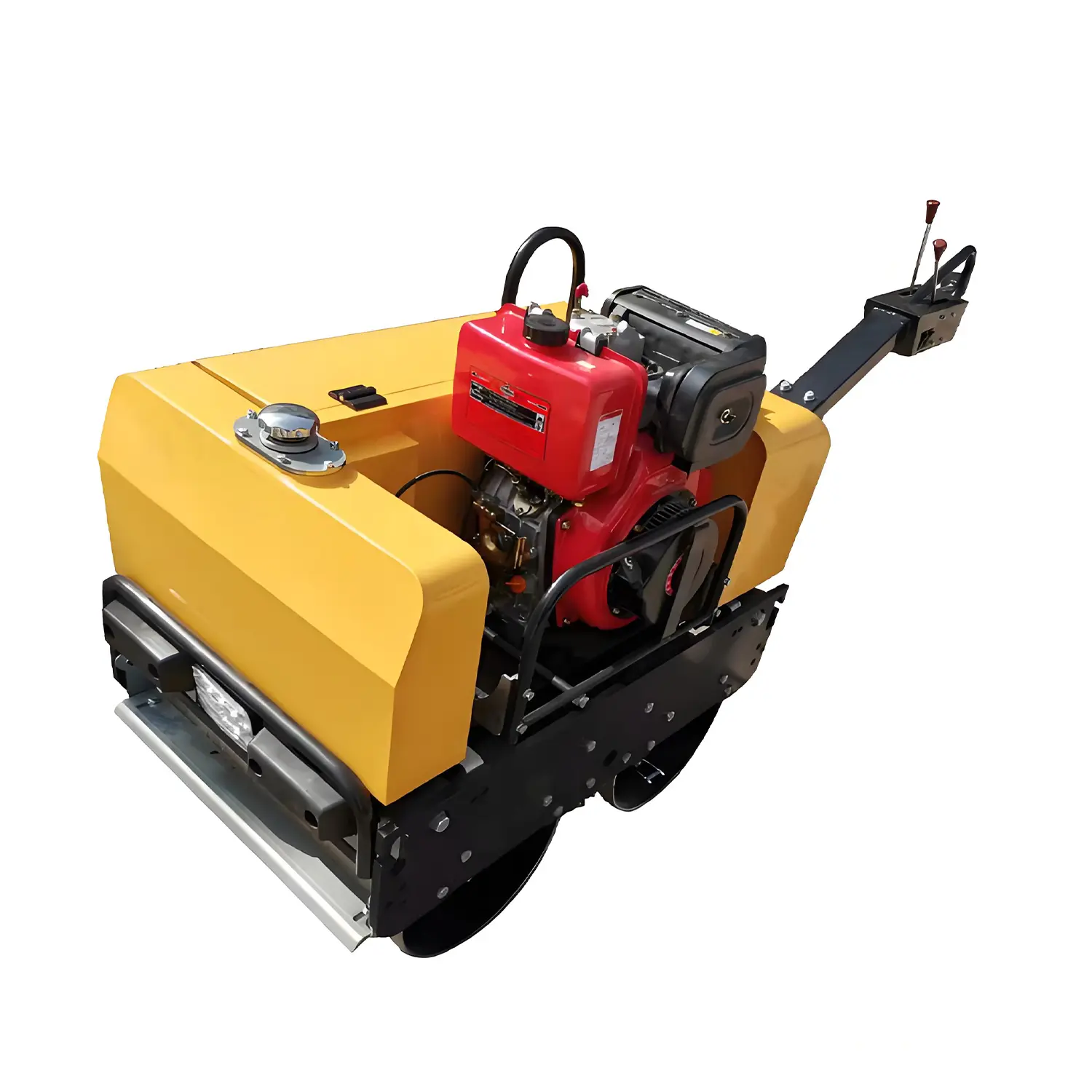 Vibratory roller