Best Concrete Compactor Types for Efficient Construction?
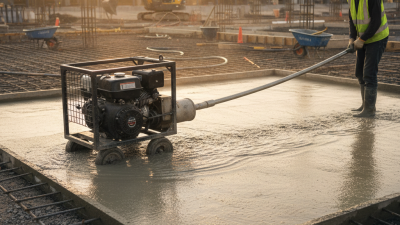
In the realm of construction, choosing the right concrete compactor is essential for achieving optimal results. Experts emphasize the importance of selecting the appropriate type for specific projects. John Smith, a seasoned construction engineer, once stated, "A suitable concrete compactor can turn an average job into an outstanding one." His insight reflects the significant impact of quality compactors in construction efficiency.
Concrete compactors come in various types, each suited for different applications. Vibratory plate compactors, for instance, excel in compacting granular soils. On the other hand, rammer compactors are ideal for confined spaces and trench work. These tools play a pivotal role in ensuring the stability and durability of concrete structures.
Despite the benefits, many overlook the nuances of usage. A poorly chosen compactor can lead to uneven surfaces. Contractors often grapple with this challenge, underscoring the need for expert guidance. Understanding the nuances of concrete compactors is not just about buying the right tool; it involves mastering its application. This knowledge can be the difference between a successful project and costly repairs.
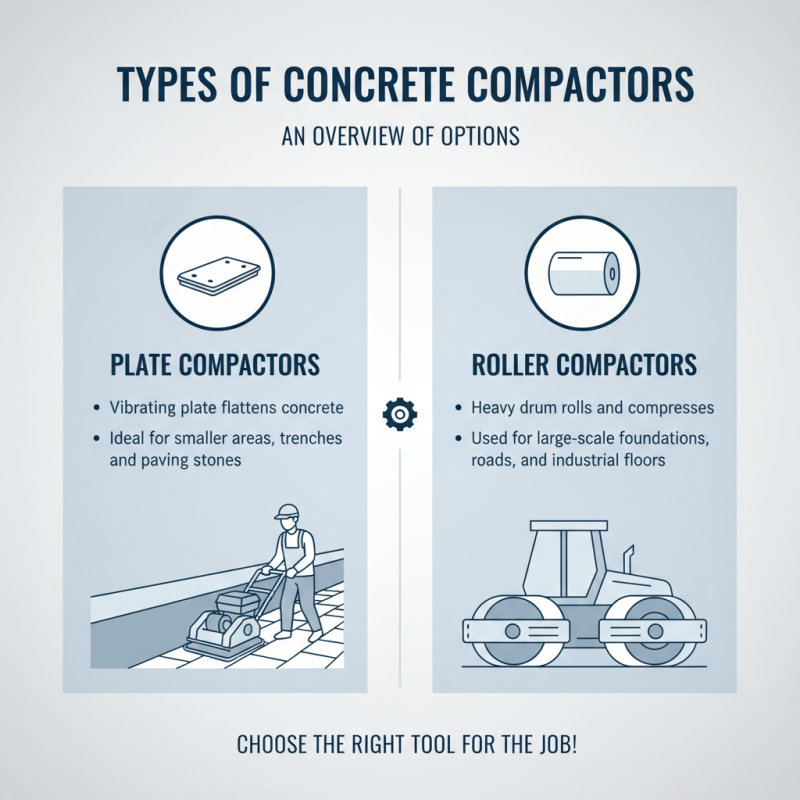
Types of Concrete Compactors: An Overview of Options
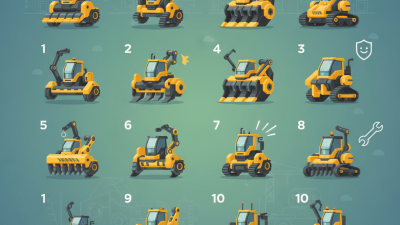
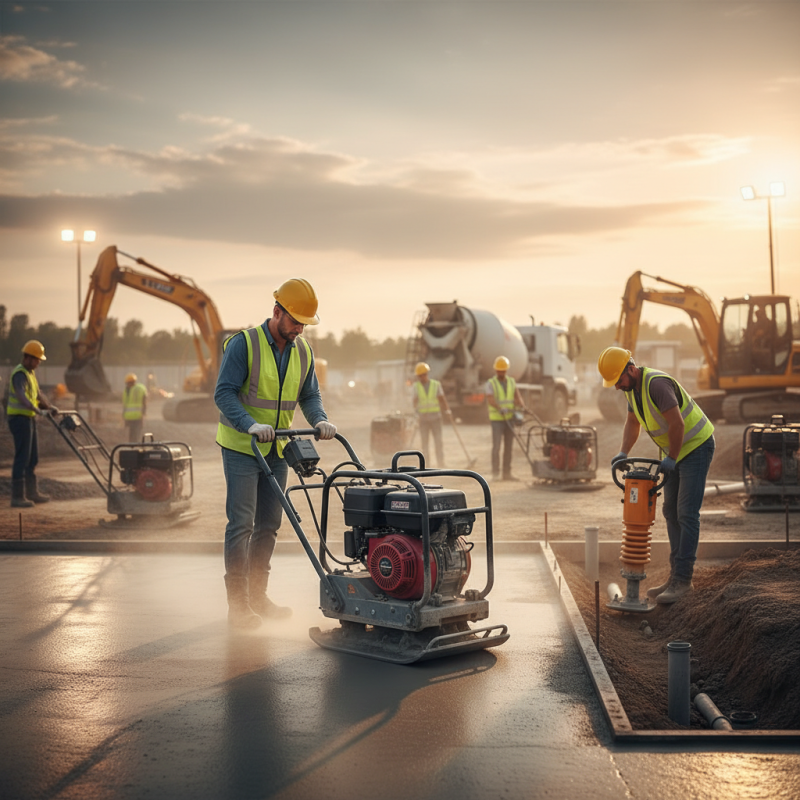
Concrete compactors play a crucial role in construction. Understanding the various types helps make informed choices. Two primary categories are plate compactors and roller compactors.
Plate compactors are versatile machines. They are ideal for small to medium-sized projects. These compactors effectively reduce soil and materials in confined spaces. Their compact size allows operation in tight areas, producing a reliable surface. Professional studies show they improve compaction levels, leading to fewer construction issues.
Roller compactors, on the other hand, are designed for larger tasks. They can handle thick layers of material, making them suitable for highways and heavy-duty applications. Data indicates that roller compactors are more efficient in larger jobs, saving time and labor. However, their size limits their functionality in narrow spaces, presenting a challenge during projects. Understanding these nuances can aid in selecting the right compactor for specific needs.
Vibratory Plate Compactors: Features and Benefits
When it comes to construction, vibratory plate compactors stand out due to their efficiency. These machines are designed to compact soil, gravel, and asphalt, making them essential for creating a stable foundation. Their operation relies on a vibrating plate that delivers high-frequency impacts. This feature enhances soil density effectively.
Another significant advantage is their ease of use. Operators can maneuver compactors in tight spaces, ensuring that even small areas receive adequate attention. Lightweight models are available, facilitating transport and handling. However, it's important to remember that not all jobs require the same compactor type. Inexperience can lead to improper use, resulting in uneven surfaces. Checking soil composition before selecting a model is crucial.
Vibratory plate compactors also vary in size and weight. The heavier models provide deeper compaction but may be challenging on certain terrains. Conversely, lighter machines excel in portability but may fall short in dense materials. Understanding project specifications is vital for optimal results. Awareness of these variables can streamline your construction process, ensuring both efficiency and effectiveness.
Rammers: Ideal Uses and Applications in Construction
Rammers are essential tools in construction, specifically designed for compacting soil, gravel, and asphalt. They excel in tight spaces and are ideal for trench work or pipeline installations. According to the American Society of Civil Engineers (ASCE), effective compaction increases soil strength by up to 30%, enhancing the stability of structures built on it. This is crucial for ensuring long-lasting foundations.
In practice, rammers leverage their weight and rapid up-and-down motion to densify materials effectively. The vibration frequency can reach up to 20 Hz, making them efficient for various applications. Despite their usefulness, some operators may overlook proper handling techniques. Improper use can lead to uneven compaction, compromising structural integrity. A study by the Construction Industry Institute indicates that nearly 15% of construction failures stem from inadequate soil compaction.
Rammers are versatile, yet their effectiveness depends heavily on operator skill. Training and certification for operators can greatly enhance outcomes. The industry often neglects this aspect, leading to potential shortcomings in project execution. Regular maintenance and routine checks on compaction equipment also remain crucial for ensuring reliable performance.
Ride-On Compactors: Advantages for Large Projects
Ride-on compactors are increasingly favored for large construction projects due to their efficiency and ease of use. These machines are designed to cover vast areas quickly, making them particularly effective for road construction, parking lots, and large site preparation tasks. A recent industry report indicated that ride-on compactors can improve productivity by up to 40%, compared to traditional handheld models. This significant increase is crucial for meeting tight deadlines and managing project budgets.
One major advantage of ride-on compactors is operator comfort. Many models include ergonomic seats and intuitive controls, which reduce operator fatigue during long hours. Enhanced visibility from the operator's position also allows for safer navigation on job sites. However, it’s essential to always ensure that operators are adequately trained. Misuse can lead to uneven compaction and potential safety hazards.
Tips: Regular maintenance is vital. Check fluid levels and inspect for wear and tear before each use. This practice can prevent unexpected downtimes. Keep the work area clear of debris to maximize efficiency. Also, consider soil type before choosing compaction speed, as this can heavily influence the effectiveness of the compaction process. Understanding the various compaction techniques can make a significant difference in achieving the desired results.
Future Trends in Concrete Compaction Technology
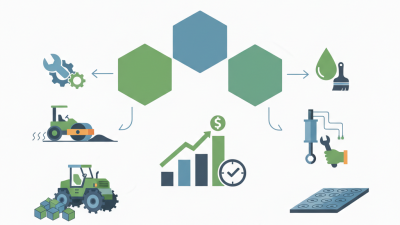
Concrete compaction technology is evolving rapidly. Innovations are shaping the future of construction workflows. Industry reports suggest that compaction efficiency can enhance project timelines by up to 35%. This statistic emphasizes the importance of adopting advanced compaction methods.
Emerging technologies, such as smart compaction machines, leverage IoT. These machines provide real-time data analysis, improving decision-making on-site. Additionally, studies show that incorporating vibration sensors can enhance soil density monitoring. This leads to better compliance with engineering standards. However, some challenges remain, such as integrating these technologies into existing workflows.
The construction industry needs to embrace sustainable practices. There is a growing focus on eco-friendly materials and compactors that reduce energy consumption. Reports indicate that transitioning to electric compactors can cut emissions by 40%. Although initial costs may deter some, the long-term benefits are significant. Reflecting on these advancements is essential for future-proofing construction projects.

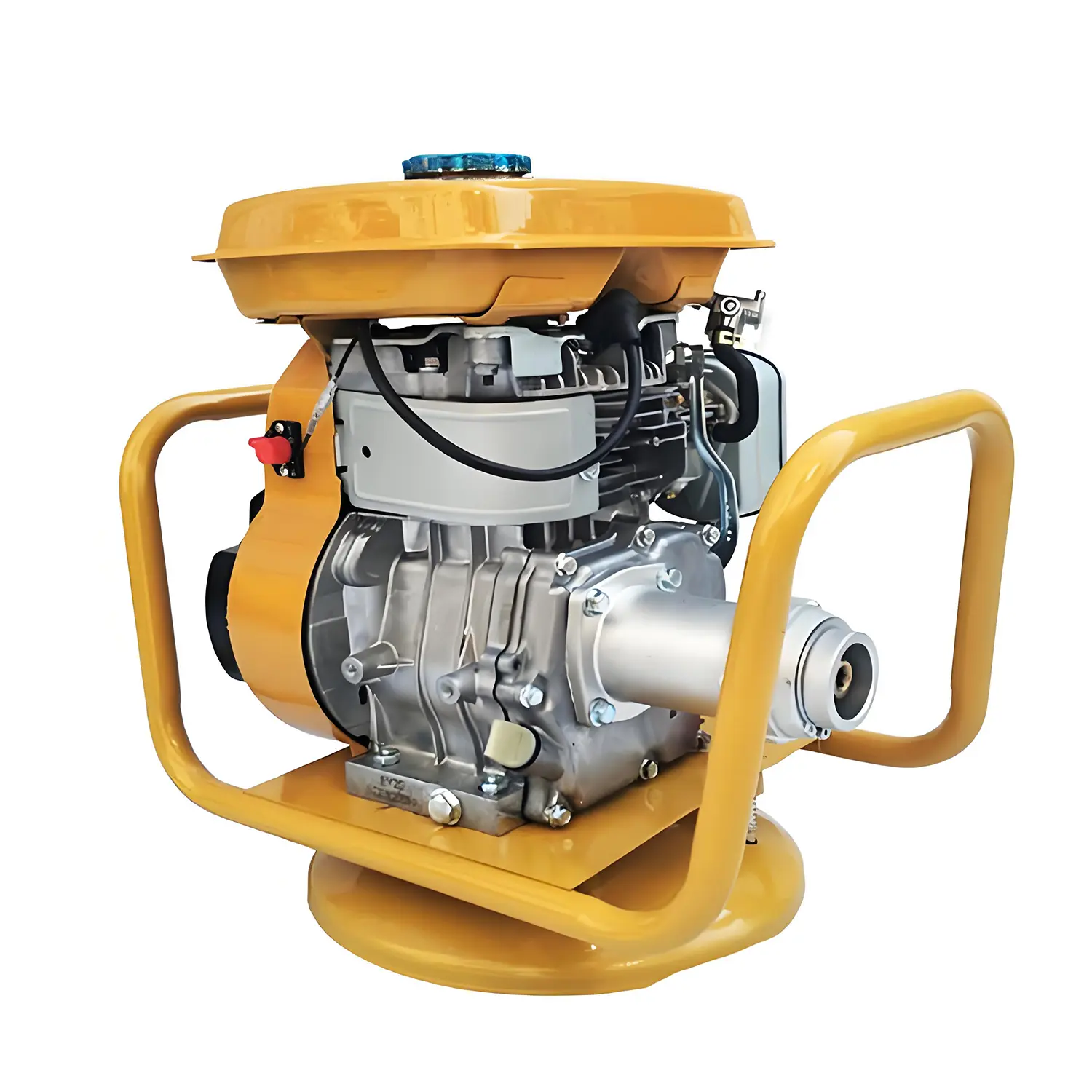 Internal Vibrator
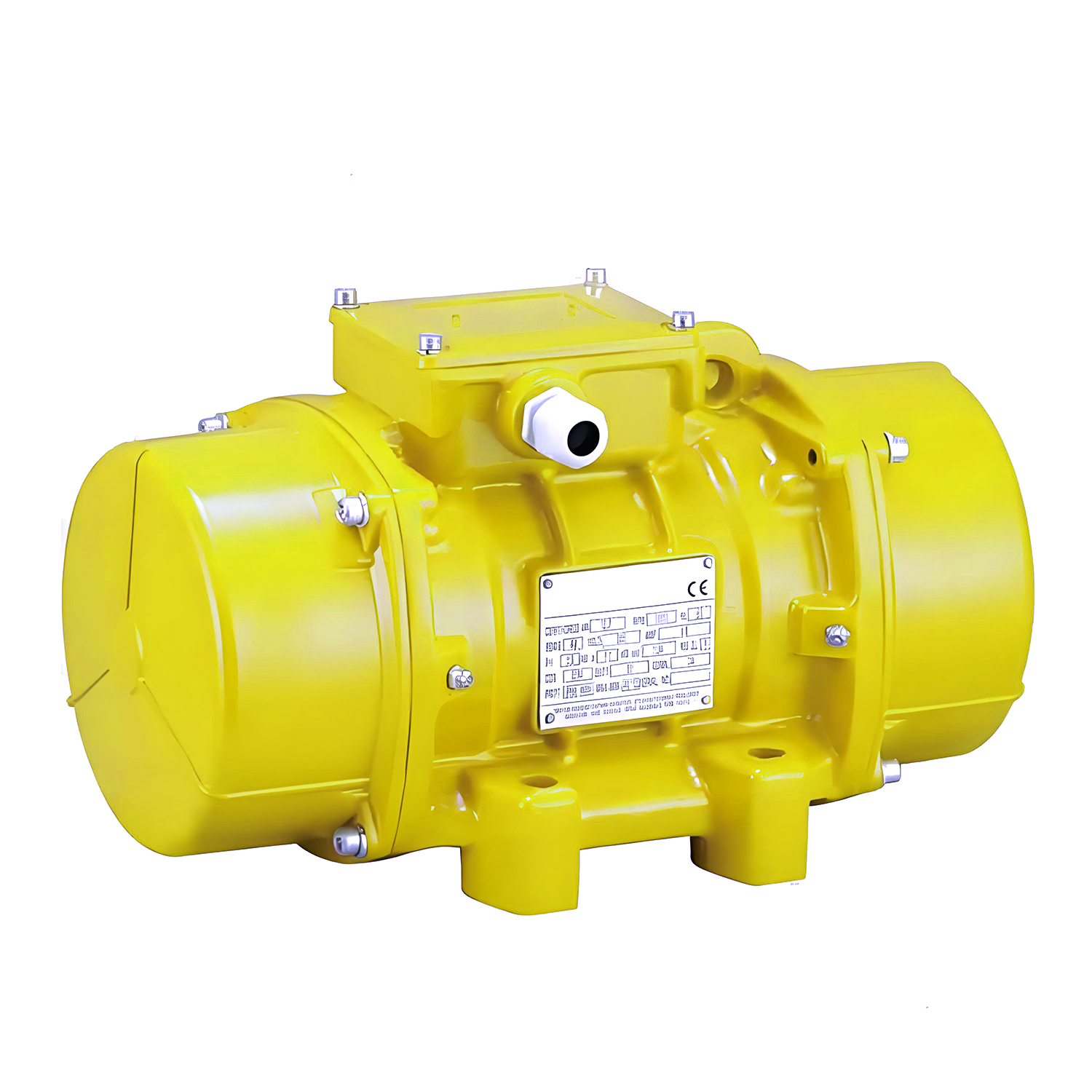 External Vibrator
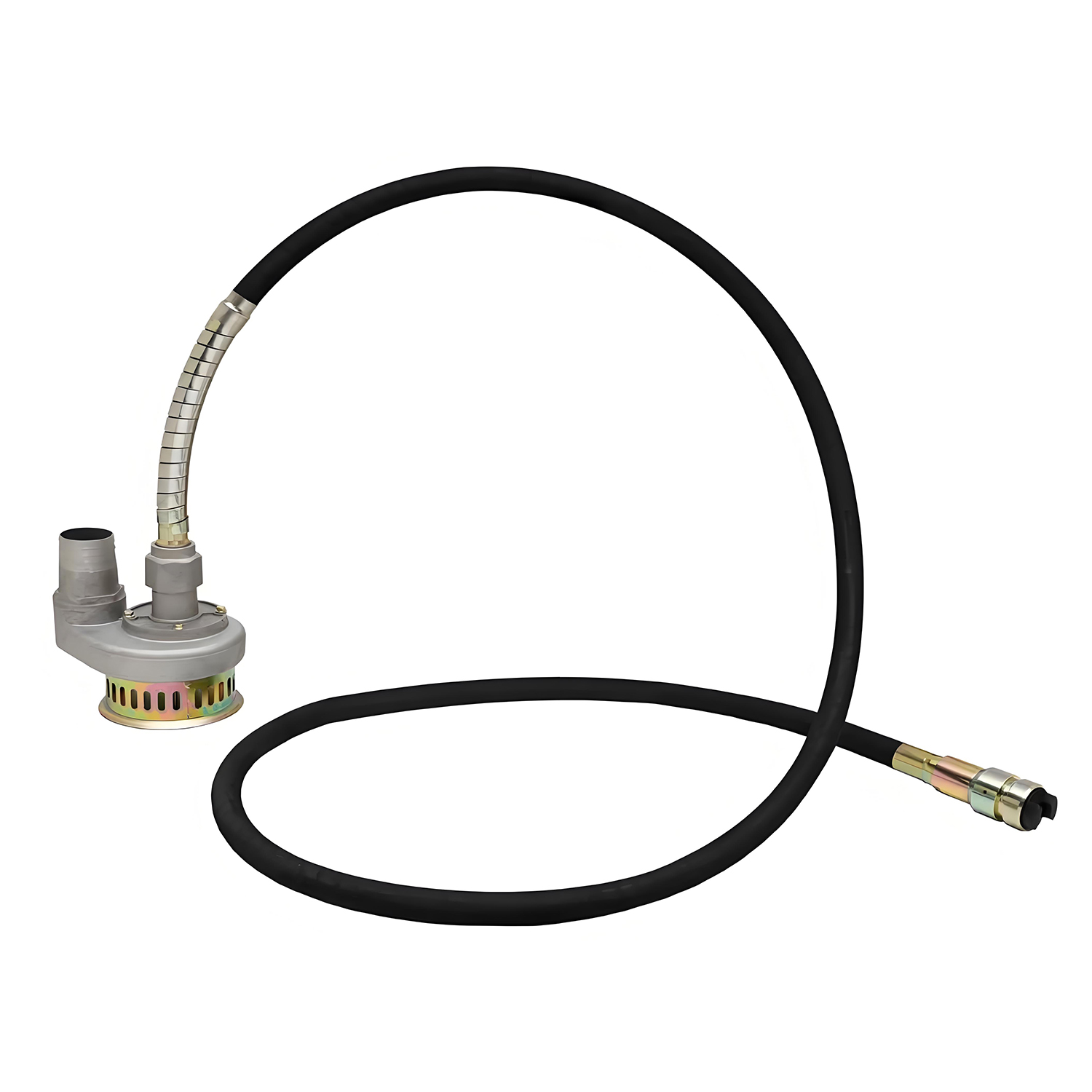 Submersible Pump
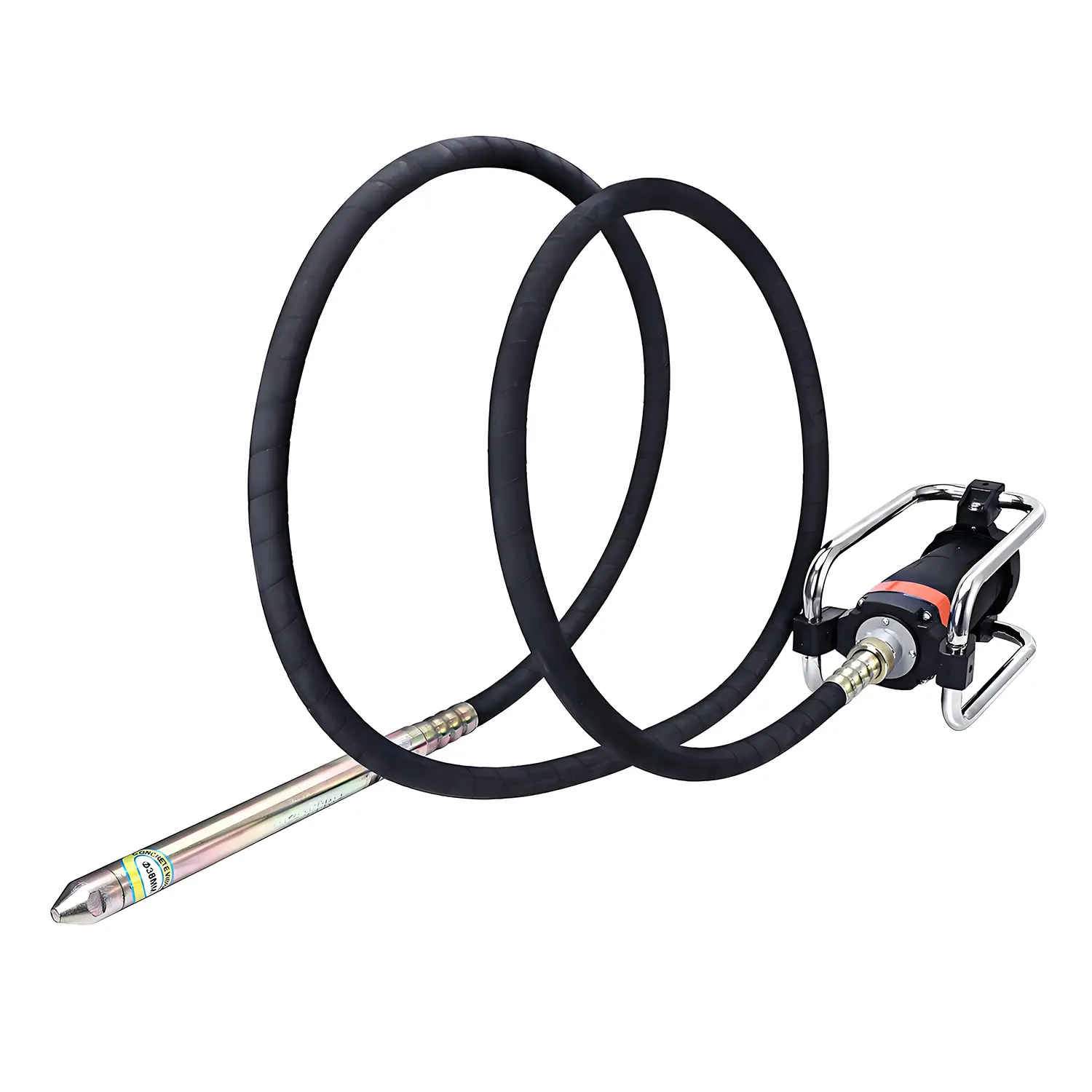 Eccentric shaft
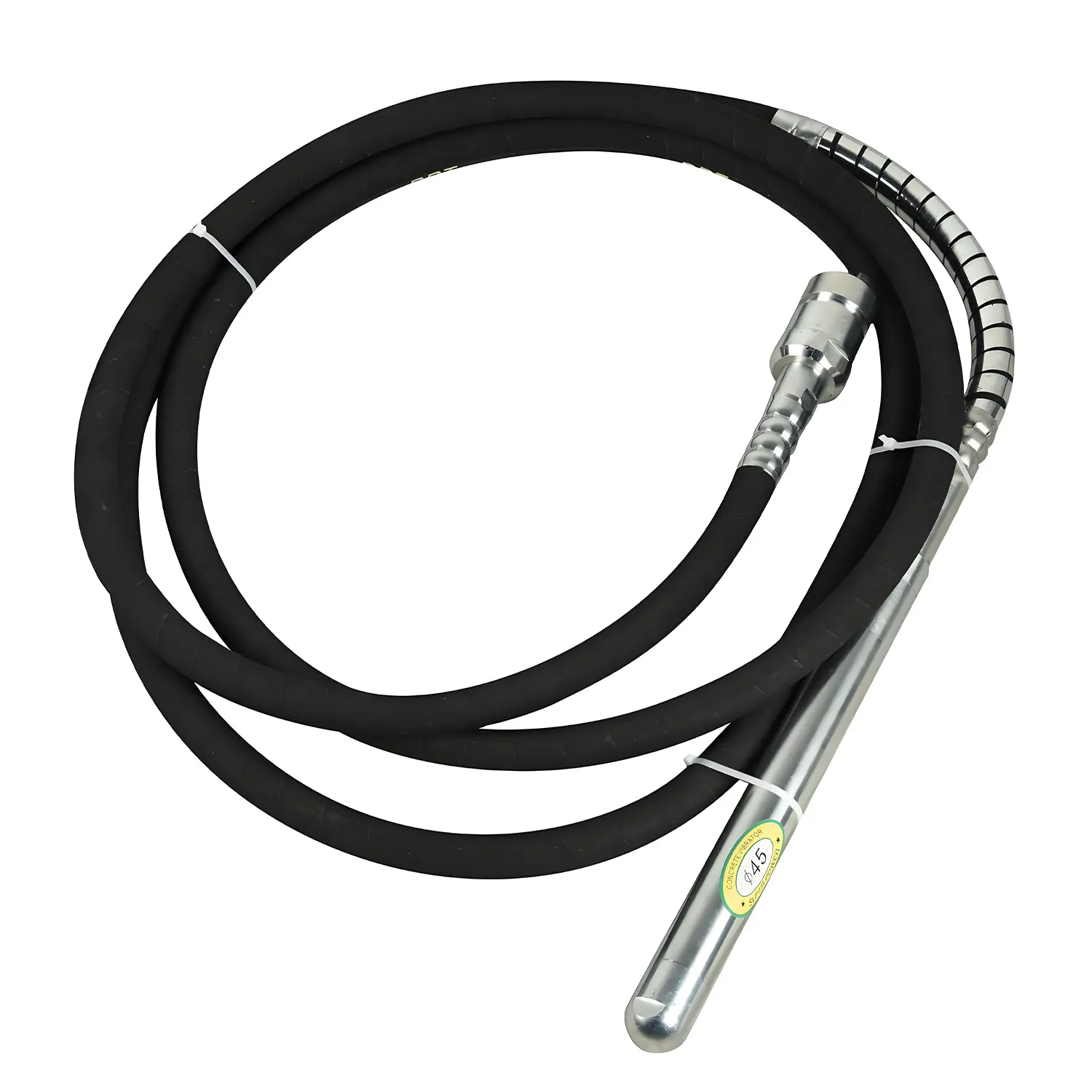 Pendulum shaft
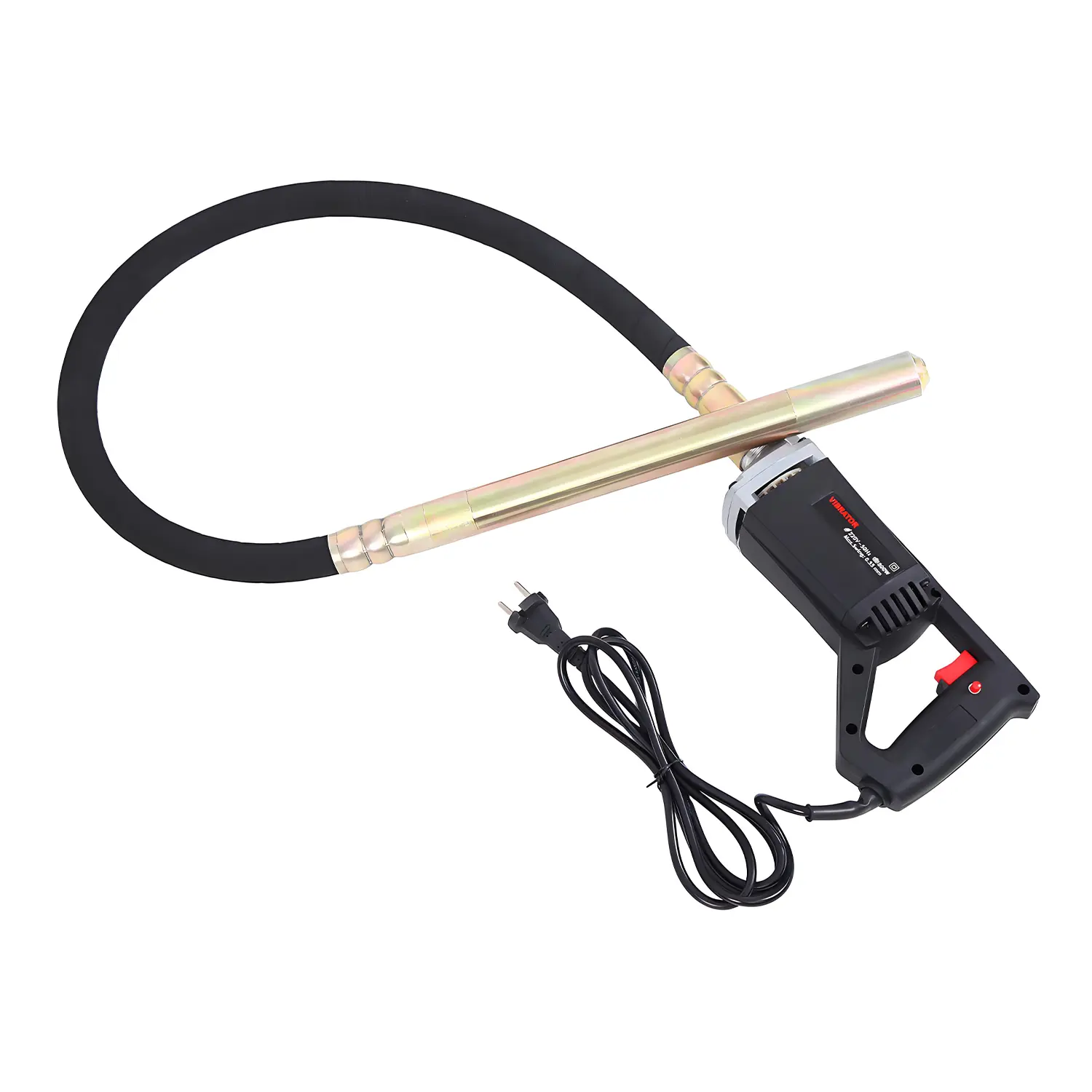 Portable vbrator shaft
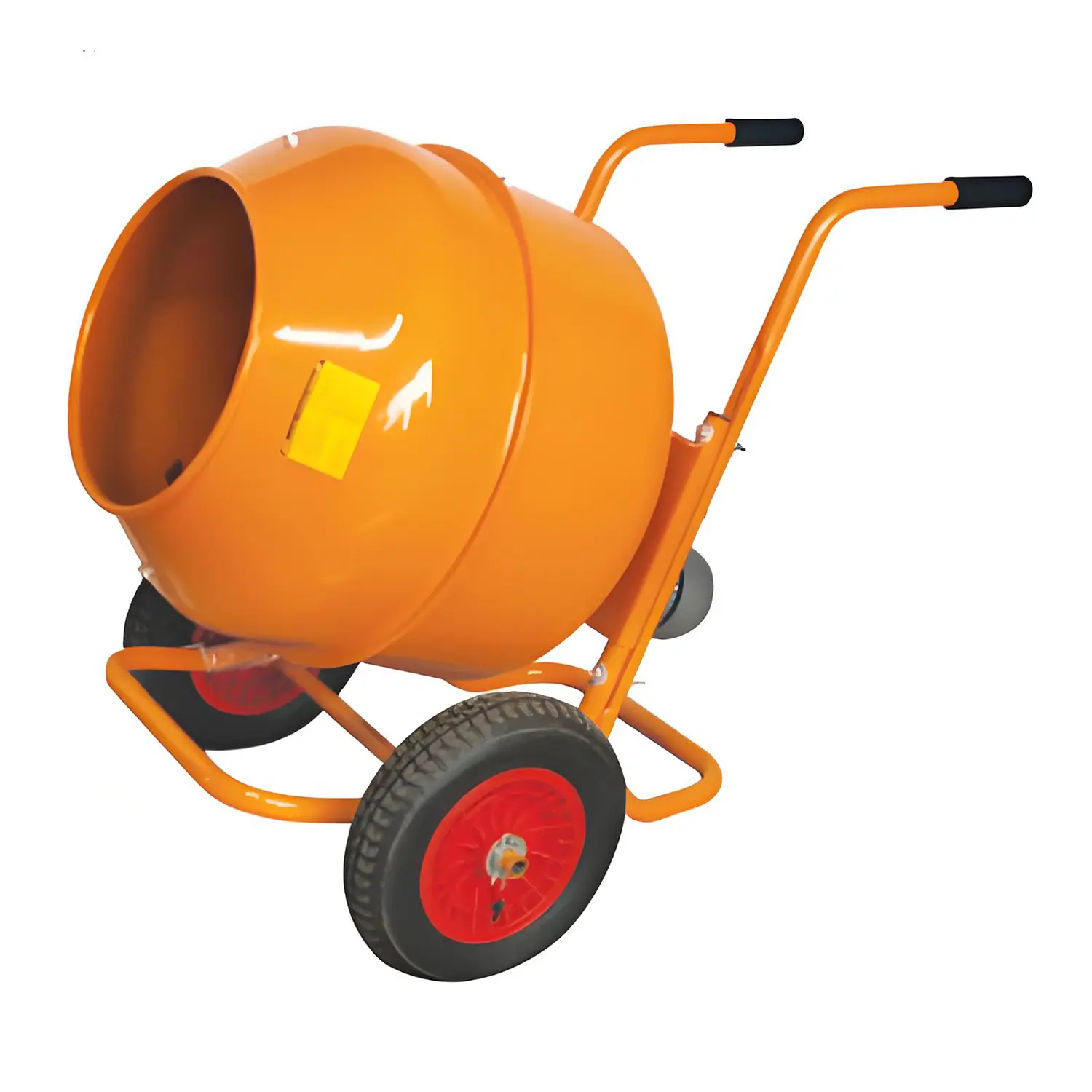 Portable concrete mixer
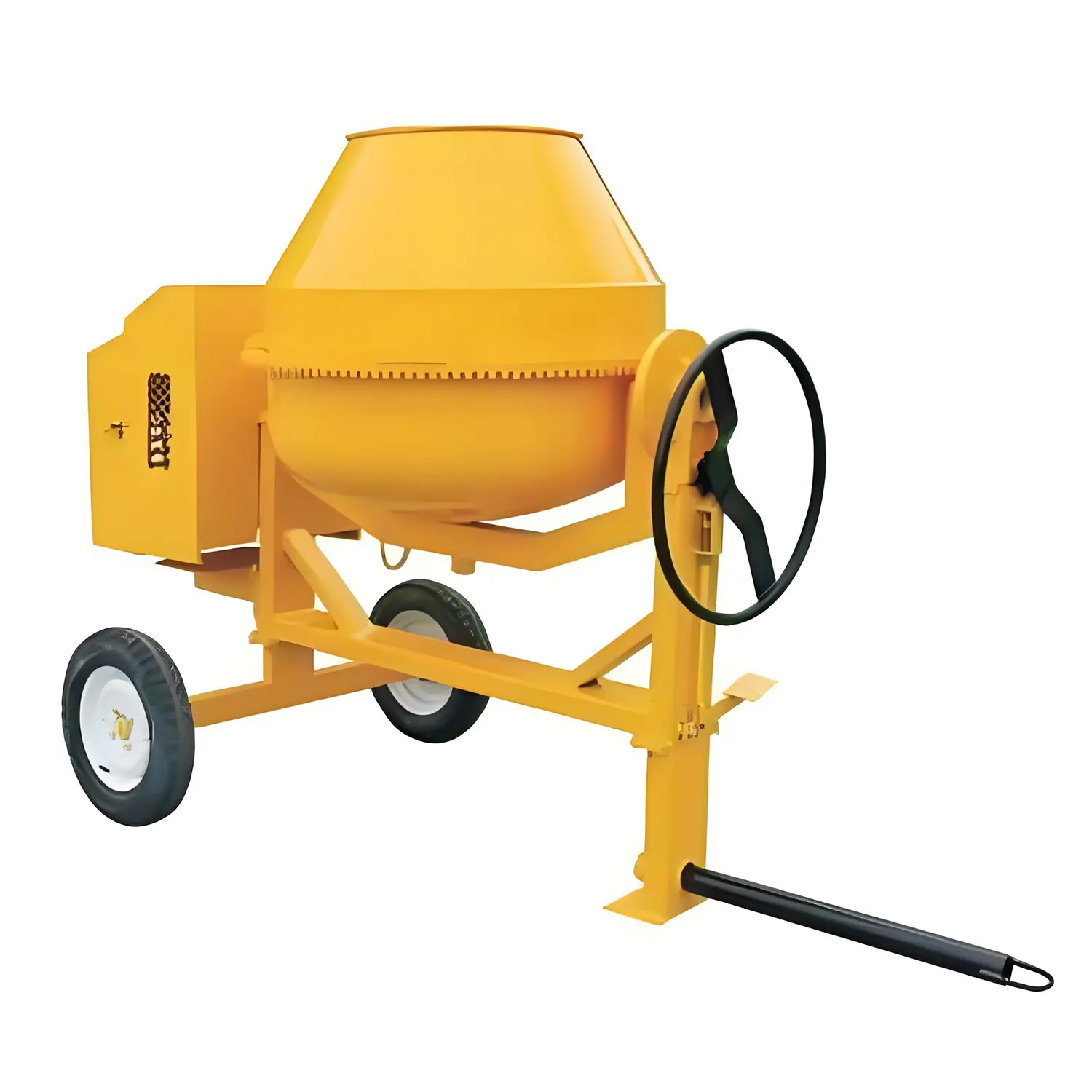 Vertical concrete mixer
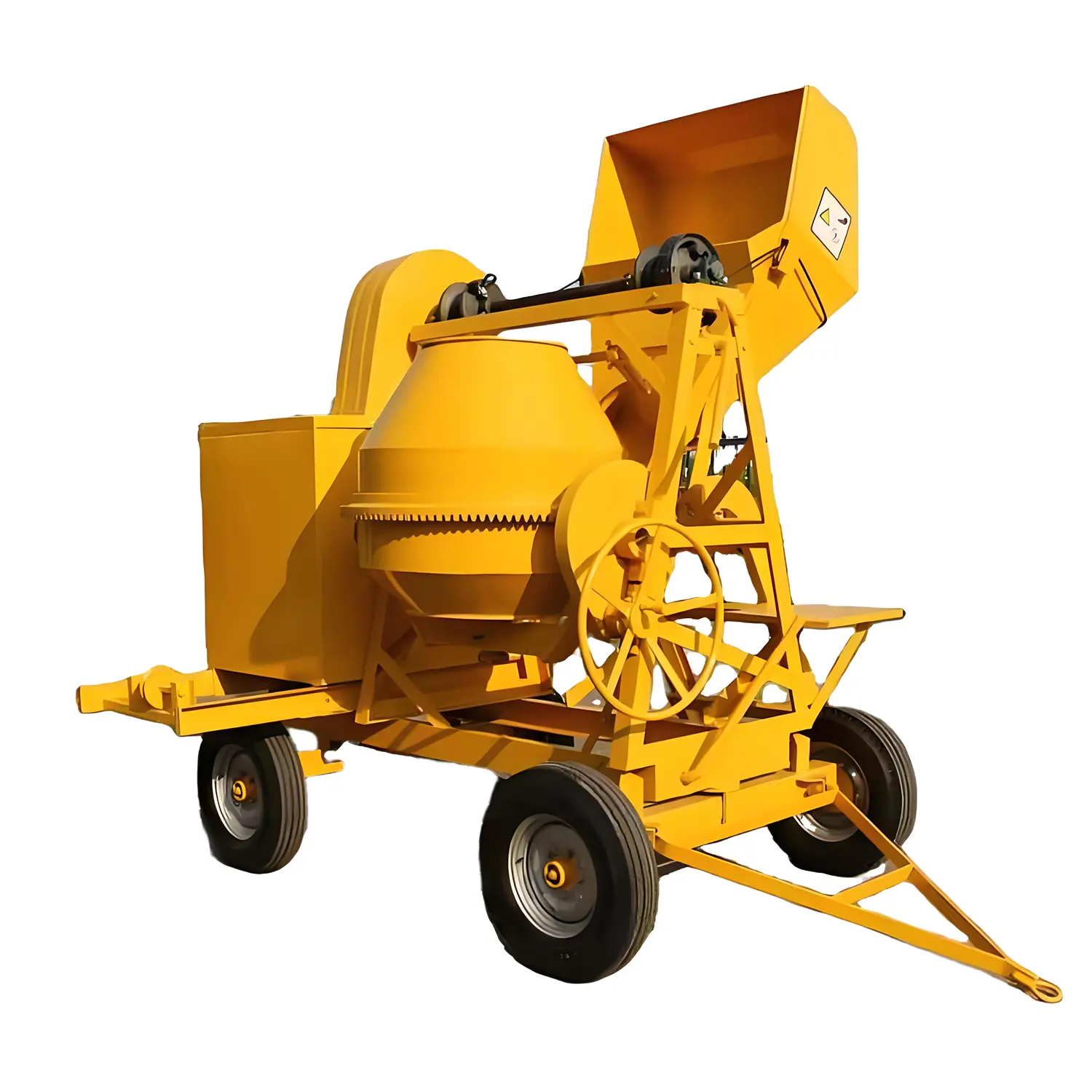 Hydraulic concrete mixer
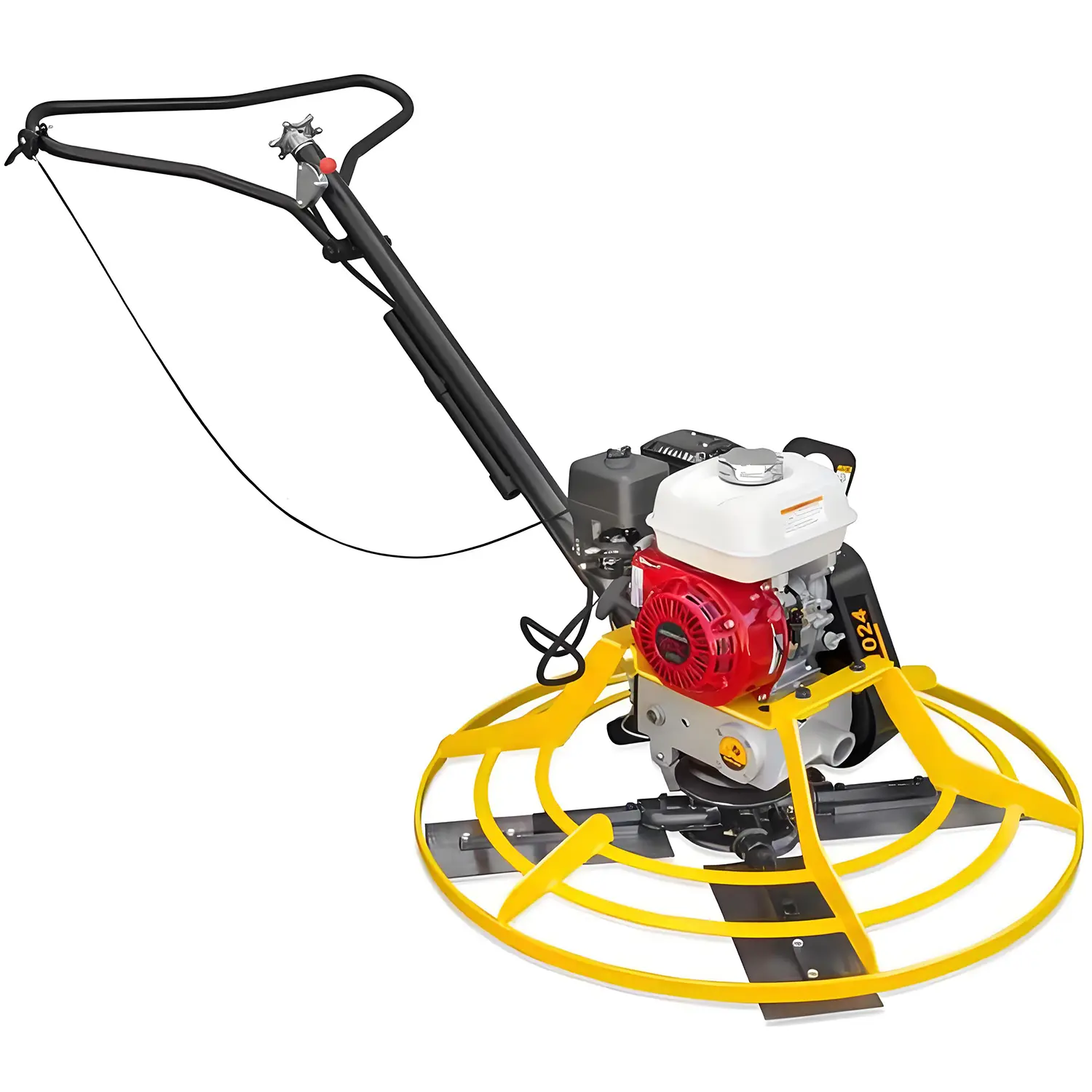 Walk behind power trowel
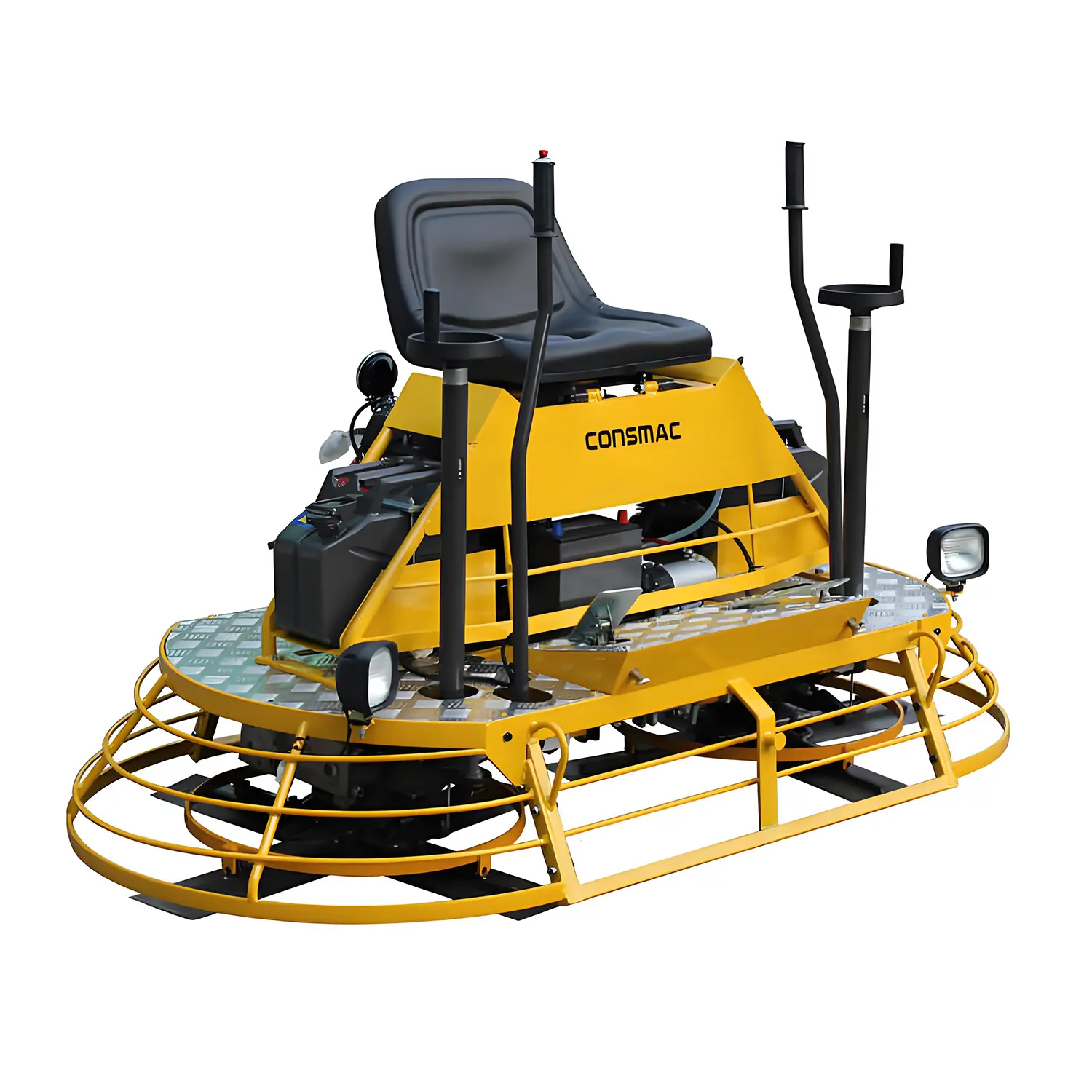 Ride on power trowel
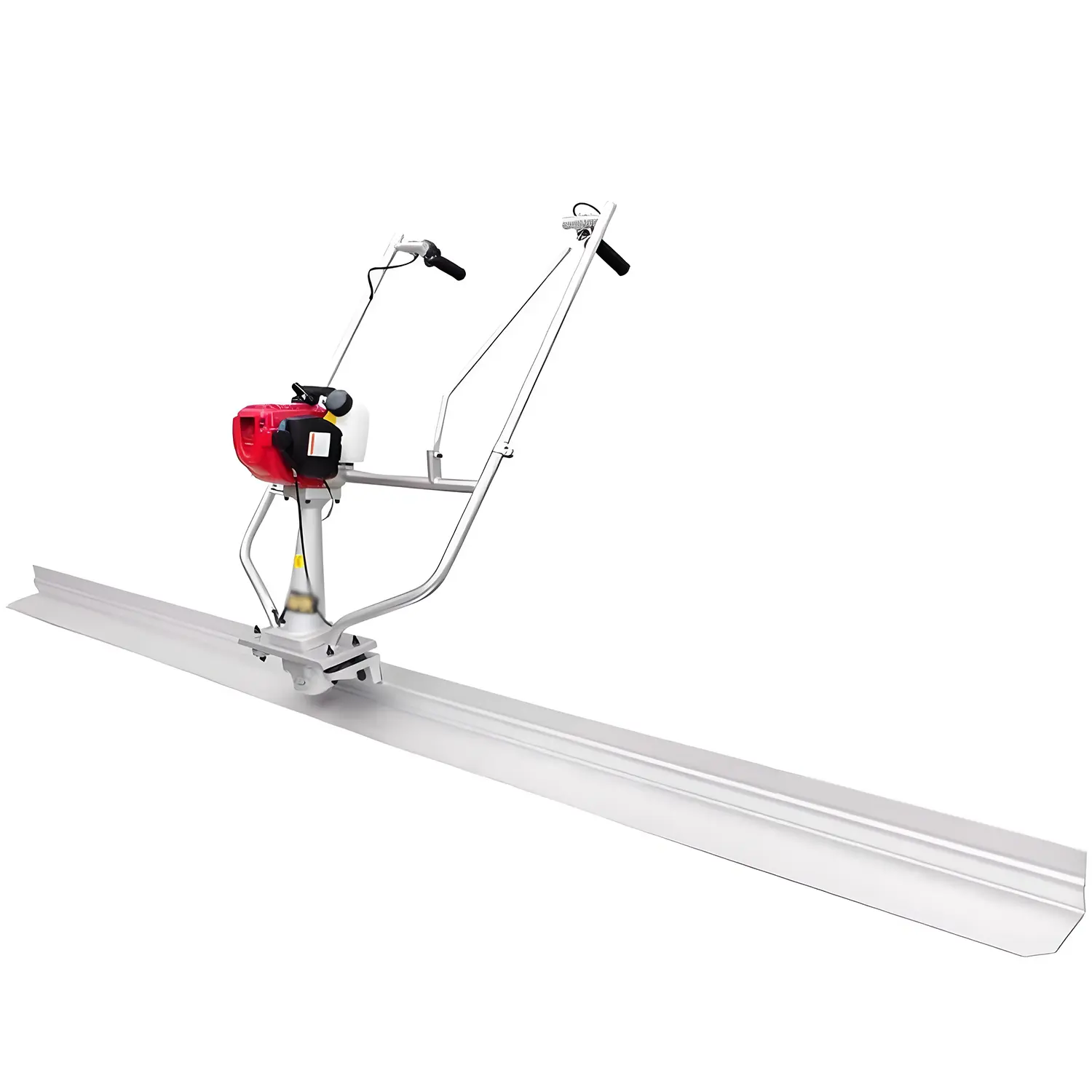 Concrete screed
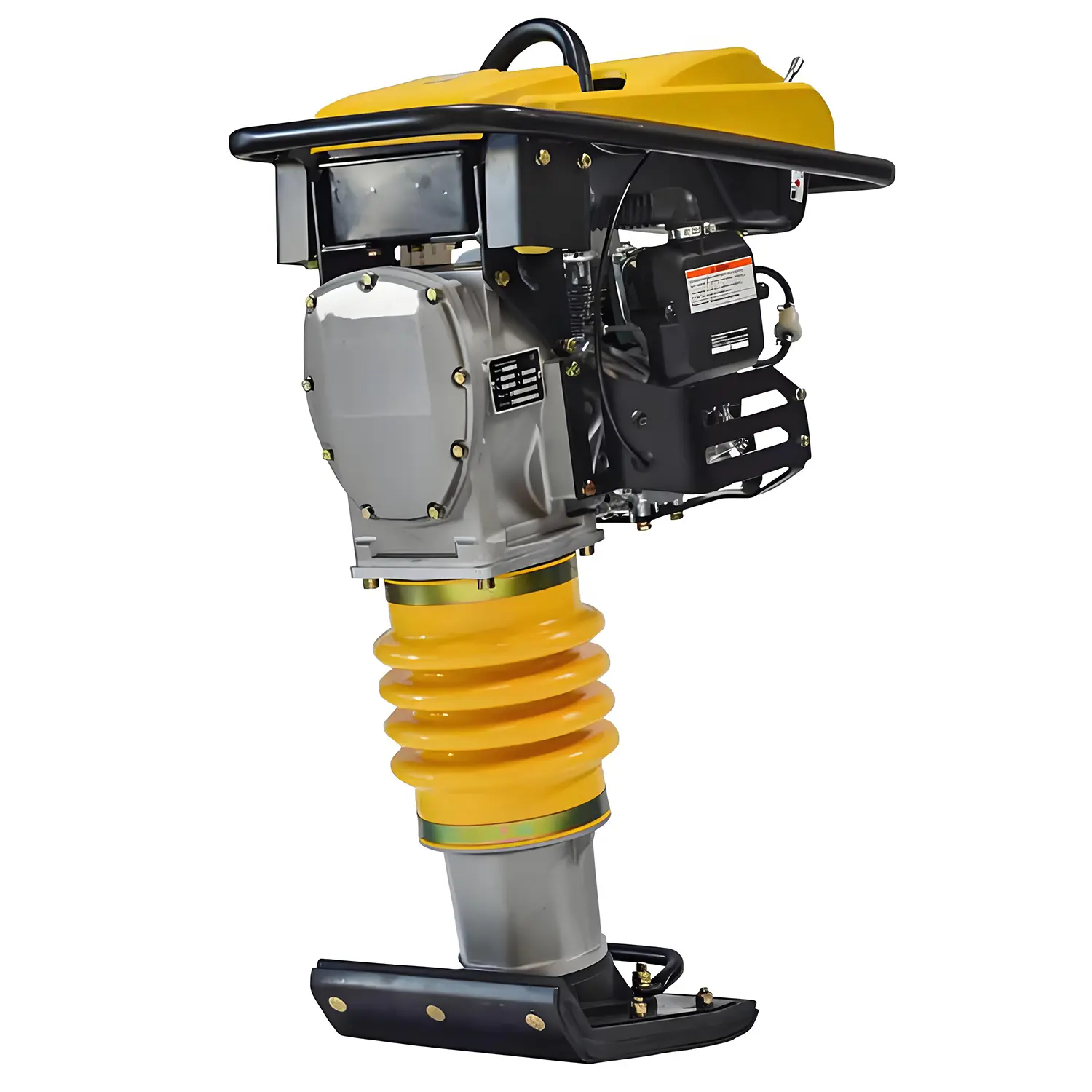 Tamping rammer
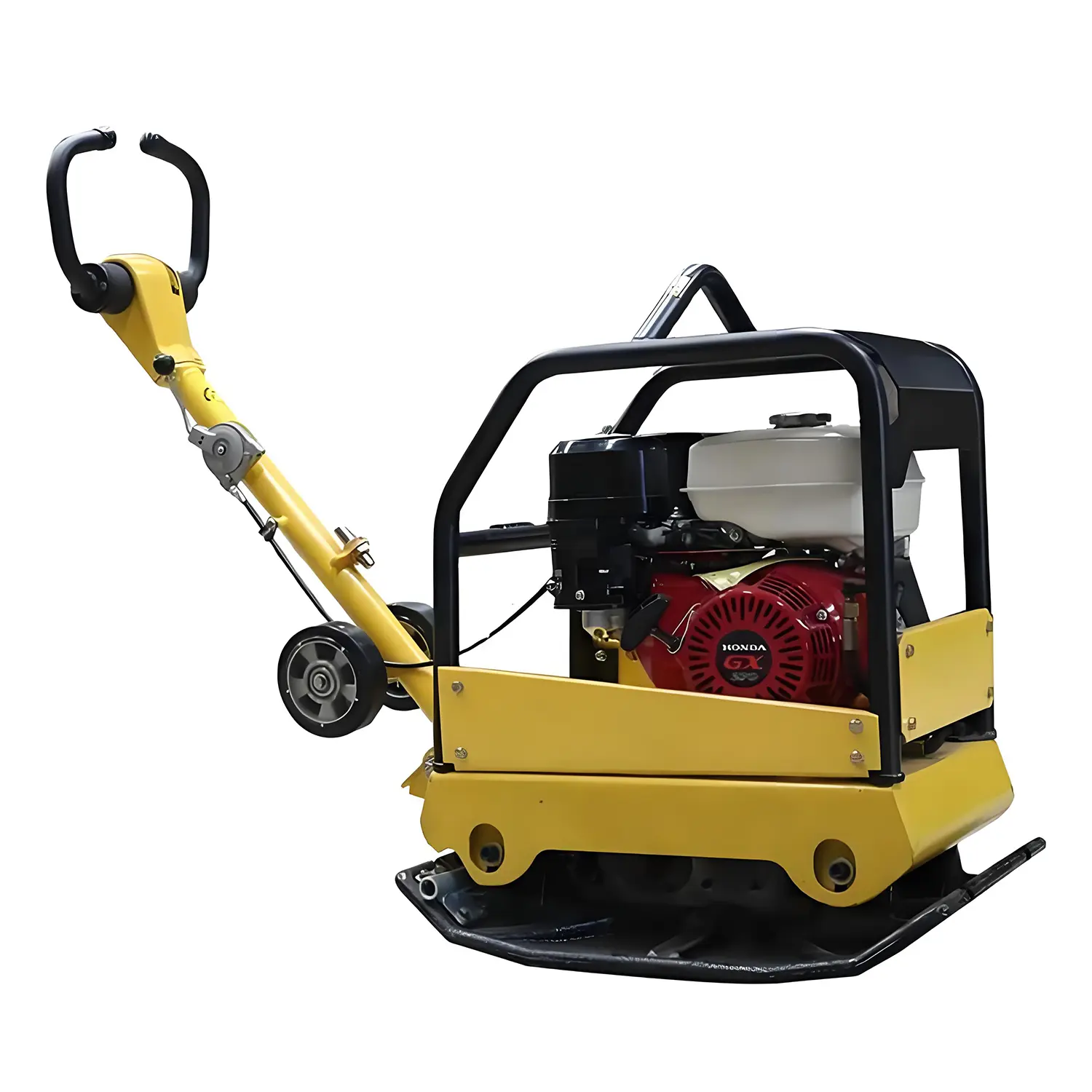 Plate compactor
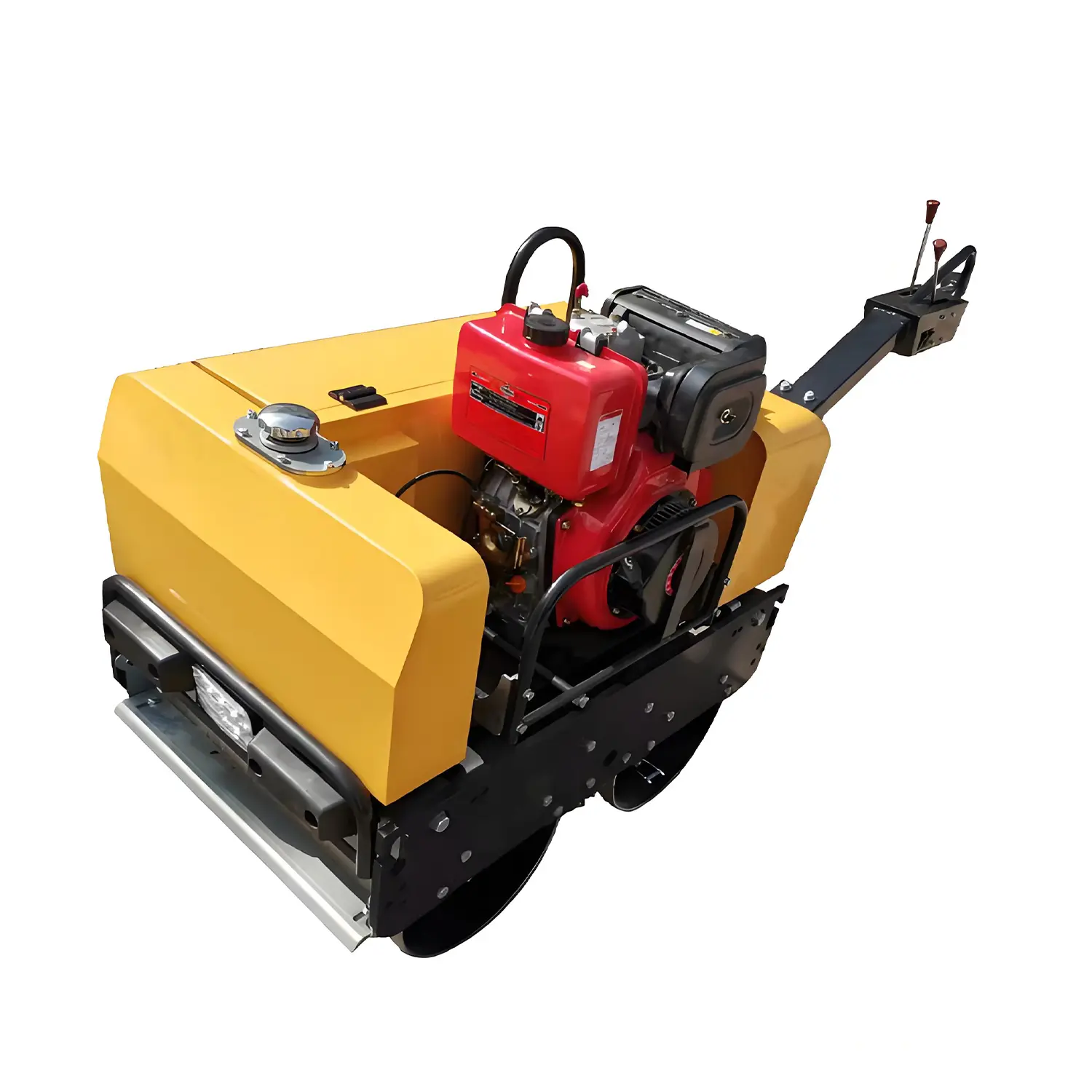 Vibratory roller