2026 Best Eccentric Vibrator for Global Buyers
Choosing the 2026 Best Eccentric Vibrator means matching the equipment to the job, not simply comparing headline force or price. Buyers handling concrete formwork, hoppers, or screening equipment face different operating demands. A unit that performs well on a small bin may not suit a large vibrating table. Fit matters.
This guide looks at practical selection points: centrifugal force, vibration frequency, motor power, mounting position, duty cycle, and operating environment. Buyers should check these details against the machine design and material flow. For example, a compact motor installed on a dusty outdoor hopper may need suitable enclosure protection and a secure mounting surface. Those details can affect service life and maintenance.
Global purchasing adds another layer. Voltage, frequency, connection type, shipping arrangements, spare-part access, and available technical support all deserve attention. Request current product datasheets, installation instructions, warranty terms, and any applicable conformity documentation from the supplier. Verify that model specifications match the quote. Small details matter.
No single Eccentric Vibrator is best for every application. Supplier claims should be checked against documented specifications and the buyer’s actual operating conditions. Sometimes the right choice is less obvious. A lower purchase price may not offset difficult installation or limited parts support, while a premium model may offer features the application does not need. This overview helps global buyers compare options carefully and identify the questions worth asking before placing an order.
What an Eccentric Vibrator Is and How It Generates Vibration
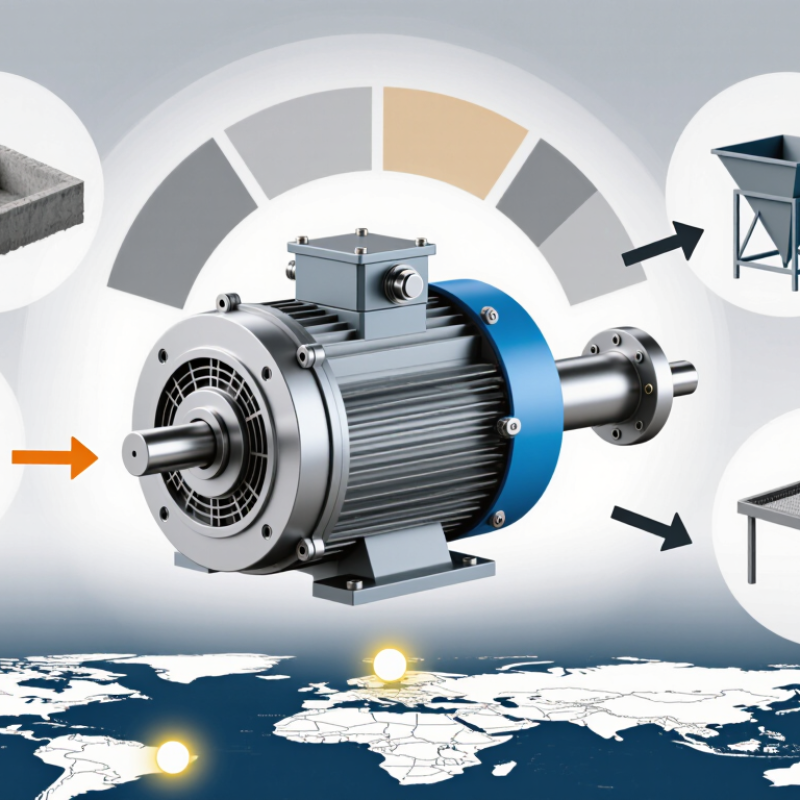
An eccentric vibrator creates vibration by rotating an off-center weight. The weight’s center of mass sits away from the motor shaft, so each rotation produces an changing centrifugal force. That repeated force moves the motor and the structure attached to it. In industrial equipment, this can help shift material through a hopper, reduce buildup, or keep a feeder moving steadily.
That offset matters. The vibration’s strength depends on the weight’s mass, its distance from the shaft, and the motor’s rotational speed. A larger offset or heavier weight generally increases the force, but stronger is not always better. Excessive vibration can loosen fasteners, stress supports, or disturb nearby equipment. Small details count. The mounting surface, load, and operating speed all affect how vibration travels through a machine.
An eccentric vibrator is relatively simple, but selecting one still requires care. A unit that performs well on an empty test bench may behave differently once bolted to a loaded chute. In practice, the neat force calculation is only part of the picture; installation and material flow matter too. Check the equipment’s operating limits, secure the mounting bolts, and observe vibration under realistic conditions. If the result is uneven, reassess the mounting and load before increasing the force.
Main Eccentric Vibrator Types and Their Industrial Uses
2026 Best Eccentric Vibrator for Global Buyers
Main Eccentric Vibrator Types and Their Industrial Uses
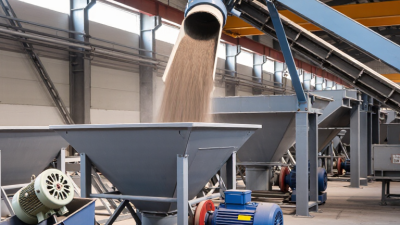
Electric eccentric vibrators use rotating unbalanced weights to create steady vibration. They are common on concrete hoppers, screening decks, and bulk-material bins. Operators can adjust the force by changing the weight setting, but the motor must match the mounting surface and duty cycle. A loose mounting bolt can quickly turn useful vibration into damaging noise.
Pneumatic models use compressed air to drive a rotating or reciprocating mechanism. They suit foundries, packaging lines, and dusty areas where electric equipment may need extra protection. Air pressure and flow affect performance, so undersized hoses can weaken output. Noisy air lines are easy to overlook.
Hydraulic eccentric vibrators deliver strong force for heavy-duty equipment, including mobile screens and large feeders. They can work well where hydraulic power is already available, though leaks and fluid temperature need regular checks.
Selection depends on material weight, required vibration, operating hours, and installation position. Not every site measures these conditions carefully. It matters. A unit that performs well on an empty test bench may behave differently beneath a loaded hopper. Inspecting the actual machine and reviewing maintenance needs helps buyers make a more dependable choice.
Key Specifications to Compare Before Choosing a Model
An eccentric vibrator should be compared by operating conditions, not by one impressive number. Check rated centrifugal force, vibration frequency, and motor power together. A higher force rating may not suit a light hopper or thin-walled chute. Numbers need context. Ask whether the stated force is adjustable and whether the unit can run continuously at the required setting. A product sheet may not explain this clearly, so request a duty-cycle rating and operating-temperature range.
Confirm the supply voltage, phase, and frequency against the installation site, then check the mounting pattern and available clearance. Small details matter. The wrong bolt spacing can turn a straightforward replacement into a fabrication job. Review enclosure protection, insulation class, bearing type, and lubrication requirements for the dust, moisture, and temperature around the machine. Noise and vibration transmission also deserve attention, especially near occupied work areas. It is tempting to compare only rated force; that shortcut misses service life and fit. Ask for test conditions, dimensional drawings, and spare-part availability before ordering. I would still leave room for uncertainty: real material flow can differ from a clean factory test.
How to Select an Eccentric Vibrator for Your Application
2026 Best Eccentric Vibrator for Global Buyers
How to Select an Eccentric Vibrator for Your Application
Choosing an eccentric vibrator starts with identifying the material-flow problem. Is powder bridging inside a hopper, or are granules lingering near an outlet? Fine, damp powders may behave differently from dry, free-flowing pellets. Small details matter. Note the material’s moisture, particle size, temperature, and whether it tends to compact.
Match the vibrator’s force and operating speed to the equipment, not just the material name. Check the hopper’s dimensions, wall thickness, and mounting area, then confirm that the structure can handle repeated vibration. Mounting position also changes how vibration travels through the vessel. Too little force may leave material stuck; excessive vibration can compact some powders or stress the structure. Measure before ordering.
Review the power supply, duty cycle, ambient temperature, and exposure to dust or moisture. These conditions can affect safe, reliable operation, especially in continuous-duty installations. Ask the supplier for application data and mounting guidance, and have a qualified engineer check structural concerns. A practical selection can still miss something: material behavior changes with humidity and fill level. Where possible, test the setup under real operating conditions before committing to a permanent installation.
Global Buying Factors: Compliance, Suppliers, and Support
Global buyers evaluating an eccentric vibrator should compare more than centrifugal force and price. The IEA’s 2011 report, Energy-Efficiency Policy Opportunities for Electric Motor-Driven Systems, estimates these systems use about 46% of global electricity. The U.S. Department of Energy’s 2014 motor-systems sourcebook reports they consume roughly 70% of industrial electricity in the United States. Efficiency and correct sizing matter. Small details matter.
Check that supplier documents match the destination market and the exact motor configuration. Request rated force, frequency, duty cycle, insulation class, enclosure rating, and test results for the stated voltage. IEC 60034 offers a relevant framework for rotating electrical machines, but it does not replace local market requirements. Ask for proof. A certificate for a similar model is not enough. Confirm lead times, spare-part availability, response hours, and who handles technical questions after installation. A low quote can become costly when a replacement weight or bearing takes weeks to arrive. I would still verify claims independently; paperwork alone cannot show how a unit performs under real load.
Tips: Send suppliers the mounting position, material flow, operating hours, and site voltage before requesting quotes. Ask for a sample test report and a written warranty. Keep the answers side by side.
2026 Best Eccentric Vibrator for Global Buyers
Global Buying Factors: Compliance, Suppliers, and Support
Mains frequency is one practical compatibility check when sourcing an eccentric vibrator. The chart shows nominal grid frequency in selected markets; it is not a complete compliance guide. Confirm the required voltage, phase, product certifications, supplier documentation, and availability of local technical support for the intended installation.

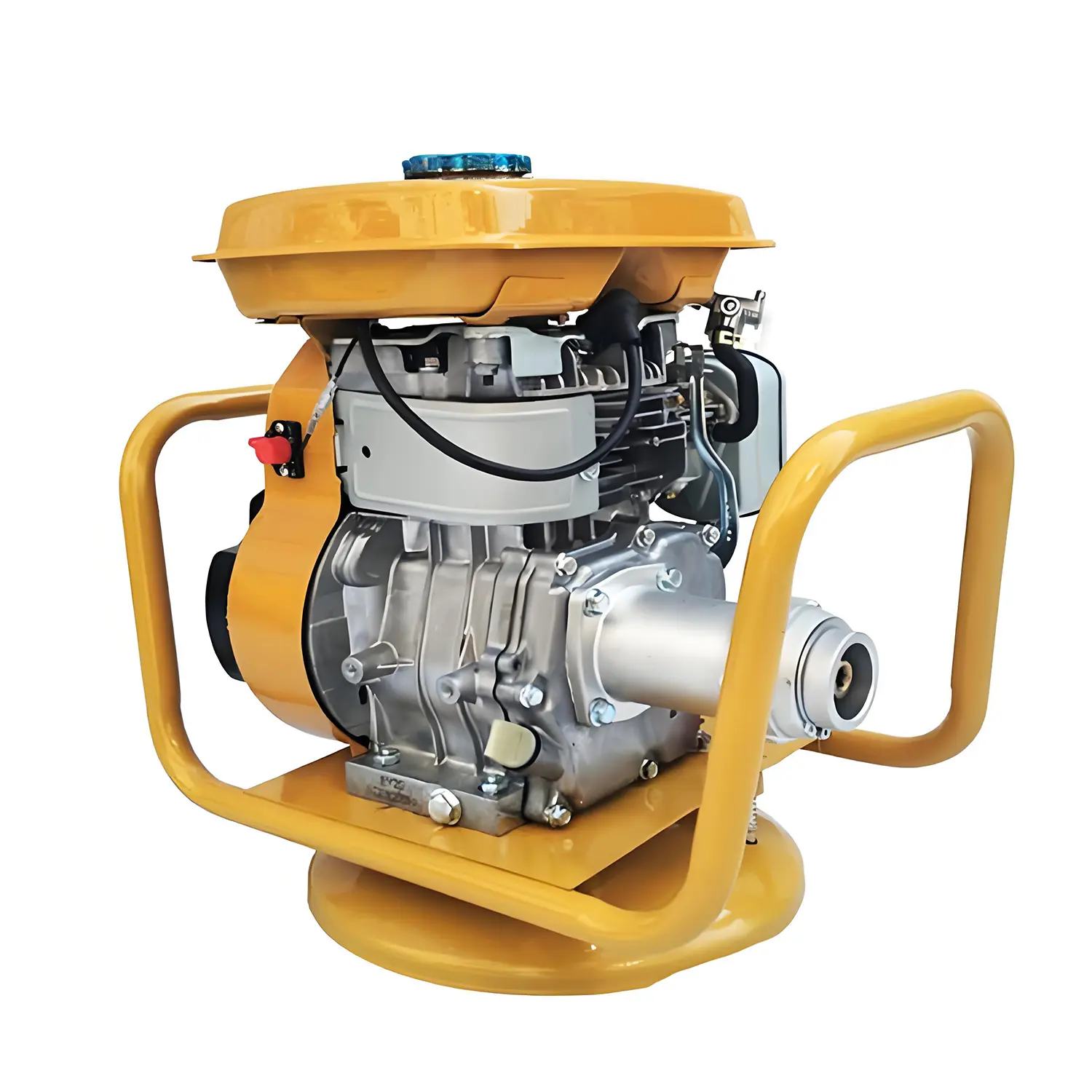 Internal Vibrator
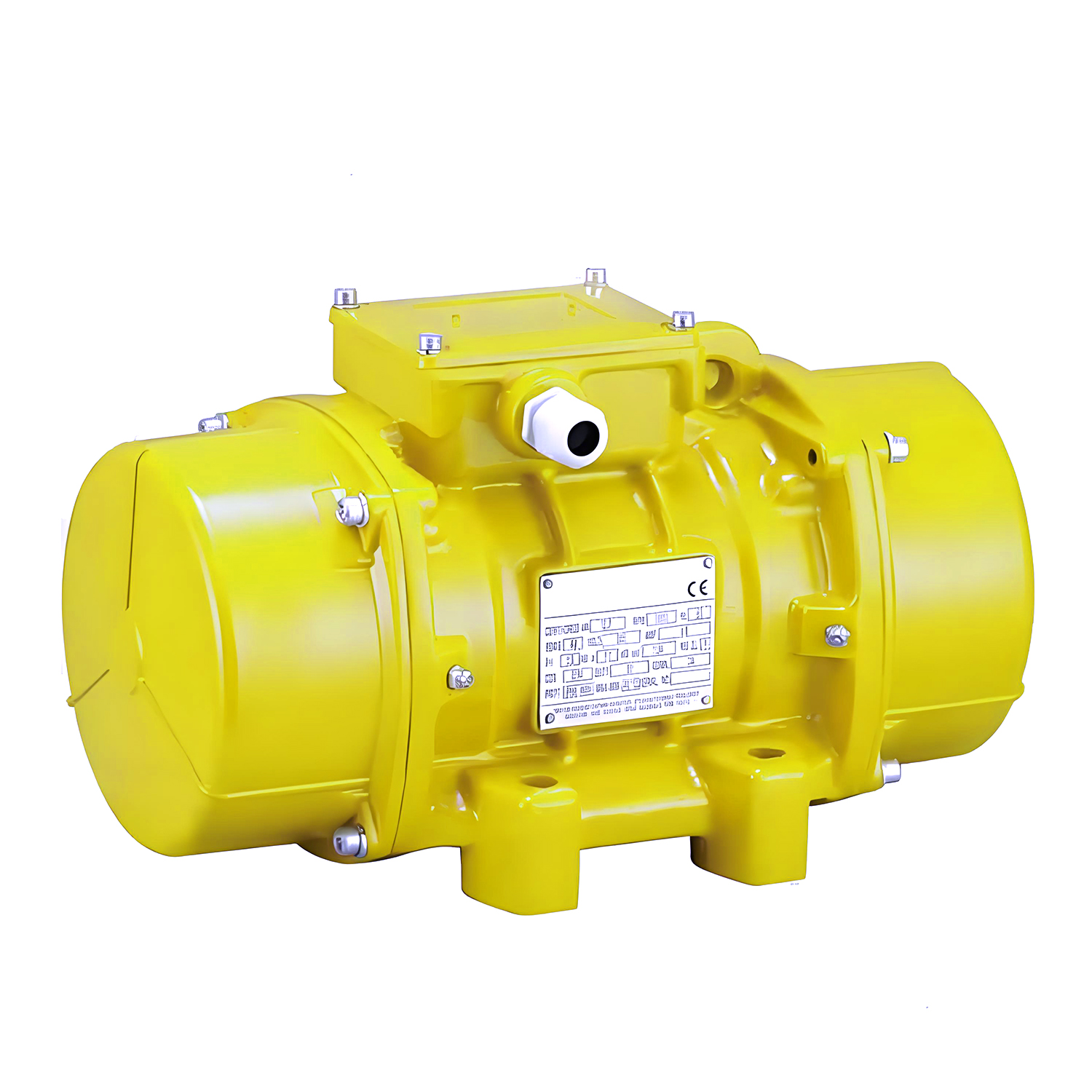 External Vibrator
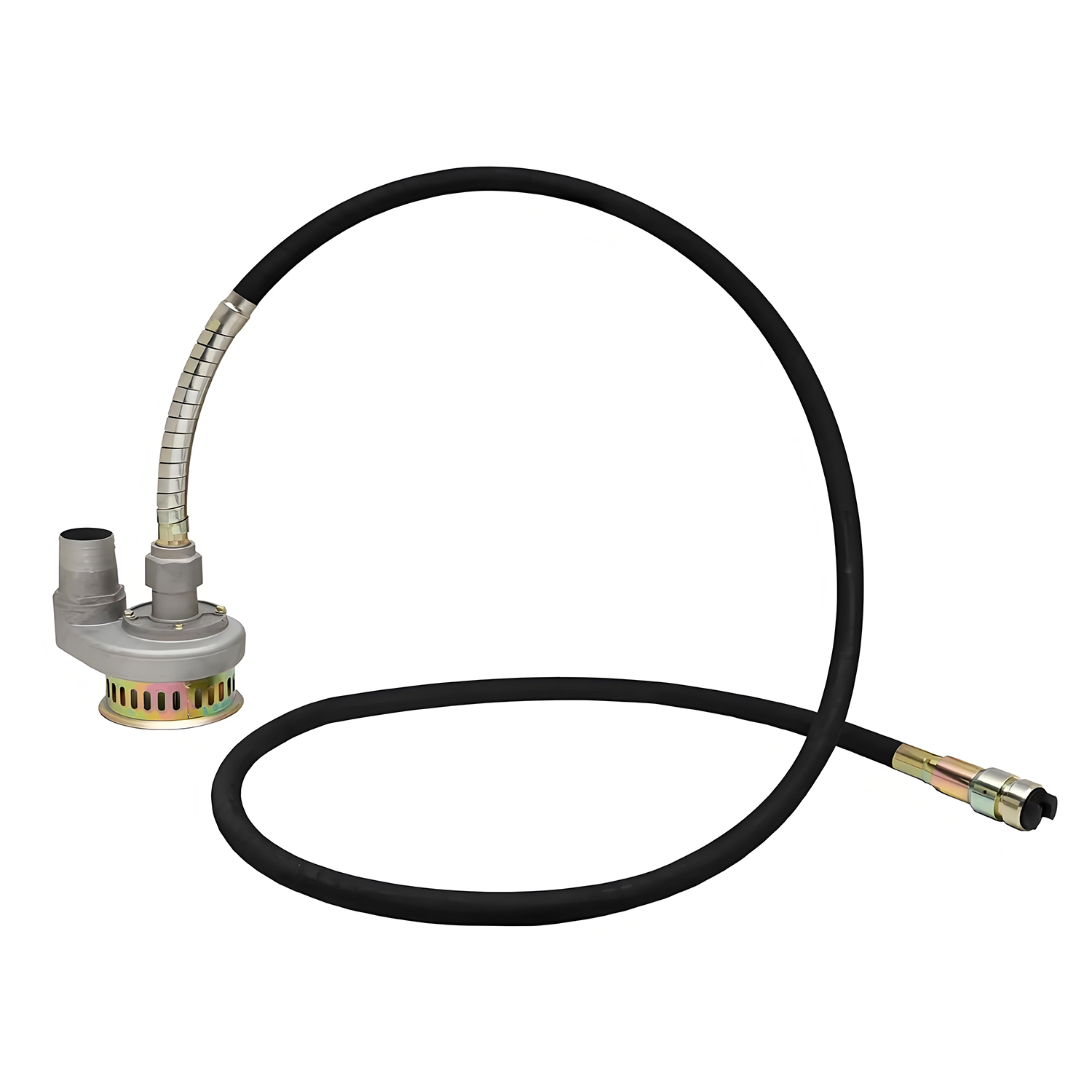 Submersible Pump
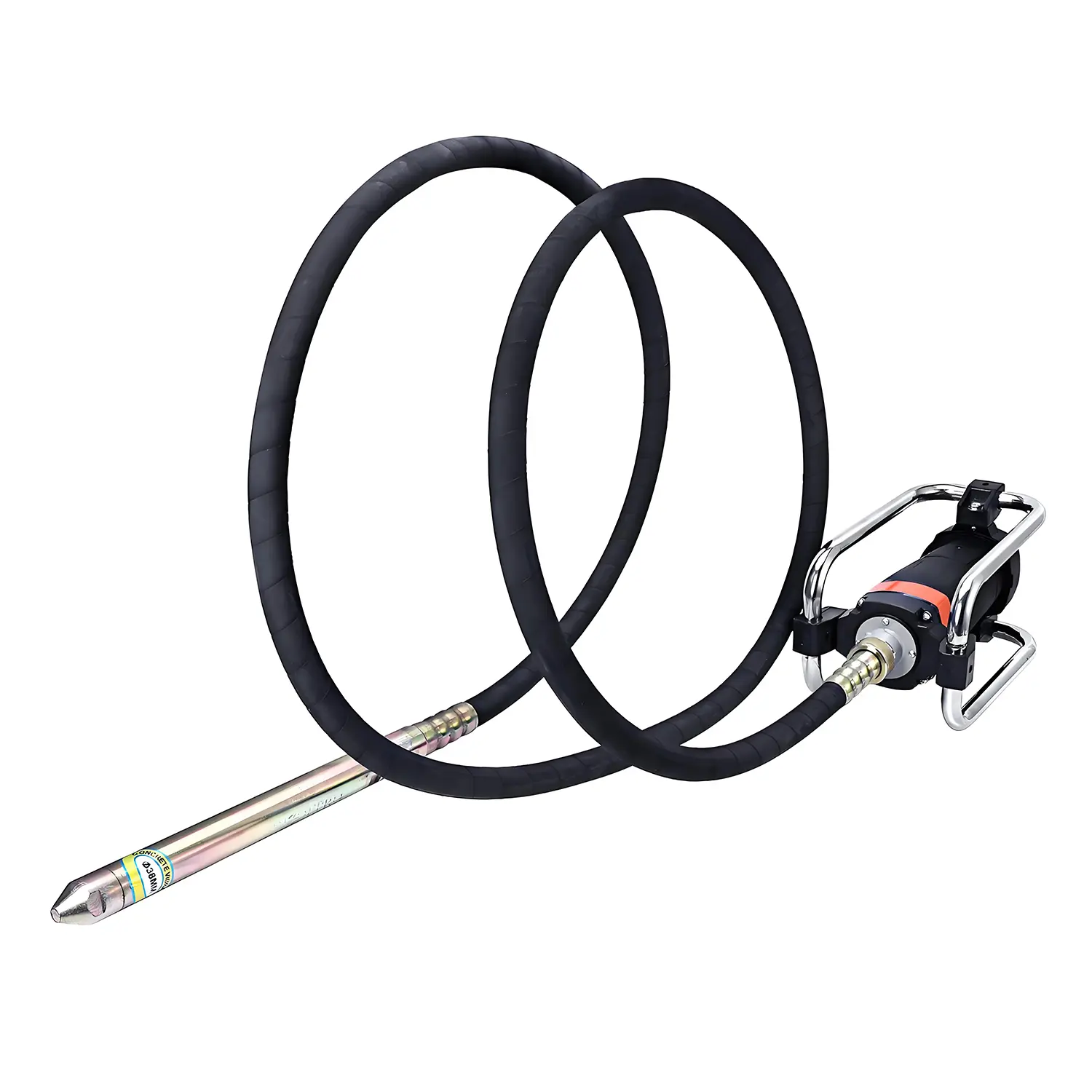 Eccentric shaft
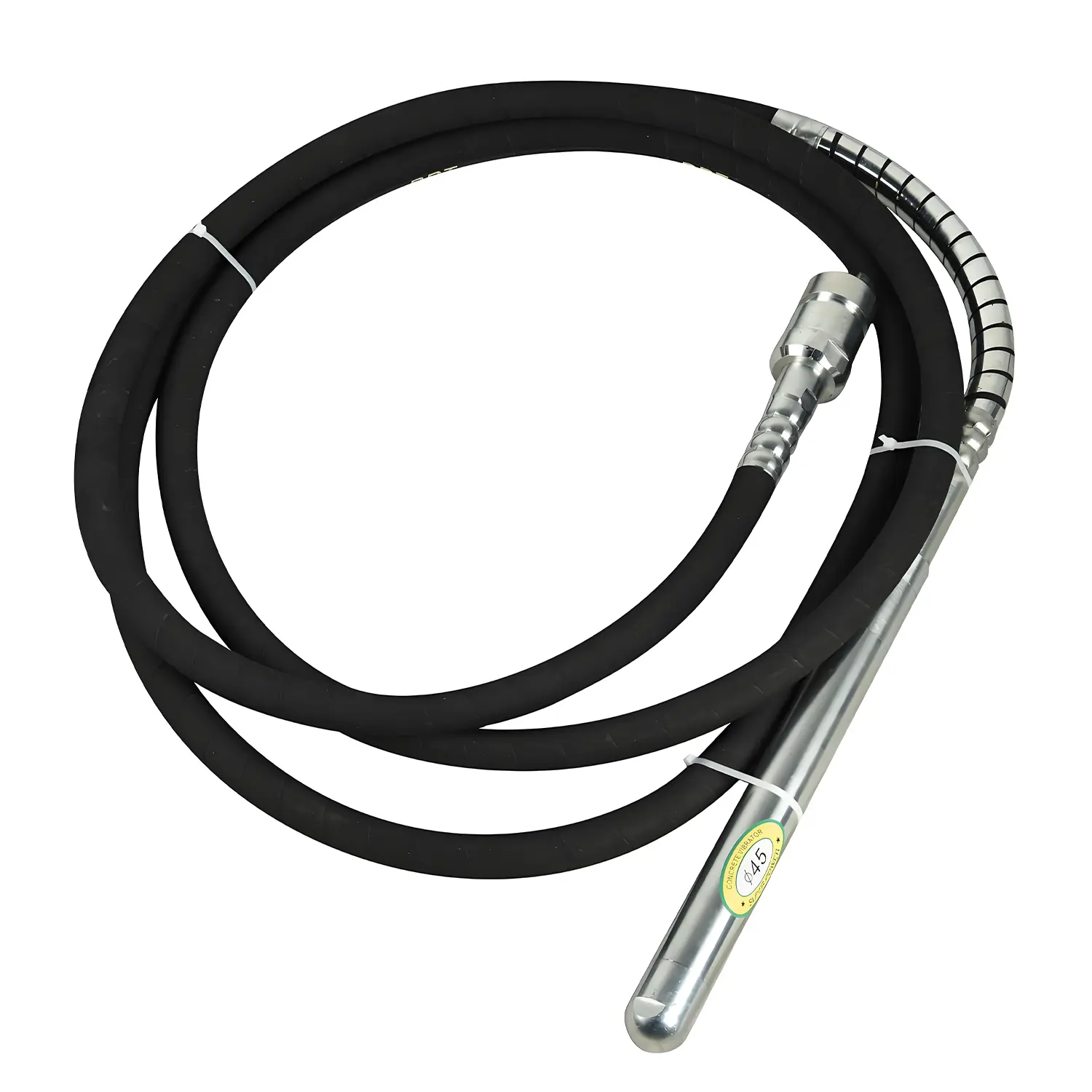 Pendulum shaft
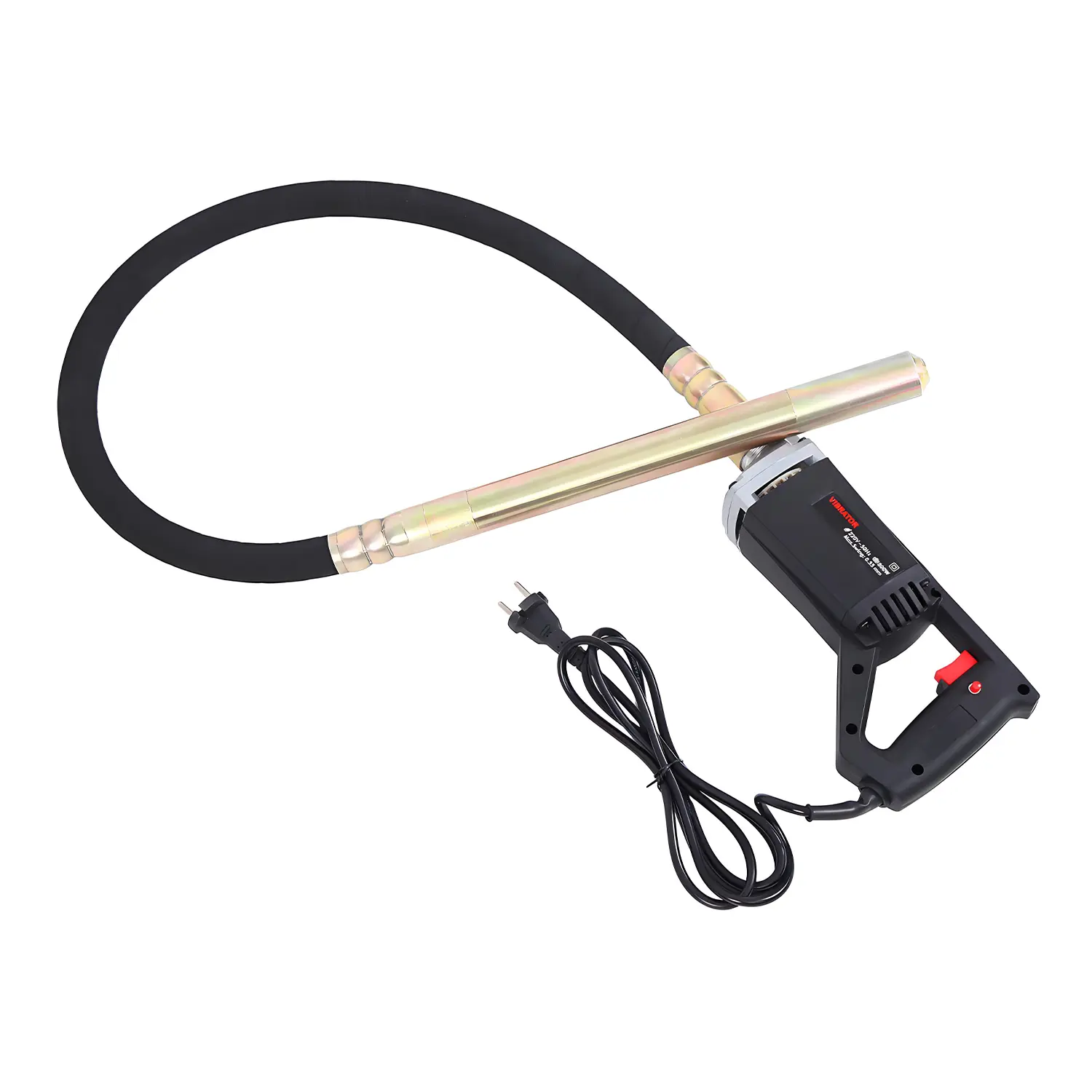 Portable vbrator shaft
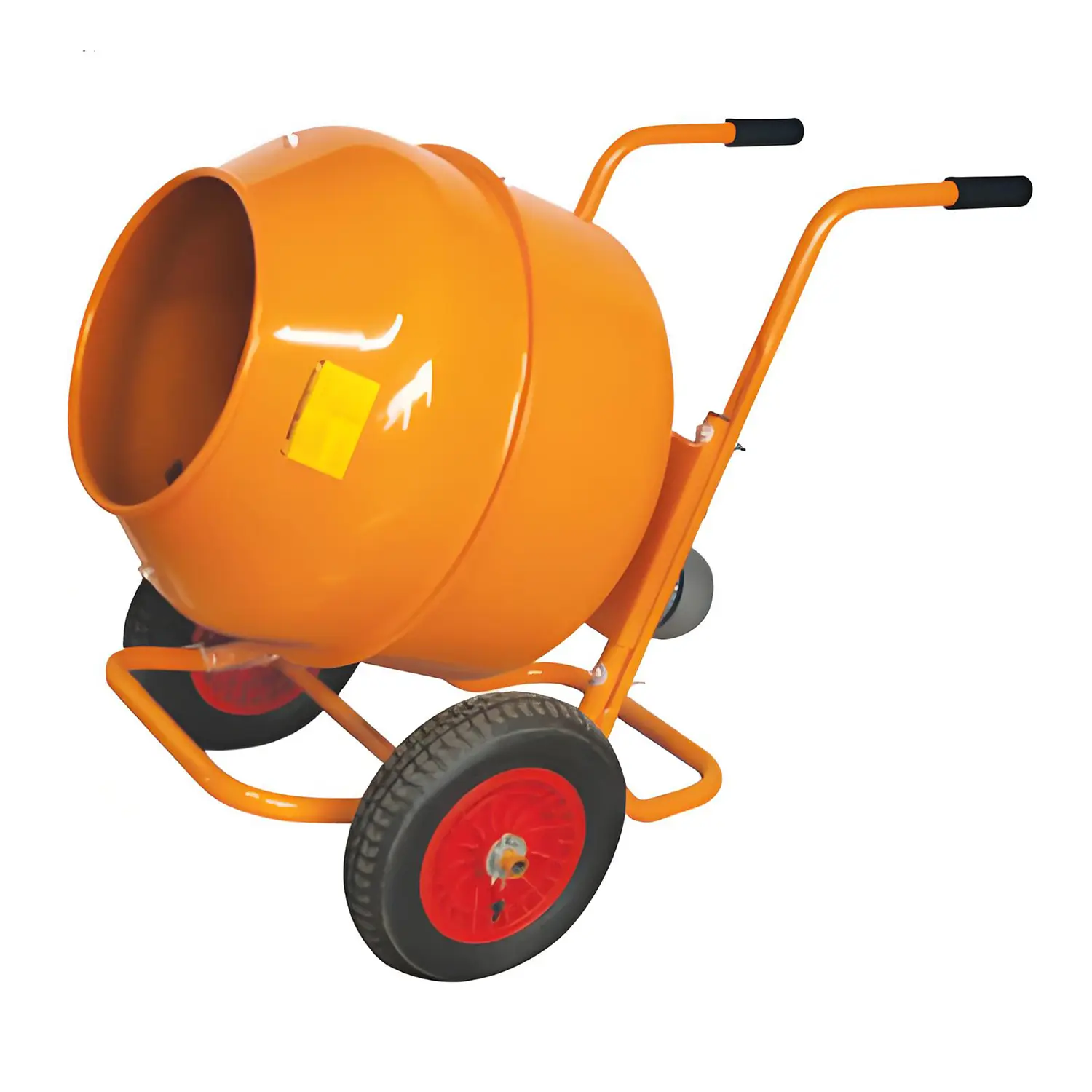 Portable concrete mixer
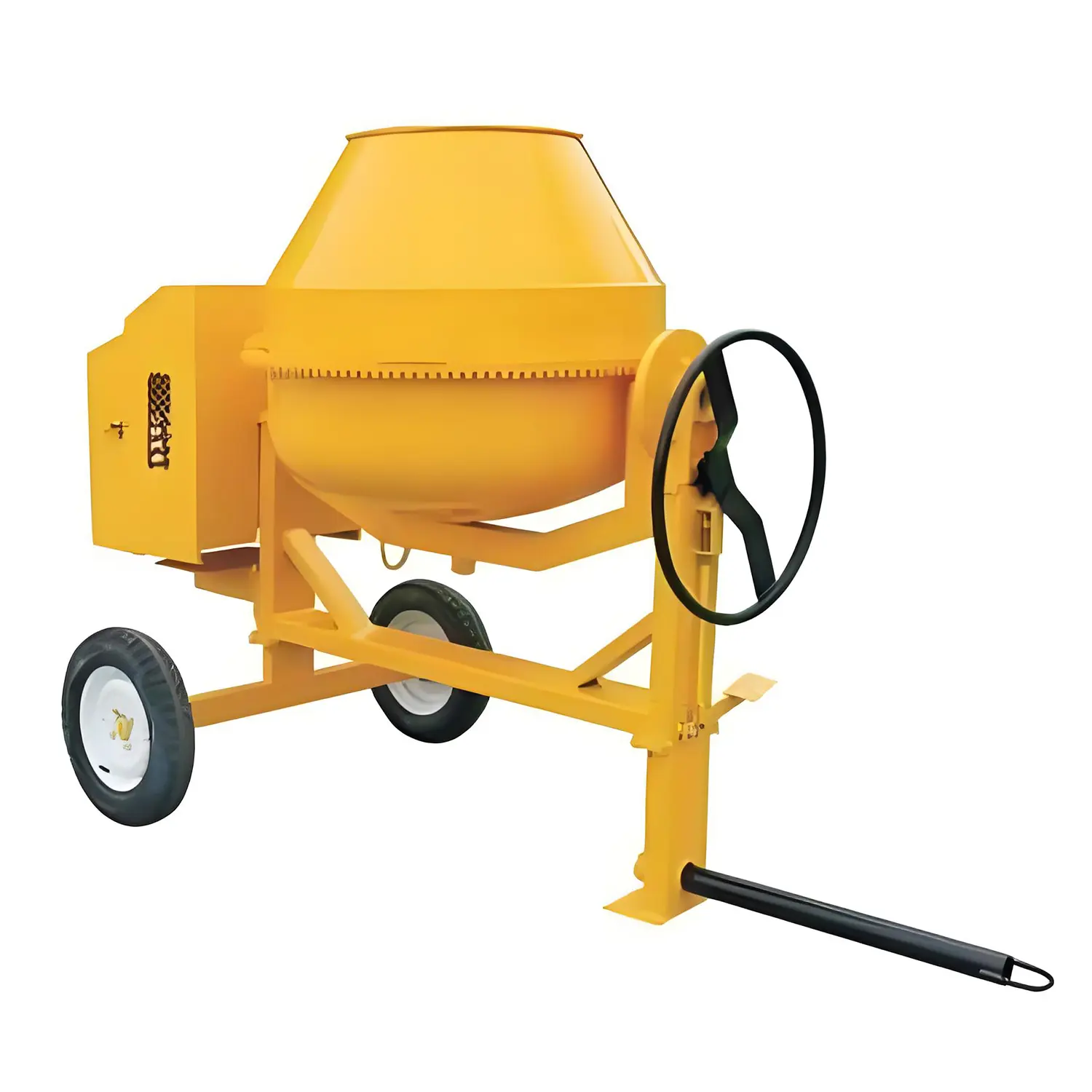 Vertical concrete mixer
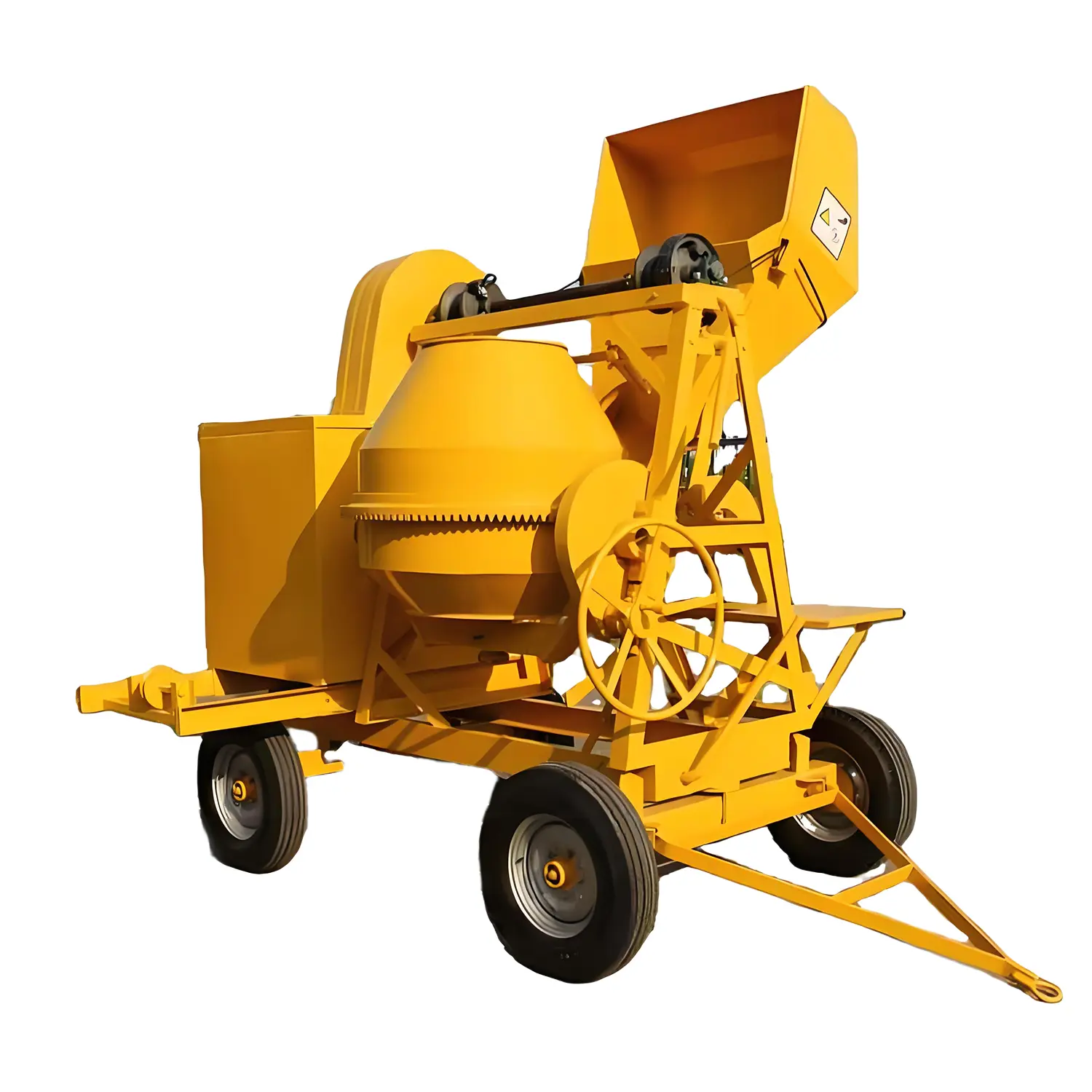 Hydraulic concrete mixer
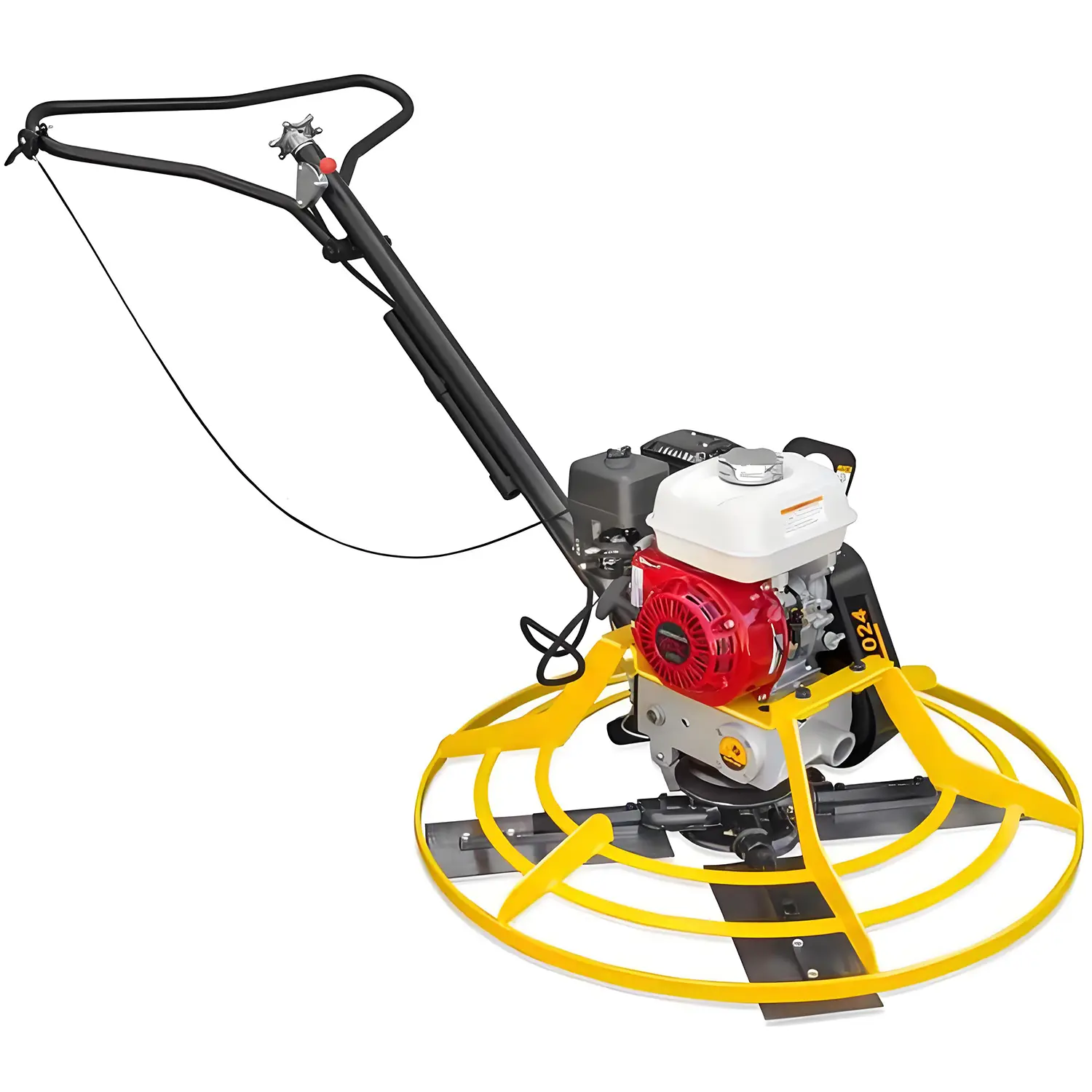 Walk behind power trowel
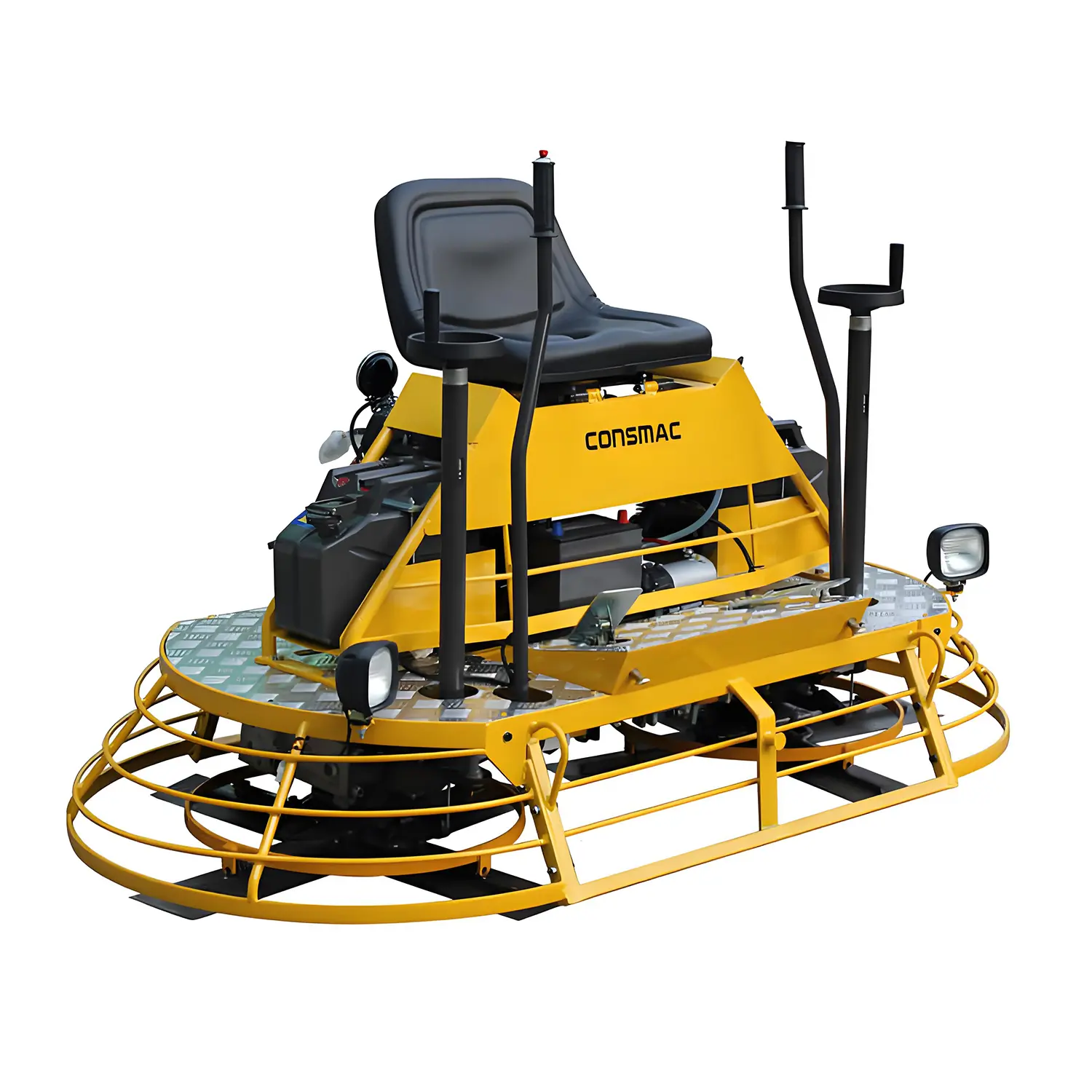 Ride on power trowel
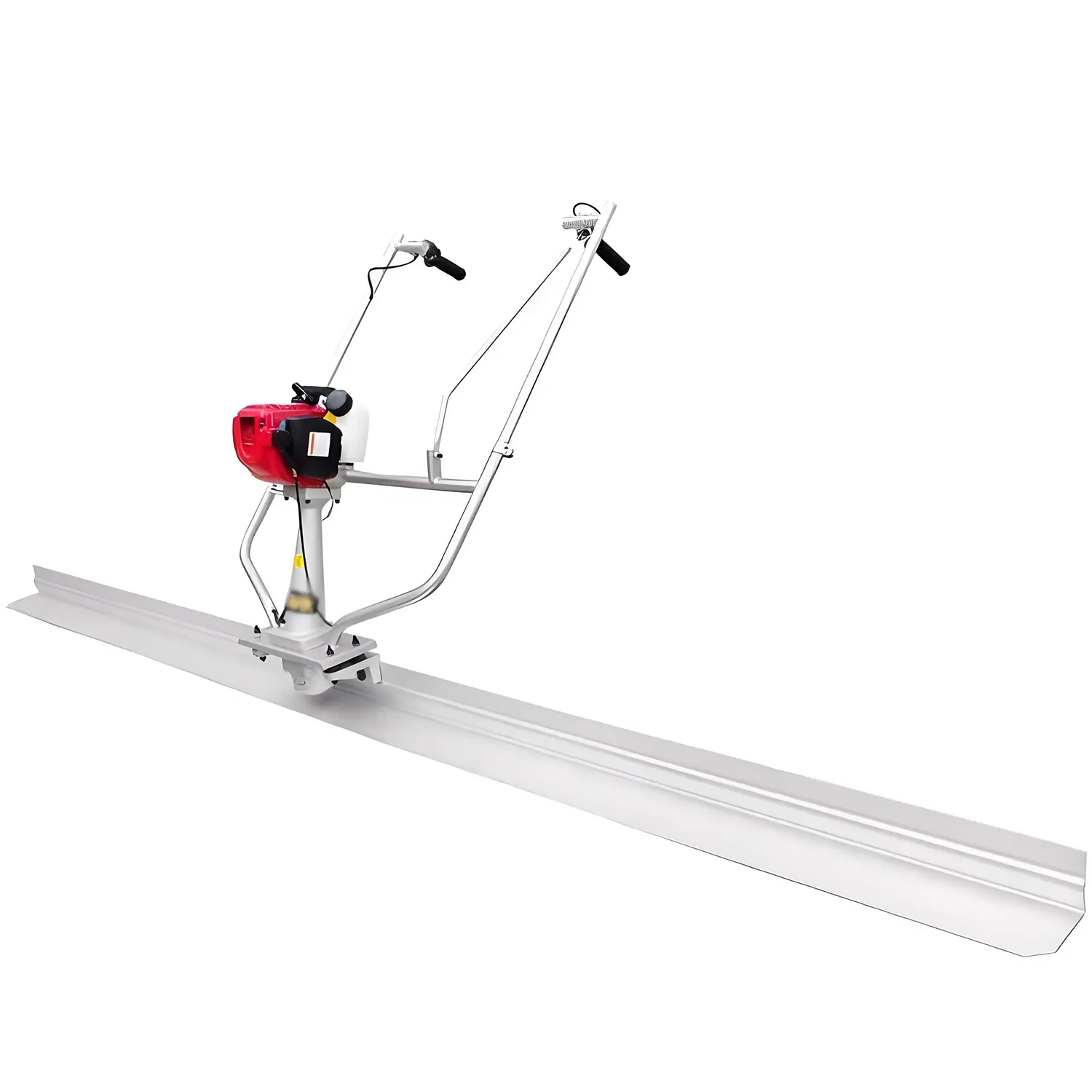 Concrete screed
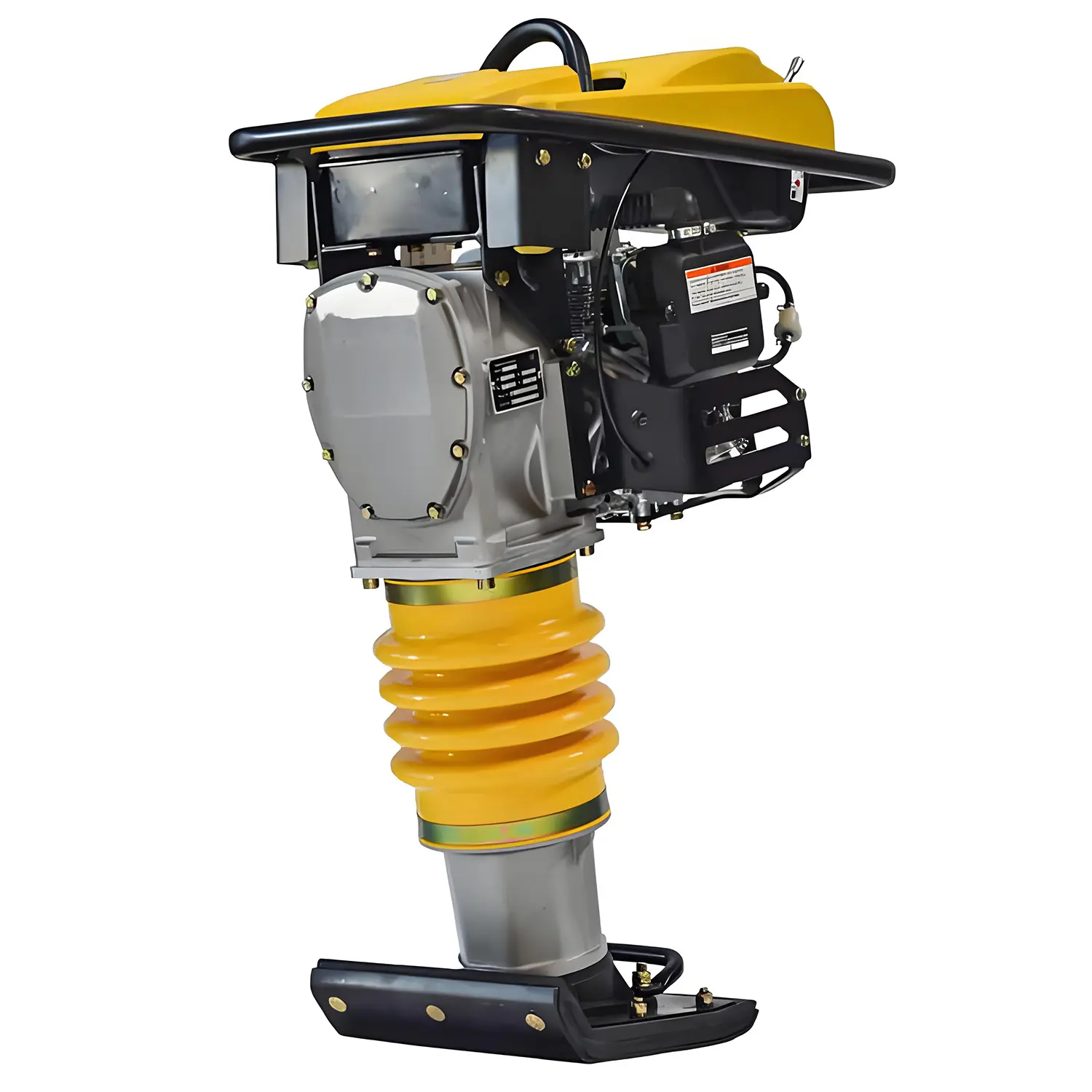 Tamping rammer
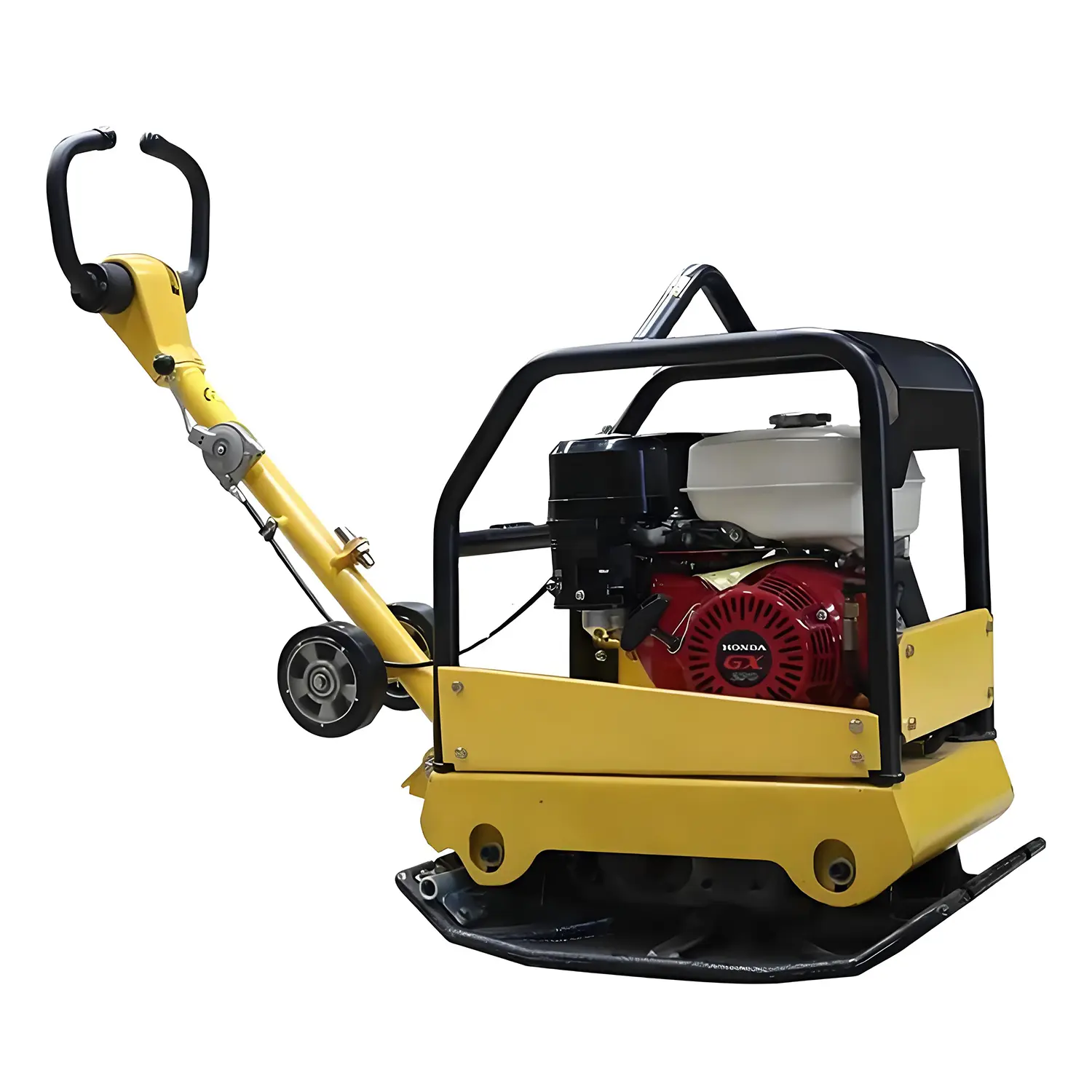 Plate compactor
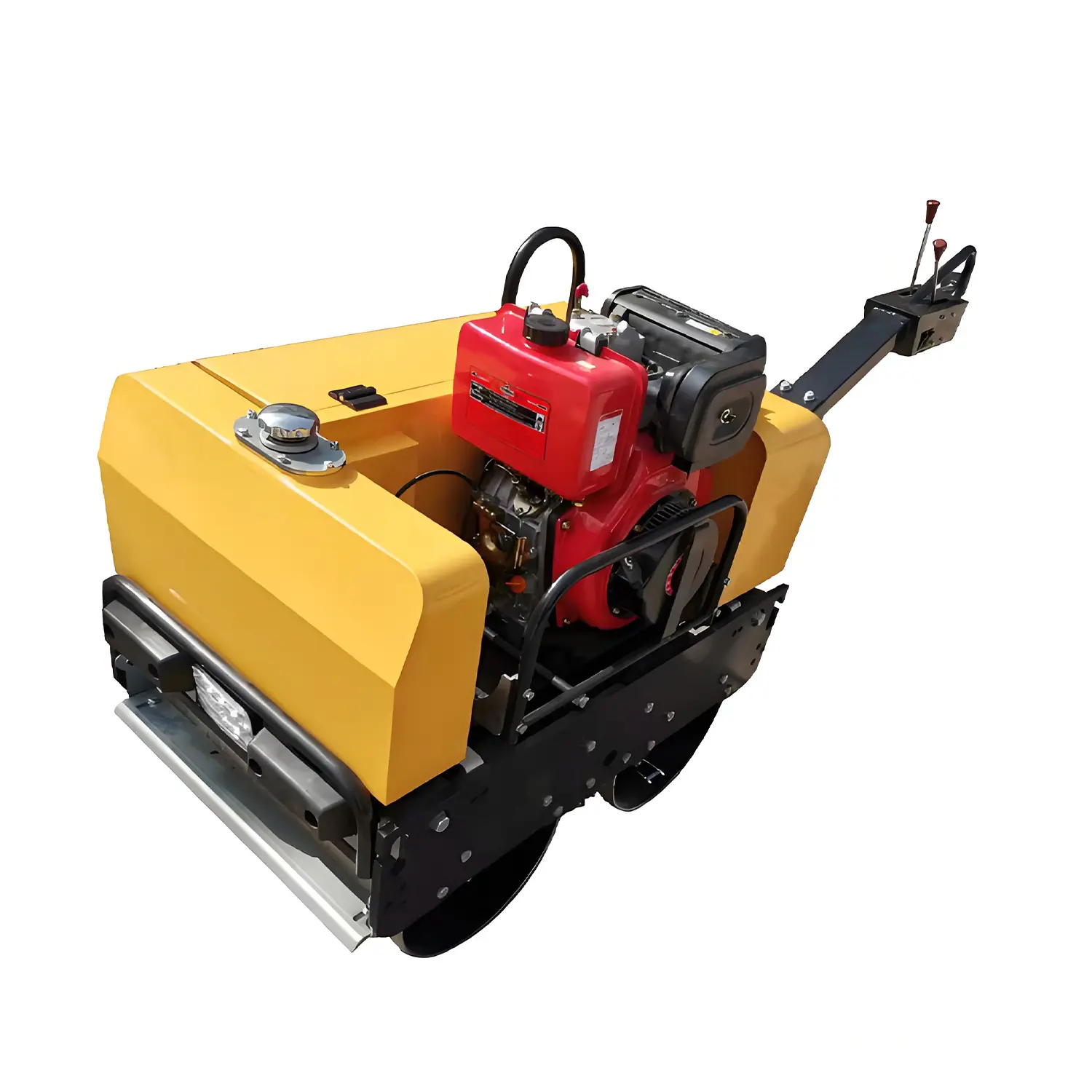 Vibratory roller