400-181-1680
Leave Your Message

How to Choose the Right Concrete Compactor?

Choosing the right Concrete Compactor can determine whether fresh concrete becomes dense, durable, and properly bonded. It is not simply a matter of selecting the largest machine available. Slab thickness, mix consistency, reinforcement spacing, project size, and working conditions all influence the decision. A compact internal vibrator may suit a narrow column, while a surface vibrator or vibrating screed may perform better across a broad floor. The wrong choice can leave honeycombing, trapped air, uneven surfaces, or unnecessary delays.

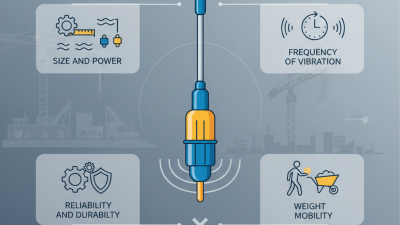
Small details matter. Experienced contractors inspect the concrete slump, aggregate size, and reinforcement layout before choosing equipment. They also consider vibration frequency, amplitude, power source, operating weight, and the operator’s control. A tool that works well for a warehouse slab may be unsuitable for a congested beam. Manufacturer specifications provide useful guidance, but real site conditions deserve equal attention. A reliable selection process should compare technical data with proven field performance, maintenance requirements, and operator safety.

There is no universal machine.

This guide explains how to match a Concrete Compactor with specific construction requirements. It also examines common selection mistakes, including excessive vibration, poor access planning, and ignoring electrical or fuel limitations. Some recommendations appear straightforward, yet they can fail when concrete temperature, weather, or placement speed changes. That uncertainty deserves honest consideration. By combining professional advice, verified product information, and practical observation, readers can make a more confident and defensible equipment choice.

How to Choose the Right Concrete Compactor?

Concrete Compactor Basics and Its Role in Concrete Placement

How to Choose the Right Concrete Compactor?

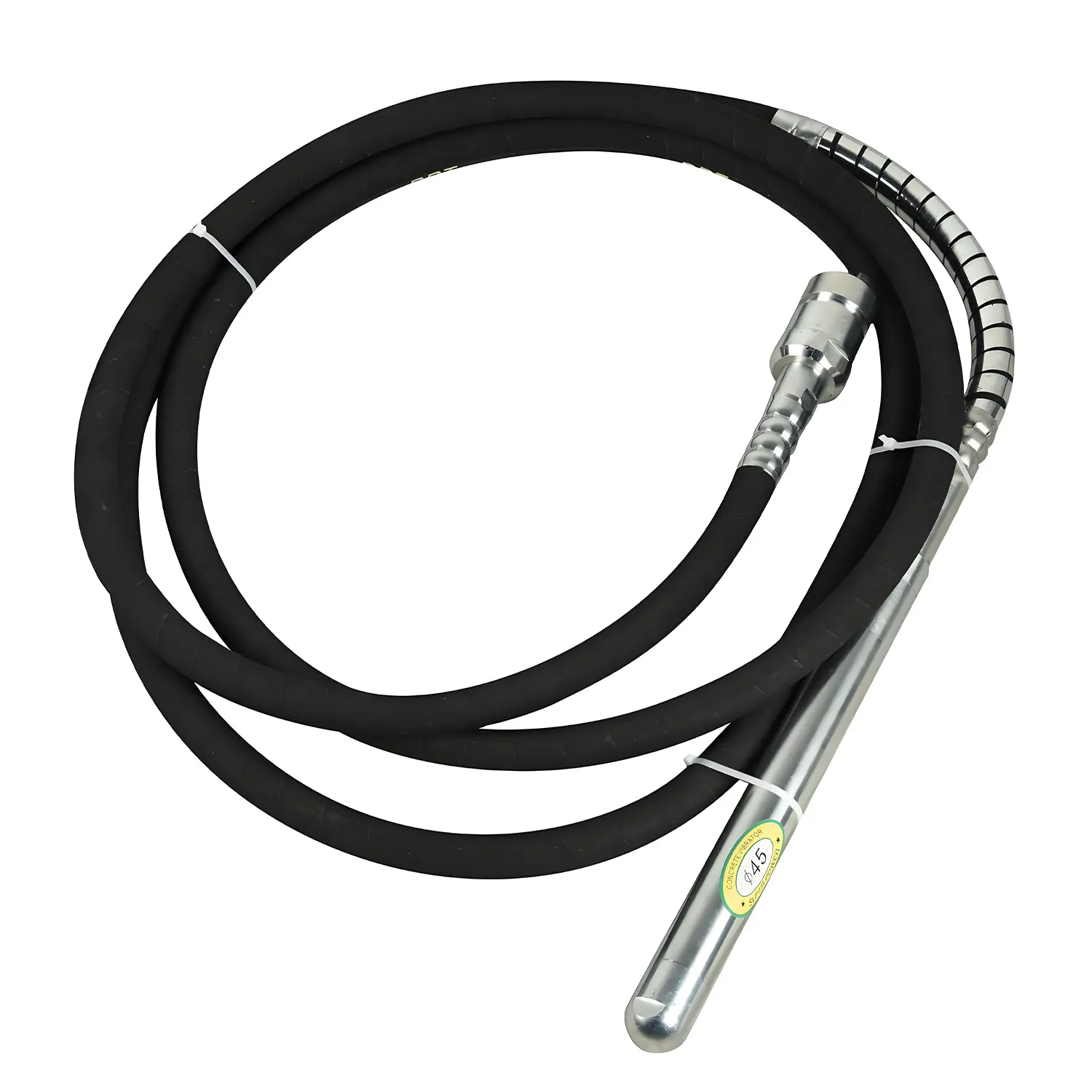
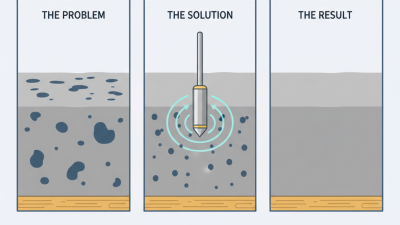
Concrete compactor basics start with one purpose: removing trapped air from freshly placed concrete. Air pockets can weaken surfaces, expose reinforcement, and create honeycombing. The compactor helps concrete flow around bars, corners, and embedded items. It does not fix a poor mix or careless placement. Internal vibrators suit columns, beams, and slabs with accessible concrete. External units work better where forms are thin, crowded, or difficult to enter.

During placement, deposit concrete in manageable layers rather than one deep mass. Insert the vibrator vertically and space each insertion consistently. Let the head penetrate slightly into the previous layer. Withdraw it slowly, allowing the concrete to close behind it. The surface should become glossy, and large bubbles should stop rising. Do not hold the vibrator in one spot too long. Over-vibration may separate coarse aggregate from the cement paste.

Choose the equipment by element size, reinforcement density, concrete workability, and site access. A larger head covers more area, but it may not fit between closely spaced bars. Smaller heads offer control in narrow sections. Frequency and power also matter when concrete is stiff or heavily reinforced.

A common mistake is selecting the strongest machine available. That assumption needs checking. Excessive vibration can disturb forms, move reinforcement, or damage fresh edges. Operators should inspect cables, housings, and switches before each pour. Clean equipment performs more predictably. Even experienced crews can miss a corner when placement moves quickly. Clear signals and steady pacing remain essential.

Key Factors for Matching a Compactor to Your Project

How to Choose the Right Concrete Compactor?

Key Factors for Matching a Compactor to Your Project

Choosing a concrete compactor starts with the material and placement method. Fresh concrete may need an internal vibrator, while slabs often need surface vibration. Soil and aggregate require different compaction equipment. Do not guess. Review the concrete mix, slump, reinforcement spacing, and pour depth before selecting a machine.

On residential slabs, a lightweight surface unit can provide controlled coverage without disturbing forms. Deep beams or heavily reinforced sections may need a narrow internal poker. The vibrator head must fit between reinforcing bars. Excessive vibration can separate the mix and weaken the finished surface. I have seen operators focus on power but overlook access. That mistake creates uneven consolidation.

Match the machine to the site, too. Check available electricity, fuel storage, noise limits, working space, and operator training. Compare frequency, amplitude, centrifugal force, and recommended application data from reliable technical documents. A heavier machine is not automatically better. It may damage delicate forms or tire the operator quickly. Small details matter. Record the slab thickness, daily production rate, and surface result after each pour. This field feedback helps refine future choices. My own decisions have not always been perfect, especially when site conditions changed unexpectedly. That is why a trial area and measured inspection remain valuable before full production.

How to Compare Compactor Types, Power, and Operating Methods

Choosing the right concrete compactor starts with comparing the placement method, not just motor power. An internal vibrator suits deep walls, columns, and footings. Its poker enters the fresh concrete and releases trapped air around reinforcement. A surface screed works better on slabs with accessible, level surfaces. External vibrators attach to formwork, which helps compact narrow sections where internal access is difficult. Each type creates a different vibration pattern.

Power should match the concrete mix, member size, and reinforcement density. A high-powered unit is not automatically better. Excessive vibration can separate aggregate from cement paste and push water toward the surface. Lower power may leave honeycombing around congested steel. Electric units offer consistent operation near fixed work areas, while pneumatic or hydraulic systems can suit demanding sites. Check frequency, amplitude, poker diameter, and duty rating together. One figure rarely tells the whole story.

Operating technique often decides the final result. Insert an internal vibrator vertically, allowing it to penetrate the previous layer by several inches. Keep insertion points evenly spaced, and withdraw the poker slowly. Watch for escaping air bubbles and a slight surface sheen. Do not drag the vibrator through the concrete. Keep it clear of reinforcement and form faces unless the procedure allows contact. Field experience shows that rushed crews often over-vibrate corners while missing the center. I have also seen spacing marks disappear under wet concrete, so a simple placement plan deserves more attention. Trial sections can reveal whether the chosen power and method actually suit the mix.

How to Choose the Right Concrete Compactor? — How to Compare Compactor Types, Power, and Operating Methods

Compactor Type Typical Power or Drive Operating Method Best Concrete Applications Typical Consolidation Area Main Advantages Key Limitations Selection Guidance
Internal Vibrator
(Immersion/Poker)
Electric, pneumatic, or gasoline engine; commonly 25–60 mm head diameter with approximately 120–240 Hz vibration frequency. Insert the vibrating head vertically into fresh concrete at regular spacing. Keep the head submerged until entrapped air is released, then withdraw it slowly. Footings, columns, beams, walls, slabs, and heavily reinforced sections. Localized zones around each insertion point; spacing is commonly based on the vibrator’s effective radius and concrete workability. High consolidation efficiency; reaches deep sections; suitable for congested reinforcement and most structural concrete. Can cause segregation, form damage, or reinforcement displacement if overused. Requires trained operators and careful insertion. Usually the first choice for structural concrete. Select head diameter and power according to member depth, reinforcement density, and slump.
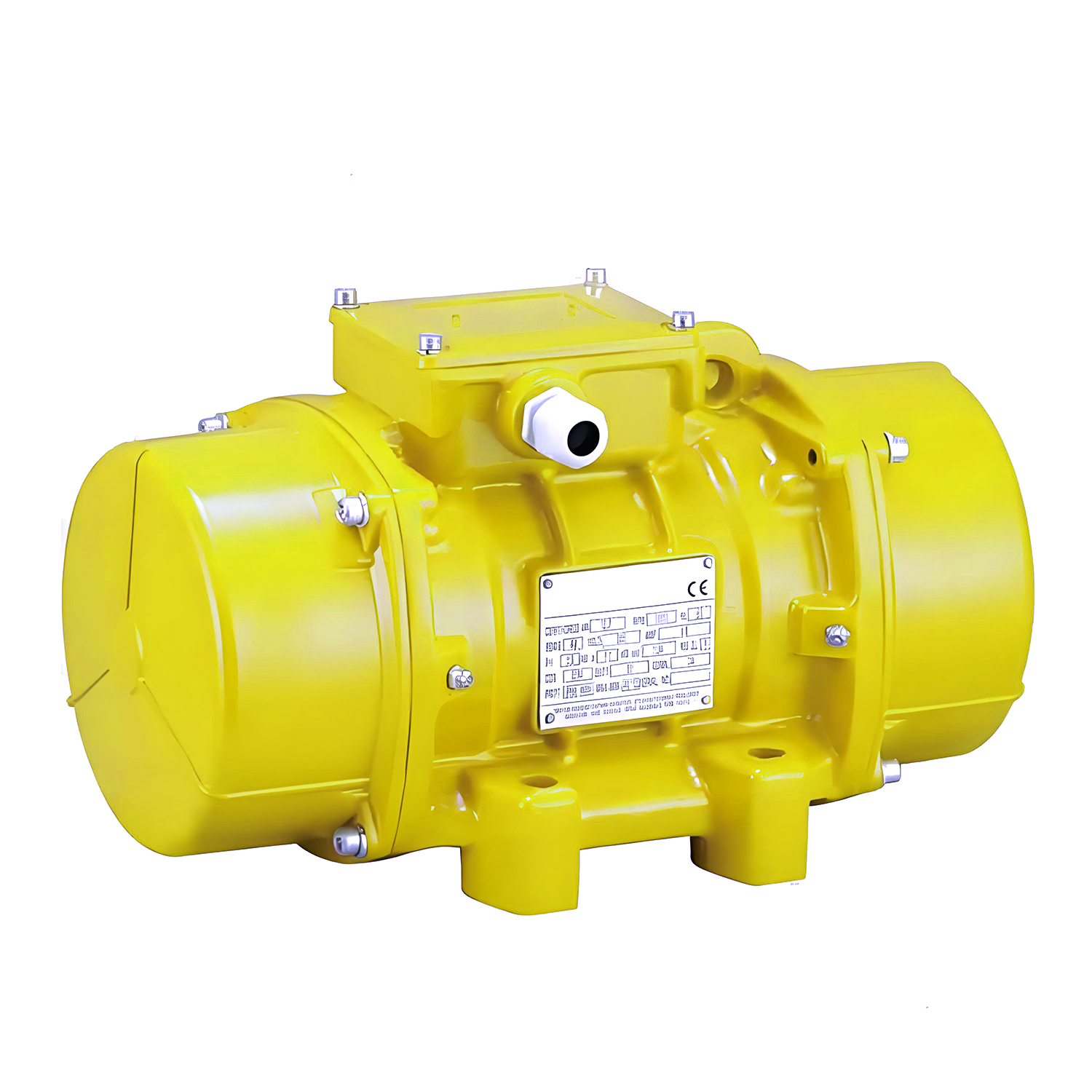
External Form Vibrator Electric or pneumatic motor mounted on the formwork; commonly selected by centrifugal force and formwork design rather than engine horsepower alone. Attach the vibrator to a rigid form or mold. Vibration is transmitted through the form into the concrete. Precast panels, thin walls, architectural concrete, pipes, and sections where internal access is restricted. Depends on form stiffness, concrete consistency, vibrator location, and the number of mounting points. No vibrator head is inserted into the concrete; useful for narrow or complex molds and high-quality surface finishes. Energy can be lost through flexible forms. Excessive vibration may damage forms, loosen fasteners, or cause segregation. Use only with forms designed for vibration. Confirm mounting strength, vibration transmission, and the required operating pattern.
Surface Vibrator Electric motor or small gasoline engine; typically mounted on a vibrating screed or finishing beam. Move the vibrating beam across the surface after placing concrete. The beam levels and consolidates the upper zone in one pass or several controlled passes. Slabs, floors, pavements, driveways, and relatively shallow pours. Primarily the top portion of the slab; effective depth depends on beam weight, vibration force, concrete consistency, and travel speed. Combines strike-off and surface consolidation; improves flatness and productivity on accessible slabs. Not suitable for deep sections or highly congested reinforcement. Overworking the surface can draw excess mortar upward. Choose a beam length that matches the pour width and use a controlled travel speed. Pair with internal vibration for thicker slabs.
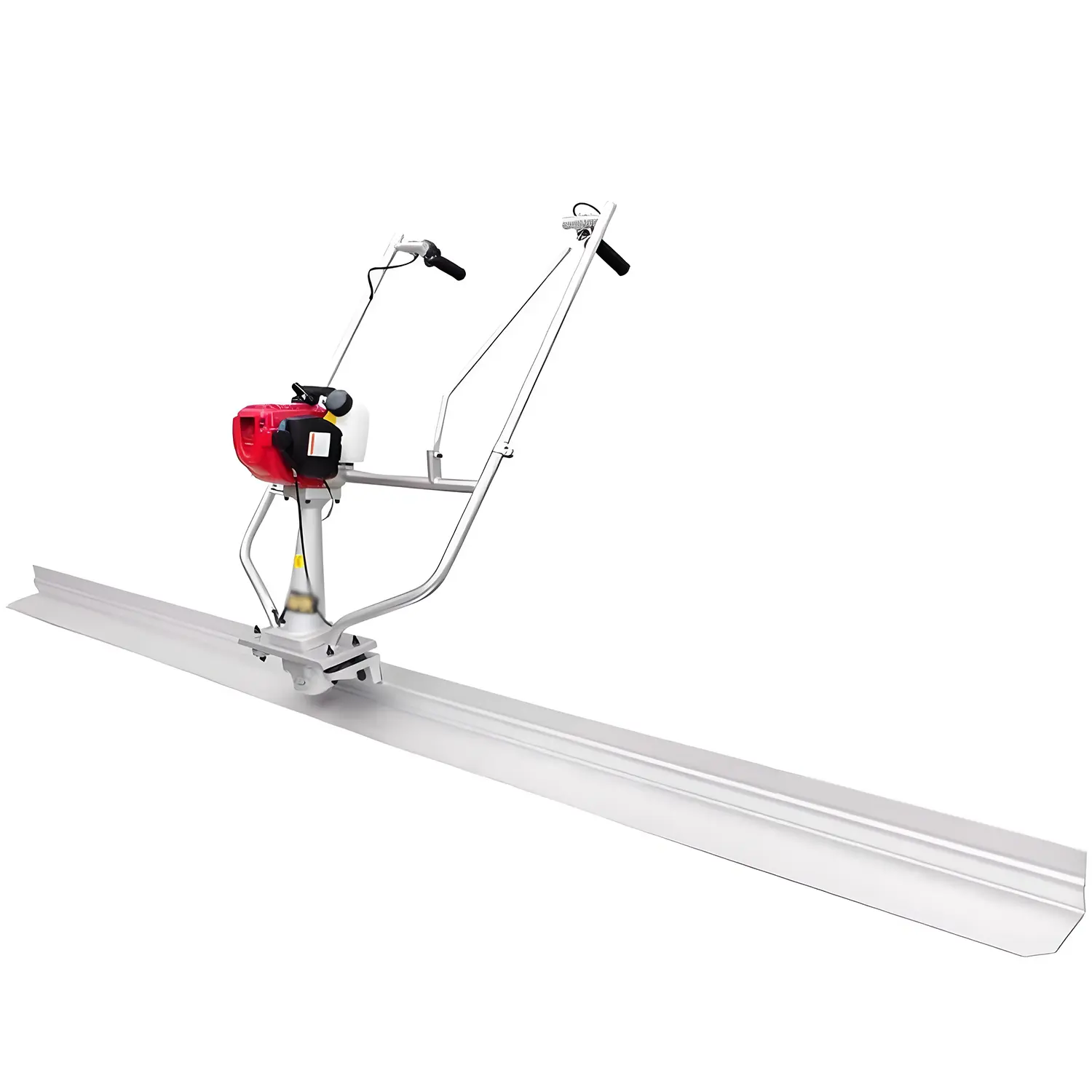
Vibratory Screed Electric or gasoline-powered eccentric motor; commonly available with single-operator beam lengths of about 1.8–4.5 m. Rest the beam on the form edges or screed rails and pull it steadily across the concrete while vibration levels the surface. Small to medium slabs, residential floors, sidewalks, and light-duty paving. Shallow to moderate slab depths when concrete is properly placed and supported by form edges. Portable, relatively easy to operate, and effective for leveling and finishing smaller pours. Performance decreases on thick or low-slump concrete. Poor rail setup or inconsistent pulling speed can create unevenness. Best for accessible slabs where portability and simple operation are more important than maximum production rate.
Roller Screed Electric, hydraulic, or gasoline drive; powered rotating tube or roller transfers vibration while the unit travels along rails. Place the roller on screed rails and move it across the pour. The rotating action strikes off and consolidates the concrete surface. Large slabs, pavements, bridge decks, and pours requiring long, continuous working widths. Surface and near-surface consolidation across the full rail span; depth depends on concrete mix and machine settings. Fast coverage, good surface uniformity, and reduced manual effort on long pours. Requires accurate rails and adequate access. It is less effective for deep sections or concrete with severe reinforcement congestion. Choose when production speed and consistent slab elevation are priorities. Verify rail stiffness and the required pour width.
High-Frequency External Vibrator Electric motor or pneumatic drive; commonly operates at several thousand vibrations per minute, depending on the design and application. Mount to formwork, a precast mold, or a vibrating table. Adjust operating time and intensity to the mold and mix. Precast components, laboratory molds, small architectural units, and repetitive production work. Controlled mold area; coverage is determined by mounting layout and transmission through the form. Consistent results in repeatable production; suitable where precise external consolidation is required. Requires engineered mounting and careful setting control. High frequency does not automatically mean better consolidation. Compare centrifugal force, mounting arrangement, duty cycle, and form stiffness rather than frequency alone.
Vibrating Table One or more electric eccentric motors; vibration settings vary with table size, load, and mold requirements. Place the mold on the table, secure it, and vibrate for a controlled period until the mix is consolidated. Small precast products, test specimens, pavers, blocks, tiles, and decorative concrete parts. Entire mold or container supported by the table, within its rated load and platform dimensions. Repeatable consolidation; reduces manual rodding; useful for small-batch production and quality control samples. Limited by platform size and rated load. Not practical for cast-in-place structural members or large pours. Match table capacity to the combined weight of the mold and concrete. Use a repeatable vibration time and secure the mold.
Pneumatic Concrete Vibrator Compressed-air motor; performance depends on air pressure, air volume, hose size, and compressor capacity. Use as an internal or external vibrator. Supply clean, adequately sized compressed air and operate with controlled immersion or mounting. Wet, hazardous, or remote environments where electric equipment is unsuitable, including some industrial and underground work. Depends on the selected head or mounting arrangement and available air supply. Reduced electrical ignition risk in suitable environments; robust and useful where compressed air is already available. Requires a suitable compressor, air hoses, and noise control. Air consumption can increase operating cost and reduce mobility. Choose only after confirming compressor output, hose length, workplace safety requirements, and acceptable noise levels.
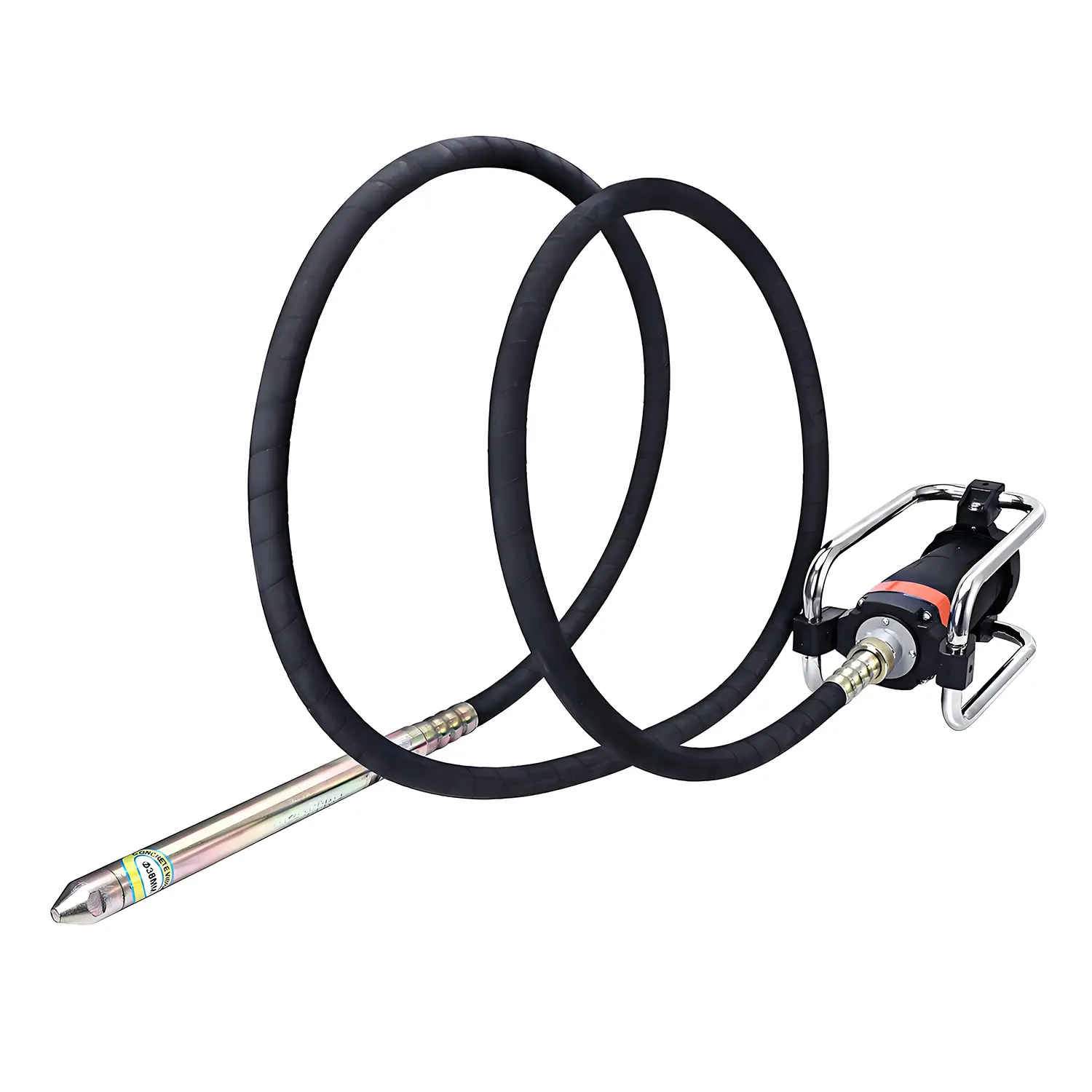
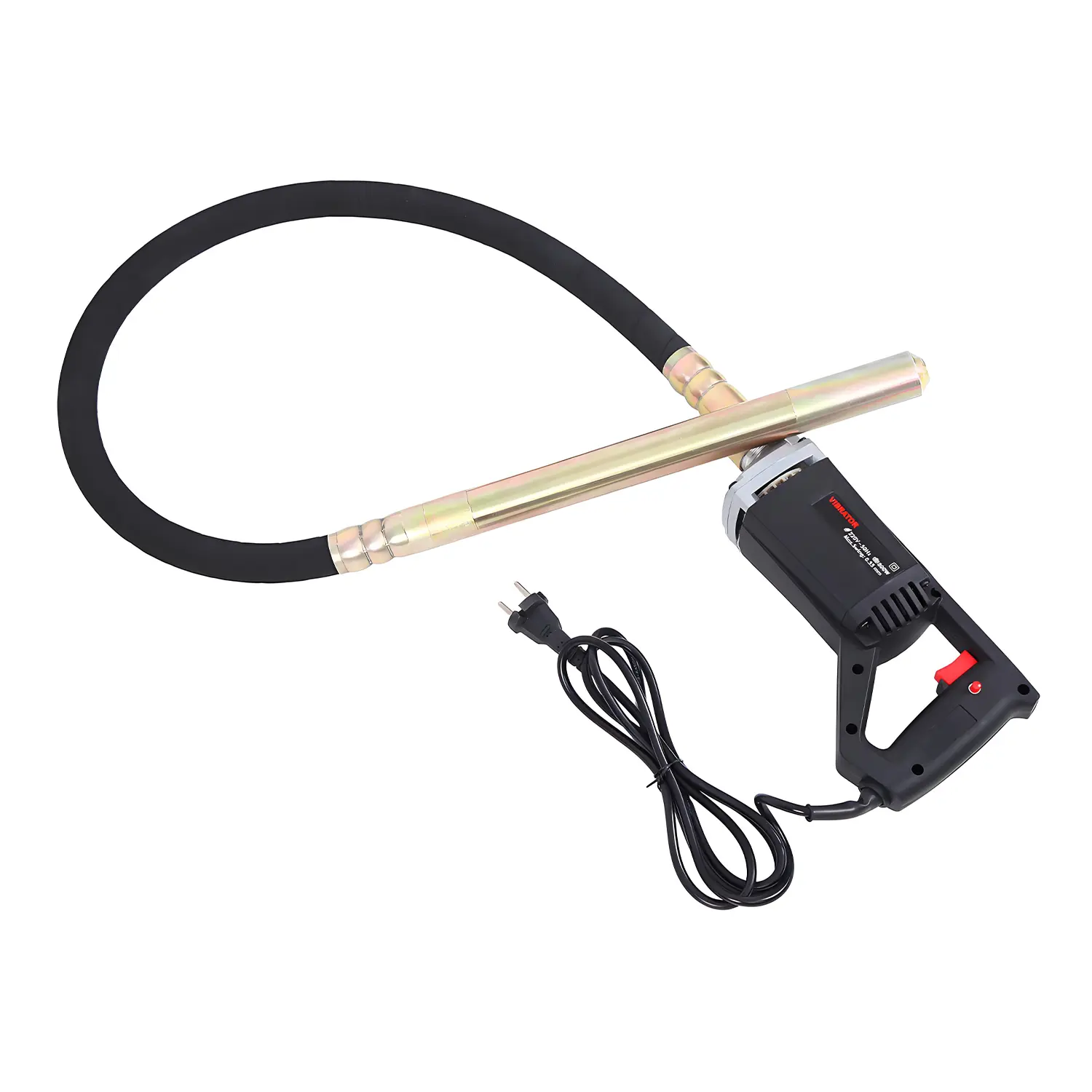
Handheld Electric Vibrator Single-phase or three-phase electric motor; commonly selected with a flexible shaft and interchangeable vibrating head. Guide the head through fresh concrete by hand, maintaining adequate immersion depth and consistent insertion spacing. Small and medium construction sites, repair work, foundations, columns, walls, and general structural placement. Localized consolidation around each insertion point; effective range varies with head size and mix characteristics. Widely available, relatively easy to transport, and suitable for routine site work where electrical power is accessible. Needs safe electrical protection and cable management. Flexible shafts require inspection and correct handling. Check power supply, waterproofing, shaft length, head diameter, and operator access before selecting the unit.
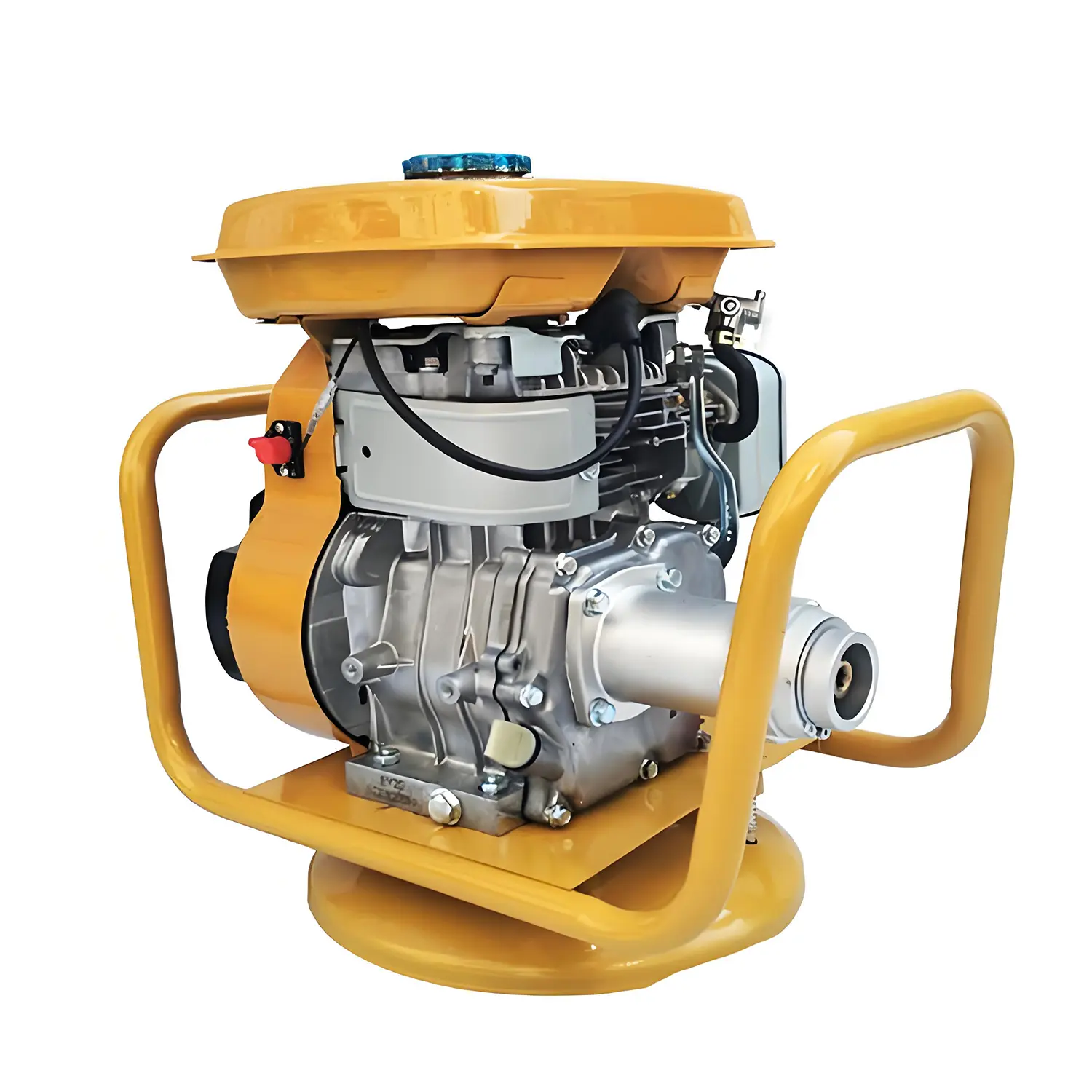
Gasoline-Powered Vibrator Small internal-combustion engine driving an internal or surface vibrator; power commonly ranges from light-duty to heavy-duty portable configurations. Operate outdoors or in well-ventilated areas using internal insertion or surface screeding, depending on the attachment. Remote sites, roadwork, utility projects, and locations without reliable electrical supply. Depends on attachment type; internal models provide localized deep consolidation, while screeds cover slab surfaces. Independent of grid power; useful for mobile work and large outdoor placements. Produces exhaust fumes, fuel storage requirements, noise, and engine maintenance needs. Not suitable for enclosed spaces without proper ventilation. Use when mobility outweighs emissions and maintenance concerns. For indoor work, electric or pneumatic power is generally preferable.
Typical ranges and applications are general selection references. Actual performance depends on concrete slump, aggregate size, reinforcement density, formwork stiffness, placement depth, and the manufacturer’s operating instructions.

Steps for Evaluating Site Conditions and Concrete Requirements

Choosing the Right Concrete Compactor

Begin with the site, not the machine. Check slab thickness, reinforcement spacing, form geometry, access, and available power. ACI 309R-05 identifies these factors as central to selecting a consolidation method. Congested steel may require a smaller internal vibrator. Deep pours may need longer shafts and careful insertion spacing.

Concrete requirements matter just as much. The National Ready Mixed Concrete Association reports that aggregate commonly forms 60–75% of concrete volume. Mixes with large aggregate can resist movement around reinforcement. Low-slump concrete usually needs stronger, more controlled vibration. High-slump or self-consolidating concrete may suffer from over-vibration. A shiny surface is not proof of proper consolidation. I have learned that visual judgment alone can mislead.

Tips: Map the pour area before delivery. Mark vibrator insertion points. Keep a backup unit nearby. Match the vibrator head to reinforcement gaps, not only slab depth. Record slump, air content, concrete temperature, and vibration timing. Compare these notes with ASTM C143, ASTM C231, and ASTM C31 procedures. Never drag concrete with the vibrator. Watch corners and beneath dense steel. If paste rises quickly, stop and reassess; the setting may be too soft, or the operator may be overworking it. Small field mistakes become visible later.

Safety, Maintenance, and Cost Considerations Before Purchase

How to Choose the Right Concrete Compactor?

Safety should guide every concrete compactor purchase, not just the machine’s vibration strength. I have seen operators choose powerful equipment and overlook hand-arm vibration, noise, and awkward handling. That mistake can cause fatigue before the slab is finished. Look for balanced handles, clear controls, protective guards, and emergency shutoff access. Check cable insulation, plugs, and grounding before each shift. Keep wet concrete away from electrical connections. Use suitable gloves, eye protection, hearing protection, and footwear with firm grip. Training matters more than many buyers expect.

Maintenance affects safety and the real purchase cost. Inspect the shaft, housing, bearings, and fasteners after every use. Remove hardened concrete before it becomes difficult to clean. Follow the service manual for lubrication and replacement intervals. Keep a simple inspection log with operating hours and detected defects. A compact, inexpensive unit may appear economical, but frequent repairs can quickly change that calculation. Compare energy use, spare-part availability, expected service life, and downtime. Rental may suit occasional projects, while daily crews often need stronger construction and easier servicing.

I once underestimated cleaning time. It damaged productivity. That experience changed how I compare machines. Ask whether one worker can safely move and operate the compactor around reinforcement bars. Test the grip and balance, if possible, before purchase. Do not judge value from price alone. A cheaper machine can become expensive when vibration, maintenance, and replacement delays are ignored. Recheck the decision against site conditions, crew experience, and the supplier’s technical documentation.