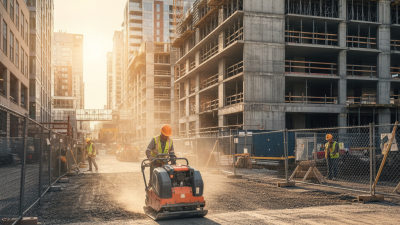
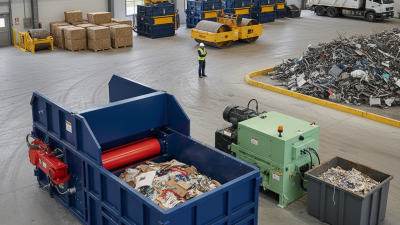
Why Choose a Compactor Machine for Your Construction Needs?
In today's fast-paced construction industry, utilizing the right equipment is essential for efficiency. Compactor machines are vital for ensuring soil stability and optimal foundation support. According to a report by the Construction Equipment Association, proper compaction can improve load-bearing capacity by up to 40%. This enhances the longevity of structures and minimizes future repair costs.
Expert in construction machinery, John Smith, states, "Investing in a quality compactor machine is not just about today, but about laying a strong foundation for tomorrow." His insights underscore the importance of selecting reliable compaction equipment. In many cases, businesses overlook the long-term benefits and opt for lower-quality machines that may lead to issues down the line.
While the immediate cost savings can be tempting, the ideal machine can offer durability and reliability. It's crucial to recognize that making informed choices today can prevent costly mistakes in the future. In an industry that demands precision and excellence, choosing a compactor machine is a decision that reflects a commitment to quality and performance.
Understanding the Functionality of Compactor Machines in Construction
Compactor machines play a vital role in construction. They ensure soil stability and provide a solid foundation for structures. A report from the International Society of Soil Mechanics notes that inadequate compaction can lead to structural failures. This emphasizes the importance of using suitable compaction equipment.
These machines operate by applying pressure to the soil. They can effectively reduce soil volume and improve density. According to industry data, proper compaction can increase soil strength by up to 50%. This factor is crucial for preventing issues such as settlement and erosion. Observing the compaction process can reveal inconsistencies, highlighting areas that may require additional attention.
Although compactor machines are highly effective, misuse can lead to problems. Over-compaction can create a too-dense surface, limiting drainage and root growth. Understanding the soil type and conditions is essential. Regular training for operators ensures both efficiency and safety. Investing in knowledge about compactor operations is key to achieving the best results in construction projects.
Compactor Machine Usage in Construction
This bar chart illustrates the percentage of usage for different types of compaction in construction. As seen, soil compaction is the most prevalent, accounting for 40% of usage, followed by asphalt and others.
Key Advantages of Using Compactor Machines on Job Sites
Compactor machines play a crucial role in construction projects. They help create a solid foundation by effectively compacting soil and other materials. This process improves stability and reduces the risk of future settling. On job sites, having reliable equipment can significantly streamline operations.
One key advantage of using a compactor is its efficiency. These machines can cover large areas quickly, making them ideal for various tasks. For instance, when preparing a site for concrete, proper compaction prevents air pockets. Air pockets can lead to cracks later on, so this step is vital. A well-compacted surface ensures uniformity and longevity.
Another aspect to consider is operator safety. Compactors can reduce manual labor risks. Workers are less exposed to the dangers of uneven surfaces. However, it's essential to train operators thoroughly. Misuse can lead to accidents or ineffective compaction. Reflecting on these details can help improve job site dynamics and outcomes.
Different Types of Compactor Machines and Their Applications
Compactor machines are essential for various construction projects. They come in different types, each designed for specific tasks. The most common types include plate compactors, rammer compactors, and roller compactors. Each of these machines has unique features that cater to different soil types and project requirements.
Plate compactors are versatile, ideal for small to medium-sized jobs. They effectively compact granular soils and mixed materials. Their flat base allows for efficient operation in tight spaces. Conversely, rammer compactors excel in vertical applications. They work well in cohesive soils, providing depth and stability. The design of these machines enables operators to reach tight corners effectively.
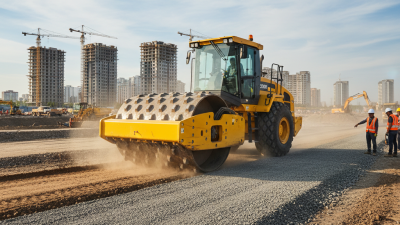
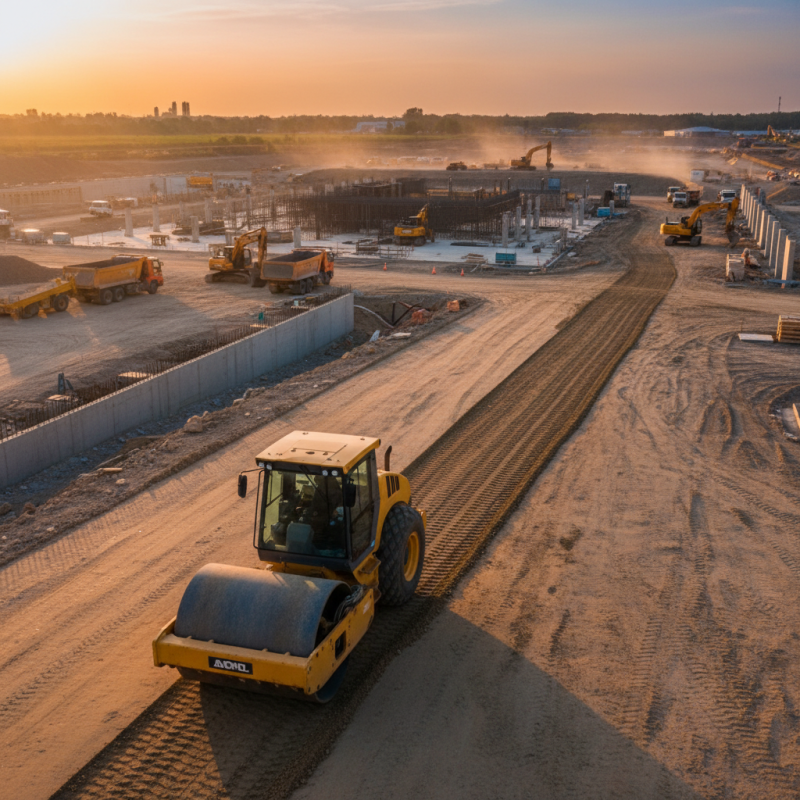
Roller compactors are larger machines often used for extensive projects. They are ideal for asphalt and road construction. Their weight and size offer greater compaction depth. However, they can be less maneuverable in confined areas. Choosing the right compactor depends on the project requirements. Each machine has its strengths and drawbacks, emphasizing the importance of selecting the right tool for the job.
Important Considerations When Choosing a Compactor Machine
When selecting a compactor machine for construction projects, several factors require careful consideration. The weight of the machine is crucial. Heavier machines often achieve better compaction, especially for foundational work. However, they may not be suitable for every site. Consider the specific needs of your project before making a decision.
The type of material you need to compact plays a significant role. Different machines perform better with various materials, like soil or asphalt. It’s essential to understand the terrain and the compaction requirements. A wrong choice can lead to inefficiencies and increased costs.
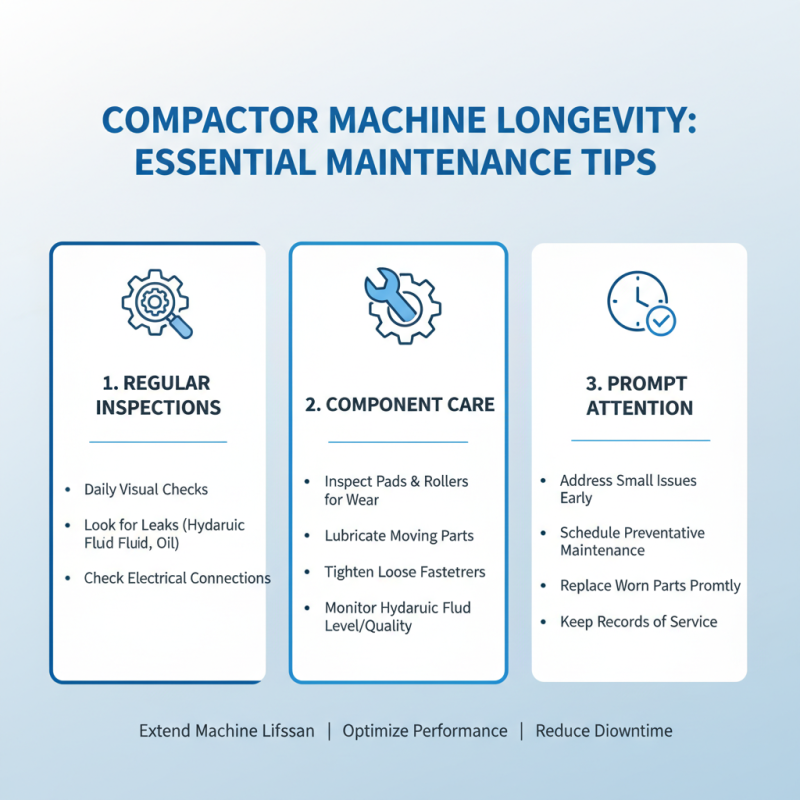
Tip: Always assess the machine's vibration impact. Excessive vibration can damage surrounding structures. Another tip is to test the compactor before purchase. This can ensure it meets your workload demands. Lastly, maintenance is paramount. Regular checks can prevent breakdowns and extend the machine's longevity. Over time, users often overlook small issues that snowball into significant problems. Being mindful of maintenance can save both time and money on the job site.

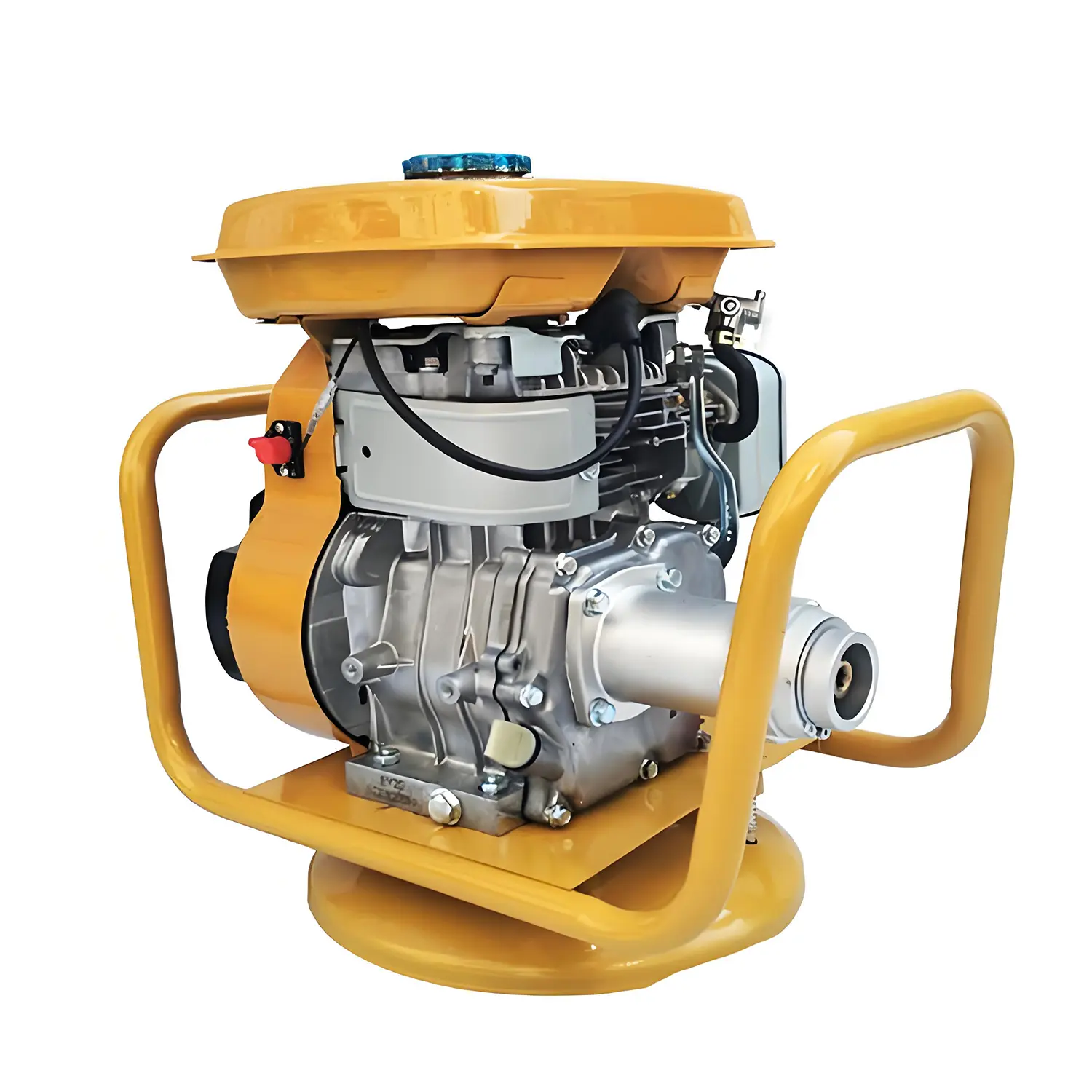 Internal Vibrator
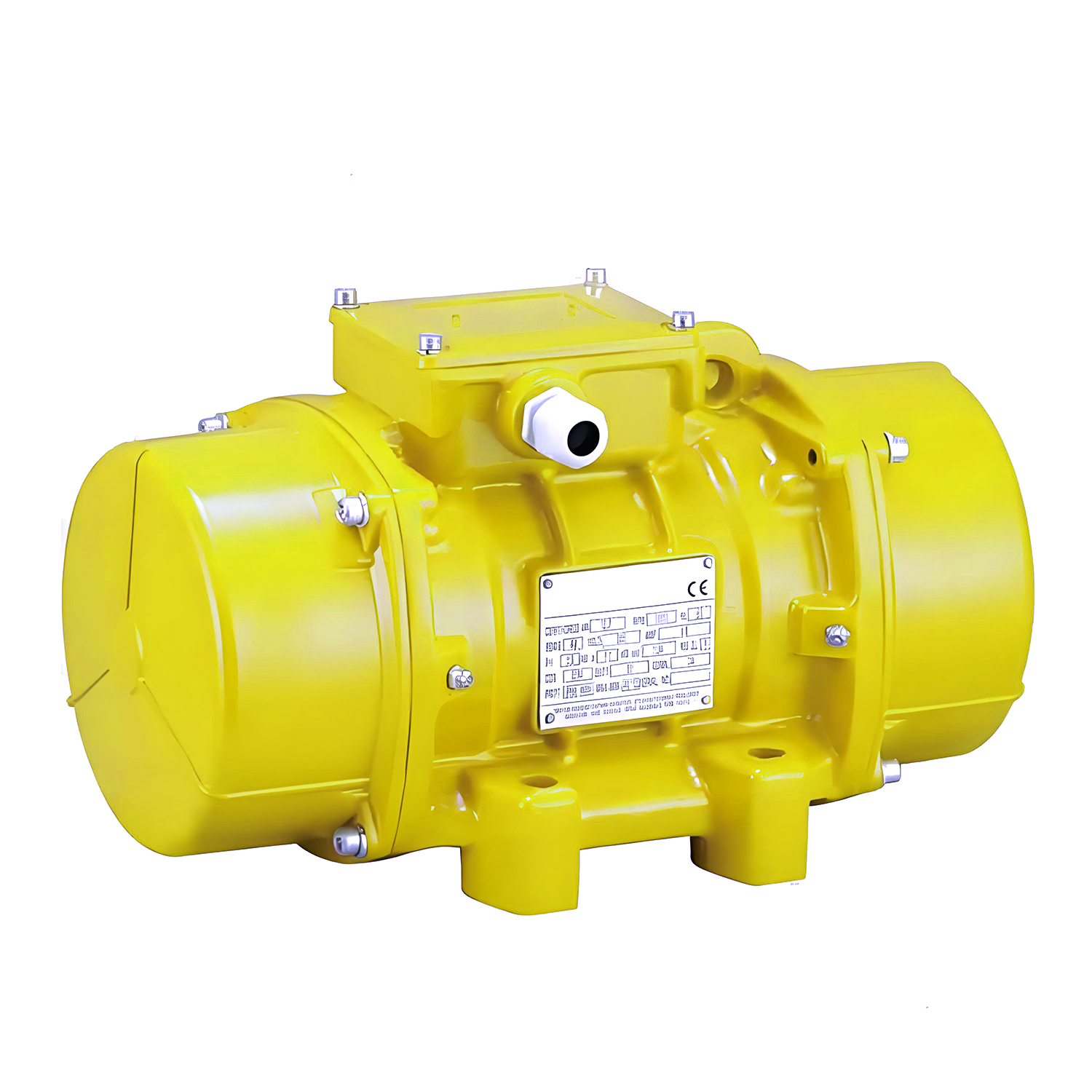 External Vibrator
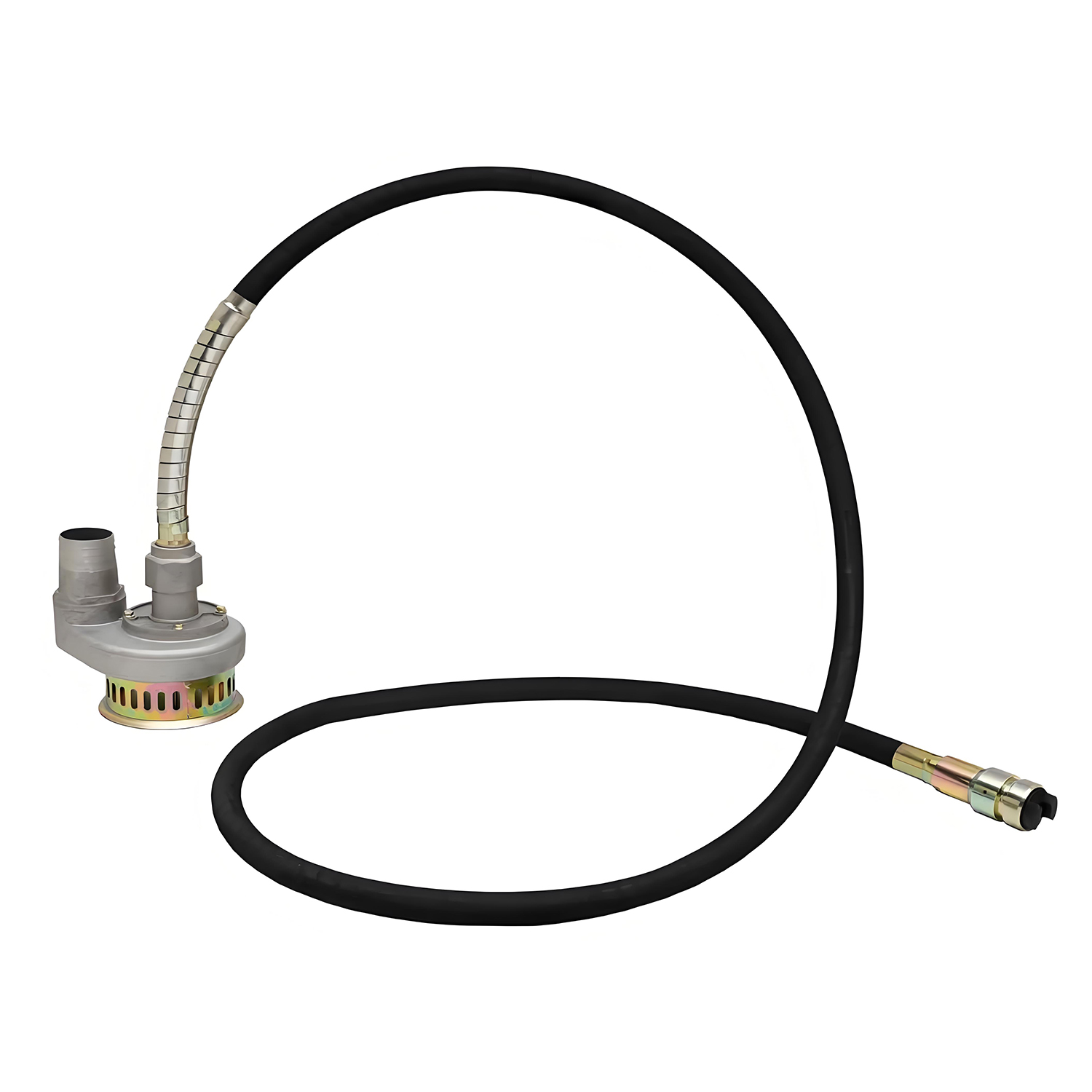 Submersible Pump
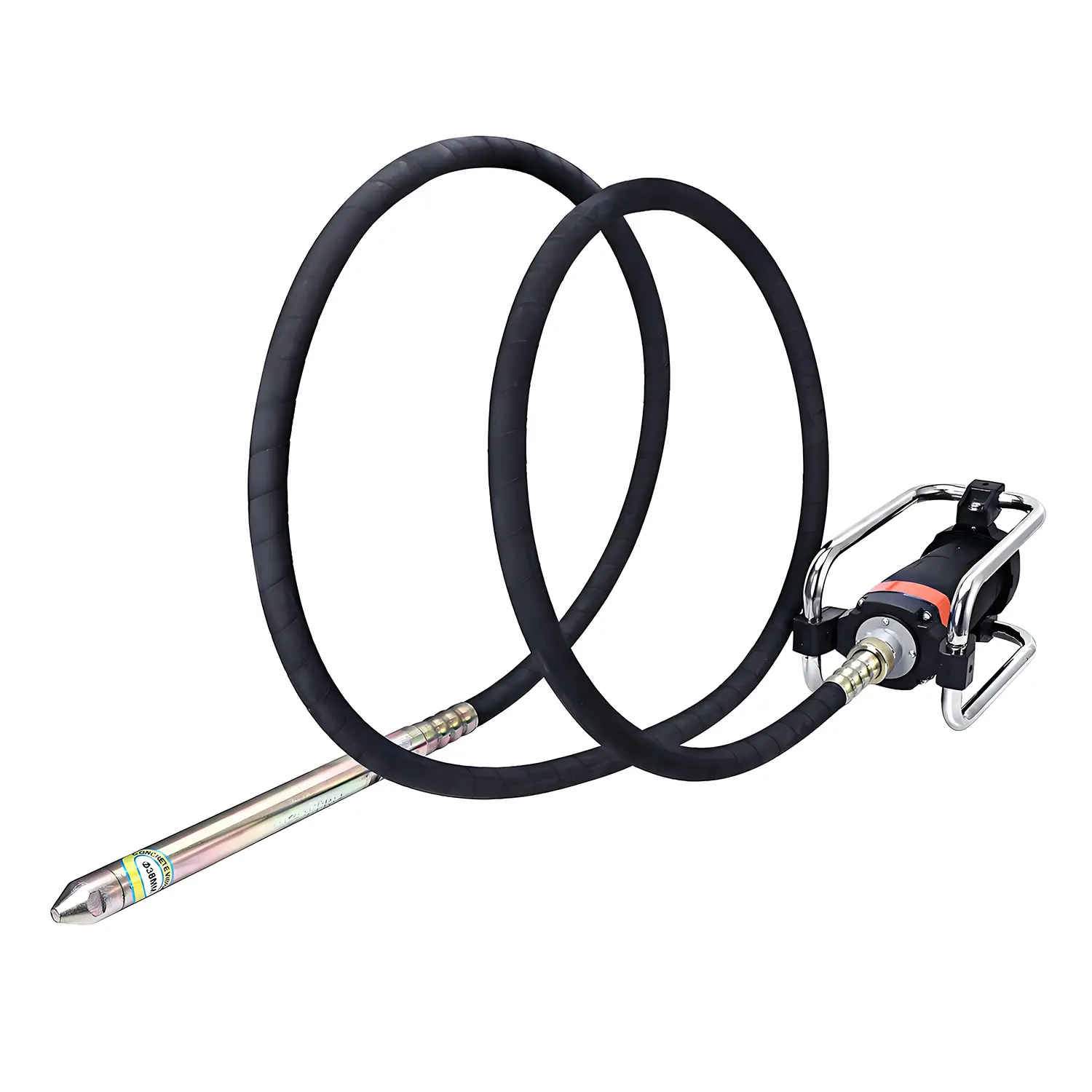 Eccentric shaft
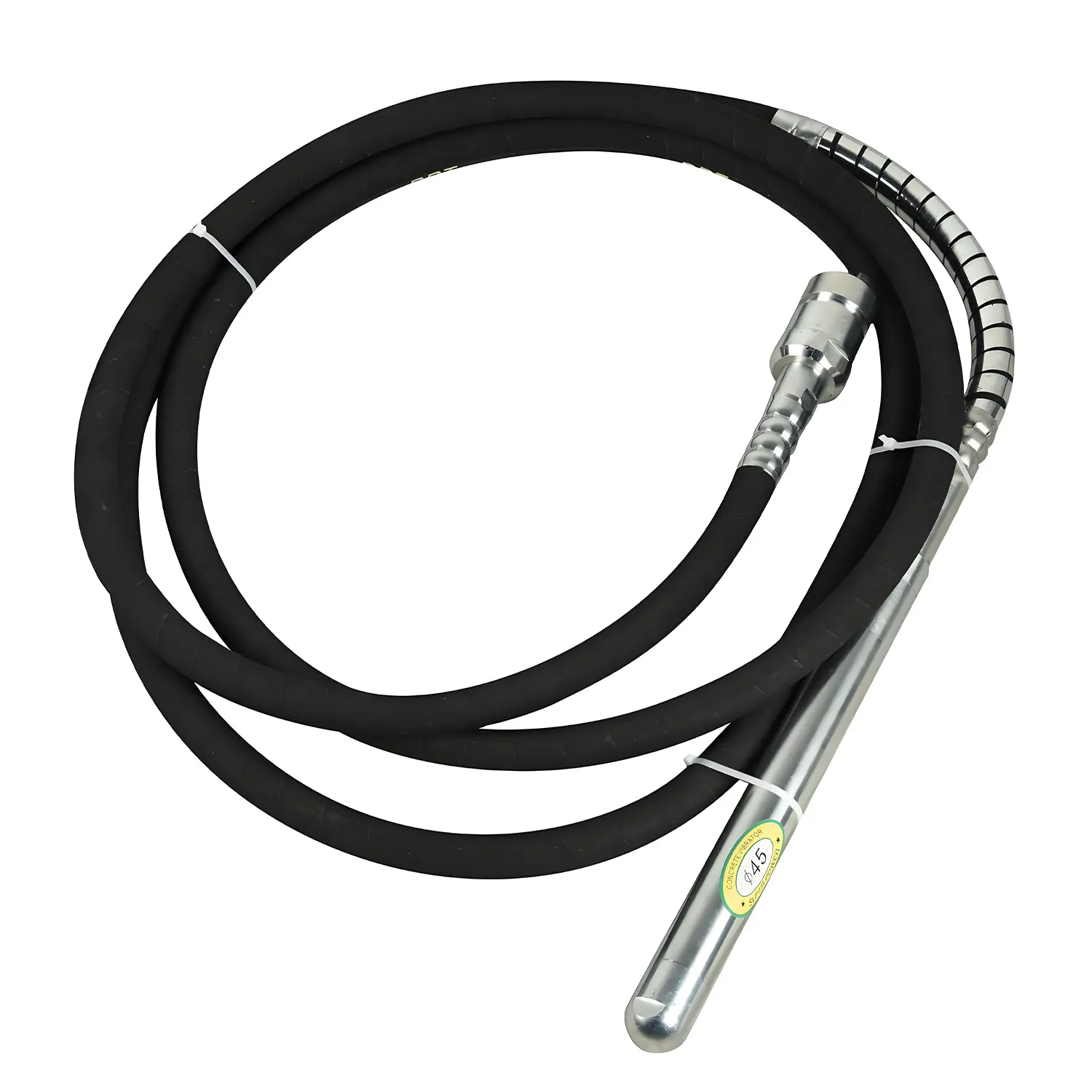 Pendulum shaft
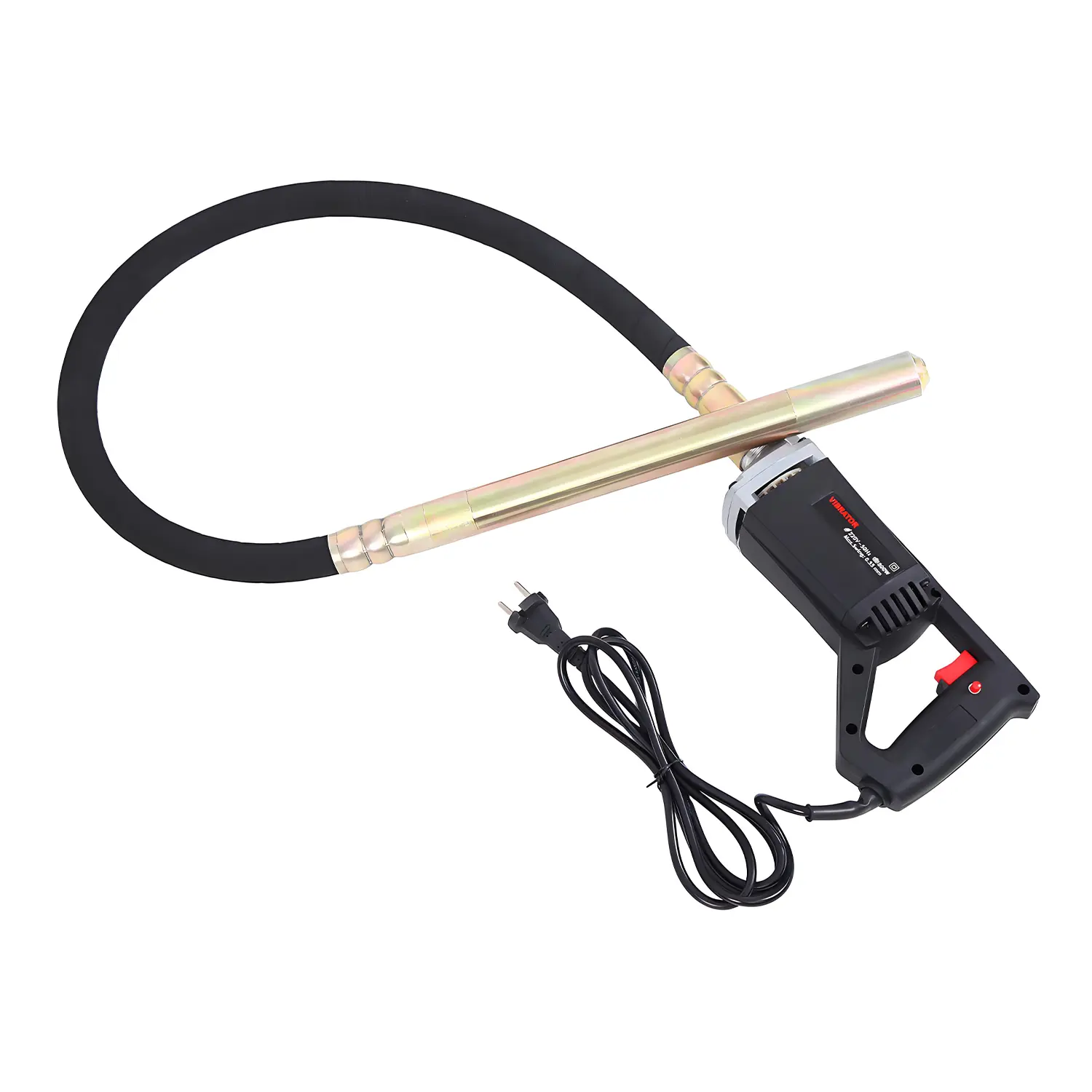 Portable vbrator shaft
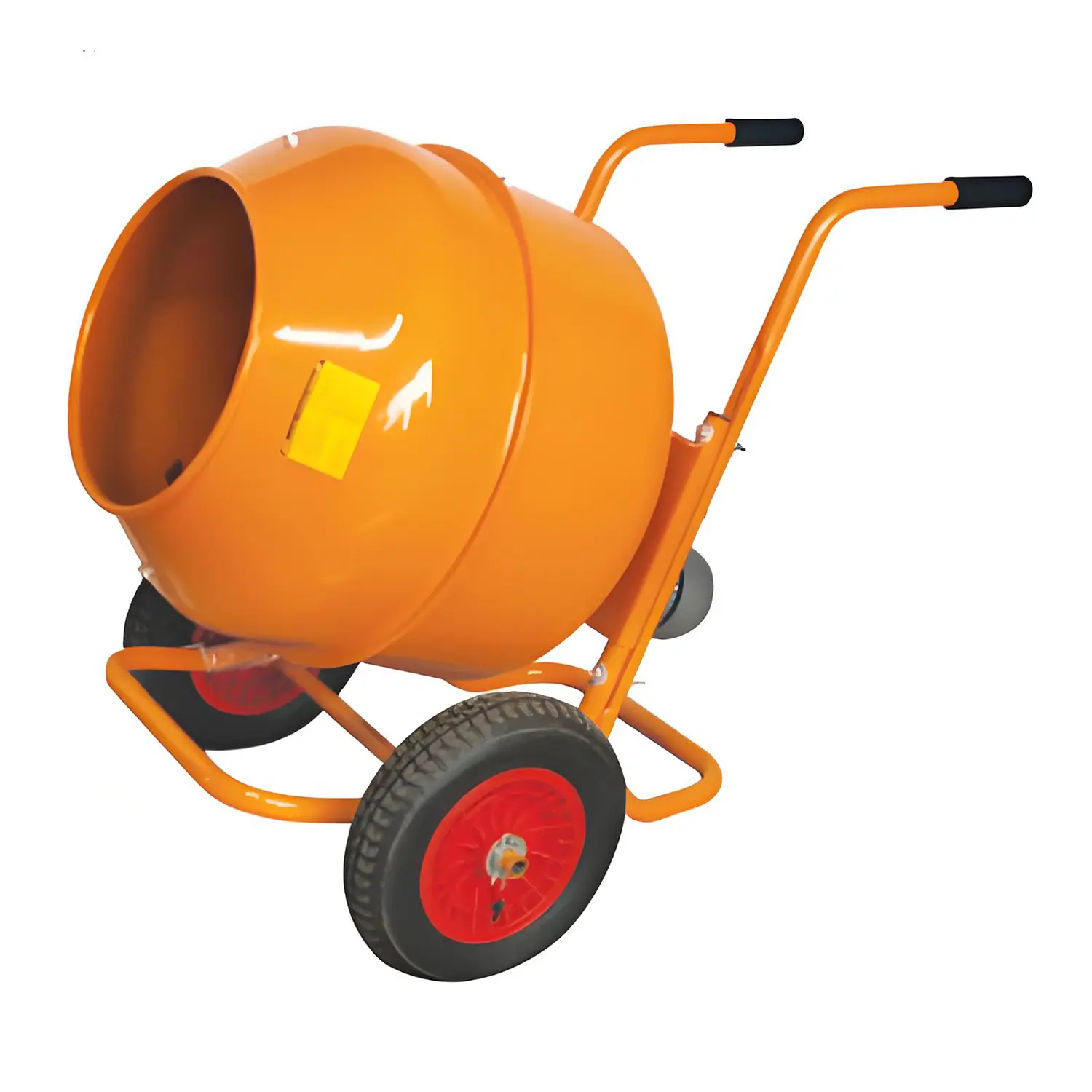 Portable concrete mixer
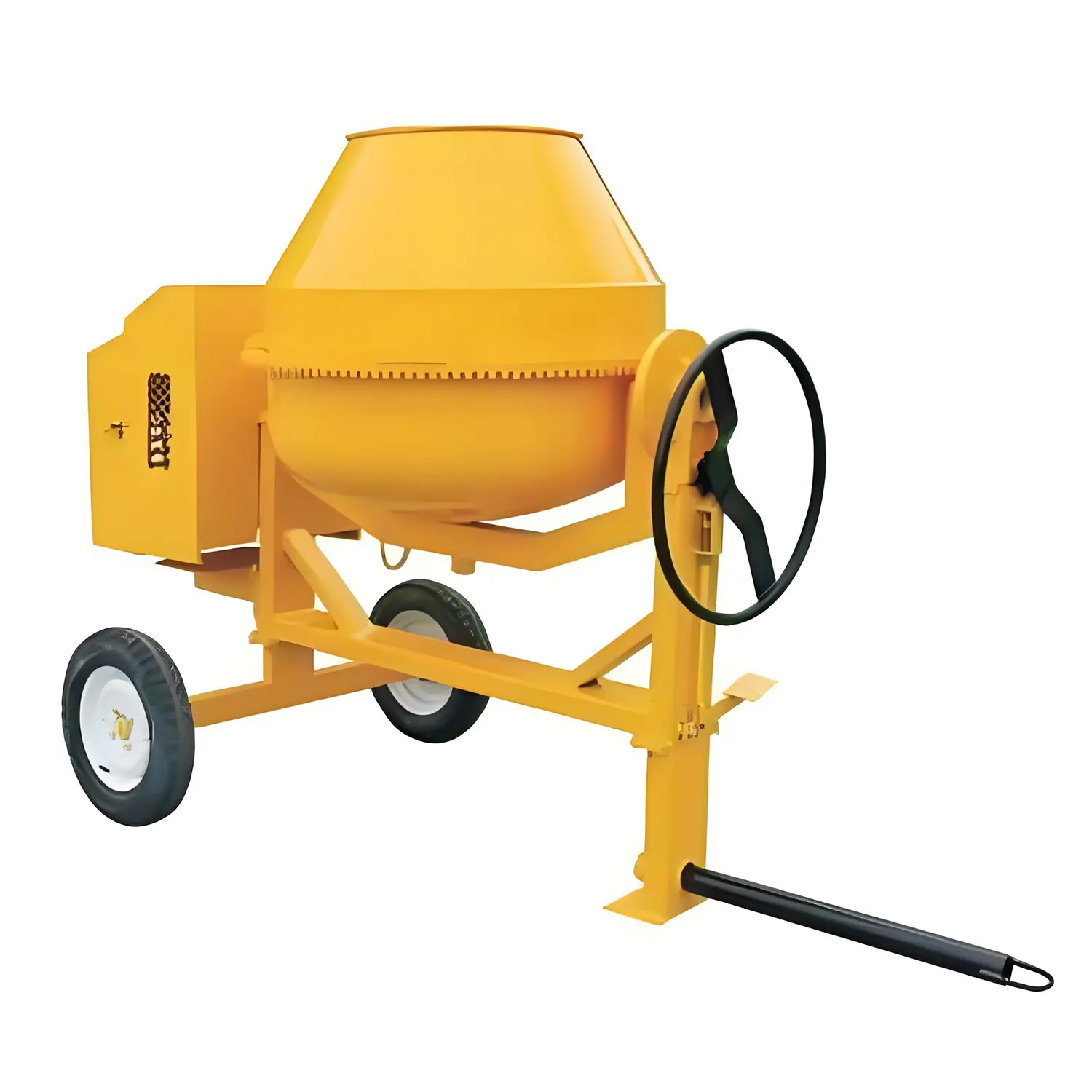 Vertical concrete mixer
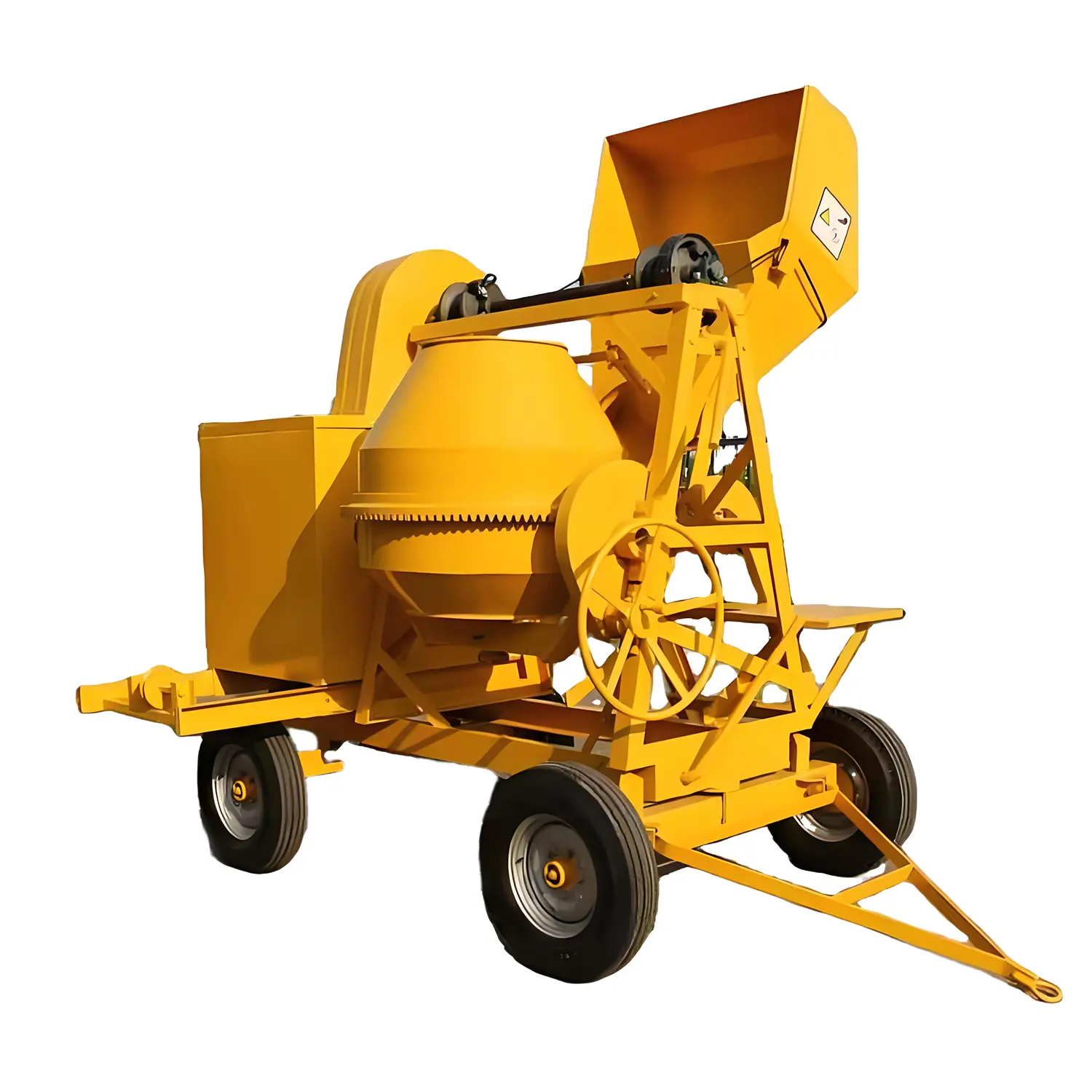 Hydraulic concrete mixer
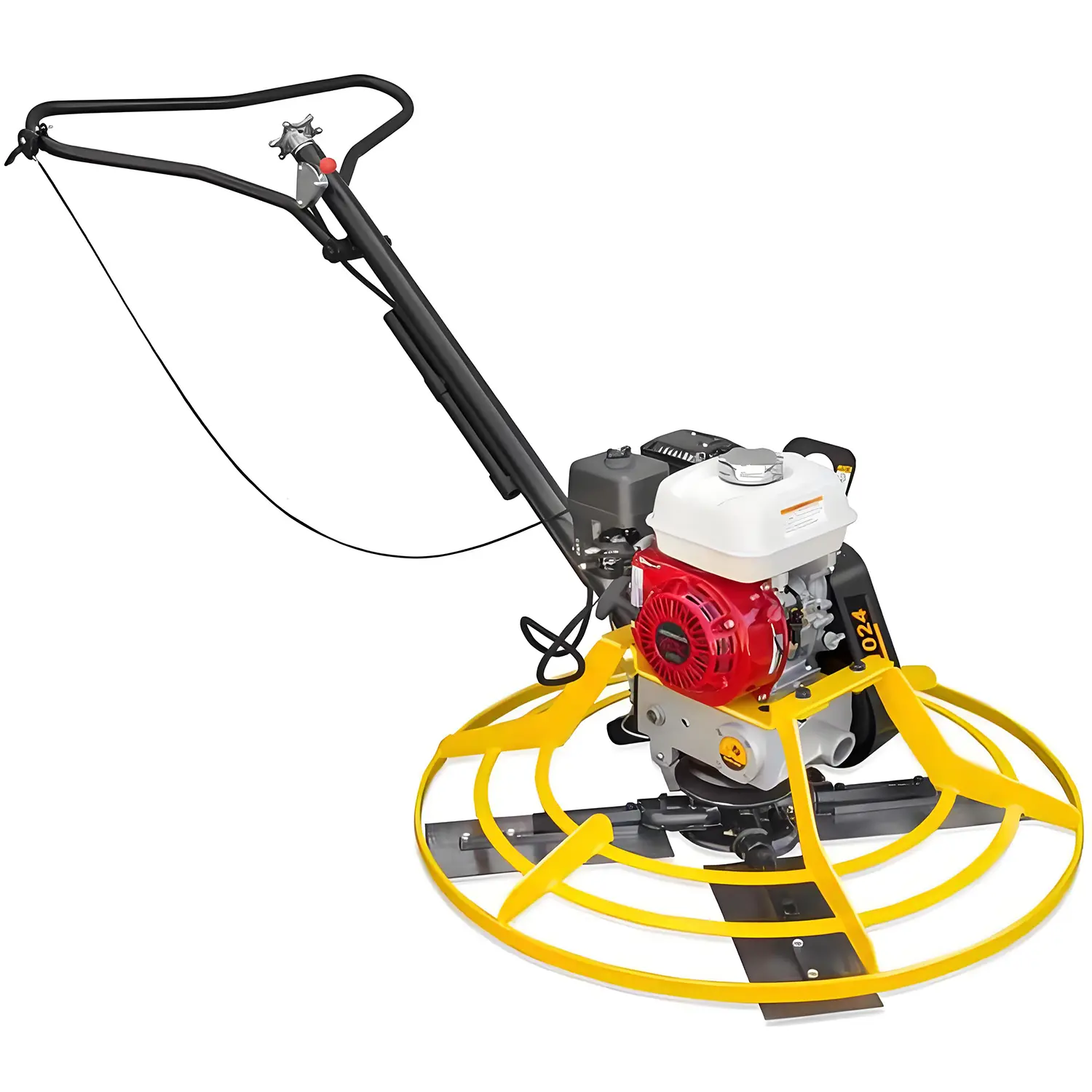 Walk behind power trowel
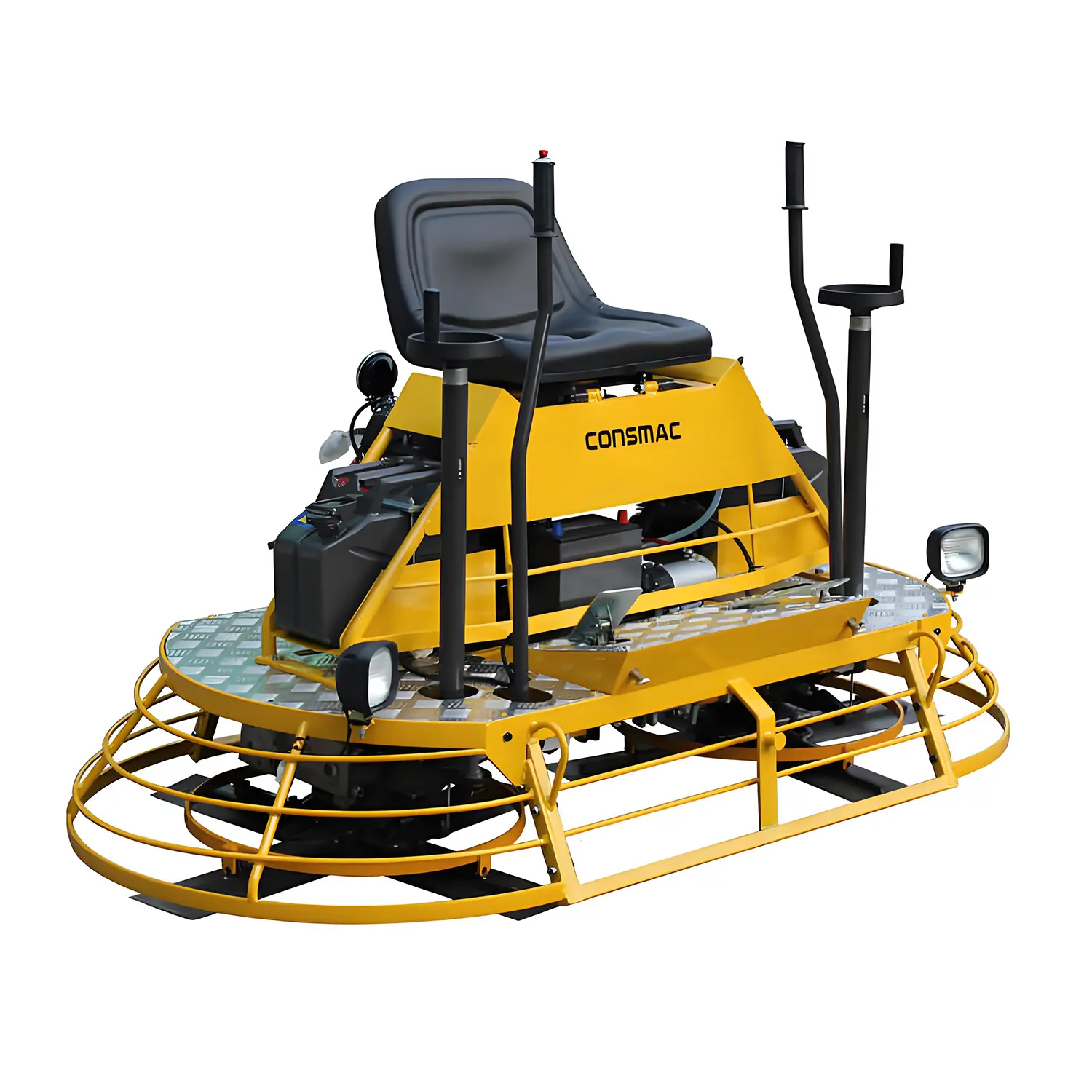 Ride on power trowel
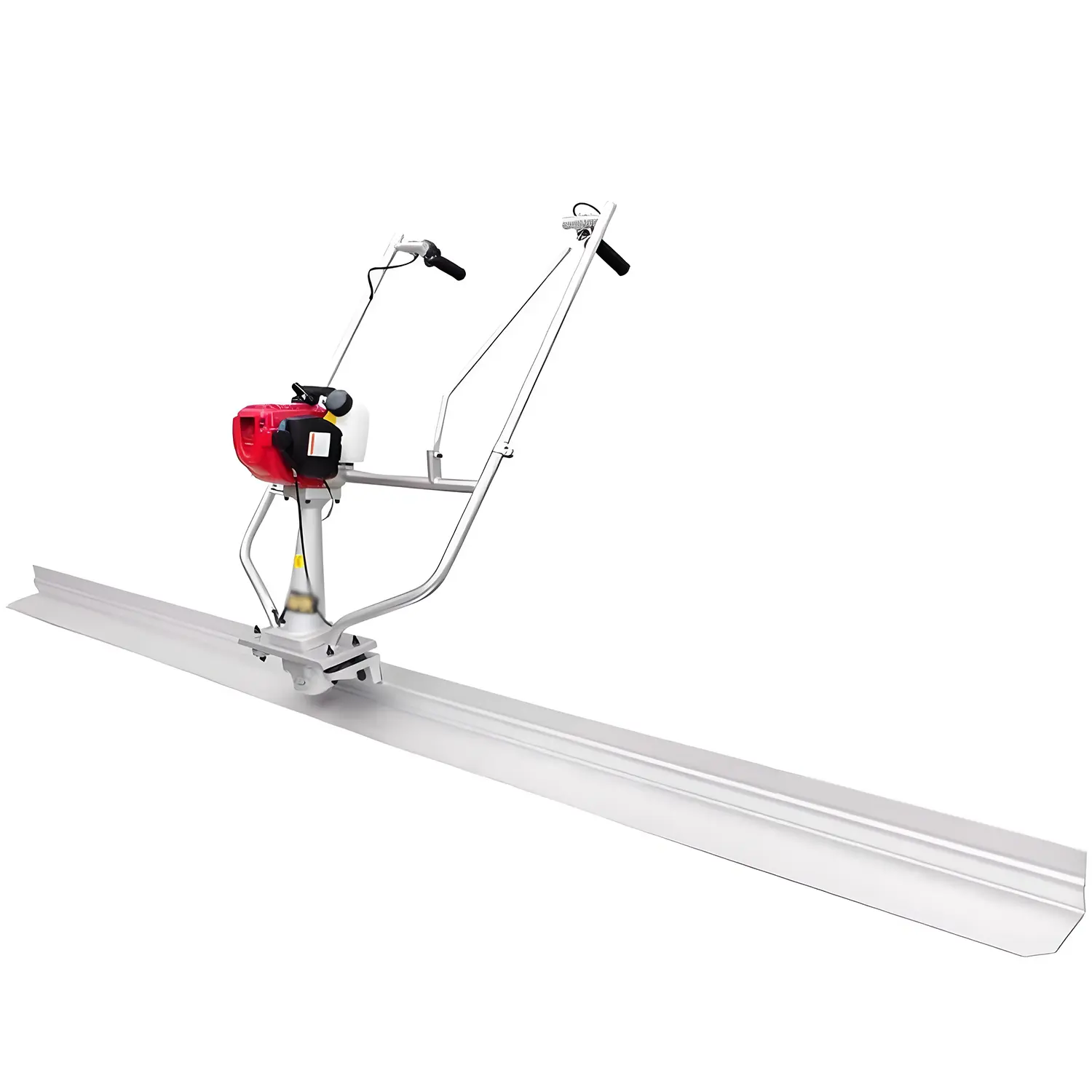 Concrete screed
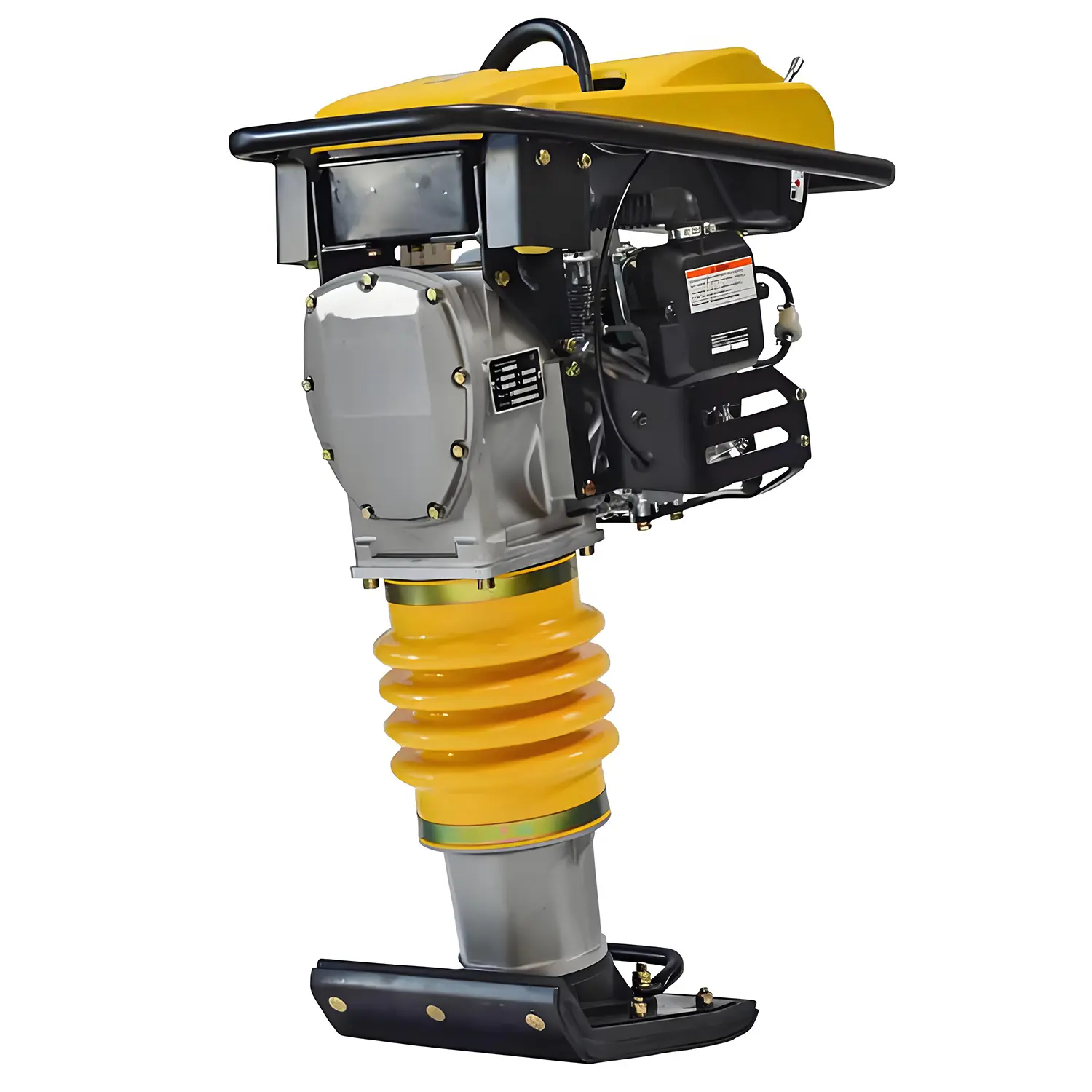 Tamping rammer
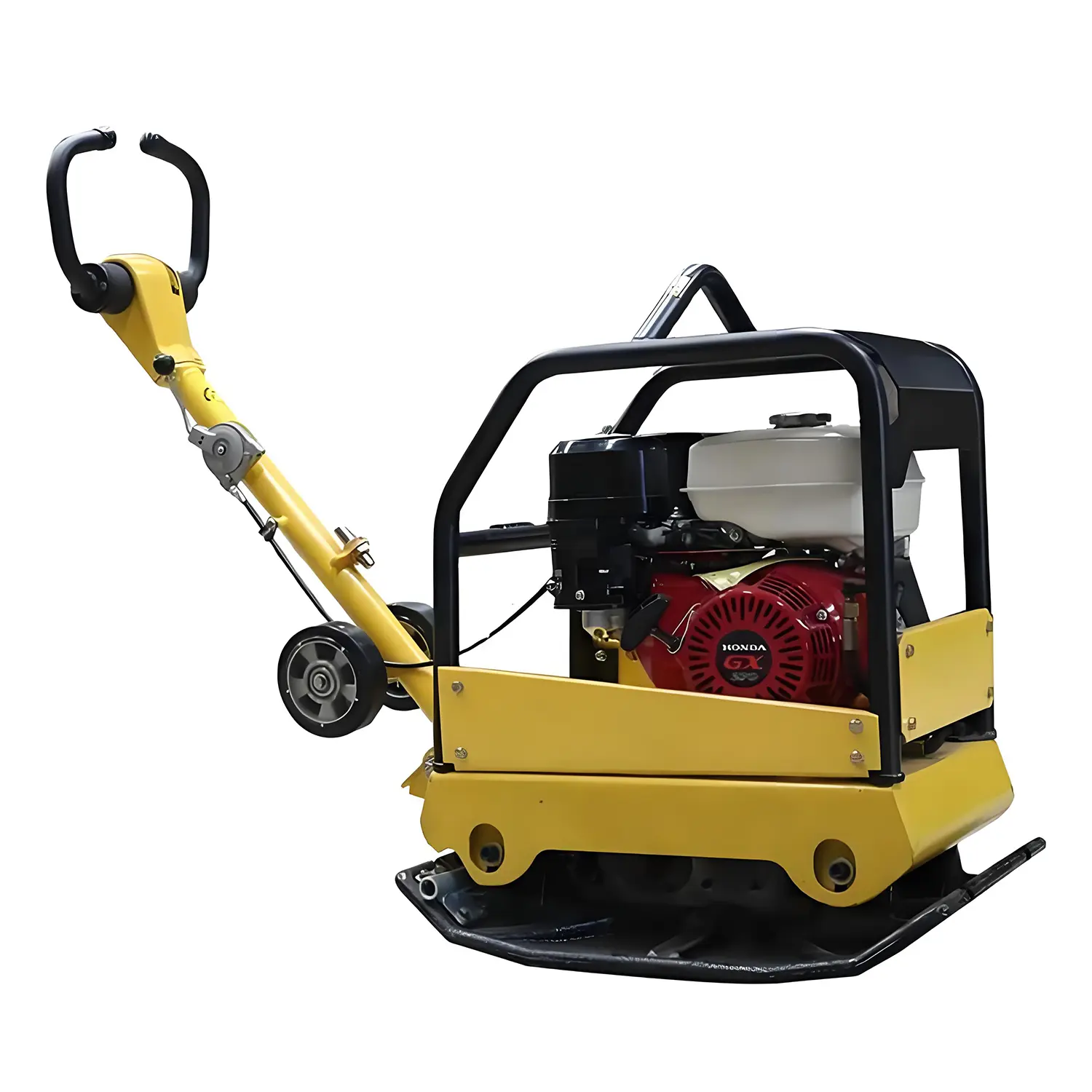 Plate compactor
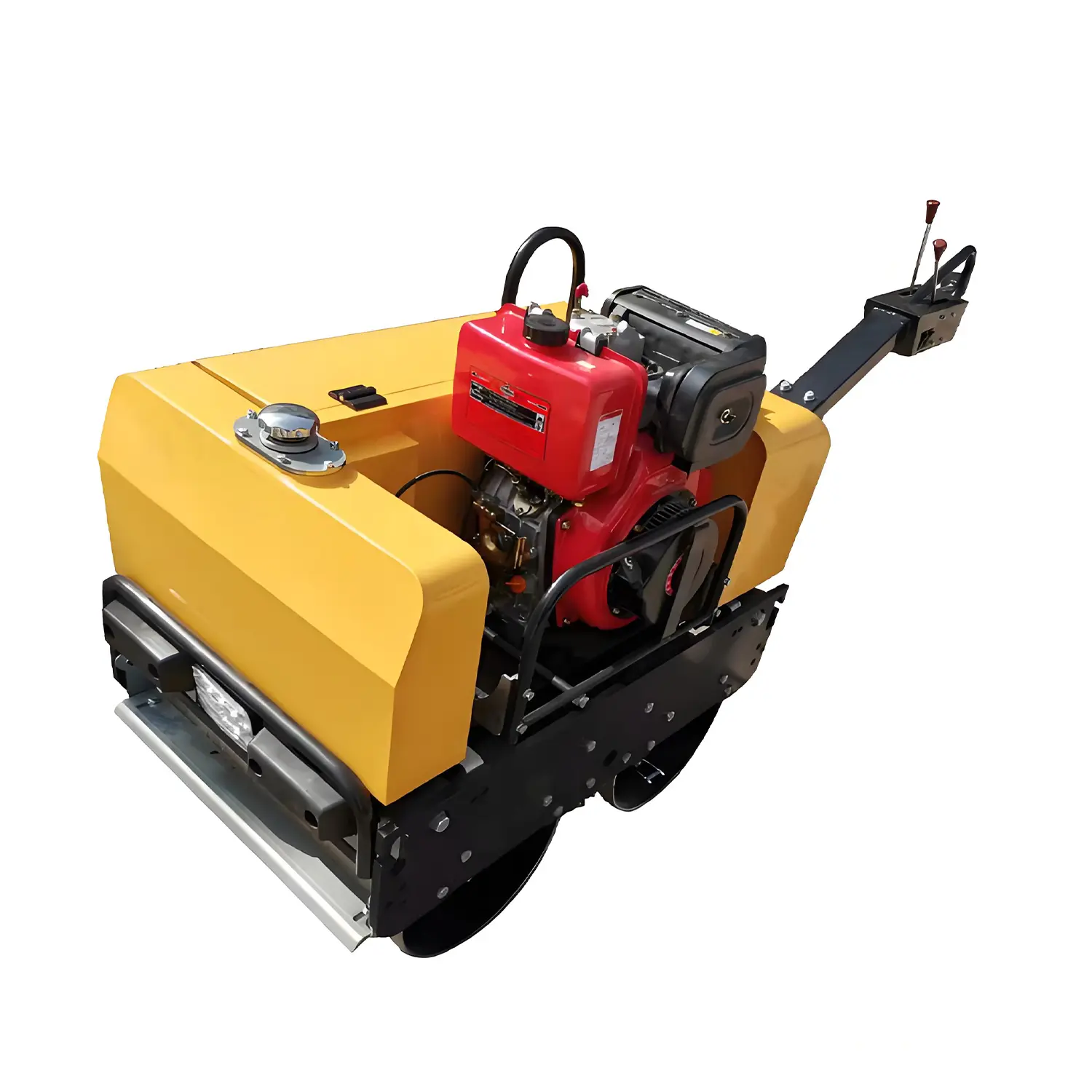 Vibratory roller