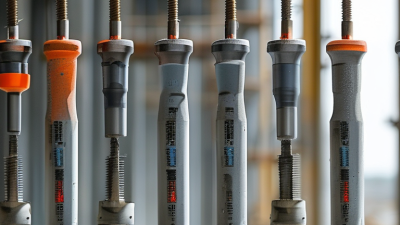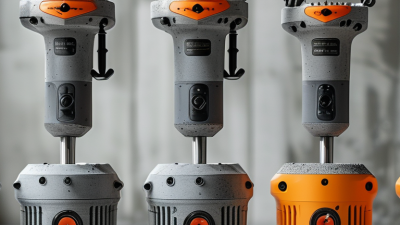
An Electric Vibrator can help move bulk material through a hopper, keep a feeder flowing, or reduce buildup along a chute. The right type depends on more than force alone. Buyers need to consider mounting position, material behavior, operating cycle, and the equipment’s available power supply. A compact motor vibrator may suit a small bin, while a larger unit may be needed for a heavy-duty feeder. Different jobs, different demands.
This guide compares common electric vibrator types, including rotary motor, electromagnetic, and linear designs. It explains how each produces vibration and where its operating characteristics may be useful. You’ll also find practical selection points, such as force range, frequency, duty cycle, enclosure protection, and maintenance access. These details matter on a dusty plant floor, where a poorly placed unit can be difficult to inspect. Specs can look convincing on paper. Application fit is harder to judge.
Reliable selection starts with the material and the machine, not a catalogue headline. Check the manufacturer’s technical documentation, confirm mounting and electrical requirements, and ask whether the unit suits your actual process conditions. A simple test may reveal issues that calculations miss. That distinction is easy to overlook, and buyers should pause before committing. No single vibrator type is best for every installation. Understanding the trade-offs can help industrial buyers narrow their options and have more useful conversations with suppliers.
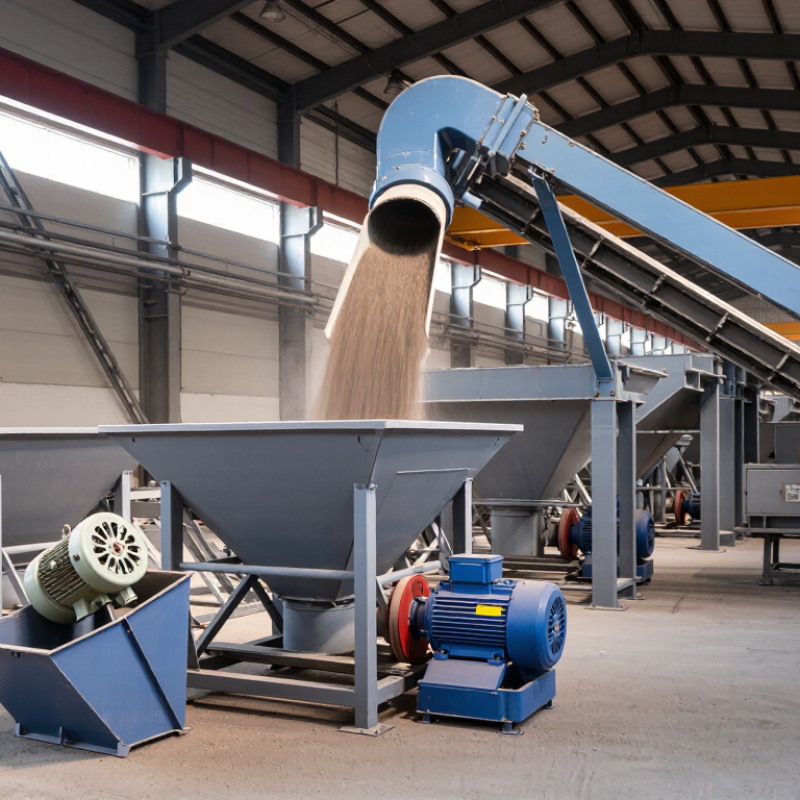
Industrial electric vibrators convert electrical energy into controlled mechanical motion. On a hopper, vibration can loosen compacted powder and help prevent bridging near the outlet. On a screen deck, it moves material across the mesh for separation. Small details matter: a full hopper behaves differently from an empty one.
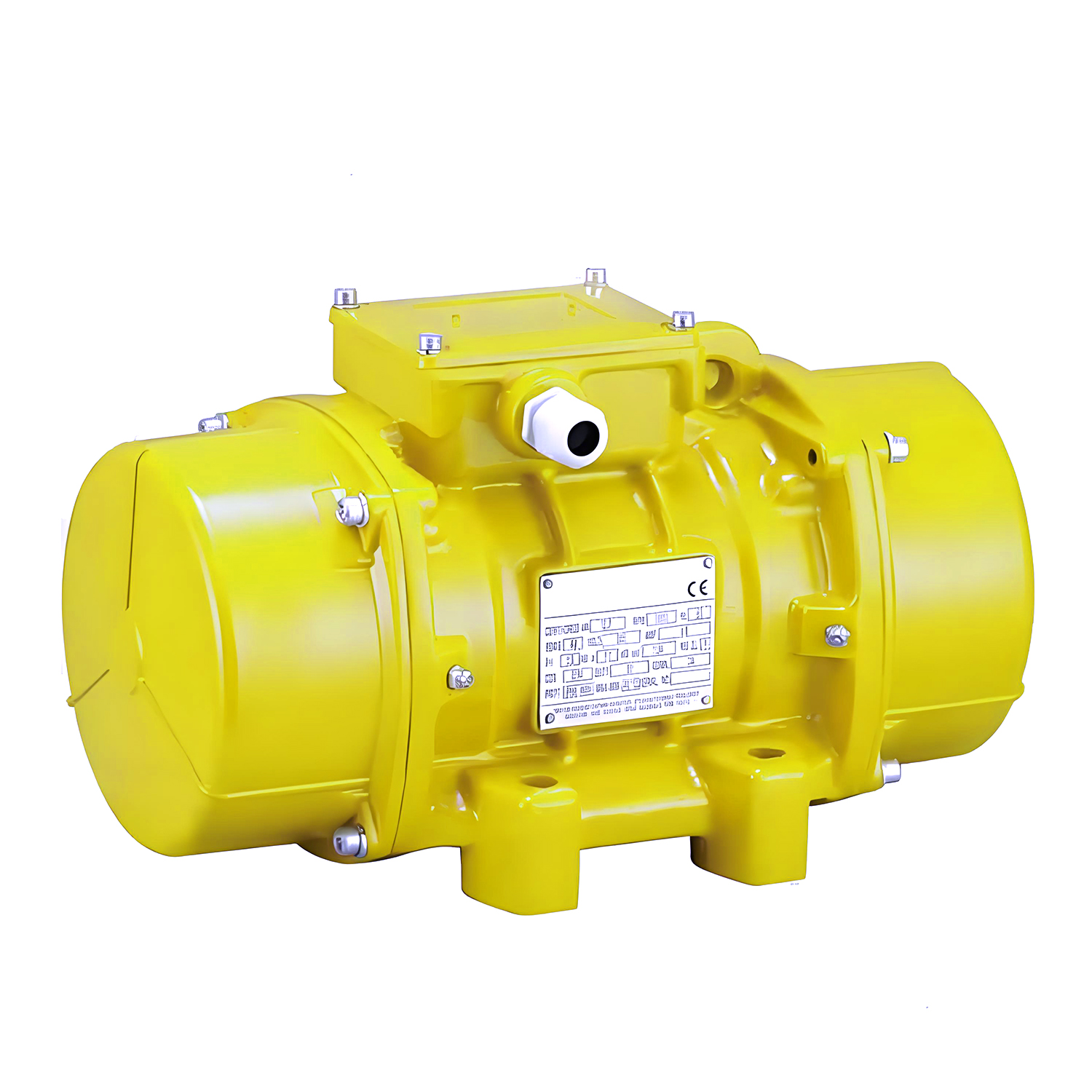
An eccentric rotating-mass vibrator spins an offset weight, creating centrifugal force that increases with the square of rotational speed. An electromagnetic type repeatedly pulls an armature, producing rapid strokes. Mounting position, steel stiffness, and material load affect the motion reaching the equipment. A loose mounting bolt can waste energy and cause damage. Check it.
A 2014 U.S. Department of Energy report, Improving Motor and Drive System Performance, estimates that motor-driven systems consume about 68% of U.S. manufacturing electricity. That figure covers many motor applications, not vibrators alone, but it makes correct sizing worth attention. Match force and operating speed to the material and task; maximum output is not automatically better. Excess vibration may stress welds or make material flow less predictable. Even experienced operators can misjudge that balance, so observe the material during commissioning and adjust gradually.
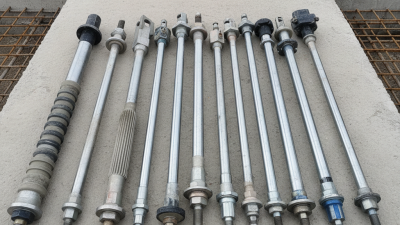
Rotary electric vibrators use eccentric weights to create centrifugal force. Their steady motion suits hoppers, screens, and compacting equipment. Changing the weight setting can alter force, but always check the motor’s rated limits. A loose mounting plate may turn useful vibration into noise and premature wear.
Linear vibrators move a mass along a defined axis, making their force direction easier to control. They can help shift material through narrow chutes or perform repetitive feeding tasks. Electromagnetic vibrators use a coil and moving armature to produce rapid strokes. They often allow precise frequency control, though stroke and force may be limited by the design. These categories can overlap: an electromagnetic unit commonly produces linear movement.
Small details matter. Compare the material’s weight, flow behavior, duty cycle, and available mounting space before choosing. Also check how vibration reaches nearby frames and bearings. Excessive transmission can loosen fasteners over time. I would not assume a higher force rating means better performance; too much vibration can damage the product or structure. A short trial with the actual material can reveal bridging, uneven flow, or unexpected noise that a specification sheet misses.
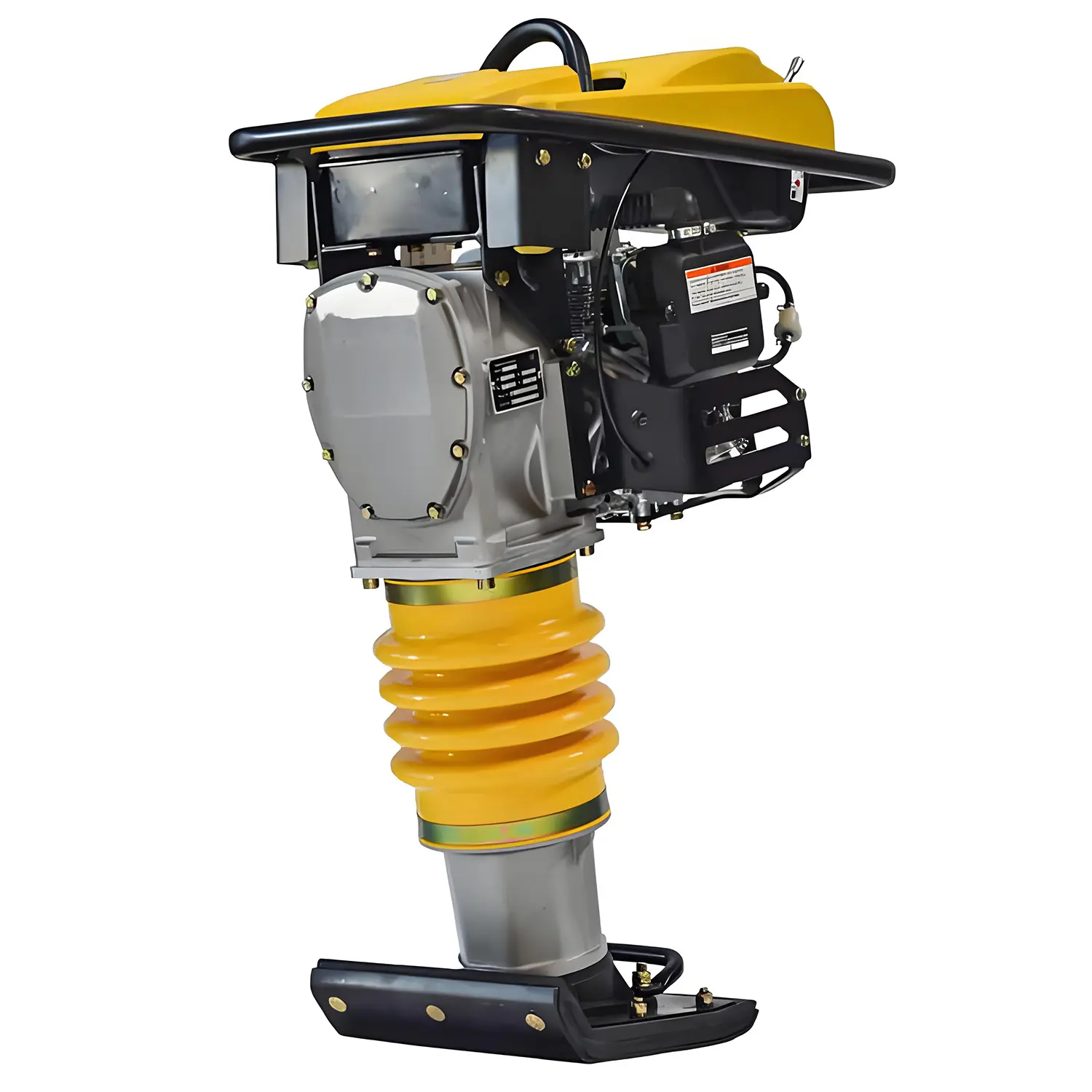
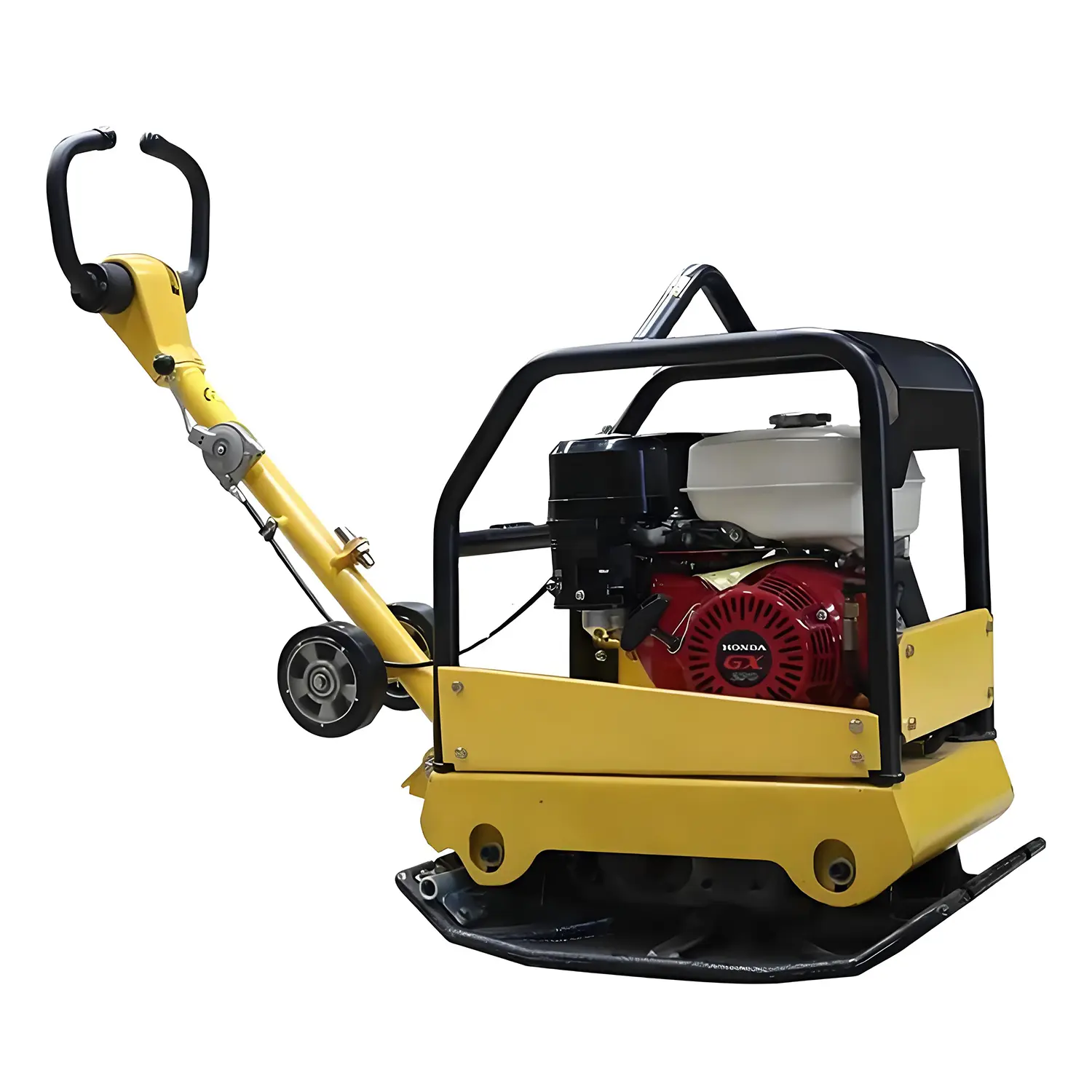
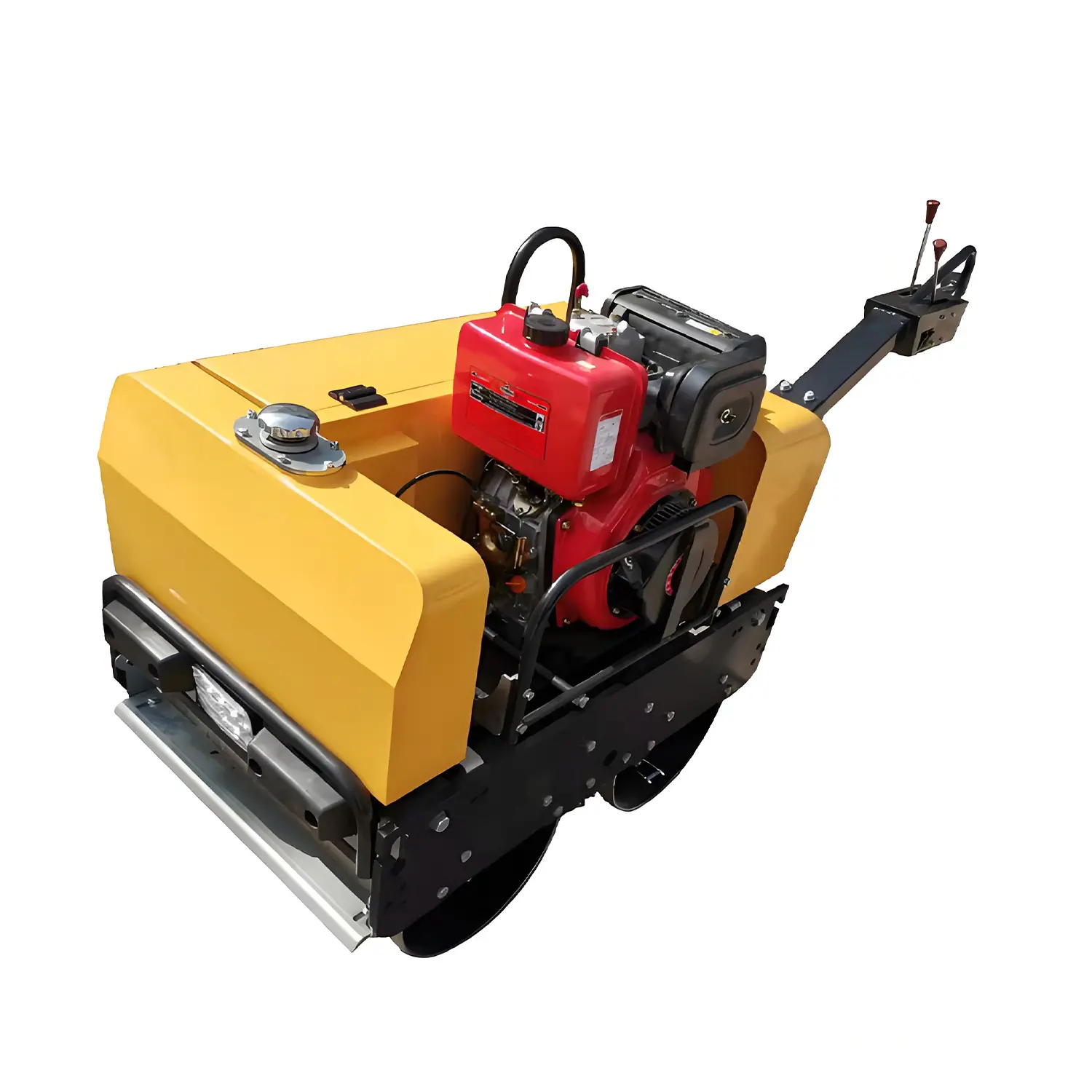
Electric vibrators differ not only by power source, but by how they deliver force to a machine. Rotary models use an off-center weight to create centrifugal force. Force changes with speed and eccentric setting. This produces steady circular motion, useful for moving bulk material across a screen or through a hopper. Linear designs use paired rotating masses to create directional motion. They can help compact concrete or separate material when the mounting frame can handle repeated loading.
Air-powered piston designs deliver pulses rather than smooth rotation. These impacts can loosen material in a bin, but may increase noise and stress around the mounting point. A small unit can feel surprisingly aggressive. Compare operating frequency, force rating, duty cycle, and the structure’s response—not force alone. A thin panel may amplify vibration, while a rigid, well-supported frame transfers it more evenly. Installation details matter.
The right motion depends on the material and task. Fine powder may need gentle, continuous movement; damp aggregate may respond better to stronger, intermittent impacts. Check force data at the intended operating speed, then test under a realistic load. Empty-machine tests can mislead. A common field mistake is treating the vibrator as the only variable when vibration travels into a support beam instead of clearing a blockage. Inspect fasteners and welds after commissioning; repeated motion can loosen them.
Choosing an industrial vibrator starts with the material and the task, not the motor rating alone. Rotary electric models suit many hoppers and chutes, while linear vibration can help with controlled conveying or screening. Check the material’s flow behavior, required output, and operating cycle. A fine powder may respond differently from damp, compacted granules. Fit matters. The mounting surface must handle the applied force without flexing excessively or loosening over time.
Compare force, frequency, duty cycle, and installation conditions. Confirm that the vibrator’s rated force matches the equipment and material load; excessive force can stress welds, fasteners, and supporting frames. Consider dust, moisture, washdown, ambient temperature, and access for inspection. A unit that is difficult to reach may turn routine maintenance into a shutdown. It is easy to overvalue a high force rating. Real installations can behave differently from a catalog example, so validate settings under operating conditions.
Tips: Check the frame thickness and bolt pattern before ordering. Ask for operating data at the intended frequency, and inspect fasteners after initial use. Keep a record of settings and any changes in material flow; small adjustments can reveal whether the issue is vibration or the process itself.
| Vibrator type | How it works | Typical applications | Key advantages | Selection considerations |
|---|---|---|---|---|
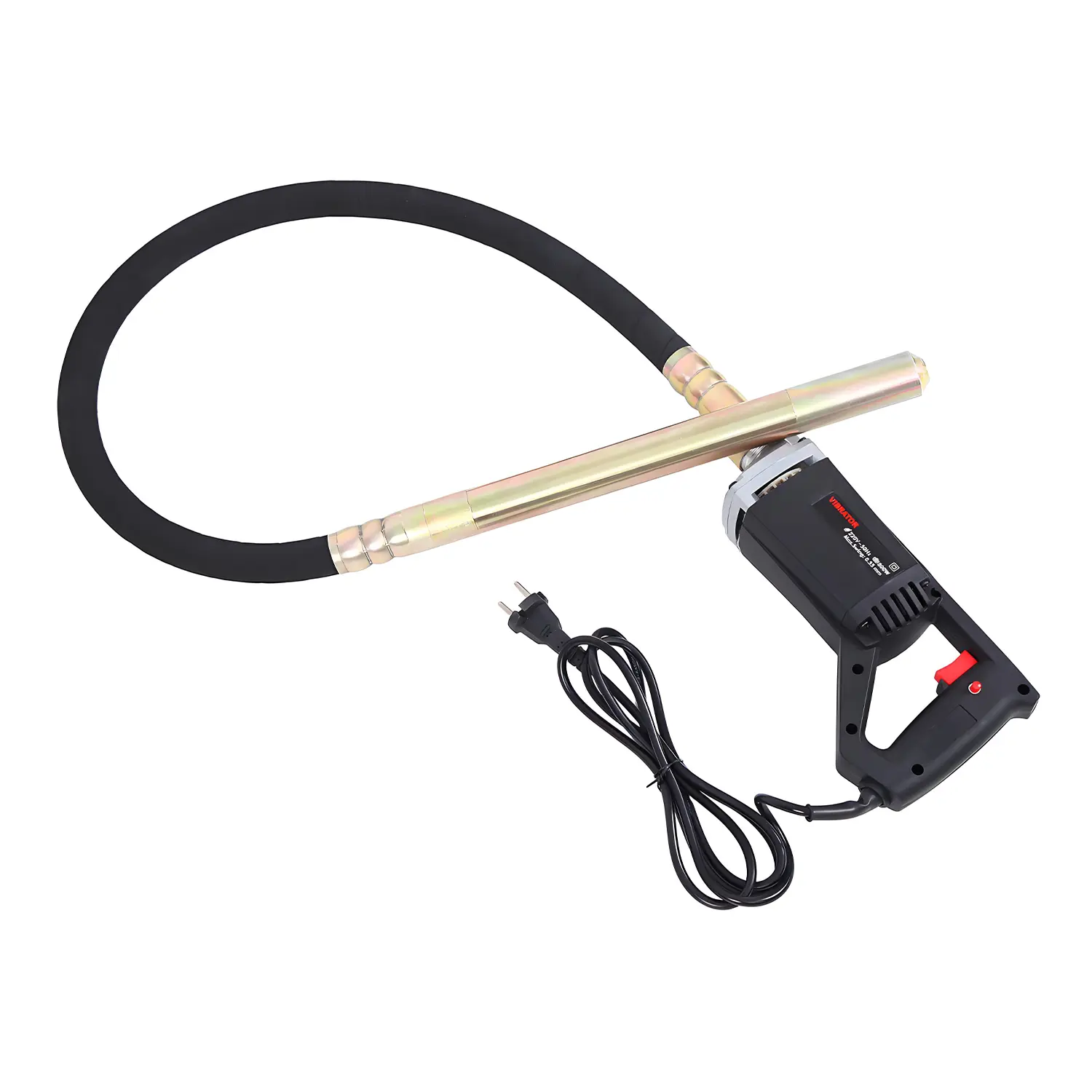
| External rotary electric vibrator | An electric motor rotates eccentric weights to generate vibration. The unit is mounted to a hopper, chute, screen, or other structure. | Helping bulk solids move through hoppers and chutes; reducing buildup; vibrating screens and feeders. | Available in a wide range of force outputs and mounting arrangements; eccentric weights can often be adjusted to change the vibration force. | Match force and operating speed to the structure and material. Check mounting strength, duty cycle, enclosure rating, ambient conditions, and whether the application requires hazardous-area certification. |
| Electromagnetic vibrator | An electromagnetic coil creates an oscillating force on a moving armature or spring-mounted component. Many designs use an electronic controller to regulate operation. | Light-duty feeding, dosing, small screens, and controlled movement of parts or bulk material. | Can provide rapid response and controllable vibration, making it useful where precise feed adjustment is important. | Confirm controller compatibility, required feed rate, material characteristics, and installation conditions. Available force and capacity depend on the specific design. |
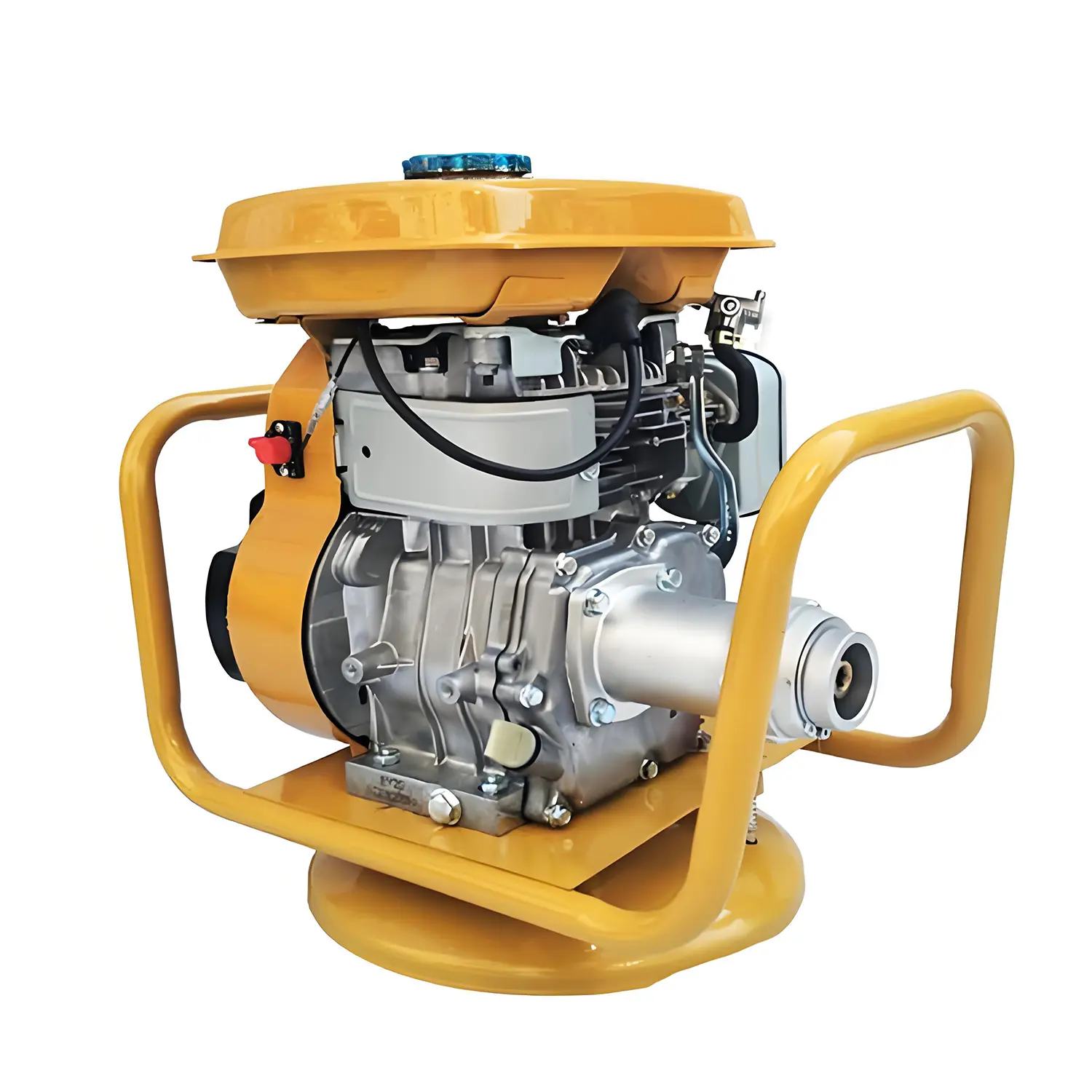
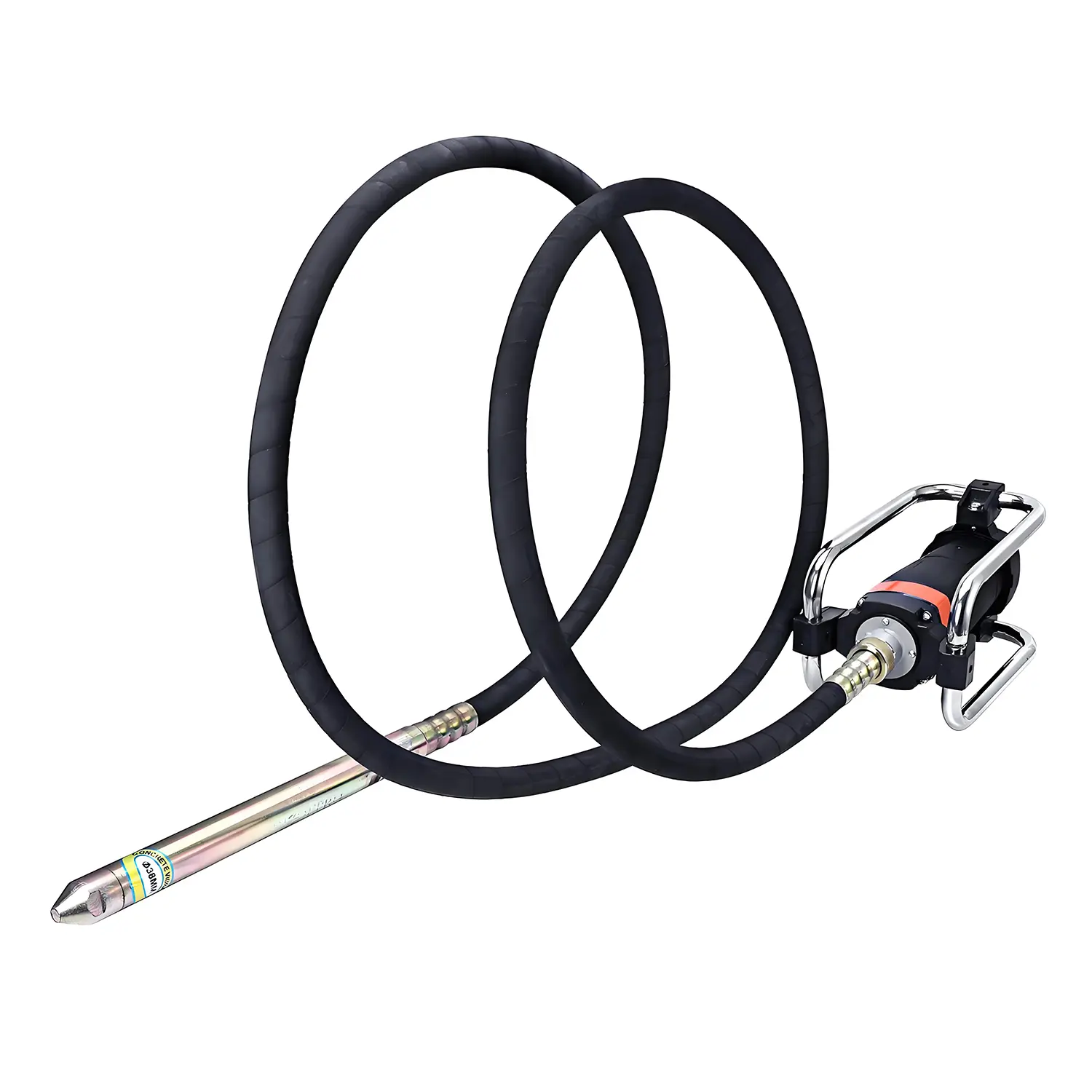
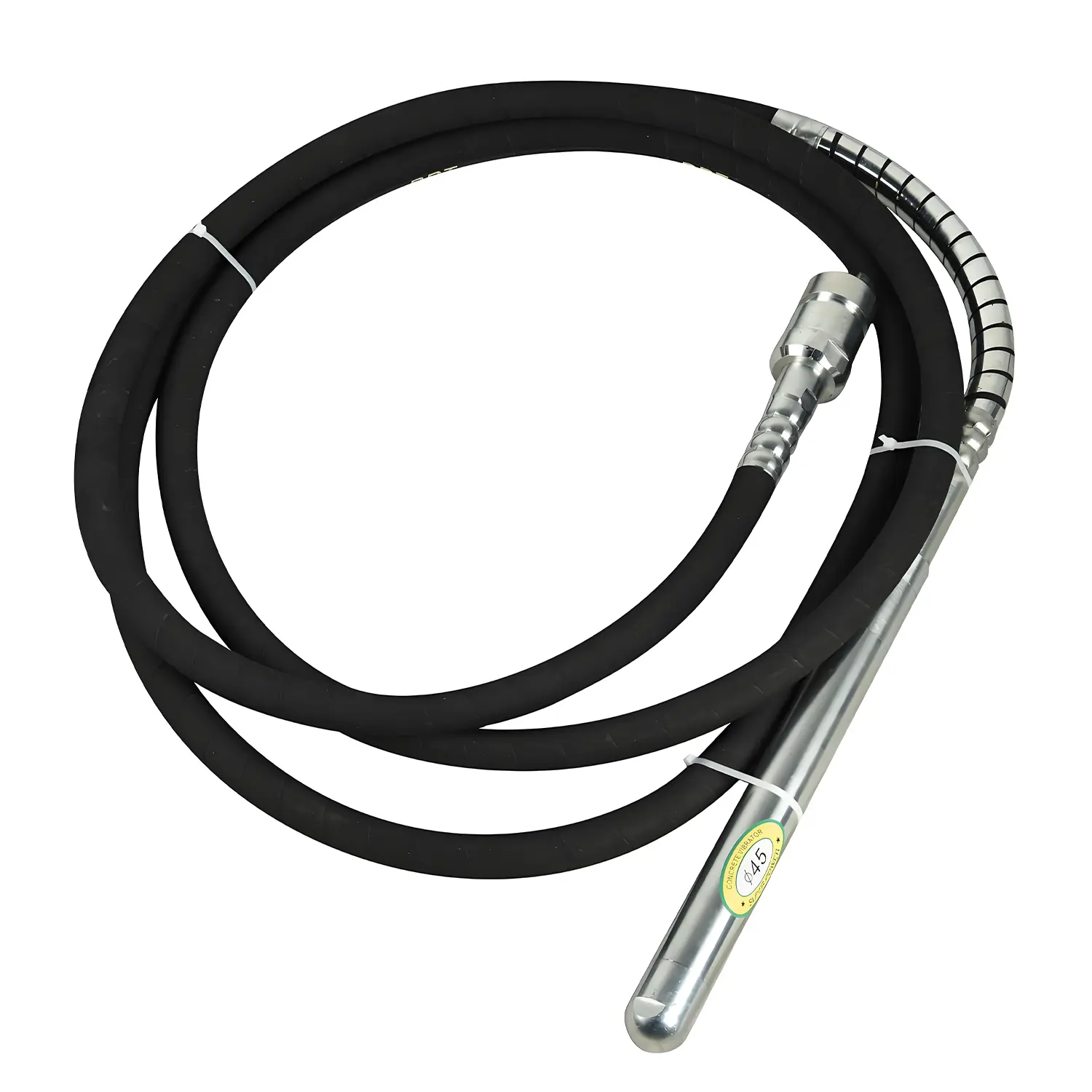
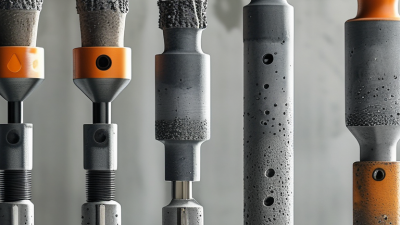
| High-frequency internal concrete vibrator | A vibrating head, or poker, is inserted into freshly placed concrete to help consolidate the mix and release entrapped air. Electric systems may use a converter or an integrated drive. | Concrete placement in slabs, walls, columns, foundations, and precast elements. | Applies vibration within the concrete, helping consolidate areas that external vibration may not reach effectively. | Choose head diameter and hose length for the form geometry and reinforcement spacing. Follow the equipment maker's placement guidance; avoid prolonged contact with reinforcement or formwork. |
| External concrete form vibrator | An electric vibrator is attached to the outside of a form or mold, transmitting vibration through the form into the concrete. | Precast concrete production, narrow or heavily reinforced forms, and applications where an internal poker is difficult to use. | Keeps the vibrating equipment outside the concrete and can be arranged at multiple points on a form. | Assess form stiffness, attachment points, vibrator spacing, and the risk of loosening fasteners. The form must be designed to withstand the transmitted dynamic loads. |
| Linear electric vibrator | A drive arrangement produces oscillation along a defined direction; some systems use paired motors rotating in opposite directions to create linear motion. | Screening, conveying, and feeding equipment where a directed vibration pattern is required. | Can deliver a directional motion suited to conveying or separating material when integrated into a correctly designed machine. | Check the required motion direction, machine natural frequency, support structure, material load, and drive synchronization requirements. |
| Factor | What to evaluate | Why it matters |
|---|---|---|
| Application and material | Identify whether the goal is to move, screen, compact, consolidate, or prevent buildup. Consider material size, moisture, density, and flow behavior. | Different tasks and materials respond differently to vibration; the application determines the suitable vibrator type and setup. |
| Force and vibration characteristics | Review rated centrifugal force or output, operating speed, direction of motion, and any adjustment range stated by the manufacturer. | An unsuitable vibration level can reduce process performance or place excessive stress on the equipment and supporting structure. |
| Electrical supply and controls | Verify available voltage, phase, frequency, starting method, controller needs, and compatibility with the plant's electrical system. | Correct supply and control compatibility support reliable operation and help avoid installation or electrical issues. |
| Mounting and structure | Check mounting orientation, available space, fasteners, structural stiffness, and the machine's permitted dynamic loads. | Secure installation and a suitable supporting structure are essential for safe operation and equipment life. |
| Environment and protection | Assess dust, moisture, washdown, temperature, corrosion, and any explosive-atmosphere classification requirements. | The enclosure, materials, and certifications must suit the actual operating environment and applicable safety requirements. |
| Duty cycle and maintenance | Confirm operating hours, starts per hour, service access, inspection needs, and availability of replacement components. | Matching the vibrator to the operating schedule and maintenance plan helps support dependable production. |
Electric vibrators support material movement at several points in industrial production. Rotary electric units are commonly mounted on hopper walls, bins, and chutes to reduce bridging and encourage discharge. On screening decks and feeders, adjustable vibration helps separate or meter aggregates. The USGS Mineral Commodity Summaries 2024 estimates U.S. crushed-stone production at about 1.5 billion tons in 2023. That is substantial throughput. In quarries, vibration can help keep material moving from storage into screening and conveying stages.
Linear and electromagnetic electric vibrators suit applications needing controlled, repeatable motion, including small-part feeding, packaging lines, and light-duty dosing. Larger rotary units are often selected for heavy bins, foundry sand systems, and concrete molds, where vibration helps settle material or compact a mix. Still, vibration is not a cure-all. Poor mounting, overfilled hoppers, or damp material can limit performance. Buyers should check the material’s flow behavior, equipment load, duty cycle, and mounting stiffness before choosing a unit. A useful site check is simple: observe whether the problem is bridging, segregation, or slow discharge. The distinction matters. Used carefully, vibration can improve flow without adding unnecessary force to the structure.