- Home
- About Us
- products
- Resource
- Blog
- Contact Us
 Internal Vibrator
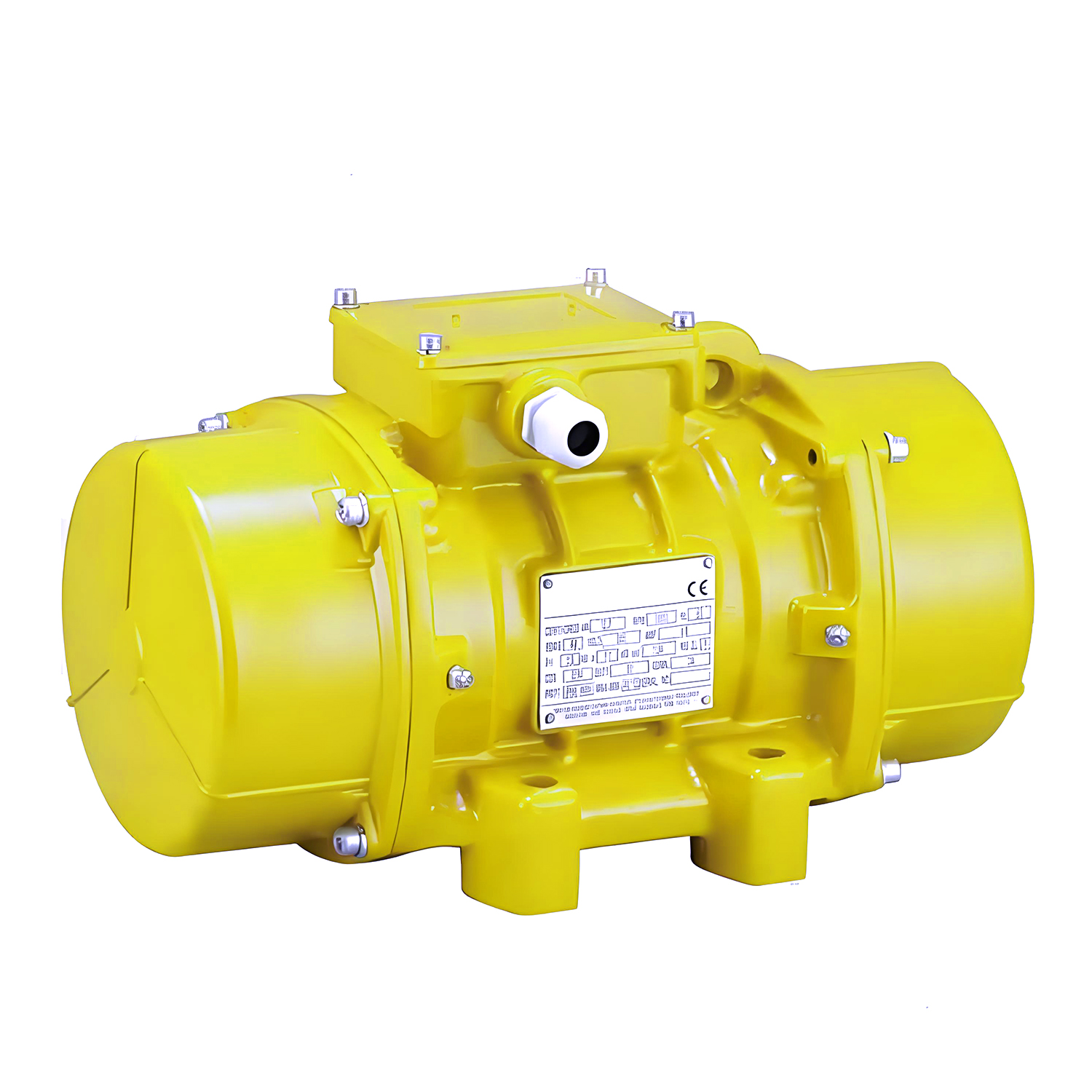 External Vibrator
 Submersible Pump
 Eccentric shaft
 Pendulum shaft
 Portable vbrator shaft
 Portable concrete mixer
 Vertical concrete mixer
 Hydraulic concrete mixer
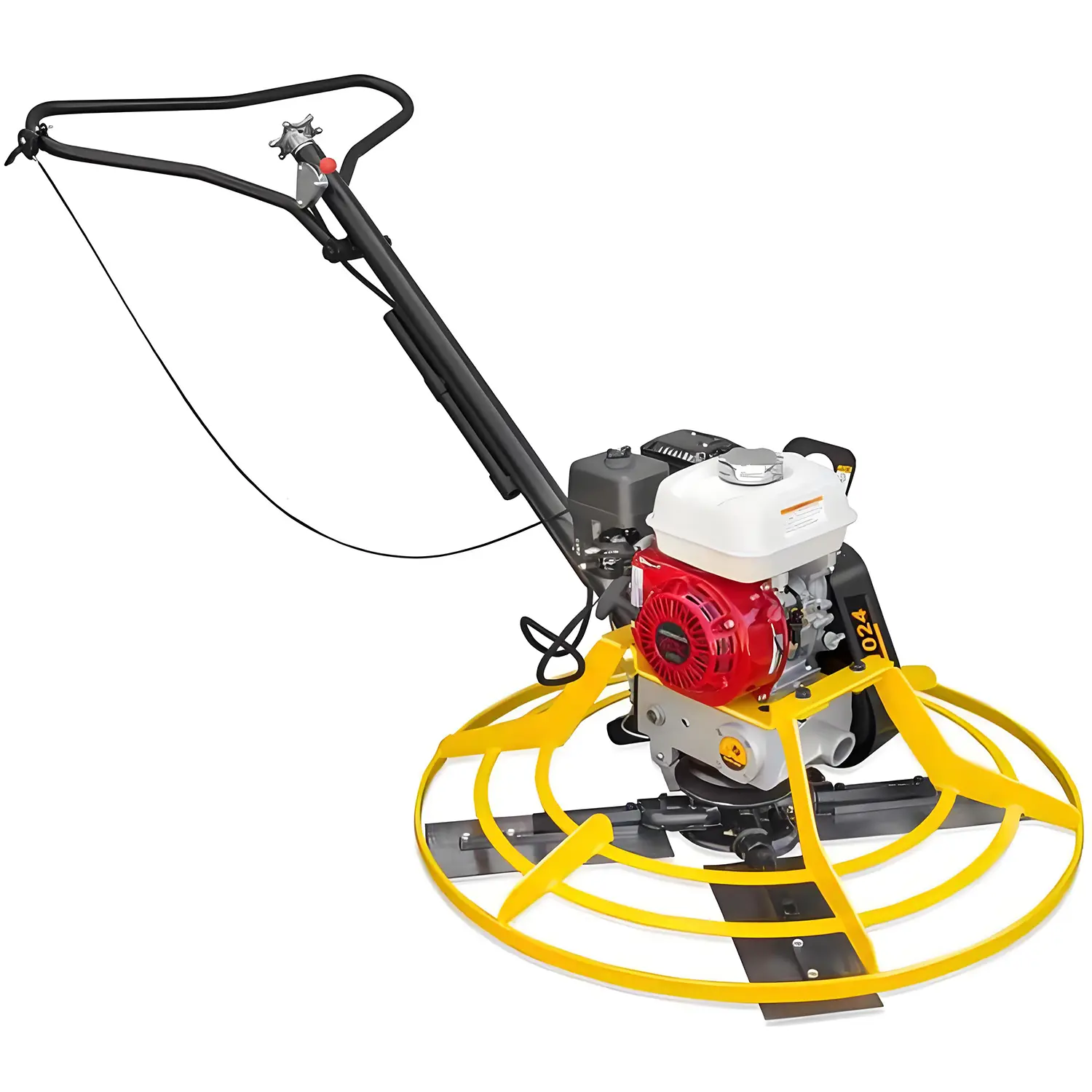 Walk behind power trowel
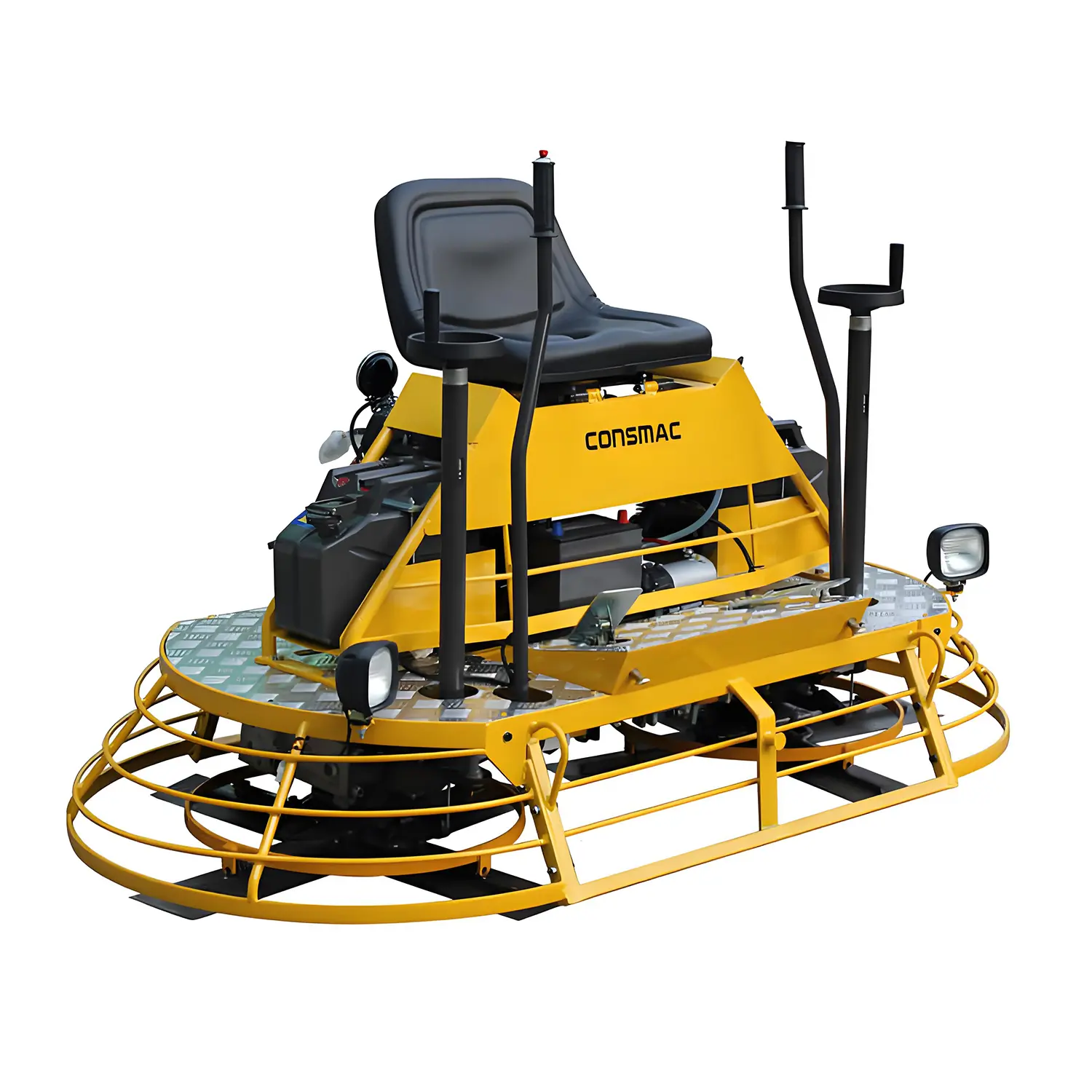 Ride on power trowel
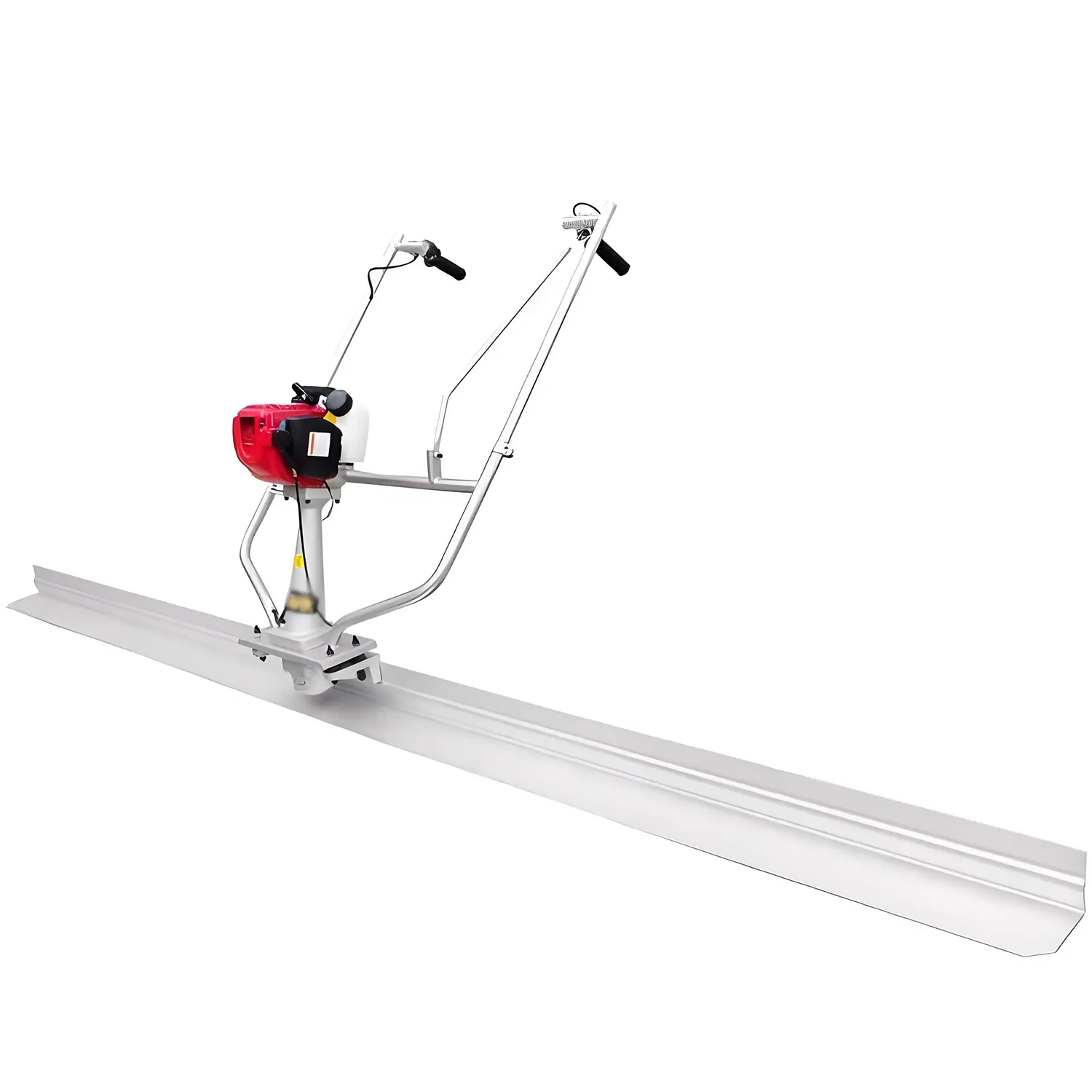 Concrete screed
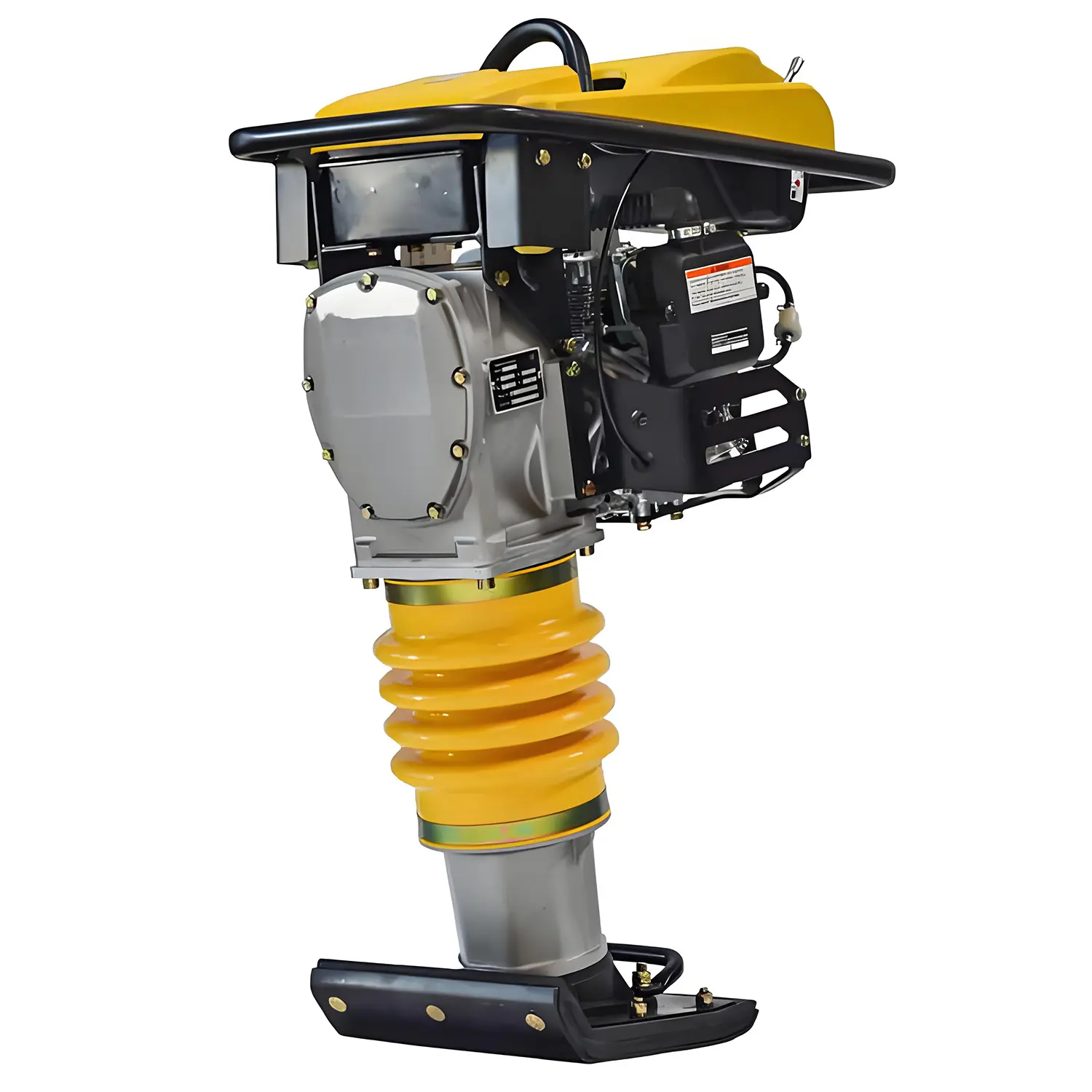 Tamping rammer
 Plate compactor
 Vibratory roller
Leave Your Message
The best Electric Concrete Vibrator is not simply the most powerful model on the shelf. It is the one that suits the pour, the mix, and the crew’s working conditions. A small slab beside a garage has different needs from a deep foundation with dense reinforcement. Head diameter, shaft length, motor output, and power source all affect how easily vibration reaches the concrete. Too little vibration can leave air pockets and rough surfaces. Too much, or poorly controlled use, may separate the mix. Details matter.
This guide compares the features that make a vibrator practical on site, including handling, runtime, durability, and maintenance. A long shaft can reach into deeper forms, but it may feel tiring during repeated passes. A compact head can fit between reinforcing bars, though it may cover less concrete at a time. Check the manufacturer’s specifications and confirm that the tool matches the job’s concrete and operating requirements. Also consider access to electricity, extension-cord needs, and the conditions where the unit will be used. Simple checks help.
There is no universal winner, and product claims do not replace a careful look at real job demands. Even experienced users can choose a tool that feels too heavy after an hour of work. That is worth admitting. The sections ahead explain how to compare electric models, avoid common selection mistakes, and identify the right balance of performance and control for your pour.
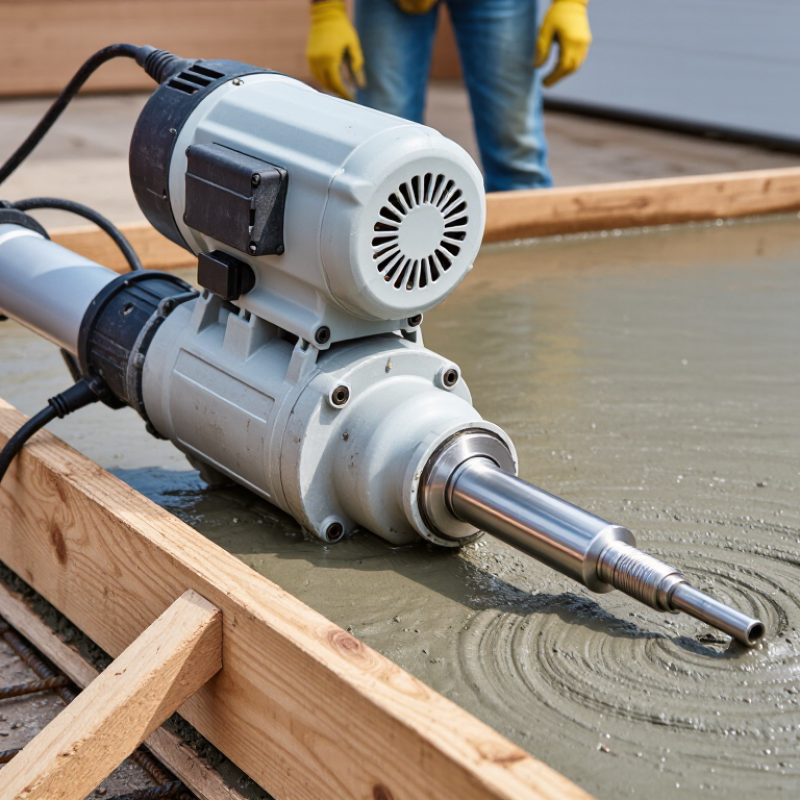
In concrete placement, the role of an electric concrete vibrator is crucial. These tools help eliminate air bubbles, leading to a denser and stronger mixture. A study by the American Concrete Institute highlights that properly compacted concrete can increase compressive strength by 20% or more. This ensures structural integrity and longevity.
Vibrators work by generating high-frequency vibrations, which cause the concrete mix to flow, filling every corner of the mold. Research suggests that effective vibration can reduce the risk of honeycombing in the finished product. However, improper use can lead to segregation, where heavier aggregates settle while lighter components rise.
Understanding how to use an electric concrete vibrator effectively requires practice. Operators should be mindful of the duration and intensity of the vibrations. Over-vibrating can lead to too much water rising to the surface, creating issues with finish quality. Inadequate vibration can leave voids that compromise strength. Employing best practices while acknowledging the limitations of each tool is vital in achieving the best results in concrete placement.
| Electric Vibrator Type | How It Works | Best-Suited Placement | Key Selection Factors | Main Advantage | Important Limitation |
|---|---|---|---|---|---|
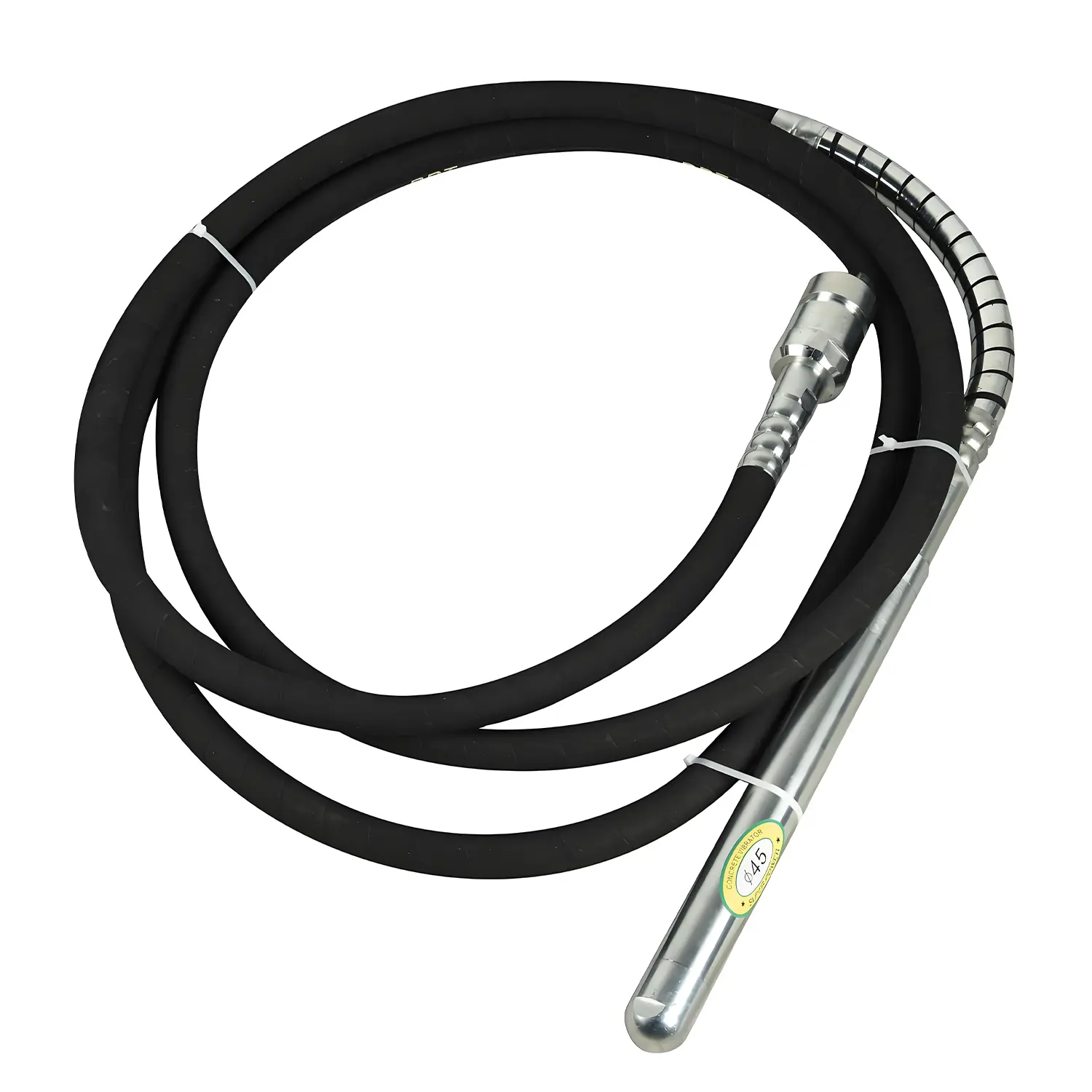
| Internal immersion vibrator | A vibrating head, or poker, is inserted into fresh concrete to consolidate it from within. | Footings, walls, columns, beams, and other reinforced placements where the head can be inserted safely. | Head diameter must fit between reinforcement; consider concrete depth, reach, power supply, and manufacturer-rated operating conditions. | Directly works through the concrete and helps release entrapped air when used correctly. | Poor insertion pattern or excessive vibration can cause segregation; the head must not be forced against reinforcement or formwork. |
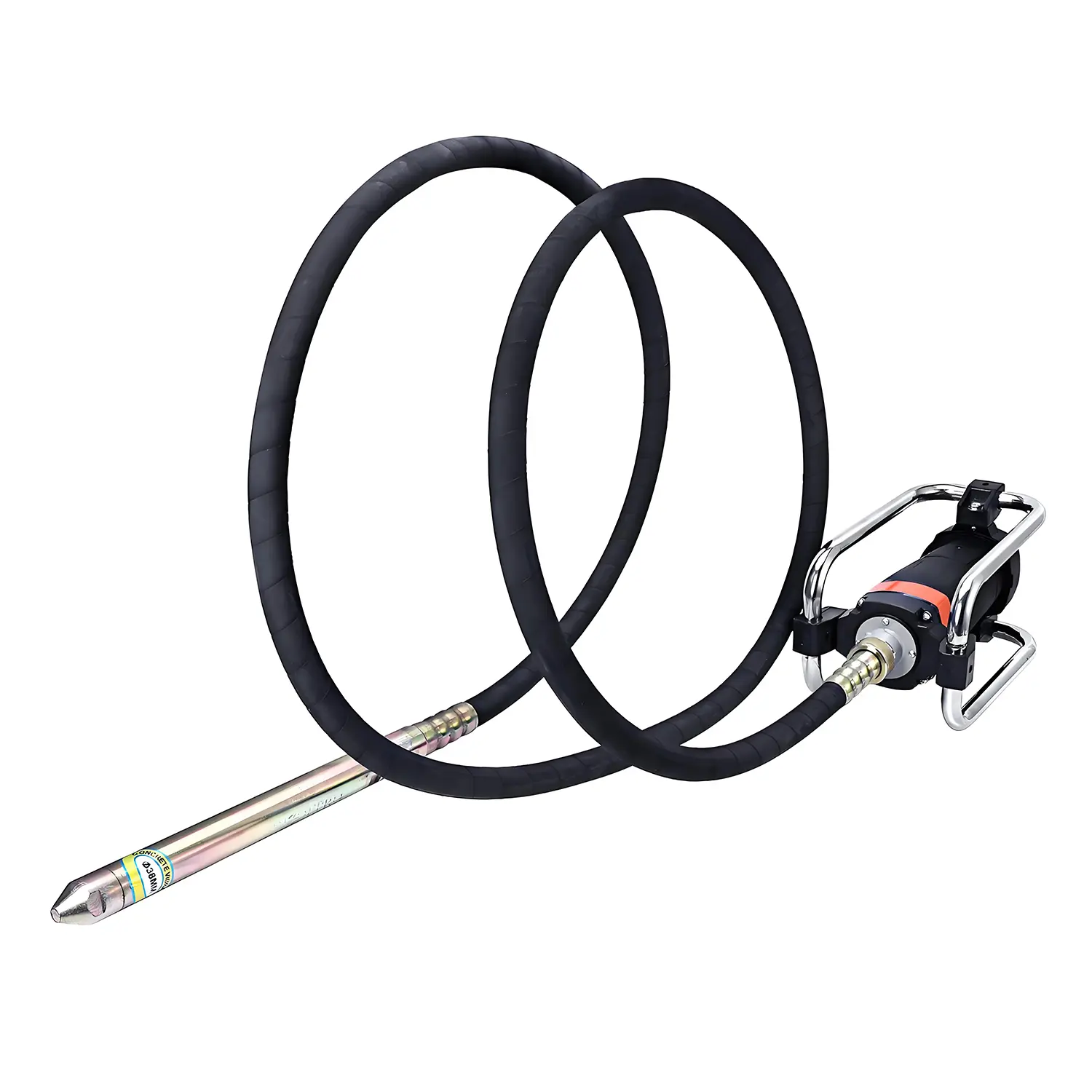
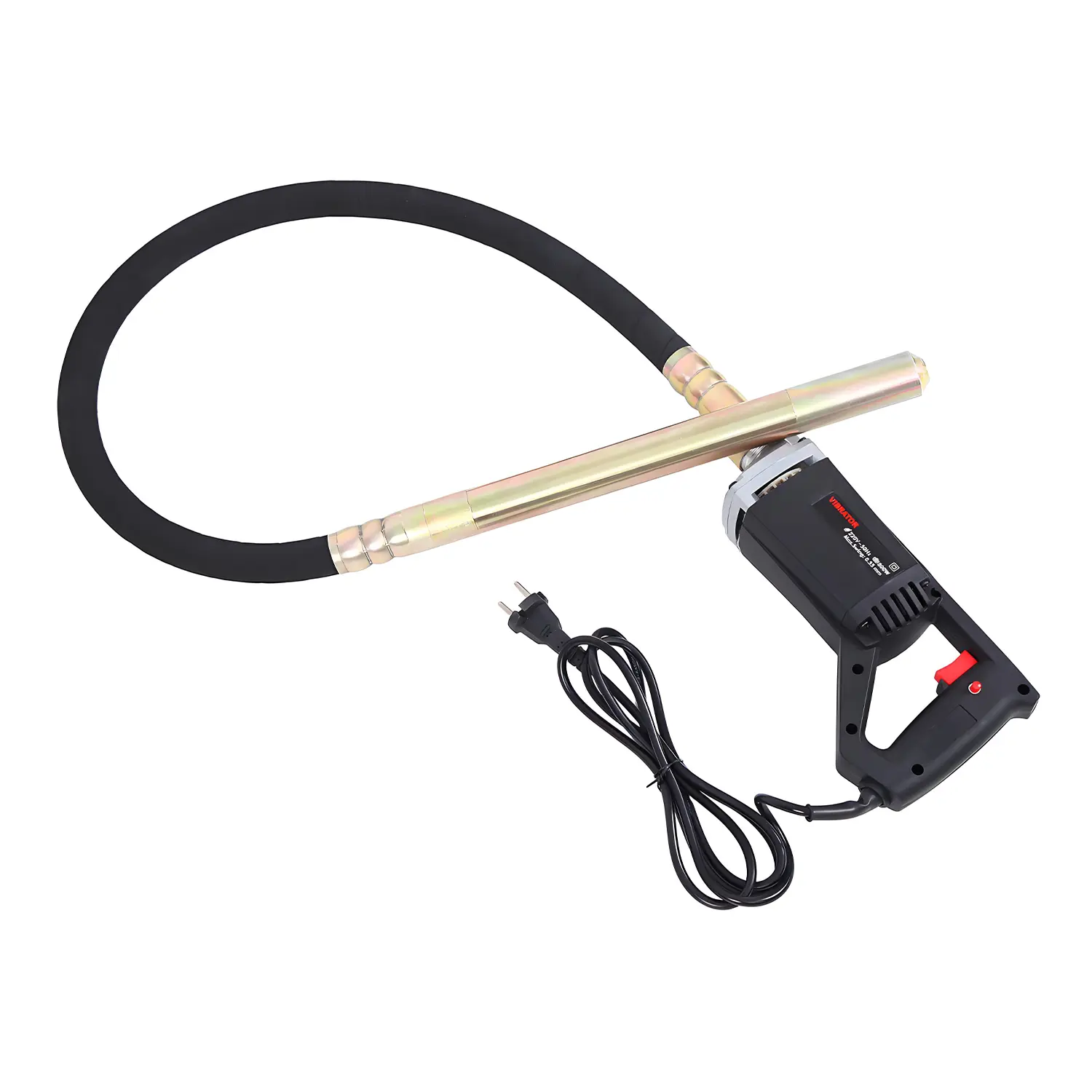
| Flexible-shaft electric vibrator | An electric drive unit transmits rotation through a flexible shaft to a separate vibrating head. | General construction work requiring a portable drive and a reachable poker head. | Check shaft length, head size, duty rating, available electrical supply, and access around the pour. | The drive and head can be selected or handled separately, which can suit varied site layouts. | The shaft and connections need correct handling and inspection; the assembly must be compatible with the drive unit. |
| High-frequency internal vibrator | An internal vibrating head generates rapid vibration to consolidate fresh concrete around the insertion point. | Regular placement work where the specified vibration characteristics suit the mix and the site power arrangement. | Compare the rated frequency and operating performance under load, head diameter, concrete workability, and electrical requirements. | Can provide consistent consolidation when matched to the concrete and used with a suitable insertion pattern. | A higher frequency alone does not guarantee better results; suitability depends on the concrete, tool, and placement method. |
| External form vibrator | A vibrator is attached to the formwork, transmitting vibration through the form into the concrete. | Narrow, congested, or inaccessible sections where inserting an internal poker is difficult, subject to a suitable formwork design. | Consider form strength, mounting points, vibrator spacing, concrete depth, and the equipment’s rated force and duty cycle. | Can consolidate concrete without placing a poker directly into the pour. | Requires formwork able to withstand the transmitted vibration; incorrect setup can damage forms or produce uneven consolidation. |
| Electric surface vibrator | A vibrating beam or surface unit acts on the concrete surface rather than being immersed like a poker. | Slabs and other broad, relatively shallow placements, when the equipment is appropriate for the slab thickness and mix. | Check working width, slab depth, surface finish requirements, and whether supplementary internal vibration is needed. | Works across a surface area and can help level and consolidate suitable slab placements. | Generally not a substitute for internal vibration in deep sections or heavily reinforced members. |
| Practical takeaway: There is no single best electric concrete vibrator for every job. Choose the type that fits the placement geometry, reinforcement spacing, concrete mix, required reach, formwork, and available power. Follow the equipment instructions and project specifications, and avoid both inadequate and excessive vibration. | |||||