Top Compactor Machine Choices for Efficient Waste Management?
In the realm of waste management, selecting the right Compactor Machine is crucial for efficiency. According to a report from the Waste Management Association, improper waste handling costs companies up to $200 billion annually. This staggering figure highlights the importance of adopting advanced compaction technology.
Expert James Lindley, a renowned figure in waste management, states, "Investing in the right Compactor Machine can transform your waste operations." His insight reflects the pressing need for businesses to prioritize effective waste solutions. Current trends emphasize that compaction can reduce waste volume by up to 80%, maximizing space and minimizing costs.
Yet, the market is flooded with options, making choices complicated. Picking a machine that meets specific needs is not straightforward. It may lead to frustration and inefficiency. Understanding various models and their features is essential. While some machines excel in residential settings, others are better suited for industrial applications. A careful evaluation of these factors can lead to better decisions and, ultimately, a greener future.
Top Compactor Machines for Commercial Waste Management Efficiency
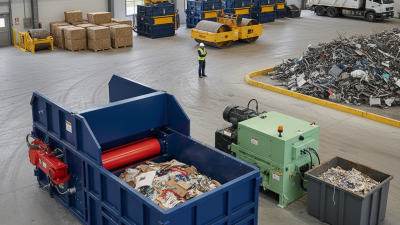
Efficient waste management is essential for any commercial operation. Top compactor machines play a crucial role in this process. These machines help businesses reduce waste volume effectively. By compressing waste materials, companies can save valuable space in landfills and storage areas.
Selecting the right machine depends on the type of waste generated. Different models handle various materials, from cardboard to organic waste.
It's important to consider the machine's capacity and size. A larger machine may not always be the best choice. Businesses must balance power and space requirements. Regular maintenance is also essential for optimal performance. Neglecting upkeep can lead to operational issues and increased costs.
Operators should be trained properly to ensure efficiency and safety. While compactor machines provide many benefits, they also require careful management. Identifying potential problems early can help improve overall waste processing. Transitioning to compactor machines can enhance sustainability in waste management strategies.
Key Features to Consider When Selecting a Compactor Machine
When selecting a compactor machine for waste management, several key features should be carefully considered. One major aspect is the machine’s size and capacity. Compacting waste efficiently requires a model that fits your operational space while accommodating your waste volume. It's essential to analyze the types of waste you manage, as this will influence the compactor's design and capability.
Larger machines often handle more waste but may require a dedicated area.
Another significant feature is the energy efficiency of the compactor. Many compactors now come with eco-friendly options, which help reduce energy consumption. This not only lowers operational costs but also reflects a commitment to sustainable practices. Additionally, look for machines with straightforward controls and maintenance requirements. It can be frustrating to deal with complex systems that require extensive training or frequent repairs.
It's worth acknowledging that not every compactor will meet all needs perfectly. Some users find that certain models may struggle with specific waste materials, leading to inefficiencies. Therefore, testing different units before making a decision can provide valuable insights. Careful evaluation can help identify the best compromise between features and performance.
Comparative Analysis of Popular Compactor Brands and Models
When considering compactor machines, it’s essential to analyze various brands and models for efficiency. Different machines offer unique features that cater to specific waste management needs. Some are designed for heavy-duty industrial use, while others focus on residential applications. Understanding the specifications of each model helps in making informed decisions.
Weight capacity is a crucial factor. High-capacity compactors can handle large volumes of waste, reducing the need for frequent disposals. However, not all businesses require such power. Smaller units can suffice for limited waste generation, providing a more economical option. The design and ease of use are equally important. A machine that is user-friendly increases efficiency in operations.
Cost is an inevitable consideration. Some machines present a higher upfront cost but offer better longevity and lower operational expenses. In contrast, cheaper models may incur higher maintenance costs. Reflecting on these aspects ensures a balanced evaluation. It's essential to assess actual needs versus machine capabilities before making a purchase. This reflection can prevent costly mistakes in waste management.
Top Compactor Machine Choices for Efficient Waste Management
This chart provides a comparative analysis of key parameters associated with popular compactor machines used in waste management. The dimensions include compression ratio, power consumption, container volume, average cost, and durability. This data can assist stakeholders in selecting the most efficient compactor machines for various waste management needs.
Maintenance Tips for Maximizing Compactor Machine Performance
Compactor machines are essential for effective waste management, but routine maintenance is vital for optimal performance. Regular inspections can help spot issues before they escalate. According to industry reports, improper maintenance can reduce the lifespan of a compactor by 20%. Therefore, investing time in upkeep can lead to significant savings.
Tip: Regularly check the hydraulic oil levels. Low oil can hinder performance and lead to mechanical issues. Ensuring the oil is clean and at proper levels improves efficiency. Additionally, inspecting the seals and hoses for wear can prevent leakage, which is a common issue.
Keep the compactor clean. Debris accumulation can cause malfunctions. A clean machine operates more efficiently and reduces repair costs. Studies show that clean machines reduce breakdown incidents by up to 30%. If you notice strange noises or reduced packing force, address these concerns immediately. Ignoring minor problems can result in costly repairs down the line.
Top Compactor Machine Choices for Efficient Waste Management
| Model |
Type |
Compaction Ratio |
Weight Capacity (lbs) |
Maintenance Frequency |
| Model A |
Static |
4:1 |
3,000 |
Monthly |
| Model B |
Mobile |
6:1 |
4,500 |
Weekly |
| Model C |
Portable |
5:1 |
2,500 |
Bi-Weekly |
| Model D |
Stationary |
3:1 |
5,000 |
Quarterly |
Environmental Impact of Using Compactor Machines in Waste Management
The environmental impact of compactor machines in waste management is substantial. These machines significantly reduce the volume of waste by compacting it, leading to fewer trips to landfills. According to the EPA, effective waste compaction can decrease hauling costs by up to 30%. This reduction is not just a financial benefit; it also lessens greenhouse gas emissions associated with transportation.
However, the use of compactor machines also poses challenges. For instance, improper operation can lead to increased energy consumption. A study by the National Waste and Recycling Association reported that inefficient compaction can waste 20% more power than necessary. Regular maintenance is essential to mitigate this issue and ensure the machines operate at optimal efficiency.
Moreover, while recycling rates are improving, as noted in the 2021 Recycling Industry Yearbook, only about 35% of all waste generated in the U.S. is recycled. Compactor machines can help bridge this gap, but they must be used wisely. Waste segregation and proper material management are crucial. A holistic approach is necessary for maximizing the benefits of waste compaction while minimizing its environmental footprint.

 Internal Vibrator
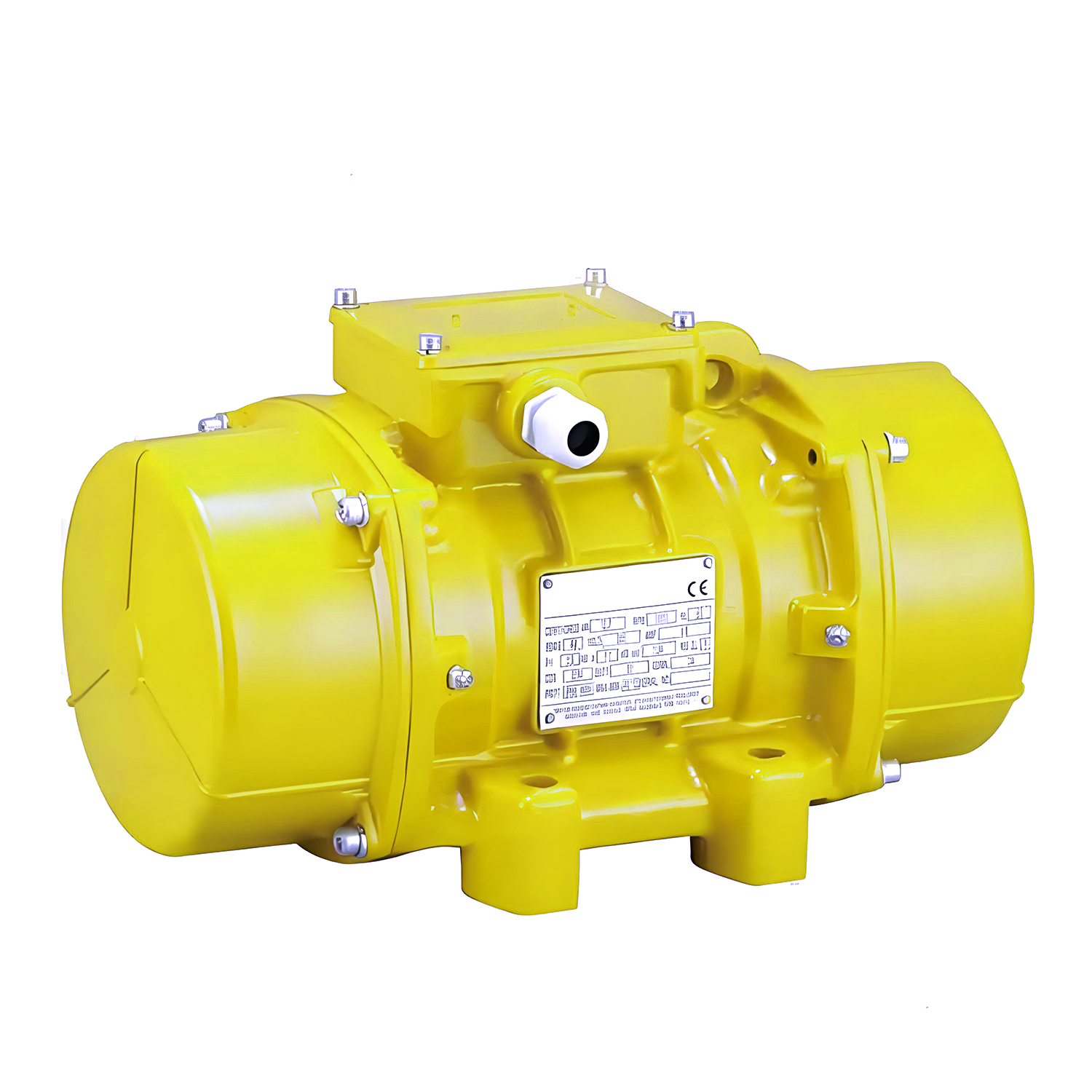 External Vibrator
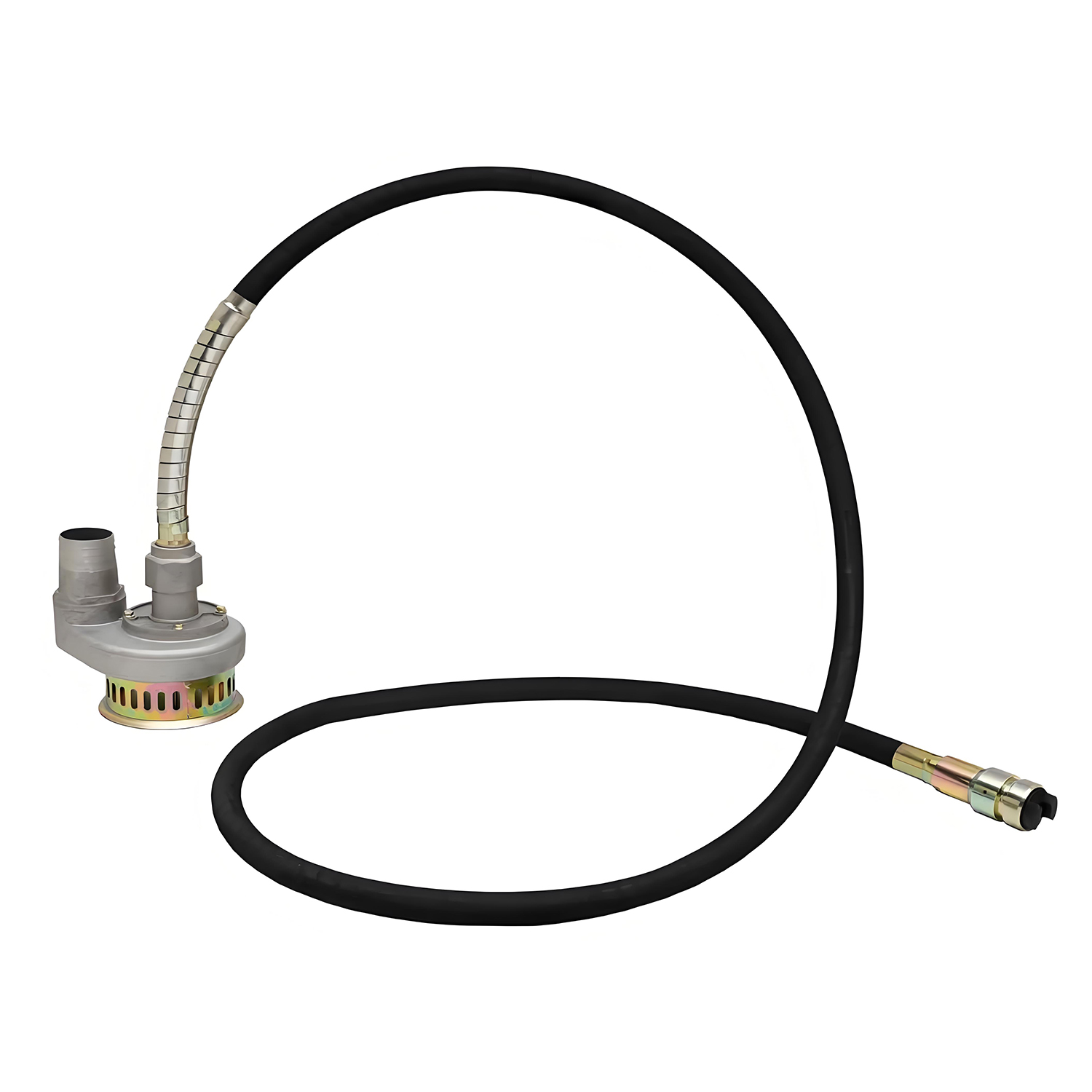 Submersible Pump
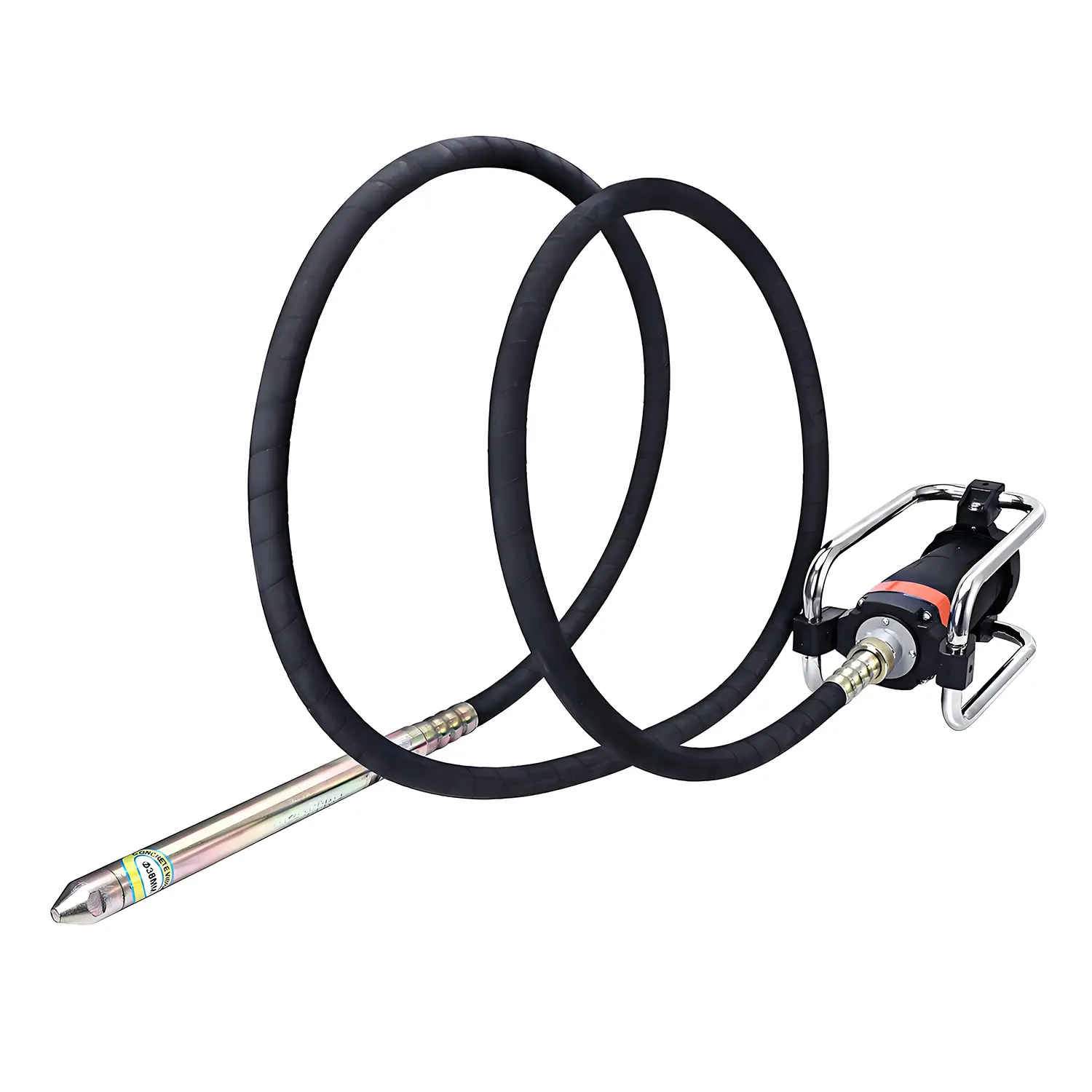 Eccentric shaft
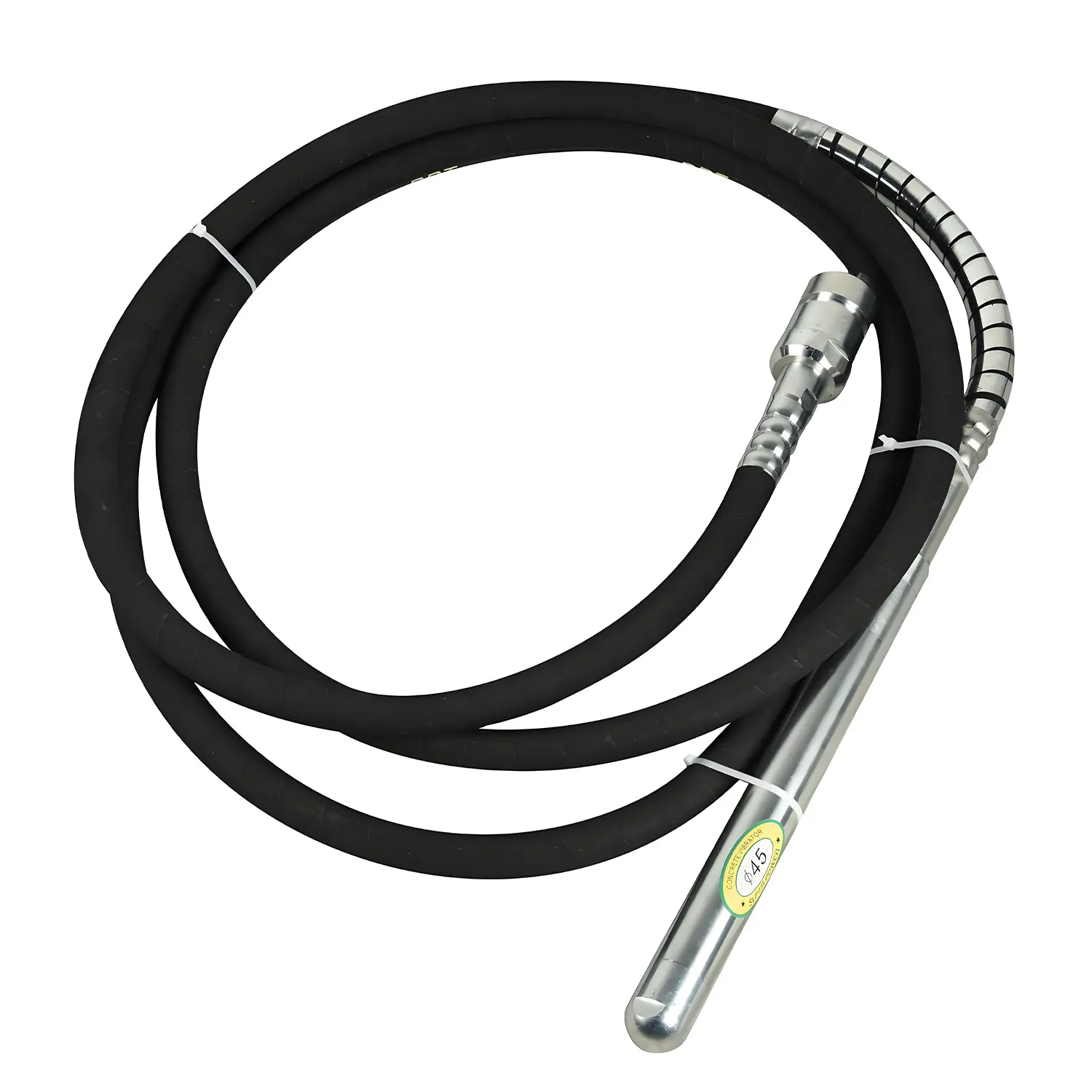 Pendulum shaft
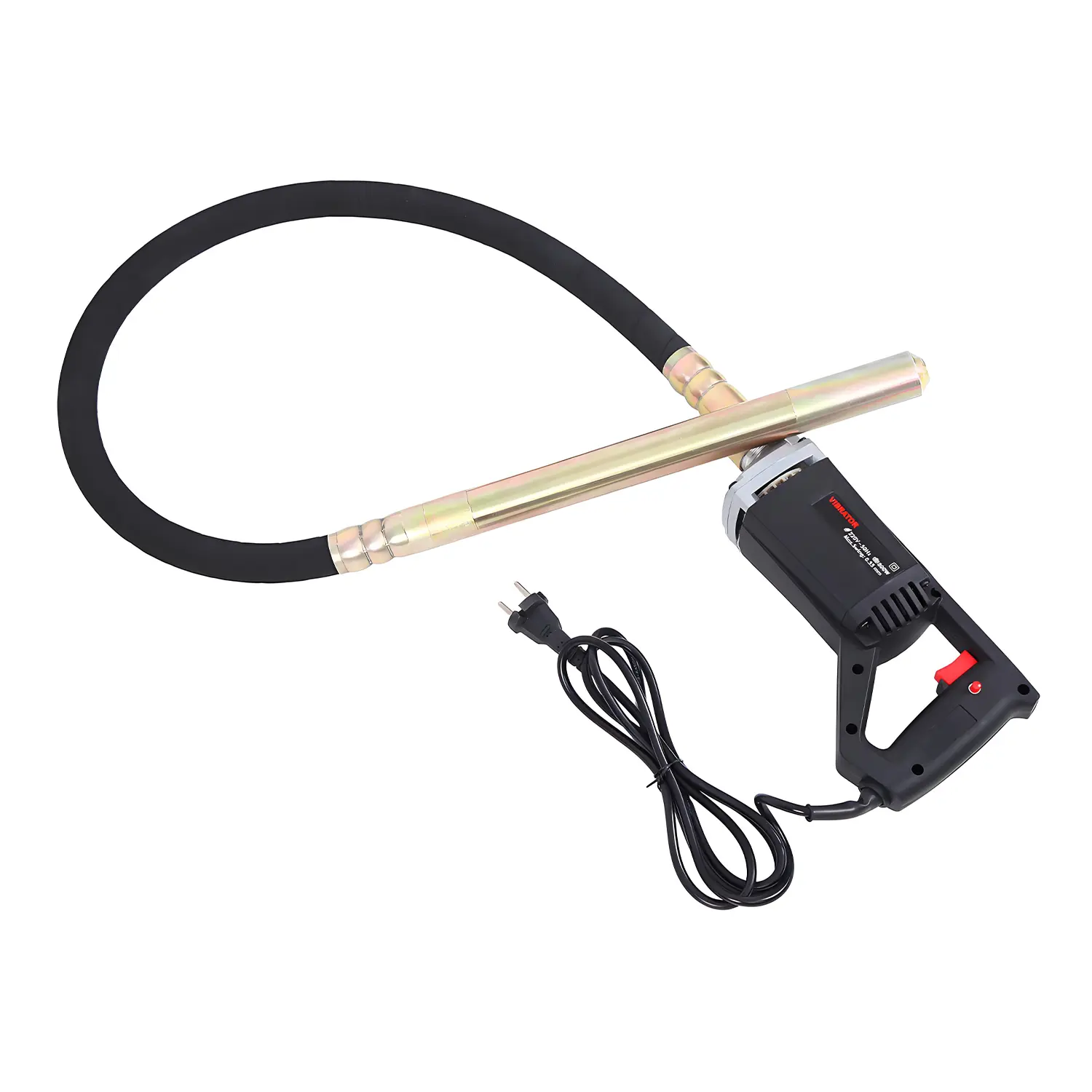 Portable vbrator shaft
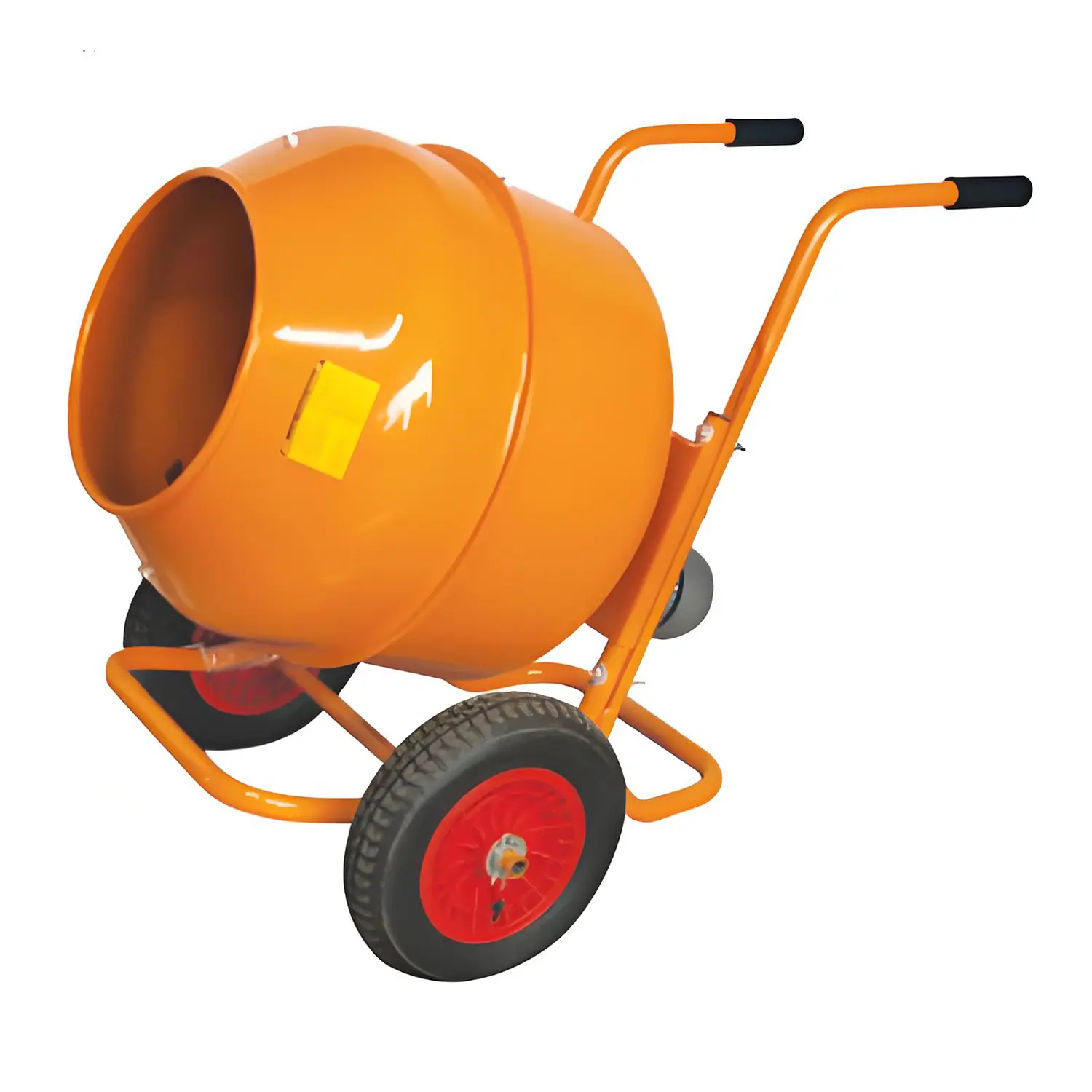 Portable concrete mixer
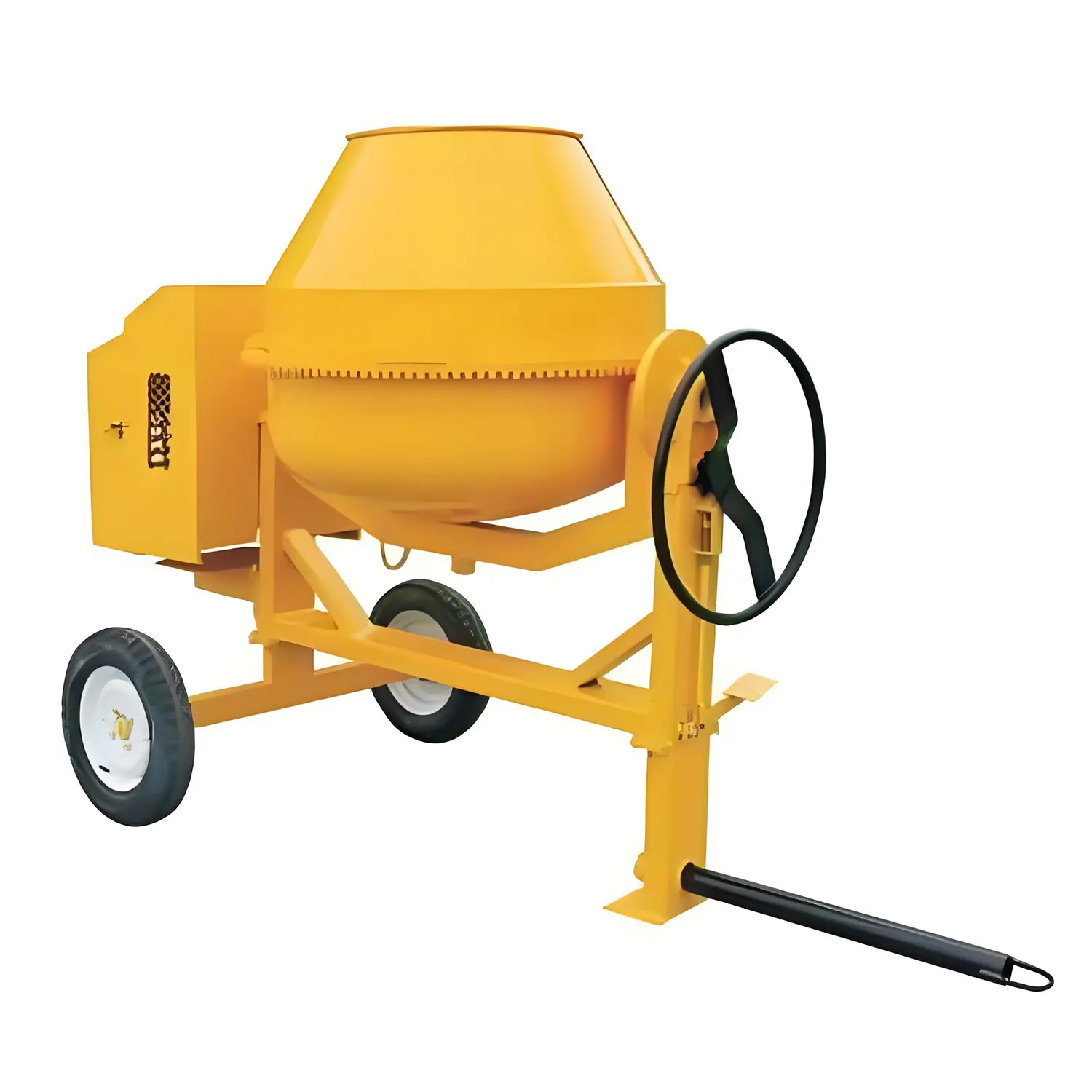 Vertical concrete mixer
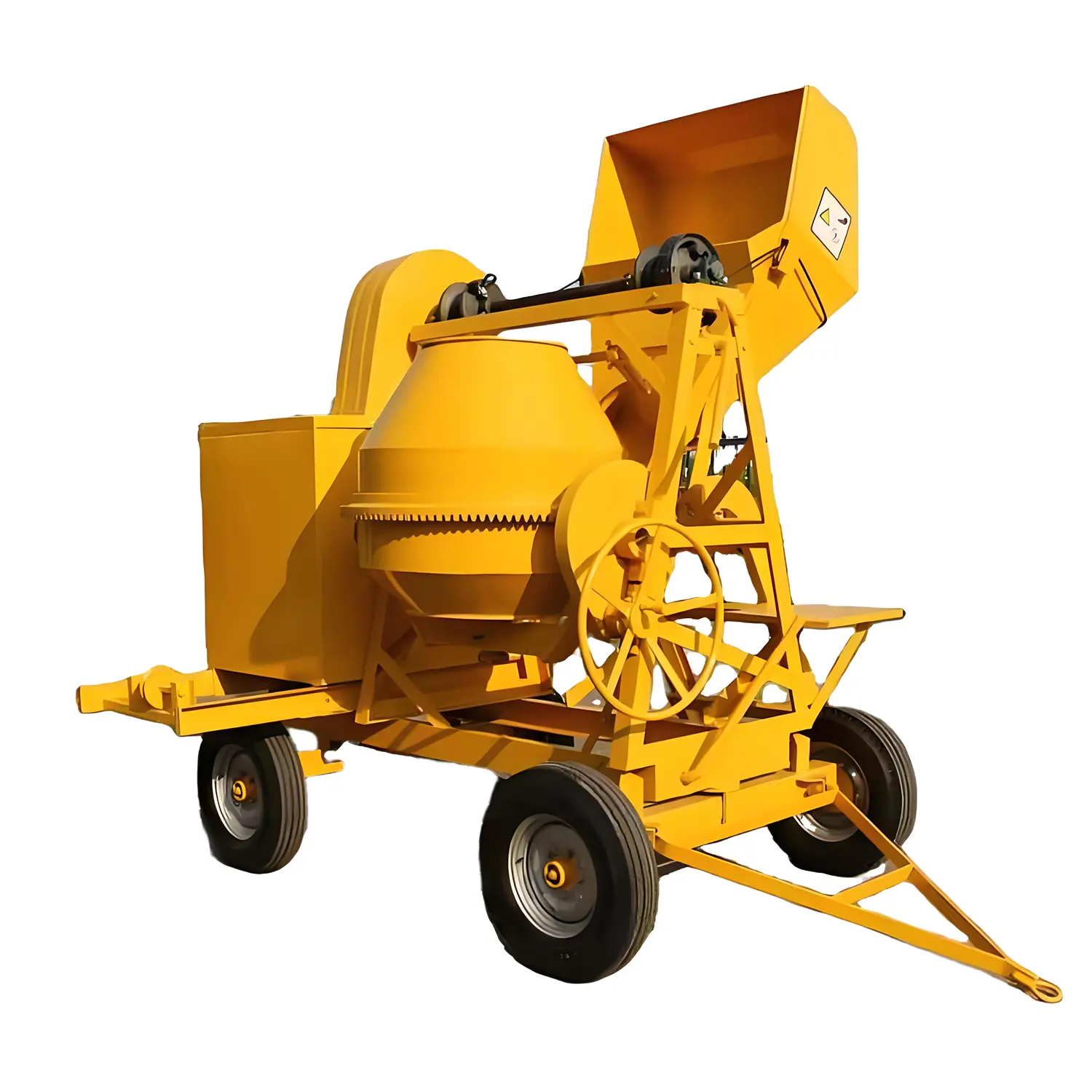 Hydraulic concrete mixer
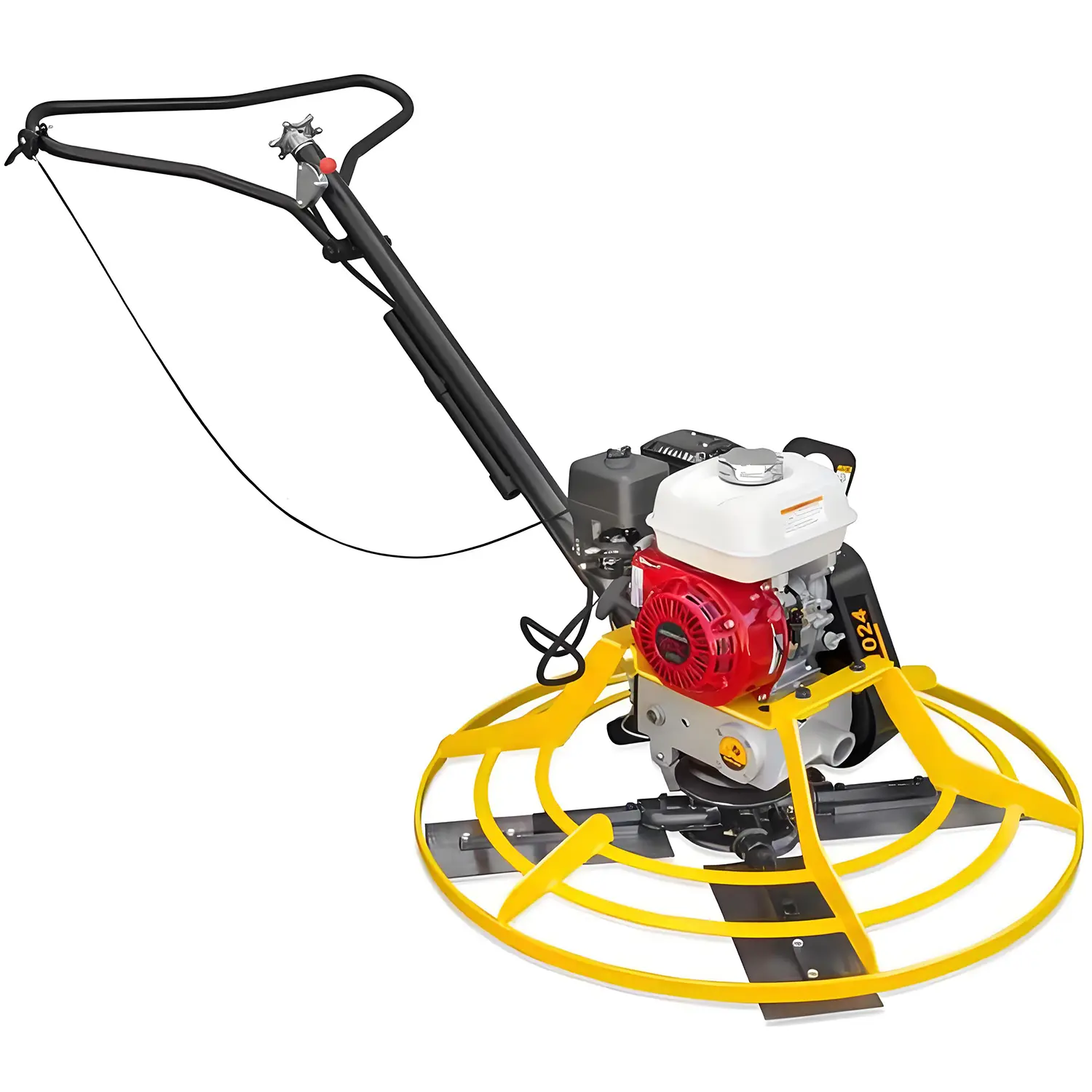 Walk behind power trowel
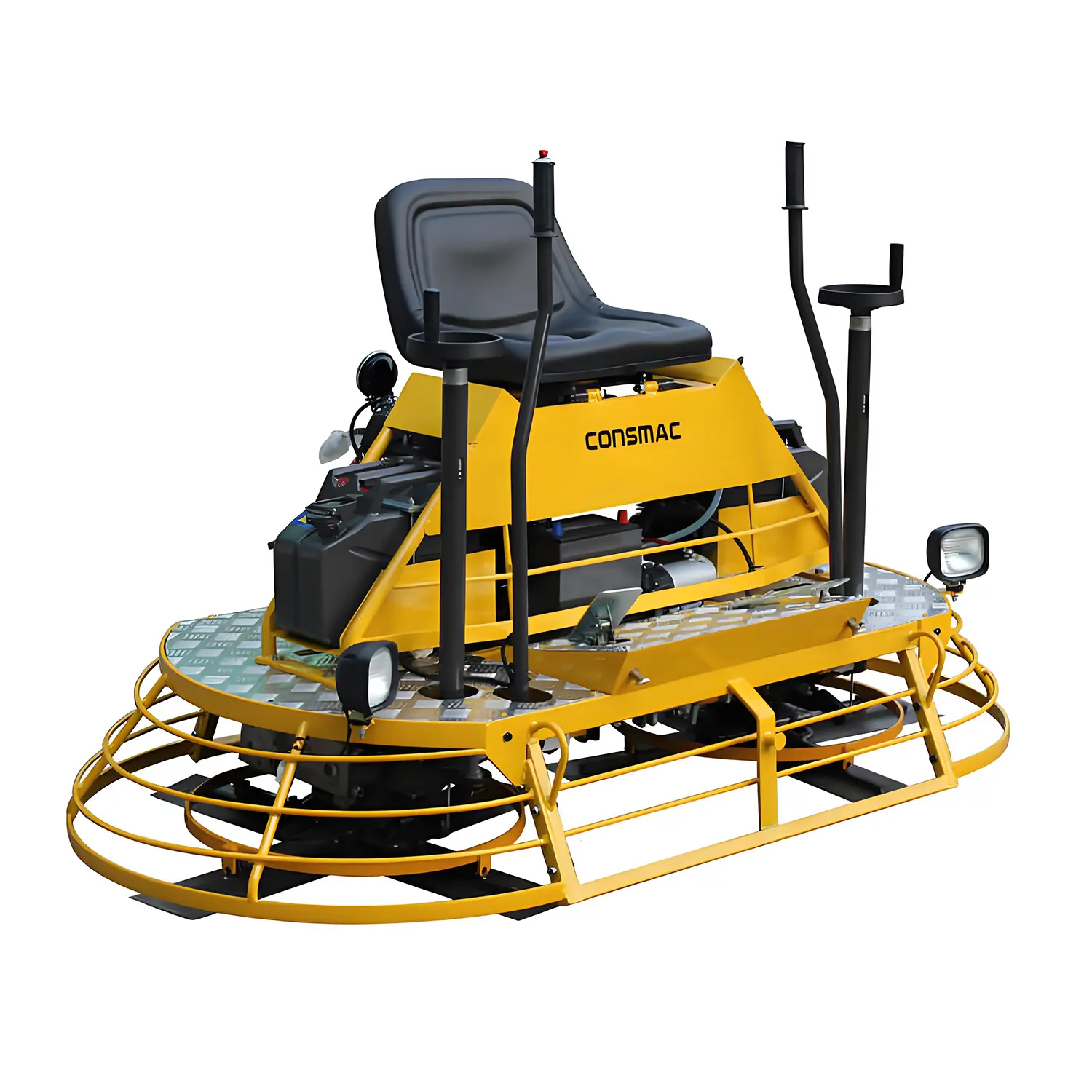 Ride on power trowel
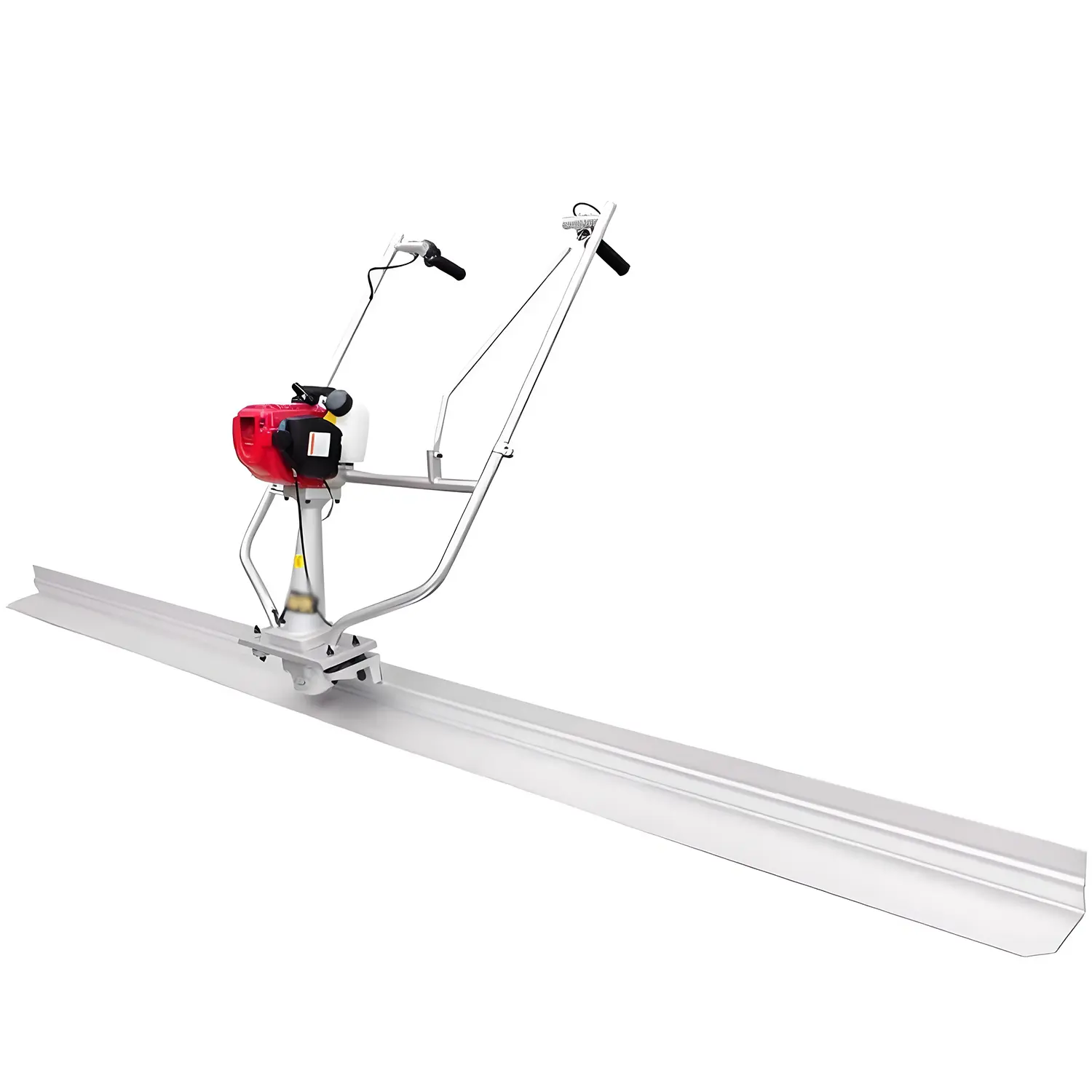 Concrete screed
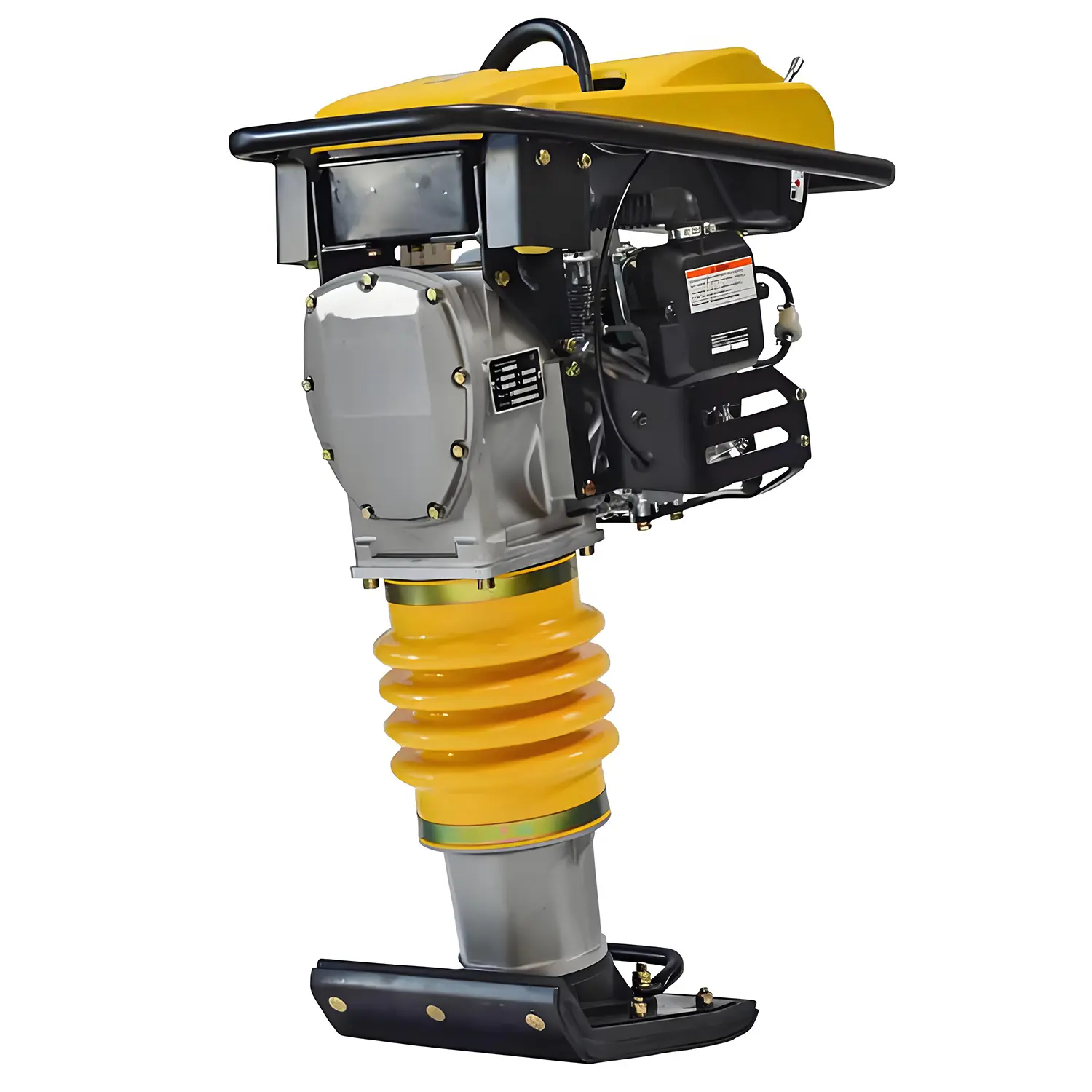 Tamping rammer
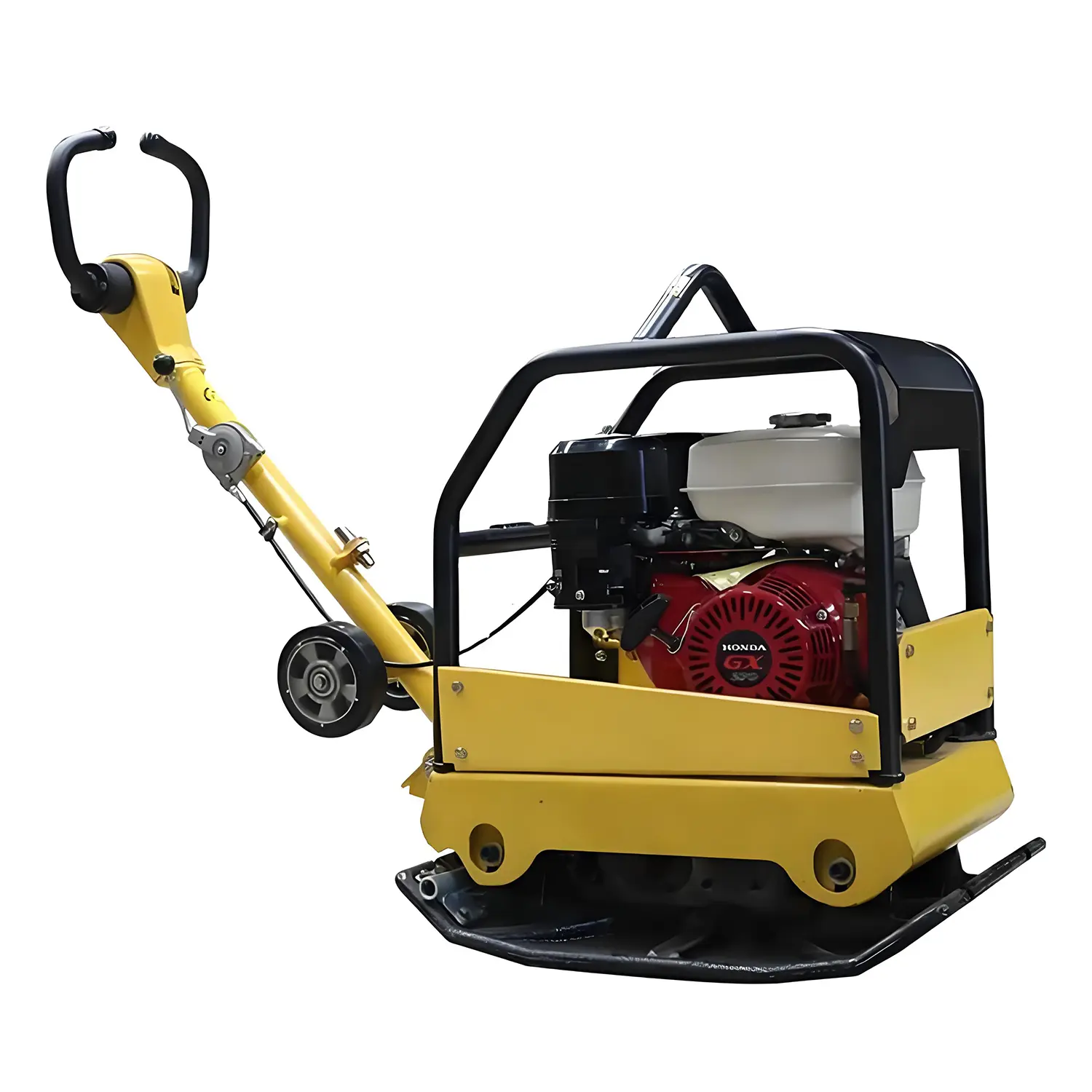 Plate compactor
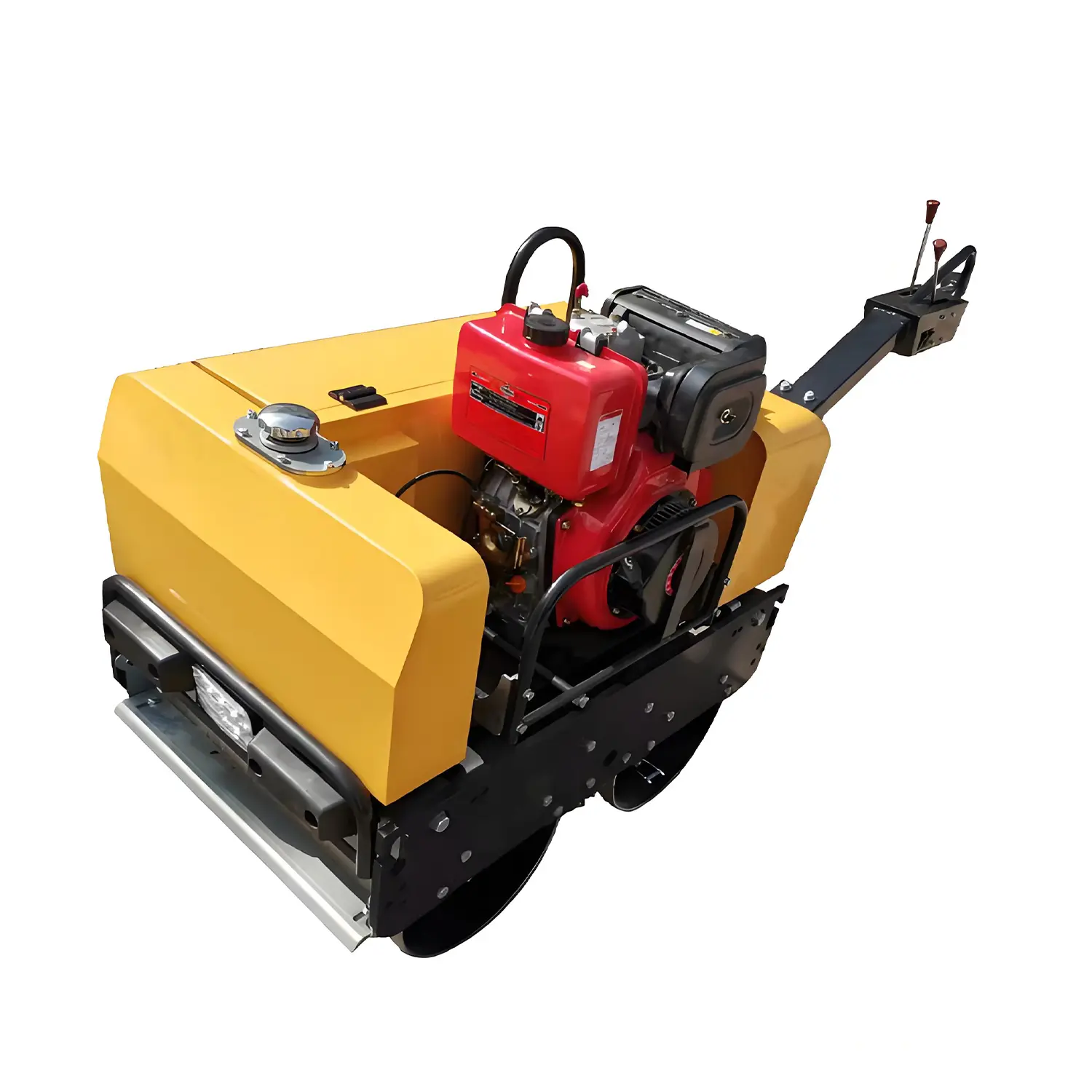 Vibratory roller