2026 Top Compactor Machine Features and Benefits You Should Know?
In the world of construction and waste management, the compactor machine is an essential tool. As of 2023, the global compactor market is projected to reach $4.5 billion, reflecting a growing demand for efficient waste processing. This significant growth indicates a shift towards sustainable practices and highlights the importance of modern machinery in addressing environmental concerns.
The 2026 compactor machine features promise to enhance performance and usability. Compacting machines now include advanced technologies, such as smart sensors and automated controls. These innovations allow users to achieve better compaction ratios while reducing energy consumption. However, not all models may meet the specific needs of every project, requiring careful evaluation and selection by industry professionals.
Despite rapid advancements, some challenges remain. Selecting the right compactor machine can be daunting, impacting efficiency and project timelines. Further, not all manufacturers may provide reliable support and maintenance. Understanding the capabilities and limitations of different models is crucial for making informed decisions. Empowering workers with the right compaction machinery defines the future of waste management and construction.
Key Features of Compactor Machines in 2026
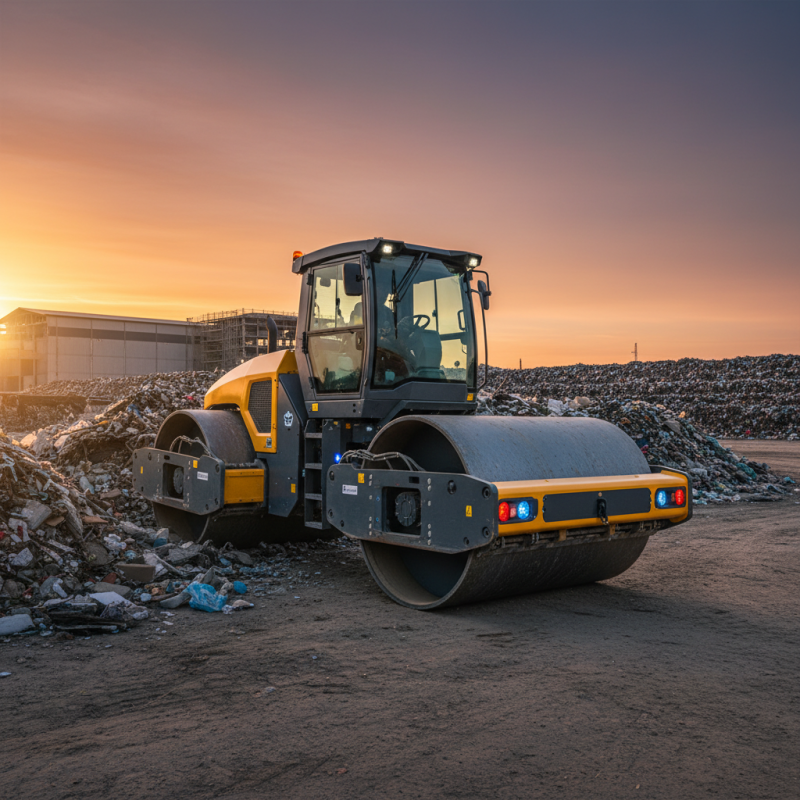
Compactor machines are evolving rapidly, and the 2026 models promise impressive features. These machines now come equipped with advanced vibration systems. This innovation ensures efficient compaction, helping save time and resources. The integration of smart technology offers real-time monitoring, allowing operators to track performance effortlessly.
Another critical feature is their increased fuel efficiency. Many of the newer models utilize eco-friendly engines. These engines reduce carbon emissions while maintaining power. However, as technology advances, operators may face a learning curve. Understanding how to leverage these features is vital for effective use.
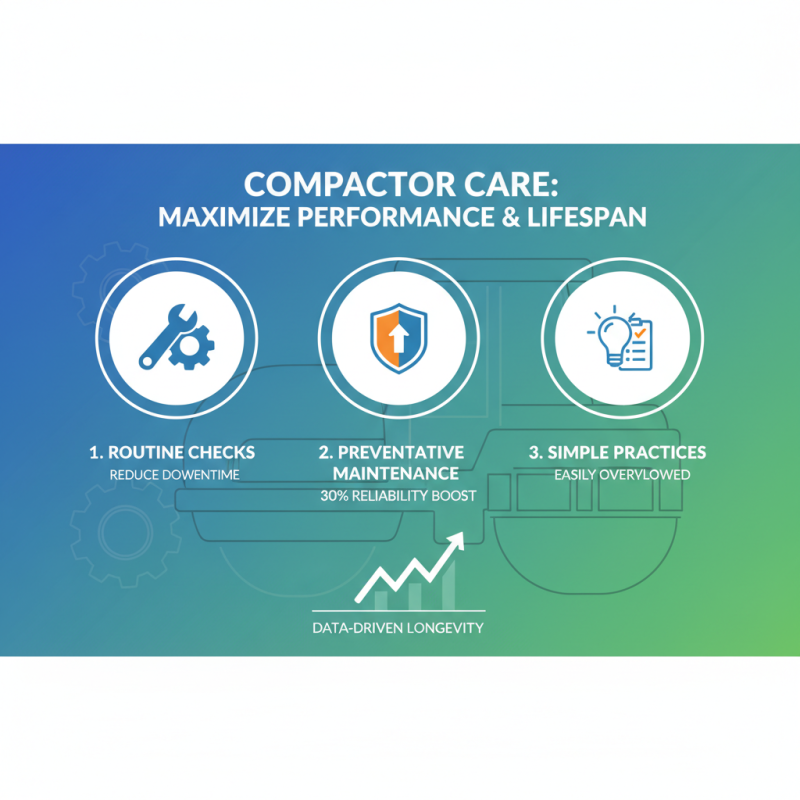
Durability has also improved significantly. Reinforced materials enhance the lifespan of these machines. Yet, with such advancements, regular maintenance is crucial. Neglecting maintenance can lead to unexpected failures, which could be costly. It’s essential to cultivate a conscientious approach to machine care. With all these changes, operators must adapt their skills to keep up.
2026 Top Compactor Machine Features and Benefits You Should Know
| Feature |
Benefit |
| Hydraulic Systems |
Improved efficiency and power output for heavy compaction tasks. |
| Silent Operation |
Reduces noise pollution, making it suitable for urban environments. |
| Enhanced Mobility |
Easier to maneuver in tight spaces and uneven terrain. |
| Automated Controls |
User-friendly operation that reduces the risk of operator error. |
| Eco-Friendly Options |
Lower emissions and fuel consumption for sustainable construction practices. |
| Smart Technology |
Real-time data tracking and diagnostics for maintenance and performance optimization. |
Benefits of Using Modern Compactor Machines
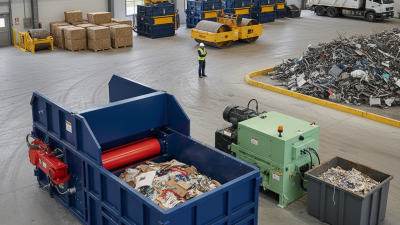
Modern compactor machines offer numerous benefits that significantly enhance efficiency in construction and waste management. These machines are designed to consolidate materials and minimize waste. According to a recent industry report, the use of compactor machines can reduce landfill waste by up to 30%. This reduction not only decreases disposal costs but also promotes environmental sustainability.
One key feature of contemporary compactors is their advanced technology. Many machines are equipped with sensors that optimize compaction processes. This innovation can improve productivity and the quality of the compacted materials. In practical terms, users have reported up to a 25% increase in operational efficiency with these smart machines. Additionally, advanced compaction techniques lead to better space utilization, allowing businesses to store more materials in confined spaces.
However, it’s essential to acknowledge challenges in adopting modern compactor machines. Initial investment costs can be high, and some users may struggle with the steep learning curve associated with new technologies. Regular maintenance is crucial to ensure optimal functionality, which can add to operating costs. These factors highlight the importance of comprehensive planning before integrating new machinery into existing workflows.
Types of Compactor Machines Available Today
Compactor machines are essential tools for construction and waste management. They come in various types, each with unique features. Understanding these different types can help you choose the right machine for your needs.
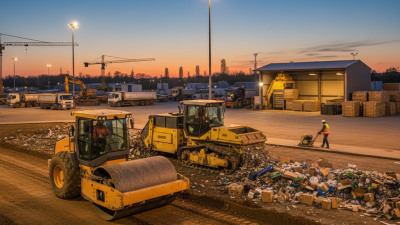
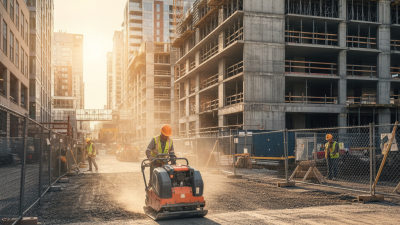
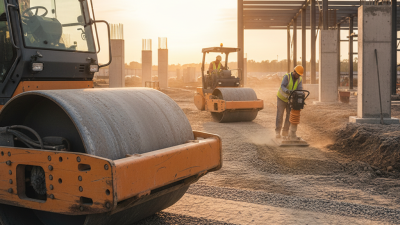
One popular type is the plate compactor. This machine is compact and ideal for small to medium-sized jobs. It effectively compacts soil and asphalt. However, it may struggle with larger projects that require more power. Another type is the roller compactor, which features larger drums. These machines are perfect for larger areas and offer efficient compaction. They are, however, bulkier and less maneuverable than plate compactors.
Then, there are trench rollers, specifically designed for narrow spaces. They excel in compacting trenches and are valuable for utility work. Still, they may not perform well on wider surfaces. Finally, the walk-behind compactor is user-friendly and versatile, suitable for a variety of applications. However, it may not provide the same level of power as larger machines. Each type has its benefits and limitations, making it crucial to analyze your project requirements carefully.
2026 Top Compactor Machine Features and Benefits
Technological Innovations in Compactor Machines
The evolution of compactor machines is significantly shaped by technological innovations. Recent reports indicate that nearly 70% of companies in the construction sector plan to upgrade their equipment by 2026. This trend is largely driven by advancements in efficiency and sustainability. Modern compactors now utilize smart technology for better operational control.
One current innovation is the incorporation of IoT (Internet of Things) features. These allow machines to communicate vital data in real time. Operators can monitor performance metrics remotely, leading to proactive maintenance. A report by the International Journal of Engineering suggests that predictive maintenance can reduce downtime by up to 30%.
Moreover, advancements in engine technology are making machines more eco-friendly. Many new models now comply with stricter emissions regulations while delivering greater compaction force. This offers companies an opportunity to operate sustainably, but some still struggle with the upfront costs. While technological improvements enhance operations, they also require a shift in management practices. Balancing innovation with practical implementation remains a challenge for many in the industry.

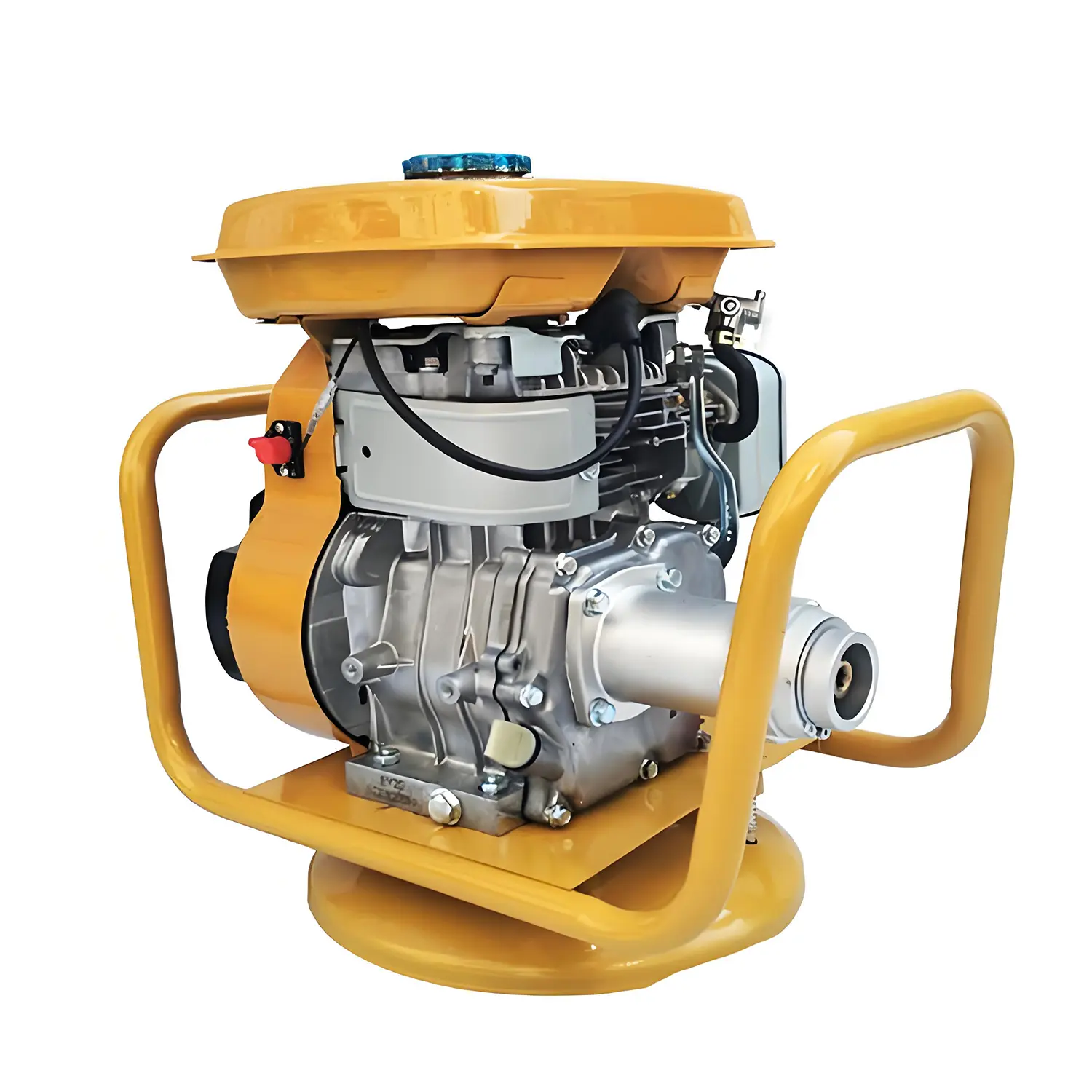 Internal Vibrator
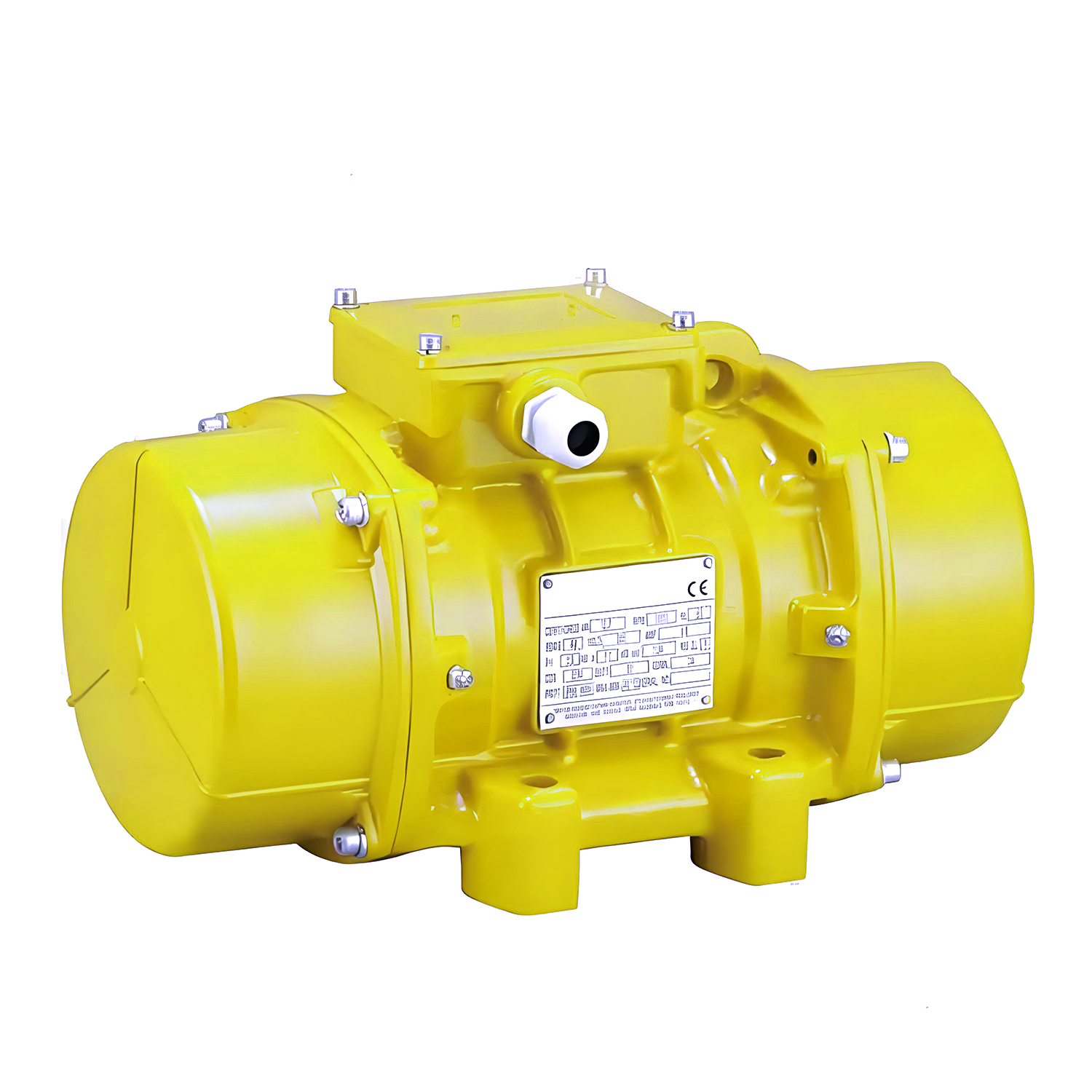 External Vibrator
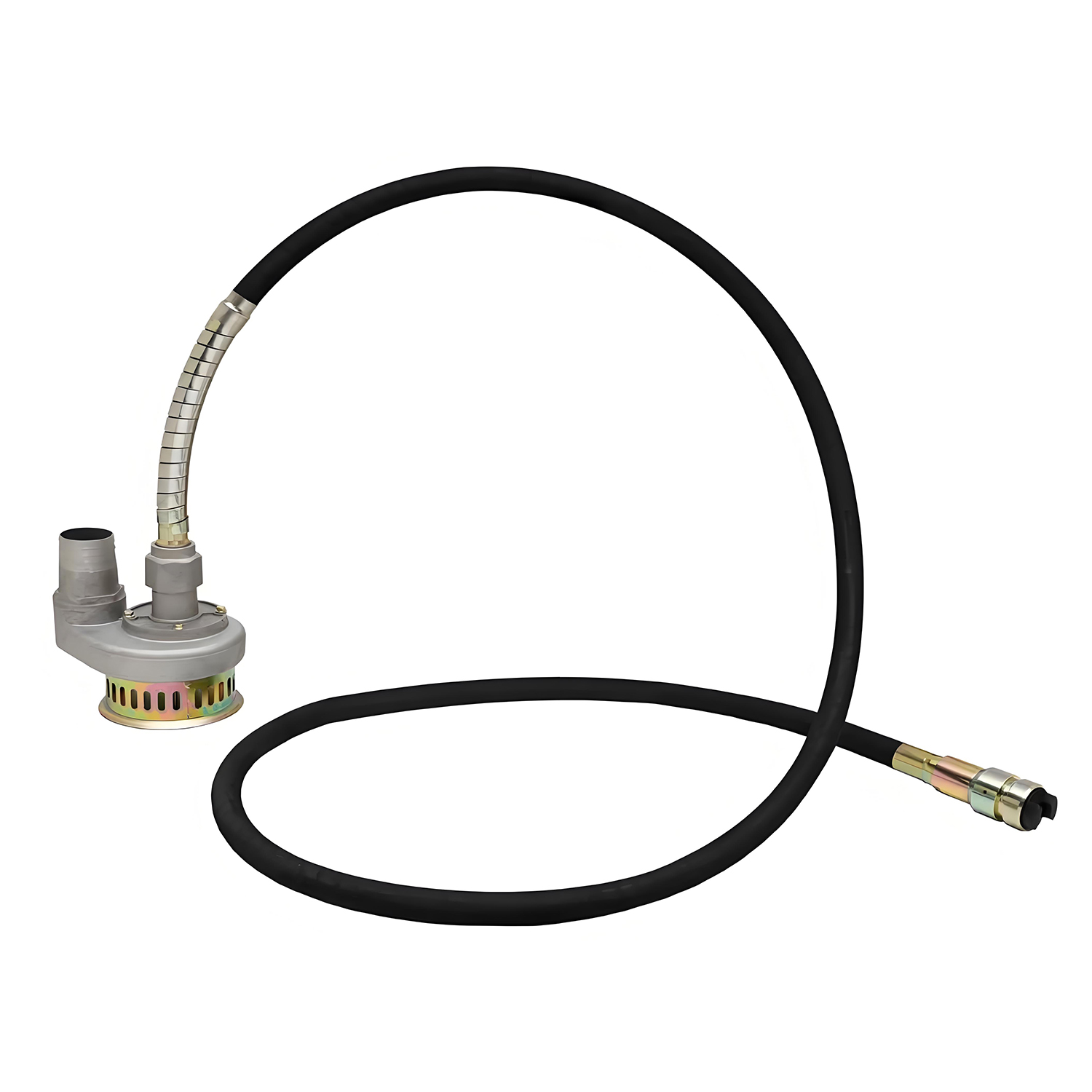 Submersible Pump
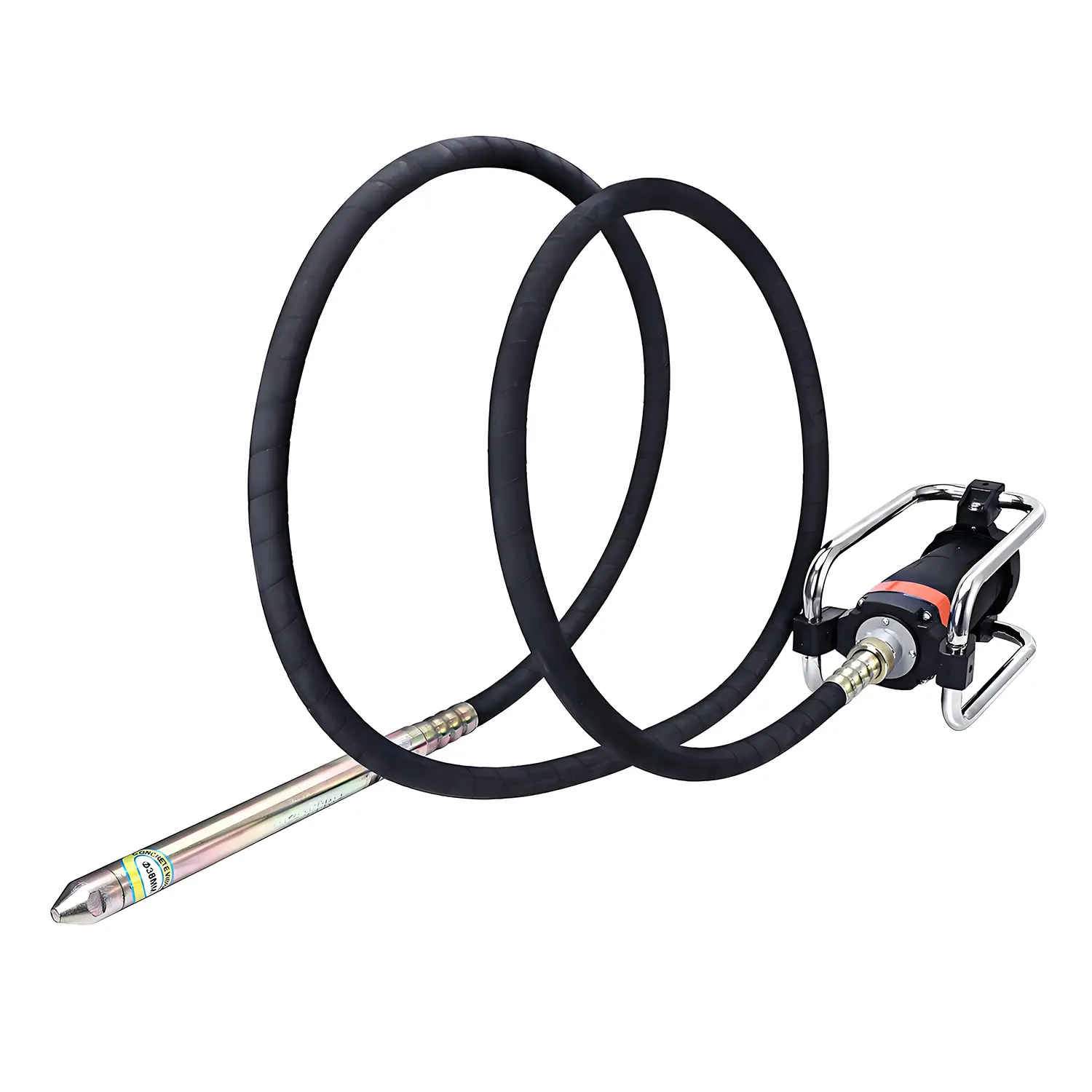 Eccentric shaft
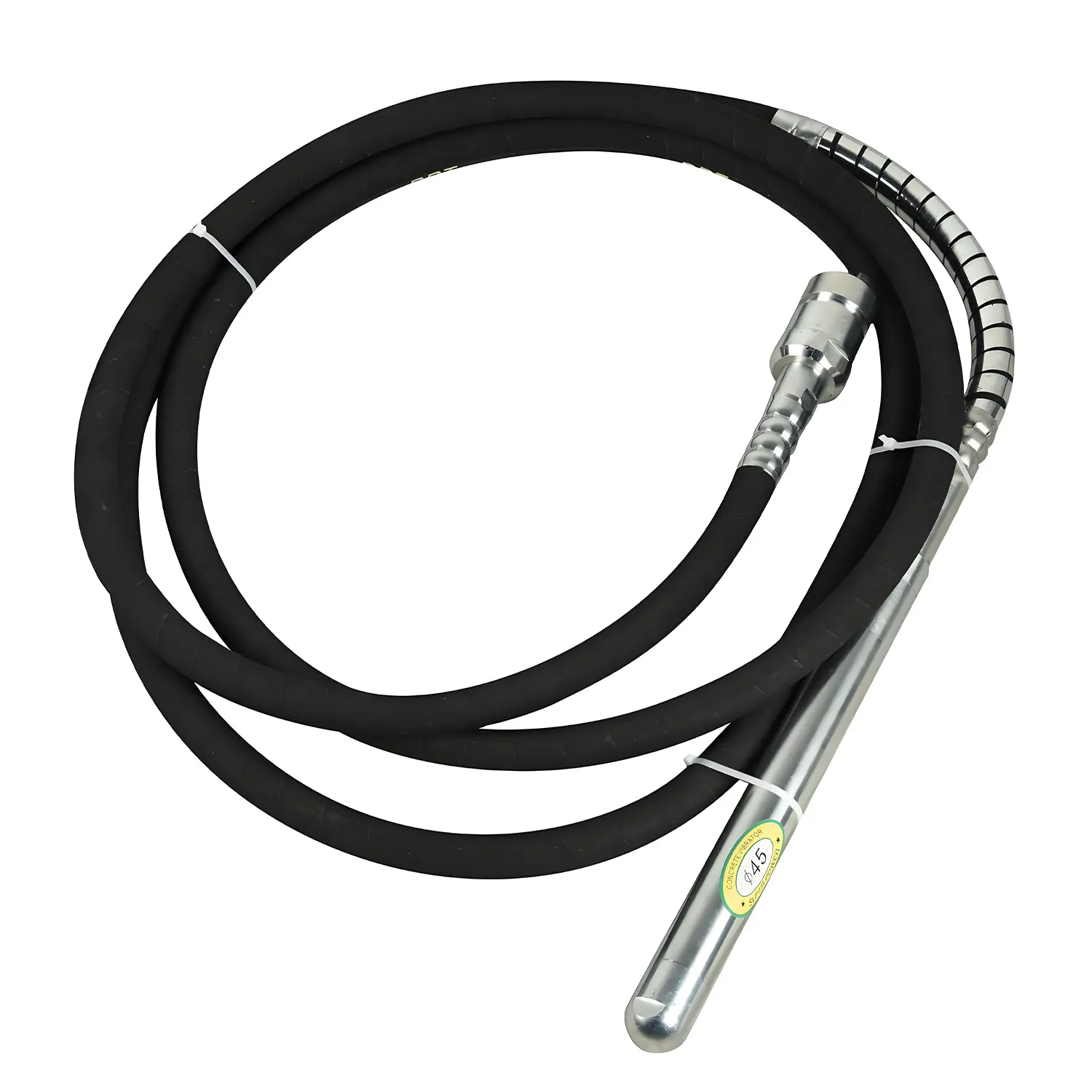 Pendulum shaft
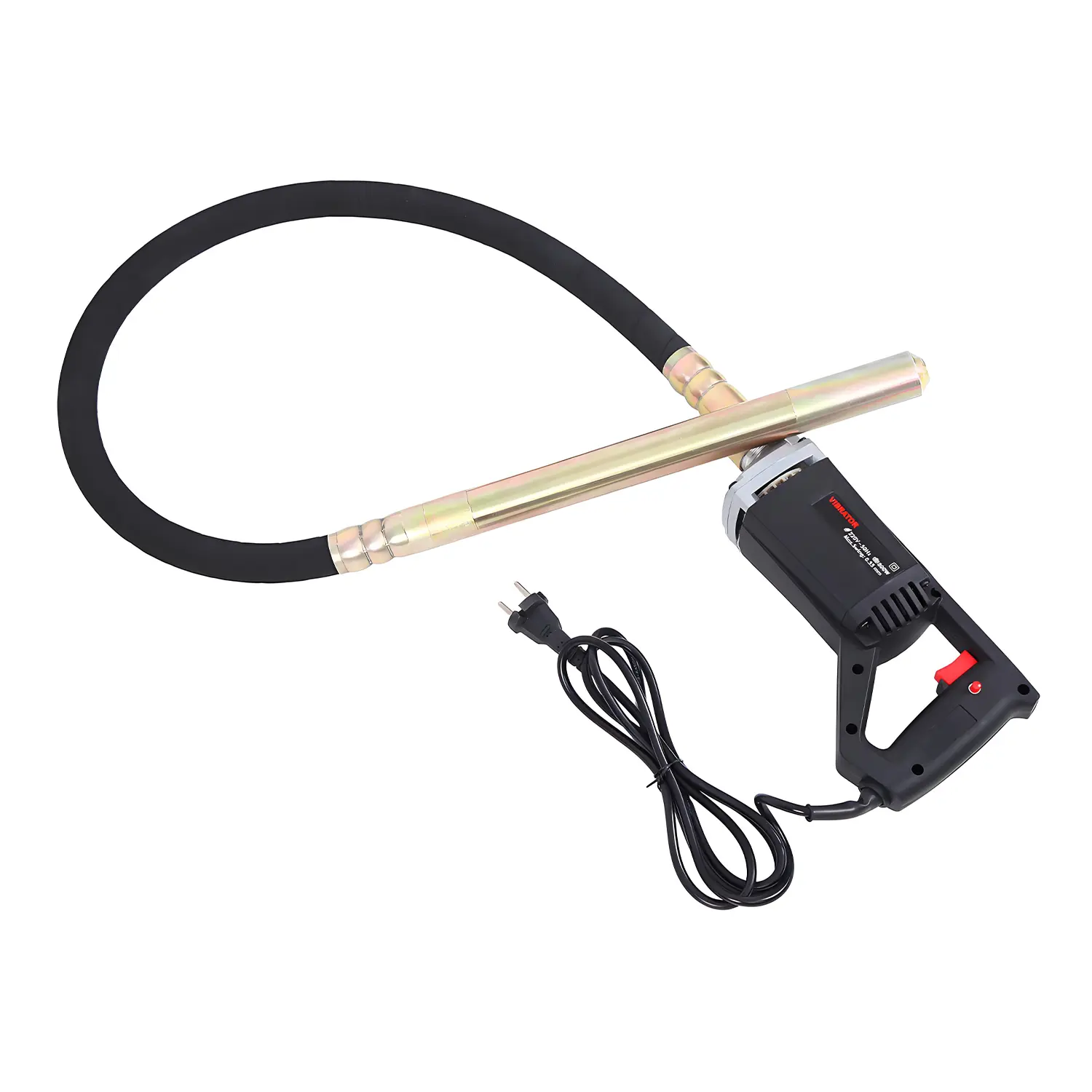 Portable vbrator shaft
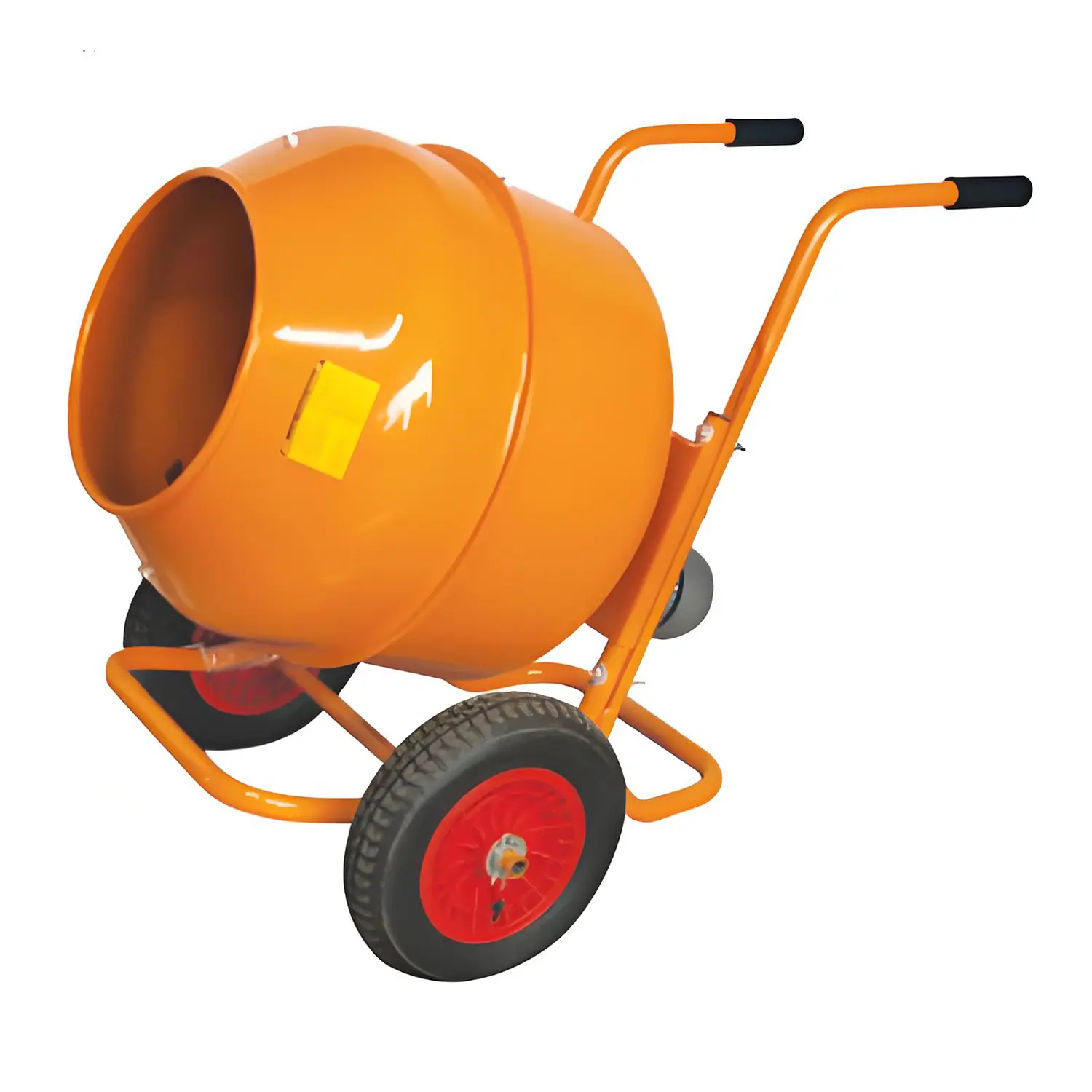 Portable concrete mixer
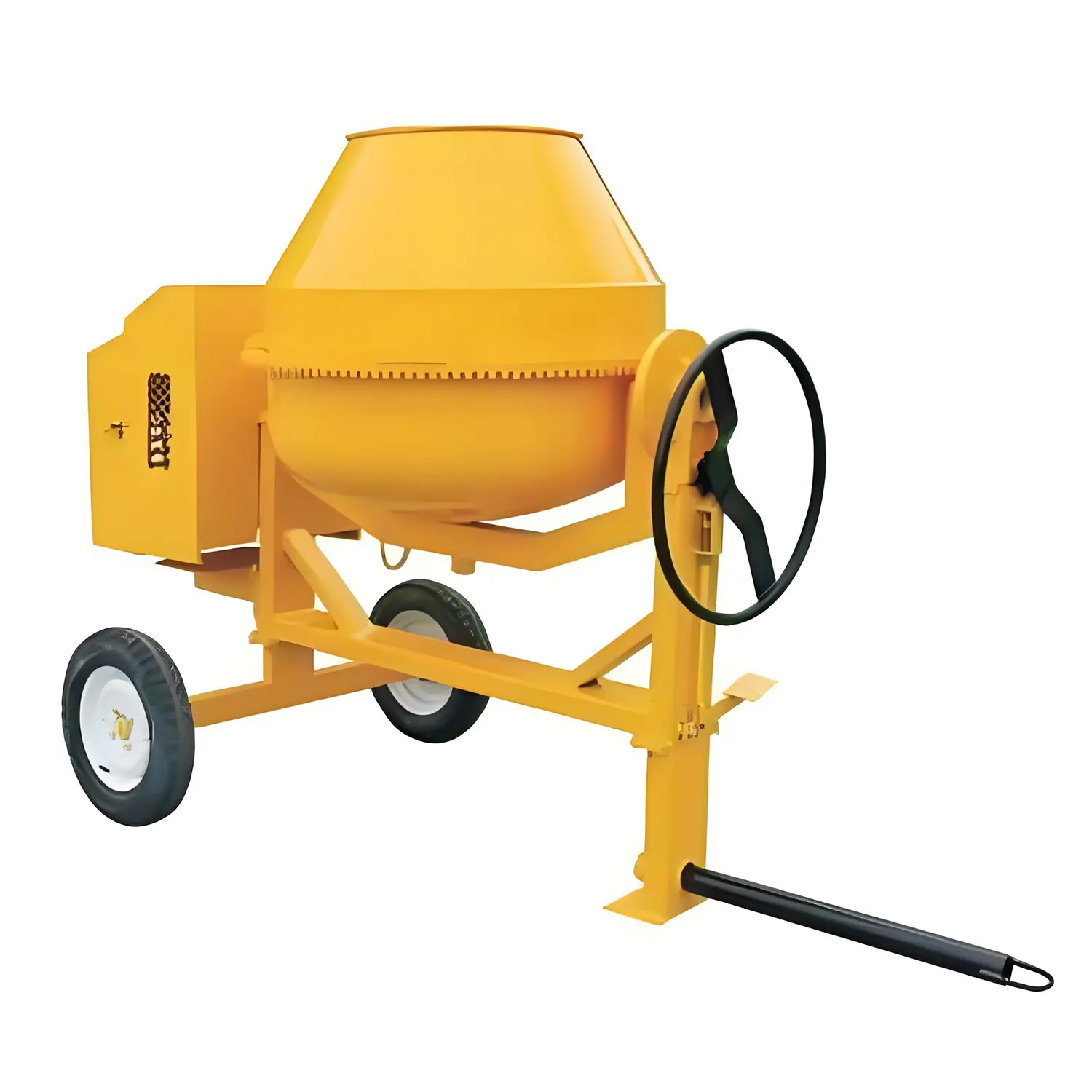 Vertical concrete mixer
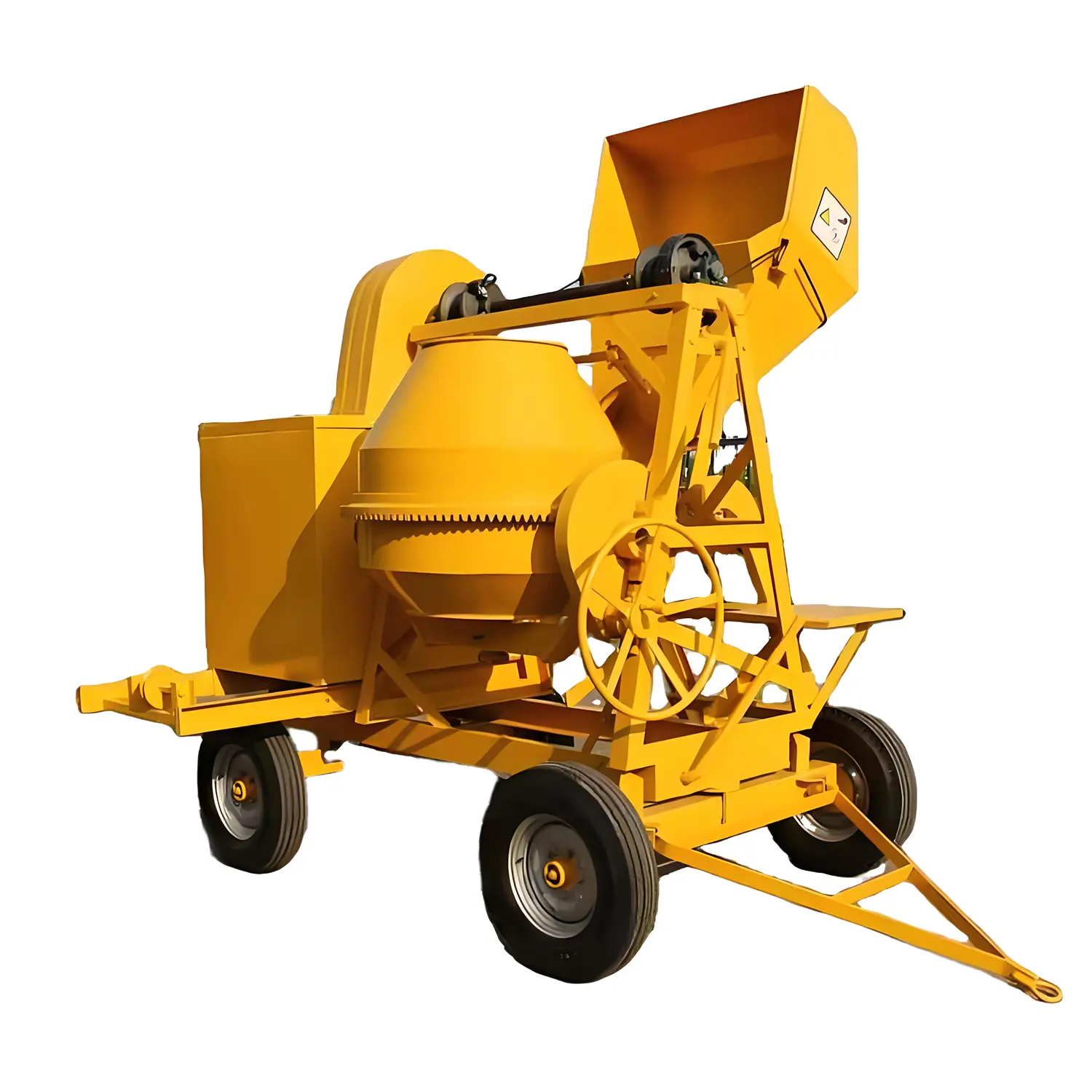 Hydraulic concrete mixer
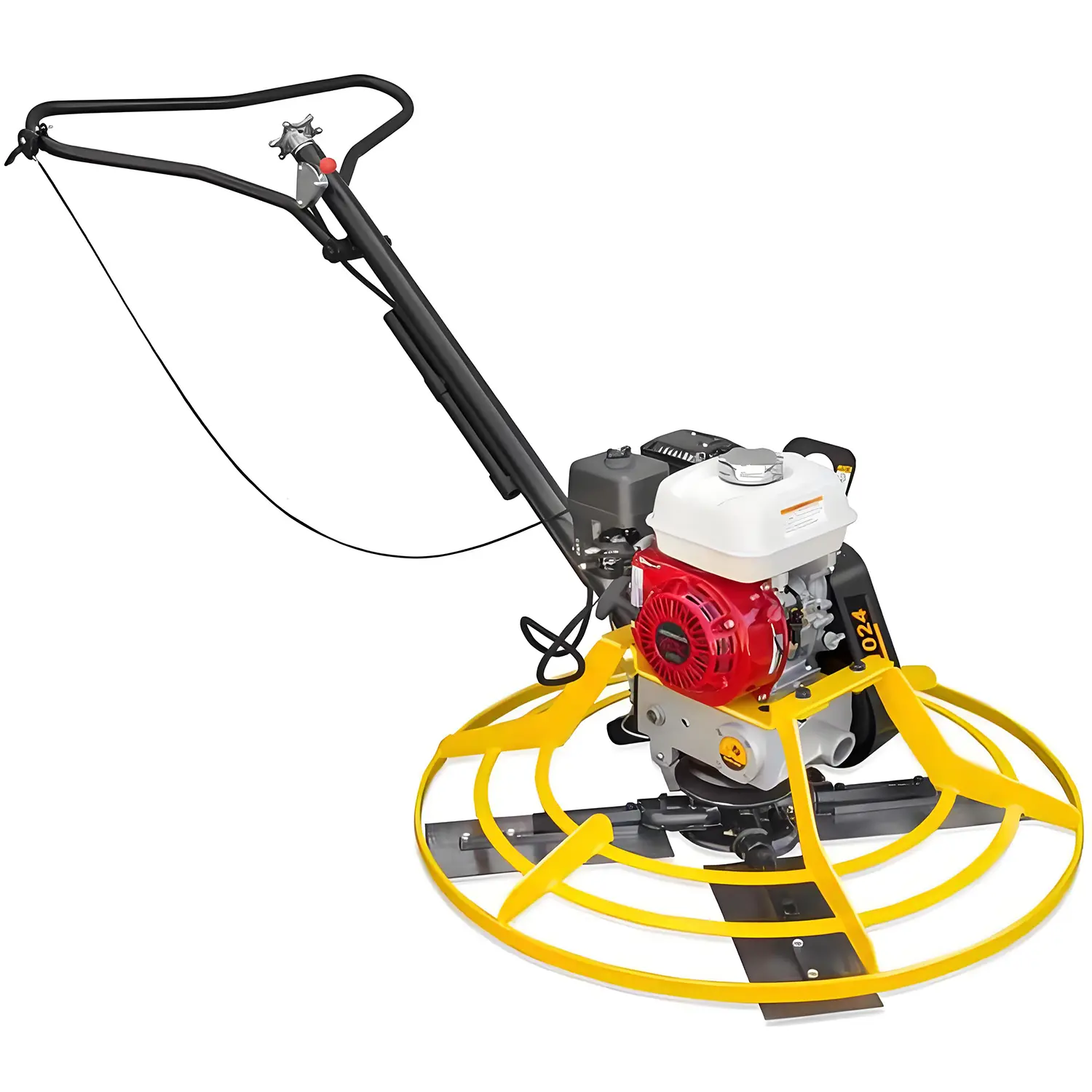 Walk behind power trowel
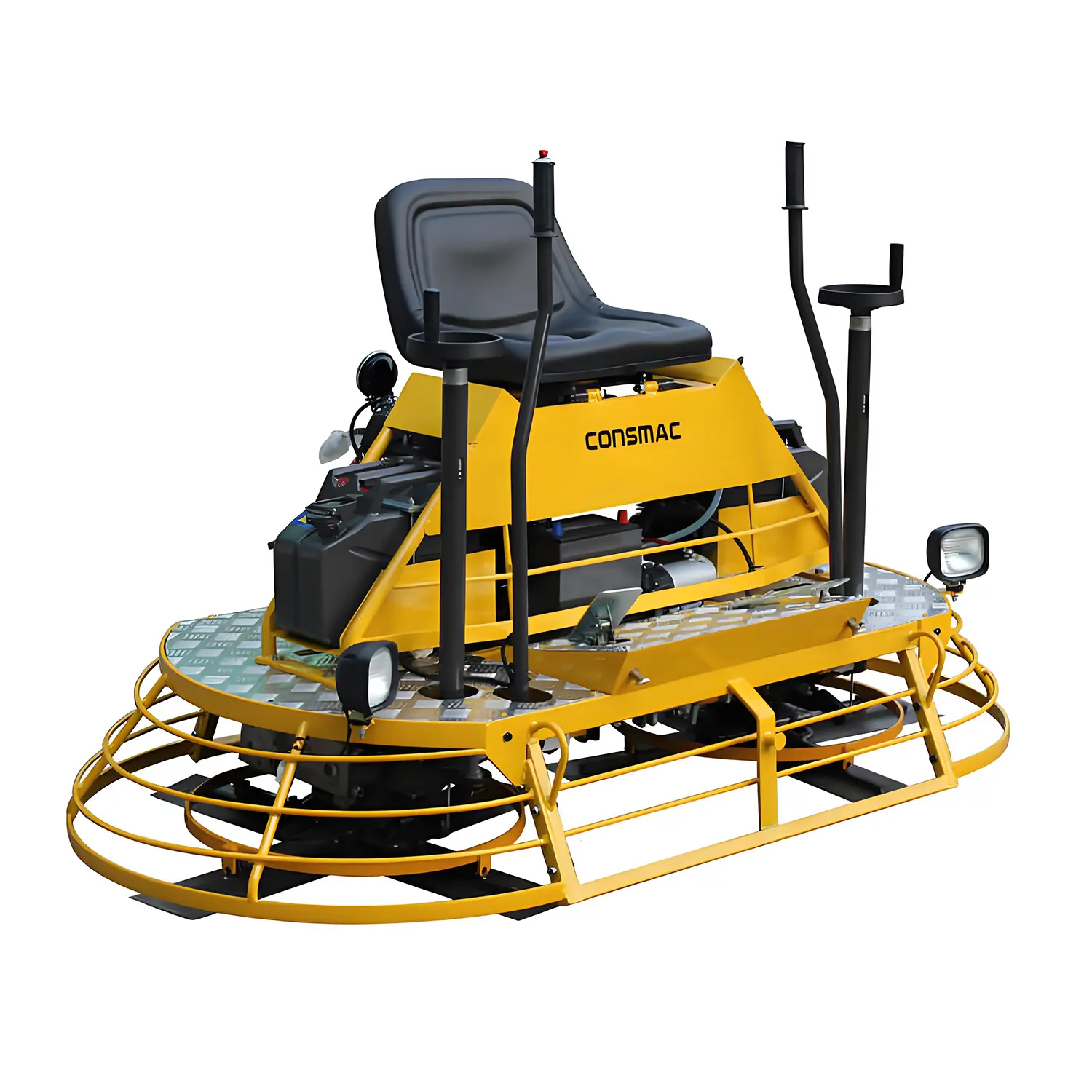 Ride on power trowel
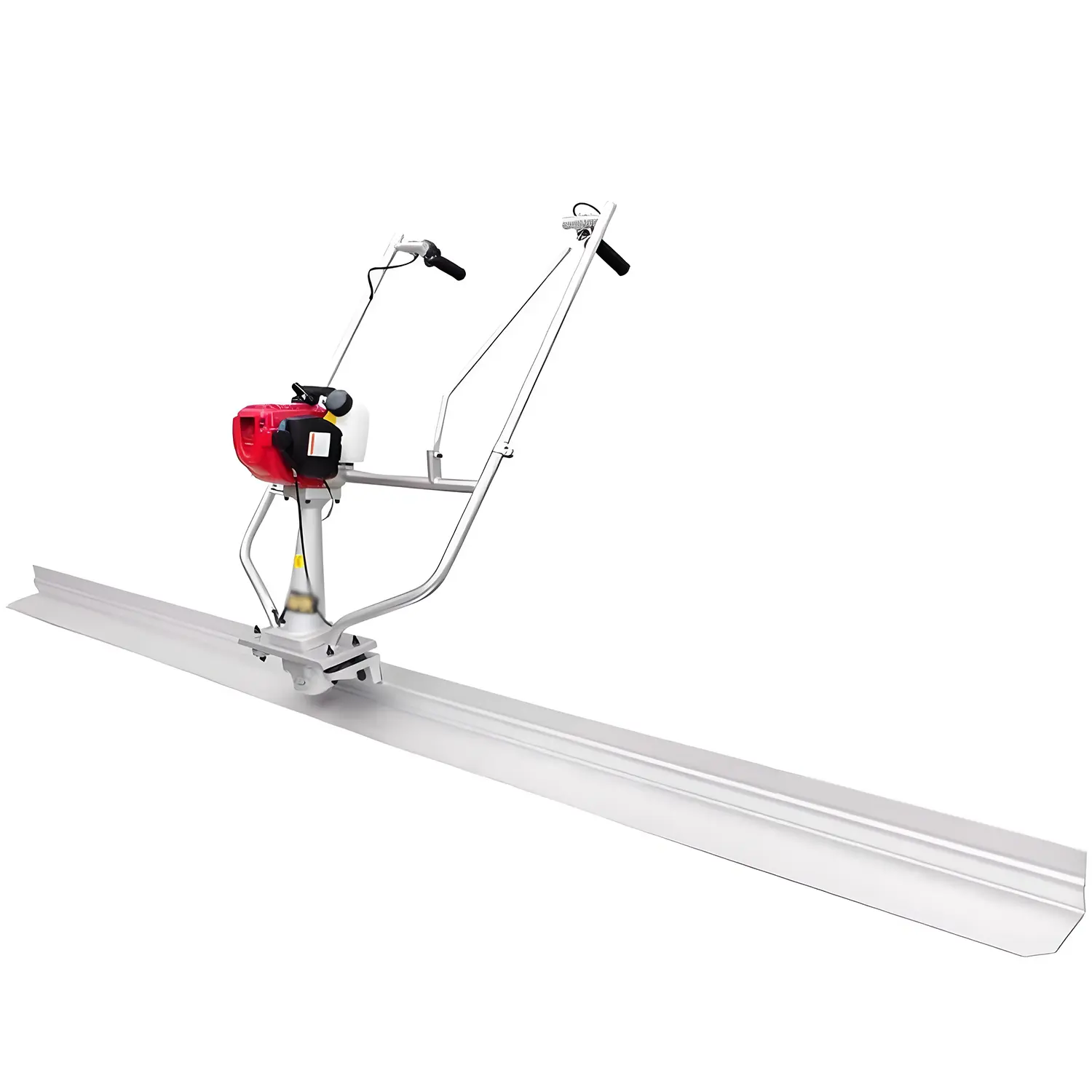 Concrete screed
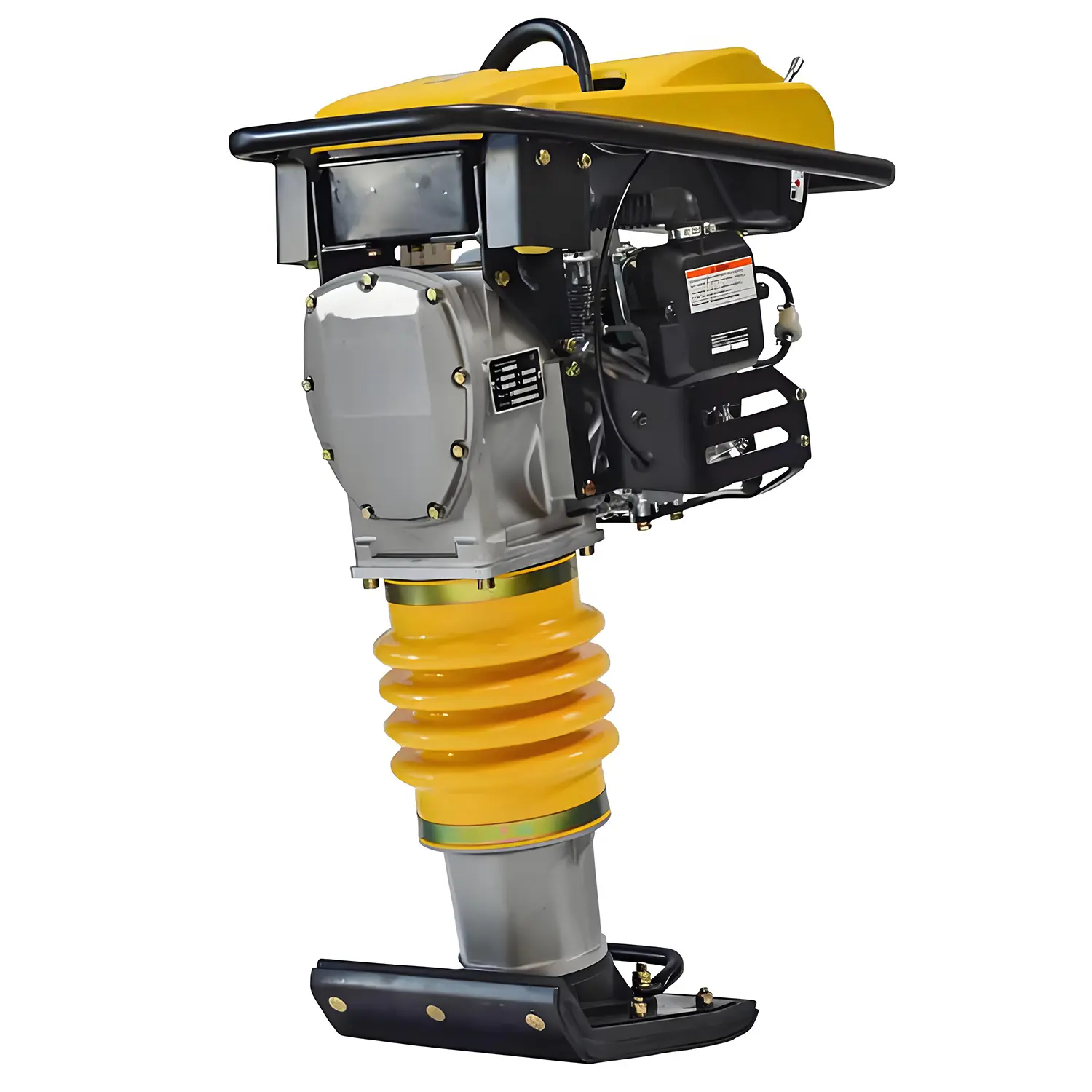 Tamping rammer
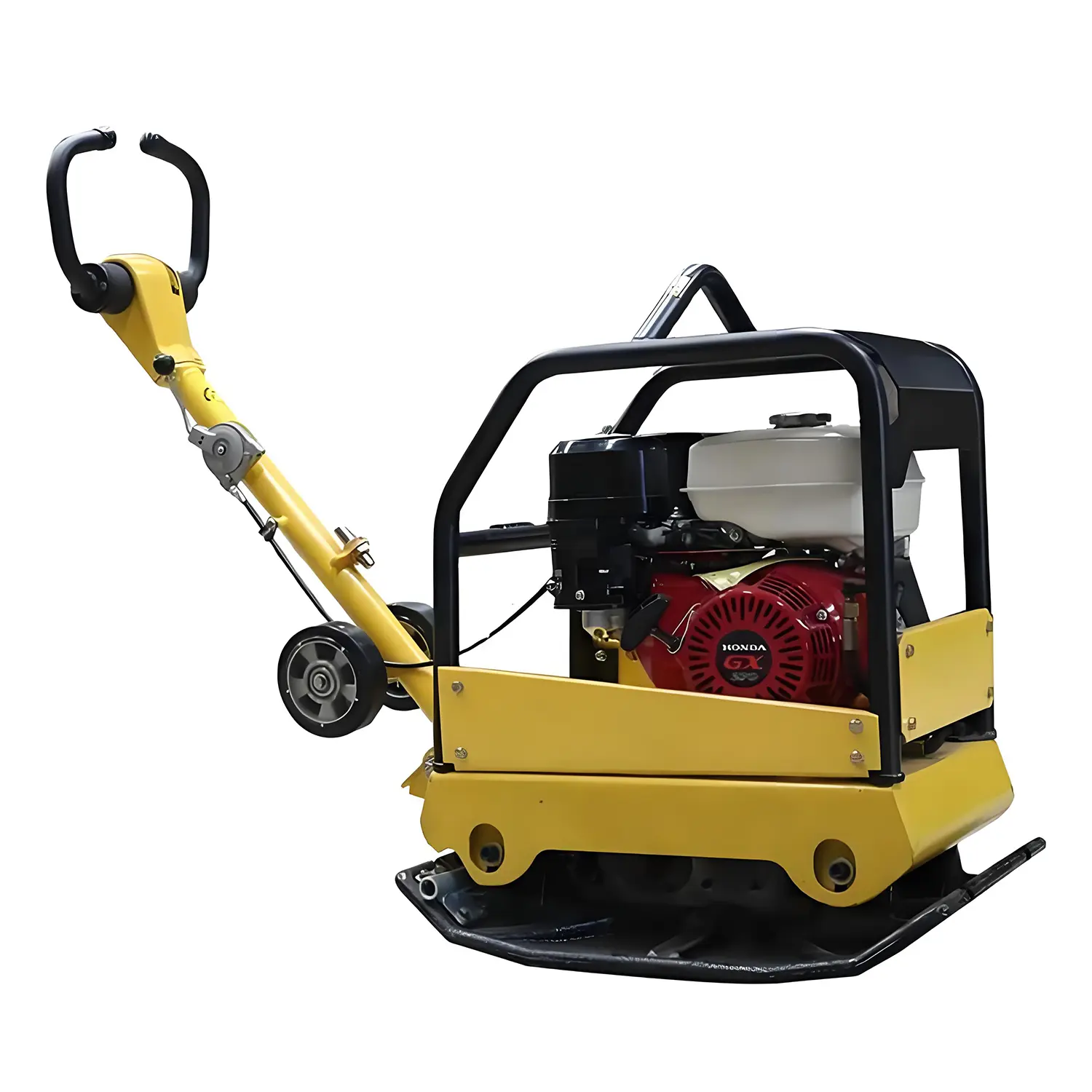 Plate compactor
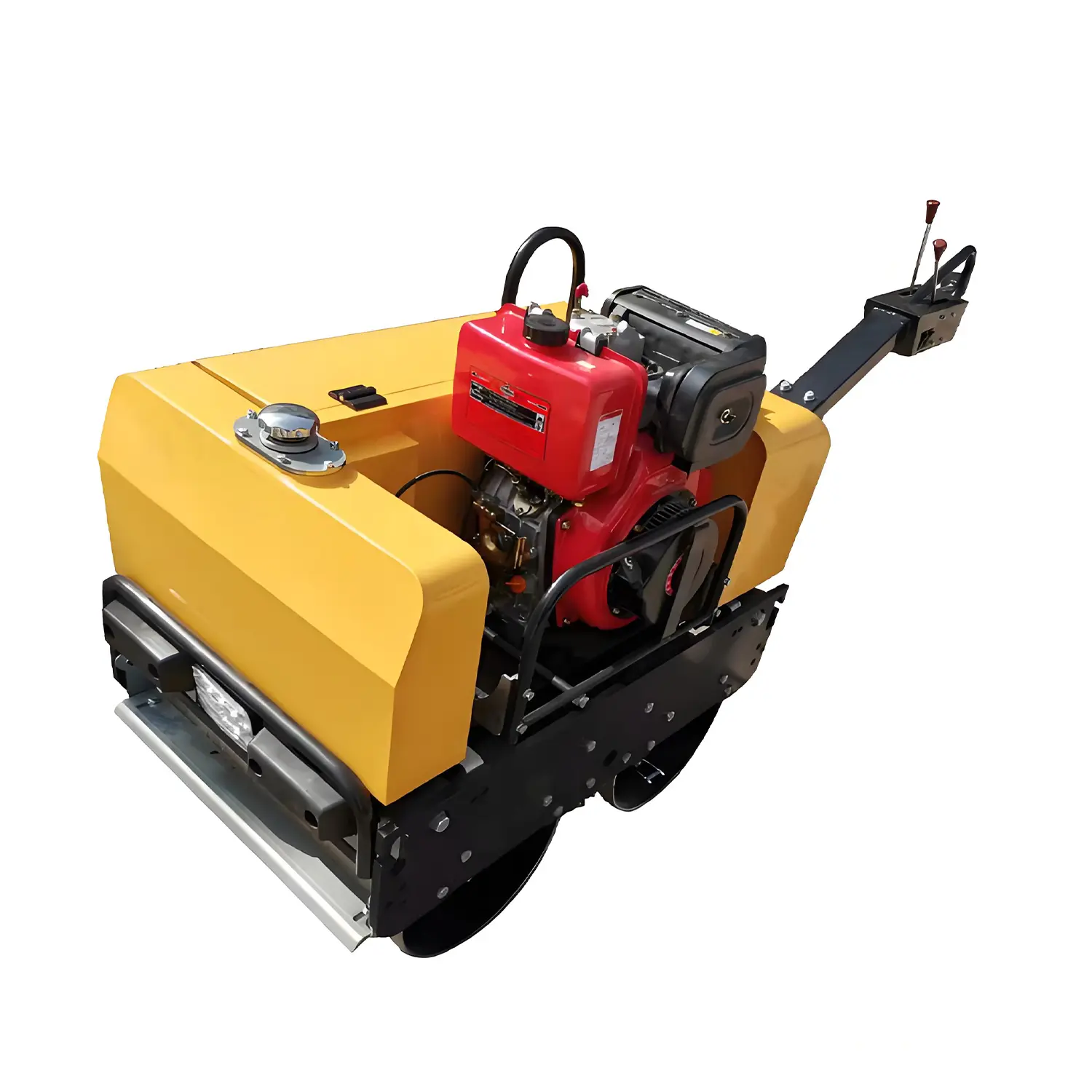 Vibratory roller