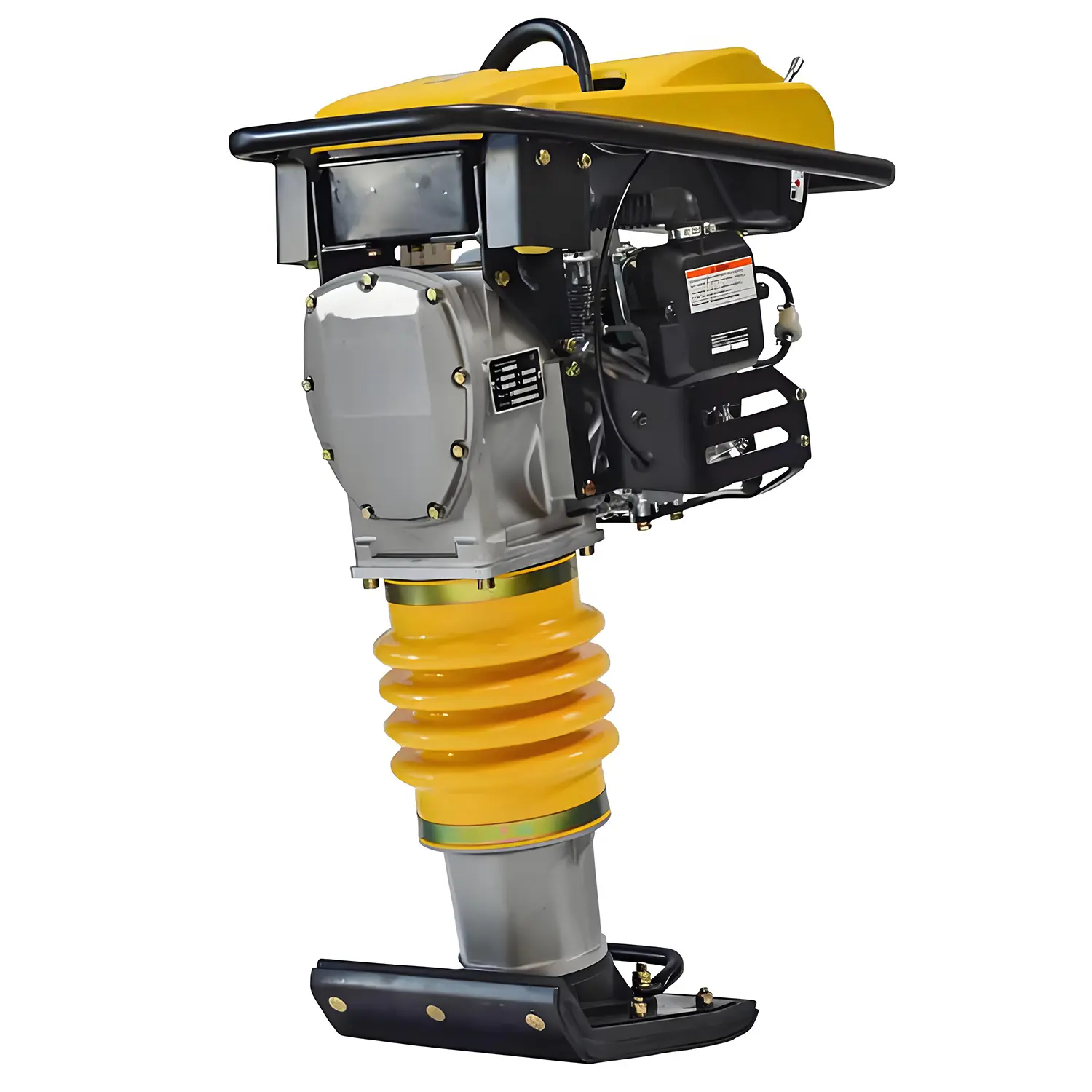
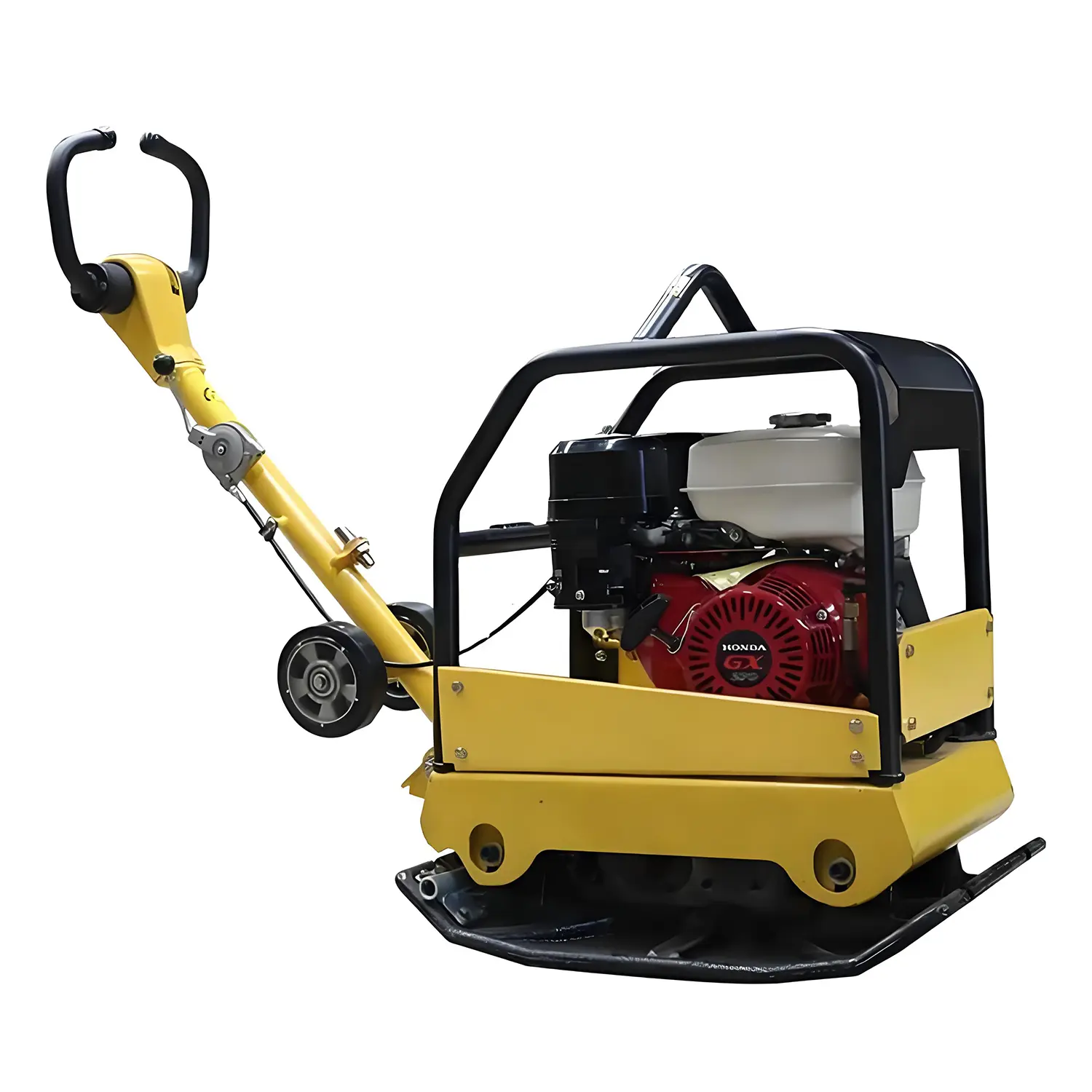
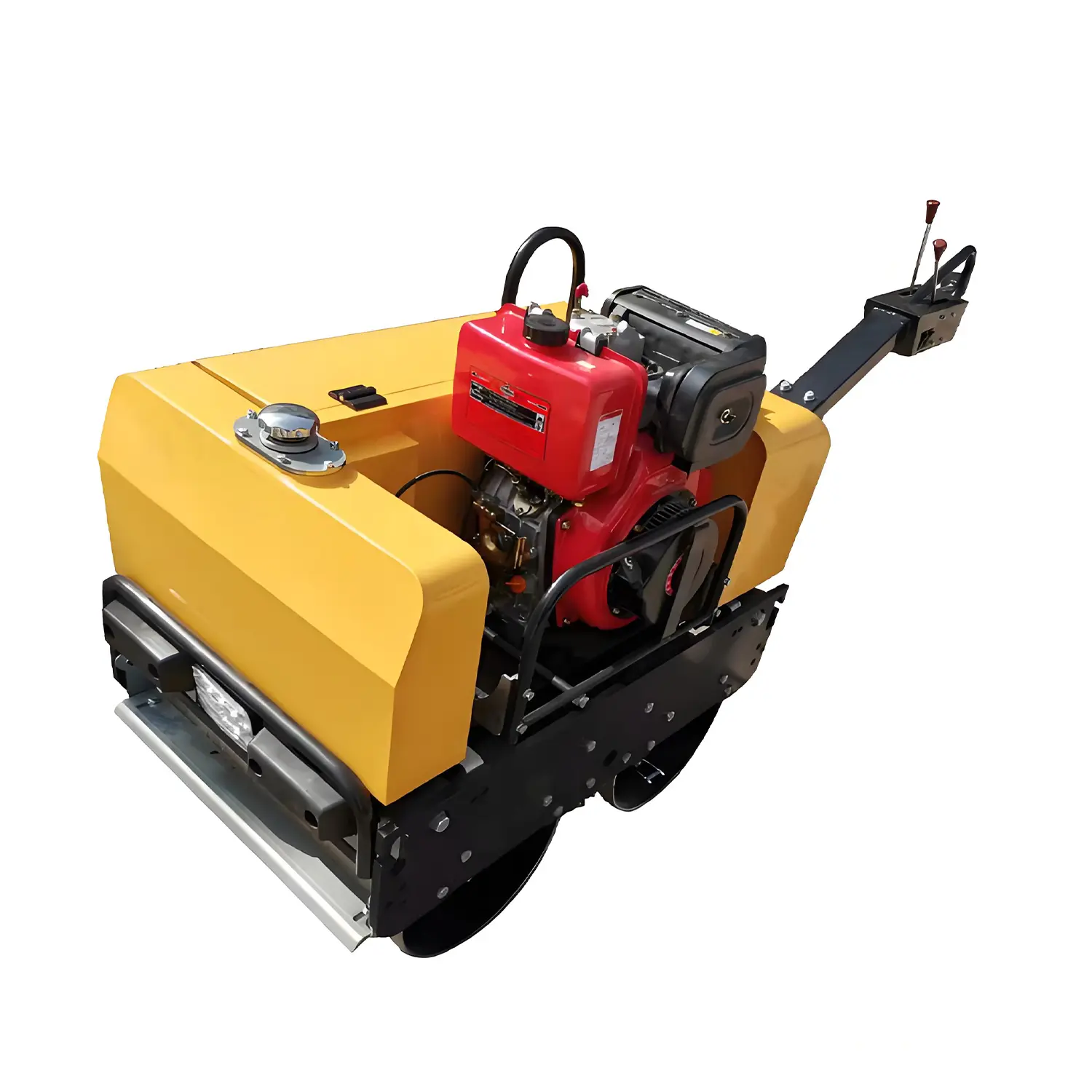
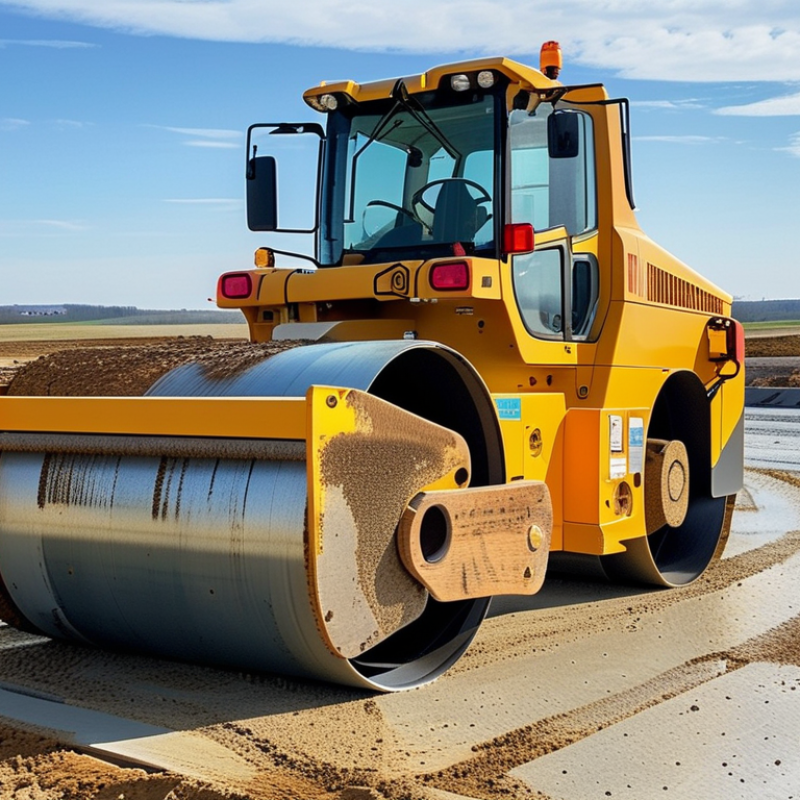
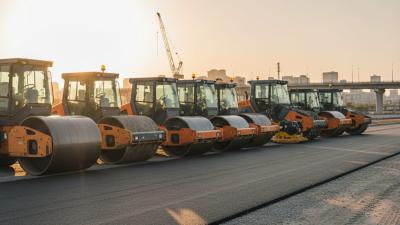
Choosing the right Roller Compactor begins with the ground, not the machine brochure. Soil type, moisture, layer thickness, slope, and project size determine the correct drum configuration. A smooth drum suits granular materials and asphalt. A padfoot drum works better with cohesive soils. A vibratory model can deliver high energy, but excessive vibration may damage weak layers.
Industry evidence supports a more measured approach. The Federal Highway Administration’s intelligent compaction guidance shows how roller-mounted sensors can identify uneven stiffness and missed coverage during paving. That matters on a site where one soft patch can hide beneath a seemingly perfect surface. Global Market Insights’ 2024 construction equipment report also identifies infrastructure investment and road rehabilitation as major equipment demand drivers. The market is growing. Selection errors remain expensive.
Dr. David J. White, a recognized soil-compaction researcher at Iowa State University, has emphasized, “Compaction is not just about density; it is about uniformity and performance.” That principle should guide every purchase decision. A heavier Roller Compactor is not automatically better. Neither is the newest model. Operators need predictable amplitude control, readable monitoring systems, suitable drum width, and dependable after-sales support. Fuel use deserves attention too. Small efficiency losses become significant across thousands of operating hours.
The uncomfortable truth is simple: many buyers compare horsepower first. That approach is convenient, but incomplete. A practical choice matches measurable soil conditions with realistic production targets. This guide examines those variables, while recognizing that field conditions rarely behave perfectly.
How to Choose the Right Roller Compactor?
Understanding Roller Compactor Types and Their Main Applications
Choosing a roller compactor begins with the material, not the machine’s advertised size. Vibratory smooth-drum rollers suit granular soil, crushed stone, and asphalt surfaces. Their rotating drum creates force that reaches below the surface. This helps achieve density with fewer passes. Tandem rollers, with two smooth drums, are widely used for asphalt paving and final surface finishing. Watch the temperature. Asphalt may lose workability before proper compaction is reached.
Padfoot rollers use raised feet to knead cohesive soil, clay, and damp fill. They work well on thick earthwork layers, where a smooth drum may bridge the surface. Pneumatic tire rollers apply pressure through rubber tires. They are useful for asphalt, soil blending, and sealing small surface voids. The contact pressure changes with tire load and inflation. Small differences matter.
Check soil moisture before choosing equipment. Material that is too dry may resist compaction, while excessive water can create pumping and weak zones. Layer thickness also affects performance. A large machine is not automatically better. It may compact the top while leaving deeper material loose. Site access, slope, vibration limits, and nearby structures require careful review. Operators should record pass counts and density results, then adjust the pattern when readings disappoint. Relying only on appearance is an avoidable mistake. Some surfaces look firm but fail under later traffic. That lesson is easy to overlook.
How to Choose the Right Roller Compactor?
Choosing the right roller compactor starts with the ground beneath the machine. Soil type, moisture, and layer thickness often matter more than engine power. Examine the soil before selecting equipment. Clay may hold water and stick to the drum. Sandy soil can shift under heavy vibration. Granular fill usually responds well to vibration, while cohesive clay may need kneading action from a padfoot drum.
Use a field moisture check, laboratory report, or trial section when possible. A handful test can reveal excessive moisture, but it cannot replace proper testing. Too wet. Delay compaction. Too dry. Add controlled moisture if specifications allow. I have seen crews increase vibration when soil remained soft, although the real problem was poor drainage. That mistake wasted fuel and several passes.
Material type also guides the choice. Smooth drums suit granular bases and some asphalt surfaces. Padfoot drums work better with cohesive soil. Pneumatic tires can seal surfaces and improve contact around mixed materials. Check the required density, lift thickness, and target number of passes. Project conditions matter too. Narrow access, steep slopes, underground services, and nearby structures may limit machine size or vibration settings. Review the site plan and speak with the operator before work begins. A short test strip can compare settings, moisture, and pass counts. Record the results, even when they seem obvious. Site conditions change quickly. A machine that performed well yesterday may need different settings after overnight rain.
The chart shows indicative compacted lift thicknesses commonly used as starting points for different materials. Vibratory smooth-drum rollers are generally effective on granular base, padfoot rollers provide better kneading action in cohesive clay, and pneumatic-tire rollers help seal and uniformly compact mixed materials. Actual values should be verified through field trials, moisture checks, soil classification, and project specifications.
How to Choose the Right Roller Compactor?
Comparing key performance and technical specifications starts with the material and site conditions. A heavier machine is not automatically better. Weight matters. Check operating mass, drum width, static linear load, vibration frequency, and amplitude. High amplitude can improve deep-layer compaction, while low amplitude suits thinner asphalt lifts and finishing passes. Frequency must match travel speed; otherwise, the drum may create uneven density or surface marks.
The FHWA Intelligent Compaction Tech Brief reports that modern systems can record pass count, roller position, surface temperature, and measured stiffness. These functions help crews locate weak zones instead of relying only on visual judgment. Temperature is critical. Asphalt cools quickly near edges, joints, and shaded areas. A roller with reliable water spray, adjustable vibration, and clear operator feedback is usually more useful than one with impressive maximum force.
NAPA’s 2023 Asphalt Pavement Industry Survey reported that about 89.6 million tons of reclaimed asphalt pavement were used in new pavements during 2022. Recycled mixes may need closer temperature and pass control. This is where specifications become practical. I would not select a compactor from brochure force alone. Fuel use, gradeability, visibility, drum oscillation, and maintenance access affect daily productivity. The difficult part is accepting that the “best” machine may change with lift thickness, mix temperature, and haul distance. Not always obvious.
How to Choose the Right Roller Compactor?
A roller compactor should match the ground, not just the project size. Identify the soil type, moisture level, layer thickness, and available working space. Granular soil may respond well to vibration, while cohesive soil often needs controlled kneading action. Inspect slopes and nearby structures before choosing a machine. Tight areas may require a smaller drum and better visibility.
Watch the ground.
Safety depends on predictable machine behavior. Check steering response, braking, warning alarms, guards, and emergency controls before each shift. The operator needs a clear view of workers, edges, and changing surfaces. Loose clothing, poor lighting, and excessive speed create avoidable risks. Dust can hide hazards, especially near haul routes. A practical site plan should separate people from moving equipment whenever possible.
Maintenance requirements deserve equal attention. Look for accessible service points, protected hoses, reliable fluid checks, and easy scraper inspection. Clean the drum regularly; dried material can reduce compaction quality and increase vibration. Small faults grow. Keep service records with operating hours, unusual noises, and vibration changes. Even a careful selection can prove imperfect when soil conditions change. That is why trial passes and operator feedback remain valuable.
Tips: Test a short section first. Measure surface density when required. Check tire or drum condition daily. Never ignore a new vibration, leak, or control problem. Choose equipment that local technicians can inspect and maintain safely.
| Compactor Type | Key Operating Parameter | Typical Capability or Data Range | Best-Fit Operating Conditions | Safety and Maintenance Considerations |
|---|---|---|---|---|
| Smooth-Drum Vibratory Roller | Surface and material | Static or vibratory steel drum; operating mass commonly about 1.5–20 tonnes. Suitable for granular soils, crushed aggregate, base courses, and asphalt. |
Recommended General road construction, parking areas, granular subgrades, and asphalt layers. Performs best on materials that respond well to vibration. |
Keep personnel outside the reversing zone and use a spotter where visibility is restricted. Inspect vibration-system mounts, drum bearings, scrapers, water spray, tires, and hydraulic hoses. |
| Padfoot or Sheepsfoot Vibratory Roller | Soil type and moisture | Tamping feet penetrate cohesive soil and knead it during compaction. Commonly used for clayey or silty embankment materials rather than clean asphalt. |
Recommended Moisture-conditioned cohesive soils, embankments, dams, and structural fills. Results depend strongly on soil moisture and layer thickness. |
Avoid excessive speed and high-amplitude vibration on unstable slopes. Check foot wear, drum cleaning, frame joints, fluid levels, and vibration controls. Do not rely on a padfoot drum for final asphalt finishing. |
| Combination Roller | Surface versatility | Usually combines a vibrating steel drum with a pneumatic tire axle. Provides both drum vibration and tire kneading action in one machine. |
Recommended Asphalt paving and projects requiring a transition between vibration and pneumatic kneading without changing machines. |
Monitor tire pressure, tire temperature, drum water spray, and asphalt pickup. Use the correct vibration setting for the layer to prevent aggregate crushing or surface defects. |
| Pneumatic-Tire Roller | Kneading and sealing action | Uses multiple rubber tires with adjustable ballast and tire pressure. Often selected for asphalt mixtures, chip seals, and granular materials requiring kneading. |
Recommended Asphalt compaction, surface sealing, and materials where tire contact and kneading improve density and reduce interconnected voids. |
Check all tires for equal pressure, cuts, embedded objects, and correct load. Keep tires clear of workers and maintain safe clearance from edges, curbs, and drop-offs. |
| Static Steel-Drum Roller | Vibration sensitivity | Applies mainly static linear load without vibratory excitation. Generally produces lower ground disturbance than a vibrating roller. |
Recommended Finishing passes, thin asphalt layers, areas near structures, utility corridors, or locations where vibration could damage adjacent assets. |
Maintain safe separation from trenches, retaining walls, and unsupported edges. Inspect drum surface, scrapers, steering system, brakes, and hydraulic components. |
| Small Walk-Behind Roller | Access and maneuverability | Compact machines are commonly used for narrow paths, patching, landscaping, and confined work zones; operating width is often below 1 metre. |
Recommended Footpaths, trenches with adequate width, small asphalt repairs, and areas inaccessible to ride-on equipment. |
Operators should use the emergency-stop control and maintain a stable walking position. Never operate across slopes beyond the manufacturer’s limit; inspect the control handle, brakes, water system, and drum before each shift. |
| Heavy Tandem Vibratory Roller | Production and layer width | Two steel drums provide high productivity on broad paved or granular surfaces. Effective compaction depends on drum width, amplitude, frequency, speed, and pass count. |
Recommended Large roadways, highways, industrial yards, airport pavements, and substantial base-course work. |
Establish a one-way traffic plan where possible and use reverse alarms, cameras, or spotters. Prevent over-compaction by monitoring density, surface cracking, drum temperature, and travel speed. |
| Any Roller Type | Operating speed | A common working range is approximately 3–6 km/h for vibratory compaction, while finishing or static passes may use a different speed selected by the site method. |
Condition-Dependent Select speed together with vibration frequency, amplitude, material temperature, layer thickness, and the required number of passes. |
Excessive speed can reduce compaction uniformity and increase stopping distance. Maintain a consistent speed, avoid abrupt steering, and follow the project’s test-strip results. |
| Any Vibratory Roller | Vibration frequency and amplitude | Frequency is commonly expressed in vibrations per minute, while amplitude determines the drum movement. Higher amplitude generally delivers deeper influence but greater ground force. |
Condition-Dependent Use higher amplitude for thicker, stiff granular layers when permitted; use lower amplitude near structures, on thin lifts, or during finishing passes. |
Survey nearby buildings, buried utilities, bridges, and sensitive equipment before work. Stop vibration when stationary unless the operating procedure specifically permits otherwise. |
| Any Roller Type | Surface slope and edge stability | Safe operation depends on the machine’s rated slope capability, surface condition, turning space, and edge support. No universal slope limit applies to every roller. |
Condition-Dependent Use a site-specific risk assessment for embankments, ramps, wet surfaces, shoulders, unprotected edges, and work near excavations. |
Keep the heavy end uphill when required by the operating manual, travel straight on slopes, avoid sudden turns, and maintain a safe distance from unsupported edges. |
| Any Roller Type | Daily inspection | Inspect fluids, leaks, brakes, steering, lights, alarms, seat belt, mirrors or camera, tires or drums, scrapers, guards, and emergency-stop functions before operation. |
Required Perform before each shift and repeat checks after unusual noise, impact, overheating, loss of hydraulic pressure, or abnormal vibration. |
Park on level ground, lower attachments or drums, apply the parking brake, stop the engine, and isolate stored energy before maintenance or cleaning. |
| Any Roller Type | Routine maintenance interval | Service intervals vary by machine and duty cycle. Typical schedules include daily checks, approximately 250-hour inspections, and more extensive service at about 500–1,000 hours. |
Follow Manual Shorten intervals in dusty, wet, high-temperature, or high-vibration environments, and document operating hours and completed work. |
Use approved fluids and filters, control hydraulic injection hazards, and never search for leaks with bare hands. Allow hot components to cool and use proper lifting and lockout procedures. |
| Any Roller Type | Noise, dust, and emissions | Internal-combustion rollers generate exhaust emissions and operating noise; vibration may also transmit through the ground to nearby occupants or structures. |
Manage Carefully Apply dust suppression, ventilation, noise controls, and suitable work-hour restrictions, especially near public areas and enclosed or partially enclosed spaces. |
Provide hearing protection where required, avoid indoor operation without adequate ventilation, and maintain the exhaust system. Keep water spray systems functional to limit dust and pickup. |
| Any Roller Type | When to avoid selection | Avoid choosing solely by operating weight. A heavier machine is not automatically better if the soil, layer thickness, moisture, access, or nearby structures are unsuitable. |
Avoid Mismatch Do not use a smooth drum as the primary solution for highly cohesive soil or a vibrating roller beside vibration-sensitive structures without engineering approval. |
Confirm the work method with the project engineer or competent person when conditions are uncertain. Use trial sections and density testing to verify settings before full-scale production. |

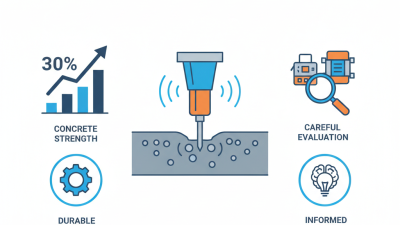
Choosing a roller compactor starts with project goals, not the lowest purchase price. For asphalt, density is critical. NAPA technical guidance commonly associates each 1% increase in in-place density with roughly 10% longer pavement life. Many specifications target 92% to 96% of theoretical maximum density, although local requirements control.
Match the machine to the material and working space. A vibratory tandem roller suits asphalt lanes and parking areas. A pneumatic roller can improve aggregate kneading and surface sealing. Soil work may require a padfoot drum, especially with cohesive clay. Check drum width, operating weight, vibration amplitude, water capacity, and gradeability. A wider drum can raise daily output, but it may struggle around drains, kerbs, and tight corners. Small sites often benefit from rental flexibility. Large, regular projects may justify ownership when utilization remains high.
FHWA intelligent compaction guidance emphasizes continuous coverage mapping and stiffness measurement. That can reduce missed strips, but sensors do not correct poor temperature control or weak mix design. Keep the mat within the approved rolling temperature window. Count passes beside the edge, where density often falls short. A simple production estimate uses drum width, travel speed, and realistic efficiency, not brochure capacity. The cheapest machine can become expensive through extra passes, fuel use, and rework. I would still challenge one assumption: maximum machine weight is not always better. Thin lifts can shove, crack, or cool before compaction is complete.