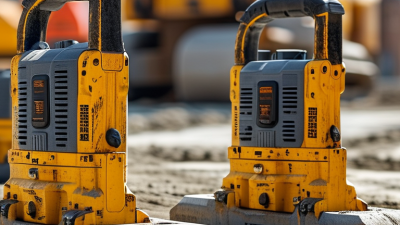
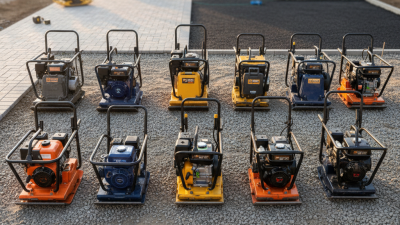
How to Choose the Best Plate Compactor for Your Needs?
Choosing the right Plate Compactor can significantly impact your project’s success. According to industry expert John Smith, "A Plate Compactor can make or break your outdoor project." With various options available, it's vital to assess your specific needs.
When considering a Plate Compactor, think about the type of soil or surface you will be working on. Some machines excel on soft ground, while others are designed for tougher terrain. Additionally, consider the weight of the compactor; heavier units provide deeper compaction. Choosing the wrong one could lead to inadequate results.
Look into the compactor's features, such as vibration frequency and plate size. These elements can change the machine's performance. While it's easy to get caught up in specifications, reflect on what you truly need. A thorough understanding of your project requirements is essential to make an informed choice.
Types of Plate Compactors: Understanding Your Options
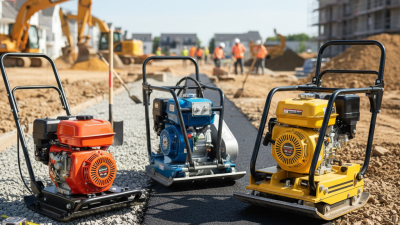
When selecting a plate compactor, understanding the types available is crucial. Two common types are reversible and forward plate compactors. Reversible compactors are ideal for tight spaces. They can move backward, providing more control on uneven surfaces. Forward compactors, on the other hand, are designed to move in one direction. They excel in larger, flat areas where speed and efficiency are critical.
Hydraulic plate compactors offer another option. They are typically more powerful and suitable for heavy-duty applications. However, they can be complex to operate and maintain. Electric compactors are quieter and eco-friendly. They work well for indoor projects but may lack the power needed for larger jobs. Knowing your project’s requirements helps in choosing the right type.
Consider the weight and size of the plate as well. Heavier compactors offer deeper compaction but can be challenging to maneuver. Lighter models are more portable but may not achieve the same level of density. Reflecting on these factors allows for a more informed choice. Balancing power, weight, and maneuverability can be a tricky process, requiring careful thought and, sometimes, compromise.
Key Features to Consider When Selecting a Plate Compactor
Choosing the right plate compactor can significantly impact your project’s success. When evaluating options, consider the weight. Heavier compactors generally provide better performance on dense materials. However, they can be challenging to maneuver.
Engine type is also crucial. Gas-powered models tend to offer more power but require regular maintenance. Electric models are quieter and easier to handle, making them more user-friendly. Additionally, pay attention to the plate size. A larger plate covers more area but may struggle in tight spaces. Compact models excel in small projects.
Furthermore, observe the vibration control features. Excessive vibration can cause operator fatigue. Look for a compactor with anti-vibration handles for a more comfortable experience. Finally, review the warranty and support options. A reliable warranty indicates a manufacturer’s confidence in their product. Take all these factors into account for informed decisions.
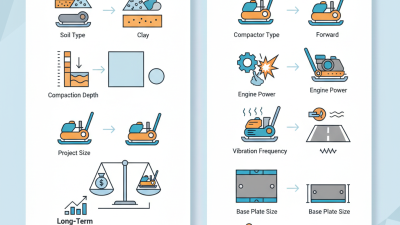
How to Choose the Best Plate Compactor for Your Needs? - Key Features to Consider When Selecting a Plate Compactor
| Feature |
Description |
Importance |
| Weight |
Determines the compaction effectiveness; heavier units compact better. |
High |
| Plate Size |
Larger plates cover more area but can be harder to maneuver in tight spaces. |
Medium |
| Engine Power |
Higher power engines can handle tougher materials and larger jobs. |
High |
| Vibration Control |
Reduces operator fatigue and increases comfort during use. |
High |
| Durability |
Robust construction enhances longevity, particularly in demanding jobs. |
High |
| Ease of Use |
Features such as handles and controls should be user-friendly. |
Medium |
| Maintenance |
Easy access to parts and service can reduce downtime and costs. |
Medium |
Assessing the Suitable Plate Compactor for Your Project Size
Choosing the right plate compactor hinges significantly on your project size. For smaller jobs, such as repairing a driveway or compacting garden soil, a lightweight model is often adequate. These machines typically weigh between 50 to 150 pounds. Their smaller size makes them easier to maneuver but may limit their effectiveness on larger, more challenging surfaces.
Conversely, larger projects like road construction demand heavier, more powerful compactors. Such machines can weigh over 300 pounds and deliver a deeper, more impactful compaction.
Understanding the soil type is essential in this decision-making process. Cohesive soils, like clay, require different compaction than granular soils, such as sand. According to industry data, using the wrong type can lead to inadequate compaction. Compaction efficiency is generally higher when the right equipment is matched with the right soil type.
Consider these points: choose a compactor that matches both your project scale and the soil conditions. Evaluate the depth of compaction required. If you are uncertain, consulting with equipment rental experts or mechanical engineers can provide clarity. Every project is unique, and what works for one site may not suffice for another. Take time to analyze your specific needs before committing to a selection.
Evaluating Engine Power and Weight for Optimal Performance
When selecting a plate compactor, engine power and weight are critical factors that significantly affect performance. A powerful engine can compress various soil types effectively, ensuring a solid foundation for paving or landscaping. Research indicated that compactors with engine ratings above 5 horsepower can achieve optimum results in residential and commercial projects alike. However, excessive power can lead to overcompaction, which may cause issues in specific materials. An ideal balance is essential for effective compaction without damaging the surface.
Weight plays a crucial role in the compaction process. Typically, a heavier plate compactor exerts more pressure on the surface, improving the density of the material being compacted. According to industry studies, a compactor weighing between 300 to 500 pounds is suitable for most small to medium jobs. Yet, lighter models can be more manageable for tight spaces and DIY tasks. It's important to consider the type of job and the material used. Testing various weights can help users find a suitable model without risking inefficiency.
While engine power and weight are essential, they must be considered in conjunction with job specifications. Understanding these factors can lead to more informed decisions. Many users overlook these details, leading to subpar results or equipment failure. Recognizing the characteristics of the job at hand is vital for optimal outcomes.
Maintenance Tips for Ensuring Longevity of Your Plate Compactor
Maintaining a plate compactor is crucial for its longevity and effectiveness. Regular upkeep ensures you get the best performance from your equipment. According to industry reports, proper maintenance can extend the lifespan of your compactor by up to 50%. Regular checks on the engine oil and air filters lead to better efficiency and lower operating costs.
Inspect the plate for signs of wear or damage after each use. Rust can form quickly on unprotected surfaces, leading to costly repairs. Pay attention to the vibration dampening system; if it’s worn, it may not perform well. Avoiding unnecessary wear is key. Clean the compactor after each use, especially after working with dirt or concrete.
To support optimal operation, consider lubricating moving parts regularly. Using quality grease can prevent premature wear. Check your fuel type as well; using the wrong type can lead to engine issues. A little maintenance goes a long way. Neglect can lead to significant problems, impacting your projects and finances.

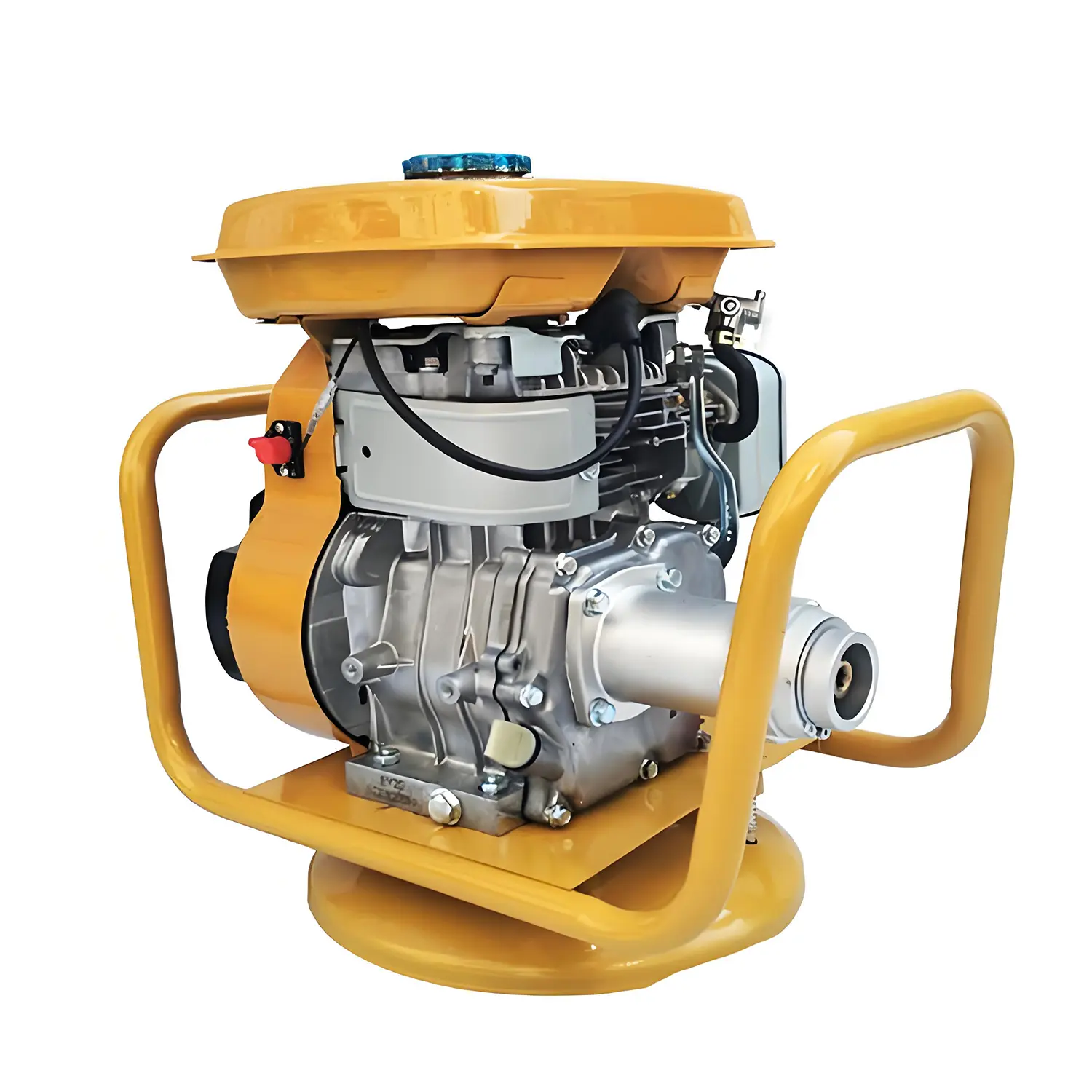 Internal Vibrator
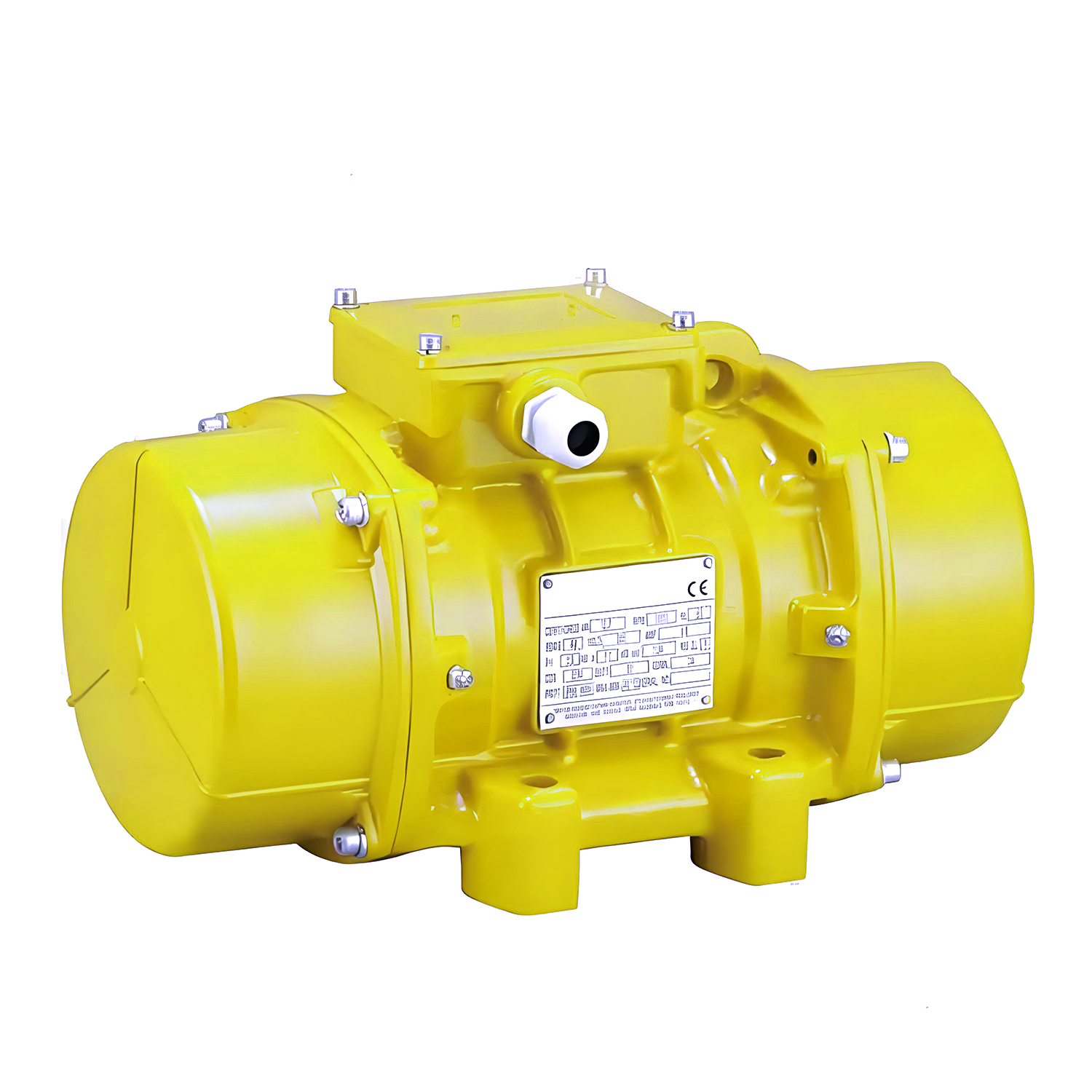 External Vibrator
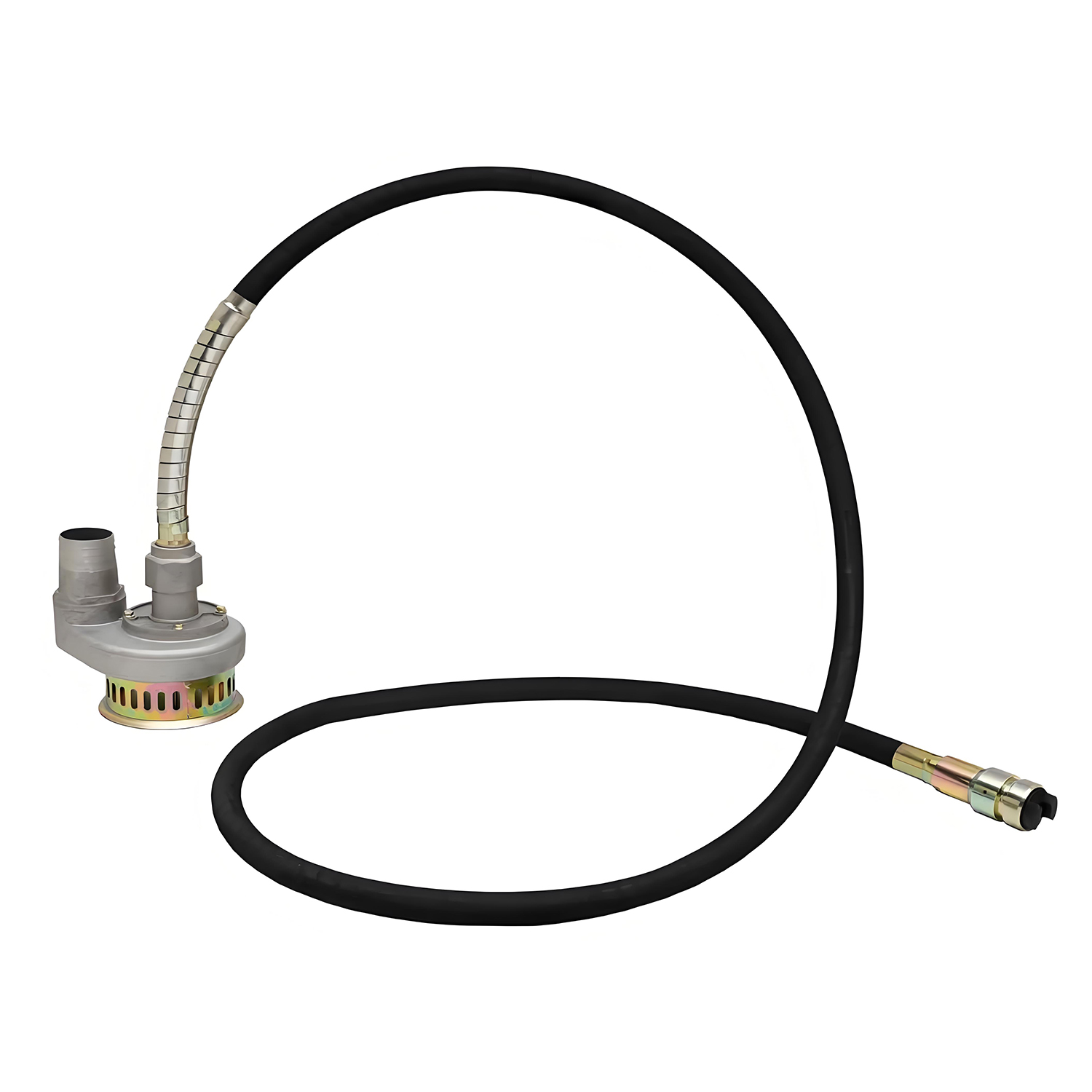 Submersible Pump
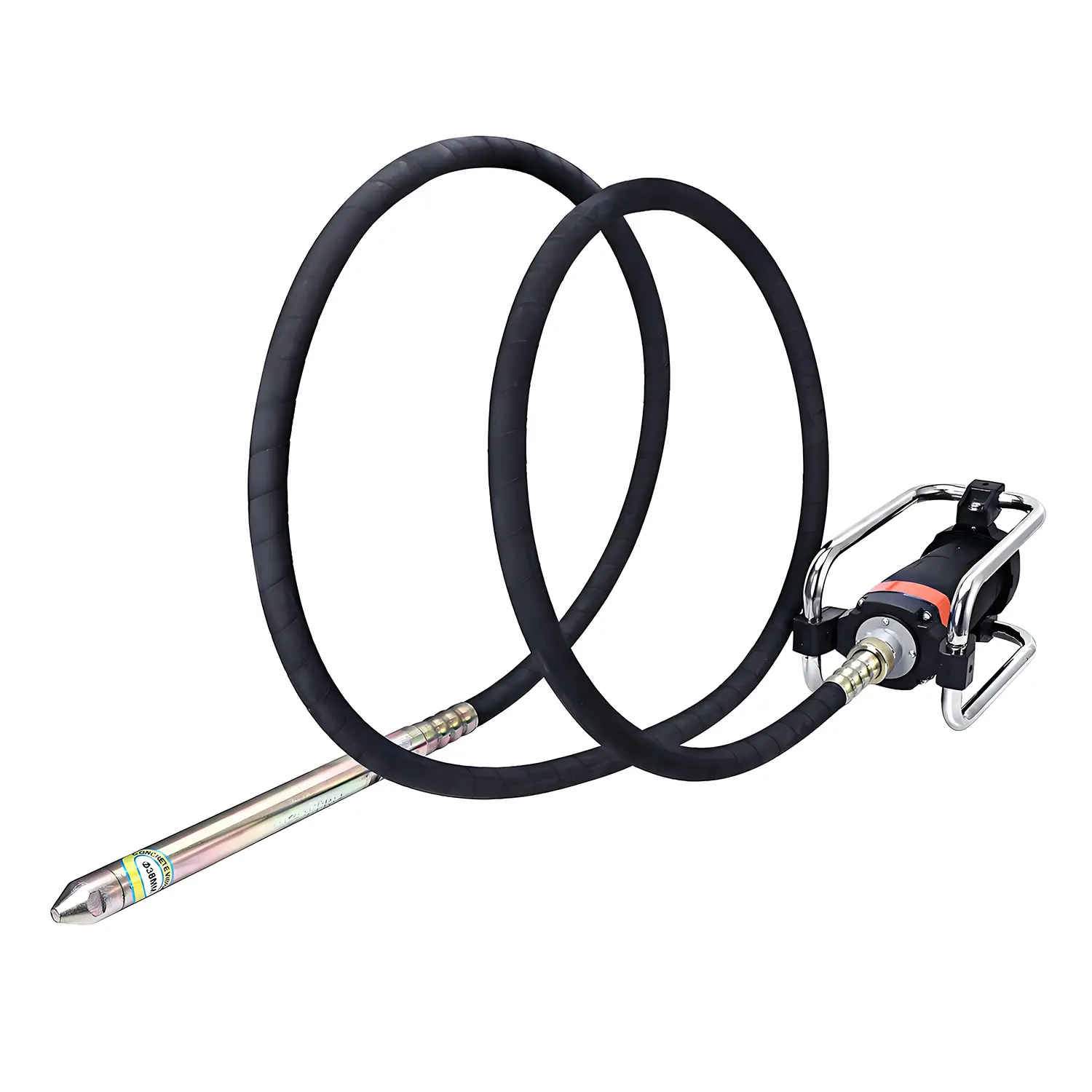 Eccentric shaft
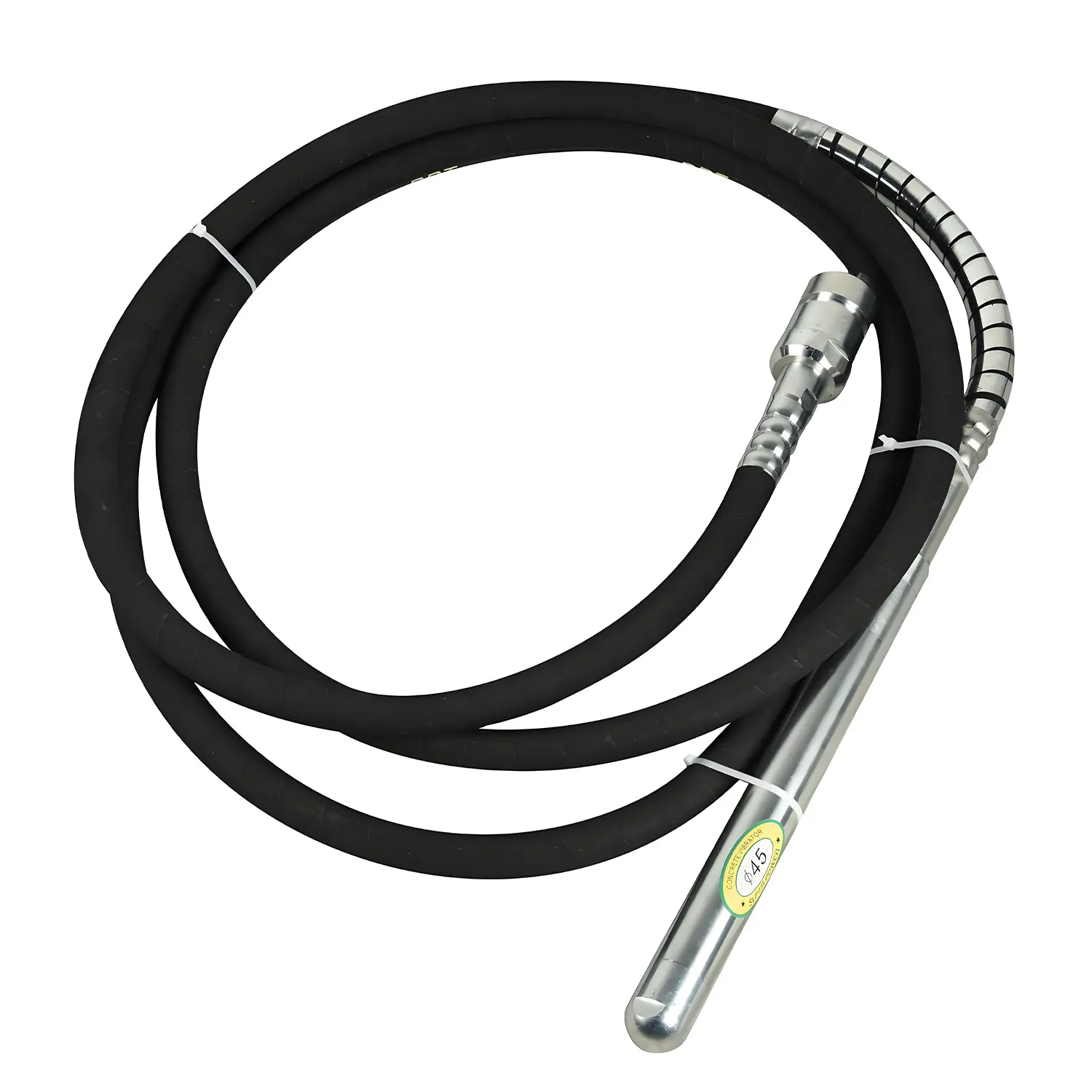 Pendulum shaft
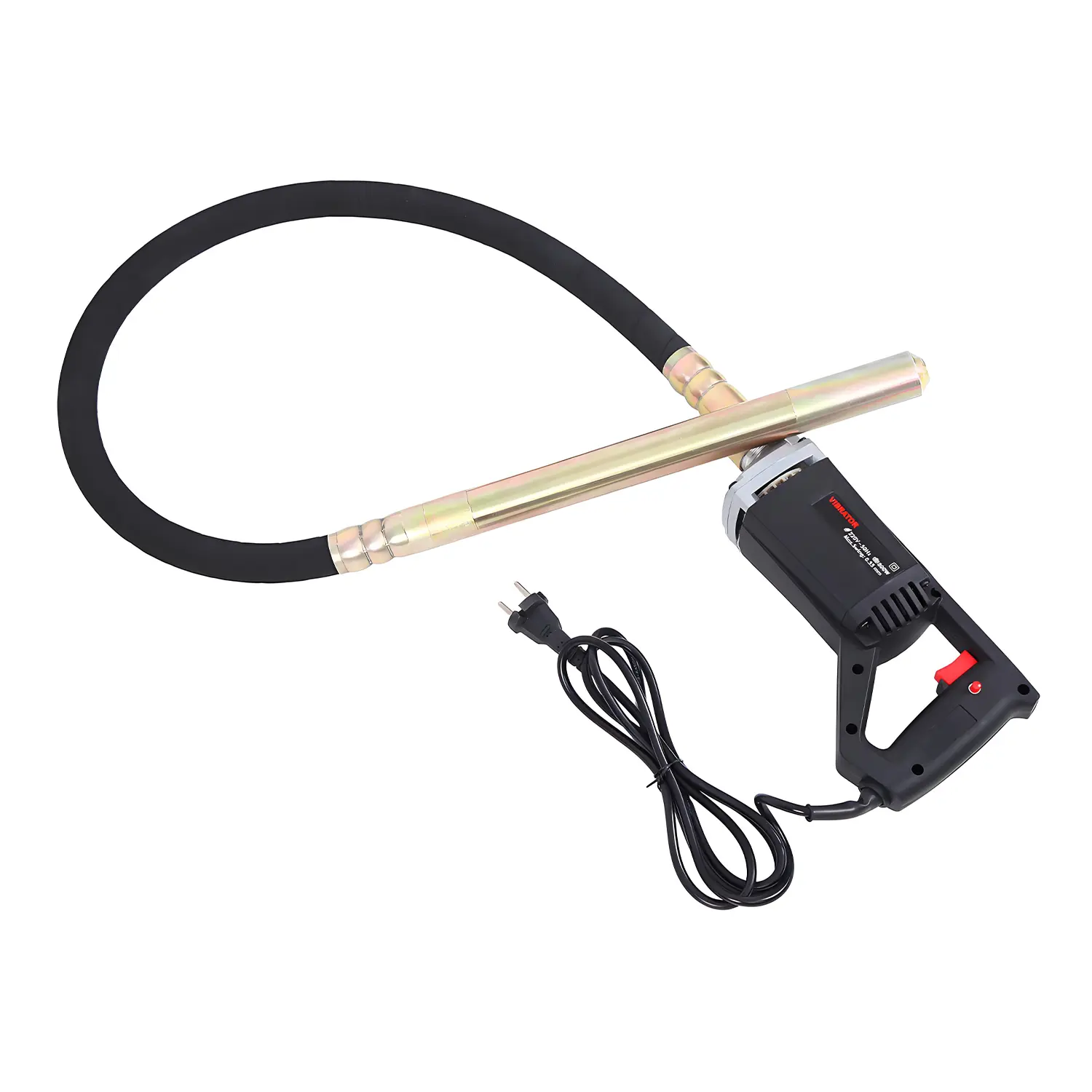 Portable vbrator shaft
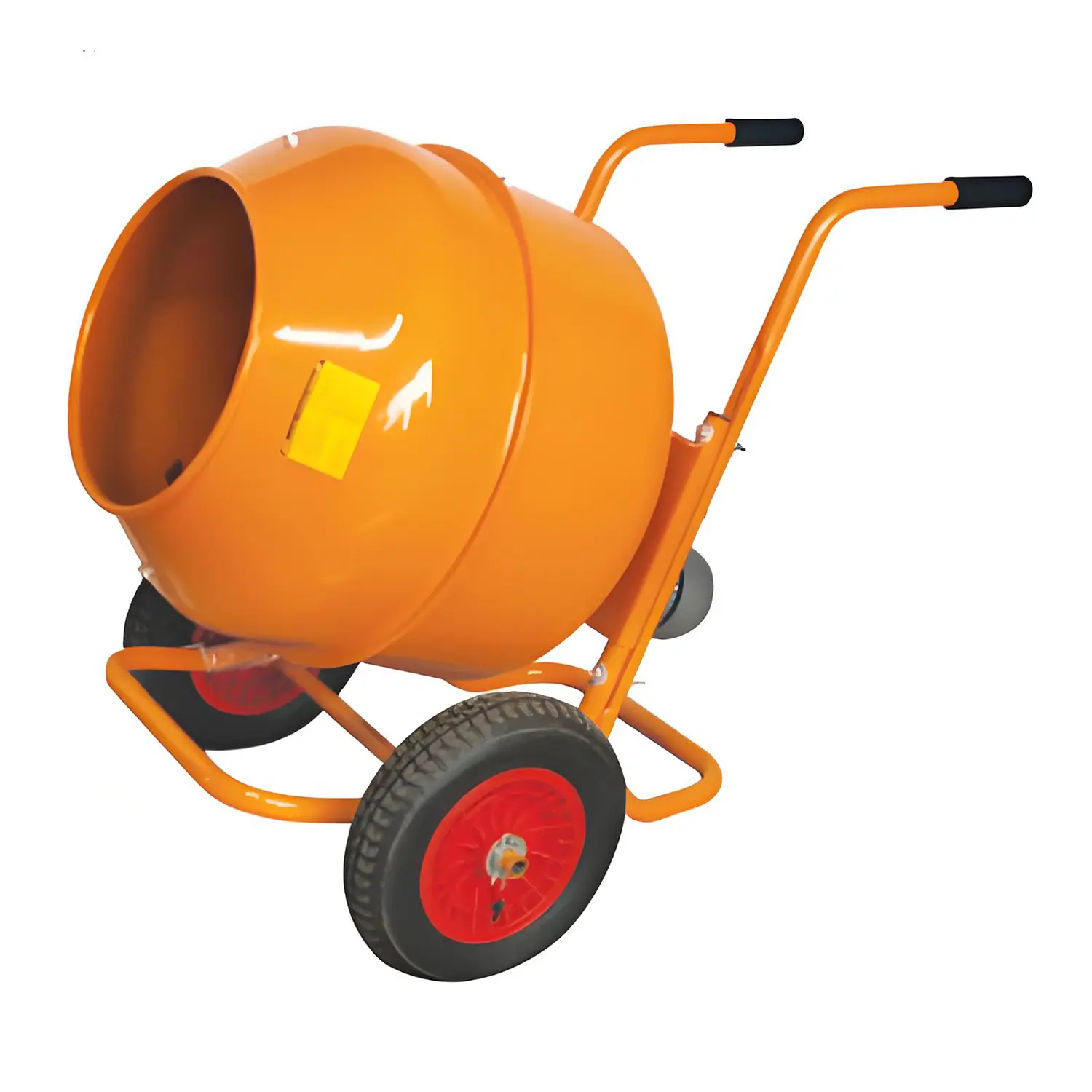 Portable concrete mixer
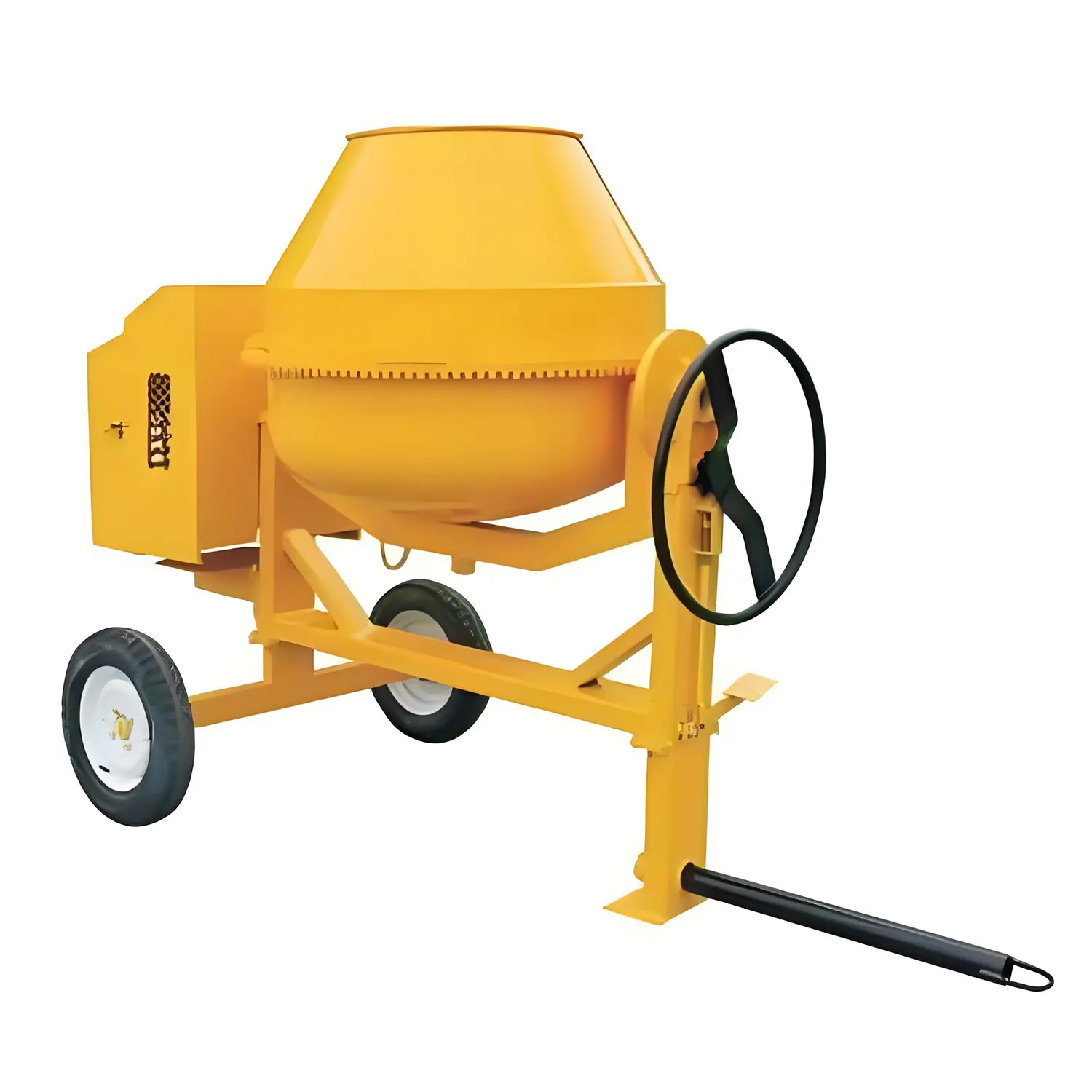 Vertical concrete mixer
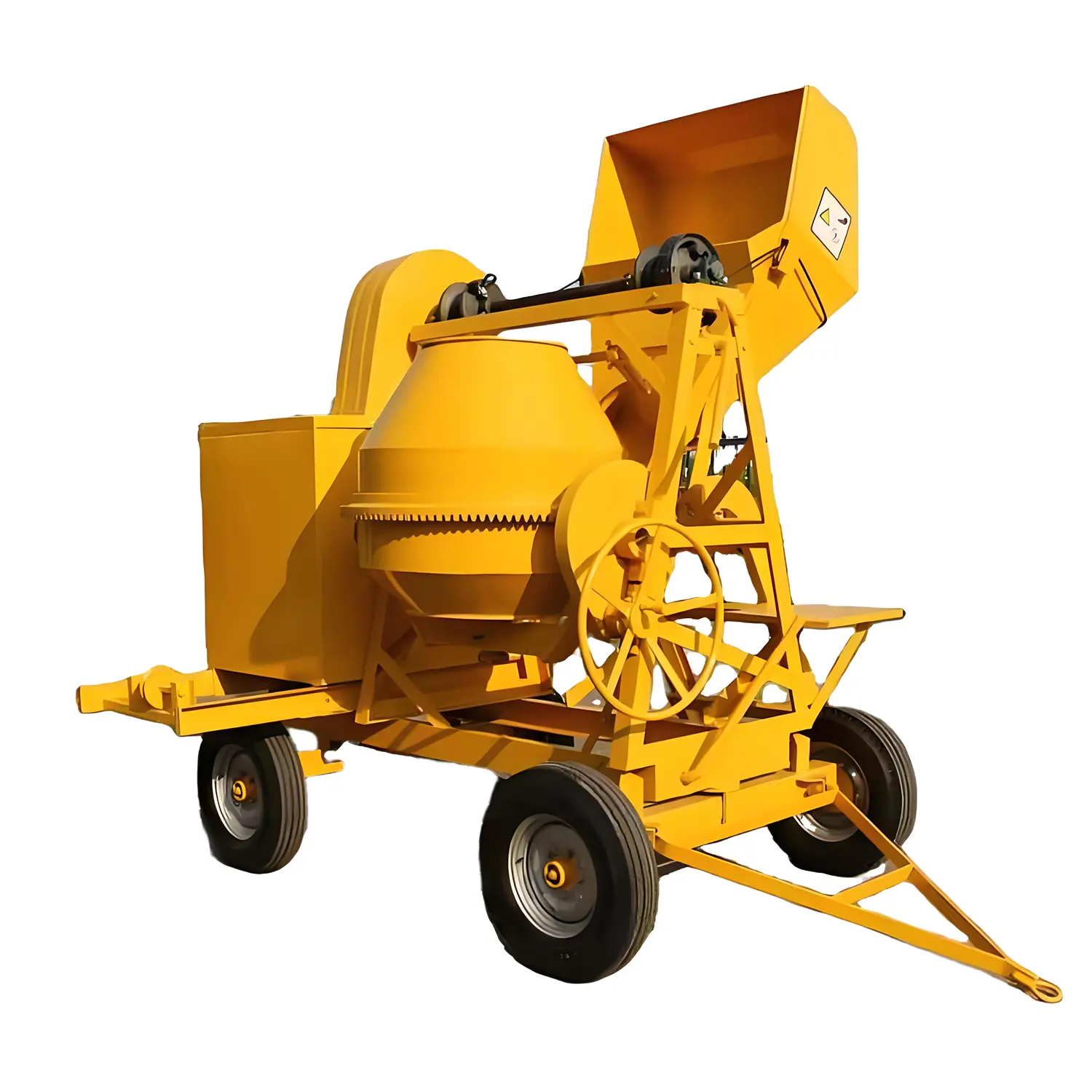 Hydraulic concrete mixer
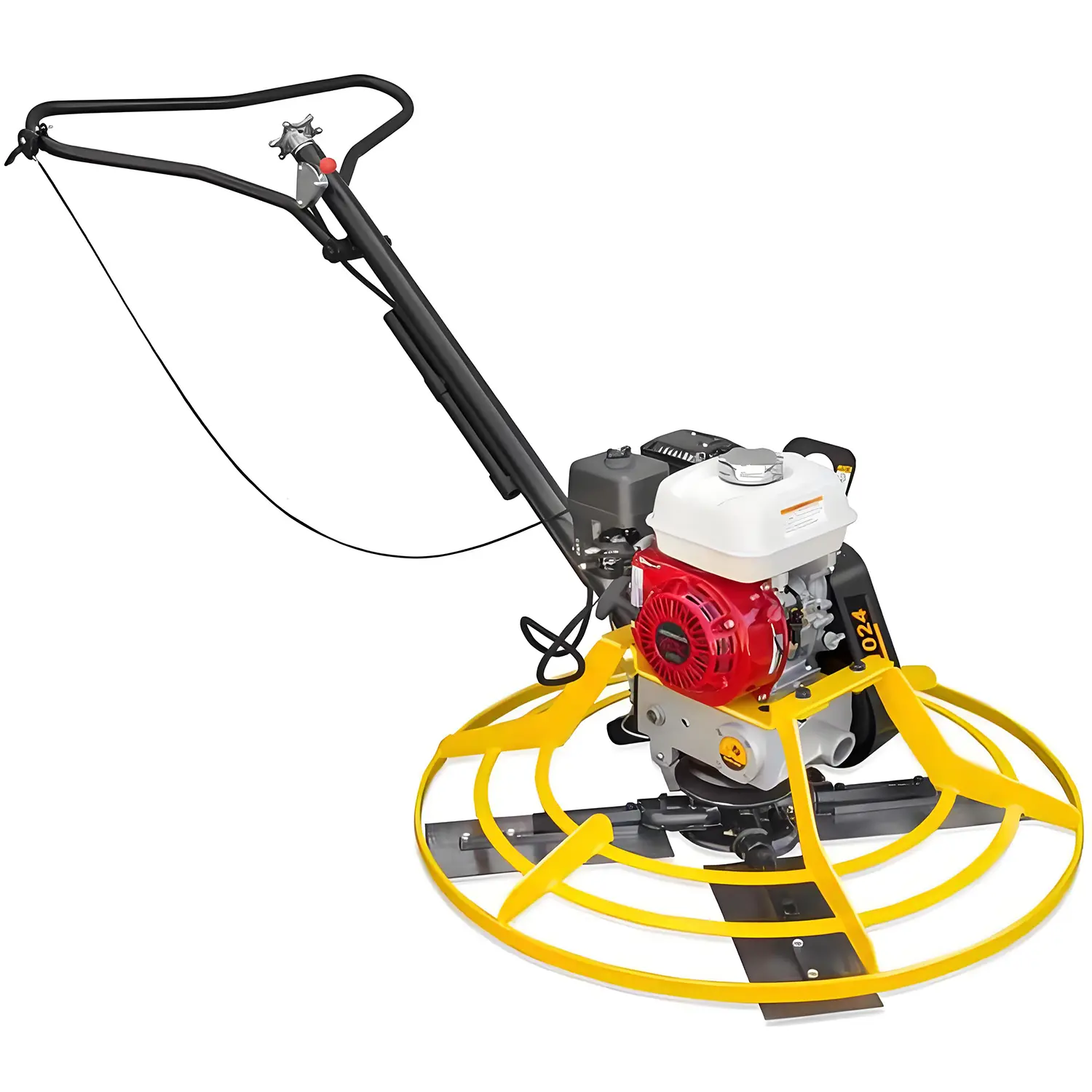 Walk behind power trowel
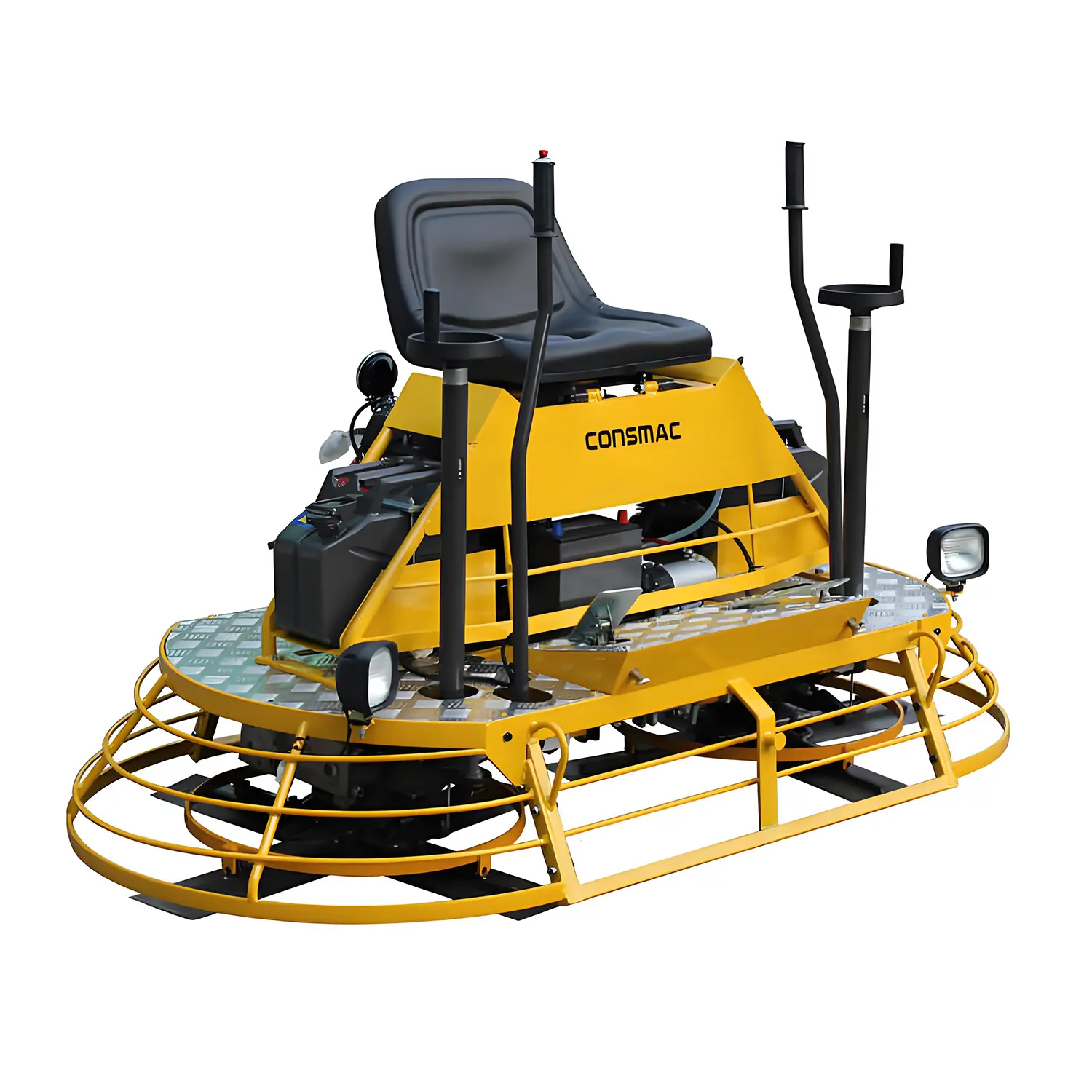 Ride on power trowel
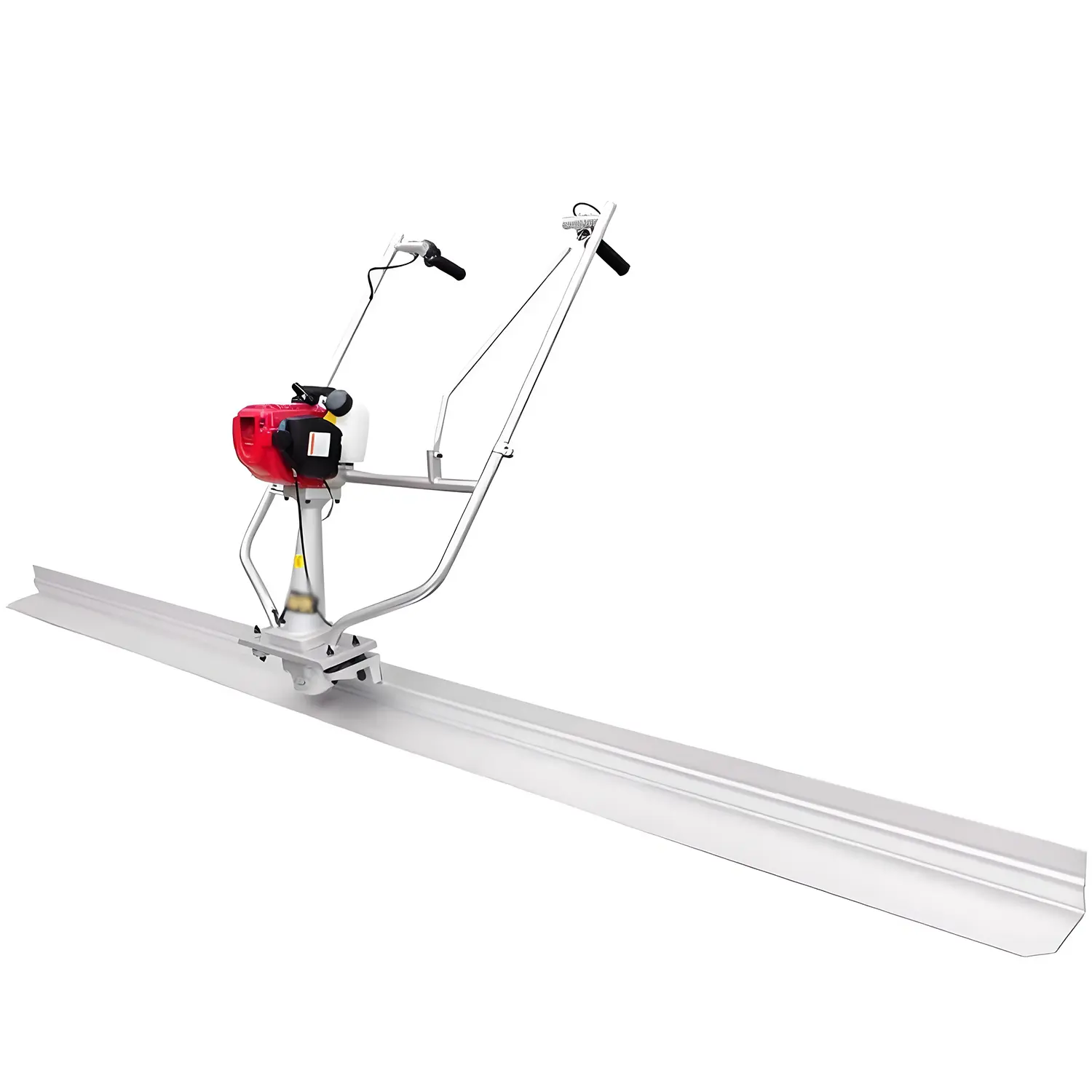 Concrete screed
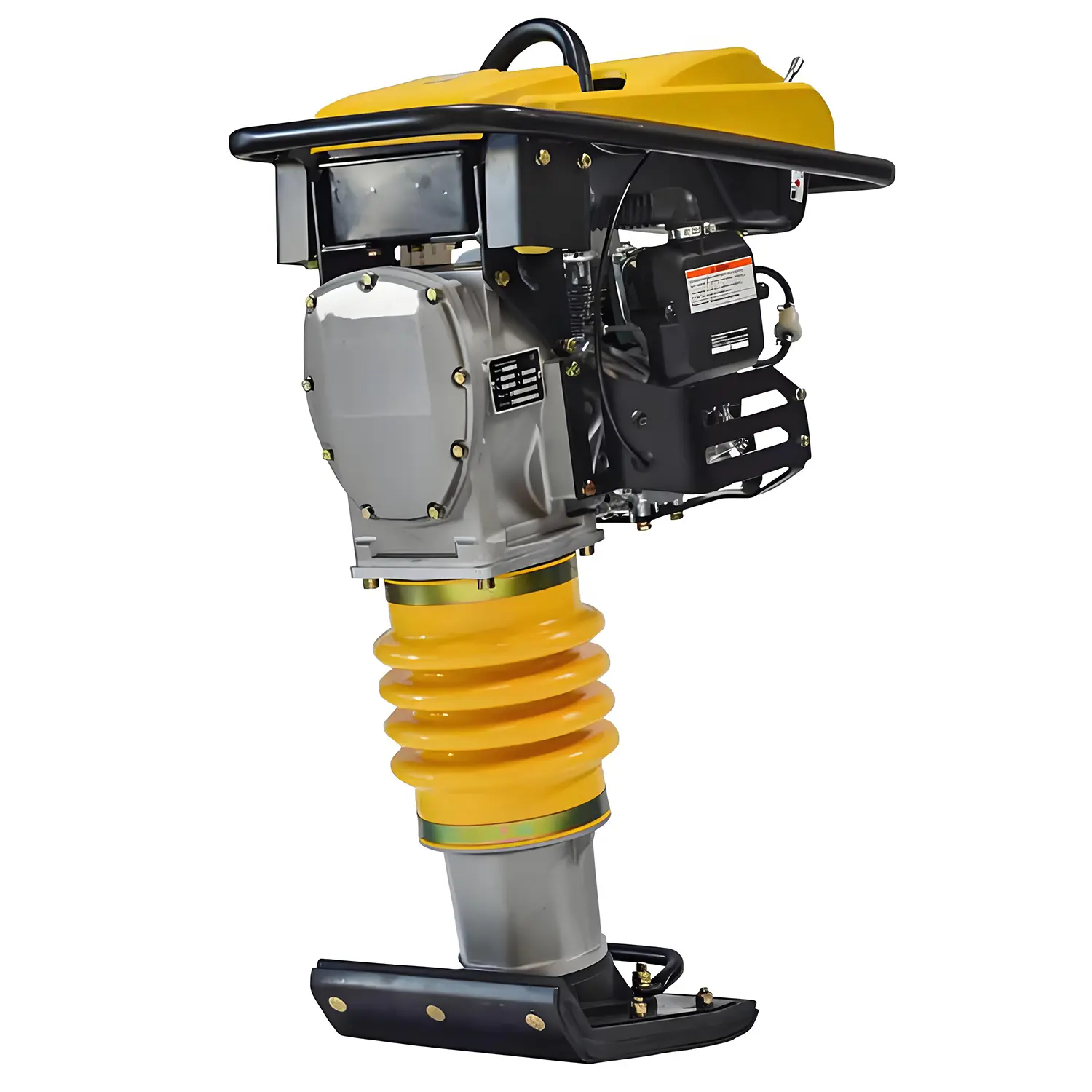 Tamping rammer
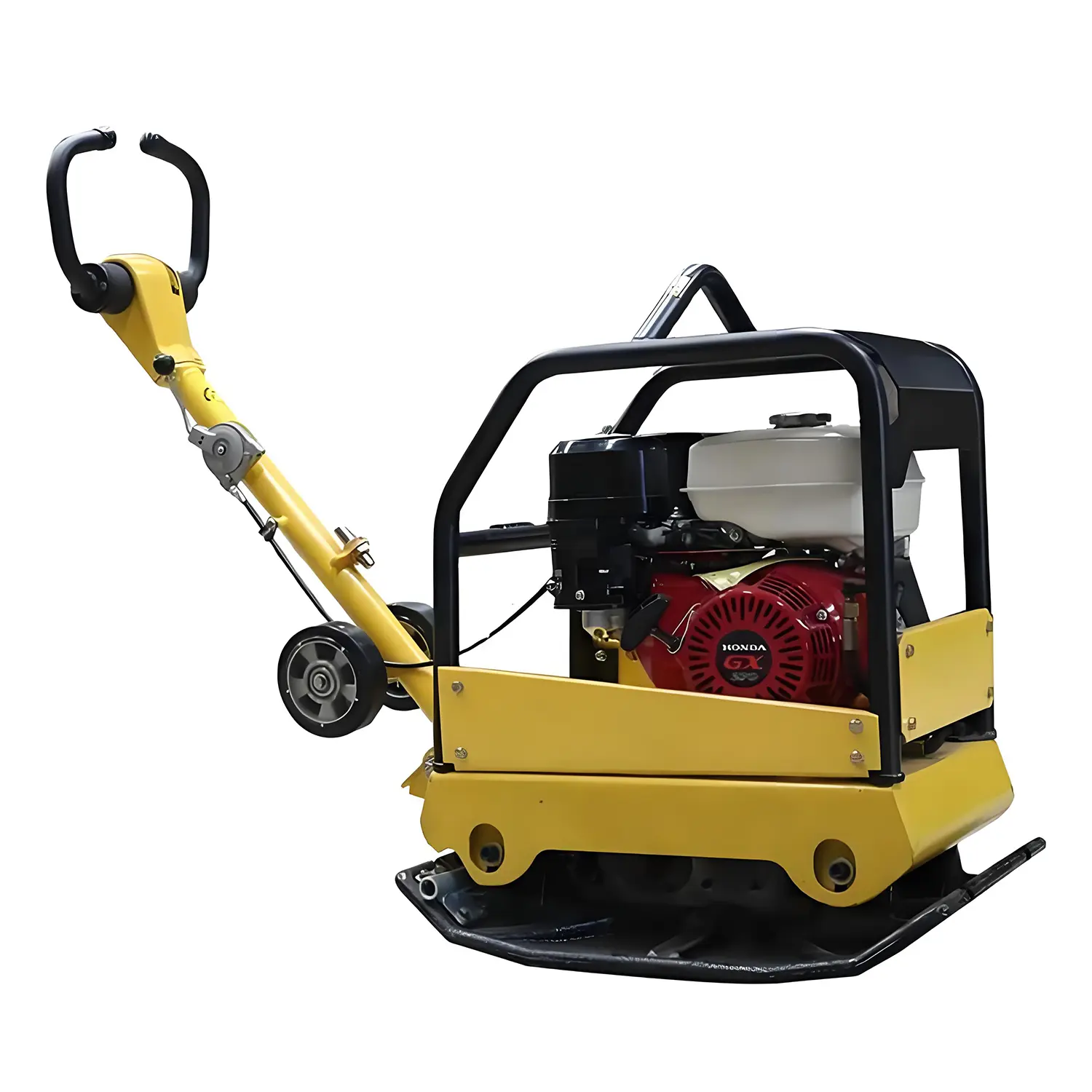 Plate compactor
 Vibratory roller