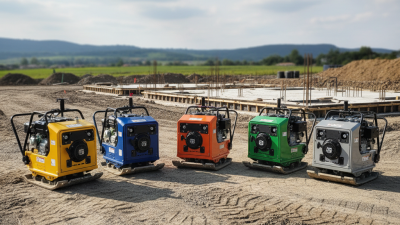
Top 10 Heavy Equipment Rollers You Need to Know About?
In the world of construction, understanding Heavy Equipment Rollers is crucial. These machines play a vital role in ensuring smooth and durable surfaces. According to a recent report by the American Road and Transportation Builders Association, proper compaction is critical, contributing to over 30% of road durability.
Jim Stevens, a leading expert in construction machinery, stated, “Choosing the right roller can dramatically impact project success.” His insights underline the need for professionals to be informed about the best tools available. Heavy Equipment Rollers come in various types, each designed for specific applications.
However, not all operators are aware of the nuances in performance and efficiency. This gap in knowledge can lead to poor project outcomes. With advancements in technology, understanding these machines has become even more complex. As the industry evolves, it's essential for contractors to stay updated and make informed decisions.
Types of Heavy Equipment Rollers and Their Uses
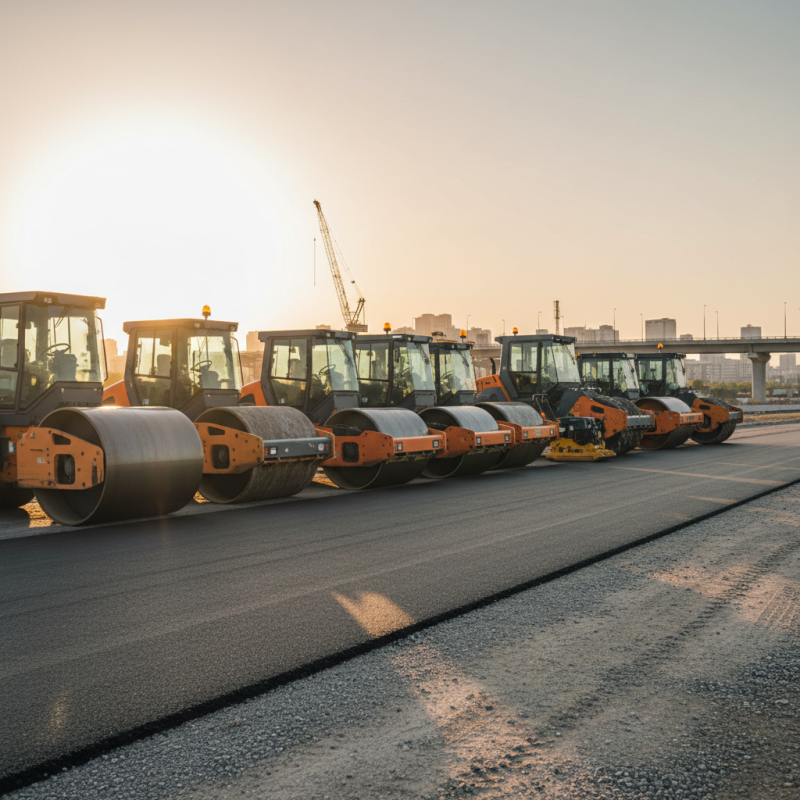
Heavy equipment rollers play a crucial role in construction and roadwork tasks. They compact soil, gravel, and asphalt, creating stable surfaces for various projects. Understanding the different types of rollers is essential for selecting the right equipment.
There are several types of heavy equipment rollers. The most common is the static roller, which uses weight for compaction. Another type is the vibratory roller, equipped with vibrational technology. This alters the soil structure, achieving denser compaction. Pneumatic rollers use air-filled tires, particularly useful for asphalt work, ensuring a smooth finish.
It's not just about choosing a roller; knowing its application matters. For example, static rollers suit flat surfaces. However, using them on uneven terrain can be ineffective. The choice of roller influences project outcomes. Each type has unique features; understanding these can lead to better efficiency and results. Choosing improperly can lead to setbacks, impacting productivity and budget.
Key Features to Consider When Selecting a Roller
When selecting a roller for heavy equipment, several key features stand out. The weight of the roller is crucial. Industry reports indicate that heavier rollers are more effective for compacting soil. A roller weighing 10 tons can increase density by over 30%. However, too much weight can lead to soil disruption. Balance is key in achieving optimal performance.
The drum type also plays a significant role. Smooth drums are ideal for asphalt, offering a sleek finish. In contrast, padfoot drums are beneficial for cohesive soils, allowing for deeper compaction. A study highlighted that padfoot drums can compact layers up to 12 inches. However, choosing the wrong drum type can result in inadequate compaction.
Power and fuel efficiency are necessary considerations. Rollers with higher power ratings can cover larger areas faster. Yet, this often leads to increased fuel consumption. Reports show that modern rollers can achieve up to 15% better fuel efficiency than older models. Identifying the right balance between power and efficiency requires careful analysis of project needs.
Top 10 Heavy Equipment Rollers in the Construction Industry
In the construction industry, heavy equipment rollers play a vital role in ensuring a smooth and stable foundation. These machines are crucial for asphalt and soil compaction. According to a recent industry report, the global roller market is expected to grow significantly, reaching a value of over $3 billion by 2025. This growth underscores the importance of selecting the right equipment for specific projects.
Operators must be knowledgeable about the various types of rollers. For example, tandem rollers are ideal for asphalt applications, while pneumatic tire rollers can enhance compaction in granular soils. However, not all projects achieve the desired compaction results. Some reports indicate that improper usage of rollers can lead to uneven surfaces and increased maintenance costs. This highlights the need for skilled operators who understand the nuances of each roller type.
Furthermore, advancements in technology are reshaping the roller landscape. GPS guidance systems are becoming standard in newer models. They allow for precise leveling and compaction. Yet, the transition from traditional methods to high-tech solutions can be challenging for some workers. Ensuring adequate training and adaptation time is crucial for maximizing performance and efficiency. Balancing innovation with skilled labor provides insight into how the industry can evolve while addressing its flaws.
Maintenance Tips for Heavy Equipment Rollers
Maintaining heavy equipment rollers is crucial for their performance. Regular maintenance ensures they operate efficiently and last longer. One essential tip is to check and adjust tire pressure frequently. Incorrect tire pressure can affect stability and performance.
Cleaning the rollers after use is another important step. Dirt and debris can cause wear and tear. Make it a habit to perform a visual inspection regularly. Look for leaks or unusual sounds. These can indicate underlying problems that need attention.
Lubrication is vital too. Properly lubricated rollers function more smoothly. Neglecting lubrication can lead to faster deterioration. Ensure to use the right type of lubricant for your equipment. It’s essential to stay organized and keep track of maintenance records. This practice can highlight patterns and areas for improvement, helping to extend the life of your rollers.
Top 10 Heavy Equipment Rollers You Need to Know About
| Roller Type |
Weight (lbs) |
Engine Power (HP) |
Operating Width (inches) |
Applications |
Maintenance Tips |
| Smooth Drum Roller |
6000 |
80 |
66 |
Asphalt Compaction |
Regularly check oil levels and clean filters. |
| Padfoot Roller |
8000 |
90 |
84 |
Soil Compaction |
Inspect pads for wear and replace as needed. |
| Combination Roller |
7000 |
85 |
72 |
Asphalt and Soil |
Keep hydraulic systems free from leaks and moisture. |
| Tandem Roller |
6500 |
75 |
54 |
Asphalt Surfacing |
Grease roller bearings regularly to avoid rust. |
| Single Drum Roller |
5400 |
70 |
66 |
Soil and Asphalt |
Ensure all safety features are functional. |
| Utility Roller |
4000 |
60 |
48 |
Tight Spaces |
Clean and inspect daily before use. |
| Trench Roller |
3000 |
55 |
36 |
Narrow Trenches |
Check vibration settings regularly for optimal performance. |
| Multi-Tyre Roller |
9000 |
100 |
72 |
Final Finishing |
Monitor tyre pressure and condition frequently. |
| Compaction Demonstrator Roller |
5500 |
65 |
60 |
Training and Demonstration |
Ensure all components are in working condition before use. |
Safety Practices for Operating Heavy Equipment Rollers
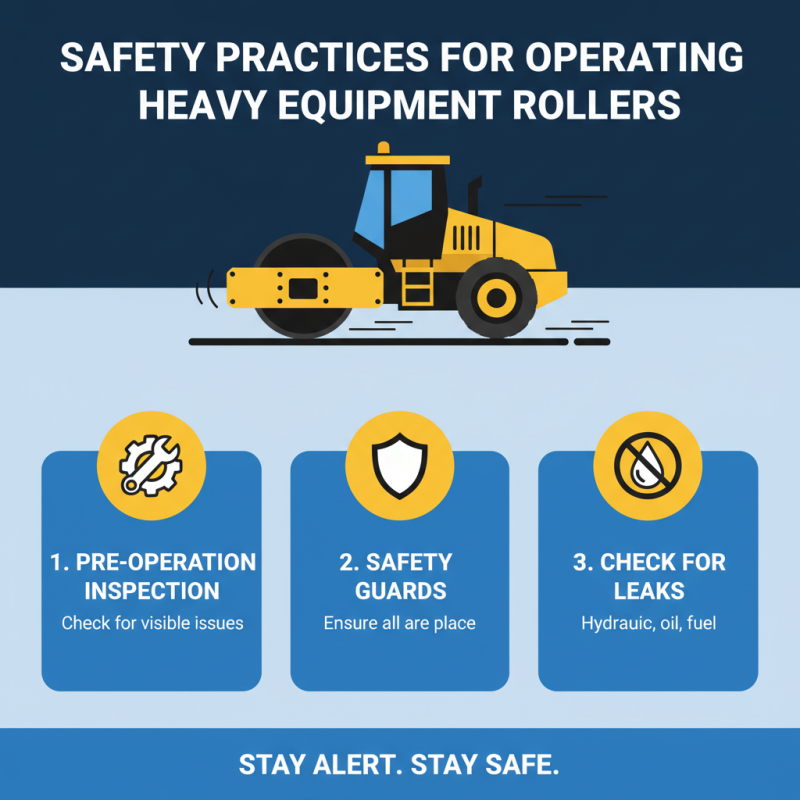
Operating heavy equipment rollers requires careful attention to safety practices. These machines are powerful and can be dangerous if not handled properly. Before starting, inspect the roller for any visible issues. Ensure that all safety guards are in place and that there are no leaks.
Communication is essential on the job site. Use hand signals or radios to keep in contact with your team. This practice minimizes misunderstandings and potential accidents during operation. Always keep a safe distance from other personnel when rolling. Blind spots can hide people from view.
Tips: Always wear your personal protective equipment. A hard hat, gloves, and steel-toed boots are crucial. Additionally, familiarize yourself with the equipment operation manual. This knowledge can prevent mistakes that may lead to injury.
Be mindful of ground conditions. Wet or uneven surfaces can affect stability. Adjust your speed according to the terrain you're working on. Rushing increases the risk of accidents. Regular breaks are also important. Fatigue can impair your judgment and reaction time. Equipment operation is a crucial skill, but it demands respect and careful handling. Take the time to reflect on safety and improve your practices.

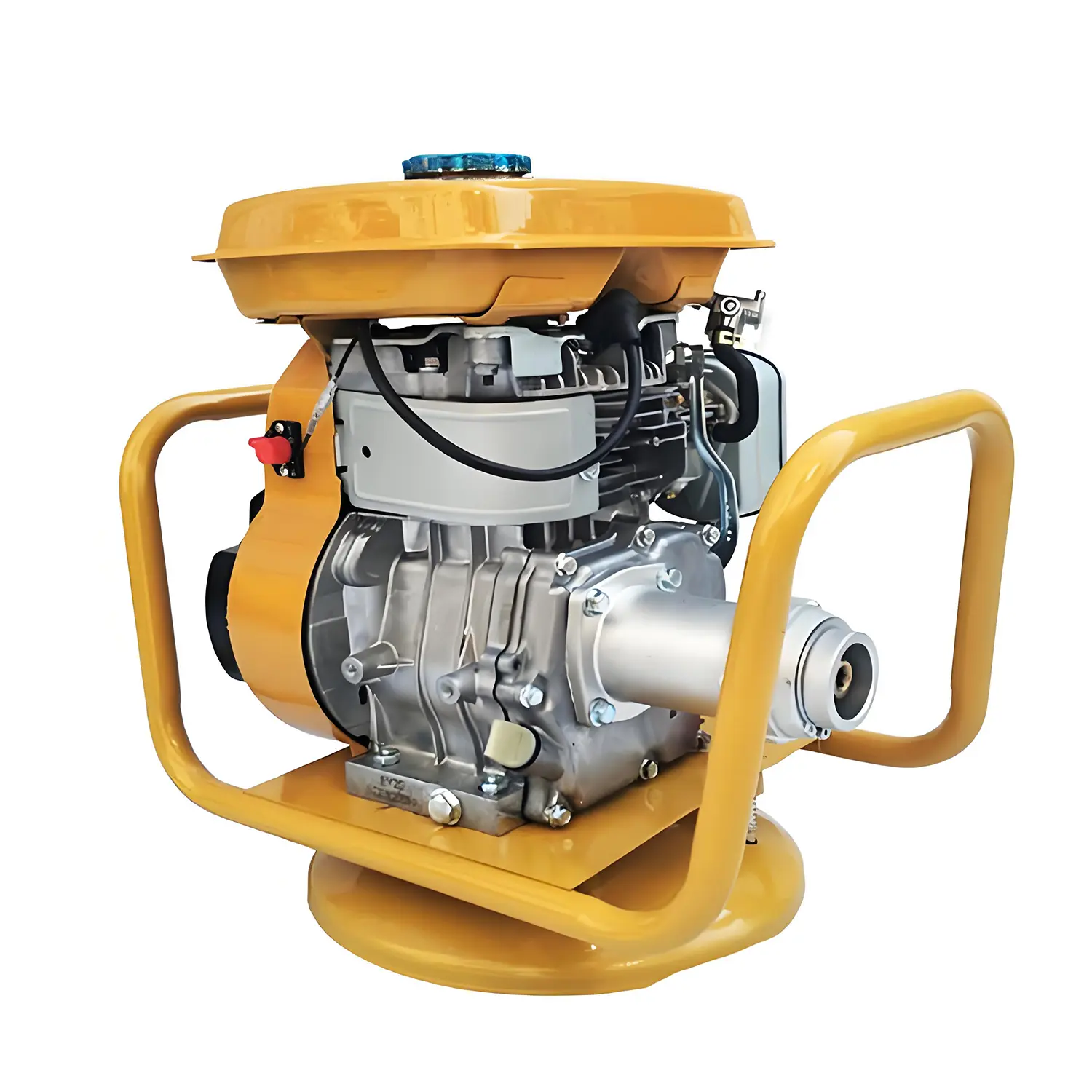 Internal Vibrator
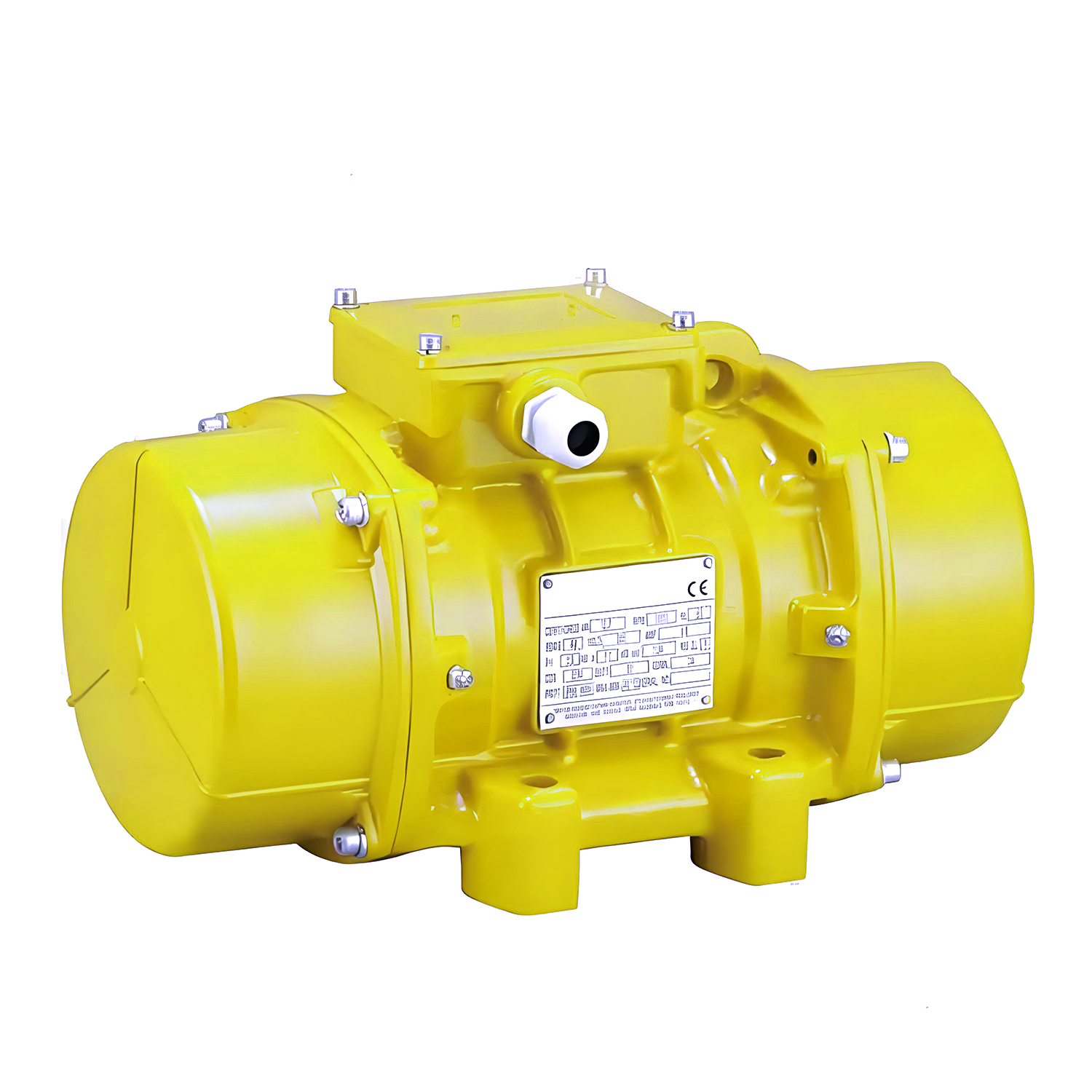 External Vibrator
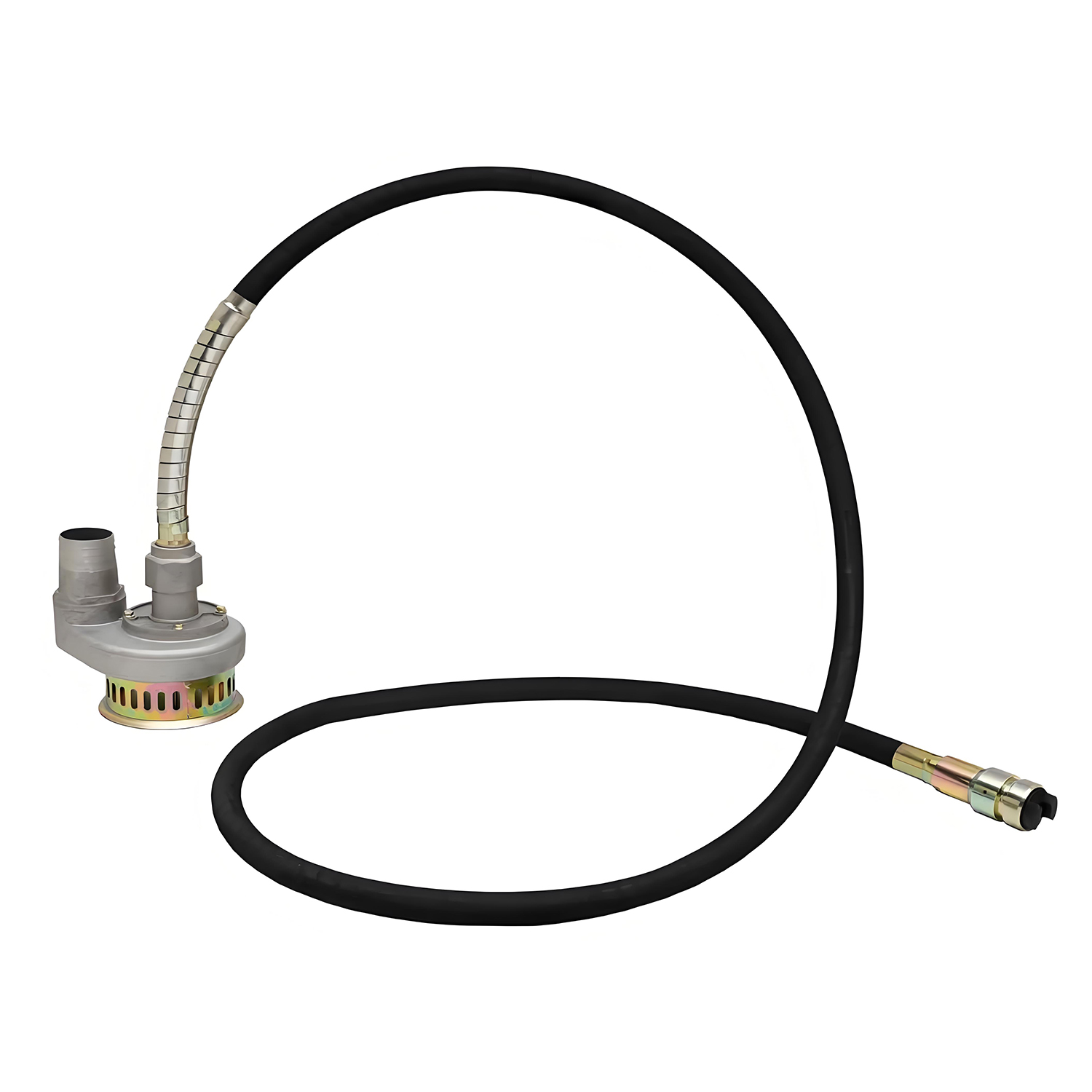 Submersible Pump
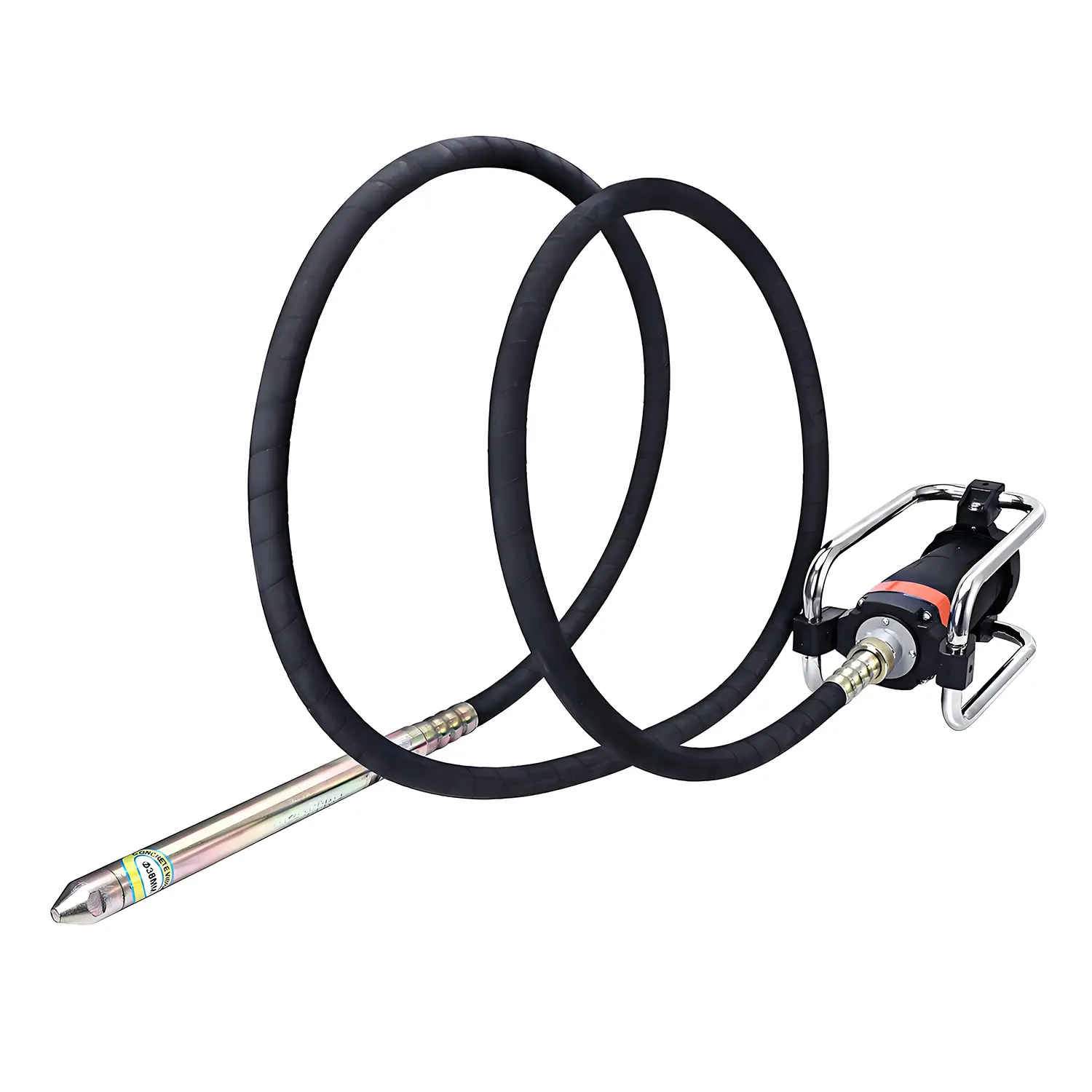 Eccentric shaft
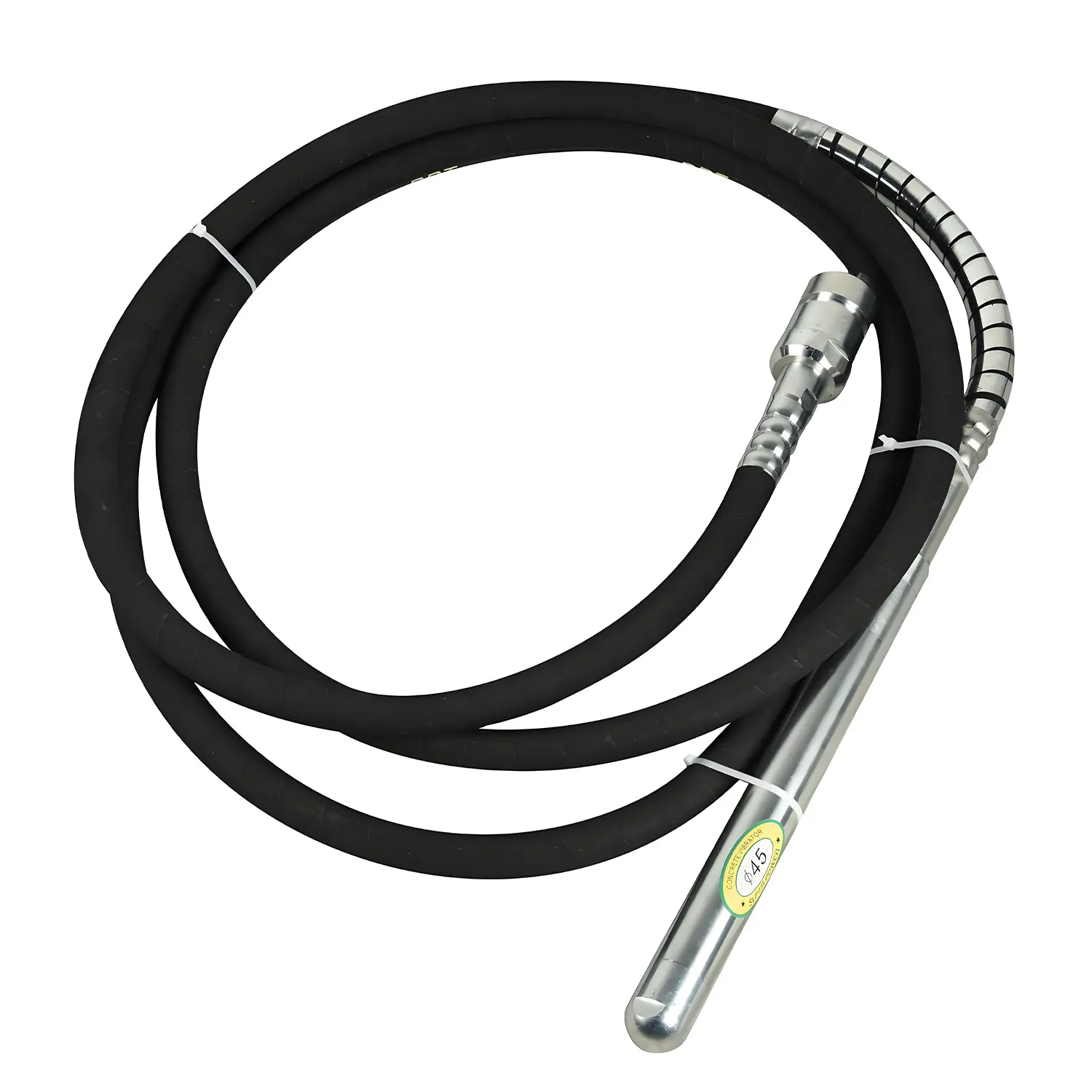 Pendulum shaft
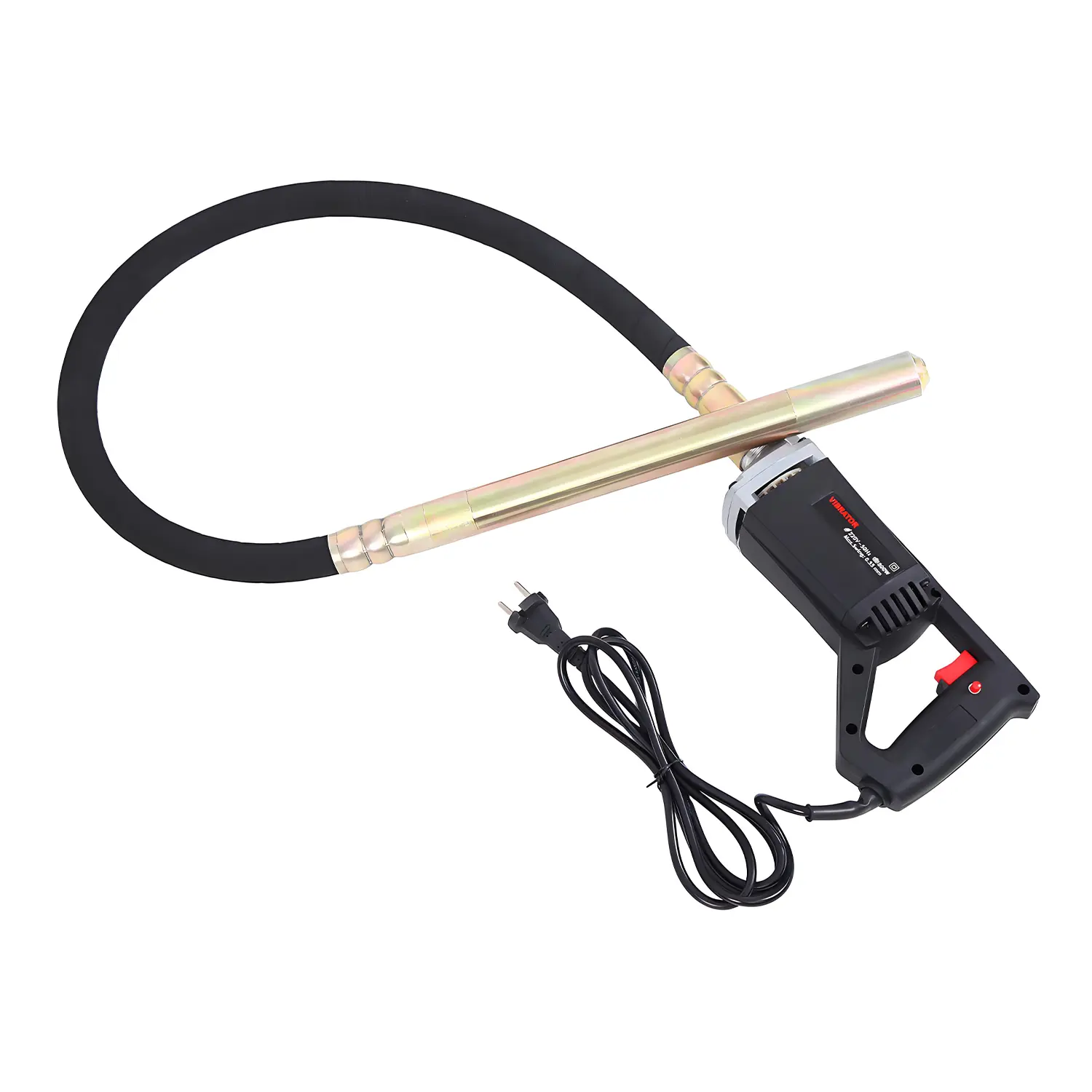 Portable vbrator shaft
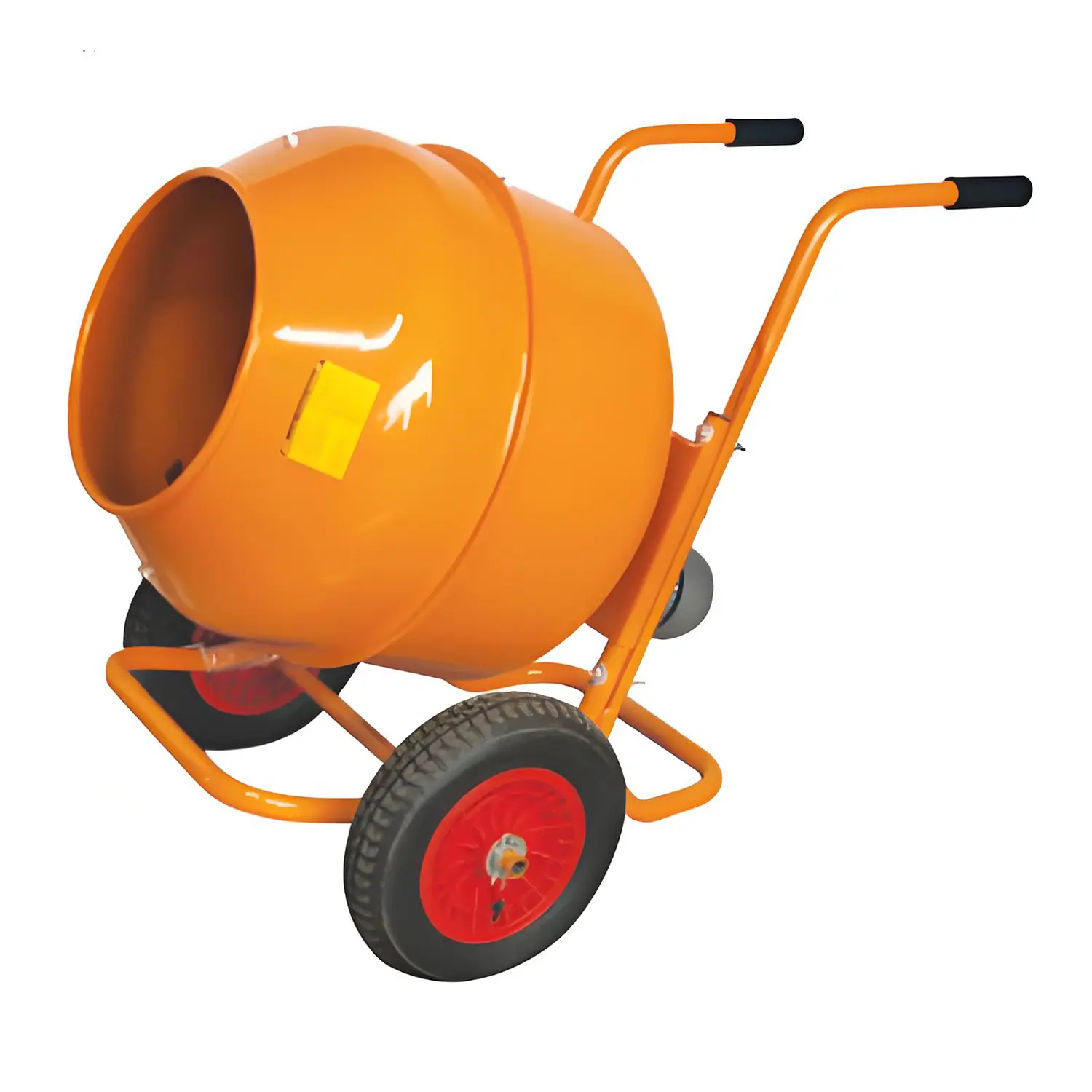 Portable concrete mixer
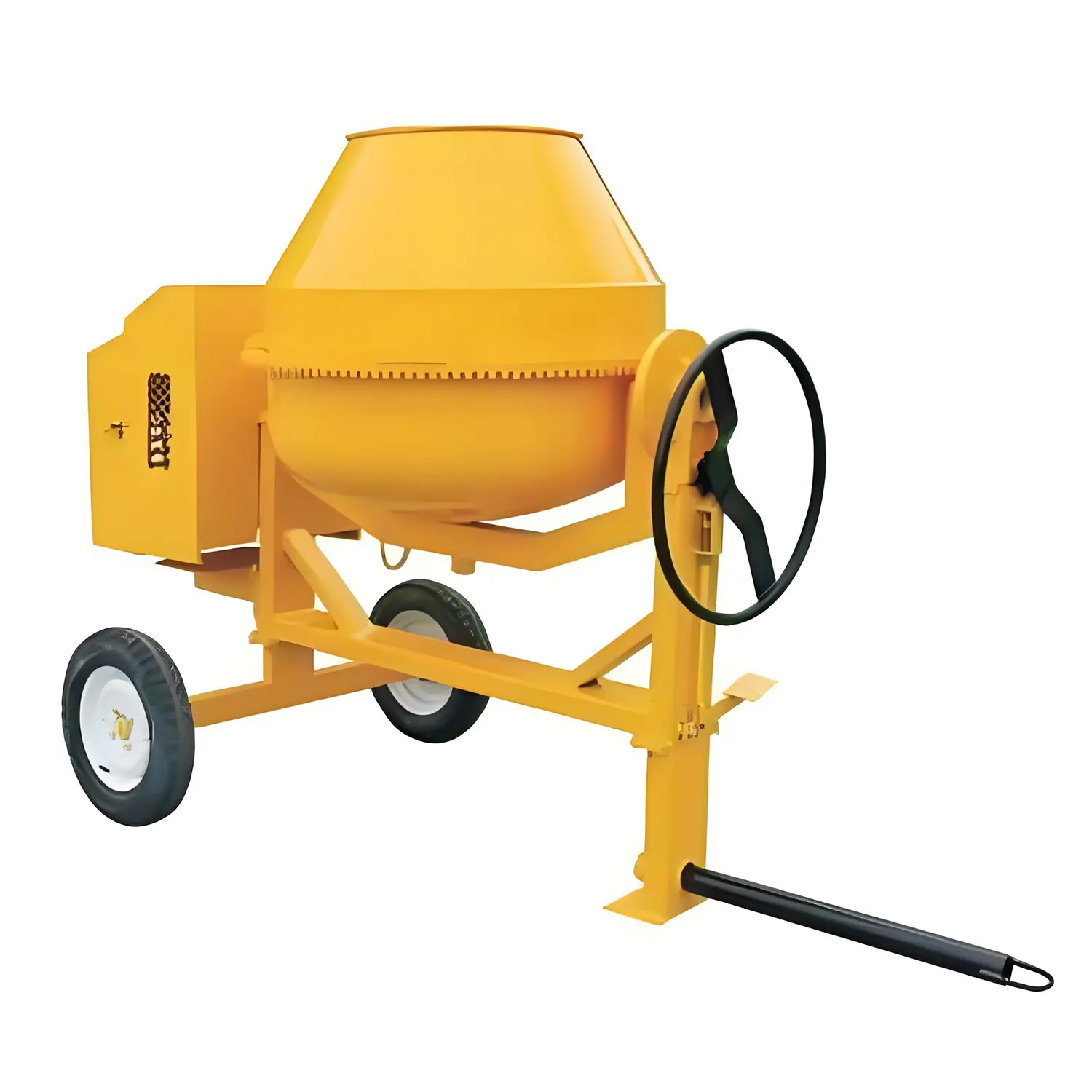 Vertical concrete mixer
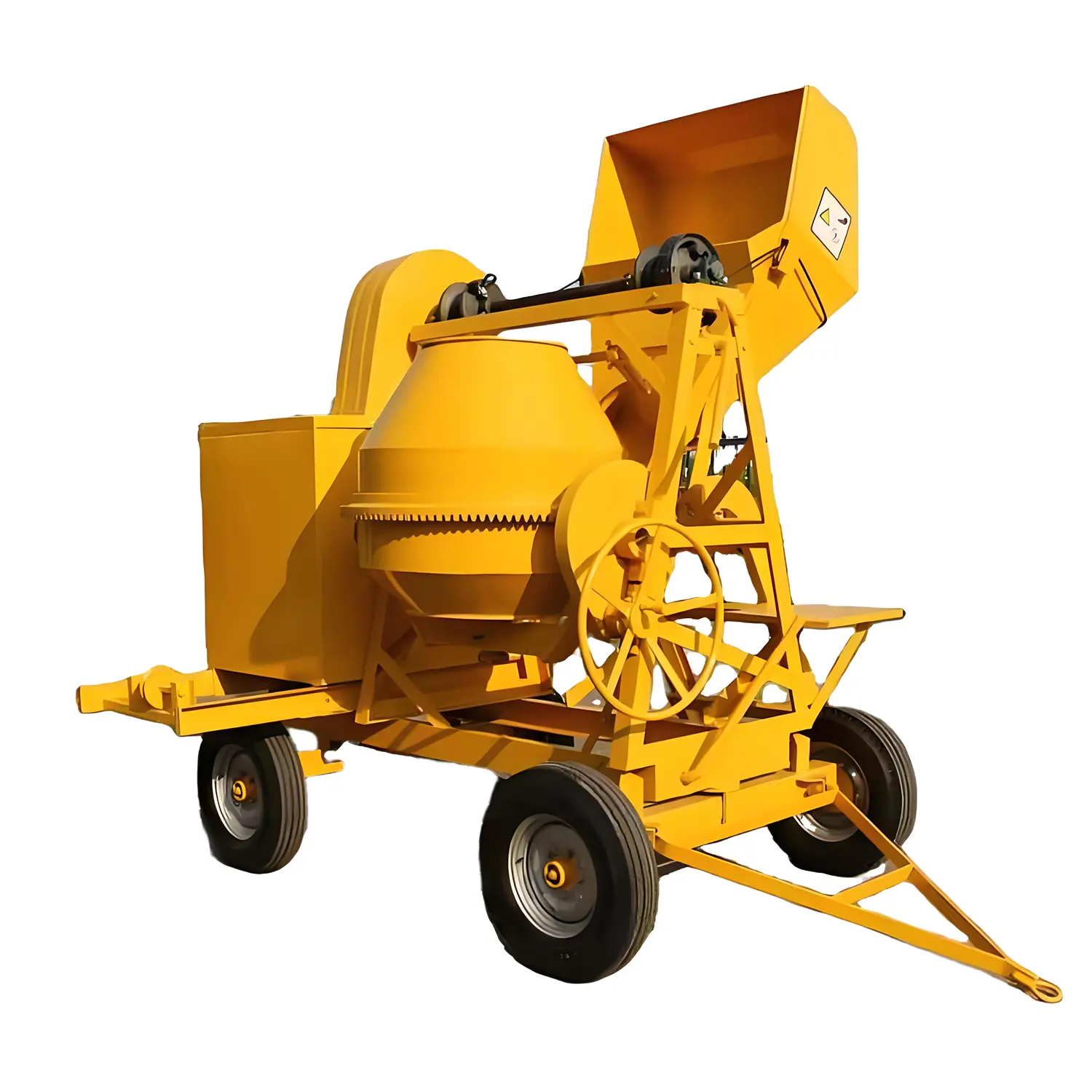 Hydraulic concrete mixer
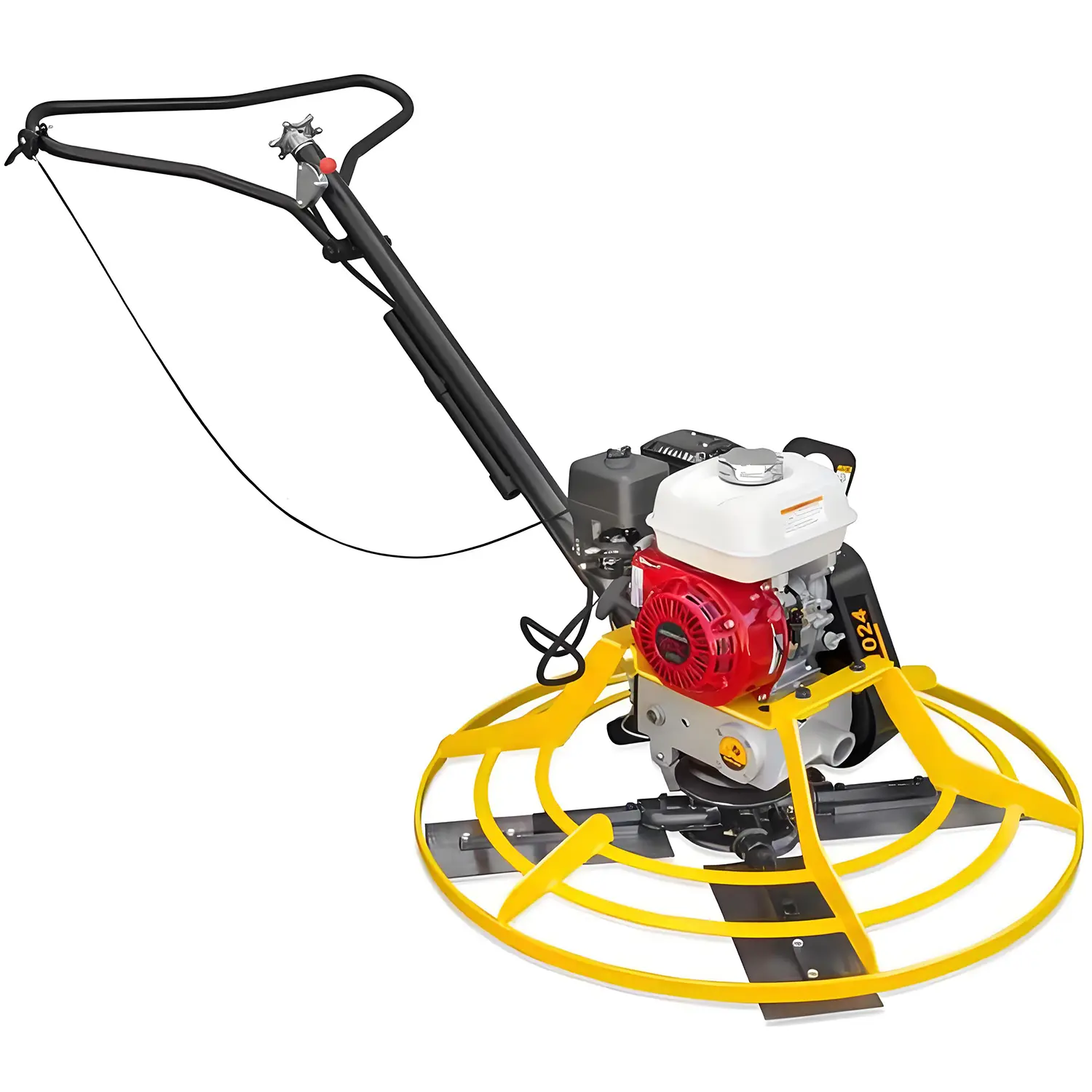 Walk behind power trowel
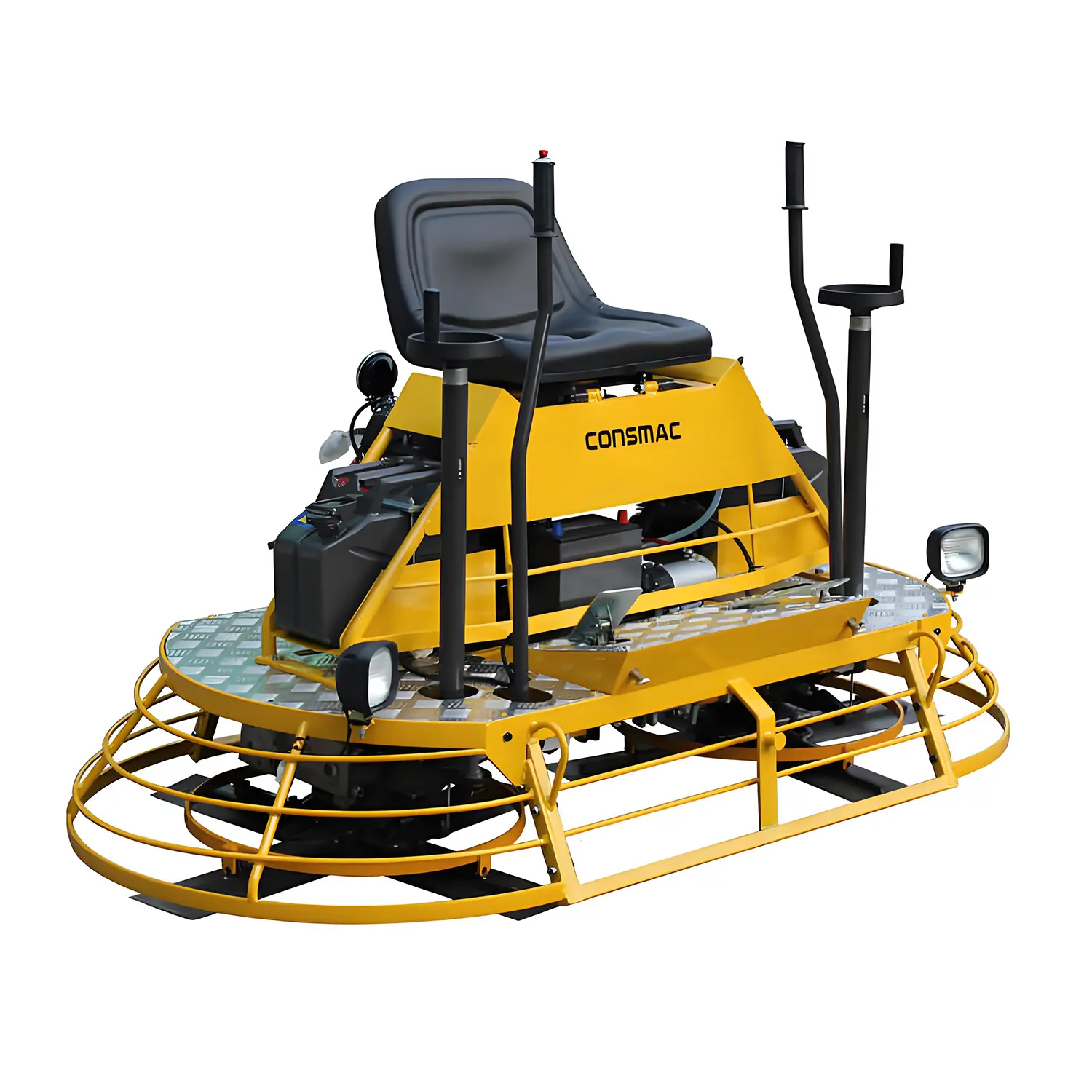 Ride on power trowel
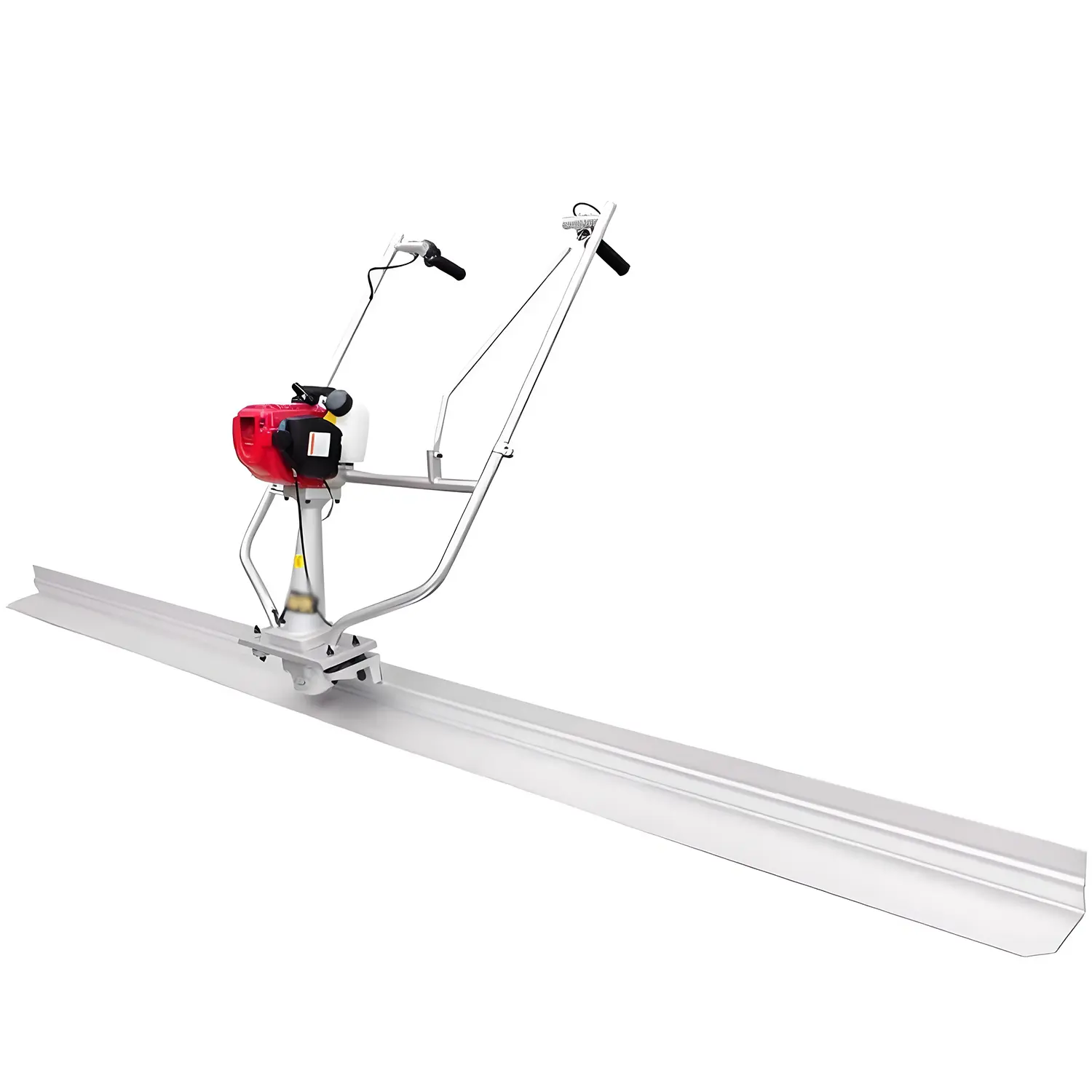 Concrete screed
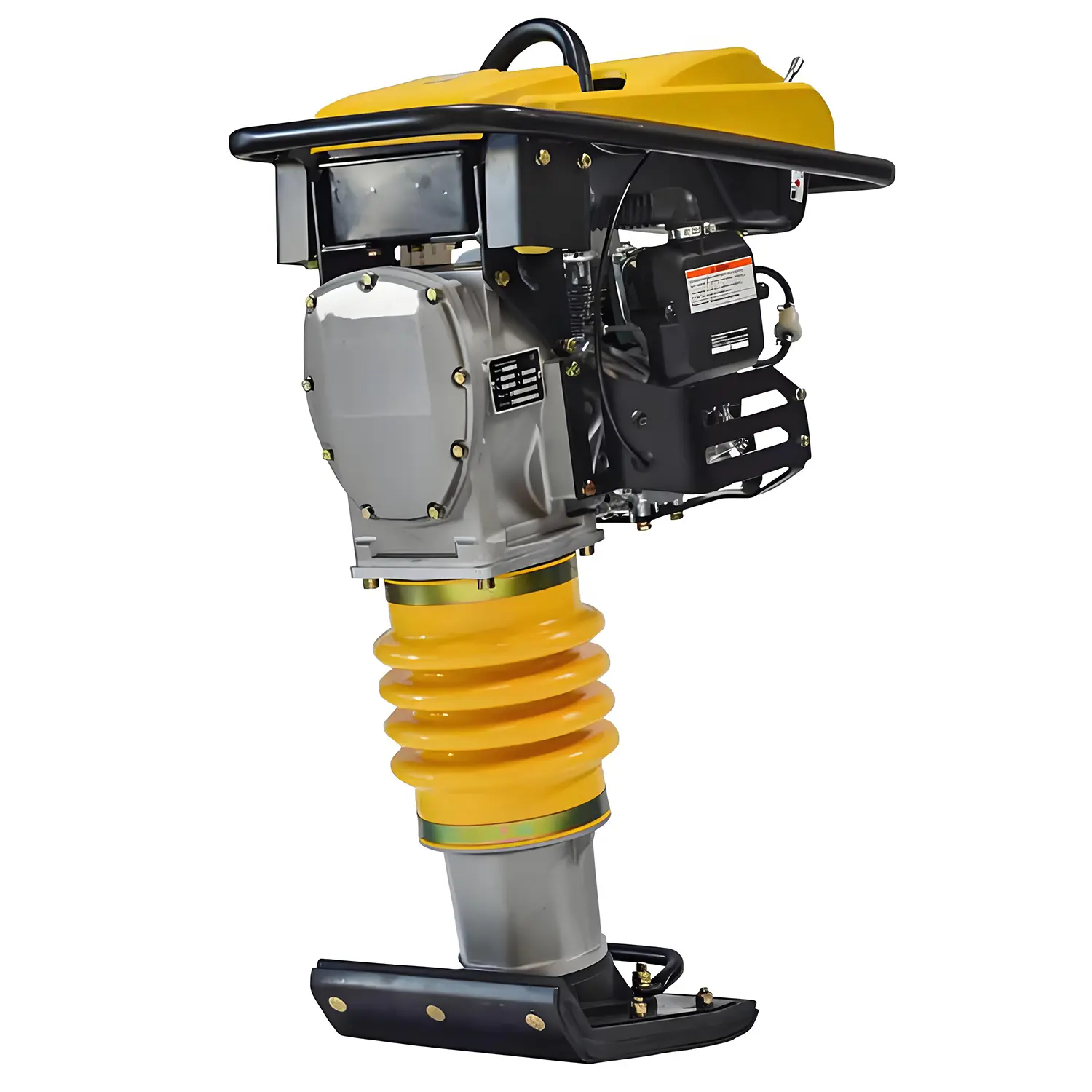 Tamping rammer
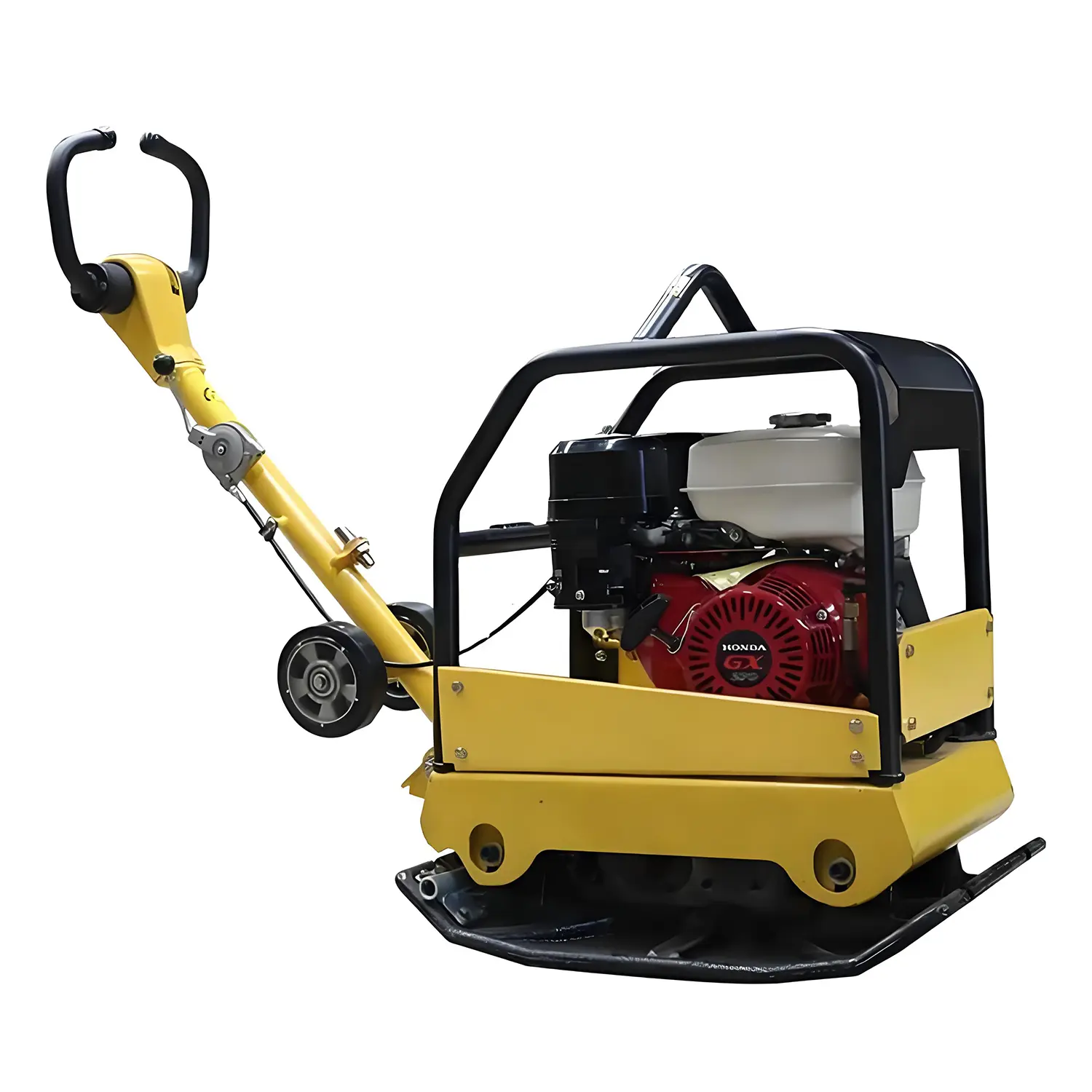 Plate compactor
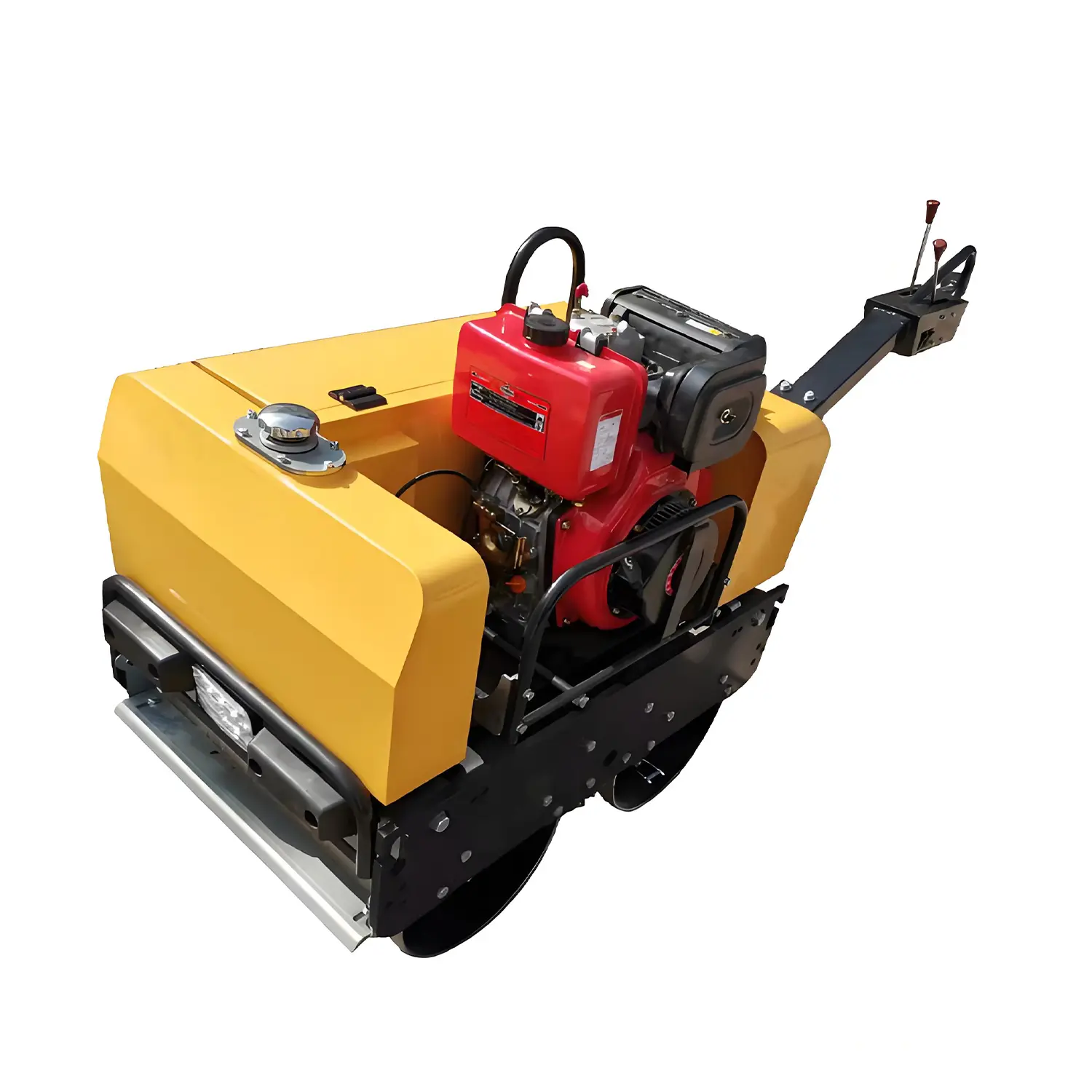 Vibratory roller