400-181-1680
Leave Your Message

Best Gasoline Concrete Vibrator Options for Your Projects?

In the world of construction, the quality of concrete plays a vital role in the durability of structures. A reliable method of ensuring optimal concrete consolidation is the use of a Gasoline Concrete Vibrator. According to recent reports, around 35% of construction projects encounter issues due to poor concrete compaction, leading to costly repairs and delays. This statistic highlights the importance of investing in high-quality equipment.

Gasoline Concrete Vibrators stand out in the market for their exceptional power and portability. They can cover larger areas quickly, making them suitable for various job sites. Industry experts suggest that using a gasoline-powered option can reduce completion time by up to 20%. This efficiency is especially beneficial in large-scale projects where time is of the essence.

However, selecting the right Gasoline Concrete Vibrator requires careful consideration. Not every model excels in performance or durability. It is crucial to evaluate features like vibration frequency, fuel efficiency, and user comfort. Some models may fall short, leading to frustrating experiences on the job. Thus, making informed choices is critical for success in concrete work.
Best Gasoline Concrete Vibrator Options for Your Projects?

What a Gasoline Concrete Vibrator Does

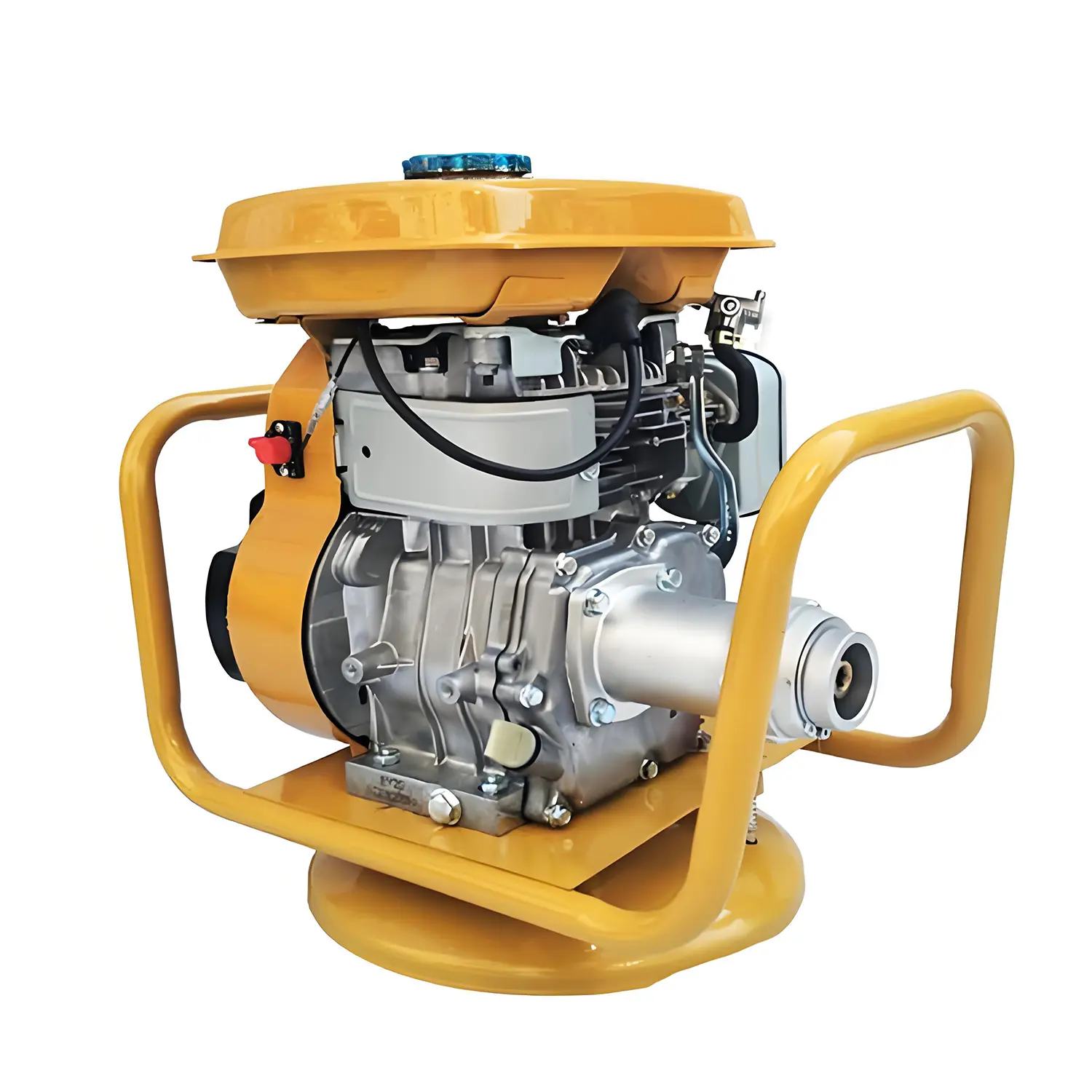
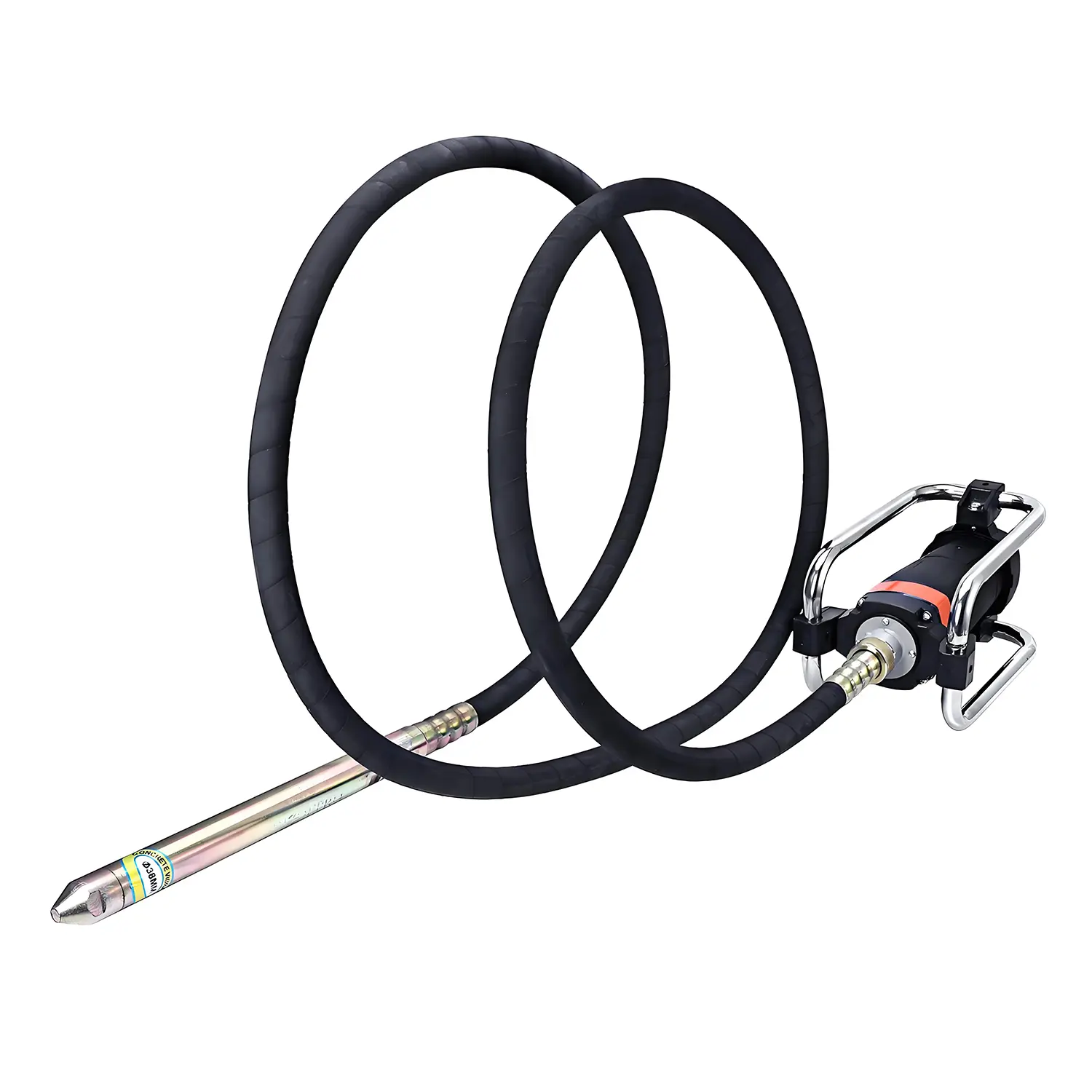
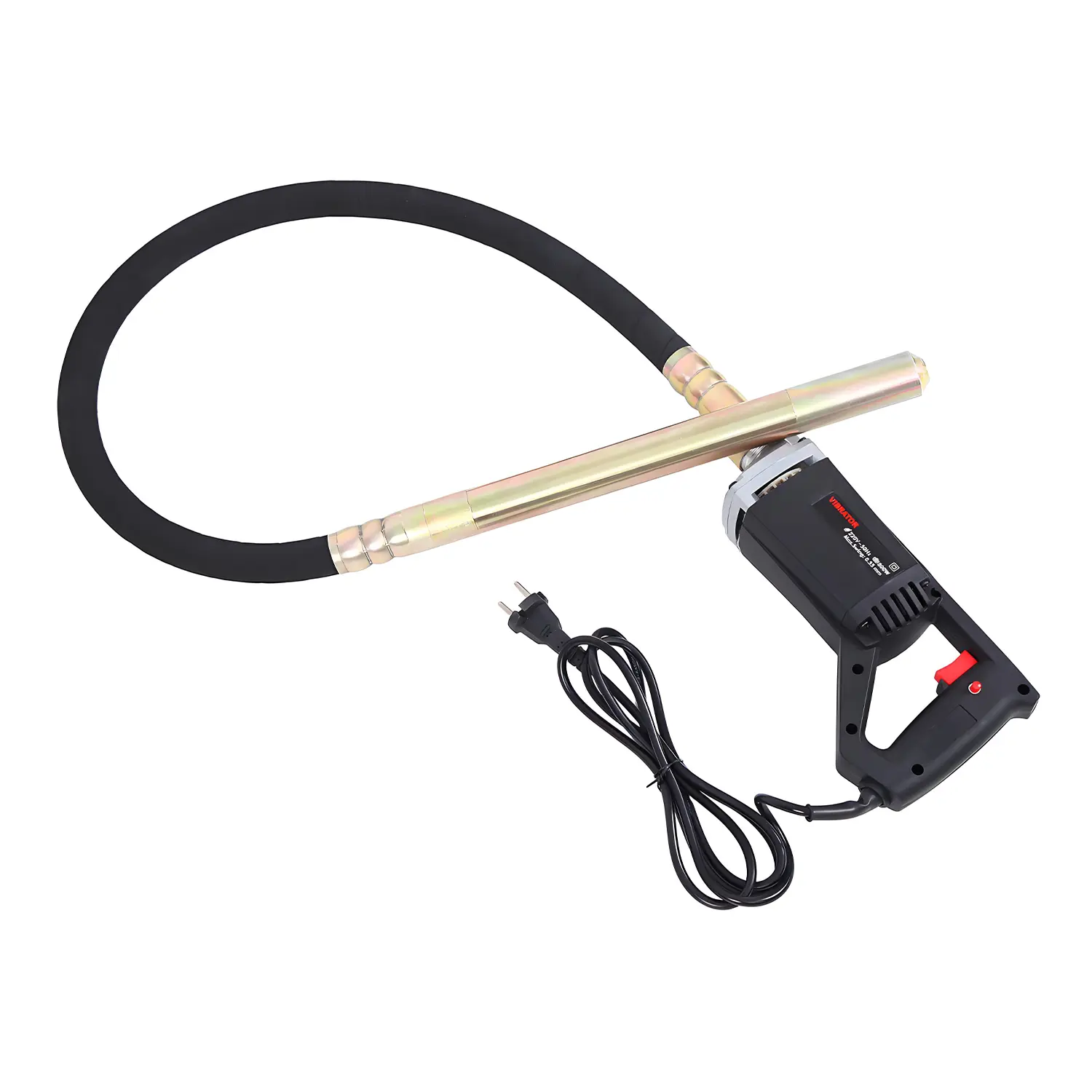
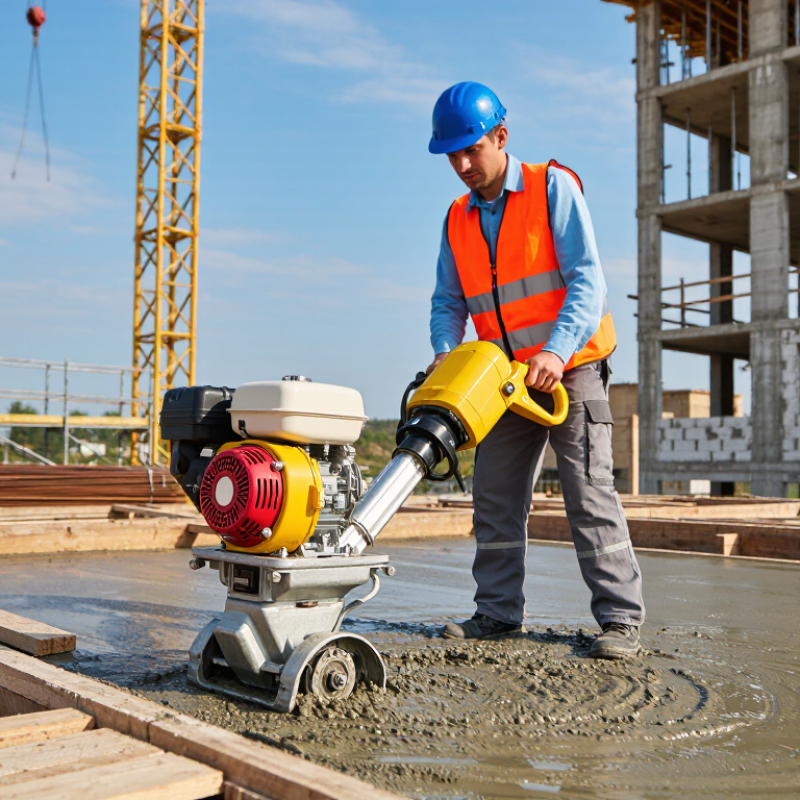
A gasoline concrete vibrator consolidates fresh concrete by shaking it through a vibrating poker, or head, attached to a flexible shaft. The engine supplies power where electrical access is limited. As the head enters the mix, its rapid motion helps trapped air rise and concrete flow around reinforcing bars, corners, and formwork. Watch the surface: large bubbles should taper off, and the concrete should settle without separating into wet paste and coarse stone.

Placement technique matters. ACI 309R-05, Guide for Consolidation of Concrete, recommends insertion points spaced at about 1.5 times the vibrator’s radius of influence, so the zones overlap. For layered pours, it also advises penetrating roughly 150 mm into the previous layer. Those figures are field guidance, not a substitute for checking the mix and equipment.

A vibrator cannot correct a badly proportioned mix. Too little vibration can leave honeycombing; too much may cause segregation. That balance is easy to misjudge. Operators should keep the head moving steadily and avoid using it to push concrete sideways. Because gasoline engines produce exhaust, operate them outdoors or in appropriately ventilated areas.
Main Components and How They Work

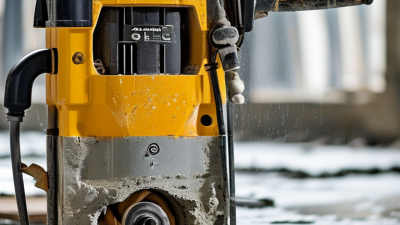
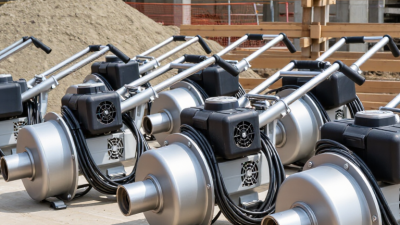
Concrete vibrators play a crucial role in ensuring that concrete settles properly and achieves its maximum strength. A typical gasoline concrete vibrator consists of several key components, including the engine, the shaft, and the vibrator head. The engine powers the entire system, converting fuel into mechanical energy. According to data from the American Concrete Institute, proper vibration can increase concrete strength by up to 30%.

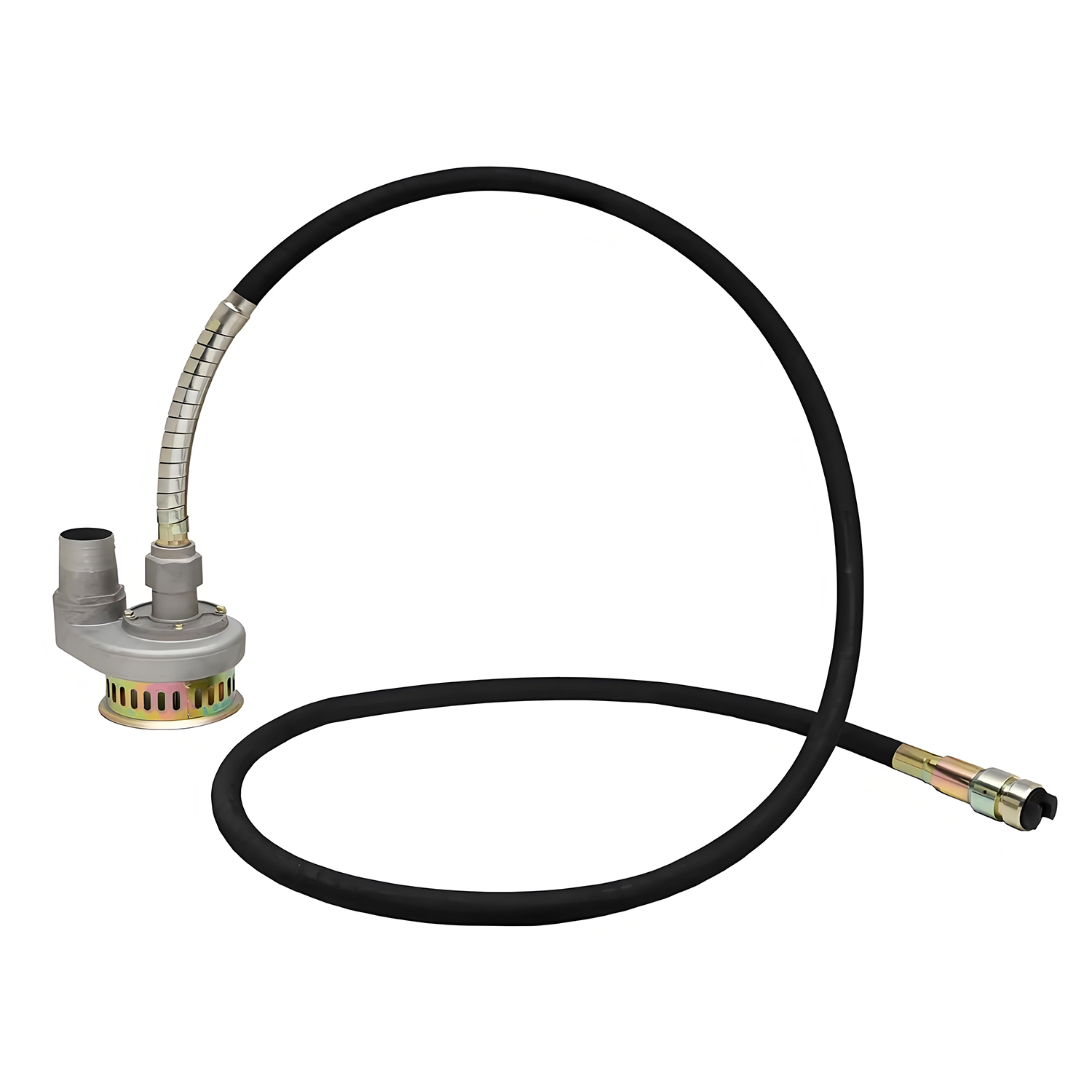
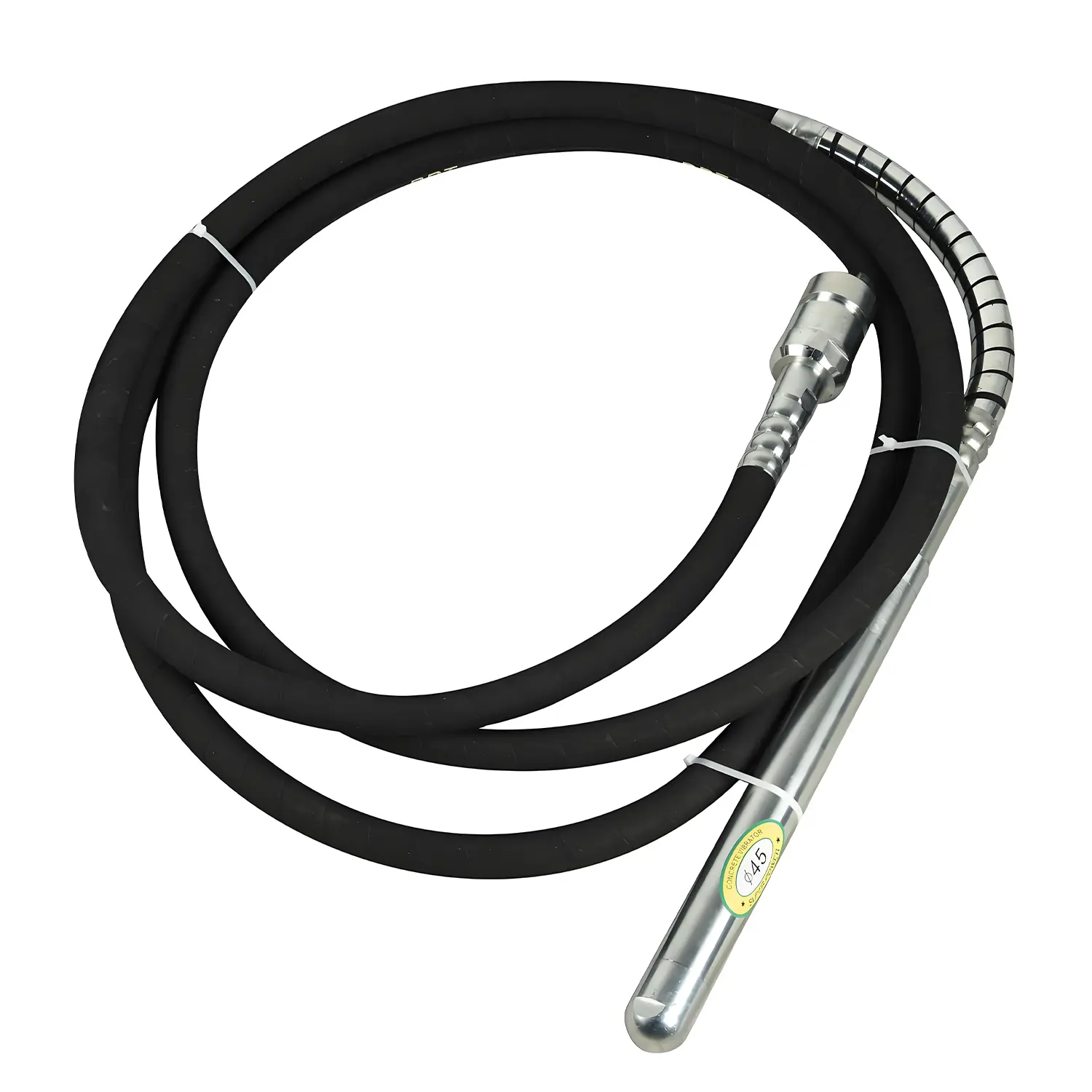
The shaft transmits the vibrations from the engine to the vibrator head. This head, which comes in various shapes and sizes, is critical for penetrating the concrete mix and removing air bubbles. It’s essential to select a vibrator head designed for the specific job requirements. Notably, the frequency and amplitude of the vibrations are also vital factors. Industry studies suggest that vibrators operating at 12,000 to 14,000 vibrations per minute yield optimal results for most concrete compositions.

While gasoline concrete vibrators are efficient, they do require regular maintenance. Operators need to regularly check the engine and ensure that the fuel system is clean. Air filters and spark plugs should be inspected frequently to avoid operational issues. Neglecting these components can lead to performance decline, resulting in inadequate concrete consolidation. Understanding these factors can lead to better project outcomes and increased longevity of the equipment.

Types of Gasoline Concrete Vibrators

Types of Gasoline Concrete Vibrators

Gasoline concrete vibrators generally use a portable engine to drive an internal poker through a flexible shaft. The poker’s vibrating head enters fresh concrete and releases trapped air. Standard heads suit slabs and footings; slimmer heads can reach between closely spaced reinforcing bars. Useful in tight cages. ACI 309R-05 describes internal-vibrator operating frequencies of roughly 3,000–12,000 vibrations per minute, though the right head and frequency depend on the concrete mix and placement.

A second option is a backpack-style unit, where the engine and drive mechanism sit on a wearable frame. It can help crews move across spread-out pours without repeatedly relocating a wheeled power unit. The trade-off is real: carrying a vibrating engine all day can tire the operator, and the setup still needs careful handling around reinforcement. For large pours, a higher-capacity engine and larger poker may suit thicker sections, but oversized heads can be awkward in narrow forms.

Gasoline power is most practical outdoors, where exhaust can disperse and cables are less convenient. Noise needs attention, too. OSHA’s construction noise standard sets a 90 dBA limit for an eight-hour exposure, so operators should assess actual site levels and use hearing protection when required. Gasoline equipment is not automatically the best choice for every job; indoors, ventilation and engine noise can outweigh its mobility.

How to Choose a Vibrator for Your Project

Choosing a gasoline concrete vibrator starts with the pour, not the engine. Estimate the slab’s depth, the area you can reach, and how quickly the crew places concrete. A larger vibrator head can cover more material, but it may be awkward around narrow forms or reinforcement. For congested sections, a smaller head is often easier to guide between steel bars. Check that the shaft reaches the bottom without forcing a sharp bend. That matters.

Match the equipment to the concrete mix and the work pace. Stiff mixes and heavily reinforced forms need careful, consistent consolidation; follow the equipment maker’s operating guidance for suitable head size and vibration technique. A gasoline power unit can be useful where electrical access is limited, but account for fuel, noise, exhaust, and refueling interruptions. Use it outdoors or where ventilation is adequate. Consider the machine’s weight, grip, and service access, too. A unit that looks powerful on paper may tire the operator during a long pour. There is no perfect choice; site conditions can change, and estimates can be wrong. If possible, test the setup on a small section and watch for trapped air, segregation, or surface water before continuing. Keep the plan practical.

Safe Operation and Routine Maintenance

A gasoline concrete vibrator can speed up remote pours, but its engine brings heat, noise, exhaust, and fuel risks. Place the unit on stable, dry ground before starting, away from wet concrete and loose materials. Operate outdoors or in a well-ventilated area; exhaust can build up quickly in enclosed spaces. Wear eye and hearing protection, gloves, and sturdy footwear. Keep clothing clear of moving parts. Keep bystanders clear. Never handle the vibrating head while the machine is running.

Tips: Inspect the shaft, coupling, and flexible hose before each pour. Look for cracks, loose fittings, or unusual wear. Start the engine on level ground, and hold the equipment securely. If it vibrates irregularly, stop and inspect it rather than forcing the head through the mix.

After use, switch off the engine and let hot parts cool before refueling or cleaning. Let it cool. Wipe concrete from the head and shaft before residue hardens. Check engine oil, air filters, and fasteners according to the operating manual; dusty sites may require more frequent filter checks. Store fuel only in an approved, closed container, away from heat. Small checks matter. Maintenance schedules can vary by model, so the manual should guide service intervals. A rushed cleanup is easy to regret the next morning.

Best Gasoline Concrete Vibrator Options for Your Projects? - Safe Operation and Routine Maintenance
Project Option Typical Configuration Suitable Applications Advantages Considerations
Compact, small-head setup Four-stroke gasoline engine, approximately 1.5–2 hp; 25–32 mm vibrator head; flexible shaft around 1.5–3 m Small columns, narrow forms, lightly reinforced sections, and repair work Smaller head can fit between closely spaced reinforcement; relatively easy to handle in confined areas May consolidate concrete more slowly in large pours; avoid forcing the head through reinforcement or against formwork
General-purpose setup Four-stroke gasoline engine, approximately 2–3 hp; 38–45 mm head; flexible shaft around 3–6 m Footings, beams, walls, slabs, and typical residential or light commercial pours Versatile head size and shaft reach for many common form dimensions Confirm that the head fits the reinforcement spacing and that the shaft length suits the pour layout
Large-head, high-volume setup Four-stroke gasoline engine, approximately 3–5 hp; 50–60 mm head; flexible shaft around 4–6 m Thicker sections and larger pours with open reinforcement spacing Larger head can cover more concrete per insertion when conditions are suitable Heavier to handle and generally unsuitable for tight reinforcement; excessive vibration can cause segregation
Long-reach setup Gasoline power unit paired with a compatible longer flexible shaft, commonly about 6 m or more Deep forms or work where the operator must remain outside the immediate pour area Provides additional reach without moving the power unit as often Longer shafts can be harder to control; use only within the equipment maker’s approved shaft and head combinations
Safe Operation and Routine Maintenance
Pre-start checks Read the operator’s manual; inspect the shaft, coupling, head, guards, fasteners, and fuel system. Check engine oil and fuel as specified by the manufacturer. Do not use damaged or loose components.
Worksite and personal safety Operate the gasoline engine outdoors or in a well-ventilated area because exhaust contains carbon monoxide. Keep fuel away from hot surfaces and ignition sources. Wear suitable eye, hearing, hand, and foot protection, and keep bystanders clear.
Vibrating technique Lower the head into the concrete vertically and withdraw it slowly. Space insertions so their areas of influence overlap, and briefly penetrate the previous lift where appropriate. Do not use the vibrator to move concrete horizontally or leave the head running against formwork or reinforcement.
During operation Keep the flexible shaft within its specified bend limits and avoid sharp kinks. Stop the engine before adjustments, clearing a blockage, or handling the head or shaft. Refuel only after the engine has cooled, following the manual’s instructions.
After each use Switch off the engine, allow hot parts to cool, and clean concrete residue from the head and shaft. Inspect for wear, cracks, leaks, loose fittings, or unusual vibration before storage.
Scheduled maintenance Maintain the air filter, spark plug, engine oil, and fuel system at the intervals specified in the engine manual. Lubricate or service the flexible shaft only as directed by its manufacturer; do not assume all shaft designs use the same lubricant or service method.
Selection note Head diameter, shaft length, engine power, and operating limits vary by model. Treat the ranges above as general selection guidance and verify compatibility, duty limits, and maintenance requirements in the equipment manuals before use.