What Is the Best Diesel Concrete Vibrator in China?
Choosing the best Diesel Concrete Vibrator in China is not simply a matter of comparing prices or engine power. The right machine must suit the pour, the site, and the crew using it. A foundation trench, a precast mold, and a large slab place different demands on vibration. Look closely at engine starting, fuel use, vibration consistency, hose length, and access to replacement parts. Small details matter. A stiff hose can slow work around dense rebar, while an awkward frame becomes tiring to move across a rough site.
One note on attribution: no source article or verifiable expert quotation was provided, so this introduction does not invent one. A practical selection rule is: “Match the vibrator to the concrete placement, then verify its performance on site.” Treat that as editorial guidance, not a quotation from a named expert. For a reliable comparison, ask suppliers for operating specifications and service details, then check them against your actual working conditions. Ask how quickly common wear parts can be supplied. Request a demonstration if possible. A brochure cannot show how smoothly a unit starts on a cold morning.
This guide examines what “best” should mean for buyers in China: dependable output, manageable operating costs, durable components, and responsive local support. No single model suits every job. That is worth remembering. The strongest choice is the machine that delivers consistent compaction without adding avoidable delays to the pour.
Diesel Concrete Vibrators: Definition and Main Components
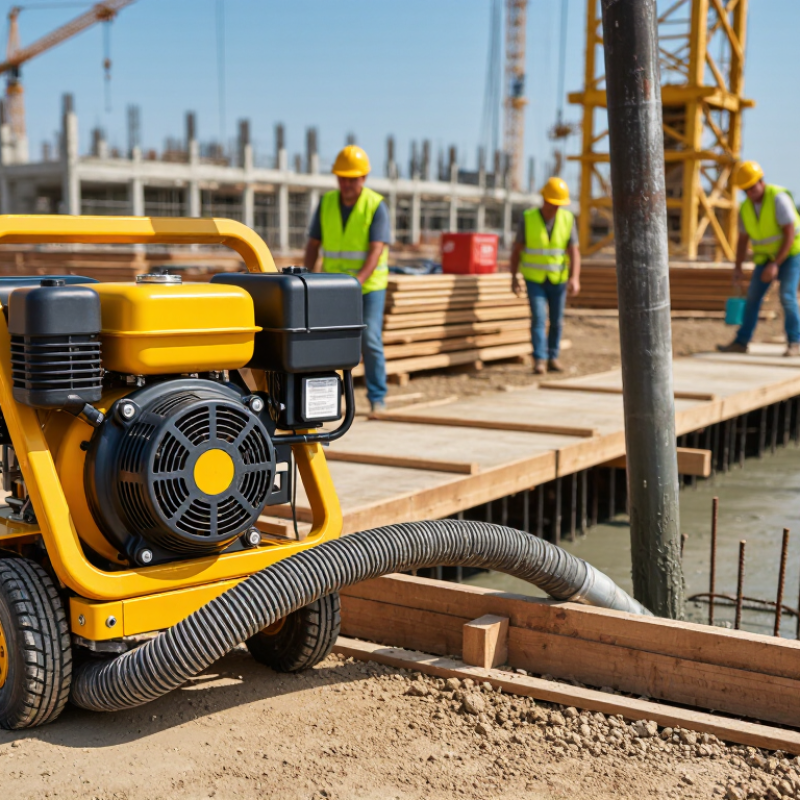
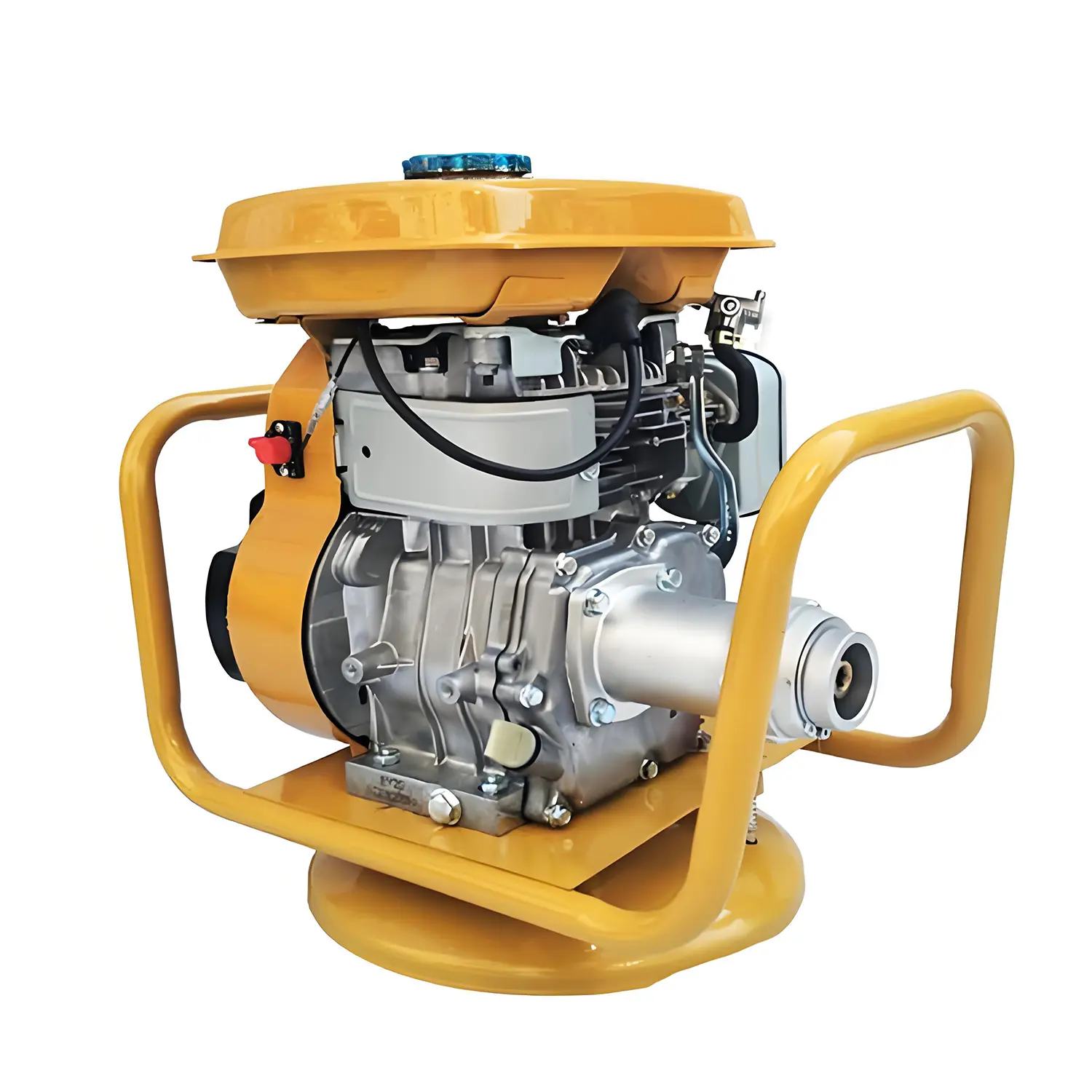
A diesel concrete vibrator is a powered compaction tool that removes trapped air from freshly placed concrete. Its diesel engine turns a flexible shaft, which drives an eccentric weight inside the vibrating poker head. That small steel head is inserted into wet concrete, where rapid vibration helps the mix settle around reinforcing bars and into form corners. Watch the spacing.
The main components are the engine, fuel tank, air filter, clutch or coupling, flexible shaft, and poker head. A sturdy frame supports the engine and helps protect the drive connection on rough sites. ACI Committee 309’s Guide for Consolidation of Concrete, ACI 309R-05, describes internal vibrator frequencies ranging roughly from 3,000 to 12,000 vibrations per minute. The suitable setting depends on the head, concrete mix, and placement conditions; higher frequency alone does not guarantee better consolidation.
For diesel models, inspect the shaft casing, coupling, and head for cracks or looseness before each pour. Keep the air filter clean, since dusty job sites can restrict airflow and reduce engine performance. Diesel power can be useful where electrical supply is limited, but the unit is heavier and requires fuel and engine maintenance. A specification sheet can look convincing. It may still omit the details that matter most, such as shaft length, poker diameter, and service access.
How a Diesel Concrete Vibrator Compacts Concrete
What Is the Best Diesel Concrete Vibrator in China?
How a Diesel Concrete Vibrator Compacts Concrete
A diesel concrete vibrator uses engine power to rotate a flexible shaft and an eccentric weight inside its vibrating head. The head sends rapid vibration through fresh concrete, helping trapped air rise and allowing the mix to settle around reinforcing bars and formwork. The result depends on more than engine power. Head size, vibration frequency, shaft length, and the concrete mix all affect performance. Too much vibration can separate aggregate from cement paste. It is a real risk, not just a theory.
Tips: Insert the head vertically, let it work briefly, then withdraw it slowly. Overlap nearby insertion points. Keep the head clear of reinforcement and avoid dragging it through the mix.
For buyers comparing equipment in China, check whether the vibrator suits the job’s pour depth, access, and expected work hours. Ask for clear operating and maintenance instructions, and inspect the shaft and head connections. A diesel unit can be practical where electrical access is limited, though it needs fuel and routine engine care. One detail is easy to underestimate: operator technique changes the result. Even a capable machine may leave voids if workers rush the pour or pull the head out too quickly.
Common Types and Applications in China
In China, diesel concrete vibrators are useful where grid power is unavailable or work takes place across large, open sites. Common types include internal poker vibrators, surface vibrators, and external formwork vibrators. Internal models use a vibrating head inserted into fresh concrete. They suit columns, beams, foundations, and other reinforced sections. Surface units work well on slabs and pavements, where vibration must reach across a broad, shallow layer. External models attach to formwork and can help consolidate narrow or heavily reinforced sections.
The right type depends on the pour, not simply the engine size. A compact poker head may fit between reinforcing bars, while a larger head can cover more concrete in an open foundation. On road and rural infrastructure projects, diesel-powered equipment can offer mobility between work areas. Check the shaft length, head diameter, fuel use, and access for maintenance before choosing. Site conditions vary more than catalog descriptions suggest. That part is easy to underestimate.
Tips: Insert the poker vertically and withdraw it slowly. Keep insertion points evenly spaced, and avoid striking reinforcement or formwork. Watch for trapped air and settling; excessive vibration can also cause problems. Access matters. Record the settings that work well, though crews may still need to adjust them for each mix.
Factors for Evaluating Diesel Concrete Vibrators in China
What Is the Best Diesel Concrete Vibrator in China?
Factors for Evaluating Diesel Concrete Vibrators in China
A suitable diesel concrete vibrator should match the pour, not just look powerful on a specification sheet. Check the engine’s rated output, operating stability, and ability to start after sitting overnight. Cold starts matter. Ask for the vibrator’s frequency and centrifugal force, then compare them with the concrete mix and reinforcement spacing. A large poker head may struggle between closely spaced bars. Confirm that the flexible shaft and head are compatible and easy to replace.
Think about daily handling, too. A sturdy frame is useful, but excessive weight can slow movement across a crowded site. Inspect welds, guards, hose connections, and controls in person. Look for clear maintenance instructions and accessible filters. Fuel use, exhaust, and operating noise also affect the crew’s working day. Spare parts and repair support within China deserve attention; ask how quickly common wear parts can be supplied. Paper promises are not enough.
If possible, run the unit under load before ordering. Watch for uneven vibration, loose fasteners, or smoke that persists after warm-up. Listen closely. A short demonstration cannot predict every season of service, and I would not treat one smooth test as proof of long-term durability. Also check whether the operator can control insertion and withdrawal without fighting the hose. Over-vibration can separate aggregate from cement paste, so the strongest machine is not automatically the best fit.
How to Match a Vibrator to Project Requirements
What Is the Best Diesel Concrete Vibrator in China?
How to Match a Vibrator to Project Requirements
The best choice depends on the pour, not simply the machine’s highest output. For a narrow beam with dense reinforcement, choose a head small enough to pass between bars. For a thick foundation, check that the head reaches the full depth. The operator should not need to bend awkwardly. Match power to the concrete mix and placement rate; careless, excessive vibration can cause segregation. No single setup fits all.
On remote sites, diesel power can help when electrical supply is unreliable. Check fuel consumption, starting method, machine weight, and access for maintenance before ordering. A longer shaft may reach deep forms, but repeated handling can be tiring. Make sure the unit can keep pace with concrete delivery, and plan for possible downtime. Ask suppliers for operating data and spare-part availability in your region. Compare those details with actual site conditions; specifications alone can be misleading.
Tips: Trial the vibrator on a representative section. Insert the head vertically and withdraw it slowly; do not push concrete sideways with it. Run the diesel engine outdoors or in a well-ventilated area, following the operating manual. Trial handling matters. Some trade-offs remain.

 Internal Vibrator
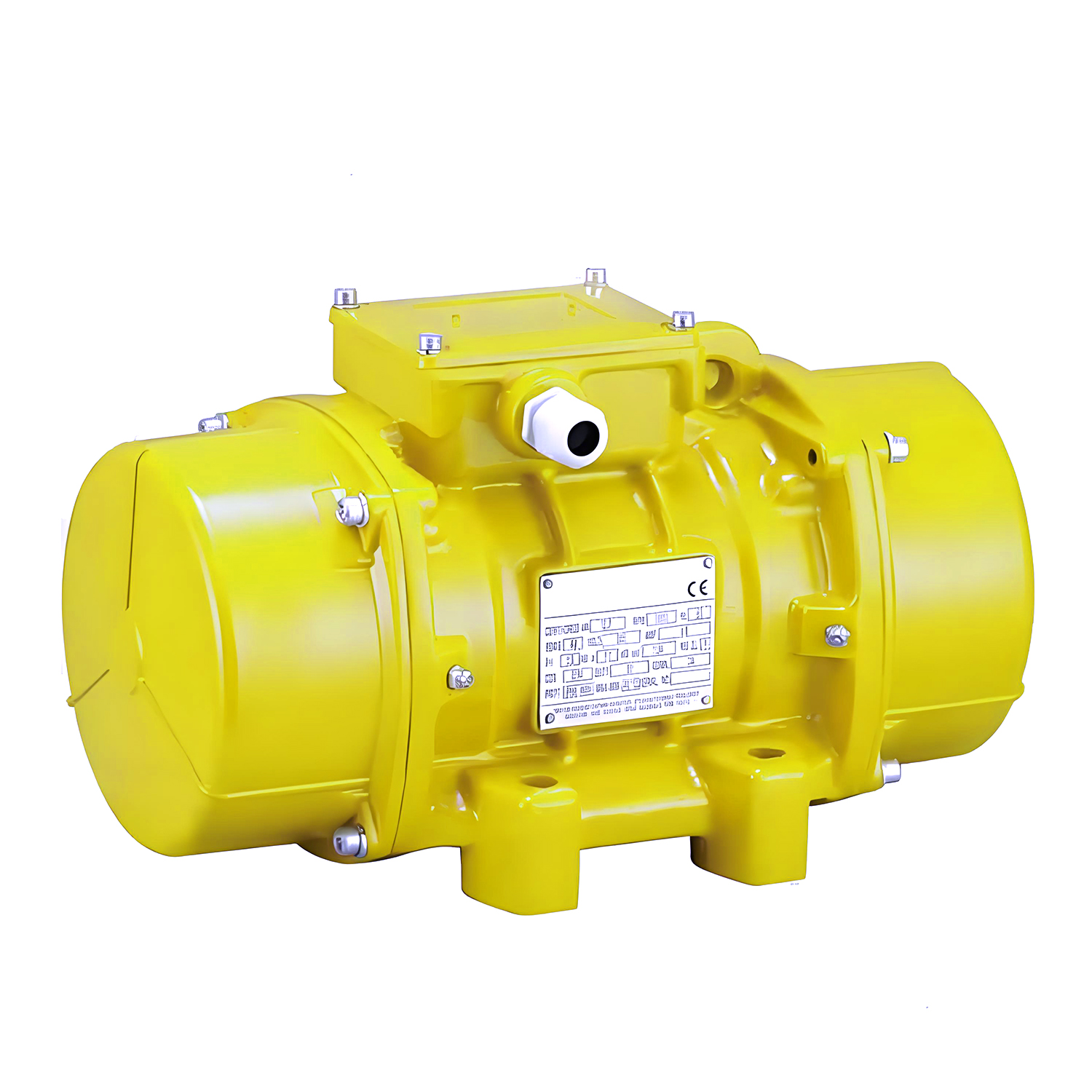 External Vibrator
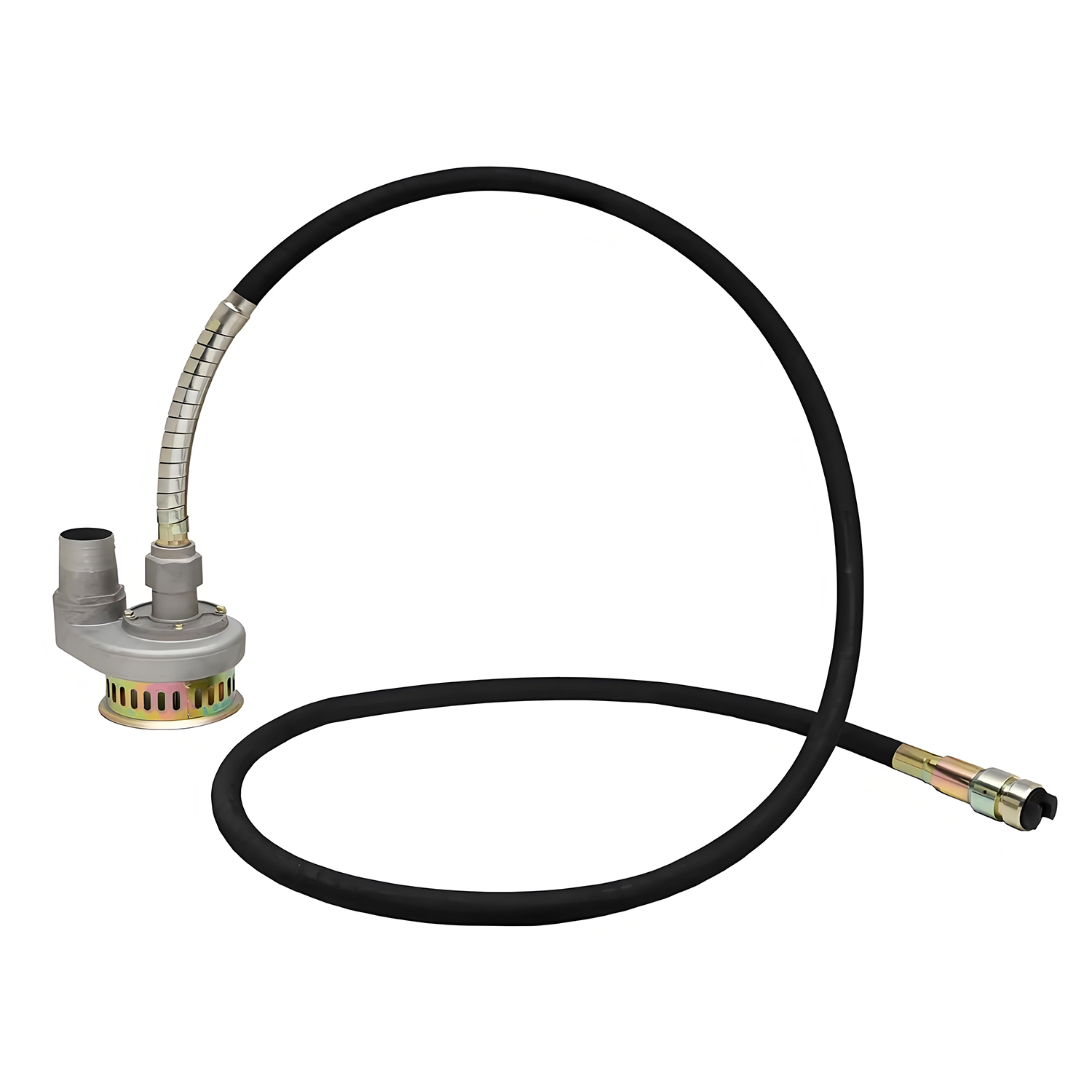 Submersible Pump
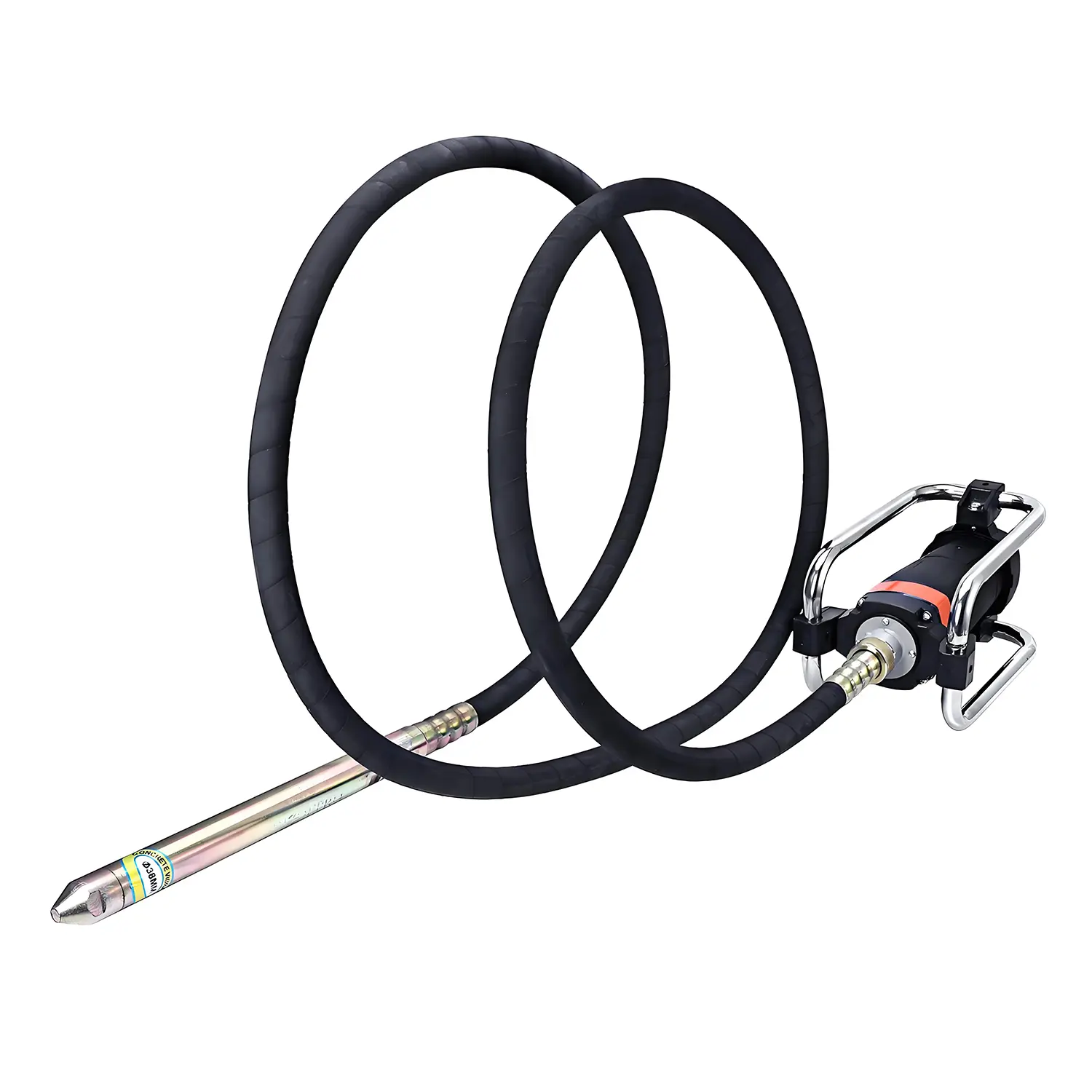 Eccentric shaft
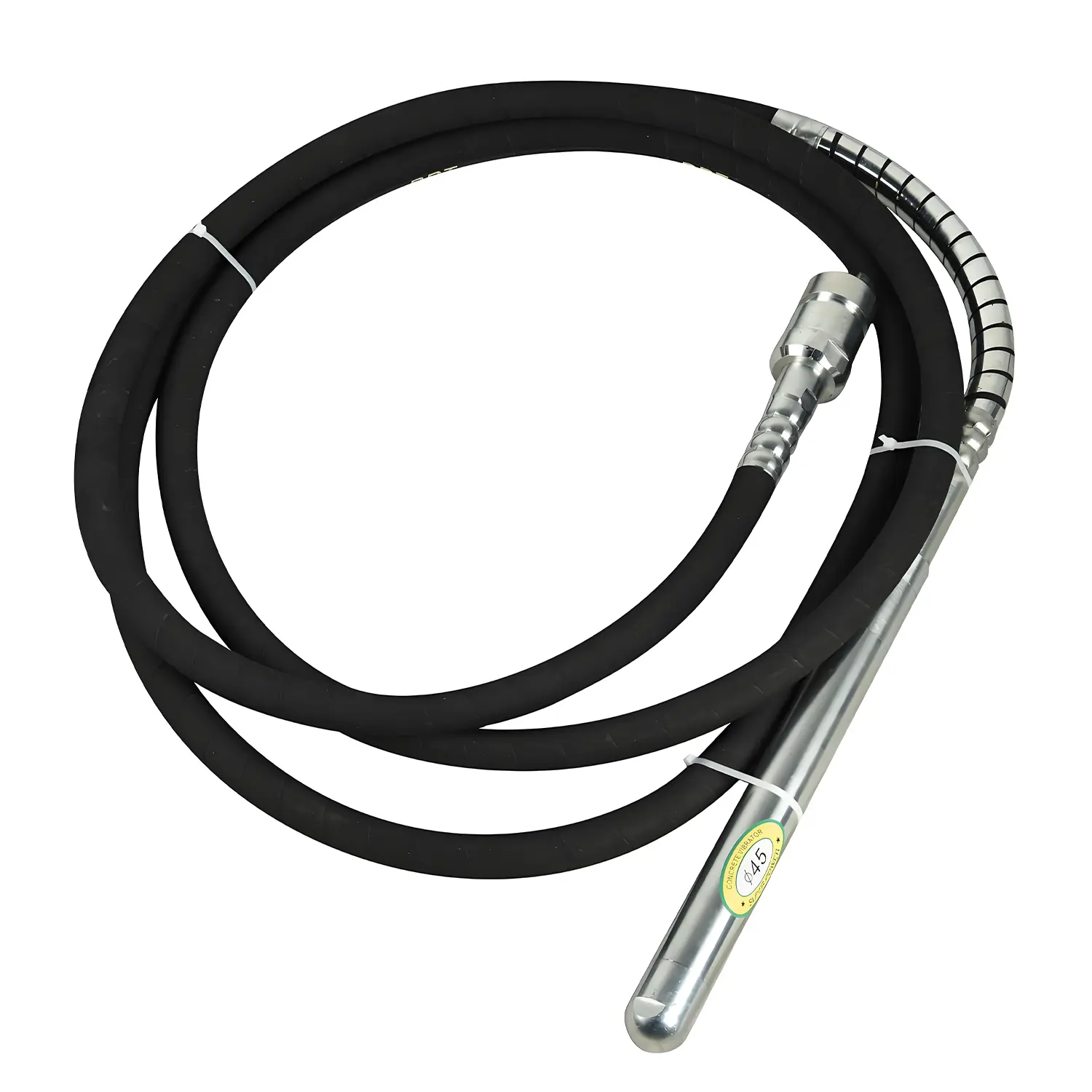 Pendulum shaft
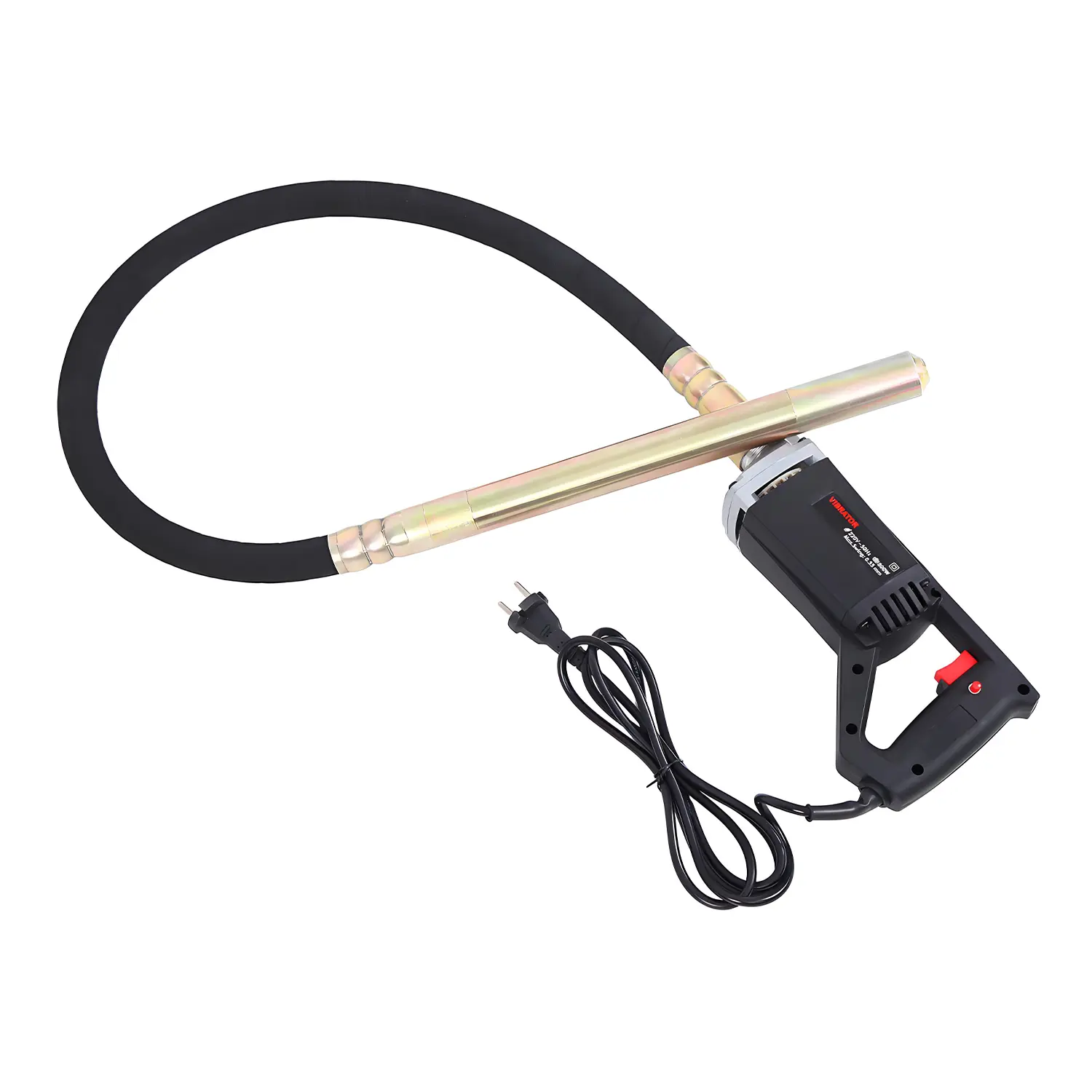 Portable vbrator shaft
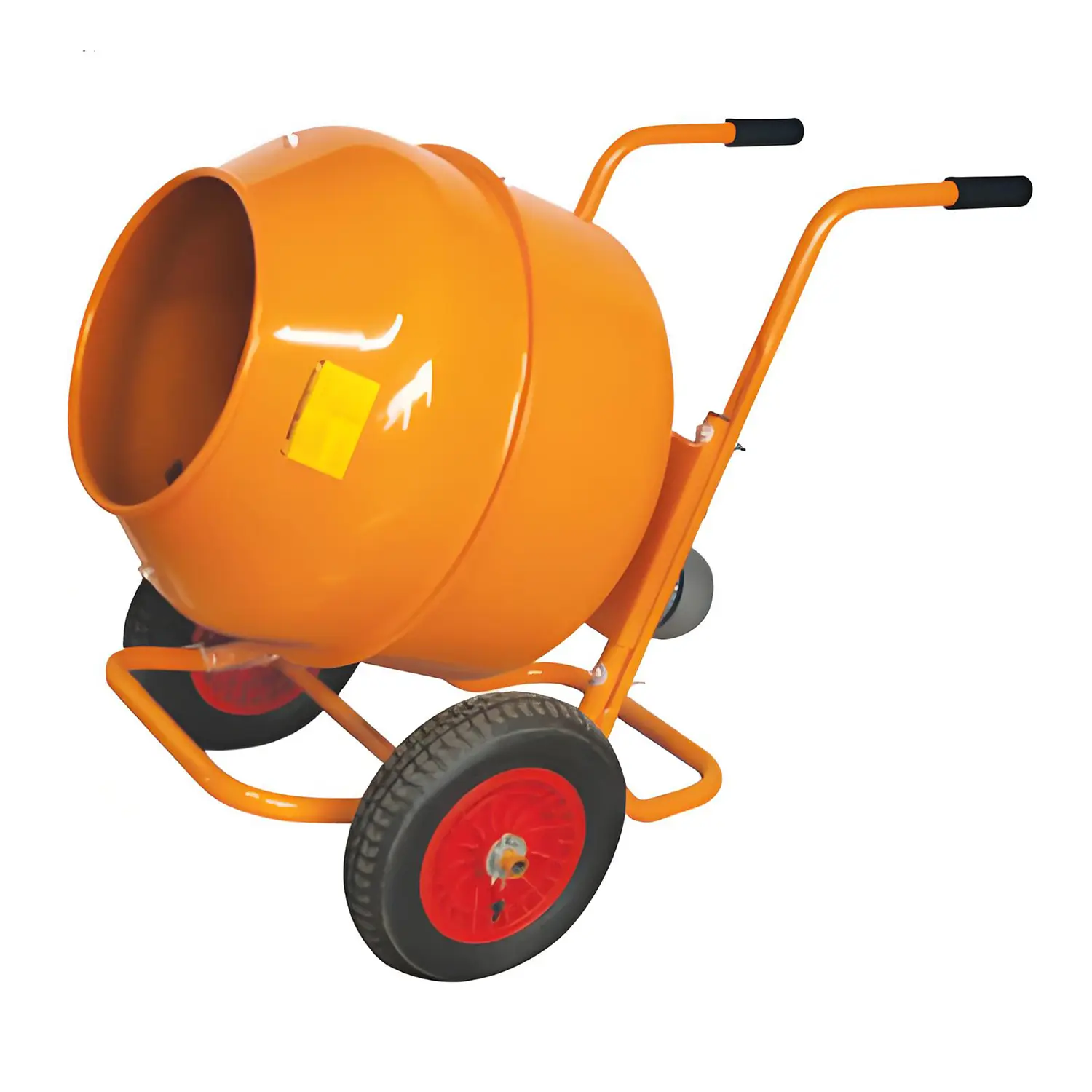 Portable concrete mixer
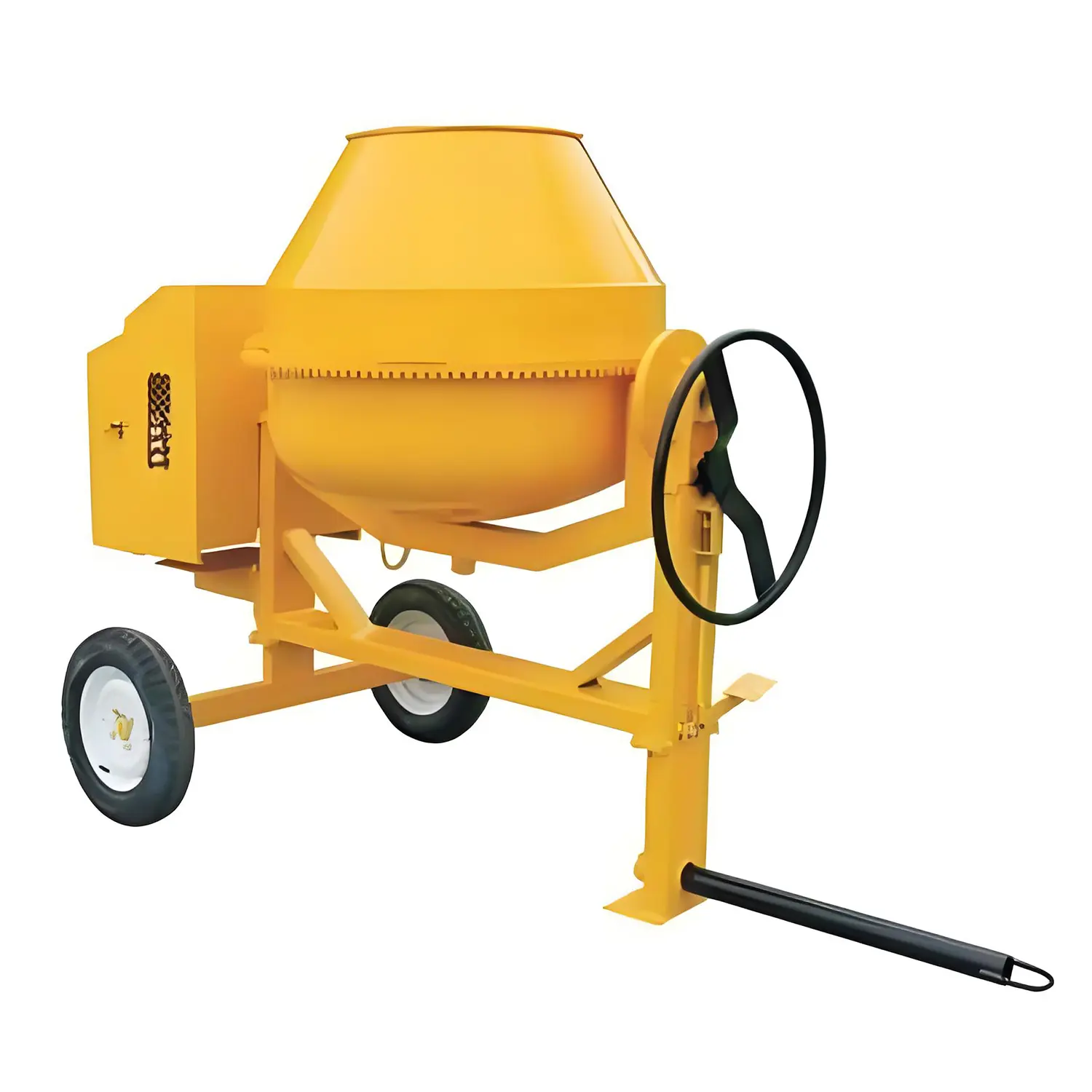 Vertical concrete mixer
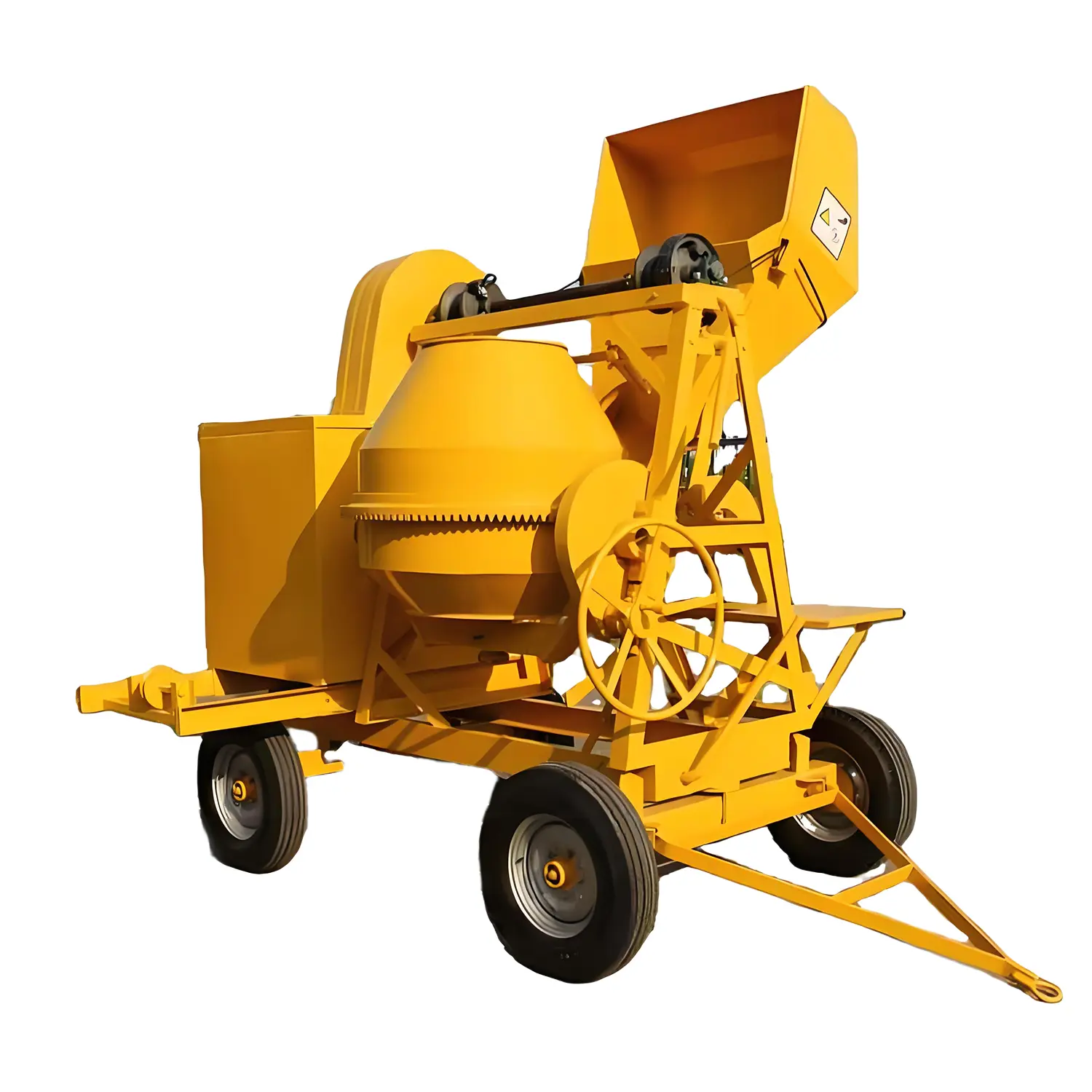 Hydraulic concrete mixer
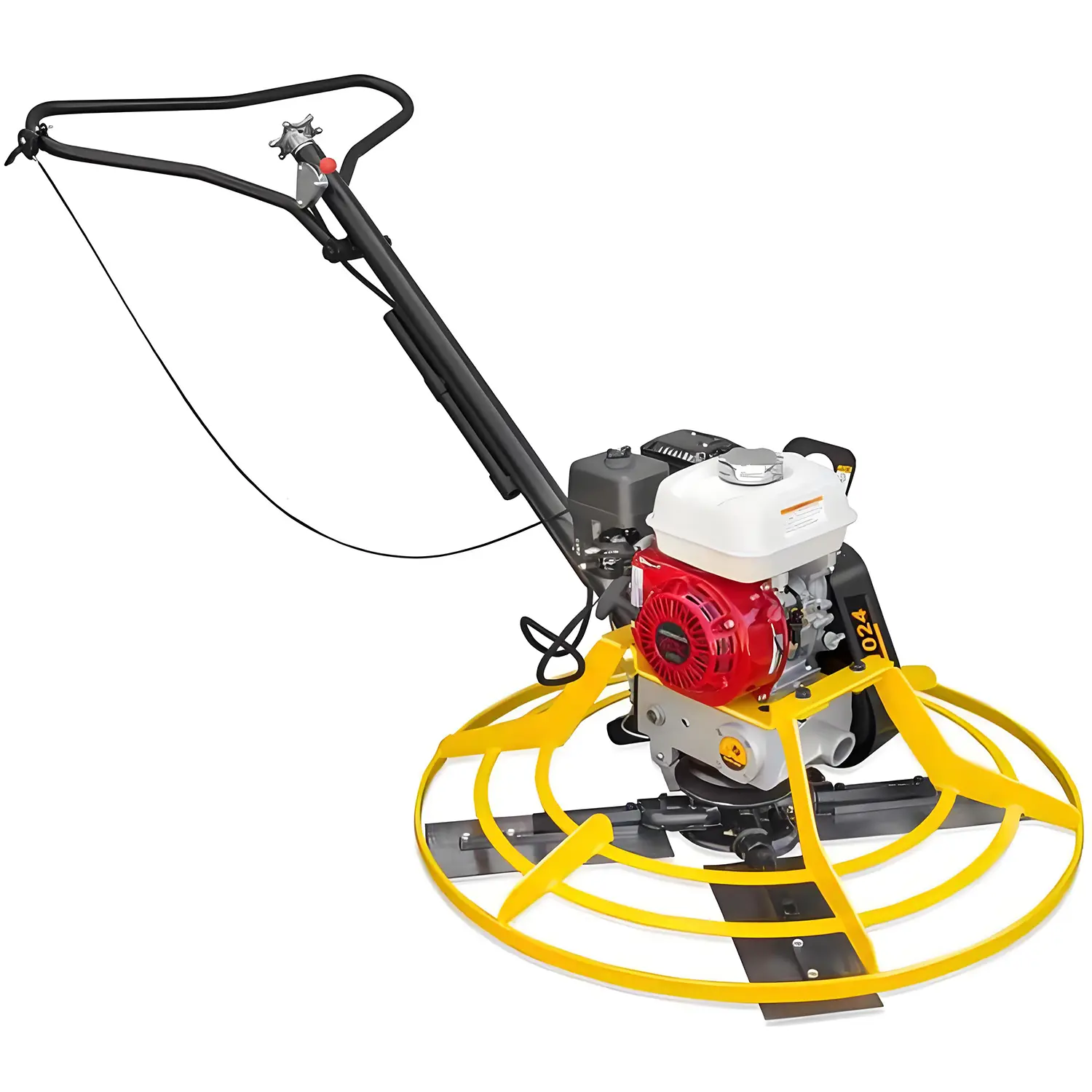 Walk behind power trowel
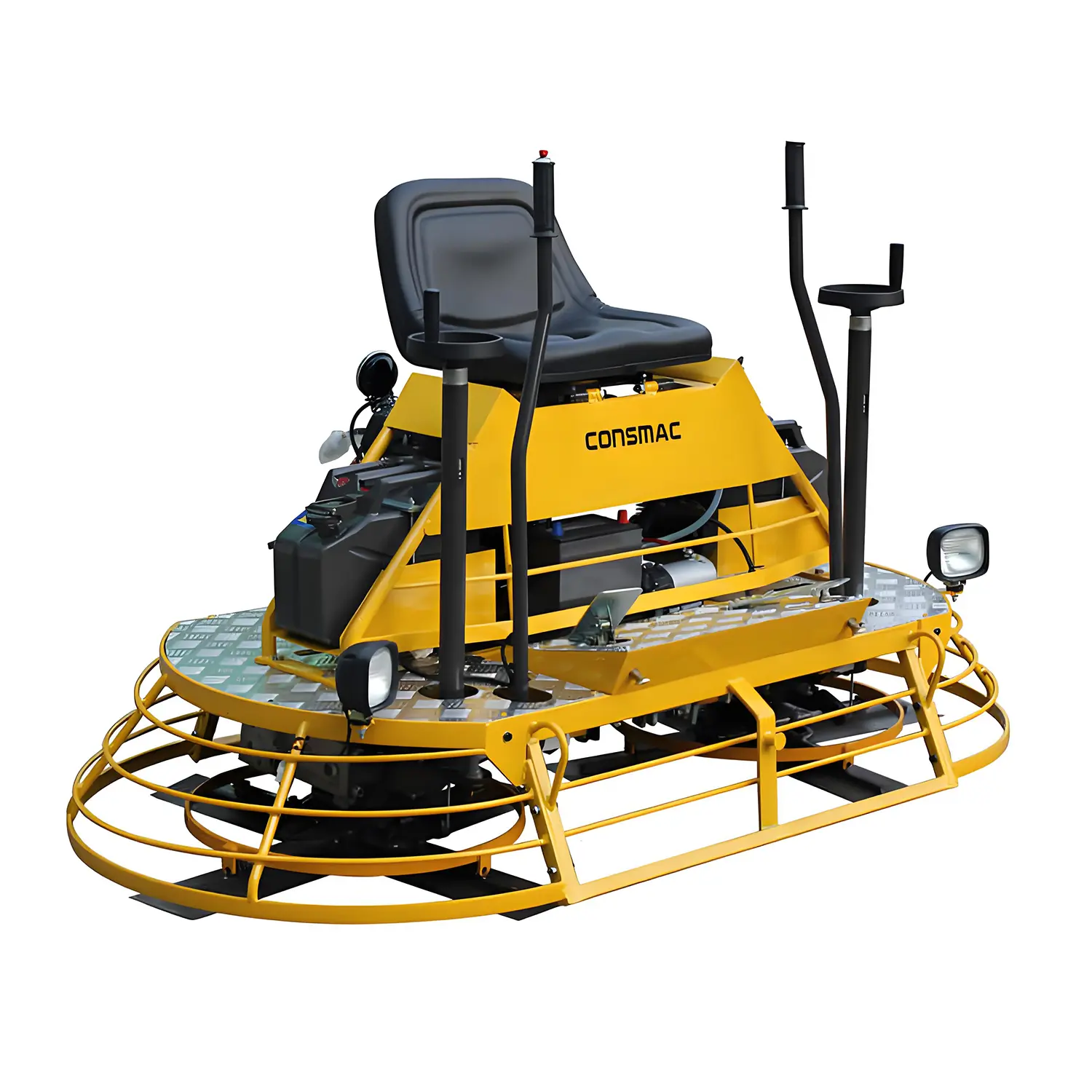 Ride on power trowel
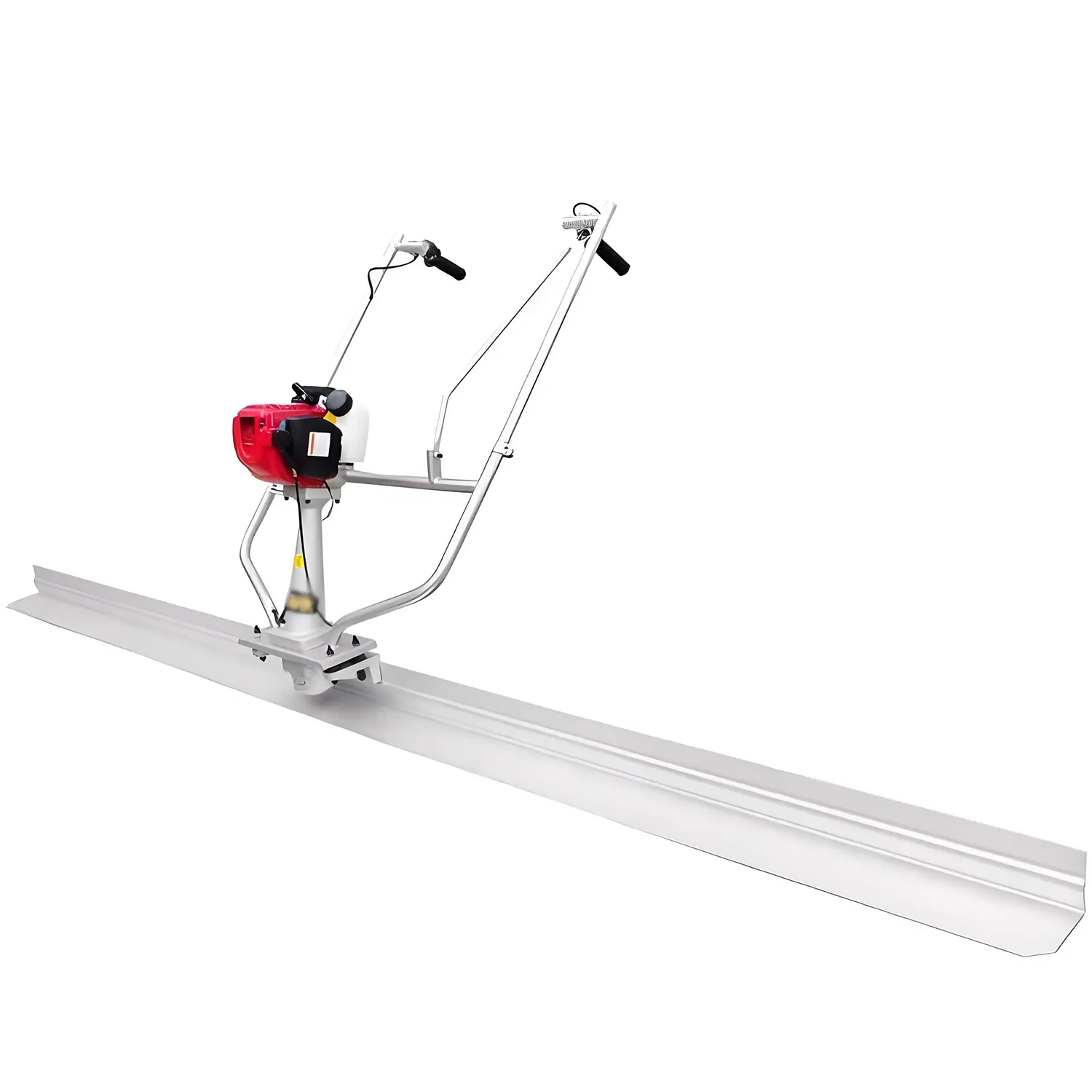 Concrete screed
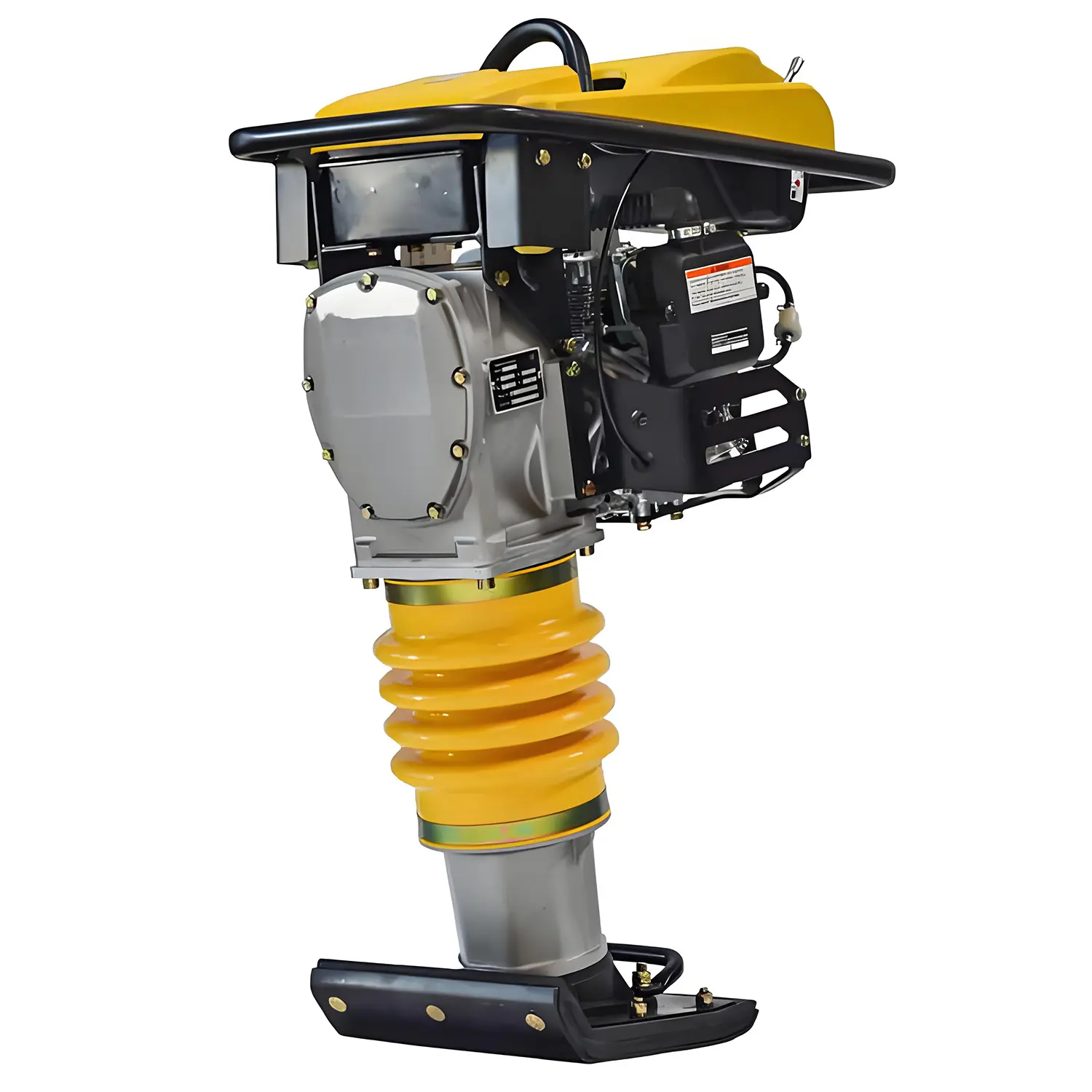 Tamping rammer
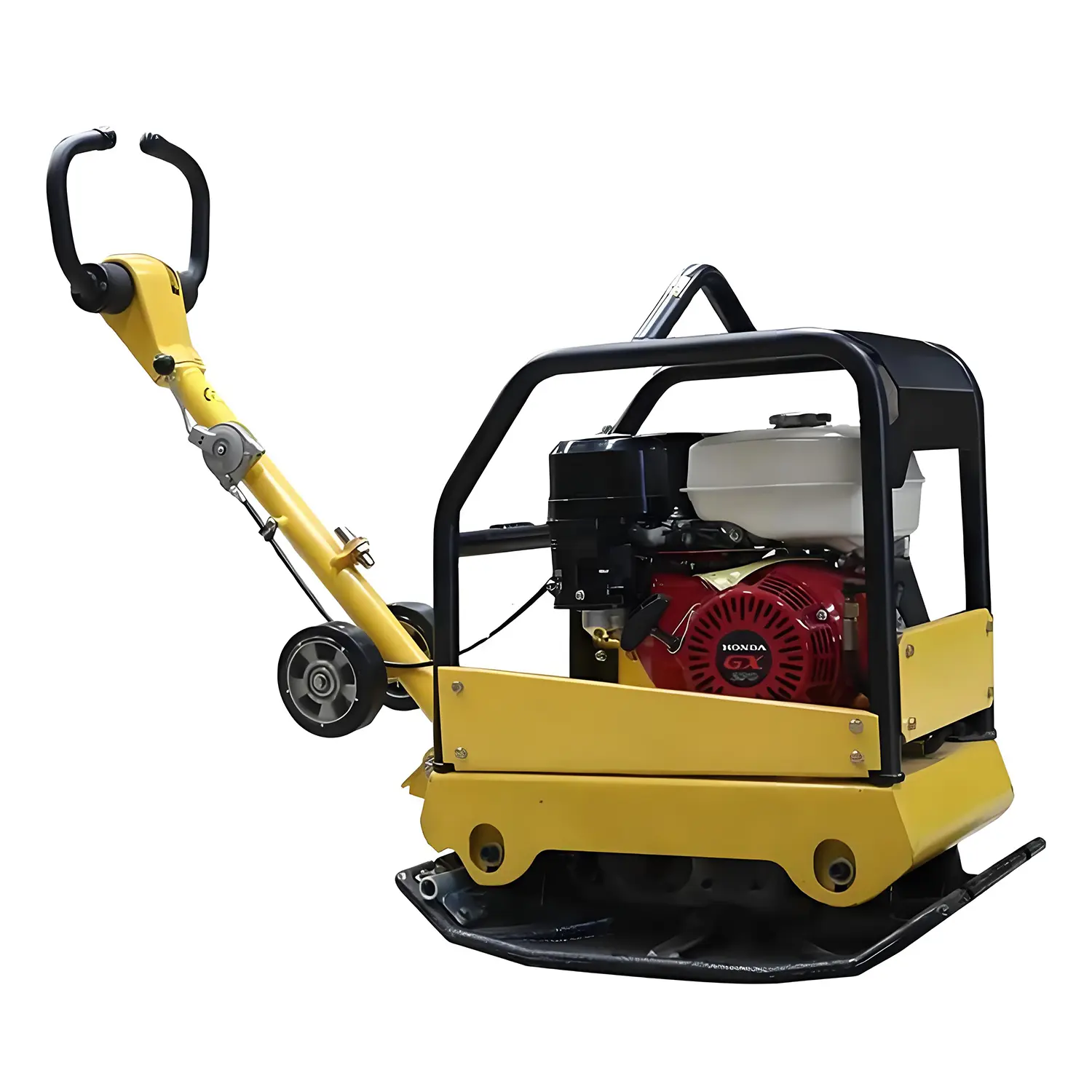 Plate compactor
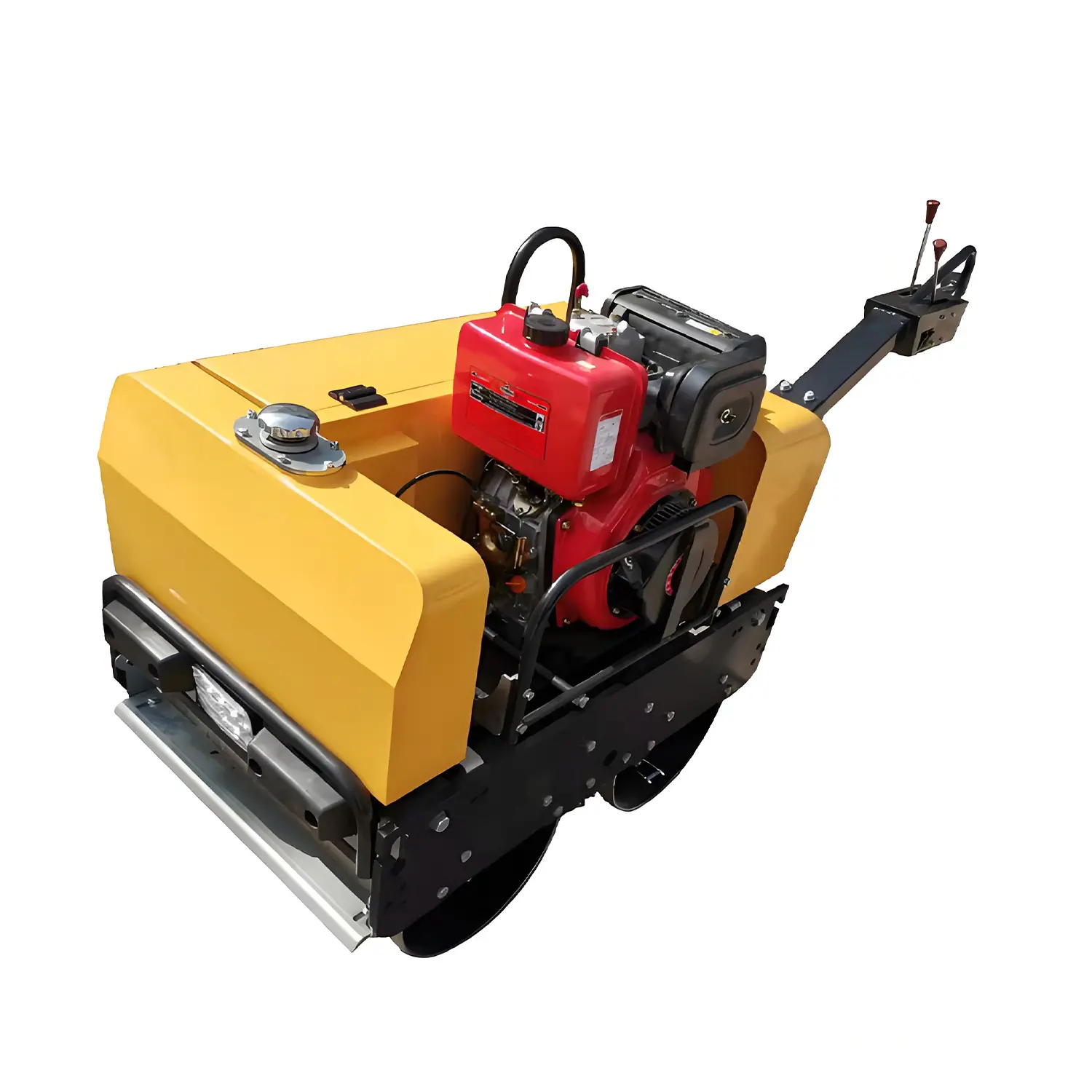 Vibratory roller