How to Use Vibrated Concrete for Stronger Construction?
Vibrated Concrete has revolutionized the construction industry. Its effectiveness lies in its ability to create stronger and denser structures. Experts agree on its benefits. Dr. Emily Foster, a leading specialist in concrete technology, states, "Vibrated Concrete often leads to enhanced durability and reduced permeability."
Using Vibrated Concrete helps eliminate air pockets. This results in a more uniform distribution of materials. Builders can achieve superior strength and stability. However, improper technique may lead to uneven results. It's crucial to apply the correct vibration intensity.
The temperature of the concrete and ambient conditions also matter. These factors affect the overall performance of Vibrated Concrete. Rushing the curing process can compromise its integrity. Each project is unique, requiring careful planning and execution. Embracing this method can elevate construction standards. Yet, continuous learning and adaptation are essential for success in using Vibrated Concrete.
Understanding Vibrated Concrete and Its Benefits for Construction
Vibrated concrete is gaining traction in construction due to its enhanced durability and strength. This method involves using mechanical vibrators to remove air bubbles from fresh concrete. According to the American Concrete Institute, this process can improve concrete's compressive strength by up to 30%. This increased strength leads to longer-lasting structures, which ultimately reduces maintenance costs.
The benefits extend beyond strength alone. Vibrated concrete offers a smoother finish and better workability. This is particularly crucial for elements like beams and slabs. However, it's essential to note that achieving consistent results requires skilled labor, as improper vibrating can lead to segregation. The International Journal of Concrete Structures and Materials highlights that improper practices can reduce the effectiveness of vibration, leading to cracks and weakening.
While the advantages are clear, challenges remain. Over-vibration can lead to increased segregation and reduced durability. Professionals must find the right balance. Continuous monitoring during the mixing and curing process plays a vital role in achieving desired results. The construction industry must prioritize training and best practices to avoid these pitfalls.
Key Equipment and Techniques for Vibrating Concrete Effectively
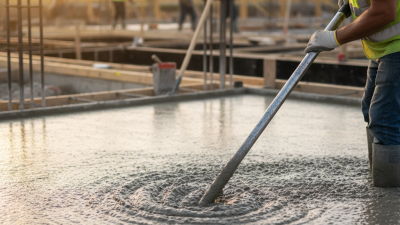
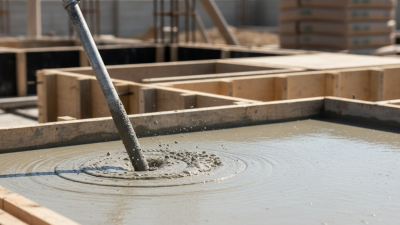
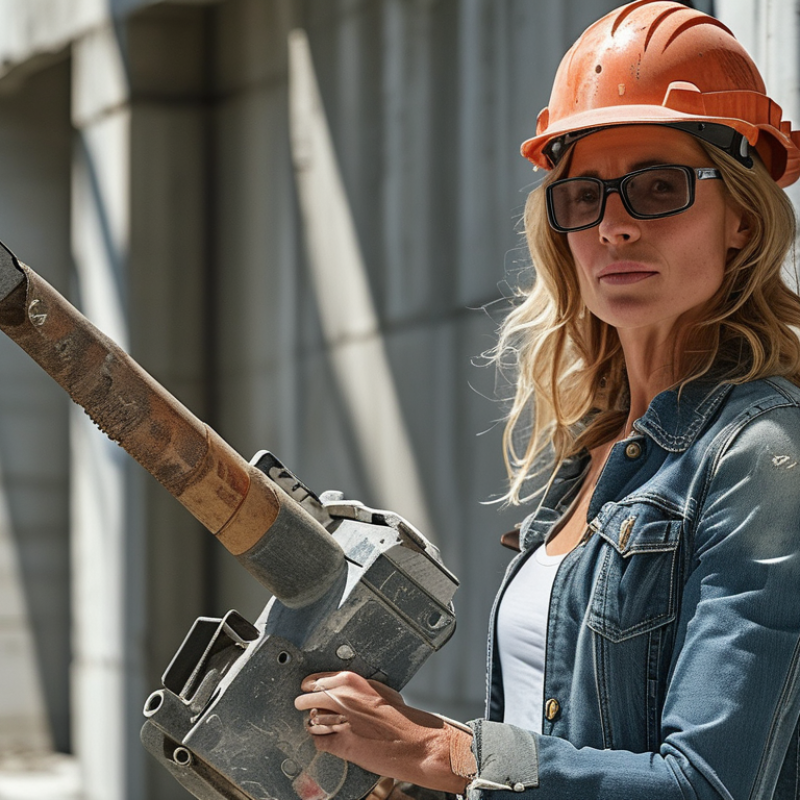
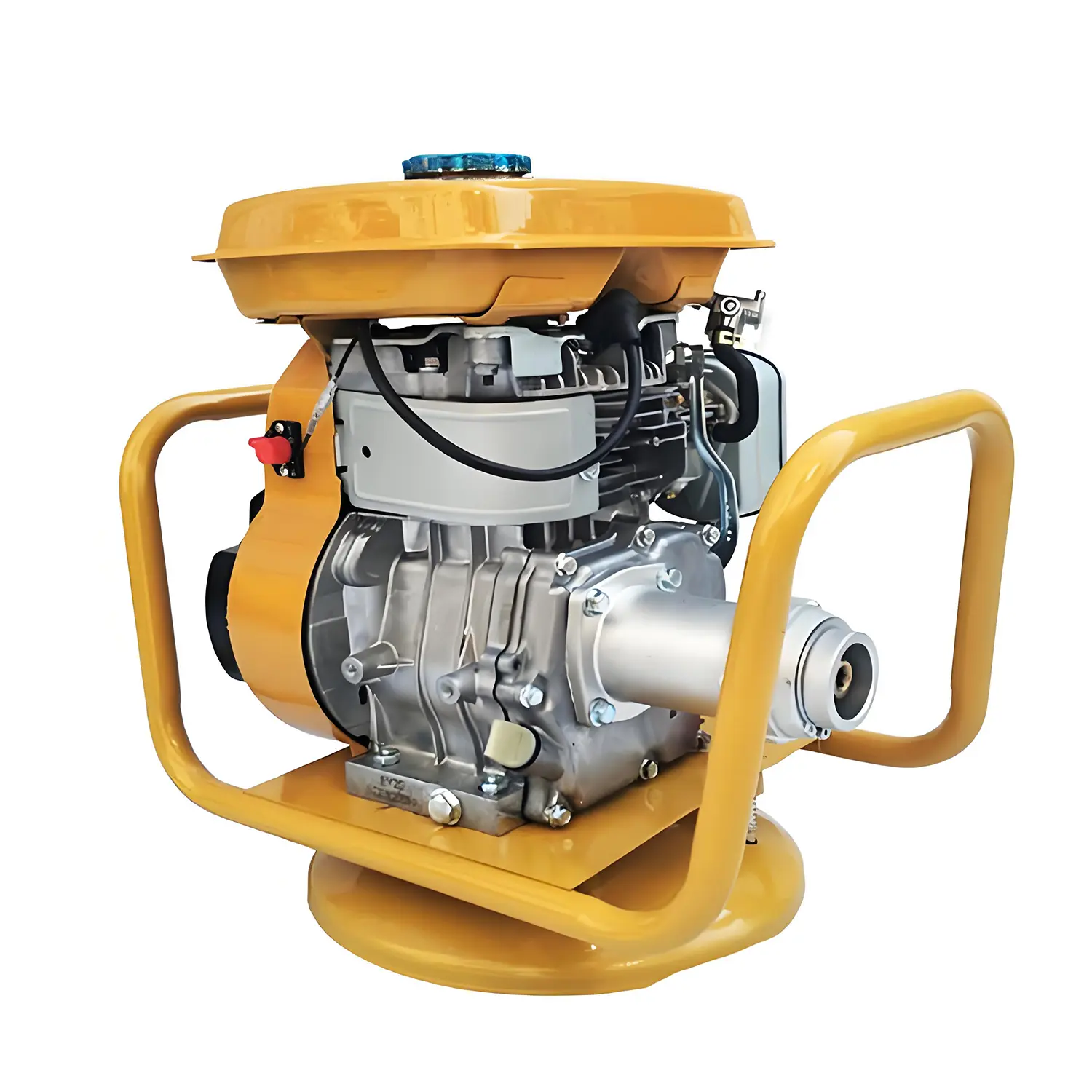
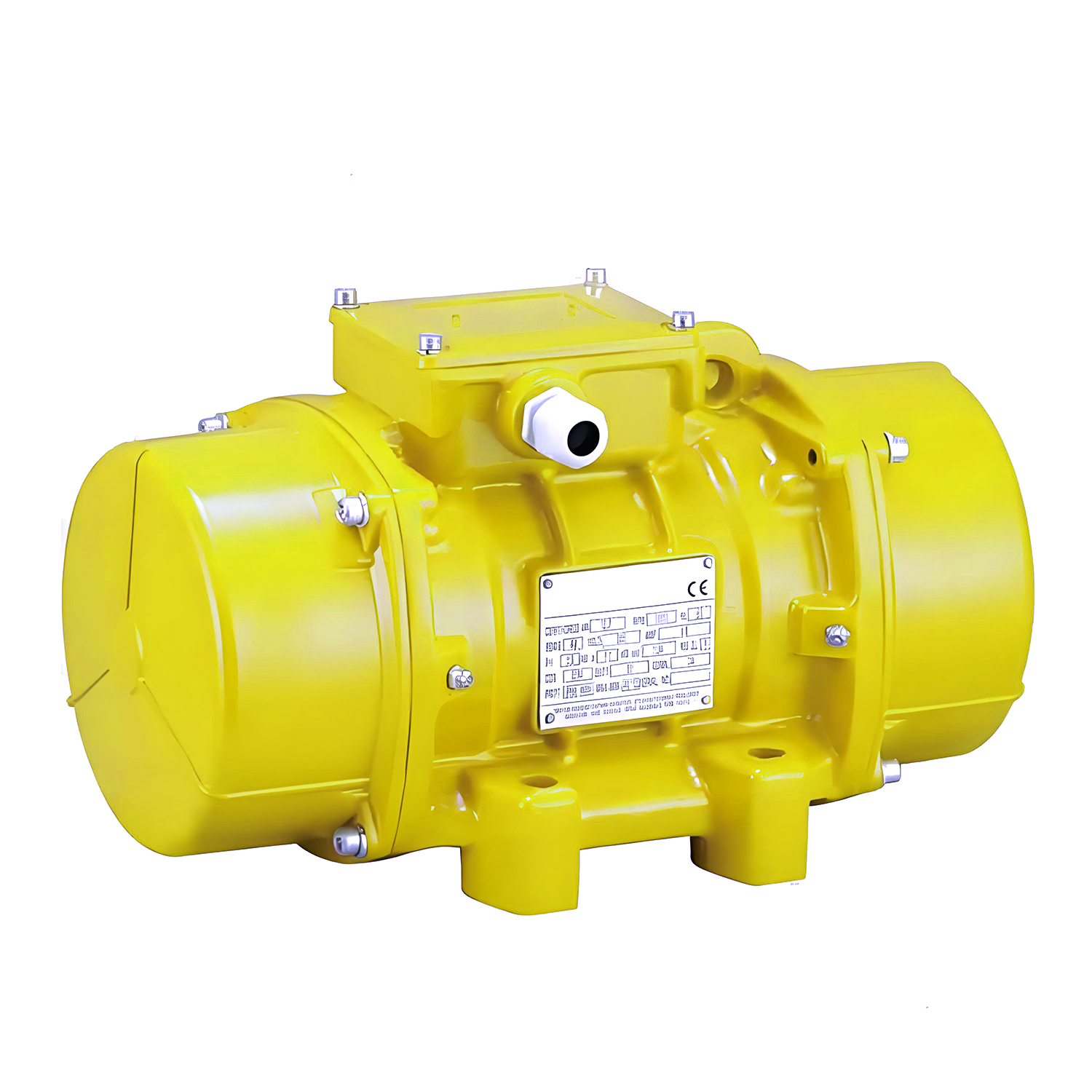
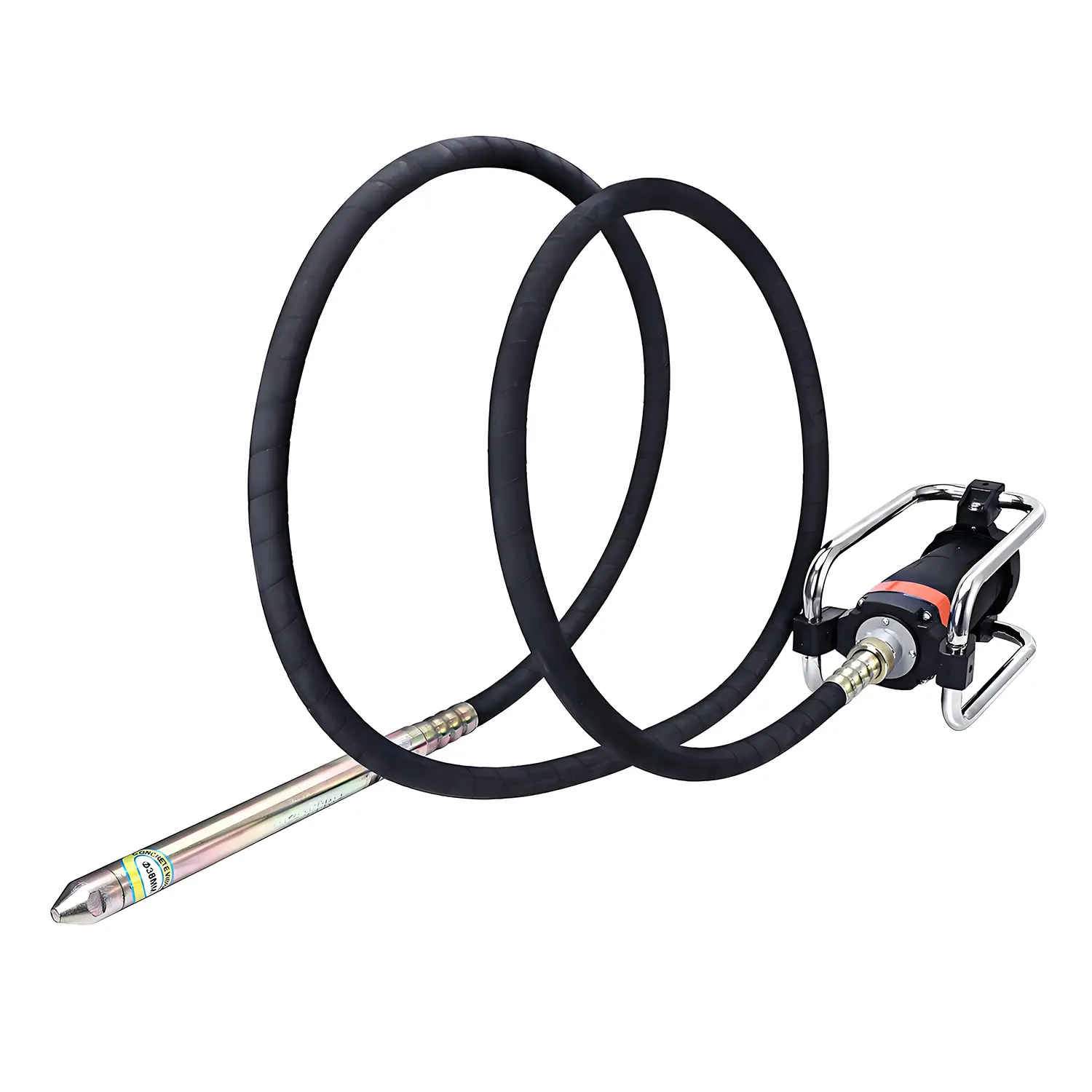
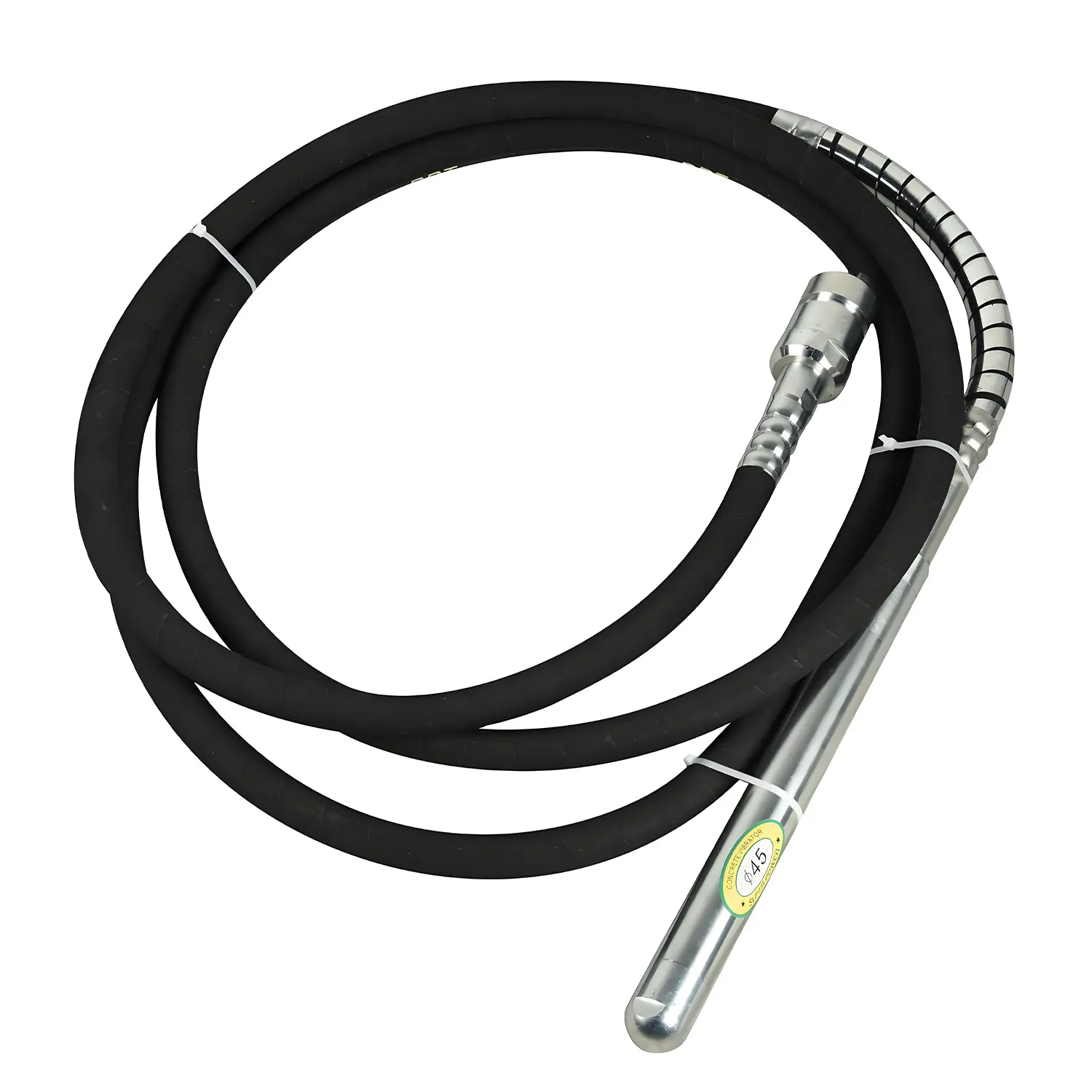
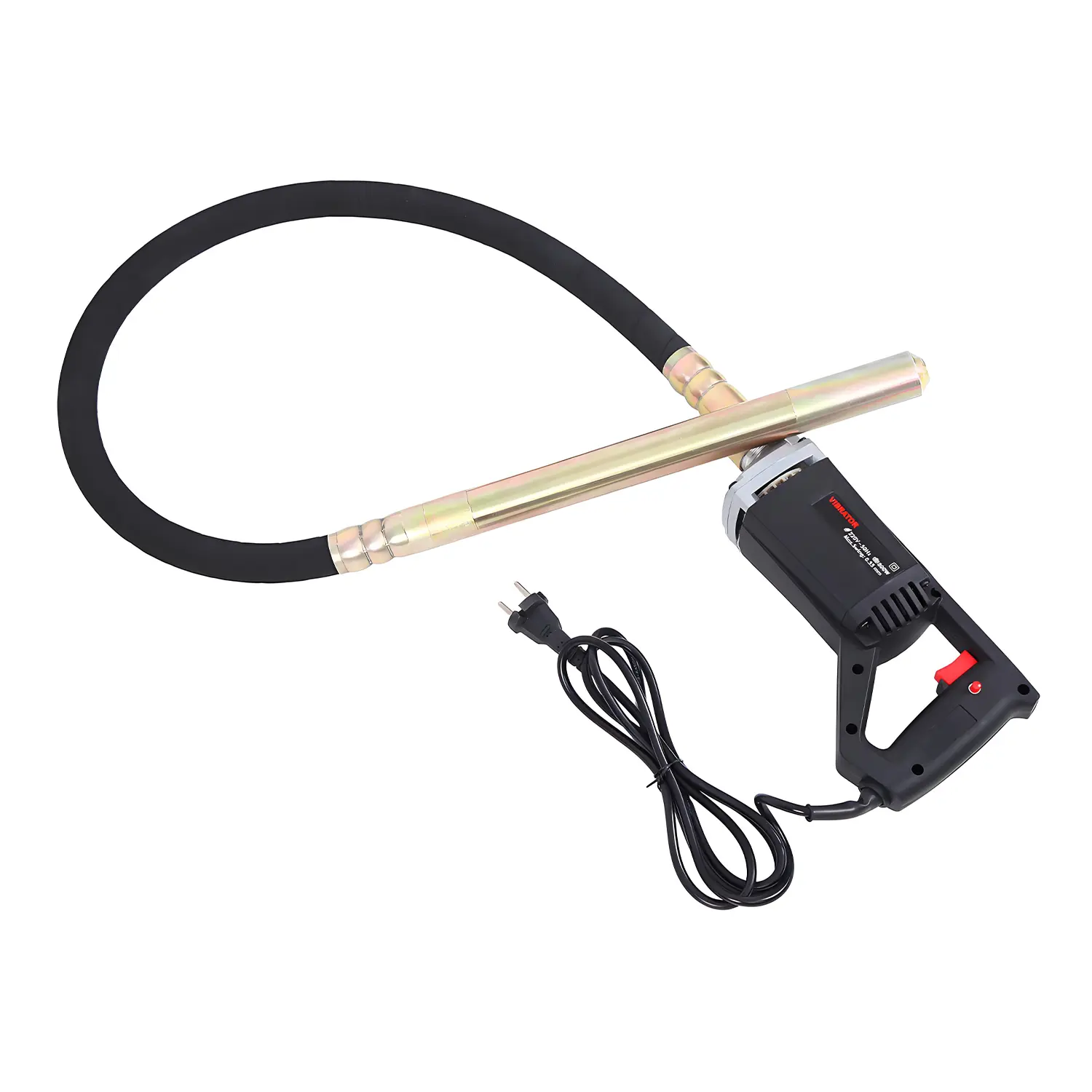
Vibrating concrete can enhance the strength and durability of structures. Professionals often highlight the importance of using the right equipment and techniques. The process begins with determining the type of vibrator. There are two main kinds: internal and external vibrators. Internal vibrators are embedded in the concrete. They produce vibrations that help eliminate air bubbles. External vibrators attach to the formwork, providing surface vibration.
According to industry reports, vibrating concrete can increase compressive strength by up to 30%. Proper technique is critical. Ensure that the vibrator is used correctly. It’s vital to avoid over-vibrating, which can lead to segregation. This condition happens when aggregates separate from the cement paste. Monitoring the concrete consistency is also necessary.
Maintaining the right frequency and amplitude is essential for optimal results. The vibration should be consistent throughout the pour. Factors such as concrete mix design and temperature can affect performance. Using a vibrating system with adjustable settings can provide flexibility. Remember, a well-executed vibration process can minimize the risk of defects, leading to stronger, more reliable constructions.
How to Use Vibrated Concrete for Stronger Construction? - Key Equipment and Techniques for Vibrating Concrete Effectively
| Equipment Type |
Purpose |
Technique |
Efficiency Rating |
| Concrete Vibrator |
Remove air bubbles and increase density |
Submerge the vibrator for 5-15 seconds |
High |
| Screed Vibrator |
Level and smooth concrete surfaces |
Drag the screed across the freshly poured mix |
Medium |
| Form Vibrator |
Consolidate concrete in forms |
Attach to the formwork and activate |
High |
| Internal Vibrator |
Enhance mix cohesion and prevent segregation |
Insert and withdraw slowly from concrete |
Very High |
| External Vibrator |
Excite forms to reduce viscosity |
Mount on the outside of the formwork |
Medium |
Industry Standards and Guidelines for Vibrated Concrete Usage
Vibrated concrete is gaining popularity for its strength in construction. To ensure its proper usage, industry standards and guidelines are crucial. Adhering to these can enhance the durability of structures significantly.
Mix design is a vital aspect of vibrated concrete. A well-balanced mix of cement, aggregates, and water is essential. The water-cement ratio should typically be low to ensure a powerful bond. Confirm the aggregates are clean and appropriately graded. Sometimes, using local materials can lead to variable results. Always reference established standards in your area to keep quality high.
Tips: Keep equipment properly calibrated. Regular maintenance prevents inconsistencies. Testing concrete samples helps identify potential issues early. You should also consider environmental factors that could affect curing times.
Compacting methods require attention too. Use appropriate vibration techniques to avoid segregation. Over-vibrating can lead to excessive water bleeding, affecting strength. Observe how different mixtures respond to vibration. Adjustments might be necessary based on the site conditions. Track performance throughout the project; learning from setbacks can improve future applications.
Analyzing the Impact of Vibration on Concrete Strength and Durability
Using vibrated concrete can enhance the strength and durability of your structures significantly. Vibration compacts the mix, reducing air pockets and ensuring uniform consistency. This process creates a denser material that resists cracking and water infiltration, contributing to the longevity of construction.
Tips: Ensure that the vibrating tool is used correctly. Over-vibrating may cause segregation of aggregates. Monitor the vibration time closely; it should be just enough to eliminate voids without damaging the mixture.
Concrete’s strength often relates to its compaction level. Proper vibration leads to better interlocking of aggregates. It’s vital to consider the concrete's moisture content during the process. Too little moisture can lead to incomplete compaction, while too much can weaken the final product. Experiment with different vibration frequencies to find what works best for your specific mix.
In construction, attention to detail matters. Not all structures require the same level of vibration. Analyze your project needs thoroughly before deciding on the vibrational technique. Reflect on past experiences to improve your approach, adjusting as necessary for better outcomes.
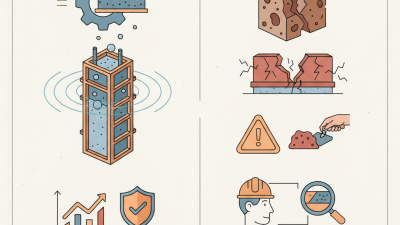
Impact of Vibration on Concrete Strength and Durability
Case Studies: Successful Applications of Vibrated Concrete in Projects
Vibrated concrete has shown significant advantages in various construction projects. A notable case study is a high-rise building completed recently. The use of vibrated concrete enhanced the structure's durability. Workers reported improved workability, making it easier to pour in tight spaces. The even distribution helped in eliminating air pockets, which could compromise the strength of the walls.
Another project involved a bridge constructed with vibrated concrete. This method delivered a smooth finish and increased resistance to environmental factors. Engineers noted the reduction in cracks during curing. However, some challenges arose. The need for skilled labor was crucial. Mistakes in vibration intensity led to inconsistent results, requiring careful monitoring.
A third example is a foundation for a commercial space. Vibrated concrete provided a solid base, ensuring stability for heavy loads. Yet, there were lessons learned regarding timing. If the concrete sets too quickly, workers may not achieve the desired compactness. These case studies emphasize the importance of expertise in utilizing vibrated concrete effectively. Each project offers insights that can guide future applications.

 Internal Vibrator
 External Vibrator
 Submersible Pump
 Eccentric shaft
 Pendulum shaft
 Portable vbrator shaft
 Portable concrete mixer
 Vertical concrete mixer
 Hydraulic concrete mixer
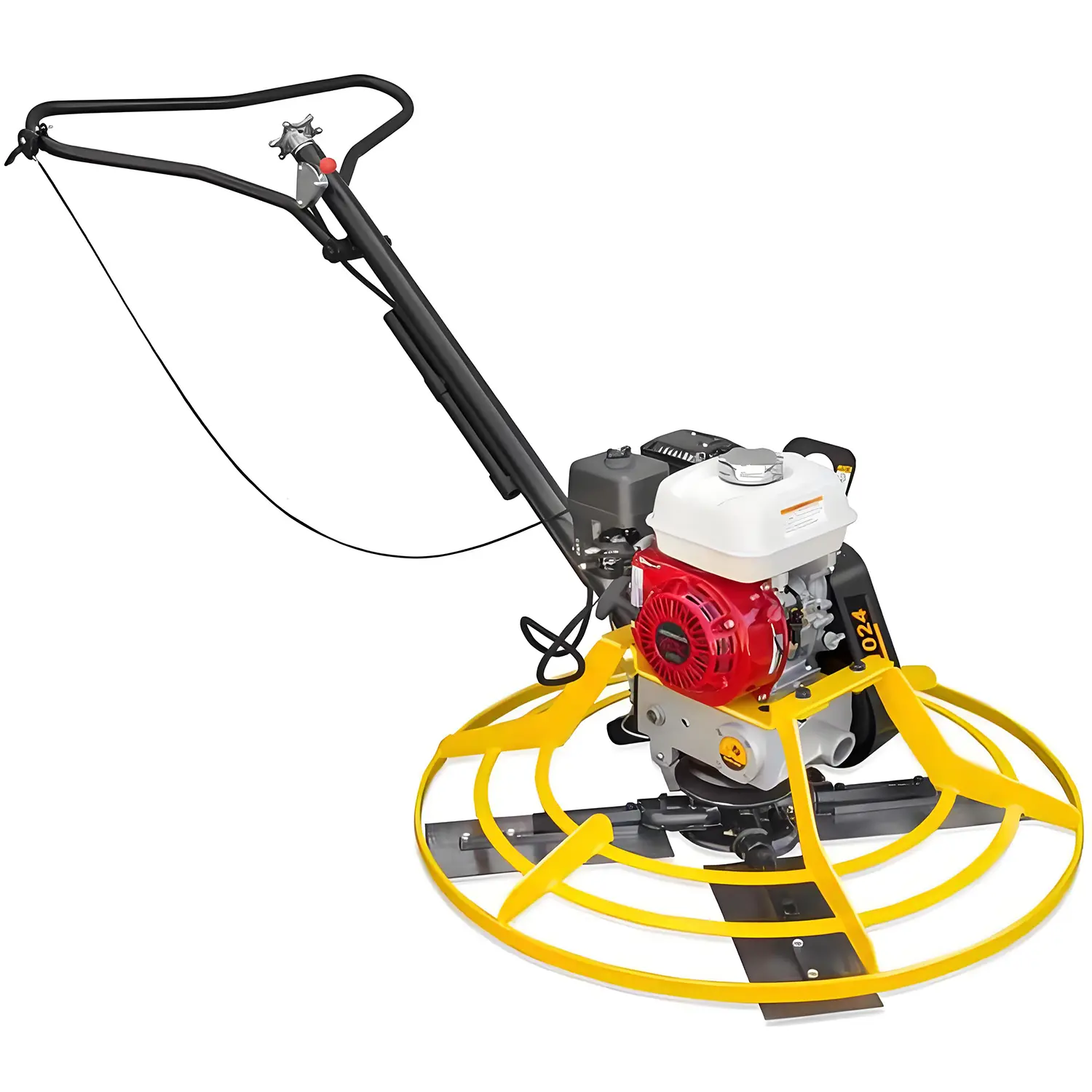 Walk behind power trowel
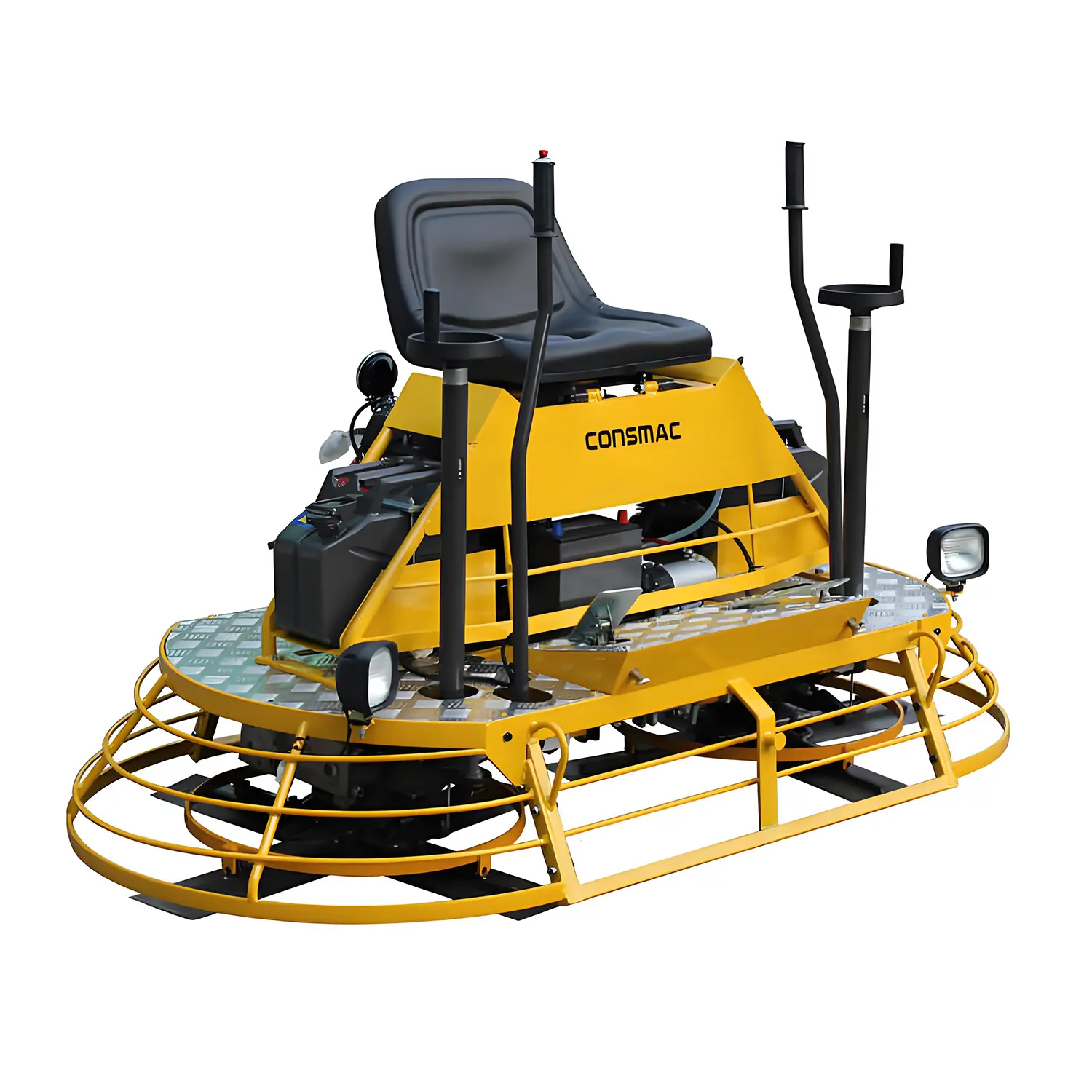 Ride on power trowel
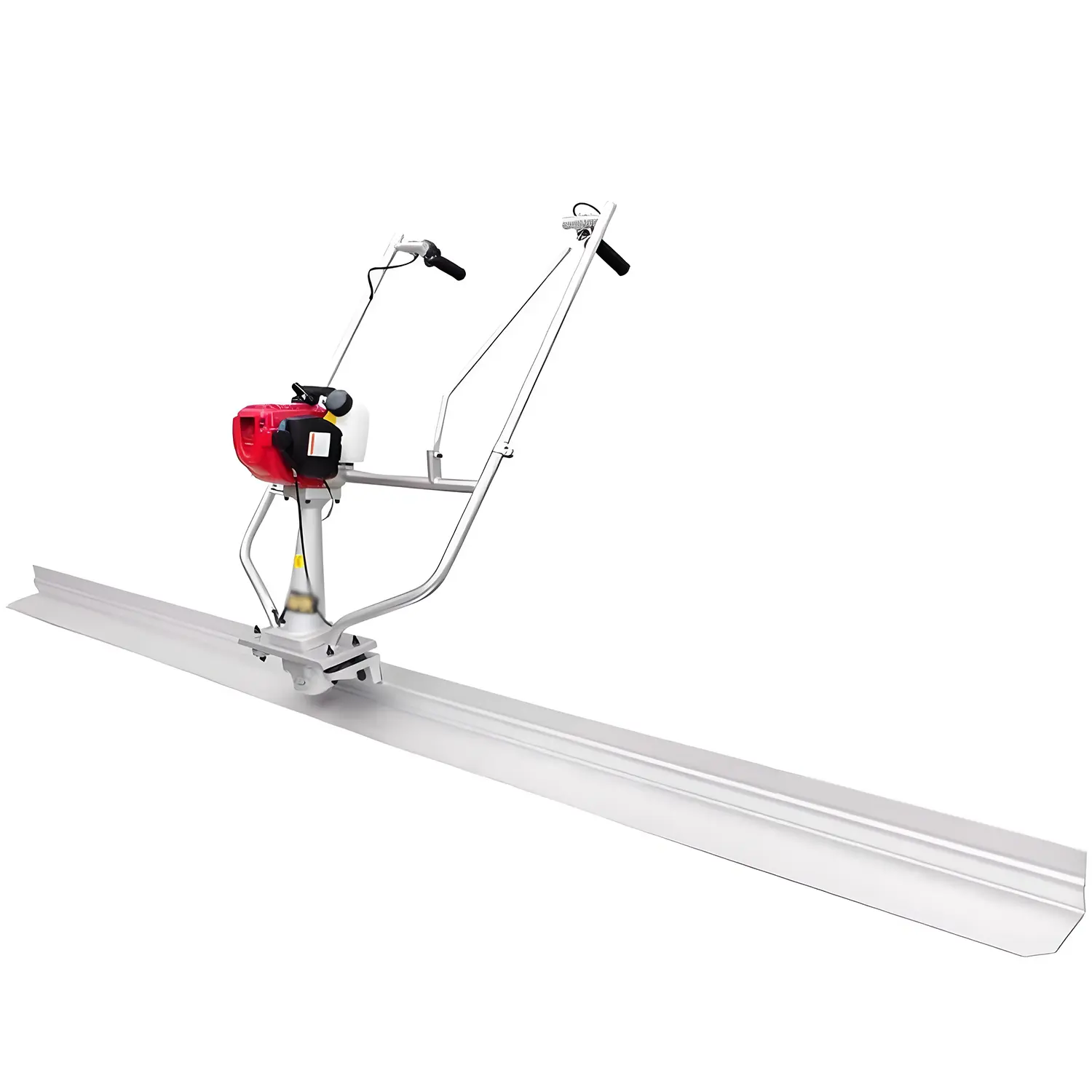 Concrete screed
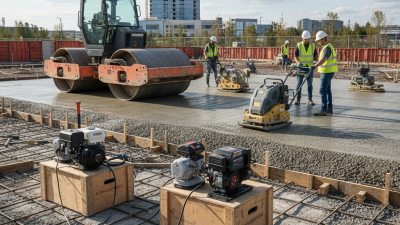
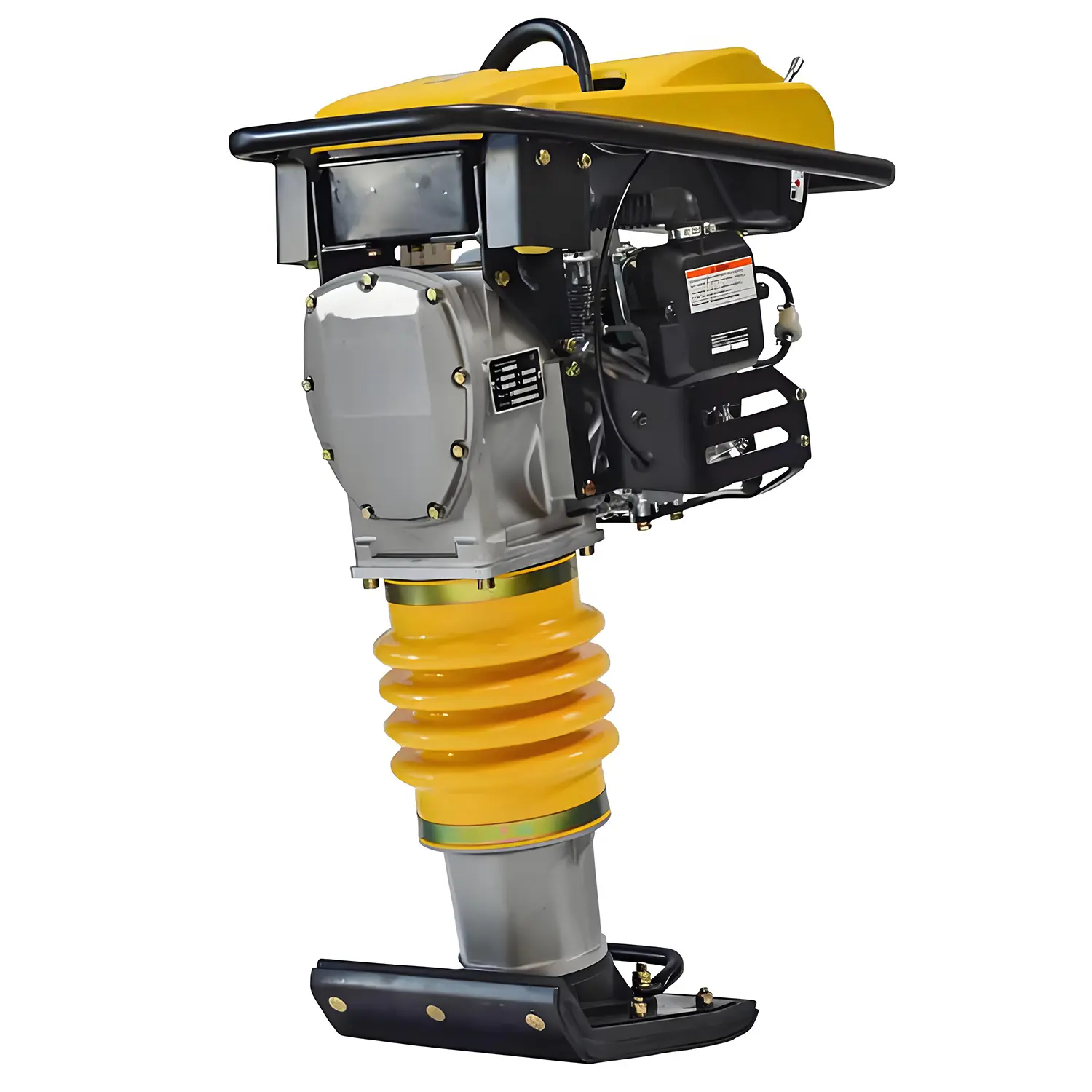 Tamping rammer
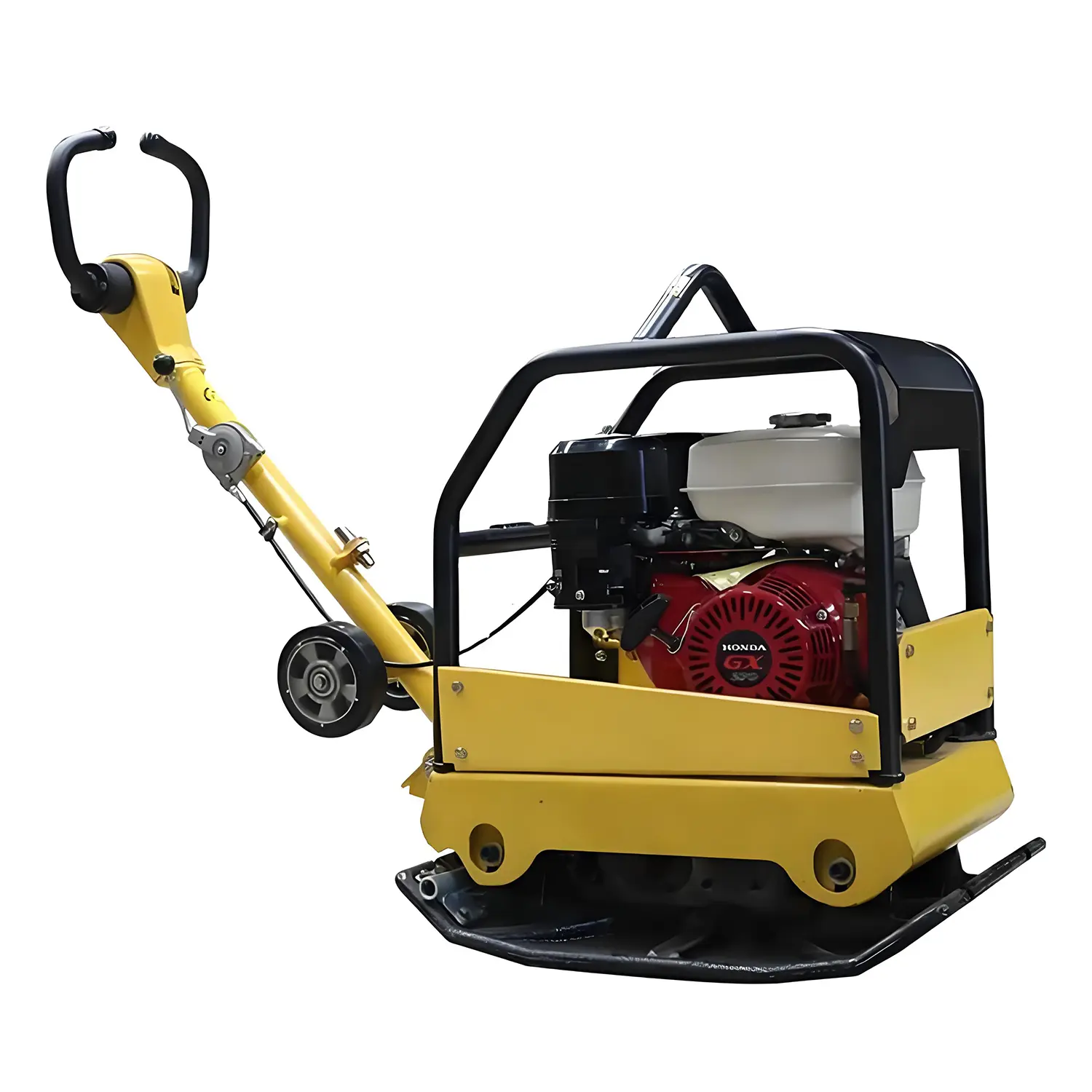 Plate compactor
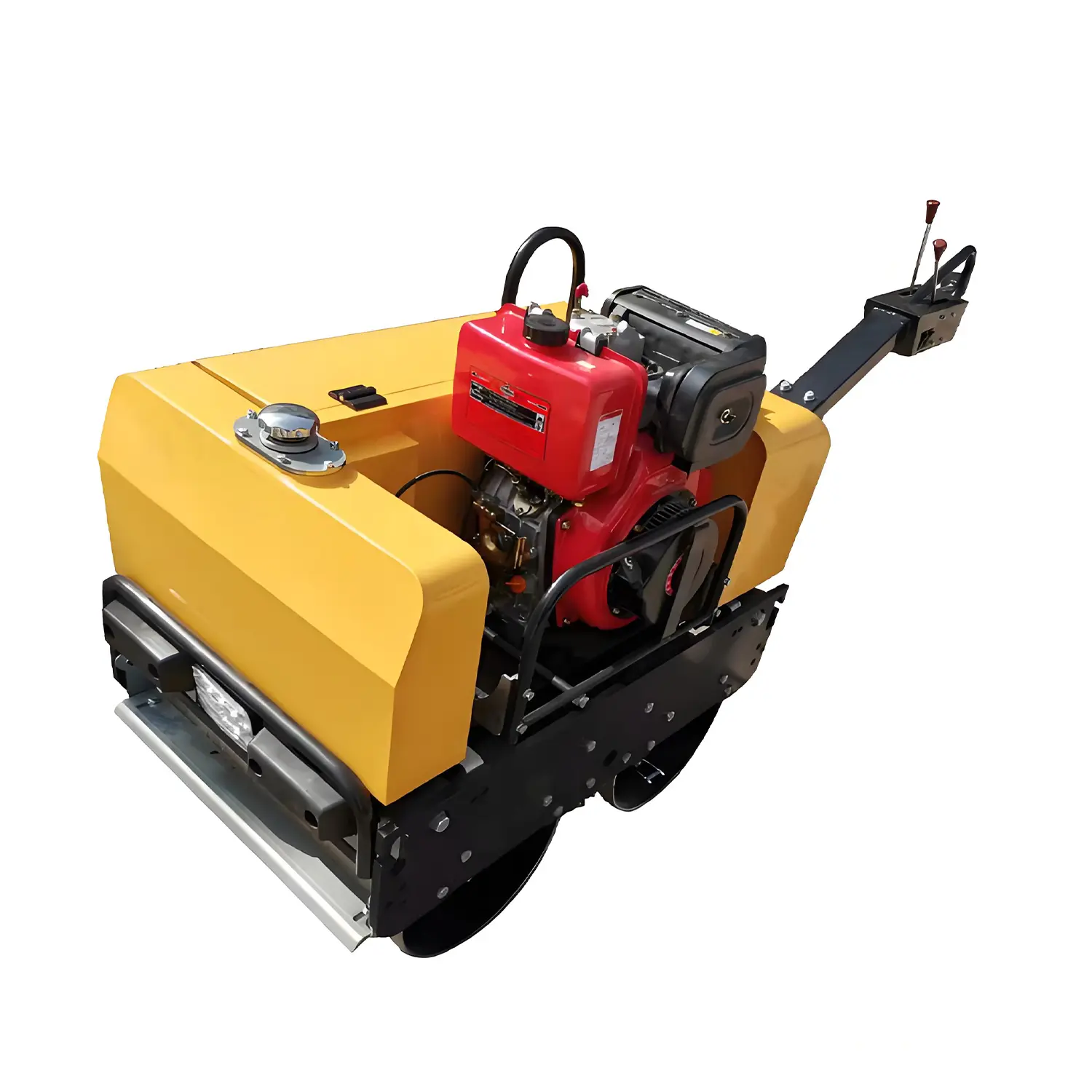 Vibratory roller