Best Heavy Duty Compactor for Efficient Waste Management?
In today's waste management sector, efficiency is crucial. A Heavy Duty Compactor plays a significant role in optimizing this process. According to a report from the Environmental Protection Agency (EPA), landfills in the U.S. received over 292 million tons of waste in 2020 alone. Handling such volumes demands robust machinery to reduce waste footprints effectively.
Heavy Duty Compactors are designed to compress waste, maximizing container space and minimizing disposal costs. With the right compactor, businesses can save up to 30% in waste management expenses. However, selecting the best options requires a deep understanding of various models and their performance. Some models perform well in specific environments but underperform in others.
Industry experts stress the importance of assessing operational needs. Yet, many businesses still struggle with inefficient waste handling practices. This lack of insight often leads to increased costs and negative environmental impacts. A thorough approach to choosing a Heavy Duty Compactor can yield impressive results. Investing in the right machinery is more than just a purchase; it’s a strategic decision that reflects an organization's commitment to sustainability and efficiency.
Defining Heavy Duty Compactors in Waste Management Systems
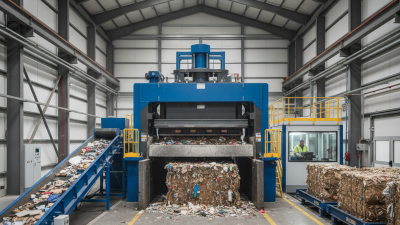
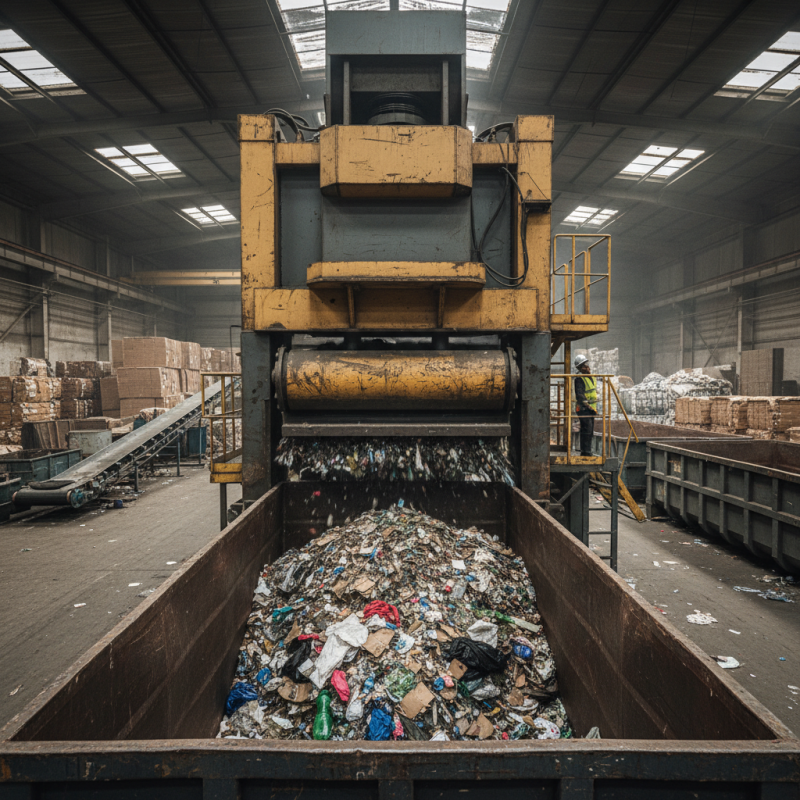
Heavy duty compactors play a vital role in waste management systems. These machines are designed to compress waste materials efficiently. By reducing the volume of waste, they help maximize the space available in landfills. This efficiency is essential for businesses managing large amounts of waste daily.
Tips for choosing the right compactor include assessing your waste type. Understand whether you're dealing with cardboard, food, or mixed recycling. Each waste type has unique requirements. Also, consider the compactor’s capacity and frequency of use. A unit that is too small will require frequent emptying, reducing overall efficiency.
Another crucial aspect is proper maintenance. Regular checks and servicing can prolong the life of your compactor. Neglecting this can lead to downtime and increased costs. It's essential to create a maintenance schedule. Over time, it may become clear that your needs are changing. Reflect on your waste management demands regularly to ensure your compactor is still the best fit.
Key Features to Consider When Selecting a Heavy Duty Compactor
Choosing the right heavy-duty compactor can revolutionize waste management practices. Key features to consider include compaction ratio, size, and operational efficiency. A strong compaction ratio often translates to reduced trips to a landfill, saving both time and money. Reports suggest that compactors can reduce waste volume by up to 80%. This significant reduction can enhance sustainability efforts and lower disposal costs.
Another aspect to examine is the size and capacity of the compactor. Depending on the volume of waste generated, selecting an appropriately sized unit is critical. Too small a compactor may lead to frequent overflows, while a unit too large could result in unnecessary energy expenditures. Industry studies highlight that compactors with the right capacity operations can improve overall productivity by at least 20%, allowing for better resource allocation.
User-friendliness also matters. Features such as automatic balers or easy-access controls can streamline operations. Battery life and maintenance schedules should be on your radar as well. A study found that machines requiring frequent maintenance can lead to increased downtime, affecting overall workflow. Analyzing these features carefully can help organizations optimize waste handling effectively, ensuring both efficiency and compliance with environmental standards.
Top Brands and Models of Heavy Duty Compactors Available in 2023
When evaluating heavy-duty compactors for waste management, efficiency is key. In 2023, there are numerous robust models that promise reliability. These machines are designed to handle large volumes of waste. Many units are equipped with powerful hydraulic systems. They facilitate faster compaction, ensuring maximum space utilization.
It's crucial to consider the compactor's load capacity and the materials it can process. Some models claim to handle various waste types. However, always verify their specifications against your needs. Also, pay attention to the machine’s maintenance requirements. Regular upkeep can extend the life of your compactor.
Tips: Ensure you train staff on proper operating procedures. This reduces the risk of accidents and equipment damage. Familiarize yourself with the common faults that may occur. Knowing how to troubleshoot can save time and costs in the long run. While looking for top models, reviews can be helpful. User experiences often highlight both strengths and weaknesses of machines.
Comparative Analysis of Compactor Efficiency in Waste Reduction
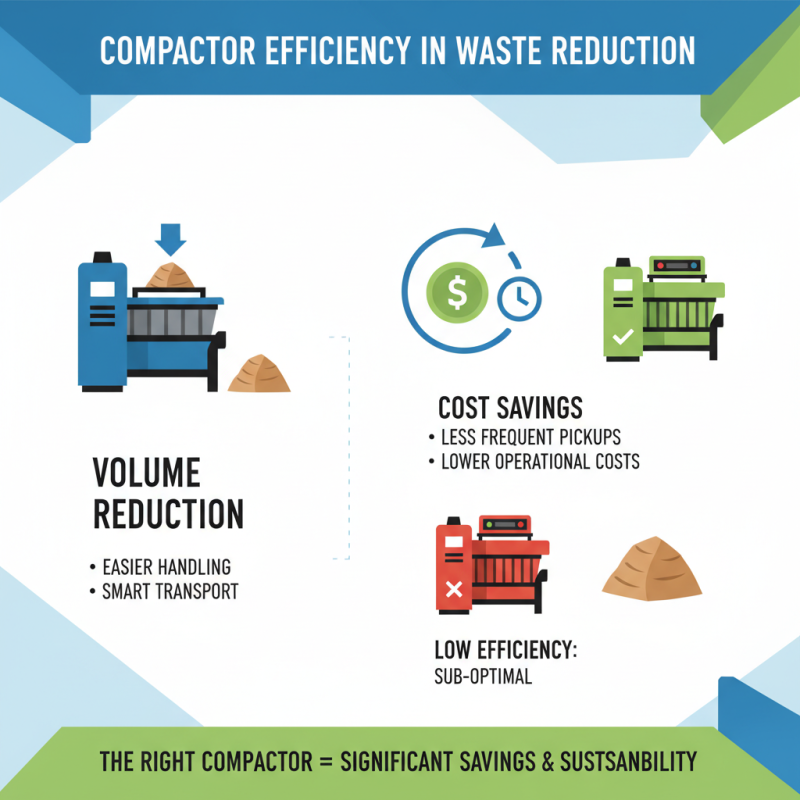
In the realm of waste management, compactors play a vital role. They reduce the volume of waste, making it easier to handle and transport. A well-functioning compactor can decrease the frequency of pickups, leading to lower operational costs. However, not all compactors achieve the same efficiency.
When analyzing compactor efficiency, several factors come into play. The weight limit, compression ratio, and cycle time all influence performance. For instance, some compactors may excel in compressing cardboard but struggle with wet waste. Understanding these nuances is critical for effective waste reduction. In practice, users often find themselves choosing a compactor based solely on size, overlooking specific needs.
There are also challenges in maintaining compactors. Regular maintenance is necessary to ensure optimal efficiency. Neglect can lead to breakdowns, undermining overall waste management efforts. User reports often highlight clogged mechanisms as common issues. Addressing these problems can vary from simple fixes to more complex repairs, which can be cumbersome. Balancing efficiency with maintenance demands is essential for a successful waste management strategy.
Best Practices for Maintaining and Operating Heavy Duty Compactors
Operating a heavy-duty compactor effectively requires attention to detail and regular maintenance. Monitoring the hydraulic system is crucial. Low fluid levels can lead to equipment failure. Check for leaks regularly to avoid costly repairs. Operators should also inspect the compacting plate for damage. A worn plate reduces efficiency. Regularly cleaning the compactor can prevent unexpected breakdowns.
Training staff on proper operating techniques is essential. Ensure everyone understands how to use the controls. Misuse can result in accidents and damage. Encourage team members to report any unusual noises or performance issues. Addressing problems early can extend the lifespan of the equipment.
Lastly, establishing a routine maintenance schedule can be a game changer. This includes changing filters and inspecting belts. Budgeting for these tasks pays off in the long run. While it may seem tedious, proper upkeep builds reliability. Missing these steps can lead to downtime. Reflection on maintenance practices may reveal areas for improvement.
Heavy Duty Compactor Efficiency Comparison

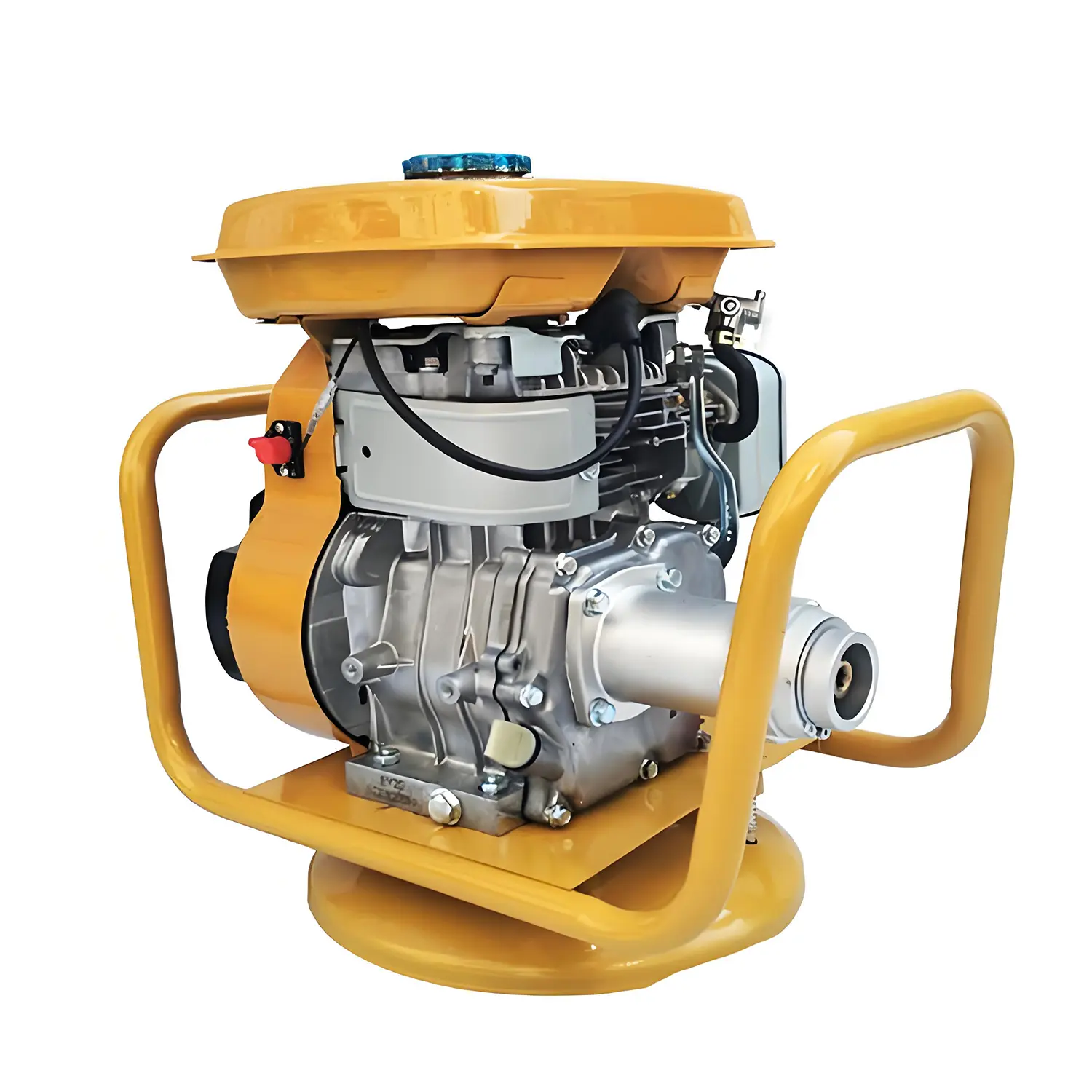 Internal Vibrator
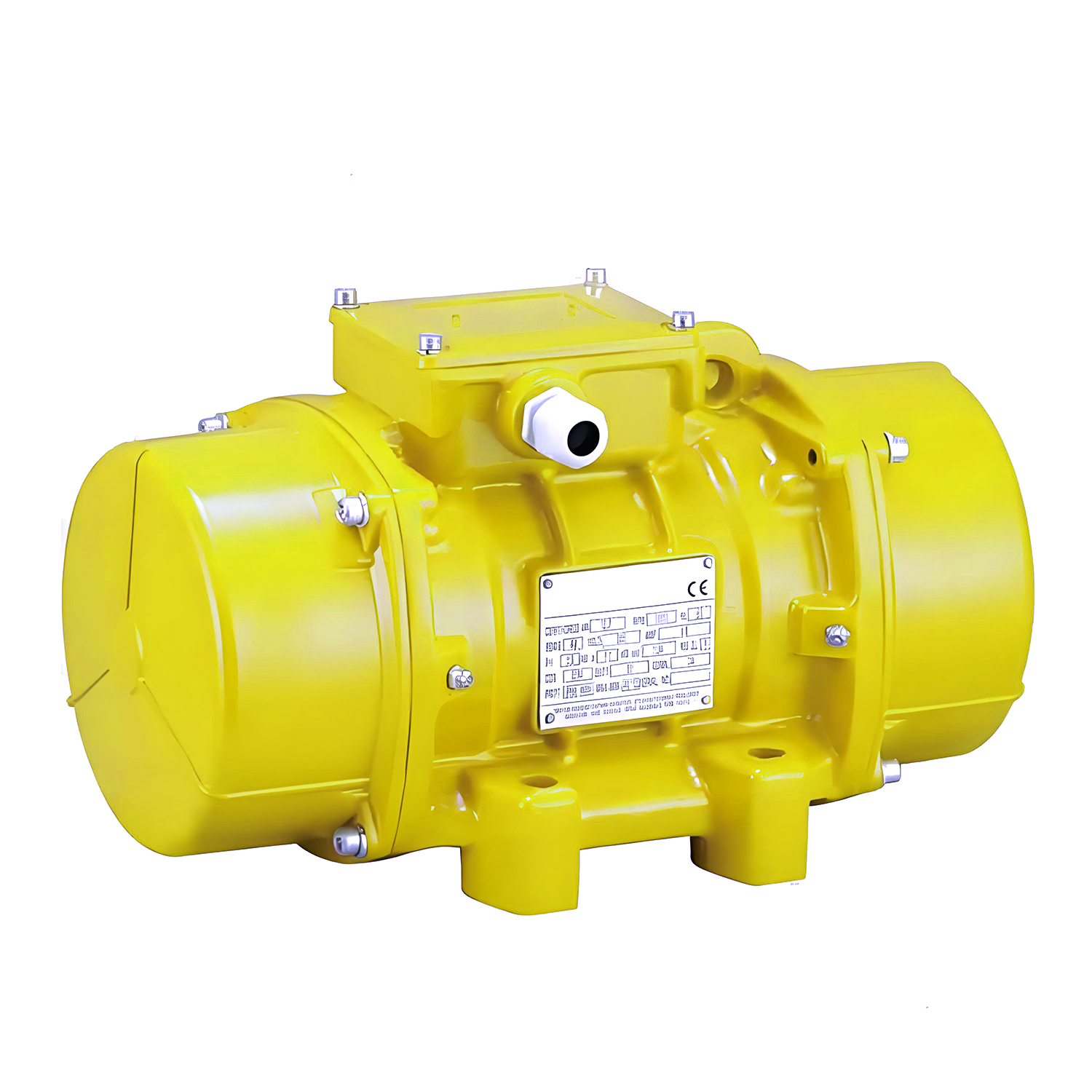 External Vibrator
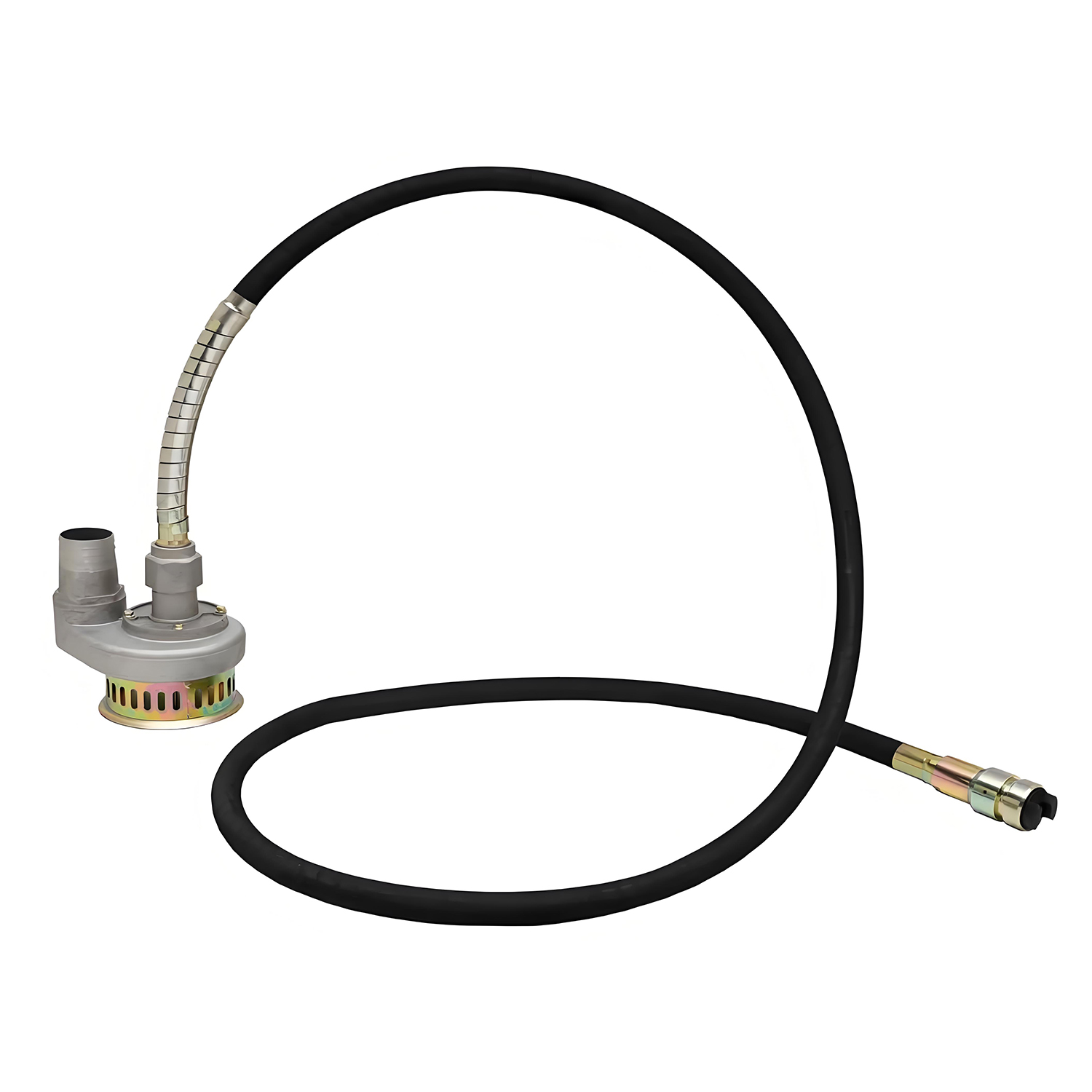 Submersible Pump
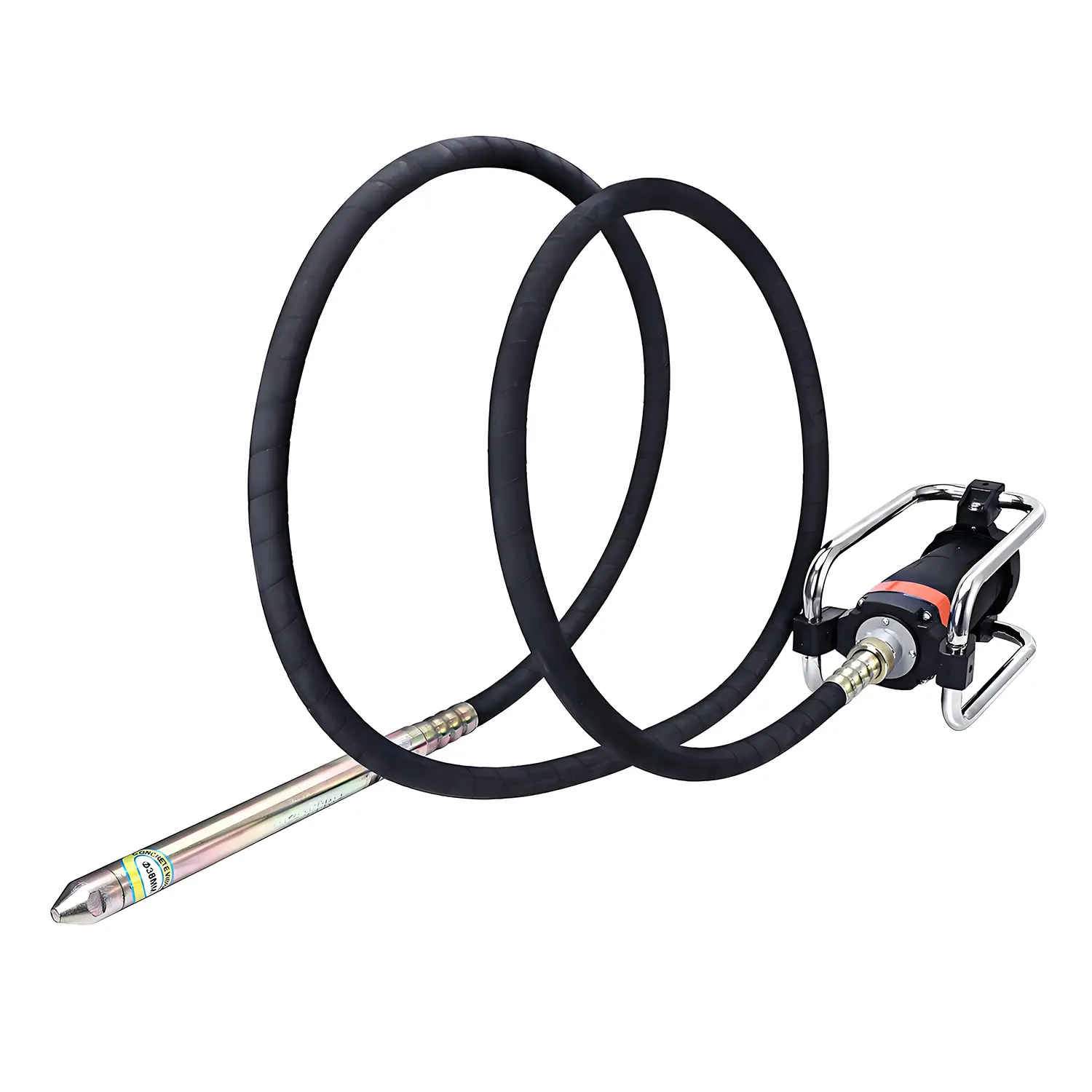 Eccentric shaft
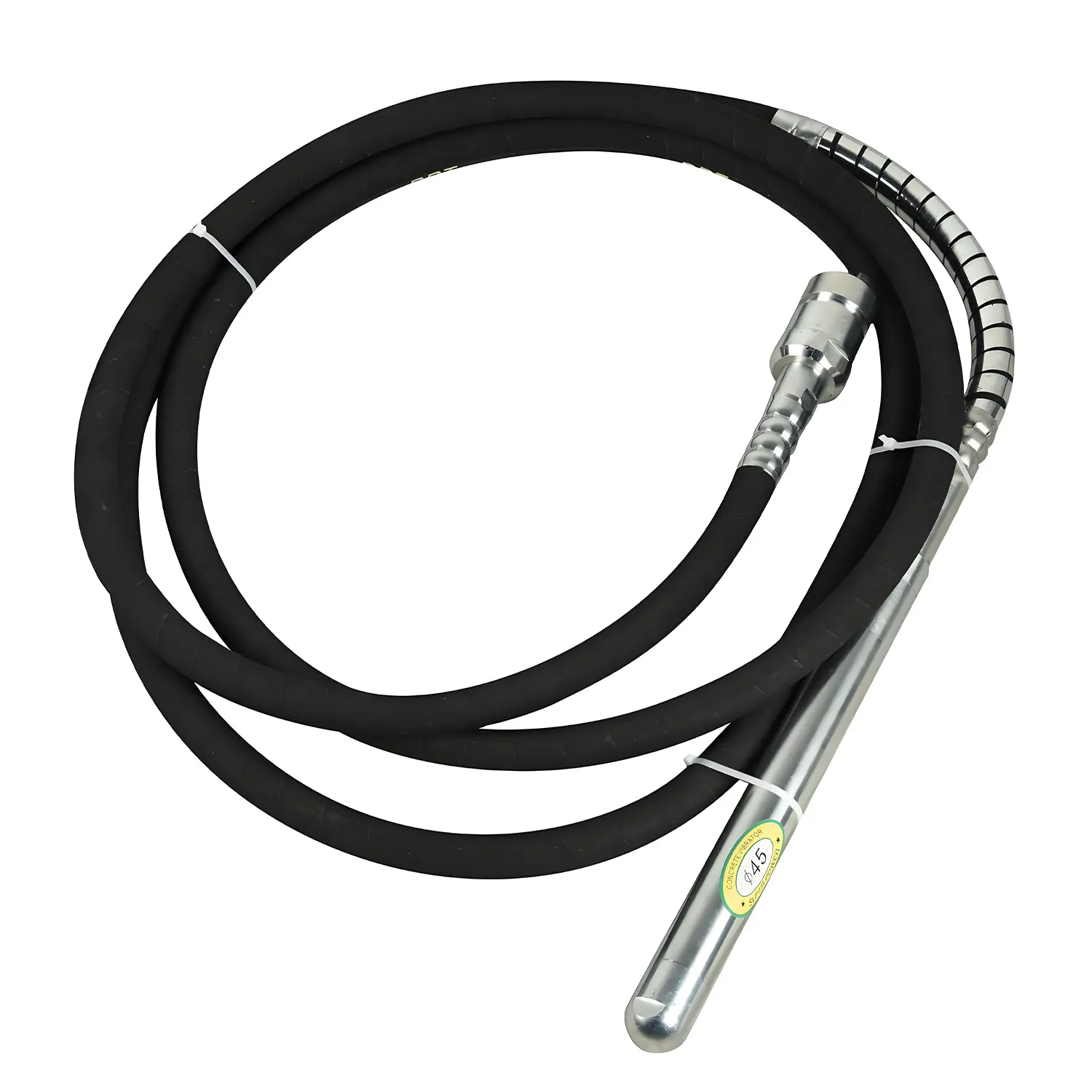 Pendulum shaft
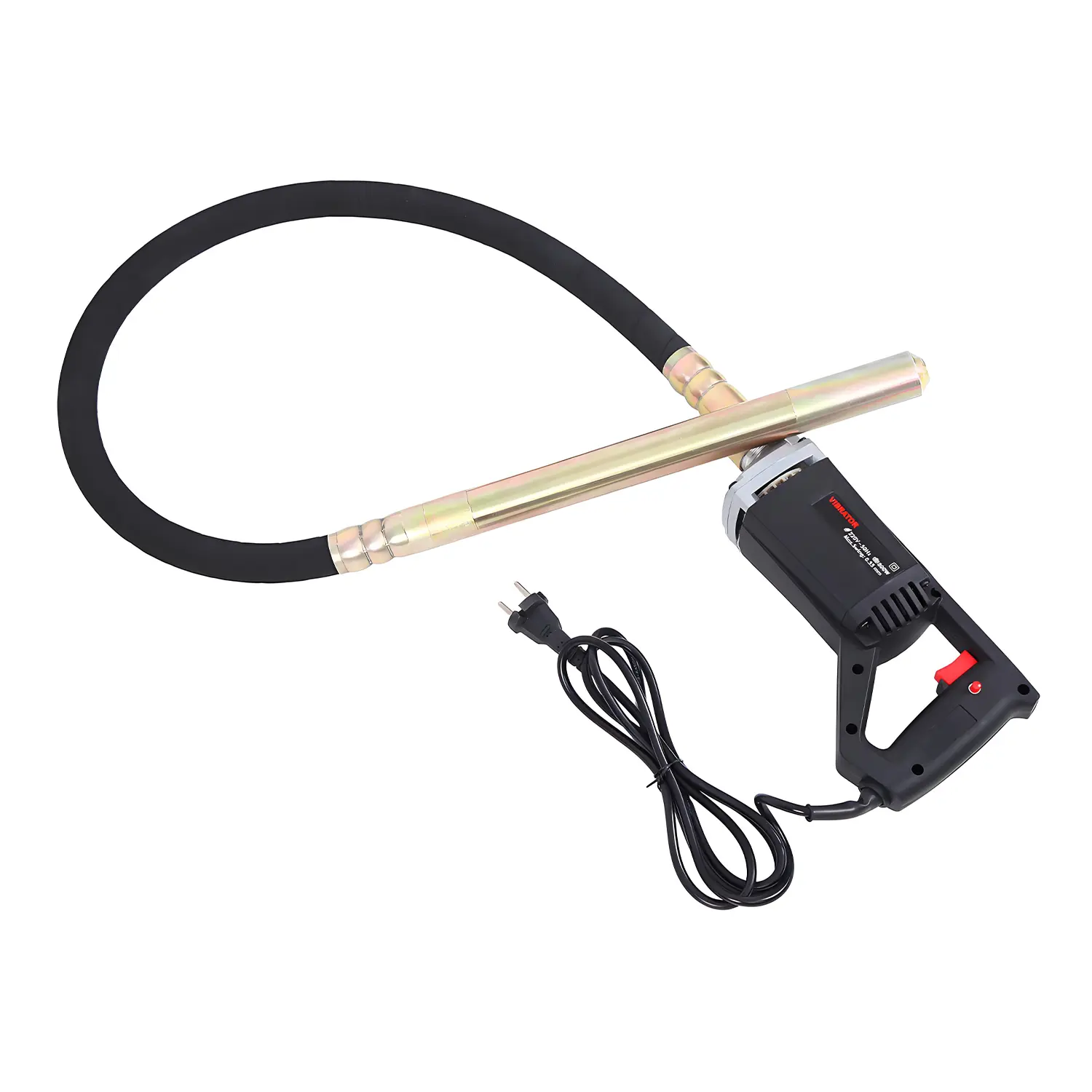 Portable vbrator shaft
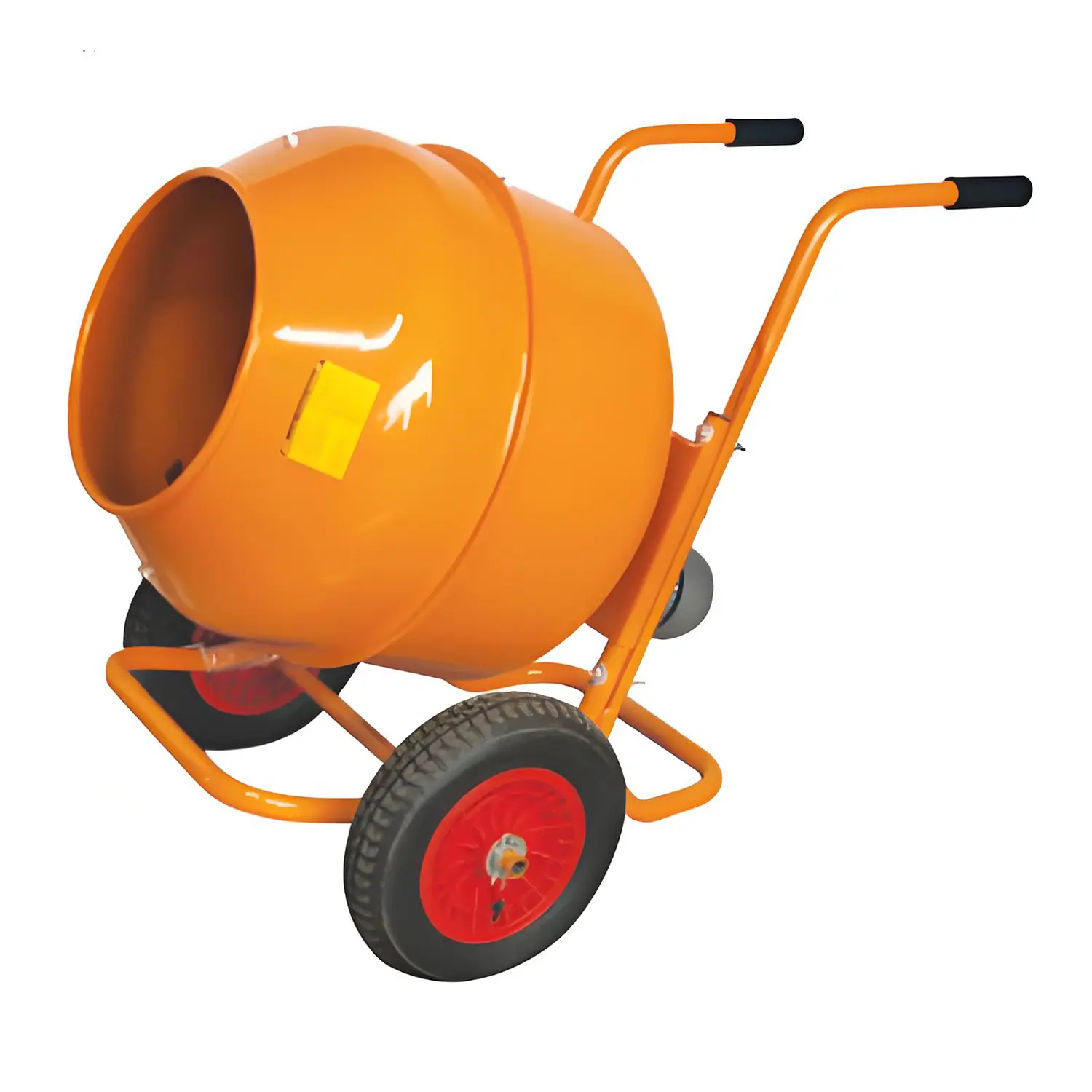 Portable concrete mixer
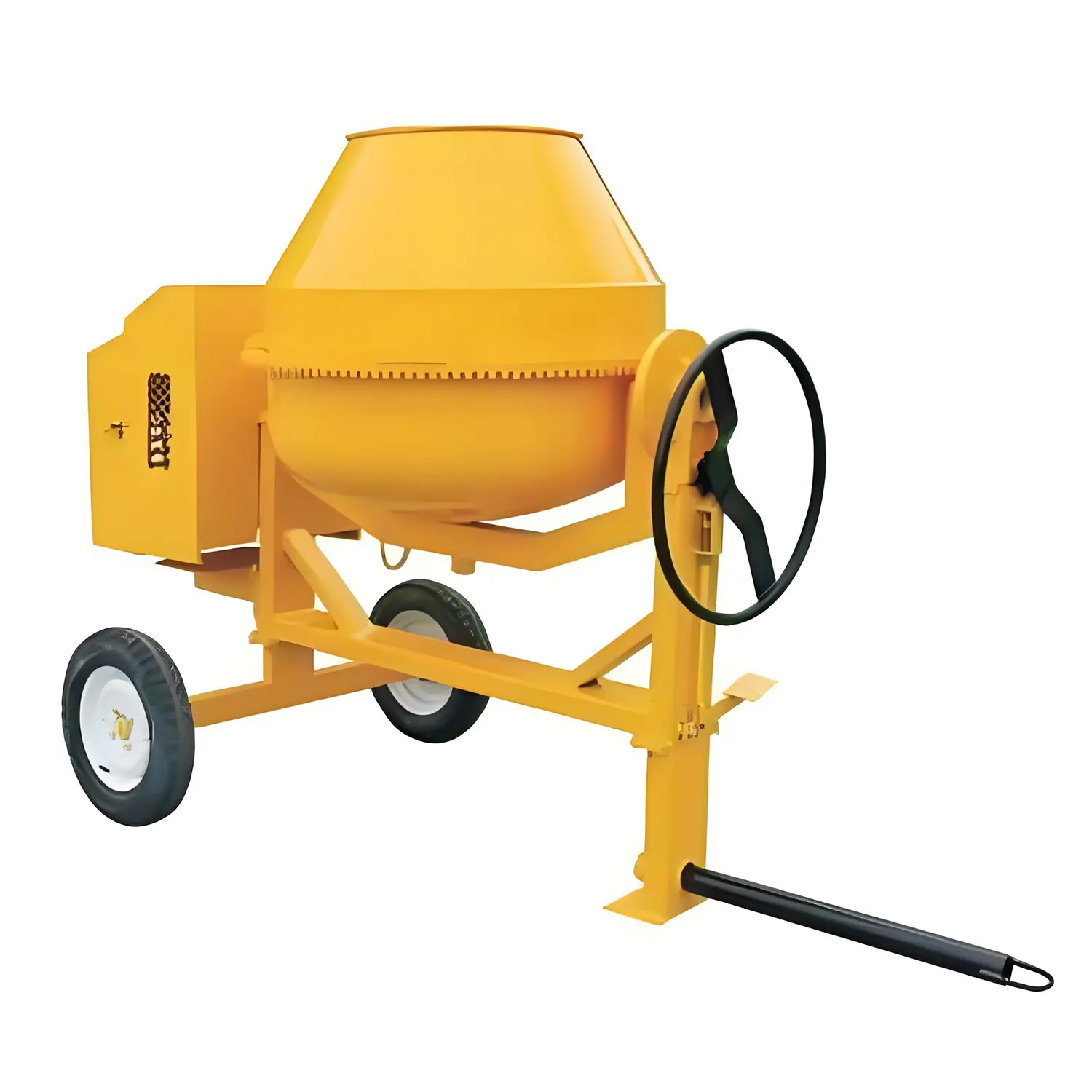 Vertical concrete mixer
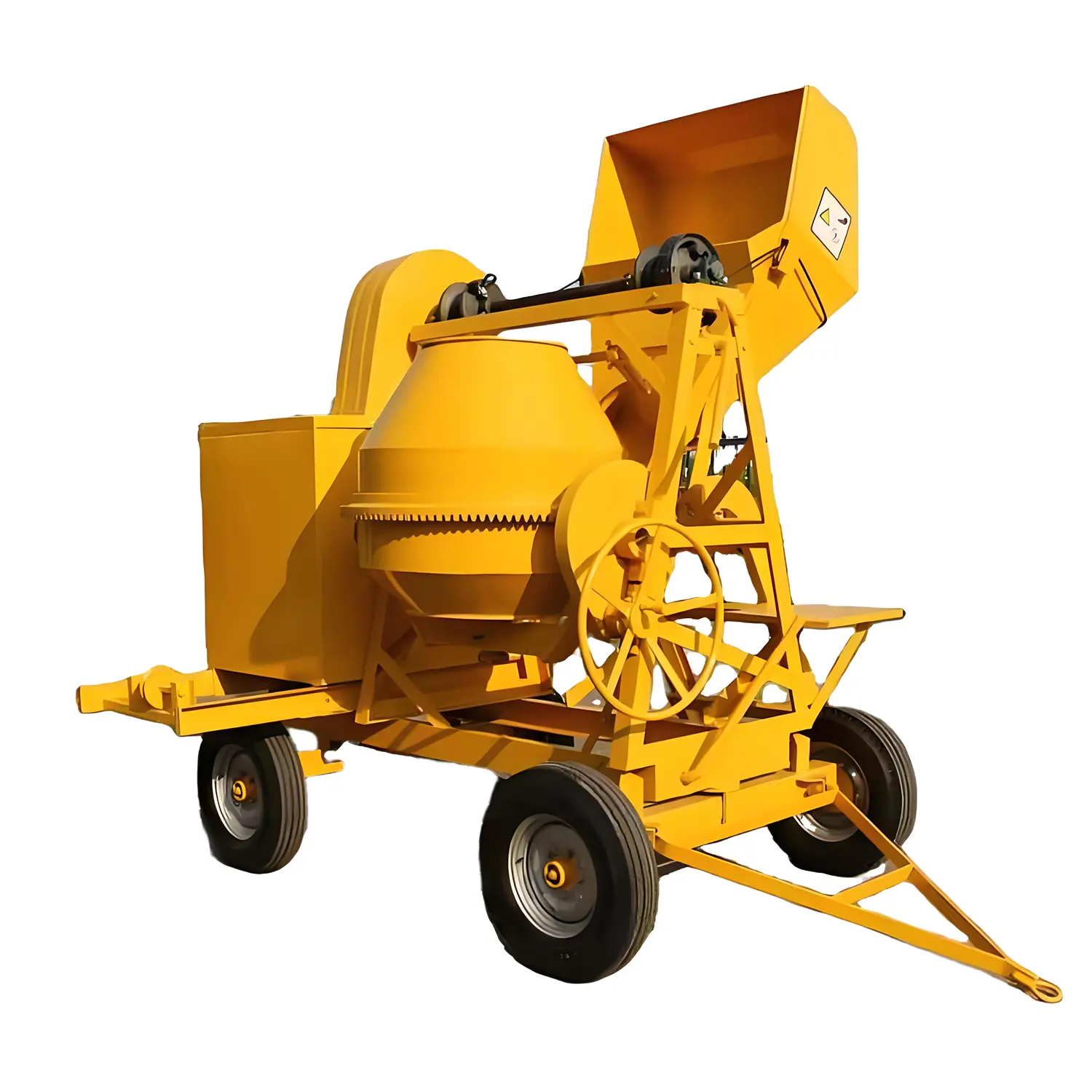 Hydraulic concrete mixer
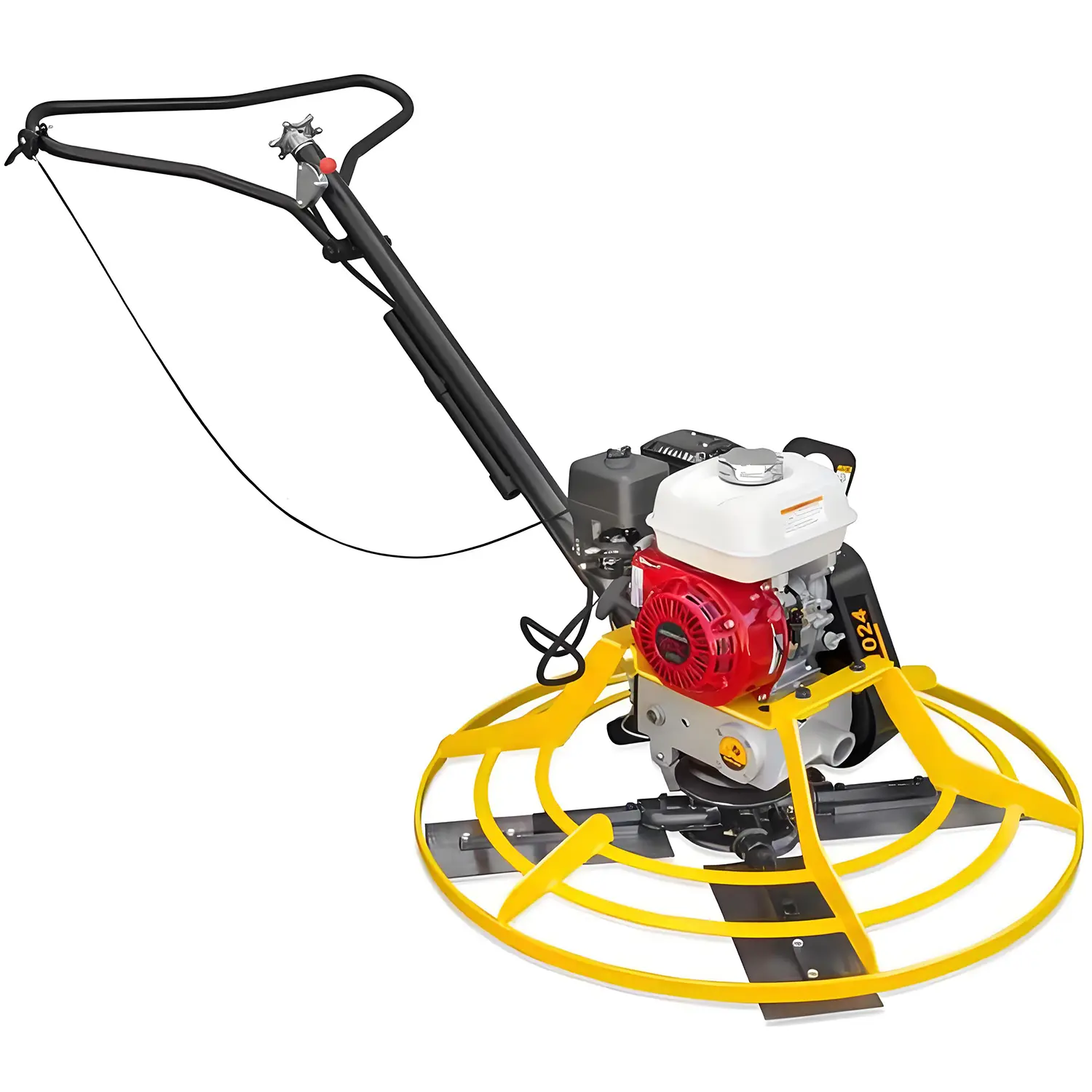 Walk behind power trowel
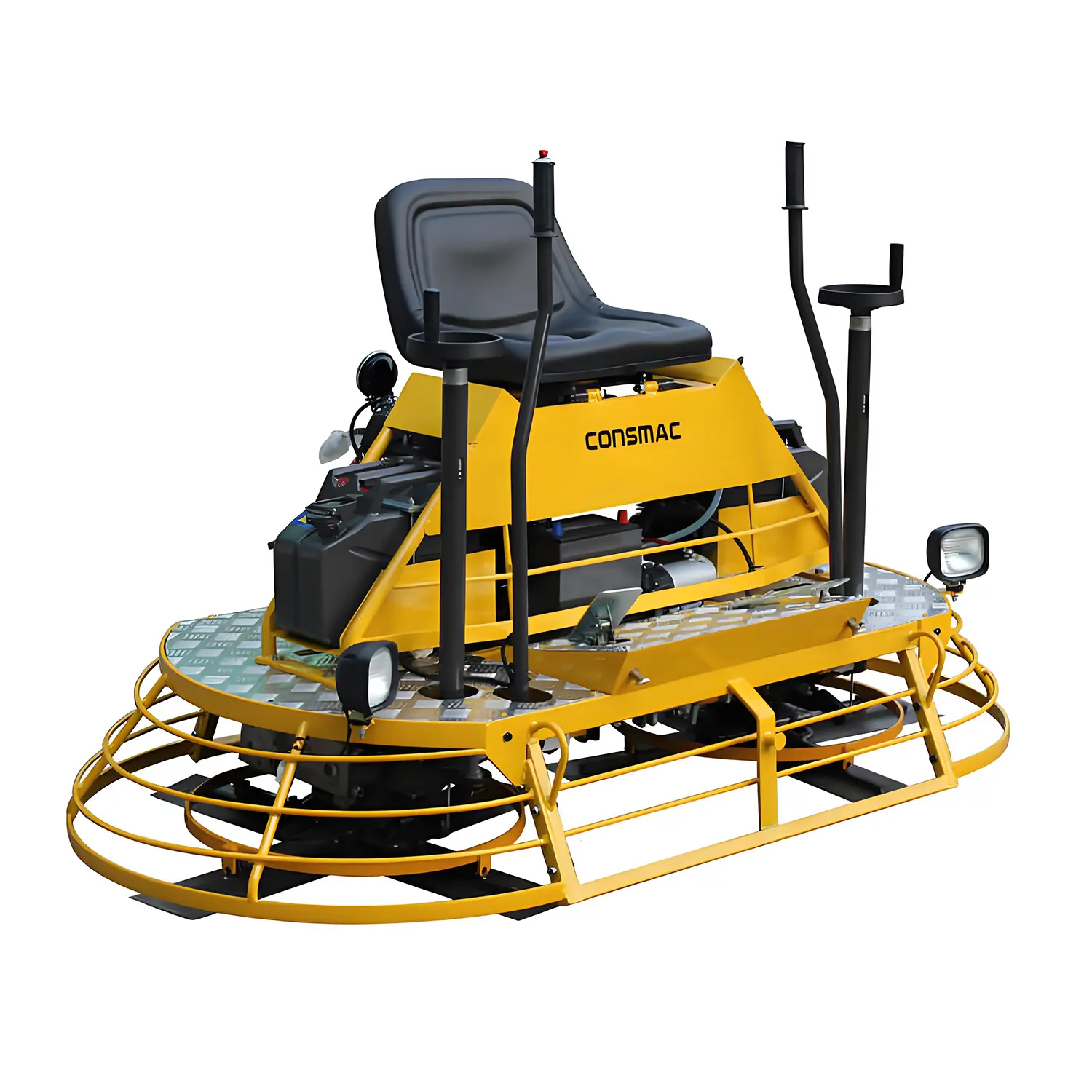 Ride on power trowel
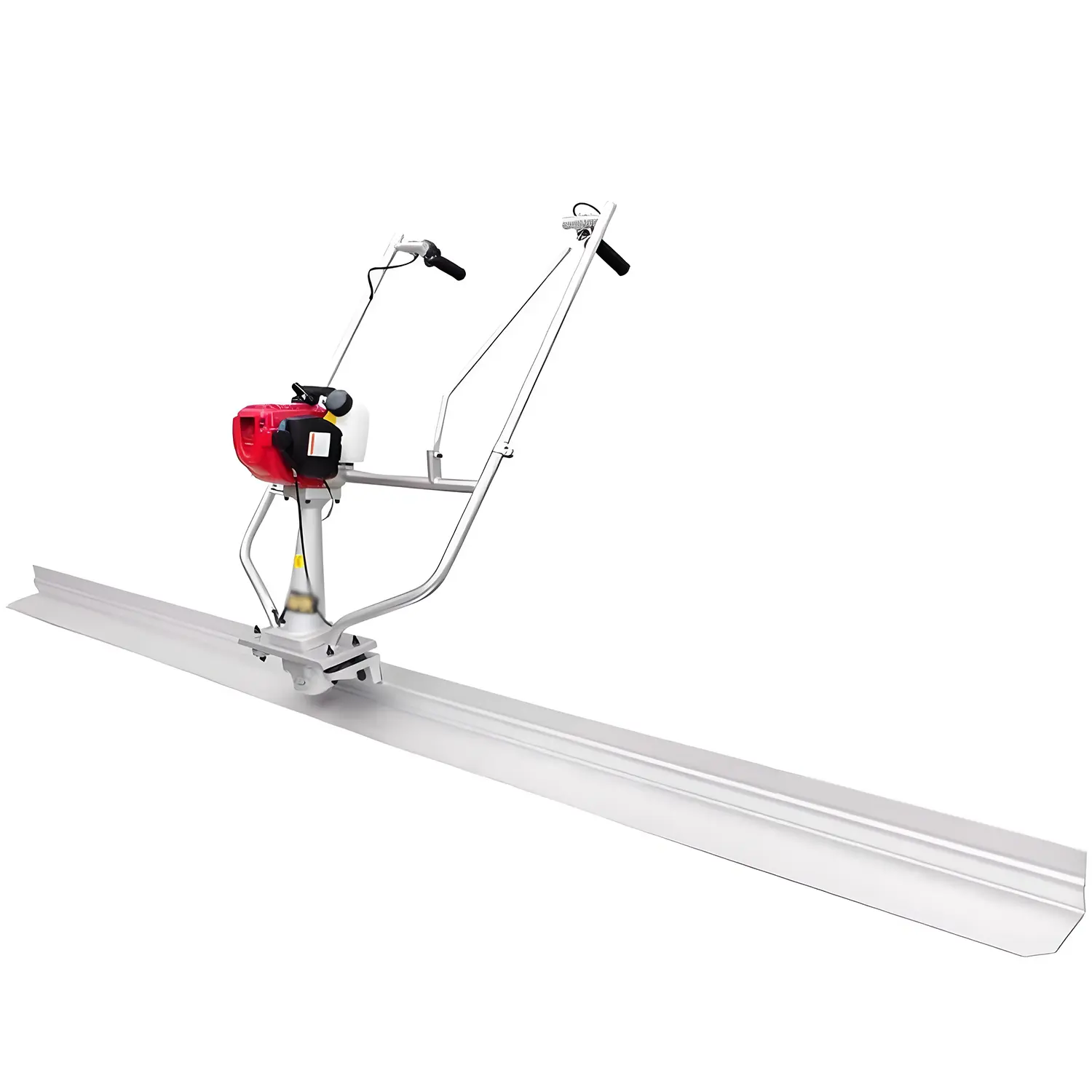 Concrete screed
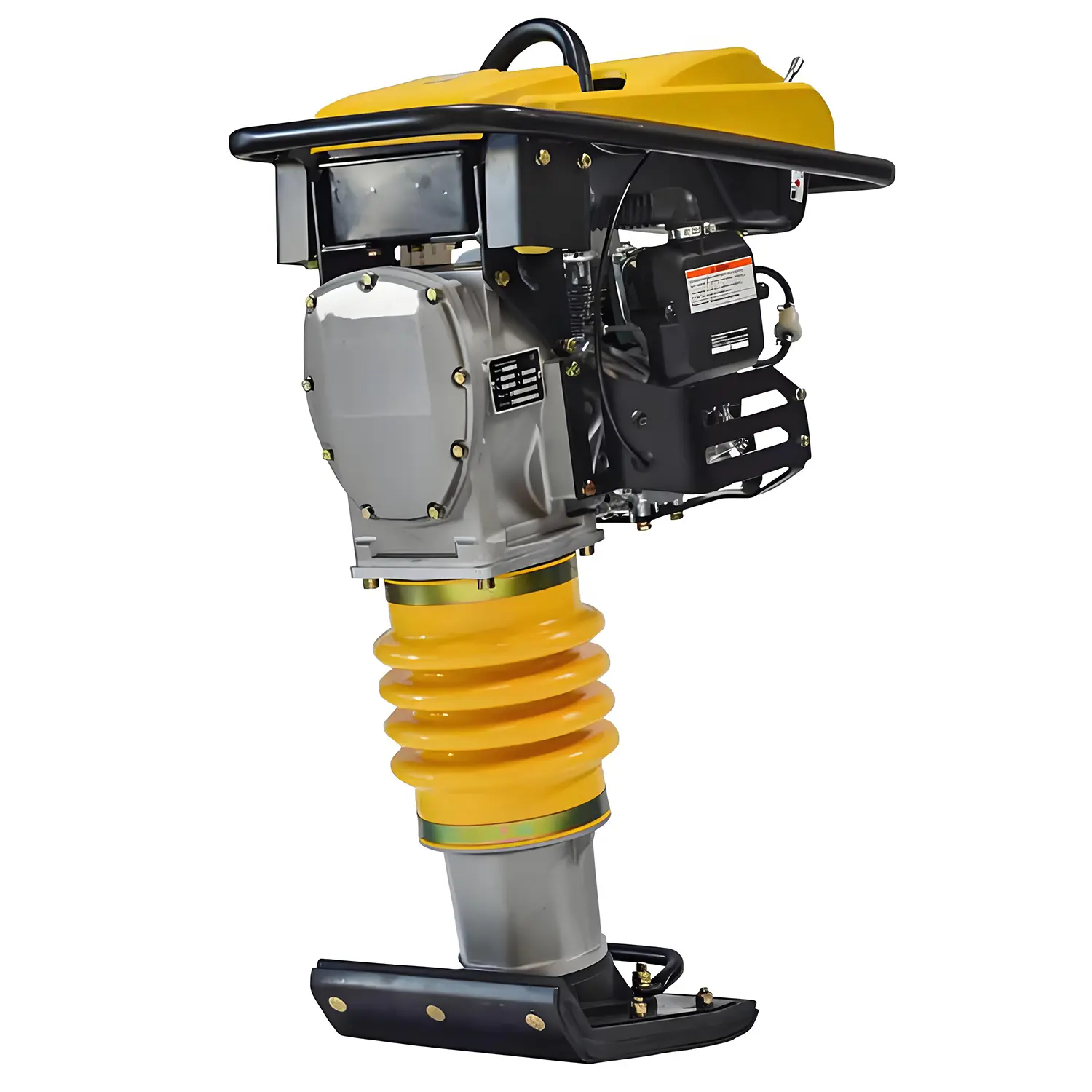 Tamping rammer
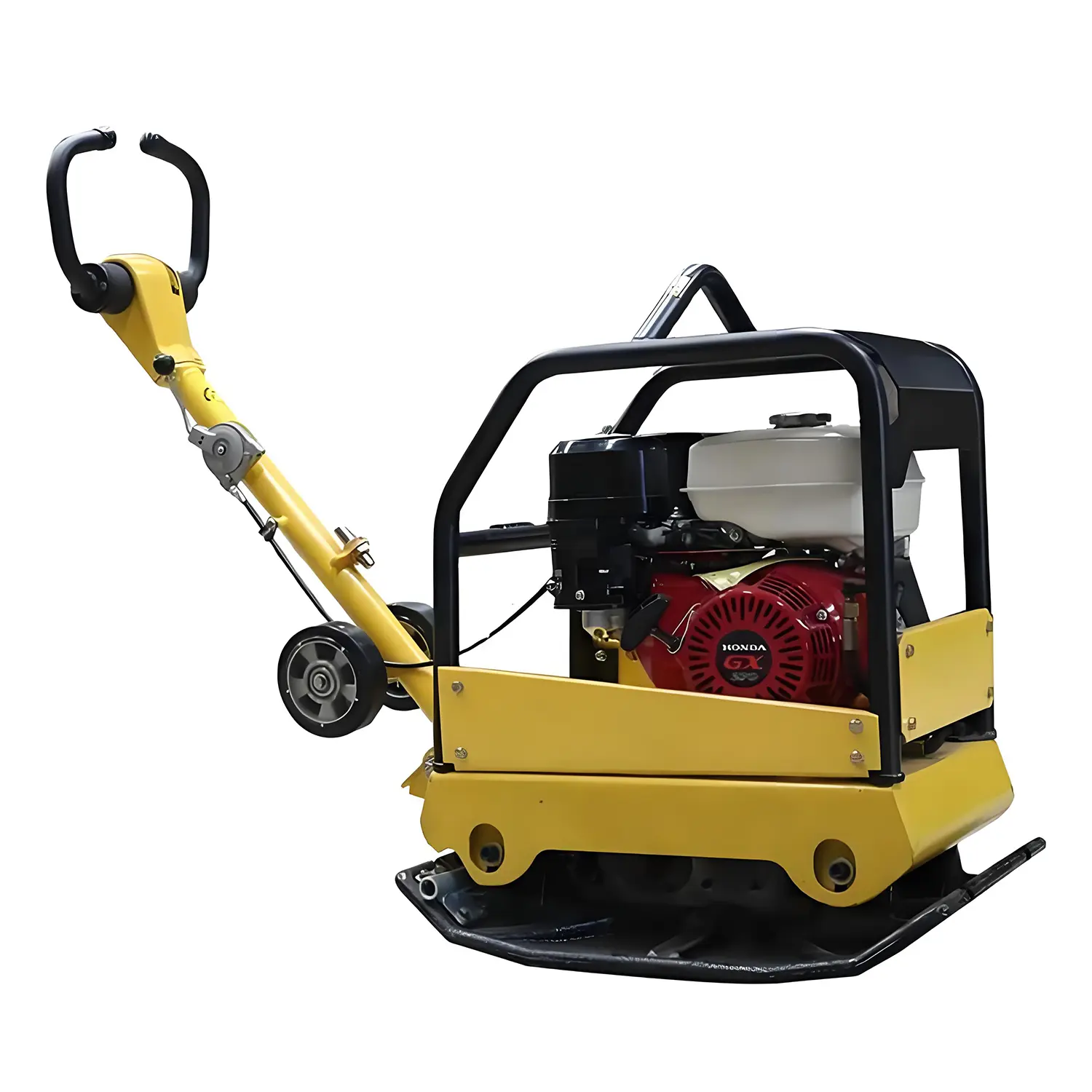 Plate compactor
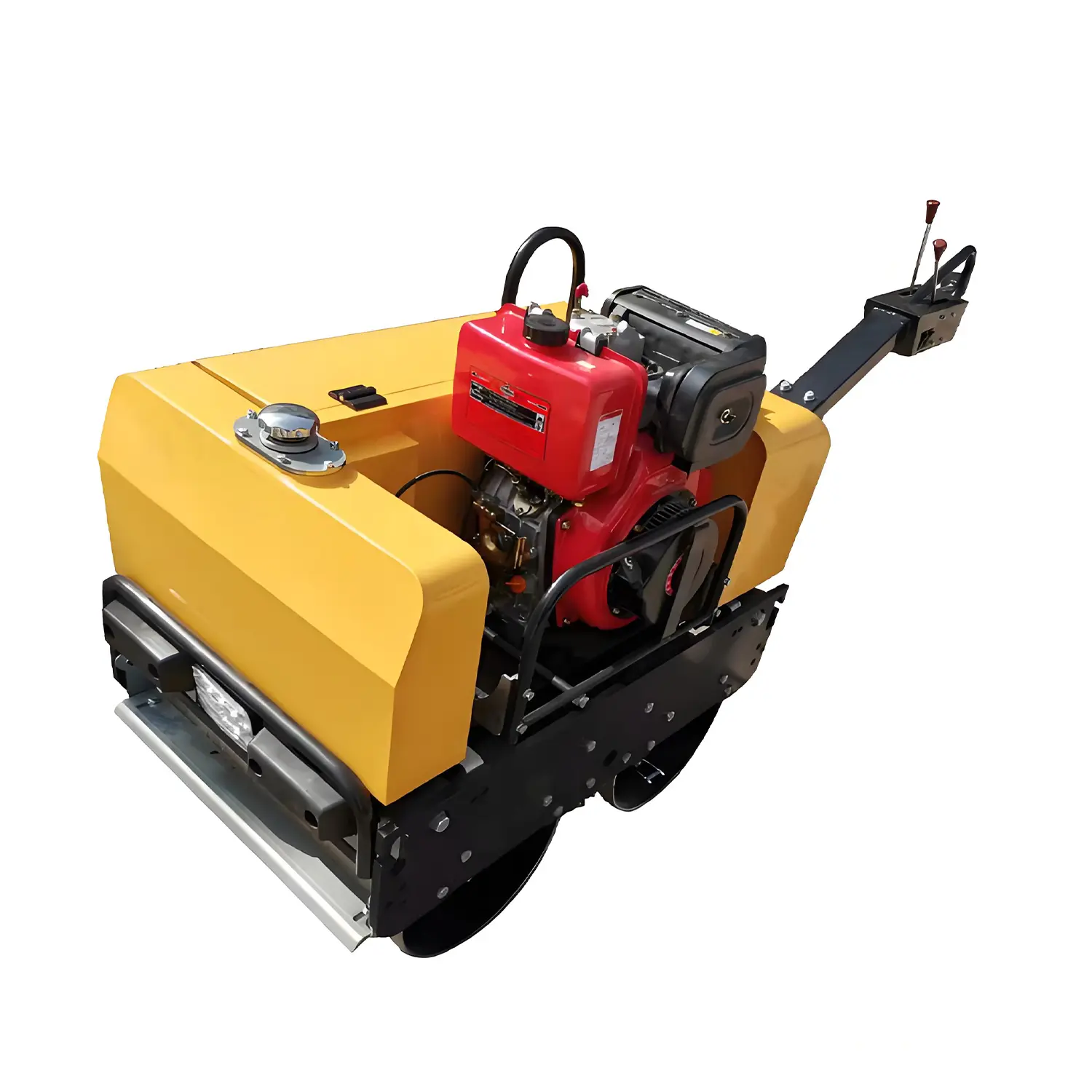 Vibratory roller