- Home
- About Us
- products
- Resource
- Blog
- Contact Us
 Internal Vibrator
 External Vibrator
 Submersible Pump
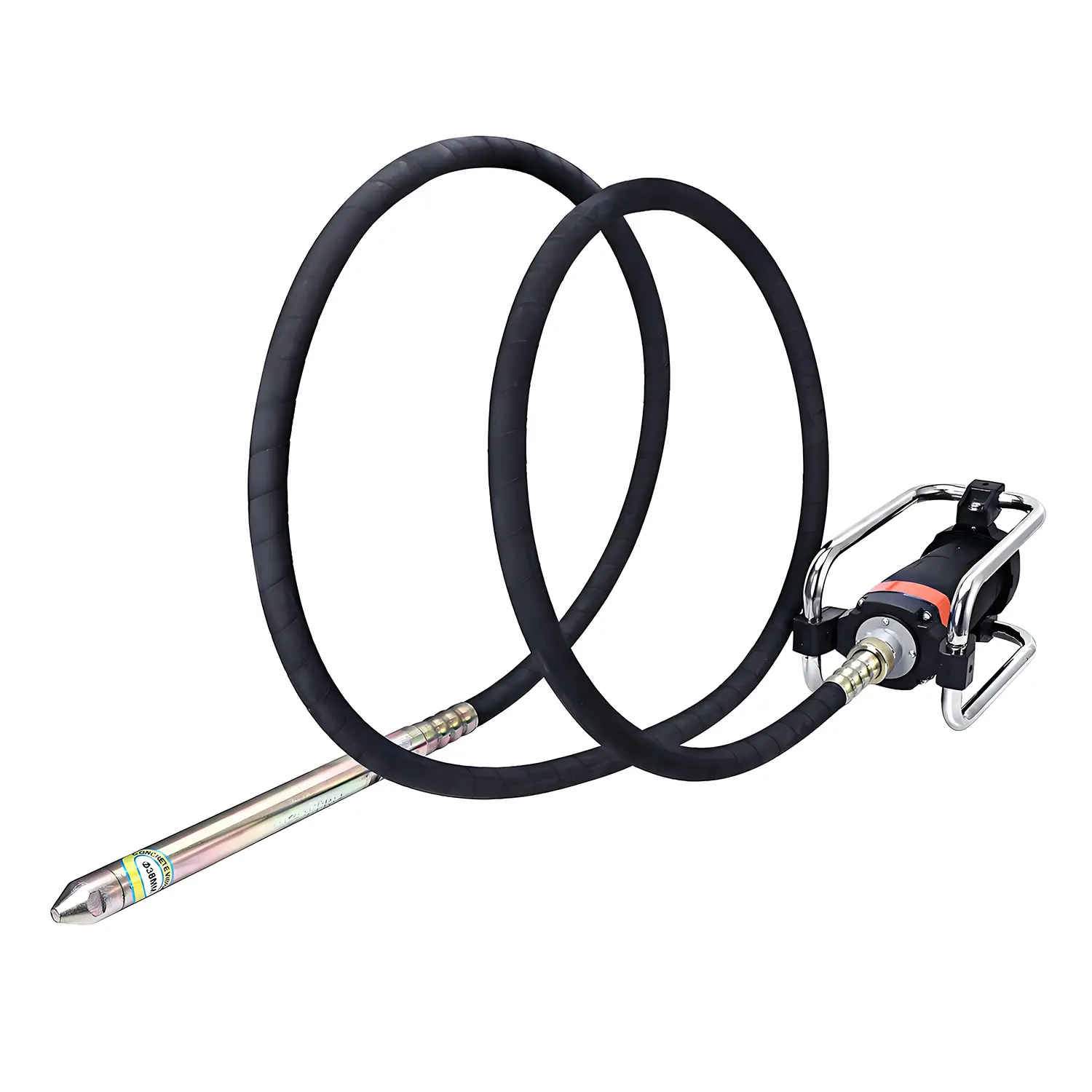 Eccentric shaft
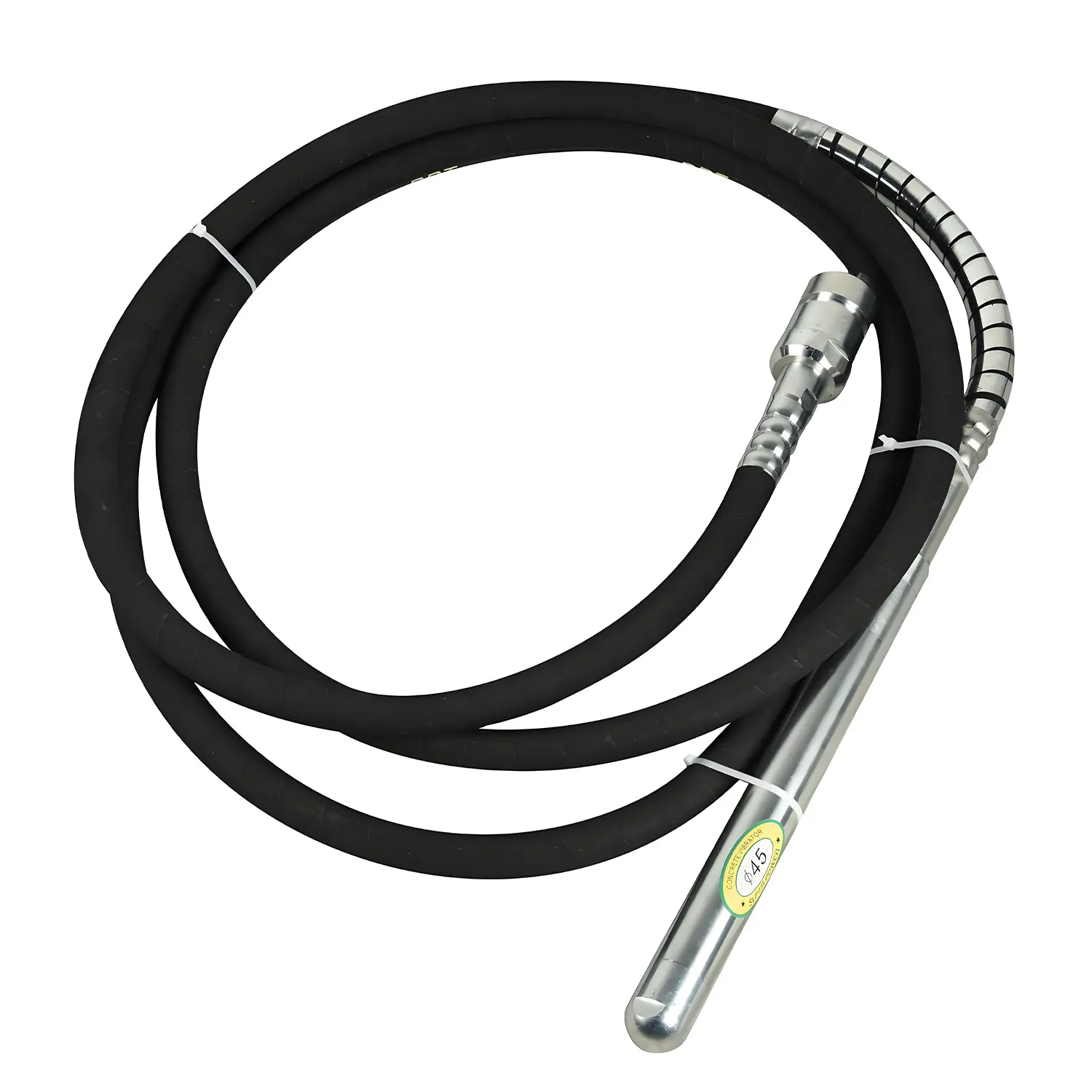 Pendulum shaft
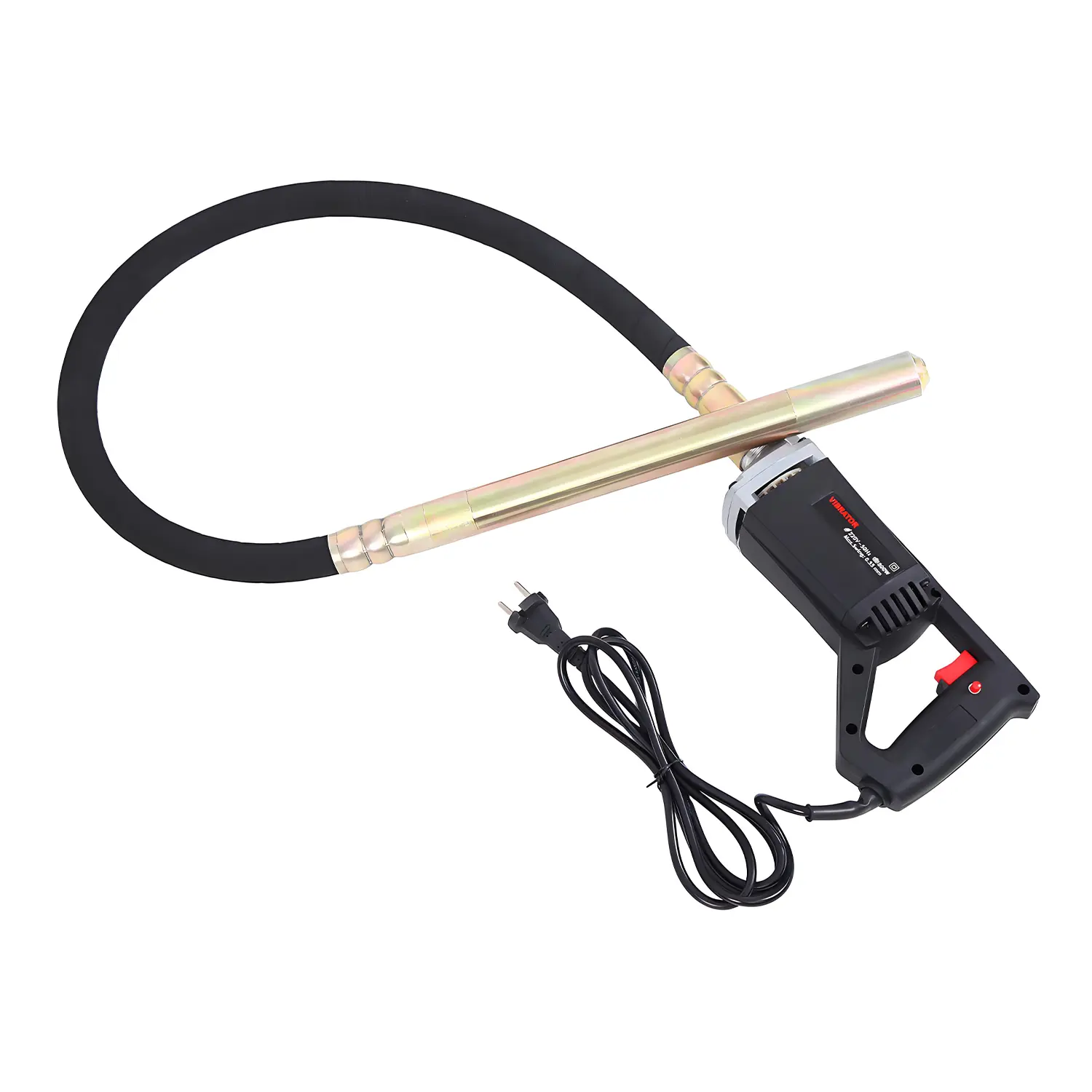 Portable vbrator shaft
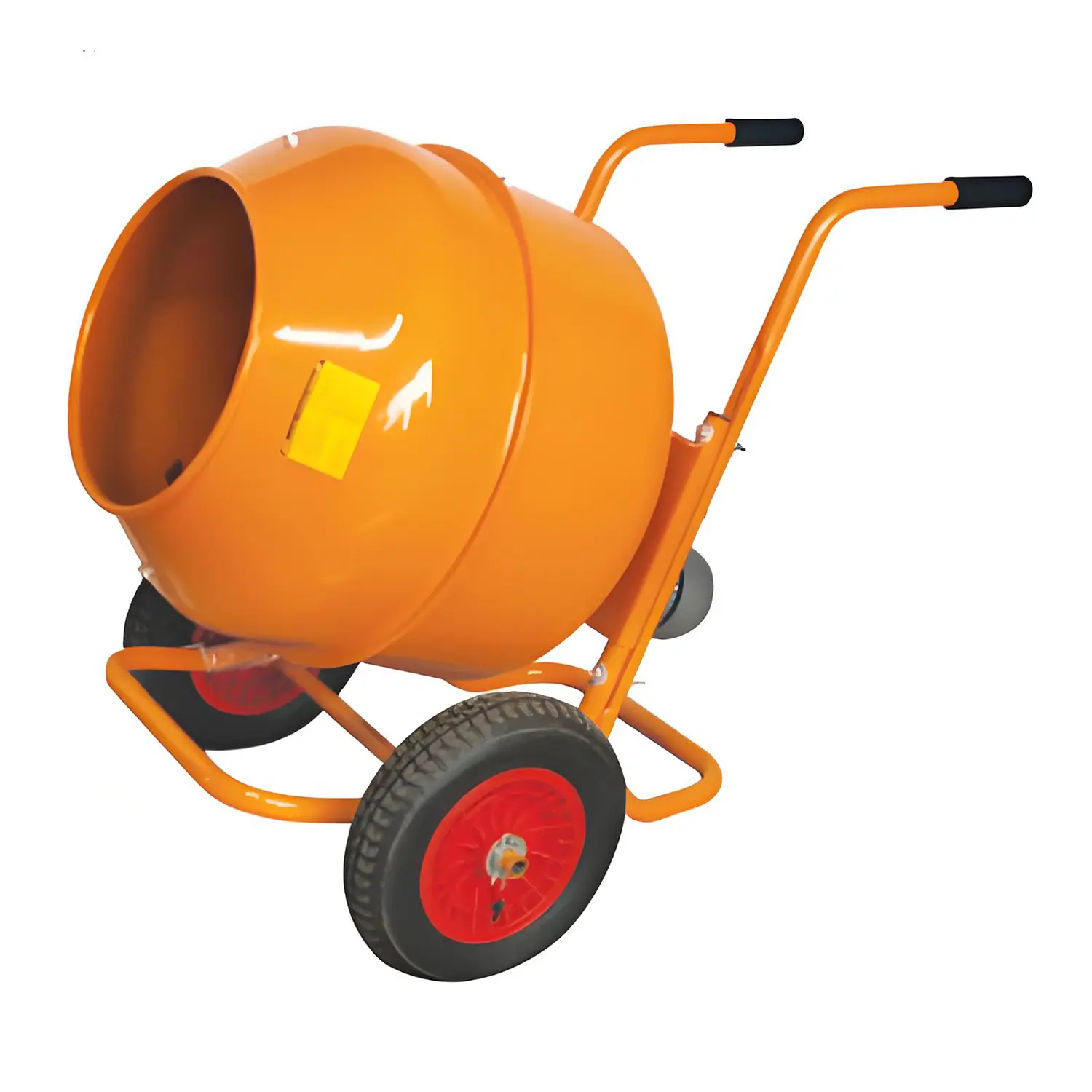 Portable concrete mixer
 Vertical concrete mixer
 Hydraulic concrete mixer
 Walk behind power trowel
 Ride on power trowel
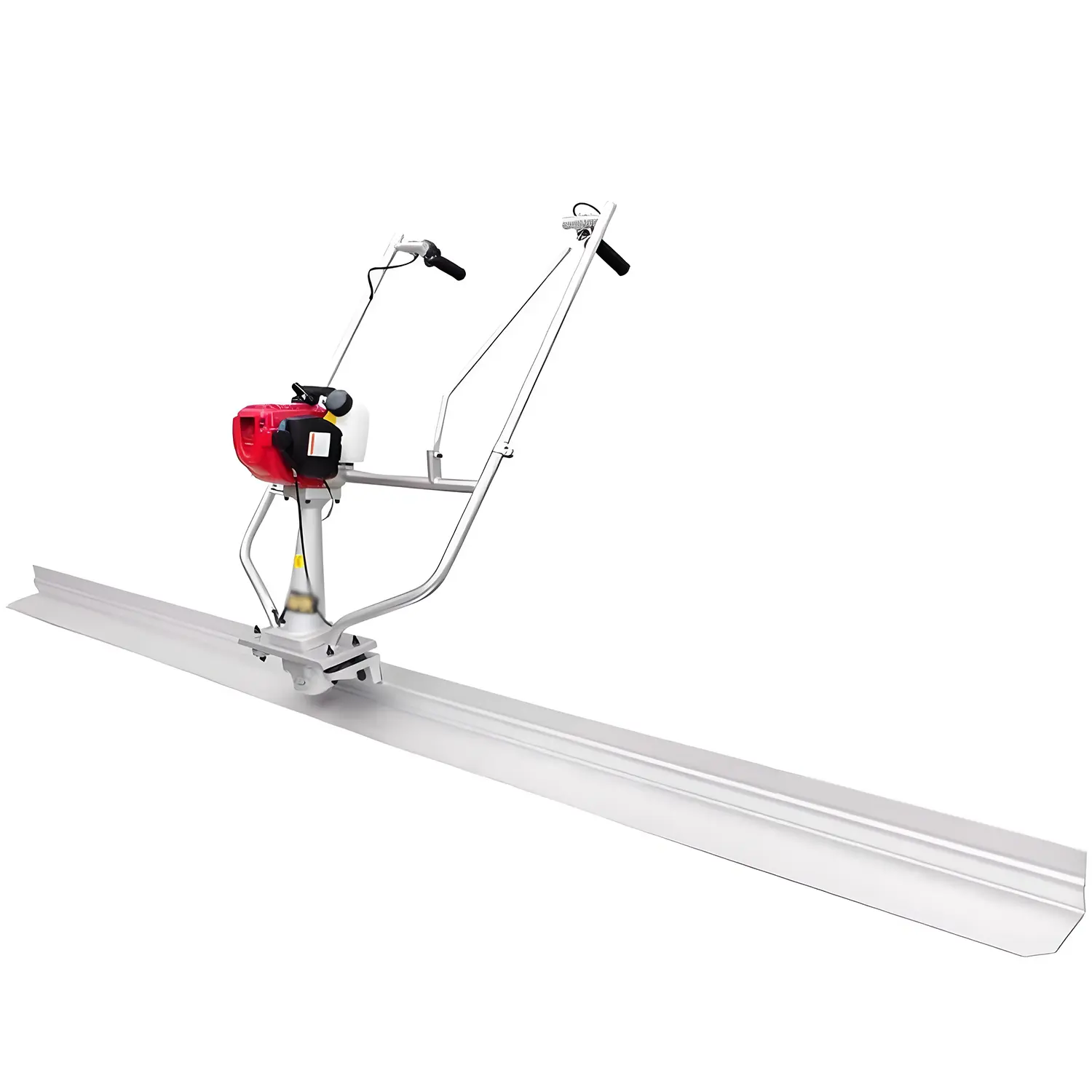 Concrete screed
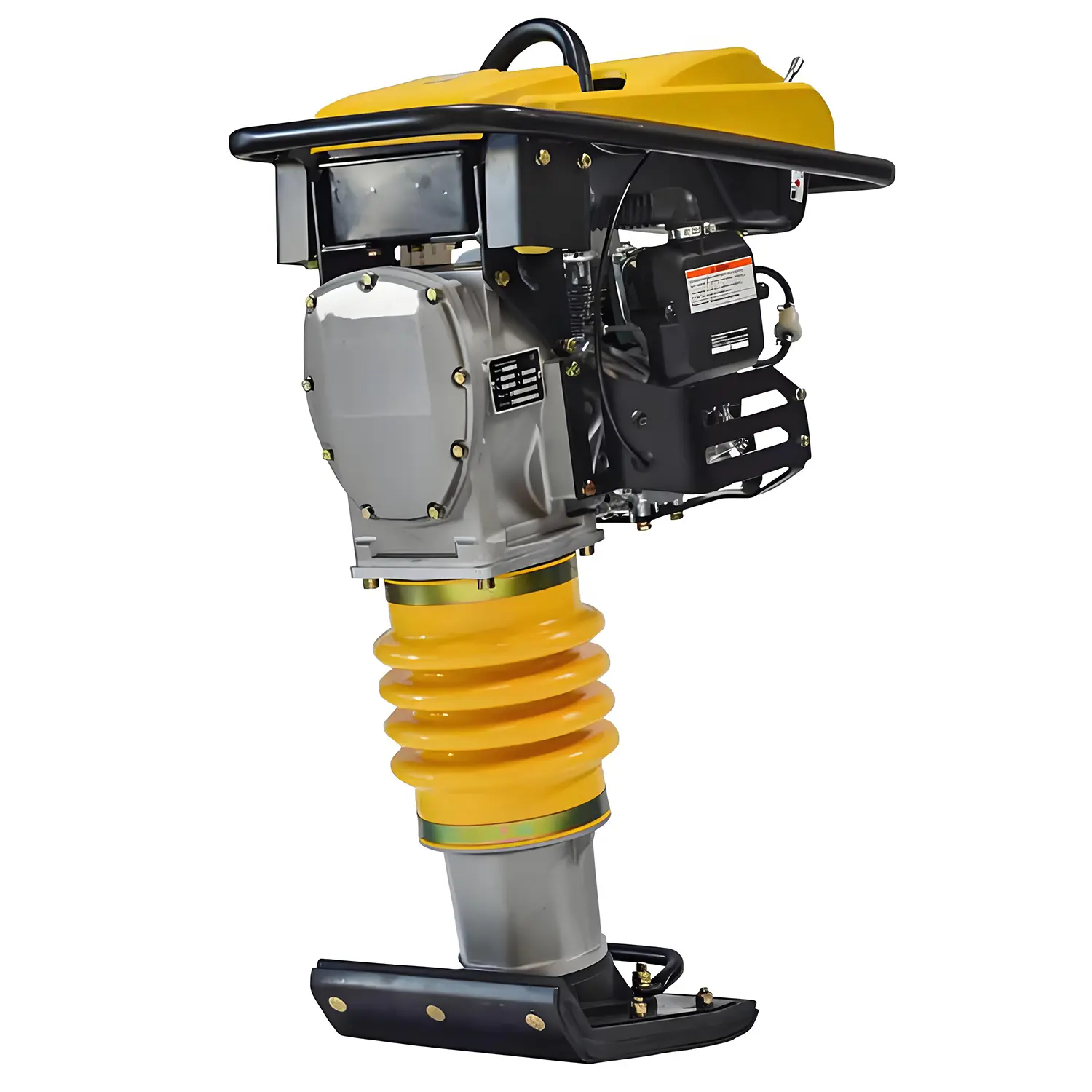 Tamping rammer
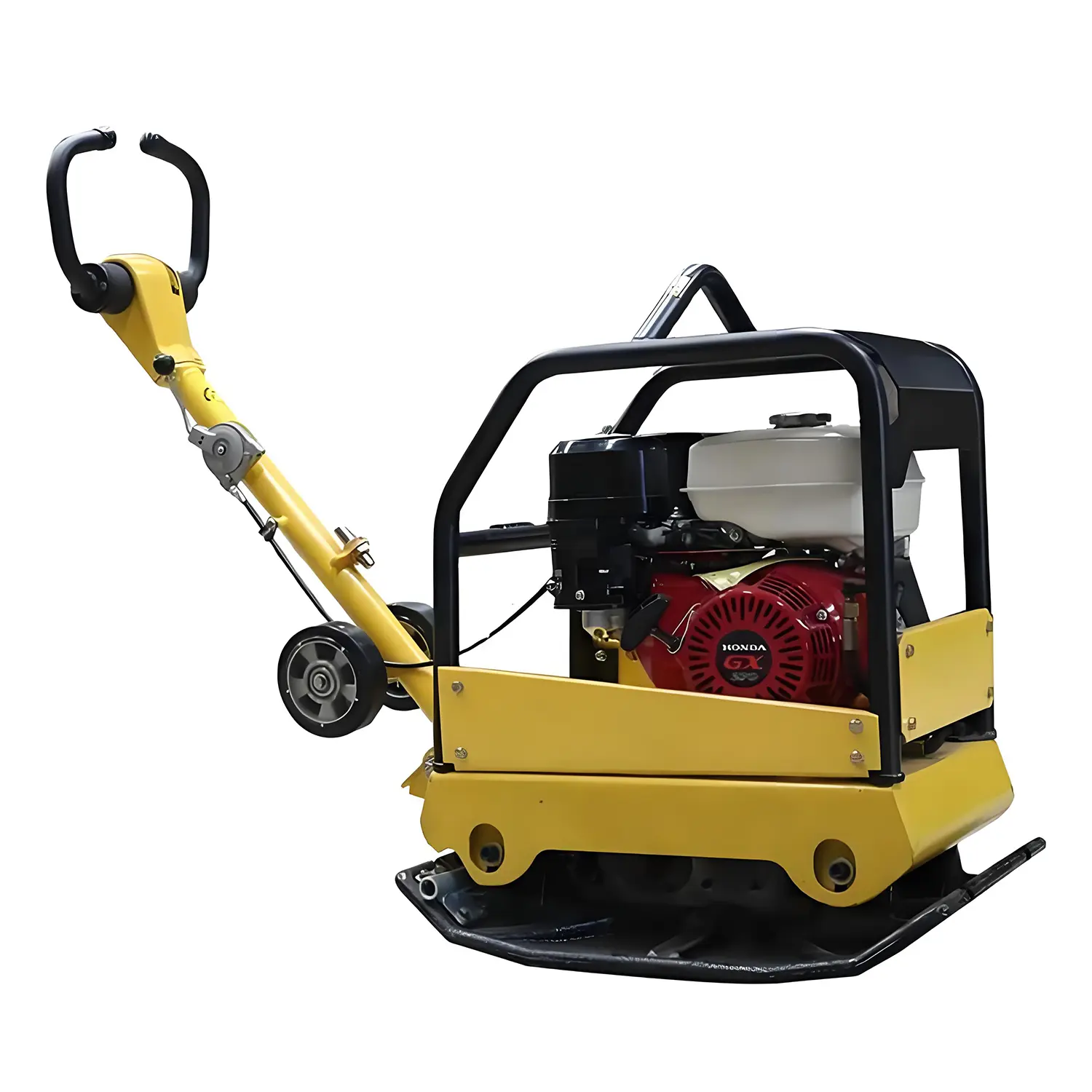 Plate compactor
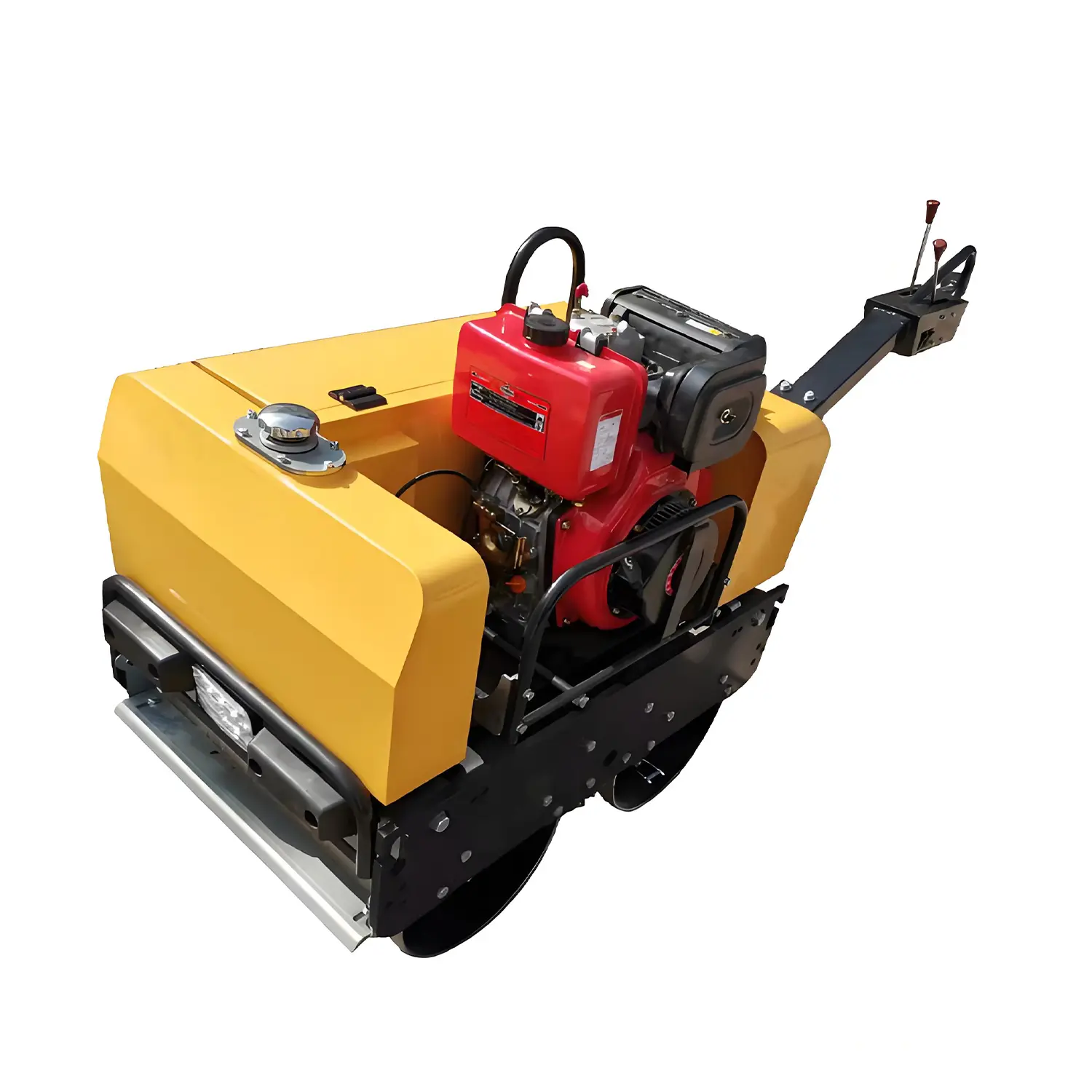 Vibratory roller
Leave Your Message
Concrete is the world’s most widely used construction material, with roughly 14 billion cubic metres produced each year, according to the Global Cement and Concrete Association. That scale makes supplier quality a serious commercial concern. In bridges, factory floors, tunnels, and precast panels, small consolidation failures can become visible cracks, voids, or weak edges. Vibrated Concrete helps reduce trapped air by applying controlled mechanical energy during placement. The method sounds simple. Execution is not.
The International Energy Agency reports that cement production contributes about 7% of global energy-related and process carbon dioxide emissions. This figure increases pressure on buyers to select efficient, durable, and technically responsible suppliers. Our review of the 10 Best Vibrated Concrete Suppliers for Global Buyers considers more than advertised capacity. It examines mix-design expertise, vibration equipment, curing control, testing records, delivery capability, and documented quality systems. References to ACI guidance, EN standards, ISO 9001 certification, and supplier test reports can reveal whether performance claims are practical or merely polished marketing.
No ranking is perfect. Regional data can be incomplete, certifications may cover only selected facilities, and project results depend on local aggregates, weather, placement methods, and site supervision. A supplier producing excellent panels in one climate may need adjustment elsewhere. Buyers should request recent compressive-strength results, slump or flow records, dimensional tolerances, curing details, and shipment evidence before signing contracts. These checks create a more reliable comparison, although they cannot replace an independent technical audit. The following guide offers a practical starting point for global procurement teams seeking consistent Vibrated Concrete and clearer supplier accountability.
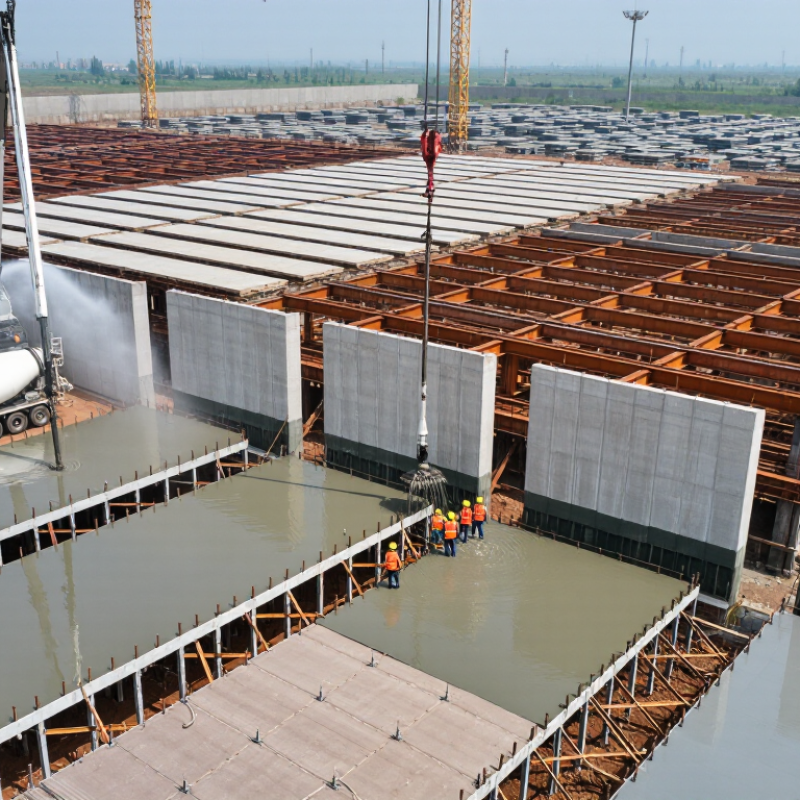
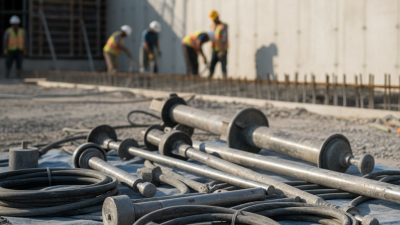
Vibrated concrete is fresh concrete compacted through controlled mechanical vibration. An internal vibrator removes trapped air and helps cement paste surround the reinforcement. External vibrating tables can compact precast elements inside a mould. The result is denser concrete with fewer visible voids, honeycombs, and weak pockets. It is not simply “stronger concrete.” Poor vibration can cause segregation, surface damage, or misplaced reinforcement.
Global buyers often choose this method for foundations, bridge components, pipes, panels, and industrial floors. Consistent compaction improves surface quality and supports more predictable strength development. It can also reduce repair work, especially where exposed concrete must remain neat. However, performance depends on the mix design, aggregate size, water content, vibration time, and curing conditions. A supplier should provide test records, delivery details, batch identification, and clear technical data. Independent cube or cylinder testing adds confidence.
Small details matter. Buyers should ask how operators control vibration around congested steel. They should check slump results and confirm the applicable construction standards. A smooth surface can deceive. It may hide internal voids. No production system is perfect, and rushed placement still creates risk. In my experience, reliable suppliers explain these limitations instead of promising flawless results. Weather, transport delays, and changing moisture in aggregates can affect consistency. Careful inspection remains necessary, even when factory equipment looks advanced.
Vibrated concrete is fresh concrete compacted with mechanical vibration to remove trapped air, improve density, and create more uniform strength and surface quality. The comparison below uses anonymized supplier profiles and practical industry benchmarks rather than company or brand data.
| No. | Supplier Profile | Typical Supply Region | Common Vibrated Concrete Products | Typical Strength Class or Grade | Relevant Standards | Typical Production / Delivery Capability | Best-Fit Applications | Global-Buyer Advantages |
|---|---|---|---|---|---|---|---|---|
| 1 | High-Volume Ready-Mix Supplier | North America | Ready-mix concretePumpable mixesFiber-reinforced mixes | Approximately 20–50 MPa compressive strength, depending on design and curing | ASTM C94/C94M; ASTM C39; ASTM C143; project-specific specifications | Batch-plant production with truck delivery; practical delivery windows are commonly planned around 30–90 minutes, subject to mix design, traffic, and local requirements | Commercial buildings, foundations, slabs, roads, and industrial floors | Established quality-control procedures, broad mix-design support, and strong documentation for construction projects |
| 2 | Precast Structural-Element Supplier | Western Europe | BeamsColumnsWall panelsHollow-core units | Commonly 30–60 MPa; higher grades may be specified for engineered elements | EN 206; EN 13369; applicable product-specific EN standards | Factory-controlled casting, mechanical compaction, curing, dimensional inspection, and scheduled road or sea transport | Warehouses, parking structures, residential systems, and modular construction | Consistent geometry, repeatable production, reduced site labor, and easier quality inspection before shipment |
| 3 | Infrastructure Concrete Supplier | East Asia | Bridge componentsDrainage unitsRailway products | Approximately 30–70 MPa, selected according to exposure, loading, and design life | Project specifications based on EN, ASTM, JIS, or equivalent national standards | High-throughput precasting with reinforcement fabrication, vibration equipment, curing systems, and export packing where required | Transport infrastructure, rail projects, ports, tunnels, and utility works | Suitable for repeat orders, engineered production schedules, and large infrastructure quantities |
| 4 | Small- and Medium-Scale Precast Supplier | South Asia | Paving blocksKerbsManholesConcrete pipes | Approximately 20–45 MPa for many precast landscaping and utility products | Applicable national standards; ASTM, EN, or equivalent requirements when specified by the buyer | Batch production with vibration tables or mould vibrators; lead times commonly depend on mould availability and order volume | Landscaping, municipal works, drainage, low-rise construction, and utility installations | Flexible mould options, competitive production economics, and suitability for customized small or medium batches |
| 5 | Marine and Coastal Concrete Specialist | Southeast Asia | Marine panelsQuay componentsCoastal barriers | Approximately 30–50 MPa with durability-focused mix designs | EN 206 exposure classes; ASTM durability tests; project-specific chloride and permeability requirements | Controlled batching, mechanical consolidation, reinforcement protection, and curing procedures designed for aggressive environments | Ports, seawalls, coastal buildings, drainage channels, and offshore support works | Experience with chloride exposure, sulfate exposure, low-permeability mixes, and durability documentation |
| 6 | High-Strength and Architectural Precast Supplier | Middle East | Architectural panelsFaçade elementsHigh-strength units | Approximately 40–80 MPa, subject to structural design and approved trial batches | EN 206 or ASTM-based specifications; project requirements for color, texture, tolerances, and durability | Factory casting with vibration or self-compacting techniques, controlled curing, surface finishing, and protected export packaging | Façades, hotels, airports, commercial developments, and demanding architectural projects | Better surface consistency, controlled tolerances, and the ability to coordinate samples and mock-ups before full production |
| 7 | Low-Carbon Concrete Supplier | Northern Europe | Supplementary-cementitious mixesRecycled aggregate mixesPrecast products | Approximately 25–60 MPa, depending on cement replacement, curing, and required early strength | EN 206; environmental product declarations where available; project-specific embodied-carbon limits | Industrial batching with mix-design verification, material traceability, and carbon reporting dependent on the product and supplier system | Green buildings, public procurement, infrastructure with carbon targets, and sustainable developments | Useful for buyers requiring lower embodied carbon, material declarations, and documented recycled or supplementary materials |
| 8 | Utility and Drainage Product Supplier | Central and Eastern Europe | Concrete pipesInspection chambersCable ducts | Commonly 25–50 MPa, with reinforcement and durability requirements determined by product use | EN 1916 for concrete pipes; EN 1917 for manholes; other applicable EN product standards | Automated or semi-automated moulding, vibration compaction, controlled curing, dimensional checks, and palletized shipment | Water management, sewage systems, telecommunications, power distribution, and civil engineering | Repeatable dimensions, standardized product ranges, efficient container or truck loading, and easier project replacement planning |
| 9 | Precast Pavement and Hardscape Supplier | Latin America | Interlocking paversKerbstonesConcrete tiles | Approximately 25–50 MPa; abrasion and water-absorption requirements vary by product standard | Applicable local standards; ASTM, EN, or equivalent standards may be used for international specifications | Vibration-press or mould-vibration production, palletized handling, curing, and local or regional freight distribution | Roads, sidewalks, plazas, parking areas, industrial yards, and landscape projects | High repeatability for modular units, efficient installation, broad color and texture options, and manageable replacement stock |
| 10 | Custom Engineered Concrete Component Supplier | Oceania | Custom moulded partsAgricultural componentsIndustrial bases | Approximately 20–60 MPa, determined by engineering calculations and service conditions | AS 1379; AS 3600; project-specific engineering and testing requirements | Made-to-order moulds, reinforcement detailing, vibration compaction, staged curing, inspection, and project-based logistics | Agricultural facilities, industrial equipment foundations, utilities, and specialized construction | Good fit for non-standard dimensions, engineering revisions, prototype approval, and smaller customized export orders |
Buyer checklist: Confirm the required strength class, slump or workability, exposure conditions, maximum aggregate size, reinforcement details, dimensional tolerances, curing method, test certificates, packaging, Incoterms, transport limits, and destination-country import requirements before placing an order. Strength ranges, delivery windows, and production capabilities are indicative industry benchmarks and must be verified against the supplier’s approved mix design and project specification.