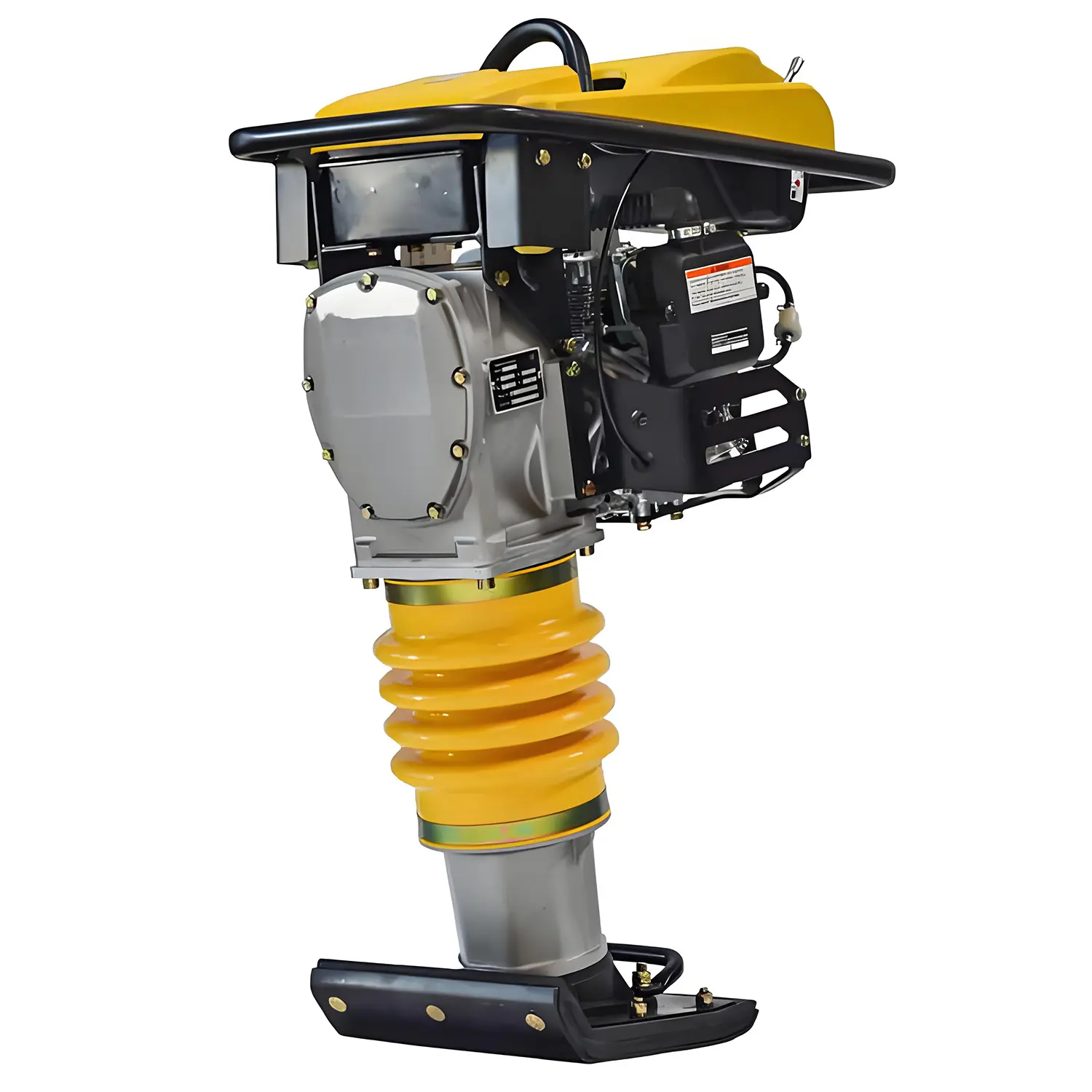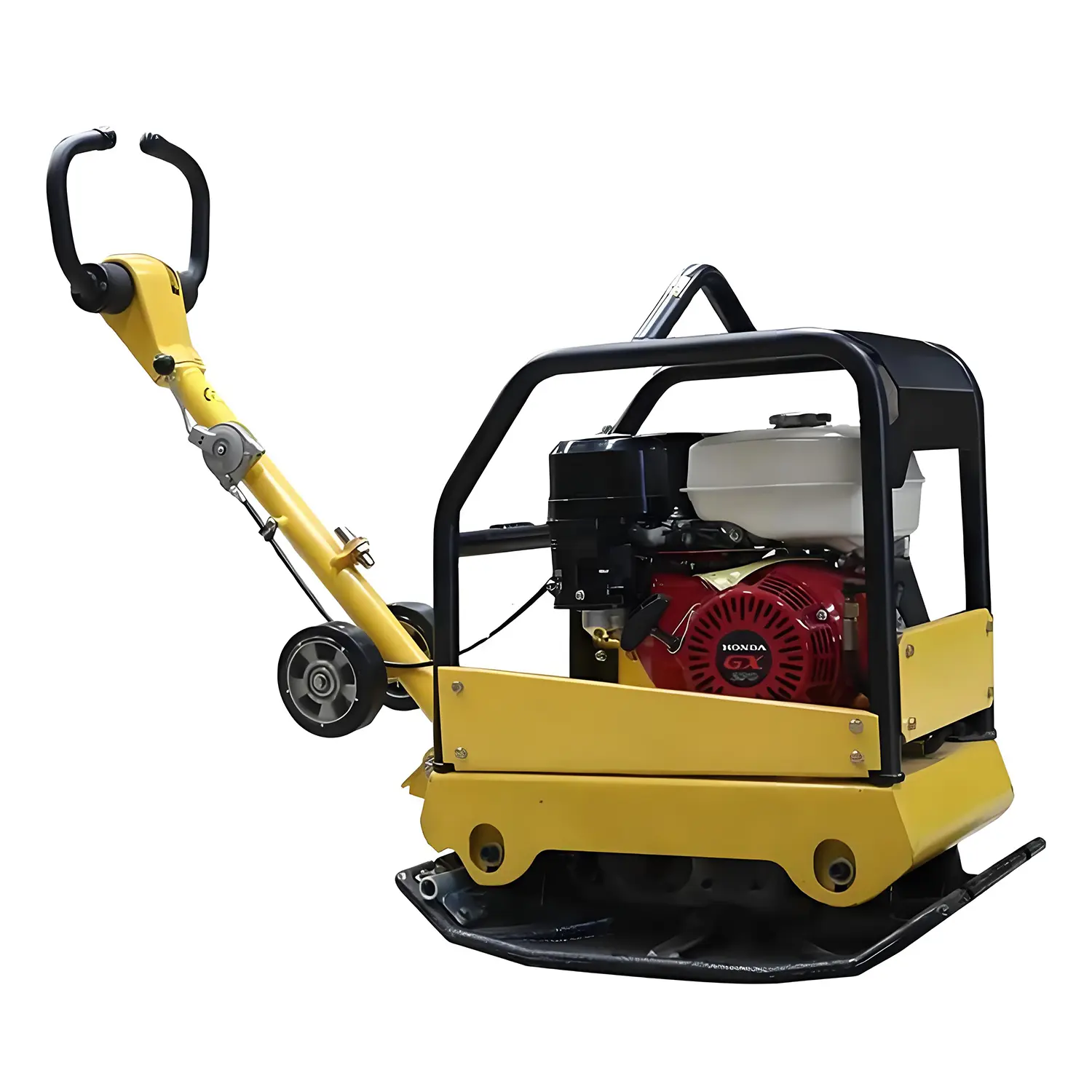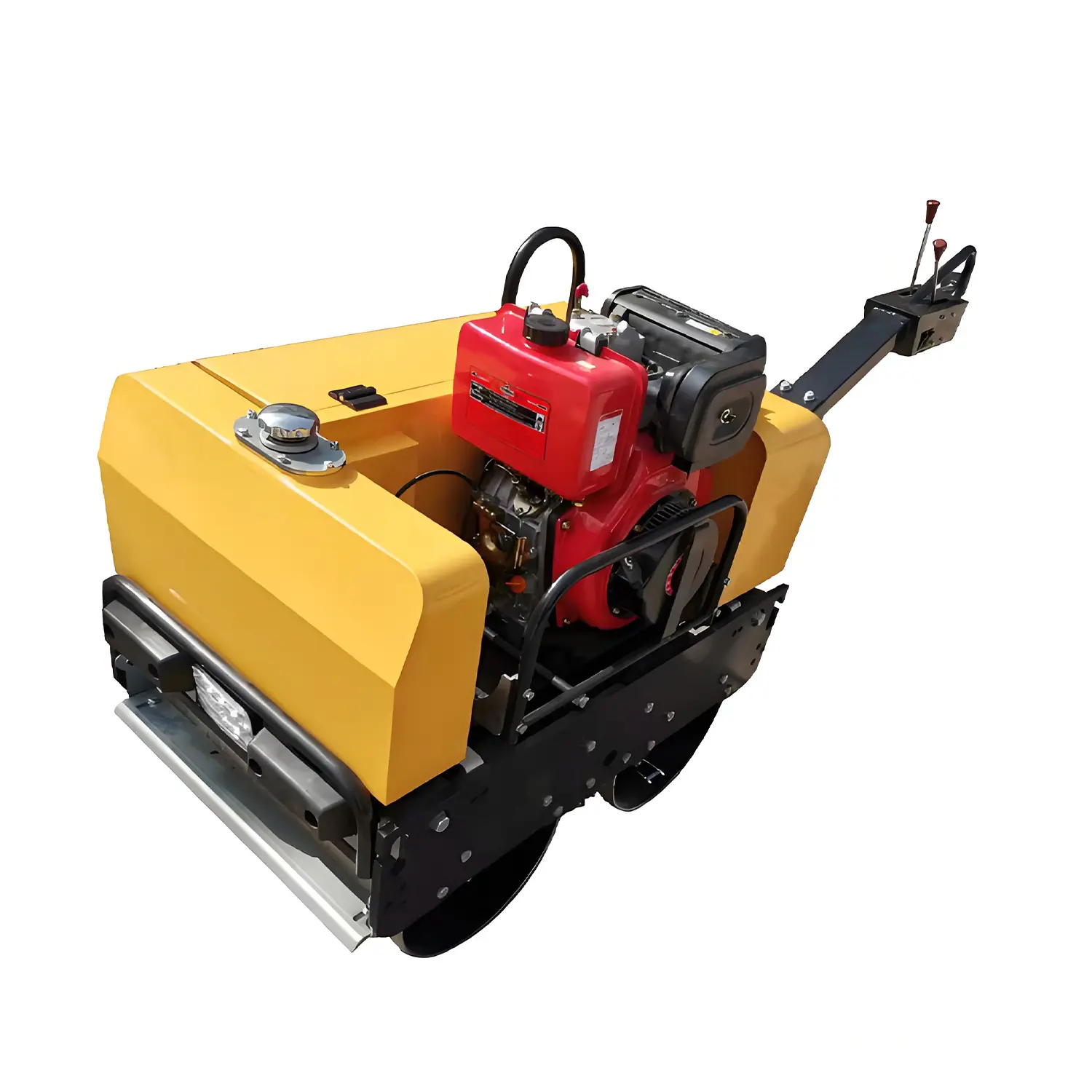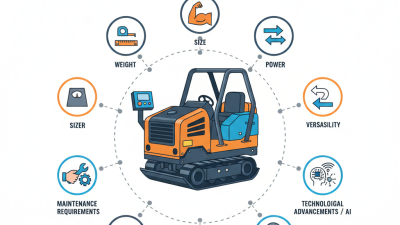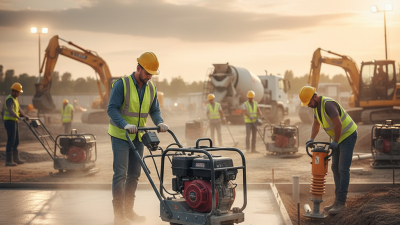
Global buyers choosing a Reversible Compactor face more than a simple brand decision. Soil type, trench width, job duration, and transport limits all shape the right choice. A machine used on compacted gravel may not suit every paving or confined-site task. Details matter.
This guide introduces manufacturers serving different markets and compares the factors buyers can verify: operating weight, plate dimensions, compaction force, engine configuration, controls, and access to replacement parts. It also considers practical ownership needs, including service documentation, warranty terms, dealer coverage, and parts availability. Specifications can look similar on paper. Real support may differ sharply by region.
No shortlist fits every project. A contractor working on narrow utility trenches may value maneuverability, while a rental fleet may prioritize durable components and straightforward maintenance. Buyers should confirm current specifications directly with manufacturers or authorized dealers, since model features can vary by market and year. That step is easy to overlook.
The following manufacturer overview is intended as a starting point, not a substitute for equipment trials or project-specific advice. Comparing documented specifications and asking about local service capacity can help reduce uncertainty before purchase. Price matters, of course, but the lowest quote may not reflect the full cost of ownership. Some details remain difficult to compare. That is worth admitting.
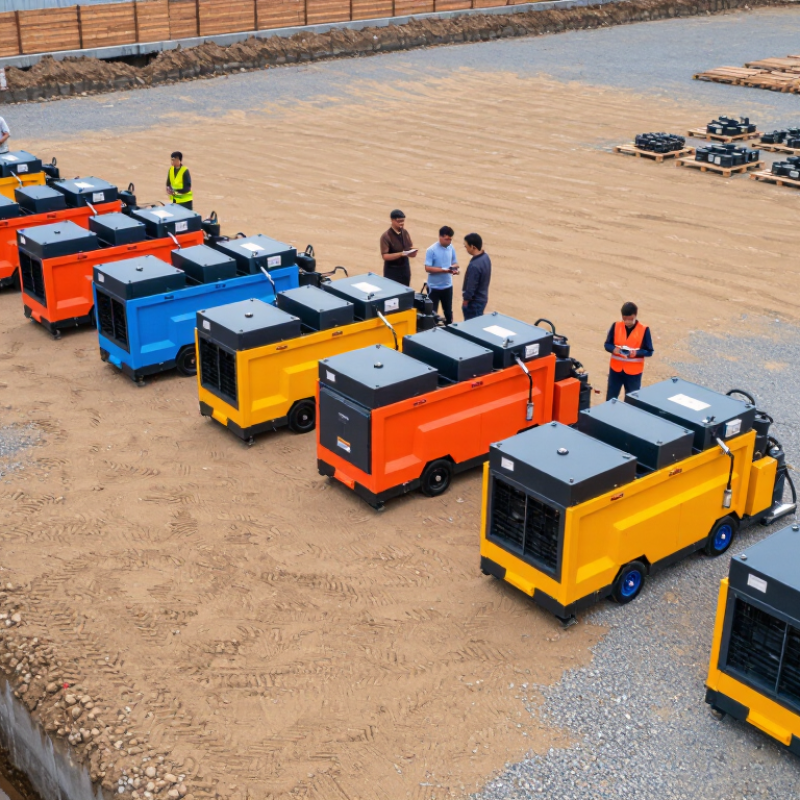
Reversible compactors are walk-behind machines with vibrating plates that travel both forward and backward. This movement lets an operator compact a confined area without repeatedly turning the machine around. An eccentric mechanism produces vibration, helping press loose material into a denser layer. Direction changes also give the operator finer control near edges and obstacles.
That matters.
These machines are commonly used on granular soil, crushed stone, and base layers beneath paving, foundations, and utility trenches. They can also work on road shoulders and repair areas where larger rollers cannot reach. Results depend on soil type, moisture, layer thickness, and machine weight; vibration alone cannot fix poor preparation. Operators generally make controlled, overlapping passes and check for soft spots or uneven settling. Too-thick layers may compact only near the surface.
That is easy to miss.
A specification sheet rarely shows how cramped a real trench feels, so access, visibility, and safe working space deserve a site check before choosing equipment.
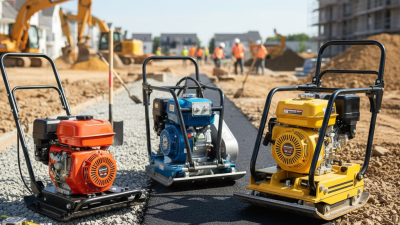
A reversible compactor uses a vibrating plate and adjustable eccentric weights to move forward or backward. The operator changes travel direction from the control handle, guiding the machine along trenches, road edges, and confined work zones. Vibration helps rearrange soil particles, while the plate applies repeated force. The result depends on soil type, moisture, and layer thickness—not machine weight alone. Small details matter.
On a site, an operator typically makes overlapping passes across a prepared lift, watching for uneven settling, plate bounce, or soft spots. Too much moisture can make soil pump under the plate; too little can limit particle movement. The FHWA’s Soils and Foundations Reference Manual (2006) describes field compaction control using dry density compared with laboratory maximum dry density, alongside moisture-content checks. That gives crews measurable targets, though project specifications determine the required values. A pass count alone is not proof of compaction.
Tips: Keep each lift within the project’s specified thickness, and test representative areas rather than judging by appearance. Clear loose stones from beneath the plate; trapped debris can leave a rough strip. Stop and reassess if the surface waves or the machine repeatedly loses traction. The tempting fix is another pass, but it may not solve the underlying moisture or soil problem.
A reversible plate compactor uses a vibrating base plate to densify soil or aggregate. The operator changes the travel direction so the machine can compact in both forward and reverse passes, making it easier to work in confined areas. This schematic shows direction changes only; it is not measured operating data.
Reversible compactors are distinguished by more than engine size. Compare centrifugal force, plate width, frequency, and travel speed against the soil and working area. Higher force may help compact deeper layers, while a narrower plate can maneuver beside foundations and in trenches. Forward and reverse controls should respond smoothly, especially when operators work near walls. Check the stated gradeability, too; a machine’s performance on a slope can differ from its performance on level ground. Small details matter.
Operator comfort is a practical differentiator. Look for measured hand-arm vibration, handle isolation, and accessible controls, rather than relying on general claims.
The UK Health and Safety Executive sets an exposure action value of 2.5 m/s² A(8) and a limit value of 5 m/s² A(8); these are exposure benchmarks, not machine ratings. NIOSH’s Criteria for a Recommended Standard: Occupational Noise Exposure recommends an 85 dBA eight-hour limit.
Ask suppliers for test conditions and measurement data. A specification sheet can still mislead if it omits them. Daily checks also count: clear access to the exciter, belt, and service points can reduce avoidable downtime.
Comparing leading reversible compactor manufacturers starts with the job, not the brochure. Match operating weight, plate dimensions, vibration frequency, and centrifugal force to the soil and trench width. Ask for rated travel speed and gradeability, too. These figures help screen options, but they do not prove consistent compaction. Numbers are only a start.
Request a clear test record showing soil type, lift thickness, and achieved density where applicable. Compare the method and test conditions across suppliers. Ask how the unit behaves on wet clay and compacted gravel; one demonstration on a smooth yard tells little. Check reverse-control response, handle vibration, emergency-stop access, and whether routine service points are reachable without removing major covers. Confirm parts availability, warranty terms, and technician support in your operating region. Specifications can look complete, yet no sheet captures every site condition.
Top Reversible Compactor Manufacturers for Global Buyers
What Global Buyers Should Assess Before Choosing a Supplier
Choosing a reversible compactor supplier takes more than comparing quoted prices. Match the machine’s operating weight, plate size, vibration frequency, and centrifugal force to your soil conditions and project scale. Ask how smoothly the controls switch between forward and reverse, especially on narrow trenches. A tidy brochure is not proof. Request a demonstration or recent test data, and check that the figures describe the exact model you plan to buy.
Tips: Ask for proof. Request a parts list, operating manual, warranty terms, and a written schedule for wear-part availability. Confirm which components are covered and how service requests are handled across your region. These details can matter more than a small difference in purchase price.
Inspect the compactor’s frame, handle joints, and plate edges for signs of robust construction. Ask how the supplier tests machines before dispatch and how they protect them during shipping. If possible, speak with buyers using similar equipment in comparable conditions. Their feedback may reveal practical issues, such as hard-to-find filters or tiring handle vibration. Some answers may remain vague; note that and seek clarification before placing an order.