Top Concrete Vibration Tools for 2026 What to Consider?
In the construction industry, the efficiency of concrete works heavily relies on the right tools. A top Concrete Vibration Tool is essential for achieving optimal results. As we approach 2026, advancements in technology offer exciting options. However, choosing the right tool requires careful consideration.
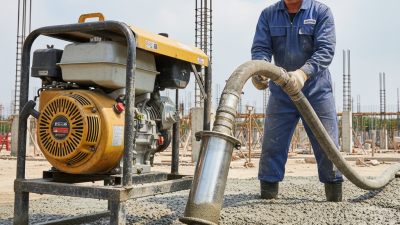
Concrete vibration tools enhance the quality of concrete placement. They improve compaction and reduce air bubbles, leading to stronger structures. With various models available, builders face choices influenced by project scale and budget. Features like weight and power play significant roles in the selection process. A heavy tool might ensure better performance, but it can also lead to fatigue during prolonged use.
Reflecting on past experiences, many contractors have faced challenges. A tool that seemed perfect may have underperformed in practice. The importance of reliable reviews and expert recommendations cannot be overstated. As more users share their insights, making an informed choice becomes easier. Ultimately, the right Concrete Vibration Tool not only saves time but also enhances quality and longevity in construction projects.
Top Trends in Concrete Vibration Technology for 2026
The concrete vibration technology landscape is evolving rapidly as we approach 2026. New advancements are shifting the focus toward efficiency and user-friendliness. The incorporation of smart technology in vibration tools enhances precision in creating smooth surfaces. These innovations help operators achieve optimal results while reducing the physical strain often associated with traditional methods.
One significant trend is the move toward lightweight, portable equipment that offers powerful performance. Construction teams benefit from tools that are easy to transport and set up on-site. Increased battery efficiency also plays a crucial role in this shift, providing extended operation time. However, users must remain aware of the trade-offs between portability and power. Not every site may suit lightweight equipment, especially in demanding conditions.
Another notable trend is the adoption of automated vibration systems. These systems can monitor the concrete's curing process in real time. This leads to better quality control but requires operators to adapt to new software interfaces. While automation can increase efficiency, it also necessitates continual learning for crews. Users may find themselves struggling with the transition but must remain committed to mastering the technology for optimal results.
Top Concrete Vibration Tools for 2026
| Feature |
Description |
Trends |
Technology Type |
| Wireless Operation |
Allows for flexibility and ease of movement without cumbersome cords. |
Increased efficiency and reduced trip hazards. |
Battery-Powered Vibrators |
| Smart Sensors |
Integrates with smart technology to monitor performance and settings. |
Data collection for optimal performance. |
IoT-enabled Vibrators |
| Variable Frequency Control |
Allows users to adjust vibration frequency to suit different concrete types. |
Customization for improved concrete quality. |
Electronic Vibrators |
| Lightweight Design |
Easier handling and operation, reducing user fatigue. |
Increased user comfort and productivity. |
Compact Vibrators |
| Self-Leveling Feature |
Automatically adjusts to ensure consistent vibration application. |
Improved consistency in concrete finishing. |
Advanced Hydraulic Systems |
Key Factors to Consider When Choosing Concrete Vibration Tools
When selecting concrete vibration tools, several key factors should be prioritized. The type of project influences the choice of tools significantly. For large-scale construction, a powerful motor with adjustable vibrations is essential. Data from the American Concrete Institute suggests that proper vibration can improve concrete density by up to 14%. This has a direct impact on the durability and lifecycle of the project.
Weight and ergonomics are crucial too. Tools that are too heavy can lead to operator fatigue, affecting productivity. According to industry standards, lightweight models are recommended for long work periods. Additionally, look for adjustable handles and grips that maximize comfort. Tools should enable precise control over vibration intensity, allowing for custom application. Modern vibration tools may offer features like wireless operation, increasing versatility on-site.
Lastly, consider maintenance and serviceability. A tool that requires frequent repairs can disrupt work schedules. Regular maintenance can increase efficiency and reduce total costs. Investing in quality equipment tends to yield a better return. A 2023 report highlighted that companies using reliable tools reported 25% less downtime. Thoughtful selection of concrete vibration tools can enhance project efficiency and quality outcomes.
Comparative Analysis of Hydraulic vs. Electric Vibrators
When choosing concrete vibrators, the decision between hydraulic and electric models is crucial. Hydraulic vibrators are known for their immense power. They excel in large construction sites where thick concrete needs vibration. Their performance is less affected by external conditions. However, they can be cumbersome and require regular maintenance. Users often overlook the fluid management, which can lead to issues. Weight is another factor that can impede ease of use.
On the other hand, electric vibrators offer convenience and portability. They are lighter and easy to maneuver. Electric models work well for smaller projects or indoor applications. They require less maintenance and are simpler to operate. However, their power can be limited compared to hydraulic systems. Users may notice inconsistencies when working with denser materials. The choice between the two largely depends on project needs and environment.
In practice, many professionals find themselves caught between the two types. Some report that electric vibrators fall short in challenging conditions. Others echo the concern over hydraulic vibrators’ weight and maintenance needs. Considering these aspects is vital for efficiency and effectiveness in concrete work. Each type has its pros and cons, requiring careful thought before making a purchase.
Noise and Efficiency Standards for Concrete Vibration Equipment
Concrete vibration tools are essential for achieving high-quality pours. However, noise and efficiency are critical factors to consider. According to the American Society of Concrete Contractors, excessive noise pollution from equipment can exceed 85 decibels, causing worker fatigue and health concerns. The Occupational Safety and Health Administration (OSHA) sets strict noise standards, necessitating effective noise reduction measures in concrete vibration equipment.
Efficiency is equally crucial. The Concrete Construction Association reports that efficient vibrators can improve consolidation by 30%. This efficiency not only enhances the quality of concrete but also saves time and labor costs on job sites. However, many tools fall short of meeting today's environmental standards. Manufacturers face increasing pressure to innovate while maintaining compliance with safety regulations. The industry must prioritize the development of quieter, more effective tools that align with these evolving standards.
Improving noise levels in vibration tools requires innovative design. Some manufacturers are exploring alternative materials and designs to reduce noise without sacrificing performance. Yet, achieving this balance remains challenging. Furthermore, as project budgets tighten, construction professionals may overlook noise and efficiency standards, leading to potential long-term repercussions. Embracing advanced technologies is essential for the future of concrete vibration equipment.
Industry Statistics on Vibration Tool Performance and Longevity
When selecting vibration tools for concrete work, it's essential to consider performance statistics. Industry reports indicate that vibration tools significantly affect concrete strength and durability. Tools that deliver consistent vibration improve the settling process, leading to a denser structure. Studies show that vibration enhances the bonding of aggregates, reducing air pockets. This can add years to the lifespan of concrete structures.
Moreover, longevity metrics are critical when evaluating tools. Vibration tools face wear and tear, especially under heavy use. Regular maintenance is crucial but often overlooked. Data suggests a well-maintained tool can last up to 30% longer than one that isn't cared for. Early signs of wear can affect performance, making early intervention essential. Investing in durable materials and efficient designs can boost overall tool lifespan.
However, not all tools are created equal. Some may perform well initially but decline rapidly under stress. Reviewing user experiences can provide deeper insights into reliability. Feedback on malfunction rates can reveal patterns that statistics alone might miss. Assessing performance alongside longevity helps identify truly effective tools in the market.

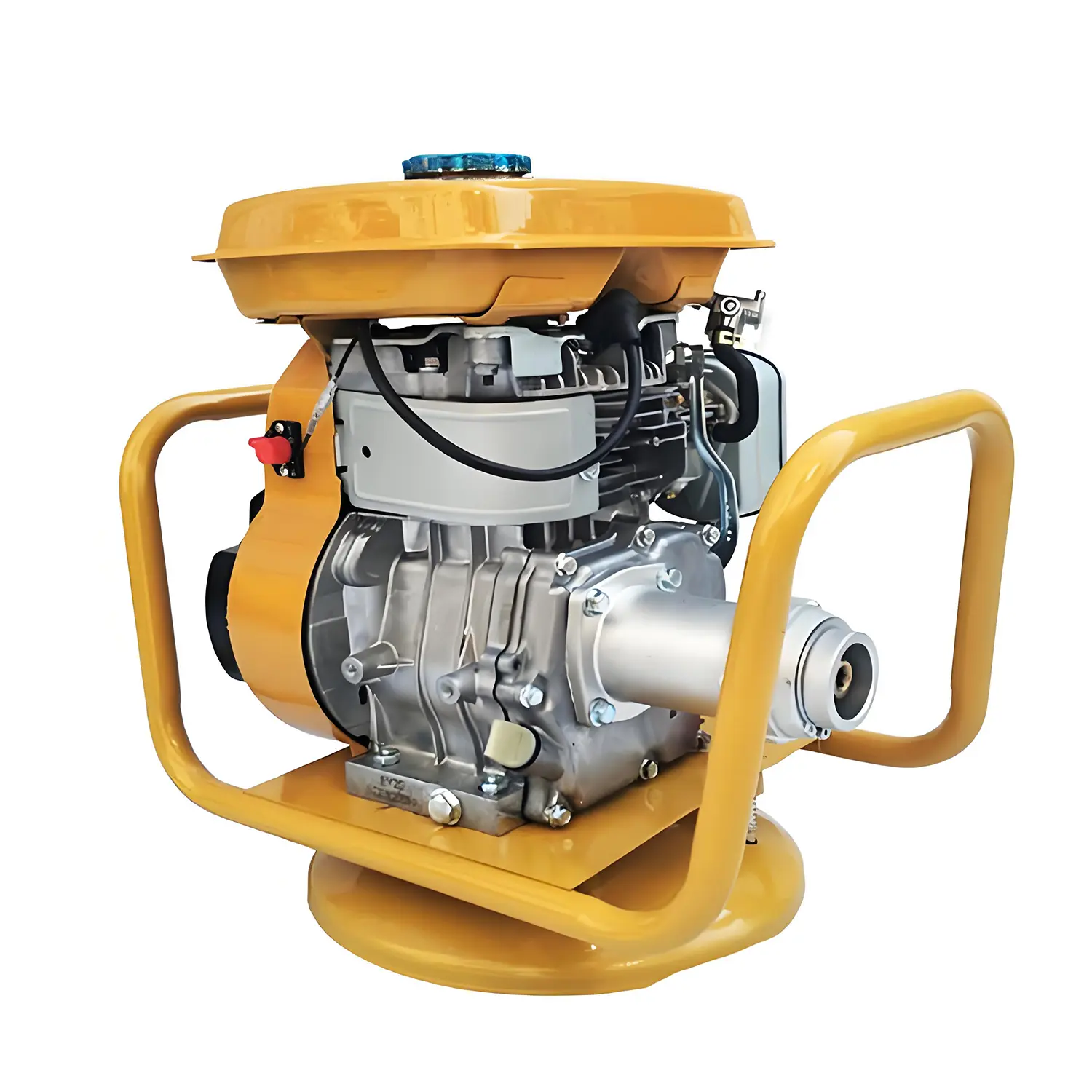 Internal Vibrator
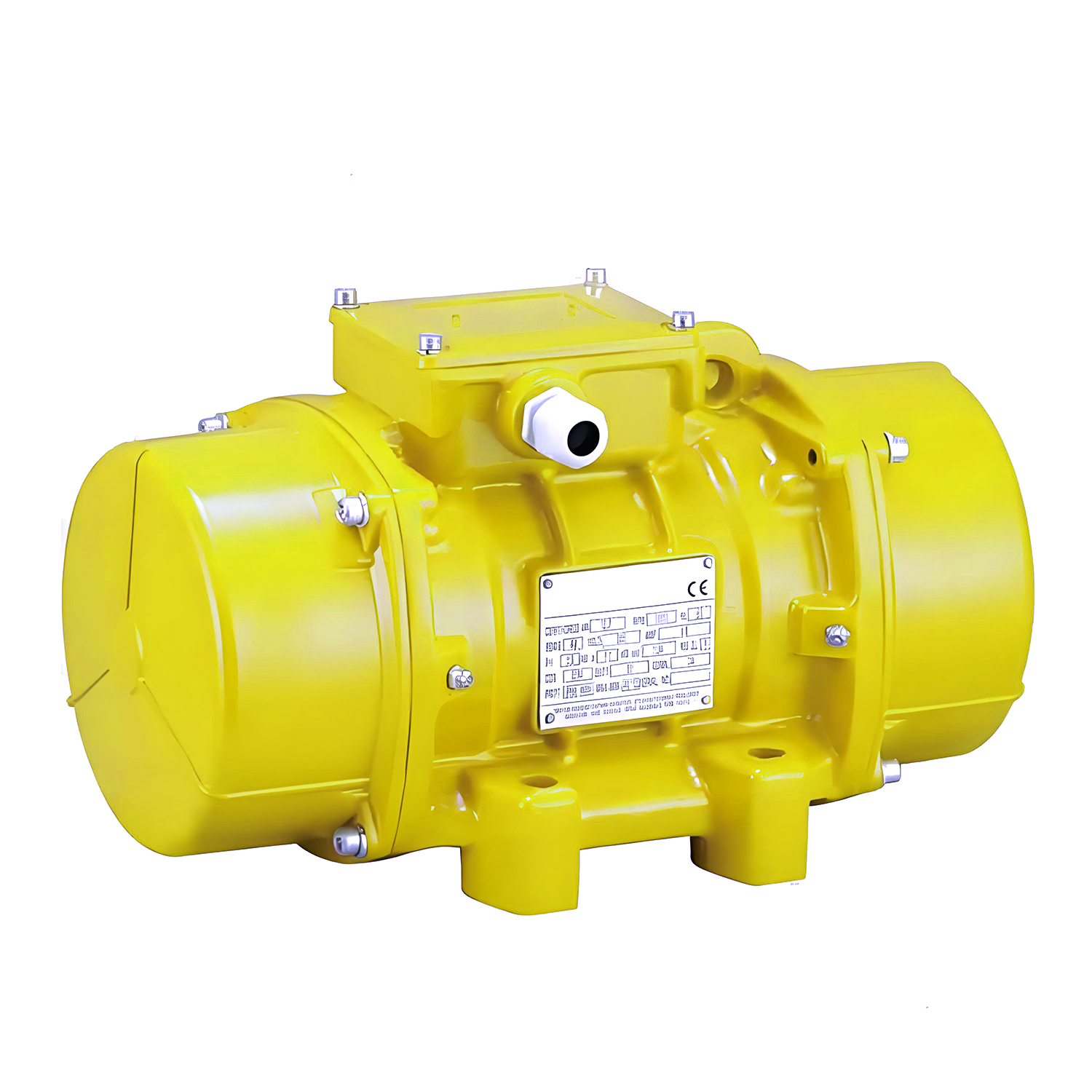 External Vibrator
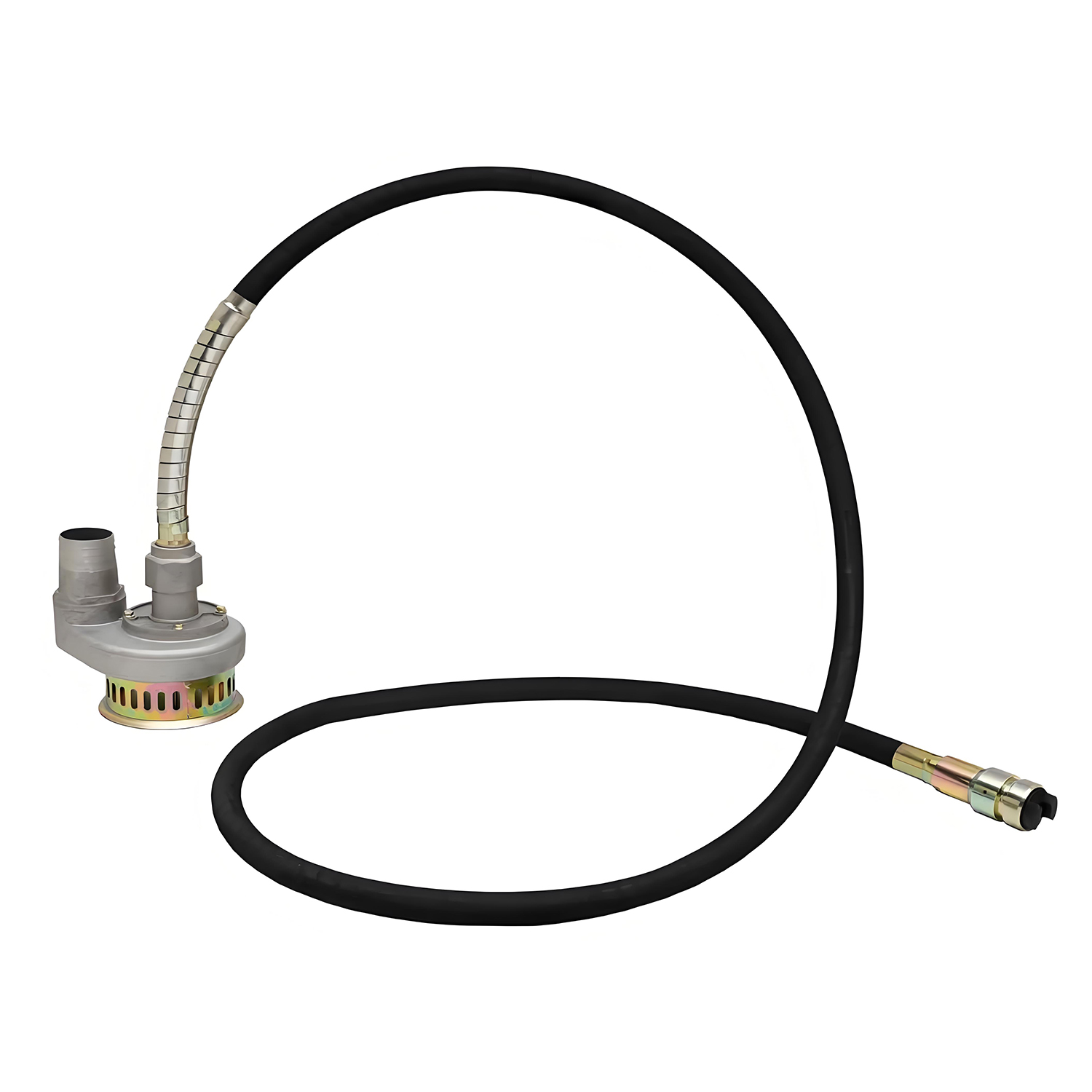 Submersible Pump
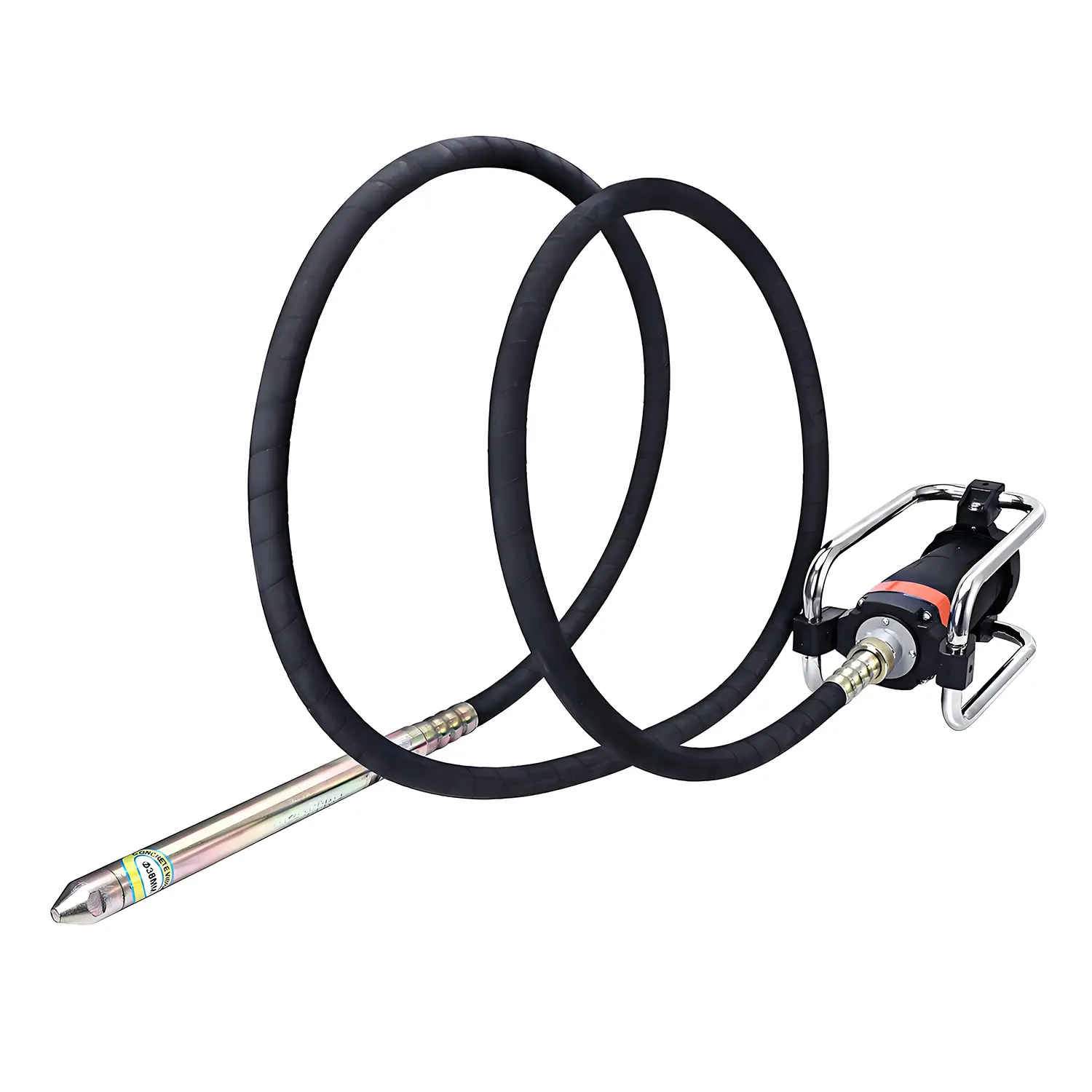 Eccentric shaft
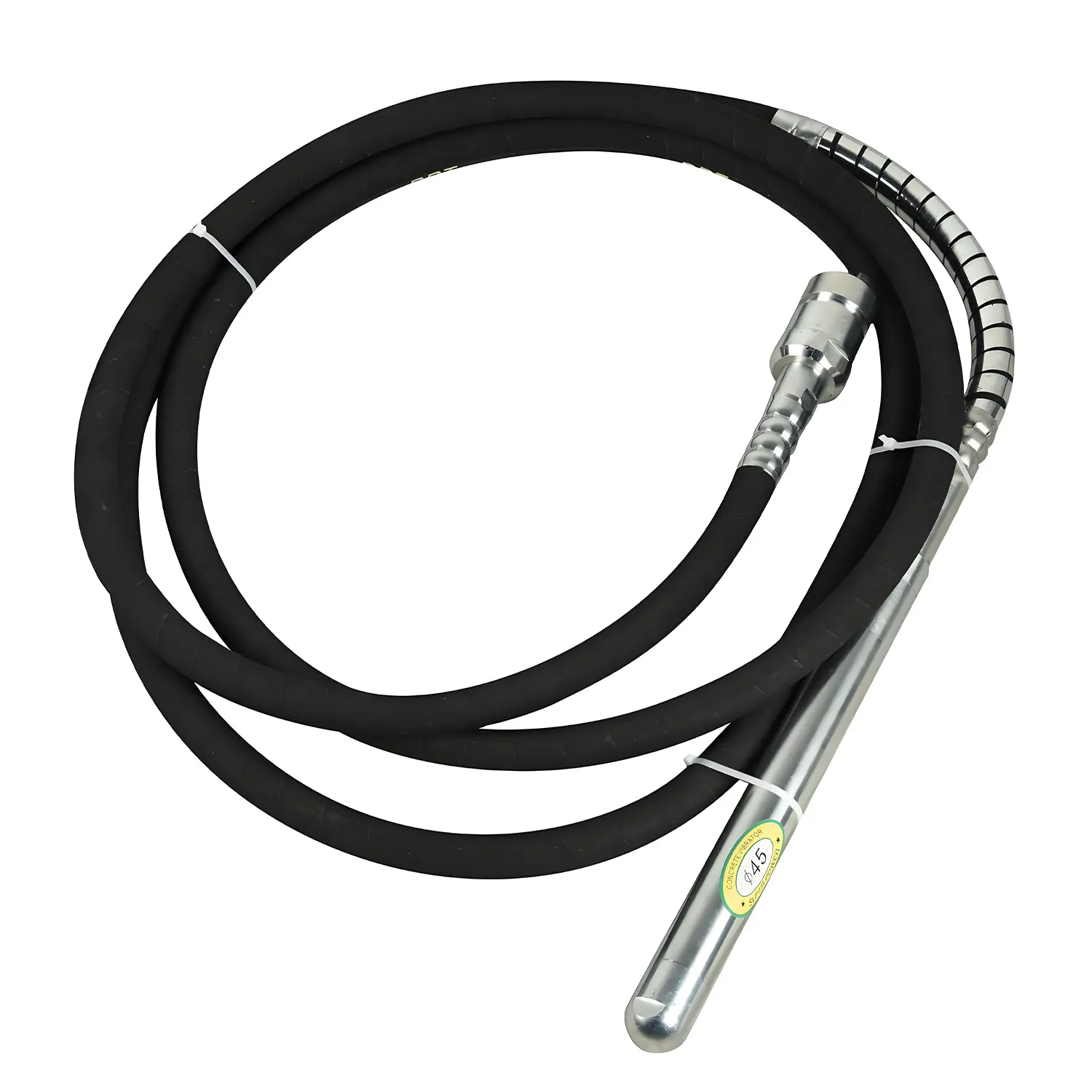 Pendulum shaft
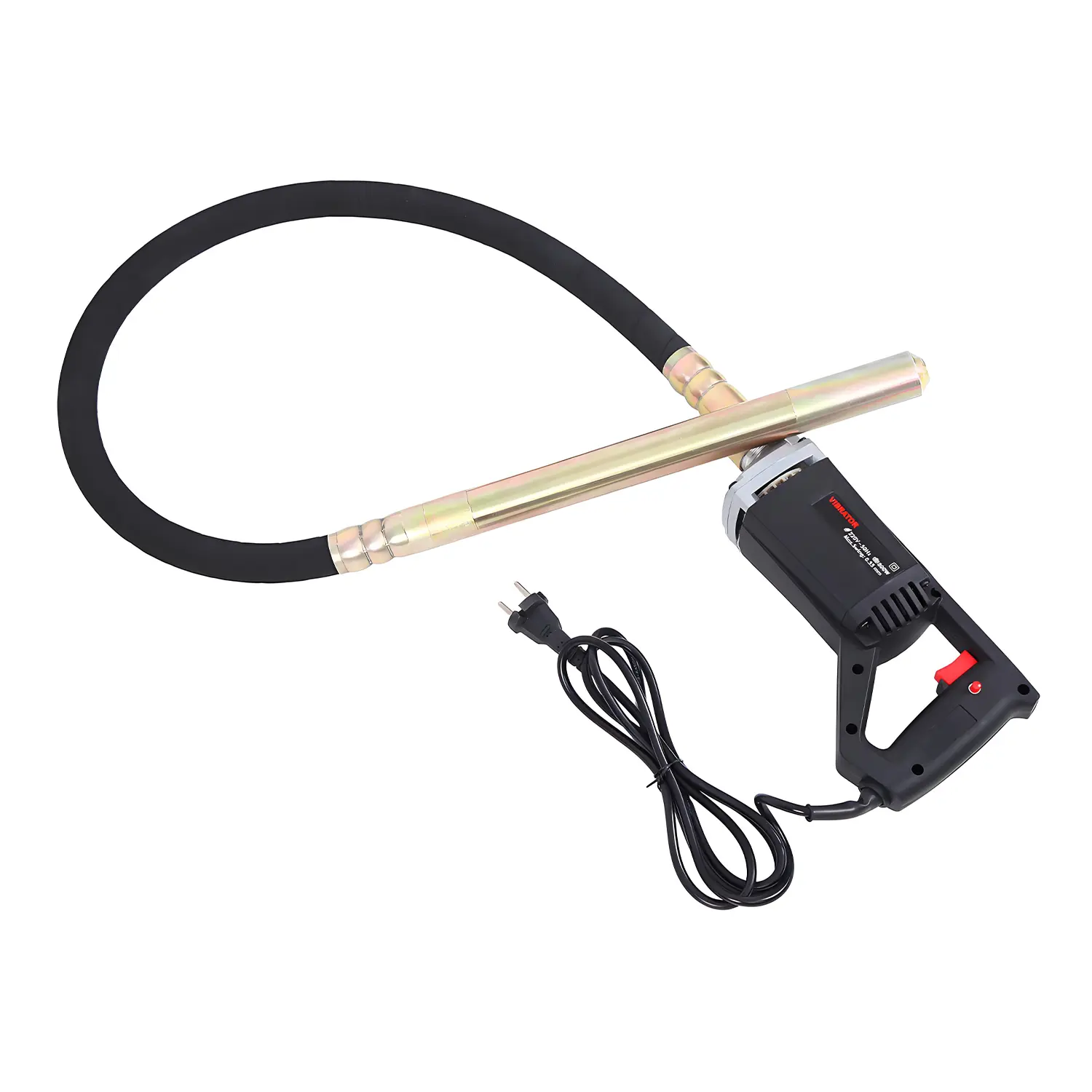 Portable vbrator shaft
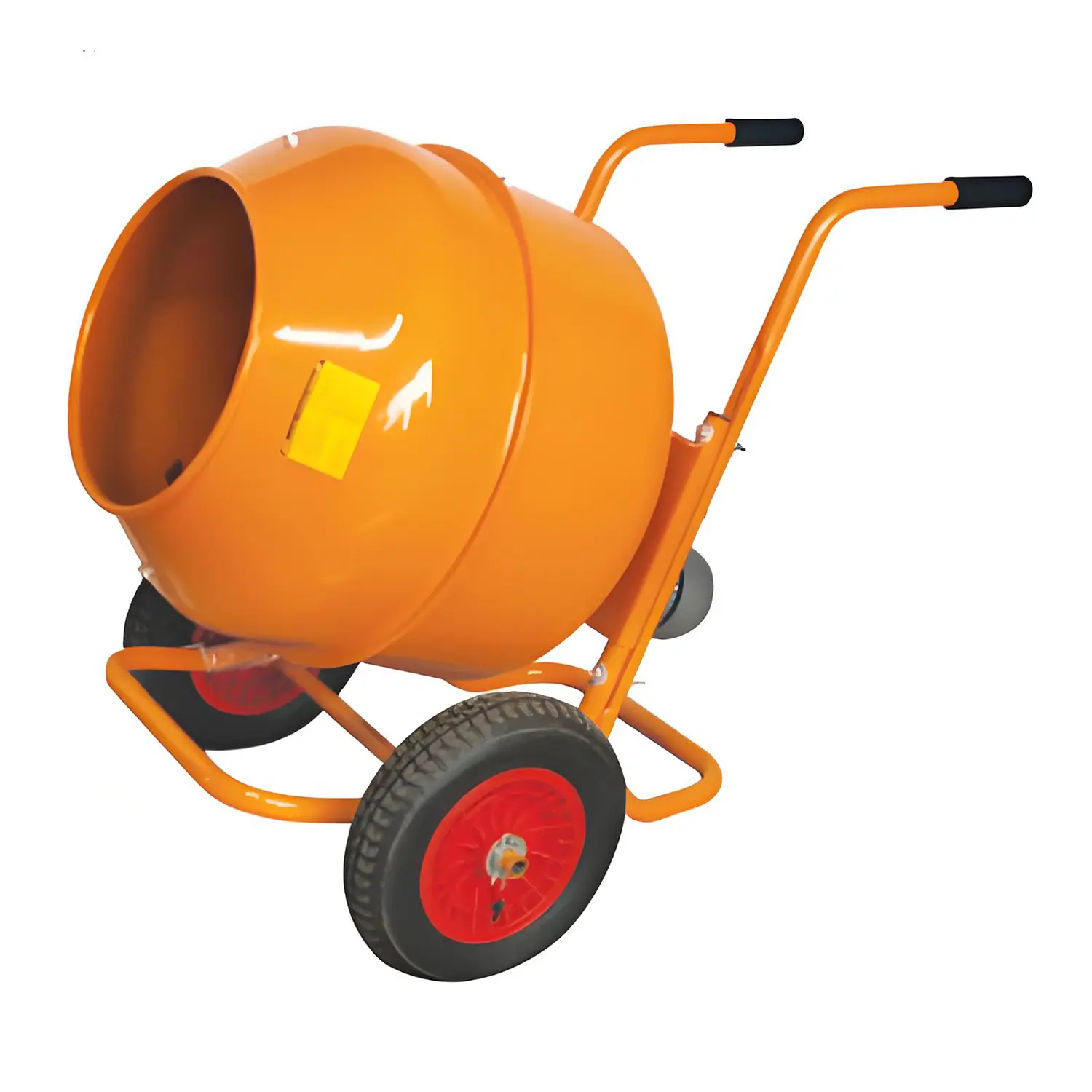 Portable concrete mixer
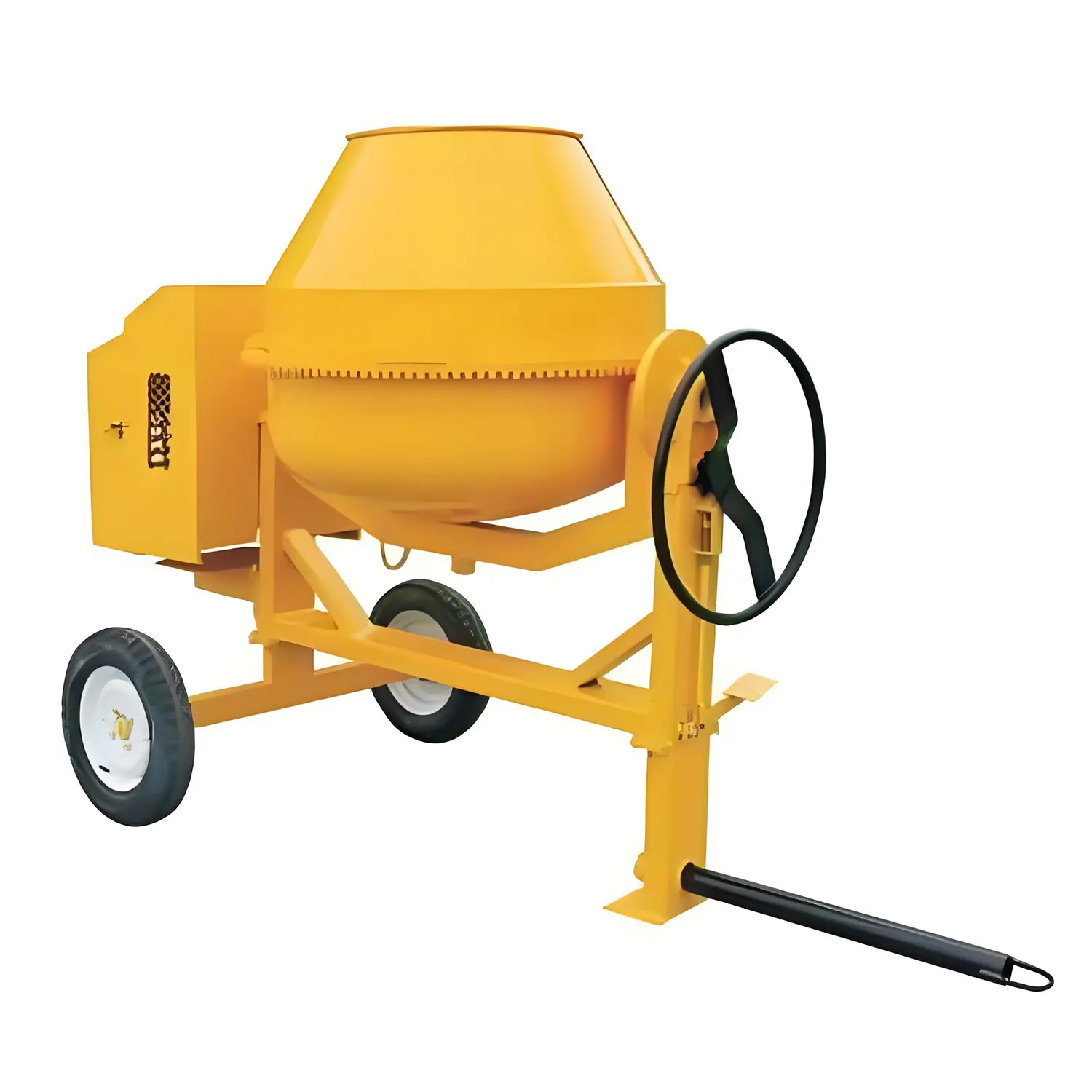 Vertical concrete mixer
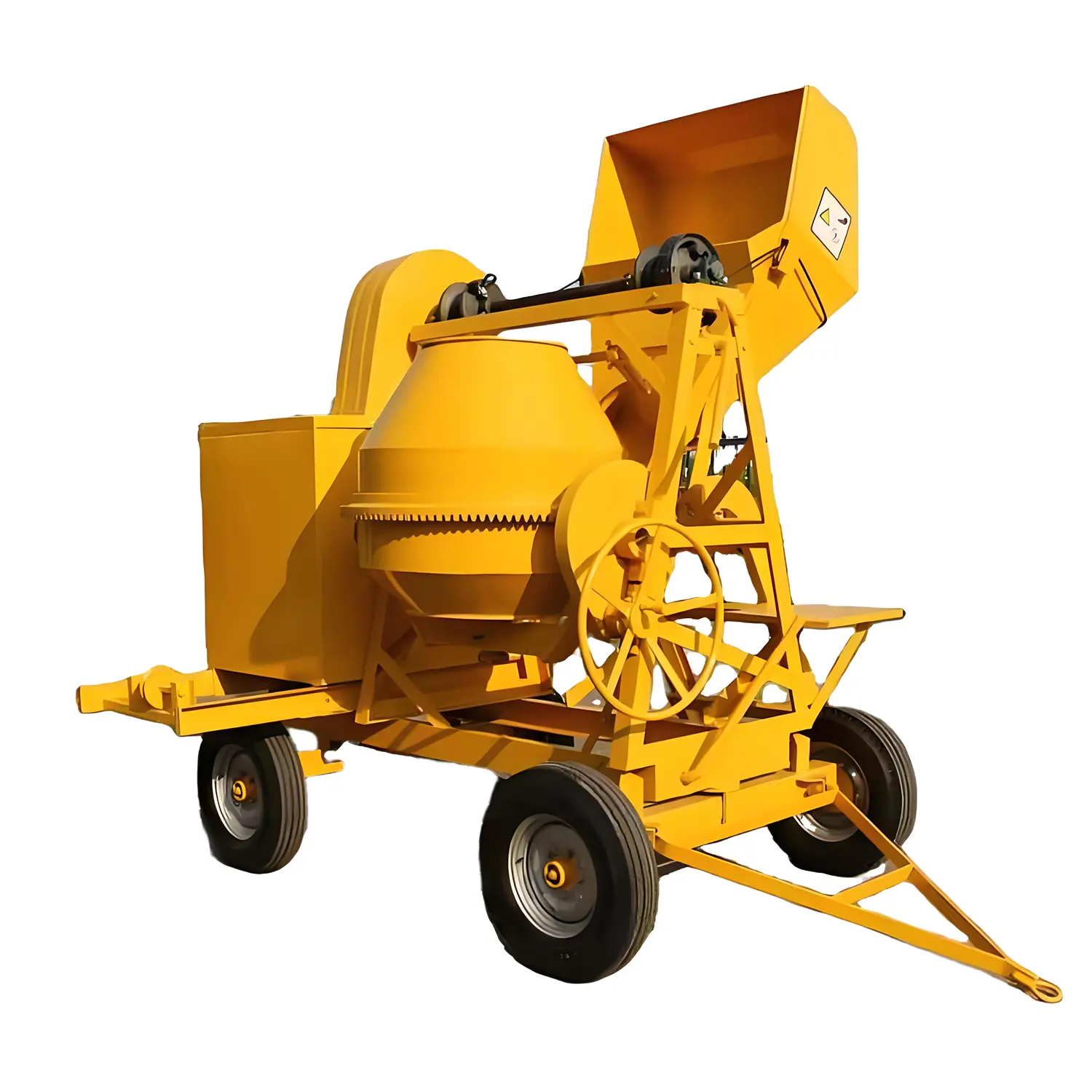 Hydraulic concrete mixer
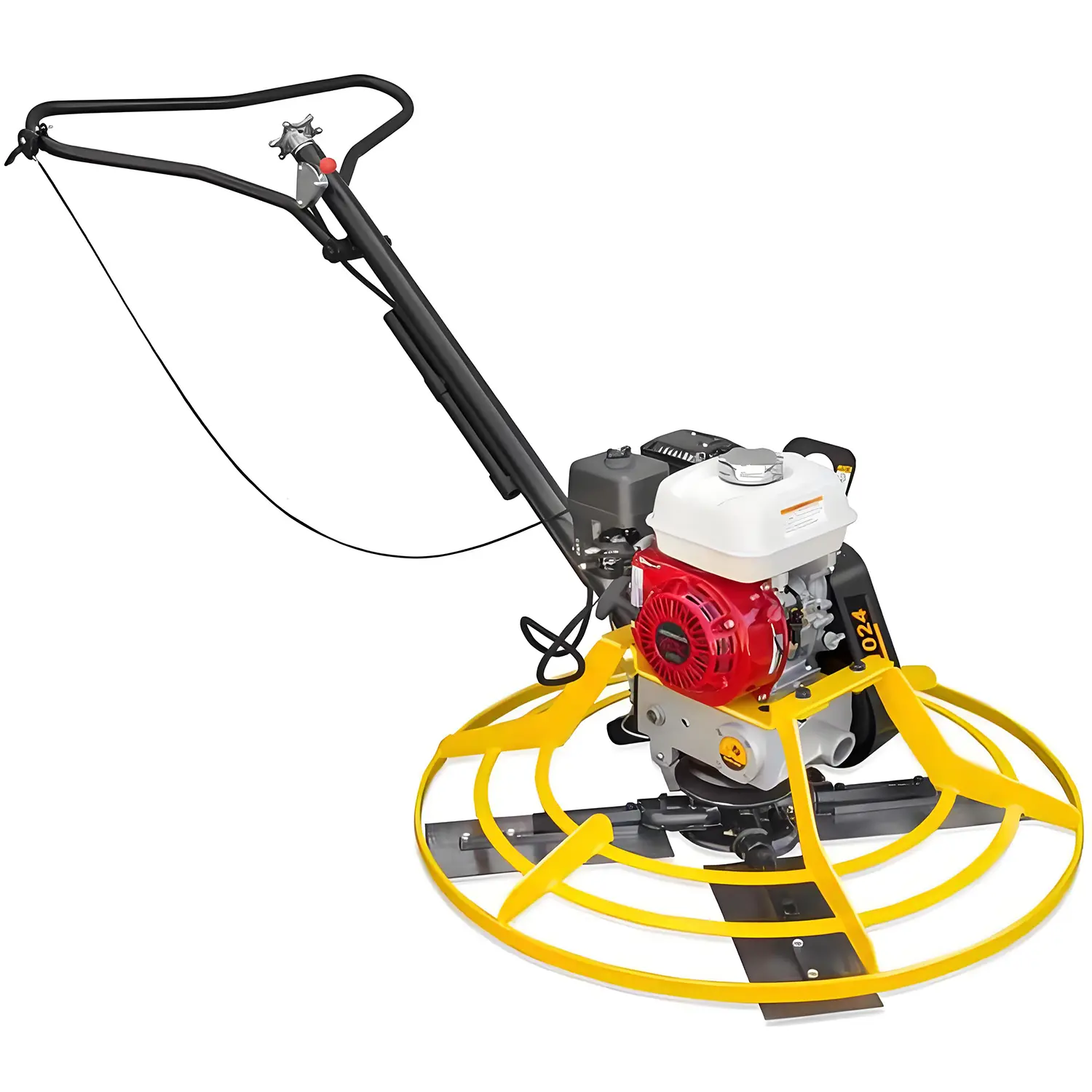 Walk behind power trowel
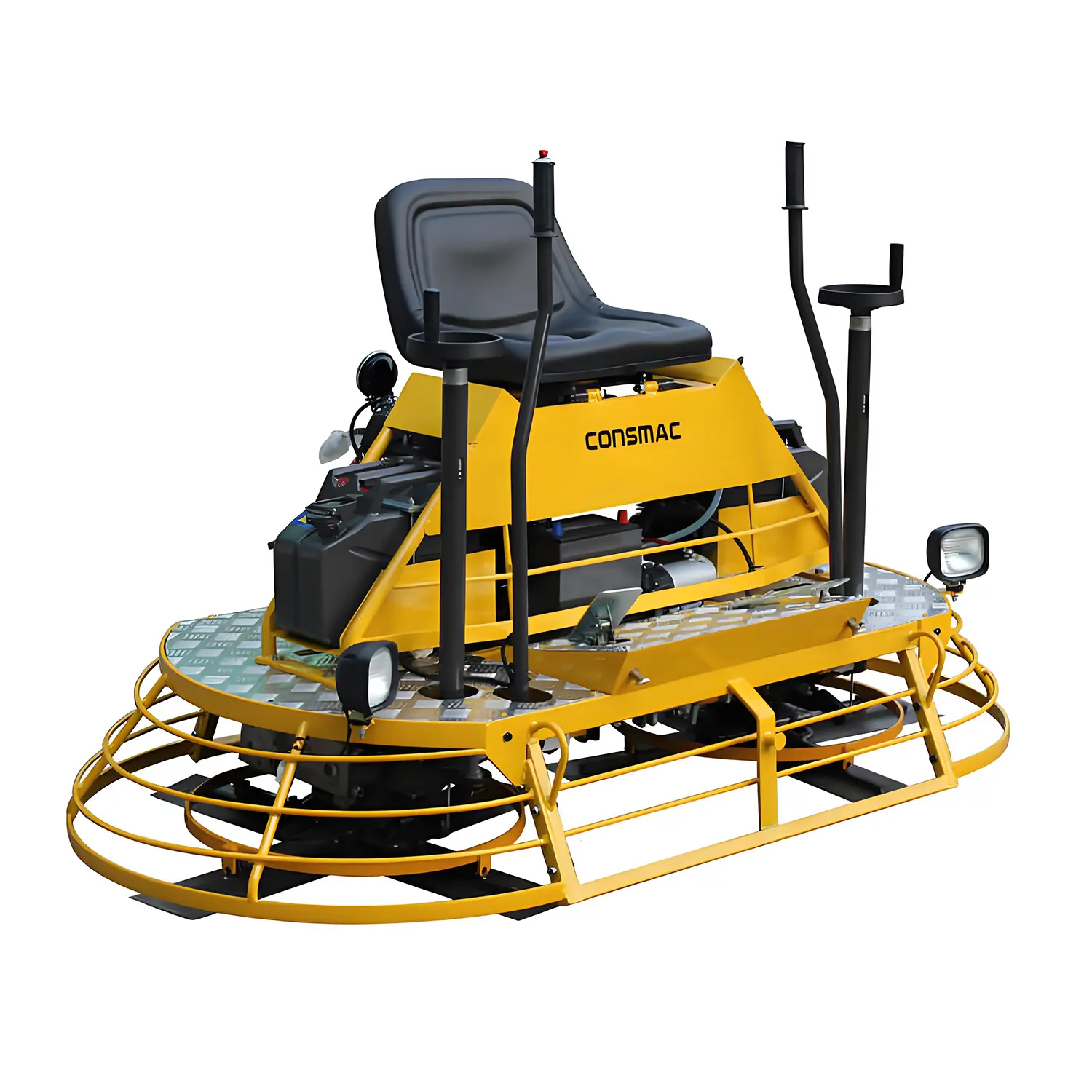 Ride on power trowel
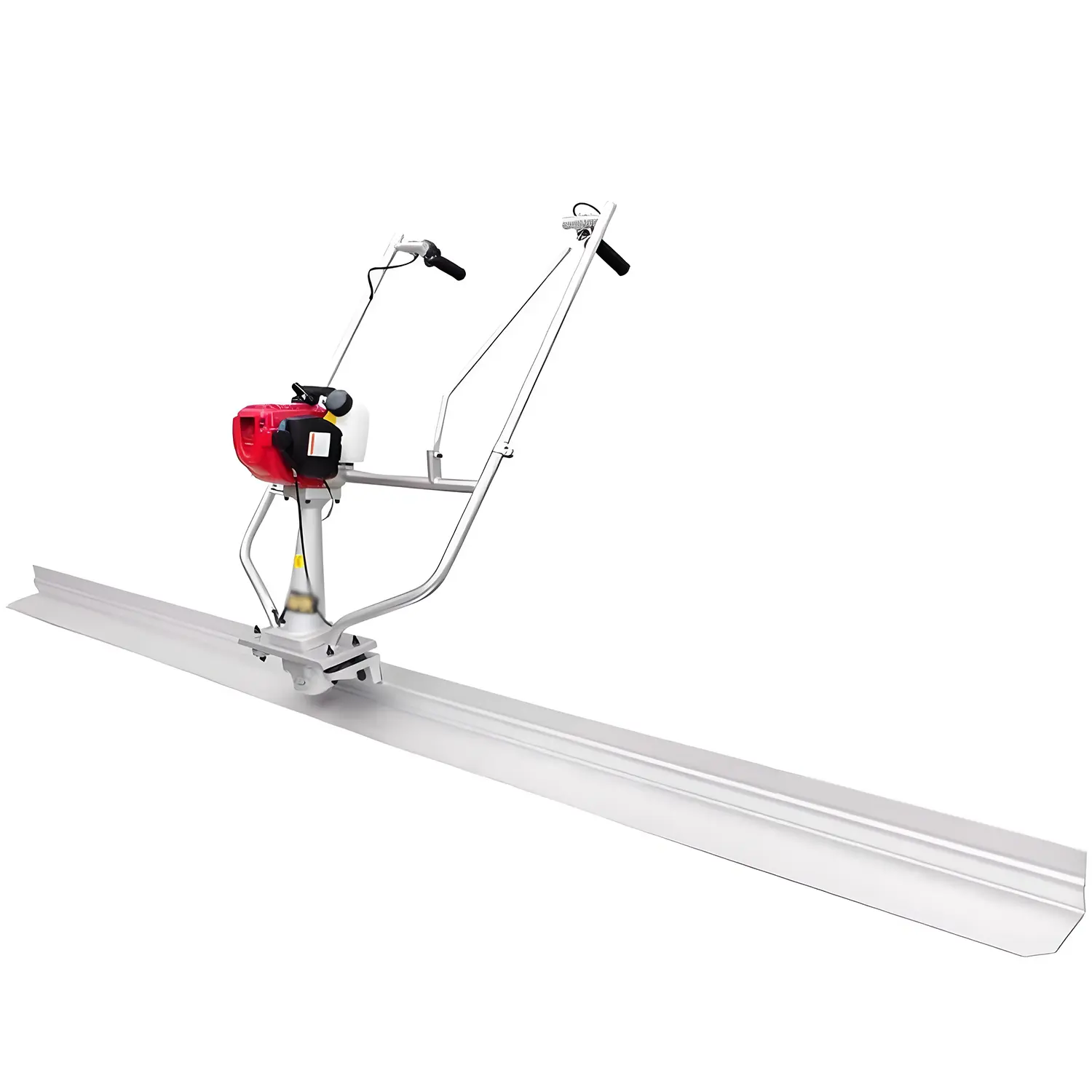 Concrete screed
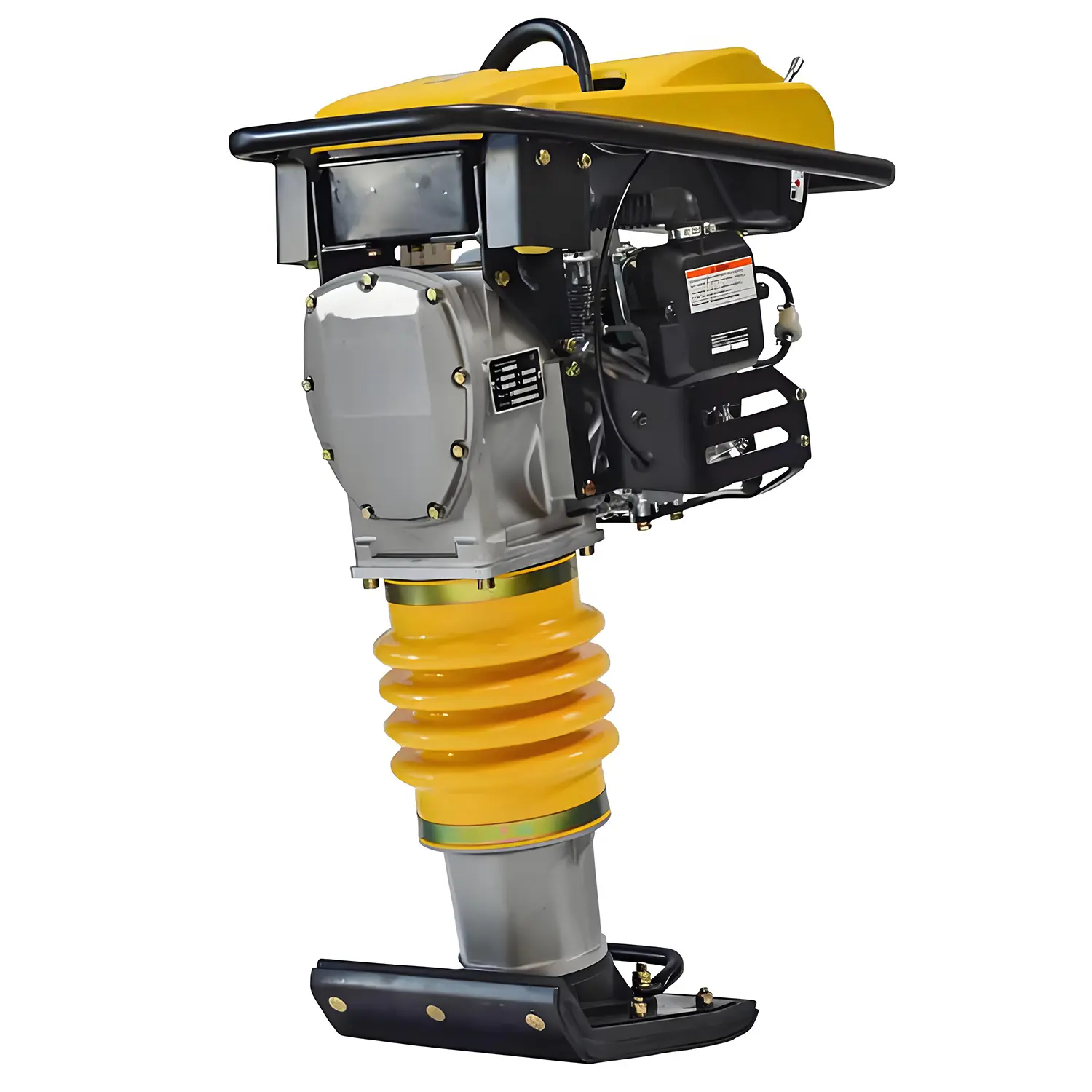 Tamping rammer
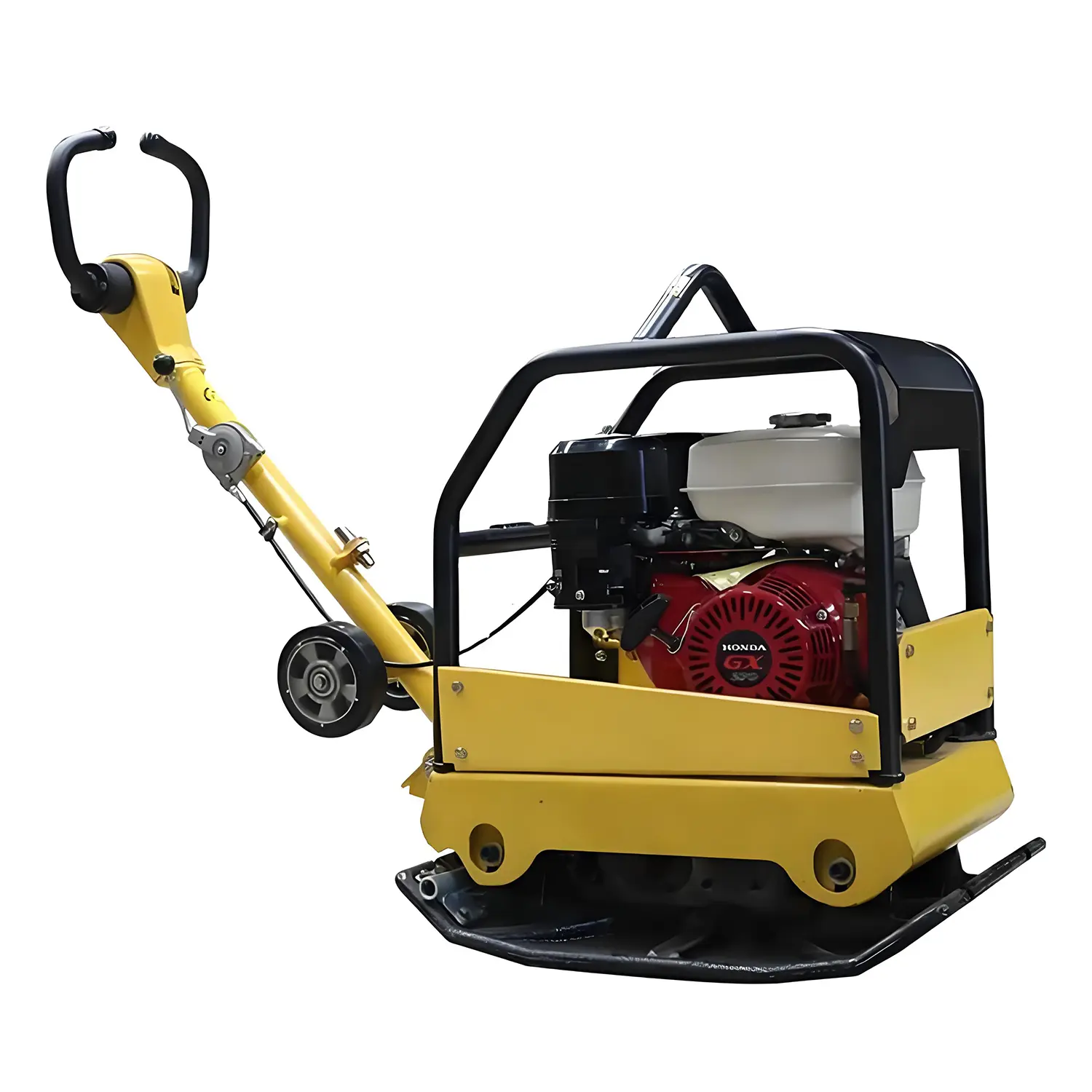 Plate compactor
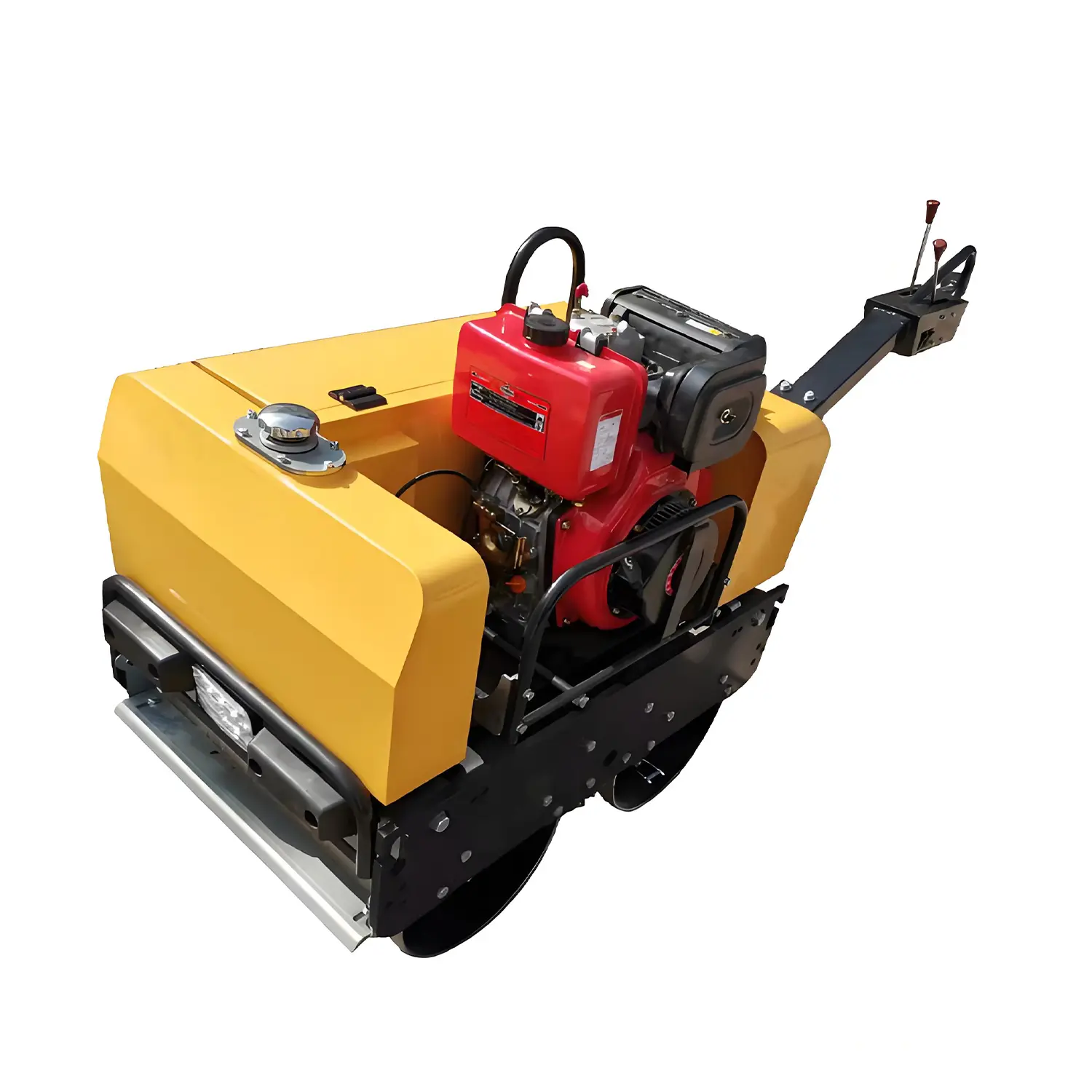 Vibratory roller