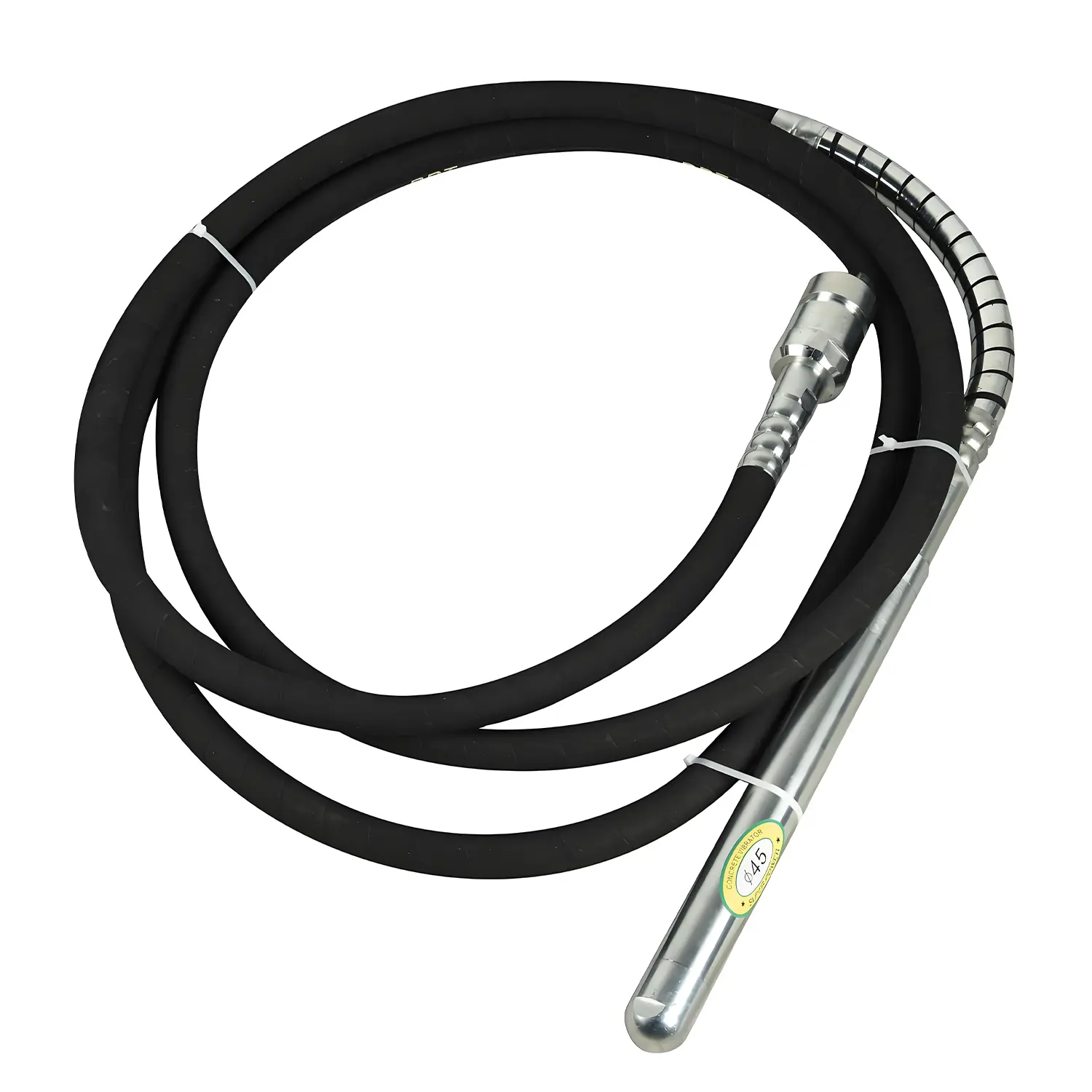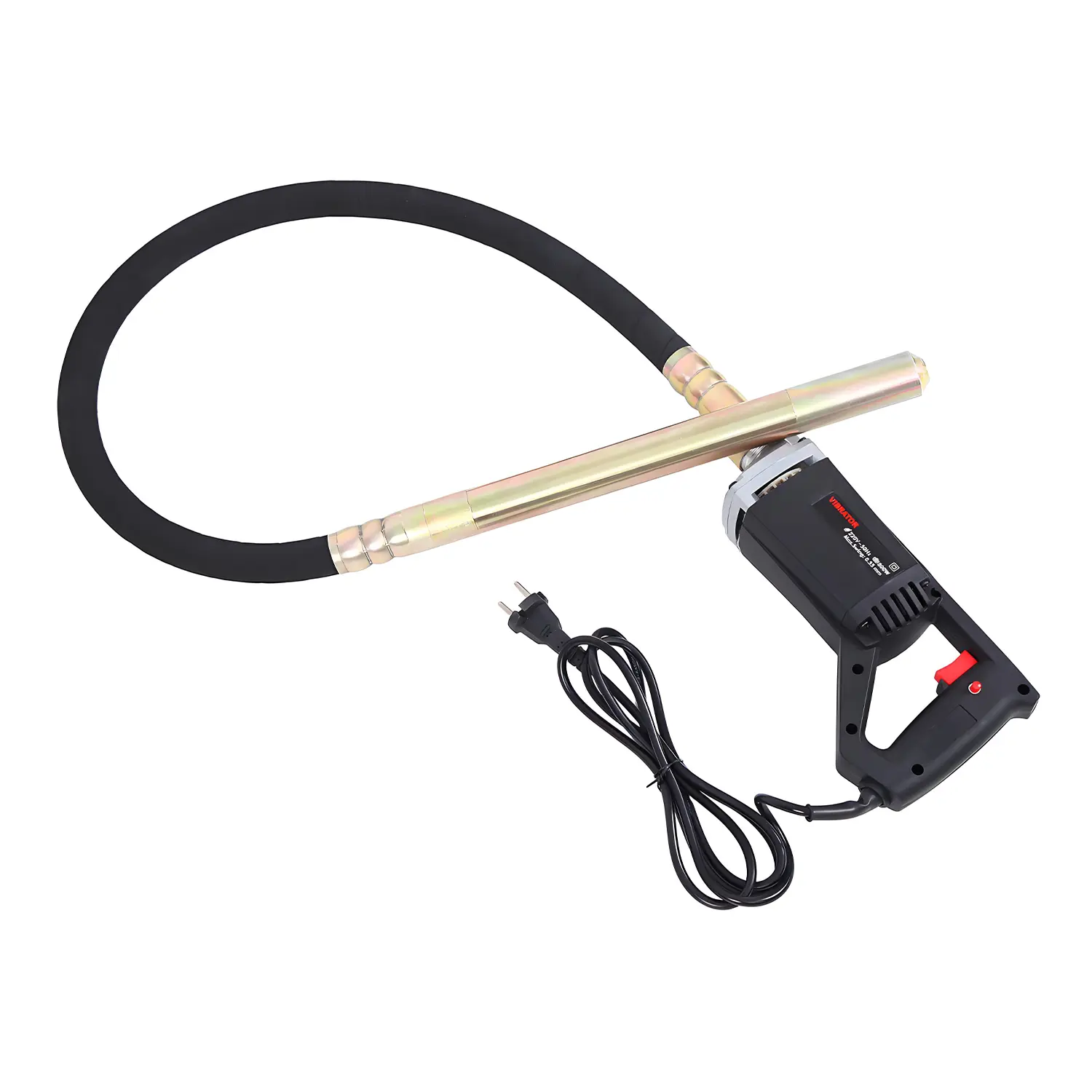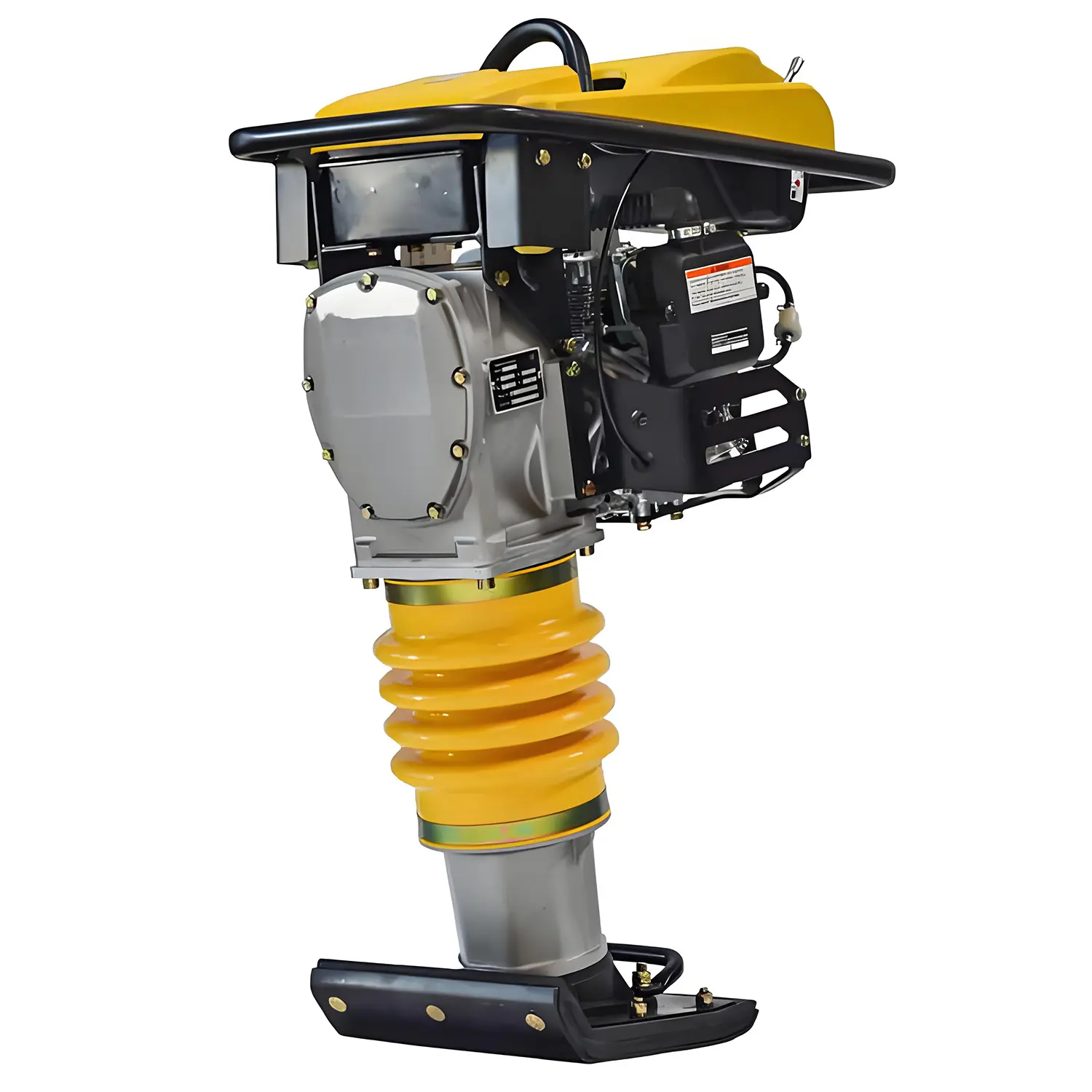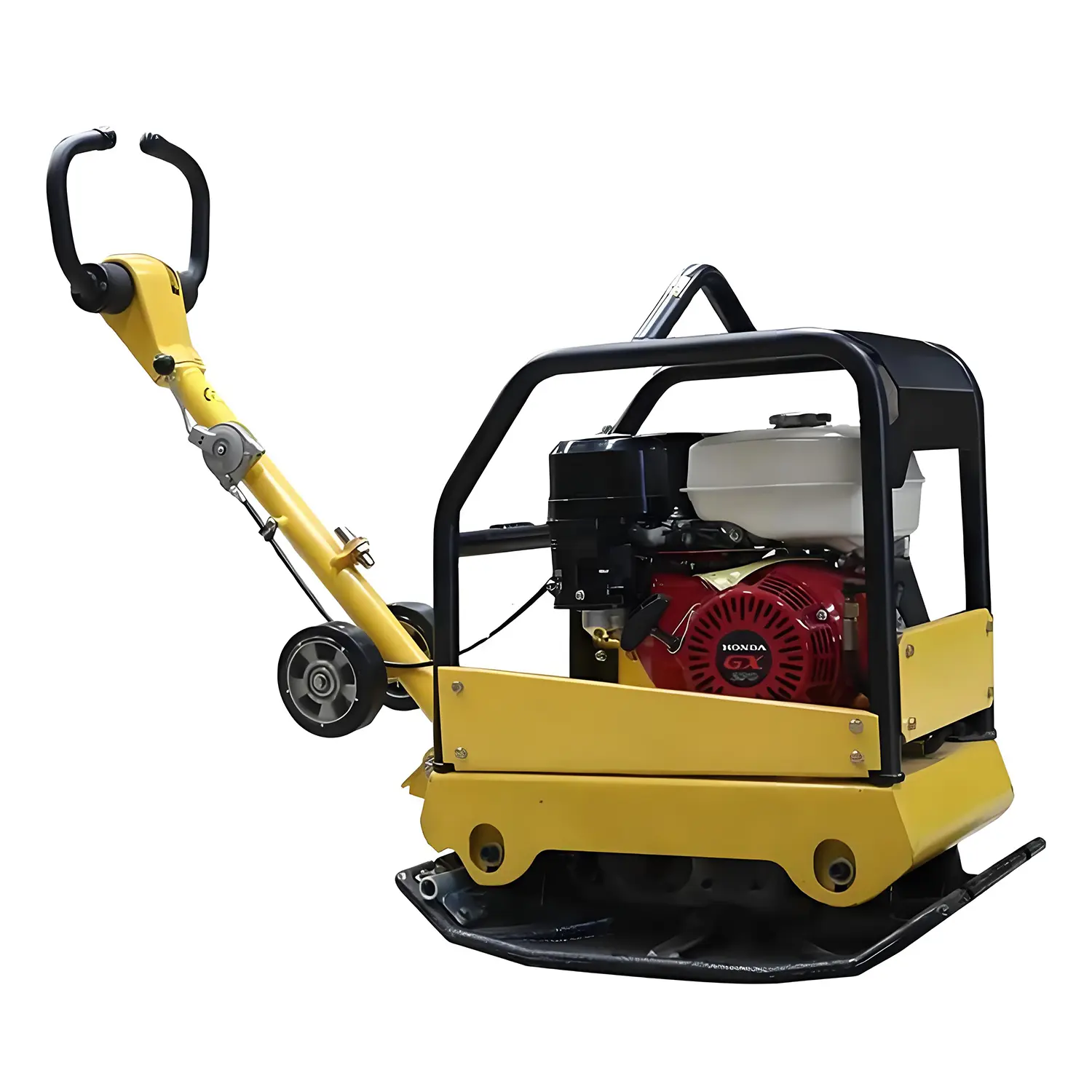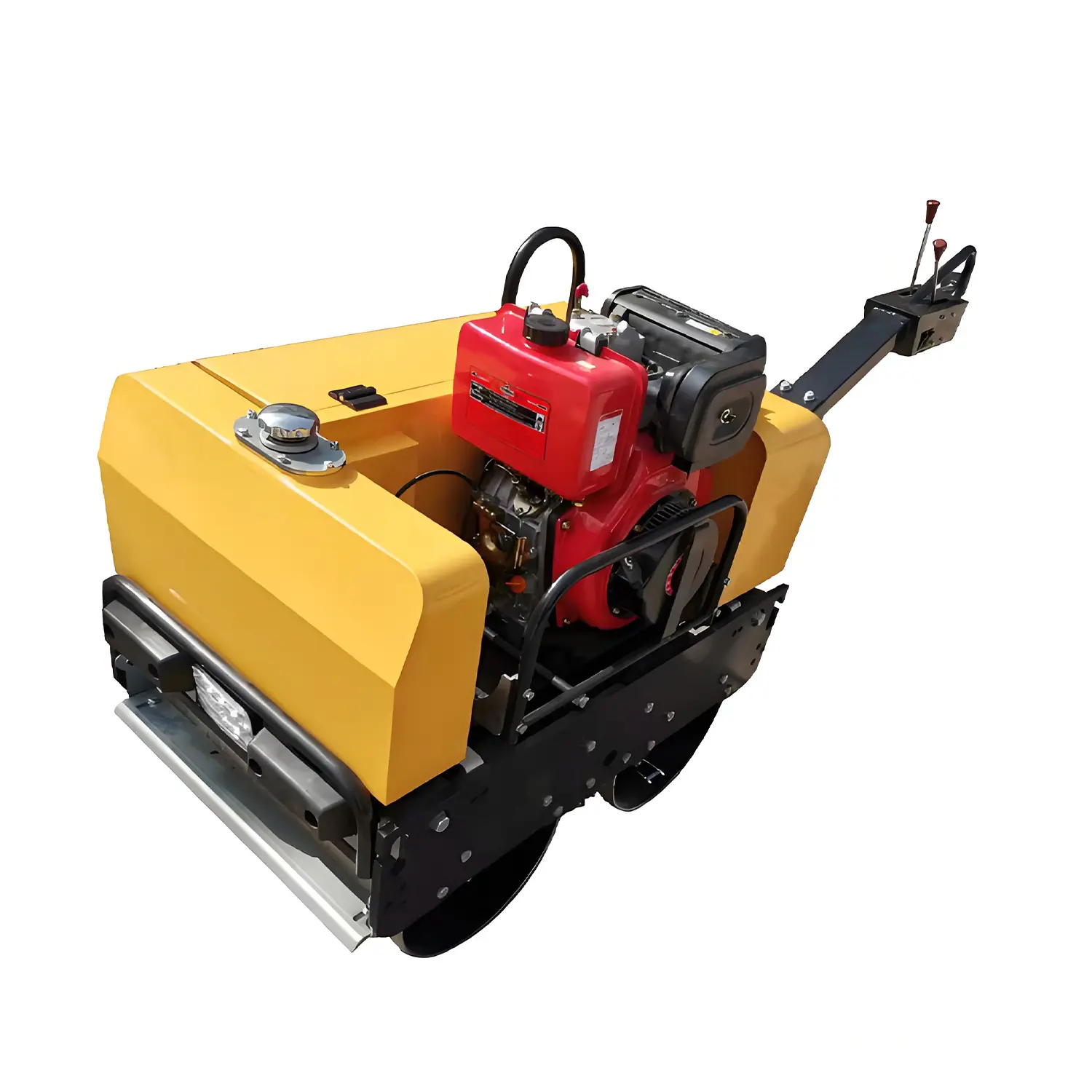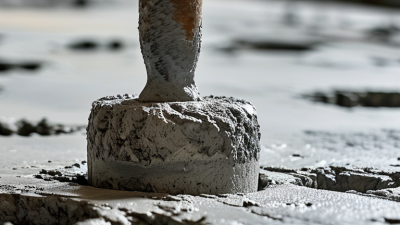
Choosing a Rammer Compactor is less about picking the most powerful machine and more about matching it to the ground, work area, and crew. A narrow trench may need a compact shoe and easy handling, while cohesive soil can demand repeated, forceful blows. Fit matters more.
This guide explores ten types of rammer compactors buyers may encounter, from conventional gasoline models to battery-powered and specialized designs. Names and specifications can vary between manufacturers, so compare published impact force, shoe dimensions, operating weight, and service requirements rather than relying on labels alone. Check whether the machine suits the soil and lift thickness recommended for the job. A mismatch can leave soft spots beneath a surface that looks finished.
Real jobsite details matter. Consider the noise near occupied buildings, the space available for turning, and how often operators must lift or transport the unit. Ask about parts access, routine maintenance, and warranty support before purchase. A dealer’s demonstration on representative soil can reveal balance and control that a brochure cannot. Still, a single test is not proof of long-term reliability; ask for service records or references when possible.
The right choice often involves trade-offs between power, comfort, fuel use, and upfront cost. A neat ranking can hide those trade-offs. Use the comparisons ahead as a starting point, then check each model against your actual site conditions and workload.
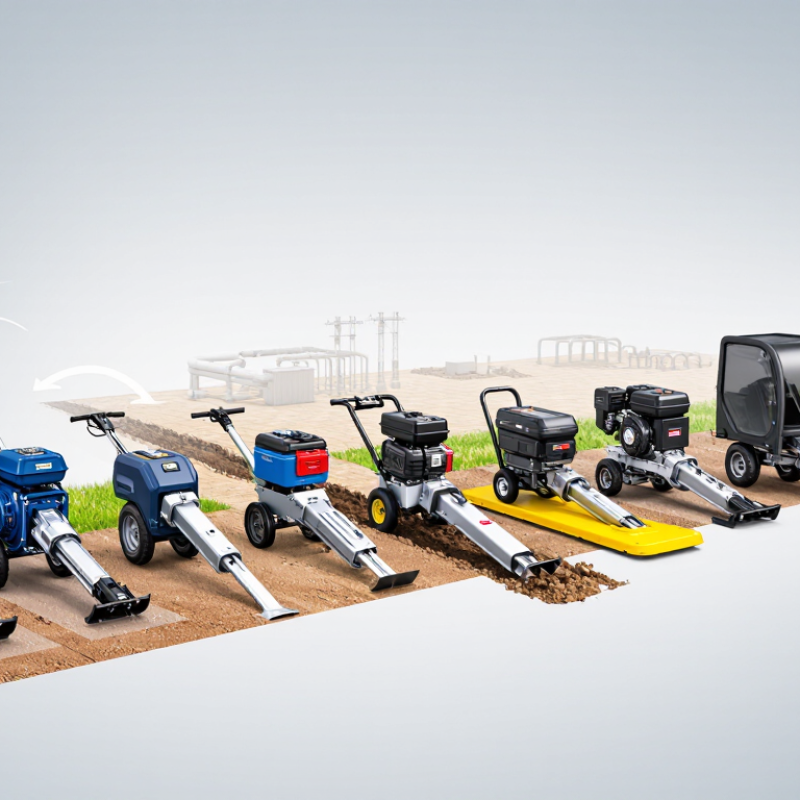
Rammer compactors are best classified by powertrain, shoe design, and working conditions. A gasoline four-stroke rammer suits general site work where fuel access is straightforward. A gasoline two-stroke model can be lighter, though fuel handling and emissions may influence its suitability. A diesel rammer is often chosen for extended duty and larger jobs. Battery-electric rammers reduce local exhaust and simplify indoor use, but runtime and charging access need checking. Power source matters.
Shoe design changes how a rammer fits the ground. A standard-foot rammer handles common backfill and soil compaction. A narrow-foot model reaches tight trenches and spaces beside pipes. A wider-foot design covers more ground per pass, but may be awkward in confined cuts. High-impact rammers deliver force for dense, cohesive soils; operators should still match the machine to the soil and lift thickness.
Application creates three further useful types. A lightweight rammer is easier to move between small repairs, though it may lack output for deep lifts. A trench rammer is shaped for narrow excavations, where balance and visibility matter. A utility-backfill rammer suits work around service lines, provided the operator maintains clearance from buried components. These categories overlap. Check operating weight, shoe width, impact force, and service access; specifications alone do not reveal how tiring a machine feels after a full shift.
Rammer compactors can be classified by the energy source that drives their impact mechanism. Gasoline models are widely used on small construction sites because they are portable and do not need an external power supply. Their fuel tank and engine add weight, however, and exhaust makes ventilation important. Check the air filter and fuel system regularly. Dusty sites are hard on both.
Diesel rammers suit demanding work where steady output and longer operating periods matter. They may be less convenient to transport, so compare machine weight with the job’s access and soil conditions. Battery-powered models offer quieter operation and no exhaust at the point of use. They can work well in enclosed or noise-sensitive spaces, but battery runtime varies with soil resistance, temperature, and charging access. Keep a spare battery nearby when work cannot pause.
Pneumatic rammers use compressed air supplied by a compressor. They avoid an onboard combustion engine, but the hose can restrict movement, and compressor capacity must match the tool. Air supply matters.
Across all four power types, compare impact force, shoe size, service access, and operating weight—not just engine power. A specification sheet cannot predict every site condition; that is an inconvenient, but useful, limit to remember.
Rammer compactors range from light-duty models for narrow repairs to heavier units built for deep, cohesive soil. When comparing the ten types, look beyond engine size. Operating mass affects handling and stability, while shoe width determines how easily the machine fits beside a foundation or inside a trench. A wider shoe covers more ground per pass, but may be awkward in tight spaces. A narrow shoe can reach confined areas, though it may need more passes.
Impact force and blow rate describe different parts of performance. Impact force indicates the energy delivered with each strike; blow rate shows how often those strikes occur. Higher figures are not automatically better. Soil moisture, lift thickness, and operator control all affect compaction results. A machine can feel powerful yet leave uneven spots if the soil is too wet or the working layer is too thick. Specs help, but they do not tell the whole story.
Tips: Compare operating mass, shoe width, impact force, and blows per minute together. Check whether published figures are measured under comparable conditions. If possible, test the rammer on similar soil and watch how it behaves near edges. Small details matter. I would not choose by impact force alone; that is an easy shortcut, and sometimes the wrong one.
Rammer compactors vary by frame, shoe width, power source, and intended soil conditions. Buyers may compare ten practical configurations: standard, narrow-shoe, wide-shoe, lightweight, heavy-duty, low-vibration, high-impact, petrol, diesel, and battery-powered models. These categories can overlap. Check the actual machine specifications.
Use 10–16 kN impact force and 600–700 blows per minute as screening benchmarks, not universal guarantees. Impact force describes the blow’s strength; blow rate indicates how often the shoe strikes. A machine within these ranges may suit confined trenches, but soil type and lift depth still matter. Numbers matter. Check how the manufacturer measures and reports them, since test conditions can differ.
On site, a narrow shoe can reach between pipes, while a wider shoe may cover more ground per pass. More force is not always better on fragile edges or shallow utility runs. Ask for the rated impact force, operating frequency, shoe dimensions, and machine weight. Then compare them with the job’s soil and access limits. A spec sheet can reassure you, but it cannot predict every patch of damp, uneven fill. Some judgment remains.
Rammer compactors suit cohesive soils, backfill, and confined cuts where a plate compactor may not fit. Match the shoe width to the trench, leaving enough clearance to guide the machine without striking pipe or walls. Measure the trench. A narrow shoe can reach tight corners, but it may need more passes across wider areas. For clay with noticeable moisture, a rammer’s repeated impact can help build density; very wet or unstable soil may need different handling. Soil condition matters as much as machine size.
Power choice affects where and how long crews can work. Gasoline models are common for outdoor jobs, while battery-electric units can reduce exhaust at enclosed or emission-sensitive sites; check runtime against the shift and charging access. Diesel options may suit heavier-duty work, but service needs and local fuel availability vary. Before buying, inspect the air filter, bellows, shoe bolts, and access to routine parts. Ask how quickly wear items can be replaced. A specification sheet can look convincing, yet omit the downtime caused by hard-to-source parts. No single rammer fits every trench. Compare compaction needs, operator comfort, and maintenance time on the actual job.