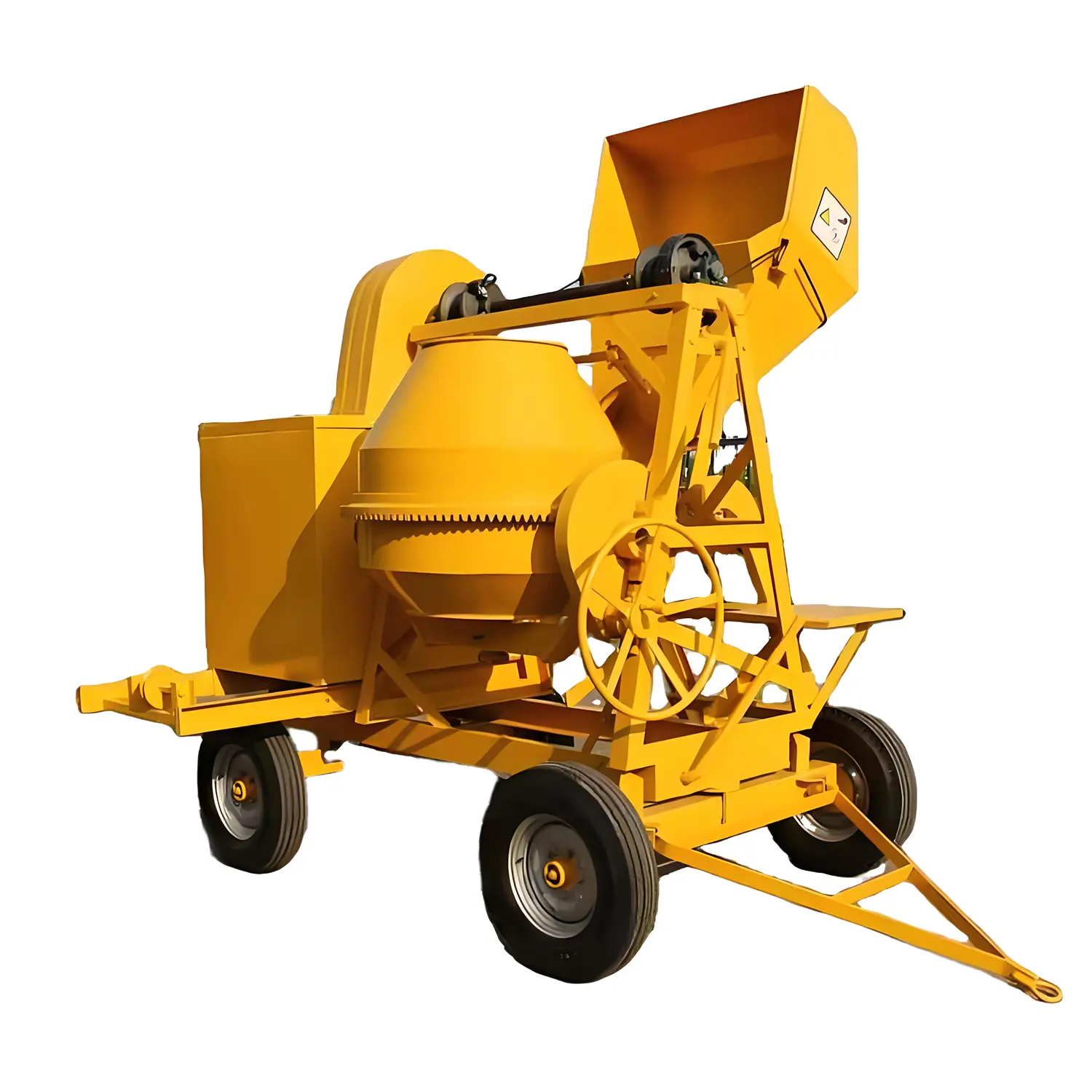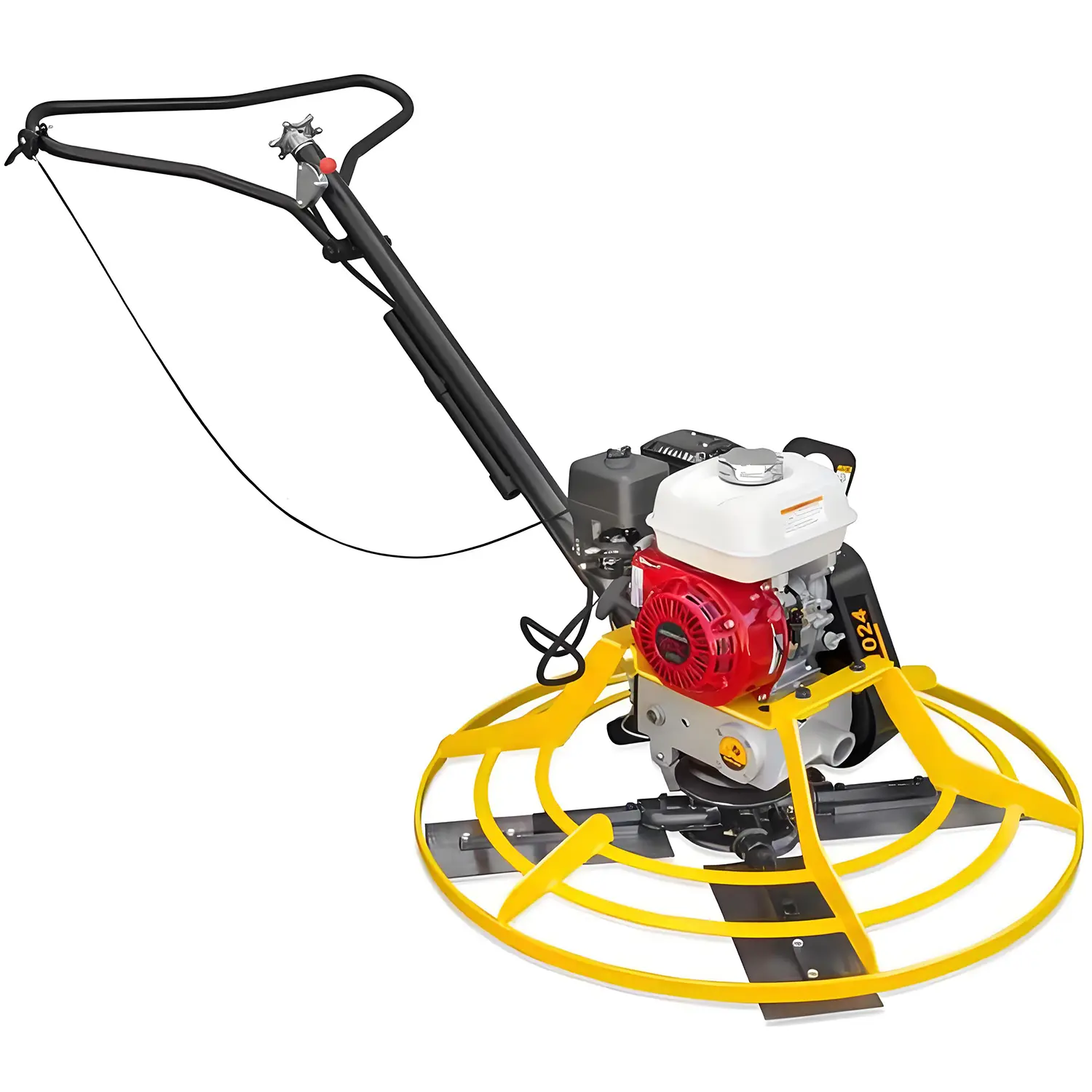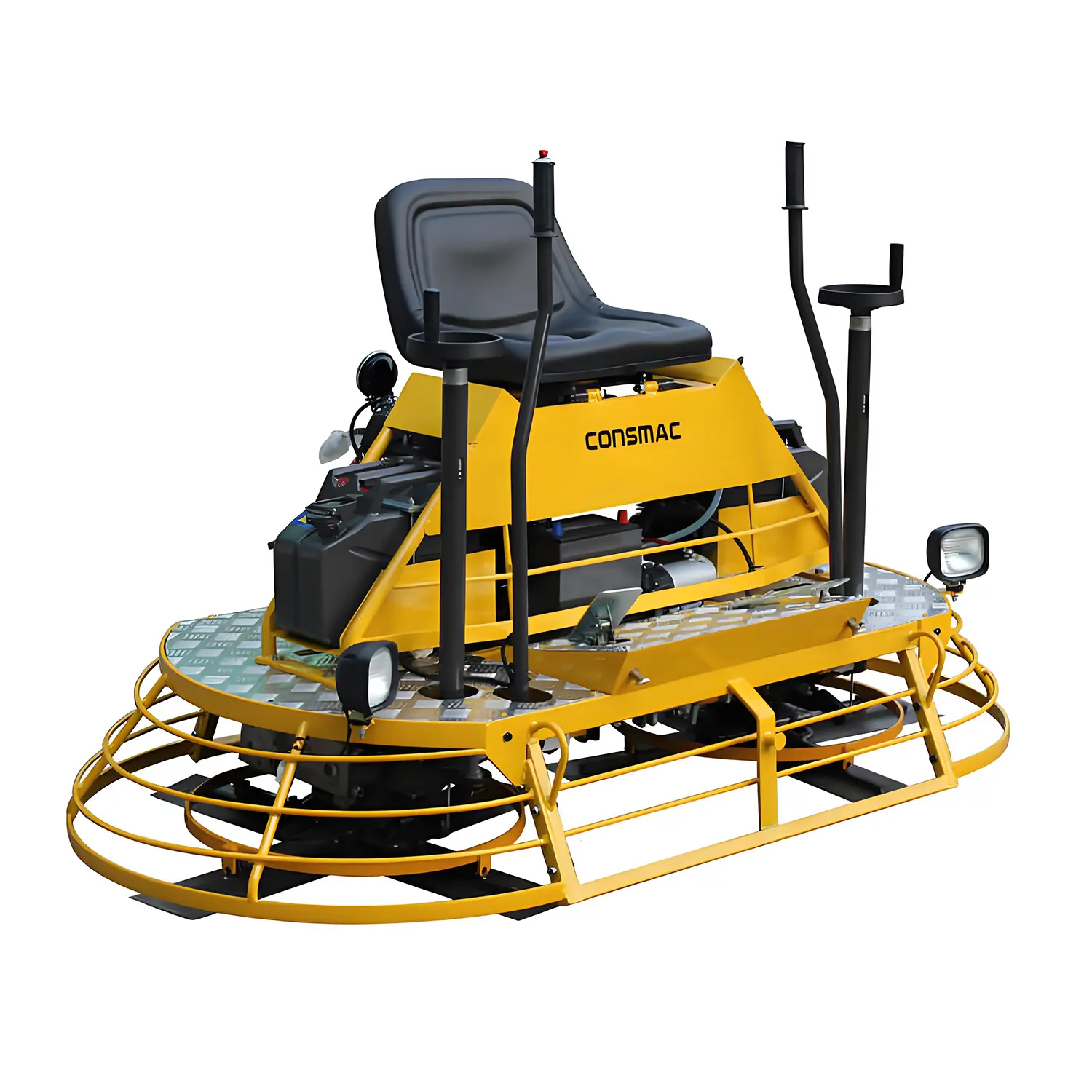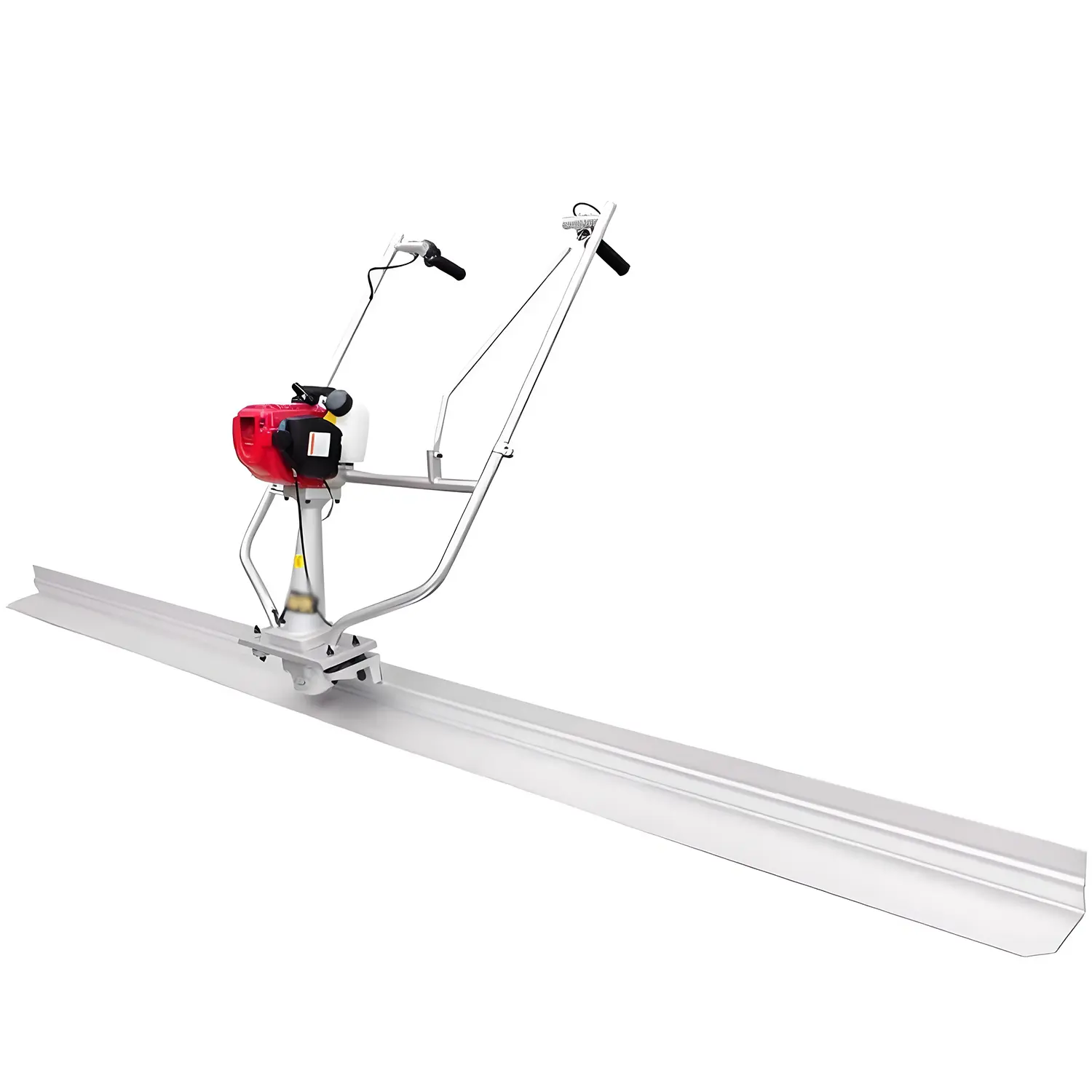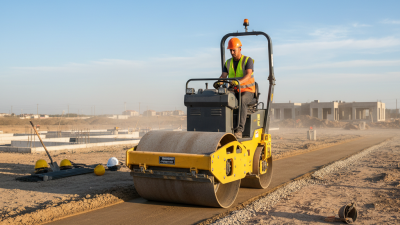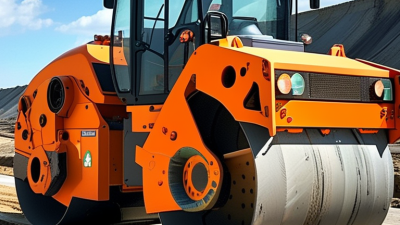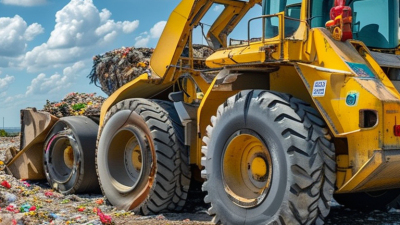
A Compactor Machine is a powerful piece of equipment used to densify soil, gravel, asphalt, and other construction materials. It works by applying static pressure, vibration, impact, or kneading action. These forces reduce air gaps between particles. The ground becomes stronger, more stable, and better prepared for roads, foundations, and paving.
Professor Robert D. Holtz, a respected geotechnical engineering authority, describes compaction as “the process of densifying a soil by reducing the air voids.” This principle explains the machine’s purpose. A smooth drum roller presses asphalt evenly. A vibratory roller sends rapid energy into granular soil. A padfoot roller grips and kneads cohesive clay. Each design suits different materials.
The operator must control speed, vibration, moisture, and the number of passes. Too little moisture can prevent proper particle movement. Too much water can create weak, unstable soil. A visible rolling pattern may look complete, yet hidden voids can remain underneath. That is the difficult part.
Small details matter.
Technicians often check density with field tests, while operators watch the surface for cracking, pumping, or uneven movement. Regular inspection also protects performance. Worn drums, damaged vibration systems, and underinflated tires can reduce compaction quality. This guide explains how a Compactor Machine works, where each type performs best, and why jobsite judgment remains essential. Machines provide force. Experienced people decide how to use it safely and effectively.
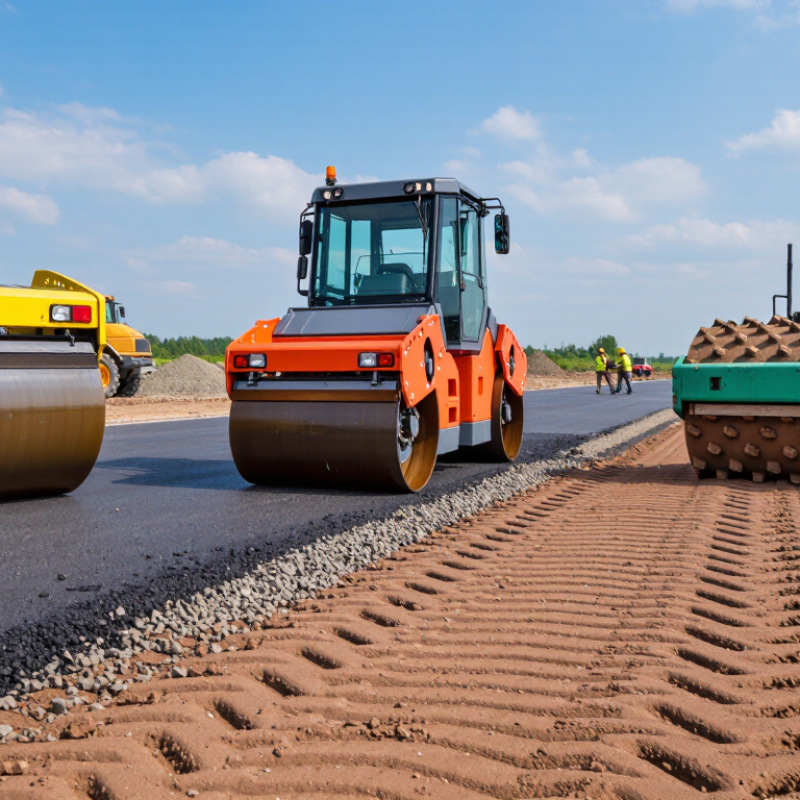
A compactor machine is equipment that compresses soil, gravel, asphalt, waste, or other loose materials. It reduces air gaps and creates a firmer, more stable surface. Common types include vibratory plate compactors, rammers, rollers, and stationary waste compactors. Each type suits a different working area and material.
The machine works through pressure, vibration, impact, or a combination of these forces. A roller may press a road surface with heavy steel drums. A small rammer delivers repeated impacts in narrow trenches. Vibration helps particles settle closer together, while static weight adds pressure. The correct moisture level also matters. Very dry soil may resist compaction, while overly wet soil can become soft and unstable. It is easy to overlook this detail. Small errors matter.
Tips: Check the material before choosing a machine. Use thinner layers when compacting soil. Overlapping passes can improve coverage, but excessive vibration may damage delicate surfaces. Inspect the work area for hidden pipes, loose edges, and steep slopes. Operators should wear suitable hearing, eye, and foot protection. Follow the equipment manual and measure density when project specifications require it. Stop if the surface begins to wave, crack, or shift.
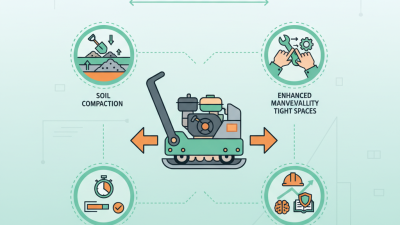
A compactor machine compresses soil, gravel, asphalt, or waste by applying pressure, vibration, or impact. The correct type depends on material, moisture, and site access. FHWA guidance commonly links earthwork quality to achieving about 90–95% of maximum laboratory dry density. ASTM D698 and D1557 establish the laboratory moisture-density tests used for these targets.
Vibratory smooth-drum rollers suit granular soil, road base, and asphalt. Their rotating drum creates rapid downward forces, helping particles settle tightly. Padfoot rollers work better with clay because their projecting feet knead and break soil clods. Pneumatic rollers use rubber tires and provide useful surface sealing. They are common on asphalt and mixed soils. For trenches and narrow spaces, plate compactors and jumping rammers offer better control. Small machines can still cause uneven density. That detail is often missed.
Tips: Match drum weight to soil stiffness. Compact in thin lifts, usually 150–300 millimeters. Check moisture before rolling. Too much water can create pumping, while dry soil may resist densification. Field density testing should guide pass counts, not operator habit. A 2023 FHWA technical review also stresses consistent lift thickness, moisture control, and documented testing for reliable earthwork performance. No single machine fits every site. Experienced operators still adjust speed, vibration, and overlap after observing the surface.
Compactor machines increase soil or asphalt density by applying static pressure, vibration, impact, or kneading action. The specifications below are typical operating ranges and may vary according to machine size, material, moisture content, and job conditions.
| Compactor Type | How It Works | Typical Operating Data | Best-Suited Materials | Common Uses | Key Advantages | Important Limitations |
|---|---|---|---|---|---|---|
| Vibratory Plate Compactor | A flat steel base plate vibrates rapidly, transmitting repeated downward forces into the ground. The operator guides the machine forward. | Operating mass: approximately 50–100 kg Working width: approximately 300–500 mm Frequency: commonly 80–100 Hz |
Granular soils, sand, gravel, crushed stone, and bedding layers. | Paver installation, sidewalks, driveways, narrow paths, and small trench backfills. | Compact size, easy transport, and effective surface densification. | Limited depth and productivity; forward-only models are less effective in confined areas. |
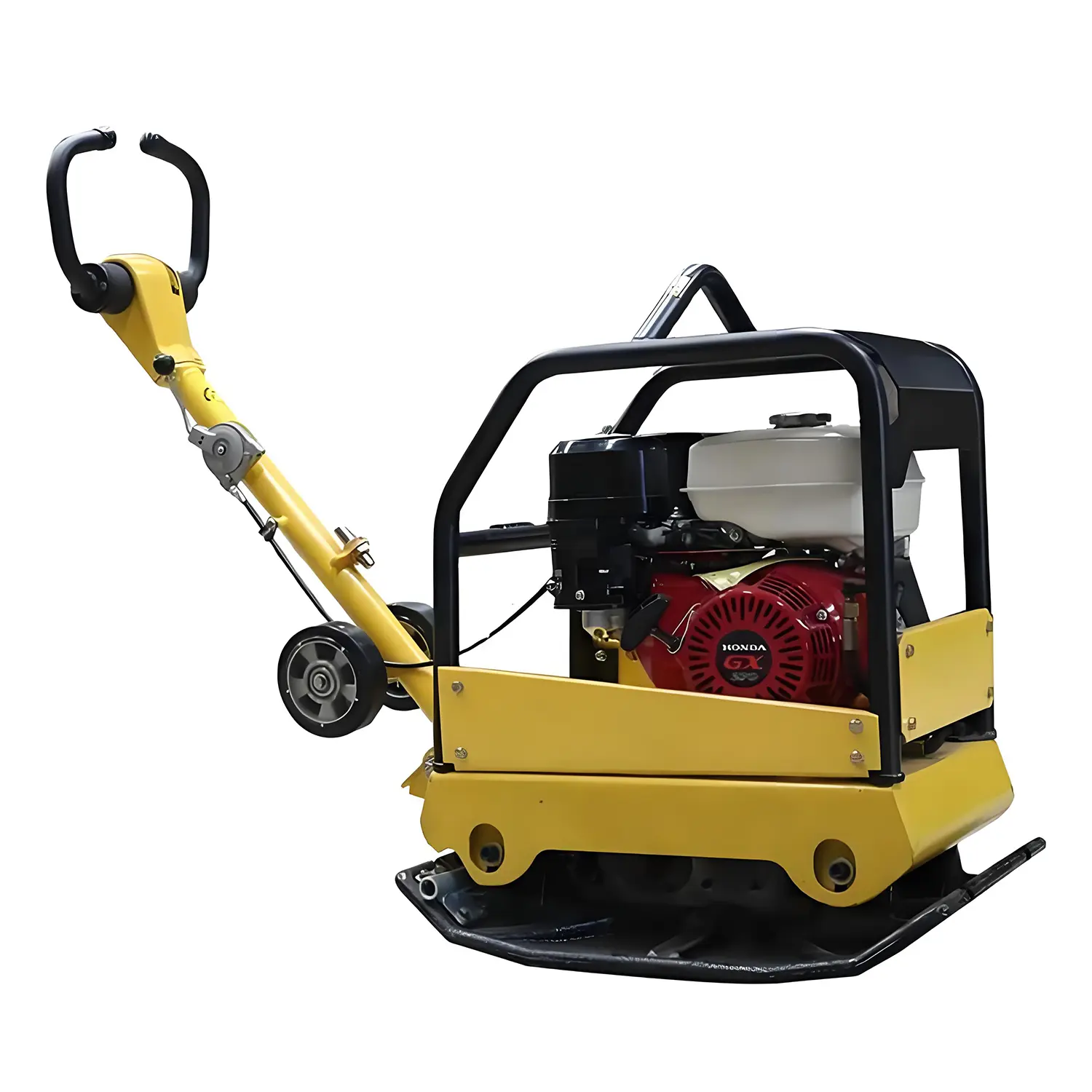
| Reversible Vibratory Plate Compactor | An eccentric rotating weight creates vibration while an adjustable drive system allows movement both forward and backward. | Operating mass: approximately 120–500 kg Working width: approximately 400–700 mm Frequency: commonly 50–100 Hz |
Granular fill, base courses, aggregate, and moderately cohesive soils. | Road shoulders, parking areas, trenches, foundations, and interlocking-paver work. | Higher compaction force and better maneuverability than a small forward plate. | Heavier and more expensive to operate; still less productive than a ride-on roller. |
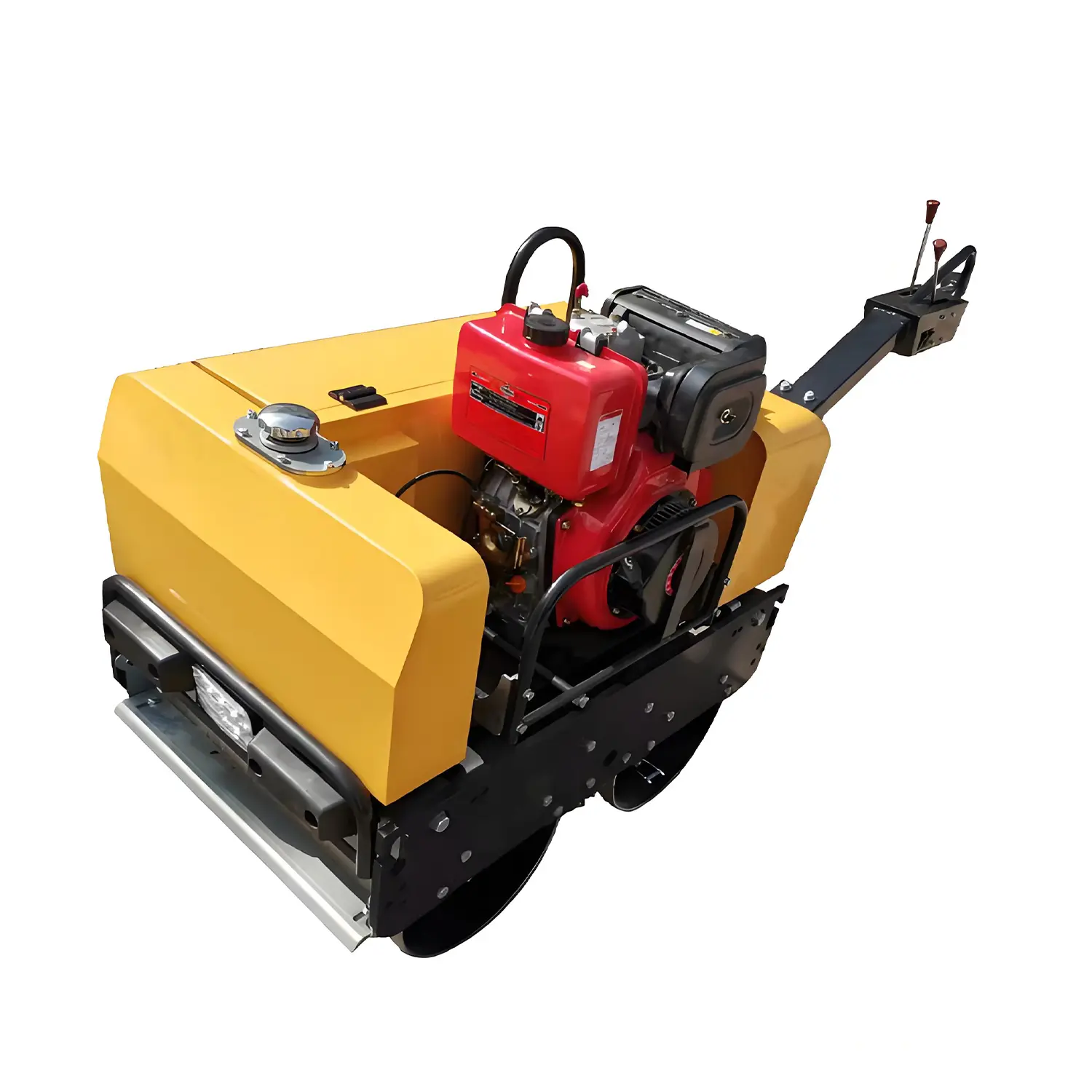
| Trench Roller | Two vibrating drums or drums with padfoot segments apply dynamic force. Many units are remotely controlled for safer operation in trenches. | Operating mass: approximately 1,000–1,600 kg Working width: approximately 600–850 mm Typical frequency: about 30–40 Hz |
Cohesive and mixed soils, clayey fill, granular backfill, and sub-base material. | Utility trenches, pipeline corridors, confined embankments, and narrow earthwork zones. | High compaction force in restricted spaces and reduced operator exposure to hazards. | Less suitable for wide open areas; requires careful control around underground utilities. |
| Single-Drum Vibratory Roller | A vibrating steel drum applies static load and dynamic force as the roller travels over the surface. Rubber tires provide traction at the rear. | Operating mass: approximately 1,500–15,000 kg Drum width: approximately 800–2,100 mm Frequency: commonly 25–40 Hz |
Granular soil, crushed rock, aggregate base, and some asphalt applications. | Road construction, building pads, large parking areas, embankments, and site preparation. | High productivity, substantial depth of influence, and good performance on granular materials. | Requires adequate working space and may over-compact or damage sensitive surfaces if improperly operated. |
| Padfoot or Sheepsfoot Roller | Projections on the drum penetrate and knead cohesive soil. Vibration may be added to increase the compactive effort. | Operating mass: approximately 8,000–20,000 kg Drum width: approximately 1,500–2,200 mm Typical frequency: about 25–35 Hz |
Clay, silty clay, semi-cohesive soil, and moisture-conditioned embankment fill. | Dam construction, highway embankments, earth dams, and thick cohesive-soil lifts. | Excellent kneading action and effective breakdown of soil lumps. | Not intended for final smooth finishing or clean granular materials; needs suitable moisture content. |
| Double-Drum Vibratory Roller | Front and rear steel drums provide vibration and static pressure, producing a relatively uniform compacted finish. | Operating mass: approximately 1,000–14,000 kg Drum width: approximately 600–2,100 mm Frequency: commonly 30–50 Hz |
Hot-mix asphalt, granular base, and other smooth-surface materials. | Asphalt paving, road repairs, cycle paths, parking lots, and final surface passes. | Uniform finish, strong surface contact, and effective control of asphalt density. | Limited traction on loose soil and a greater risk of surface marking when used incorrectly. |
| Pneumatic-Tire Roller | Multiple rubber tires apply static pressure and kneading action. Tire pressure and ballast can be adjusted for different materials. | Operating mass: approximately 5,000–30,000 kg Typical tire pressure: about 200–800 kPa Wheel arrangement: commonly 7–11 tires |
Asphalt mixtures, granular base, stabilized soil, and some cohesive materials. | Asphalt sealing, pavement finishing, road widening, and base-course compaction. | Good kneading effect, adjustable contact pressure, and effective sealing of asphalt surfaces. | Tires can pick up hot asphalt if temperature or release-agent control is inadequate. |
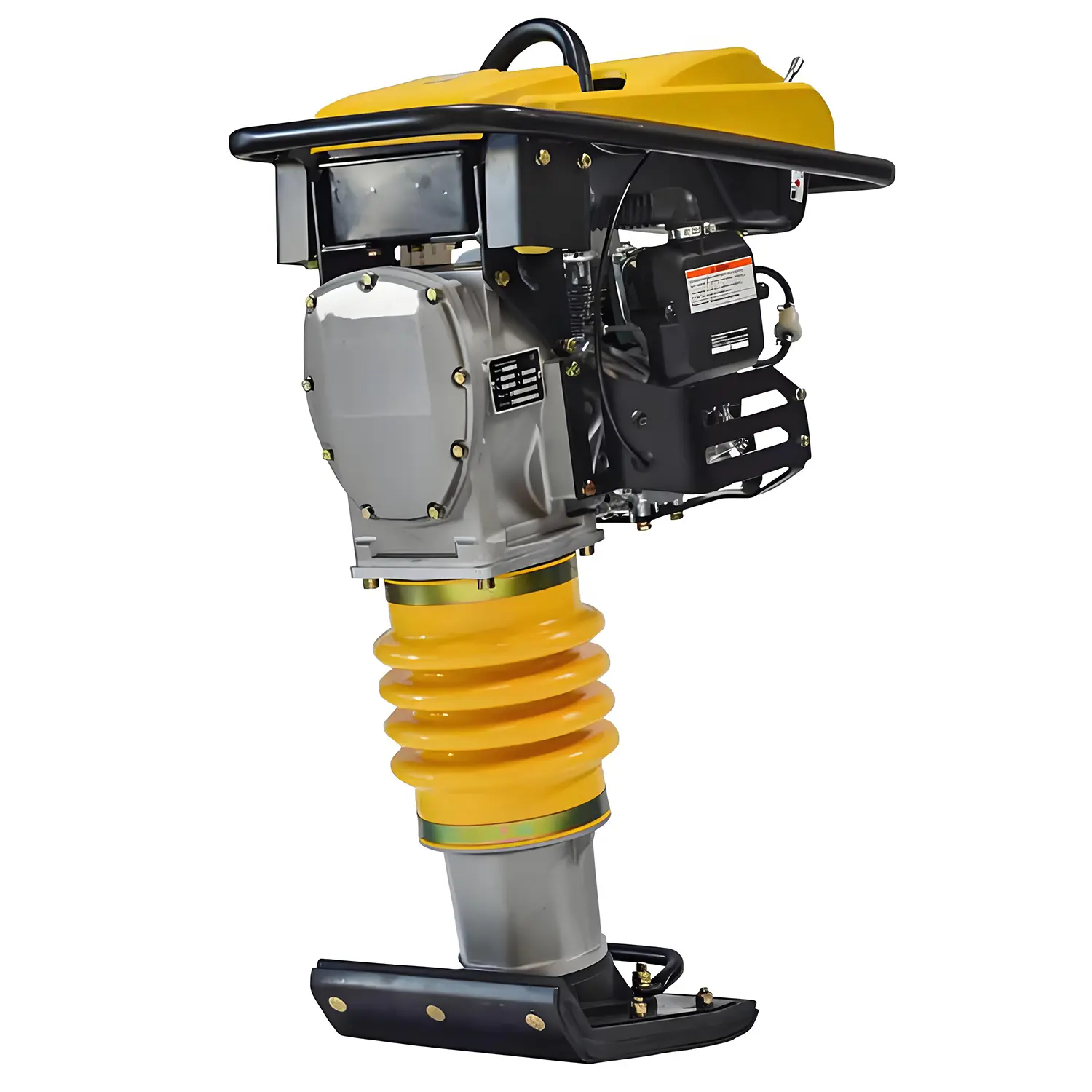
| Tamping Rammer | A small shoe repeatedly lifts and strikes the ground, producing high-impact energy in a narrow footprint. | Operating mass: approximately 55–80 kg Working width: approximately 230–330 mm Impact rate: commonly 600–750 blows per minute |
Cohesive soil, clay, silt, and mixed backfill in narrow spaces. | Trenches, around foundations, utility lines, drainage work, and repair areas. | Excellent penetration and maneuverability in confined or irregular areas. | Slow coverage, higher vibration exposure, and less effective on clean granular surfaces than a plate compactor. |
| Grid Roller | A heavy steel grid drum crushes, kneads, and rearranges coarse material while rolling over the surface. | Operating mass: approximately 10,000–30,000 kg Drum width: approximately 1,800–2,400 mm Operation: static or towed rolling |
Weathered rock, coarse gravel, quarry fill, and large aggregate. | Rock-fill embankments, haul roads, subgrades, and heavy-duty earthwork. | Breaks down oversized particles and compacts rough, open-graded materials. | Poor choice for smooth asphalt finishing, fine soils, and narrow construction zones. |
Selection guide: Choose a vibratory plate for small granular-surface work, a tamping rammer for narrow cohesive-soil trenches, a padfoot roller for clay-rich earthwork, a smooth-drum roller for granular bases and asphalt, and a pneumatic-tire roller when kneading and surface sealing are required.
A compactor machine increases soil or asphalt density by applying pressure, vibration, or both. Its main structure includes a power unit, frame, drum or plate, exciter, and operator controls. The power unit drives movement and vibration. The drum carries the load across the surface. On smaller machines, a vibrating plate performs the same basic task.
The exciter contains rotating weights that create rapid mechanical force. This force reduces air gaps between soil particles. Static weight then presses the loosened material into a tighter layer. Some machines use smooth drums for asphalt, while padfoot drums grip cohesive soil more effectively. Water spray systems can prevent hot asphalt from sticking to the drum. Small details matter.
During operation, the operator selects a suitable travel speed, vibration setting, and number of passes. Moisture strongly affects results. Dry soil may resist compaction, while excessive water can make it unstable. A useful field check compares surface appearance, machine feedback, and measured density. Visible smoothness alone proves little. I have seen surfaces look firm but fail beneath light traffic.
Compaction works best in controlled layers. Thick lifts may trap weak material underneath. Overlapping each pass helps prevent narrow untreated strips. However, too much vibration can damage fragile edges or separate asphalt particles. Operators should inspect the exciter, drum scrapers, mounts, and warning indicators before work. A missed inspection can create uneven force, unnecessary wear, and unreliable density.
A compactor machine increases soil or asphalt density by reducing air gaps. Its work starts before the engine moves. An operator checks the surface, material type, moisture, and layer thickness. Water matters. Dry soil resists compaction, while excess water can create pumping and weak spots. The U.S. Federal Highway Administration commonly links effective earthwork control with achieving about 95% of maximum dry density, although project specifications may differ.
The operator spreads one controlled layer, often called a lift. The machine then travels across it at a steady speed. A smooth drum applies static pressure, while a vibrating drum adds rapid vertical force. These forces rearrange particles and push air upward. Frequency and amplitude must match the material. Granular soil usually responds well to vibration, while cohesive clay may need kneading action. It is not magic.
Passes follow an organized pattern, with slight overlap between each path. Too much speed can leave hidden voids. Too many passes may crush aggregate or waste fuel. ASTM D698 uses 25 blows per layer during laboratory testing, helping establish a moisture-density relationship for field control. Field crews compare test results with that reference, often using nuclear density gauges or non-nuclear methods. If density is low, they may adjust moisture, reduce lift thickness, or change roller settings. The surface can look firm and still fail testing. That uncomfortable gap between appearance and measurement deserves attention.
A compactor machine increases soil or aggregate density by applying static weight, vibration, kneading action, or tire pressure. The chart shows representative static line-load ranges commonly associated with major compactor types.
During operation, the machine spreads a material layer, applies repeated passes, reduces air voids, and creates a denser, more stable surface. Actual performance depends on soil type, moisture content, layer thickness, machine settings, and operating speed.
A compactor machine increases soil or asphalt density through static pressure, vibration, or kneading action. A smooth drum applies weight, while a vibratory drum delivers rapid impacts below the surface. The machine works best when material, moisture, and machine settings match the site conditions.
Moisture is often the decisive factor. FHWA’s Soils and Foundations Reference Manual explains that soil usually reaches its highest dry density near an optimum moisture level. Too little water leaves air voids; too much water creates weak, pumping soil. Many earthwork specifications require about 95% of laboratory maximum dry density, but this target is not universal. Lift thickness matters too. Thick layers may look firm above and remain loose underneath. Operators should verify density through field testing, not visual judgment. That assumption is often wrong.
Performance also depends on travel speed, vibration frequency, drum amplitude, and the number of passes. FHWA guidance links slower, controlled passes with more consistent energy transfer. Excessive vibration can damage nearby structures or create uneven settlement. Safety requires more than a seatbelt. OSHA requires construction employers to control hazardous noise exposure, with 90 dBA averaged over eight hours as the permissible exposure limit for many operations. Keep workers outside blind spots, use a spotter, and inspect slopes before entering. NIOSH has also warned that whole-body vibration can contribute to fatigue and back injuries. It deserves attention. Daily records should include moisture readings, test results, machine settings, and operator observations. Real sites rarely behave perfectly. Recheck the plan when conditions change.