How to Choose the Best Roller Compactor for Your Needs?
Choosing the right Roller Compactor can make a significant difference in your projects. These machines are essential for achieving optimal soil density and stability. However, selecting the best one requires careful consideration of various factors.
Roller Compactors come in different types, each designed for specific applications. Some are best suited for asphalt, while others excel in soil compaction. Understanding your project's unique needs is crucial. Consider factors such as the size of the area, soil type, and the intended use of the compacted area.
The complexity of options available can be overwhelming. It's easy to feel uncertain about which features are necessary. Price is often a concern too. Investing in quality can lead to better outcomes, but it might require a rethink of your budget. Striking a balance between cost and functionality is essential for effective decision-making.
Factors to Consider When Choosing a Roller Compactor
Choosing the right roller compactor is crucial for your project. Key factors can greatly influence your decision. One important aspect is the weight of the machine. Heavier compactors are effective for dense materials. However, lighter models are easier to maneuver. Think about your specific needs. What type of material will you be working with? Analyze the job site conditions carefully.
Another factor is the type of drive system. Roller compactors come with various propulsion options. A hydraulic drive offers smooth operation. Yet, mechanical drives might be simpler to maintain. Reflect on your long-term maintenance capabilities. Complex systems could lead to higher repair costs in the future.
Tips: Always check the drum width. A broader drum covers more area quickly. However, narrow drums excel in tight spaces. Evaluate your site layout. Having the right drum size can save you time. Don't forget to consider vibration frequency. Higher frequencies compact better but might require more skill. Reflect on what you can manage comfortably.
Types of Roller Compactors and Their Applications in Construction
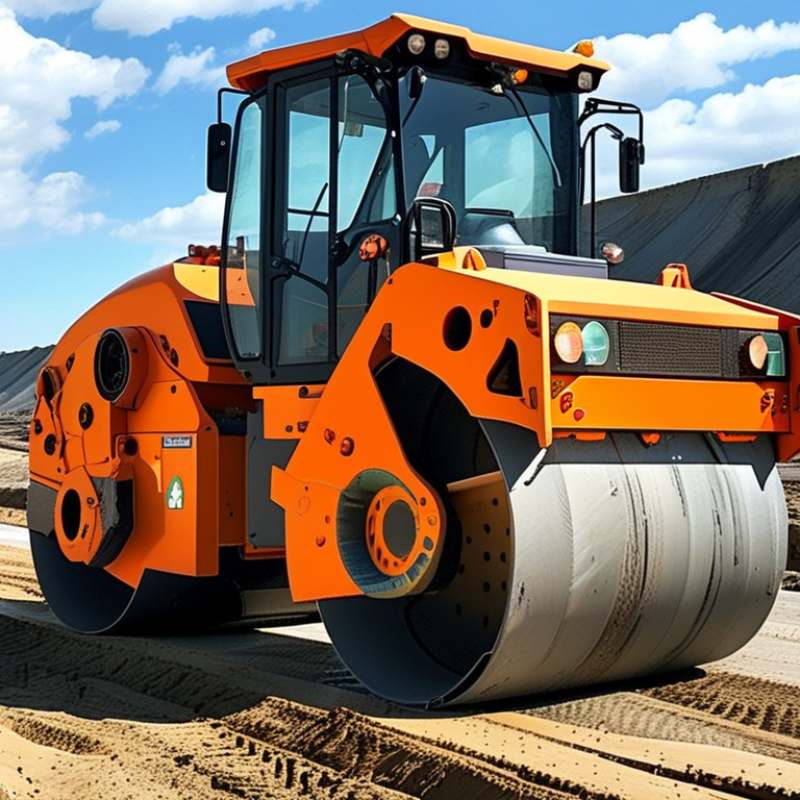
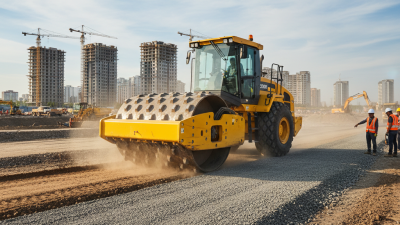
When selecting a roller compactor, understanding the various types available can greatly impact your construction projects. There are several categories, each designed for specific tasks. Vibratory rollers excel in compacting granular soils. They use vibration to enhance density and are ideal for road construction. In contrast, static rollers are perfect for asphalt applications. They provide smooth finishes without the risk of damaging the surface.
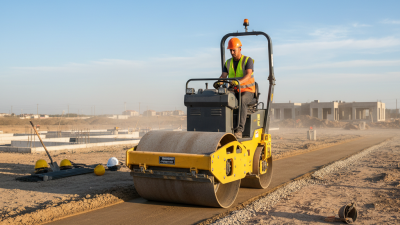
Tips for choosing the right compactor include assessing the terrain you'll be working on. Soft or loose soils require vibratory rollers for effective compaction. Additionally, consider the weight of the compactor. Heavier machines offer better compaction but can be cumbersome on smaller sites.
Don't overlook the importance of operator experience. A well-trained operator can maximize the efficiency of any roller compactor. Surprisingly, improper use often leads to issues like inconsistent compaction. Regular maintenance is also crucial to prevent breakdowns, which can delay your projects. Investing time in understanding the specific applications can save you from costly mistakes in the long run.
Key Specifications: Weight, Width, and Compaction Force Analysis
Choosing the right roller compactor involves understanding key specifications, such as weight, width, and compaction force. Weight plays a crucial role in determining the effectiveness of the compaction process. A heavier compactor can exert more pressure on the ground, leading to better density in material. According to industry data, a compactor weighing between 3 to 8 tons is generally ideal for most construction sites.
Width is another important factor. A wider drum provides better coverage, allowing for efficient work on larger areas. Standard widths range from 24 to 55 inches. If the width is too narrow, it may require additional passes, which can slow down operations. Minimizing overlap is critical to achieving uniform compaction, as research shows that uneven coverage leads to weak spots in the final surface.
Compaction force, measured in pounds per square inch (PSI), directly influences the quality of the job. A higher compaction force translates to denser soil and improved load-bearing capacities. Reports indicate that effective compaction force typically ranges from 4,500 to 6,500 PSI for most soil types. However, too much force can damage the ground, leading to unwanted cracks. Therefore, balancing these specifications is essential for achieving optimal results while ensuring the compactor’s efficiency and longevity.
Evaluating Fuel Efficiency and Operating Costs for Rollers
When selecting a roller compactor, fuel efficiency should be a priority. Rollers consume significant amounts of fuel during operation. This can quickly add to operating costs. It’s important to consider the engine technology used. Newer engines tend to offer better fuel economy. However, not all modern engines deliver the same efficiency. Researching various engine types can help identify the best choice.
Operating costs extend beyond fuel consumption. Maintenance requirements greatly influence these costs. Some models may need regular servicing, leading to added expenses. Others might be designed for easier maintenance, which can save time and money. Think about the availability of parts too. If parts are hard to find, repairs can be delayed, affecting your project timeline.
Evaluating these factors is essential in making an informed choice. Cost per hour is a useful metric. It helps assess the efficiency of your investment. Compare various models and their respective costs over time. Although initial costs may seem daunting, they often reveal value in the long run. Paying attention to these aspects will guide you in finding the right roller compactor that suits both your budget and operational needs.
How to Choose the Best Roller Compactor for Your Needs?
| Model |
Fuel Type |
Fuel Efficiency (L/hr) |
Operating Cost ($/hr) |
Weight (kg) |
| Model A |
Diesel |
8 |
30 |
5000 |
| Model B |
Gasoline |
6 |
25 |
4500 |
| Model C |
Electric |
4 |
20 |
4000 |
| Model D |
Diesel |
7 |
28 |
5200 |
Maintenance Requirements and Longevity of Roller Compactors
Maintenance is crucial for maximizing the longevity of roller compactors. Proper care can prevent expensive repairs or replacements. Regularly check fluid levels, including hydraulic fluid and oil. Inspect the compactor's belts and hoses for wear. Ignoring these simple steps can lead to more significant issues over time.
Cleaning the compactor after each use is essential. Dirt and debris can accumulate, affecting performance. Remove mud and stones from the drums and chassis. A clean machine operates more efficiently and lasts longer. While these tasks may seem mundane, they can save money long-term.
Additionally, schedule routine professional maintenance. Experienced technicians can identify potential problems early. They may spot issues that the operator might miss. Investing in expert assessments can ensure your compactor remains in optimal condition. Avoiding this step may seem like a cost-saver, but it often leads to larger problems later.
Maintenance Requirements and Longevity of Roller Compactors

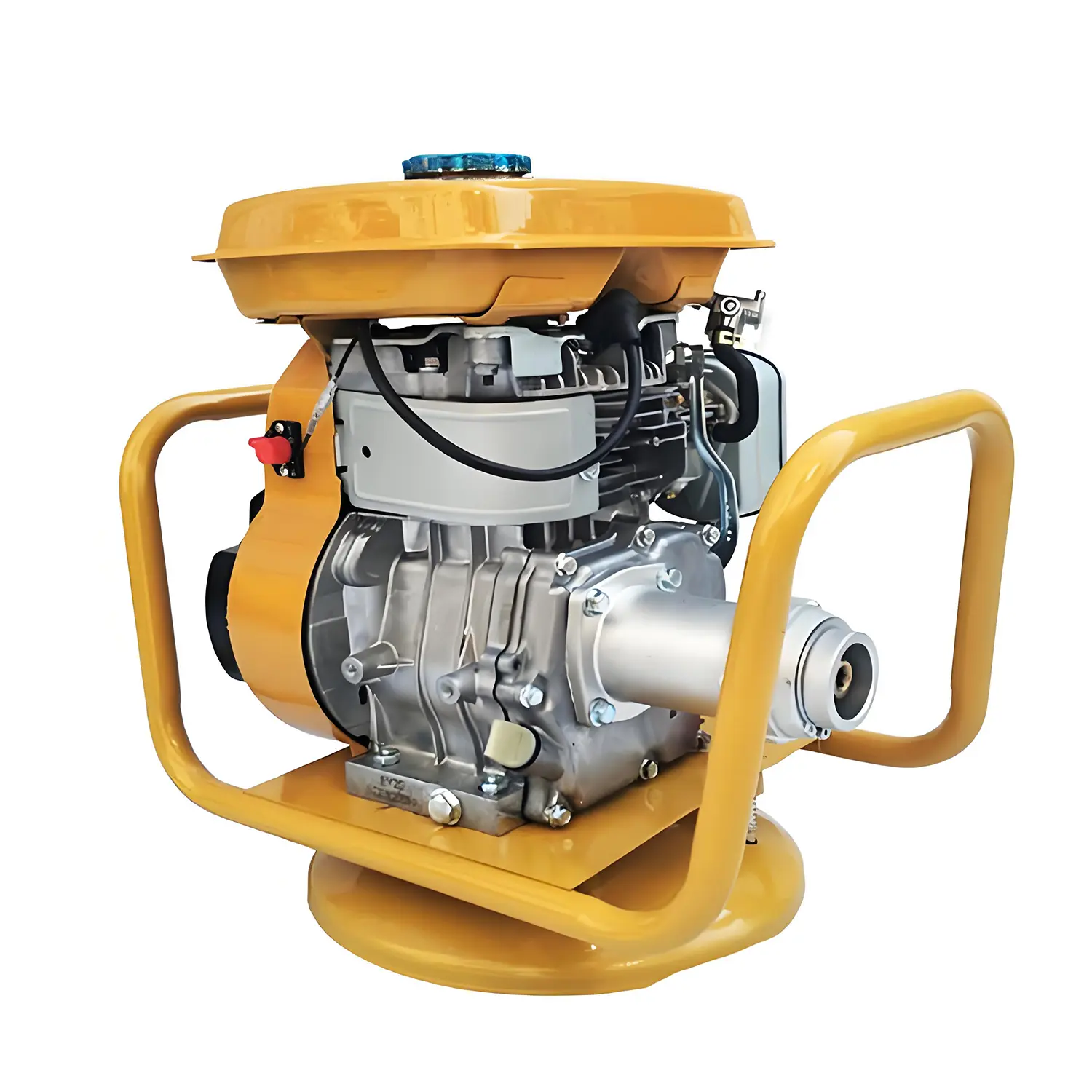 Internal Vibrator
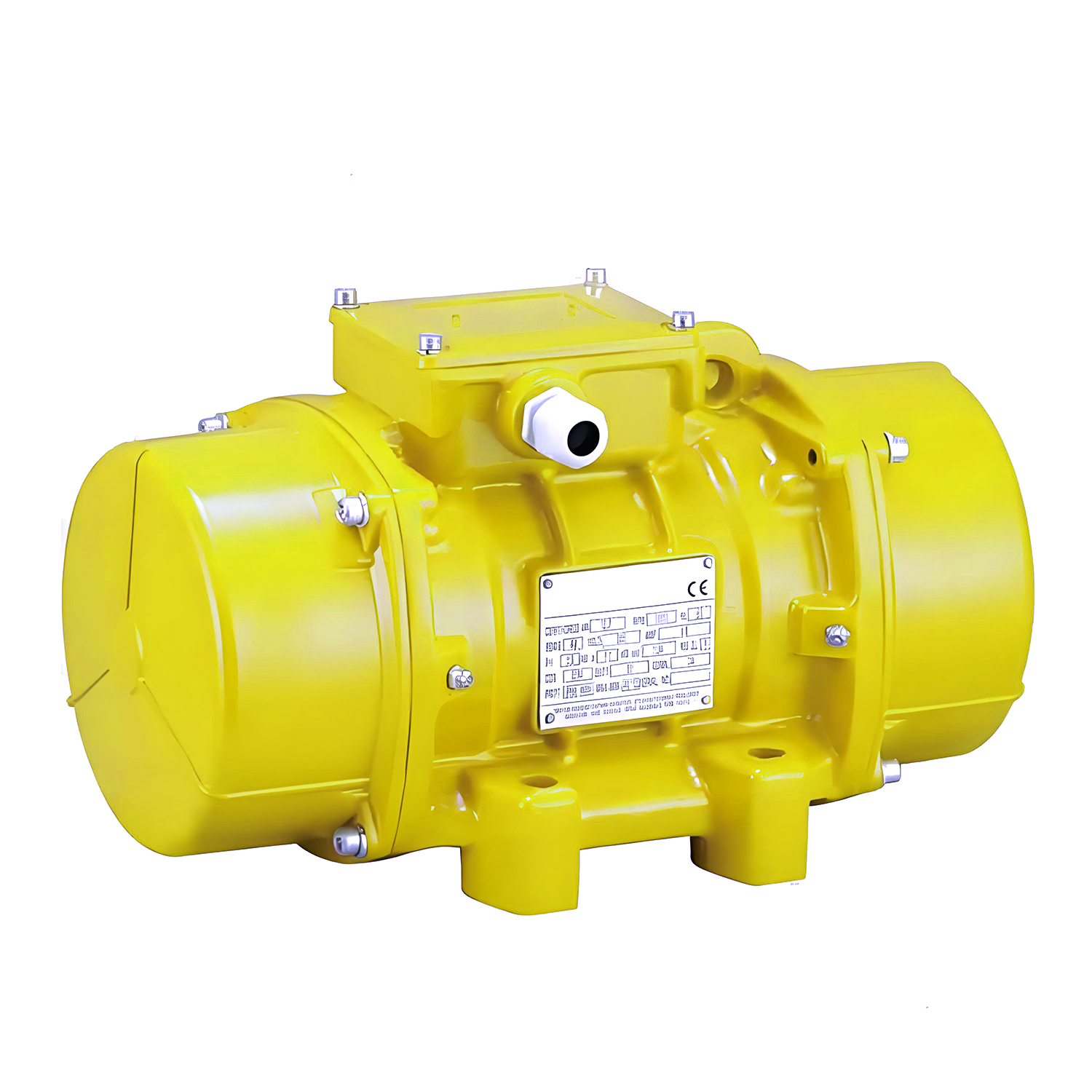 External Vibrator
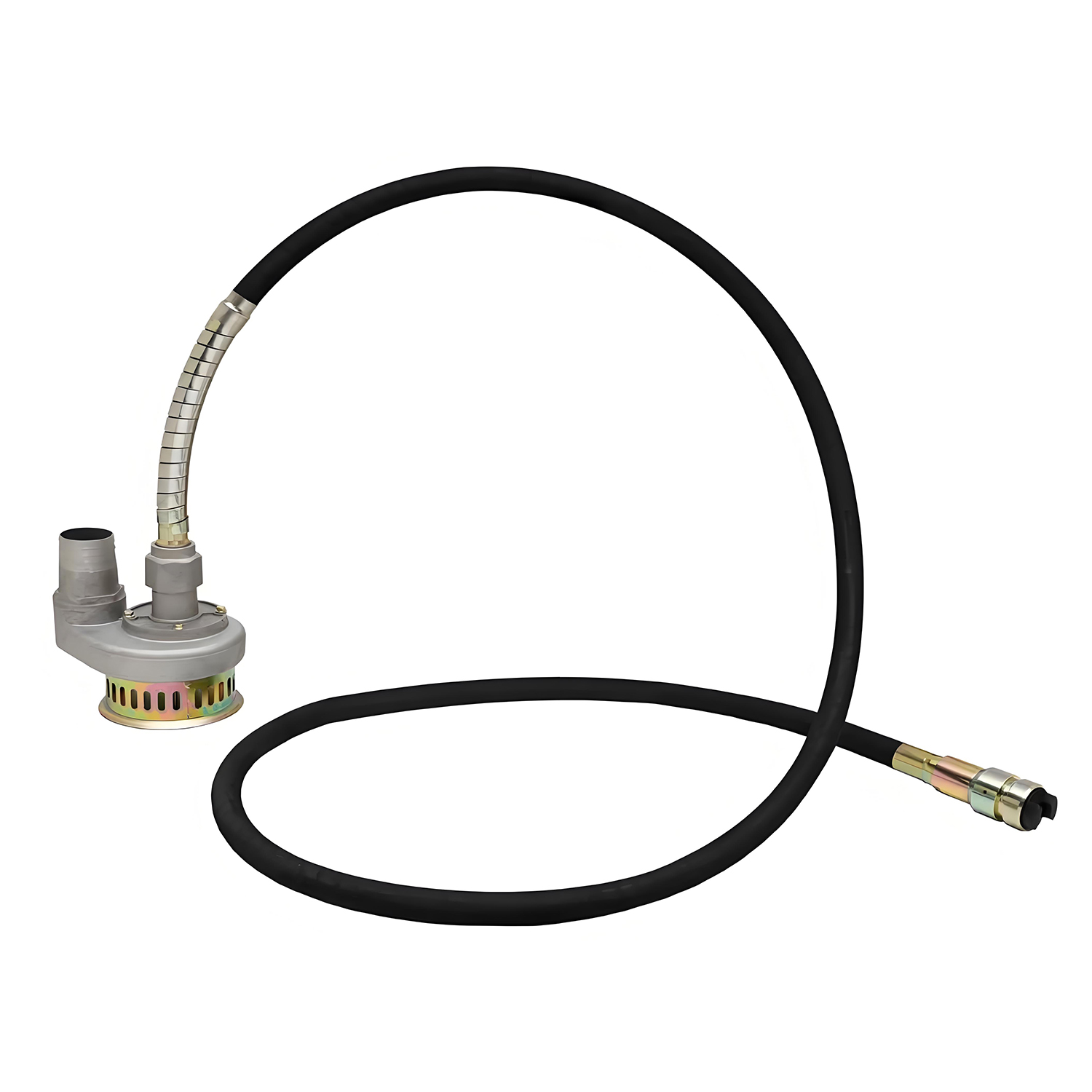 Submersible Pump
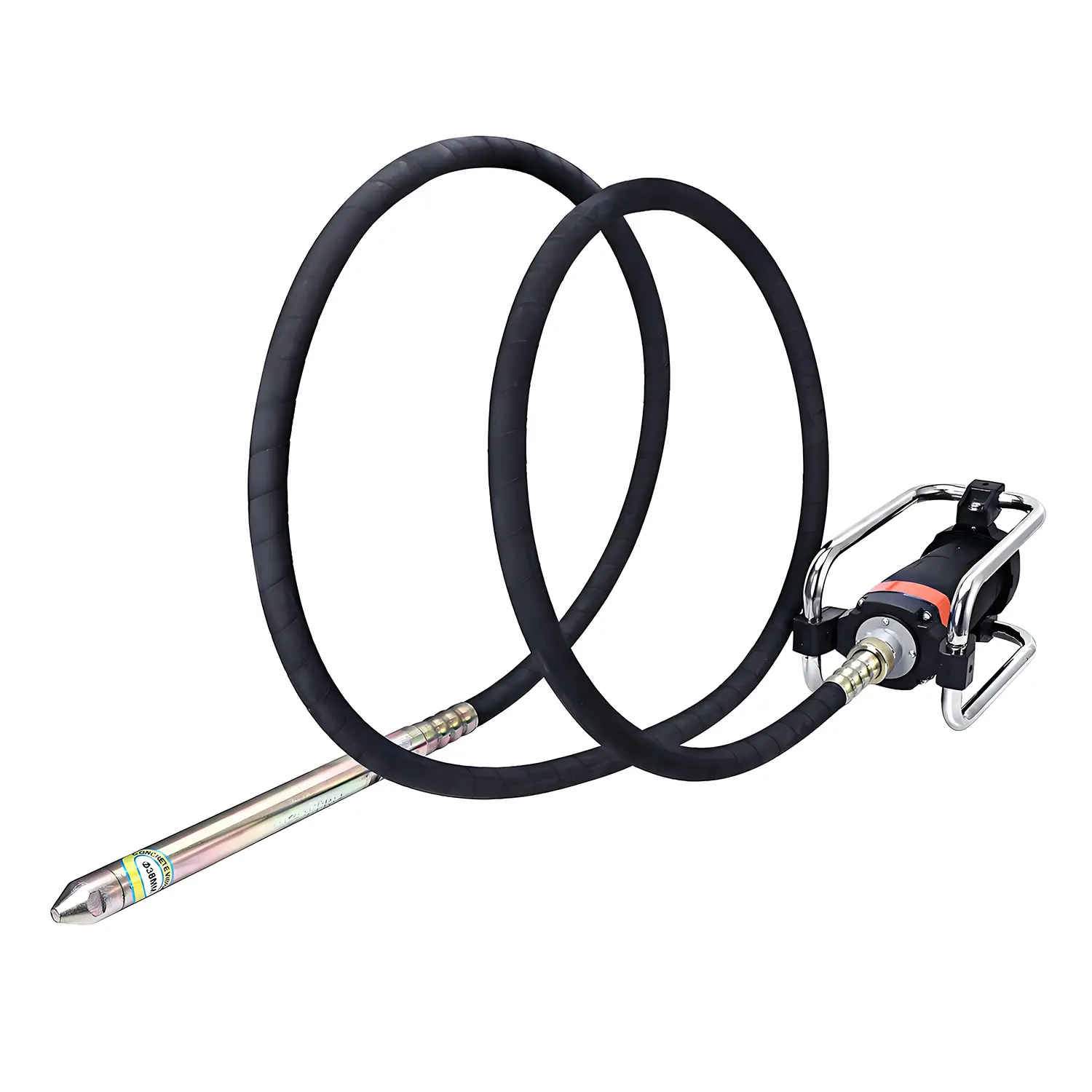 Eccentric shaft
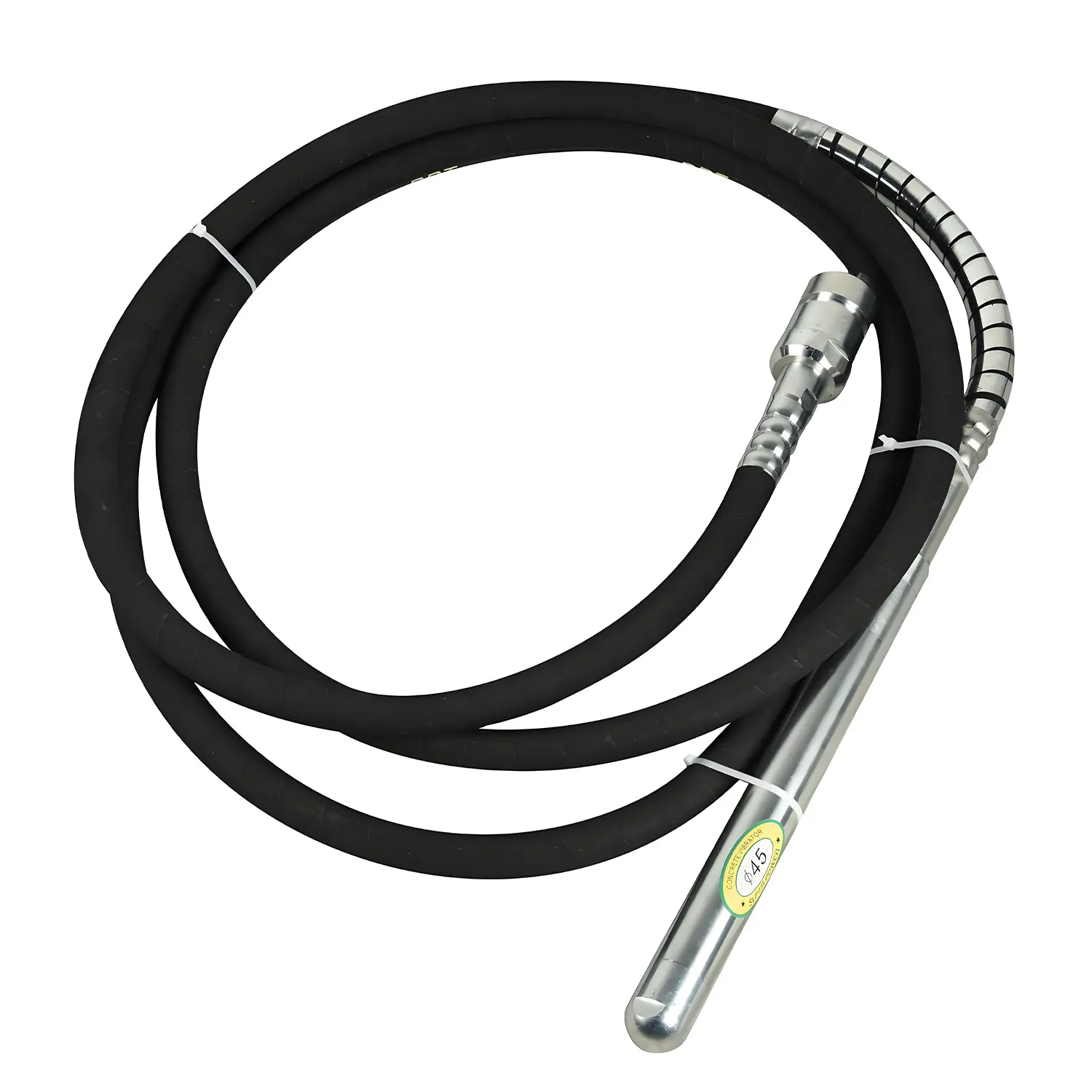 Pendulum shaft
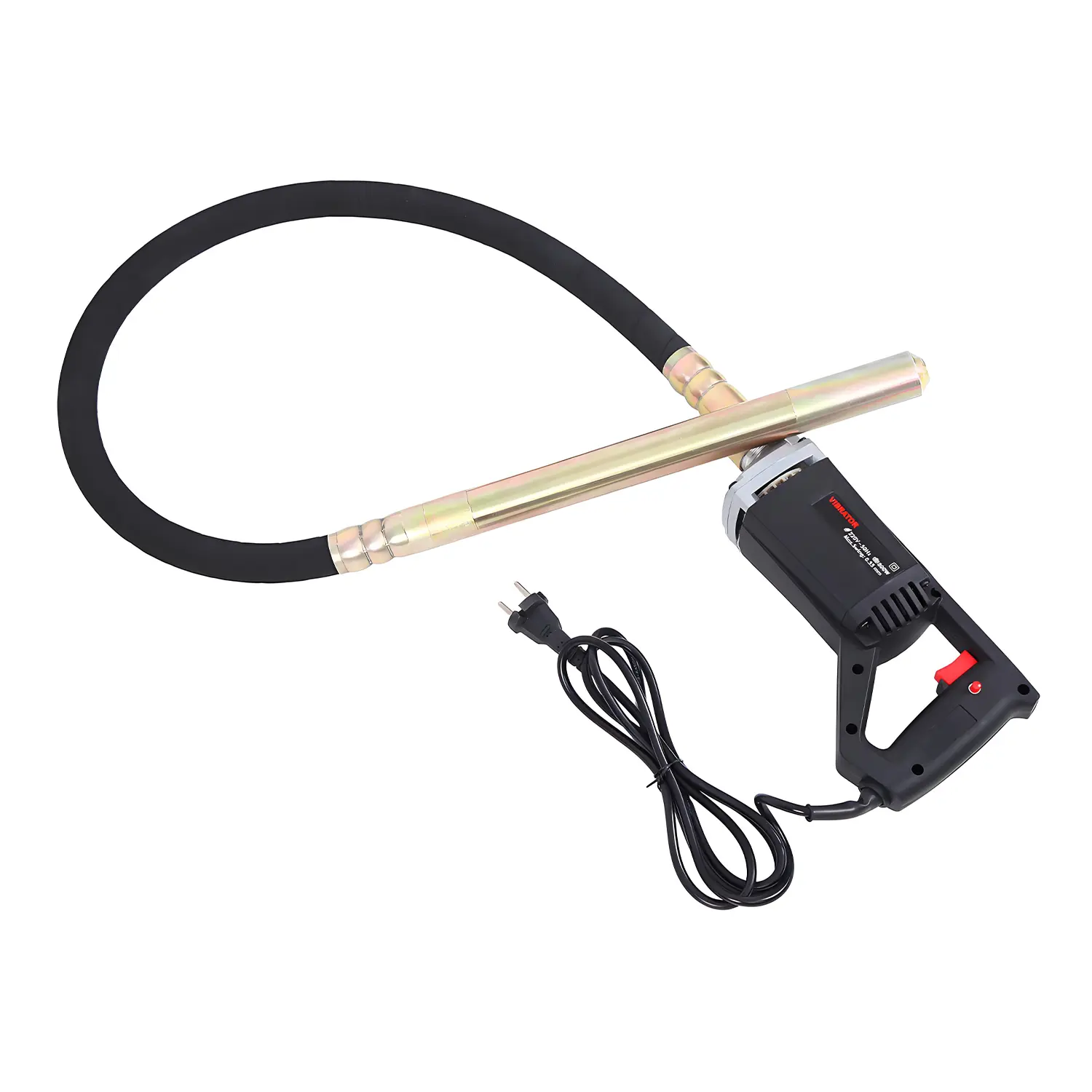 Portable vbrator shaft
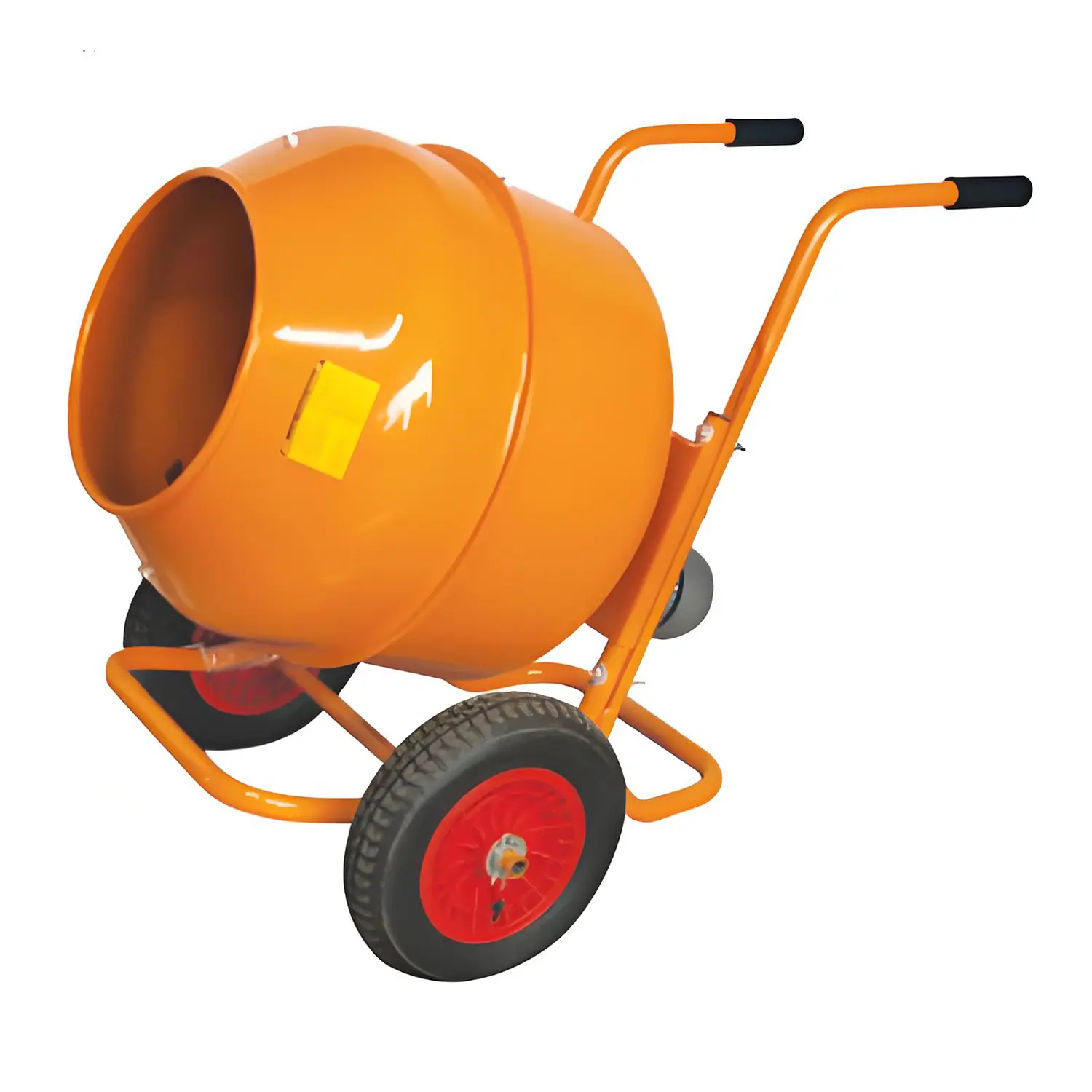 Portable concrete mixer
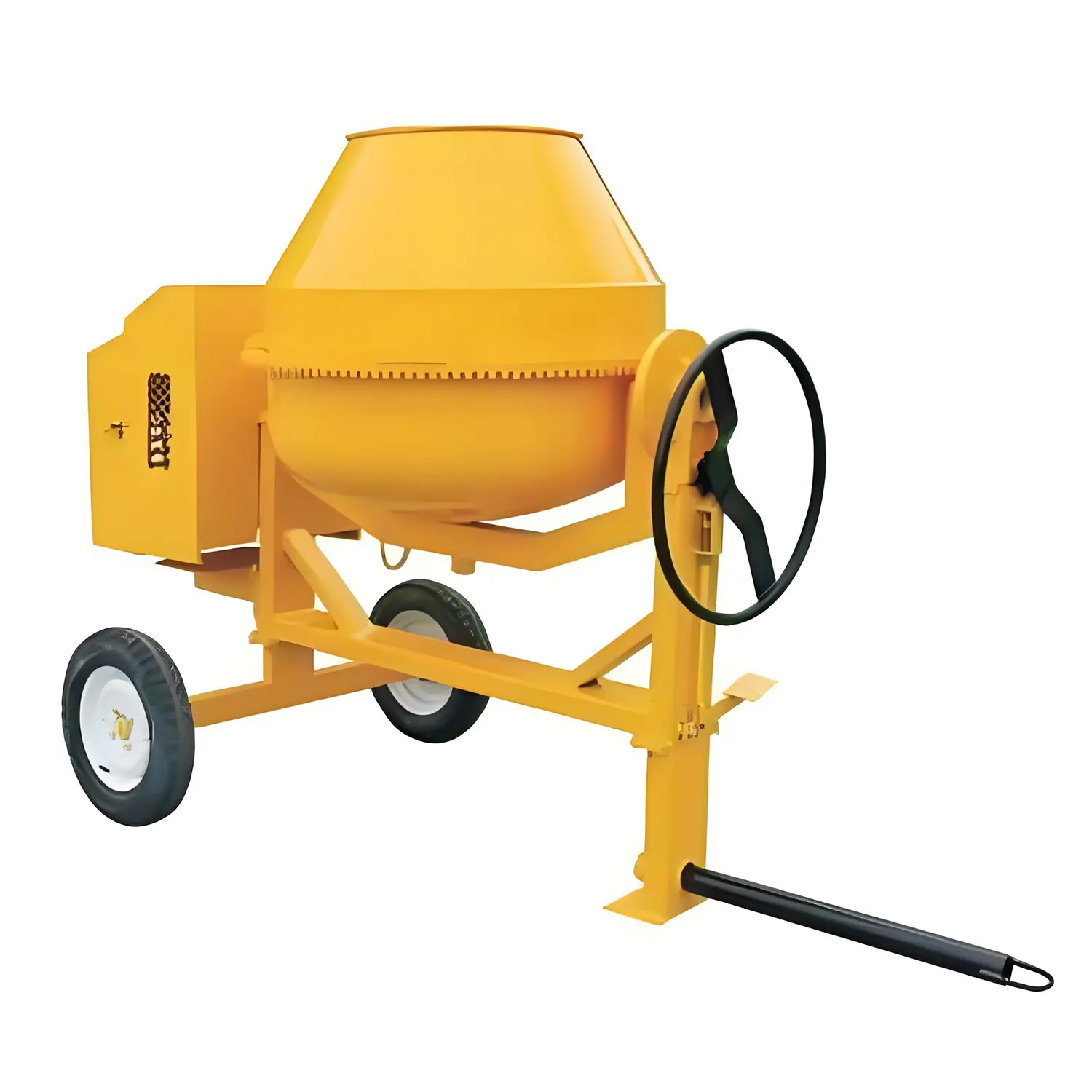 Vertical concrete mixer
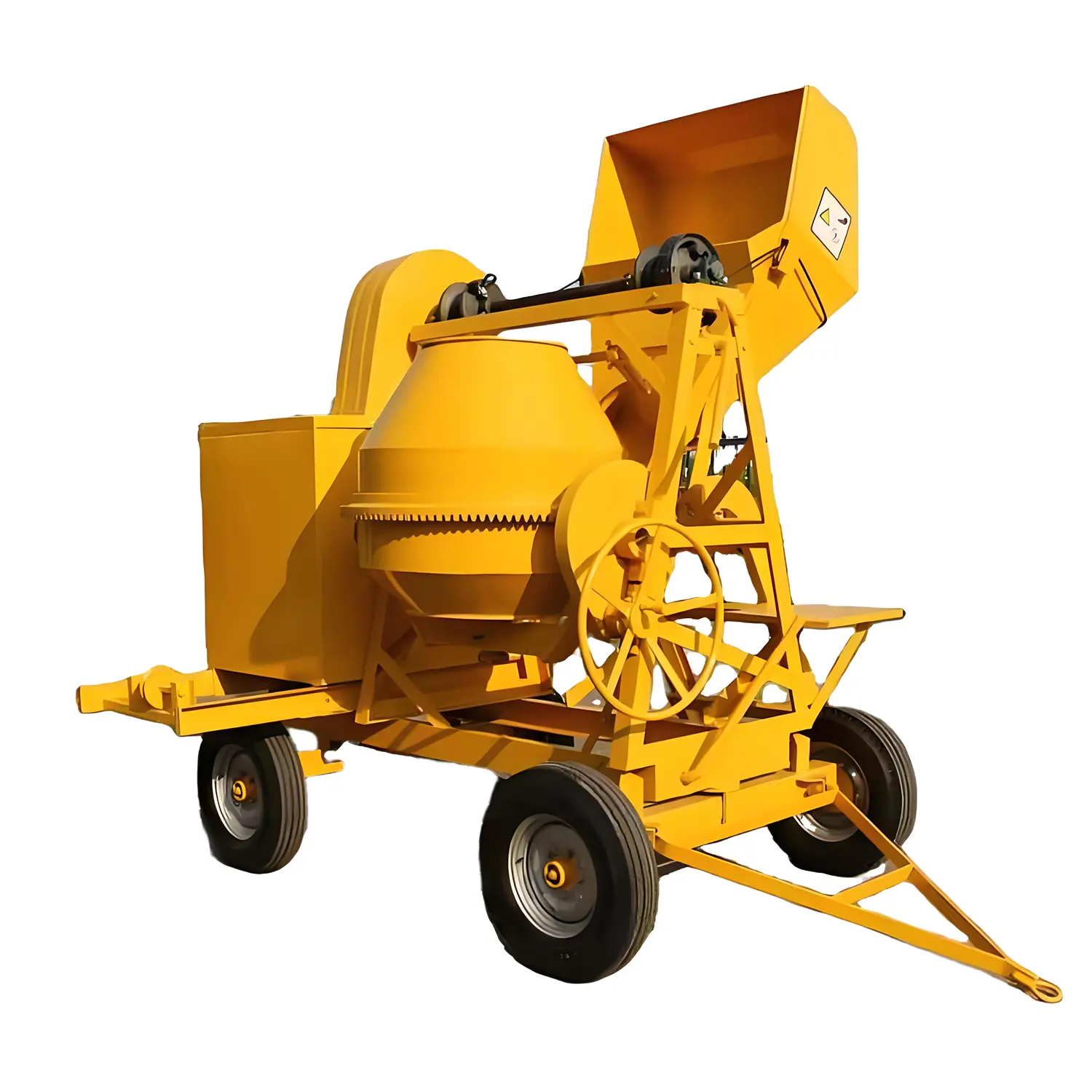 Hydraulic concrete mixer
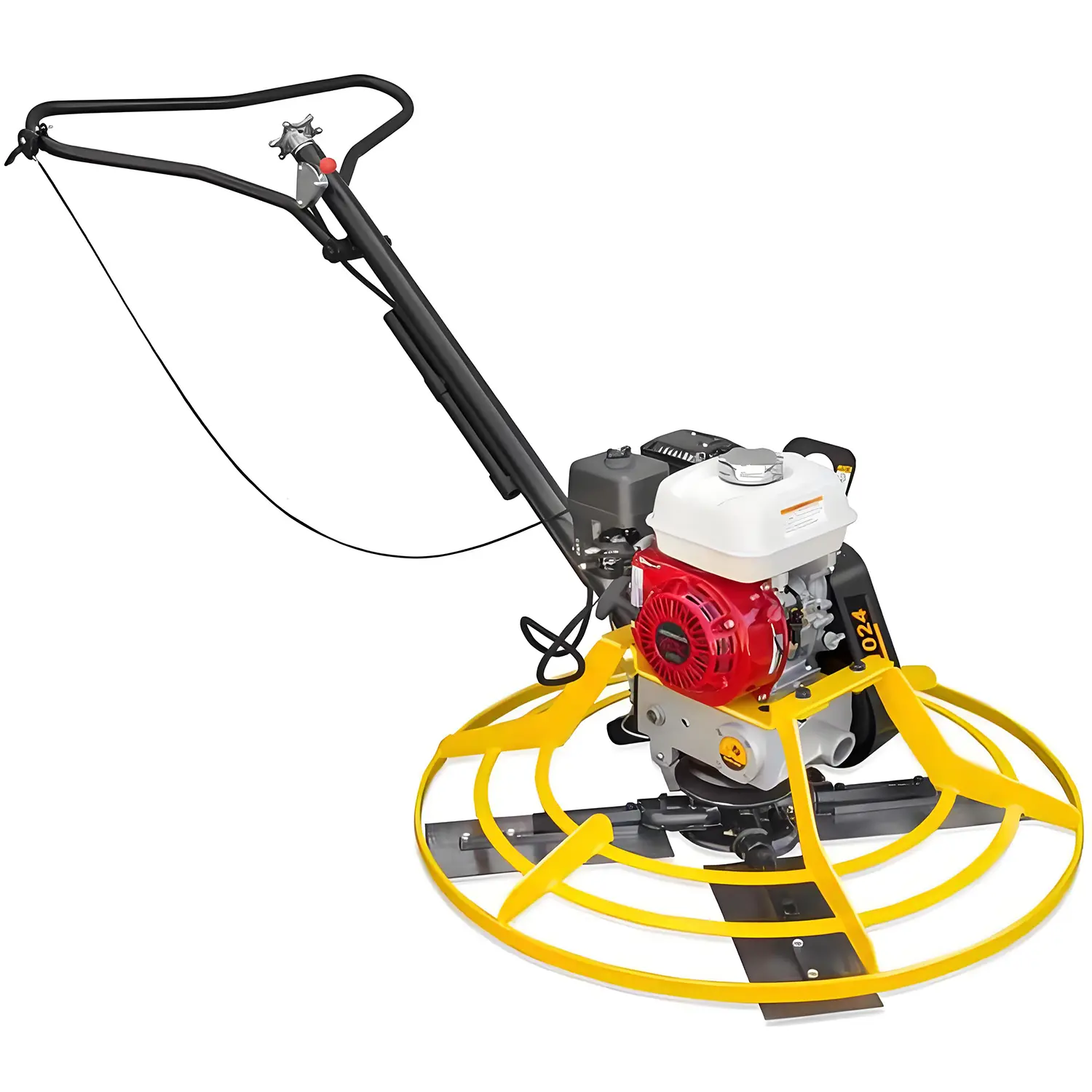 Walk behind power trowel
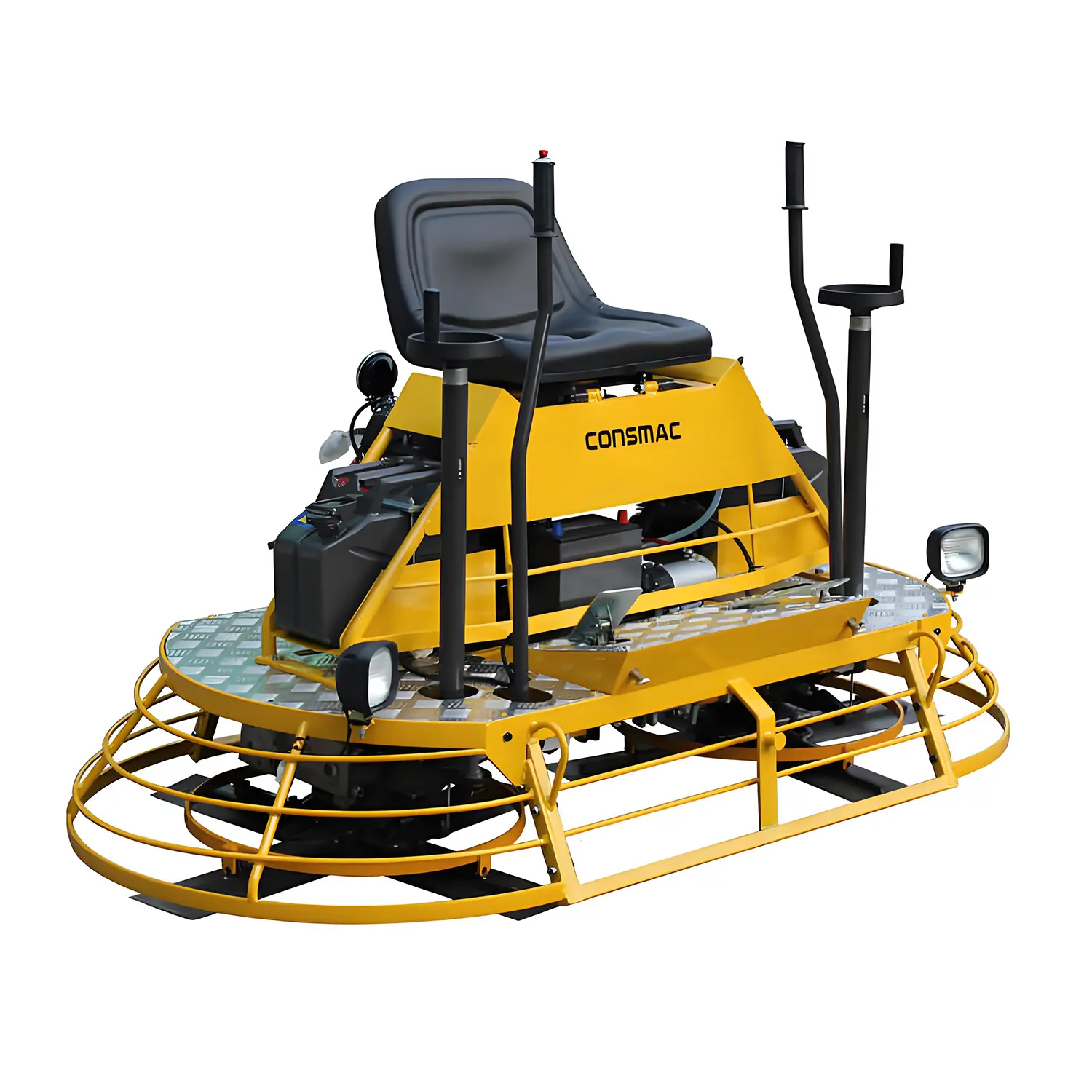 Ride on power trowel
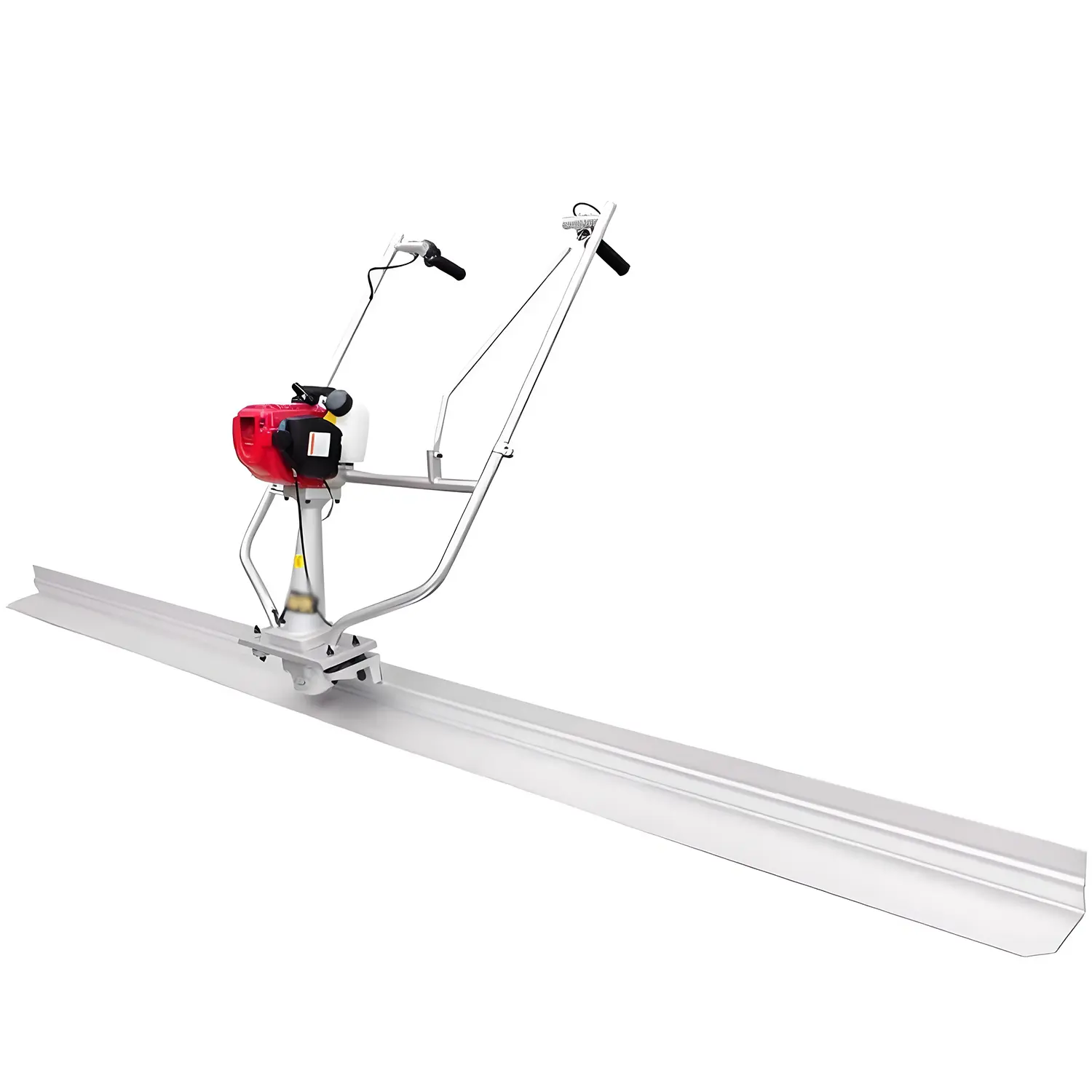 Concrete screed
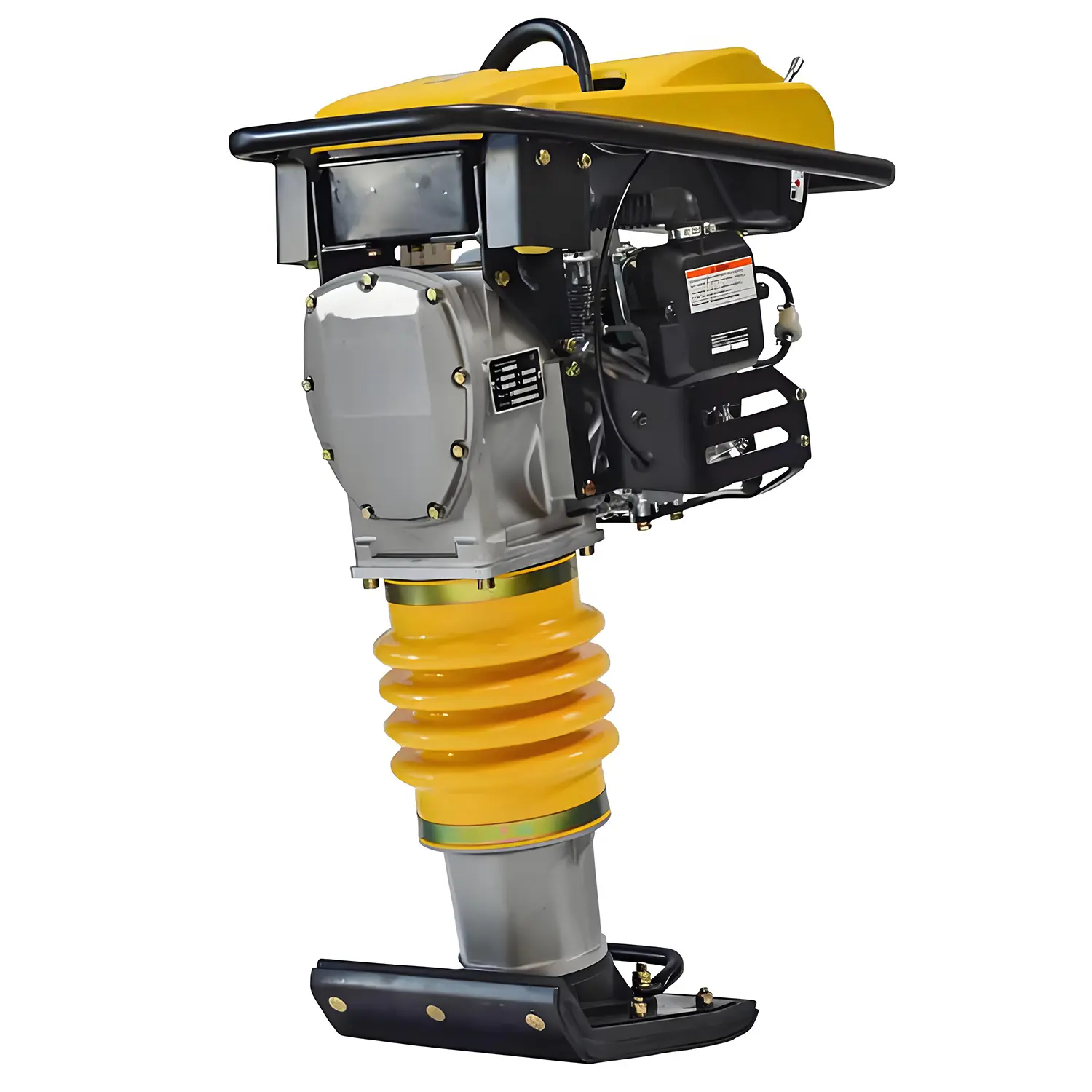 Tamping rammer
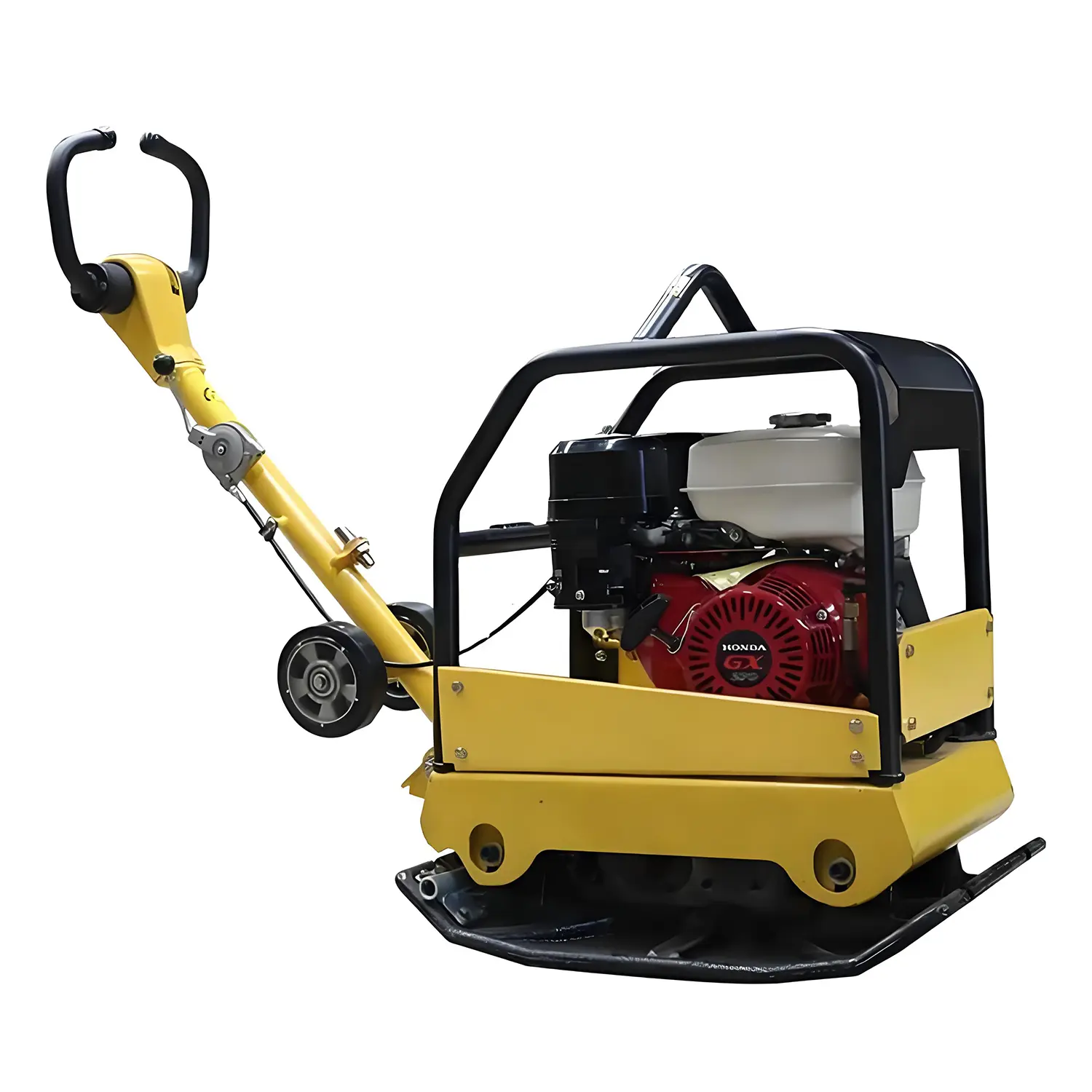 Plate compactor
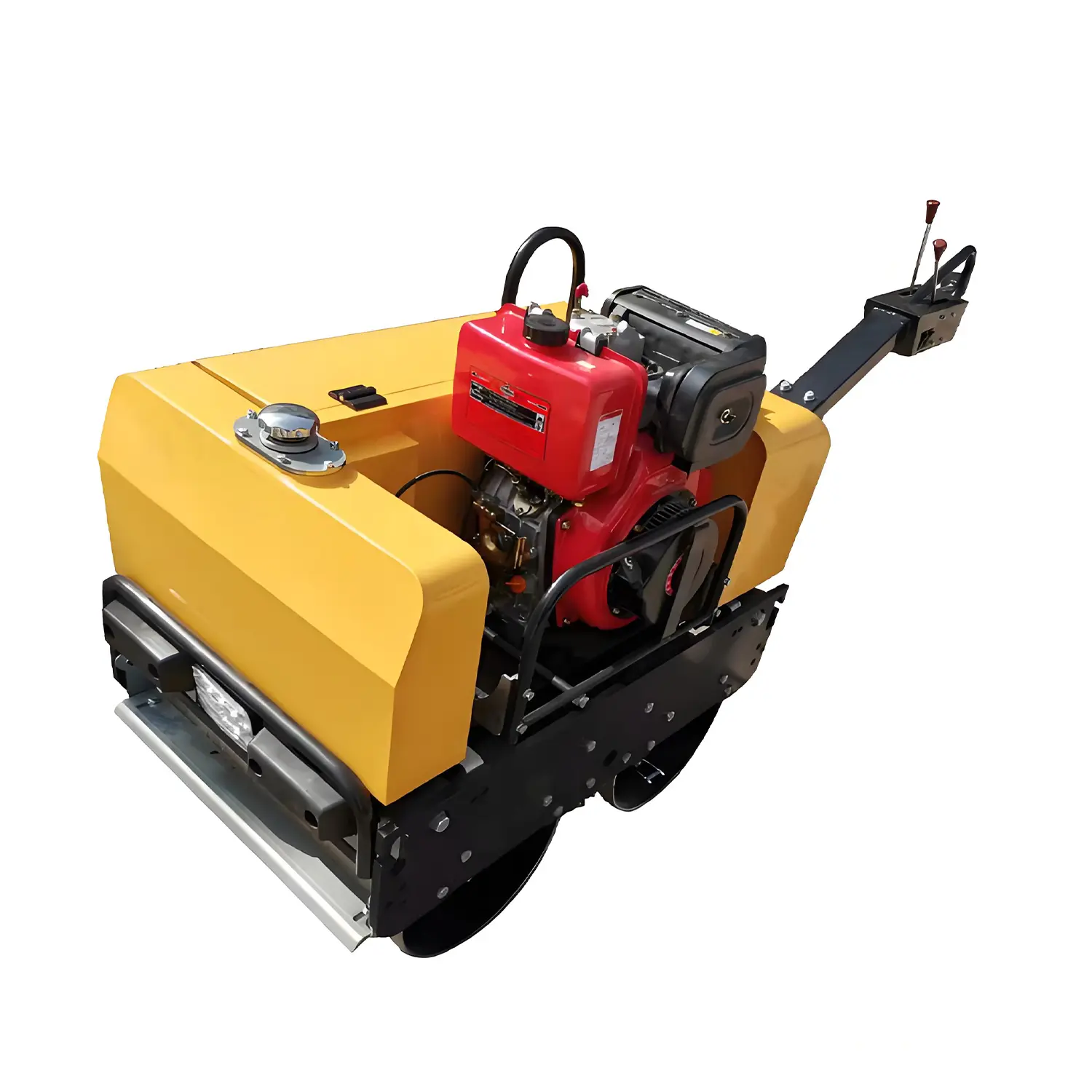 Vibratory roller