How to Choose the Best Cordless Concrete Vibrator for Your Needs?
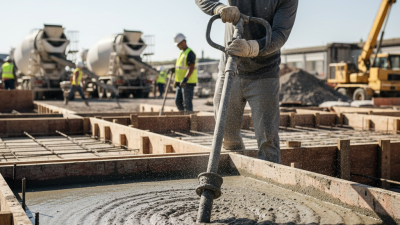
When selecting the best cordless concrete vibrator, understanding your specific needs is crucial. Industry expert Mark Johnson, a seasoned contractor with over 15 years of experience, emphasizes, "The right cordless concrete vibrator can make a significant difference in your project’s success." This statement highlights the impact of choosing the right tool for both efficiency and quality.
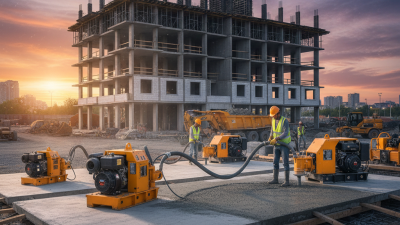
Cordless concrete vibrators offer flexibility and ease of use on various job sites. Whether you’re working on a small home project or a large construction job, finding the right model matters. Consider factors such as battery life, power, and vibration frequency. Different projects require different specifications. A light-duty task may not need the same features as a more demanding one.
However, it's essential to reflect on your options. Not all cordless concrete vibrators are created equal. Some may fall short on performance or battery longevity. Research and read reviews to avoid costly mistakes. Make informed decisions by comparing features and understanding what fits your workflow best. A thoughtful approach will lead to better outcomes and smoother operations.
Understanding the Importance of a Cordless Concrete Vibrator
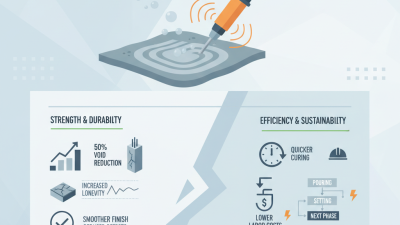
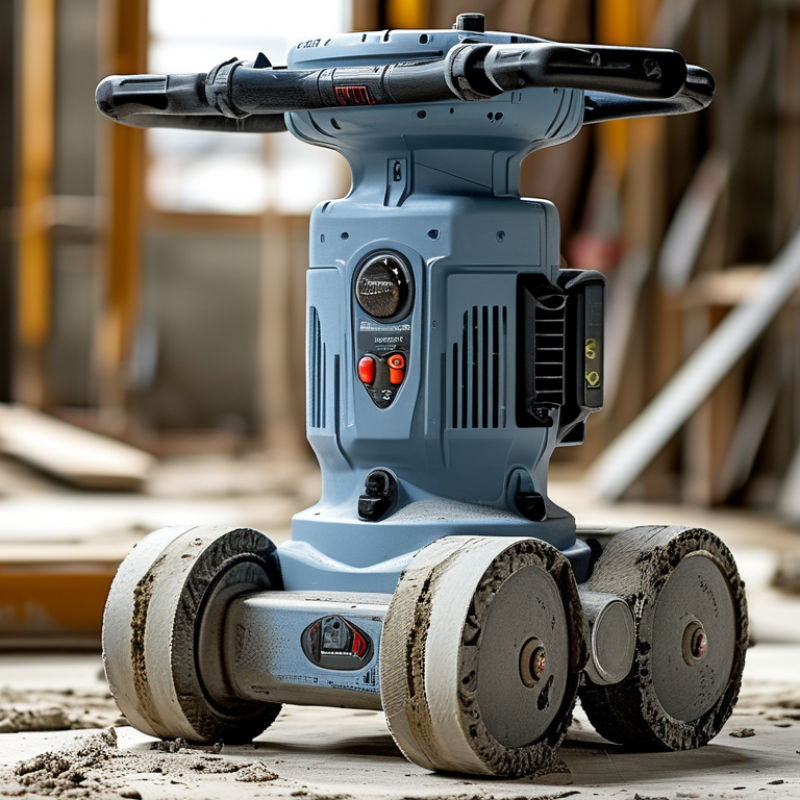
When it comes to concrete construction, the importance of a cordless concrete vibrator cannot be overstated. A recent industry report highlights that up to 70% of structural failures occur due to poor consolidation of concrete. This tool helps eliminate air pockets, ensuring even distribution of the mixture and enhancing strength. Inadequate vibration can lead to weak spots. In instances where concrete cures improperly, the long-term durability of a structure is compromised.
The versatility offered by cordless models allows for greater maneuverability on job sites. A study from Concrete Construction noted that cordless equipment increases efficiency by 30%. Workers can easily navigate tight areas, reducing the time spent repositioning. However, without the right model, performance may falter. It's crucial to consider battery life and power output when making a selection.
Despite the advantages, many still overlook the need for quality. Poor choices can lead to insufficient vibration, resulting in subpar finishes. Some users report that low-end models fail to deliver expected results. Investing in a reliable vibrator is essential. Balancing power with usability should be a primary focus. Careful evaluation of specifications and user reviews can lead to better outcomes.
Comparison of Cordless Concrete Vibrator Performance Metrics
Key Features to Look for in a Cordless Concrete Vibrator
When selecting a cordless concrete vibrator, it’s crucial to know what features to prioritize. One of the most important elements is battery life. Data indicates that models with a longer battery life can operate for up to 4 hours continuously, which is essential for larger projects. Look for units that offer quick charging capabilities, enabling operators to maximize their productivity without lengthy downtimes.
Another key feature is motor power. A well-powered vibrator can effectively eliminate air bubbles, ensuring a solid concrete finish. Various models boast vibrations per minute ranging from 12,000 to 18,000. Over 70% of professionals indicate that optimal vibration frequency results in smoother and more durable concrete. Additionally, weight and portability are significant; heavier models can lead to fatigue, while lightweight ones can be easier to manage but may compromise power.
An adjustable speed control function is also worth considering. This provides flexibility for different concrete mixes and pours. According to construction reports, users appreciate the control, especially in sensitive areas. It’s necessary to reflect on these options and think about how they align with your specific needs. Balancing between power and maneuverability can sometimes be challenging, but it is vital for achieving the best results.
Assessing Battery Life and Power Specifications
When selecting a cordless concrete vibrator, battery life and power specifications are crucial. A powerful motor can make a difference in efficiency. Most models offer different battery capacities, and understanding this is key. Some batteries last only an hour, while others can endure up to three hours. Consider your project length when choosing a model.
Power specifications affect performance significantly. Higher voltages typically mean more intense vibrations. Six-volt versions may suffice for small jobs, yet larger tasks often require 12 or 18 volts. However, more power can drain the battery faster. It's vital to find a balance between power and battery longevity.
Take time to review user feedback. Look for comments regarding battery life and charging time. Some users report disappointing performance with certain models. Assessing user experiences can direct you toward reliable choices. This process can feel overwhelming, but understanding power needs can simplify your decision.
Comparing Different Brands and Models Available on the Market
When evaluating cordless concrete vibrators, consider the available brands and models. Each brand brings its own unique features. Some focus on battery life, while others prioritize power. A model with a robust motor can significantly enhance performance. Assessing the vibration frequency is vital, as it determines how effectively concrete is consolidated.
Additionally, look at the design and ease of use. Some vibrators are heavier, impacting user fatigue during extended use. Lighter models might offer more maneuverability. Battery charging time and durability also play crucial roles. A quick recharge can boost efficiency on job sites. Evaluate user reviews to understand real-world performance. They can reveal both strengths and weaknesses that specs alone may not show.
Finally, consider the warranty provided by each brand. A solid warranty often reflects manufacturer confidence. However, if a product fails frequently, even a long warranty won't compensate for poor design. Reflect on these factors and choose a model that best suits your project needs. The right choice can lead to better results and greater satisfaction in your work.
User Reviews and Expert Recommendations for Optimal Choice
When selecting a cordless concrete vibrator, user feedback can guide your decision.
According to a 2022 industry survey, over 70% of professionals state that user reviews significantly impact their tool choice. These insights reveal real-world performance and durability. Many users highlight battery life as a critical factor. A tool that operates for at least 45 minutes on a single charge can facilitate smoother workflow, especially during larger projects.
Expert recommendations often emphasize the importance of weight and ergonomics. A lightweight design helps reduce fatigue. Reports suggest that models weighing under 10 pounds are easier to handle during long hours of work. Experts also note the benefits of features like adjustable vibration speed. This adaptability allows for better control, particularly when working with varying concrete mixtures. However, some reviews caution against models that seem appealing initially but fail in consistent performance.
Additional concerns arise regarding maintenance and repairability. Vibration tools can experience wear and tear, yet many users find replacement parts difficult to obtain. Choosing a model with better support can save costs in the long run. Balancing these aspects—user experiences, expert insights, and real-world performance—will help you identify a tool that meets your specific needs effectively.

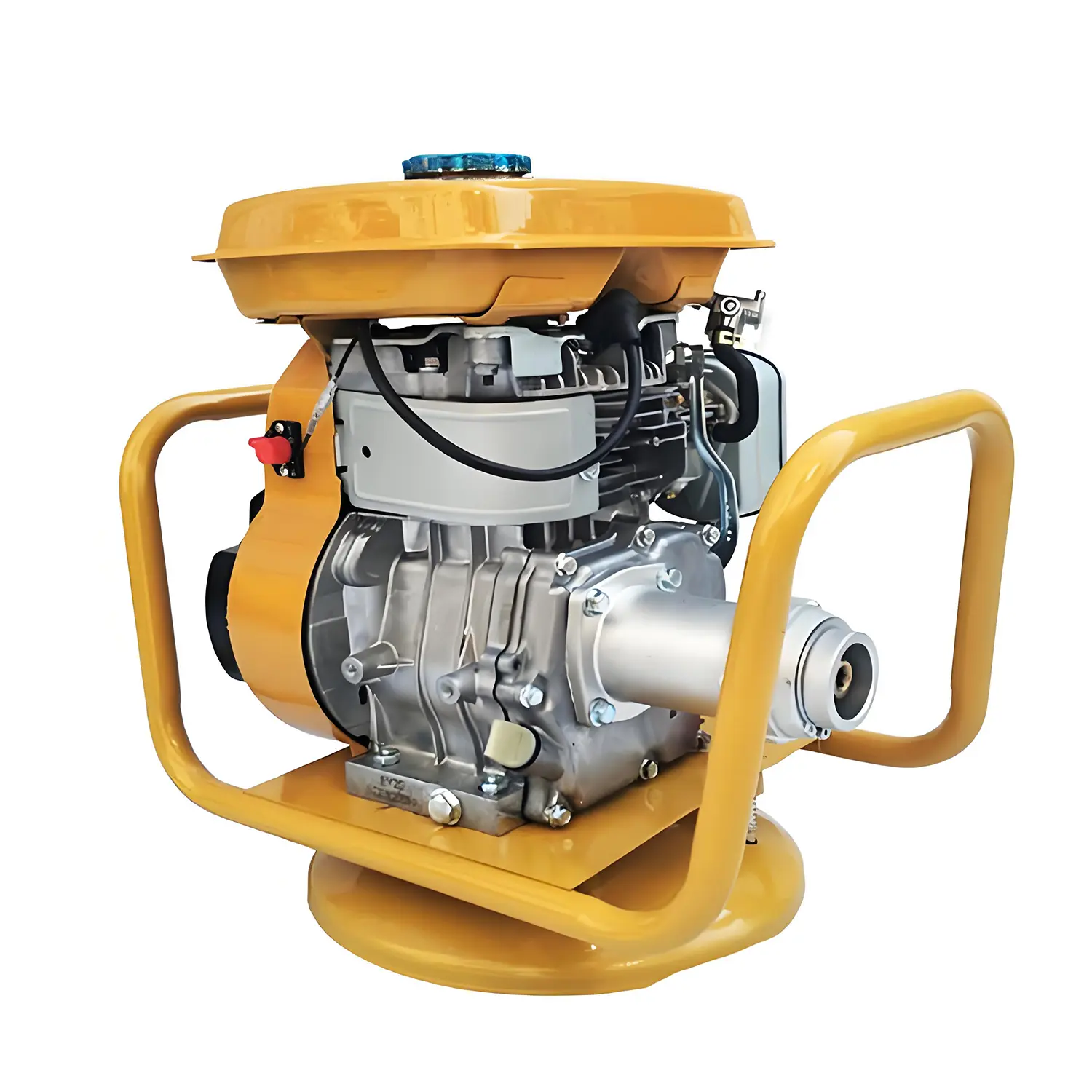 Internal Vibrator
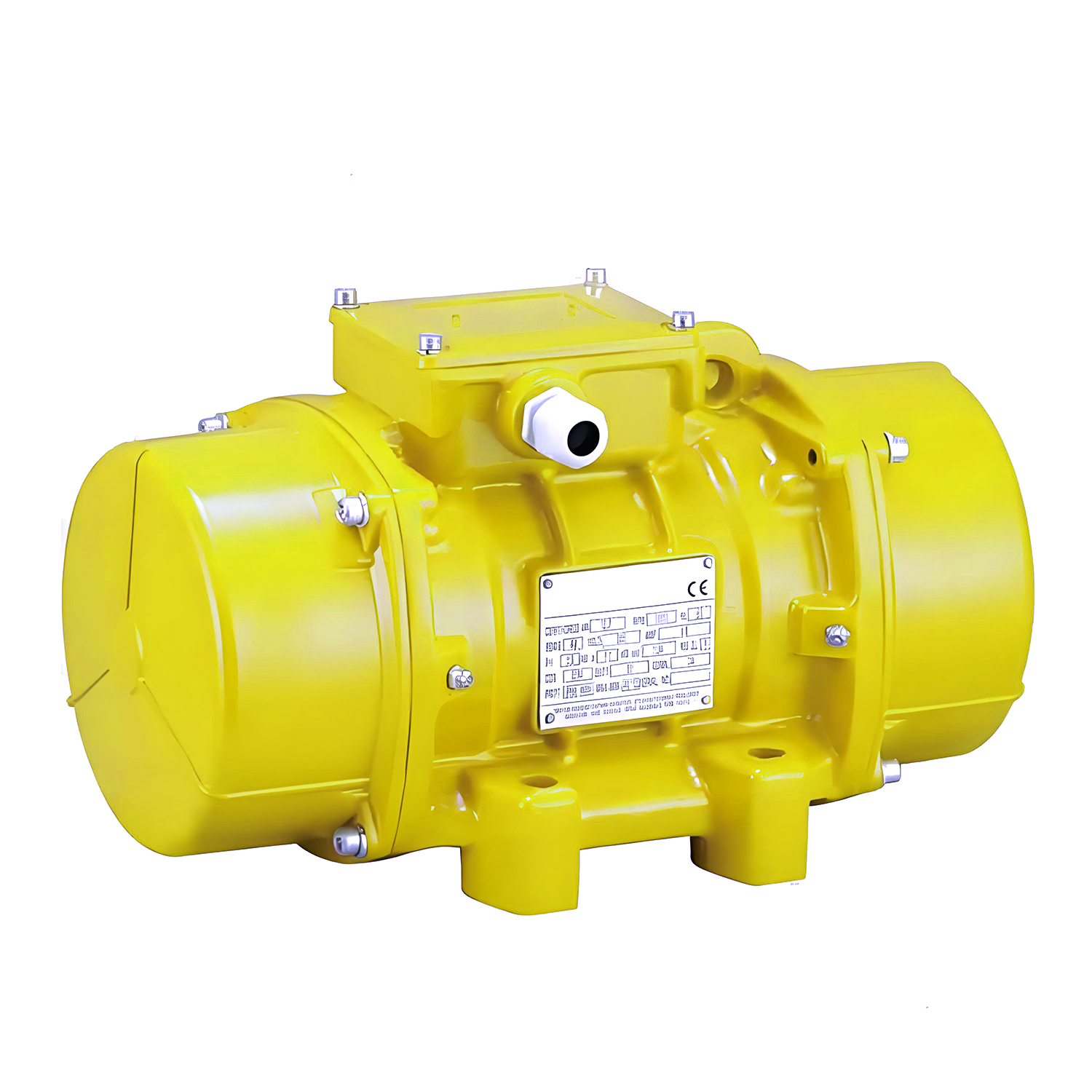 External Vibrator
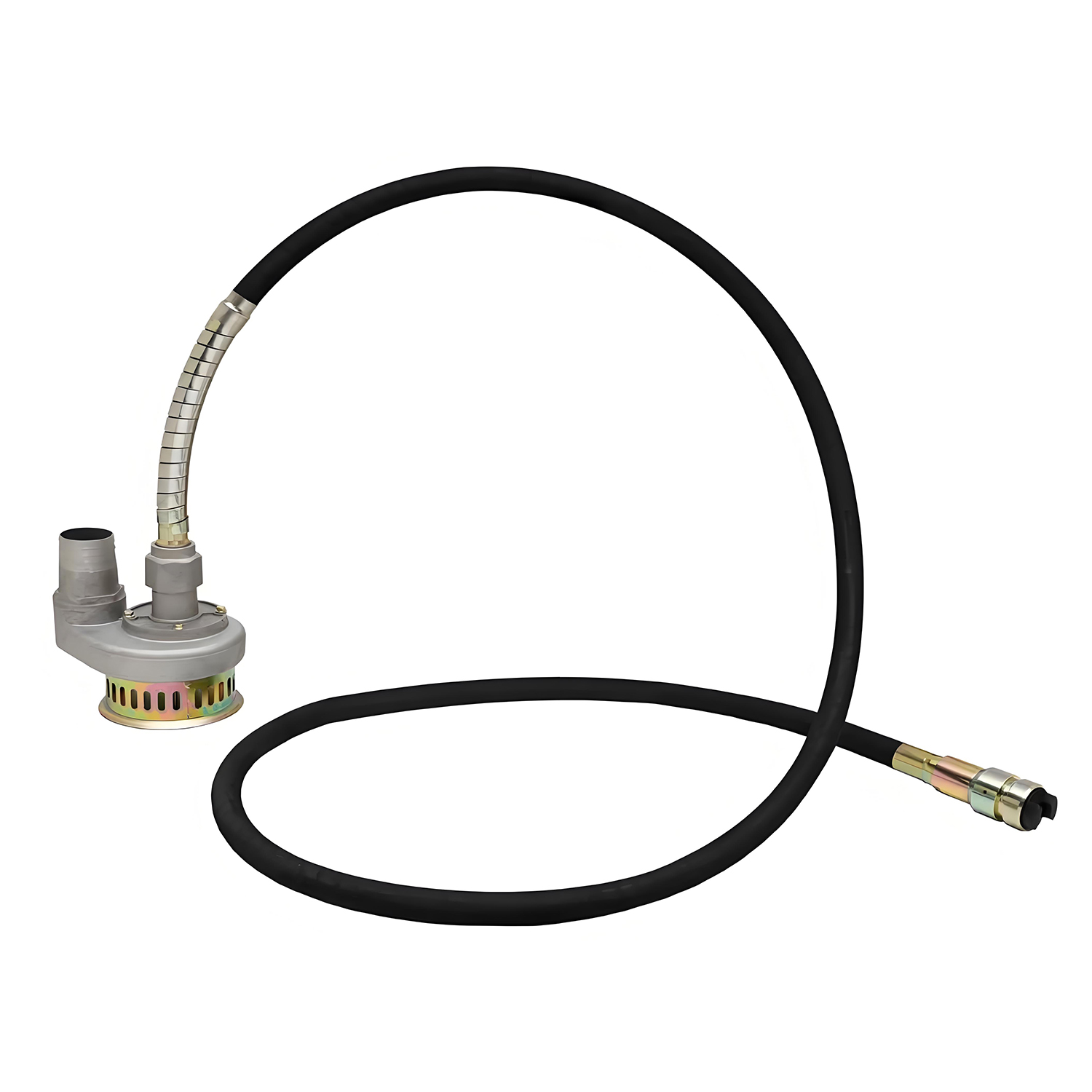 Submersible Pump
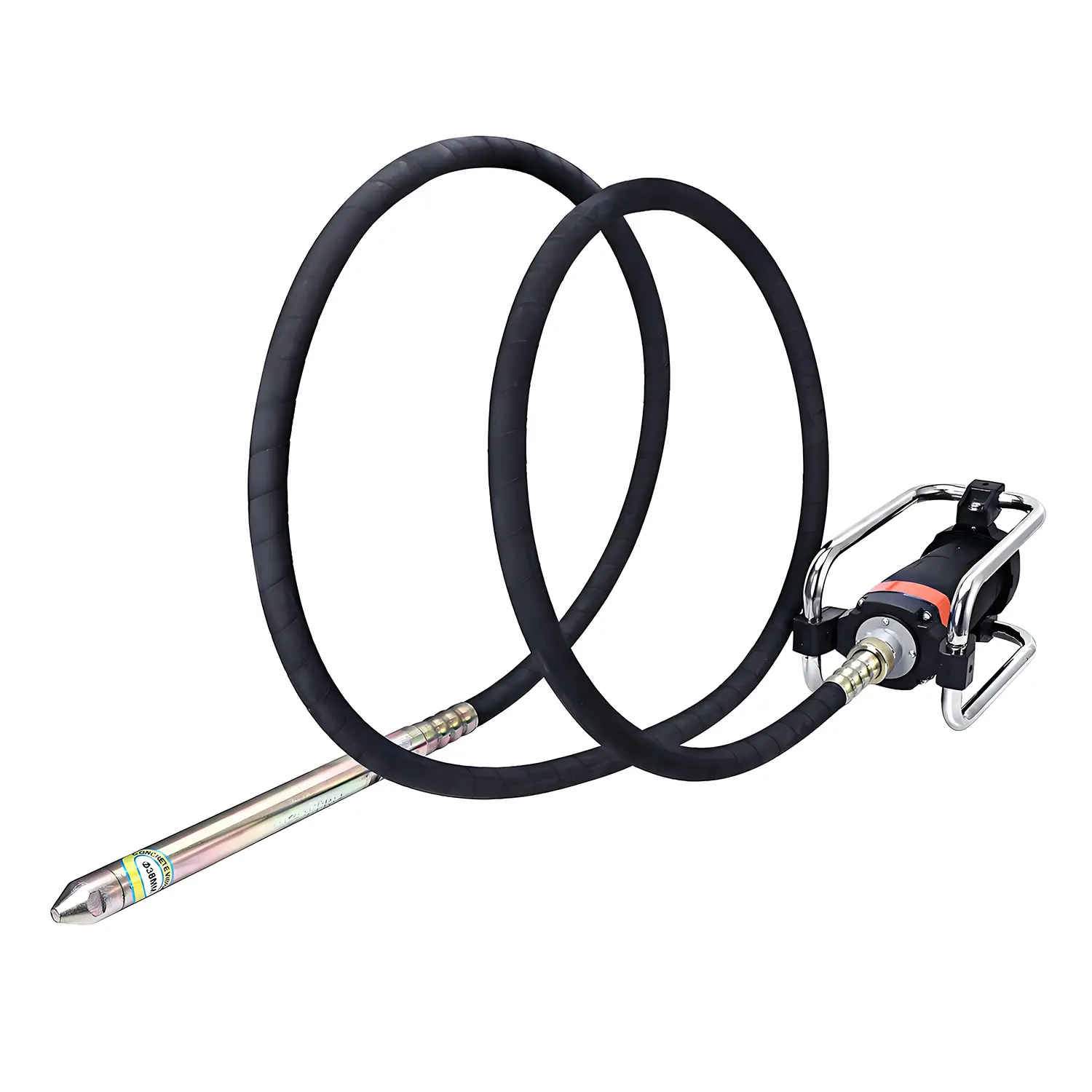 Eccentric shaft
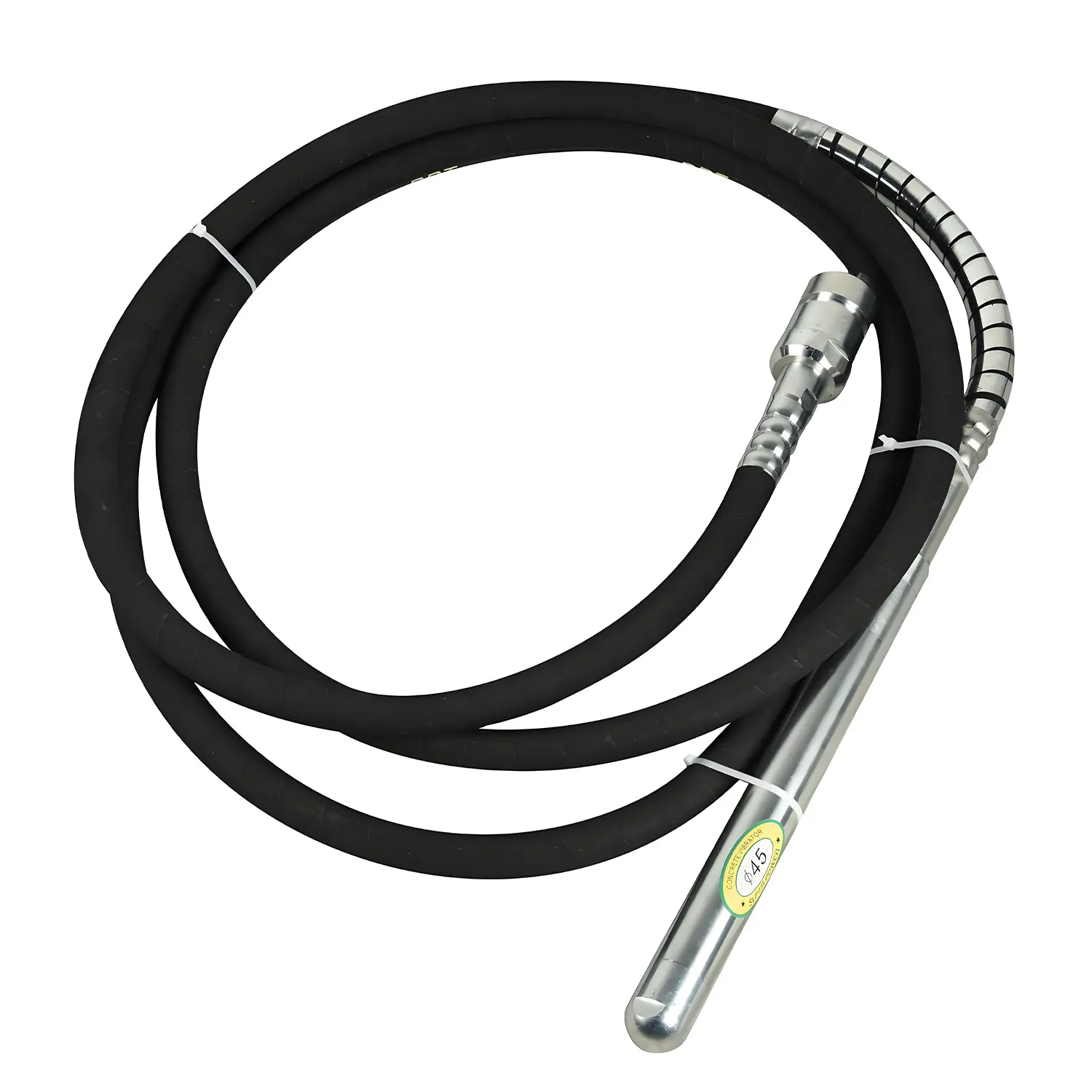 Pendulum shaft
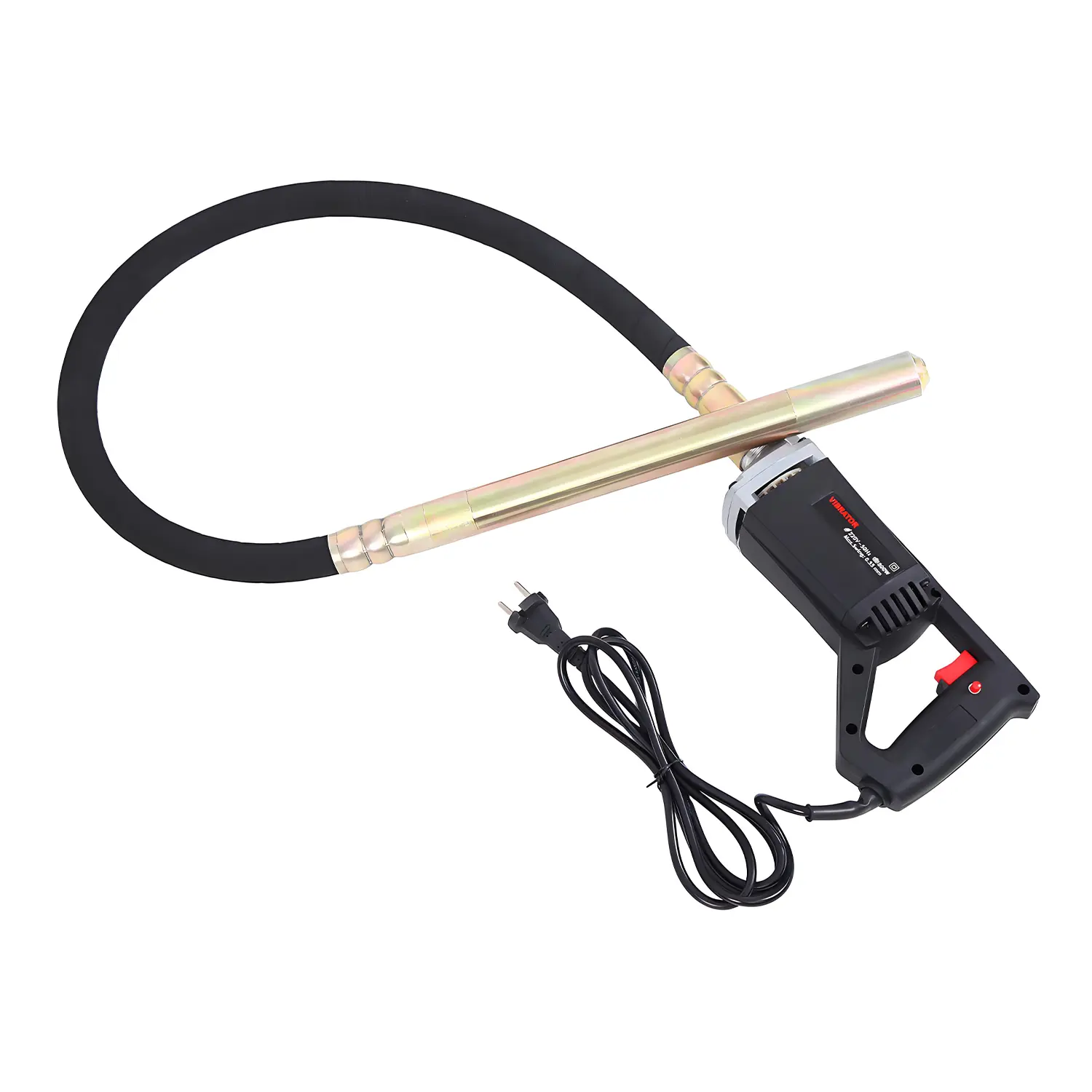 Portable vbrator shaft
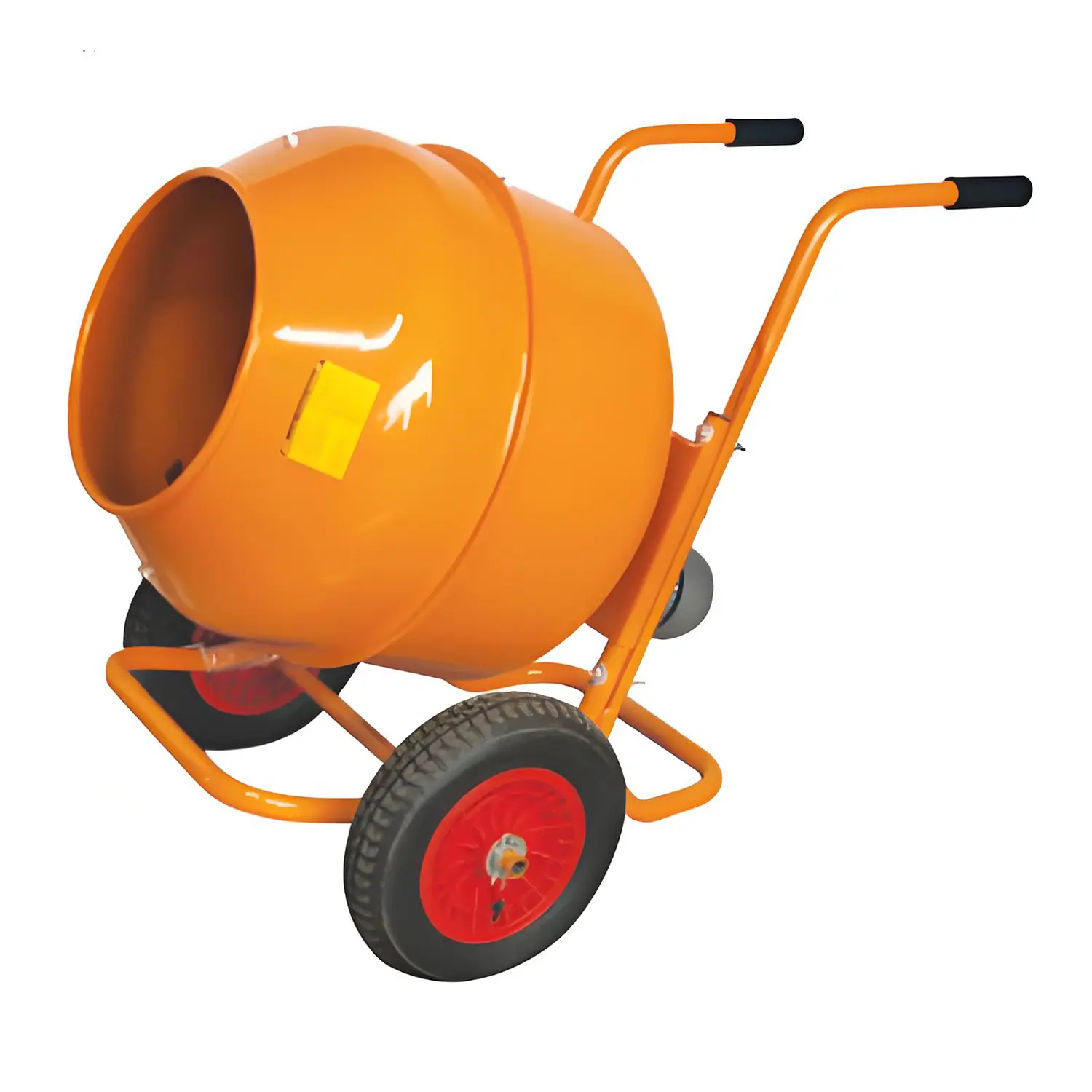 Portable concrete mixer
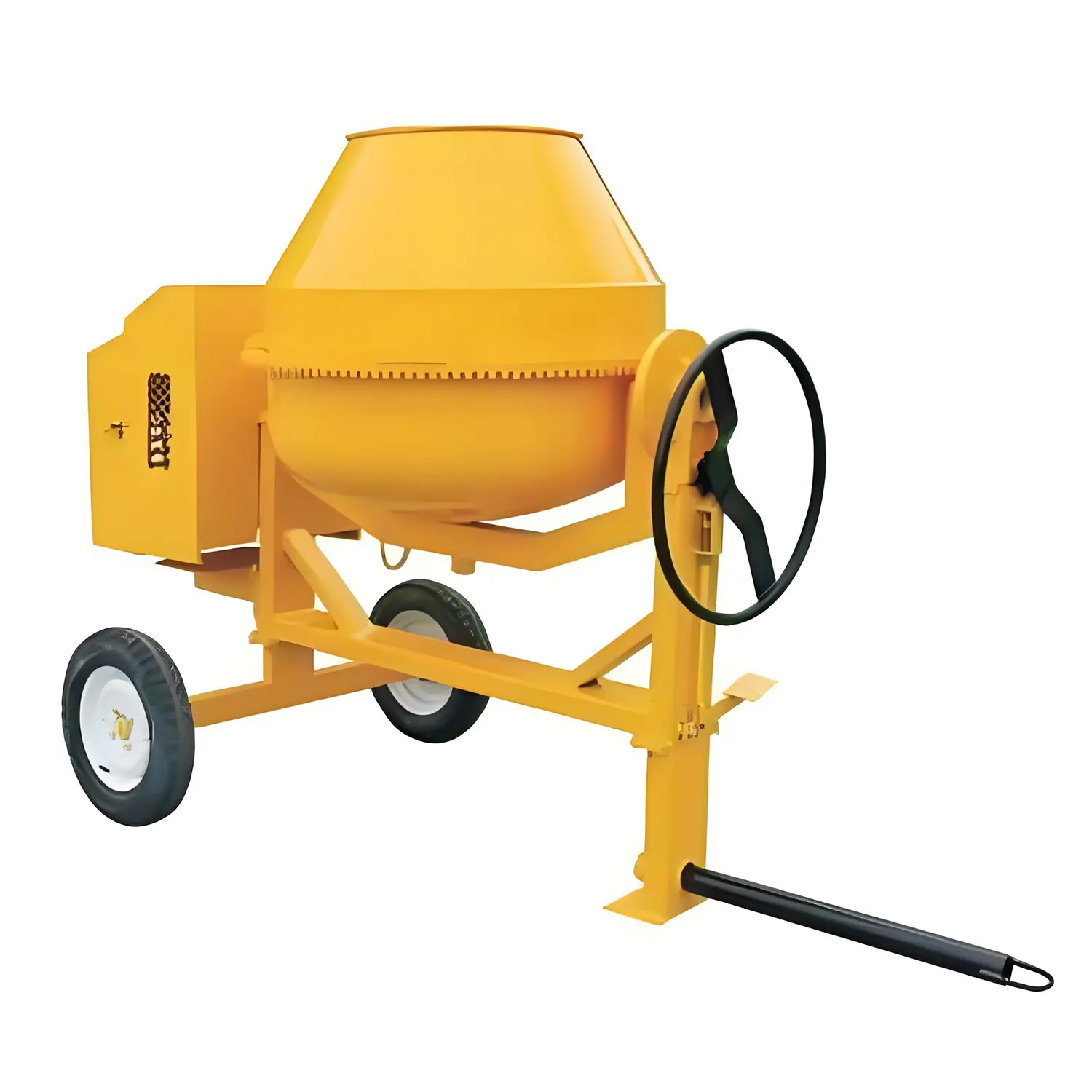 Vertical concrete mixer
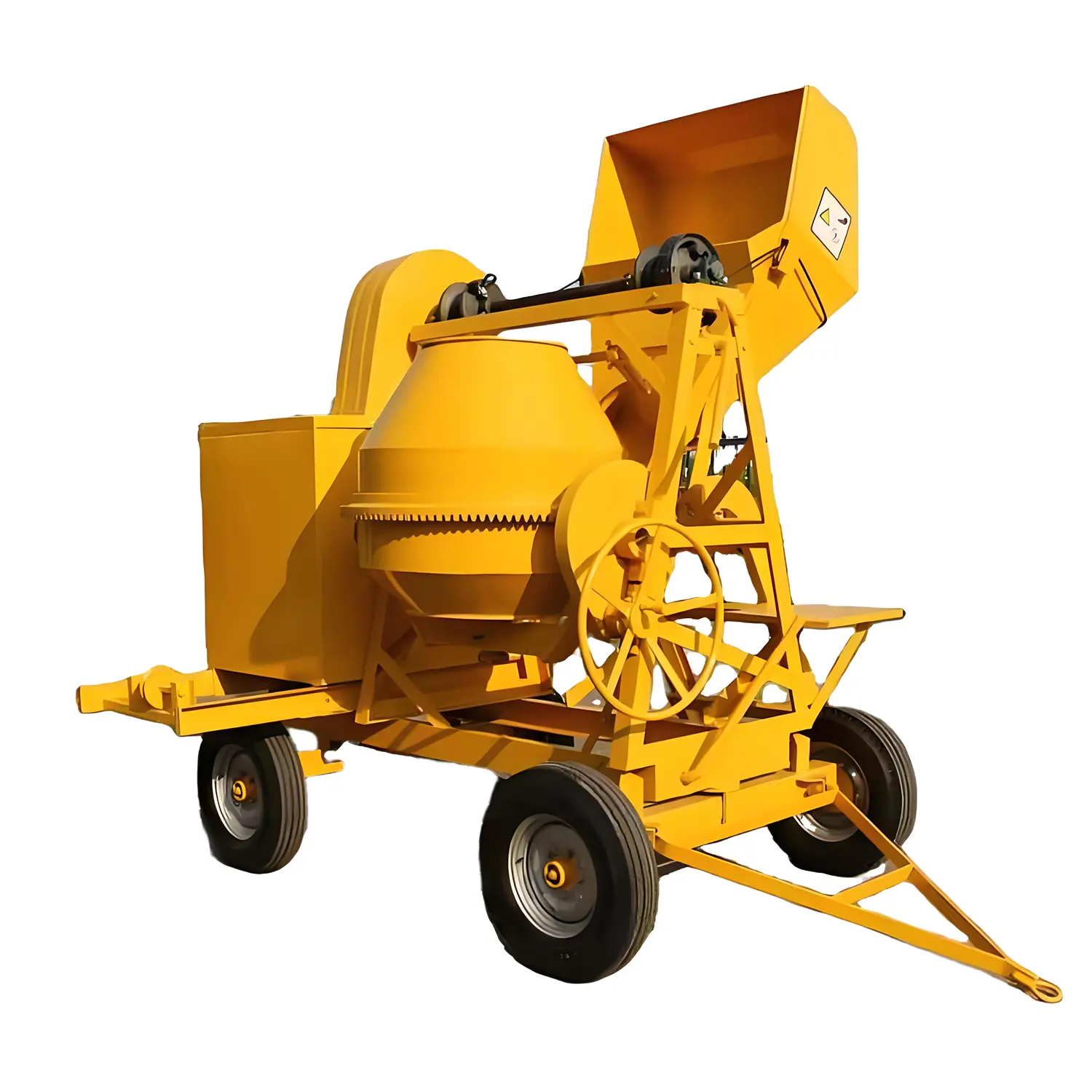 Hydraulic concrete mixer
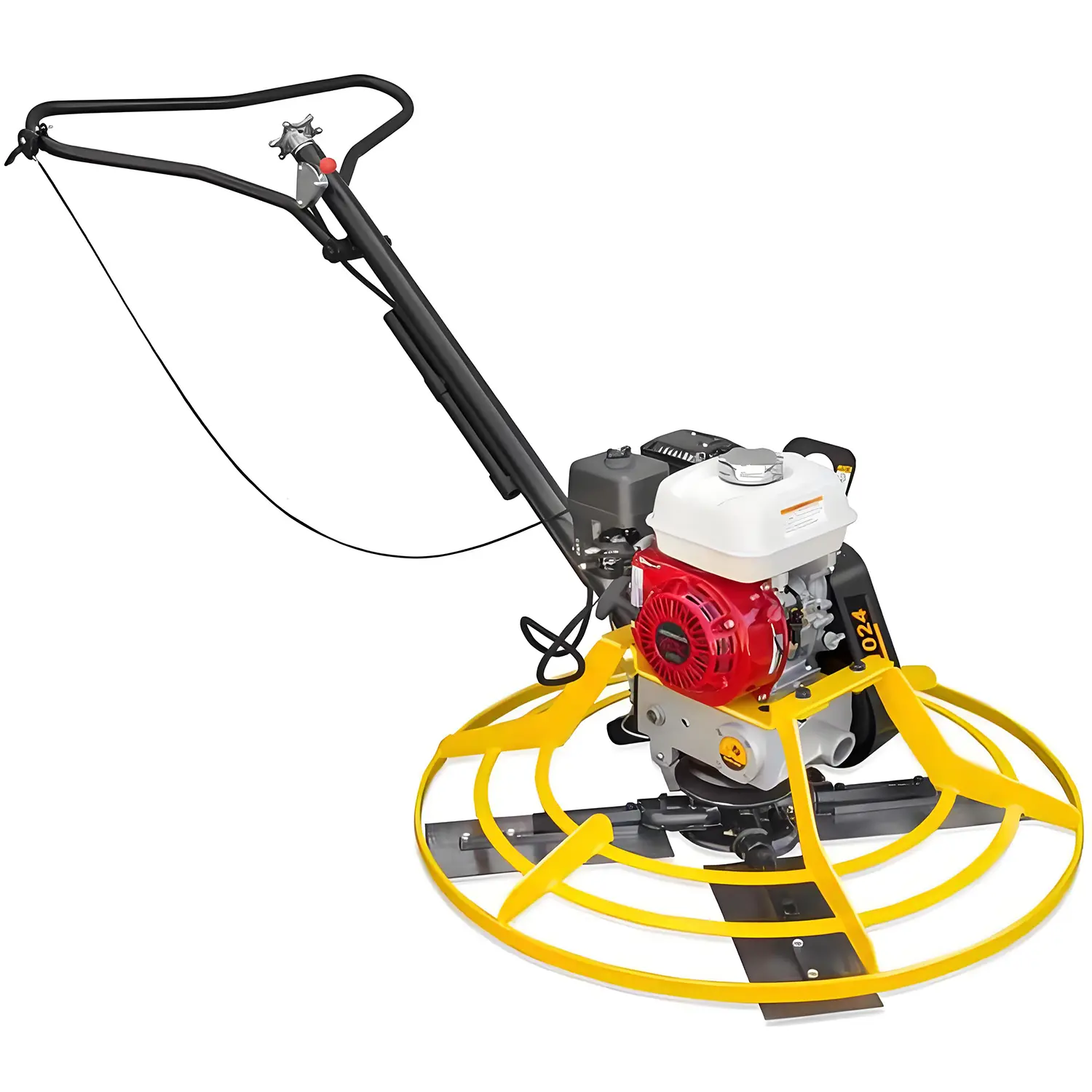 Walk behind power trowel
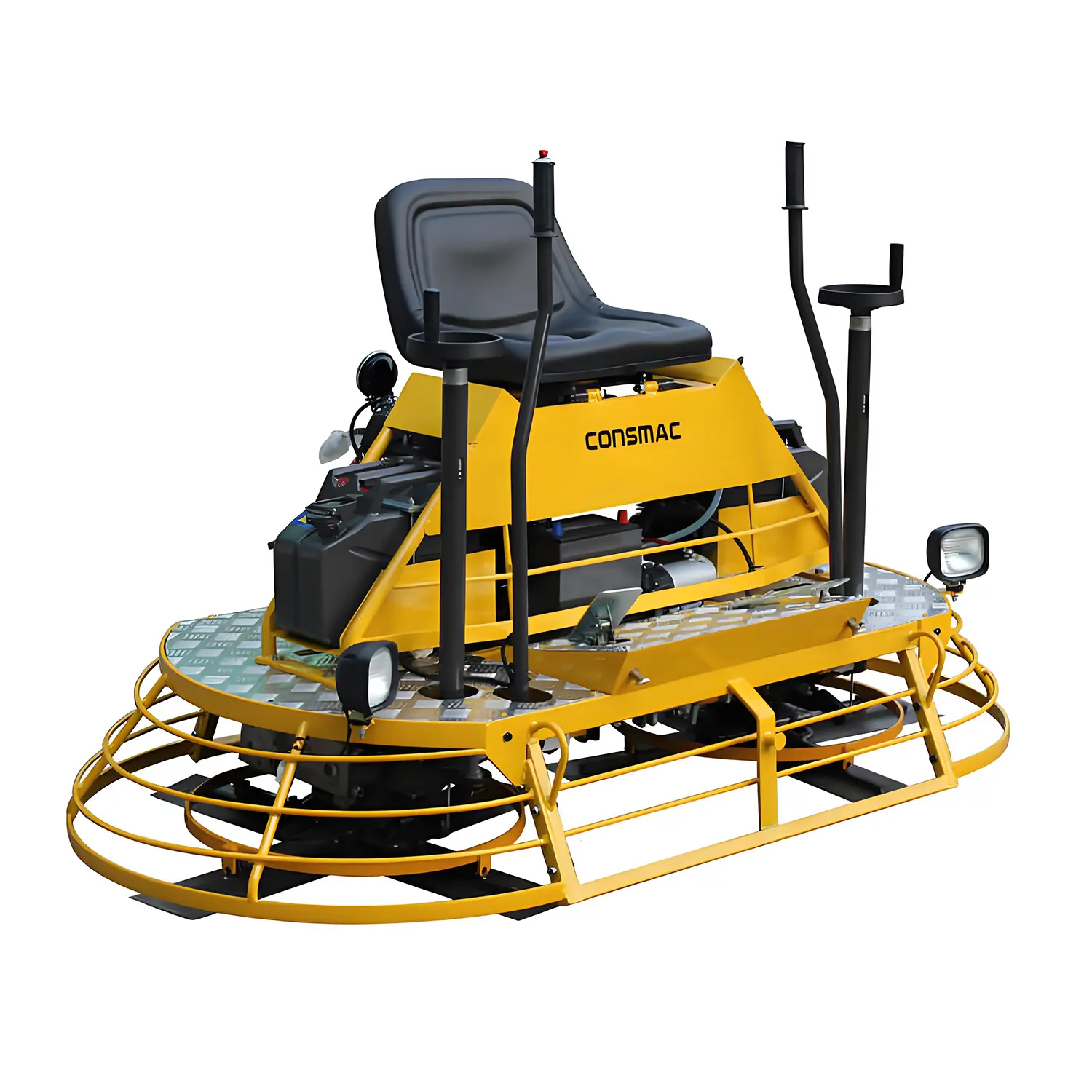 Ride on power trowel
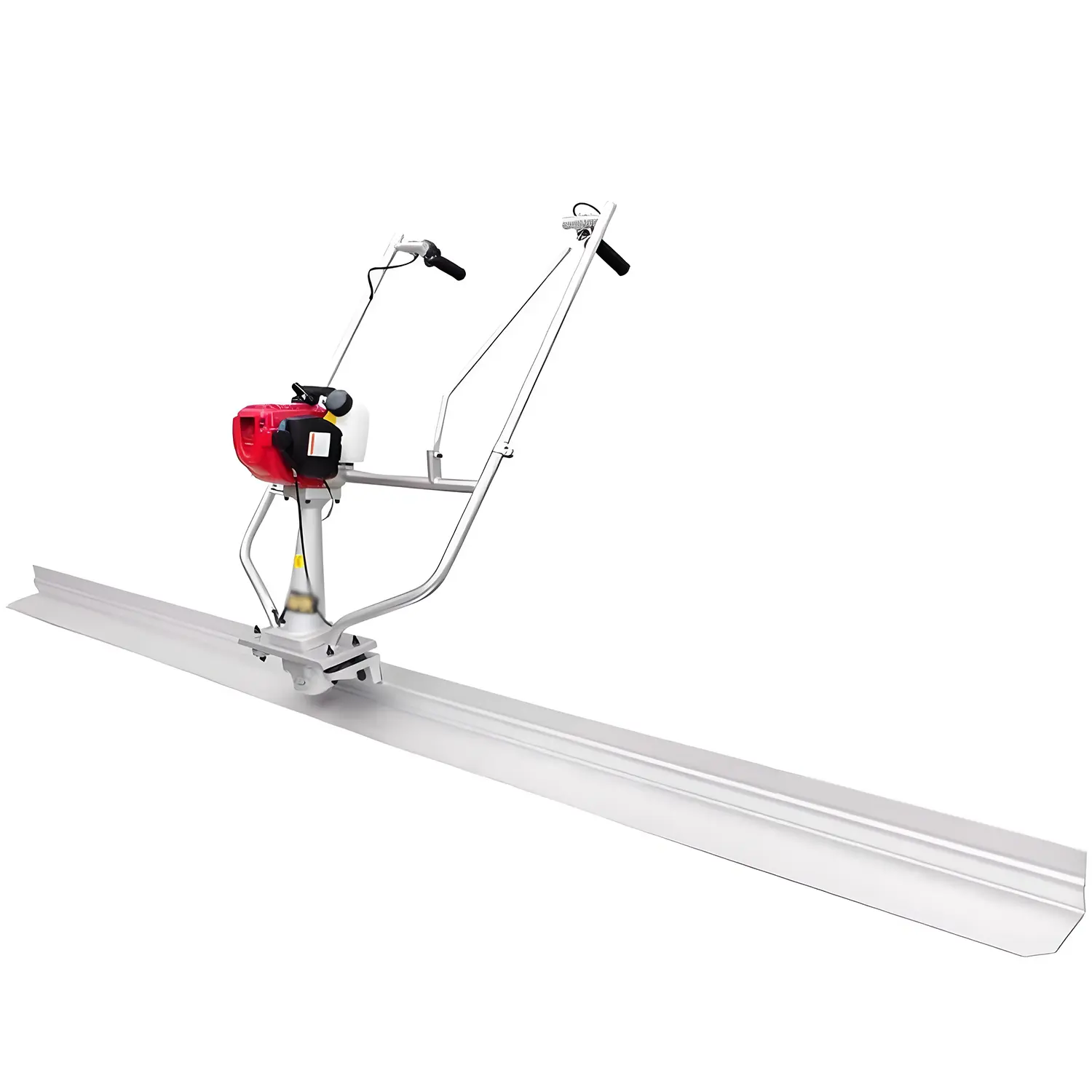 Concrete screed
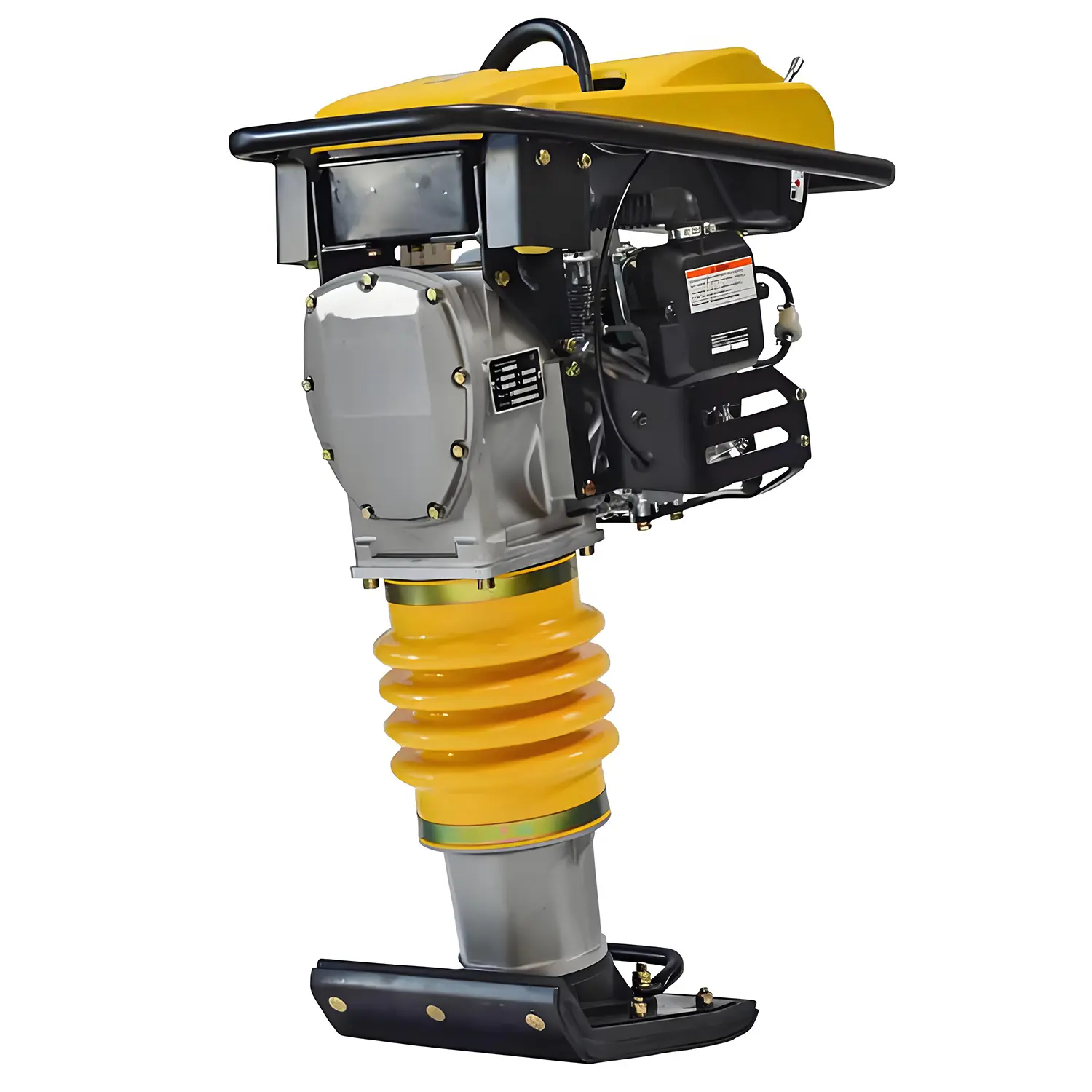 Tamping rammer
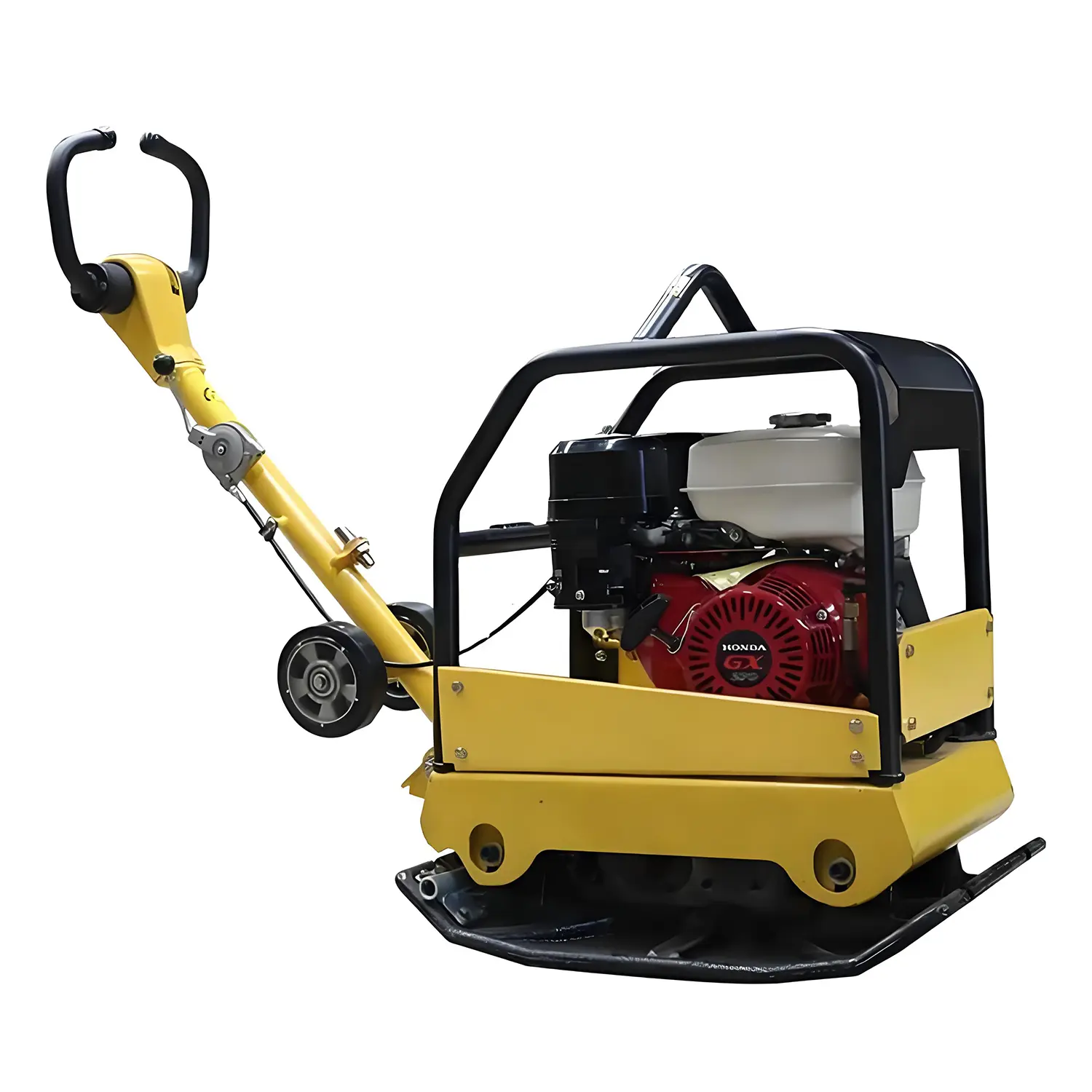 Plate compactor
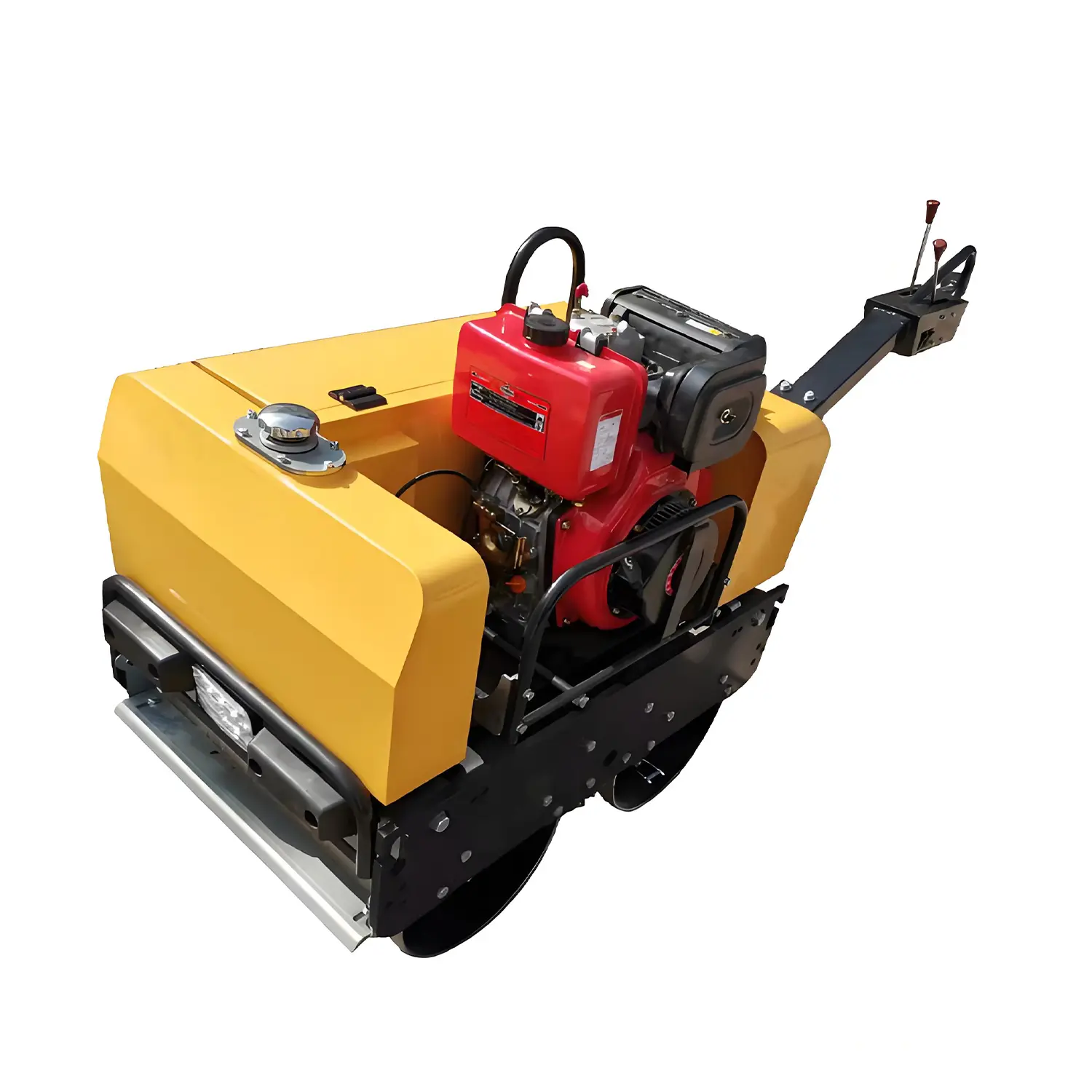 Vibratory roller