Why Choose Concrete Vibrators for Your Construction Projects?
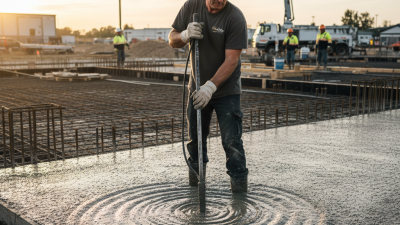
Concrete vibrators play a crucial role in modern construction. According to industry expert John Smith, "Using concrete vibrators ensures the even distribution of concrete, enhancing strength and durability." These tools facilitate the removal of air pockets in freshly poured concrete, allowing for better compaction and finish.
Choosing the right concrete vibrator can significantly impact project outcomes. Various types exist, each suited for specific applications. Understanding these differences is vital for optimal results. Some contractors overlook the importance of this equipment, leading to inefficiencies and potential structural issues.
In the competitive construction market, quality is paramount. Reliable concrete vibrators save time and reduce labor costs. However, the wrong choice can lead to problems. Investing in the right tools is essential for both novice and seasoned builders. Understanding how to use concrete vibrators effectively leads to superior results.
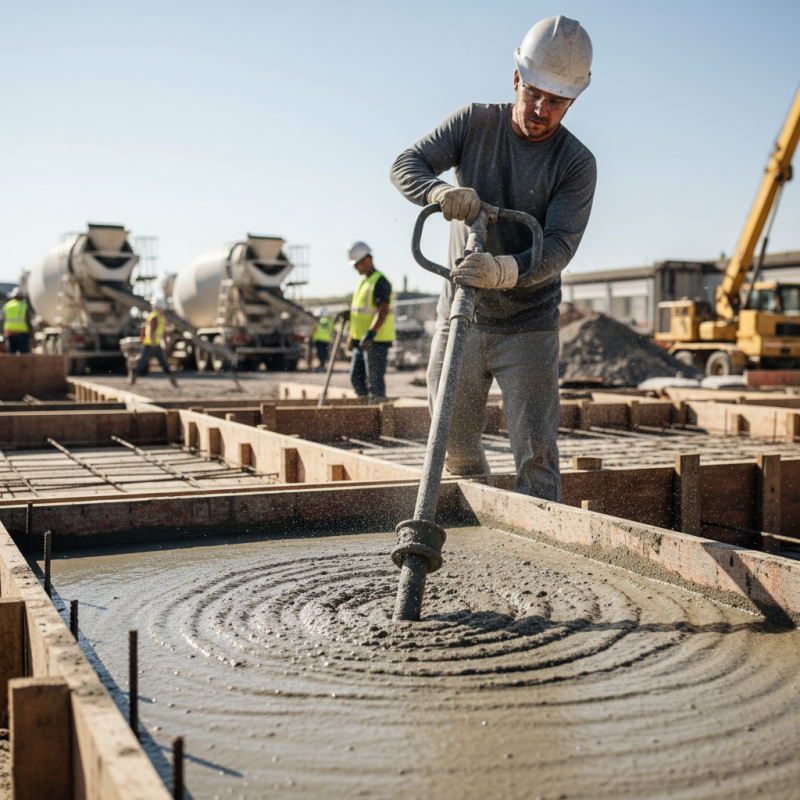
Benefits of Using Concrete Vibrators in Construction Projects
Concrete vibrators play a crucial role in construction projects. They enhance the efficiency of placing concrete, ensuring a smoother finish. When concrete mixes are vibrated, air bubbles rise to the surface, reducing voids. This leads to a denser, stronger final product. Workers find that projects require less time to complete. The reduced need for repairs saves resources.
Using concrete vibrators can mitigate common issues. Inadequate vibration can result in weak spots in structures. Poorly mixed concrete can lead to costly failures in the long run. Observing these potential pitfalls highlights the importance of using reliable tools. Those involved in construction must reflect on their methods. Quality is key, and investing in the right equipment is essential.
Attention to detail during concrete placement is vital. Vibrators help achieve consistency throughout the mix, which is often overlooked. Ensuring an even distribution of aggregates leads to better durability. Relying solely on manual methods may not yield the same results. Construction teams should consider the benefits of vibrators for long-term success.
Why Choose Concrete Vibrators for Your Construction Projects? - Benefits of Using Concrete Vibrators in Construction Projects
| Benefit |
Description |
Impact on Construction |
| Improved Compaction |
Vibrators help in achieving better compaction by reducing air pockets in concrete. |
Leads to stronger and more durable structures. |
| Reduced Voids |
Using vibrators eliminates voids that could weaken the structure. |
Enhances the lifespan of the concrete work. |
| Improved Surface Finish |
Vibrating helps achieve a smoother finish on cured surfaces. |
Aesthetically pleasing appearance and reduced finishing work. |
| Time Efficiency |
Quicker project completion due to faster curing times. |
Cost savings and improved project timelines. |
| Consistency in Quality |
Ensures uniform distribution of materials throughout the mix. |
Reduces the risk of weak spots and improves overall quality. |
Types of Concrete Vibrators and Their Applications
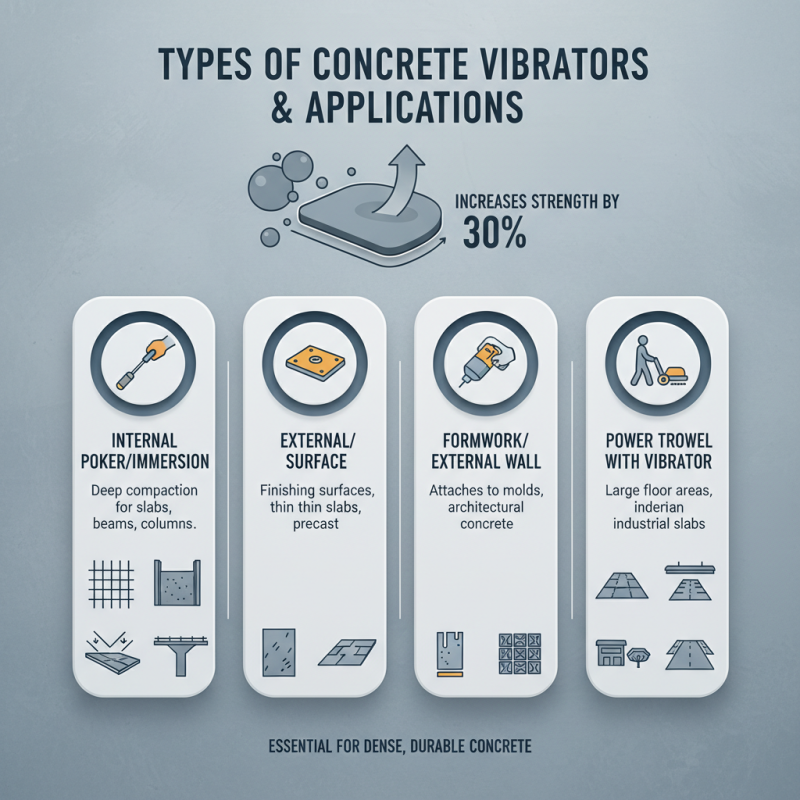
Concrete vibrators are essential tools in construction. They enhance the quality and durability of concrete by removing air bubbles. This results in a denser and stronger material. According to industry reports, properly vibrated concrete can increase compressive strength by up to 30%. Understanding the types of concrete vibrators can help in choosing the right one for specific applications.
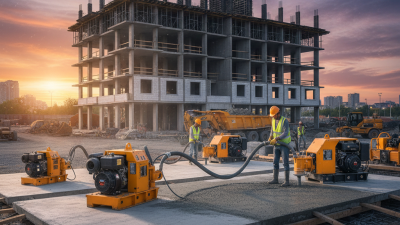
There are several types of concrete vibrators, including internal, external, and surface vibrators. Internal vibrators, or poker vibrators, are used for deeper pours. They provide intense vibrations that penetrate the concrete mix. External vibrators attach to the formwork and help in evenly distributing vibrations along the surface. Surface vibrators offer efficient consolidation for slabs and pavements. Each type serves a unique purpose and contributes to better concrete placement.
Despite their effectiveness, improper use of vibrators can lead to segregation. This occurs when heavy aggregates settle at the bottom, weakening the concrete structure. Additionally, over-vibration can cause bleeding, where excess water rises to the surface. Knowing the correct vibratory duration and intensity is crucial. Construction professionals should regularly assess their techniques to ensure optimal results.
How Concrete Vibrators Improve Structural Integrity
Concrete vibrators play a crucial role in enhancing the structural integrity of construction projects. By eliminating air bubbles, they ensure a denser and more durable mix. According to the American Concrete Institute, poorly vibrated concrete can reduce strength by 30%. This data underscores the importance of thorough compaction during installation.
The vibratory action of these tools effectively compacts the aggregate, allowing for proper distribution of materials. This results in improved strength and durability. Reports show that structures built with well-vibrated concrete have a significantly lower likelihood of cracking. A study from the National Ready Mixed Concrete Association indicates that vibrated concrete can lead to up to 50% less permeability.
However, improper use of vibrators can lead to over-vibration, creating weak zones. Such mistakes waste time, resources, and compromise structural security. Construction teams must balance vibration duration and intensity. This careful consideration is critical for maximizing benefits while avoiding potential flaws. Understanding best practices is essential for achieving optimal results in concrete application.
Choosing the Right Concrete Vibrator for Your Needs
When it comes to construction projects, selecting the right concrete vibrator is crucial. Concrete vibrators help eliminate air pockets in poured concrete. This process ensures a smoother finish and enhances durability. However, not all vibrators are the same. Understanding your needs is essential for optimal results.
Consider the type of project you are undertaking. For smaller jobs like patios, a handheld vibrator might suffice. For larger pours, a machine-powered vibrator could be more effective. Assess the size of the job and the concrete mix. A lightweight vibrator may struggle with thicker mixtures. It’s important to choose a tool that matches your specific project requirements.
Tips for selecting the right concrete vibrator:
Test different vibrators to find the one that feels comfortable. Pay attention to the power source. Electric models are quieter, while gas-powered versions offer greater mobility. Also, consider the depth of pour. Different vibrators work better at varying depths. Ensuring the right fit for your concrete work can save time and improve quality.
Best Practices for Operating Concrete Vibrators Safely
Operating concrete vibrators requires careful attention to safety practices. It’s vital to wear the proper personal protective equipment, including gloves, goggles, and sturdy footwear. The equipment can generate intense vibrations, which may lead to hand-arm vibration syndrome if proper precautions aren't taken. Ensure that your hands are dry and free from oils before use to maintain a firm grip on the vibrator.
Before starting the concrete vibrator, inspect it for any signs of wear or damage. A thorough check can prevent malfunction and potential injuries. It's essential to understand the right operating technique; never force the vibrator into the concrete. Instead, gently insert it and allow it to function as designed. Over-vibration can lead to issues like segregation in the mix.
Always maintain a safe distance from the vibrator’s path during its operation. Accidental bumps or miscalculations can lead to injuries. Training is crucial; make sure all operators understand the vibrators' functionality and risks. Encourage operators to communicate openly about any concerns or difficulties they face. Creating a culture of safety prevents accidents and enhances overall project efficiency.
Concrete Vibrator Usage Patterns in Construction Projects

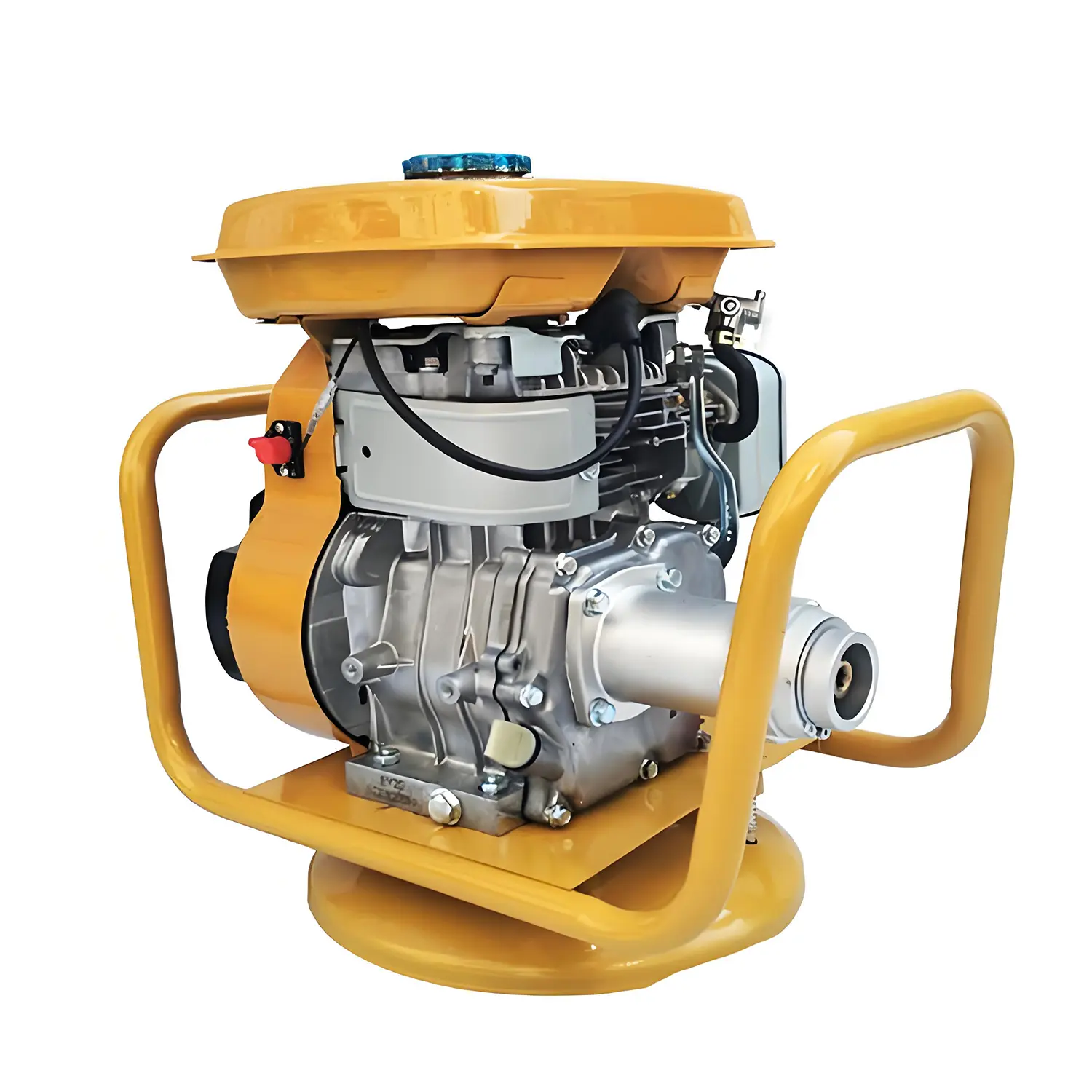 Internal Vibrator
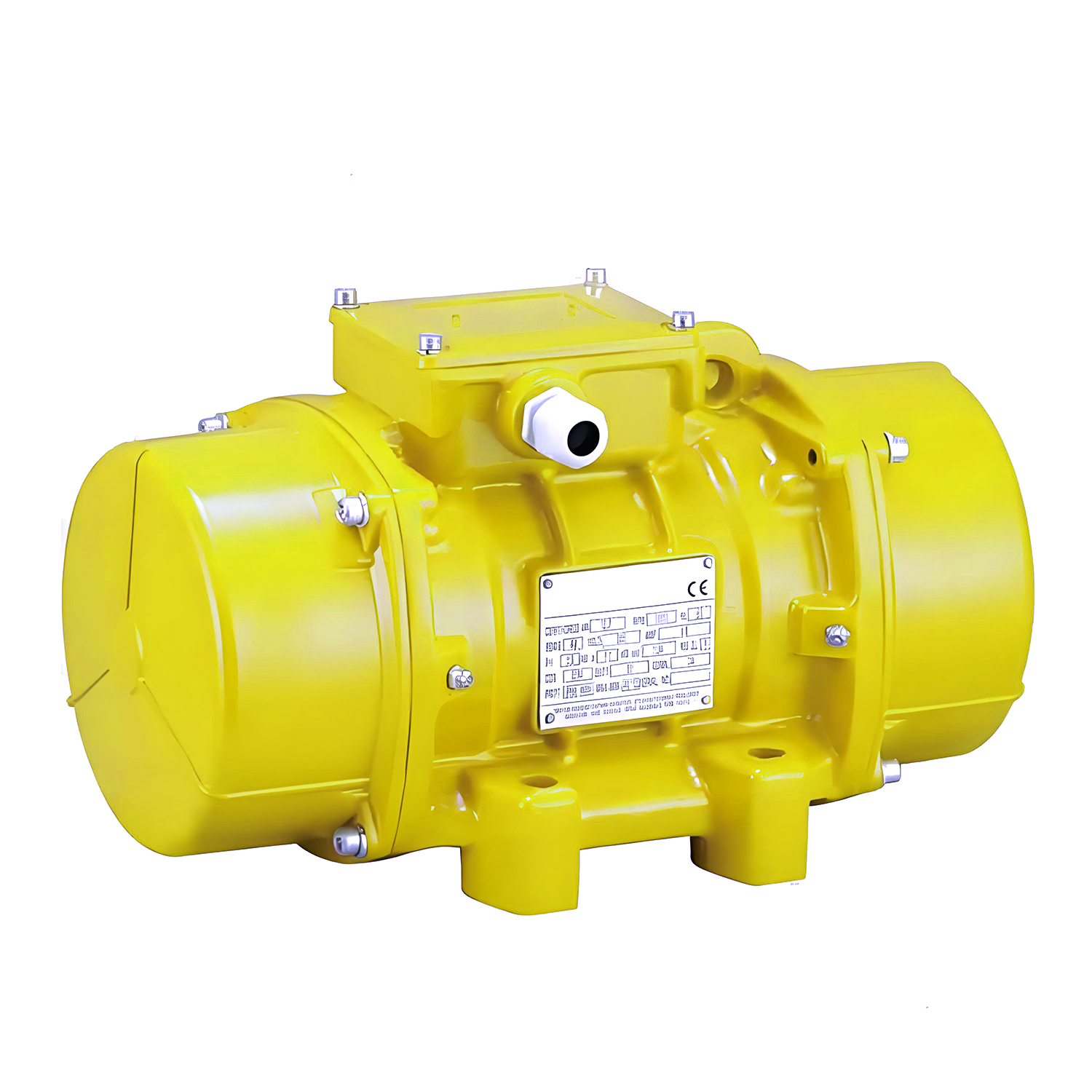 External Vibrator
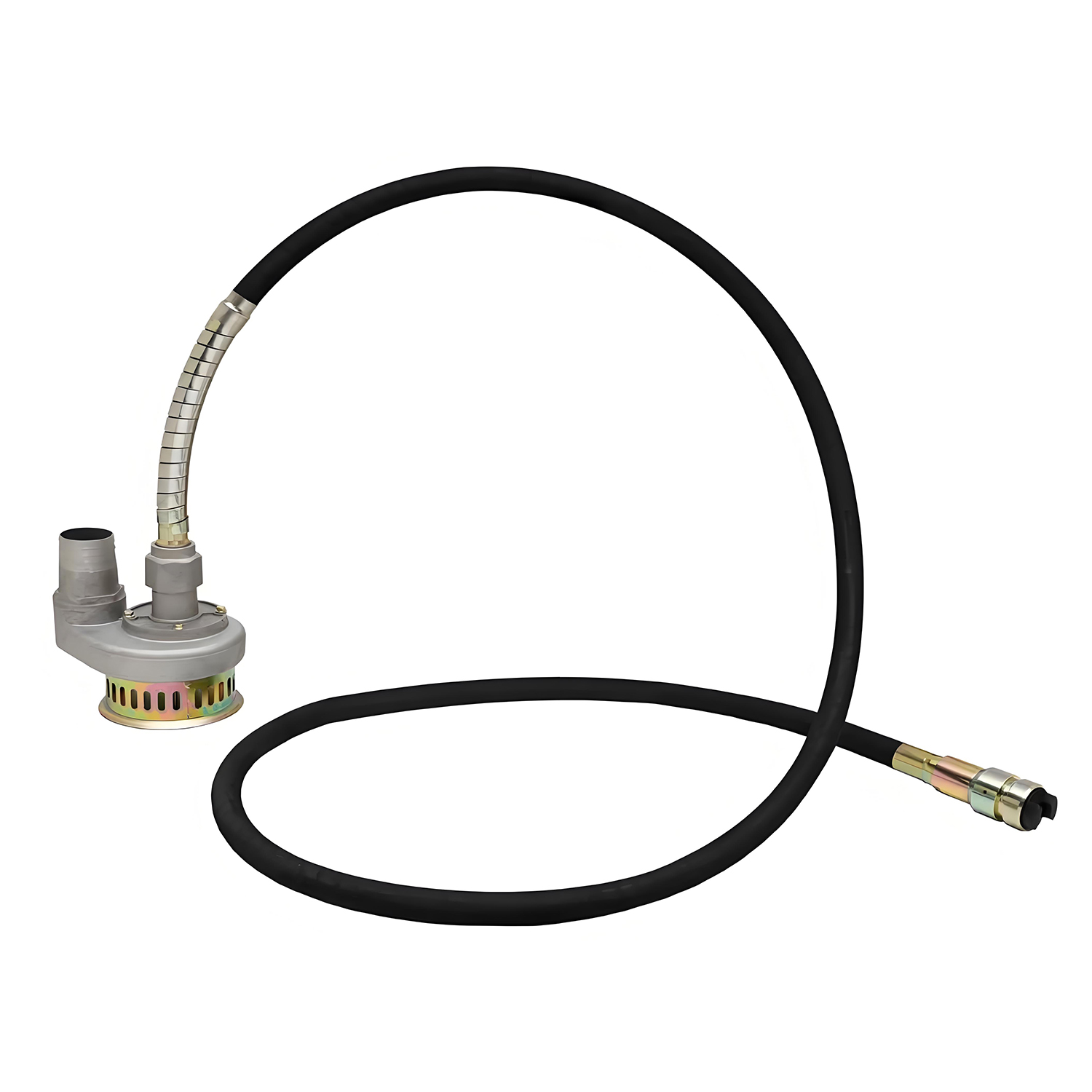 Submersible Pump
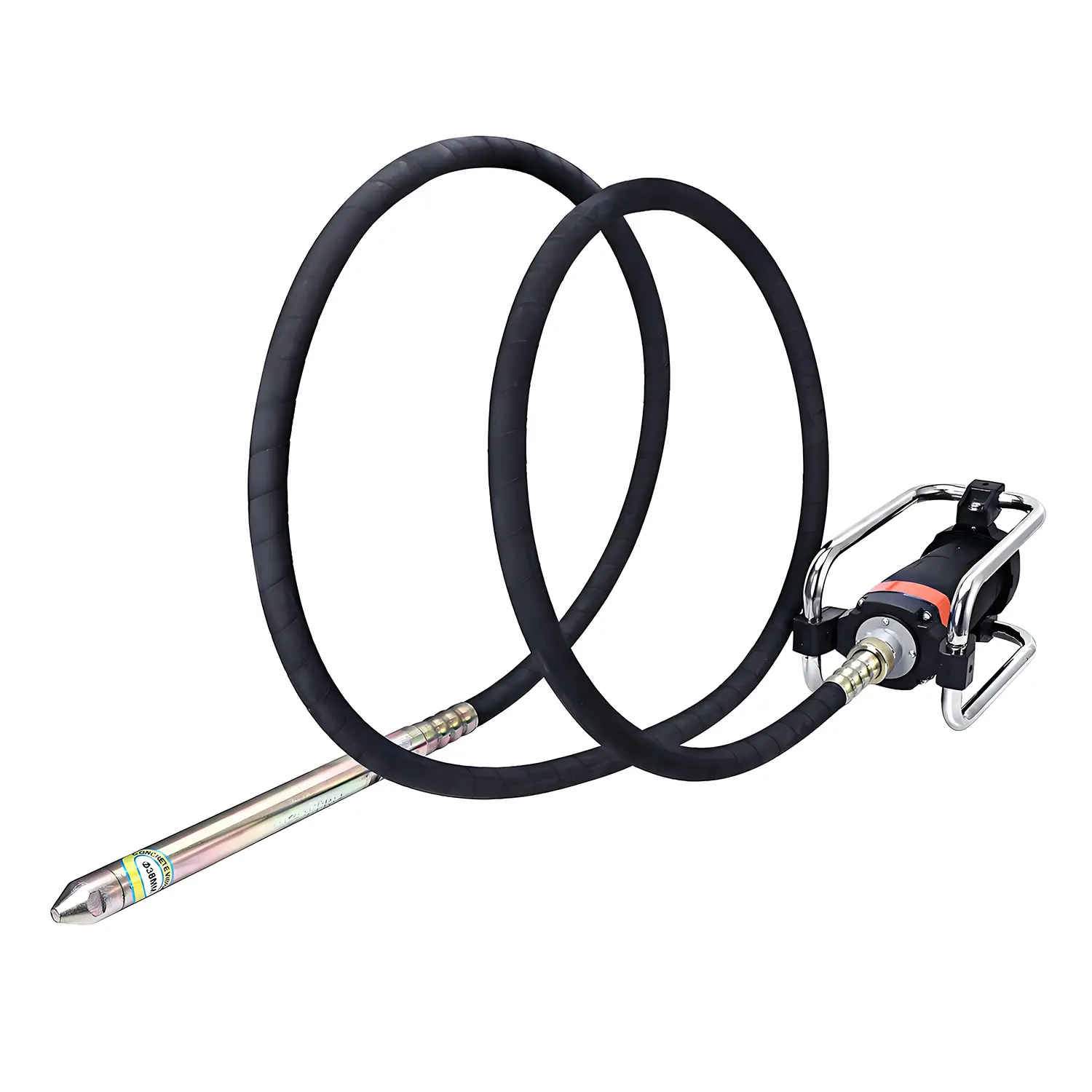 Eccentric shaft
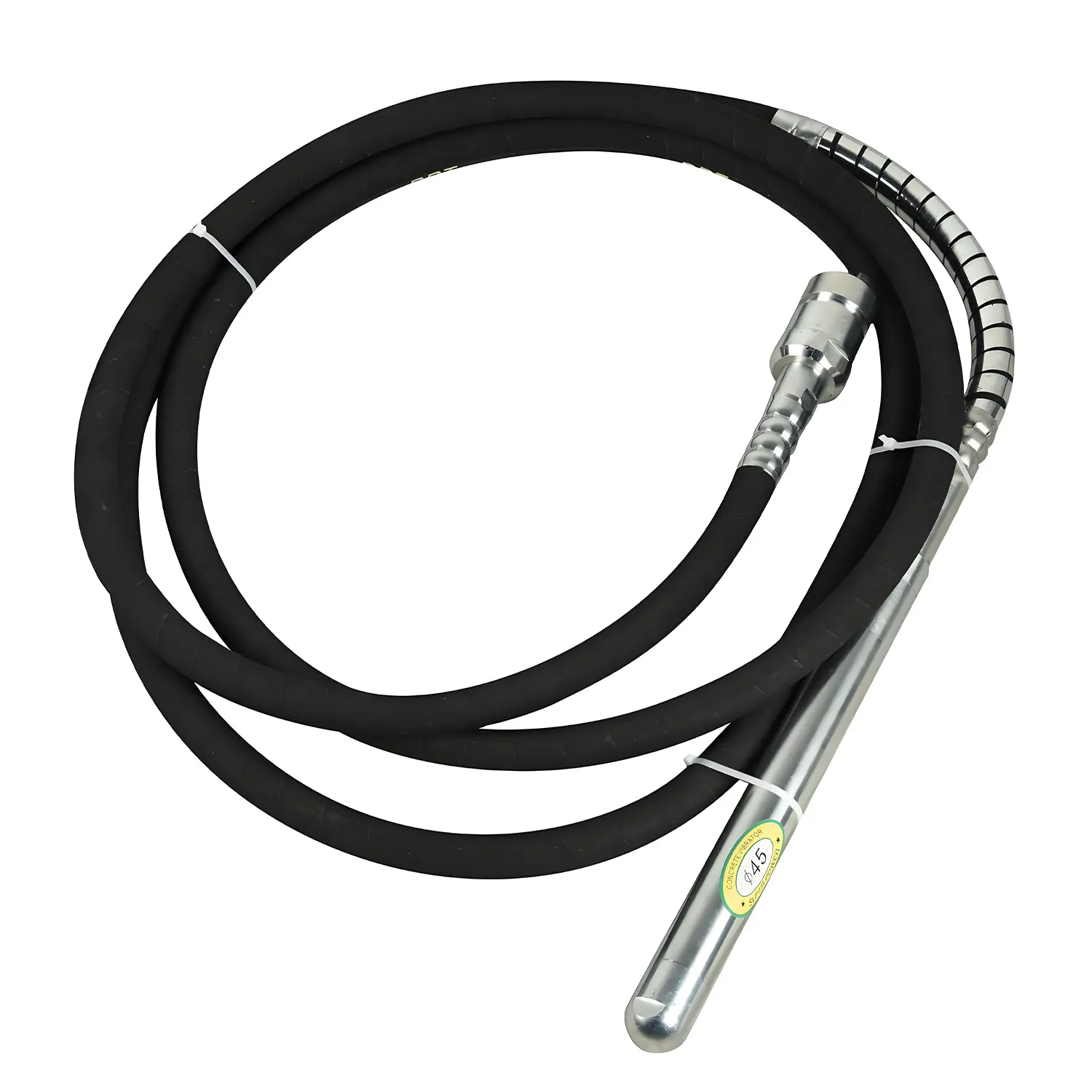 Pendulum shaft
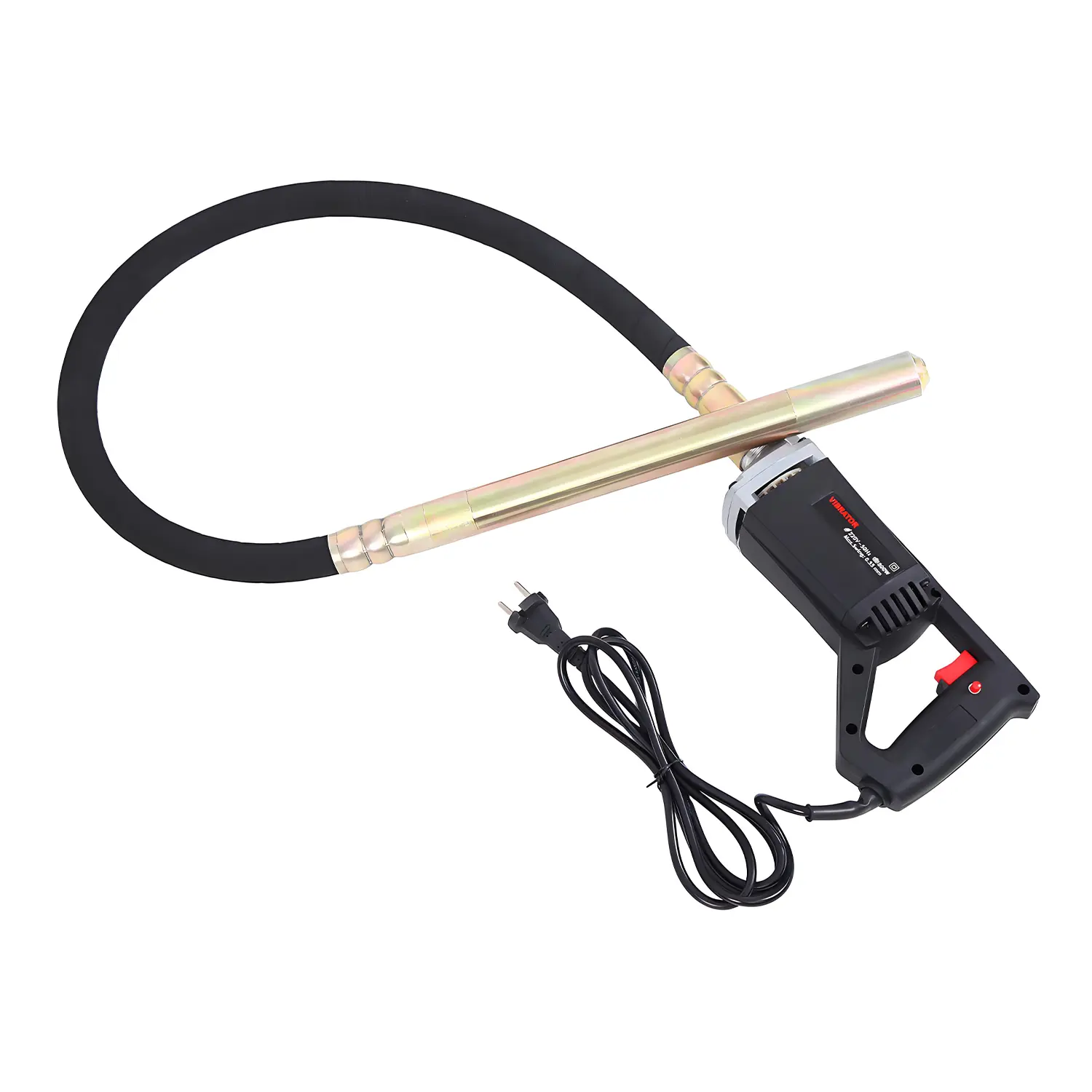 Portable vbrator shaft
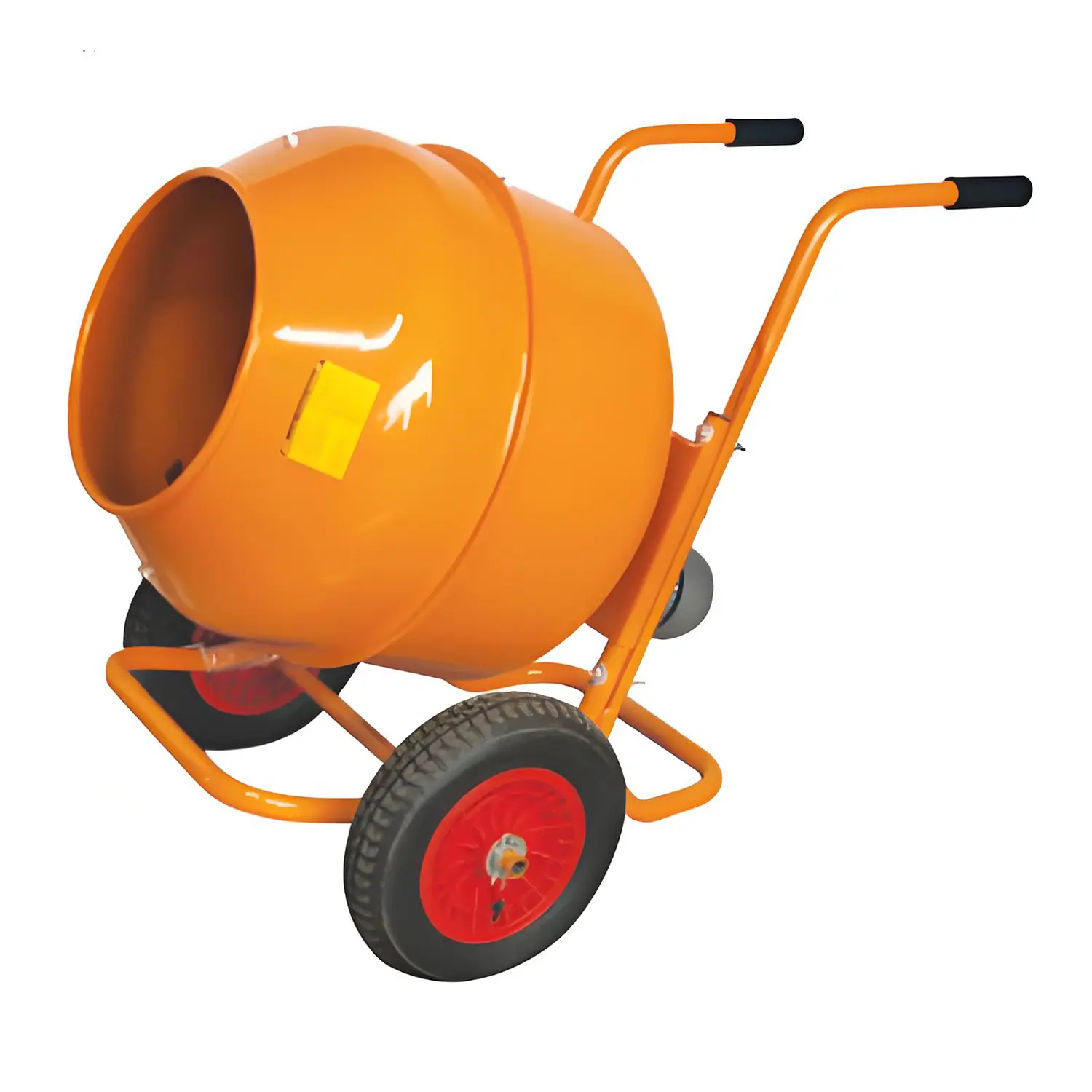 Portable concrete mixer
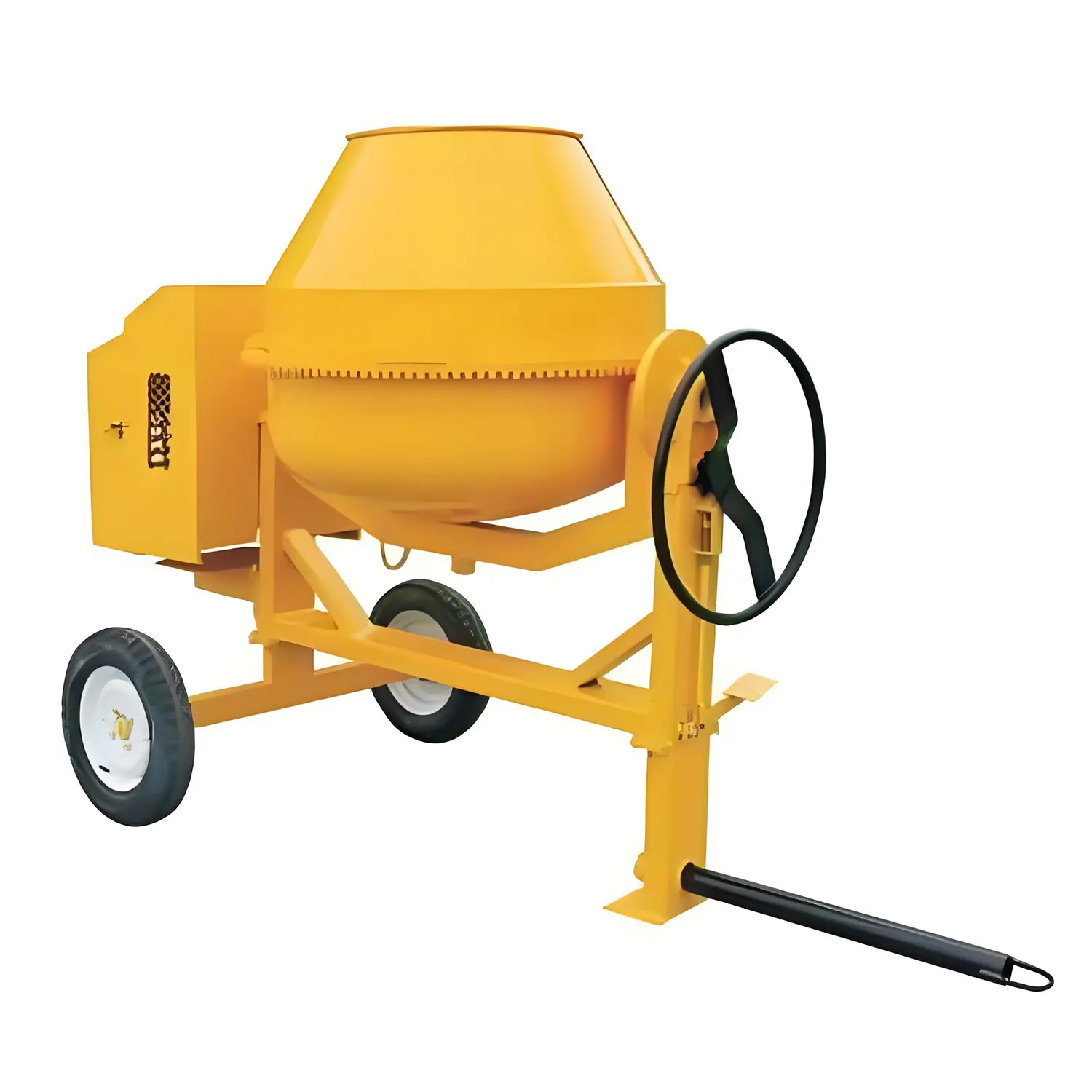 Vertical concrete mixer
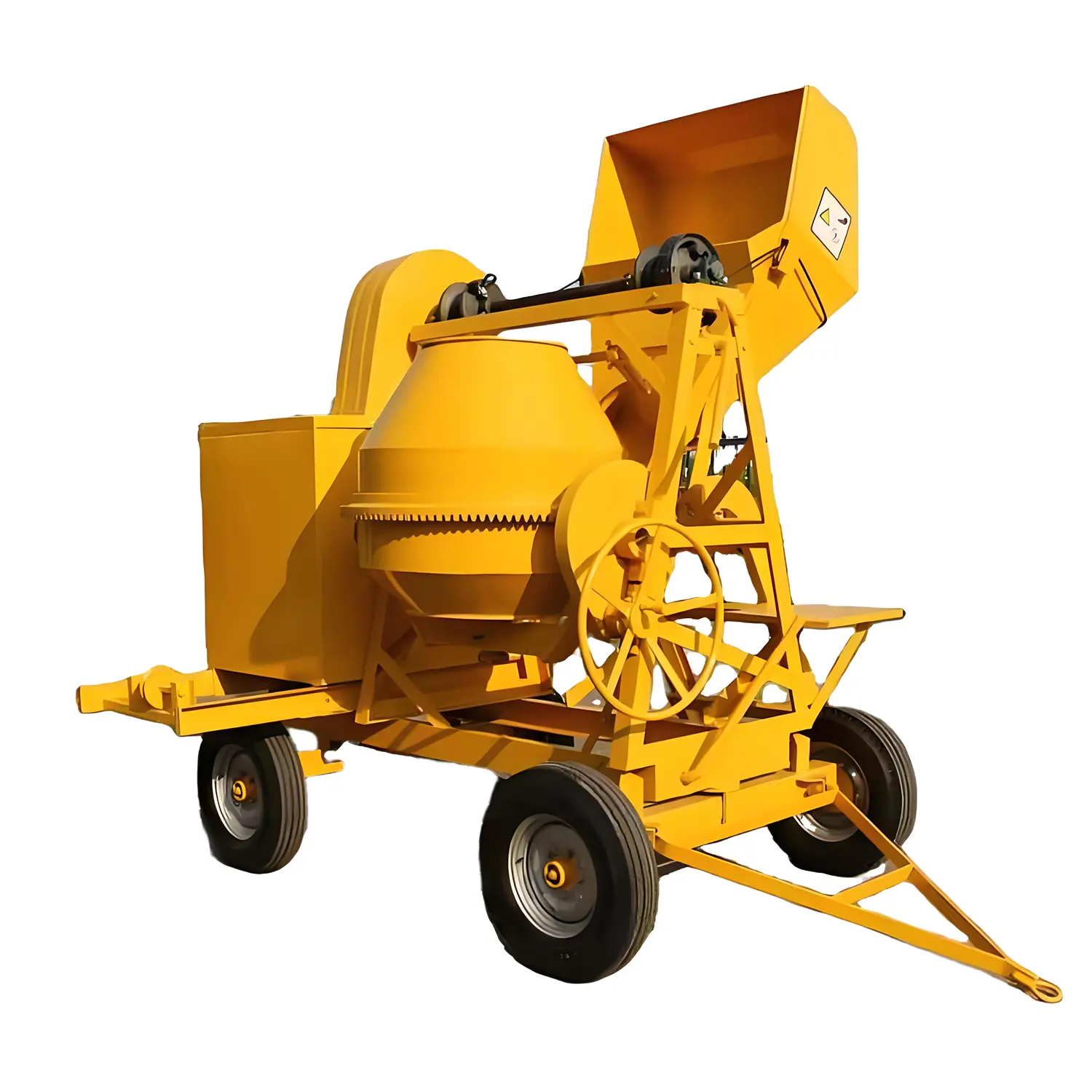 Hydraulic concrete mixer
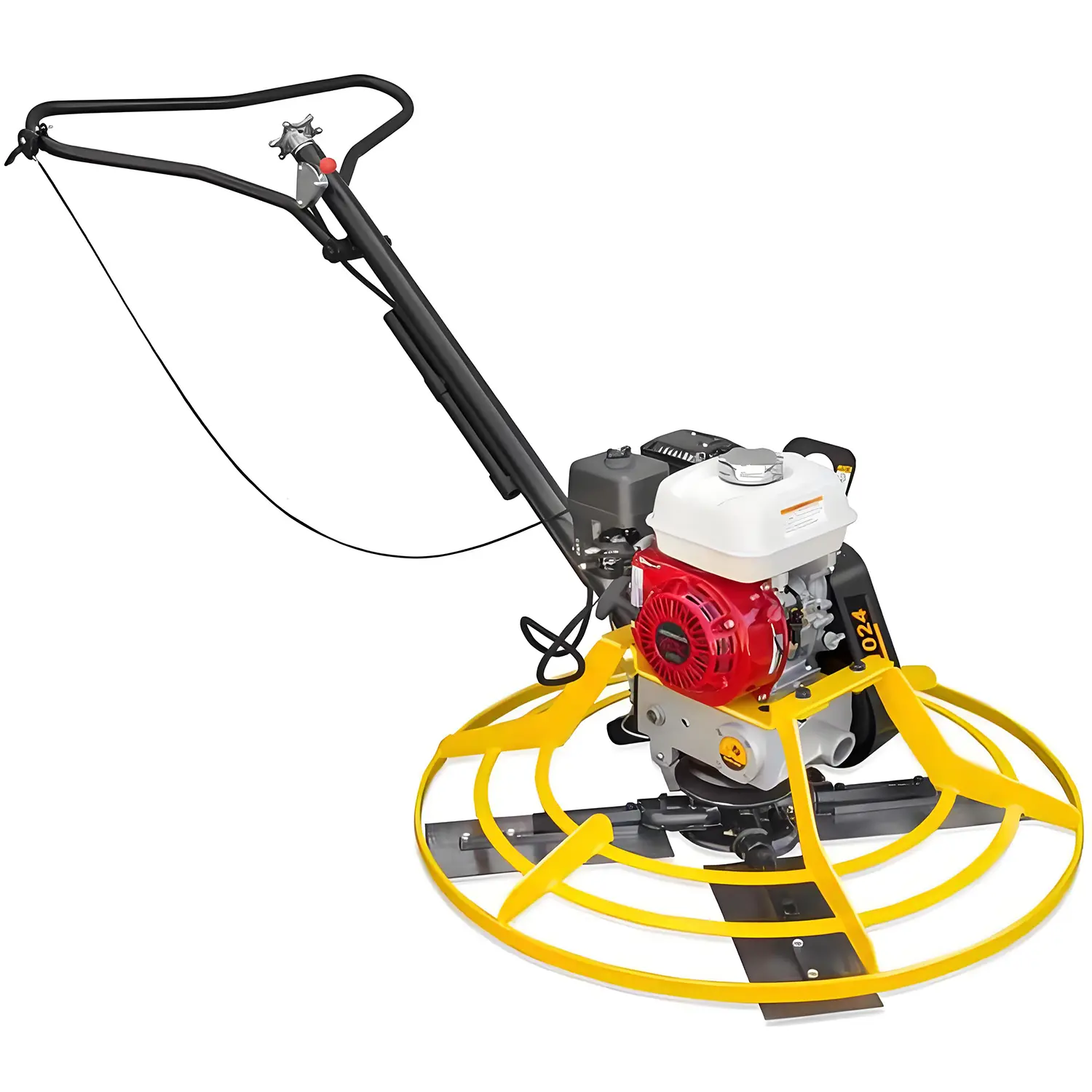 Walk behind power trowel
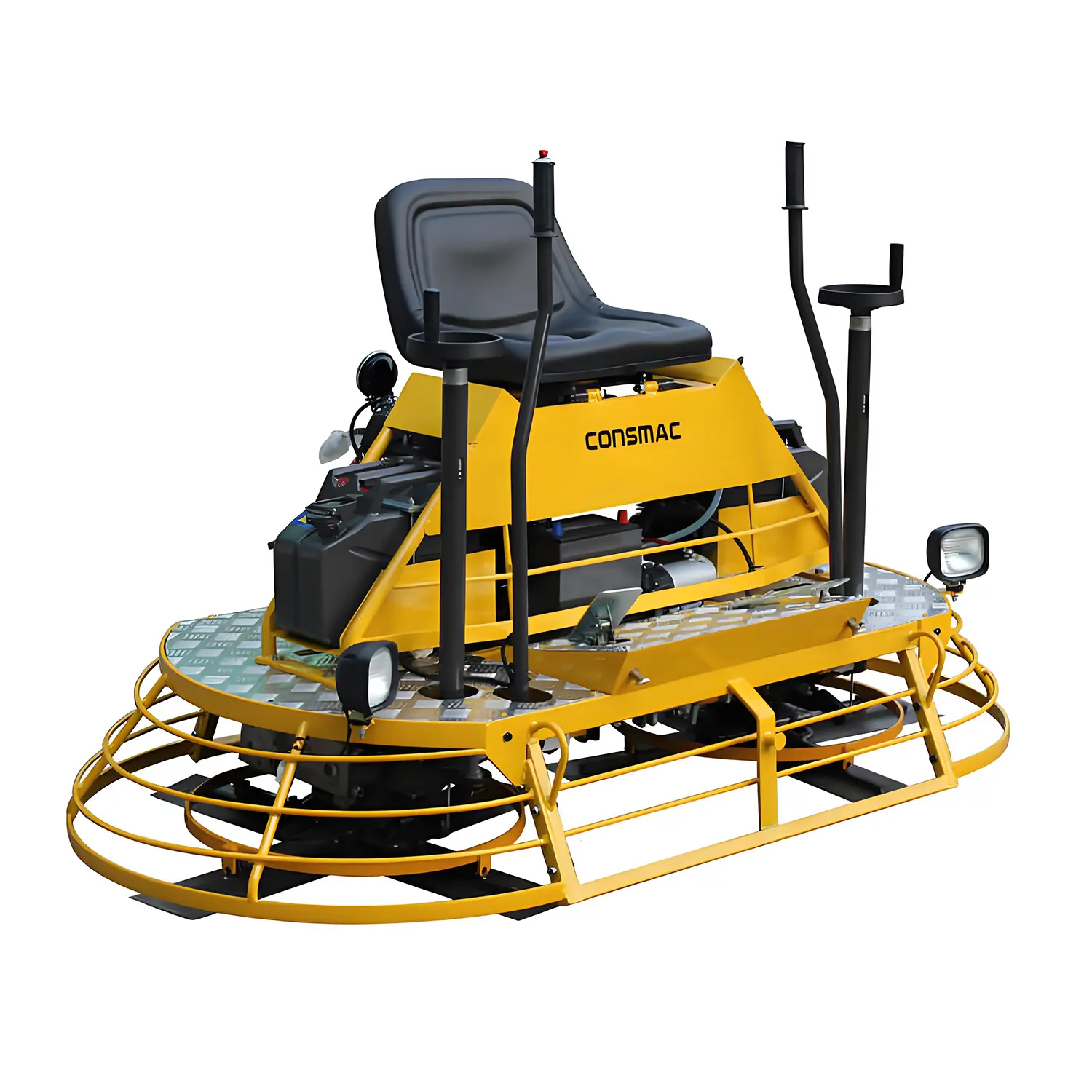 Ride on power trowel
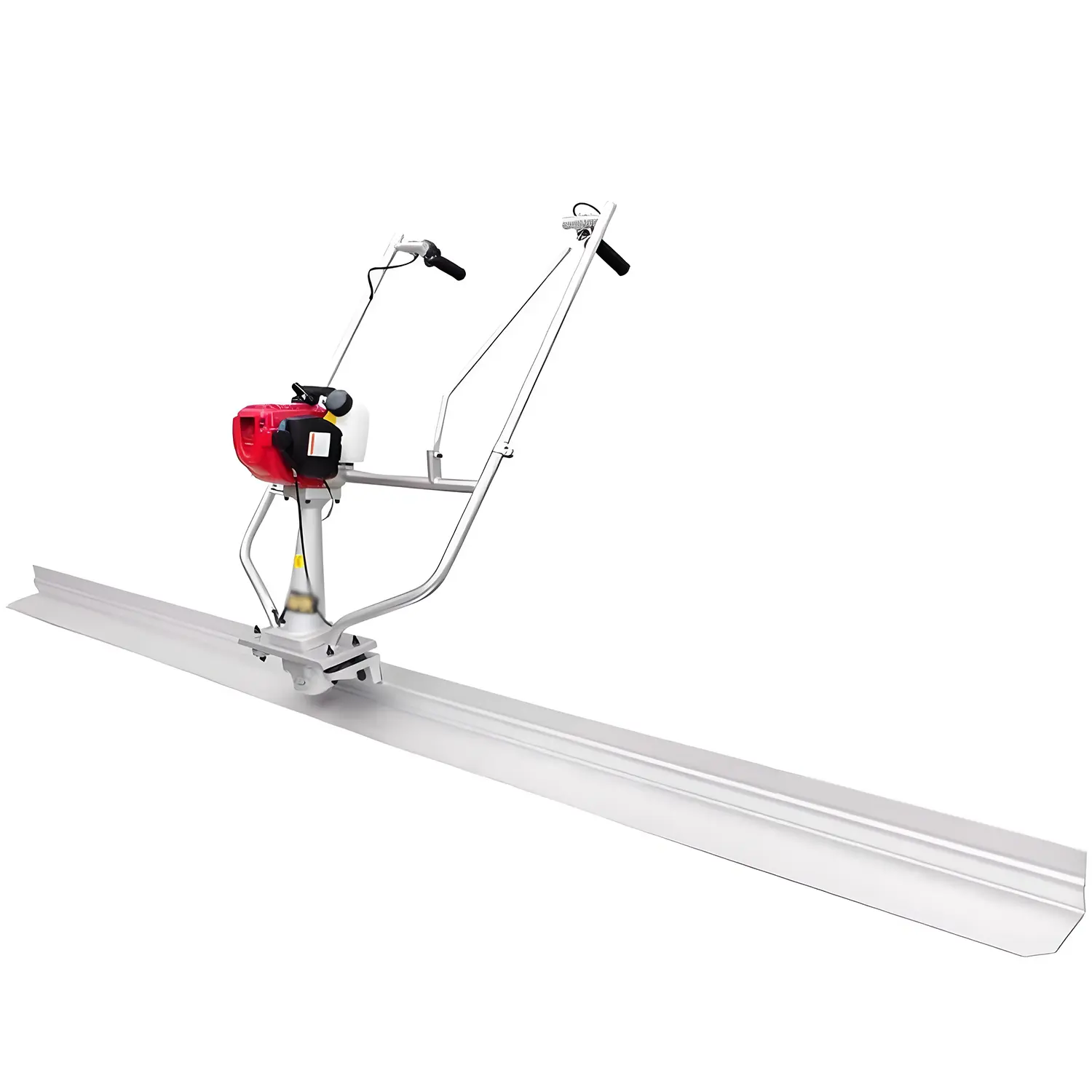 Concrete screed
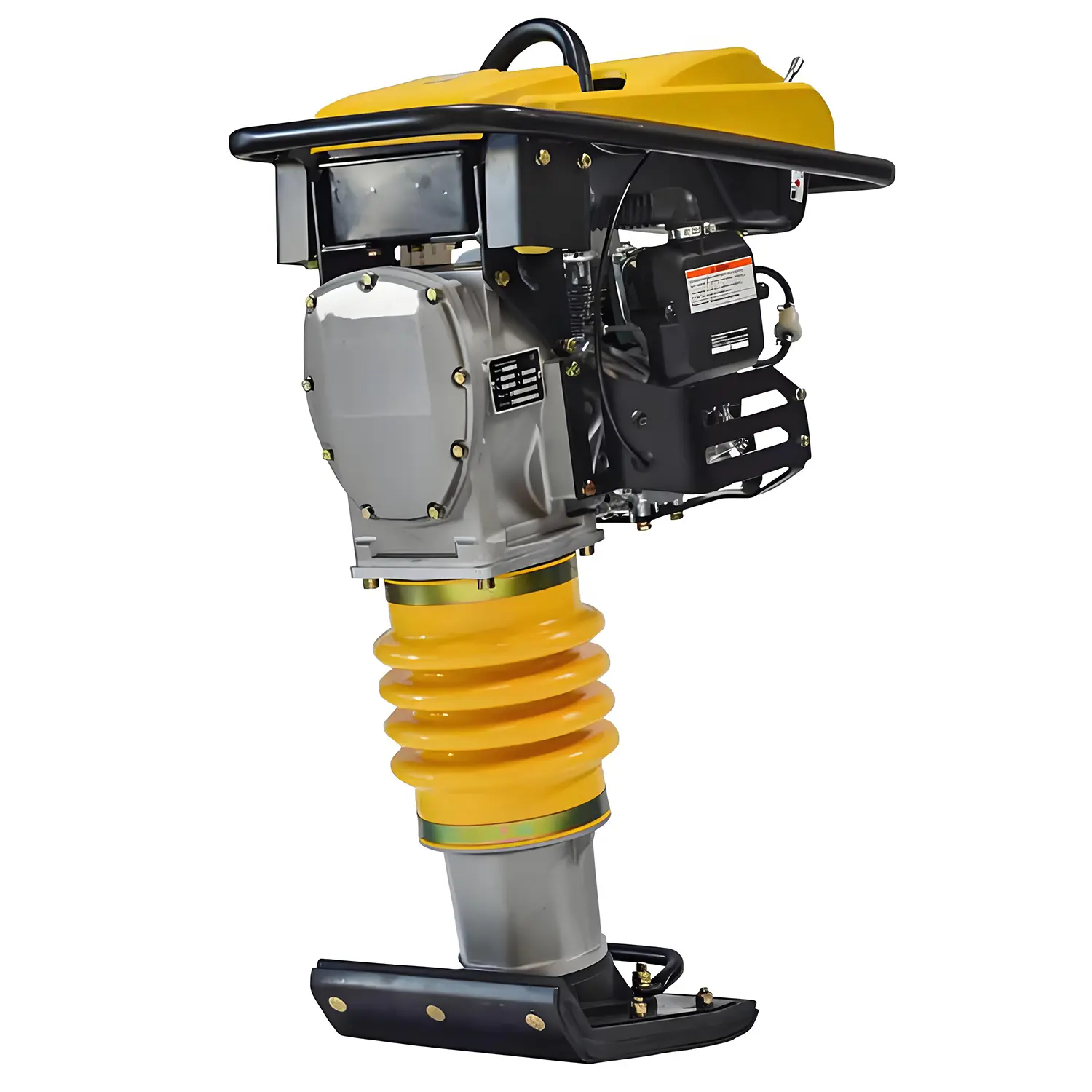 Tamping rammer
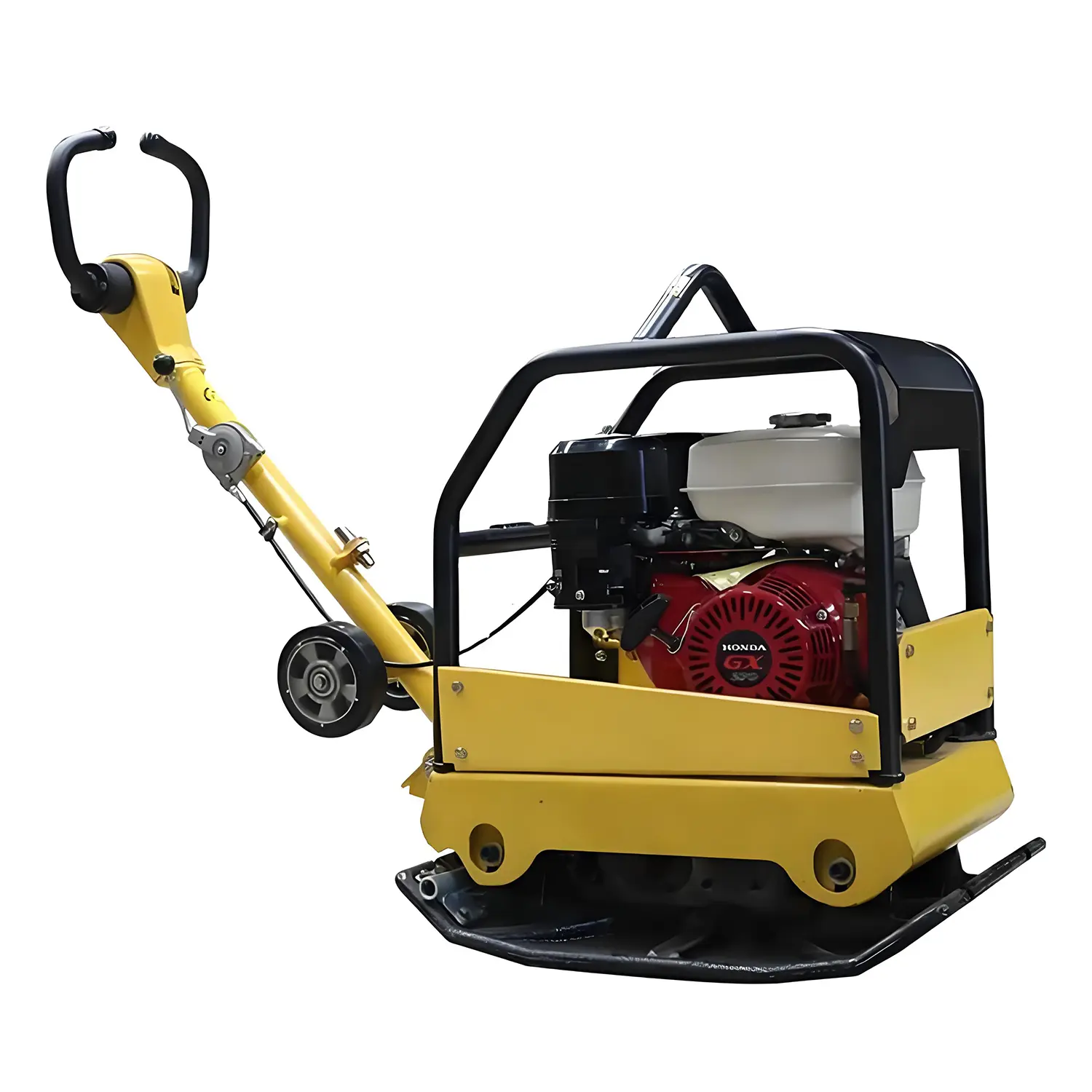 Plate compactor
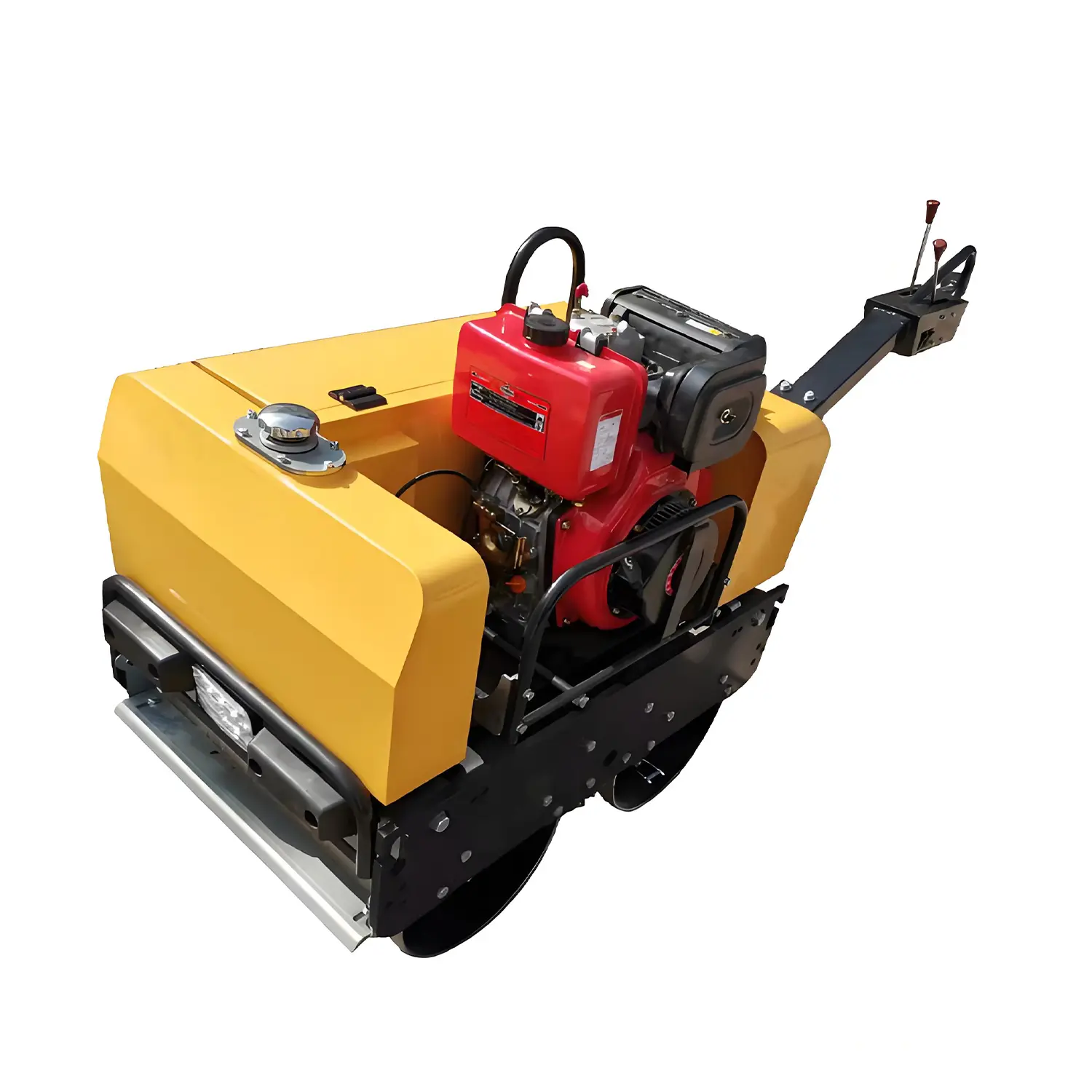 Vibratory roller