7 Best Water Pump Vibrators for Global Buyers
Choosing the right Water Pump Vibrator is rarely as simple as comparing price tags or motor power. A unit that performs smoothly in a clean workshop may struggle beside muddy construction water, irregular voltage, or limited maintenance support. Global buyers face different pump sizes, connection standards, climates, and service conditions. Small details matter. Cable length matters. Seal quality matters.
This guide examines seven leading Water Pump Vibrator options through practical buying criteria. These include vibration strength, operating stability, energy use, noise, material durability, installation effort, and spare-parts access. We also consider how each model may perform during long pumping cycles, where overheating and loose fittings can become expensive problems. Product descriptions often sound impressive. Real conditions are less forgiving.
Pump reliability specialist Dr. Lev Nelik emphasizes, “Reliability begins with understanding the system, not merely the machine.” That principle shapes this comparison. A powerful vibrator is not automatically the best choice. Excessive vibration can damage fragile connections, while insufficient force may leave sediment or air pockets unresolved. The right selection should match the pump structure, fluid conditions, duty cycle, and local service capability. Compatibility comes first.
Some judgments remain imperfect. Manufacturers report performance differently, and independent testing is not always available. Therefore, buyers should verify technical sheets, warranty terms, certifications, and after-sales support before ordering. This article offers a practical starting point, not a substitute for site testing. Read carefully. Your application decides the winner.
What Water Pump Vibrators Are and How They Work
7 Best Water Pump Vibrators for Global Buyers
What Water Pump Vibrators Are and How They Work
A water pump vibrator usually means a compact vibratory pump, not a centrifugal pump with an added shaker. Market terminology varies. Inside the unit, an electromagnetic coil moves a flexible diaphragm rapidly. Inlet and outlet check valves then open and close, creating pulsed water flow. The process resembles a small mechanical heartbeat. It can lift clean water through narrow tubing, often for dosing, cooling, filtration, or portable circulation.
The motor does not spin an impeller continuously. Instead, alternating current or controlled pulses produce linear movement. Flow depends on diaphragm stroke, valve timing, pressure, and tubing resistance. A blocked inlet can make the unit chatter. An oversized hose can reduce useful pressure. Small details matter. Global buyers should verify voltage, frequency, rated head, flow rate, duty cycle, noise, and ingress protection before comparing models.
Energy use still deserves attention. The U.S. Department of Energy’s Improving Pumping System Performance report identifies pumping systems as responsible for about 25% of industrial electricity consumption. The IEA’s Energy Efficiency 2024 report also states that electric motor systems consume more than half of global electricity. A small pump may seem insignificant, yet thousands of units create measurable demand. Vibration is not automatically a fault. However, rising noise, uneven pulses, hot housing, or loose mounting can indicate valve wear or diaphragm fatigue. ISO 20816 guidance supports measuring vibration consistently, but its limits depend on machine type and installation. A single reading can mislead. Context matters.
7 Best Water Pump Vibrators for Global Buyers
What Water Pump Vibrators Are and How They Work
Water pump vibration systems use rotating imbalance or controlled motor oscillation to create mechanical vibration. The chart compares seven common industrial vibration-motor configurations by theoretical synchronous speed, calculated from motor pole count and power-supply frequency.
Actual running speed is normally slightly lower because of motor slip. Lower-pole motors generally provide higher frequency, while higher-pole motors produce slower, smoother vibration that can be suitable for larger or more sensitive pump assemblies.
Key Features Global Buyers Should Compare
7 Best Water Pump Vibrators for Global Buyers
Key Features Global Buyers Should Compare
A strong water pump vibrator should match the pump’s speed, load, and installation environment. Compare vibration frequency, motor power, adjustable intensity, and continuous-duty rating. A higher output is not automatically better. Excessive vibration can loosen fasteners, damage seals, and increase noise. ISO 20816 recommends evaluating machine vibration through measured velocity, location, and operating conditions, not through a single advertised value.
Material quality matters in wet rooms and outdoor sites. Look for corrosion-resistant housings, sealed bearings, thermal overload protection, and an IP rating suited to water exposure. IP65 may resist dust and water jets, while deeper immersion requires a different protection level. The U.S. Department of Energy notes that pump-system efficiency depends heavily on correct sizing, control, and maintenance. A poorly matched vibrator may raise energy use without improving performance.
Global buyers should also compare voltage range, frequency compatibility, mounting flexibility, noise level, spare-part access, and service documentation. The International Energy Agency reports that electric motors consume about half of global electricity, making motor efficiency a practical purchasing concern. Check test certificates carefully. Some figures describe peak performance, not continuous operation. That detail is easy to miss. In real installations, alignment and mounting stiffness can change results significantly. The best choice is the unit that performs steadily, fits local power standards, and remains serviceable after months of vibration.
7 Best Water Pump Vibrators for Global Buyers - Key Features Global Buyers Should Compare
| Rank |
Pump Vibrator Type |
Best Application |
Typical Flow Rate |
Typical Head / Pressure |
Power Source |
Typical Power |
Self-Priming Capability |
Typical Weight |
Key Buyer Consideration |
| 1 |
Compact 12 V Diaphragm Pump Vibrator |
Small tanks, mobile water systems, spraying and wash-down tasks |
3.8–5.7 L/min |
4–6 bar |
12 V DC |
60–100 W |
Usually up to 1.5–2 m |
1.5–2.5 kg |
Check duty cycle, fuse rating, inlet filtration and hose compatibility. |
| 2 |
24 V Heavy-Duty Diaphragm Pump Vibrator |
Trucks, agricultural sprayers, marine systems and off-grid equipment |
5–10 L/min |
4–6 bar |
24 V DC |
80–150 W |
Usually up to 2–3 m |
2–4 kg |
Compare continuous-duty rating, thermal protection and available replacement diaphragms. |
| 3 |
Single-Phase Peripheral Pump Vibrator |
Pressure boosting, clean-water transfer and domestic utility systems |
20–35 L/min |
20–35 m head |
110–240 V AC |
0.37–0.55 kW |
Limited; normally requires a flooded inlet |
6–10 kg |
Verify voltage frequency, dry-run protection and maximum liquid temperature. |
| 4 |
Portable Centrifugal Surface Pump Vibrator |
Irrigation, construction-site drainage and general water transfer |
60–120 L/min |
18–30 m head |
Single-phase AC or petrol engine |
0.75–1.1 kW electric equivalent |
Usually 5–8 m with a properly primed suction line |
8–18 kg |
Compare suction-lift limits, casing material, noise and hose diameter. |
| 5 |
Submersible Drainage Pump Vibrator |
Flooded basements, pits, tanks, reservoirs and emergency drainage |
100–250 L/min |
7–15 m head |
110–240 V AC |
0.75–1.5 kW |
Not required; the pump operates submerged |
10–18 kg |
Check solids handling, float-switch reliability, IP rating and cable length. |
| 6 |
Submersible Vortex Sewage Pump Vibrator |
Wastewater, sewage pits and liquids containing suspended solids |
120–300 L/min |
8–18 m head |
Single-phase or three-phase AC |
1.1–2.2 kW |
Not required; designed for submerged installation |
18–35 kg |
Compare free-passage diameter, corrosion resistance, seals and service access. |
| 7 |
Diesel Self-Priming Trash Pump Vibrator |
Large-scale drainage, construction, flood control and agricultural transfer |
300–600 L/min |
20–30 m head |
Diesel engine |
3–7 kW engine output |
Typically 6–8 m, depending on suction setup |
45–90 kg |
Evaluate fuel consumption, emissions compliance, noise, portability and spare parts. |
Note: The specifications shown are typical market ranges for comparable water-pump configurations. Actual performance depends on fluid properties, pipe diameter, total dynamic head, installation conditions and operating duty cycle. Buyers should confirm the final values on the supplier’s technical datasheet.
Seven Leading Water Pump Vibrators by Use Case
7 Best Water Pump Vibrators for Global Buyers
Seven Leading Water Pump Vibrators by Use Case
Pump vibration equipment should match the water system, not just its motor size. The U.S. Department of Energy reports that pumping systems can represent 25% to 50% of industrial electricity use. For factory lines, choose continuous vibration sensors with temperature tracking. For municipal water plants, sealed sensors suit wet rooms and provide stable readings. For irrigation networks, wireless units reduce cable installation across long pipe runs. These are practical distinctions.
For drainage and construction dewatering, rugged accelerometers handle mud, shock, and frequent relocation. For wastewater stations, corrosion-resistant housings protect sensors from humid, chemically aggressive air. For booster pumps in commercial buildings, compact vibration monitors support early bearing and alignment checks. For solar-powered wells, low-energy wireless devices preserve limited battery capacity. Seven uses, seven selection priorities.
ISO 20816 provides a recognized framework for evaluating machine vibration, although field conditions still require engineering judgment. A 2023 MarketsandMarkets report expects the predictive maintenance market to grow strongly through 2028, driven by connected sensors and analytics. That trend is useful, but not magic. A sensor cannot correct poor pipe support or cavitation. In practice, I would record baseline vibration during clean operation, then compare readings monthly. Some installations need more frequent checks. This point is often overlooked. Data can guide maintenance, but a technician should still inspect loose bolts, worn couplings, and unusual pump noise.
Power, Compatibility, Safety, and Installation Considerations
Choosing among the seven best water pump vibrators requires more than comparing rated power. The U.S. Department of Energy reports that pumping systems can represent nearly 20% of industrial electricity use. Efficient selection matters. Match motor power, vibration frequency, flow demand, and duty cycle. A 0.75 kW unit may suit a small circulation pump, while abrasive water or long pipe runs demand greater reserve capacity. Oversizing wastes energy and increases mechanical stress.
Compatibility is equally important.
Check voltage, phase, frequency, shaft dimensions, mounting holes, and enclosure rating. IEC 60529 defines IP protection levels, but an IP rating does not guarantee chemical resistance. Confirm materials against saltwater, treated water, and cleaning agents. The International Energy Agency notes that motor-driven systems offer major efficiency opportunities, yet real savings depend on correct control and maintenance. Variable-speed operation can help, but unstable settings may create resonance. That mistake is surprisingly common.
Safety begins before installation.
Isolate electrical power, lock the disconnect, and verify zero voltage with a suitable tester. Follow IEC 60034 guidance for motor vibration and inspect bearings, fasteners, and cable glands. Install the vibrator on a rigid, aligned surface. Soft mounting can amplify movement instead of reducing it. Keep cables away from hot housings and rotating parts. Allow ventilation around the motor. A useful field check is simple: measure vibration and temperature after one hour, then again after several operating cycles. Manufacturer data is helpful, but site conditions often disagree. Recheck assumptions.
How to Choose the Best Model for Your Market
Choosing among the seven best water pump vibrators requires market-specific testing, not impressive specifications alone.
Match vibration frequency, motor power, flow rate, and mounting design with local pump size. A compact unit may suit municipal systems, while agricultural installations need stronger housings and easier servicing.
UN-Water’s World Water Development Report 2024 states that agriculture uses about 70% of global freshwater withdrawals. That makes reliability critical in irrigation markets.
Check operating conditions carefully. Measure water temperature, sediment levels, voltage stability, and daily running hours.
The International Energy Agency reports that electric motor systems consume over 40% of global electricity. Small efficiency losses can become expensive across thousands of operating hours.
Select models with sealed bearings, overload protection, and accessible replacement parts. Local technicians should understand the control panel without special software.
Certification also matters. Compare vibration performance with ISO 20816 measurement practices, then request independent test records.
Ask suppliers for noise data, ingress protection ratings, and maintenance intervals.
A high frequency is not automatically better. Excessive vibration can loosen fittings, damage seals, or disturb nearby pipework.
This is where buyers often focus too narrowly on purchase price. I would also test a sample in real water conditions. Laboratory results can feel reassuring, yet muddy water and unstable electricity may expose weaknesses quickly.
Leave room for doubt.

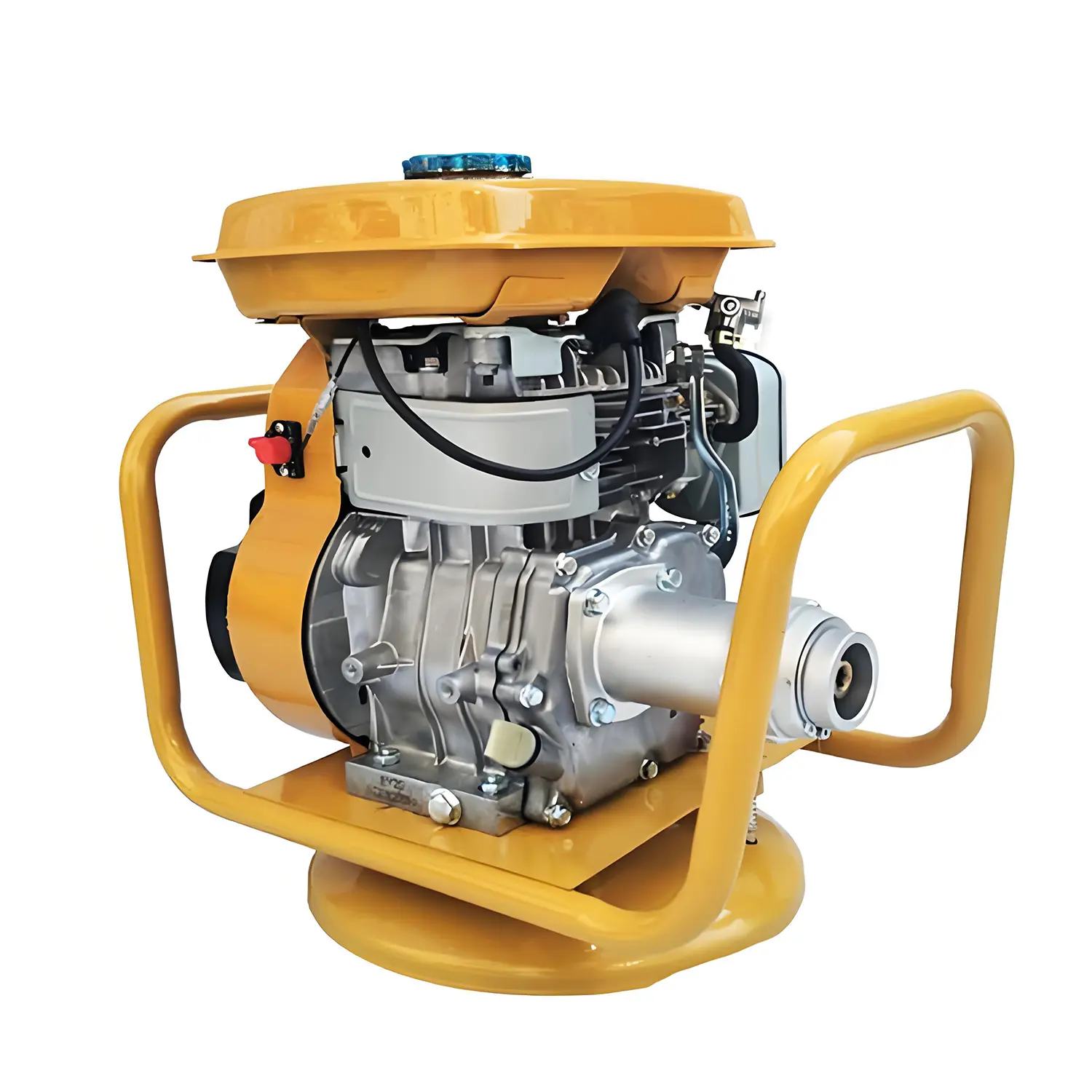 Internal Vibrator
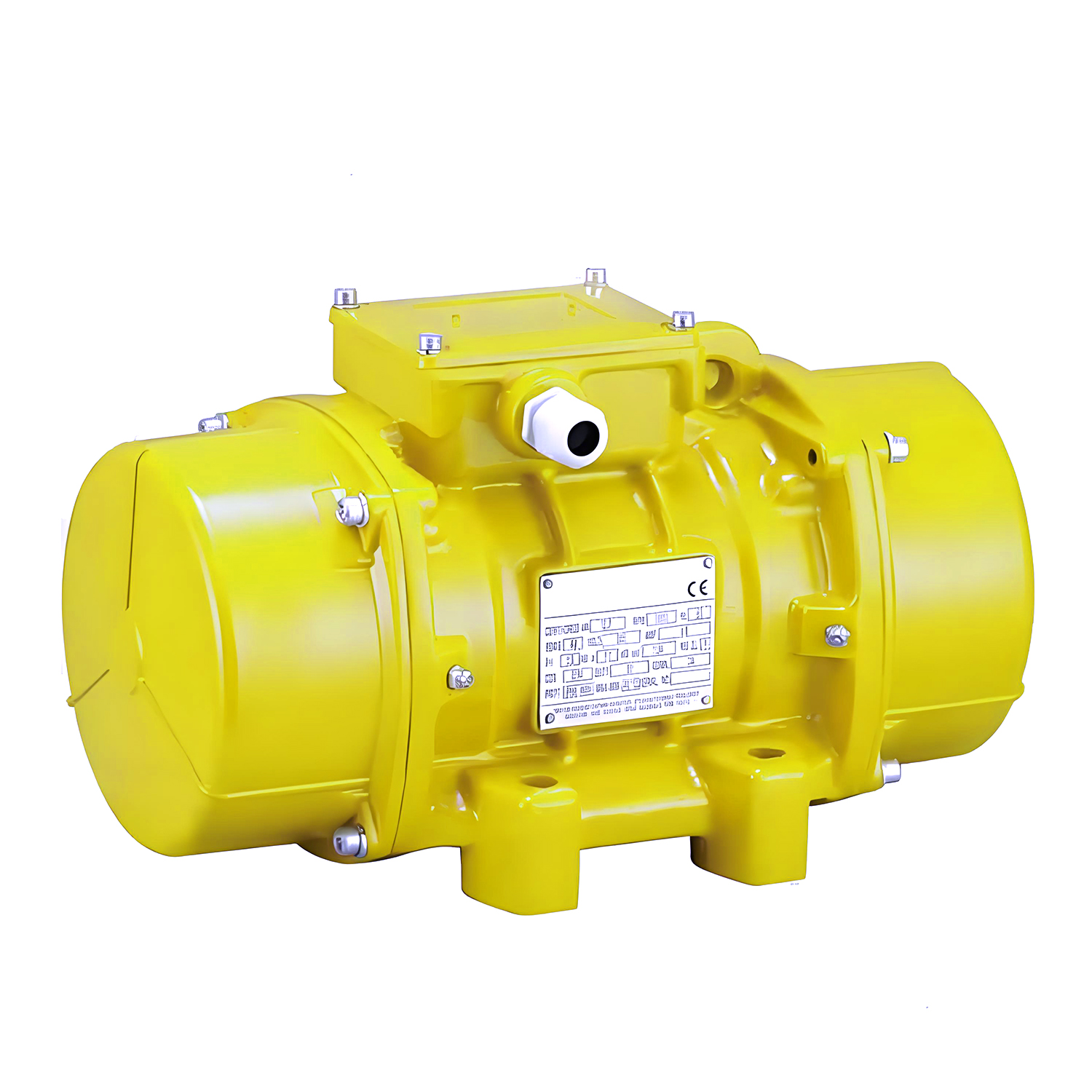 External Vibrator
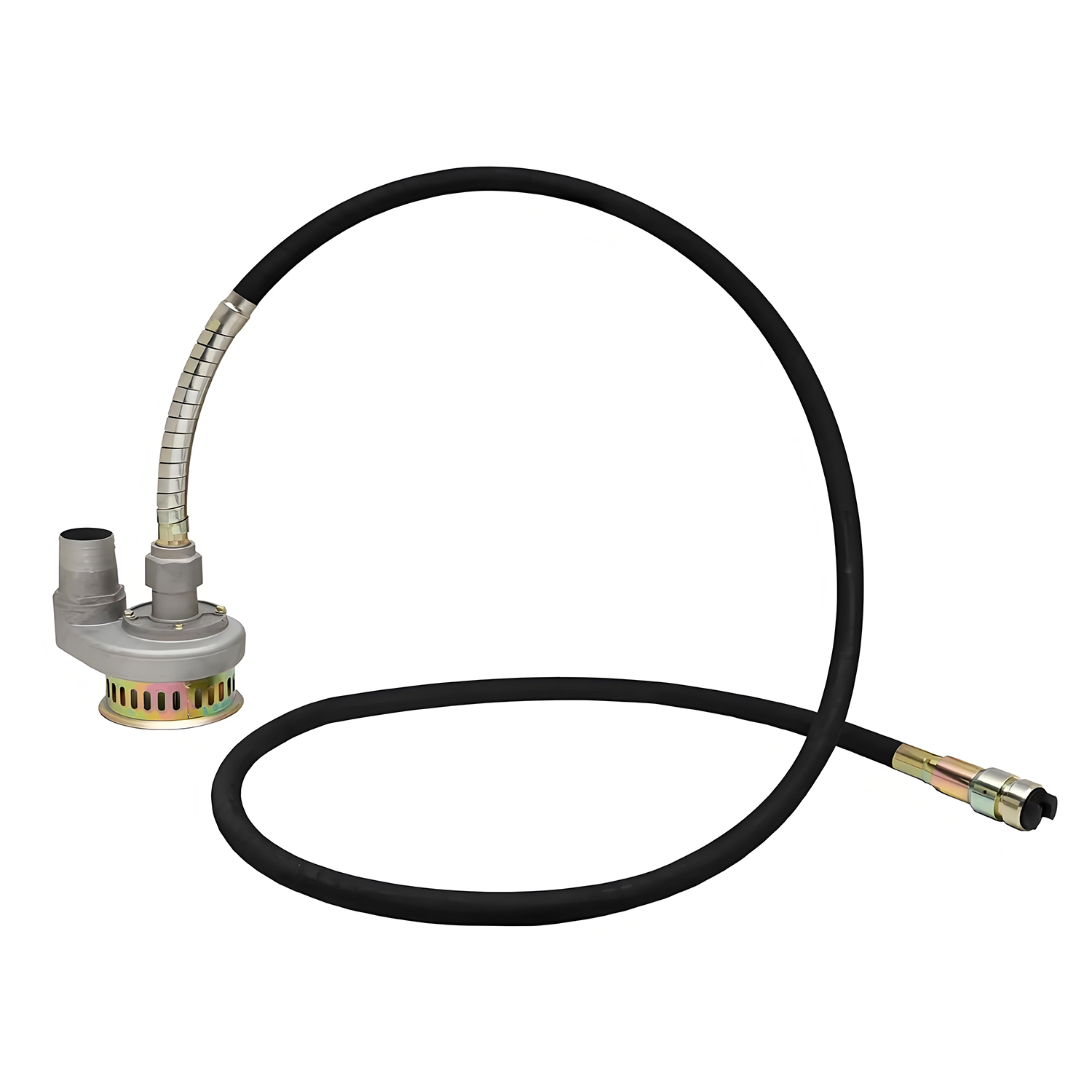 Submersible Pump
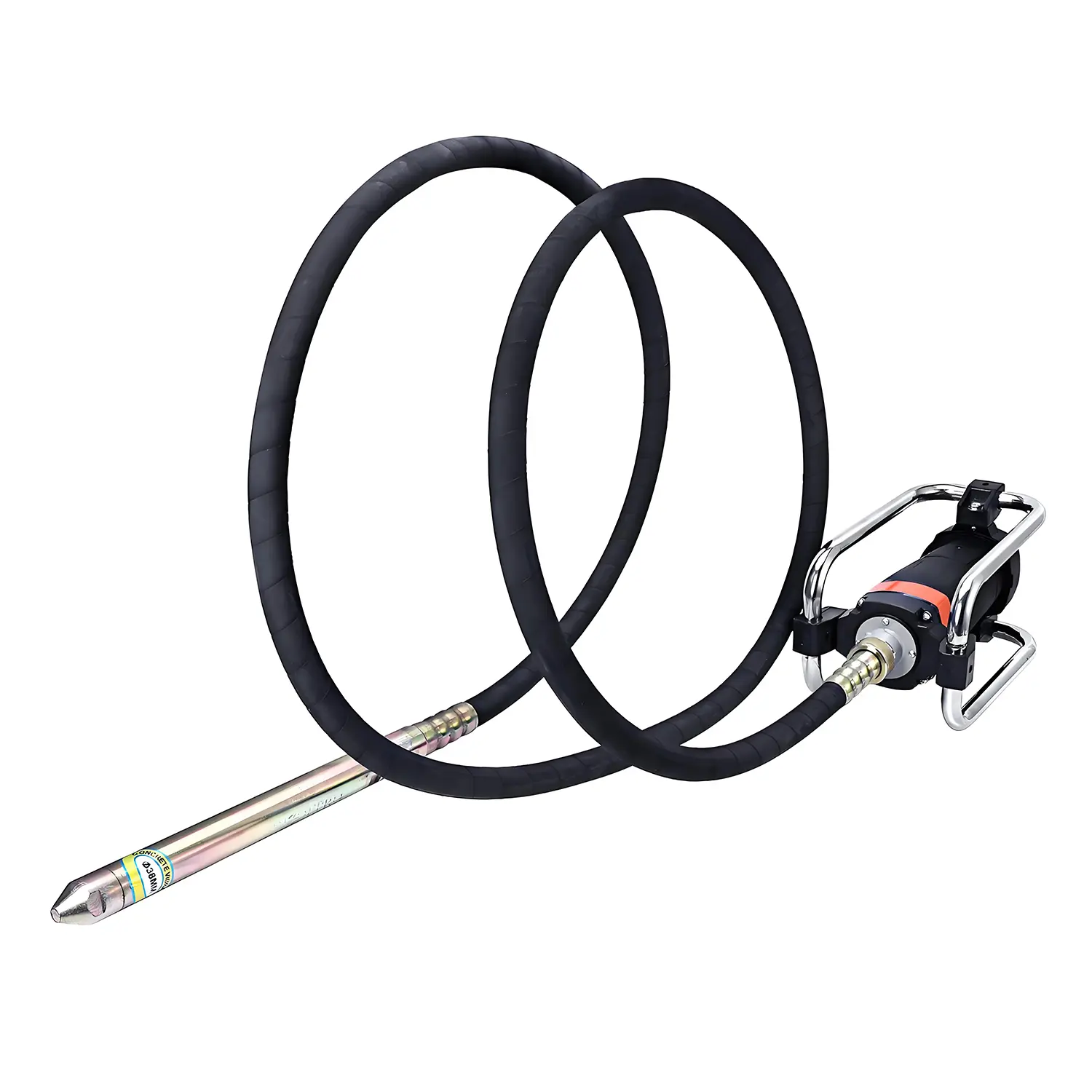 Eccentric shaft
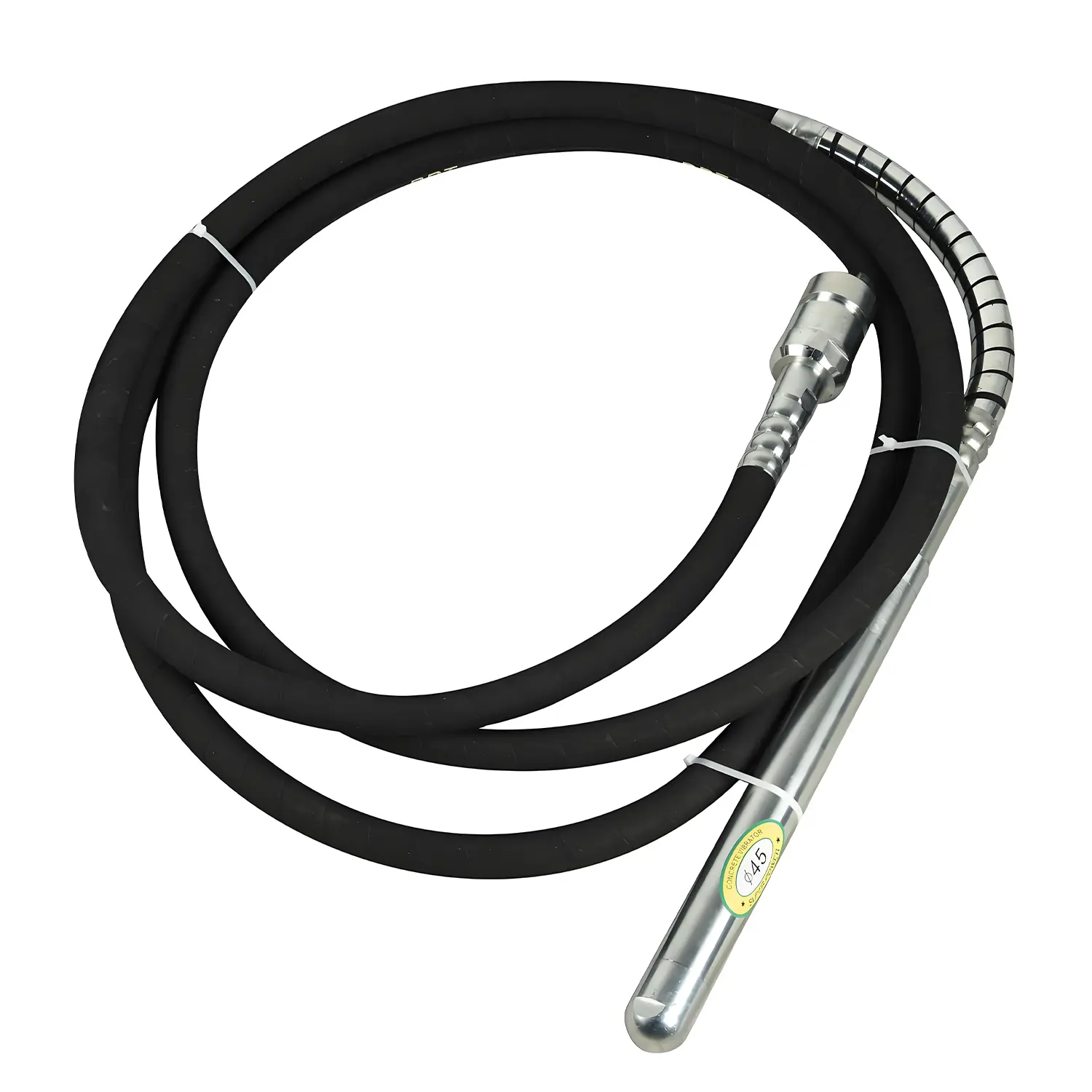 Pendulum shaft
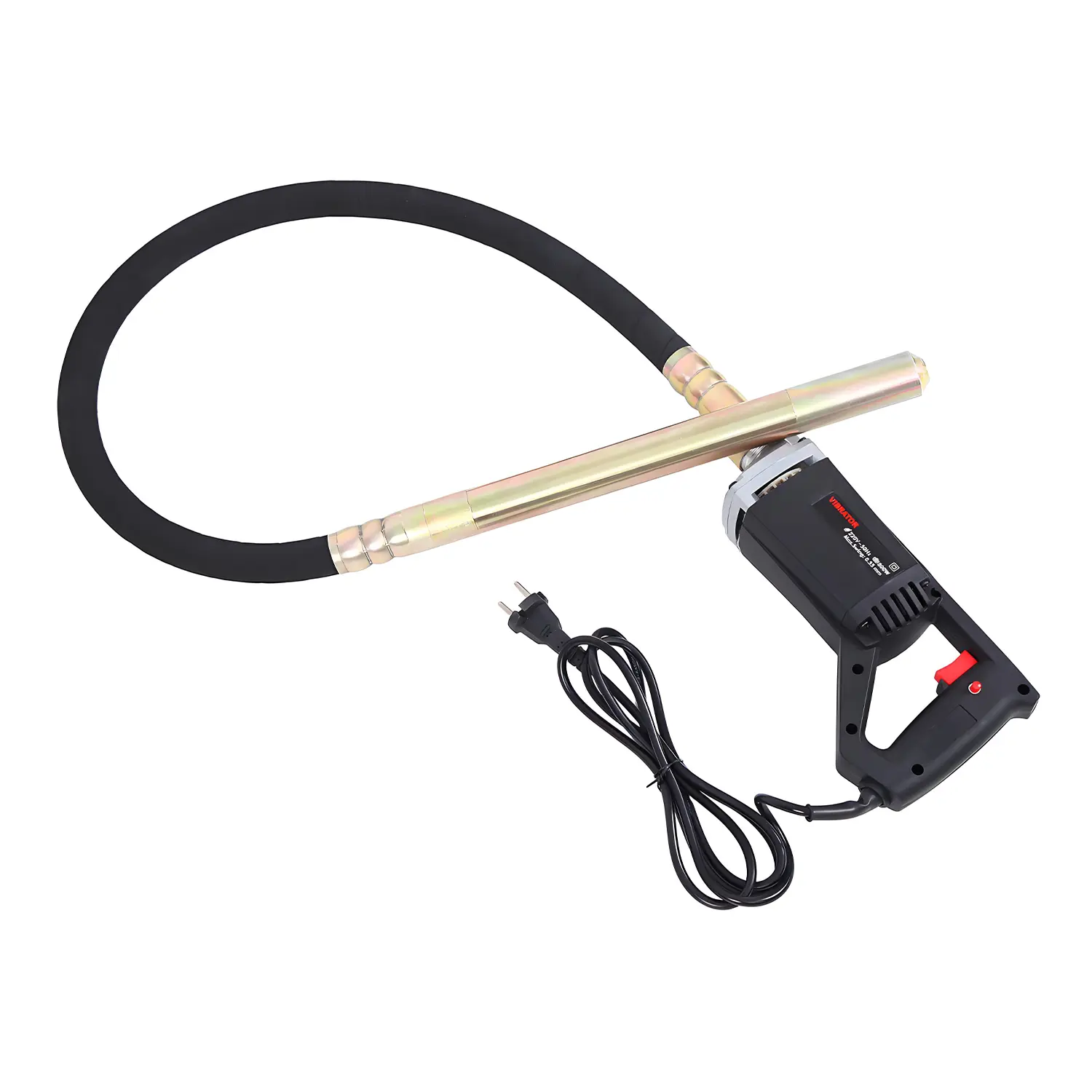 Portable vbrator shaft
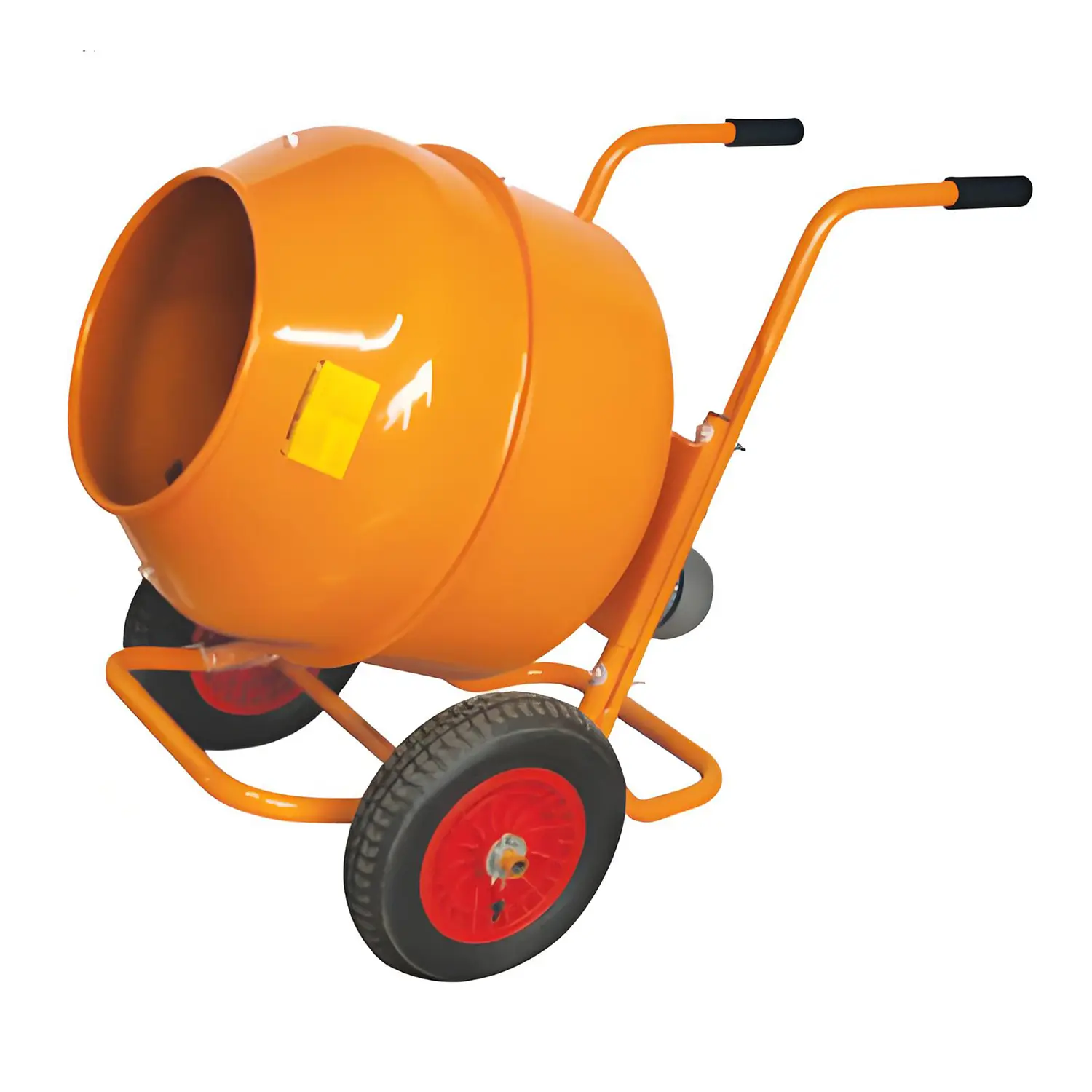 Portable concrete mixer
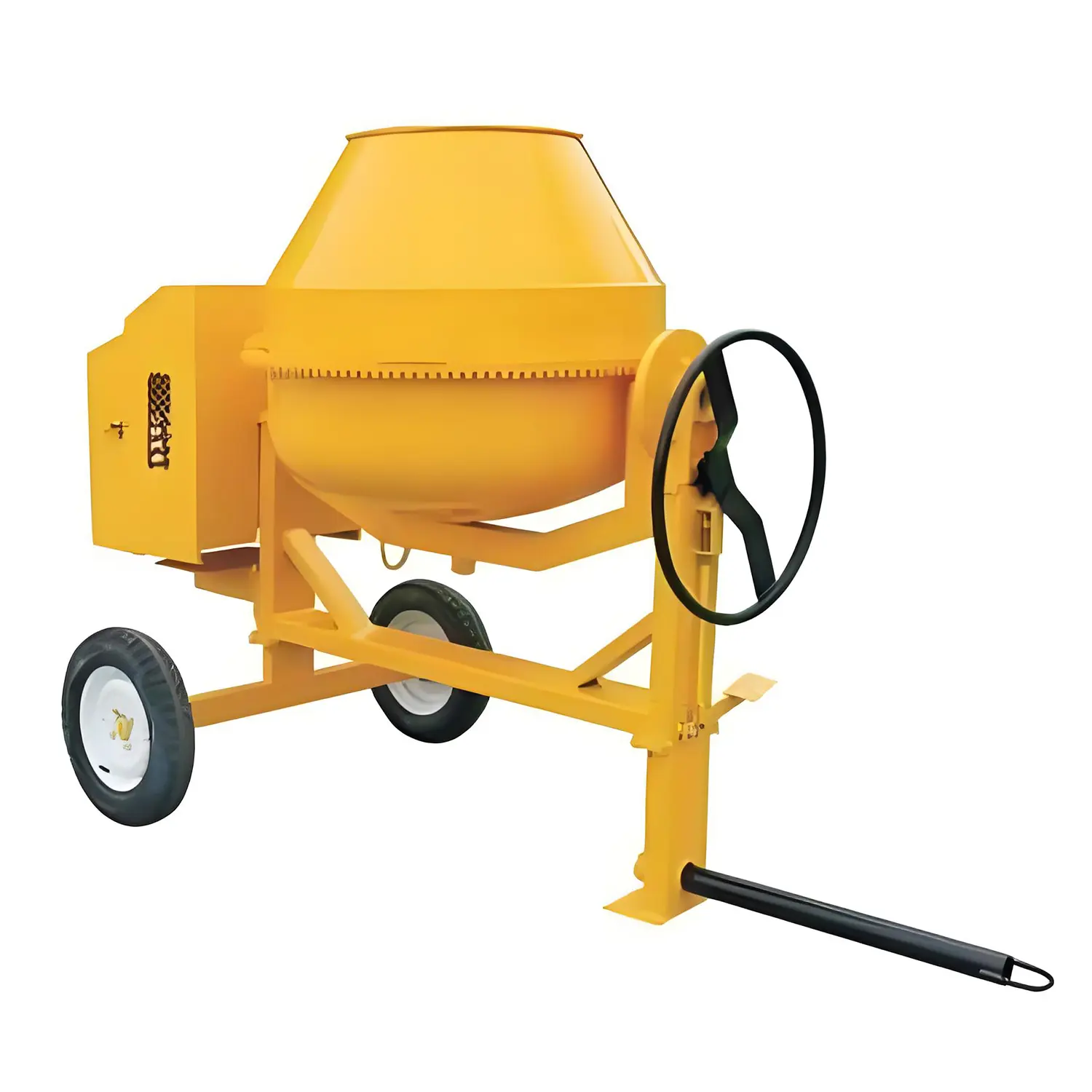 Vertical concrete mixer
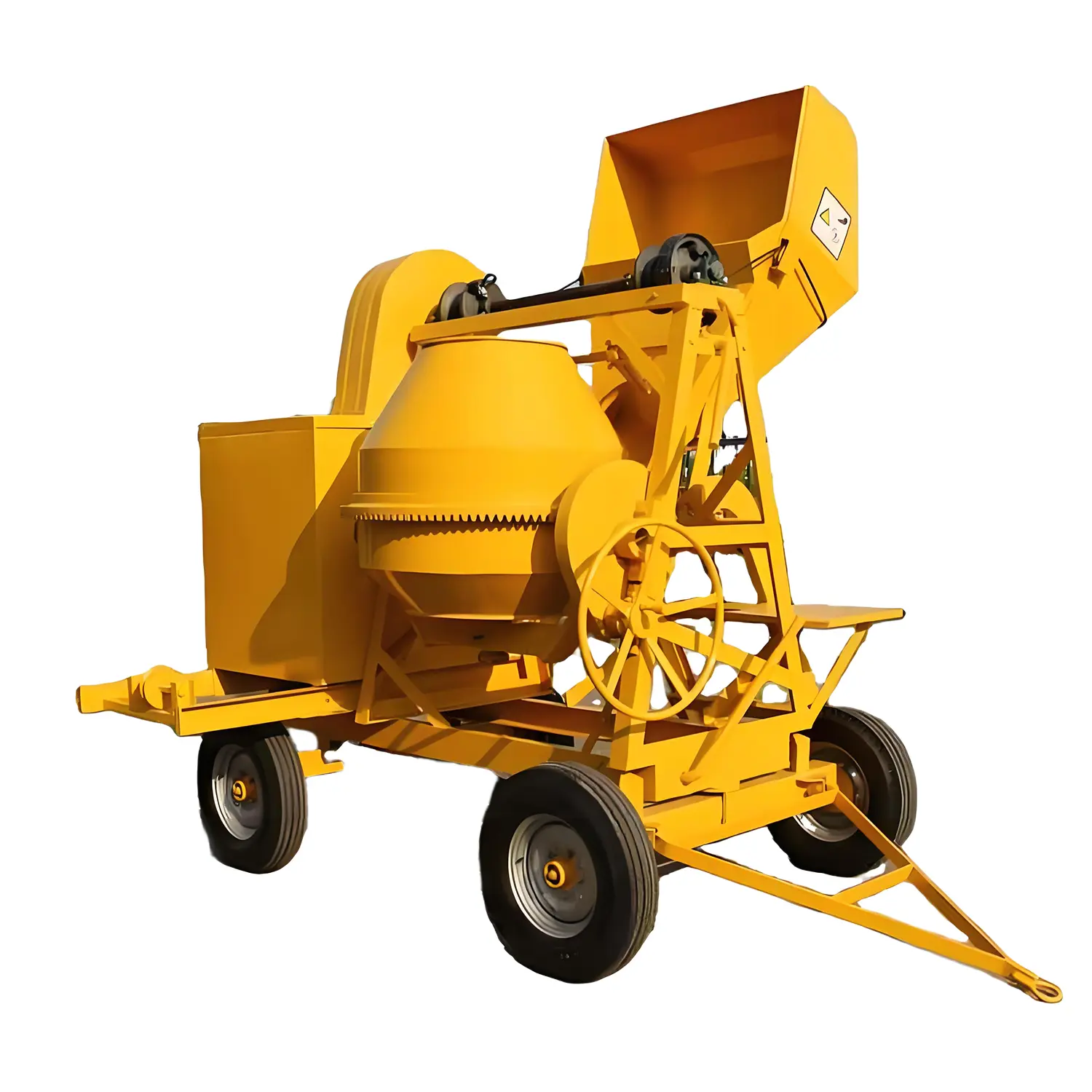 Hydraulic concrete mixer
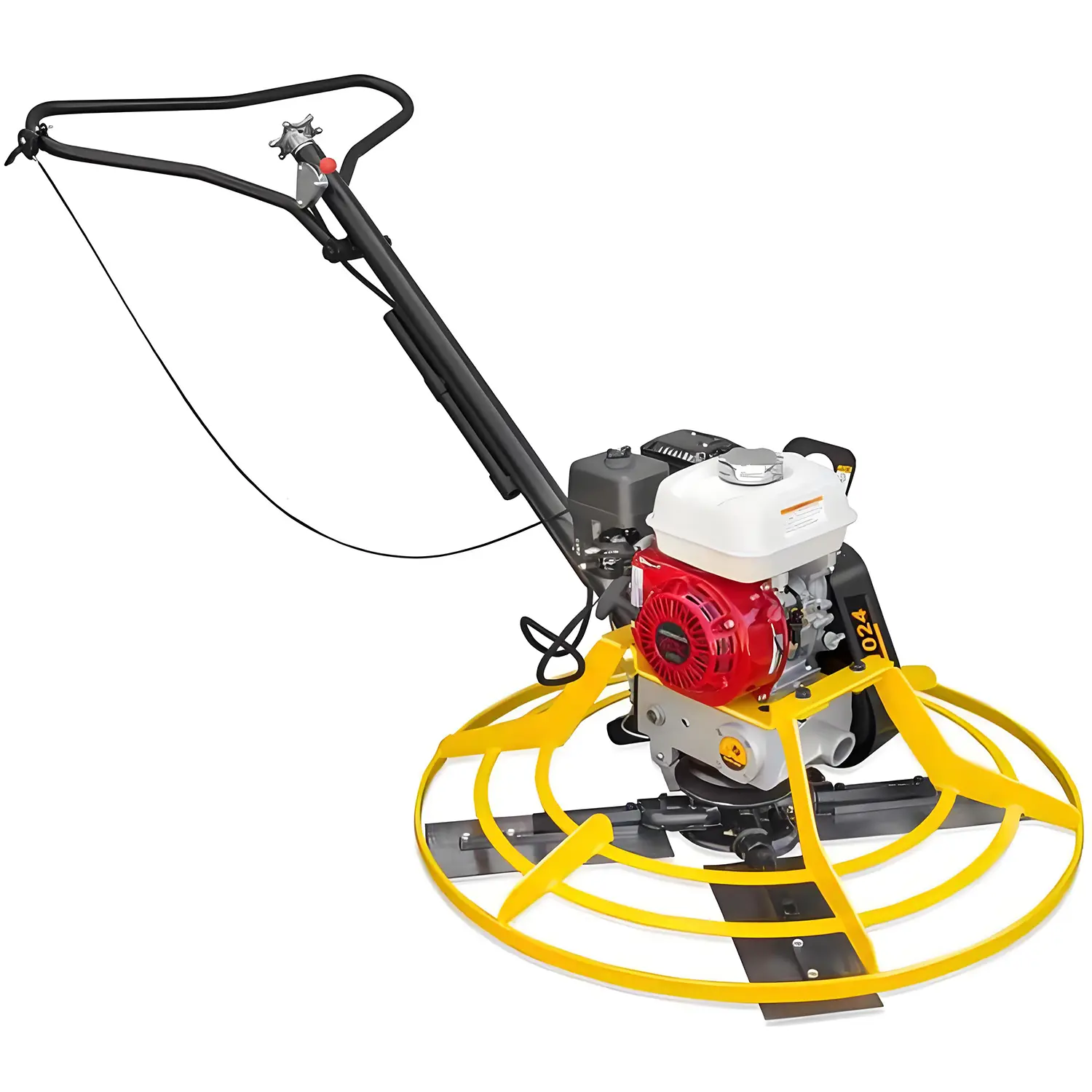 Walk behind power trowel
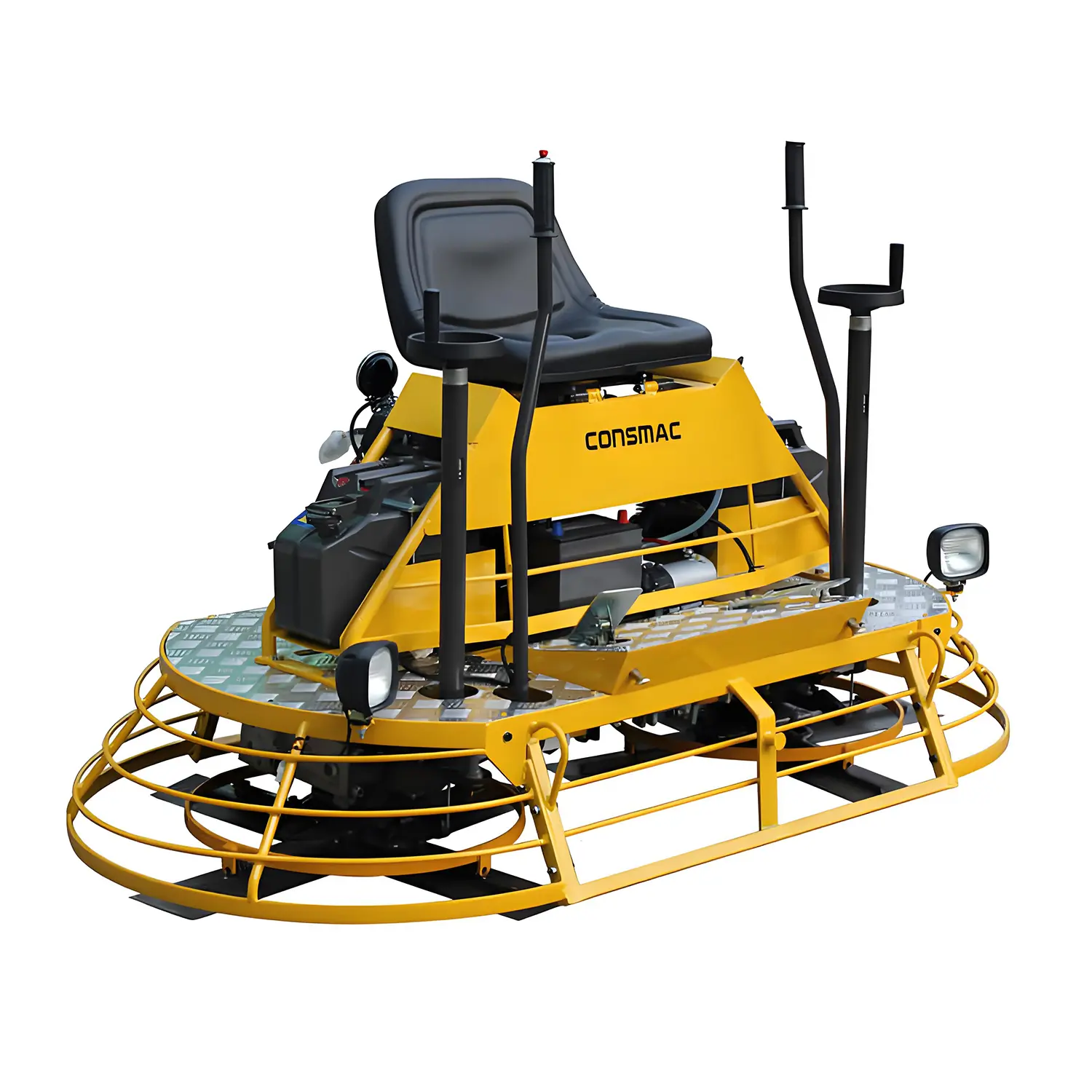 Ride on power trowel
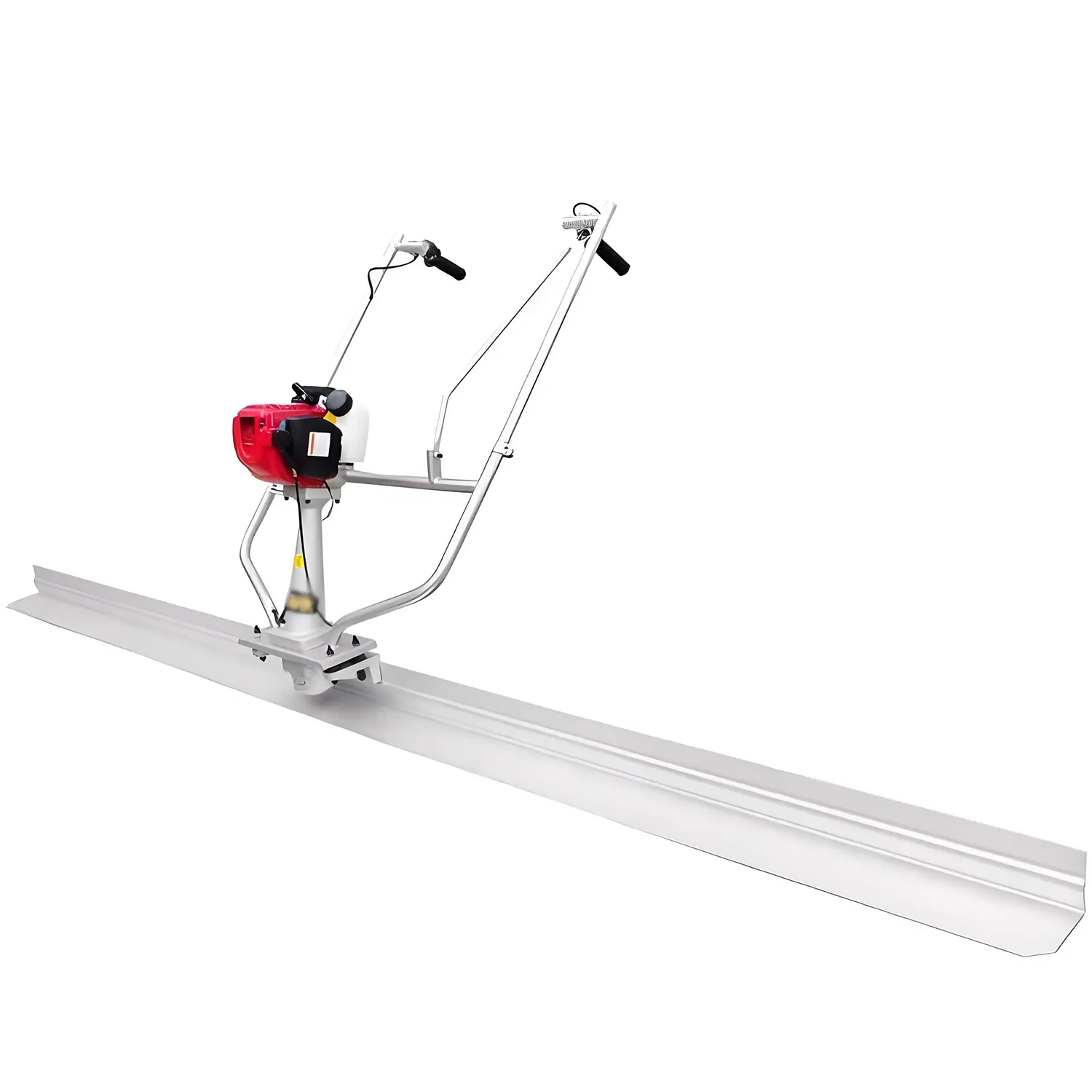 Concrete screed
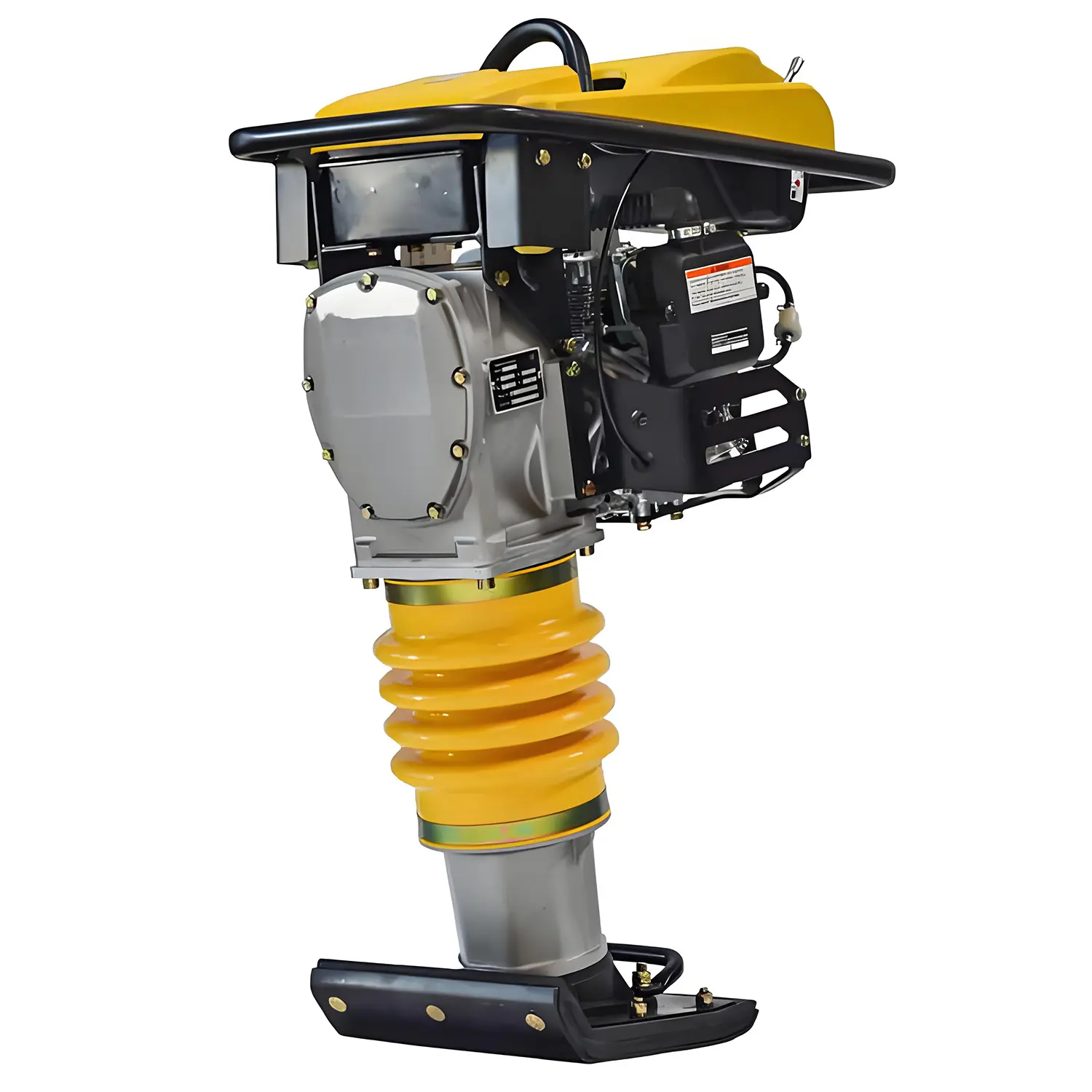 Tamping rammer
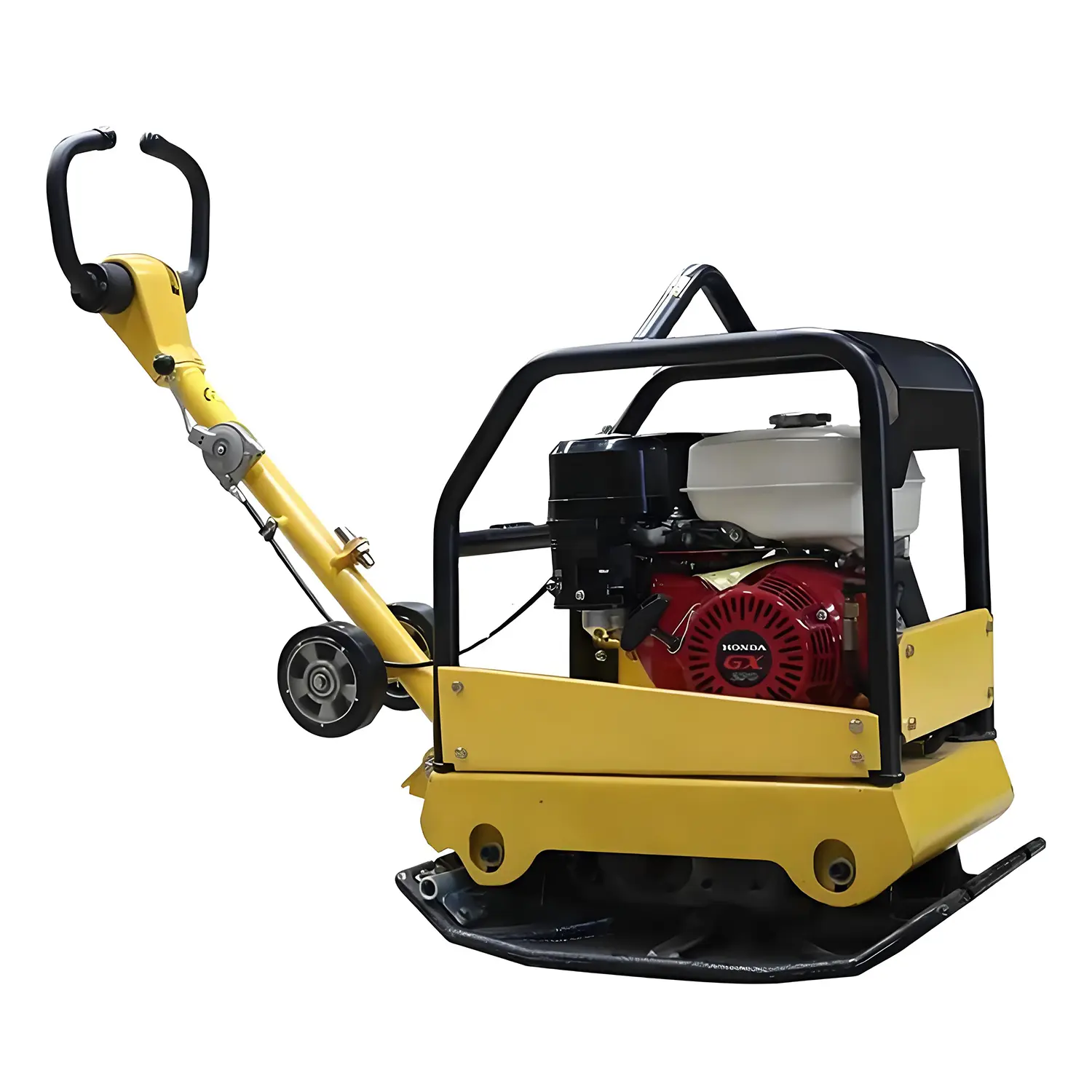 Plate compactor
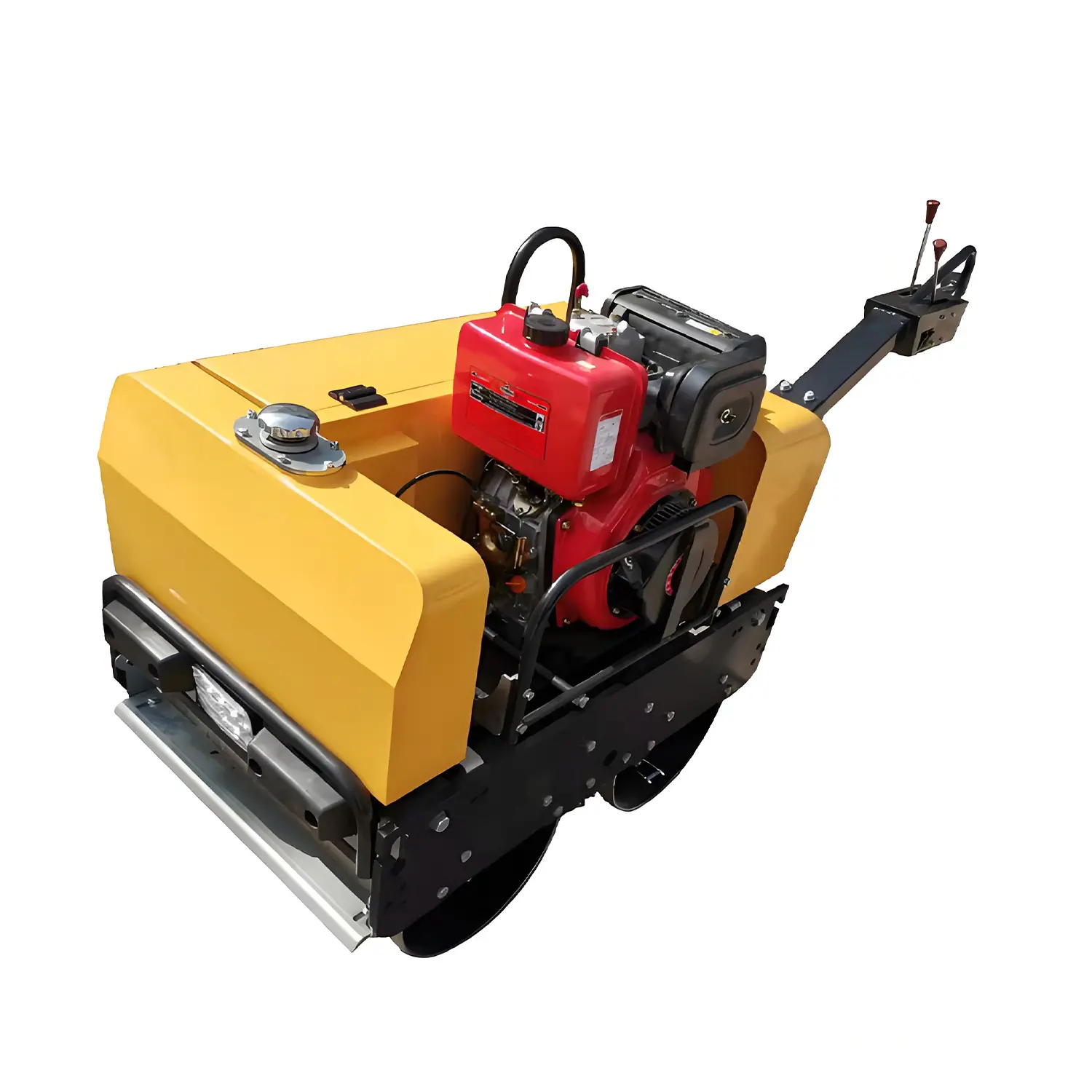 Vibratory roller