10 Best Heavy Duty Compactors for Efficient Waste Management?
In the world of waste management, the significance of a Heavy Duty Compactor cannot be overstated. Industry expert John Smith, who has over two decades of experience, states, “A reliable compactor is essential for efficient waste processing.” His insights highlight the critical role these machines play in streamlining waste reduction efforts.
Heavy duty compactors come in various types, each designed for specific waste challenges. For instance, they handle larger volumes and dense materials better than traditional models. As urban areas grow and waste production increases, the necessity for robust compaction solutions becomes clearer. Investing in quality equipment can lead to greater efficiency and cost savings, but selecting the right model requires careful consideration of one’s needs.
Moreover, not all compactors are created equal. Some may struggle under heavy loads or in demanding conditions. It’s essential to evaluate the performance and durability of different brands. While top choices exist, there is always room for improvement. Reflecting on industry standards can help users make informed decisions, avoiding pitfalls associated with inferior products. Choosing the right Heavy Duty Compactor could significantly impact waste management success.
Heavy Duty Compactors: An Overview of Key Features and Specifications
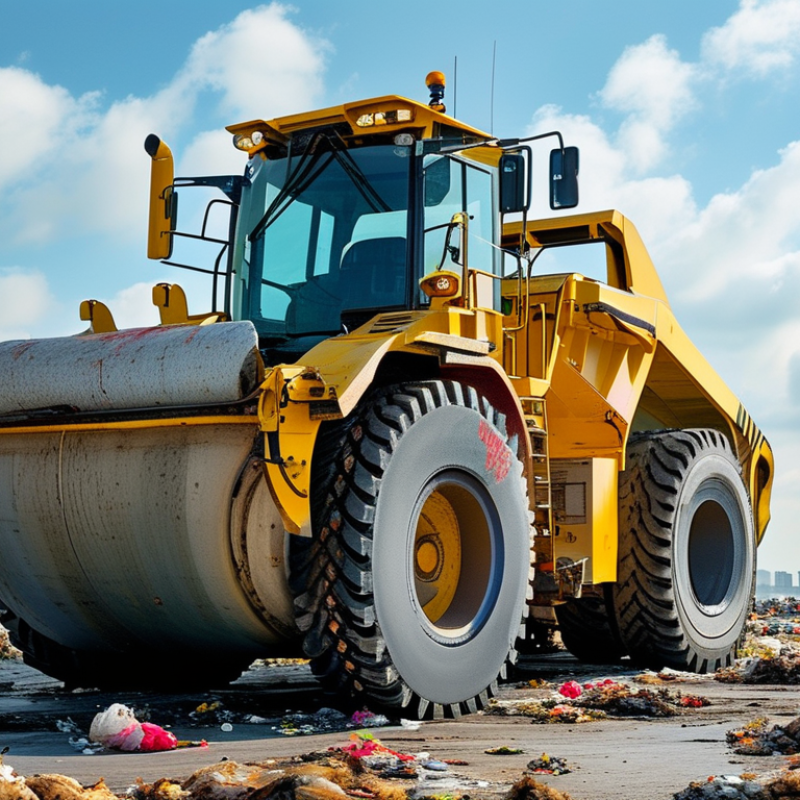
Heavy-duty compactors play a crucial role in waste management. Their efficiency can significantly affect operations in various industries. These machines compress waste materials, reducing their volume by as much as 70%. This reduction not only optimizes space but also lowers transportation costs.
Key features in heavy-duty compactors include hydraulic systems for effective compression and safety mechanisms to protect operators. The size and load capacity can vary widely. For instance, some compactors handle up to 30 tons of waste. Another critical specification is the compaction force, which influences how tightly waste is packed. Reports indicate that higher compaction forces lead to better waste volume reduction and increased operational efficiency.
A growing concern in waste management is environmental impact. Compactors with advanced features can help minimize the carbon footprint. However, not all machines are designed with sustainability in mind. Choosing the right compactors involves considering factors like durability, efficiency, and maintenance needs. There's a need for continuous evaluation of compactors based on performance metrics, as they differ significantly across models.
Importance of Heavy Duty Compactors in Efficient Waste Management Trends
Heavy duty compactors play a crucial role in waste management. They improve efficiency, reduce landfill space, and support recycling efforts. According to the Environmental Protection Agency, proper waste management practices can reduce waste generation by up to 30%. This emphasizes the need for effective compaction solutions.
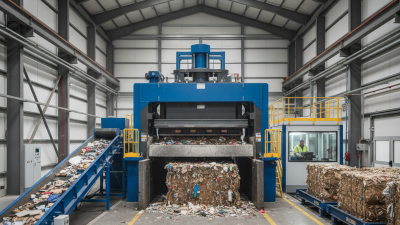
In various industries, heavy duty compactors can handle large volumes of waste. These machines compress waste material into manageable bales, significantly lowering transport costs. A study by the National Solid Waste Management Association notes that compacted waste takes up to 70% less space. This is vital for companies looking to streamline operations.
Tips: Regular maintenance of compactors is essential. Check hydraulic systems and replace worn parts timely. Training workers on proper usage can prevent costly accidents. Monitoring waste output is equally important. This data can guide future waste management strategies and improve overall efficiency. Small adjustments today can lead to significant improvements tomorrow. Adapting to trends in waste management requires continuous learning and reflection on practices.
Top 10 Heavy Duty Compactors: Performance Metrics and Reliability Rankings
Heavy-duty compactors play a crucial role in efficient waste management. Their performance metrics are vital when making decisions. Compacting waste not only saves space but also reduces disposal costs. Reliable compactors handle extreme conditions and ensure consistent performance.
When selecting a compactor, consider the weight capacity. A heavy-duty model should accommodate your waste volume without strain. Look for durability in construction materials. The right compactor should withstand daily use, even in harsh environments. Regular maintenance is essential for long-term reliability.
Tip: Always assess the power requirements of your compactor. Some models may require significant energy, impacting operational costs. Evaluate fuel efficiency and overall energy consumption. You want a machine that not only performs but also reduces costs.
Another aspect is the user interface. A clear and intuitive control panel can enhance efficiency. Operators should be trained to handle the equipment safely. Misuse can lead to breakdowns and accidents. Ensuring that your team understands the machine is key to successful operation.
Comparative Analysis: Cost-Effectiveness of Leading Heavy Duty Compactors
When choosing heavy-duty compactors, cost-effectiveness is crucial. Analyzing various models reveals different initial prices and operational costs. Some compactors excel in processing volume, while others focus on efficiency. These factors significantly impact the overall financial picture.
Investing in a heavy-duty compactor often means balancing purchase price and long-term savings. Higher upfront costs can lead to lower waste hauling fees over time. Considerable savings arise from reduced disposal frequencies. However, maintenance expenses can vary widely, influencing total cost as well.
Selecting the right compactor isn't always straightforward. Users must assess their specific waste management needs. For example, different industries generate unique waste types. A compactor ideal for one sector might struggle in another. Regularly evaluating performance will also shed light on efficiency and operational expenses. The right choice can have lasting financial implications, making thorough comparisons essential.
Comparative Analysis of Heavy Duty Compactors
Industry Innovations: Future Trends in Heavy Duty Compactor Technology
The heavy-duty compactor industry is evolving rapidly. New technologies aim to enhance efficiency and sustainability. Innovations in hydraulic systems are making these machines smarter. They adapt their force based on the material density, minimizing energy consumption. The integration of sensors allows for real-time monitoring of waste levels. This leads to optimized collection schedules.
Furthermore, eco-friendly materials are becoming standard in compactor design. Companies are prioritizing recyclability and minimizing environmental impact. However, there's a challenge in balancing durability and sustainability. Some materials may wear out faster, leading to higher maintenance costs. Another trend is automation, which streamlines the compaction process. Yet, dependence on technology raises concerns about reliability during breakdowns.
As we look ahead, developing user-friendly interfaces is crucial. Operators need simple controls, especially during emergencies. Training will still be required to ensure proper handling of advanced systems. The integration of AI could predict maintenance issues before they occur, yet human oversight remains essential. Emphasizing education in waste management practices will foster a more engaged workforce.

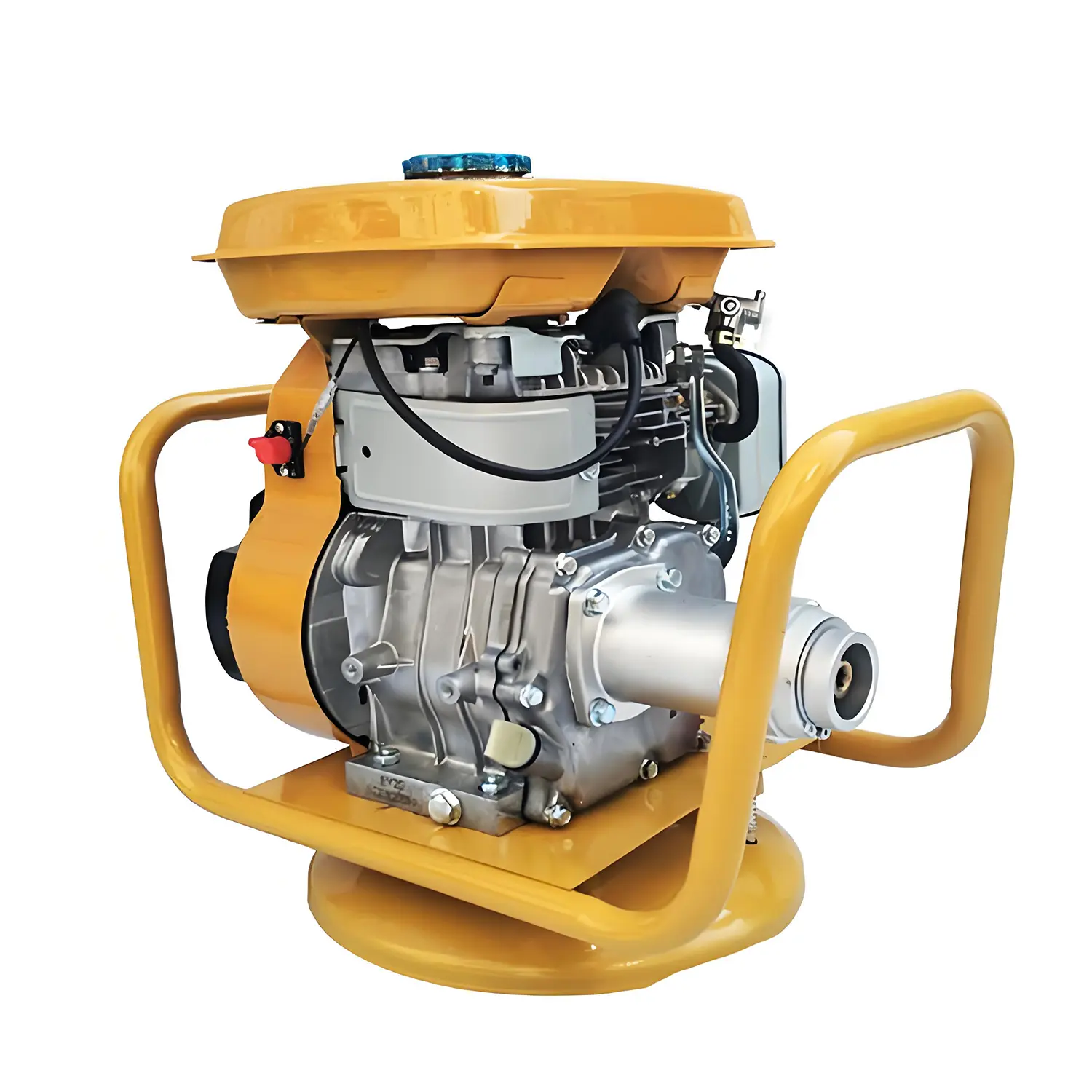 Internal Vibrator
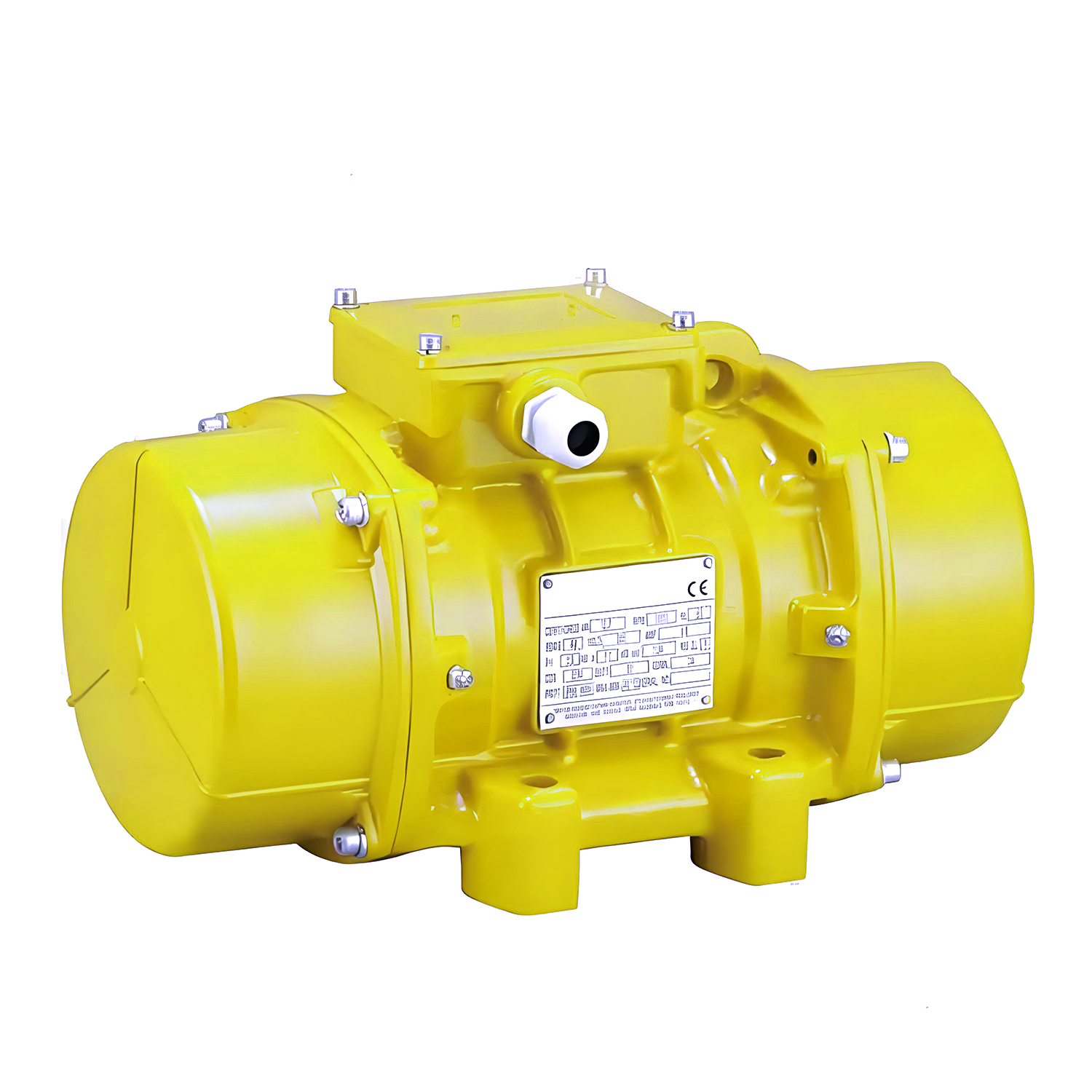 External Vibrator
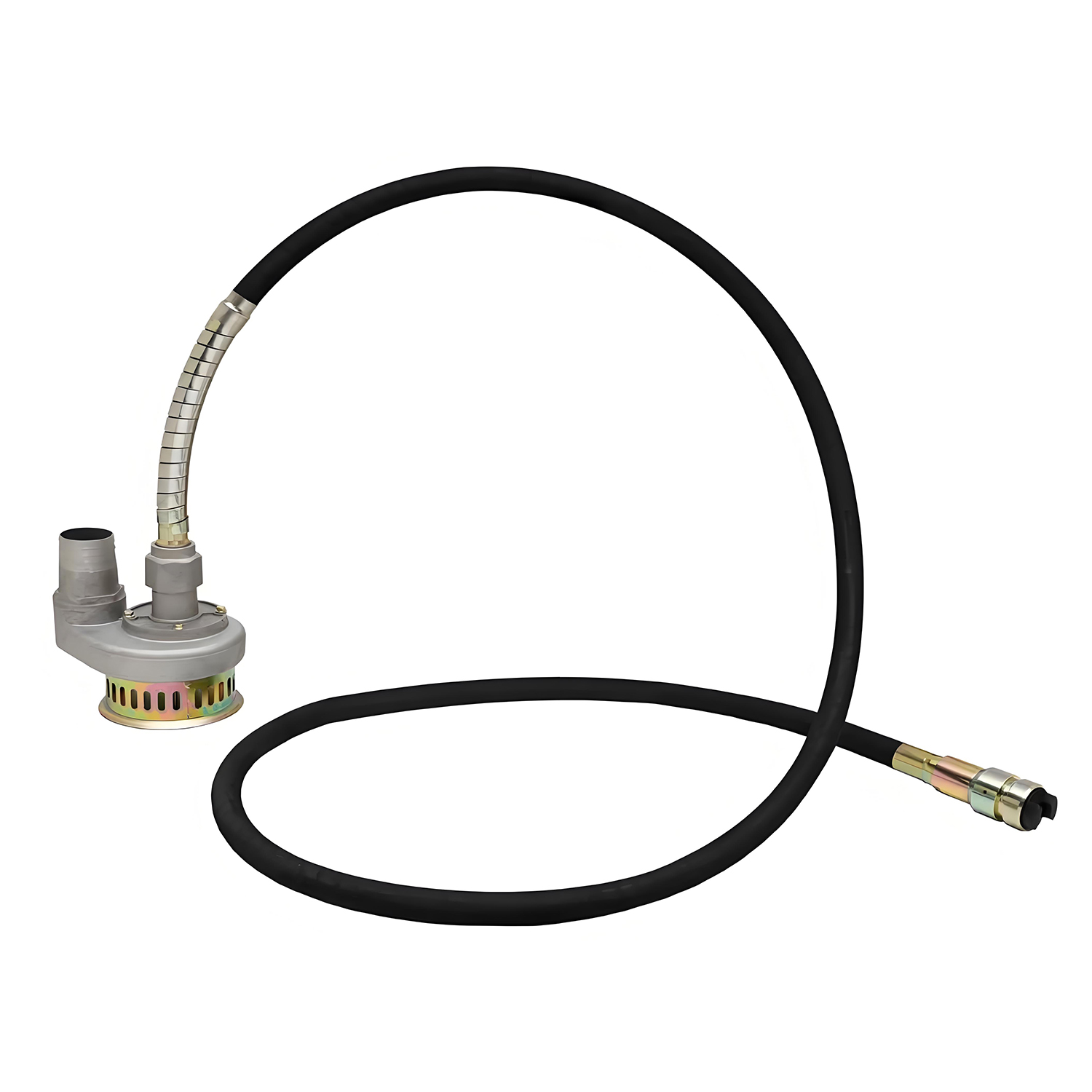 Submersible Pump
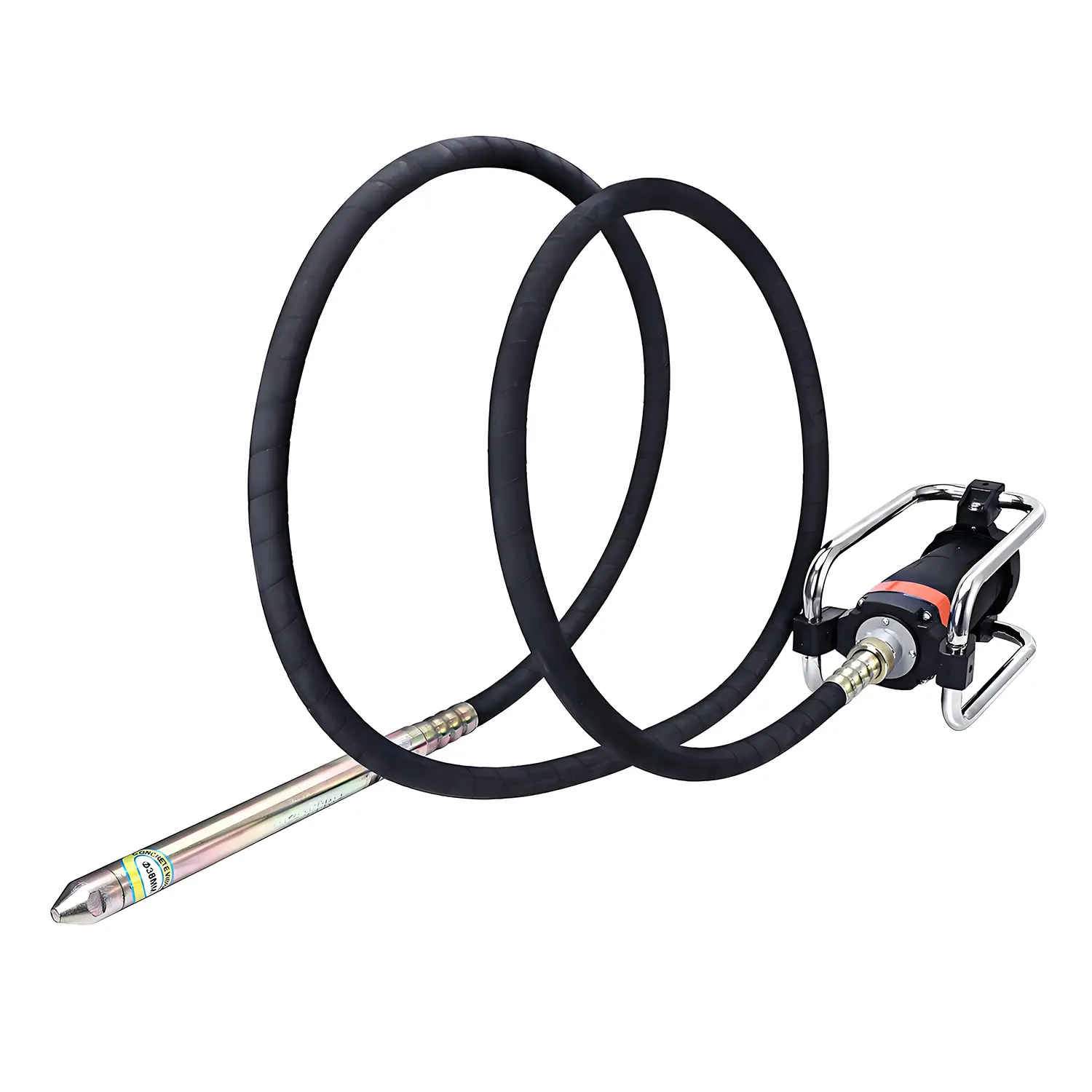 Eccentric shaft
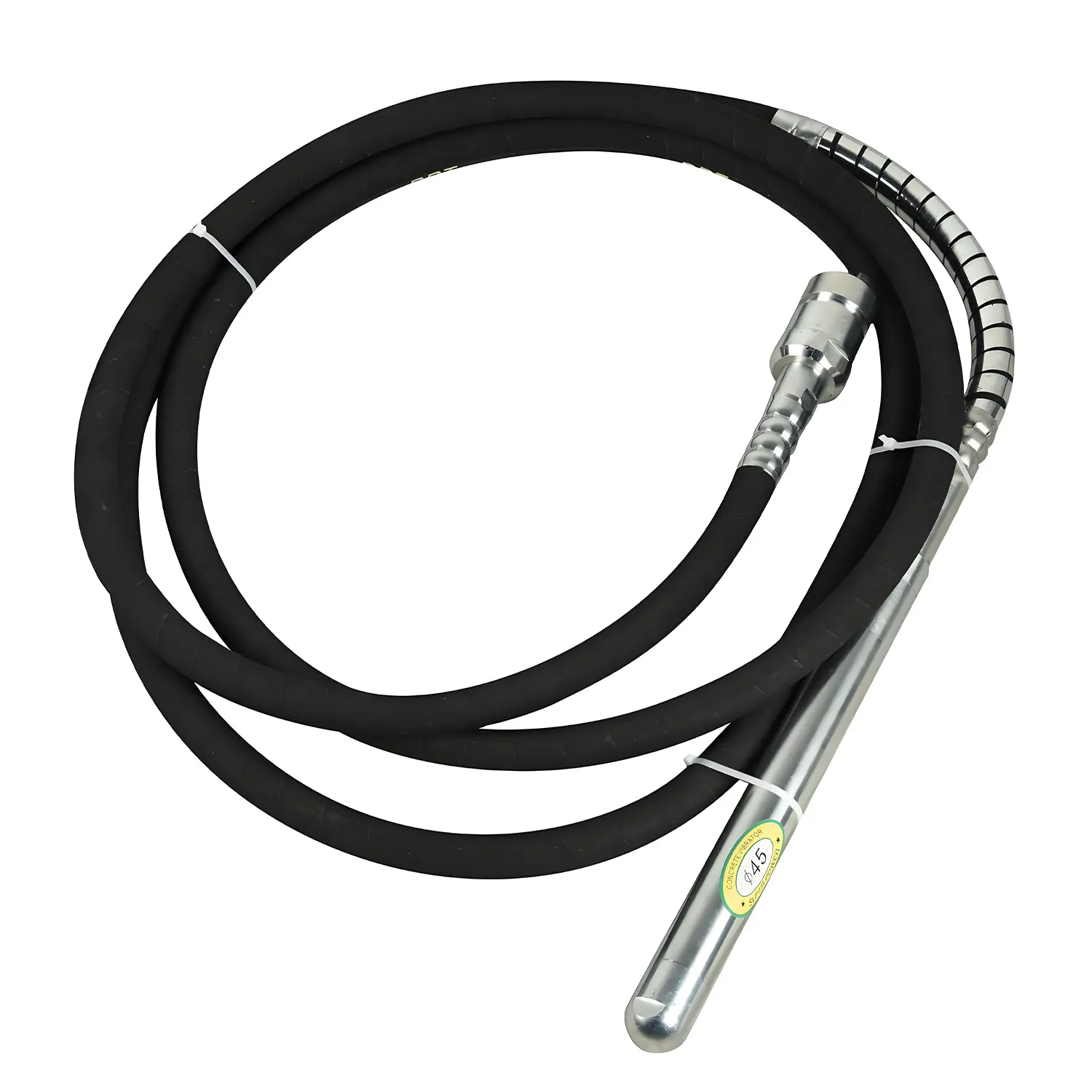 Pendulum shaft
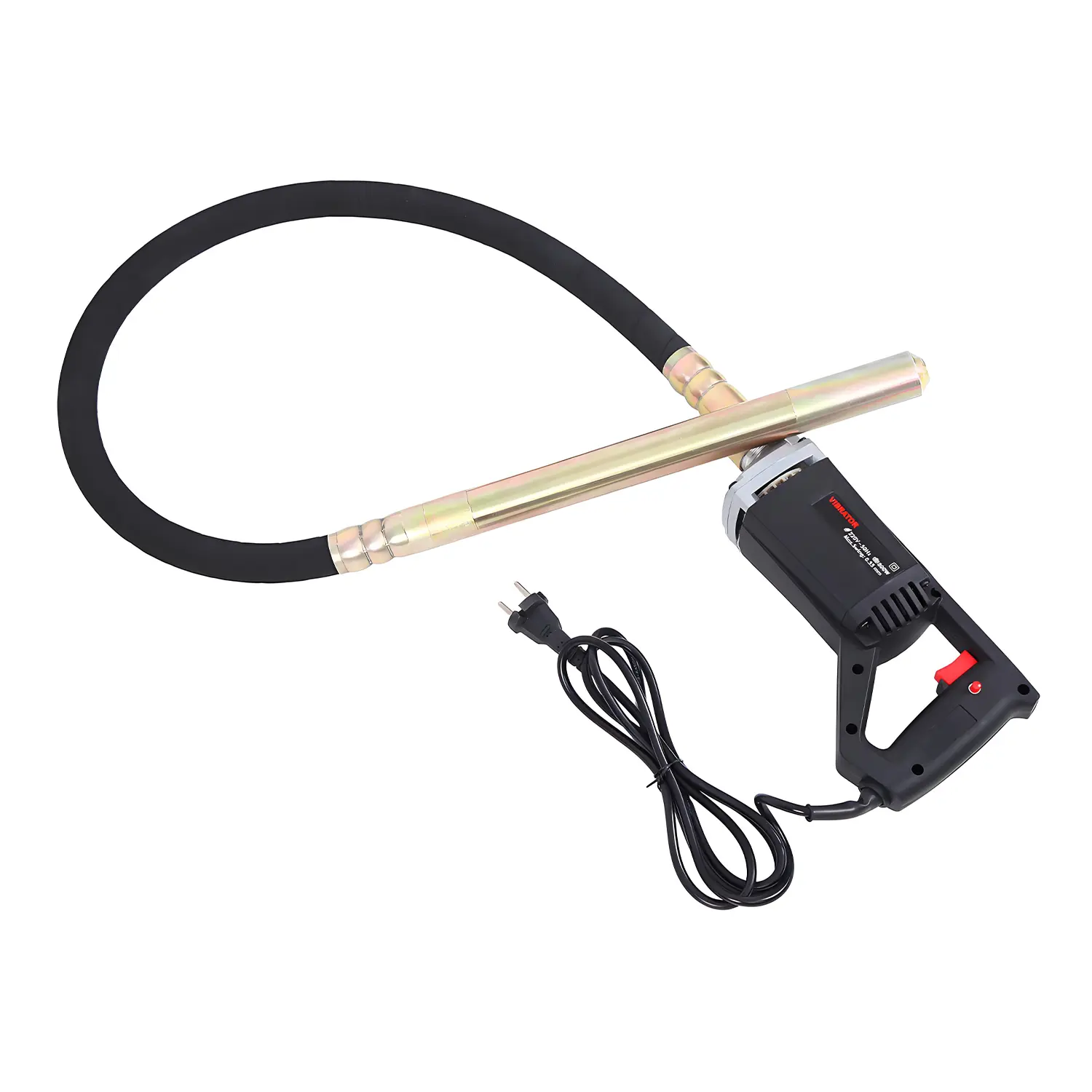 Portable vbrator shaft
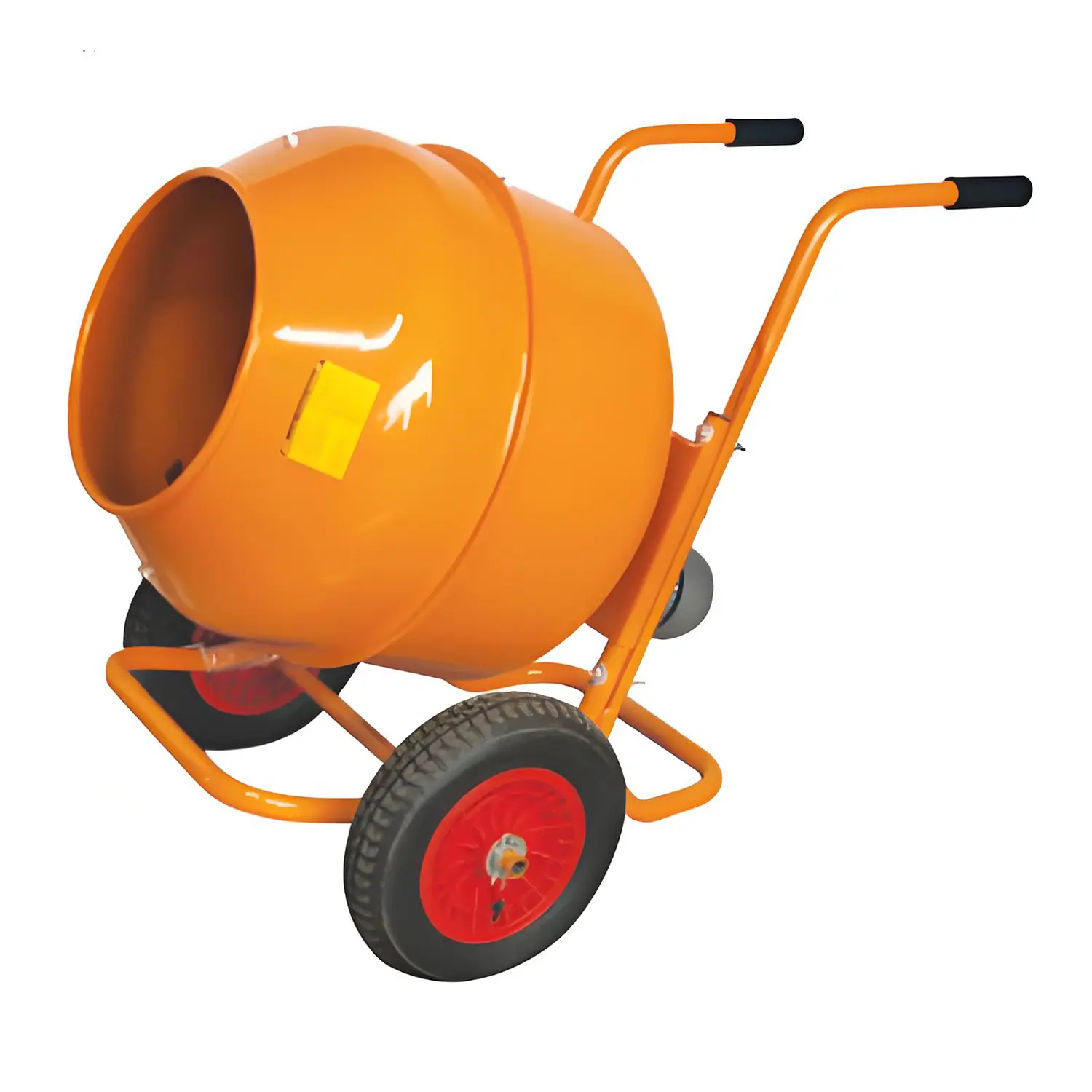 Portable concrete mixer
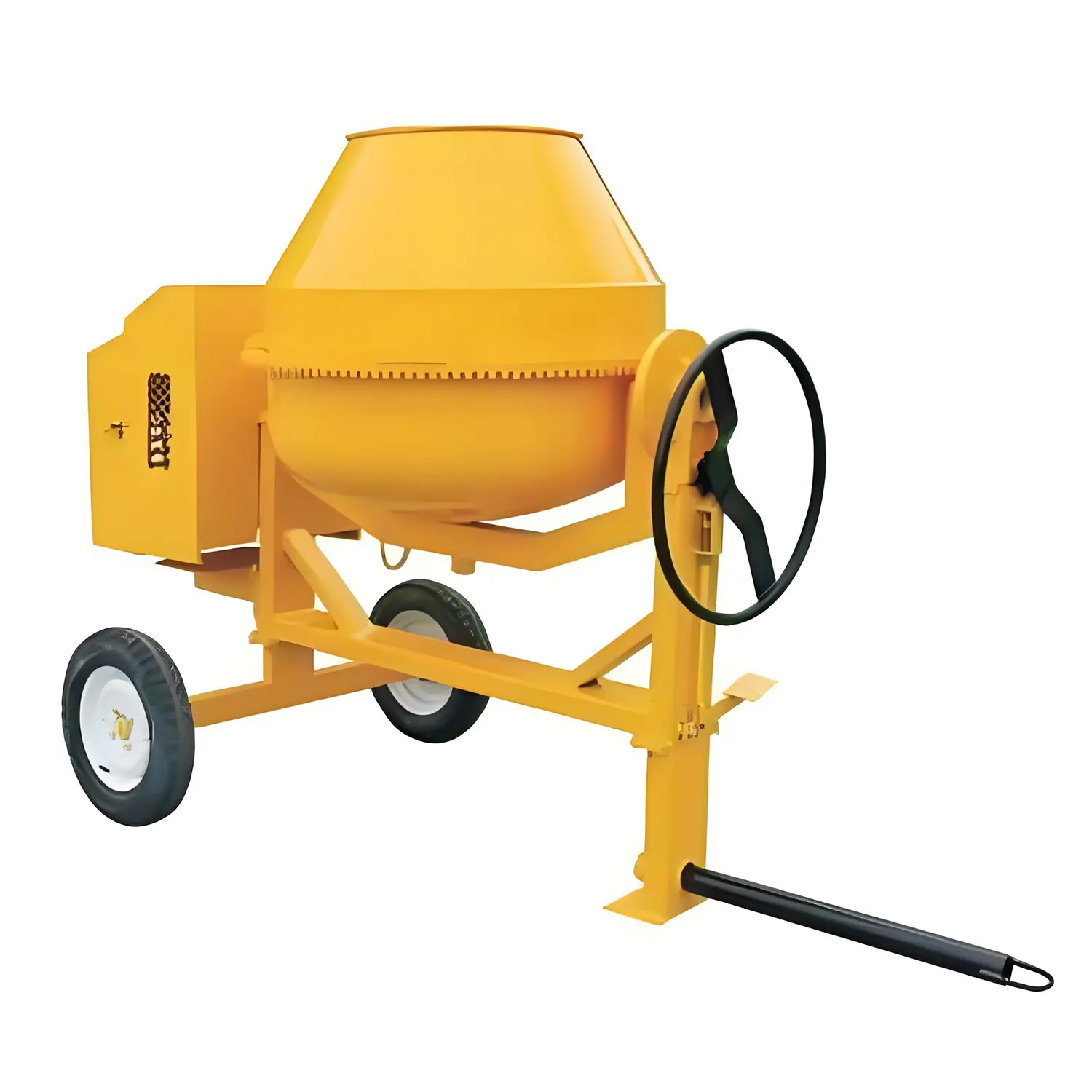 Vertical concrete mixer
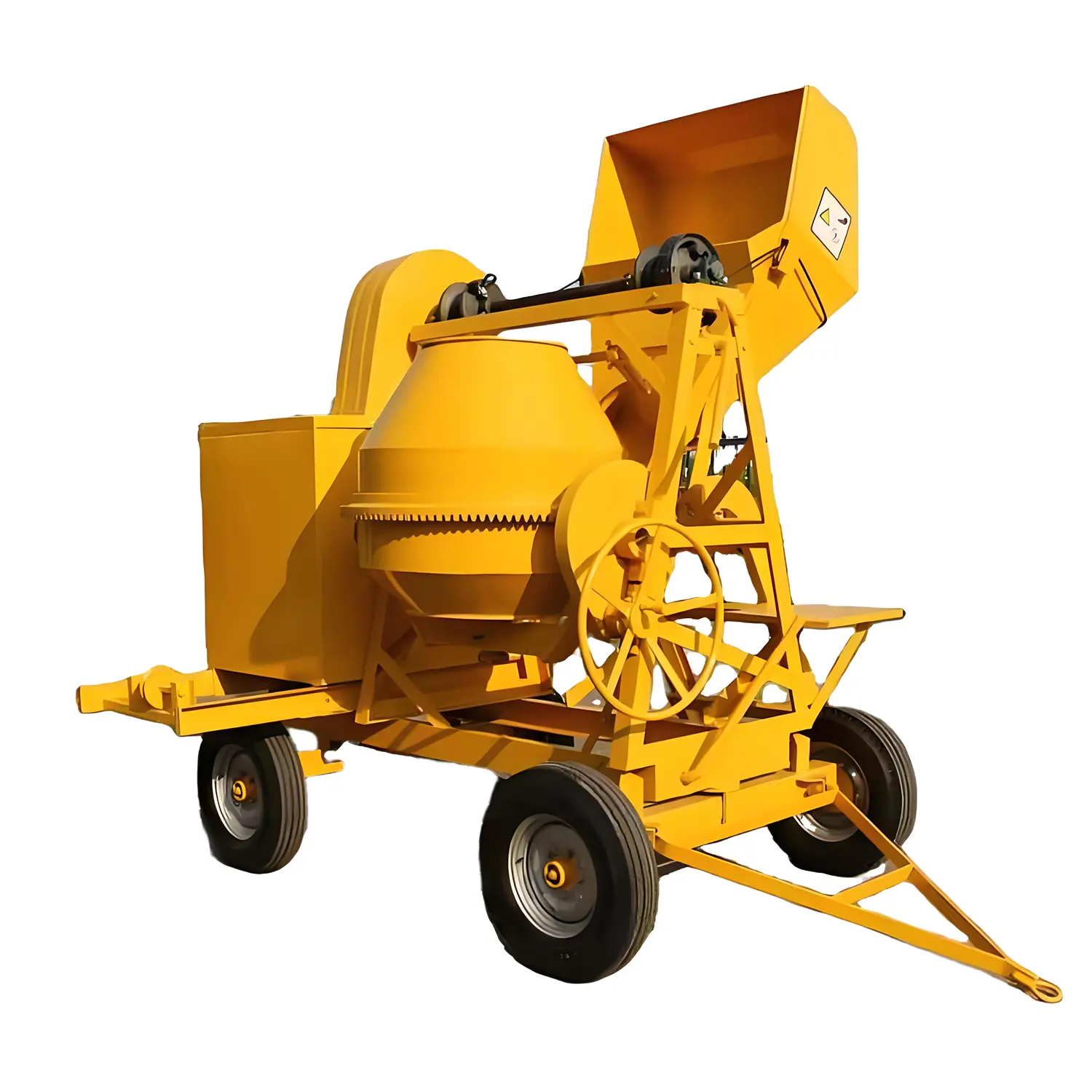 Hydraulic concrete mixer
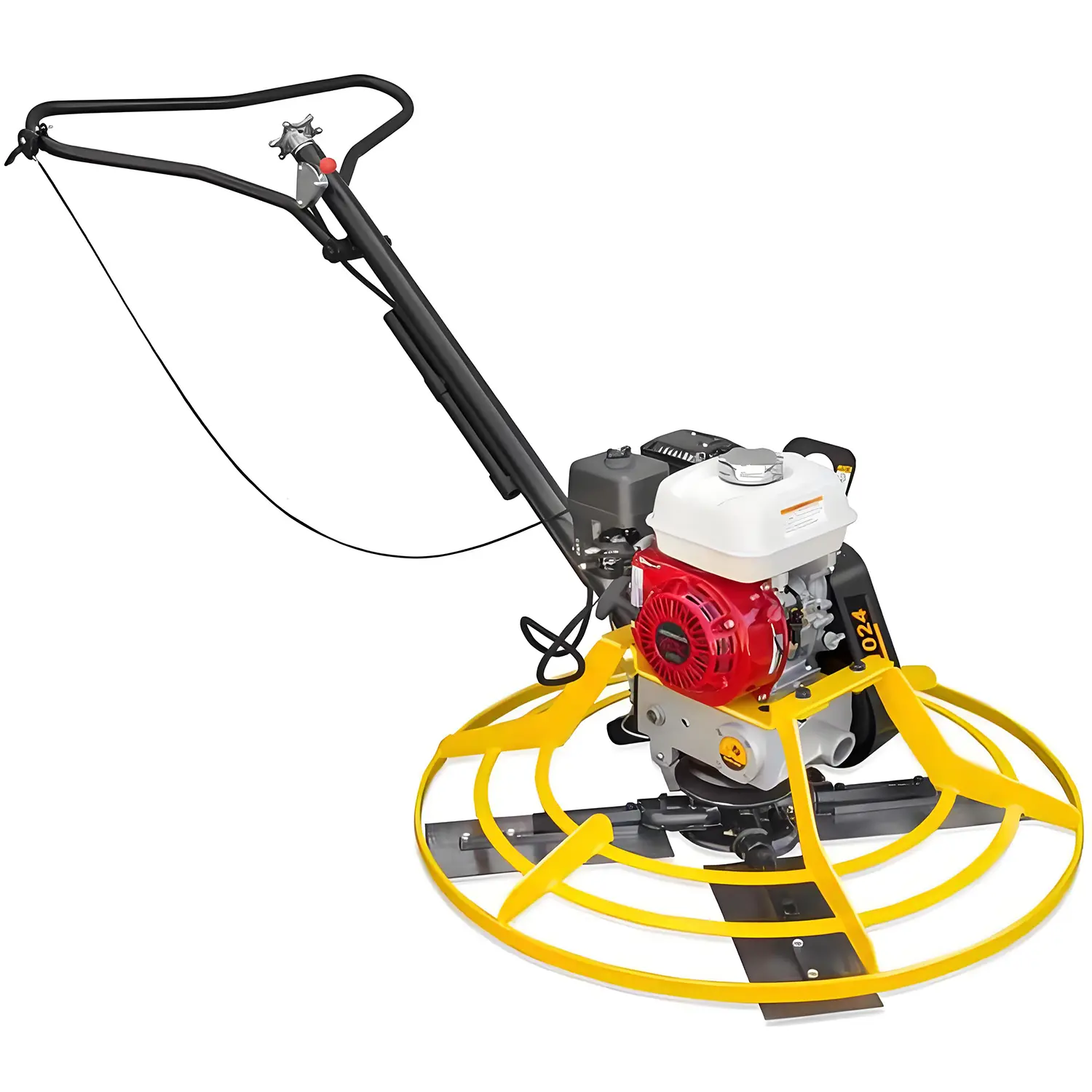 Walk behind power trowel
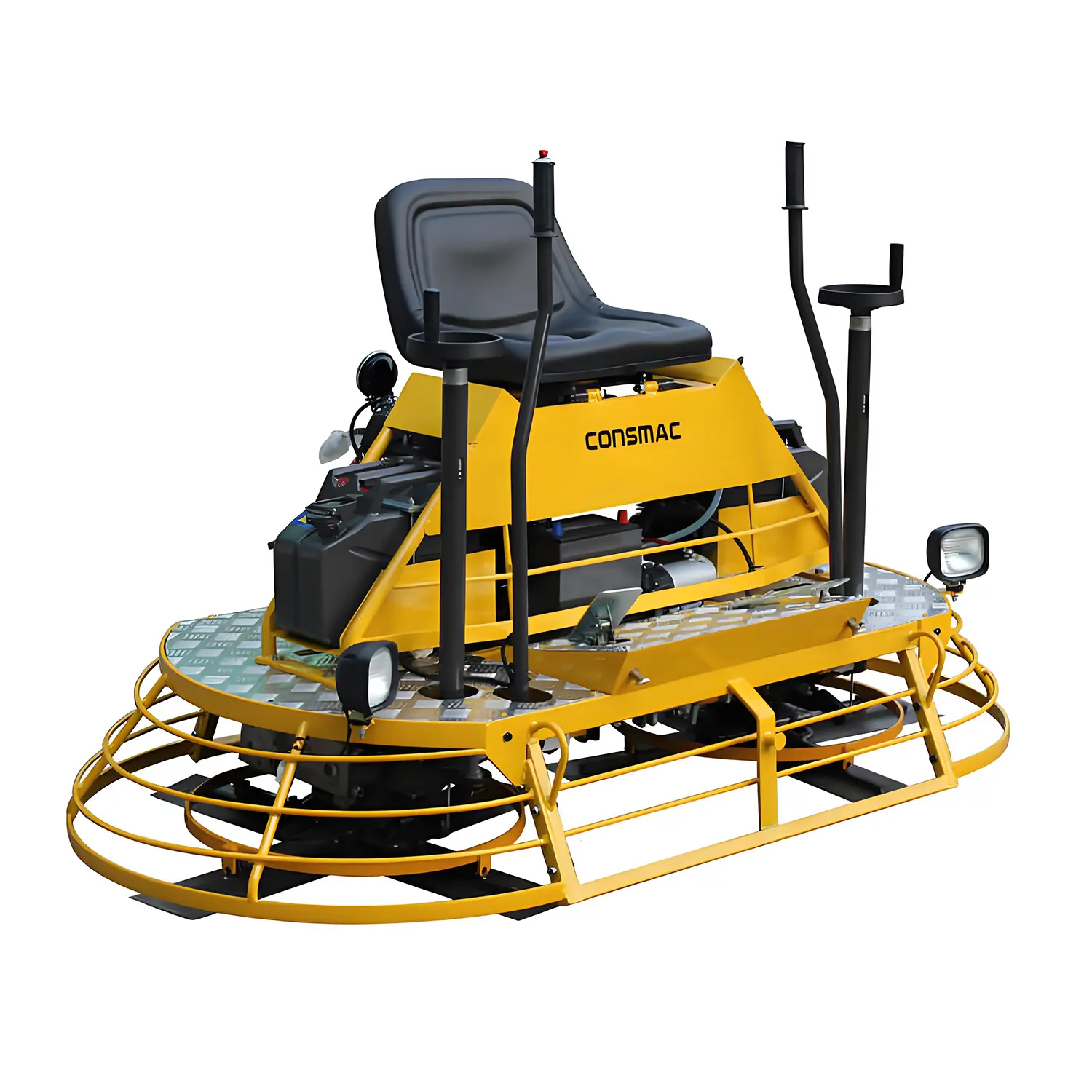 Ride on power trowel
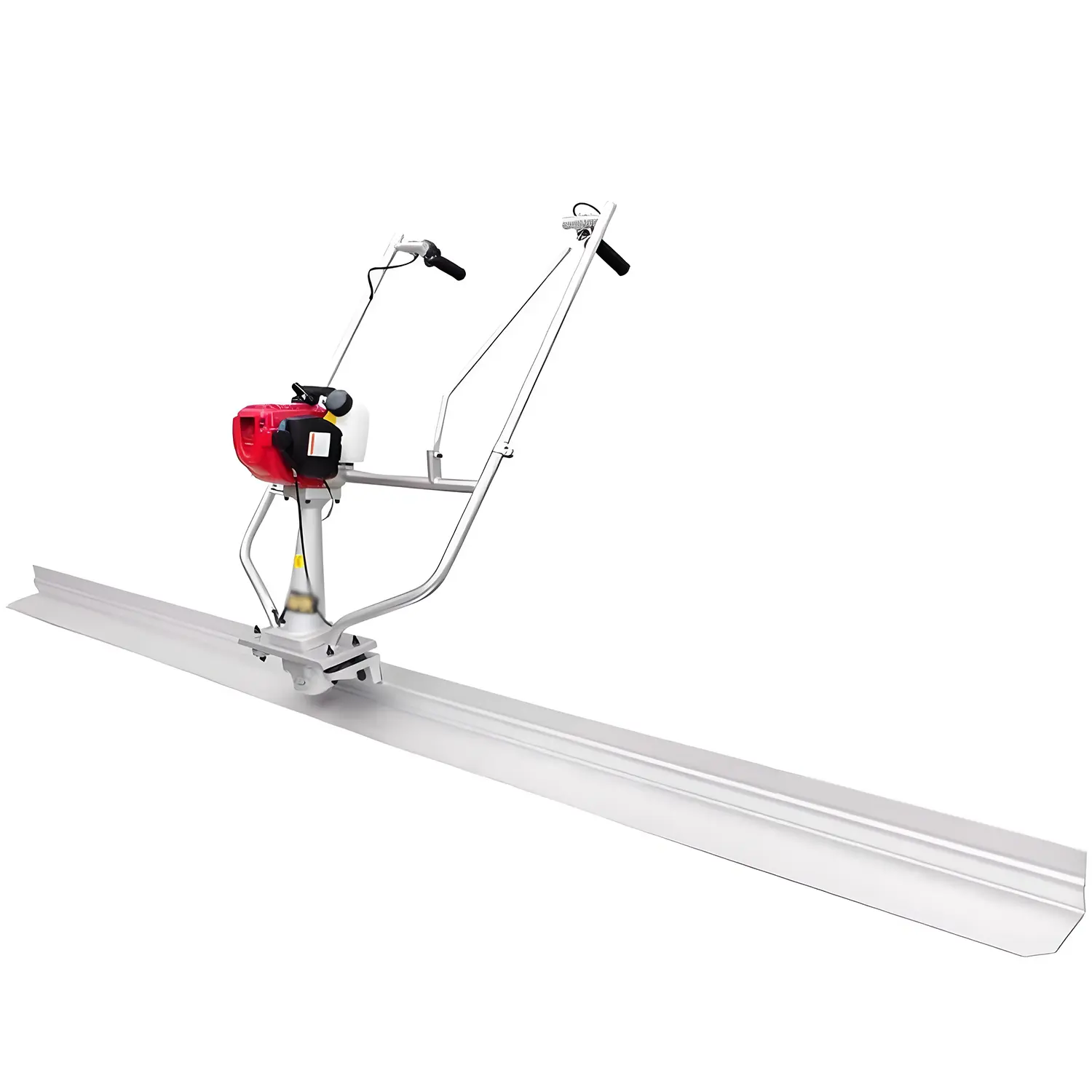 Concrete screed
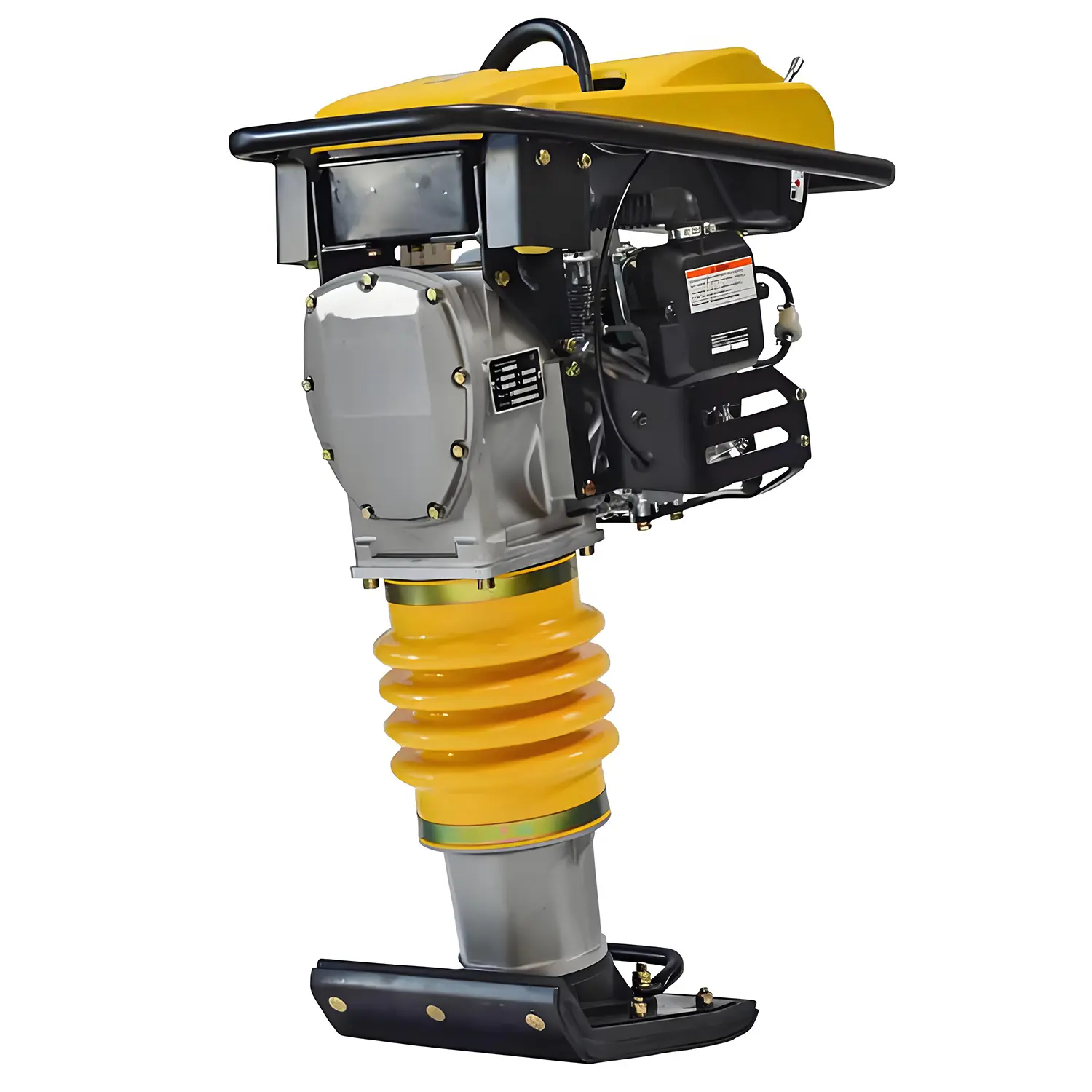 Tamping rammer
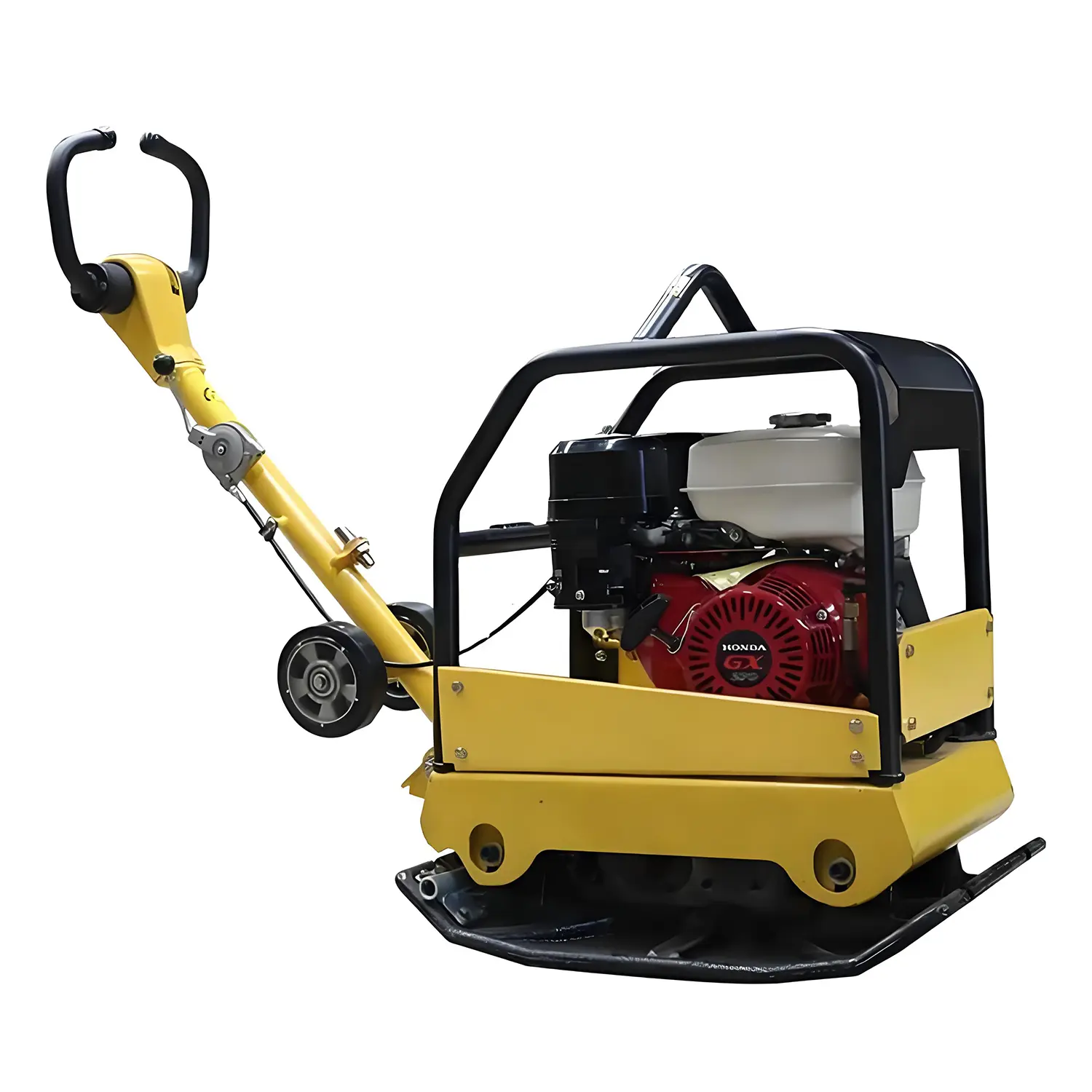 Plate compactor
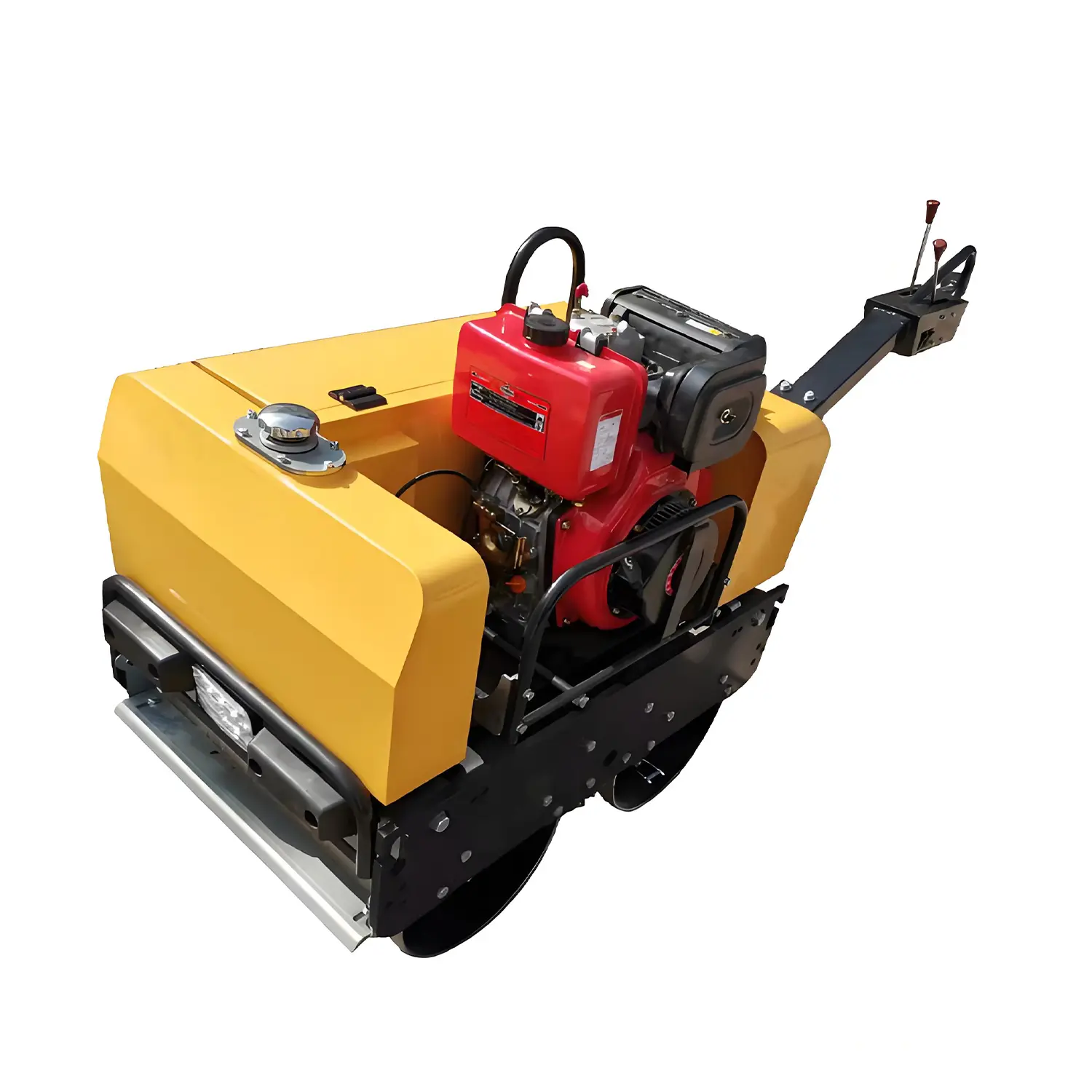 Vibratory roller