Best Concrete Needle for Precision Application in Construction?
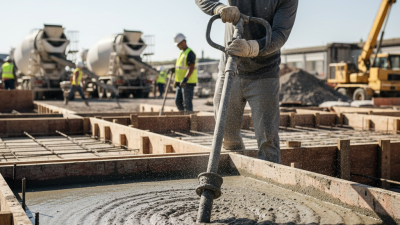
In the world of construction, precision matters. The "Concrete Needle" is a vital tool for achieving accuracy in various applications. Renowned industry expert, John Smith, emphasizes its importance: "The right Concrete Needle can make or break a project." This statement reflects the essential role these tools play in enhancing the quality of concrete work.
Concrete needles are designed to penetrate deeply and distribute materials evenly. Their precise application helps ensure that mixtures set correctly, reducing the risk of cracks and uneven surfaces. However, finding the best Concrete Needle can be challenging. Many options exist, yet not all deliver the same level of performance.
While some contractors may overlook the significance of selecting the right needle, a wrong choice can lead to costly delays. The consequences of missteps in material application are often underestimated. Therefore, understanding the features that define an effective Concrete Needle is crucial for achieving desired outcomes in construction projects. Exploring these aspects can help improve future work and quality standards in the industry.
Understanding the Role of Concrete Needles in Construction Applications
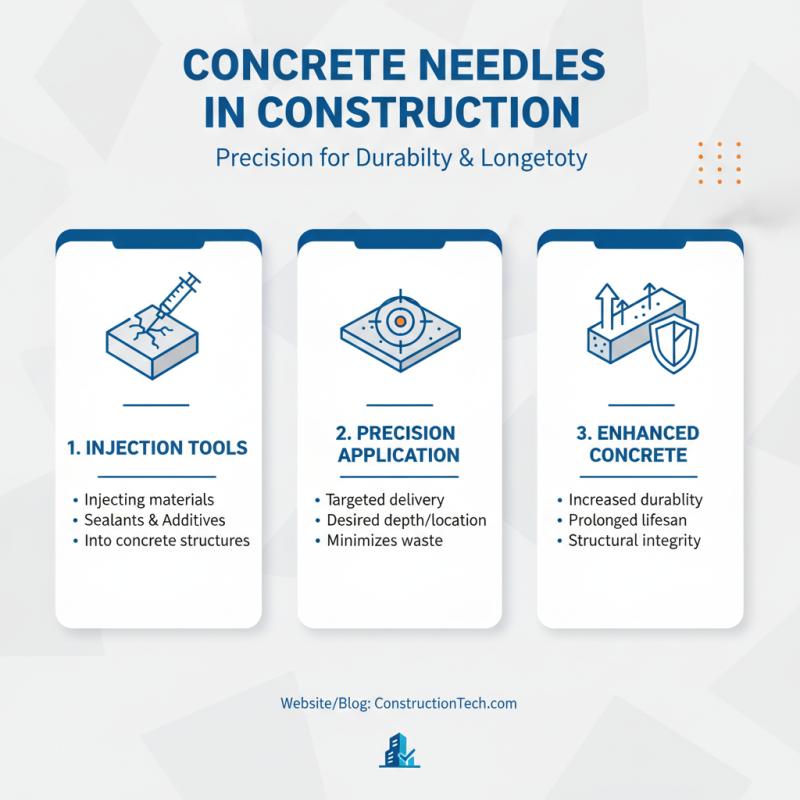
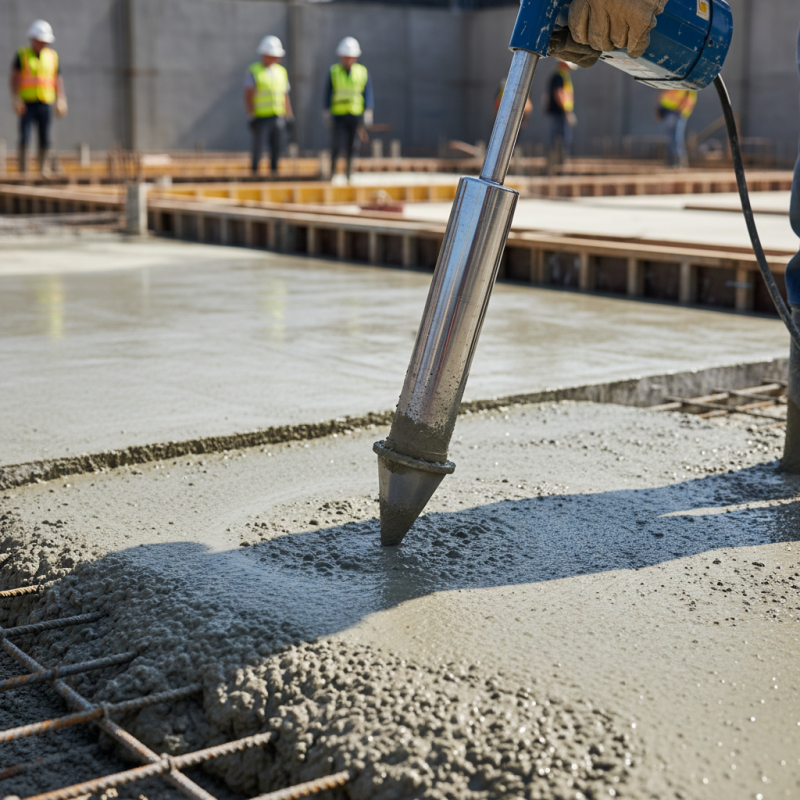
Concrete needles play a crucial role in construction applications. They are essential tools for injecting materials into concrete structures, such as sealants or additives. Using a concrete needle allows for precision, ensuring that the injected material reaches the desired depth and location. This precision is vital for enhancing the durability and longevity of concrete.
However, not all concrete needles function equally. Their effectiveness depends on several factors, including size and material. Different projects may require different types. An inappropriate needle can lead to excess over-extraction or under-application of materials. This inconsistency can cause future structural issues. It’s essential to select the right needle for specific tasks, considering factors like viscosity and application speed.
Maintaining these tools is equally important. Regular cleaning and inspection can prevent blockages. A blocked needle can compromise the accuracy of your application. Users should remain vigilant about wear and tear, which affects performance. The success of a construction project often hinges on the quality of these small details. Proper attention can significantly impact the outcome.
Types of Concrete Needles and Their Specific Uses in Precision Projects
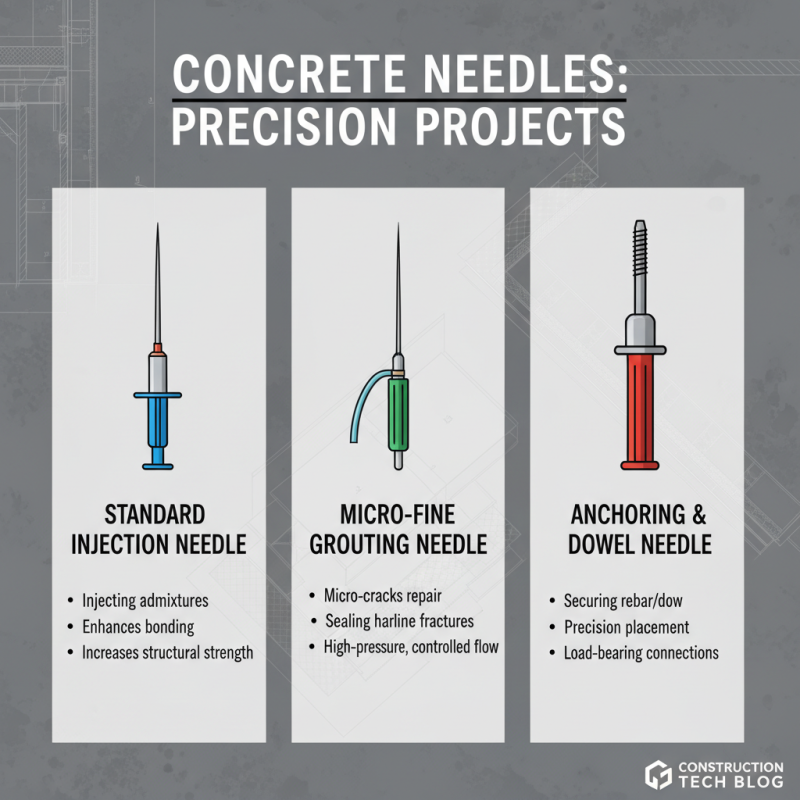
Concrete needles are essential for precision applications in construction. Different types of concrete needles serve varied purposes, each with unique features. For instance, a standard concrete needle is often used for injecting admixtures. This ensures better bonding and increases the overall strength of the concrete structure.
The application of a fine-tipped needle is suitable for detailed work. This allows for precise placement of materials in tight spaces. Industry reports indicate that using specialized needles can improve material efficiency by nearly 25%. This benefit is crucial in projects with stringent tolerances.
Moreover, robust concrete needles help with deeper applications. They ensure that materials reach the desired depths without air pockets. However, not all needles perform equally. Certain needles may struggle with thicker materials, leading to uneven distribution. Choosing the right concrete needle can significantly affect project outcomes, requiring careful consideration and expert knowledge in the field.
Key Features to Look for When Selecting a Concrete Needle
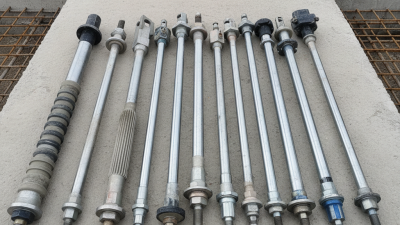
When selecting a concrete needle for precision application in construction, key features play an essential role. A reliable concrete needle should have a durable construction, typically made from high-quality steel. This helps prevent breakage during operation. According to industry reports, around 40% of failures in concrete mixing result from substandard tools. Ensuring that your needle is robust can significantly mitigate this risk.
Another vital aspect to consider is the needle's size and thickness. Needles typically range from 1/2 inch to 3/8 inch in diameter. Thinner needles are more precise but may clog more easily. A report from the American Concrete Institute highlights that proper needle selection can improve material flow by up to 30%. Such precision is crucial for achieving the desired consistency in poured concrete.
Ease of use is also important. An ergonomic design helps reduce user fatigue. Many professionals note discomfort after long usage, which can impact accuracy. An easy-to-handle needle can enhance precision and safety. It is worth reflecting on how comfort affects performance in concrete applications. Selecting the ideal concrete needle is not merely a technical choice; it is a blend of material science and ergonomic design.
Best Practices for Using Concrete Needles for Optimal Results
In construction, using concrete needles effectively can greatly enhance precision. These tools help in applications like injecting concrete into specific areas and repairing existing structures. A common mistake is applying too much pressure, which can lead to inconsistent results. Gentle, controlled pressure allows for better accuracy and reduces waste.
Tip: Always start with a small test area. This practice helps you understand how the needle interacts with the concrete mix. Adjust your technique based on the test before proceeding to larger areas.
Proper technique also involves choosing the right needle size for your specific task. A larger needle might seem tempting, but it can create overspill and mess. Additionally, consider the angle of application. A straight approach often yields better penetration than an angled one.
Tip: Clean your needle frequently during use. Clogs can form and hinder performance. Regular cleaning ensures the concrete flows smoothly without interruptions. Reflecting on these practices can lead to better outcomes and improved efficiency in your work.
Maintenance and Care Tips for Prolonging the Life of Concrete Needles
Concrete needles are essential tools in construction. Their performance greatly depends on maintenance. Regular care can significantly extend the life of these tools. A study from the American Concrete Institute highlights that proper maintenance can increase tool longevity by up to 40%.
To maintain concrete needles, clean them after each use. Residual mix can damage the needle over time. Use water to rinse off concrete residue. Additionally, inspect for wear and tear regularly. If you notice any imperfections, such as bent or dull tips, replace them immediately. Ignoring these signs can lead to ineffective application and wasted material.
Storage also plays a crucial role in durability. Keep needles in a dry environment. Moisture can cause rust and degrade the needle's steel quality. Consider using a dedicated container. This simple action prevents accidental damage. Remember, the best care involves being proactive. Awareness of your tools’ condition is key to successful construction projects.

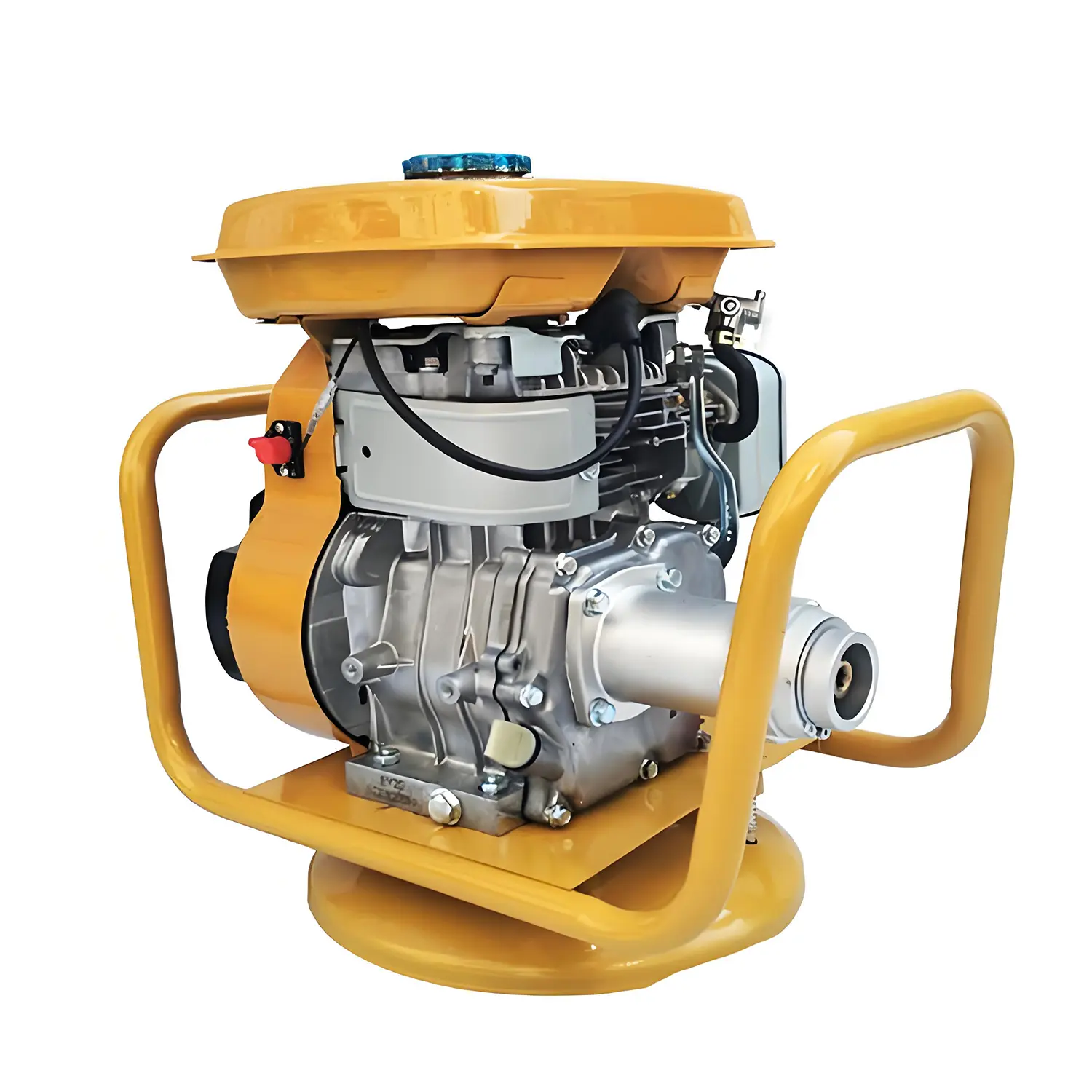 Internal Vibrator
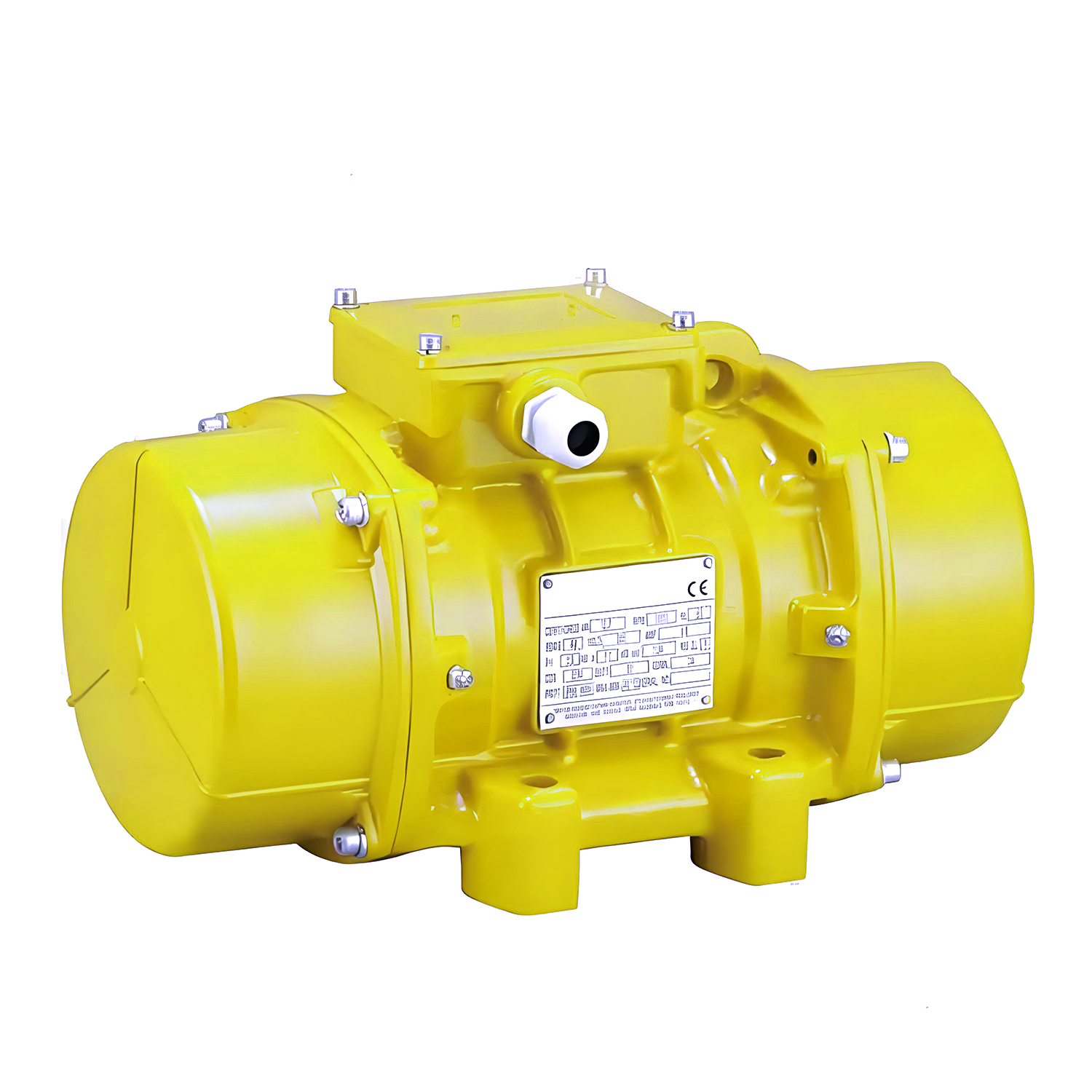 External Vibrator
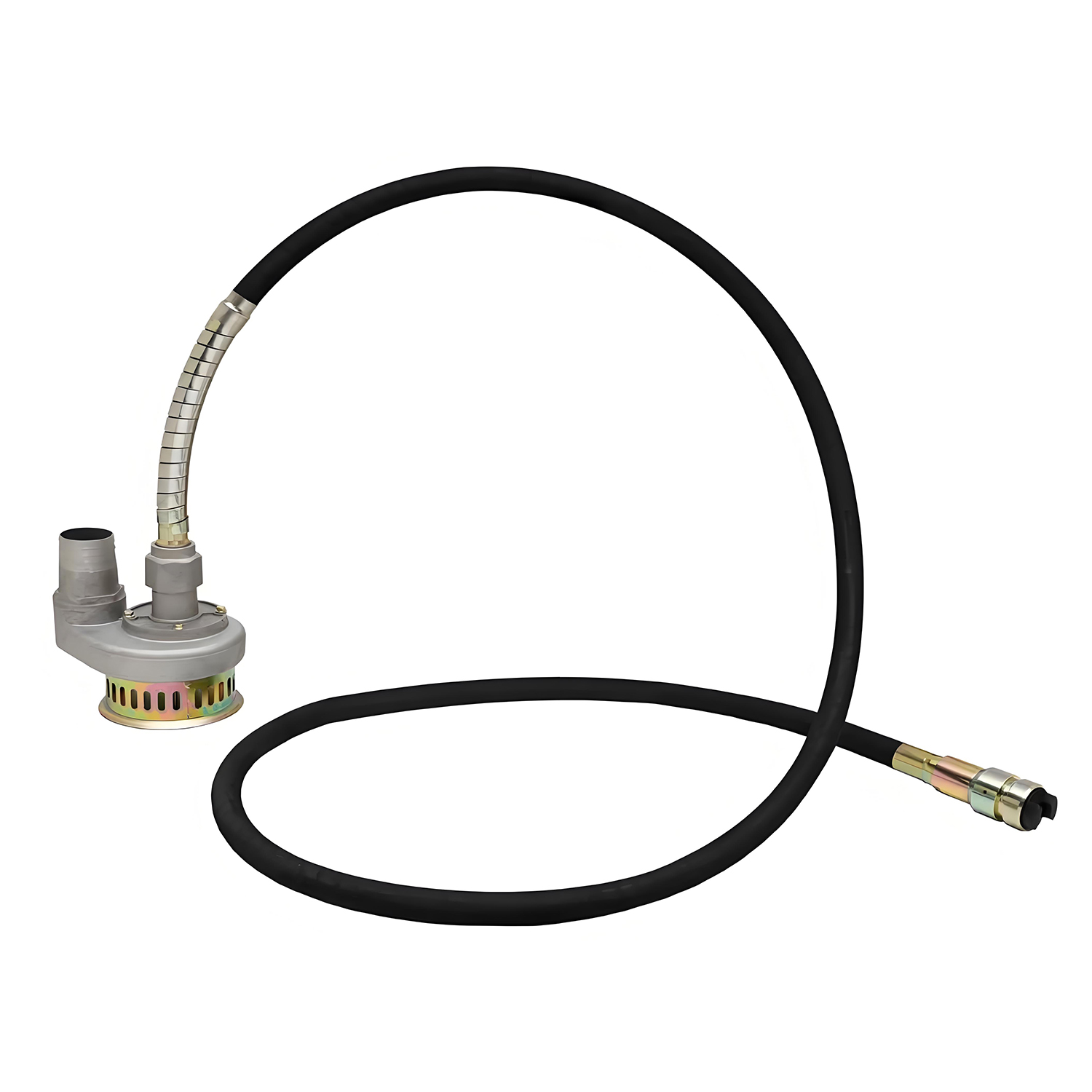 Submersible Pump
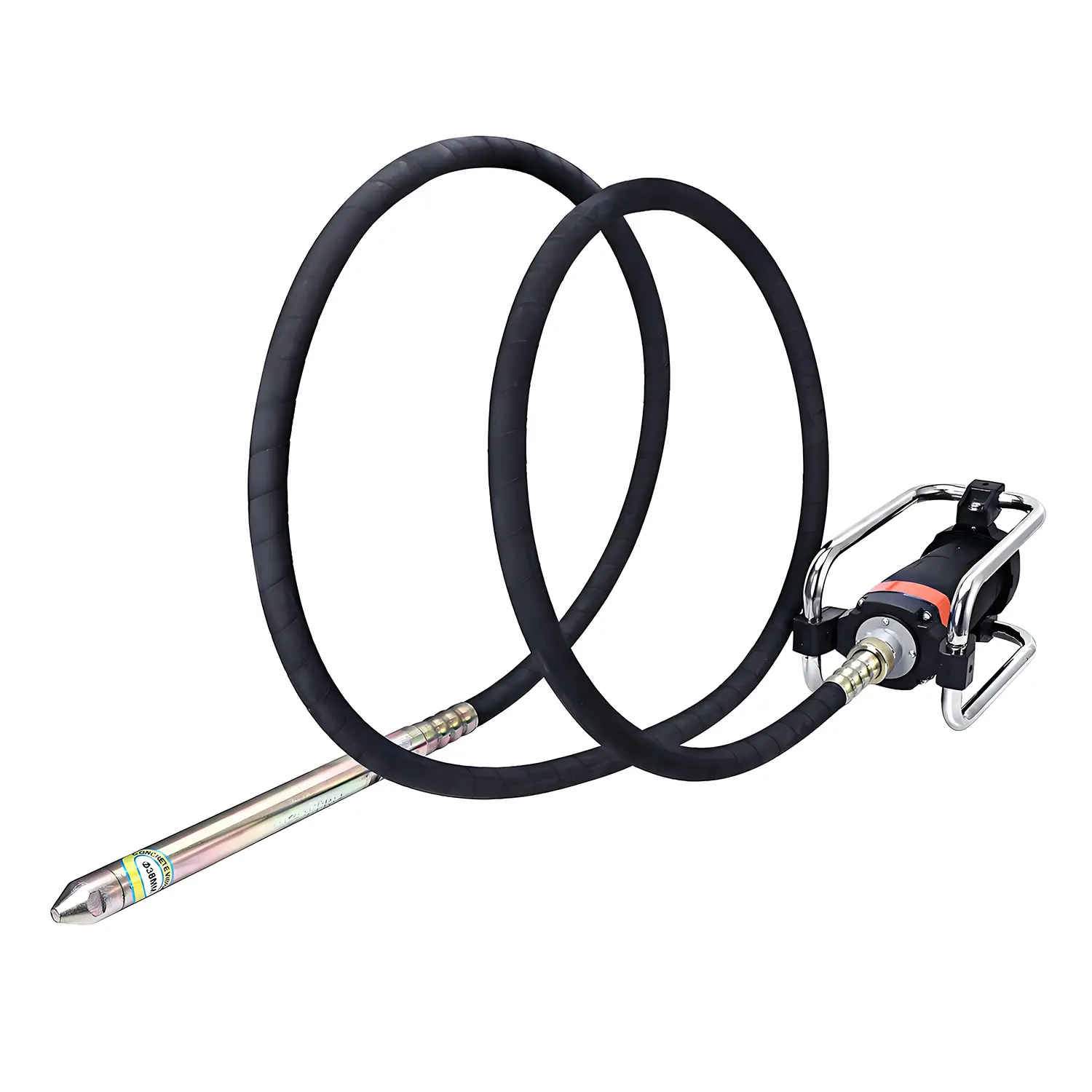 Eccentric shaft
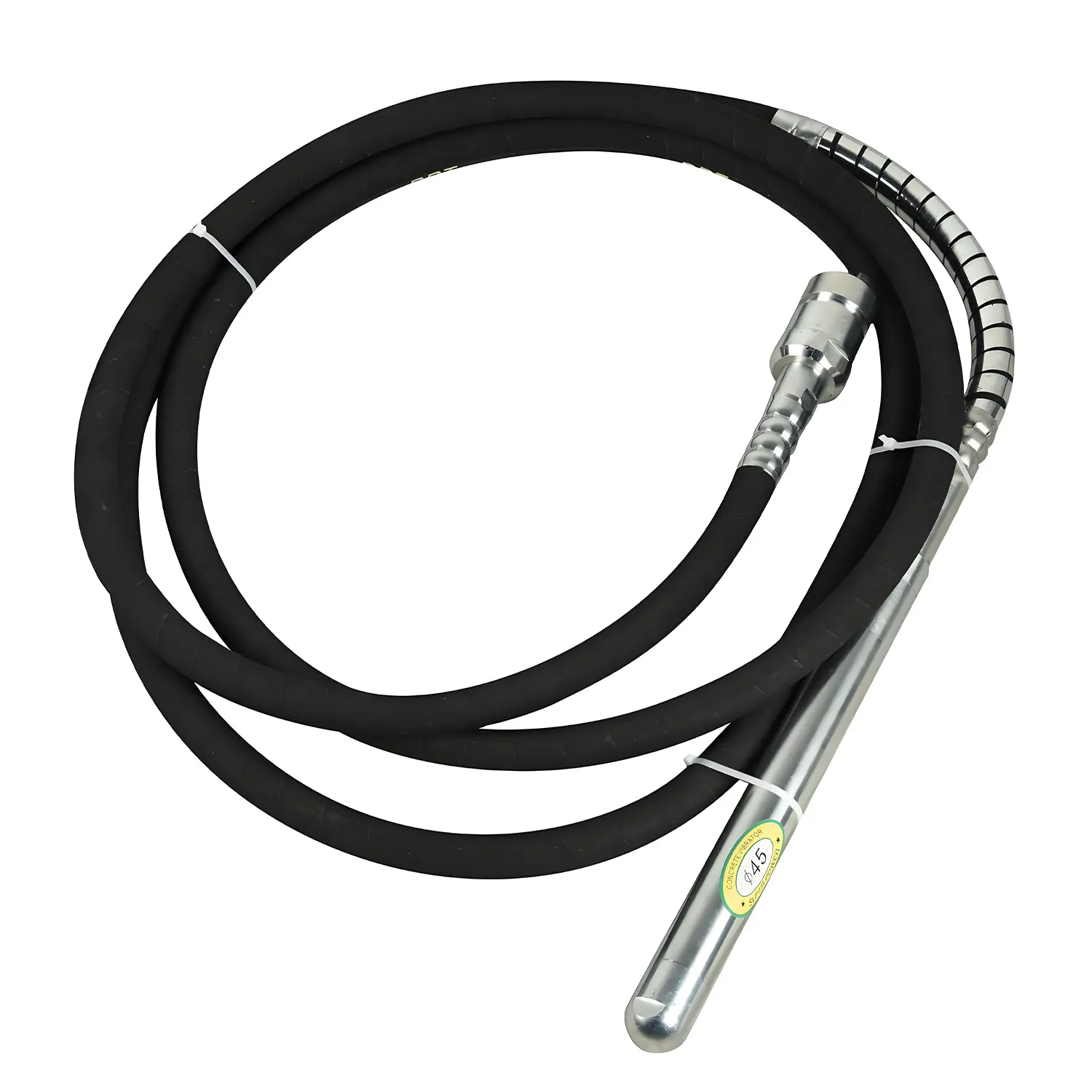 Pendulum shaft
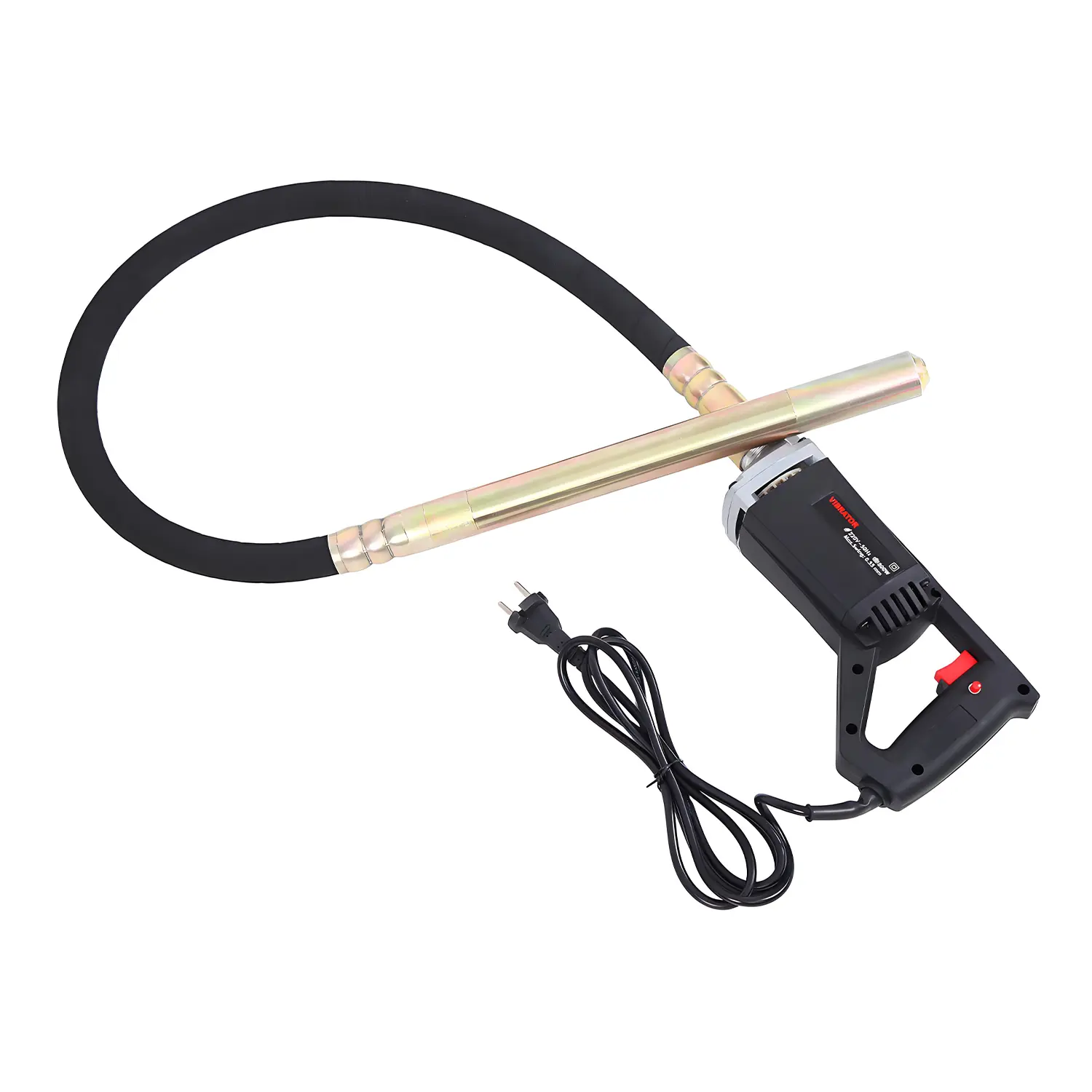 Portable vbrator shaft
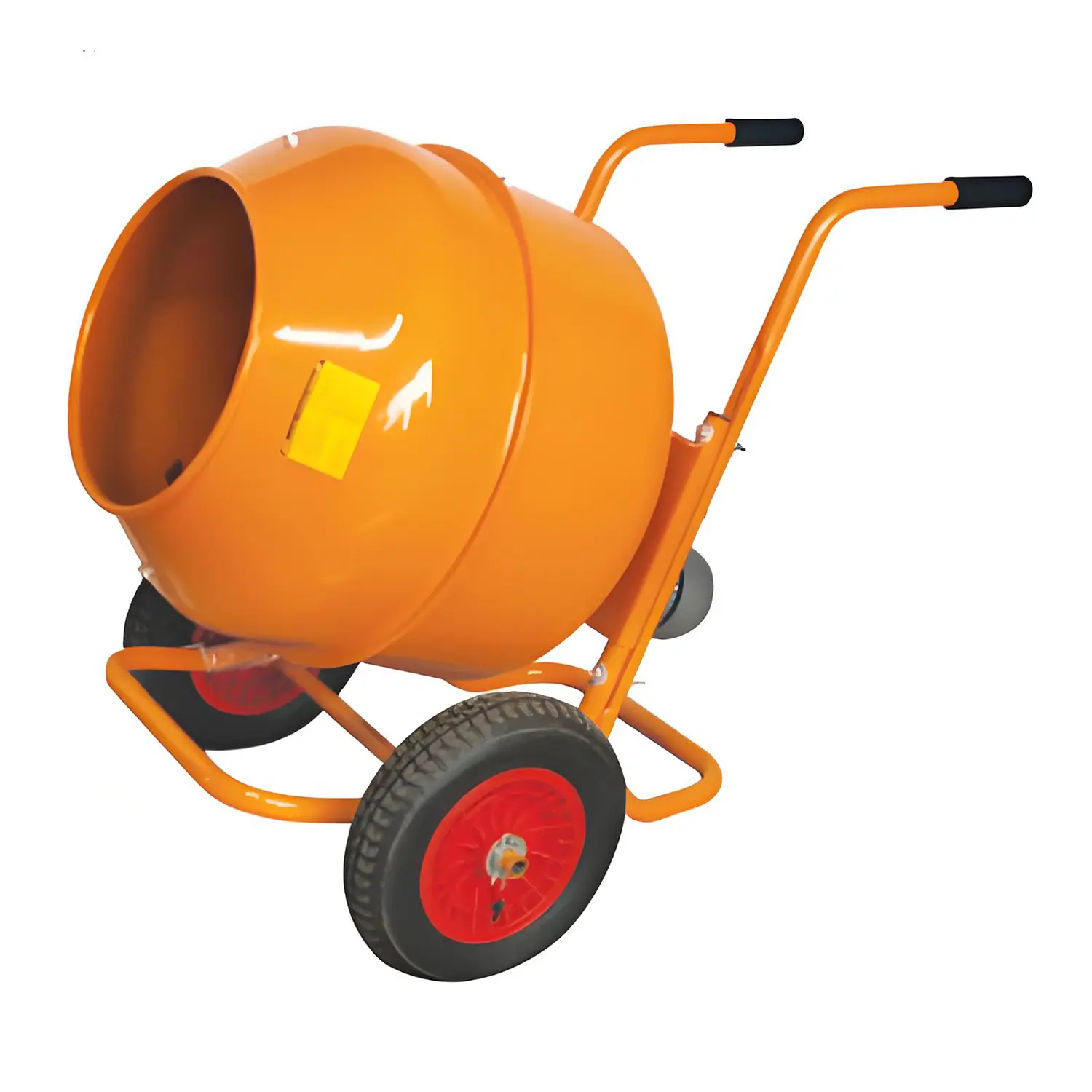 Portable concrete mixer
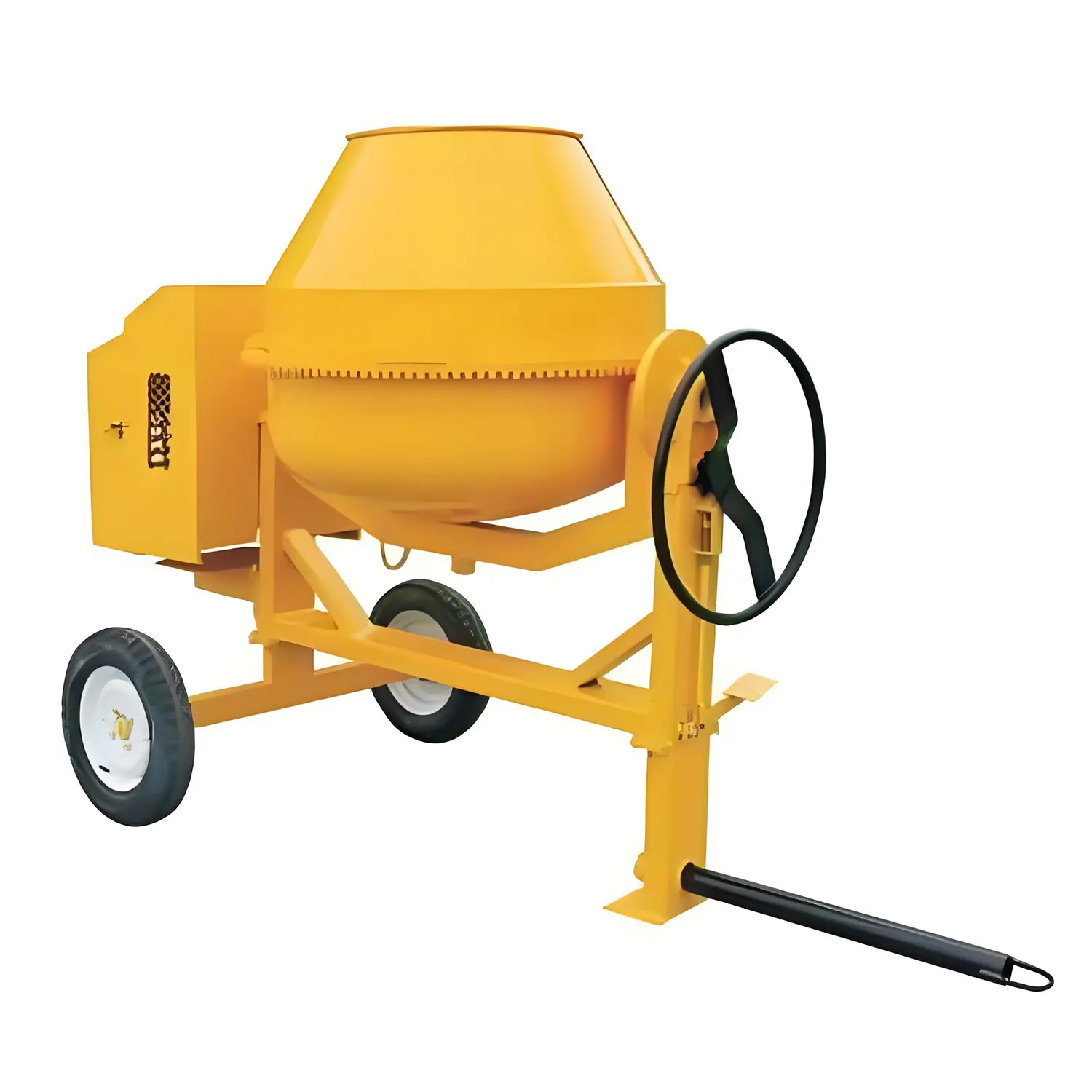 Vertical concrete mixer
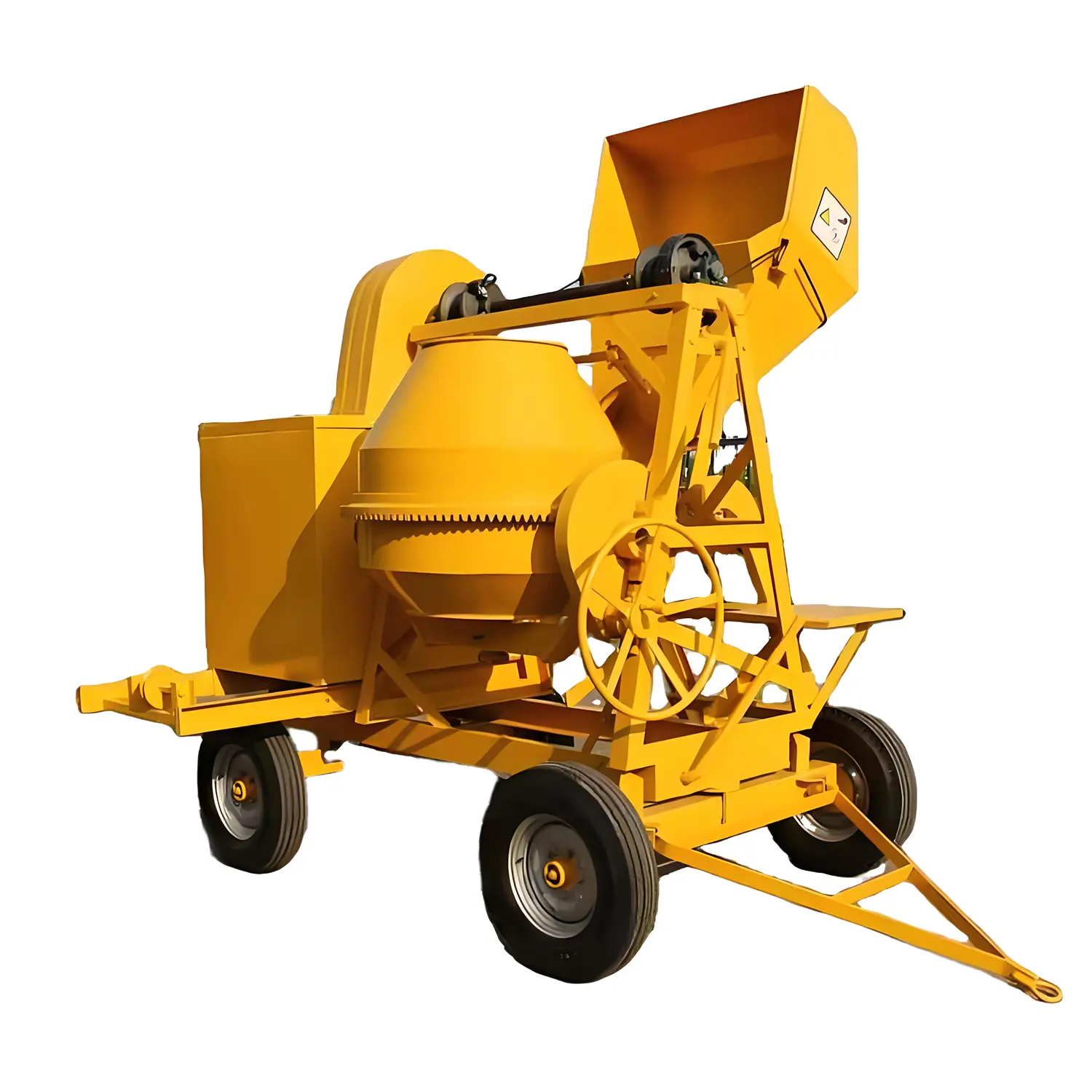 Hydraulic concrete mixer
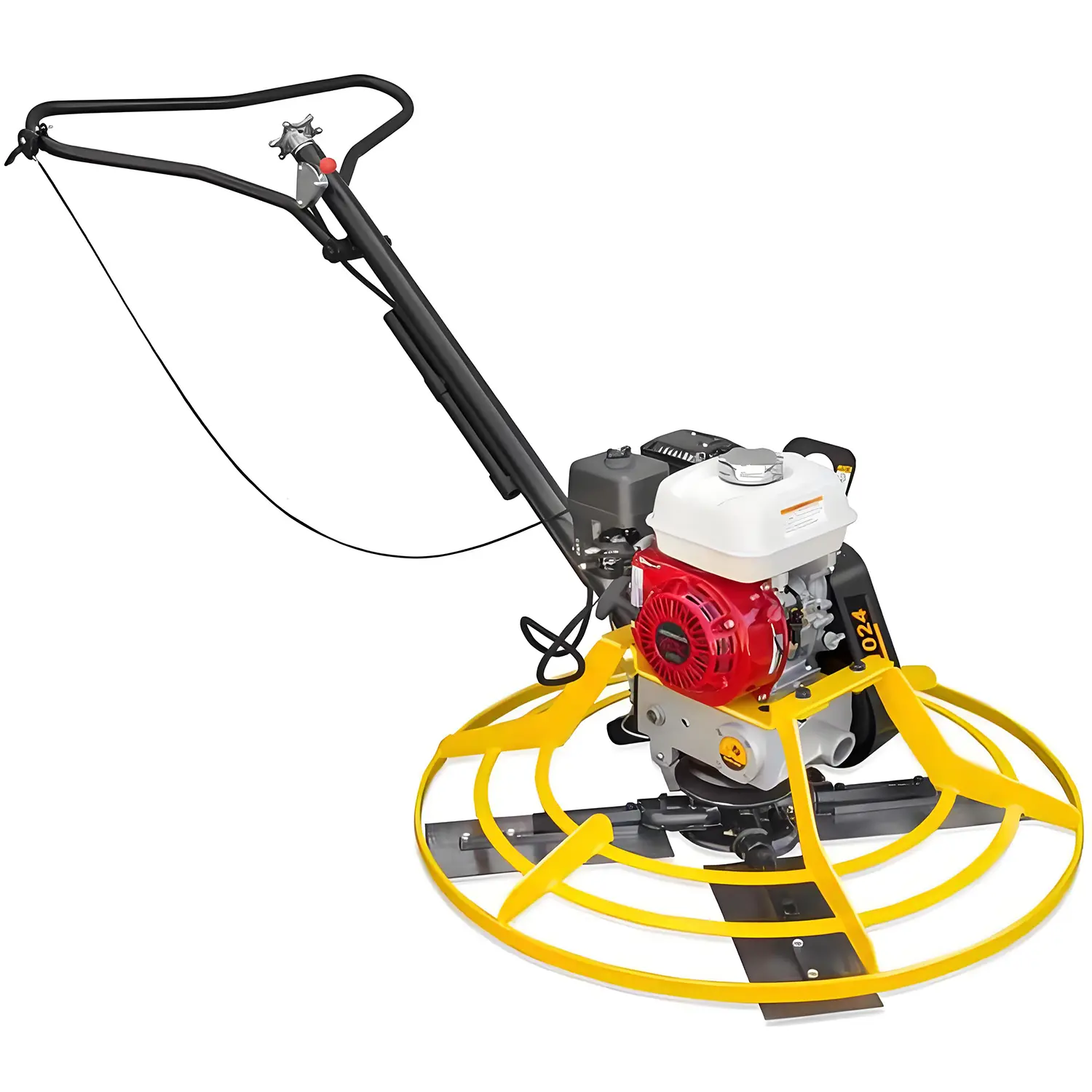 Walk behind power trowel
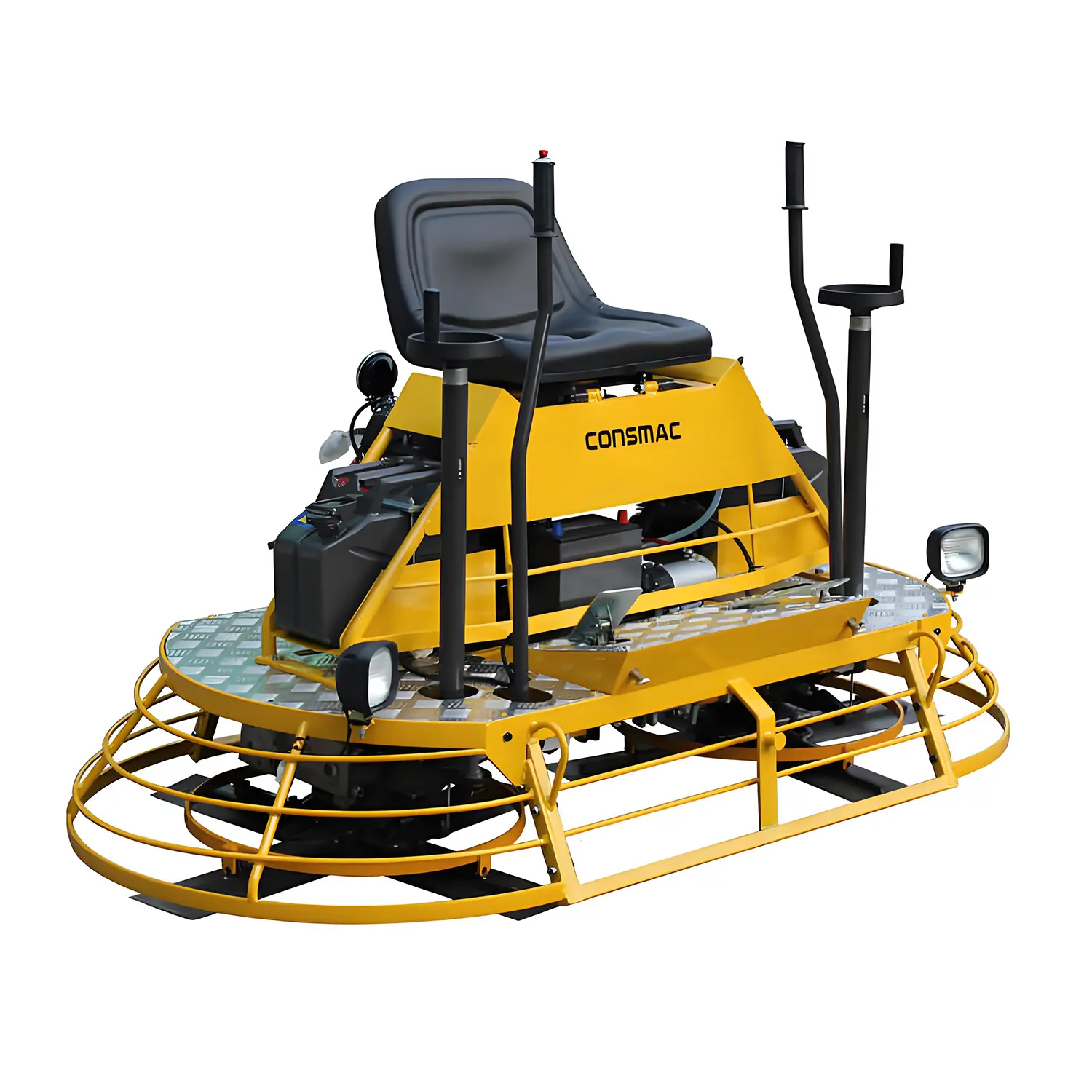 Ride on power trowel
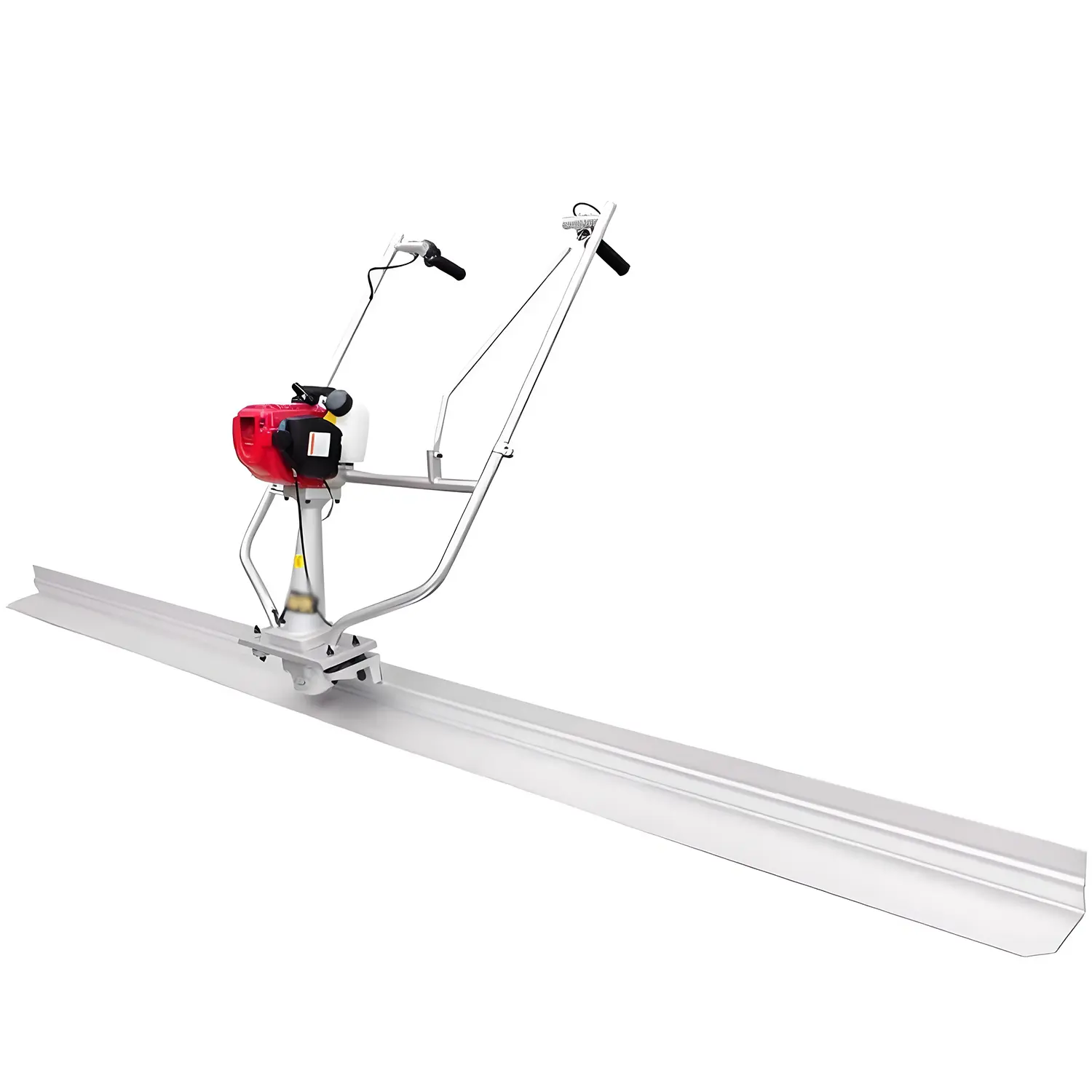 Concrete screed
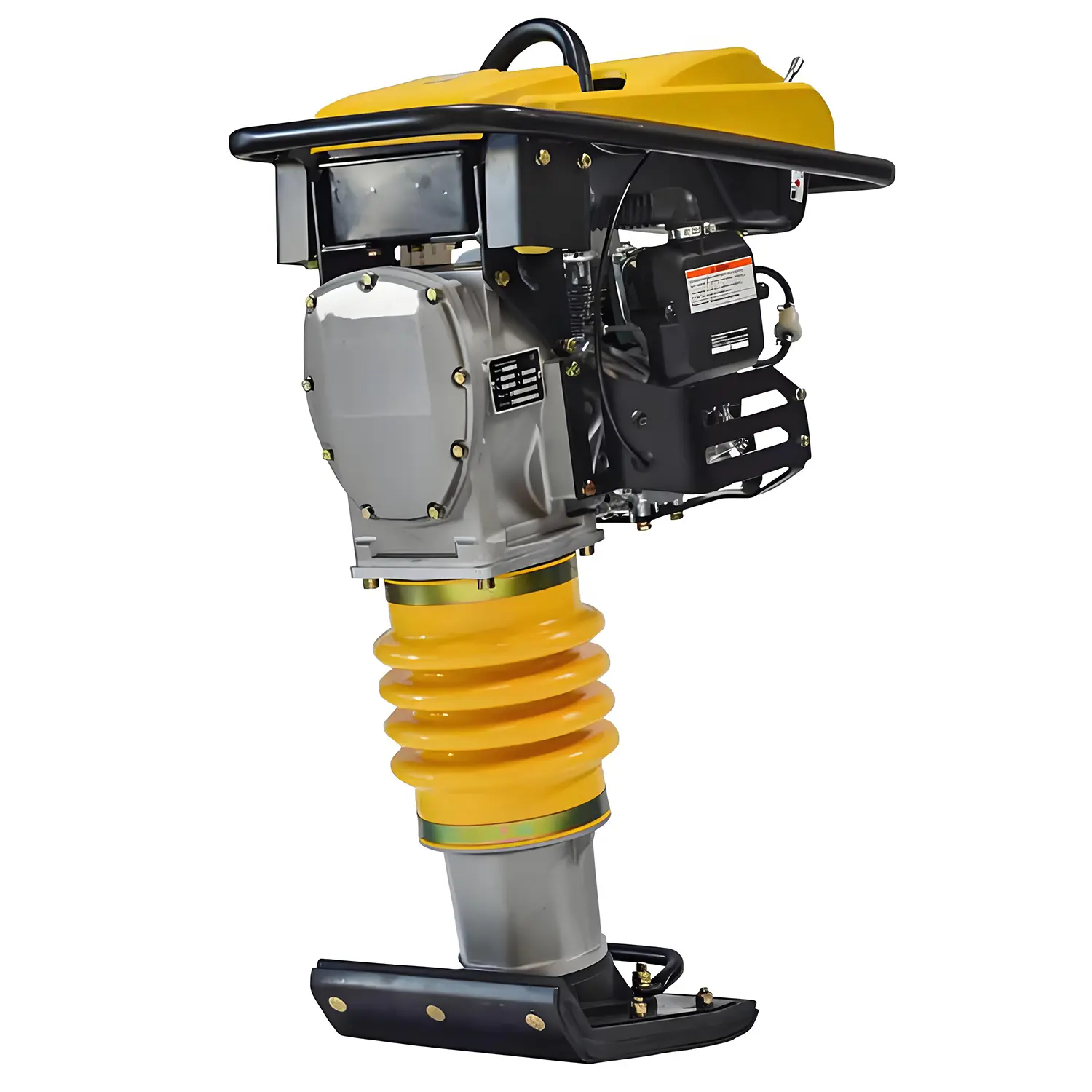 Tamping rammer
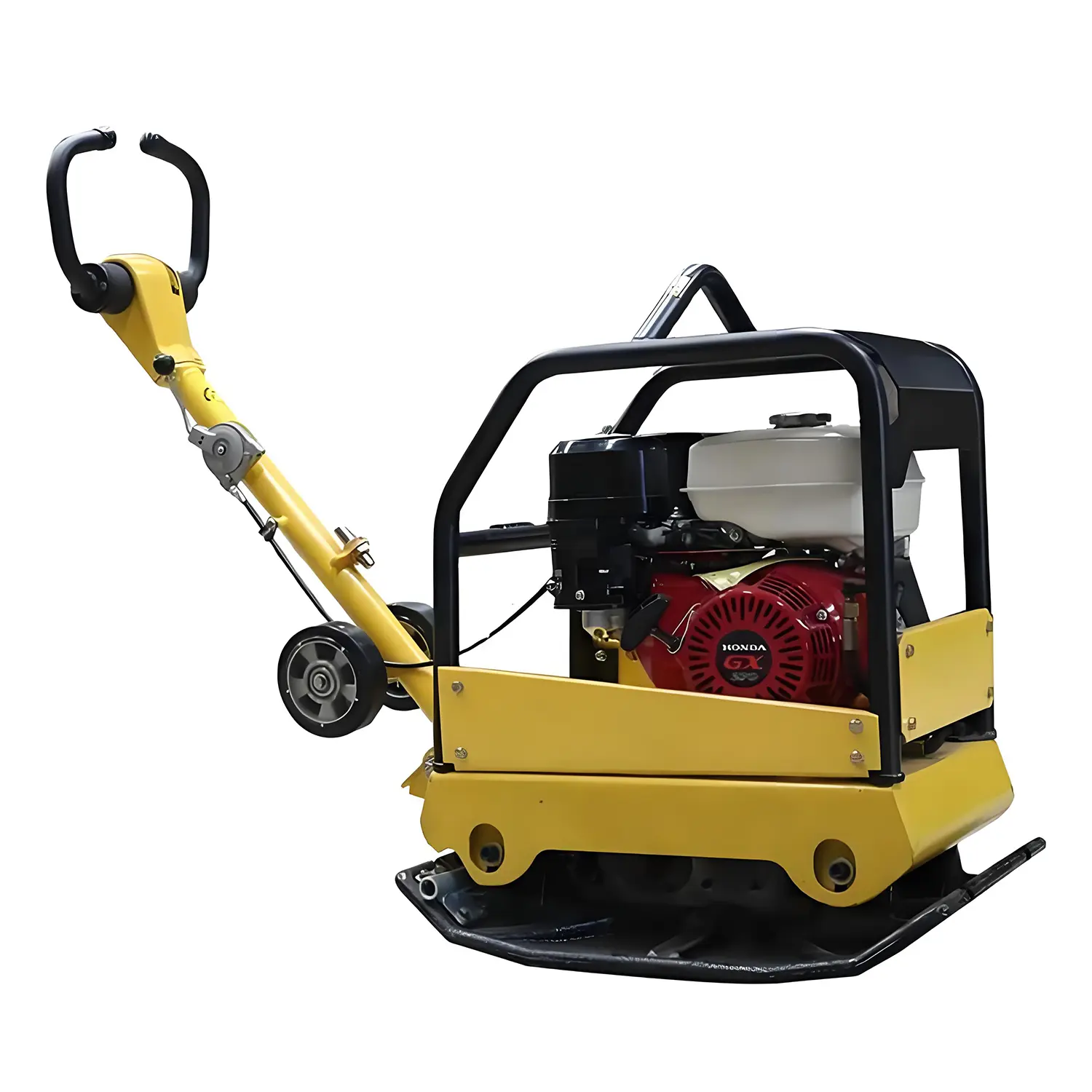 Plate compactor
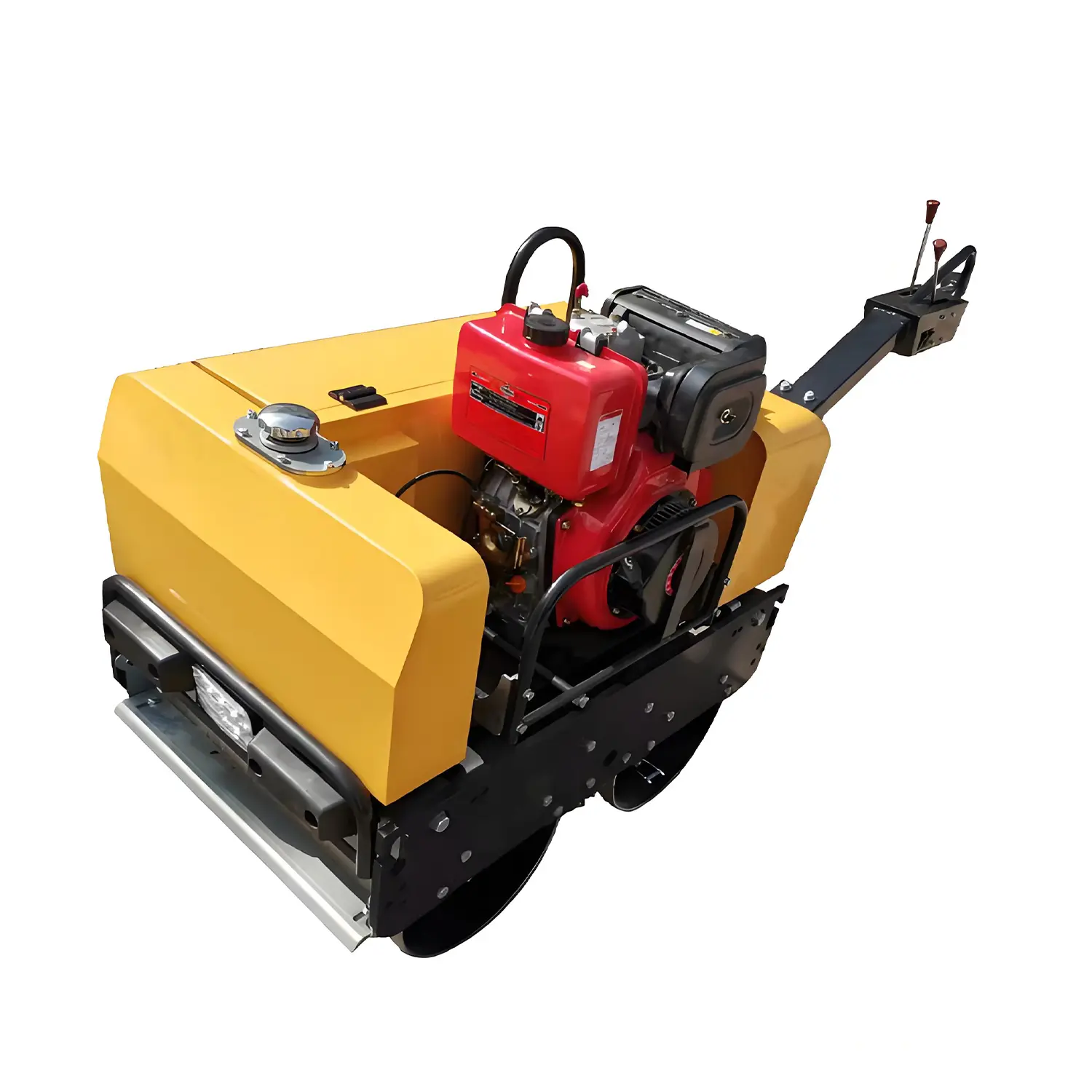 Vibratory roller