How to Choose a Blade Compactor in 2026?
Choosing a Blade Compactor in 2026 requires more than comparing engine power or purchase price. Ground conditions, material type, working width, vibration frequency, and operator control all affect final density. A machine that performs well on granular base may struggle in cohesive soil. Small details matter. Moisture changes everything.
Recent reports from the Federal Highway Administration, the European Construction Equipment Committee, and Off-Highway Research emphasize productivity, emissions reduction, operator safety, and lifecycle cost. Their findings point toward compact equipment that delivers measurable density with fewer unnecessary passes. Electrification is expanding, but battery range and charging access still limit some remote projects. That reality deserves honest consideration.
Soil-dynamics specialist Dr. Richard D. Woods stated, “Compaction is not simply a matter of adding more passes.” The principle remains highly relevant. A suitable Blade Compactor must match the soil’s response, not just the contractor’s budget. Before choosing, review the manufacturer’s amplitude, frequency, centrifugal-force, and gradeability data. Then compare those figures with the project’s actual conditions.
Look closely at handle vibration, water-spray capacity, transport weight, and service access. A heavier model is not automatically better. A cheaper model may create higher costs through slow production, uneven density, or frequent maintenance. The best choice is practical, documented, and slightly conservative. This guide explains how to evaluate those trade-offs in 2026, while recognizing that product specifications and regional regulations can change.
Understanding Blade Compactors and Their Main Uses
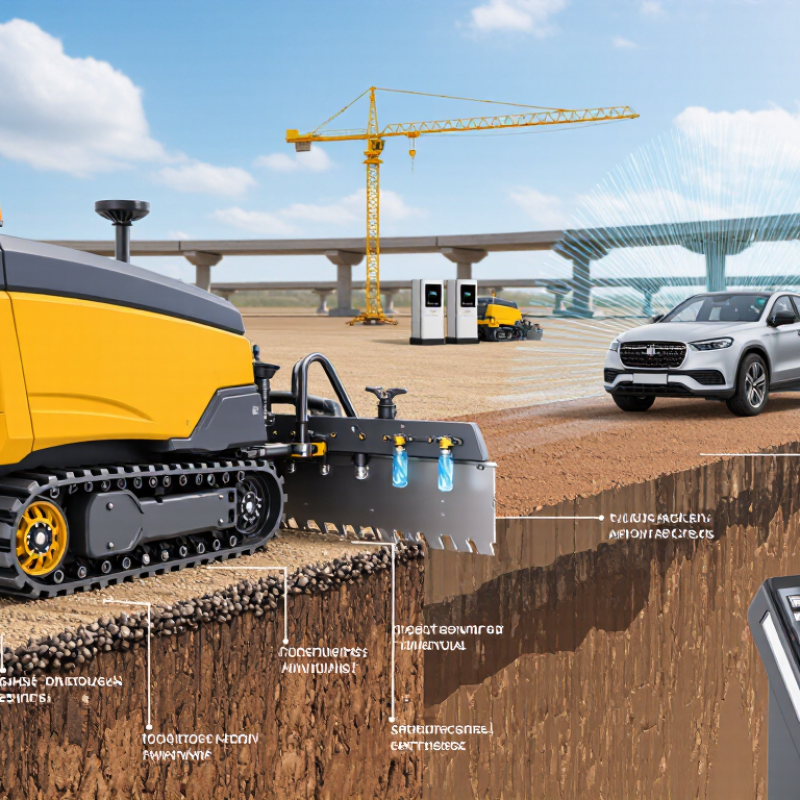
A blade compactor combines vibration with a front leveling blade. It presses soil while helping spread loose material across the work area. This design suits narrow trenches, garden paths, driveway edges, and small paving projects. It works best on granular soil, sand, and crushed stone. Wet clay can resist vibration and may need a different machine.
When choosing a blade compactor in 2026, match the machine to the material first. Check operating weight, compaction force, blade width, and control comfort. A wider blade covers more ground, but it may struggle in tight corners. Battery-powered models can reduce local fumes and noise, especially near occupied buildings. However, runtime, charging access, and battery weight deserve careful checking.
I have learned that stronger vibration is not always better. Excess force can disturb fresh pavers or damage fragile edging. One common mistake is judging performance by engine power alone. The base shape, travel speed, and soil moisture matter too. Test a short section before full operation. Watch for uneven settling, loose edges, or repeated bouncing. Clear visibility and stable handles also reduce fatigue during long passes. Personal protective equipment remains necessary, even on compact sites.
Assessing Soil Types, Work Areas, and Compaction Requirements
How to Choose a Blade Compactor in 2026?
Soil type should guide your blade compactor choice, not machine size alone. Granular soil responds well to vibration and repeated passes. Sand and gravel usually need steady frequency and moderate travel speed. Cohesive clay requires more patience, correct moisture, and thinner lifts. Very wet soil may smear instead of compacting. It can look firm while remaining weak below the surface.
Work area conditions matter just as much. A narrow trench needs a compact machine with balanced control. Open road shoulders can accept a wider working width and higher output. Near walls, pipes, or drainage structures, excessive vibration may create damage or movement. Check access width, slope, clearance, and ground temperature before delivery. Small details often decide productivity.
Compaction requirements should come from the project specification and field testing. Ask for the target density, lift thickness, and acceptable moisture range. A machine with adjustable vibration offers better control across changing layers. Do not assume more passes always produce better results. Too many passes can disturb a finished surface. I would begin with a trial area, then measure density before setting a routine. That plan may need revision. Weather, soil variation, and operator technique can change the result within a few meters. Keep records of passes, moisture, and test readings for reliable decisions.
Comparing Blade Compactor Sizes, Power Sources, and Features
How to Choose a Blade Compactor in 2026?
Choosing a blade compactor in 2026 starts with the surface, not the engine. Narrow blades suit trenches, garden paths, and repair areas. Wider blades cover open soil faster but can feel awkward near walls. A compact model may weigh under 70 kilograms, while heavier units deliver stronger penetration. Check the required compaction depth before buying. Bigger is not always better.
Power source affects daily work. Battery models produce less noise and need minimal maintenance, making them practical near occupied buildings. Their runtime depends on soil resistance, temperature, and battery size. Petrol-powered units usually offer longer continuous operation and strong output. However, they require ventilation, fuel storage, and regular servicing. Electric corded models work well on short jobs, though cables can become a trip hazard. I once chose a lighter machine for easy transport, but it needed extra passes on dense gravel. That choice was not efficient.
Tips: Match blade width to access space. Compare centrifugal force, vibration frequency, and travel speed. Look for adjustable handles, emergency shutoff controls, sealed bearings, and clear maintenance points. A water tank can reduce dust on dry surfaces. Test the controls while wearing work gloves. Ask for measured noise and vibration data, not vague claims. Also check spare-part availability and the warranty terms. The quietest machine may not be the best choice.
Checking Safety Standards, Maintenance Needs, and Operating Costs
How to Choose a Blade Compactor in 2026?
Safety should guide the purchase, not just compaction force. Check the machine’s measured hand-arm vibration value before comparing prices. Under EU Directive 2002/44/EC, daily vibration exposure reaches an action value at 2.5 m/s² A(8). The limit is 5.0 m/s² A(8). Lower vibration can support longer, safer shifts. It may also reduce operator fatigue, although real results depend on soil, speed, and handling.
Noise needs equal attention. OSHA sets an 8-hour permissible exposure limit at 90 dBA, while NIOSH recommends 85 dBA. Ask for test conditions. Numbers can change on gravel, asphalt, or confined sites. Keep hearing protection available. Simple controls matter.
Maintenance records often reveal more than brochures. Check access to the exciter, belts, filters, and water system. A loose belt can waste fuel and reduce compaction quality. The U.S. Army Corps of Engineers’ equipment-rate guidance separates ownership, operating, and repair costs. Use that structure when estimating hourly expenses. Record fuel use, service hours, downtime, and replacement parts for several weeks. That is more honest than relying on a supplier’s estimate. A cheaper machine may become expensive after repeated vibration repairs. I have seen budgets ignore transport and operator time. That mistake is easy to repeat. Choose a unit with clear service intervals, available parts, and safety documentation. Needlessly complex controls can slow routine inspections.
Selecting the Right Blade Compactor for Your 2026 Project
Choosing a blade compactor in 2026 starts with the project, not the machine. Selecting the right blade compactor for your 2026 project depends on soil type, trench width, access, and daily workload. A narrow trench may need a compact frame and precise control. Open areas often benefit from a wider blade and higher operating speed. Measure the work zone first. I once underestimated turning space on a drainage job, and productivity dropped sharply.
Tips: Compare operating weight, blade width, vibration force, and fuel or battery runtime. Ask for verified test data, service intervals, and operator training guidance. Check whether controls remain clear when gloves are wet or dusty. Walk-behind balance matters. It affects fatigue after several hours. For clay, moisture changes results; too much water can create a slick surface instead of firm density. Trial a small section before full production.
Experienced operators also inspect bearings, belts, guards, emergency shutoff systems, and transport points before purchase. Choose controls your crew can learn quickly. A low purchase price can become expensive when parts or technical support are slow. Keep records of passes, moisture, and measured density. The honest choice may be a smaller unit. Bigger is not always better on confined sites.

 Internal Vibrator
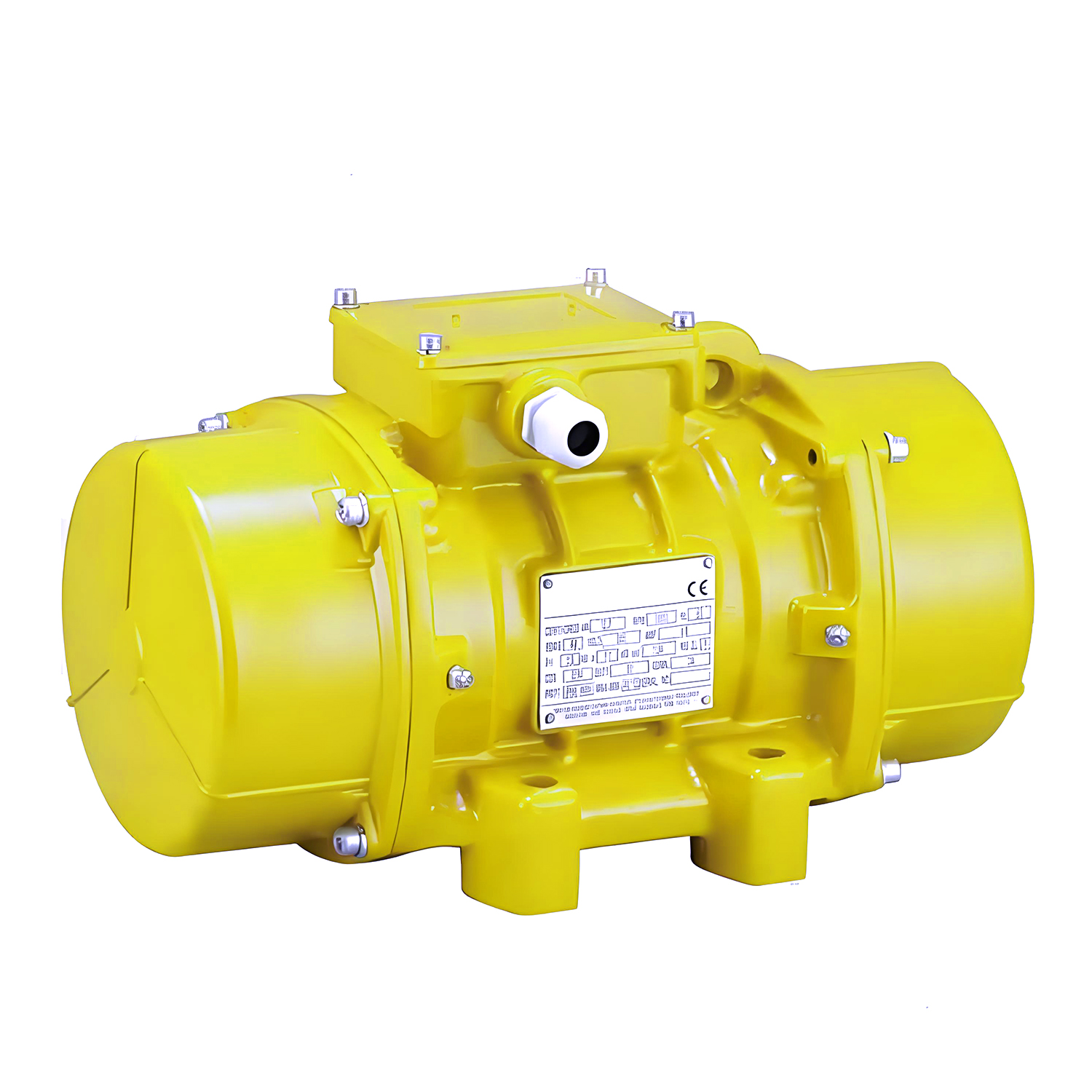 External Vibrator
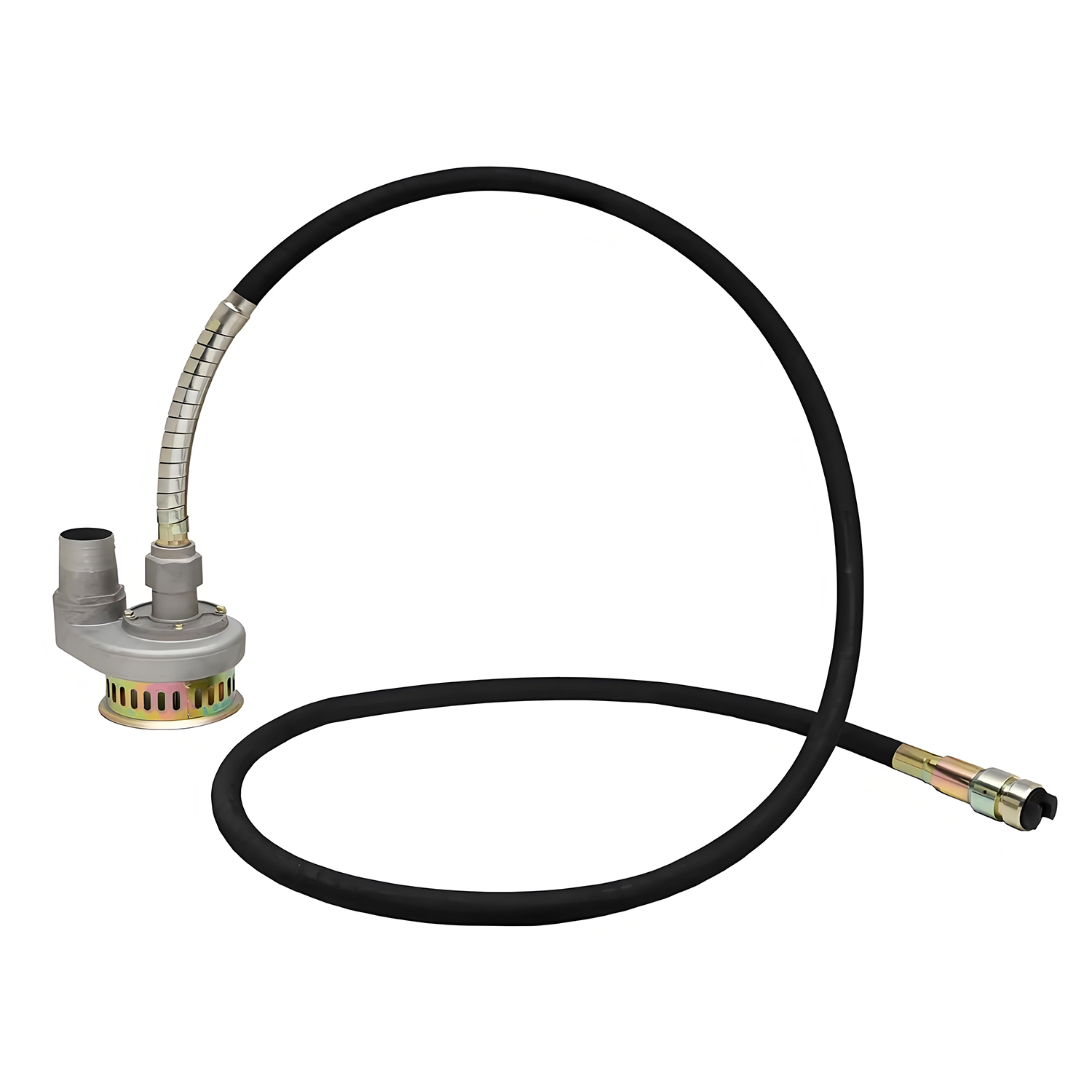 Submersible Pump
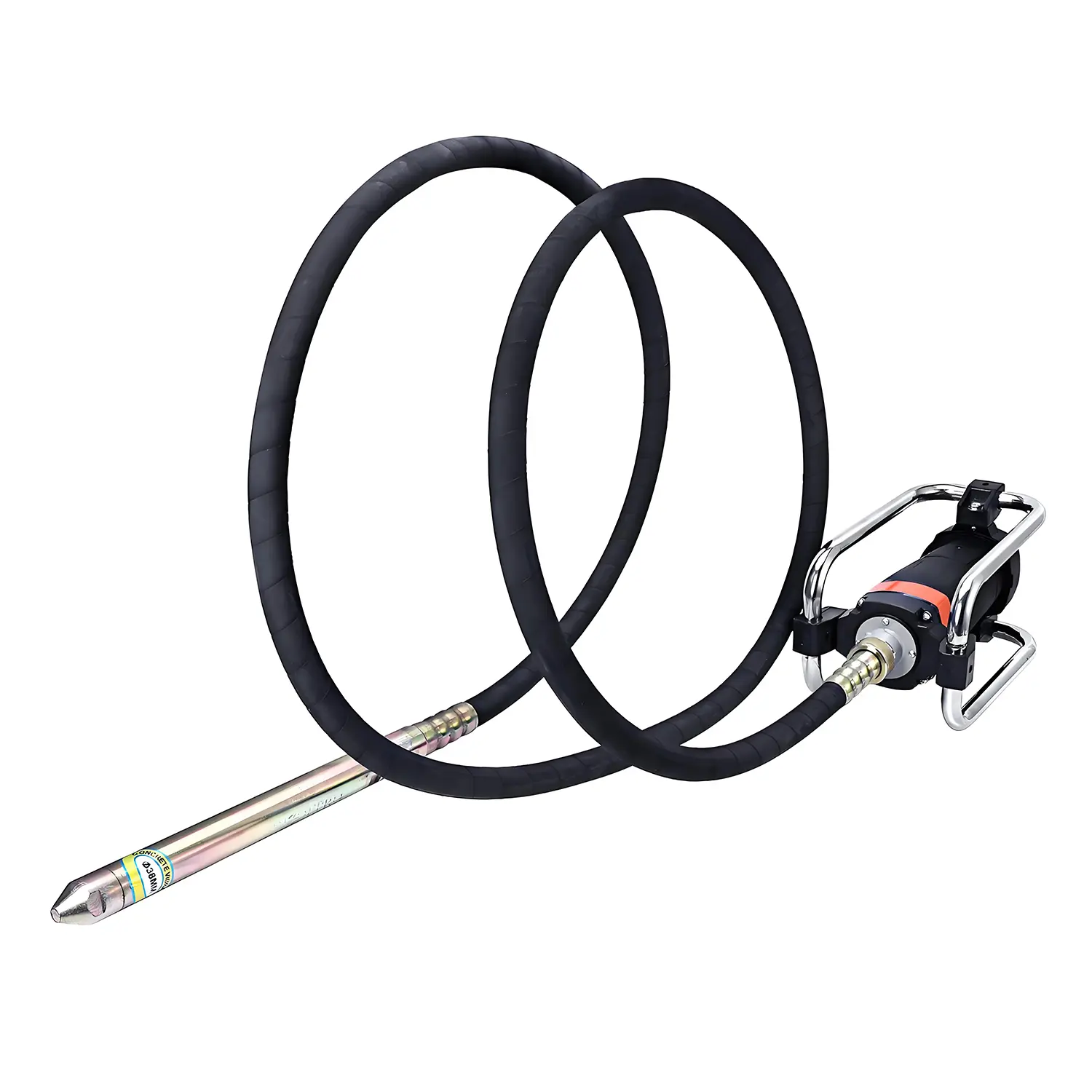 Eccentric shaft
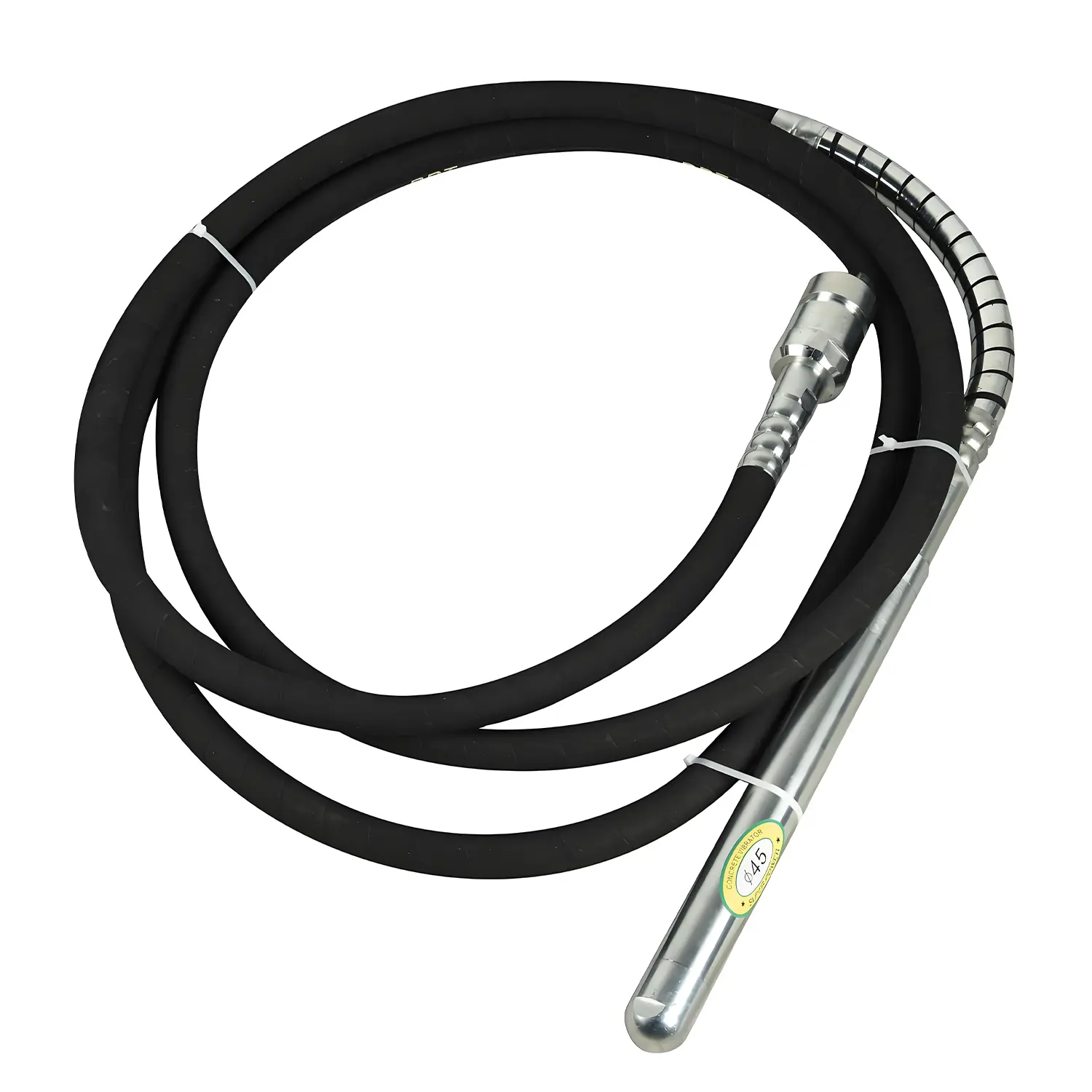 Pendulum shaft
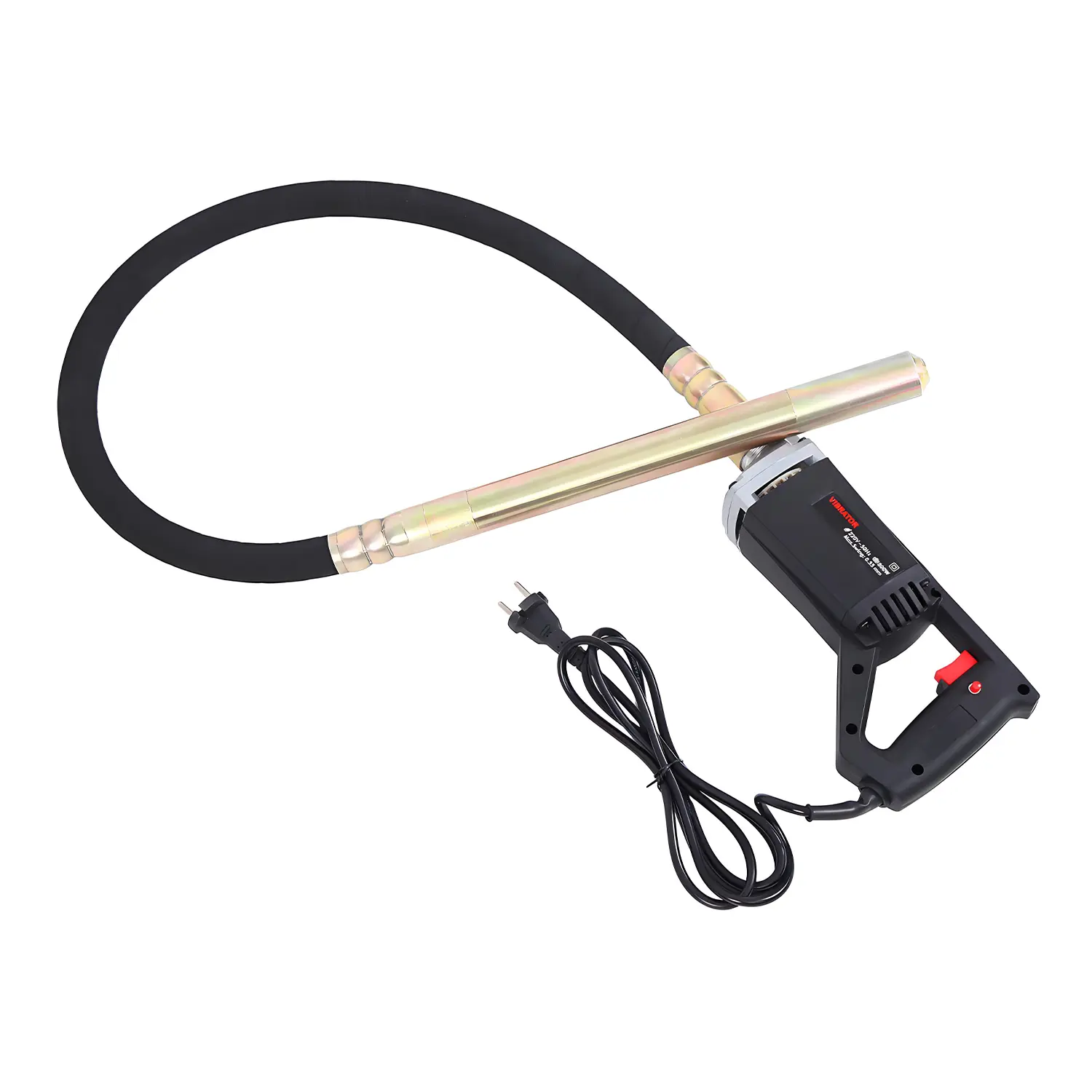 Portable vbrator shaft
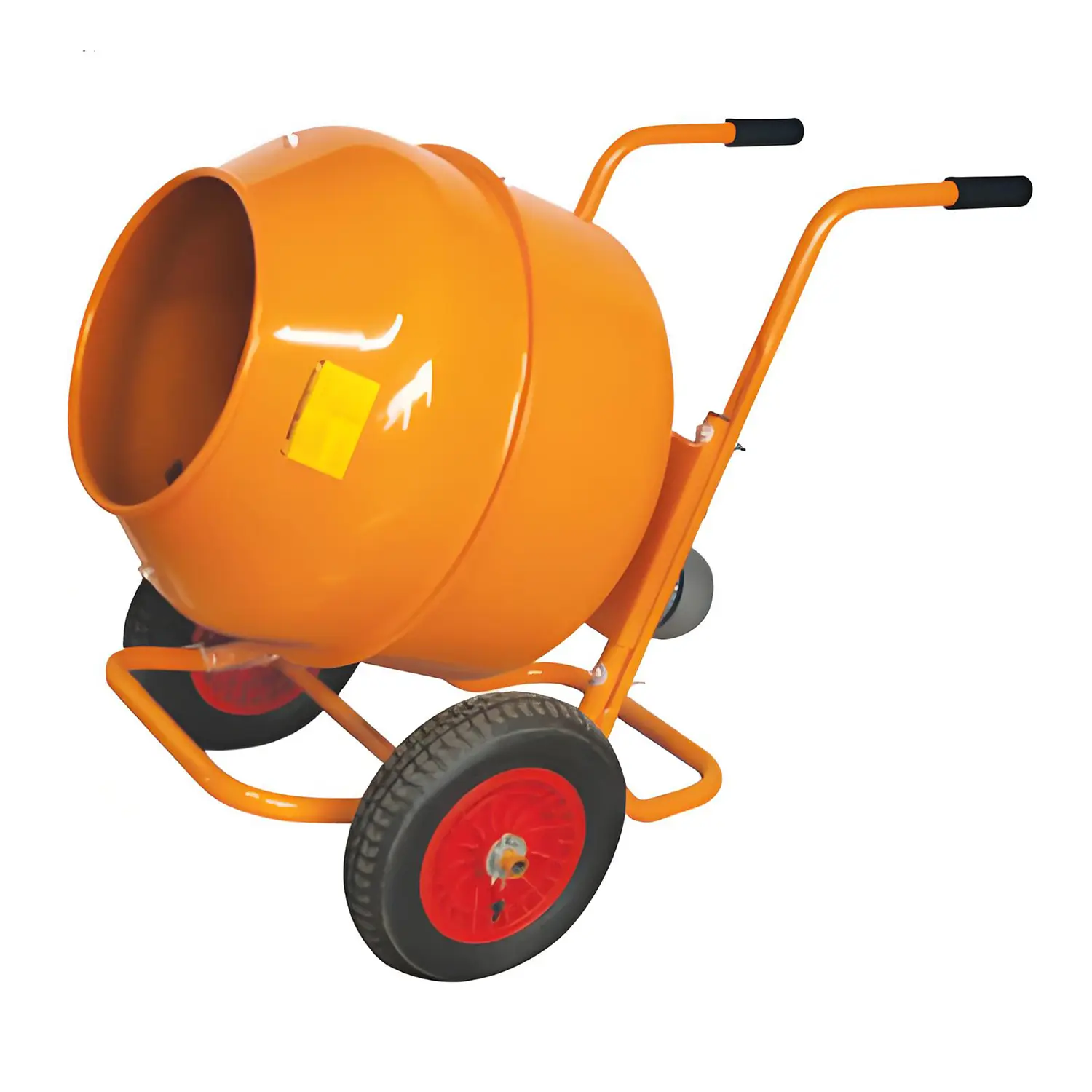 Portable concrete mixer
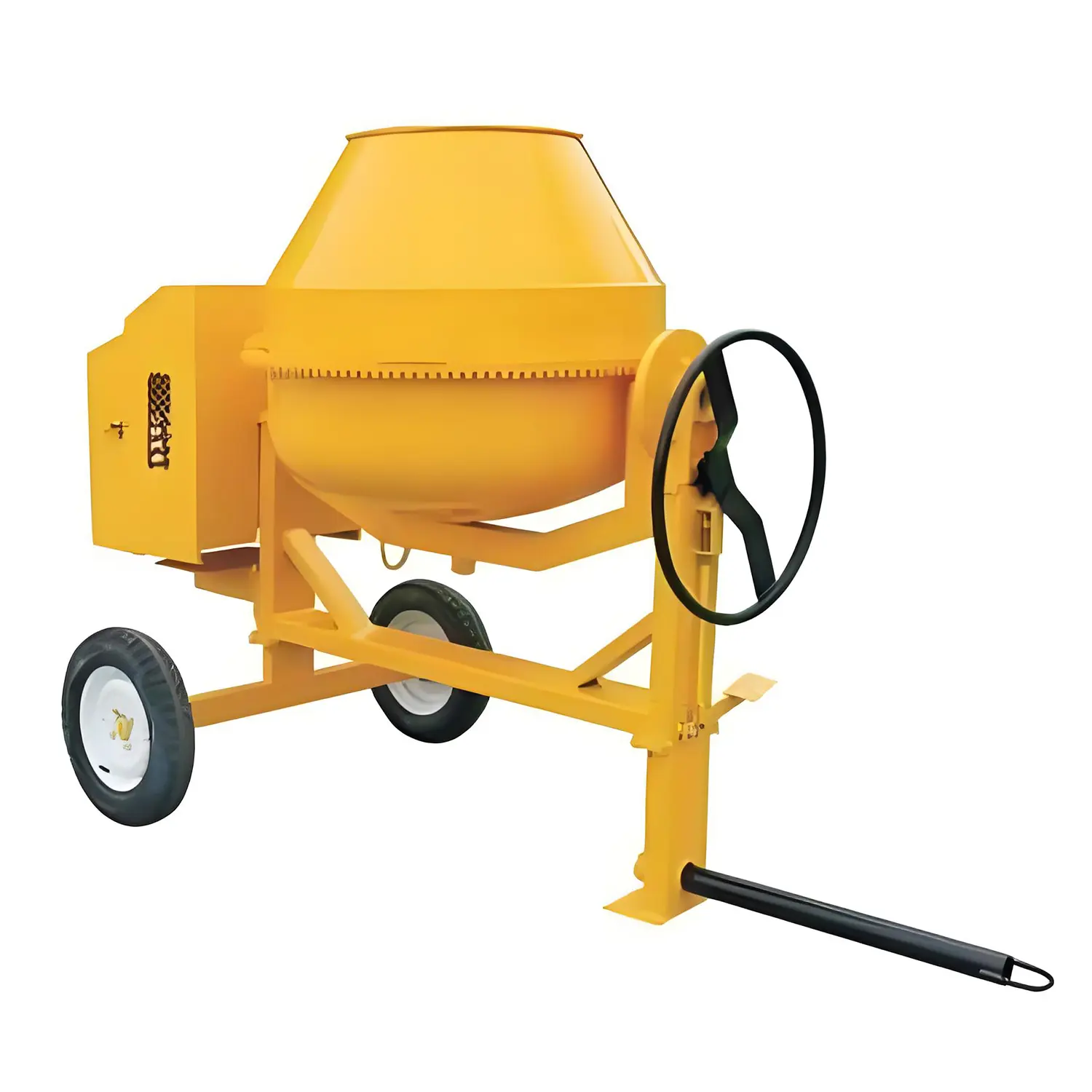 Vertical concrete mixer
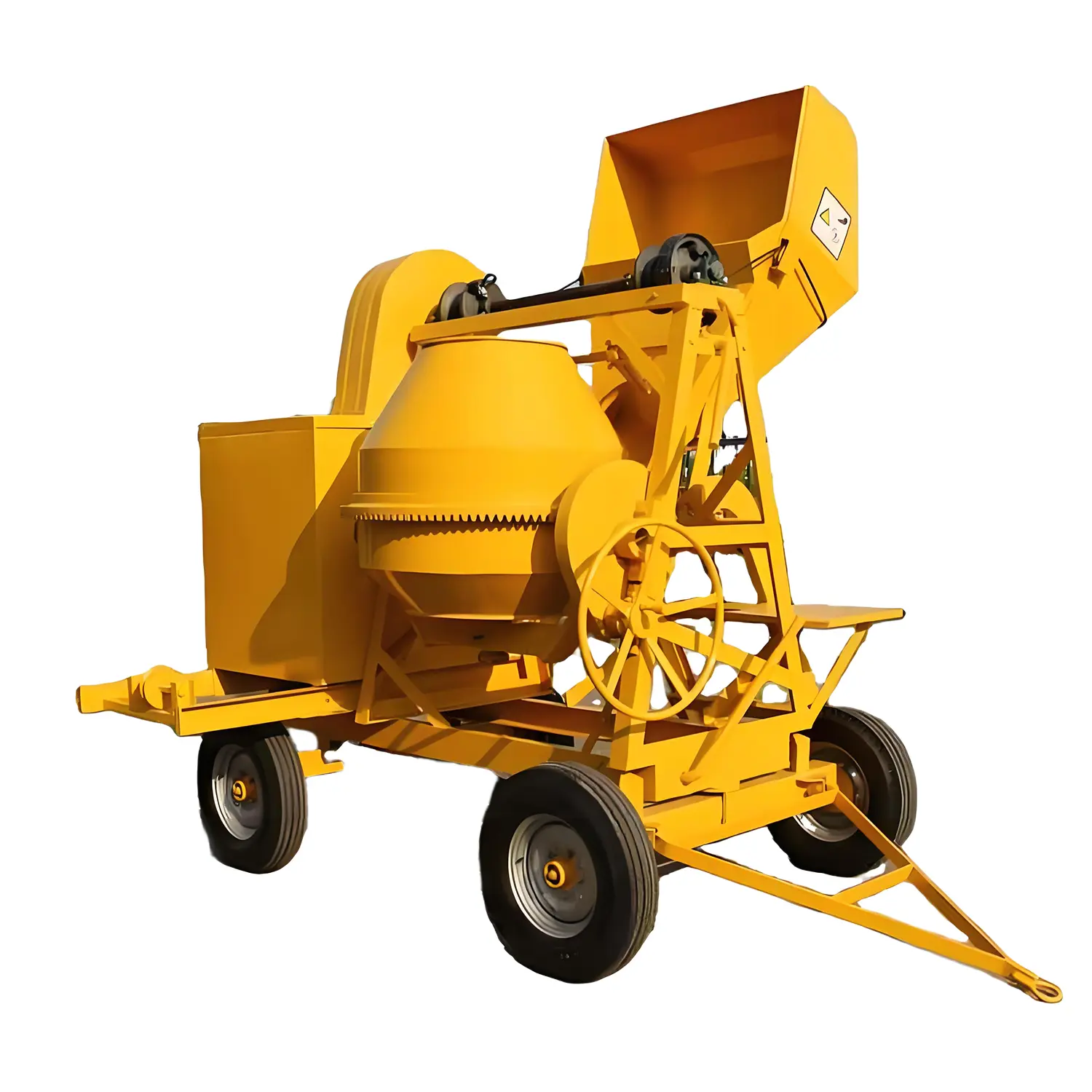 Hydraulic concrete mixer
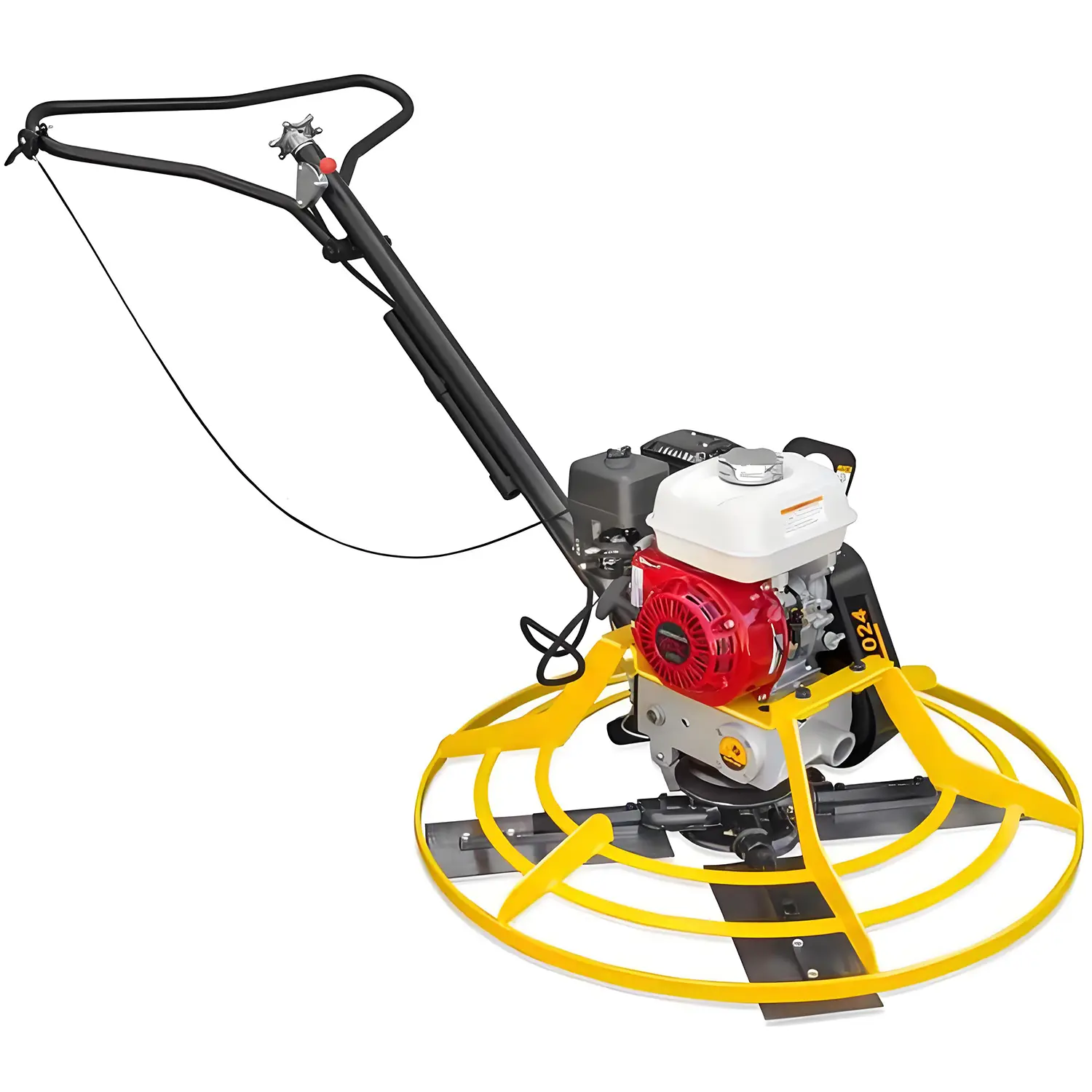 Walk behind power trowel
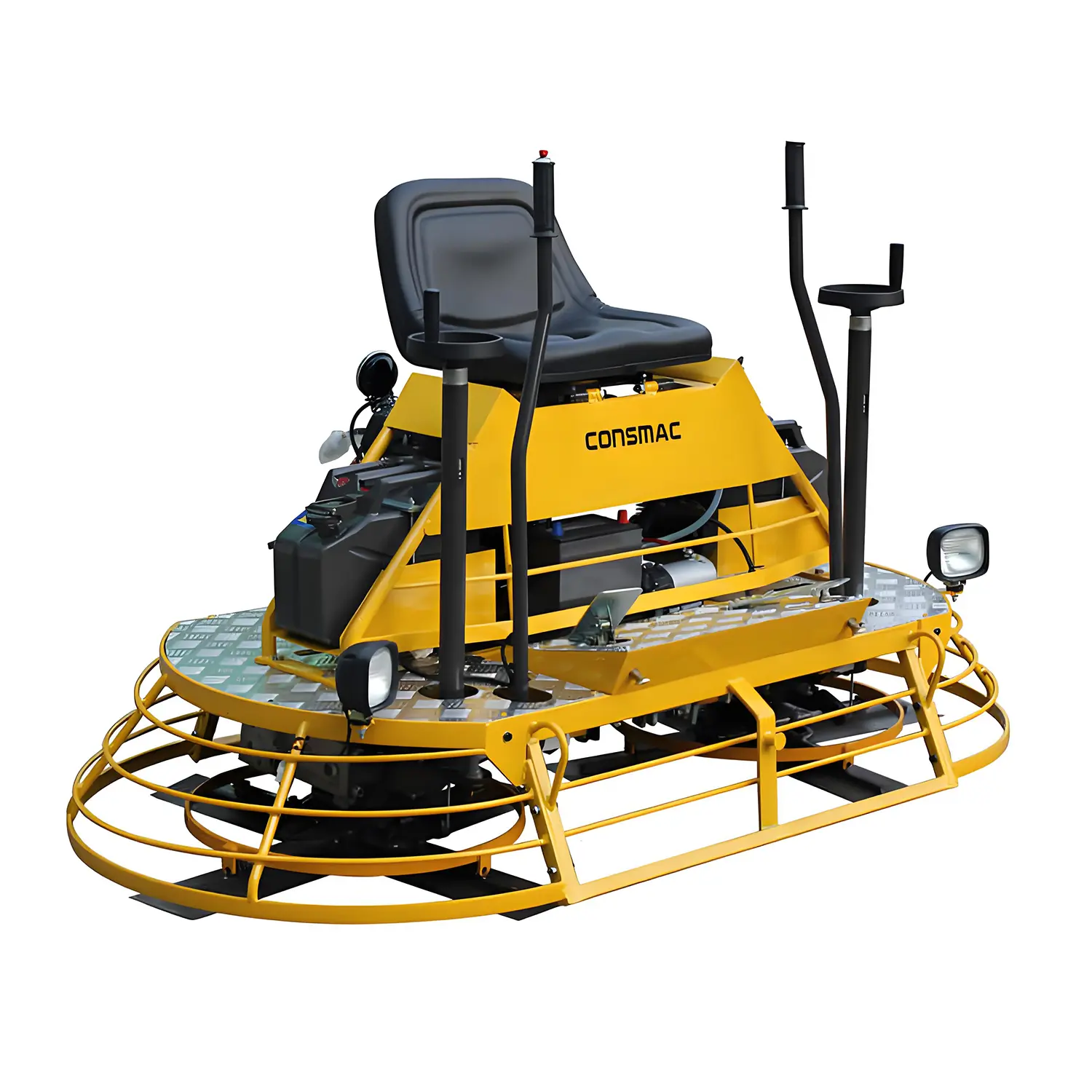 Ride on power trowel
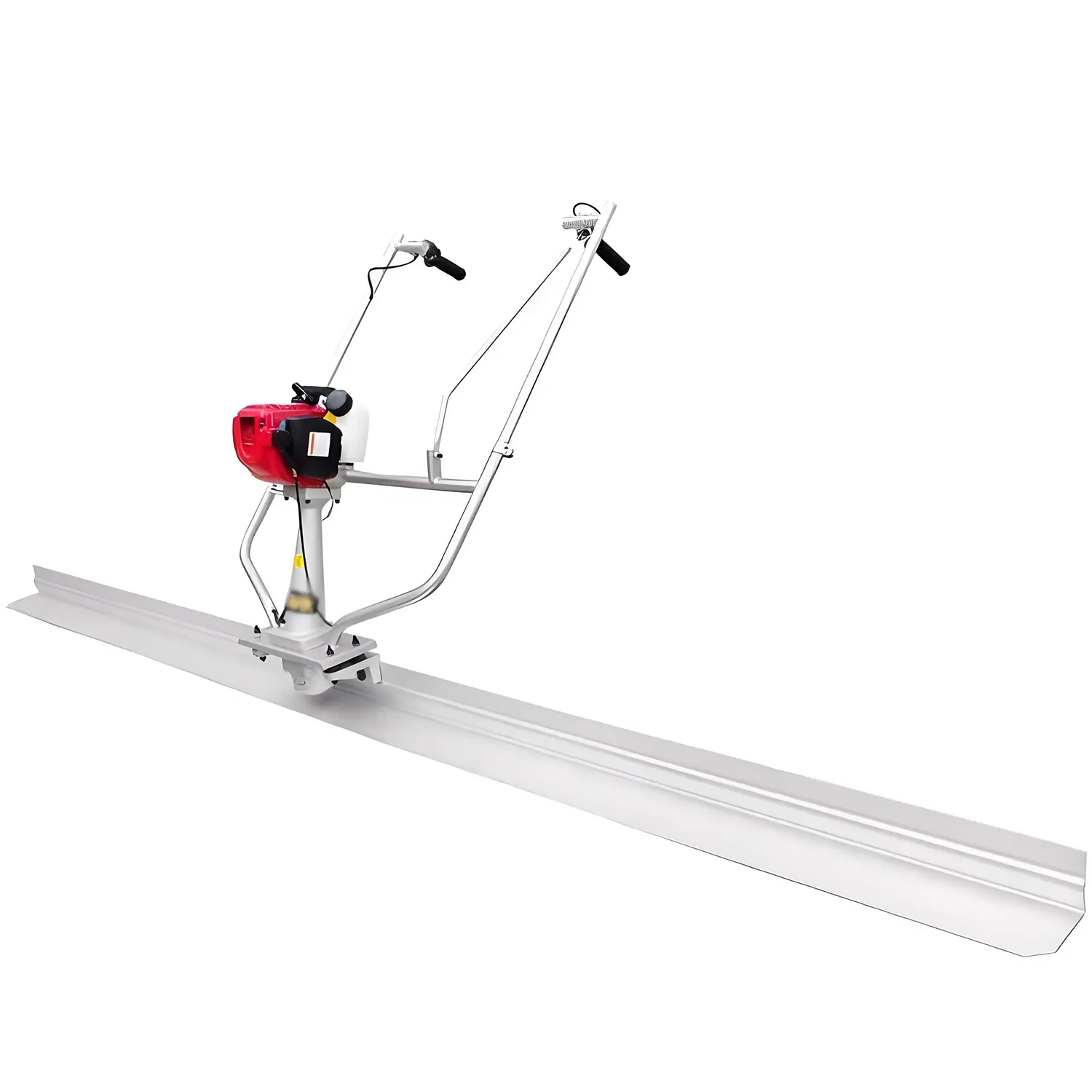 Concrete screed
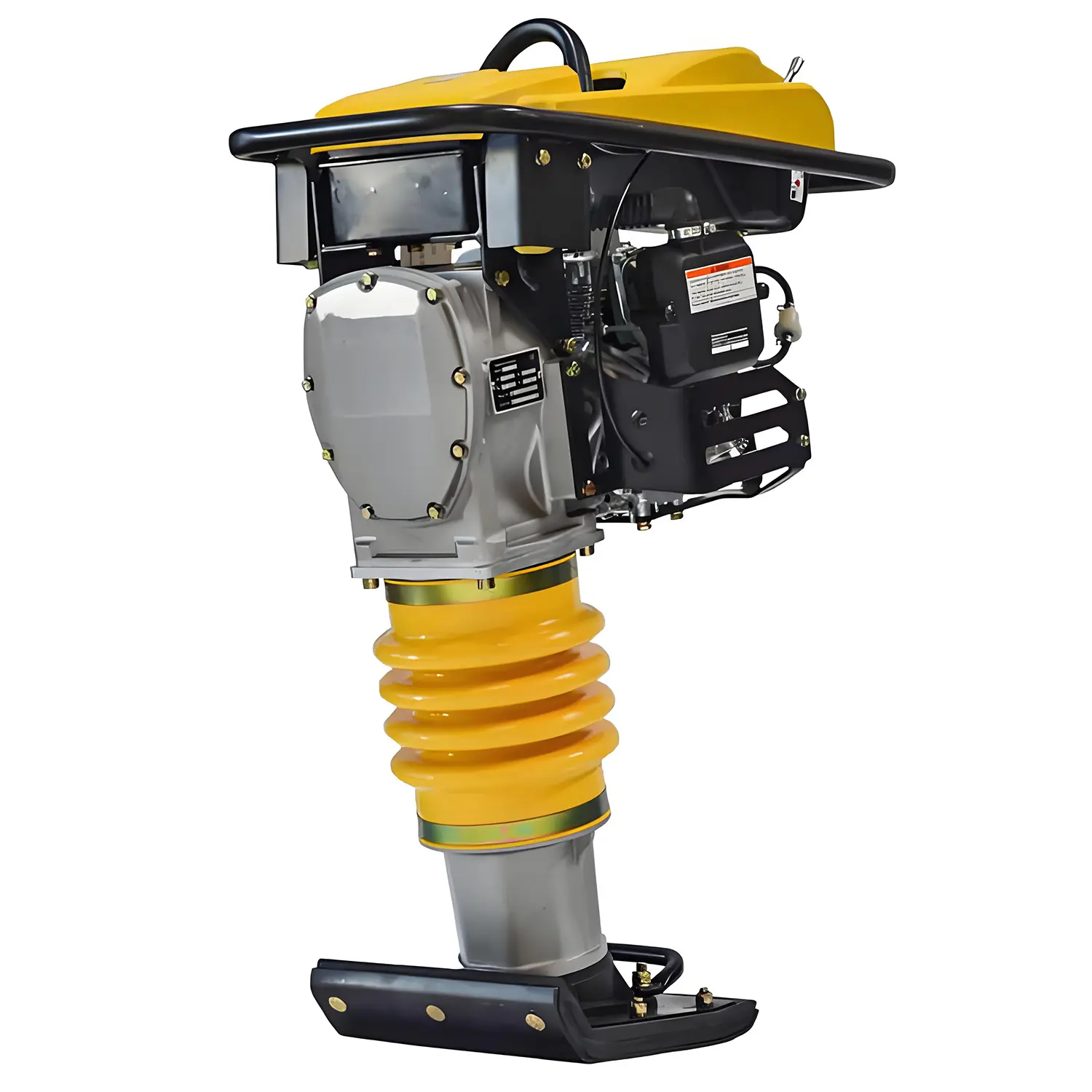 Tamping rammer
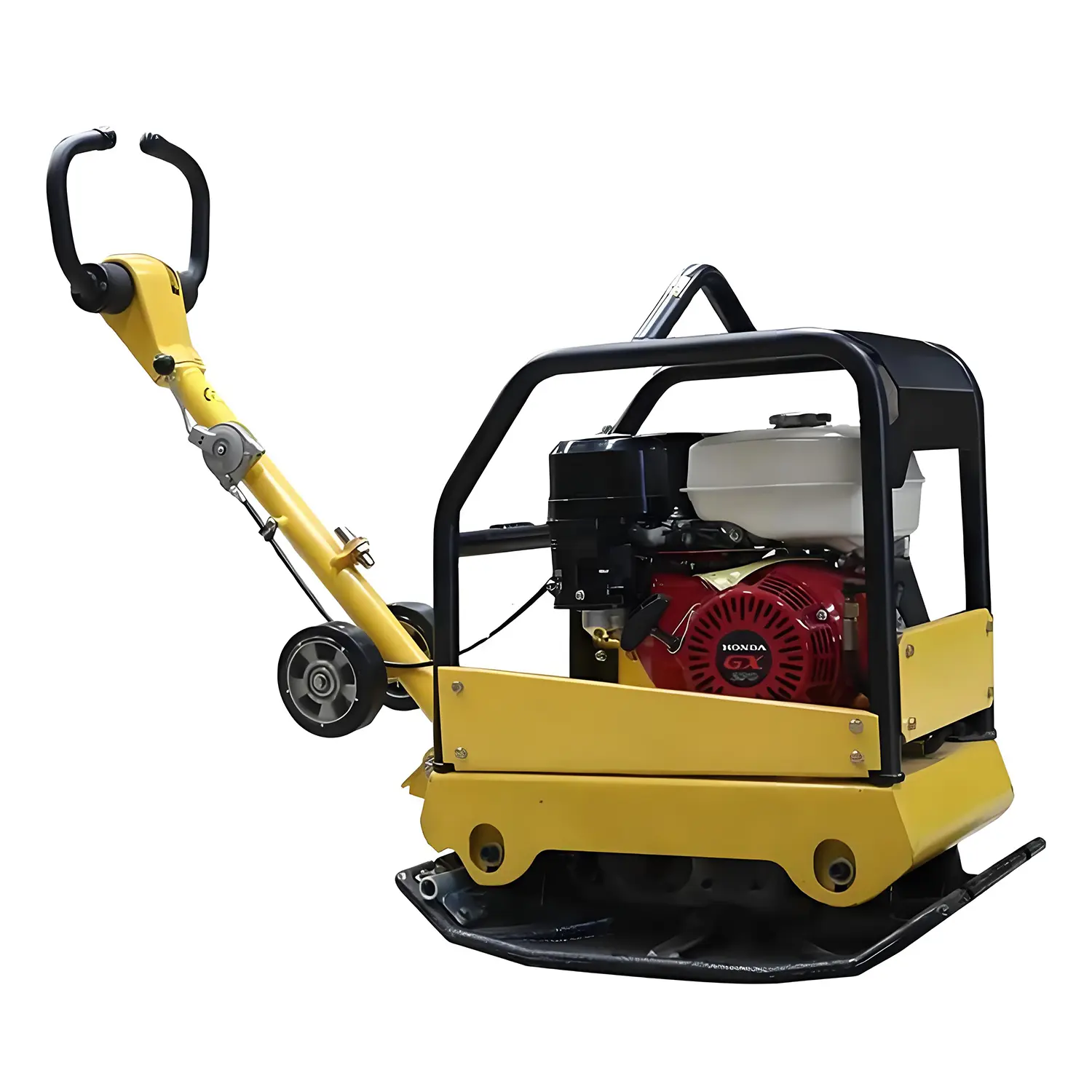 Plate compactor
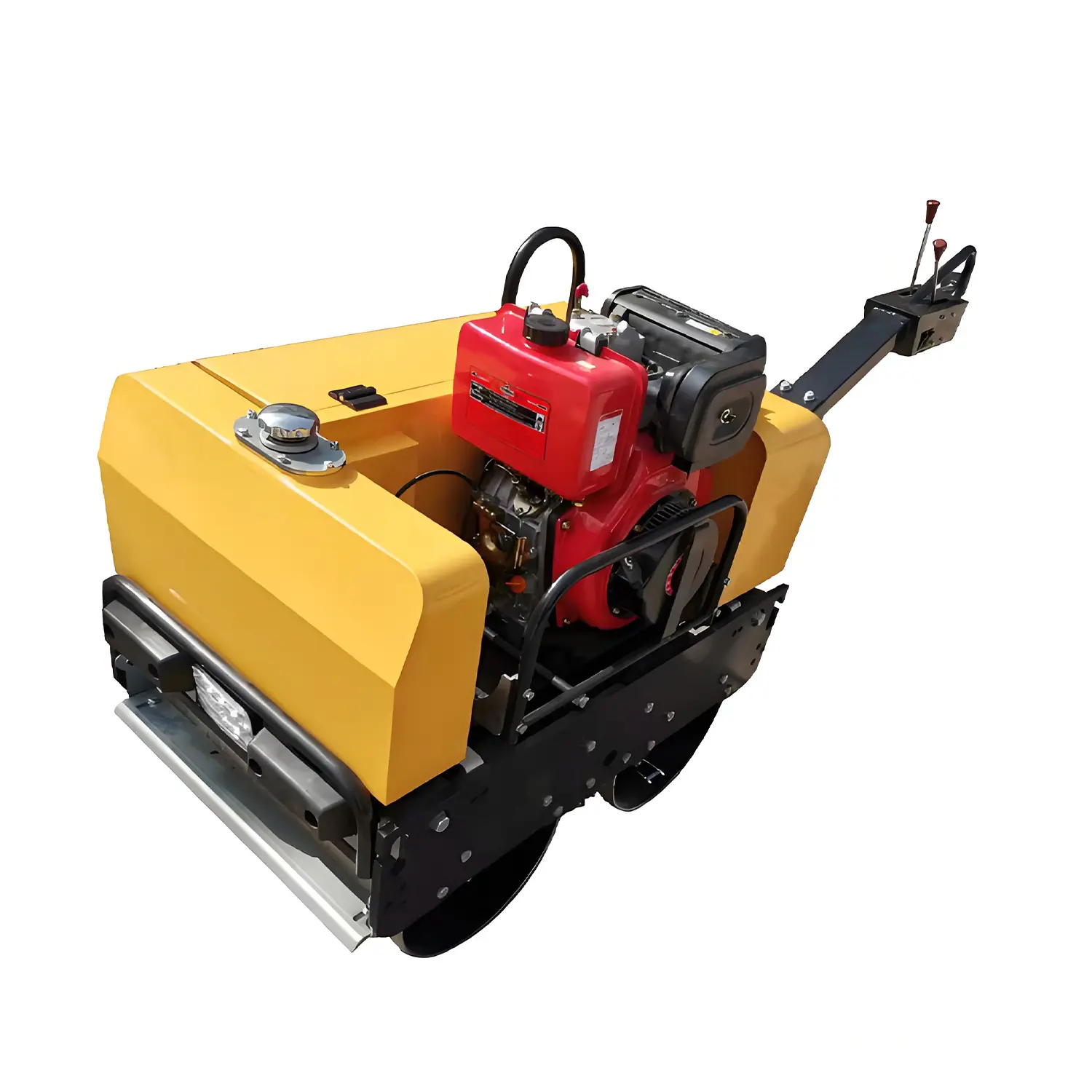 Vibratory roller