400-181-1680
Leave Your Message

How to Choose the Best Compactor Machine from China?

Choosing the right Compactor Machine from China is a technical purchasing decision, not simply a price comparison. The machine must match the material, site conditions, and required output. A single-drum roller may suit large earthworks, while a reversible plate compactor can work better in confined trenches. Soil type, lift thickness, operating weight, vibration frequency, and centrifugal force all affect compaction results. Small differences matter.

The demand context is substantial. UN DESA’s World Urbanization Prospects: The 2018 Revision projects that about 68% of the global population will live in urban areas by 2050, increasing pressure on roads, utilities, and other infrastructure. That matters on site. The Federal Highway Administration’s pavement guidance also emphasizes that compaction quality affects pavement performance and durability. Buyers should therefore compare machine specifications with the actual job, rather than relying on headline power or advertised productivity.

For Chinese suppliers, assess more than the factory price. Request clear technical data, operating manuals, warranty terms, parts availability, and evidence of quality-control procedures. Ask how the machine performs on your material, and confirm which components are included. A video demonstration helps, but it cannot replace a documented specification or a practical trial. No checklist is perfect. I would also question claims that promise unusually high output without stating soil conditions or test methods. The best choice is a machine with verifiable performance, dependable support, and specifications suited to the work—not just an attractive quotation.
How to Choose the Best Compactor Machine from China?

Identify the Compaction Tasks and Site Requirements

Before comparing compactor machines from China, define the material and the result you need. Granular gravel responds differently from cohesive clay, while asphalt requires controlled surface finishing. Note the compacted layer thickness, target density, and daily coverage area. These details help narrow the machine type and working weight. Small spaces matter.

Walk the site and record its limits. Measure gate width, turning room, slope, and distance to walls or trenches. Check whether the ground is wet, loose, or uneven; moisture can change compaction results. A machine that suits the soil may still be awkward where access is tight.

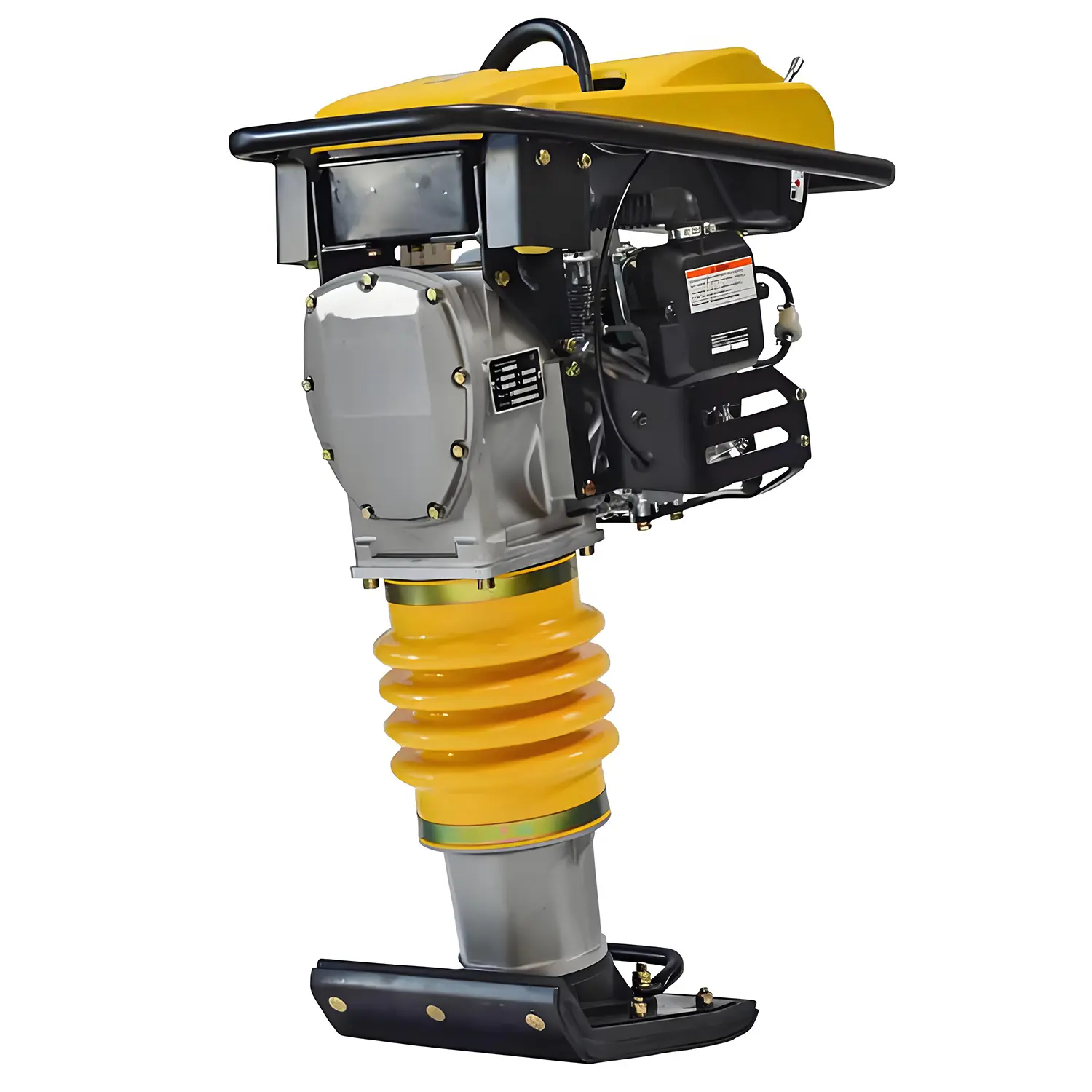
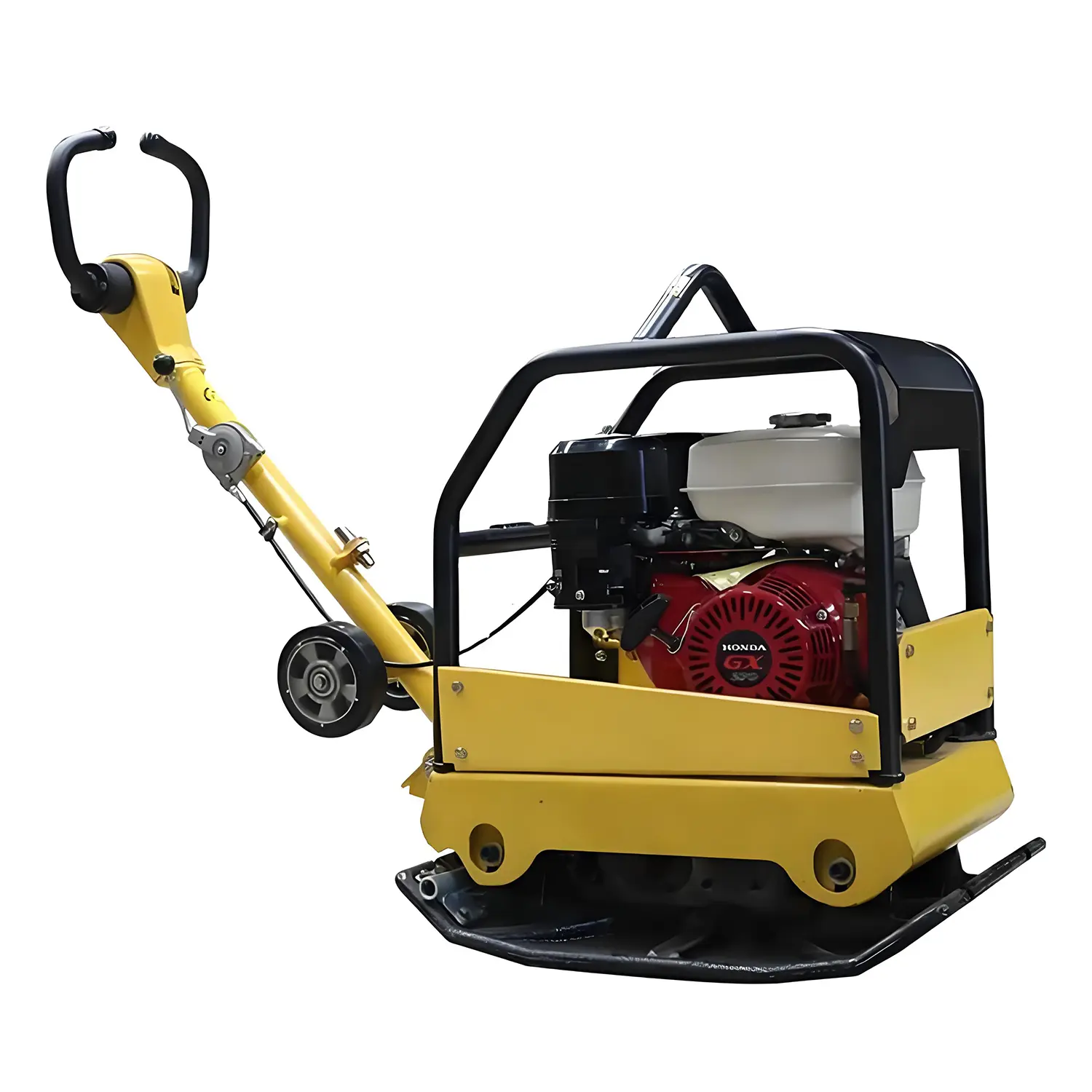
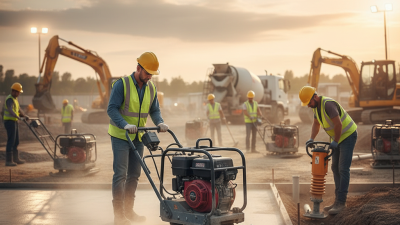
Match the operating method to the job. A plate compactor can suit confined areas and smaller repairs, while a roller may be more practical across broad surfaces. Ask suppliers for operating weight, plate or drum dimensions, vibration settings, and relevant test information. Compare those figures with your site notes, not just engine power. Keep clearance around edges.

Plan for transport, maintenance access, and operator comfort, too. Verify that parts and technical support can reach your location, and ask what routine checks the machine needs. A specification sheet cannot reveal every site difficulty. Recheck your assumptions after a trial pass; the first estimate may be wrong.
How to Choose the Best Compactor Machine from China?

Identify the compaction task and site requirements. The chart shows typical starting ranges for compacted lift thickness by equipment type.

Use these ranges as a general planning guide, not a guaranteed specification. Soil type, moisture, machine capacity, and site conditions affect results; confirm lift thickness and compaction requirements with the project specifications and equipment manufacturer.

Compare Compactor Types, Capacity, and Technical Specifications

How to Choose the Best Compactor Machine from China?

Compare Compactor Types, Capacity, and Technical Specifications

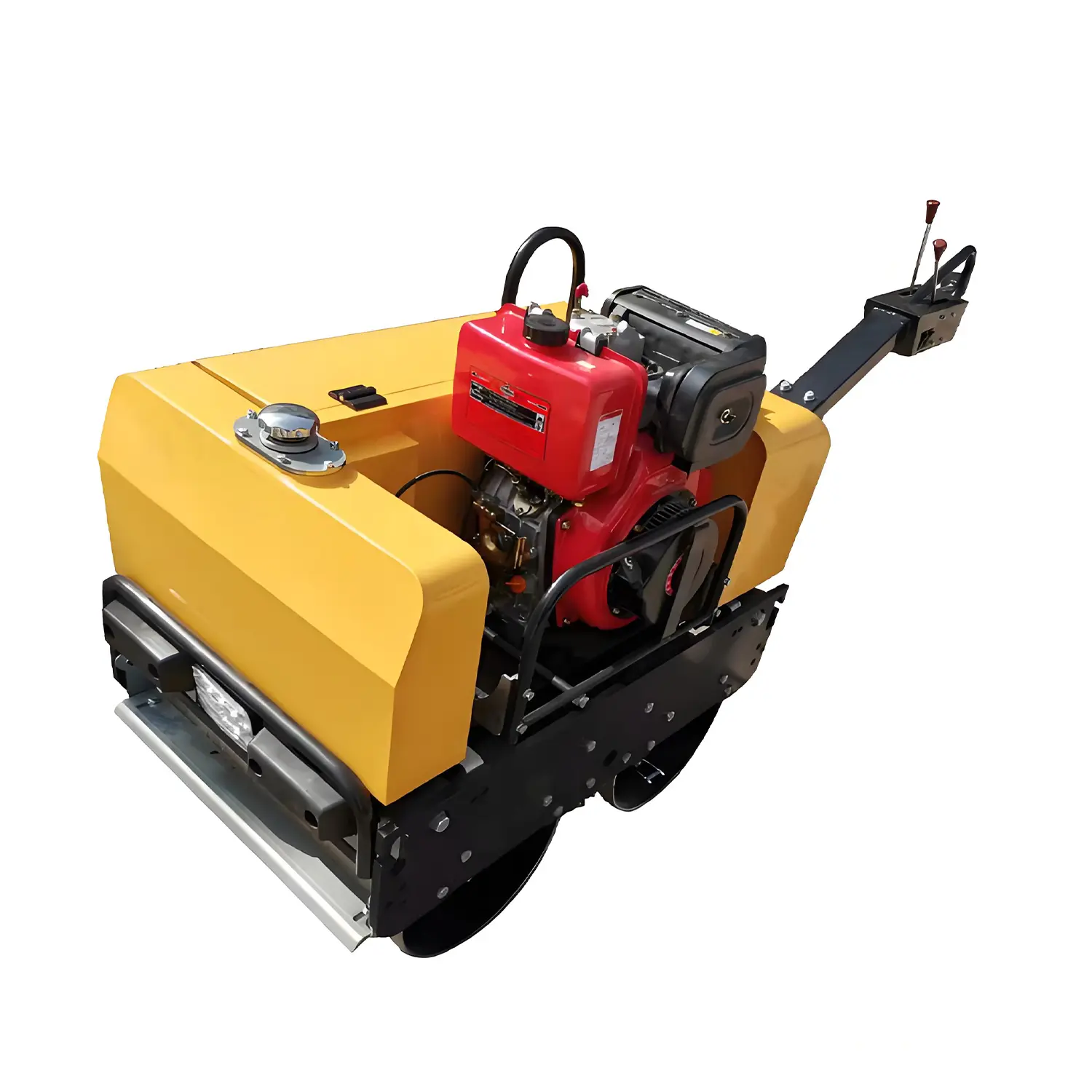
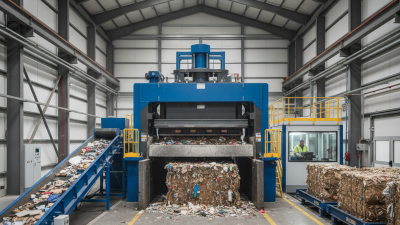
Choose the machine by material and work area, not by price alone. A reversible plate compactor or rammer suits narrow trenches and small repair zones. A walk-behind roller fits compact sites, while larger soil or asphalt jobs may need a ride-on roller. Waste-handling sites require a landfill compactor built for repeated passes over loose refuse.

World Bank’s What a Waste 2.0 report estimates global waste will grow from 2.01 billion tonnes in 2016 to 3.40 billion tonnes by 2050. That projection signals rising demand, but it is not a machine-sizing formula.

Compare operating weight, drum width, vibration frequency, amplitude, and centrifugal force for rollers. For plates and rammers, check compaction force, plate dimensions, travel speed, and suitable soil types.

Capacity figures need context. Ask whether tonnes per hour assume a specific material, moisture level, and operating pattern. A number without test conditions is weak evidence.

Specs can mislead.

For Chinese suppliers, request the test method, duty-cycle details, parts list, and written warranty terms. Compare rated output with the work your crew can actually sustain. Check service access, too: a filter that is hard to reach can add time to routine maintenance.

A paper comparison still has limits; wet ground and tight corners can reveal problems that a brochure misses. A site trial may be worth arranging before a large order.

Assess Chinese Manufacturers and Supplier Reliability

When choosing a compactor machine from China, assess the supplier as carefully as the equipment. A polished catalogue is useful, but it cannot confirm how a machine performs after months of work. Ask how long the factory has built compactors and which production steps it handles in-house. Request dated workshop photos or a live video tour. Look for practical details, such as frame welding, hydraulic hose routing, and finished-machine testing.

Check whether the supplier can provide clear specifications, inspection records, and a parts list before you pay a deposit. Compare the quoted motor power, operating weight, plate size, and vibration frequency with the machine you need. Ask for a test video showing startup, forward movement, and operation on a realistic surface. Details matter. A reply that answers only the easy questions deserves a follow-up. Request the name and lead time of common replacement parts, too.

Reliability also shows in communication. Notice whether the same contact follows your questions through, and whether delivery dates include time for testing and packing. Ask for a written inspection plan, including what happens if a unit arrives with damage or missing parts. Documents can look complete, yet still leave gaps; read them slowly. I would not treat a low price as proof of poor quality, either. It is a reason to clarify what is included, from spare parts to export packaging, before comparing offers.

How to Choose the Best Compactor Machine from China? — Assess Chinese Manufacturers and Supplier Reliability

Evaluation dimension What to assess Evidence to request or verify Practical selection guidance
Machine type and application Match the equipment to the material, site, and work pattern: for example, a plate compactor for confined or smaller areas, a rammer for narrow trenches, or a roller for larger surfaces. Application recommendations, operating instructions, machine dimensions, and a demonstration using a comparable material or job condition. Describe your soil or aggregate, working area, lift thickness, and required output before comparing models. These machine types are not interchangeable in every application.
Performance specifications Review the machine’s operating weight, compaction force or impact energy, plate or drum dimensions, travel speed, and stated working capacity. A model-specific data sheet, definitions and units for each rating, and test or demonstration results where available. Compare like-for-like machines and verify how performance figures were measured. Output depends on material, moisture, layer thickness, and operating technique.
Power system and operating conditions Check engine or motor type, fuel or electrical requirements, rated power, cooling, and suitability for the climate and worksite. Power-system specifications, maintenance schedule, fuel or voltage requirements, and operating-temperature guidance. Confirm local fuel, voltage, emissions, and service requirements before ordering. Do not rely on a power rating alone to predict compaction results.
Build quality and serviceability Assess frame and base-plate construction, vibration isolation, protective guards, access to routine service points, and availability of wear parts. Clear product photographs, parts diagrams, maintenance instructions, warranty terms, and details of commonly replaced components. Check that replacement parts can be identified and ordered by model and part number. Ask how warranty claims and technical questions are handled.
Manufacturer identity and capability Establish whether the supplier manufactures the machine, trades it, or uses a subcontracted production arrangement; assess experience with the relevant product category. Registered business details, factory address, a live or independent factory inspection, production-process information, and model-specific quality records. Cross-check the legal entity, address, quotation, contract, and payment beneficiary. Treat marketplace listings or factory photographs alone as insufficient proof of production capability.
Quality control and testing Review incoming-part checks, in-process inspections, final assembly checks, and functional testing before shipment. Inspection checklist, sample test records, serial-number and nameplate details, and an agreed pre-shipment inspection report. Put acceptance criteria in writing, including configuration, accessories, documents, and testing requirements. Use an independent inspection when the order risk warrants it.
Safety and regulatory compliance Determine which machinery, electrical, emissions, noise, labeling, and import rules apply in the destination market and to the specific model. Applicable declarations, test reports, labels, manuals, and certificate scope, with model and issuing-body details that can be independently checked. Requirements vary by product and destination. Verify applicability and document validity with the relevant authority or qualified compliance professional; do not assume one certificate covers every market.
Spare parts and after-sales support Check technical-support channels, response arrangements, warranty coverage, parts ordering, and expected parts dispatch process. Written warranty policy, parts list with identifiers, service contacts, troubleshooting documentation, and a clear procedure for claims. Ask which parts are stocked and whether support is available in your working time zone and language. Confirm who pays freight and labor for warranty work.
Commercial terms and landed cost Compare machine price alongside packaging, freight, insurance, duties, taxes, inspection, and any required local modifications. Itemized quotation, stated trade term and named location, lead time, payment milestones, packing details, and draft contract. Compare total landed cost rather than unit price alone. Ensure payment terms, delivery responsibilities, and remedies for specification deviations are recorded in the contract.
Communication and supplier reliability Evaluate whether responses are consistent, technically specific, and timely, and whether commitments remain consistent across quotation, samples, and contract documents. Written answers to a common question list, customer references where available, order milestones, and confirmation of changes in writing. Be cautious of pressure for full advance payment, unverifiable claims, inconsistent company or bank details, or refusal to provide model-specific documents and inspection access.

Verify Quality Standards, Safety Features, and Documentation

When choosing a compactor machine from China, check that the documents match the exact model and serial number. Request the factory test report, parts list, operating manual, and written warranty. Compare the machine’s rated vibration, engine power, and working weight with its nameplate. Inspect welds, hydraulic hoses, guards, and controls, preferably during a live demonstration. A polished certificate can still leave questions unanswered.

Safety checks should be practical, not just paperwork. Confirm that emergency stops, warning alarms, access steps, and rollover protection are fitted where applicable. Ask for the manufacturer’s risk assessment and test evidence against relevant standards, such as ISO 20474-1 for earth-moving machinery. The U.S. Bureau of Labor Statistics recorded 1,075 fatal work injuries among construction and extraction occupations in 2023. This figure is not specific to compactors, but it underscores why safe operation and training matter. Keep the distinction clear.

Tips: Photograph the serial plate and key components before shipment. Ask for a video showing cold start, braking, and vibration controls. Have an independent technician review unclear test records; this adds cost, but may catch gaps you would otherwise miss. Compare the translated manual with the original before signing off.

Compare Total Costs, Shipping, Warranty, and After-Sales Support

How to Choose the Best Compactor Machine from China?

Compare Total Costs, Shipping, Warranty, and After-Sales Support

A compactor’s quoted price is only one part of its real cost.

Ask for an itemized offer covering the machine, spare parts, packaging, and any setup assistance. Check whether the quoted shipping price includes port handling and delivery to your site. A low factory price can look less attractive after a heavy crate crosses an ocean. Get the shipment dimensions and weight before comparing freight quotes. Small details matter.

Warranty terms deserve the same attention as price.

Confirm the coverage period, which components are included, and whether labor or replacement shipping is excluded. Ask how a claim works: What photos, serial details, or service records will be needed? Request the warranty in writing, with clear response times. A promise on a call is easy to misremember.

After-sales support can affect downtime more than a modest price difference.

Ask whether manuals, parts diagrams, and troubleshooting help are available in English. Find out which common wear parts are stocked and how quickly they can be dispatched. A video call may solve a simple adjustment, but not every fault. Be realistic. Compare the full cost over the machine’s expected working life, then keep a reserve for maintenance. A spreadsheet helps, though it can still miss delays, customs charges, or the cost of a machine sitting idle.