What Is the Best Heavy Duty Compactor in 2026?
Choosing the best Heavy Duty Compactor in 2026 requires more than comparing engine power, drum width, or operating weight. Real performance depends on soil type, moisture, lift thickness, site access, and daily production targets. A machine that excels on crushed rock may struggle in wet clay. No machine wins every site.
The market is also responding to rising material volumes and stricter efficiency expectations. The World Bank’s What a Waste 2.0 report estimates that global municipal solid waste could reach 3.40 billion tonnes annually by 2050, compared with 2.01 billion tonnes in 2016. While that report focuses on waste management, it shows why reliable compaction equipment matters across infrastructure, landfill, and material-handling projects. The U.S. Environmental Protection Agency reported 292.4 million tons of municipal solid waste generated in the United States in 2018, offering another useful scale reference.
This guide evaluates leading compactors through practical criteria: measurable density, fuel or energy use, vibration control, operator visibility, service access, and long-term ownership cost. Manufacturer specifications provide a starting point, but field results deserve greater weight. Caterpillar’s Performance Handbook and industry guidance from the Association of Equipment Manufacturers emphasize matching equipment to working conditions, not simply selecting the largest model. That distinction is easy to overlook.
Expect trade-offs. A heavier machine can improve passes but increase transport demands. Higher vibration may raise productivity, yet it can require careful operation near structures. The final recommendation will therefore consider documented performance, independent evidence, and realistic jobsite experience—not marketing language alone. That is a more cautious approach, but probably the more useful one.
What Defines a Heavy-Duty Compactor in 2026?
What Defines a Heavy-Duty Compactor in 2026?
A heavy-duty compactor must handle demanding surfaces, long work cycles, and uneven site conditions. Its definition goes beyond engine size or machine weight. A strong unit delivers consistent compaction force across soil, gravel, asphalt, or recycled aggregate. The base plate must resist bending, while the vibration system should remain stable under repeated impact. Operators also need clear controls, low hand-arm vibration, and reliable access to service points.
Modern assessment includes measurable performance. Look for operating weight, centrifugal force, frequency range, travel speed, and verified coverage per hour. However, numbers can mislead. A powerful machine may perform poorly on wet clay or confined ground. Soil moisture matters. Layer thickness matters more than many buyers expect. Experienced crews test the machine on the actual material before committing to large projects.
Durability also depends on practical details. Protected belts, sealed bearings, reinforced handles, and effective cooling can reduce downtime. Maintenance records should be easy to understand and independently supported by service data. Lower noise and reduced fuel use are valuable, but they should not replace compaction quality. I would also question overly confident claims about “all-surface” performance. No compactor excels everywhere. The best heavy-duty choice in 2026 is the one that matches the site, workload, operator, and maintenance capacity.
Key Performance Criteria for Comparing Industrial Compactors
What Is the Best Heavy Duty Compactor in 2026?
The best industrial compactor is not defined by maximum force alone. It must match waste type, daily volume, operating space, and service conditions. The U.S. EPA reported 292.4 million tons of municipal solid waste generated in 2018, showing why reliable volume reduction remains important. A suitable machine should create stable, repeatable density without damaging its chamber or hydraulic system.
Compare compaction force, throughput, cycle time, and final bale or container density. Ask for tested performance, not only brochure figures. The U.S. EPA’s Advancing Sustainable Materials Management report also identifies food, paper, and plastics as major waste streams, each behaving differently under pressure. Wet waste may demand corrosion protection. Bulky packaging may need a wider feed opening.
Energy use deserves close attention. The U.S. Department of Energy notes that motor-driven systems can represent significant industrial energy consumption, so standby controls and efficient hydraulics affect operating cost. Safety interlocks, guarded access points, noise levels, and visibility should be checked during a live site assessment. Small details matter.
Maintenance is often underestimated. Inspect hose routing, wear plates, ram alignment, and cleaning access. A higher force rating is not automatically better. It can increase stress and service expense. I would also question any performance claim without load-specific testing, because real waste is inconsistent, wet, and occasionally awkward. That part is easy to overlook.
Major Compactor Types and Their Practical Applications
Choosing the best heavy-duty compactor in 2026 depends on the material, work area, and required density. A machine suited to roadwork may perform poorly on a narrow trench. Field experience shows that soil moisture, lift thickness, and operator control often matter as much as engine power. Small details matter.
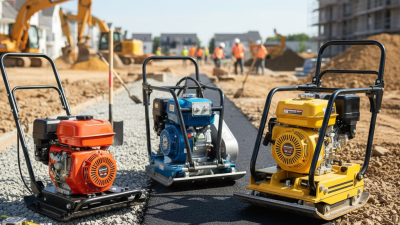
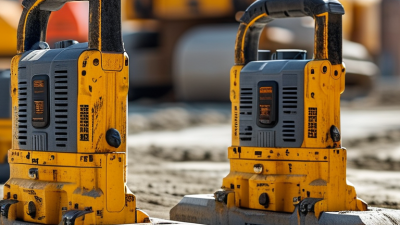
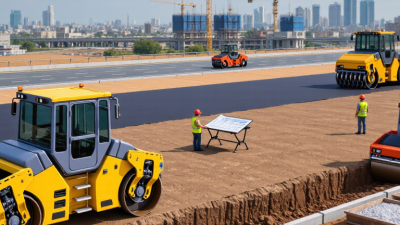
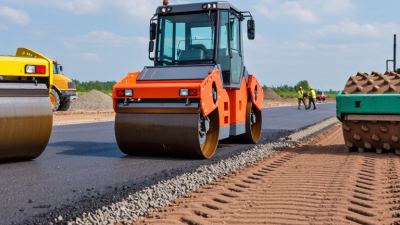
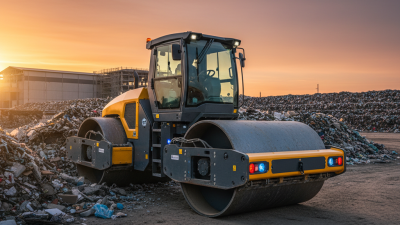
Vibratory single-drum rollers handle soil, gravel, and crushed aggregate across large earthwork areas. Smooth drums suit granular materials, while padfoot drums provide better contact with cohesive clay. Tandem vibratory rollers are practical for asphalt paving, where repeated passes create a dense, even surface. Pneumatic-tire compactors use kneading pressure, making them useful for asphalt sealing and mixed granular layers. For confined spaces, a heavy plate compactor reaches edges that rollers cannot. It is slower, but more precise. Landfill compactors are built for waste cells, with reinforced drums and specialized traction.
Selection should begin with a density target, not a machine size. Check the material’s moisture content before increasing vibration or speed. Too much vibration can loosen some layers instead of tightening them. That mistake is easy to miss. Operators should record pass counts, travel speed, and test results on every section. Manufacturer data helps, but site trials remain essential because ground conditions change quickly. I would also inspect drum wear, vibration settings, visibility, and emergency controls before daily use. The strongest machine is not always the most productive one.
How to Evaluate Safety, Efficiency, Durability, and Maintenance
What Is the Best Heavy Duty Compactor in 2026?
The best heavy duty compactor is not simply the largest machine. It must control risk, deliver consistent pressure, and survive demanding work. During site inspections, I look for clear visibility around the drum, guarded moving parts, and an accessible emergency stop. A stable platform matters on uneven ground. So does low operator vibration.
Safety begins with practical design. Controls should be labeled clearly and remain usable with work gloves. Warning alarms must be noticeable without becoming distracting. Check the operator’s view, reversing system, lighting, and seat adjustment. A short trial can reveal problems that brochures hide. It is easy to overlook fatigue.
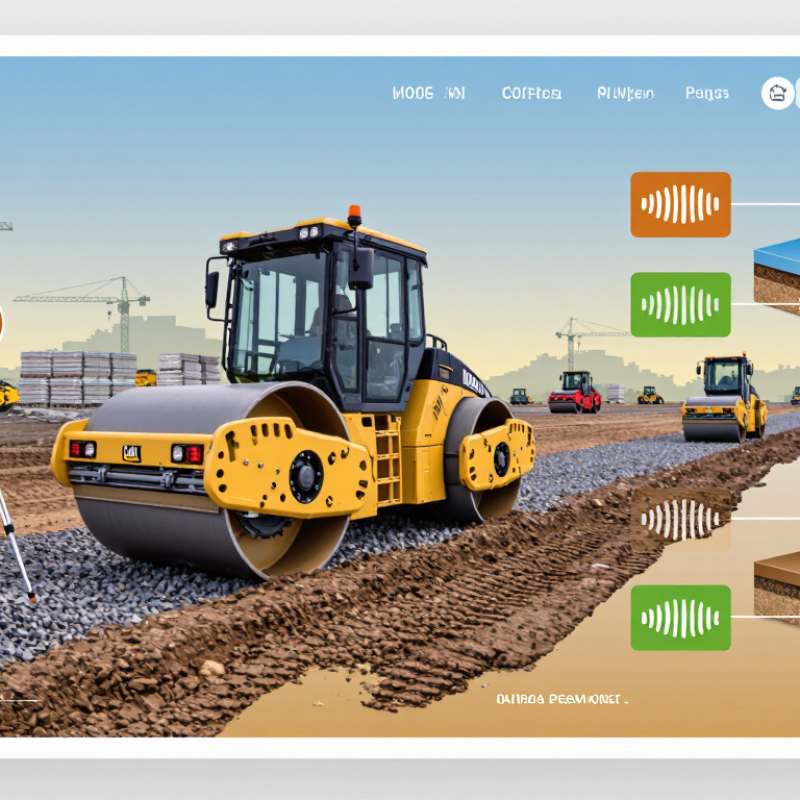
Efficiency depends on more than engine power. Compare working width, travel speed, compaction depth, fuel use, and turning space. A machine with automatic vibration control may prevent unnecessary passes. However, sensors need calibration and trained operators. Higher output is meaningless if the surface becomes uneven. Measure completed area per hour, not advertised capacity.
Durability appears in small details. Examine frame welds, drum bearings, hydraulic lines, and protective covers. Ask how quickly common filters and wear parts can be replaced. Daily inspections should include leaks, tire or drum damage, fluid levels, and loose fasteners. Keep service records with operating hours. Maintenance is often delayed during busy periods, and that mistake becomes expensive. I would also test the compactor in real site conditions, because clean demonstration yards rarely expose dust, slopes, or cramped access.
Choosing the Best Heavy-Duty Compactor for Different Worksites
What Is the Best Heavy Duty Compactor in 2026?
Choosing the best heavy-duty compactor depends on the worksite, not just machine size. A trench project needs a narrow, maneuverable rammer that reaches confined corners. Large soil areas benefit from a high-force plate compactor or smooth-drum roller. For asphalt repairs, vibration control and even surface coverage matter more than maximum engine power. Check the soil type, lift thickness, slope, and available transport before comparing models. A machine with excessive force can damage fragile surfaces or create uneven settlement.
Tips: Test the ground moisture first. Dry soil may resist compaction, while saturated soil can pump under pressure. Match the compactor’s working width to the site. Wider is not always better. Measure vibration near buildings, pipes, and finished surfaces. Review operating weight, centrifugal force, service access, and emergency controls. These details affect daily productivity and operator safety.
In practical site checks, simple controls often outperform complicated features. Operators need clear handles, steady movement, and low fatigue during long shifts. I have seen teams choose heavy equipment that looked impressive but struggled in narrow trenches. That mistake costs time. Fuel use, noise, and transport weight also deserve attention. Specifications can guide the decision, but actual ground conditions may disagree. A short rental test on the worksite can reveal problems that brochures cannot.
What Is the Best Heavy-Duty Compactor in 2026?
Choosing the best heavy-duty compactor depends on soil type, surface finish, maneuverability, and required production capacity.
The chart compares representative operating-mass values commonly found in heavy-duty equipment specifications.
Single-drum vibratory compactors are typically suited to large soil and aggregate earthworks, padfoot compactors
are preferred for cohesive soils and embankments, double-drum compactors are effective on asphalt and granular surfaces,
and pneumatic-tire compactors are commonly used for asphalt finishing and sealing. Actual specifications vary by configuration.

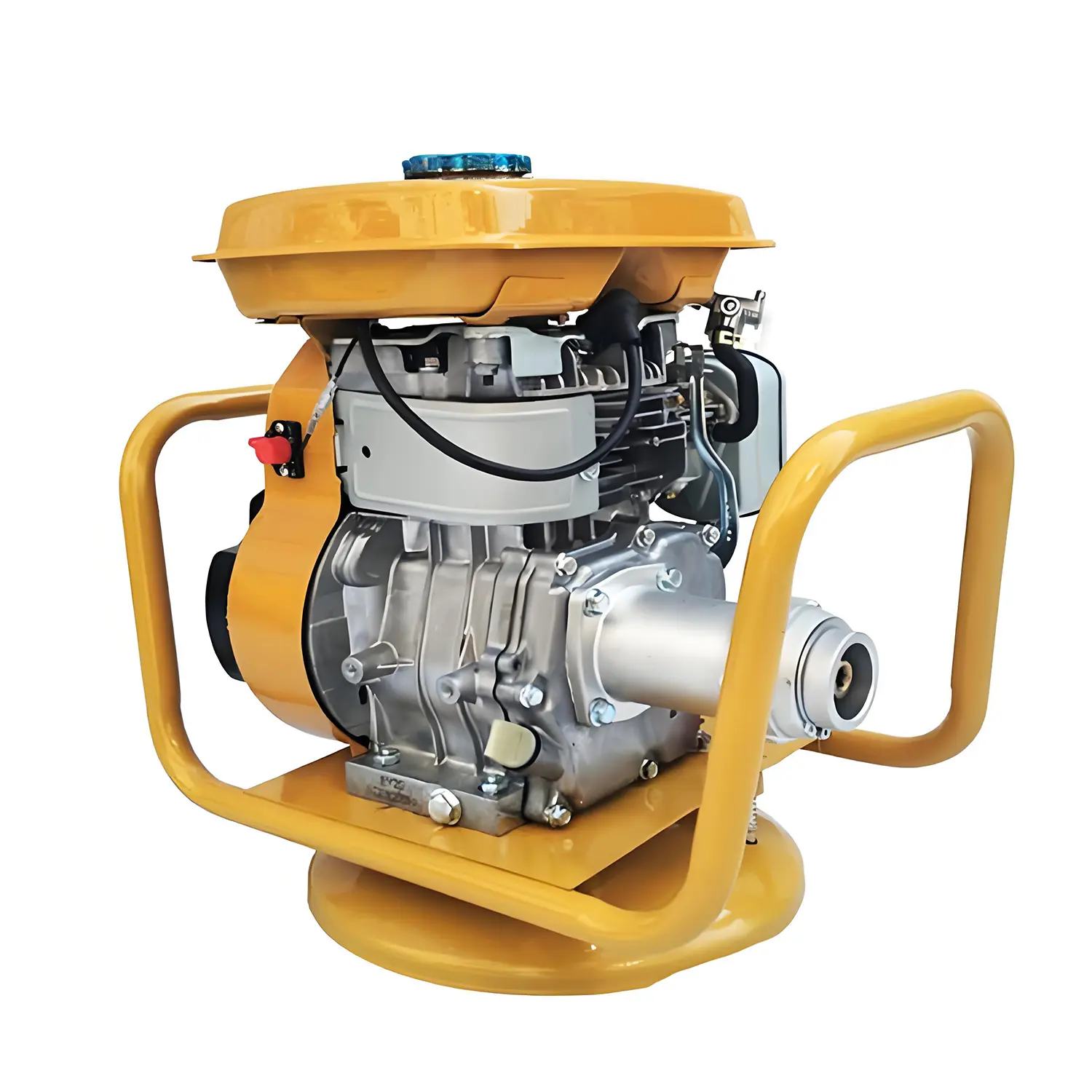 Internal Vibrator
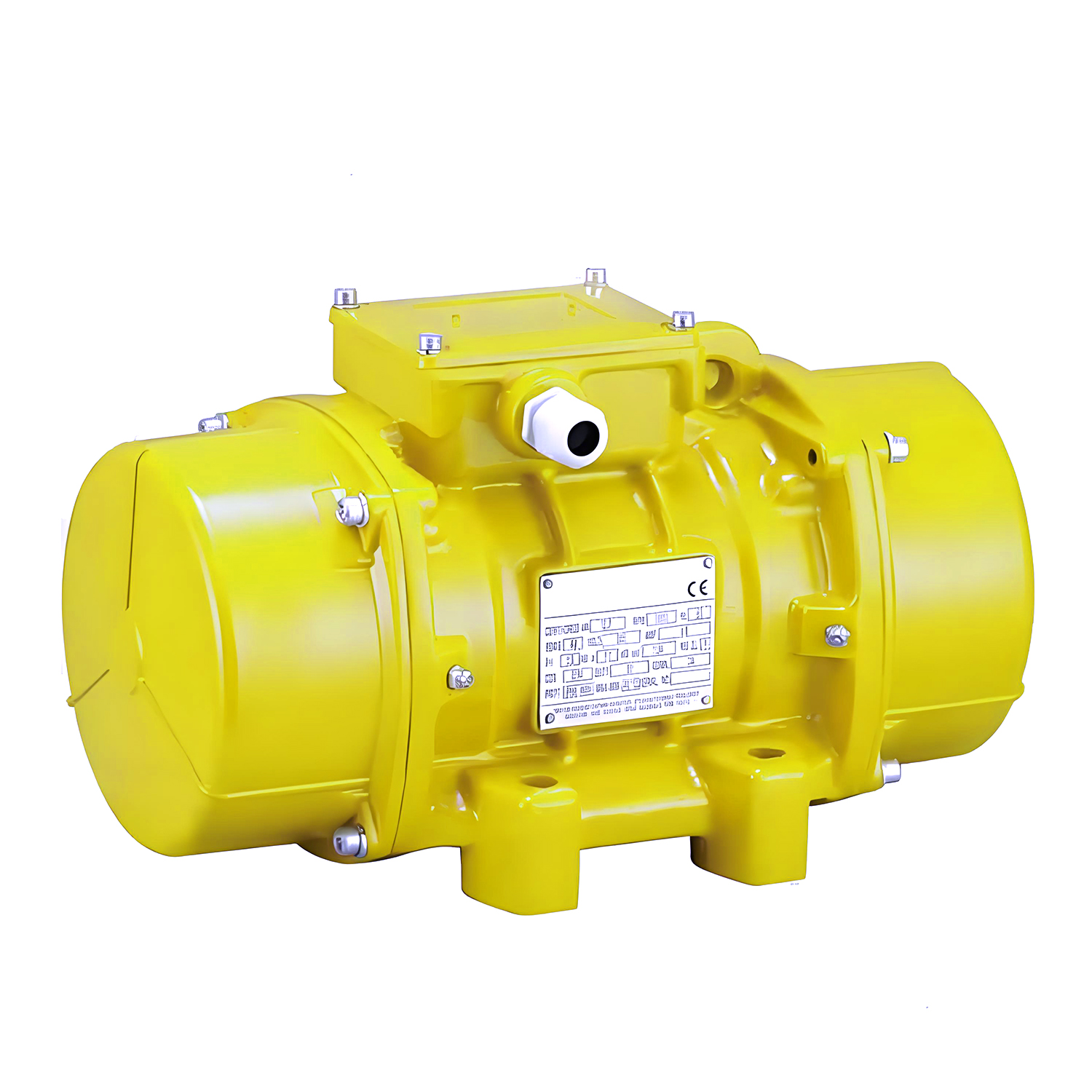 External Vibrator
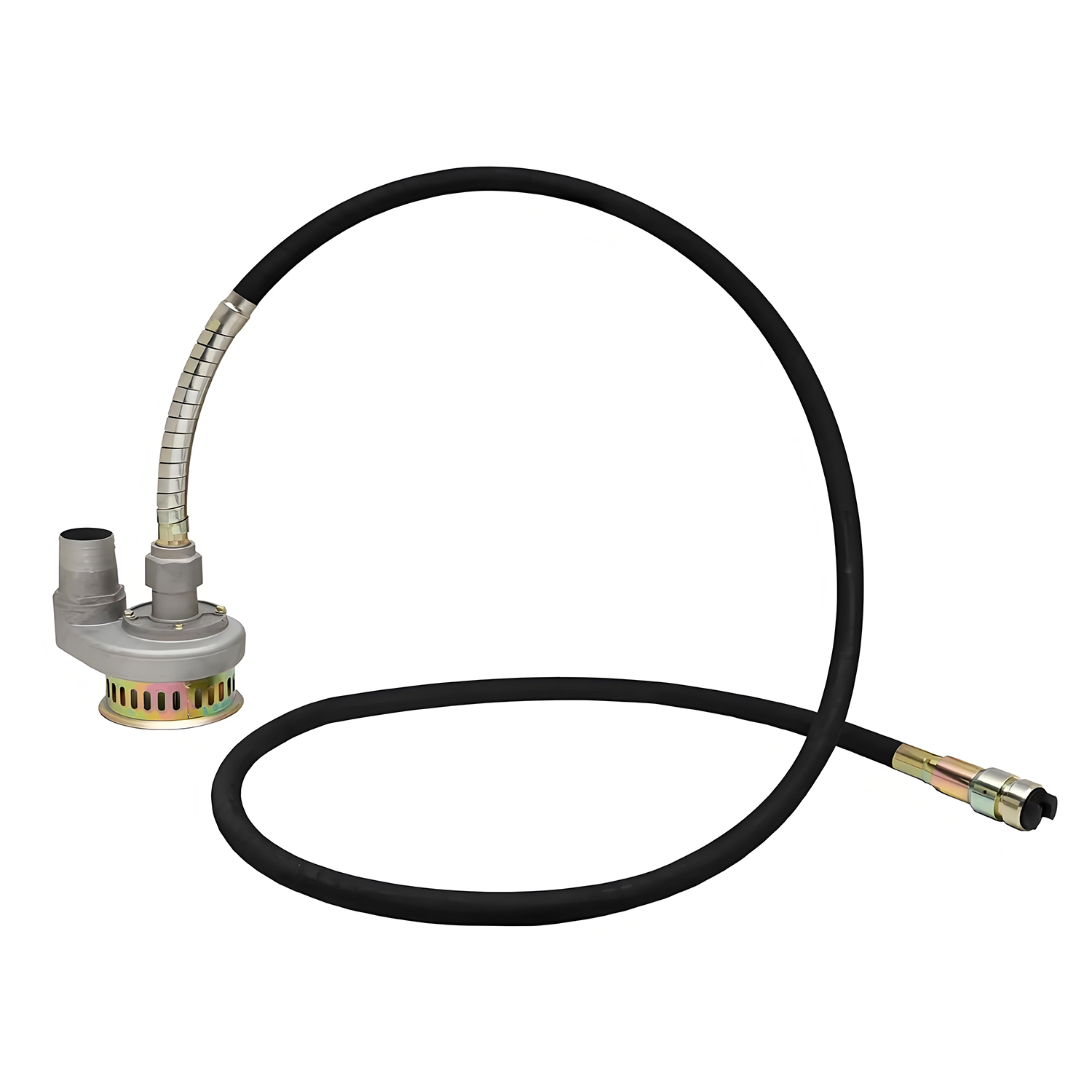 Submersible Pump
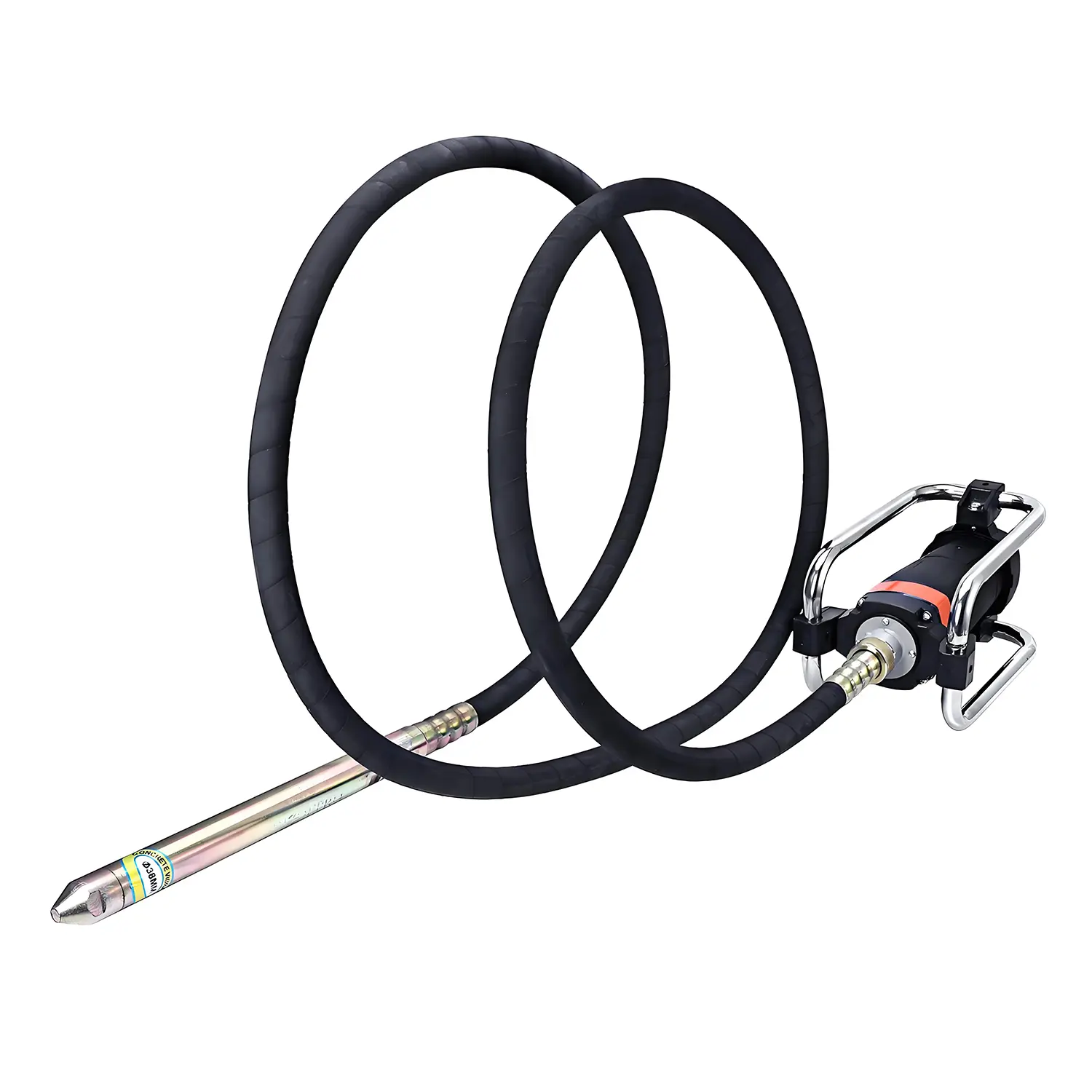 Eccentric shaft
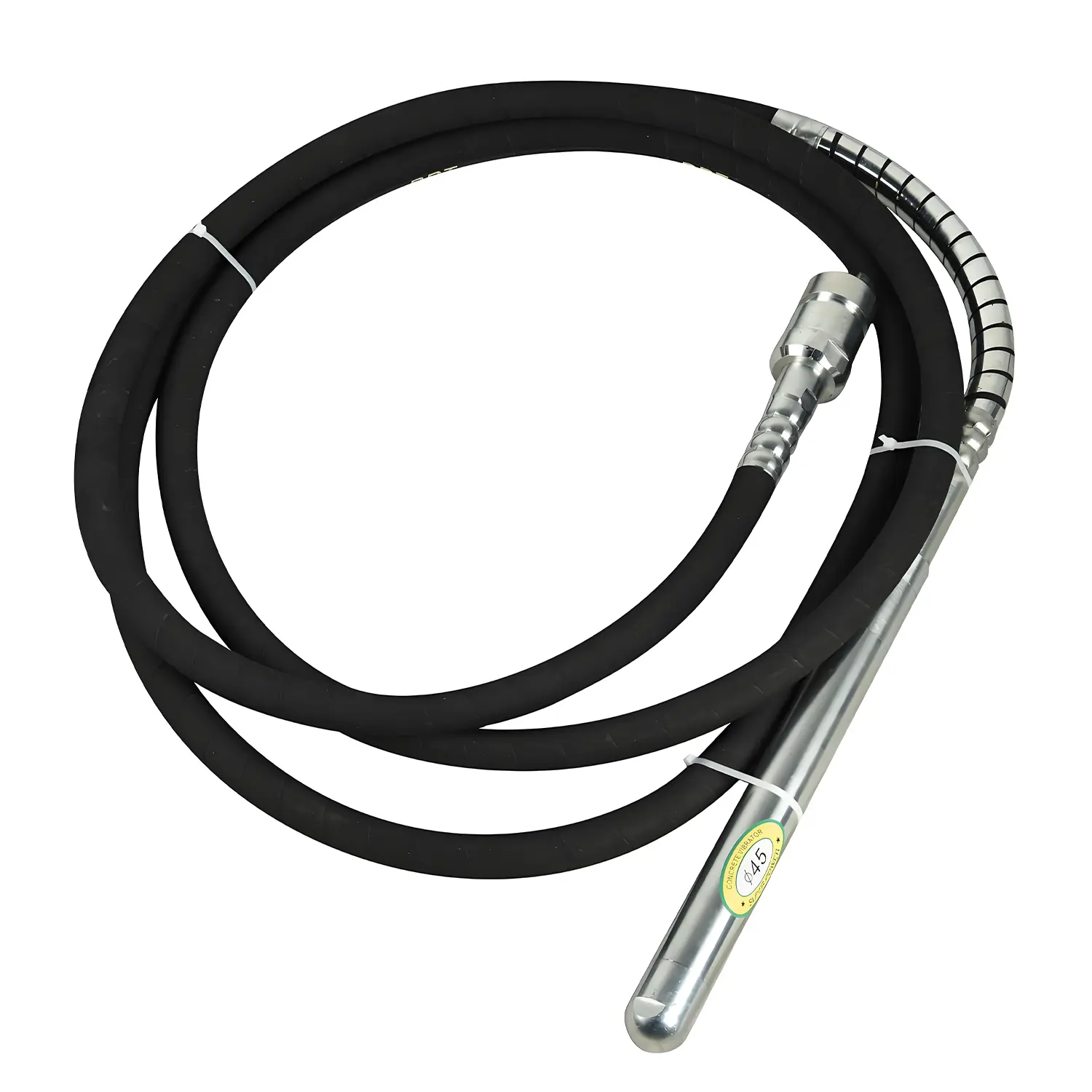 Pendulum shaft
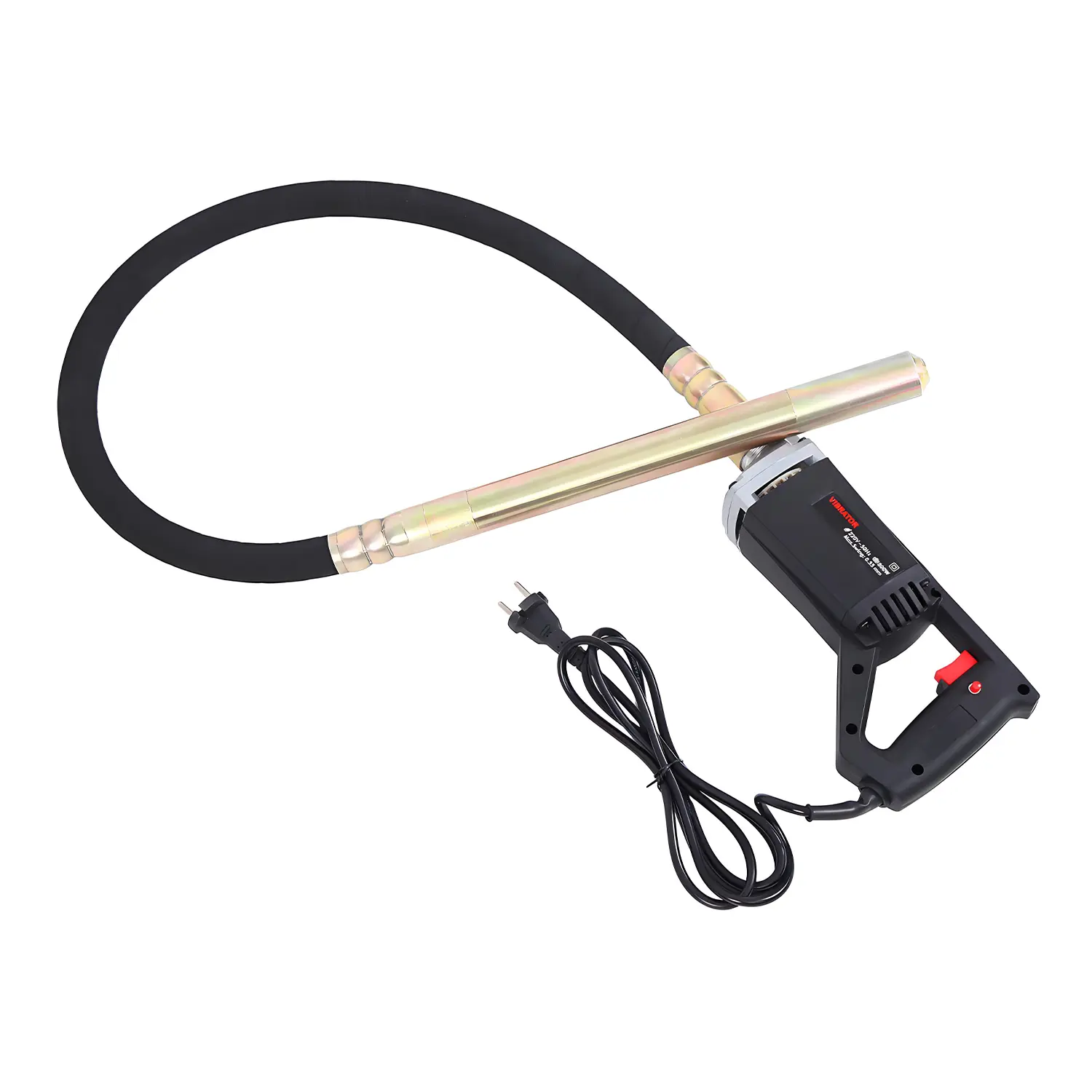 Portable vbrator shaft
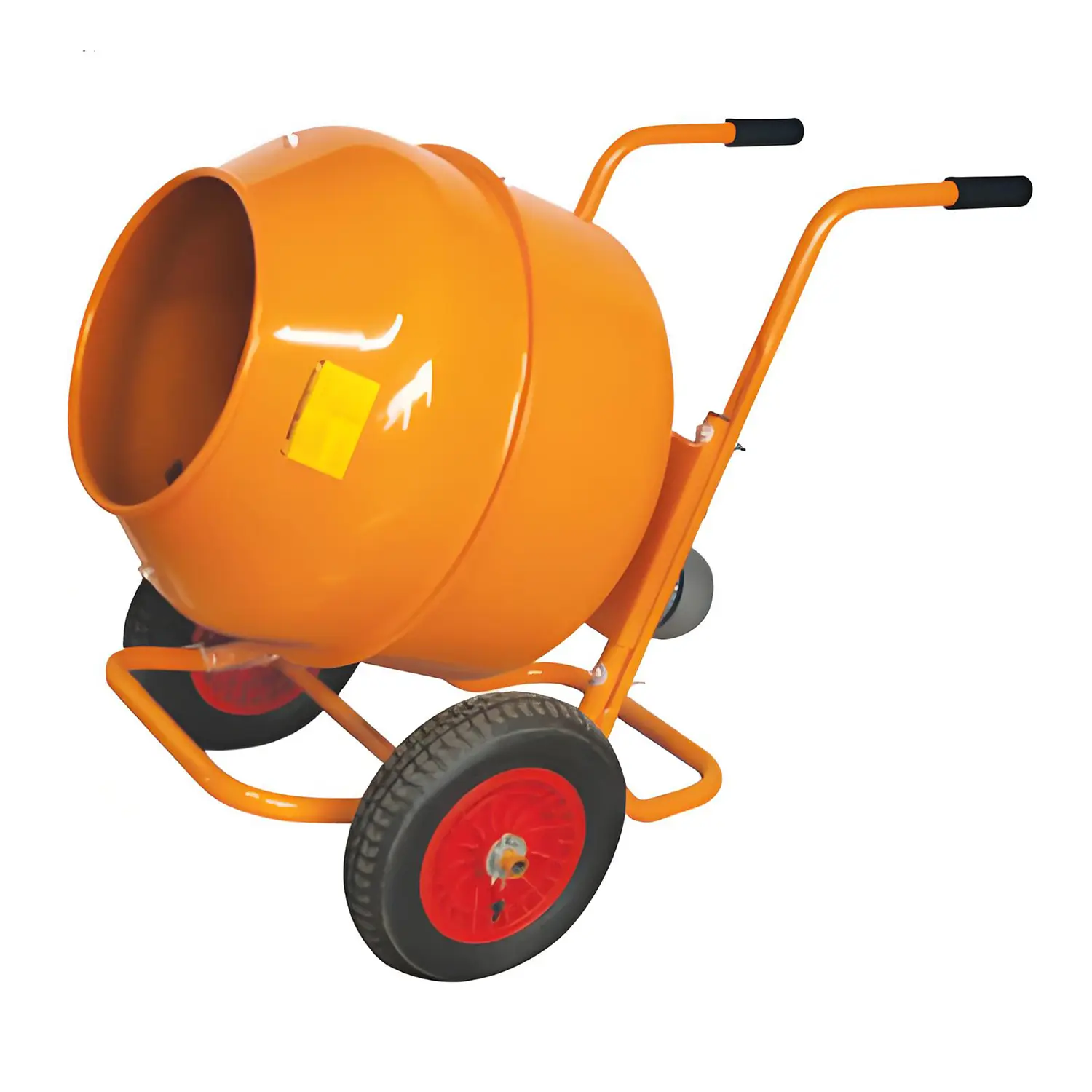 Portable concrete mixer
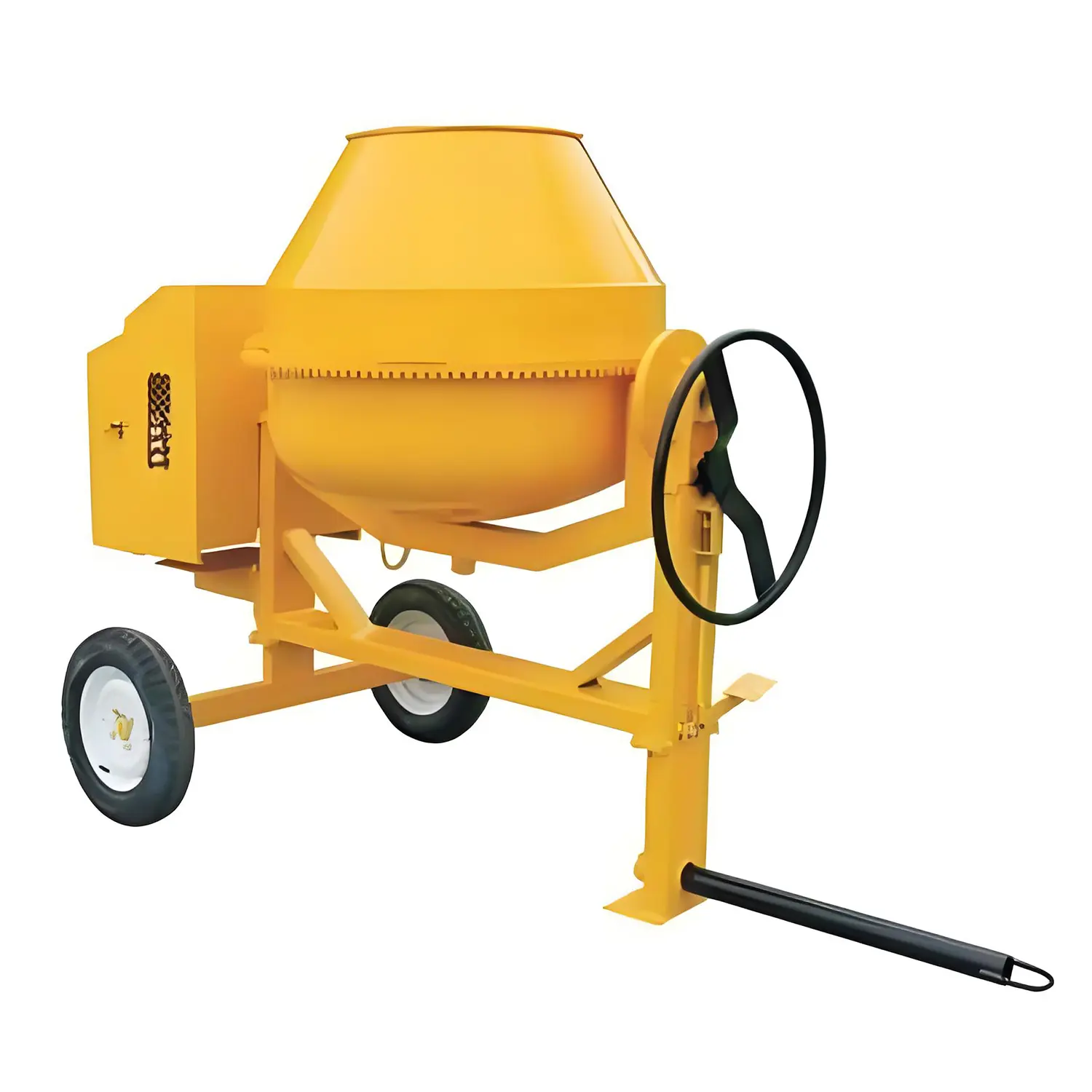 Vertical concrete mixer
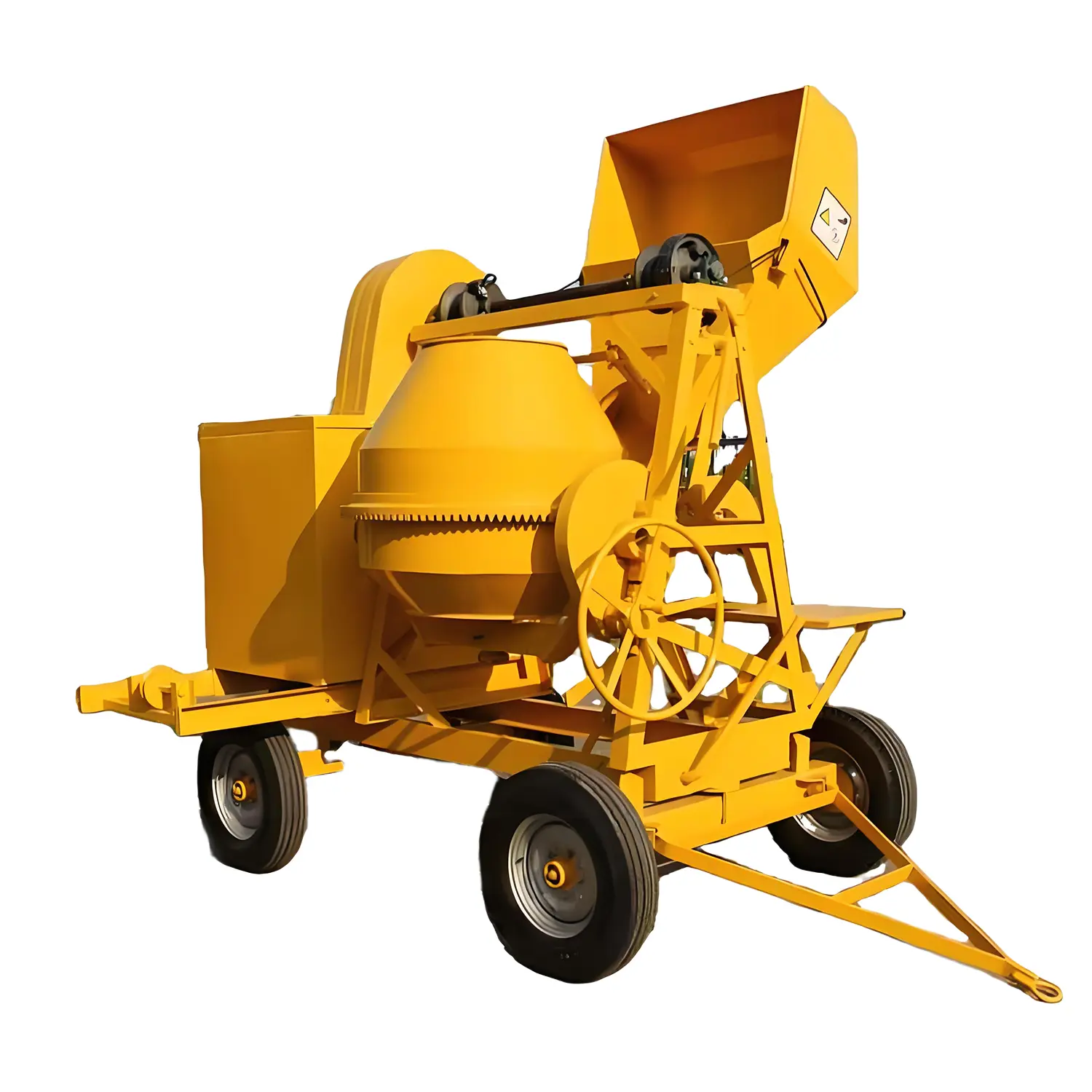 Hydraulic concrete mixer
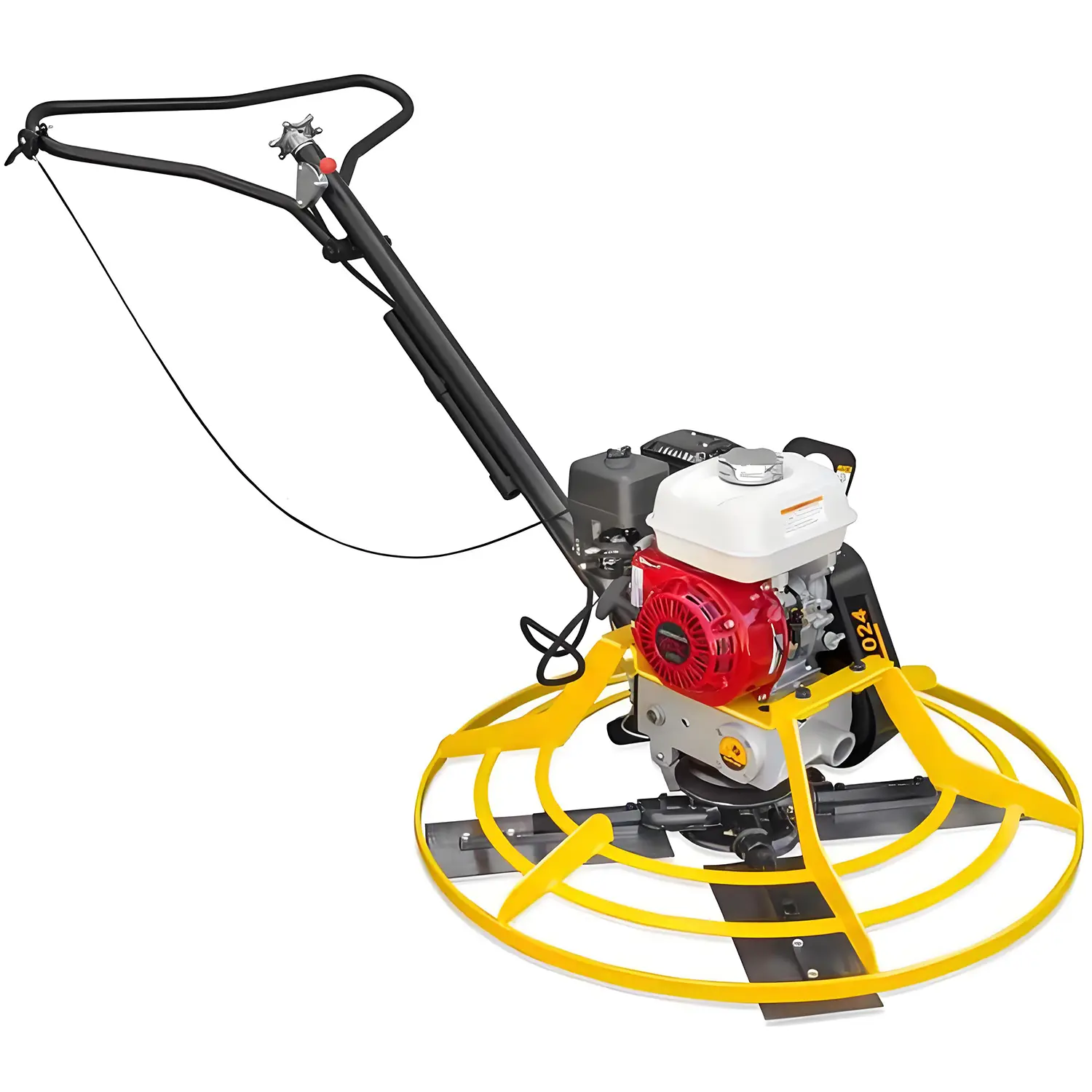 Walk behind power trowel
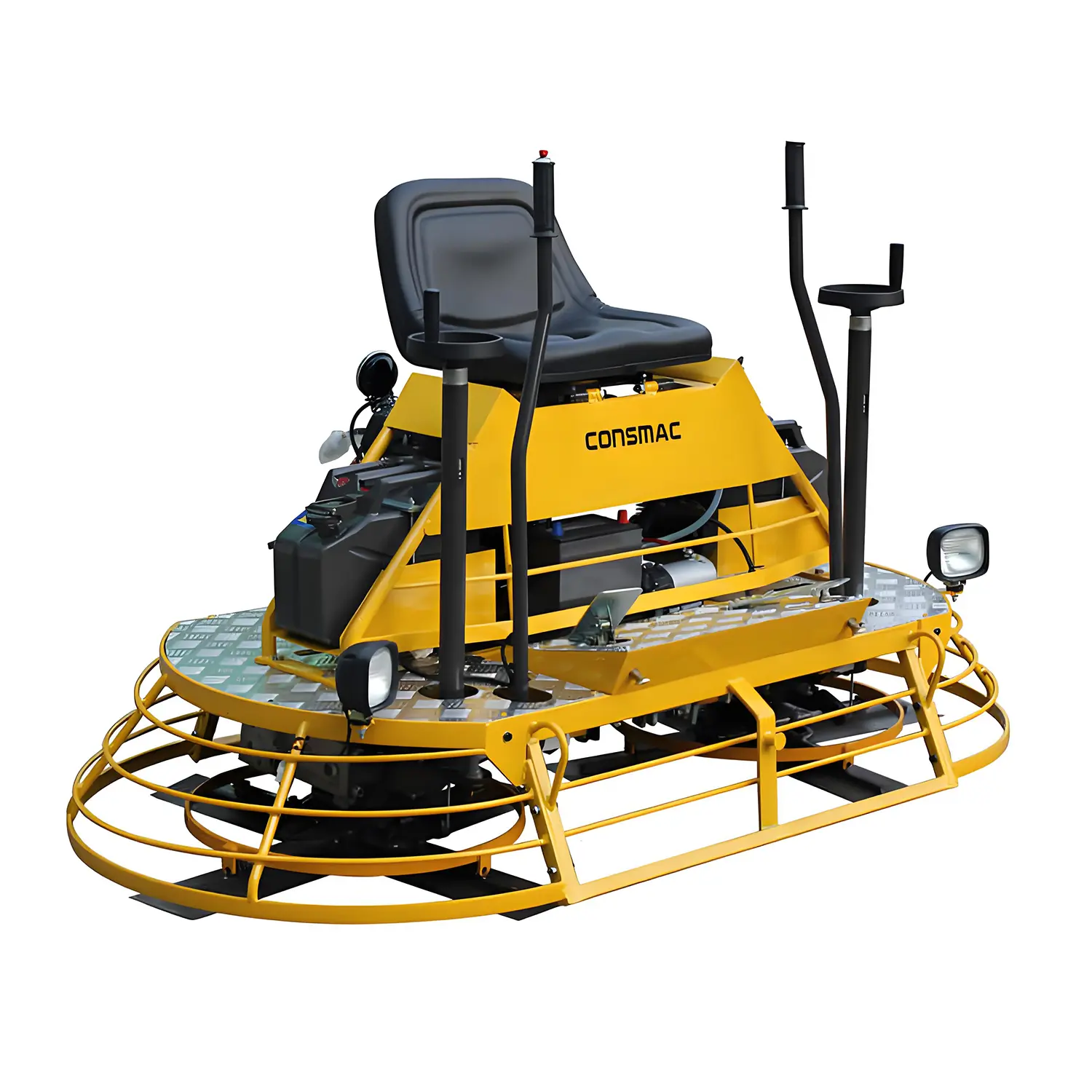 Ride on power trowel
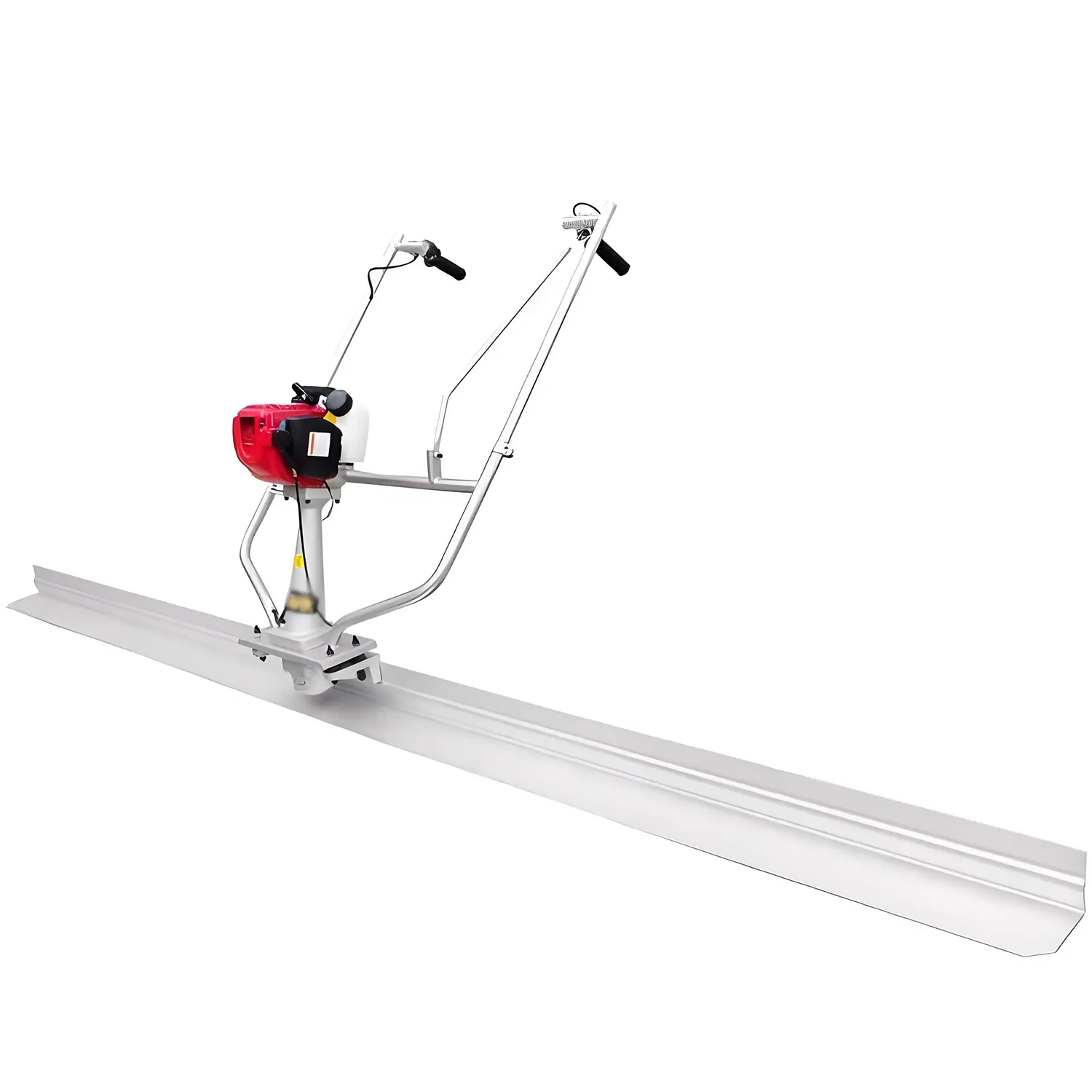 Concrete screed
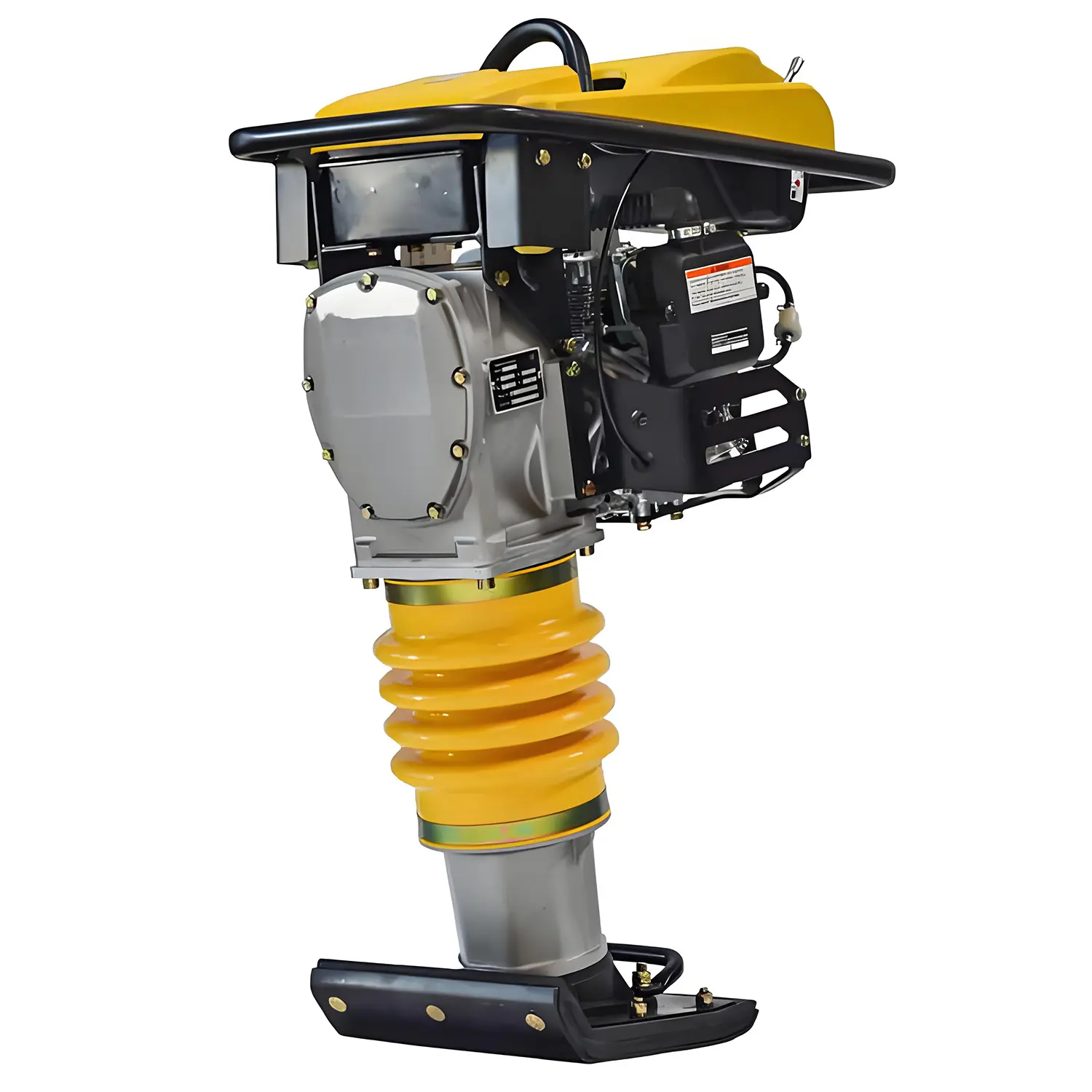 Tamping rammer
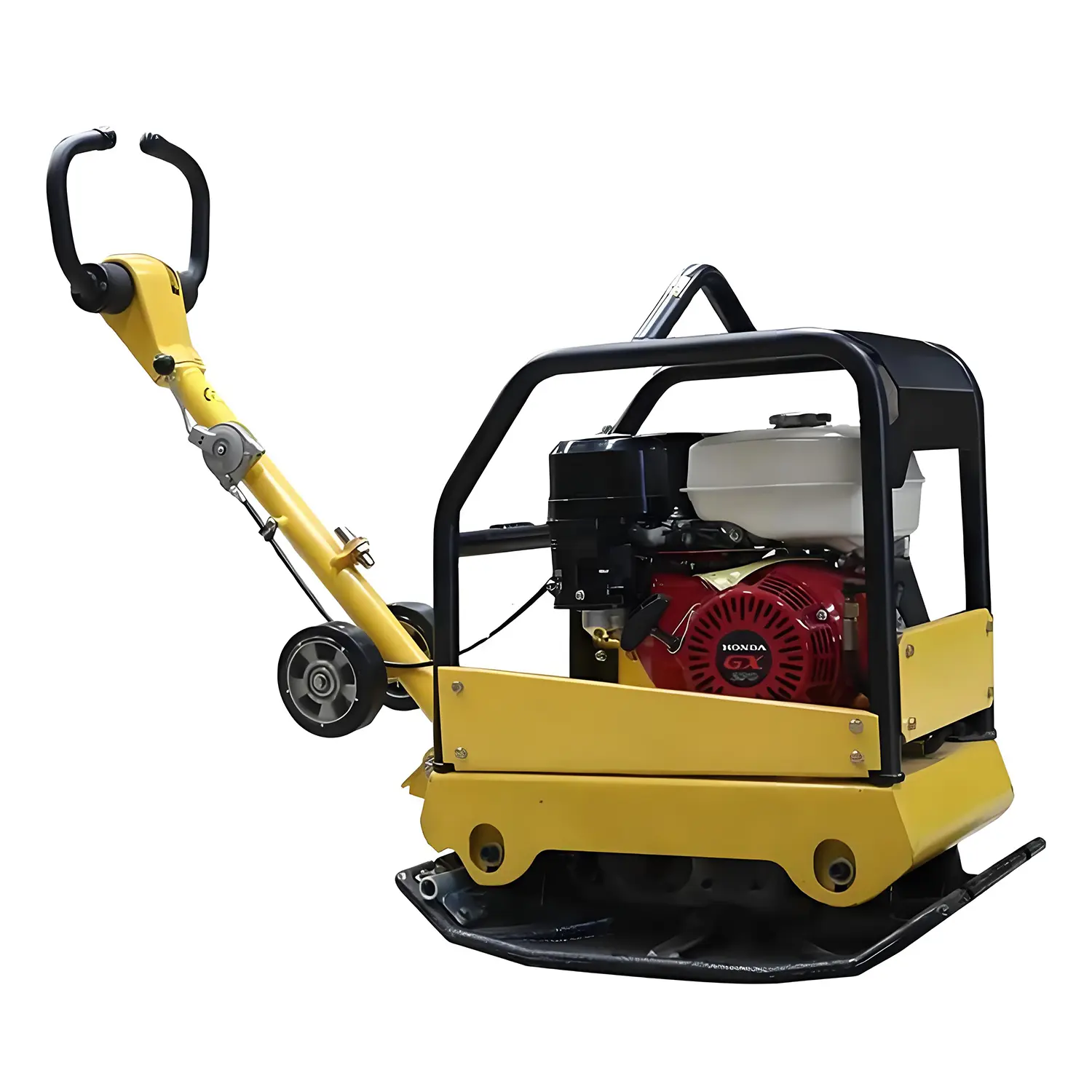 Plate compactor
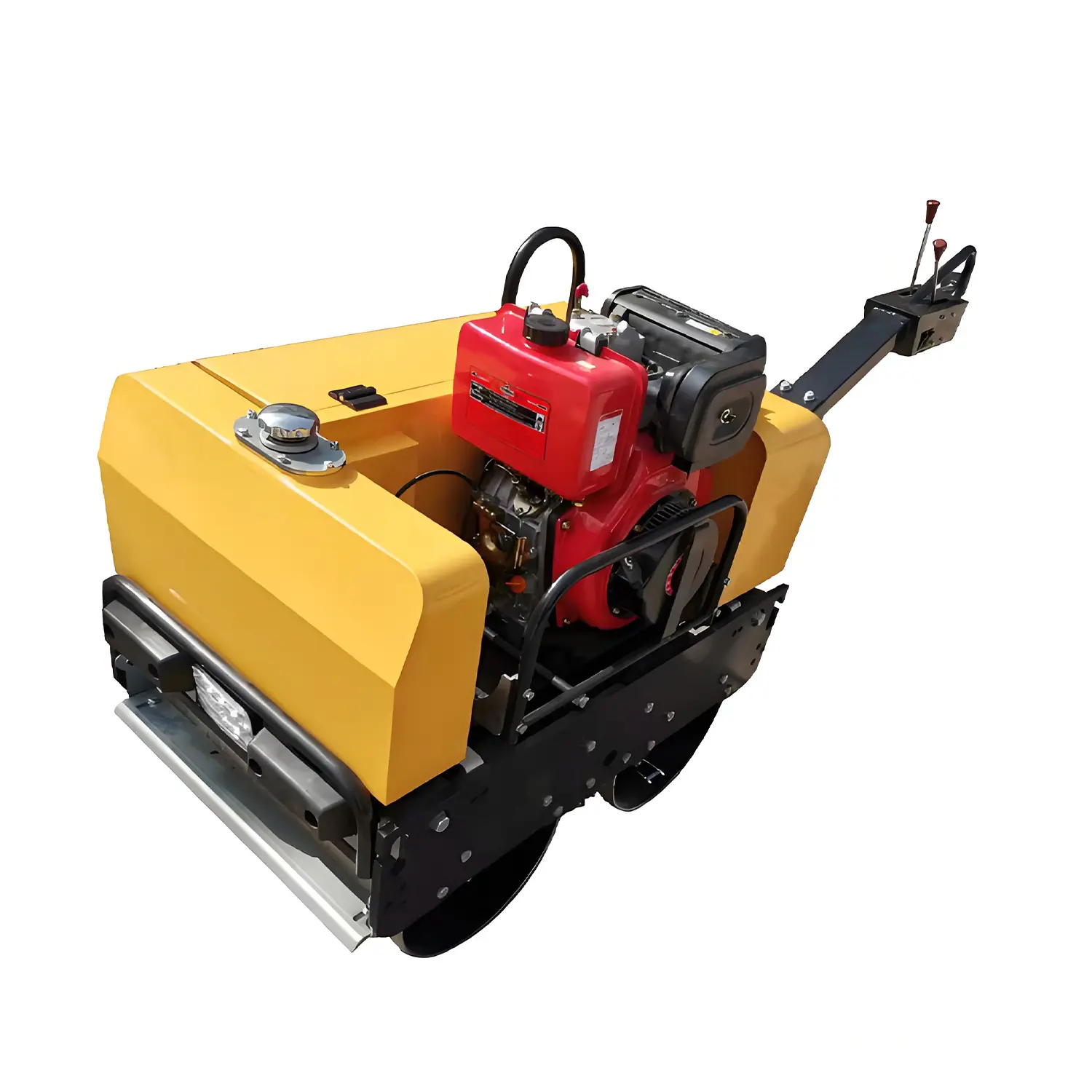 Vibratory roller