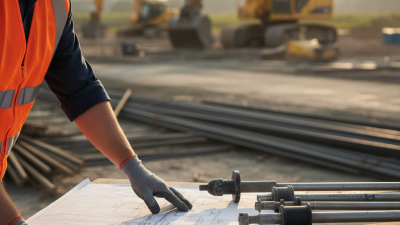
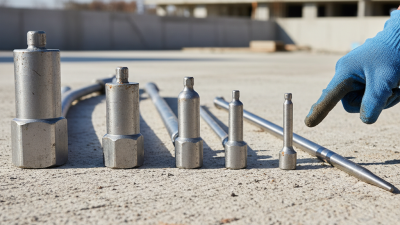
What is Vibrated Concrete and Why is it Important in Construction?
Vibrated Concrete plays a crucial role in construction. It is known for its ability to enhance strength and durability. Dr. Emily Thompson, a leading expert in concrete technology, states, "Vibrated Concrete provides the solid foundation necessary for lasting structures."
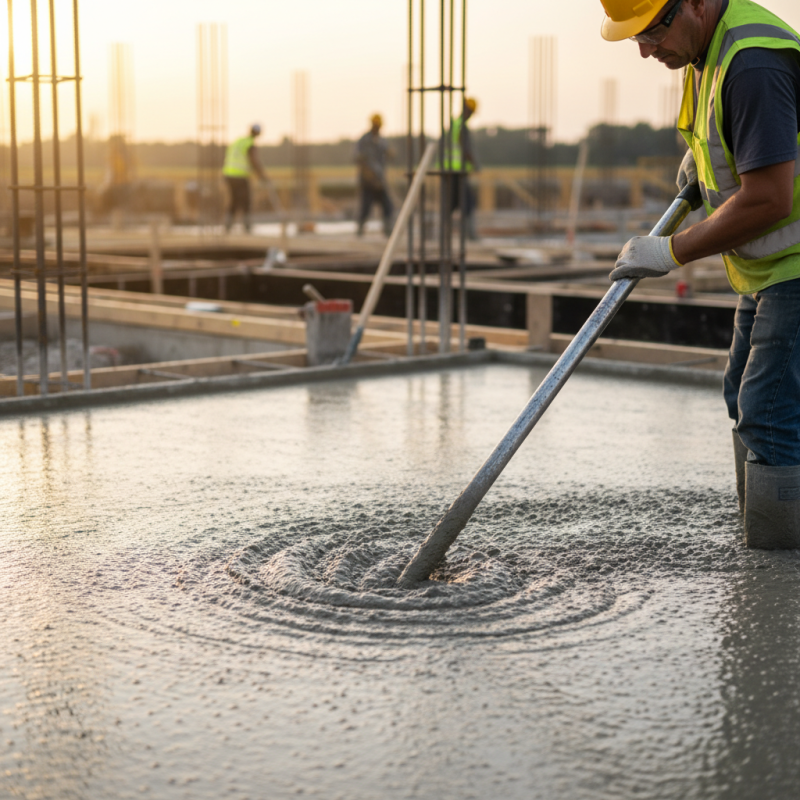
This method involves the application of vibration during the pouring process. The vibration helps to eliminate air bubbles, leading to a denser material. A denser mixture often results in more robust structures. Although the benefits are clear, achieving the right level of vibration can be tricky. Over-vibration can cause segregation, while under-vibration can leave voids.
Contractors must master this technique to ensure quality. Mistakes in the vibration process can lead to significant issues later. This balance between technique and outcome remains a pivotal challenge in the industry. Effective use of Vibrated Concrete can greatly impact the lifespan of structures. However, it requires careful attention to detail and ongoing training.
Understanding Vibrated Concrete: Definition and Key Characteristics
Vibrated concrete is a popular construction material. It is created by using vibration during the pouring process. This technique helps densify the concrete mix, improving its properties. A study from the American Concrete Institute shows that vibration can increase compressive strength by up to 30%. This enhancement is crucial for durability and longevity.
Key characteristics of vibrated concrete include its reduced porosity and better consolidation. The vibration eliminates air bubbles, leading to a denser material. Densification can improve the concrete's resistance to freeze-thaw cycles and chloride permeability. A report from the International Journal of Concrete Structures and Materials indicates that well-vibrated concrete can withstand harsh weather conditions more effectively. However, improper vibration can lead to issues like segregation and reduced strength.
Despite its advantages, using vibrated concrete requires careful planning. Over-vibration may damage the concrete, causing stratification. Workers need to monitor the process closely. Each project may have unique challenges, and not following best practices could result in flaws. Thus, understanding vibrated concrete is essential for achieving optimal construction results.
The Importance of Vibrated Concrete in Construction Projects
Vibrated concrete is essential in construction because it enhances the durability and strength of structures. When concrete is vibrated, the mixture becomes denser. The process removes air pockets and reduces the risk of weak points. According to a report by the American Concrete Institute, properly vibrated concrete can improve compressive strength by up to 30%. This strength is critical for high-rise buildings and bridges.
However, improper vibration can lead to segregation or honeycomb structures. This can jeopardize the integrity of the concrete. The National Ready Mixed Concrete Association suggests the importance of skilled labor in this process. While vibrators are effective, they must be operated correctly. The right technique ensures uniform distribution of aggregates. It also prevents issues that can arise from over-vibration.
Overall, the importance of vibrated concrete cannot be overstated. It plays a crucial role in the longevity of construction projects. The construction industry must focus on training workers in proper techniques. Addressing these concerns can enhance project outcomes significantly.
What is Vibrated Concrete and Why is it Important in Construction?
| Aspect |
Description |
Importance |
| Definition |
Vibrated concrete is concrete that has been compacted through vibration to eliminate air bubbles. |
Increased strength and durability. |
| Composition |
Typically made from cement, aggregates, water, and admixtures. |
Improved bonding and overall structural integrity. |
| Applications |
Used in slabs, beams, columns, and other structural components. |
Versatile use in various construction projects. |
| Benefits |
Reduces porosity, increases lifespan, and decreases maintenance costs. |
Cost-effective in the long run. |
| Process |
Involves using a vibrator to compact the concrete while it is still wet. |
Ensures uniform consistency and reduces settling. |
Technical Benefits of Using Vibrated Concrete for Structural Integrity
Vibrated concrete is a technique used to improve the quality and durability of construction materials. When concrete is vibrated, it helps eliminate air bubbles trapped within. This process leads to a denser structure, which enhances strength and longevity. A well-vibrated mix ensures that the concrete can withstand heavy loads. It also increases resistance to weathering and chemical attacks.
One major benefit is improved structural integrity. The compact nature of vibrated concrete minimizes the risk of cracking. It allows for better bonding between aggregates and cement. Consequently, this results in a more uniform and robust surface. Such characteristics are vital for buildings and bridges that face constant stress. Using vibrated concrete can also reduce maintenance costs over time.
Tips: Make sure to check moisture levels before mixing. Dry aggregates can lead to poor results. Always ensure equipment is properly calibrated. Even minor adjustments can make a significant difference in the final product. Regular inspection of the finished work can help identify areas that might need extra attention. Emphasizing these details will lead to better construction outcomes.
Statistical Insights: Longevity and Durability of Vibrated vs. Non-Vibrated Concrete
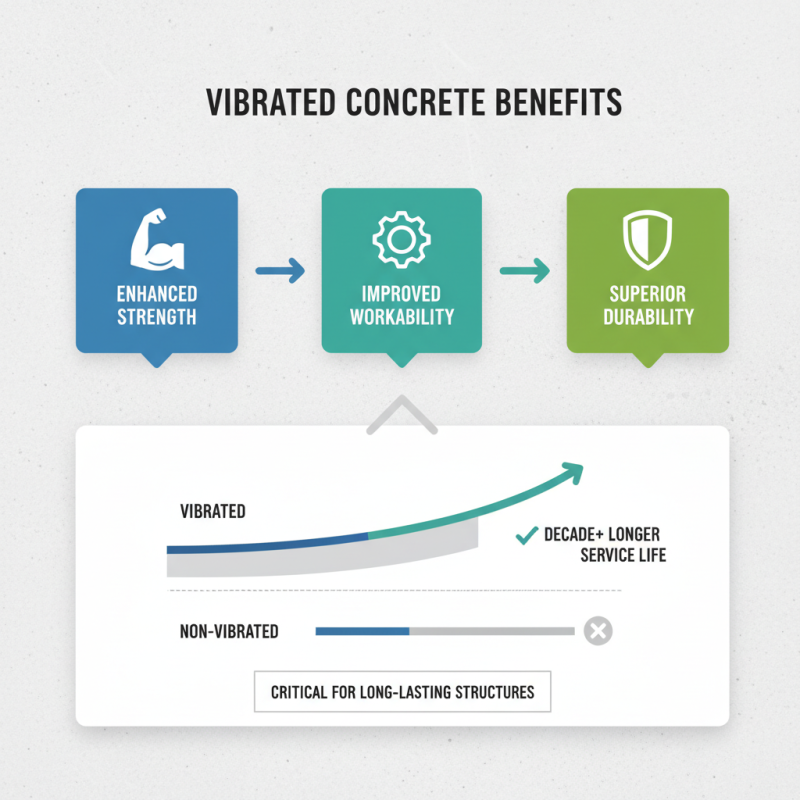
Vibrated concrete has gained attention for its enhanced strength and workability. Studies show that vibrated concrete tends to last longer than its non-vibrated counterpart. This durability is critical in construction. It withstands harsh weather and heavy loads better. In many structures, this difference can mean decades more service life.
Statistical insights reveal that vibrated concrete can reduce cracks significantly. These cracks often lead to costly repairs and renovations. Some research indicates a reduced maintenance frequency for vibrated concrete structures. This point is essential for planners. However, there’s still debate about the best methods to achieve optimal vibration. Misapplied techniques can lead to issues like segregation. Hence, workers must be adequately trained to ensure quality.
Despite its advantages, some still question its cost-effectiveness. Vibrating equipment adds initial expenses to projects. The long-term benefits often justify these costs. Real-life examples show lower long-term repair rates for vibrated structures. Yet, site-specific conditions and assessments remain crucial. Each project must evaluate the balance between initial investment and future durability.
Best Practices for Implementing Vibrated Concrete in Construction Industry
Vibrated concrete is essential in the construction industry. Implementing it correctly can enhance the strength and durability of structures. To achieve optimal results, several best practices should be followed when working with vibrated concrete.
Firstly, ensure proper mix design. The right proportion of cement, aggregates, and water is crucial. Too much water can weaken the mixture. Using high-quality aggregates can improve the final product. Pay attention to the grading of aggregates. This can lead to better compaction and reduced voids.
Secondly, the vibration process itself must be managed carefully. Over-vibrating can lead to segregation. This can weaken the concrete and lead to issues in the long term. It's vital to monitor the duration and intensity of vibration. Inconsistent application can result in uneven density. The placement of the vibrating device matters too. It should not be too close or too far from the concrete.
Lastly, curing cannot be overlooked. Proper curing methods support the strength development of vibrated concrete. Inadequate curing can hinder hydration and lead to cracks. Allow time for the concrete to set after pouring. This is often overlooked but can have long-lasting impacts. Each step in the process is crucial for achieving excellence in construction.
Importance of Vibrated Concrete in Construction

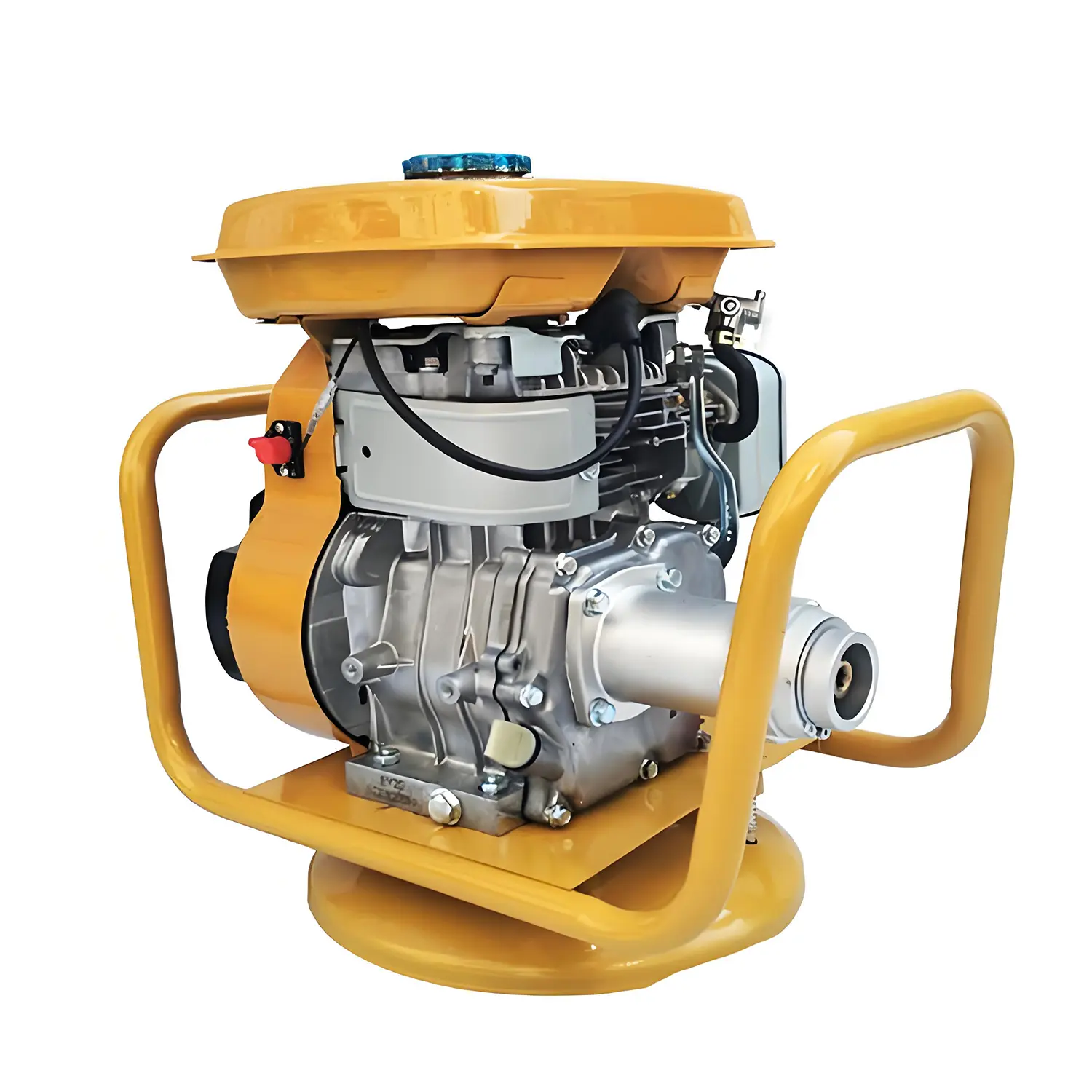 Internal Vibrator
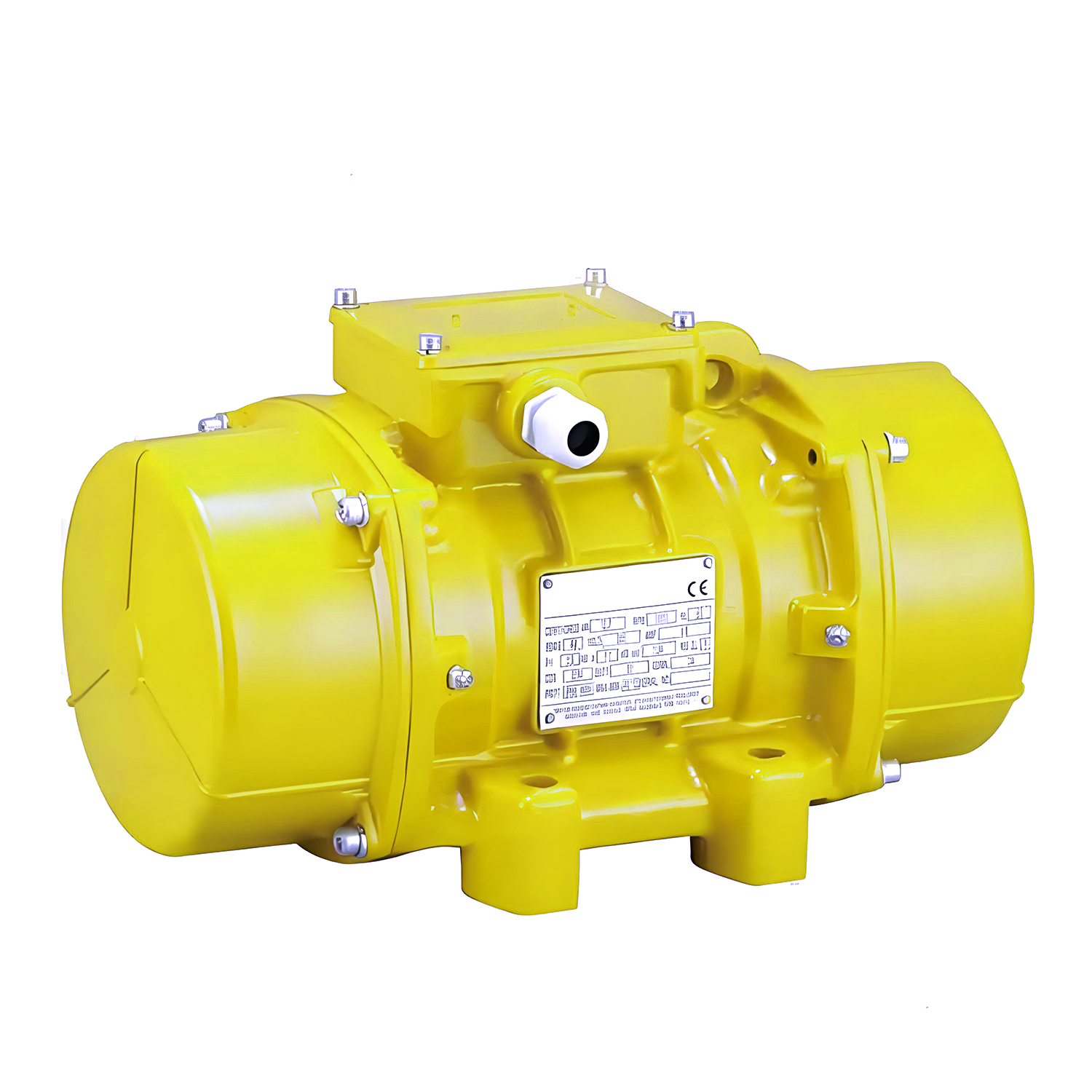 External Vibrator
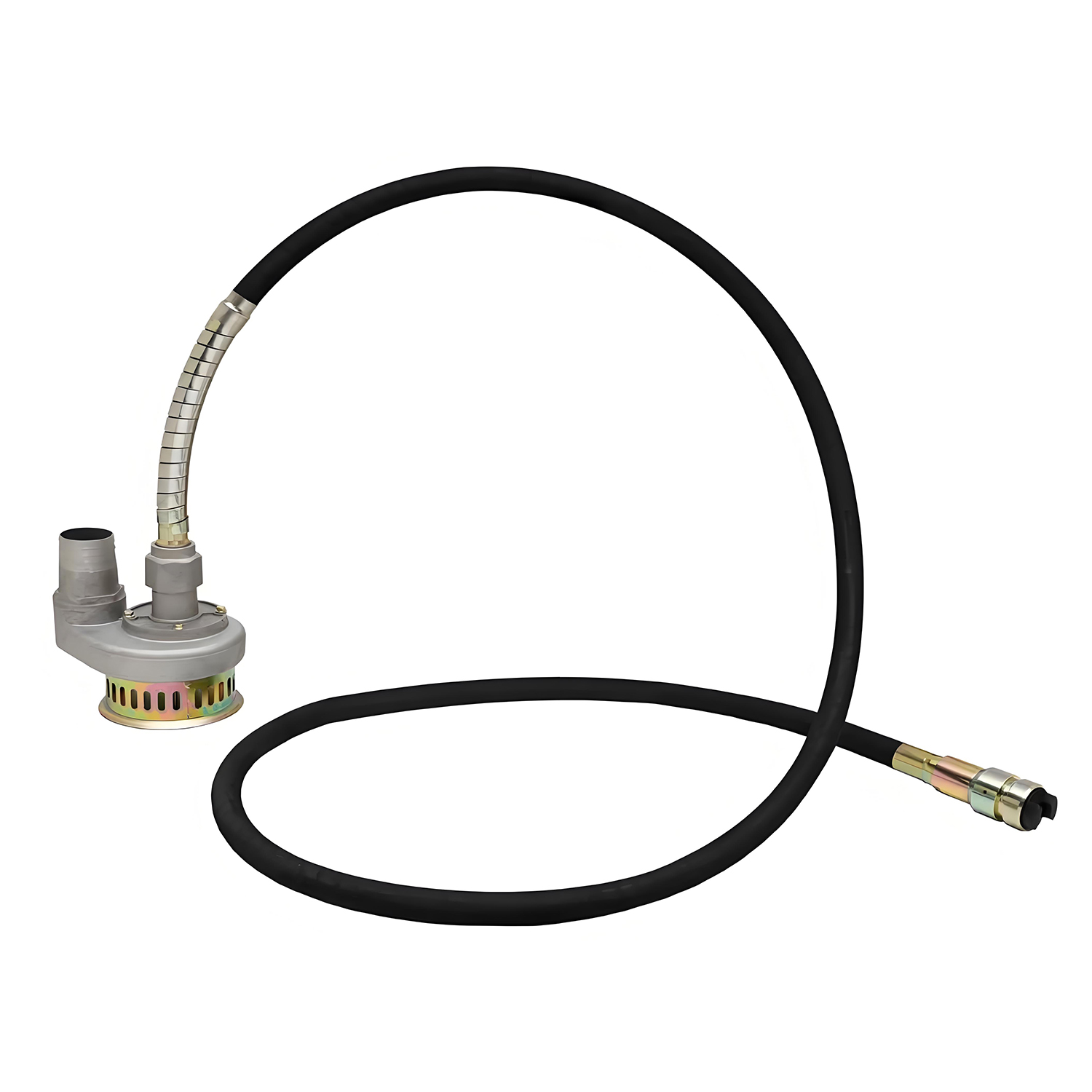 Submersible Pump
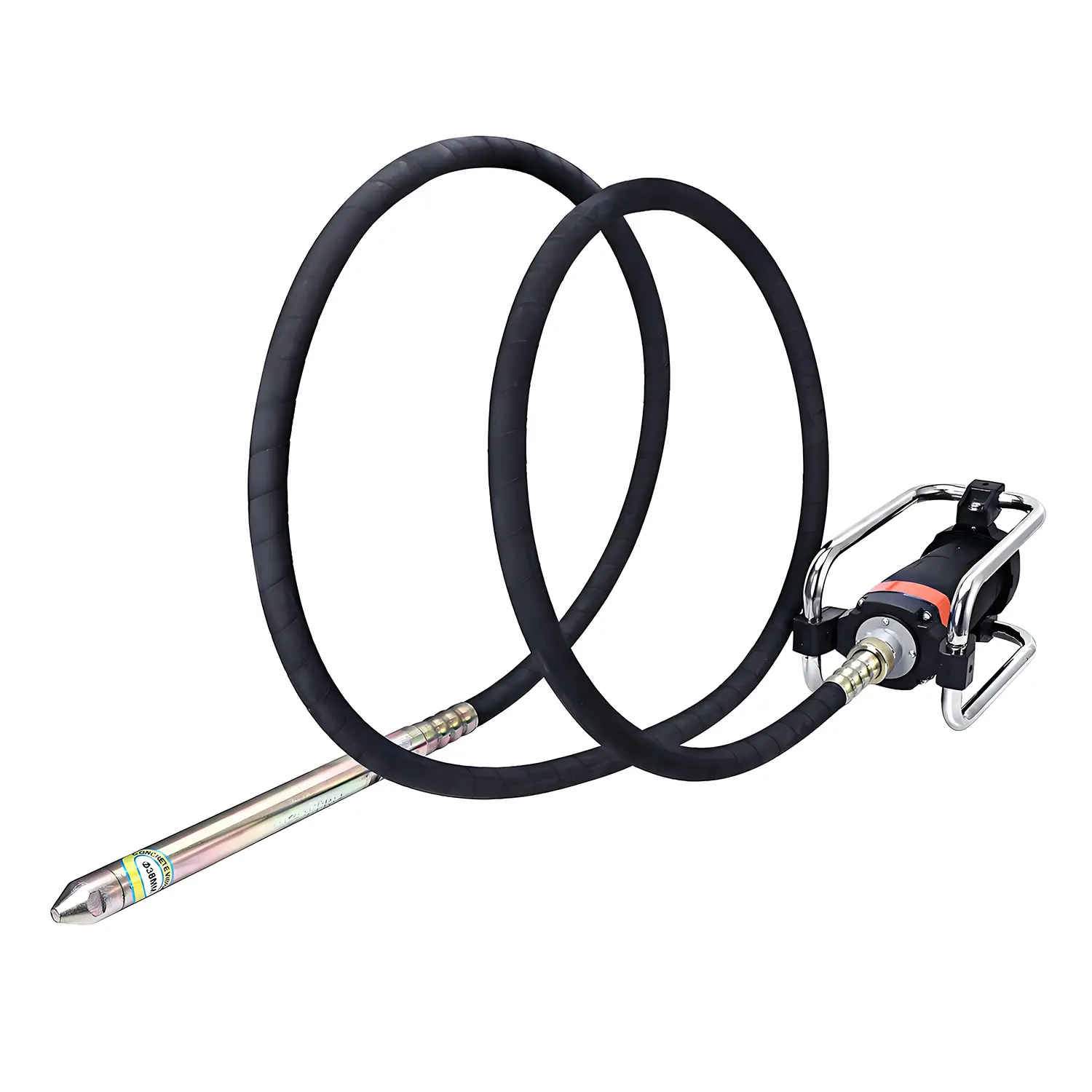 Eccentric shaft
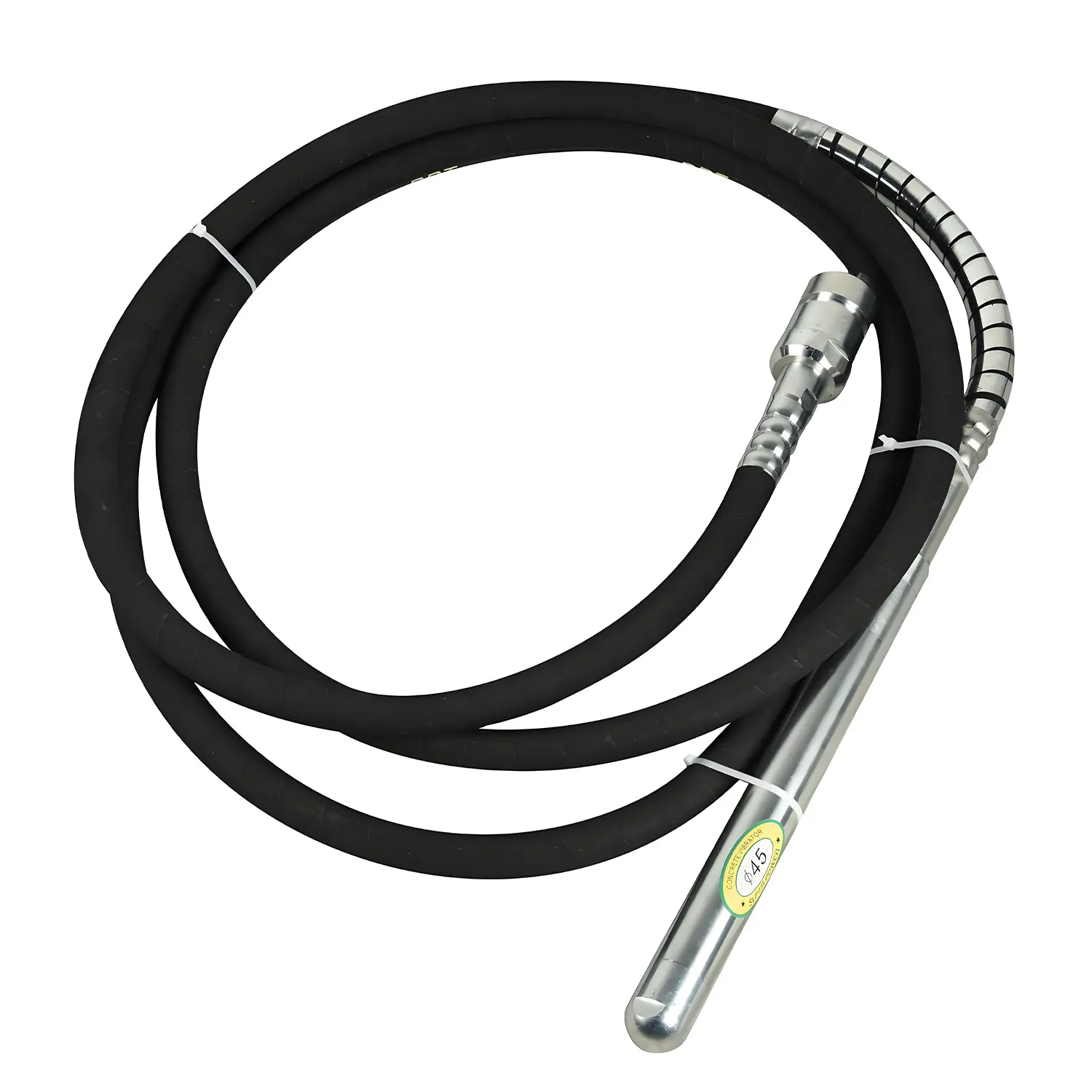 Pendulum shaft
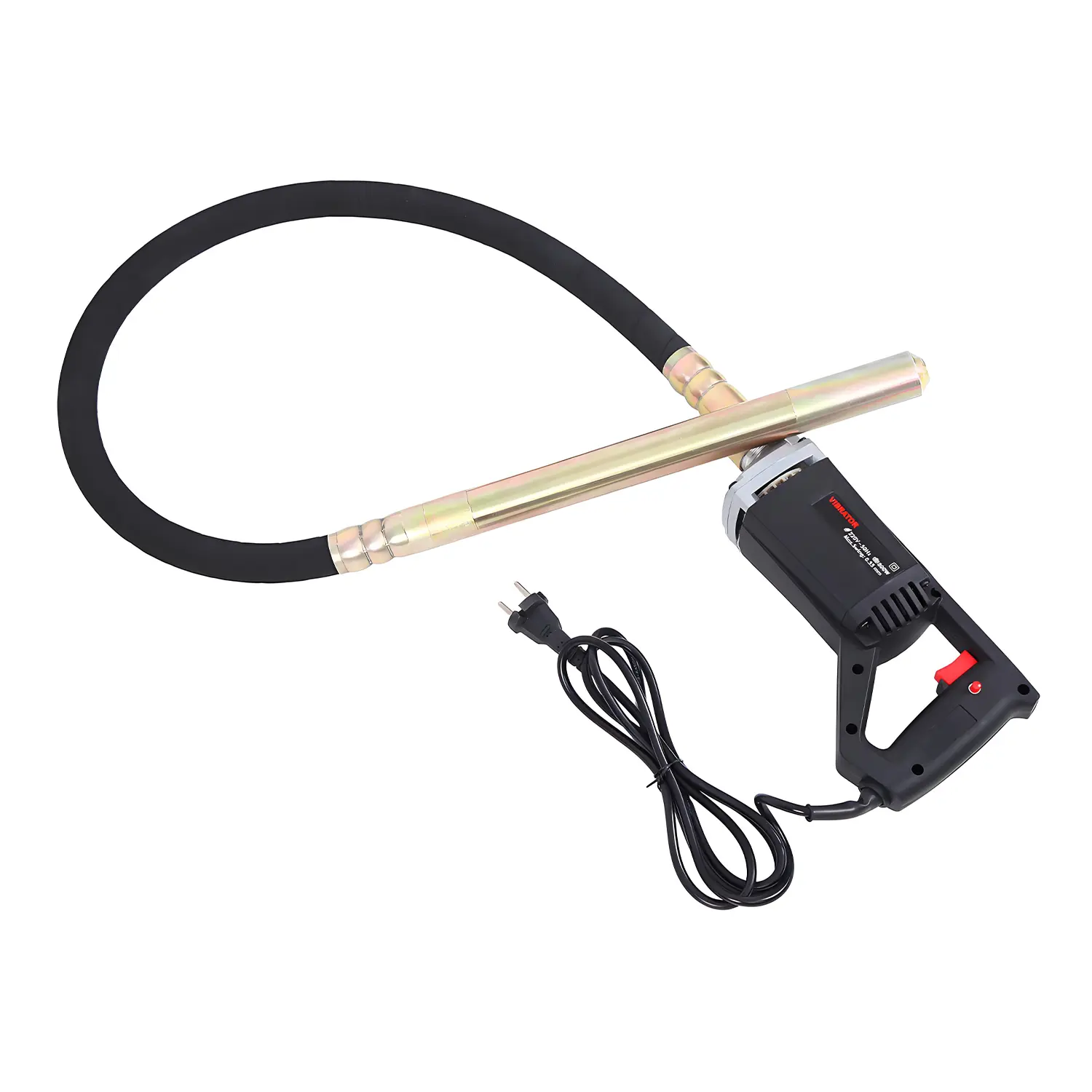 Portable vbrator shaft
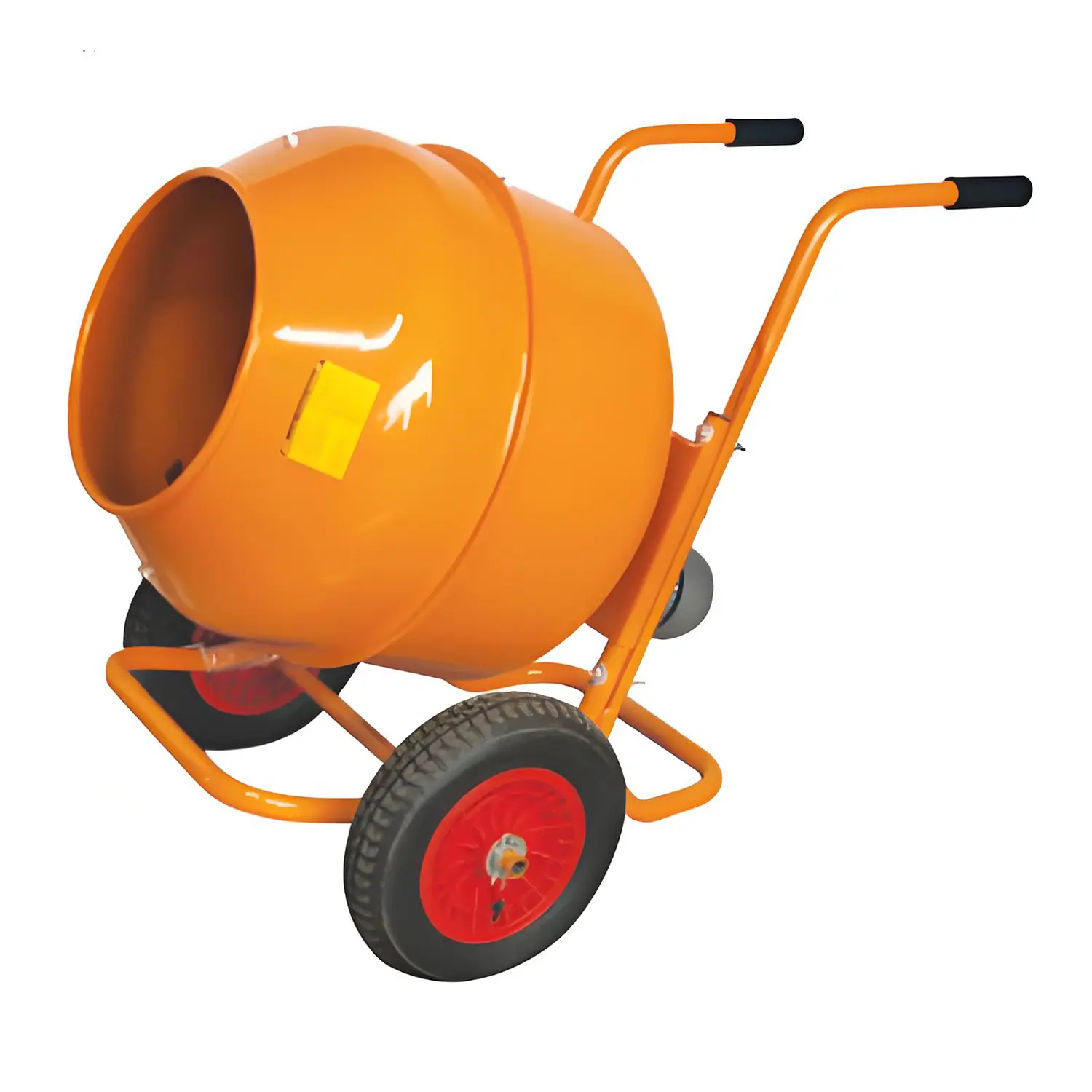 Portable concrete mixer
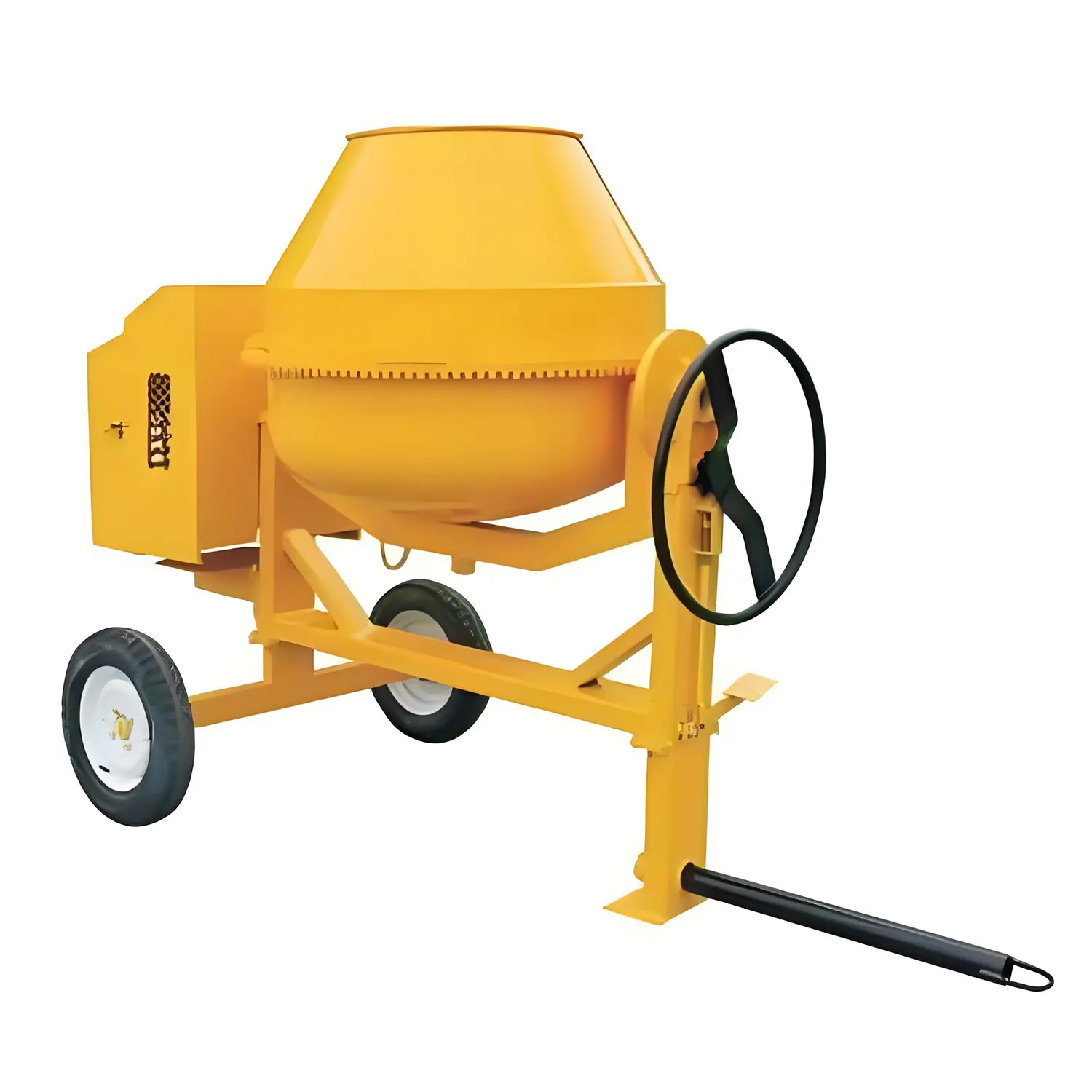 Vertical concrete mixer
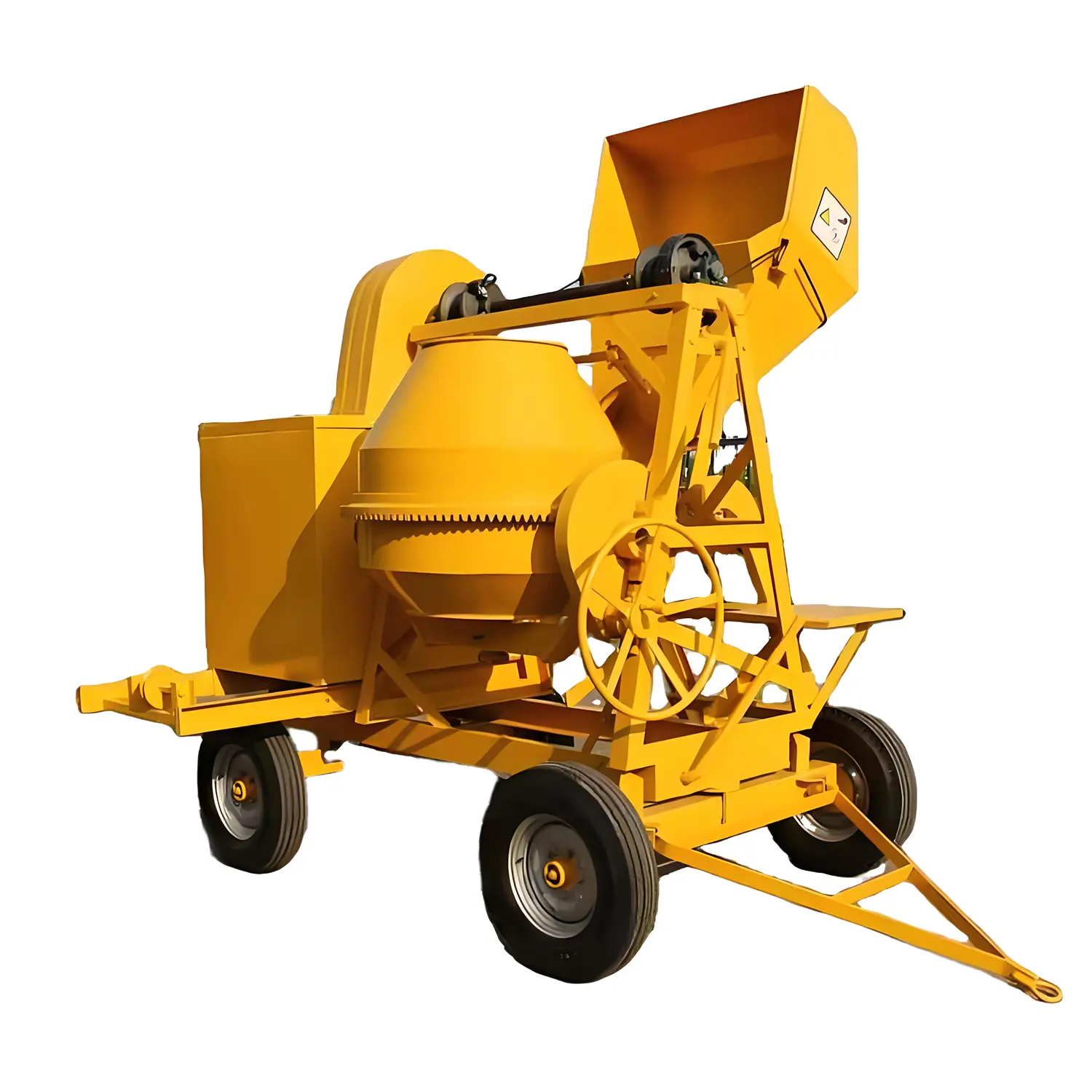 Hydraulic concrete mixer
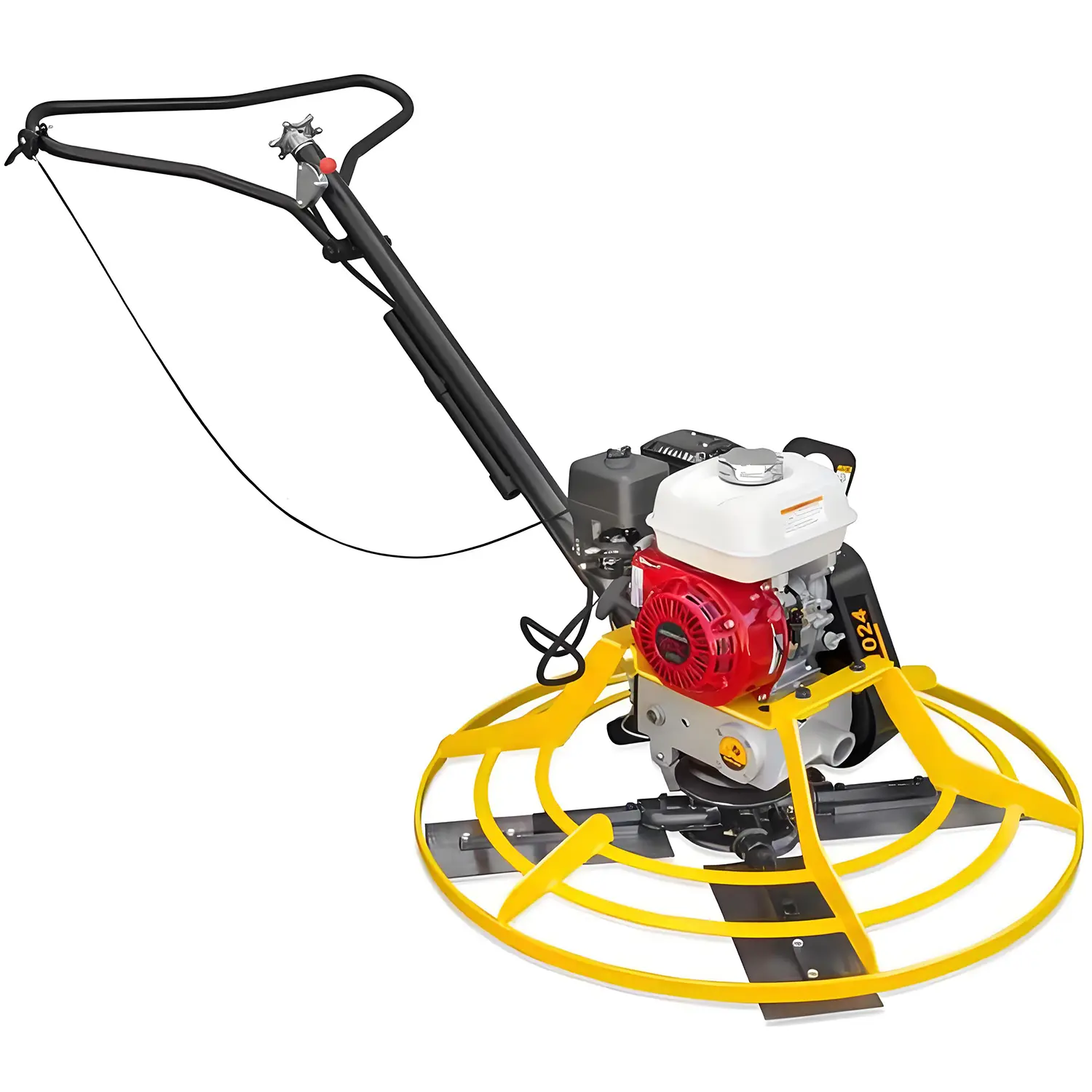 Walk behind power trowel
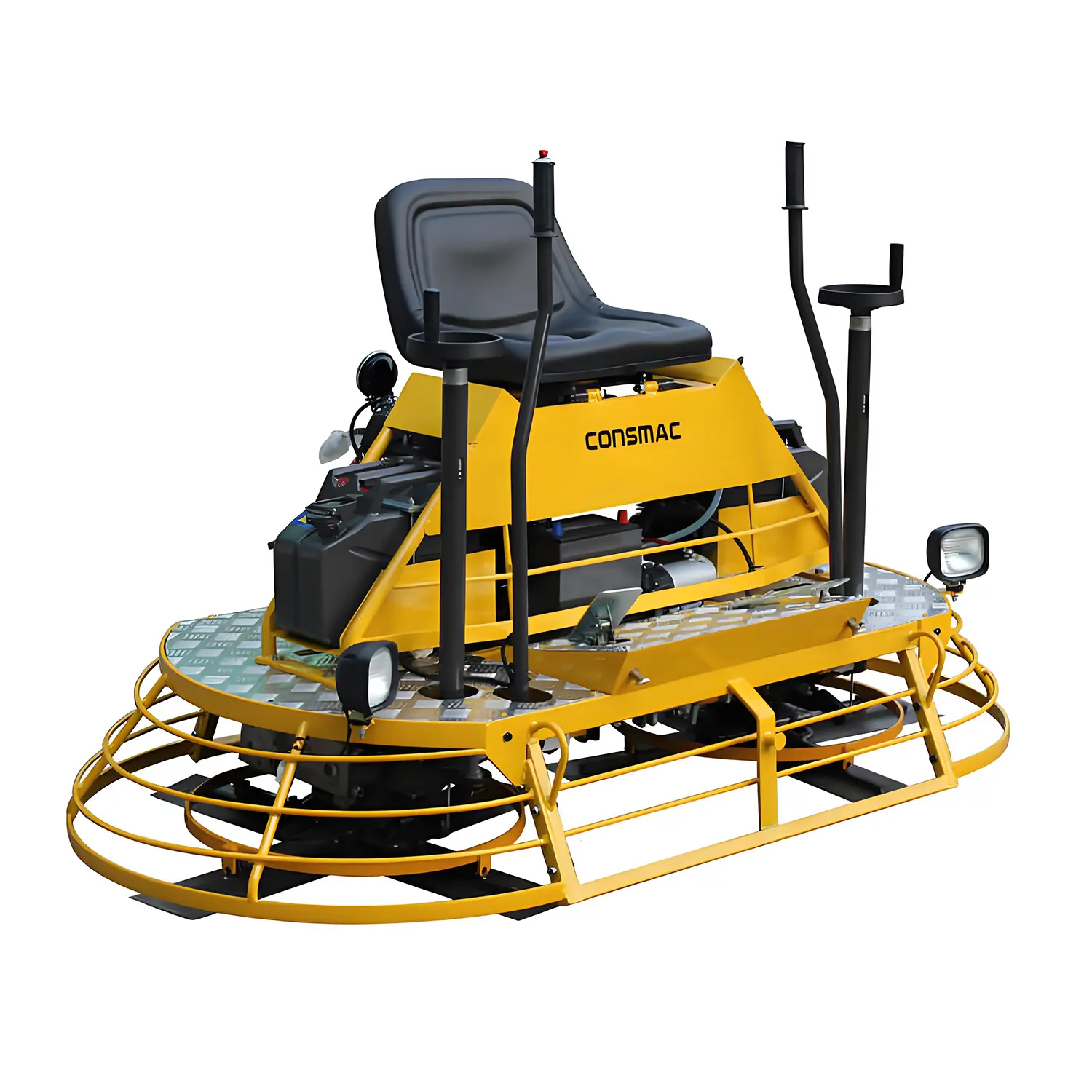 Ride on power trowel
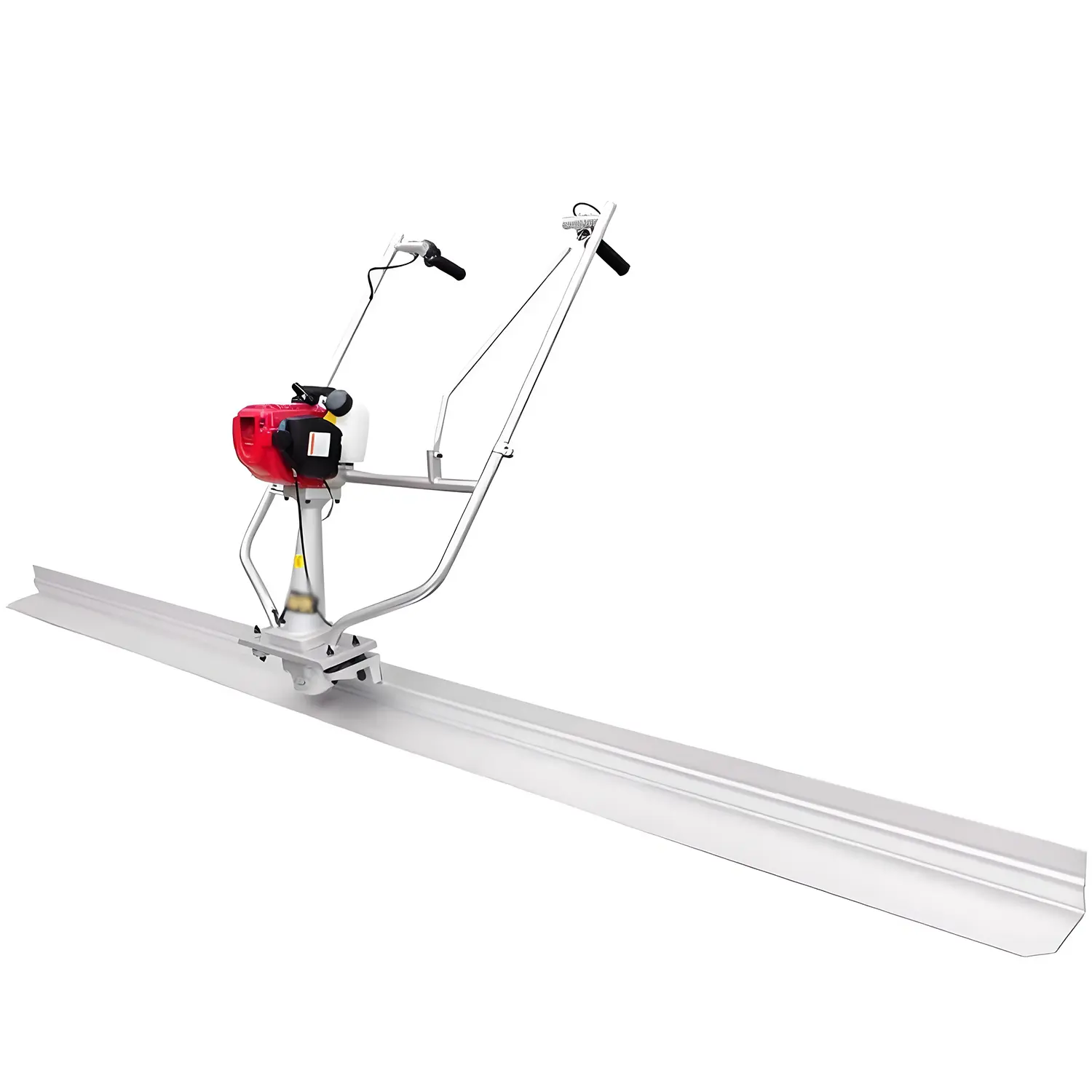 Concrete screed
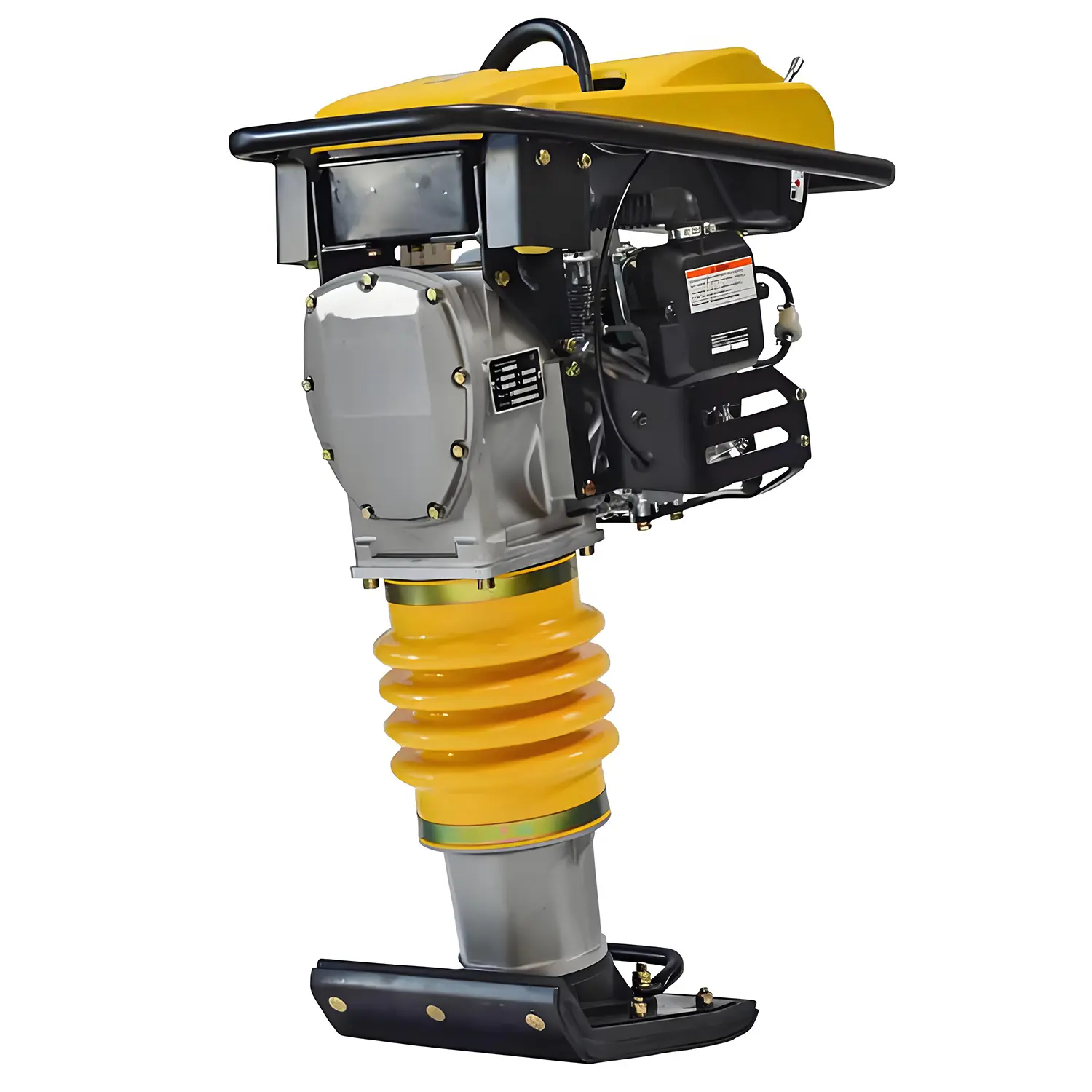 Tamping rammer
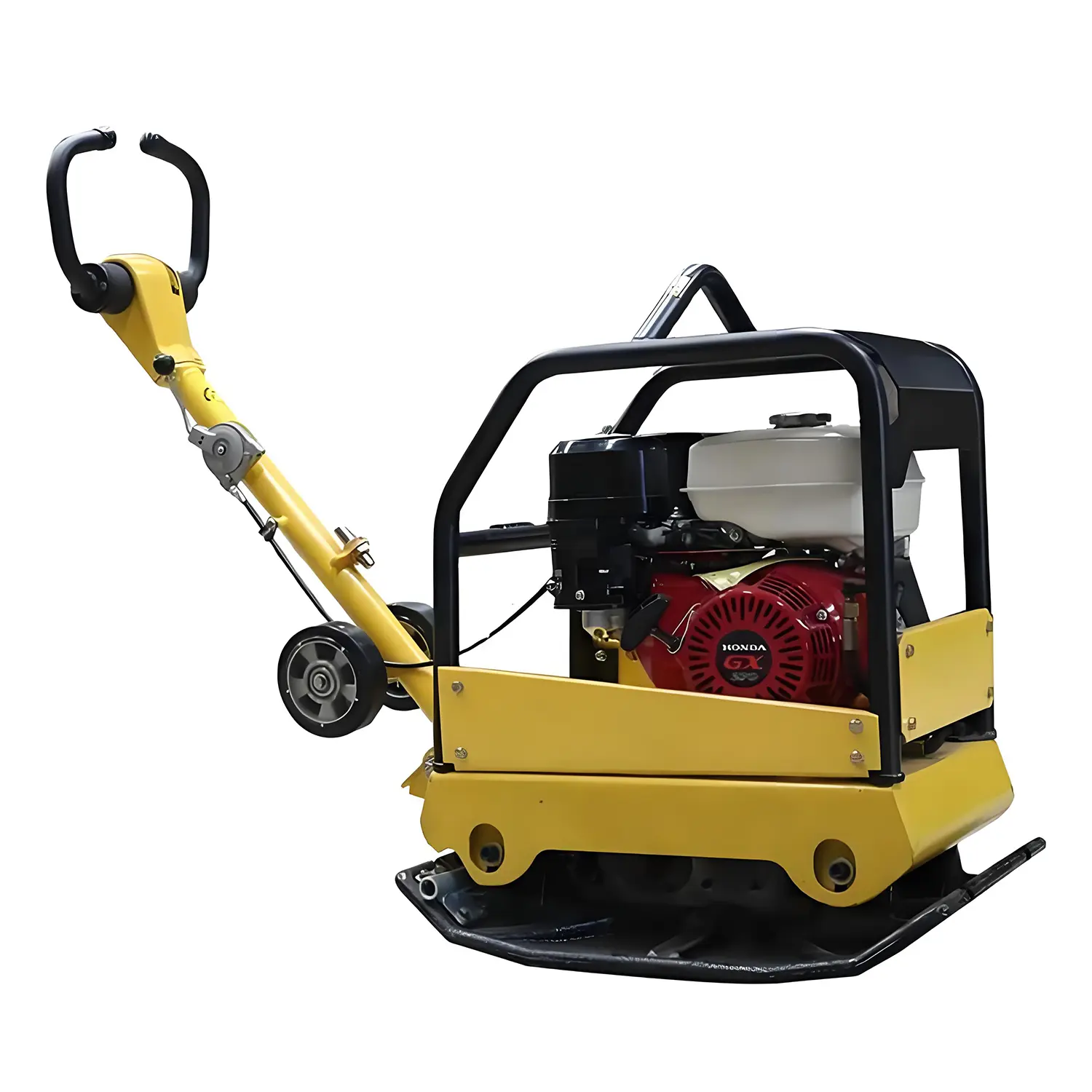 Plate compactor
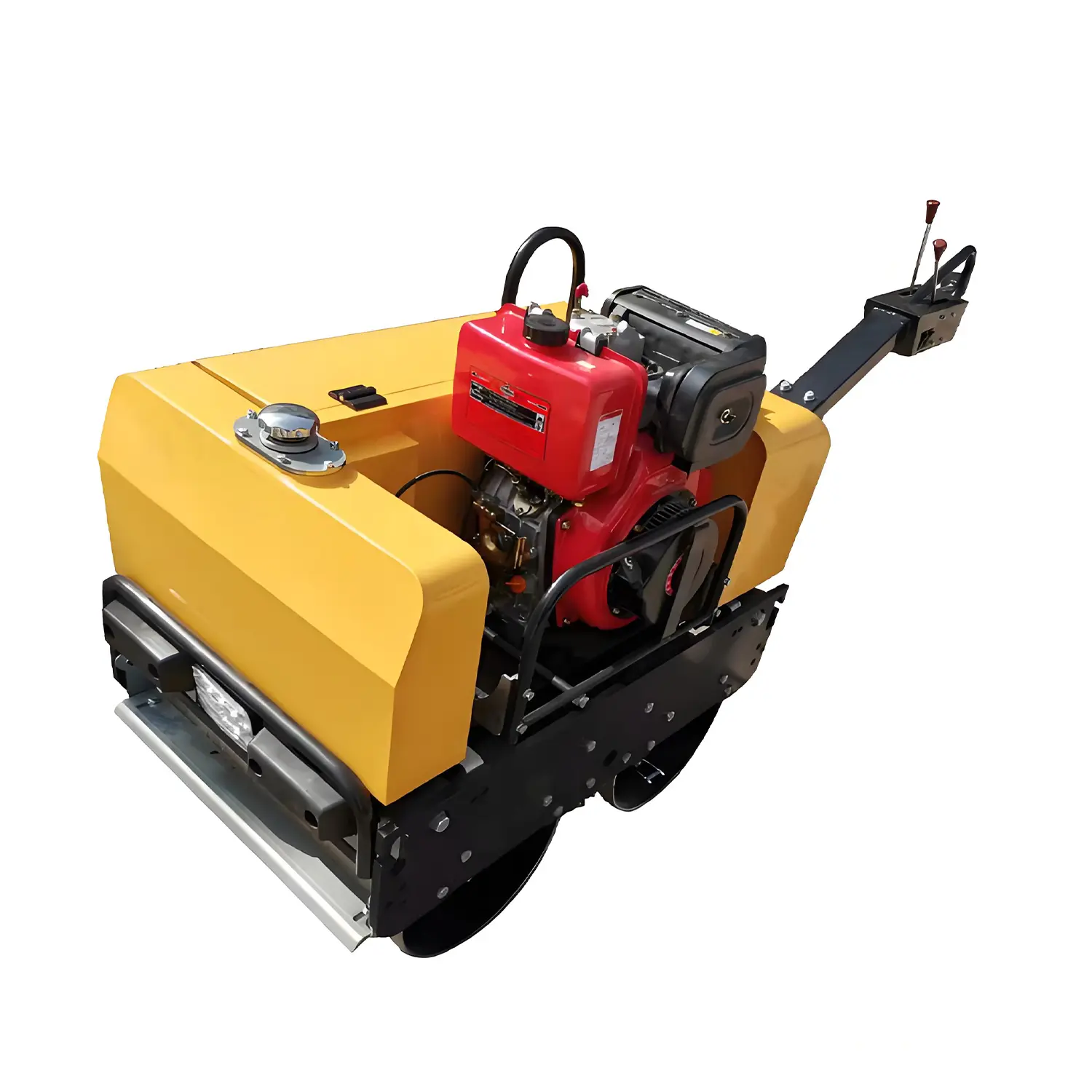 Vibratory roller