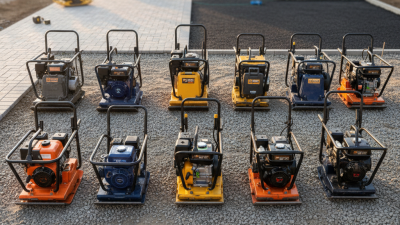
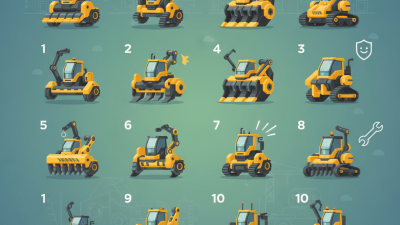
2026 Top Plate Compactor Models You Need to Know About?
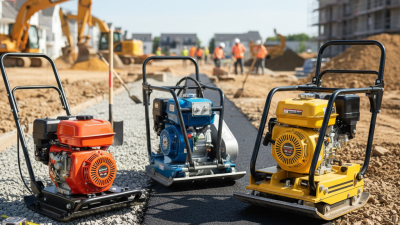
As the construction industry continues to evolve, understanding the top plate compactor models is crucial for success in projects. Jack Reynolds, a seasoned expert in heavy machinery, states, "Finding the right plate compactor can transform your work efficiency." This insight highlights the importance of selecting the most suitable equipment.
Current models of plate compactors offer a variety of features that cater to different needs. Some are designed for small-scale residential jobs while others tackle larger commercial projects. The efficiency of these machines can significantly vary. It is essential to match the machine with the project's specific demands. Not every model is ideal for every situation.
Choosing the right plate compactor might seem straightforward, yet it requires careful thought. Don't overlook the possibility of user error or equipment misuse. Each model comes with its strengths and weaknesses. Evaluating what works best for your specific tasks can be a learning experience. Explore, compare, and reflect on your choices. This way, you will make informed decisions in a rapidly advancing industry.
Top Features to Consider in 2026 Plate Compactors
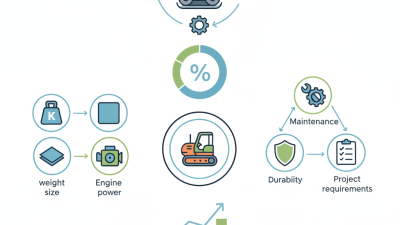
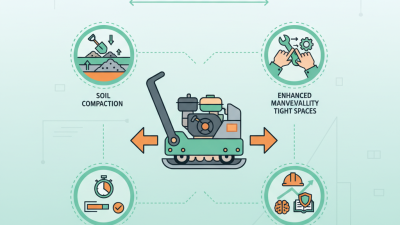
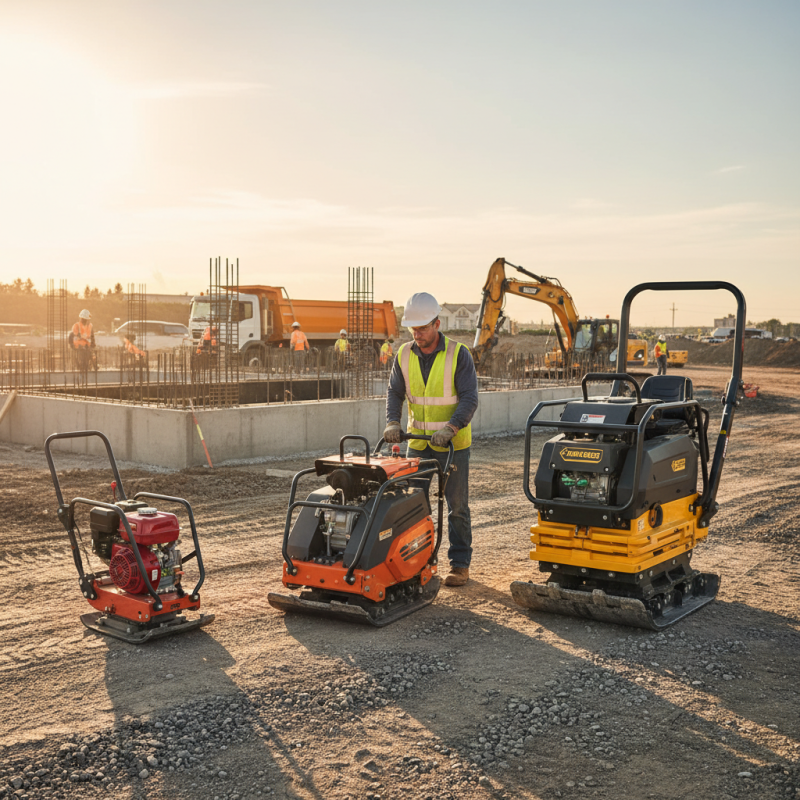
When choosing a plate compactor for 2026, consider key features that enhance performance. The engine's power matters. A robust engine can handle tougher tasks. Look for models with adjustable speed settings. These allow flexibility for different types of soil and paving materials. This feature can be a game-changer on job sites.
Weight is another critical factor. Heavier compactors typically offer better soil density. However, they can be more challenging to maneuver. Pay attention to the design and portability. A compact design can make transportation easier, especially for smaller projects. Some units include wheels to facilitate movement, which is helpful.
Vibration control systems are worth noting as well. These systems reduce fatigue for operators during prolonged use. Comfort shouldn’t be overlooked; it affects productivity. Finally, consider noise levels. Some compactors are designed to operate quietly. This can be an essential aspect in residential areas or during nighttime work.
A balance between power and comfort is essential for efficiency.
Comparison of Engine Types: Gas vs. Electric Plate Compactors
When evaluating plate compactors, engine type is a crucial factor. Gas and electric models each have their own strengths and weaknesses. According to industry reports, gas-powered compactors typically deliver higher performance and greater mobility on larger job sites. They excel in heavy-duty applications, making them a go-to choice for extensive construction projects. Their ability to operate in remote locations without needing an electrical outlet boosts efficiency.
On the other hand, electric plate compactors are gaining ground. They produce less noise and emit no exhaust emissions, making them ideal for indoor projects or noise-sensitive areas. A study from the Construction Equipment Manufacturers Association indicates that electric models can be up to 30% lighter than gas options, providing better maneuverability in tight spaces.
However, both types have limitations. Gas engines require regular maintenance and fuel handling, which can be cumbersome. Meanwhile, electric models need access to power sources, restricting their operational range. A decision between gas and electric should consider job site specifics and the tasks at hand. Each choice requires careful consideration of the trade-offs in power, efficiency, and convenience.
Performance Metrics: Weight, Vibration Frequency, and Compaction Depth
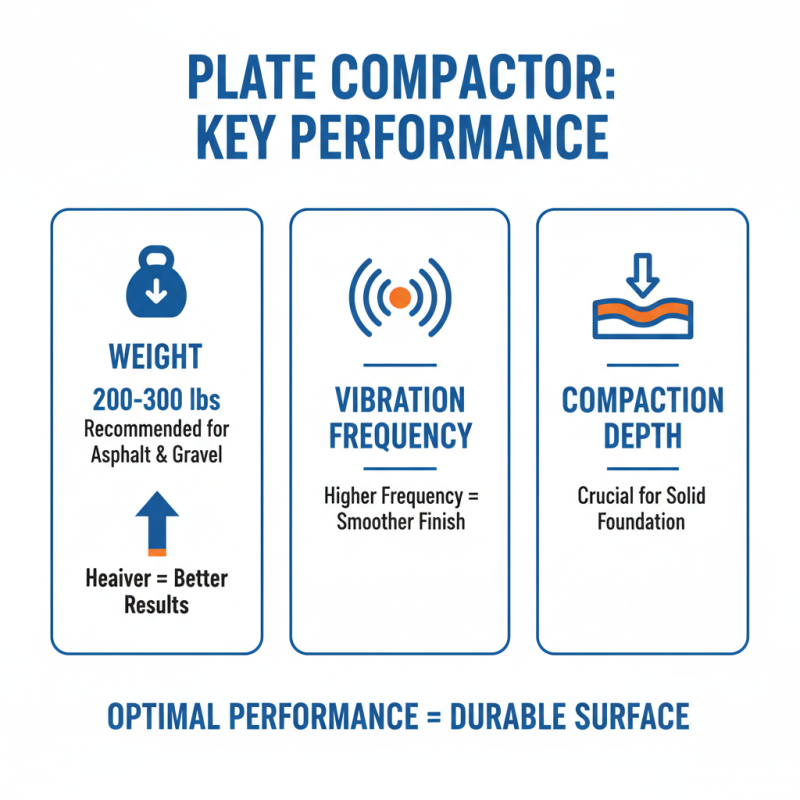
When choosing a top plate compactor, performance metrics are crucial. Weight, vibration frequency, and compaction depth play a significant role. A heavier compactor generally delivers better results. Many professionals recommend weights ranging from 200 to 300 pounds for optimal performance on asphalt and gravel. This weight helps penetrate the surface, achieving a solid foundation.
Vibration frequency is another key metric. Most models operate between 4,000 and 6,000 vibrations per minute (VPM). A higher frequency often leads to a denser compaction. However, excessive vibration can be problematic. It can affect the operator's comfort and fatigue levels. Data from industry reports suggest balancing vibration with weight to enhance usability and effectiveness.
Compaction depth is also essential. Many units offer compaction depths of 6 to 10 inches. Yet, achieving the desired depth consistently can be challenging. Environmental factors, such as moisture content and soil type, influence results. Controlling these variables is necessary for optimal performance. Professionals agonize over the ideal combination of these metrics to ensure thorough compaction. Real-life scenarios often reveal the nuances in performance expectations versus actual results.
Leading Brands of 2026: Market Share and Customer Satisfaction Ratings
As we look ahead to 2026, the top plate compactor models stand out for their market share and customer satisfaction ratings. These machines are essential for construction and landscaping tasks. They compact soil, asphalt, and gravel efficiently. It’s crucial to identify models that consistently perform well in these areas.
Brand reputation plays a significant role in customer satisfaction. Many users emphasize the importance of reliability and durability. However, not all models meet these expectations. Some users report issues that affect performance and longevity. Feedback reveals that weight and ease of use are crucial factors. A heavy model may offer better compaction, but it can be cumbersome to maneuver.
Additionally, customer ratings often highlight areas needing improvement. For instance, noise levels and fuel efficiency are common concerns. Some users wish for quieter models that consume less fuel. Overall, a deeper examination of these machines can unveil both strengths and weaknesses. It’s vital to consider user experiences when evaluating which models to trust in 2026.
Safety Standards and Innovations in Modern Plate Compactor Designs
When it comes to modern plate compactors, safety is a key concern. Latest designs incorporate advanced features that enhance operator safety. For instance, many models now have vibration dampening handles. This reduces fatigue during extended use. Additionally, reinforced frames ensure structural integrity under tough conditions. Operators can work confidently, knowing their equipment is reliable.
**Tip:** Always wear personal protective equipment. This includes gloves, safety goggles, and ear protection. Even with safety features, accidents can happen.
Innovations also focus on visibility and ergonomic design. Some compactors come with LED lights, improving visibility in low-light conditions. Intuitive controls and adjustable handles promote comfort for users of various heights. Yet, some designs still feel bulky. Operating a heavier model can lead to struggles on uneven surfaces. It’s crucial to consider your working environment before selecting a compactor.
**Tip:** Practice operating the machine in a controlled area before your project. Familiarity can prevent mishaps on the job site.

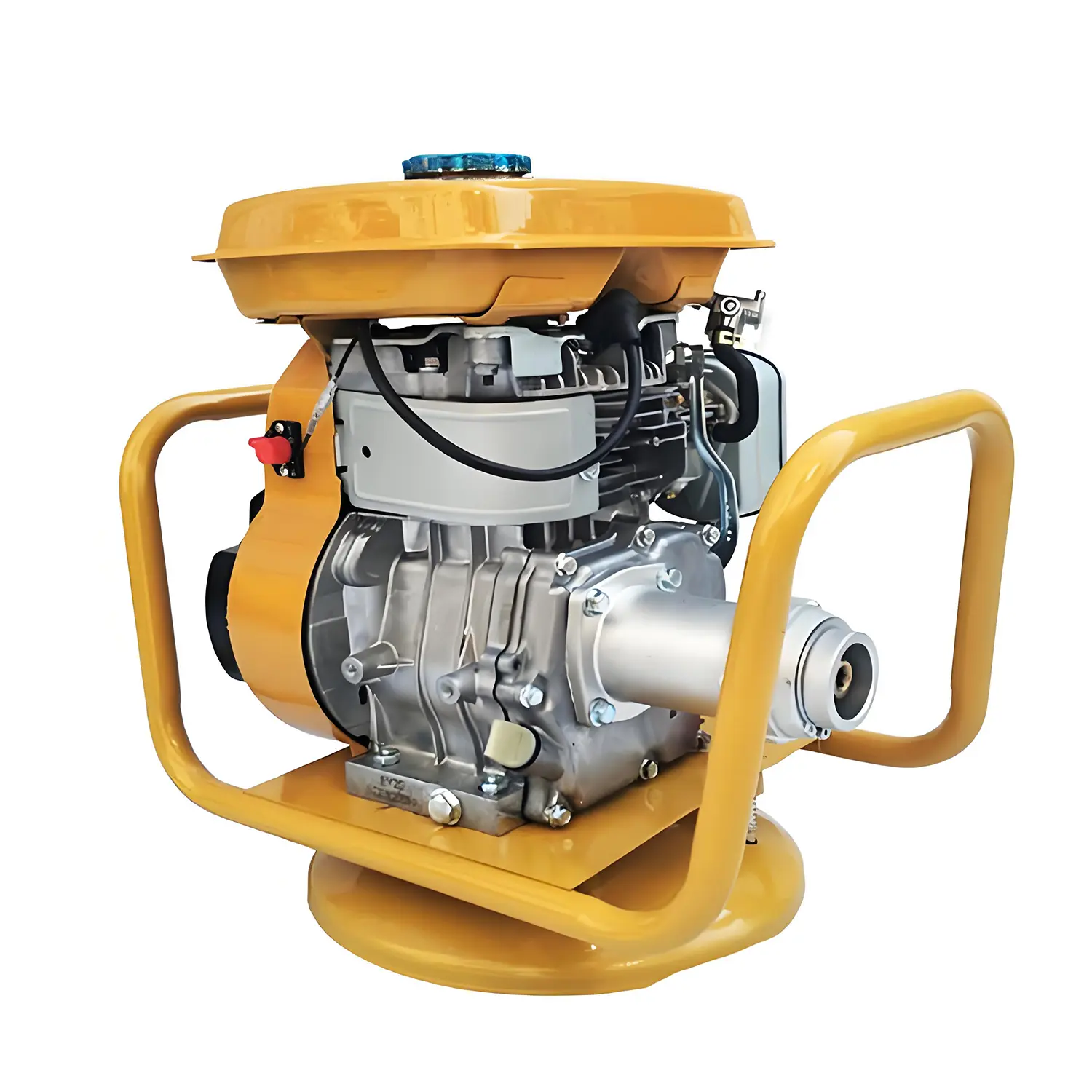 Internal Vibrator
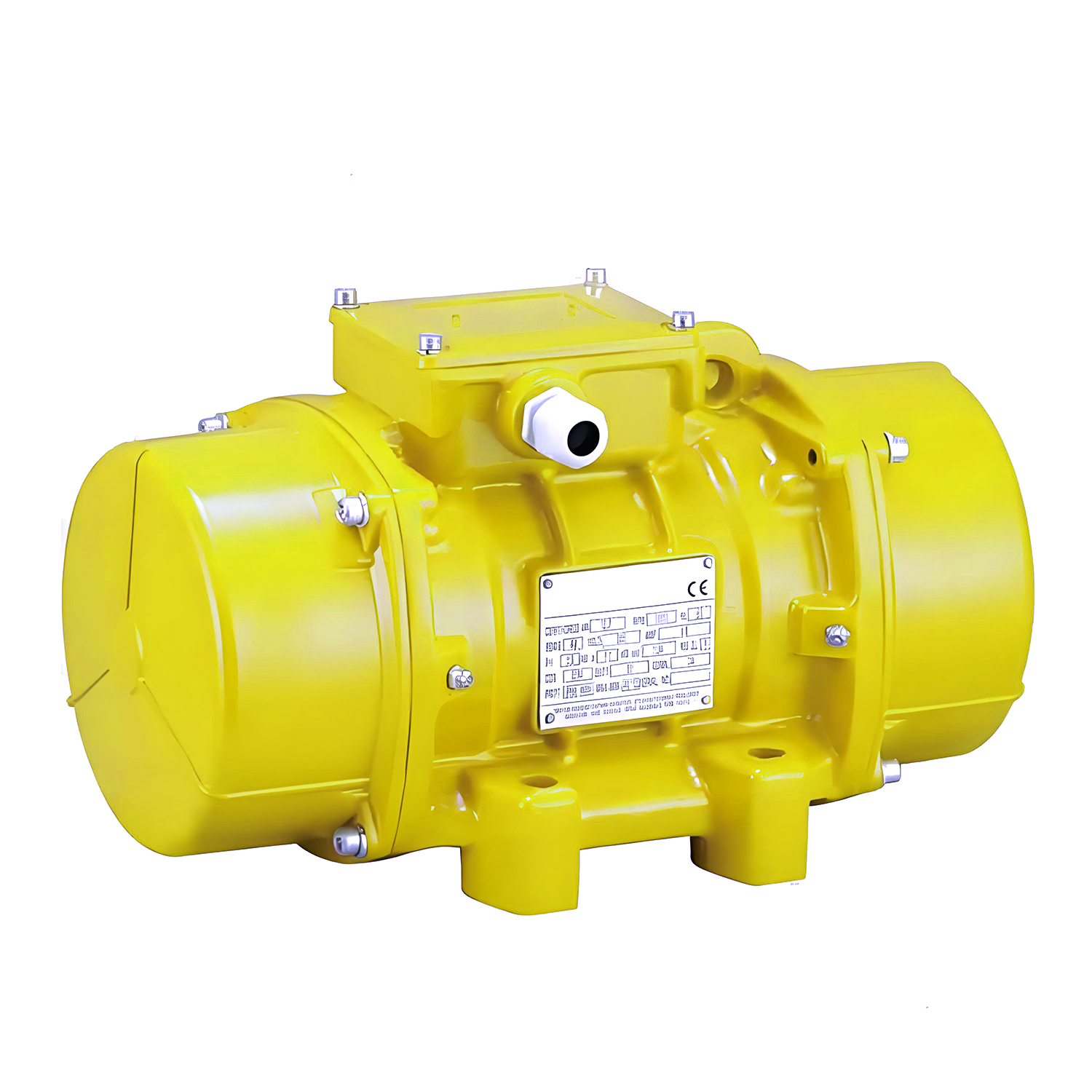 External Vibrator
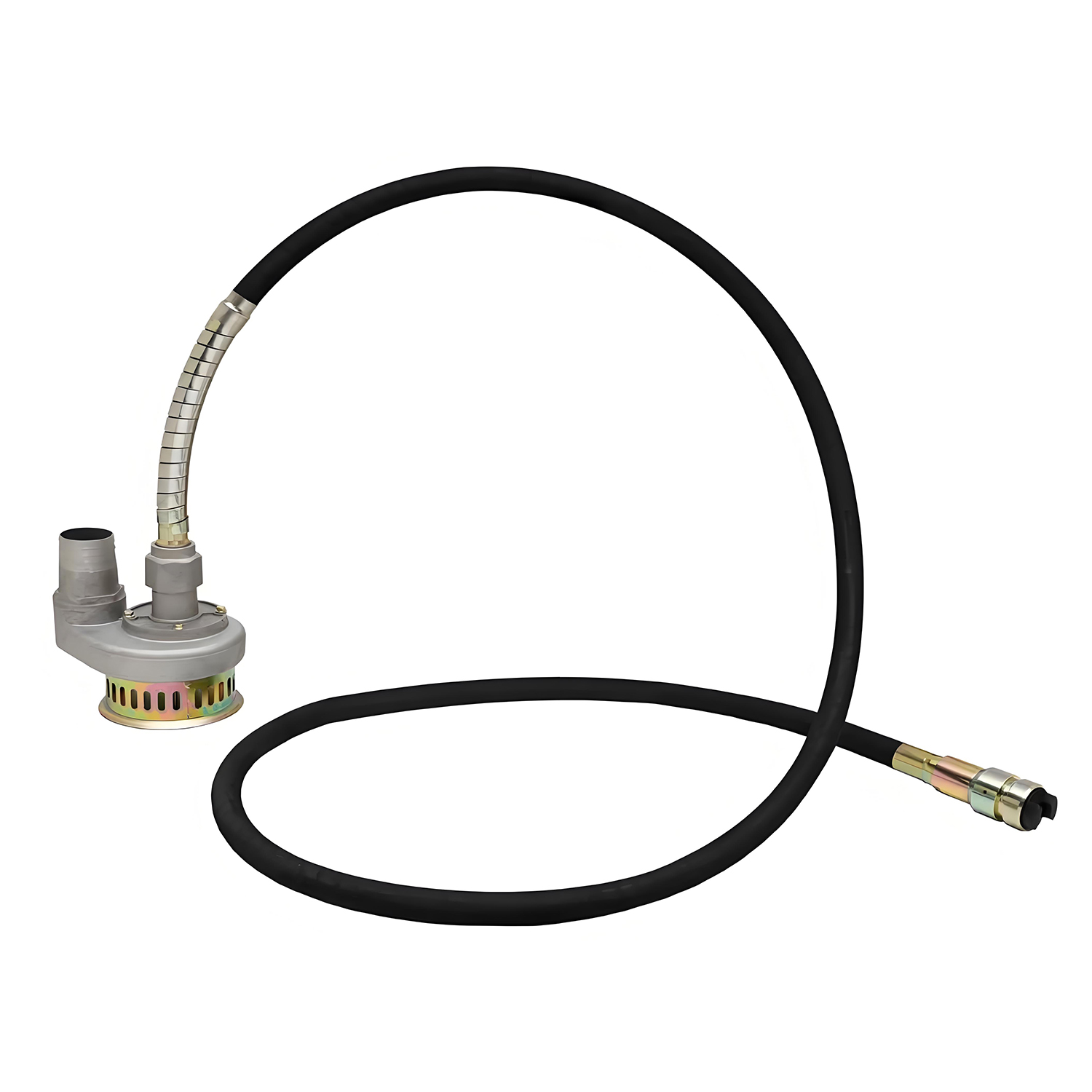 Submersible Pump
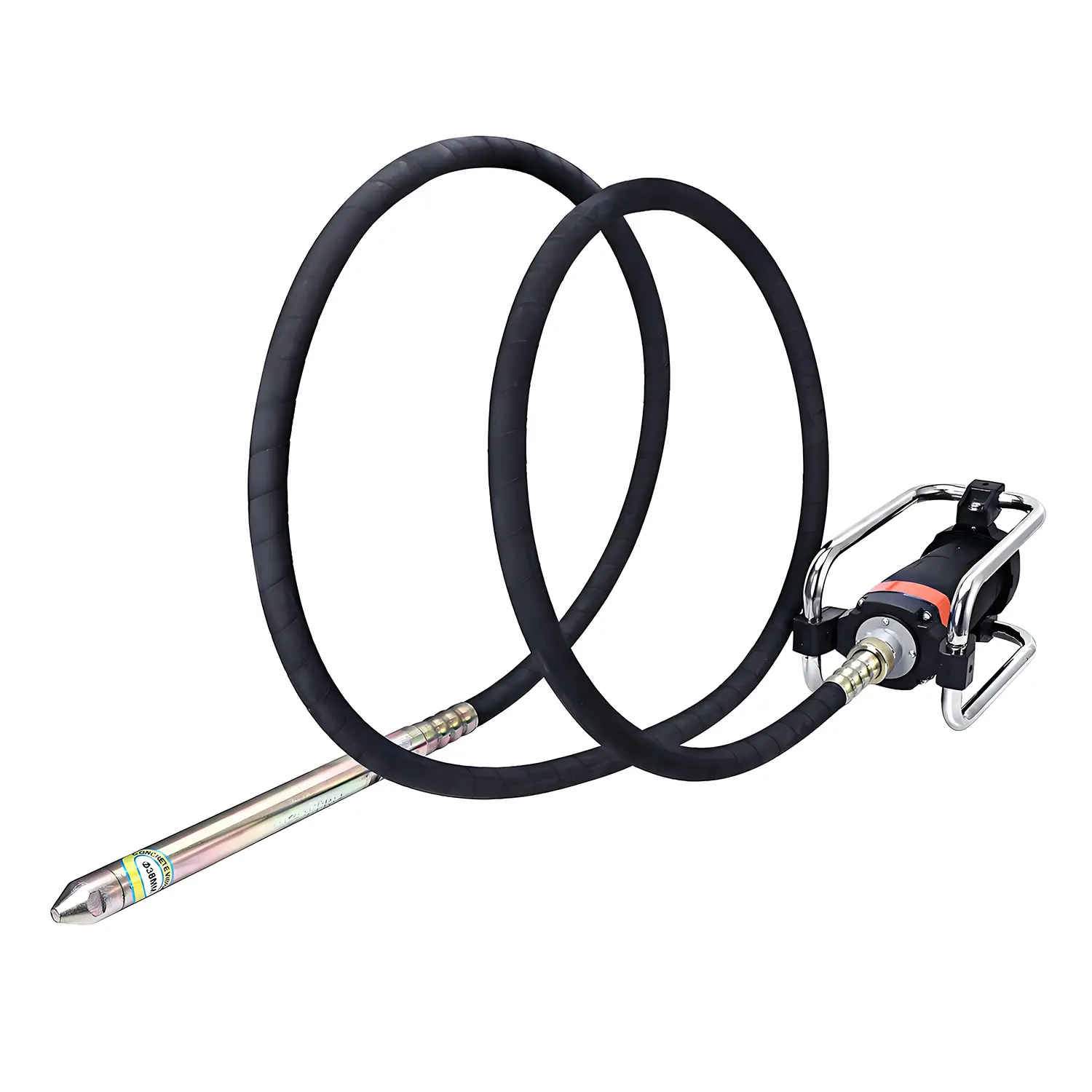 Eccentric shaft
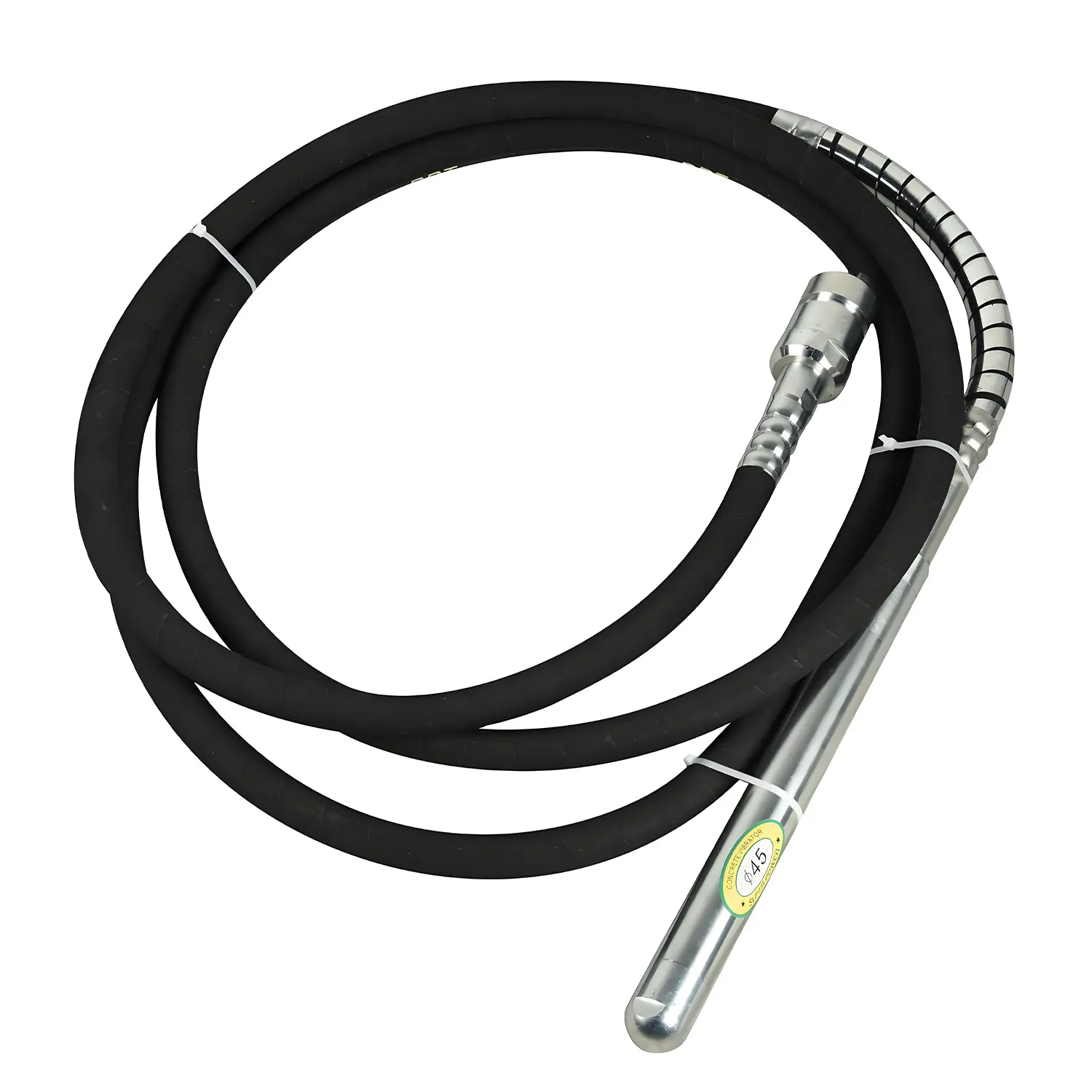 Pendulum shaft
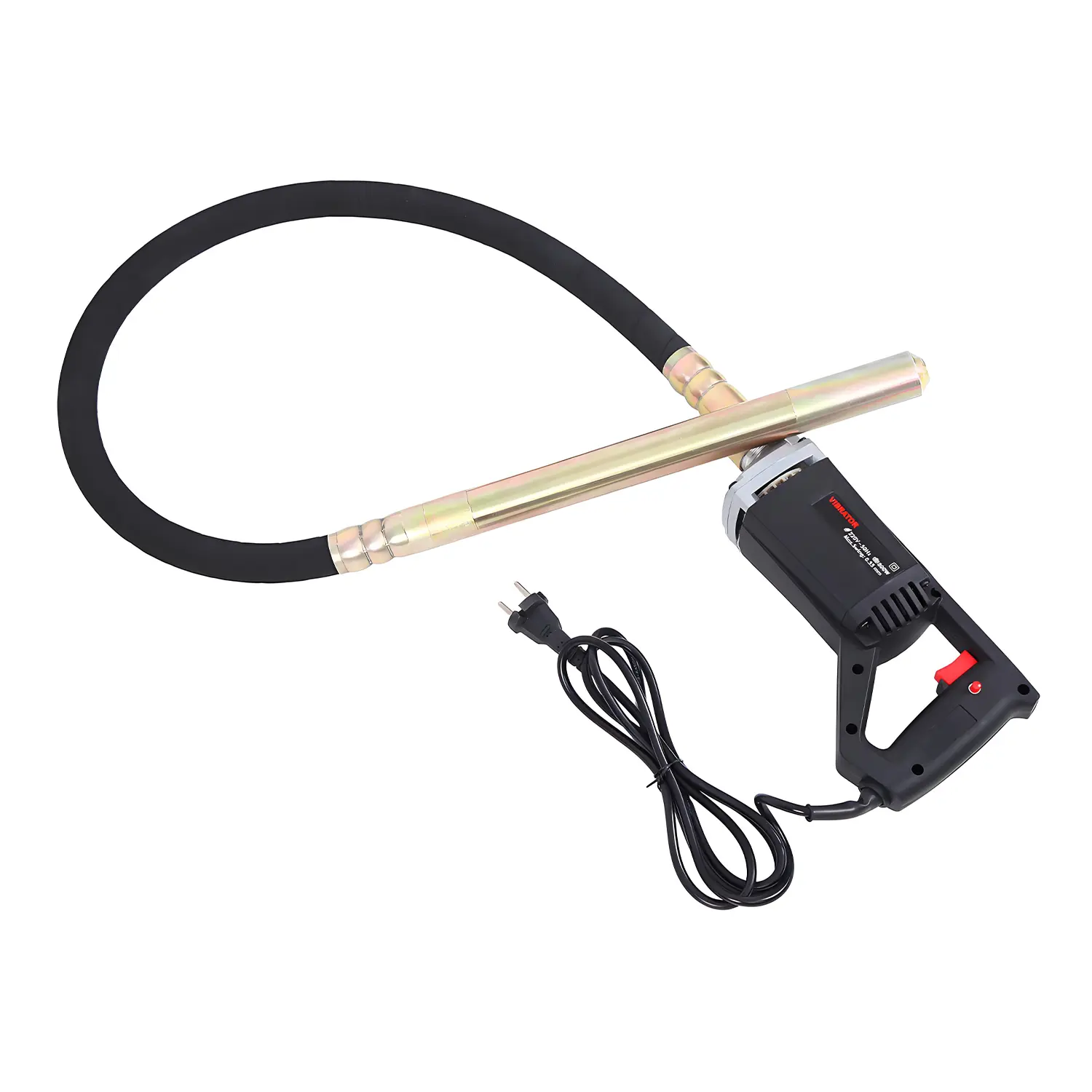 Portable vbrator shaft
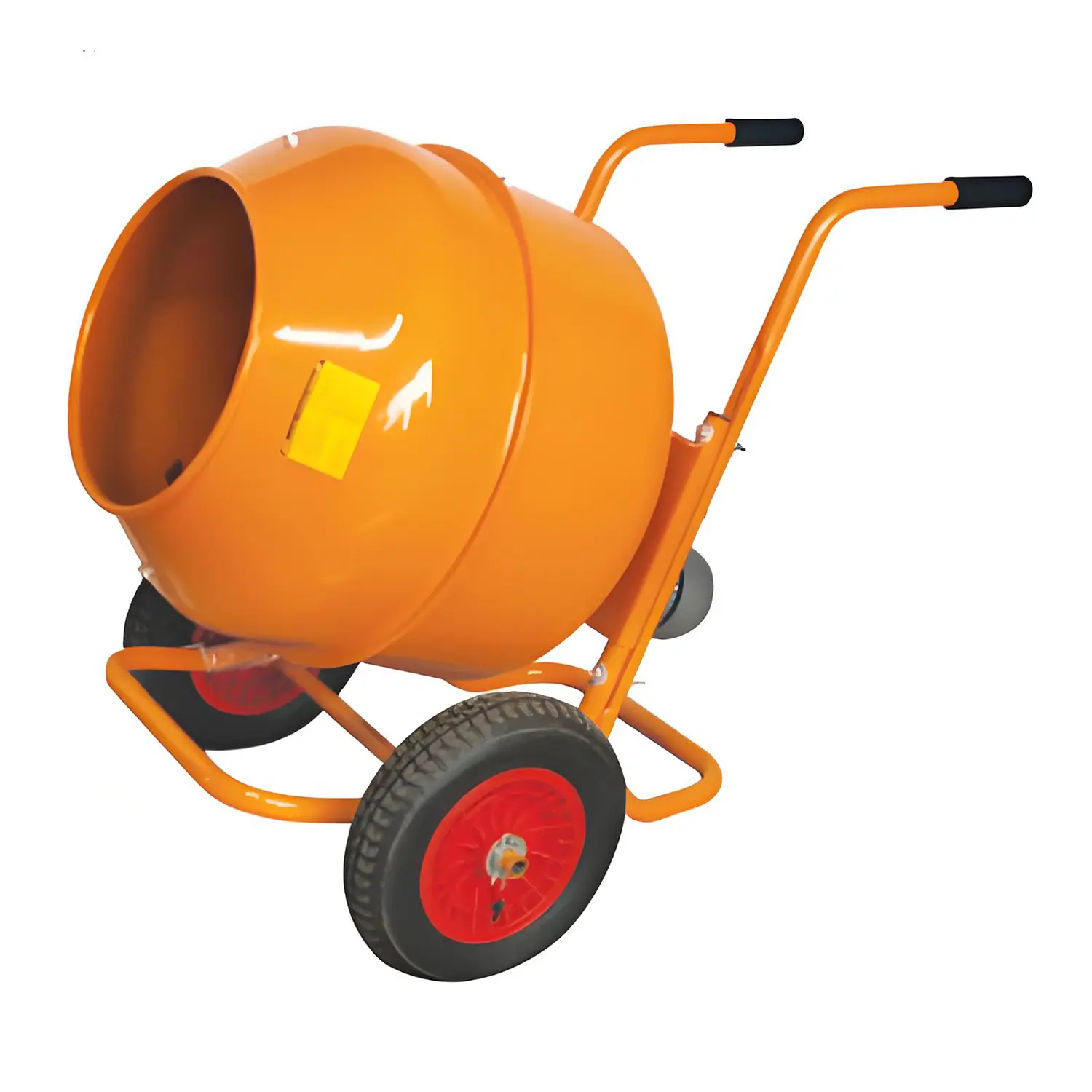 Portable concrete mixer
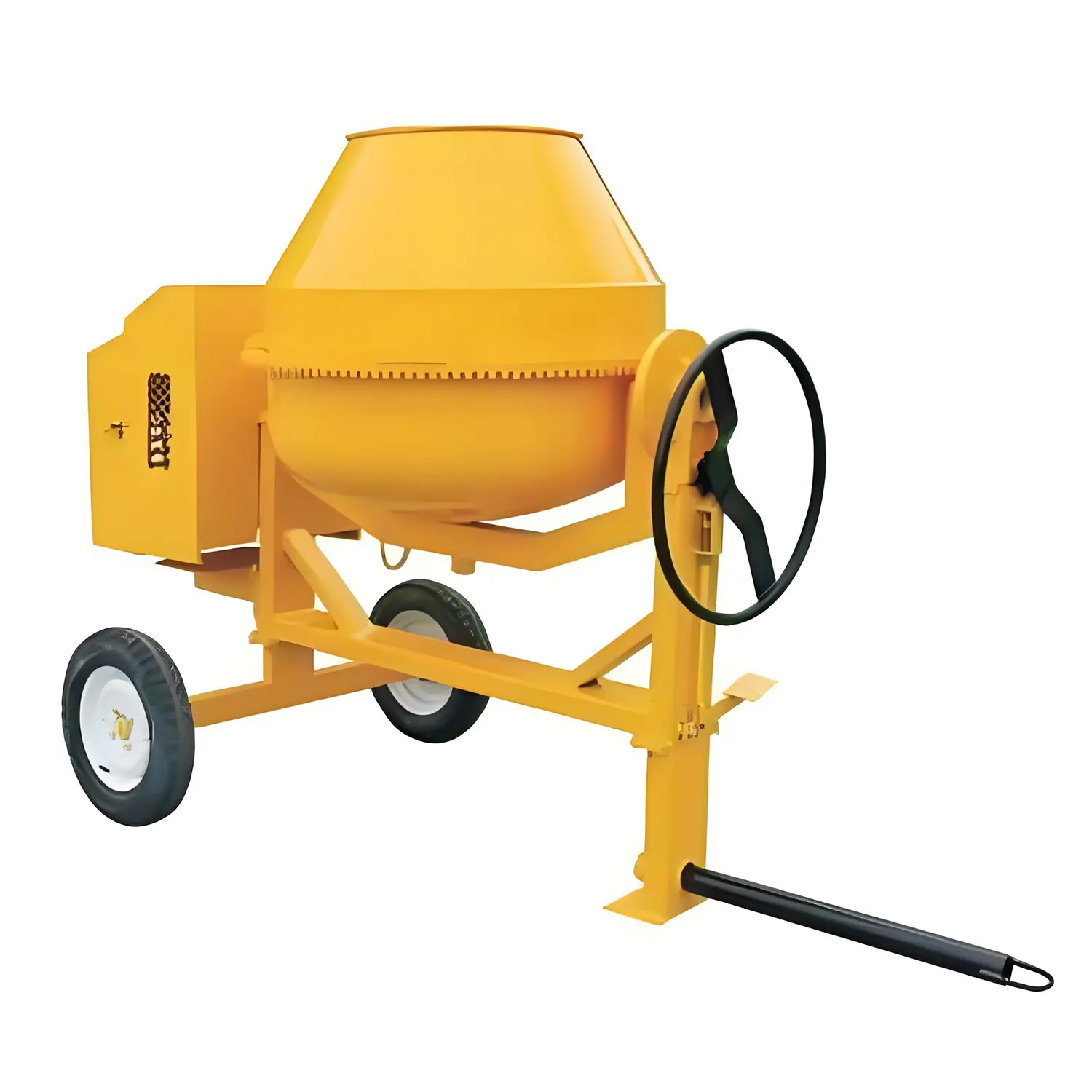 Vertical concrete mixer
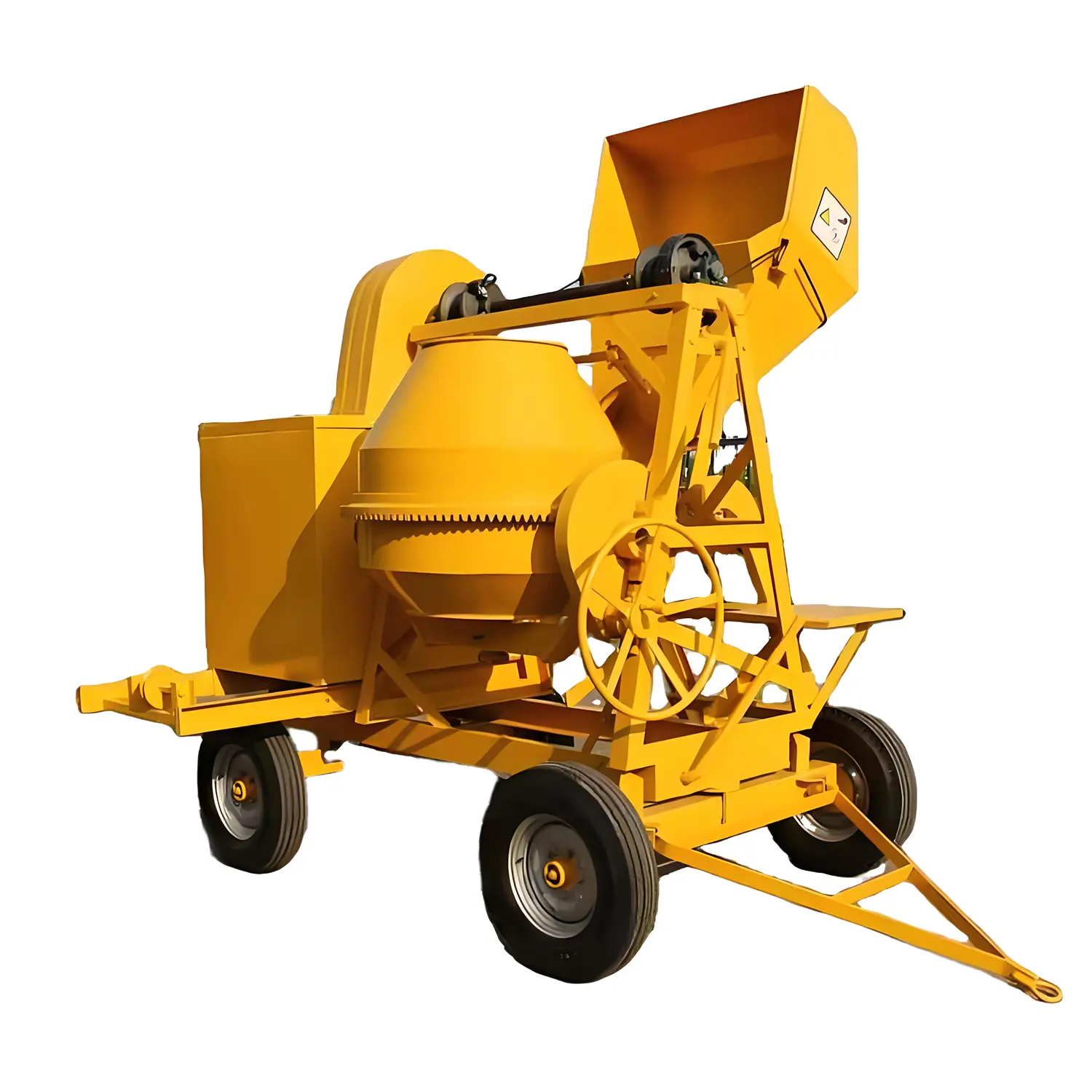 Hydraulic concrete mixer
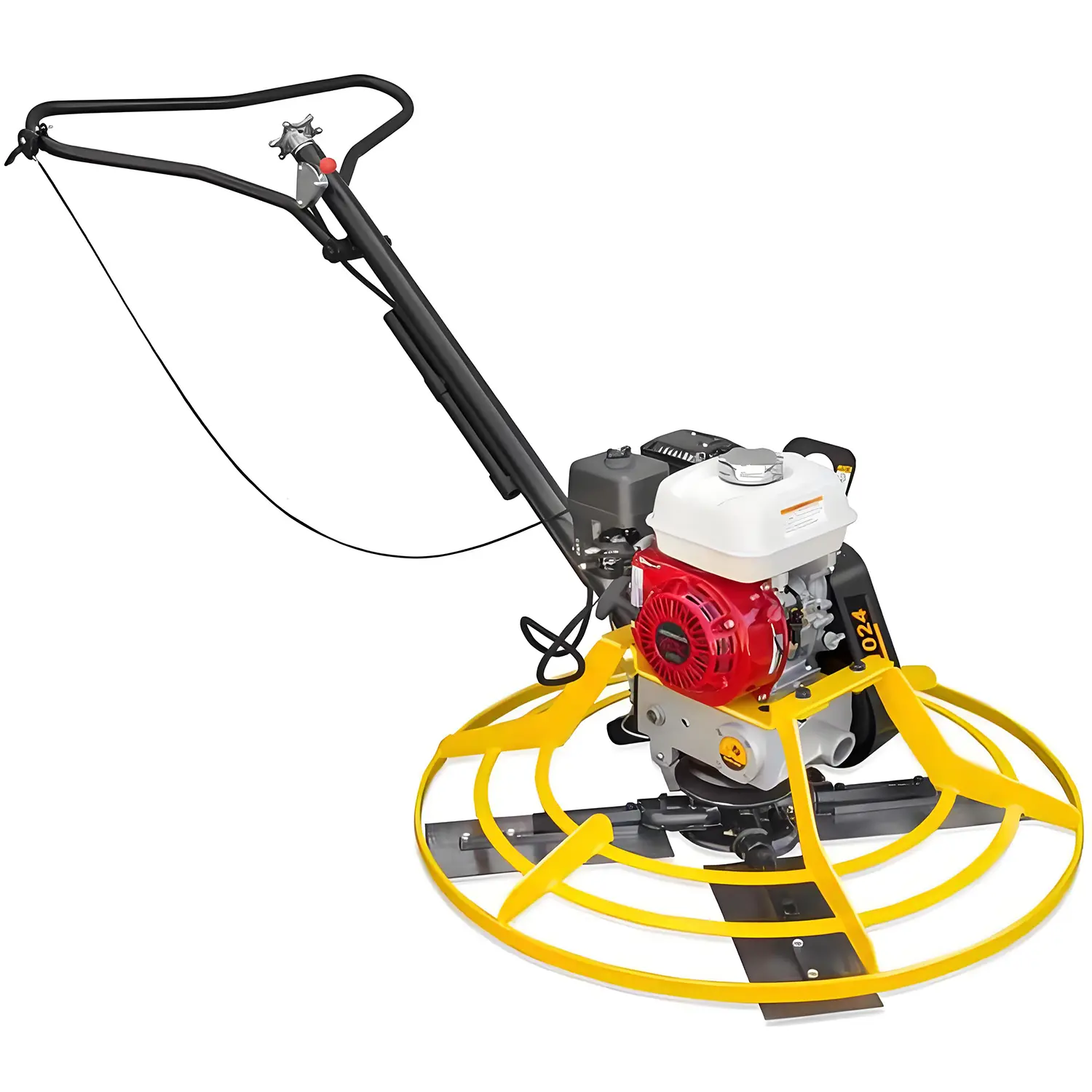 Walk behind power trowel
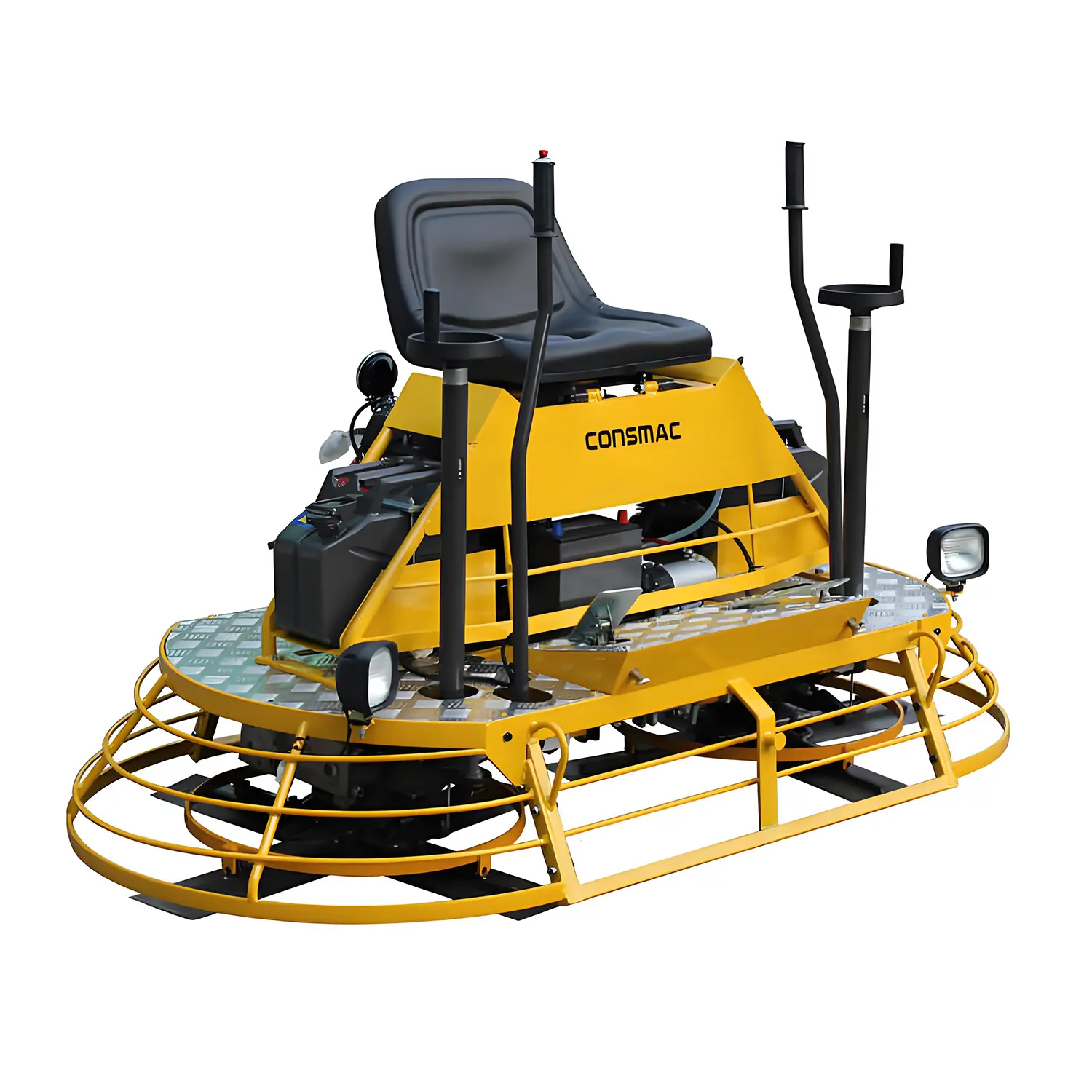 Ride on power trowel
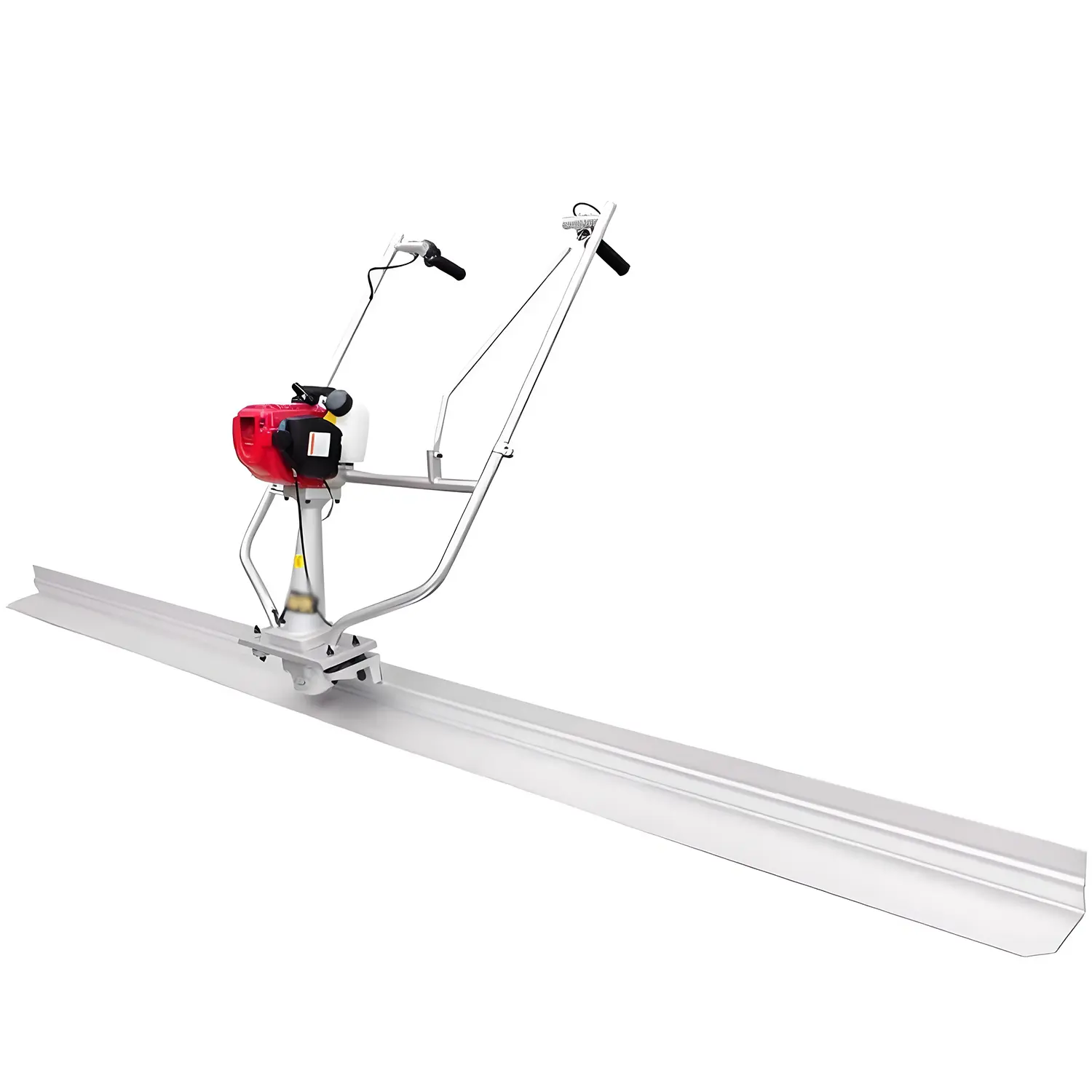 Concrete screed
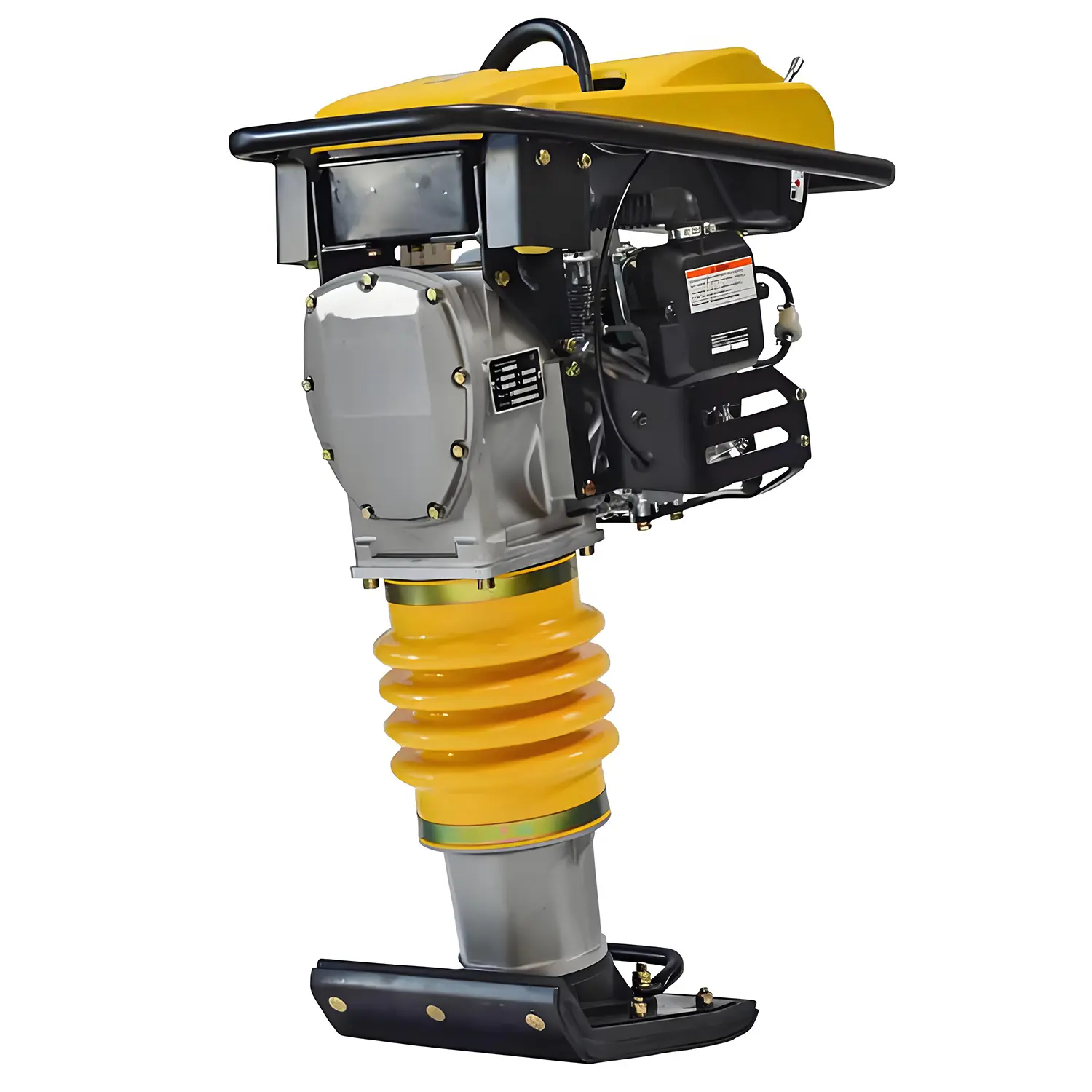 Tamping rammer
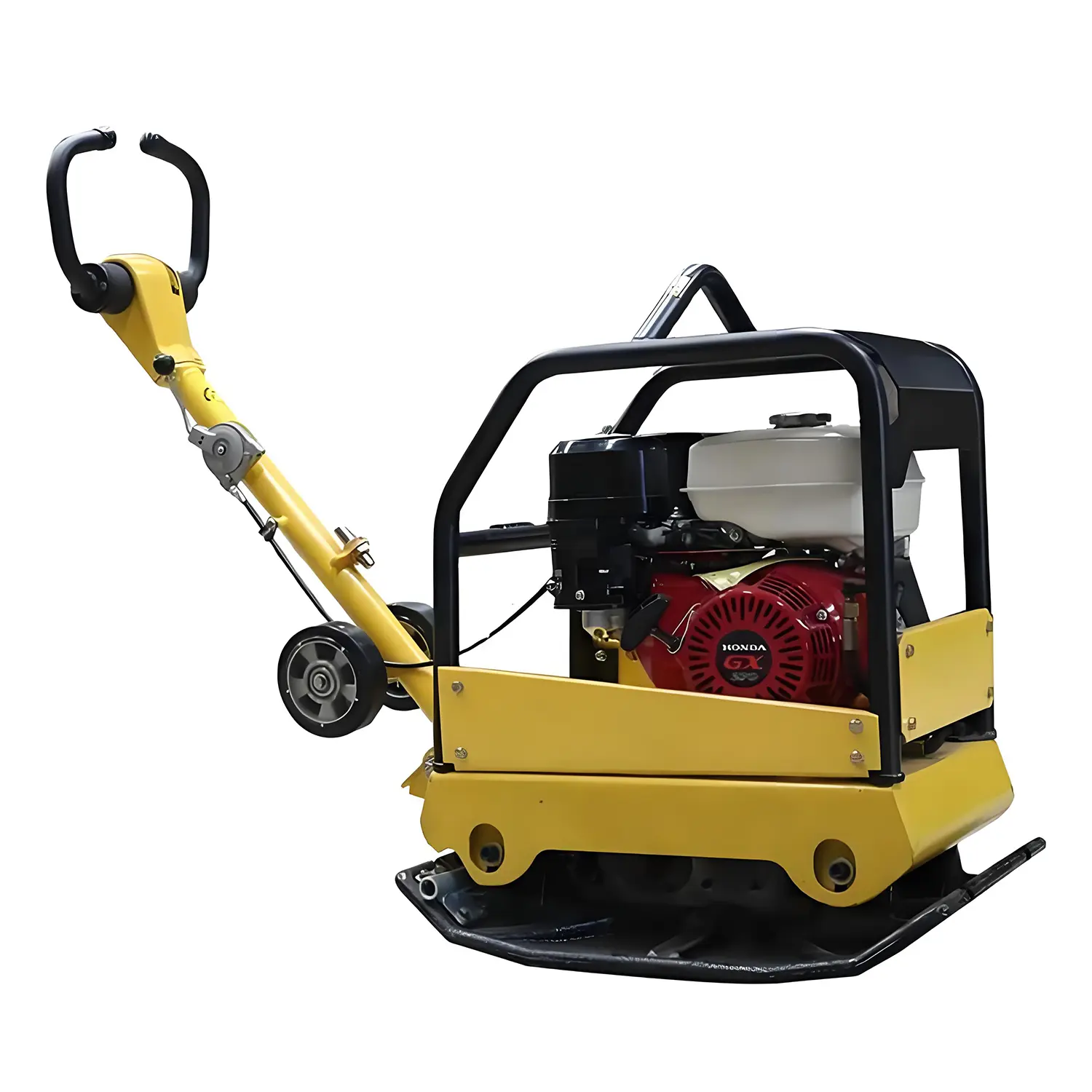 Plate compactor
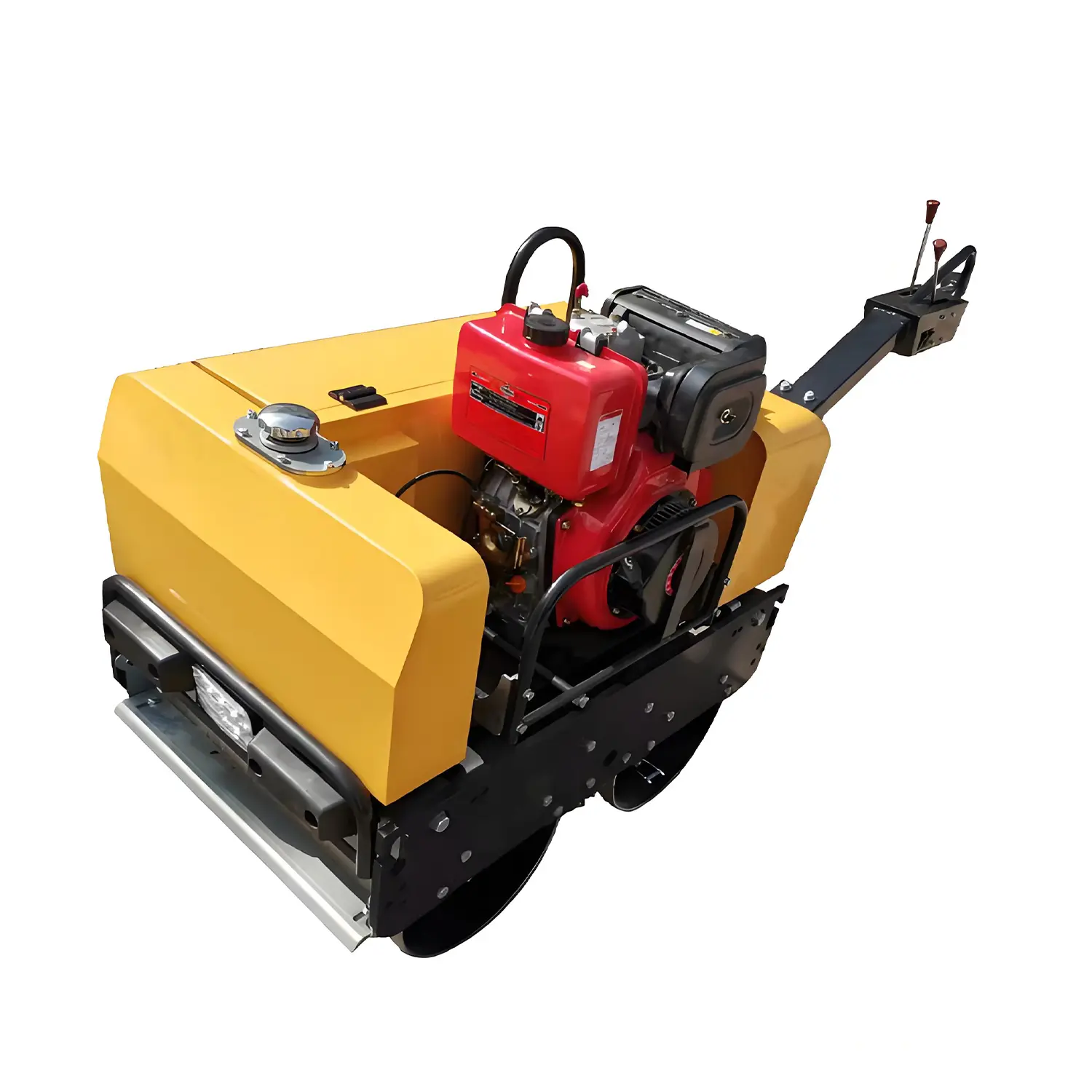 Vibratory roller