Top 10 Heavy Equipment Rollers You Should Know About?
In the construction and mining industries, understanding Heavy Equipment Rollers is crucial. As John Carter, a renowned expert in construction technologies, once stated, "The right roller can make all the difference in efficiency." This highlights the importance of knowing the top models available.
Heavy Equipment Rollers come in various shapes and sizes. Each type serves a specific purpose. From compactors to large soil rollers, choosing the right one is vital for project success. These machines ensure the ground is adequately prepared for construction. Without proper compaction, projects may face delays or structural issues.
The market offers many options. Each roller has its unique features that cater to different needs. However, not all models stand out. It’s essential to reflect on your specific requirements before investing. Knowing which Heavy Equipment Roller fits your project can save time and money in the long run.
Types of Heavy Equipment Rollers and Their Functions
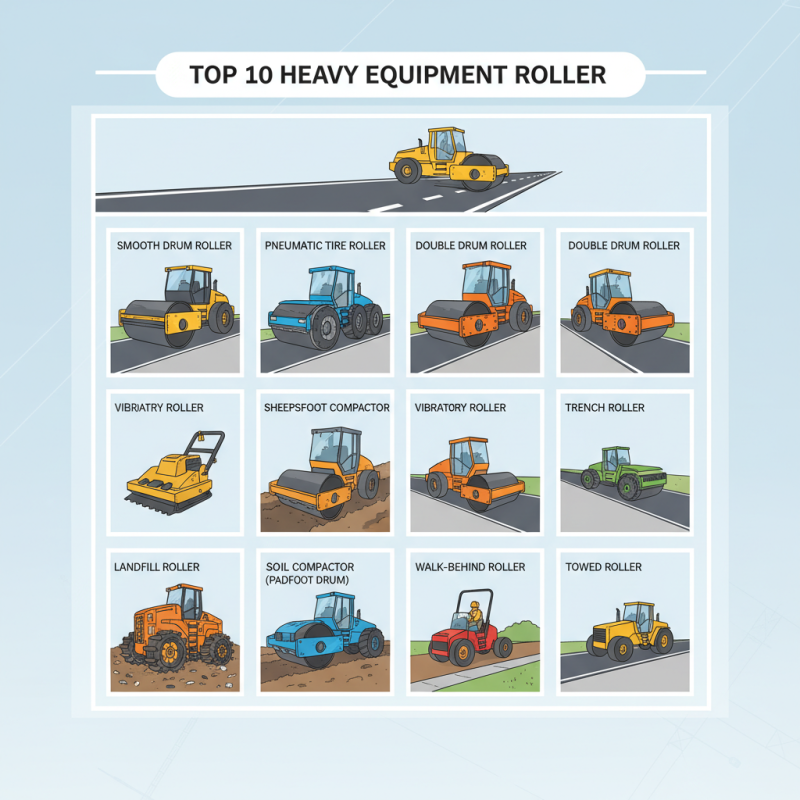
Heavy equipment rollers play a crucial role in construction and road maintenance. These machines are designed to compress and flatten surfaces, ensuring durability and stability. There are various types of rollers, each serving a specific function. For instance, the smooth drum roller is excellent for compacting asphalt. It creates a flat and even surface, essential for roads and parking lots.
Another type is the padfoot roller, often used for cohesive soils. The design allows better penetration and compaction of the dirt under the roller. It’s crucial in preparing surfaces for building foundations. However, using the wrong type may lead to inadequate compaction. That can cause future issues, like cracking or settling.
Additionally, pneumatic rollers are great for finishing touches. They utilize air-filled tires for smooth, even pressure. But, they require experienced operators to avoid over-compaction. Some operators overlook this detail, leading to uneven surfaces. Understanding the functions of each roller type is key for effective results in construction projects. Making such distinctions can prevent costly mistakes down the line.
Key Features to Consider When Selecting a Roller
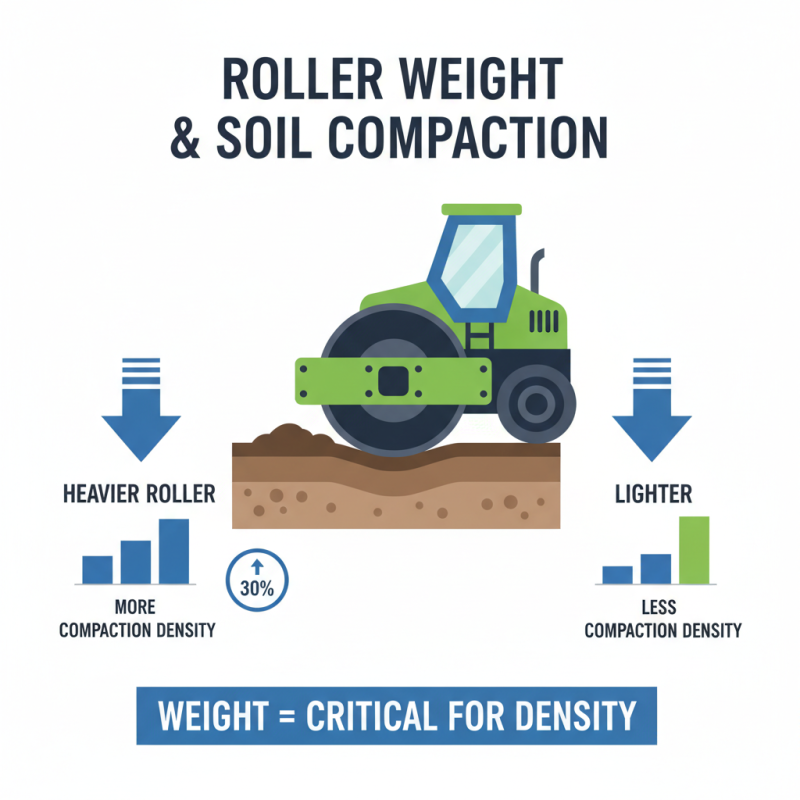
Choosing the right roller requires careful consideration of several key features. One critical aspect is the roller’s weight. Heavier rollers typically provide better compaction. A study by the International Society for Soil Mechanics indicates that weight influences the compaction density by up to 30%. Lightweight models may not achieve desired soil density in specific applications.
Another important feature is the drum type. Smooth drums are effective on asphalt, while padfoot drums excel in cohesive soils. According to the American Society of Civil Engineers, choosing the wrong drum type can lead to compromised project outcomes, delaying completion times. Additionally, users should consider drum width, as a wider drum covers more area in a single pass, enhancing productivity.
Vibration frequency also plays a significant role. Rollers with adjustable vibration settings allow operators to adapt to different soil types. High-frequency vibration is beneficial for granular soils. In contrast, lower frequencies work best for cohesive materials. A report from the Construction Equipment Statistics Association suggests that incorrect frequency settings can lower compaction efficiency by 40%, underscoring the need for thoughtful selection.
Top 10 Heavy Equipment Rollers: Specifications and Uses
When discussing heavy equipment rollers, their specifications and uses are paramount. These machines compress soil, asphalt, and other materials. A typical roller can exert forces ranging from 5 to 50 tons. This capacity impacts the effectiveness of road construction.
For instance, vibratory rollers are often preferred for asphalt paving. Their dual-drum design allows for efficient compaction. Studies have shown that using the right roller can decrease construction time by up to 30%. Yet, improper use can lead to pavement failure and excessive costs.
Smooth drum rollers offer versatility. They work well in both large and small projects. However, they struggle on uneven terrain, which can slow progress. In contrast, rubber-tired rollers are better suited for such conditions, providing mobility and adaptability. Understanding these specifications is essential for optimal usage.
Neglecting to select the appropriate roller can result in project delays and financial overruns.
Comparative Analysis of the Most Popular Rollers
When considering heavy equipment rollers, understanding the types available is crucial. Rollers serve various purposes, from soil compaction to asphalt leveling. Some models are better suited for specific tasks. This comparative analysis can help make informed decisions.
One major type is the static roller. This machine excels in compacting soil and is often used in road construction. They are simple and effective but may require multiple passes for optimal results. Vibratory rollers, on the other hand, use oscillating forces, making them great for dense materials. However, they may not be ideal for soft soils.
Tips: Always assess your project's specific needs before choosing a roller. Different terrains necessitate different machines. Overlooking this could lead to inefficiencies. Another consideration is the roller's size. Larger models can provide greater efficiency, but they may not fit in tight spaces. Think about the worksite layout to avoid complications.
Each roller type has strengths and weaknesses. For example, rubber-tired rollers are excellent for paving but can be prone to slippage. Reflecting on these details is necessary for effective use. Choosing the wrong roller can lead to delays and budget overruns. Make sure to evaluate your options thoroughly.
Top 10 Heavy Equipment Rollers You Should Know About
| Model |
Weight (lbs) |
Compaction Force (lbs) |
Drum Width (inches) |
Engine Power (HP) |
Applications |
| Roller A |
5,000 |
12,000 |
67 |
100 |
Asphalt, Soil |
| Roller B |
8,500 |
15,000 |
84 |
120 |
Asphalt, Soil |
| Roller C |
6,200 |
10,500 |
72 |
90 |
Soil, Gravel |
| Roller D |
9,000 |
18,000 |
90 |
130 |
Asphalt |
| Roller E |
7,500 |
14,000 |
78 |
110 |
Soil |
| Roller F |
10,500 |
20,000 |
96 |
150 |
Asphalt, Soil |
| Roller G |
8,800 |
16,500 |
75 |
115 |
Soil, Aggregate |
| Roller H |
11,200 |
21,000 |
100 |
160 |
Asphalt |
| Roller I |
9,500 |
17,500 |
88 |
125 |
Soil, Gravel |
| Roller J |
10,000 |
19,000 |
95 |
140 |
Asphalt, Soil |
Maintenance Tips for Heavy Equipment Rollers
Heavy equipment rollers play a crucial role in construction. Proper maintenance is essential for optimal performance. Regular inspections can prevent costly repairs. Reports indicate that poor maintenance leads to increased downtime. It's common for large enterprises to lose up to 5% of their annual budget on equipment repairs.
Daily checks should include fluid levels and tire pressure. Keeping clean filters can help maintain efficiency. A study showed that well-maintained equipment can function up to 20% better. Ignoring small issues often results in bigger problems. Over time, this can lead to safety risks on site.
You should also consider long-term care. Scheduling routine services is vital. Equipment that is maintained regularly achieves a longer lifespan. According to industry research, a roller that undergoes consistent maintenance can last up to 30% longer than one that does not. However, not all companies prioritize this. Some think it's an unnecessary expense. This mindset can lead to more significant issues later on, underscoring the importance of proactive maintenance.

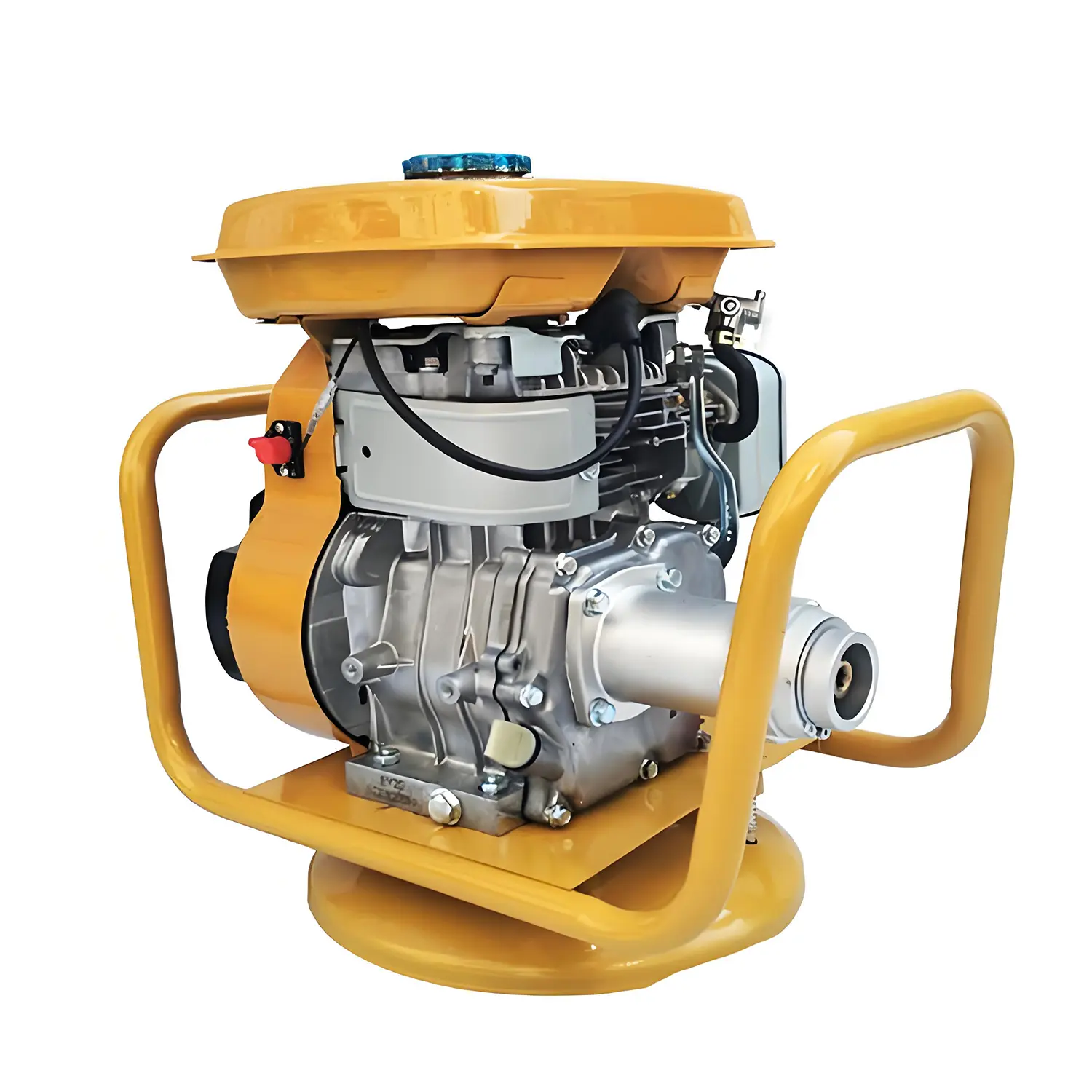 Internal Vibrator
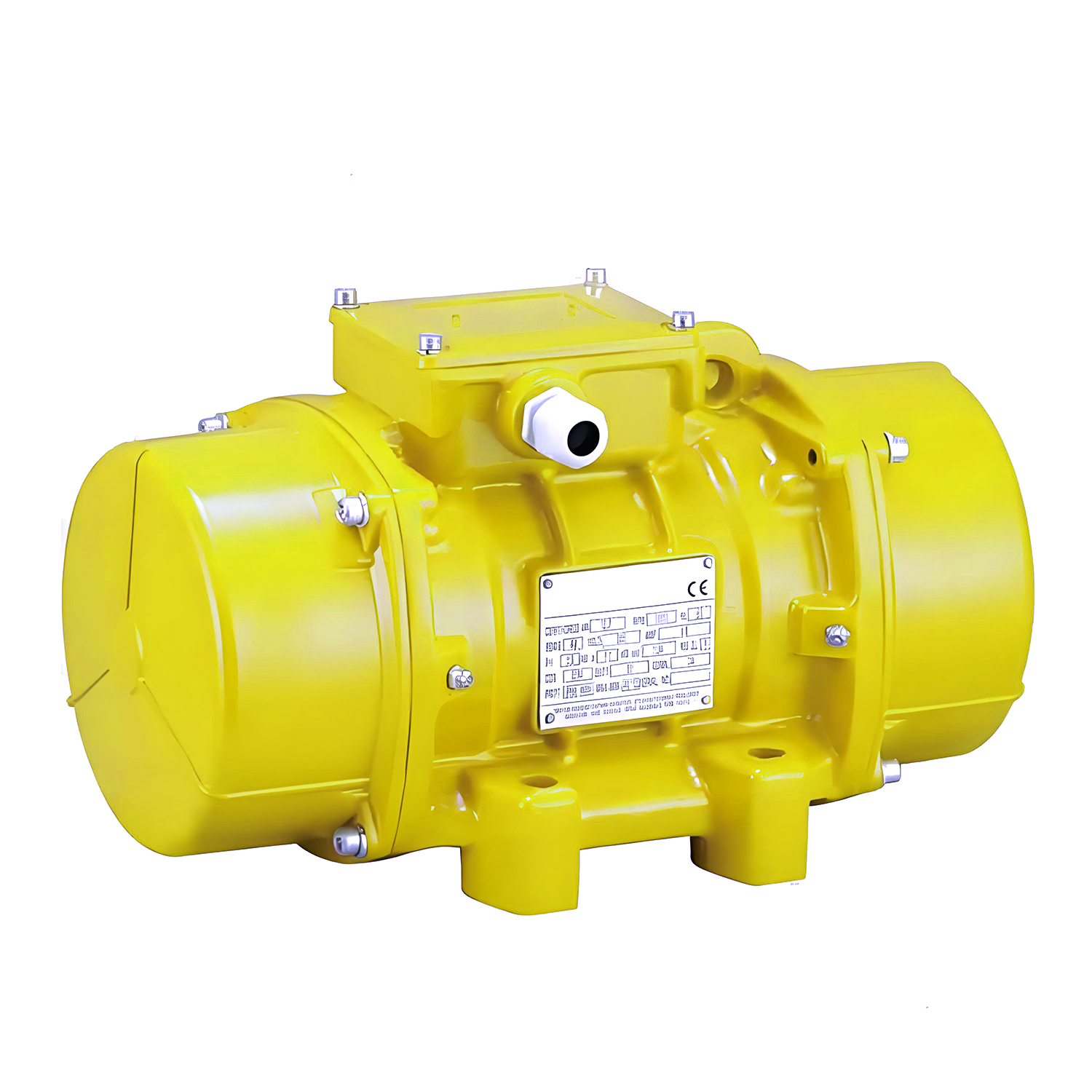 External Vibrator
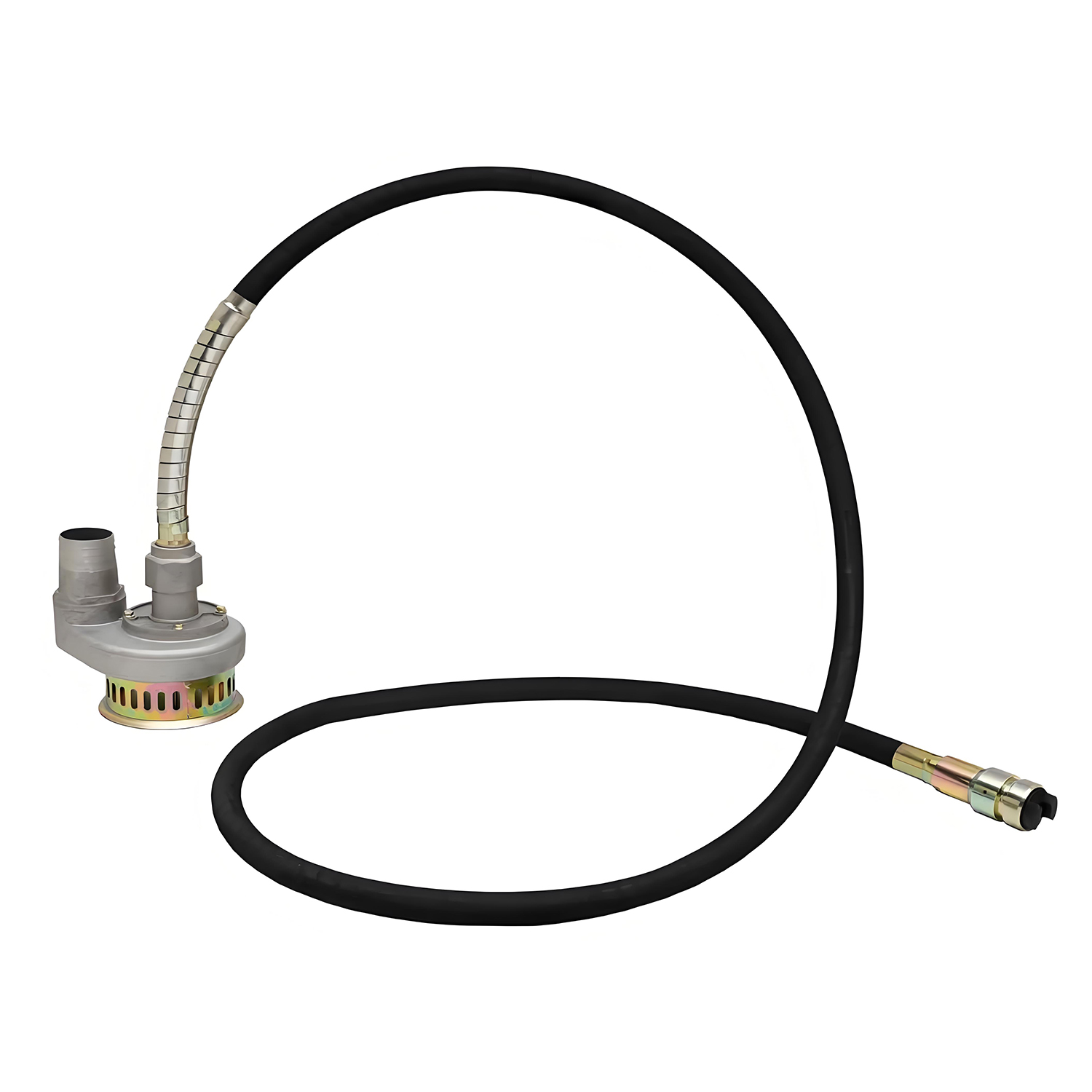 Submersible Pump
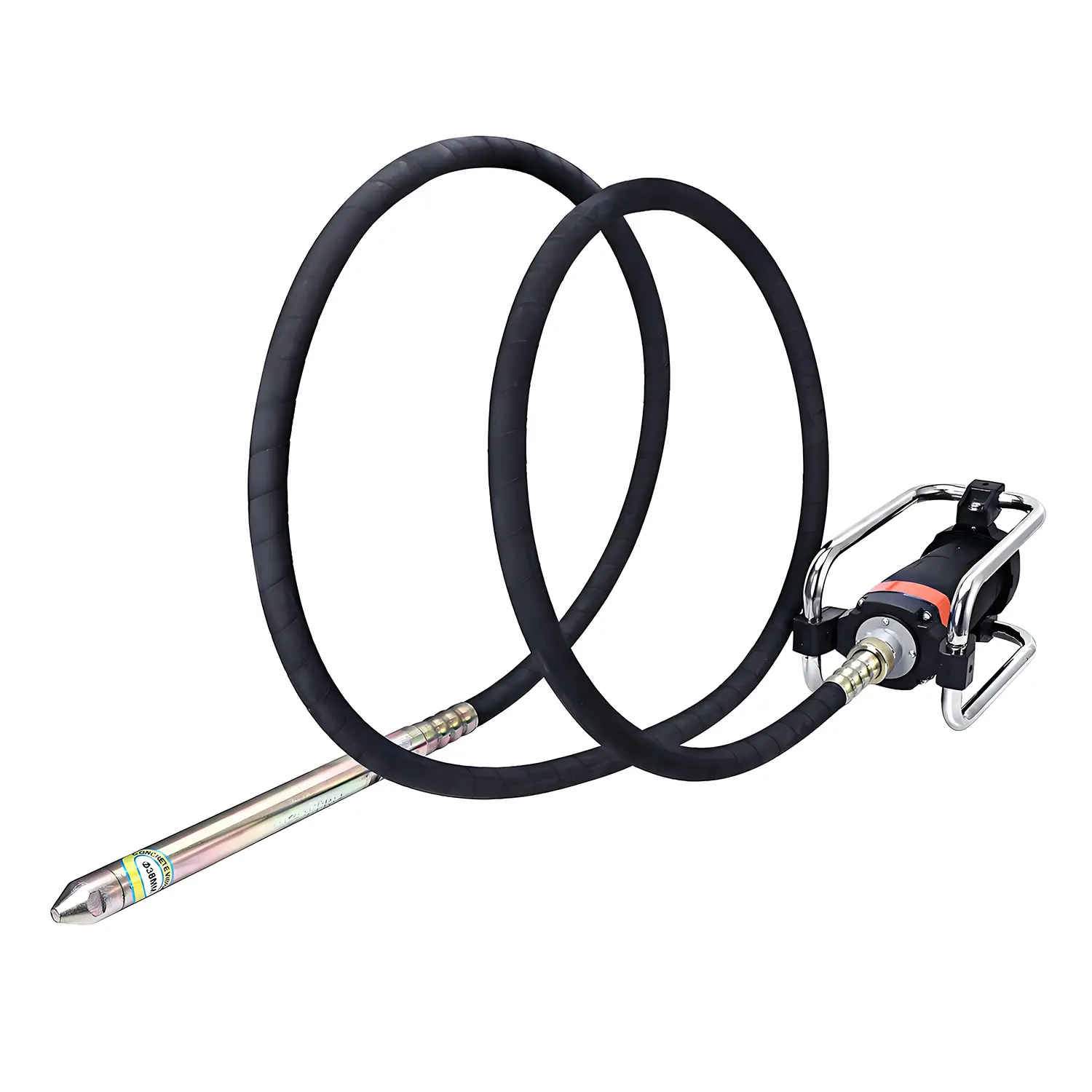 Eccentric shaft
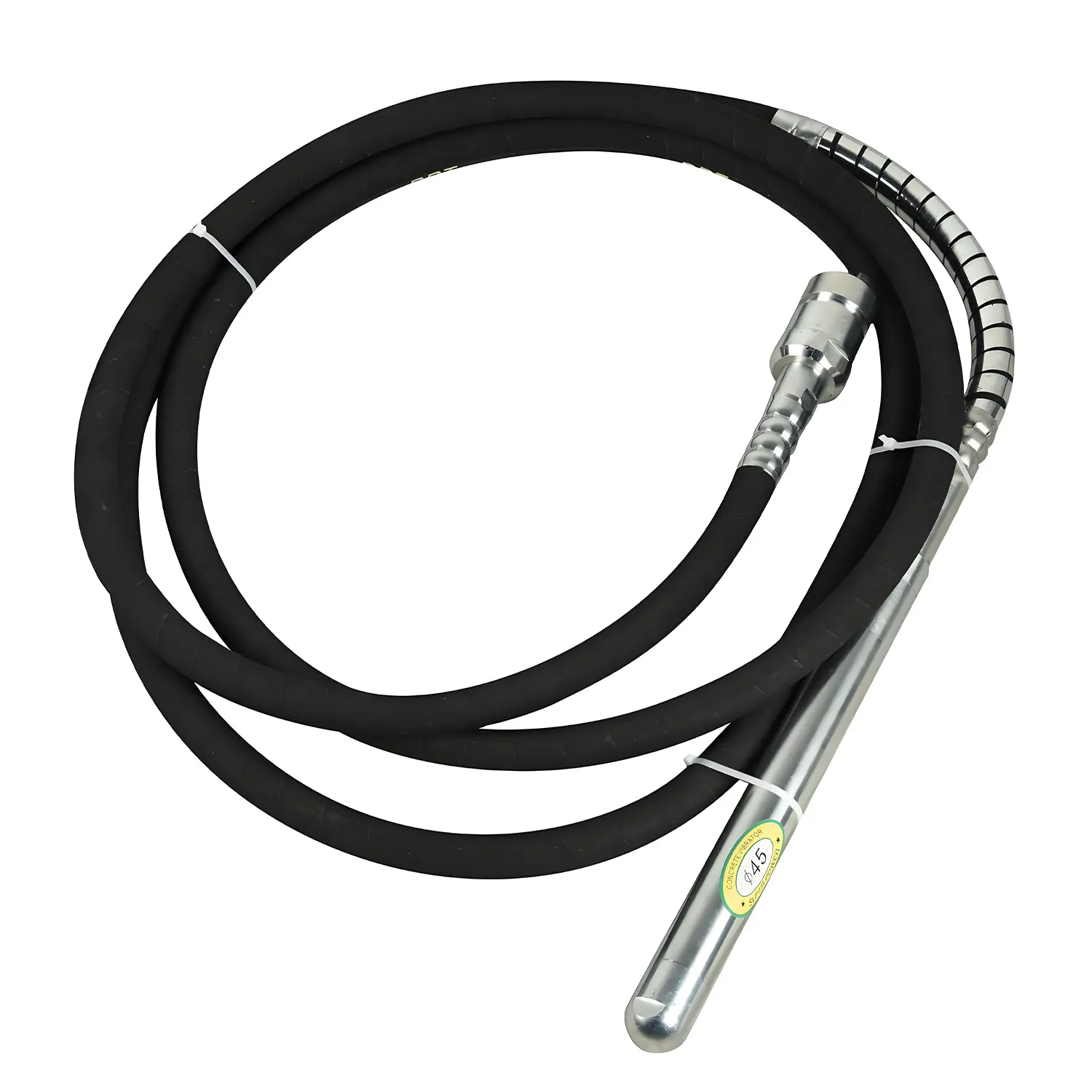 Pendulum shaft
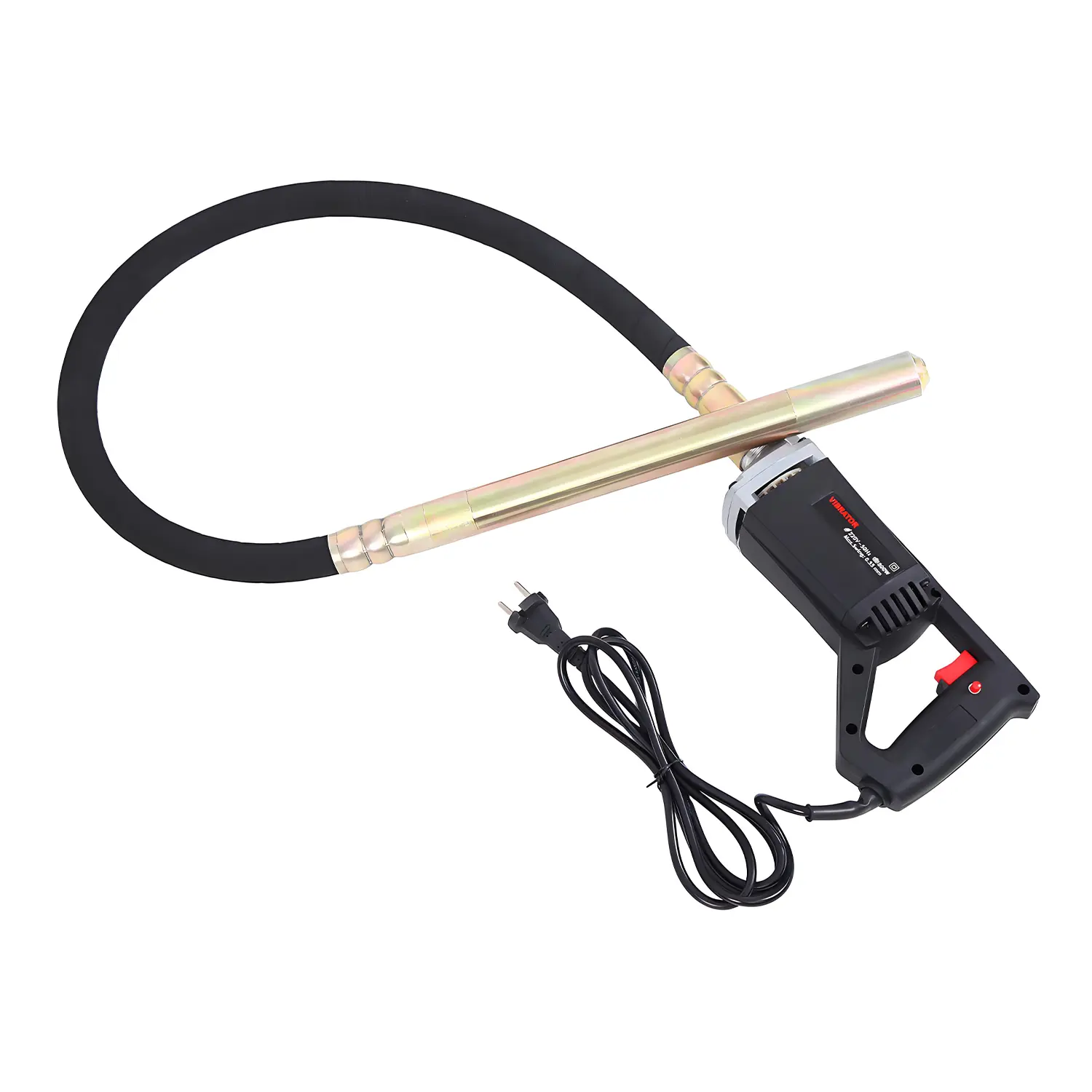 Portable vbrator shaft
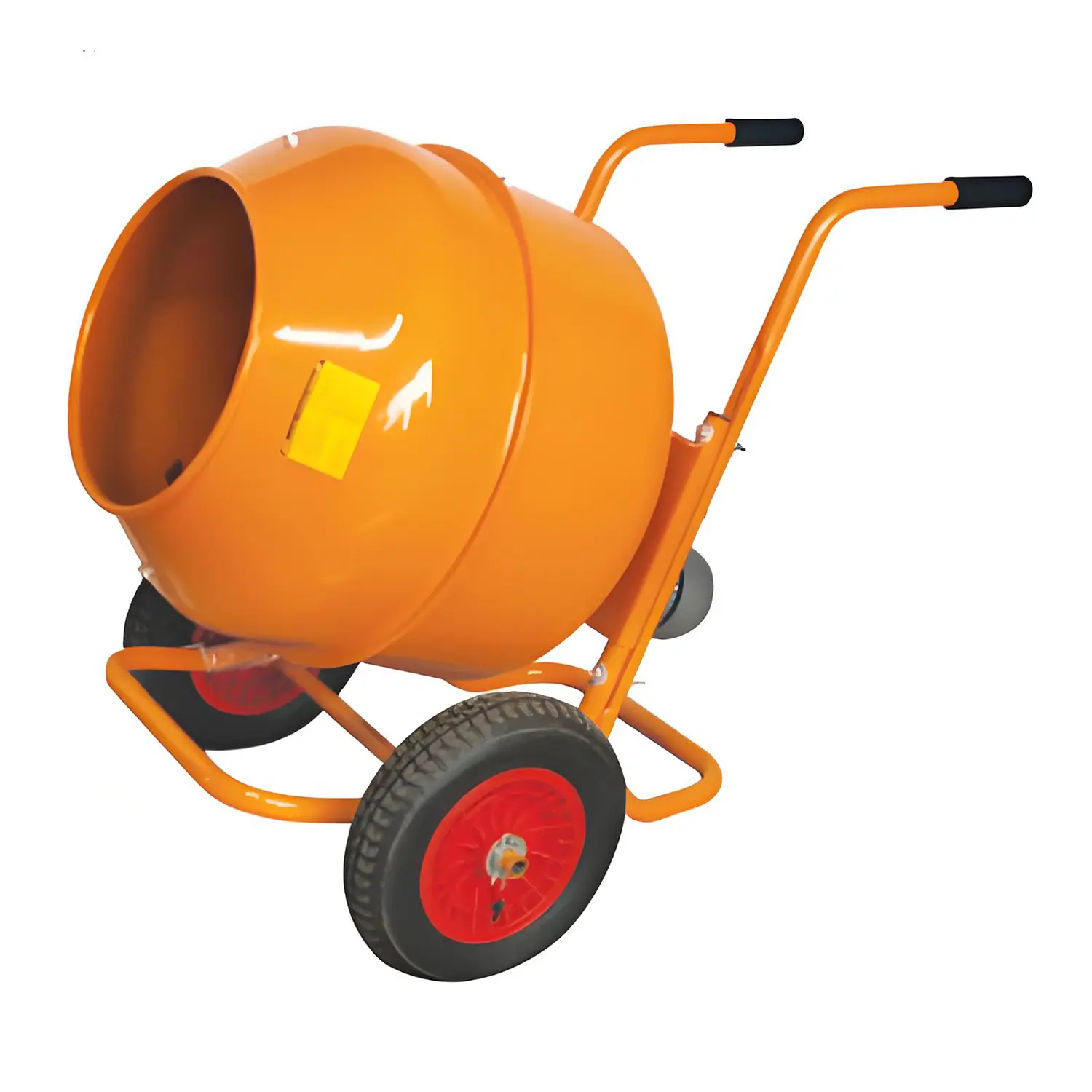 Portable concrete mixer
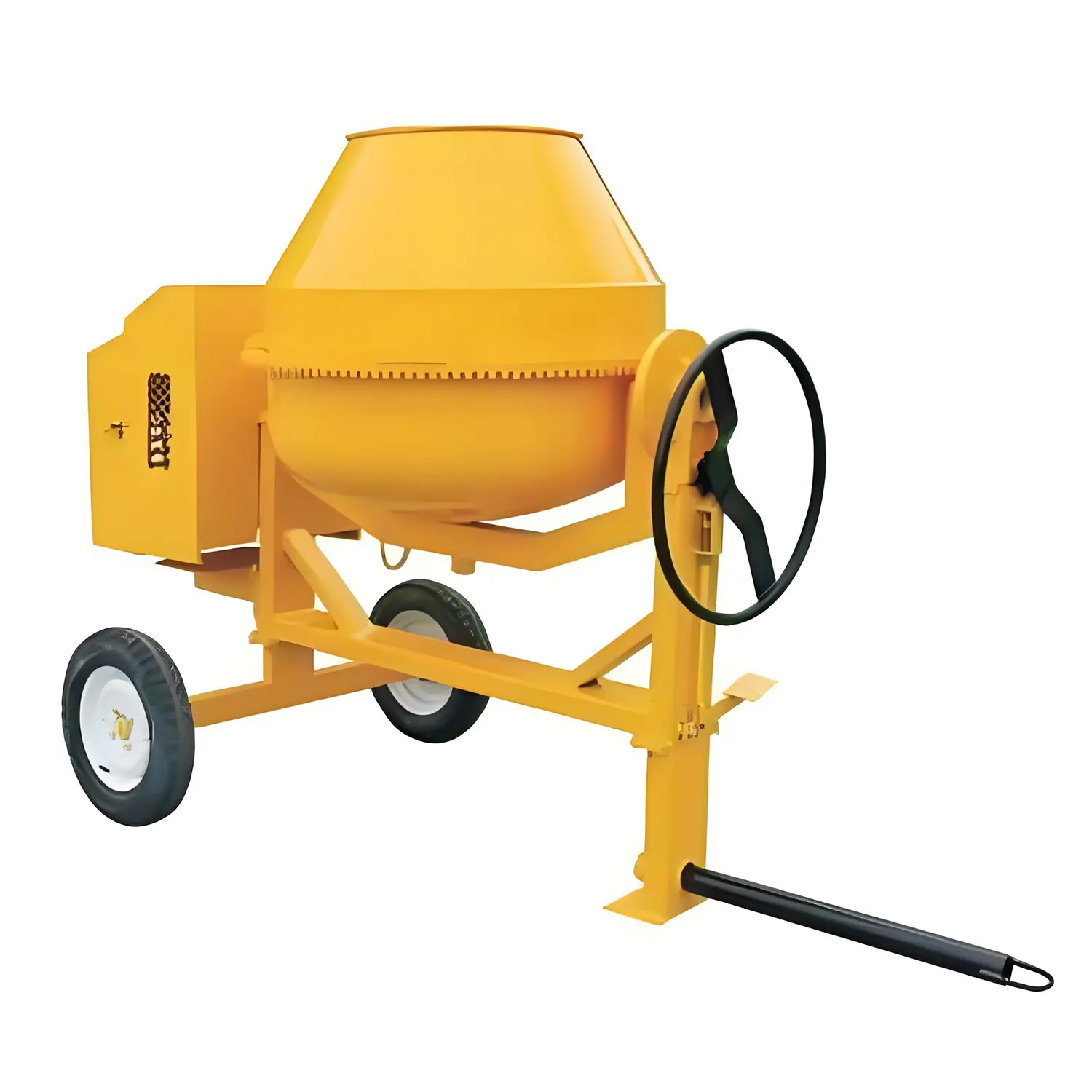 Vertical concrete mixer
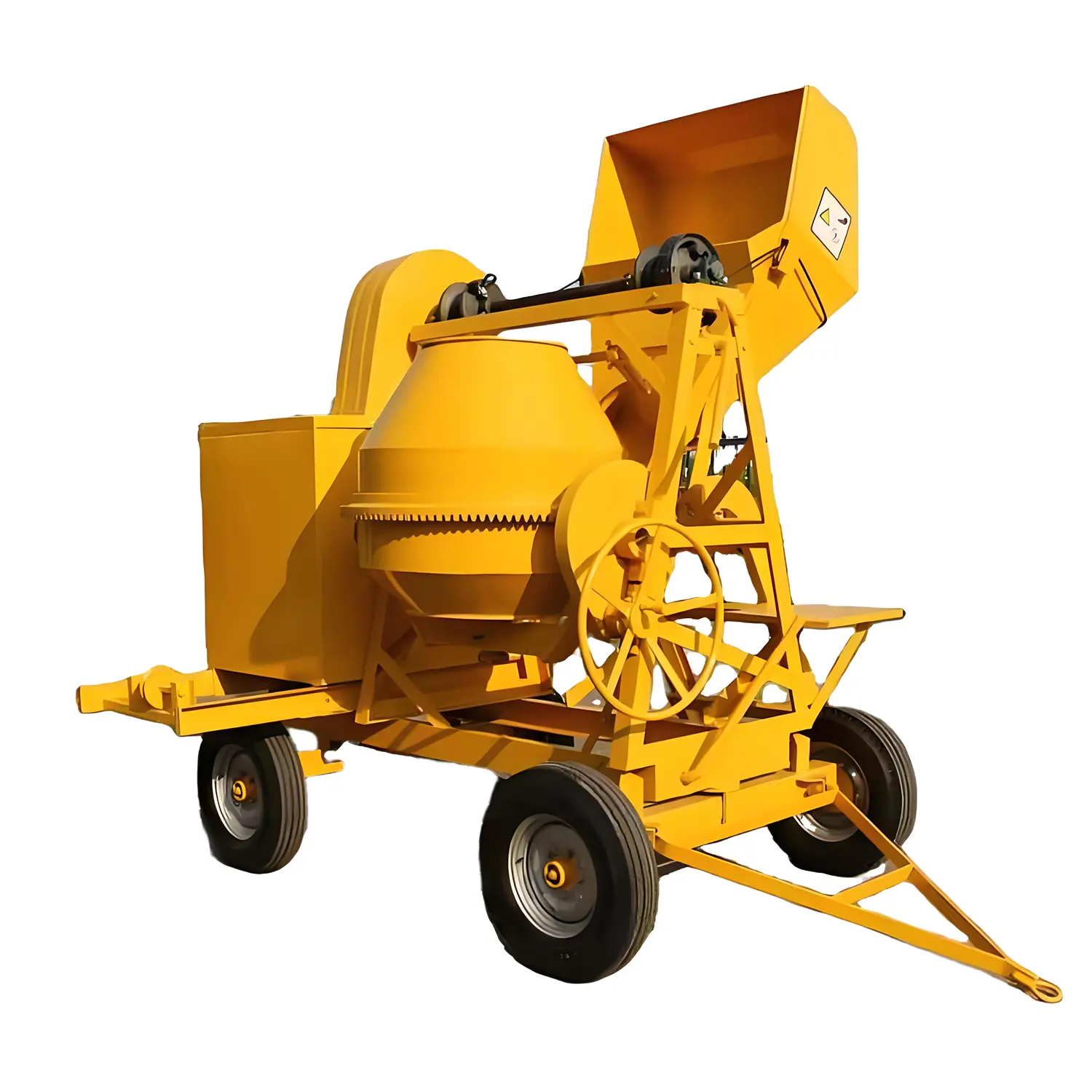 Hydraulic concrete mixer
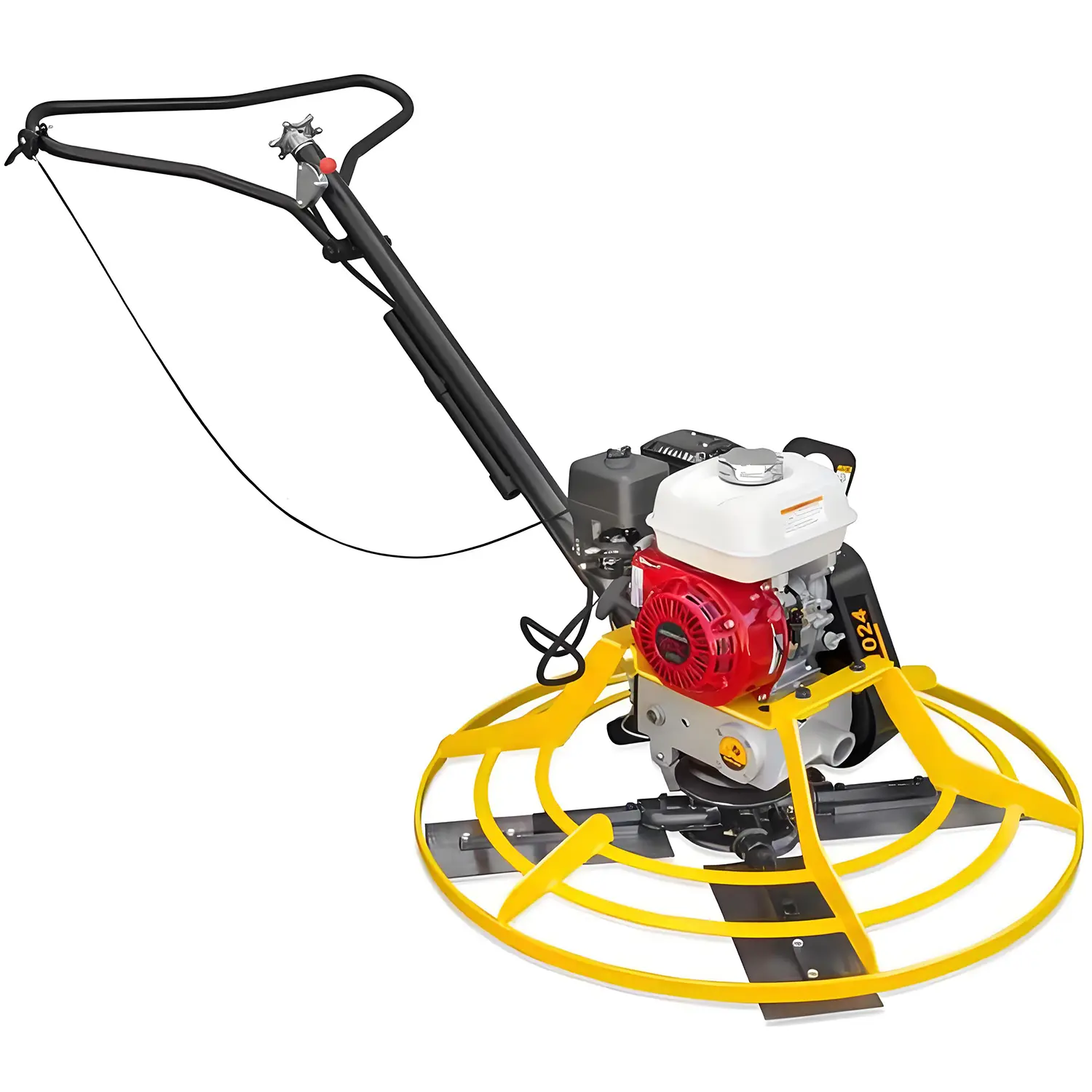 Walk behind power trowel
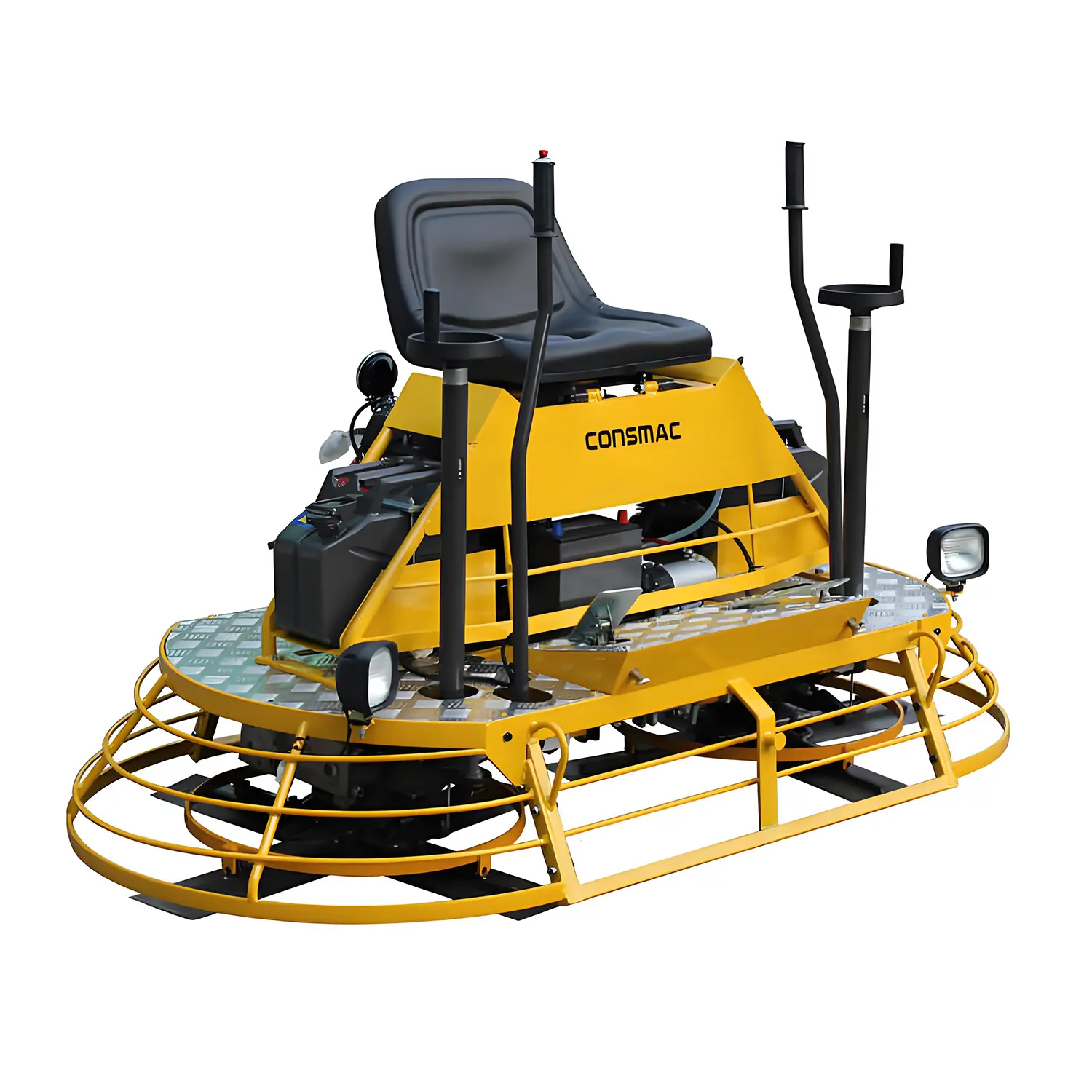 Ride on power trowel
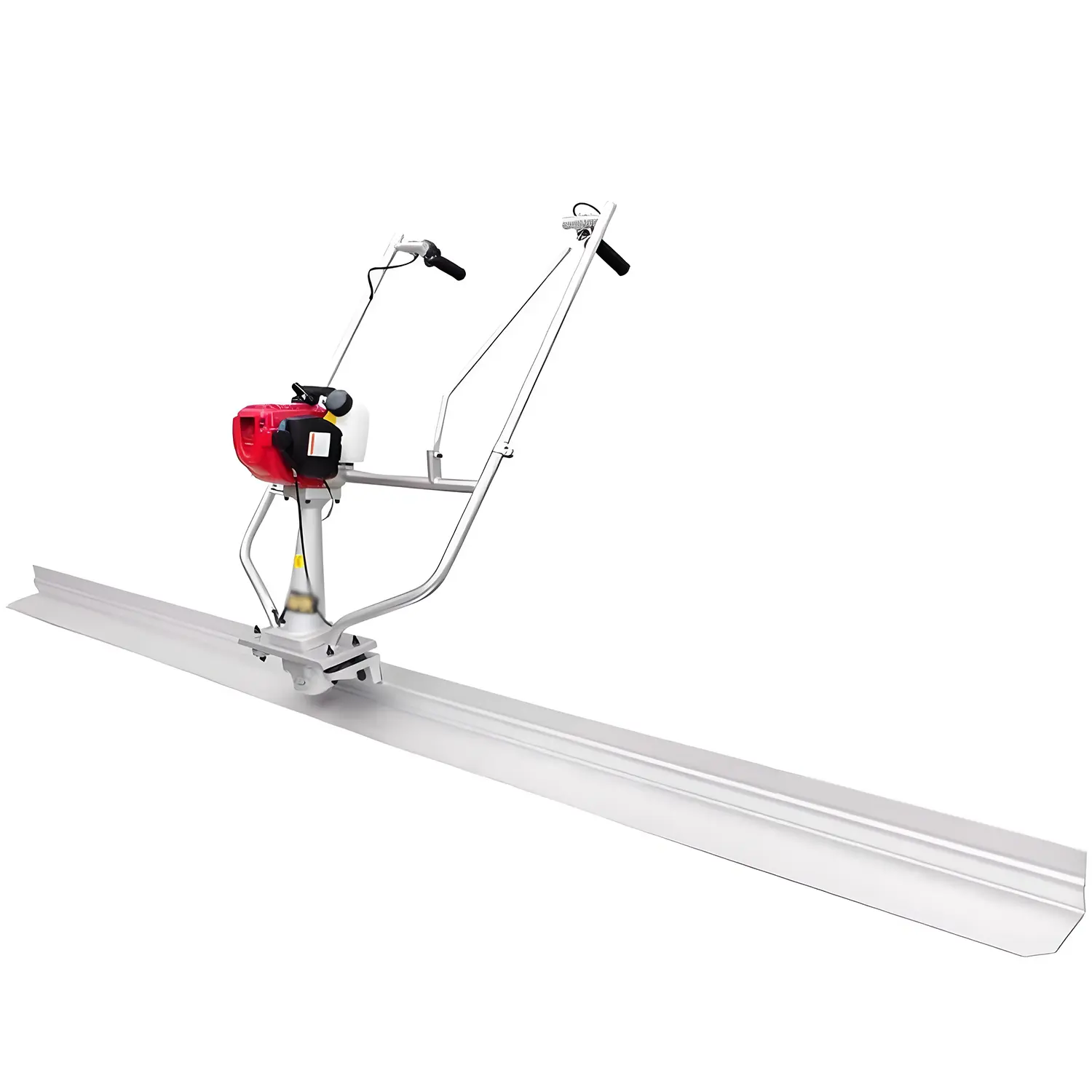 Concrete screed
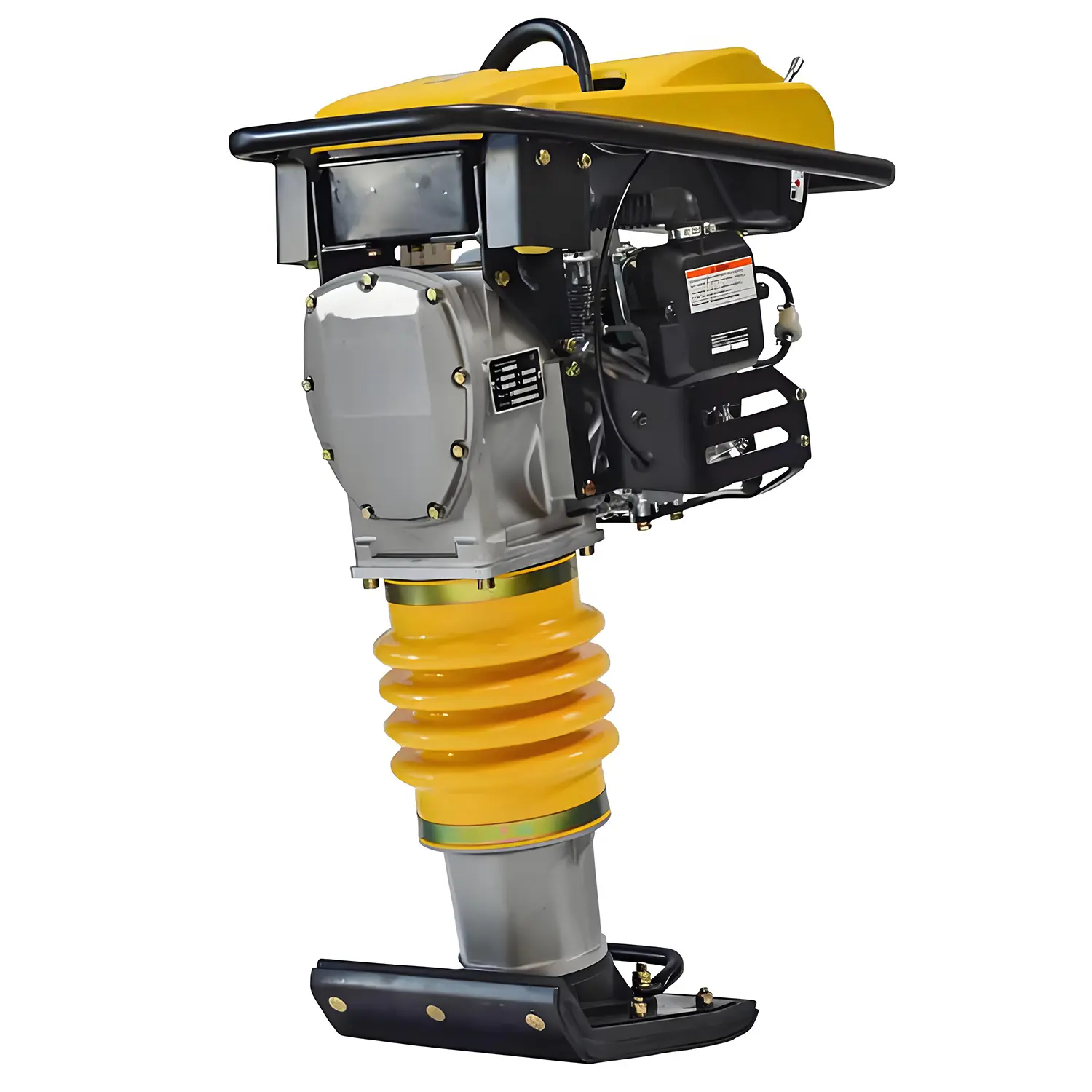 Tamping rammer
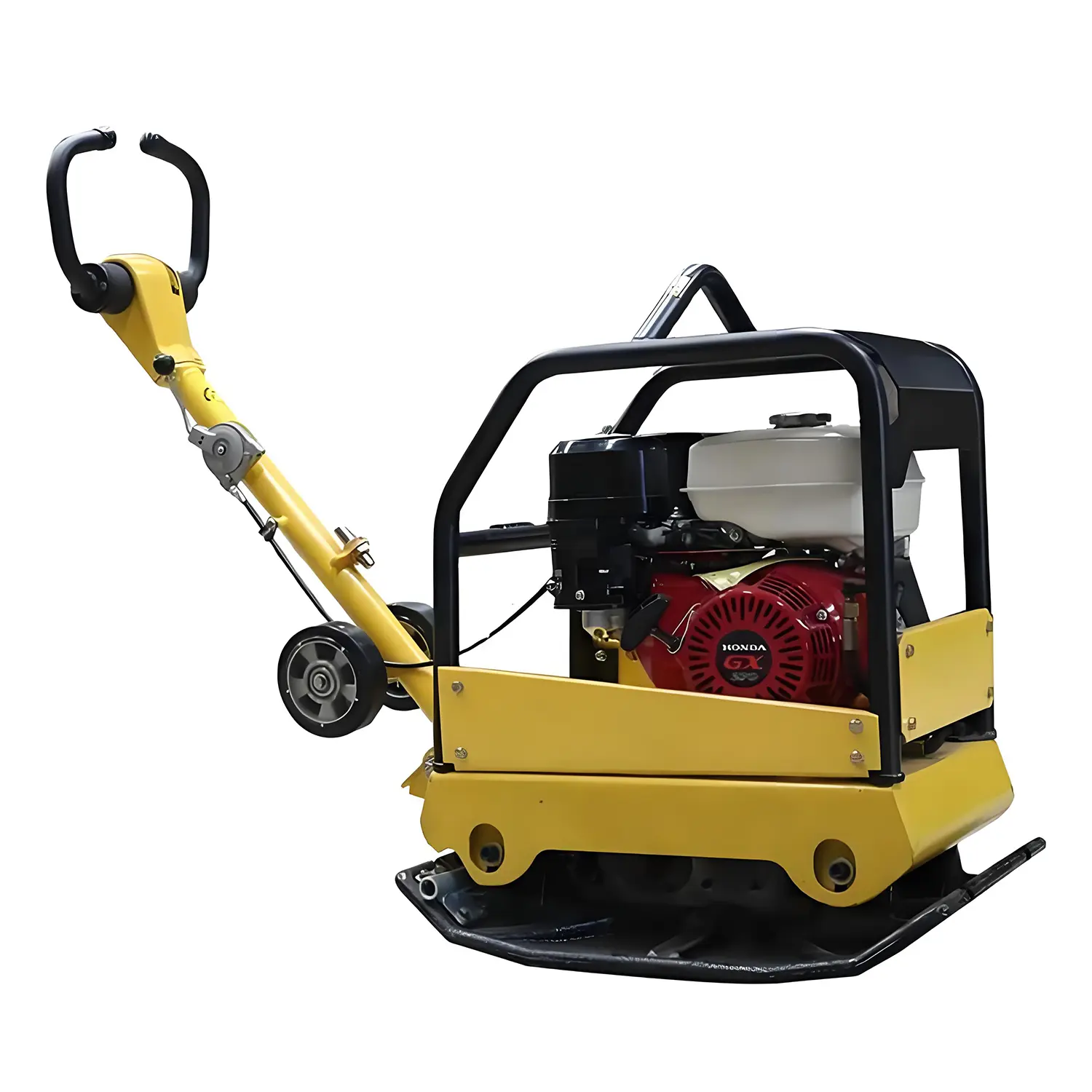 Plate compactor
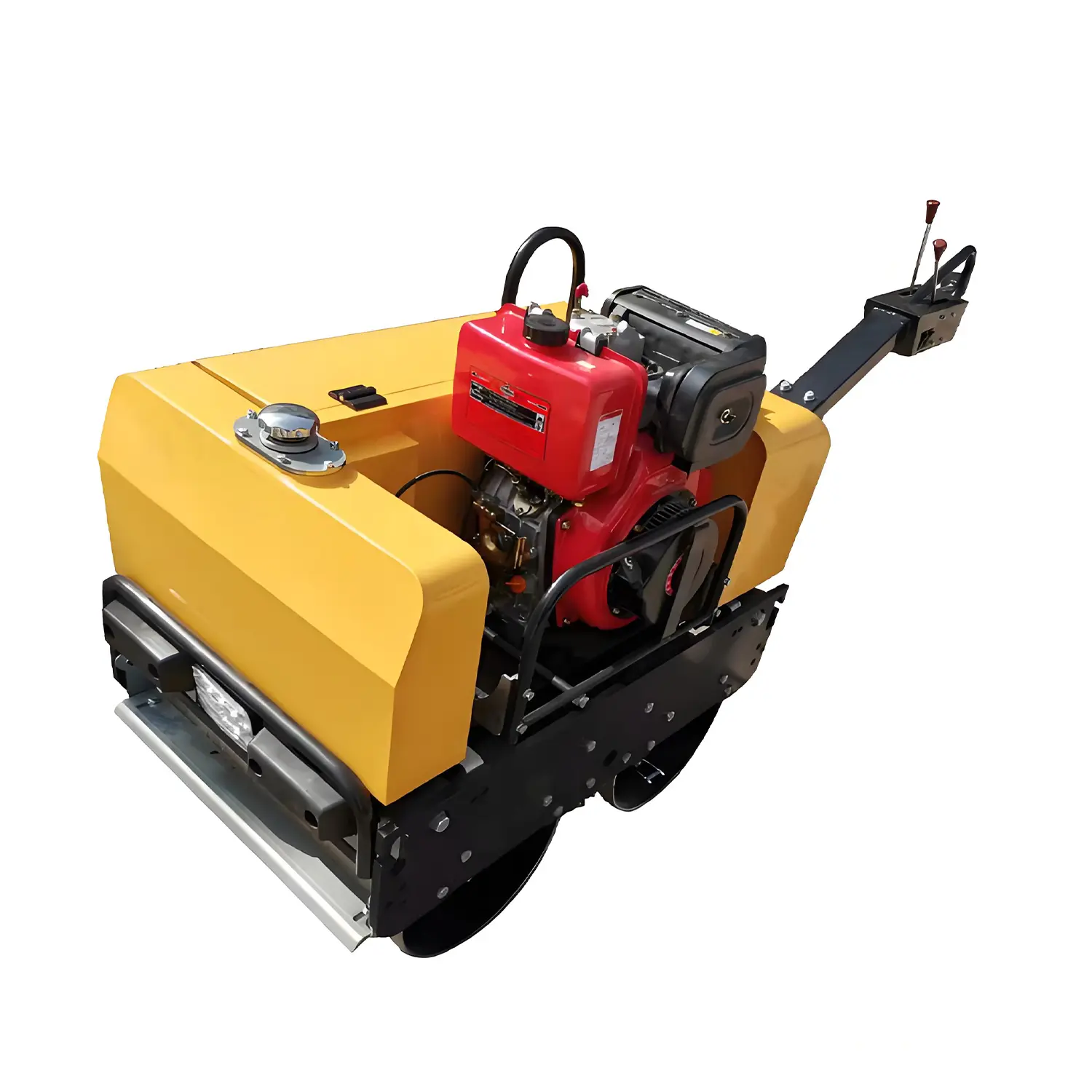 Vibratory roller