Top 10 Diesel Concrete Vibrators for Efficient Construction Work?
In the world of construction, efficiency is crucial. The use of powerful tools can significantly enhance project productivity. Among these, the Diesel Concrete Vibrator stands out. This tool is designed to optimize the mixing and settling of concrete. It ensures strong foundations and durable structures.
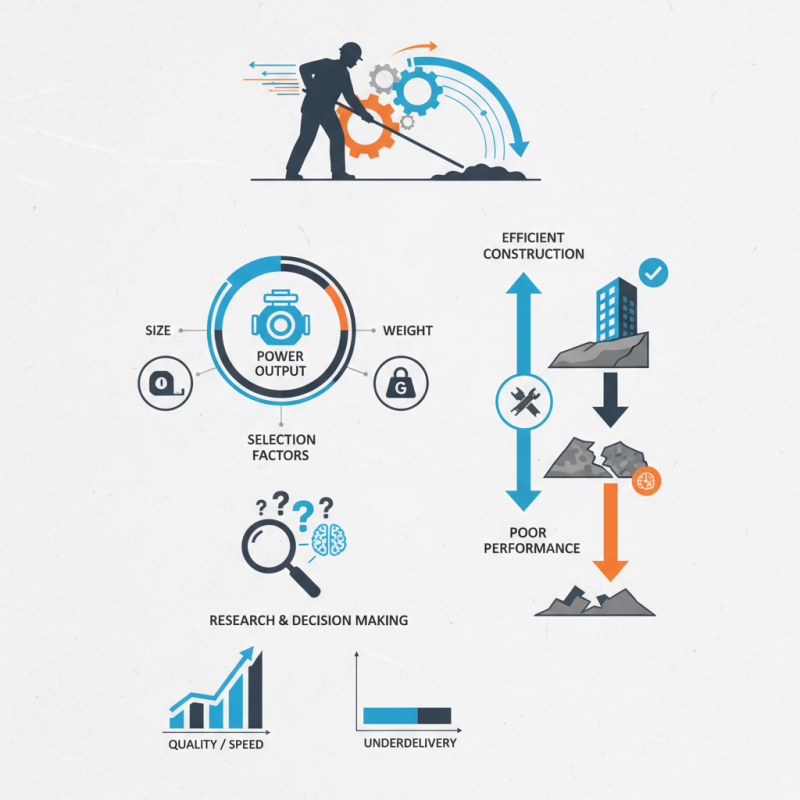
When selecting a diesel concrete vibrator, several factors come into play. Size, weight, and power output all matter. A well-chosen model can speed up the process. It can also improve the quality of the concrete. However, not all vibrators perform equally. Some might fall short, even if they look robust.
Investing time in research is essential. Differentiating between features can be tricky. Knowing what works best for your needs is vital. Some diesel concrete vibrators may underdeliver. A systematic approach to understanding these tools can lead to better decisions. The right choice will pave the way for successful projects.
Top Diesel Concrete Vibrators in the Construction Industry
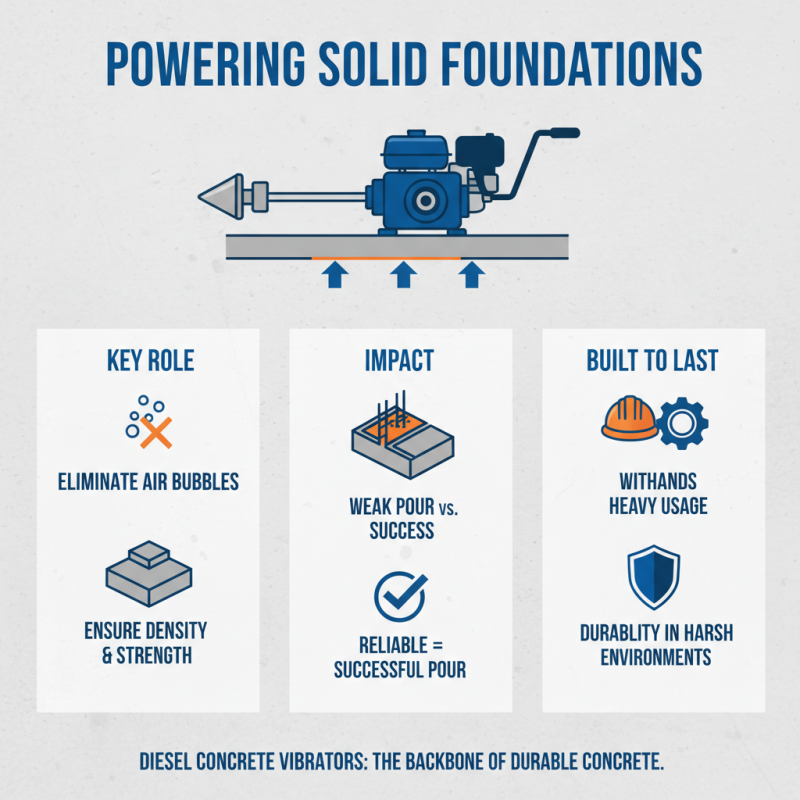
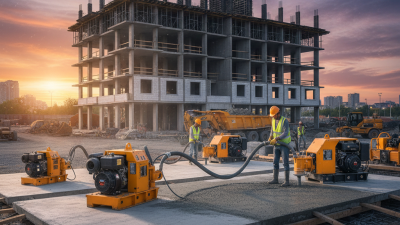
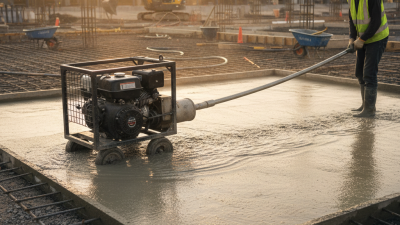
In the construction industry, diesel concrete vibrators play a crucial role. They help eliminate air bubbles and ensure a solid foundation. A reliable vibrator can make the difference between a weak pour and a successful one. Construction workers need tools that withstand heavy usage and harsh environments. The durability of these machines is paramount.
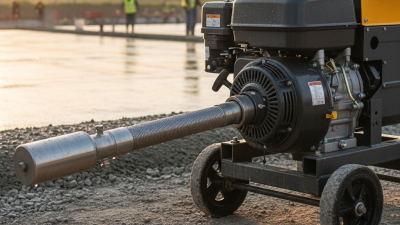
When selecting a diesel concrete vibrator, consider weight, power, and ease of use. Some models might be too heavy for extended use, leading to fatigue. On the other hand, lighter models may compromise on efficiency. An ideal choice balances power output with manageable weight. A well-placed vibrator can make the process faster and more effective.
In many cases, it’s essential to reflect on maintenance. Users should regularly check components to avoid breakdowns. Neglecting routine care can lead to bigger issues. Therefore, proper upkeep ensures longevity. A solid choice may sometimes require trial and error. Each project is unique, and the optimal vibratory tool can vary accordingly.
Key Factors for Choosing the Right Diesel Concrete Vibrator
Choosing the right diesel concrete vibrator can significantly impact construction efficiency. A few key factors come into play when making this decision. The first consideration is vibration frequency. Higher frequencies usually provide better results, as they efficiently consolidate concrete. Look for models that allow frequency adjustments for different concrete types.
Next, consider the power output. A powerful engine will ensure effective operation, especially in challenging conditions. However, this also means higher fuel consumption. Balancing power and efficiency is crucial. Weight is another important factor. A lightweight vibrator is easier to maneuver, but may sacrifice some power. Strike a balance that suits your project needs.
Additionally, maintenance requirements should not be overlooked. Some vibrators require frequent servicing, adding to operational costs. Simple designs tend to have fewer issues, making them more reliable. Reflect on how often you’ll need repairs or replacements. Ultimately, finding a suitable diesel concrete vibrator involves evaluating these details carefully. Make sure to test various options before making a choice.
Top 10 Diesel Concrete Vibrators for Efficient Construction Work
| Model |
Engine Power (HP) |
Vibrating Frequency (Hz) |
Weight (lbs) |
Fuel Type |
Price Range ($) |
| Model A |
6 |
60 |
150 |
Diesel |
800-1000 |
| Model B |
5.5 |
55 |
140 |
Diesel |
700-900 |
| Model C |
7 |
65 |
160 |
Diesel |
900-1100 |
| Model D |
4.5 |
50 |
130 |
Diesel |
600-800 |
| Model E |
8 |
70 |
180 |
Diesel |
1000-1200 |
| Model F |
6.5 |
62 |
155 |
Diesel |
850-1050 |
| Model G |
5 |
58 |
135 |
Diesel |
650-850 |
| Model H |
7.5 |
66 |
170 |
Diesel |
950-1150 |
| Model I |
4 |
52 |
125 |
Diesel |
500-700 |
| Model J |
9 |
72 |
190 |
Diesel |
1100-1300 |
Performance Metrics: Vibration Frequency and Amplitude Analysis
When selecting diesel concrete vibrators, performance metrics like vibration frequency and amplitude play a crucial role. These factors determine how effectively the vibrator compacts concrete. A higher vibration frequency can enhance the removal of air bubbles, leading to denser concrete and a more robust finish. Most vibrators operate in the range of 4,500 to 12,000 vibrations per minute. Yet, not all construction tasks require the same frequency.
Amplitude also matters. A higher amplitude can translate to more substantial vibration. This is particularly beneficial for thicker layers of concrete. However, excessive amplitude can lead to material damage or uneven surfaces. It’s essential to match the amplitude with the project’s specific needs.
Users often overlook these metrics. They may choose a vibrator based on size or price. However, the right vibration settings can drastically influence outcomes. Sometimes, an adjustment in frequency or amplitude is all it takes for better results. Experimentation may yield surprising improvements. Investing time in understanding these fundamentals can transform the quality of work.
Market Trends: Adoption Rates of Diesel vs. Electric Concrete Vibrators
In recent years, the construction industry has witnessed a notable shift towards diesel concrete vibrators. These machines are favored for their robust power and performance on larger sites. Many contractors appreciate their efficiency, especially in rural areas where electricity may be unreliable. However, concerns about emissions and environmental impact have sparked debates.
Electric concrete vibrators are gaining traction. They are quieter and produce no exhaust emissions, making them attractive for indoor projects. Many construction firms are re-evaluating their tool selections. The initial investment in electric units can be higher, but savings on fuel and maintenance can offset costs over time. Users often express mixed feelings about transitioning to electric. Some find the performance comparable, while others miss the sheer power of diesel models.
The market dynamics indicate a gradual balance. Diesel vibrators are still preferred for heavy-duty tasks. However, as technology advances, electric options become more capable. Users are encouraged to weigh the pros and cons carefully. Adoption may depend on specific project needs and environmental considerations. The construction landscape is evolving, and adapting to these changes is essential for efficiency and sustainability.
Impact of Diesel Concrete Vibrators on Project Efficiency and Quality
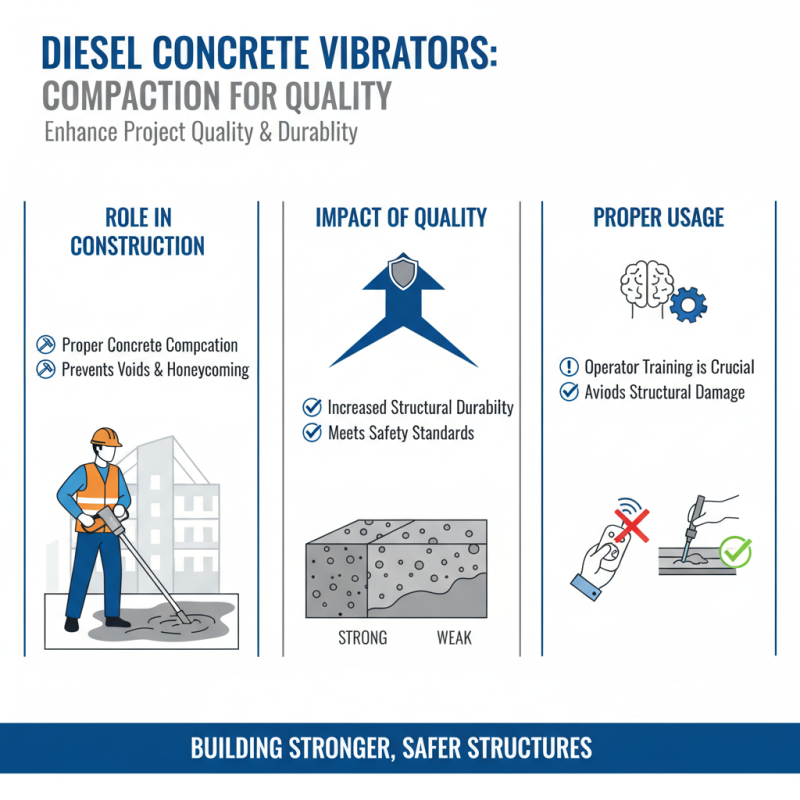
Diesel concrete vibrators play a crucial role in construction projects. They help ensure the proper compaction of concrete, enhancing overall project quality. This compaction improves the durability of structures. With better quality, the project often meets safety and performance standards effectively. Issues can arise if vibrators are misused. Operators should be trained. Improper use can lead to inadequate compaction or damage to the structure.
To get the best from diesel concrete vibrators, here are some tips. Make sure to choose the right size for your project. Larger jobs may require heavier equipment. Always check the fuel levels before starting. Running out mid-use can delay progress and affect timelines. Regular maintenance is essential. Dirty air filters can reduce efficiency.
Pay attention to the concrete mix. A poor mix can hinder the benefits of using a vibrator. Sometimes, operators might over-vibrate the concrete, leading to segregation of materials. This is a common mistake. A balance must be struck between ensuring thorough compaction and avoiding damage. Keep monitoring your technique for continuous improvement.

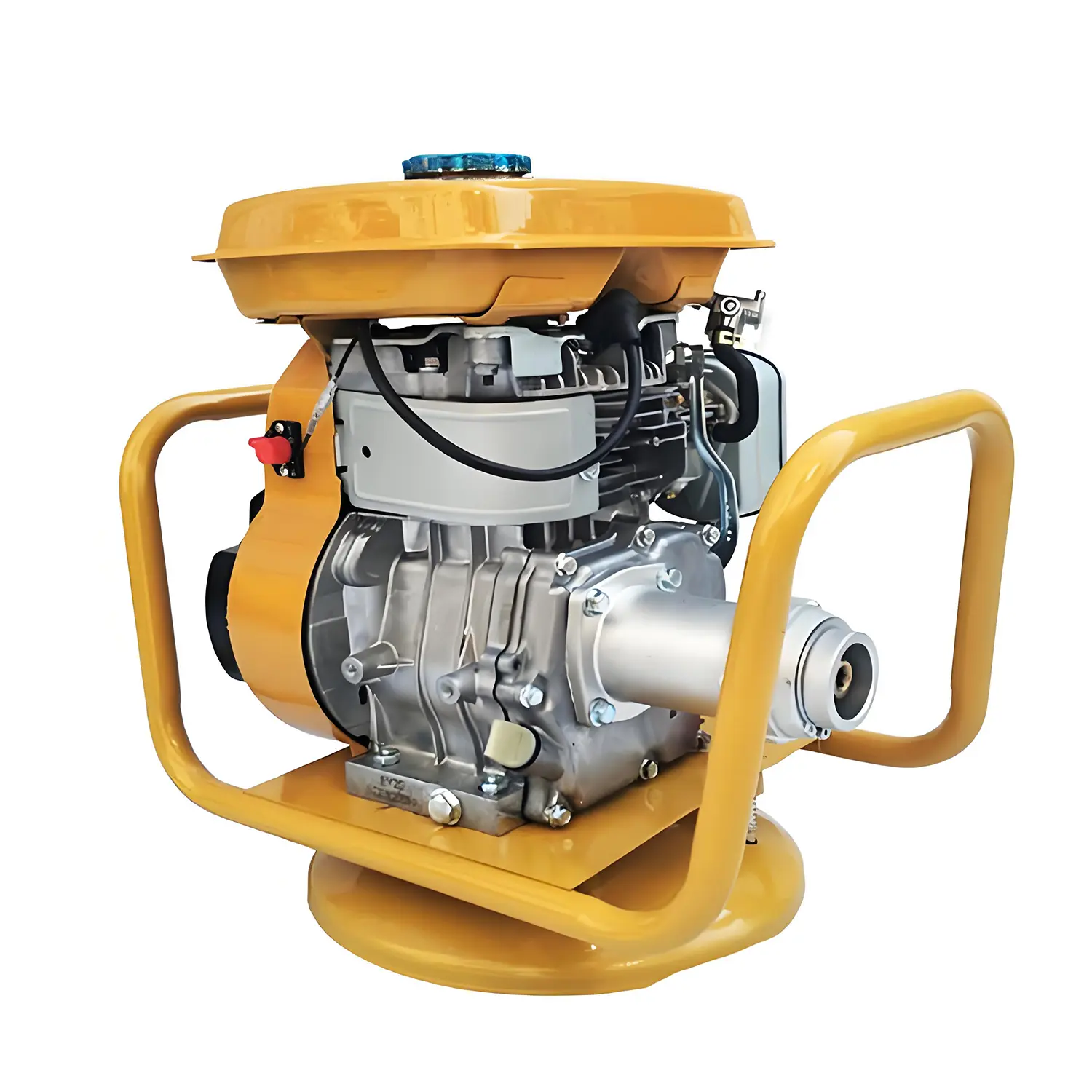 Internal Vibrator
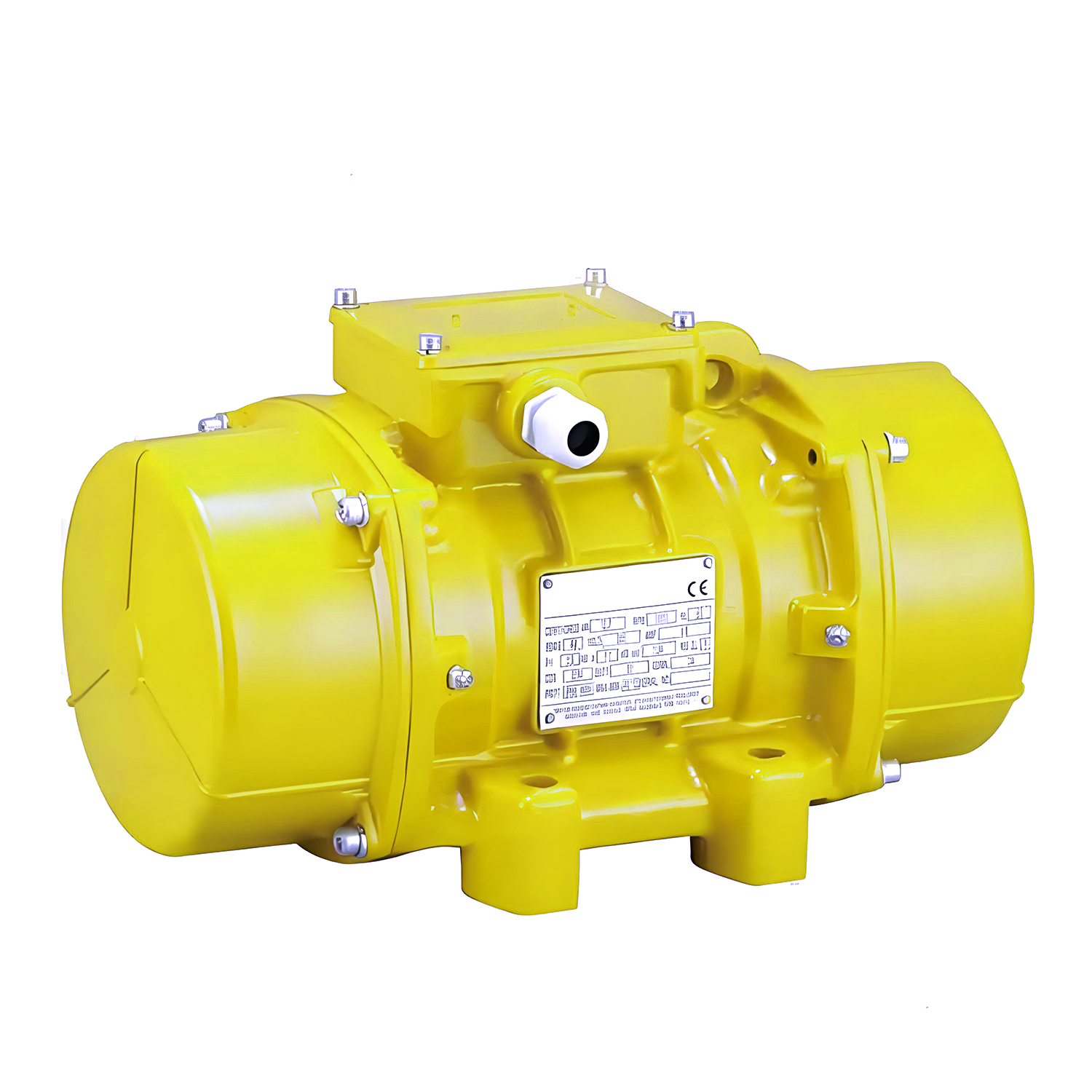 External Vibrator
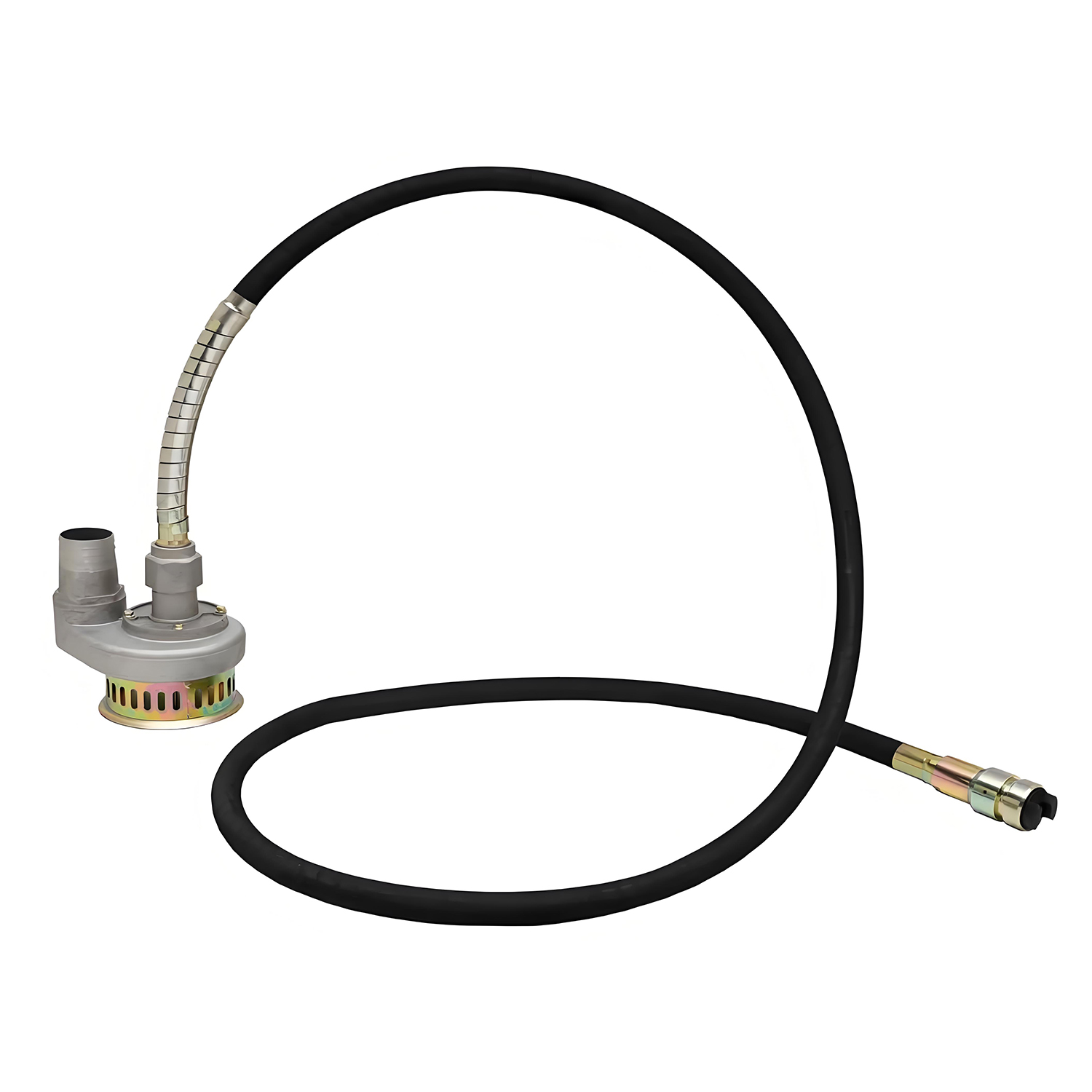 Submersible Pump
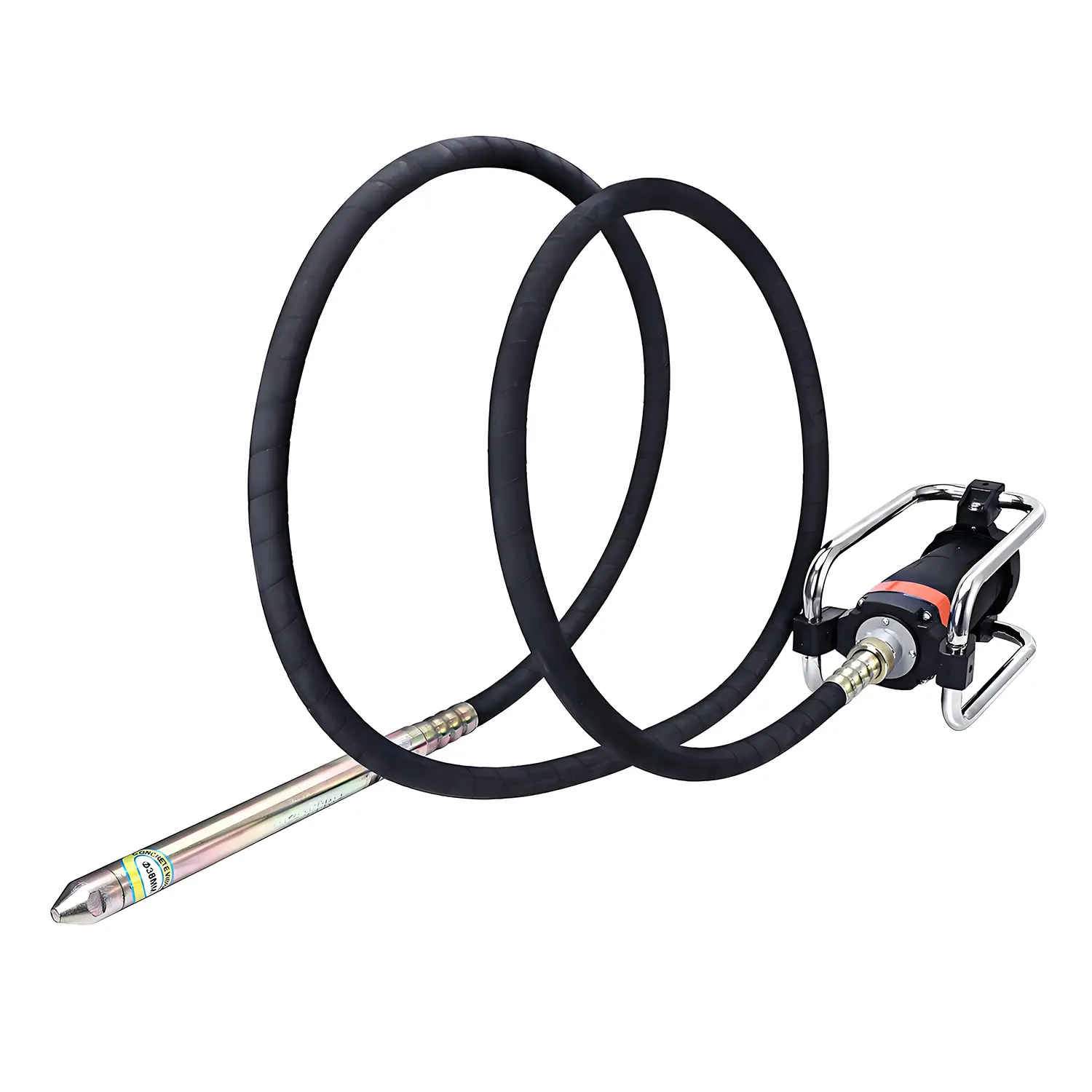 Eccentric shaft
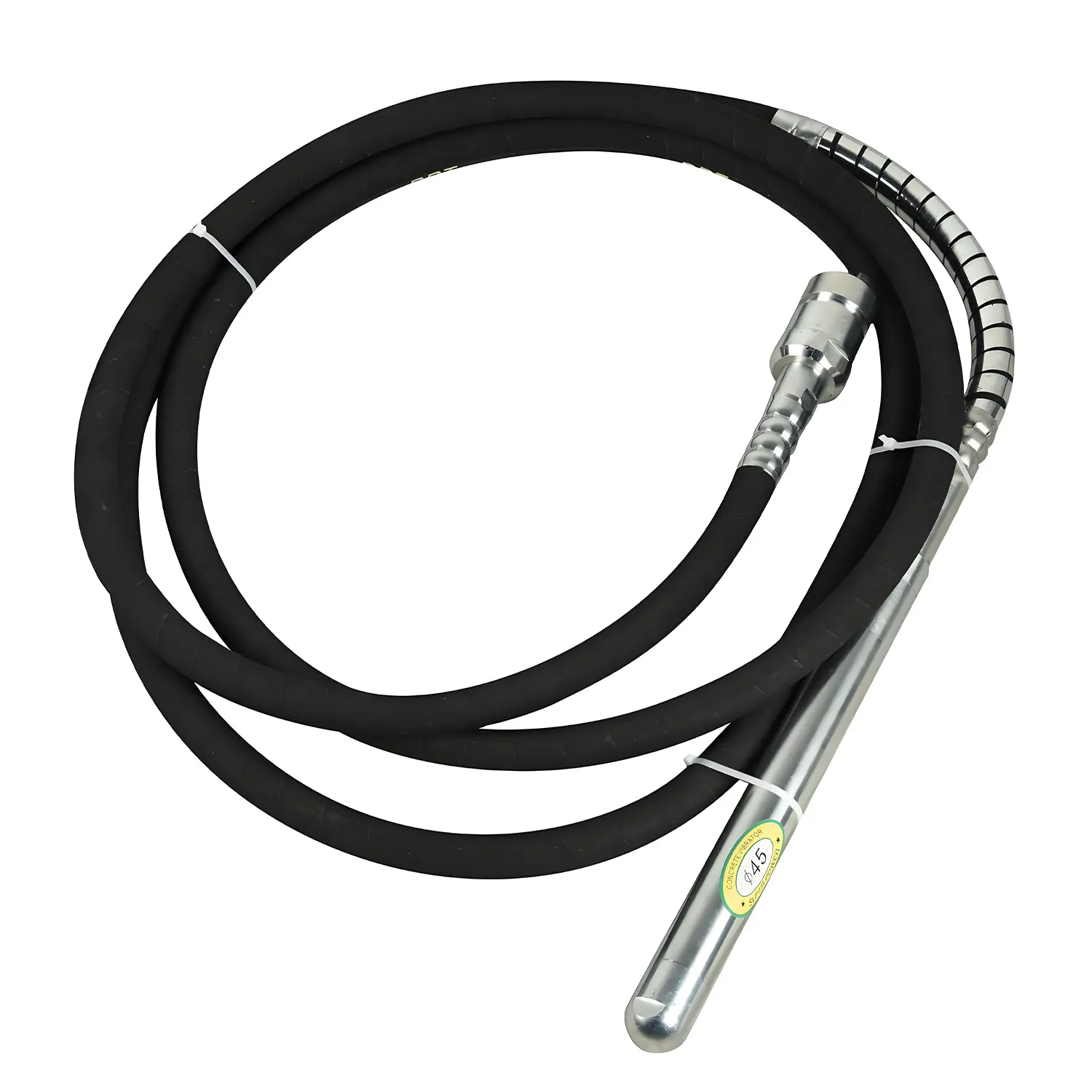 Pendulum shaft
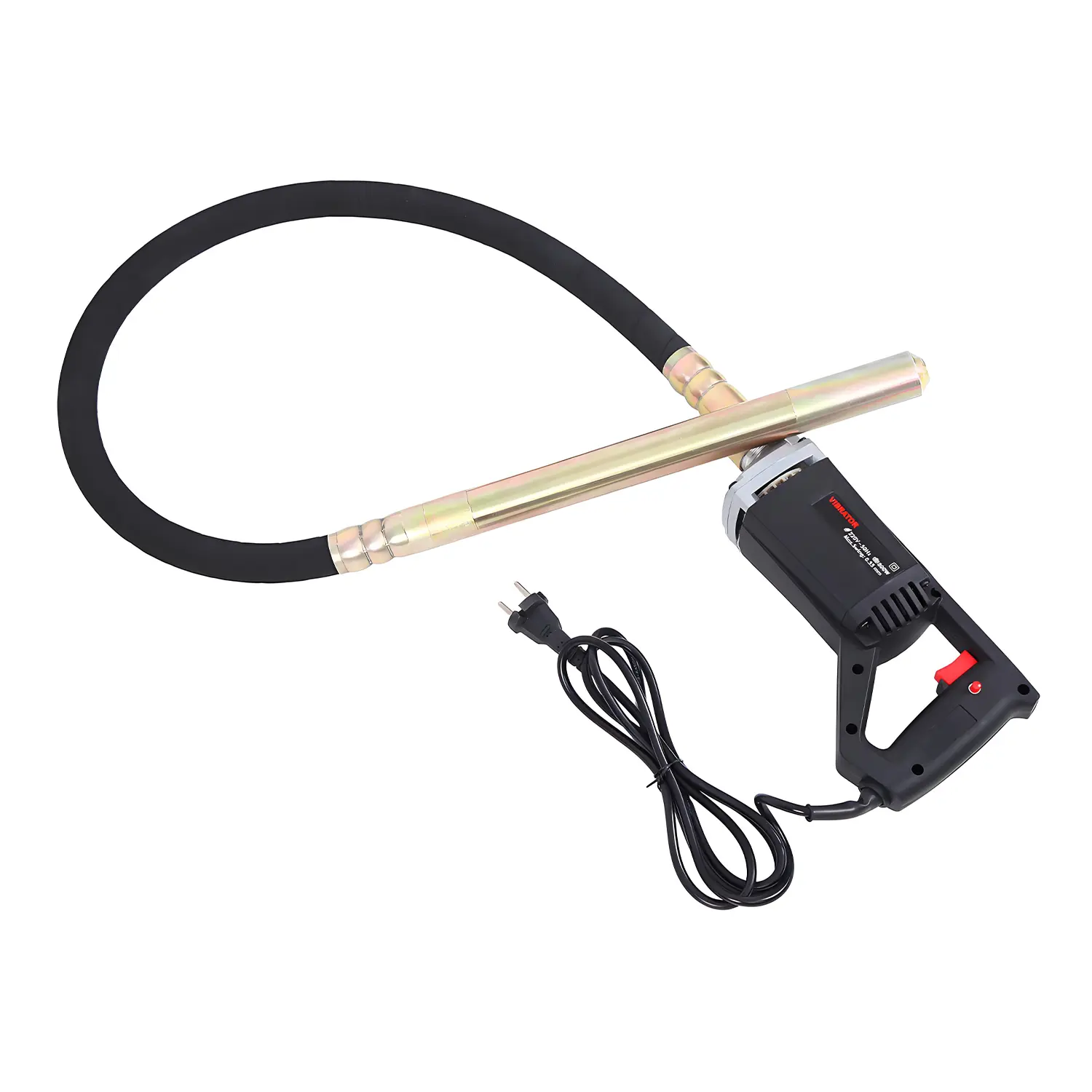 Portable vbrator shaft
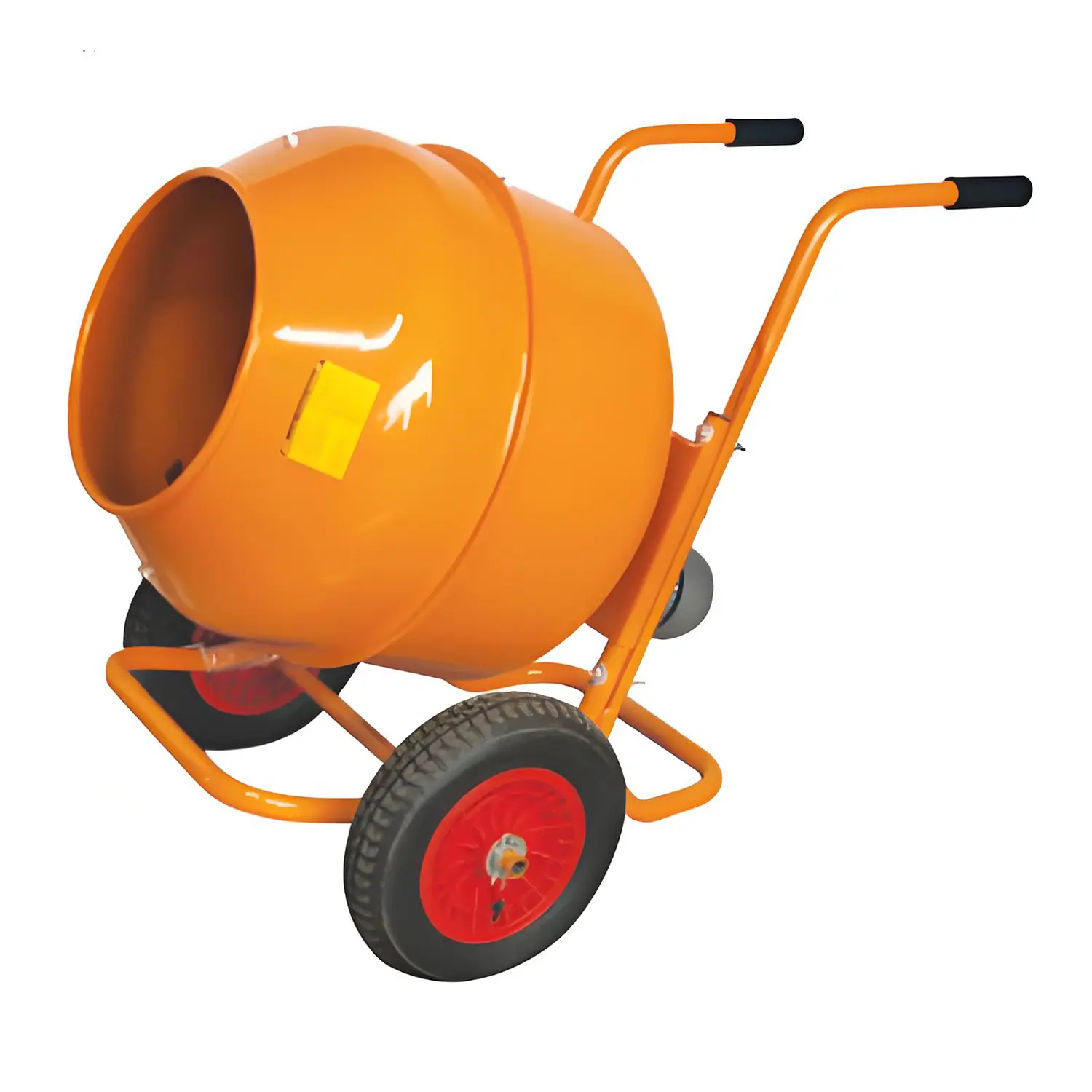 Portable concrete mixer
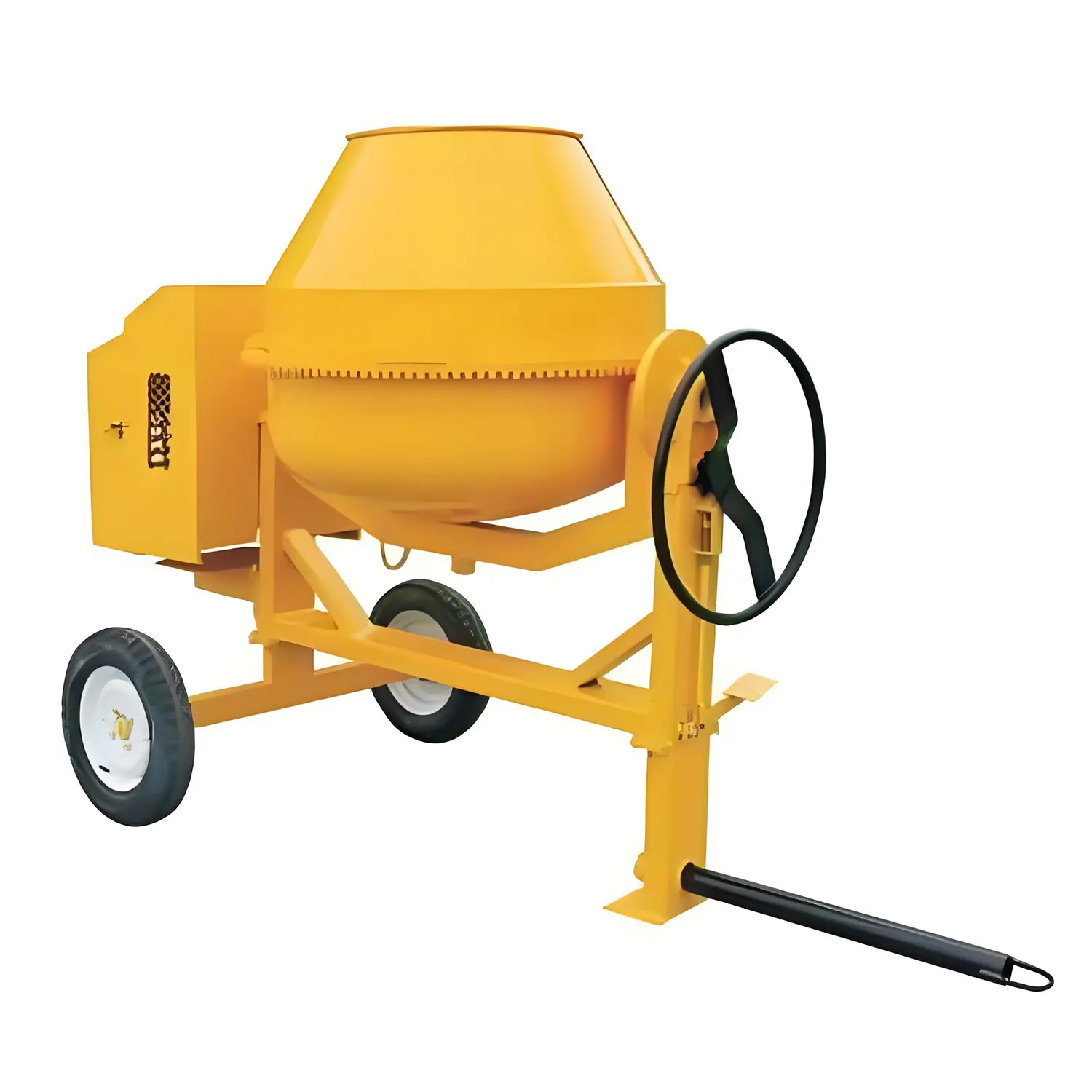 Vertical concrete mixer
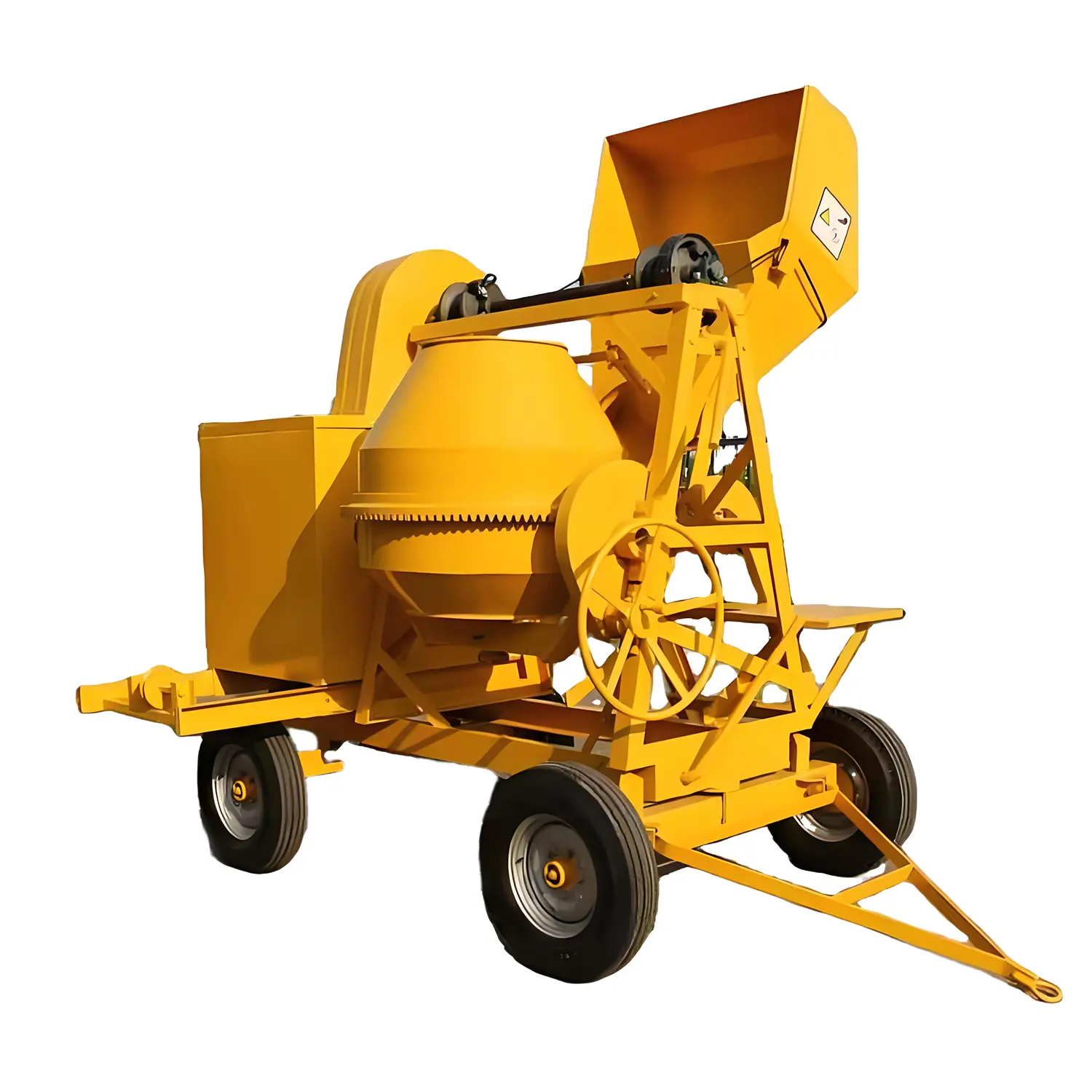 Hydraulic concrete mixer
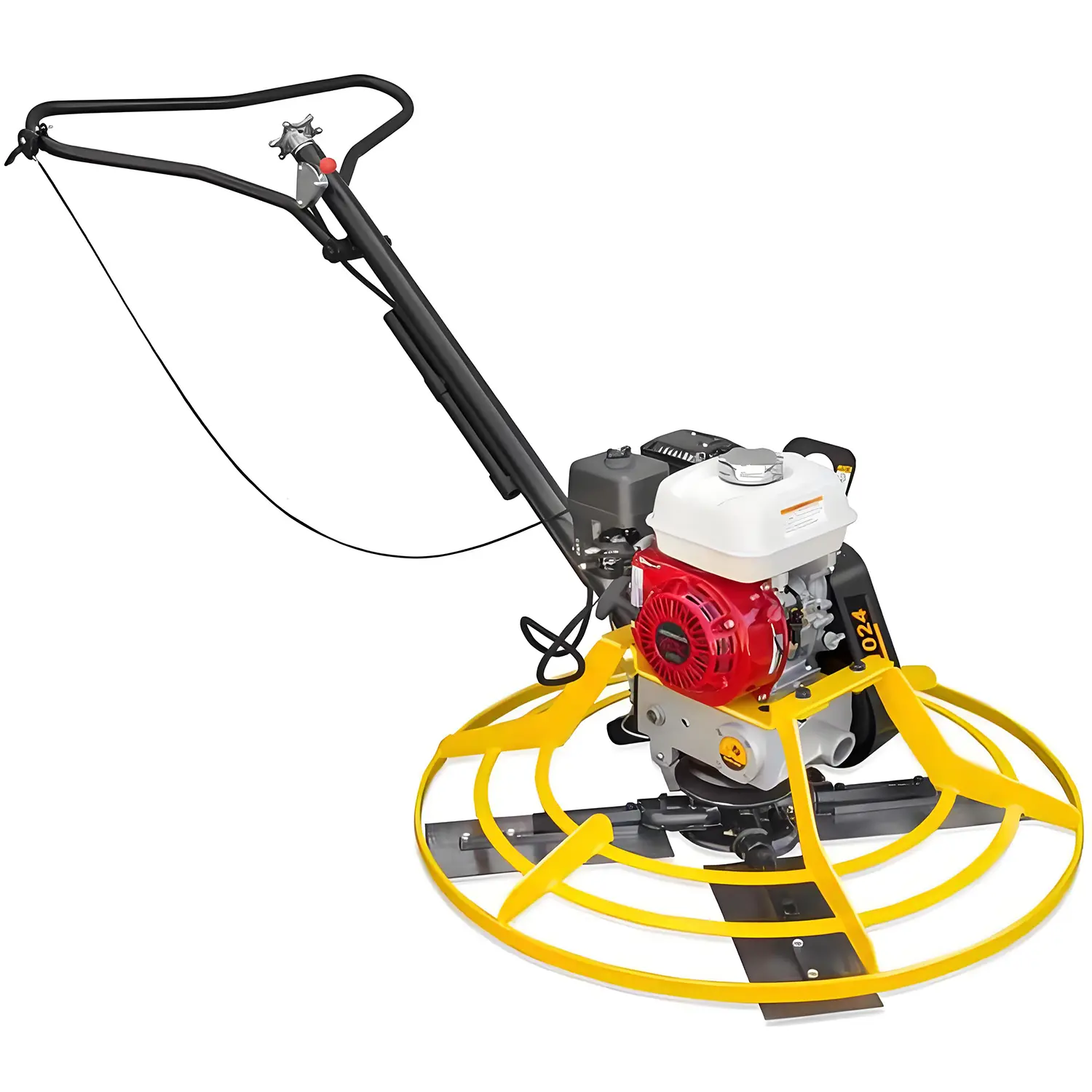 Walk behind power trowel
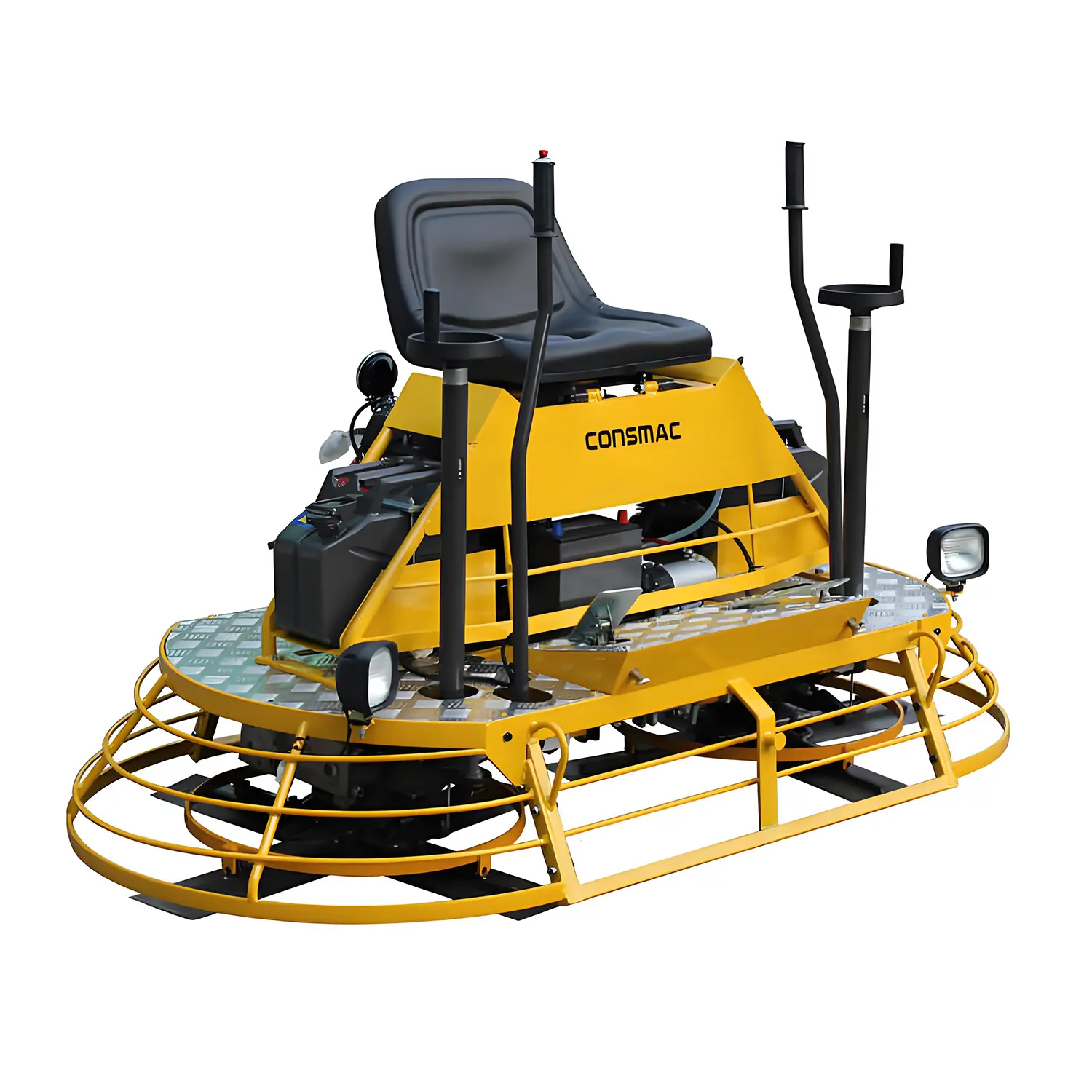 Ride on power trowel
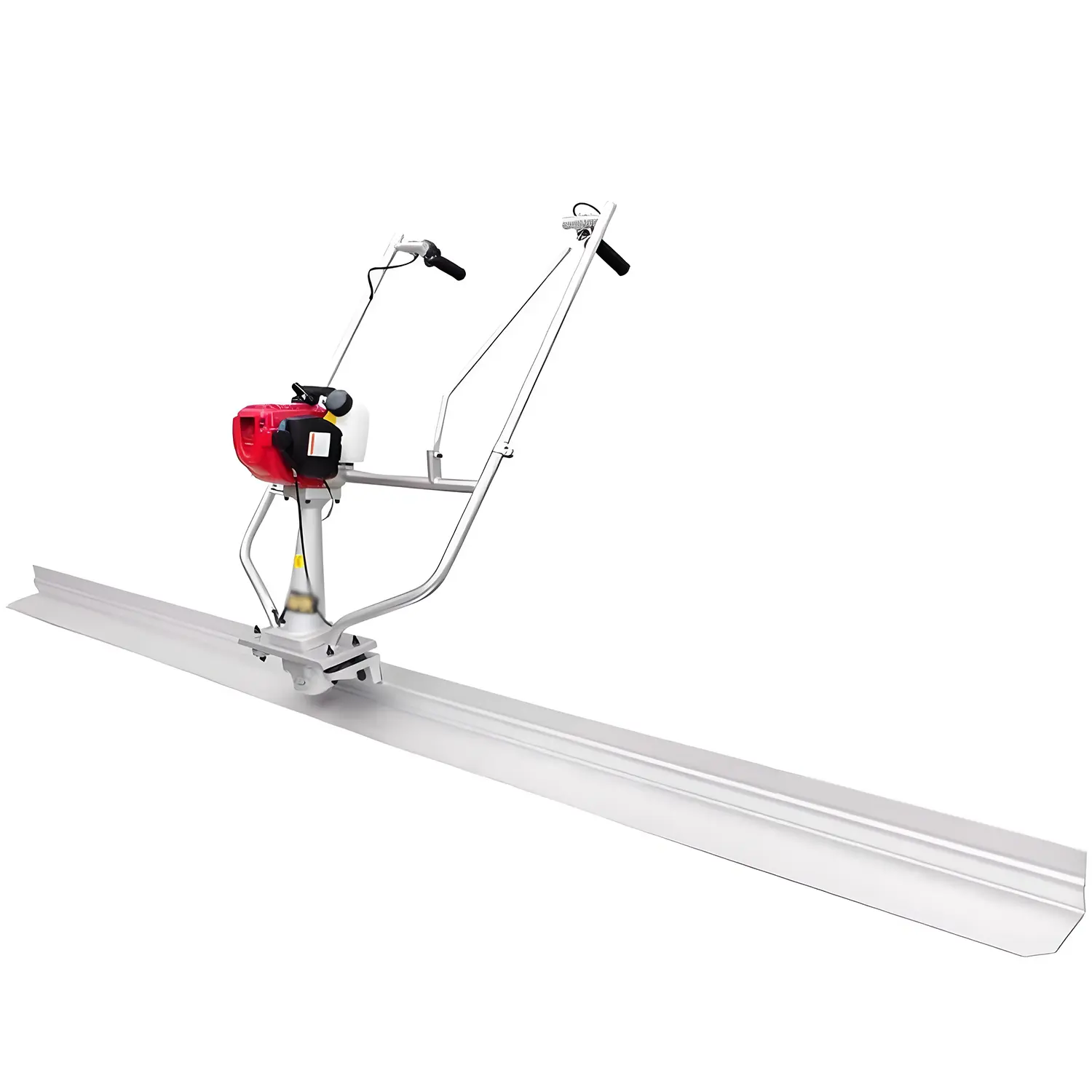 Concrete screed
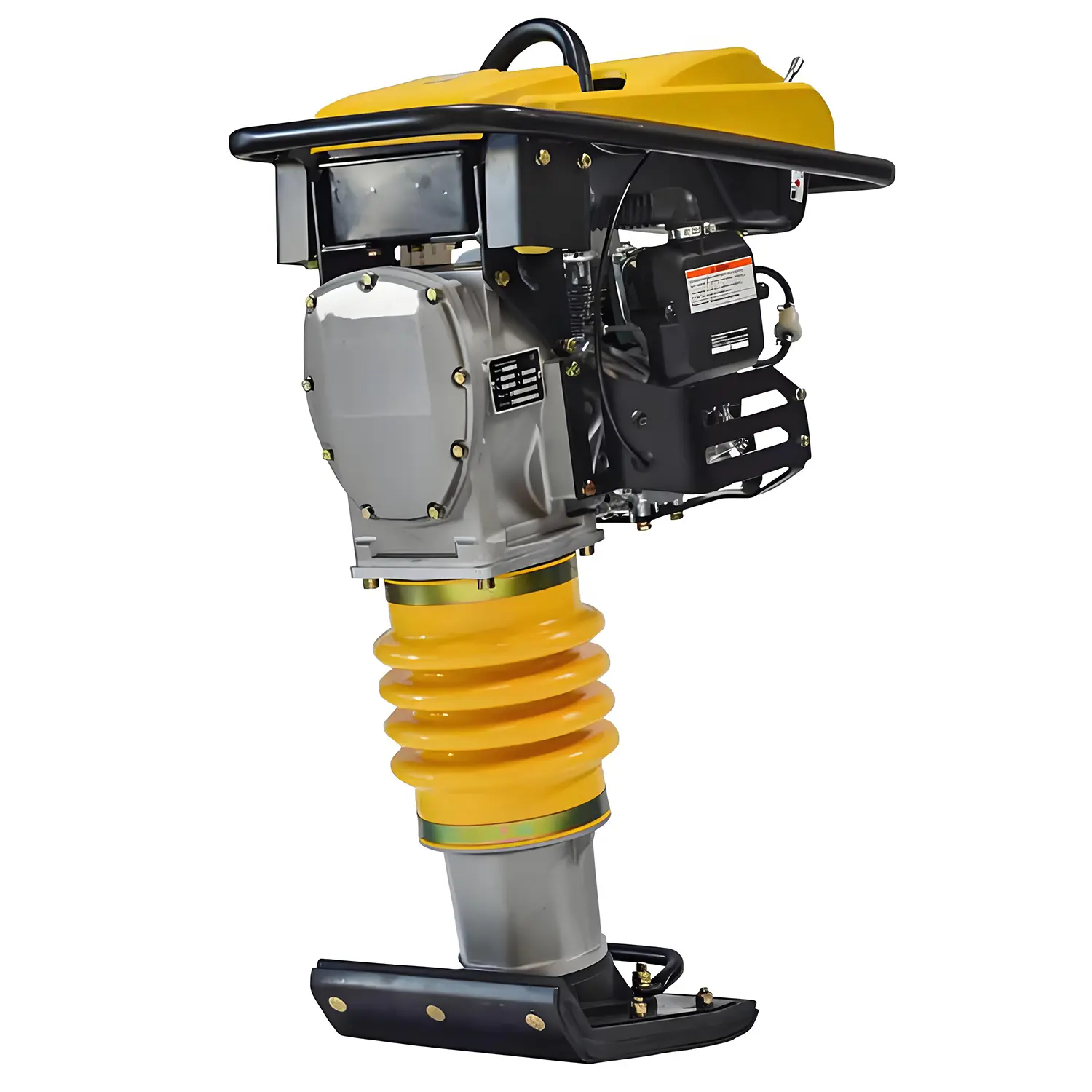 Tamping rammer
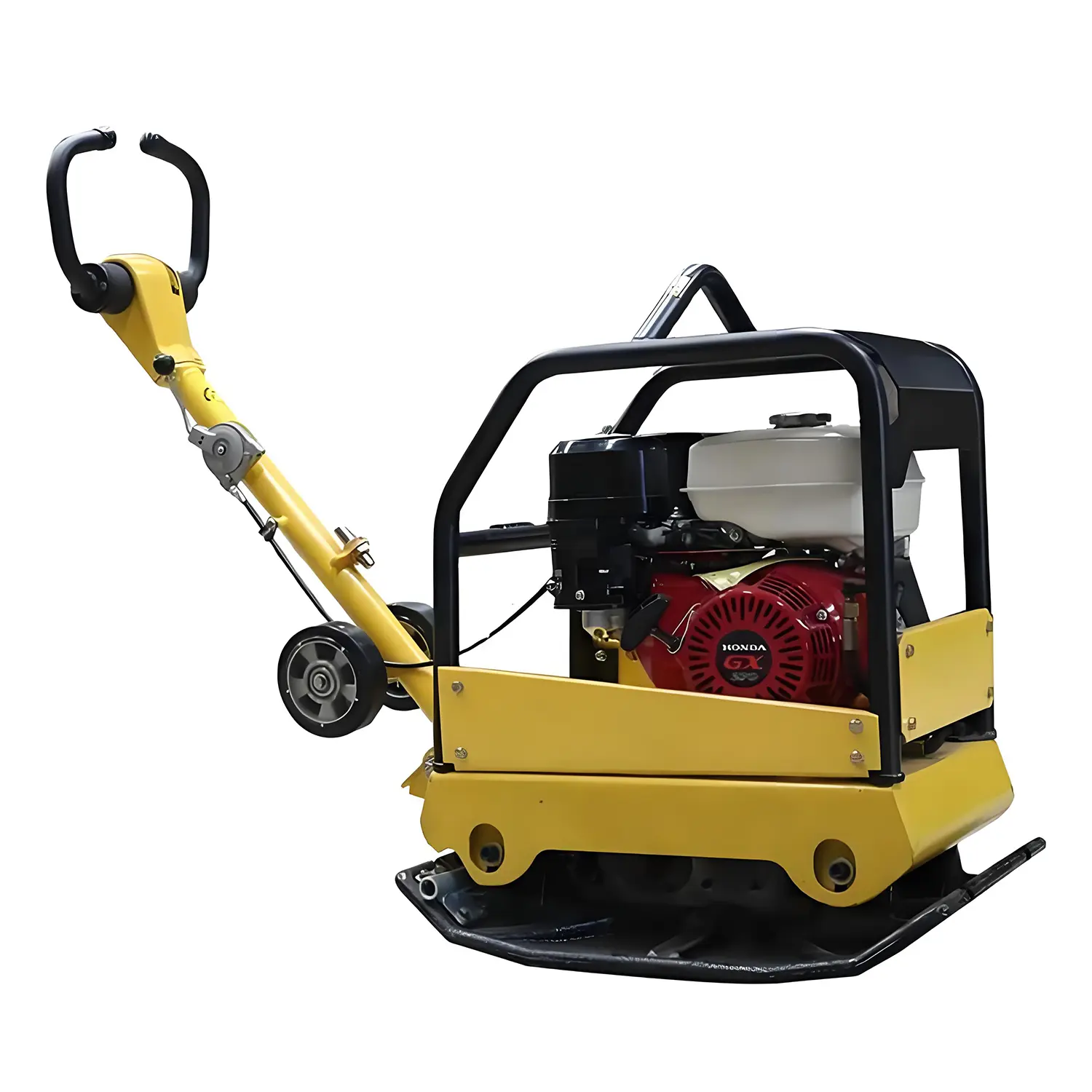 Plate compactor
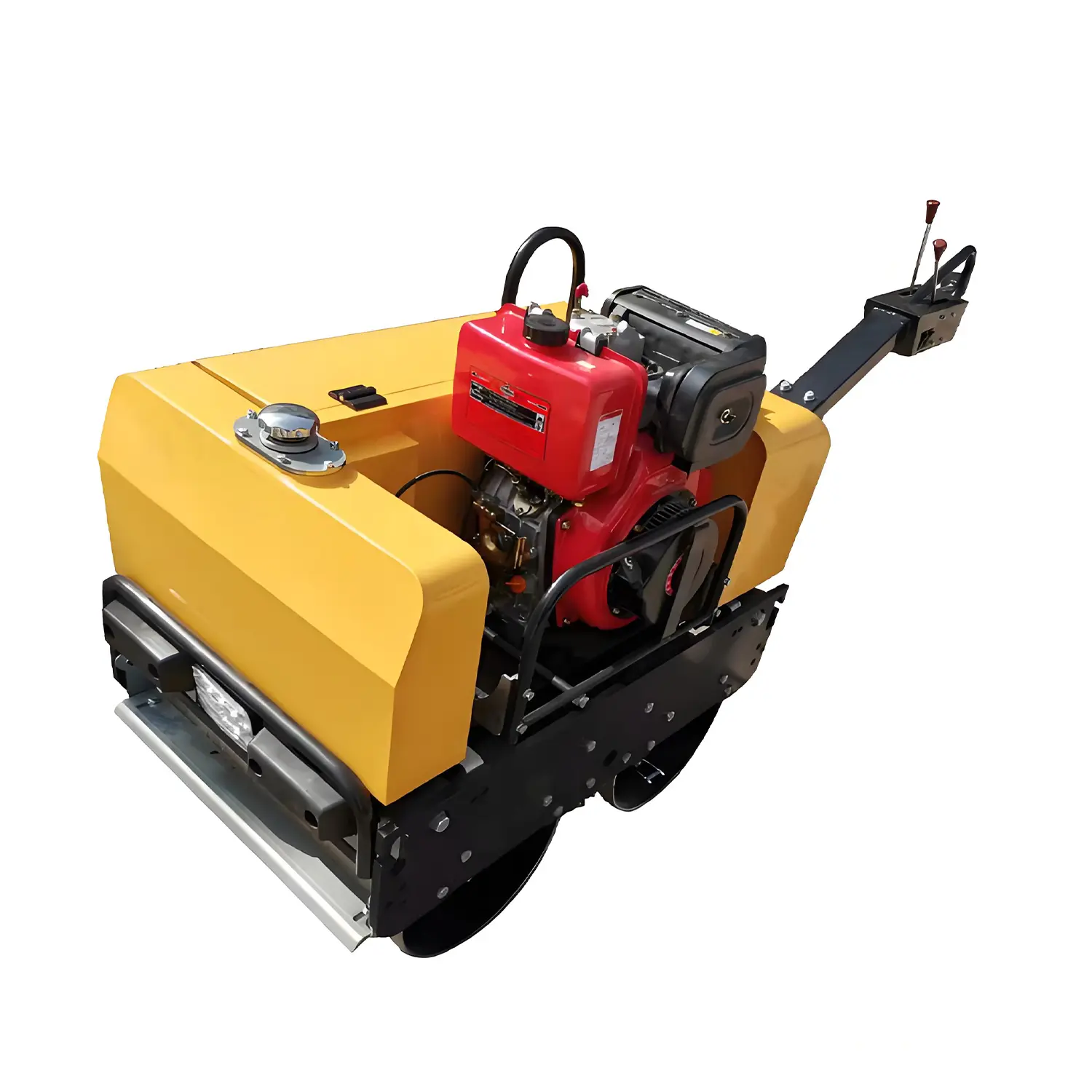 Vibratory roller