Top Concrete Vibrating Machine Types for Efficient Construction Solutions?
The growing demand for efficient construction solutions makes the Concrete Vibrating Machine essential. According to industry reports, the global concrete vibrating machine market is expected to reach $1.5 billion by 2027, growing at a CAGR of 5.6%. This growth reflects the industry's reliance on advanced concrete placement techniques.
Concrete Vibrating Machines enhance the quality of concrete by eliminating air bubbles and ensuring uniform placement. These machines vary in type, including motorized, handheld, and table models. Each type serves specific construction needs while improving productivity. However, selecting the right type can be challenging due to numerous options available in the market.
Achieving optimal vibration requires understanding each machine's features. Factors such as frequency, amplitude, and design play critical roles in effectiveness. A poorly selected machine may lead to uneven concrete surfaces. Therefore, construction professionals must invest time in choosing the most suitable Concrete Vibrating Machine.
Overview of Concrete Vibrating Machines and Their Importance
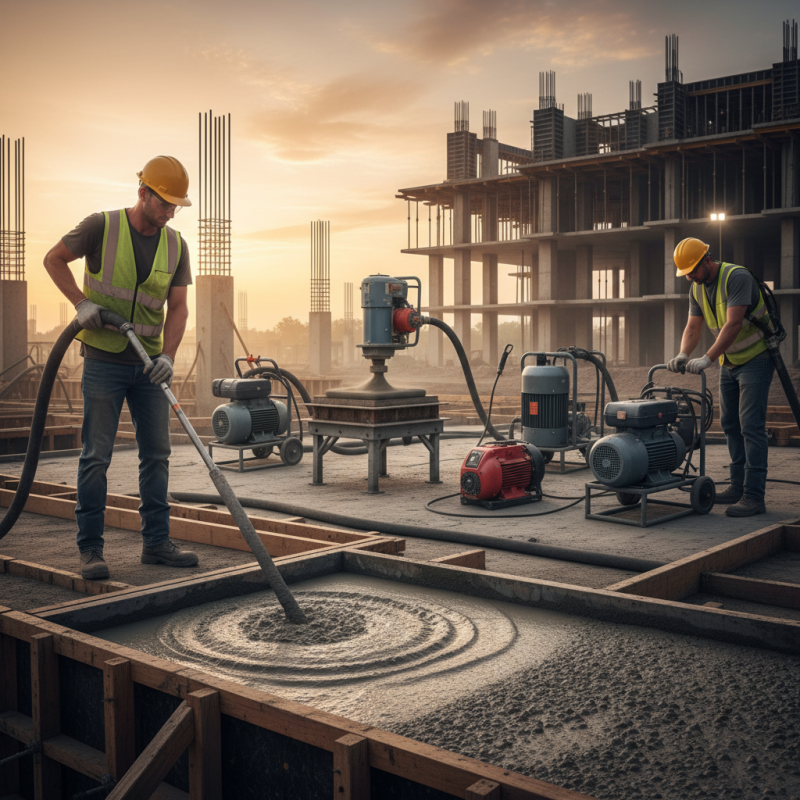
Concrete vibrating machines play a vital role in construction projects. They ensure that concrete is properly consolidated, eliminating air bubbles and density inconsistencies. This process enhances the strength and durability of concrete structures. Choosing the right type of vibrating machine can significantly impact project efficiency.
When using concrete vibrating equipment, it's crucial to follow best practices. Maintain consistent vibration duration for optimal results. Over-vibrating can weaken the structure, while under-vibrating can lead to voids. Inspect the machine regularly to prevent malfunctions. A well-maintained machine ensures reliability and safety on the job site.
Consider the environment when using these machines. Noise and vibration can affect nearby workers and residents. Using quieter models or scheduling vibration work during off-peak hours can mitigate issues. Always prioritize safety and compliance with local regulations to foster a smooth construction process.
Top Concrete Vibrating Machine Types for Efficient Construction Solutions
Types of Concrete Vibrating Machines Used in Construction
Concrete vibrating machines play a crucial role in modern construction. These machines ensure that
concrete is evenly distributed
and eliminates air bubbles, enhancing the strength and durability of structures. Different types of concrete
vibrating machines cater to specific construction needs. Common types include
internal vibrators, external vibrators, and table vibrators.
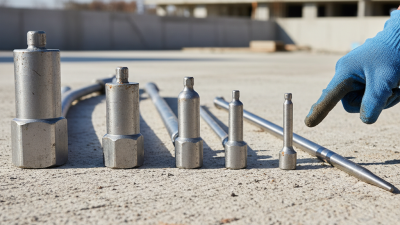
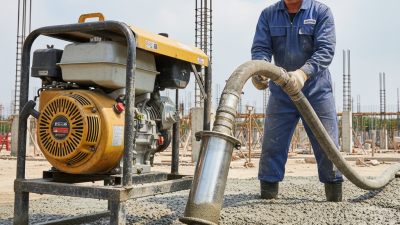
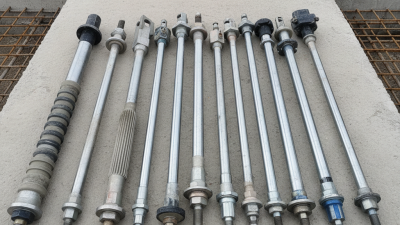
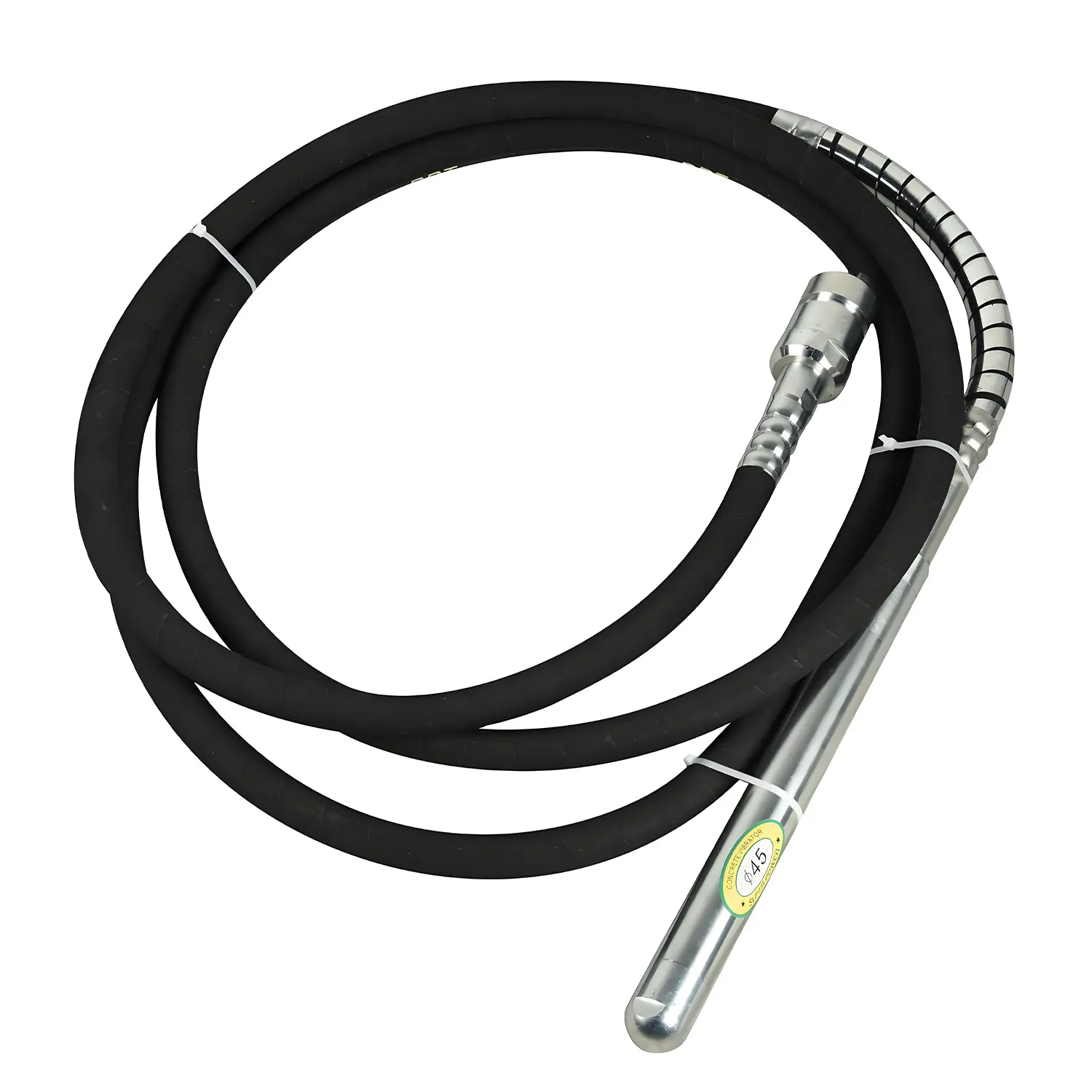
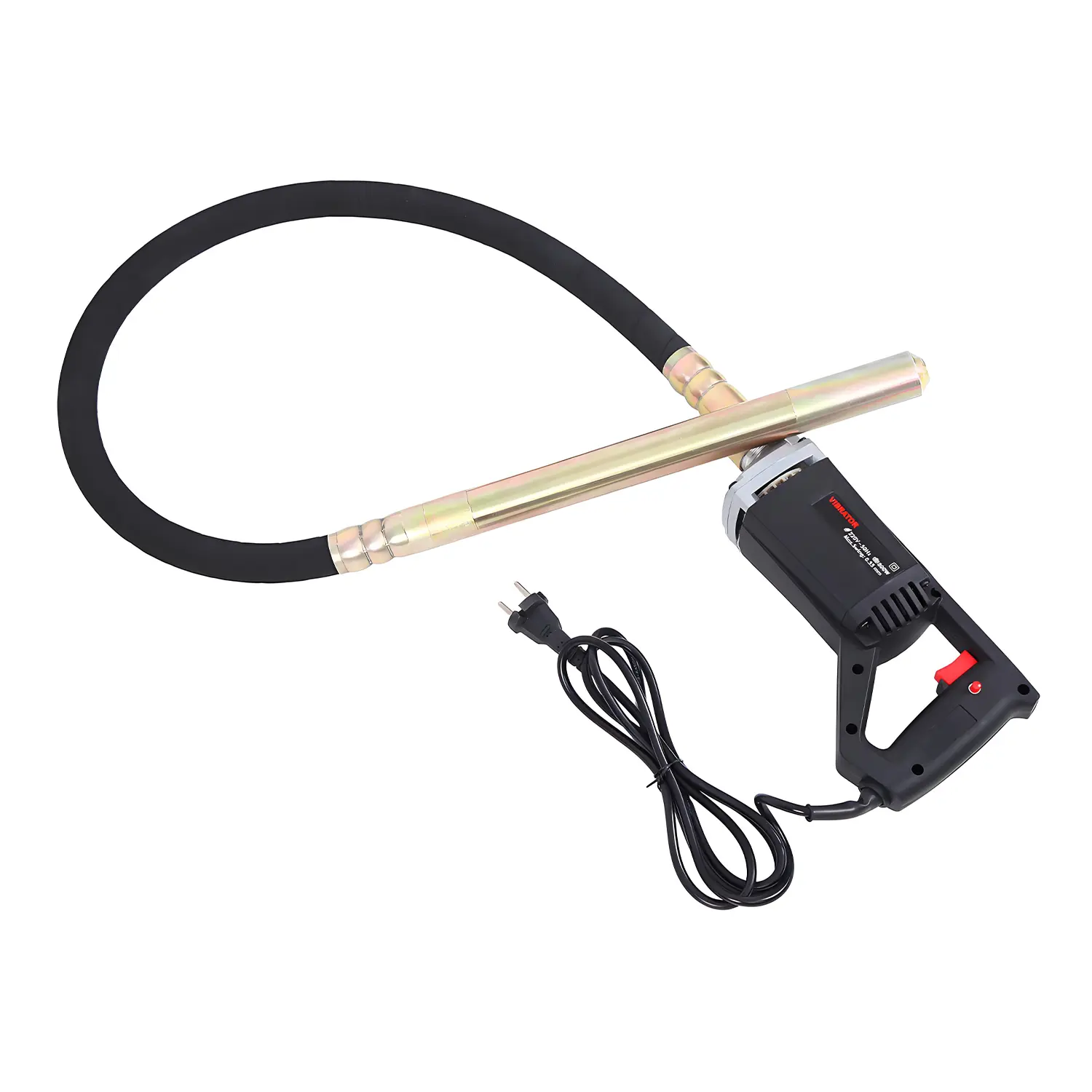
Internal vibrators are widely used for large pours. They consist of a vibrating poker that is inserted into
the concrete. This type is excellent for reaching tight spaces.
External vibrators, on the other hand, attach to forms or molds. They provide surface vibration, making them
suitable for precast applications. Table vibrators are used for compacting concrete in molds and formwork.
They are especially beneficial when working with concrete blocks or slabs.
Tips: Always match the vibrator type to your project’s requirements.
Over-vibrating can lead to segregation. Conversely,
under-vibrating may leave air pockets. It's essential
to monitor vibration times. Consider the thickness of the pour, as this affects the choice of the machine.
Regular maintenance is also vital for consistent performance. Inspect machines for wear and tear
to ensure reliability.
Key Features to Consider When Choosing a Concrete Vibrator
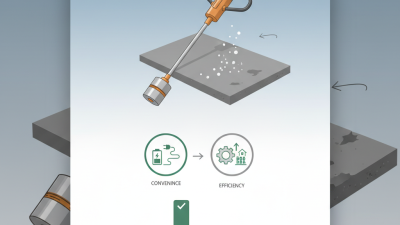
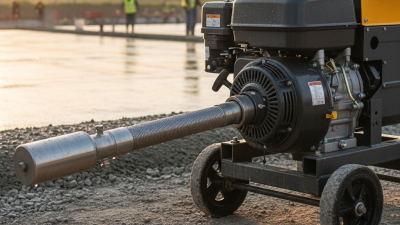
When selecting a concrete vibrator, it is crucial to consider its power source. Electric models offer convenience and less noise. However, gas-powered options provide portability. Each option has its pros and cons depending on the project location. Make sure to assess your construction sites carefully.
Another important feature is the vibrator's frequency and amplitude. Higher frequency models can handle denser mixtures. They work efficiently to eliminate air pockets in concrete. However, they may also require more power. Balancing frequency with your specific needs is key for the best results.
Weight and size are vital too. Lightweight vibrators are easier to maneuver. Yet, a heavier model may offer better performance on large projects. Choosing the right size involves understanding your team's capabilities and the scale of your work. Remember, investing time to evaluate these features can save you future headaches.
Top Concrete Vibrating Machine Types for Efficient Construction Solutions
| Type |
Power Source |
Vibration Frequency |
Weight |
Key Features |
| Electric Vibrator |
Electric |
3000-6000 RPM |
10-25 kg |
Low noise, Compact design |
| Pneumatic Vibrator |
Air Pressure |
2000-4000 RPM |
8-20 kg |
High efficiency, Lightweight |
| Battery Operated Vibrator |
Battery |
3500-7500 RPM |
12-18 kg |
Cordless, High mobility |
| Internal Vibrator |
Electric |
12000-15000 RPM |
15-35 kg |
Deep consolidation, Portable |
| Formwork Vibrator |
Electric |
4000-8000 RPM |
20-30 kg |
Uniform vibration across forms |
Comparative Analysis of Electric vs. Gas-Powered Concrete Vibrators
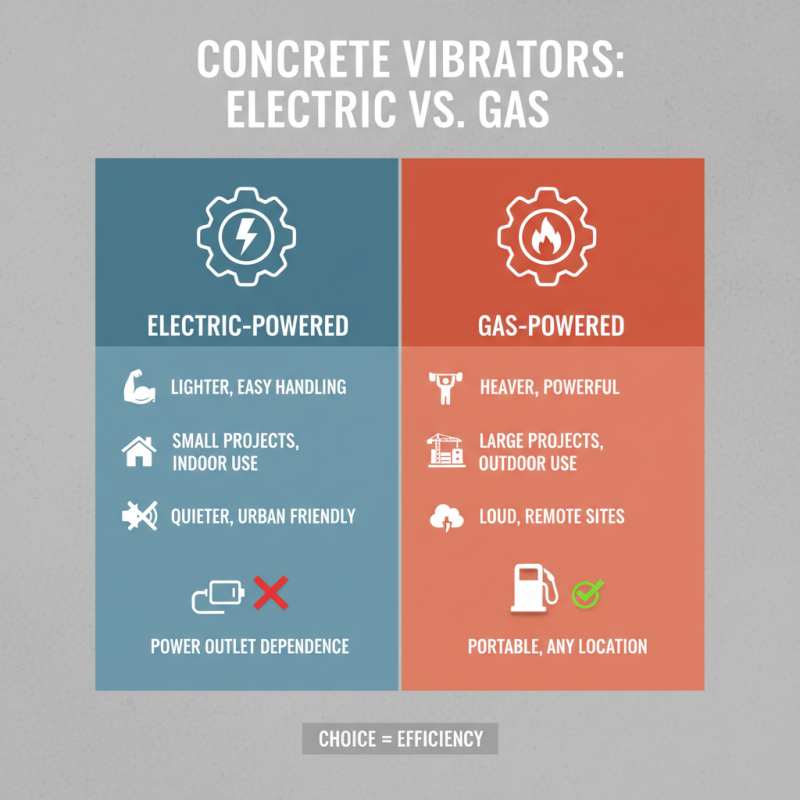
When it comes to concrete vibrators, the choice between electric and gas-powered models is crucial for construction efficiency. Electric concrete vibrators are generally lighter and easier to handle. They are ideal for smaller projects and indoor work. Their quieter operation makes them suitable for urban settings, minimizing disturbances. However, reliance on electrical outlets can be a limitation at remote job sites.
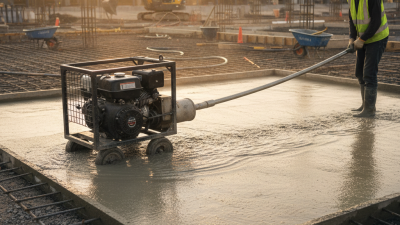
On the other hand, gas-powered vibrators excel in larger and outdoor settings. They offer more robust performance and can run for longer periods without needing a recharge. This can make them a preferred choice for extensive concrete pouring tasks. However, they can be heavier and noisier, which might not be ideal for all situations. Additionally, they require more maintenance and can pose environmental concerns due to emissions.
Each option has its trade-offs. Electric models are convenient but less powerful, while gas-powered versions deliver strength but come with drawbacks like noise and emissions. Evaluating the working environment and project demands is essential for making the best choice.
Best Practices for Using Concrete Vibrating Machines Effectively
Concrete vibrating machines play a vital role in achieving high-quality concrete surfaces. Effective use of these machines can reduce voids and improve overall strength. Industry reports indicate that vibrations can decrease porosity by up to 30%. This leads to better durability and longevity of concrete structures. Proper techniques are essential to maximize their effectiveness.
During operation, the right frequency is crucial. Most experts recommend a range between 4,000 to 10,000 vibrations per minute (VPM). Too high or too low can lead to inadequate compaction. Operators should monitor the intensity of vibrations throughout the process. Shifting the vibrating machine regularly can help ensure uniform compaction. Over-reliance on a single point can create weak areas.
Safety measures cannot be overlooked. Wearing protective gear is essential. Operators must also be aware of the machine's heat buildup. Regular maintenance is vital for optimal performance. Neglecting this can lead to costly repairs. It’s important to reflect on the machine's usage regularly. Continuous training for operators can lead to better outcomes. Enhanced skills yield a more efficient construction process.

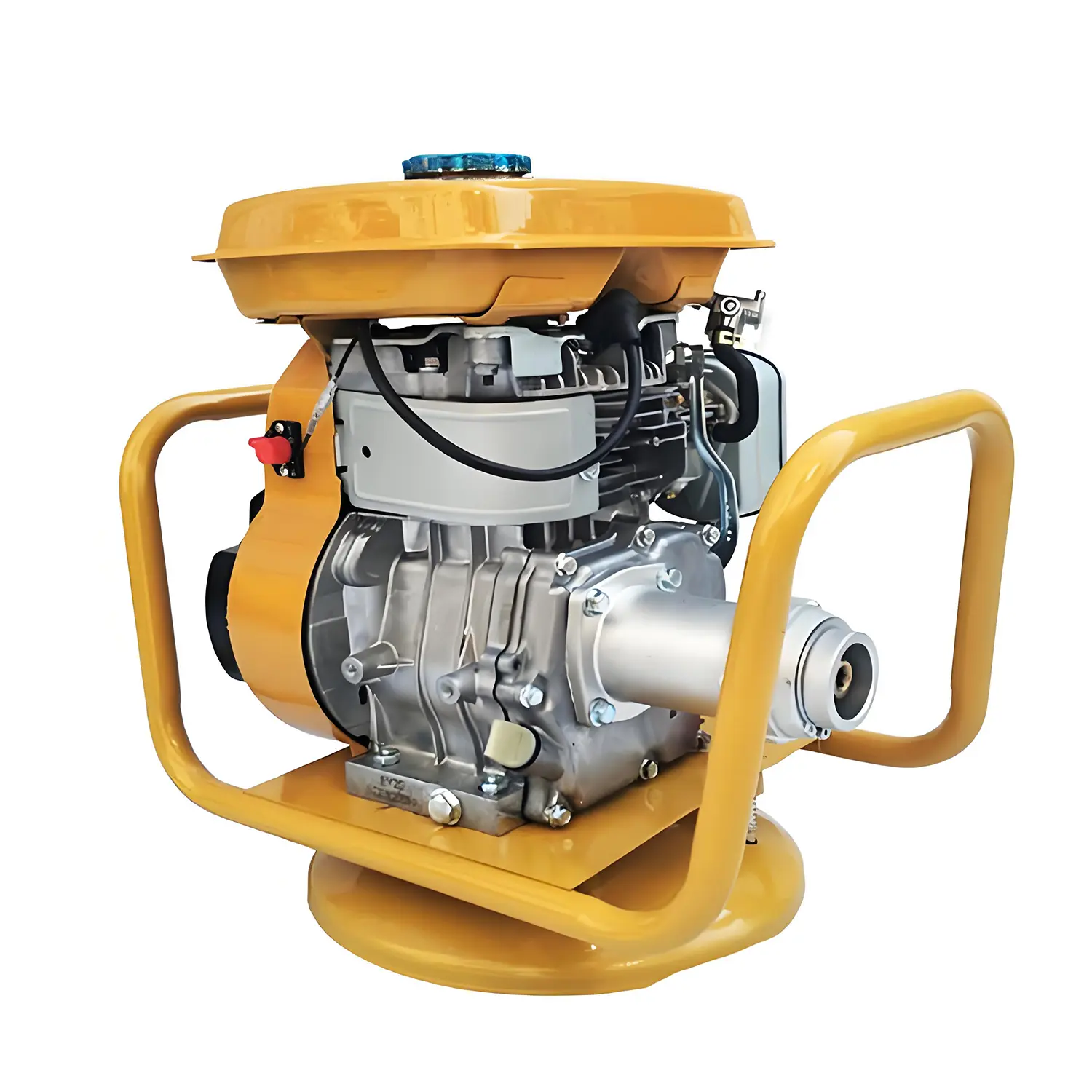 Internal Vibrator
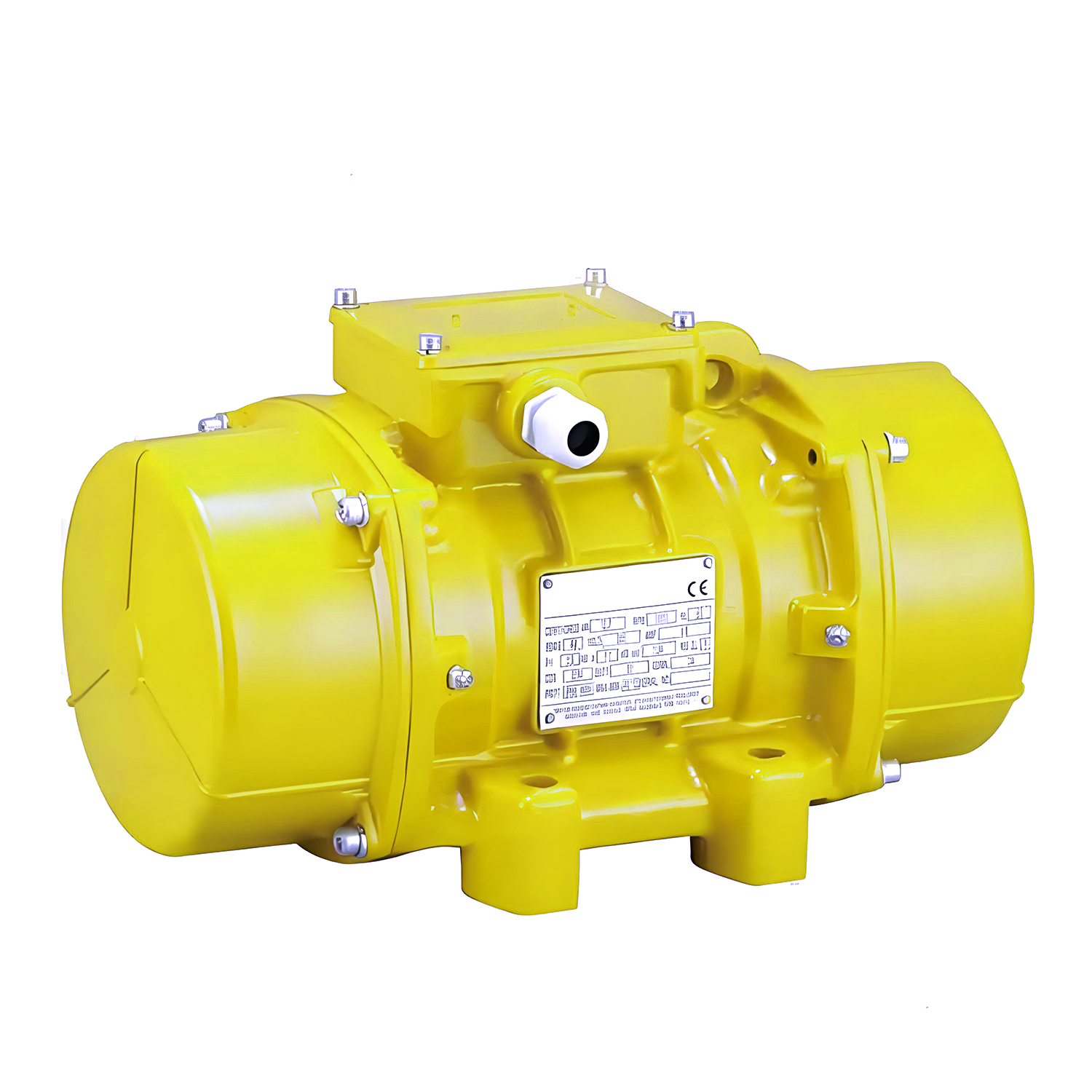 External Vibrator
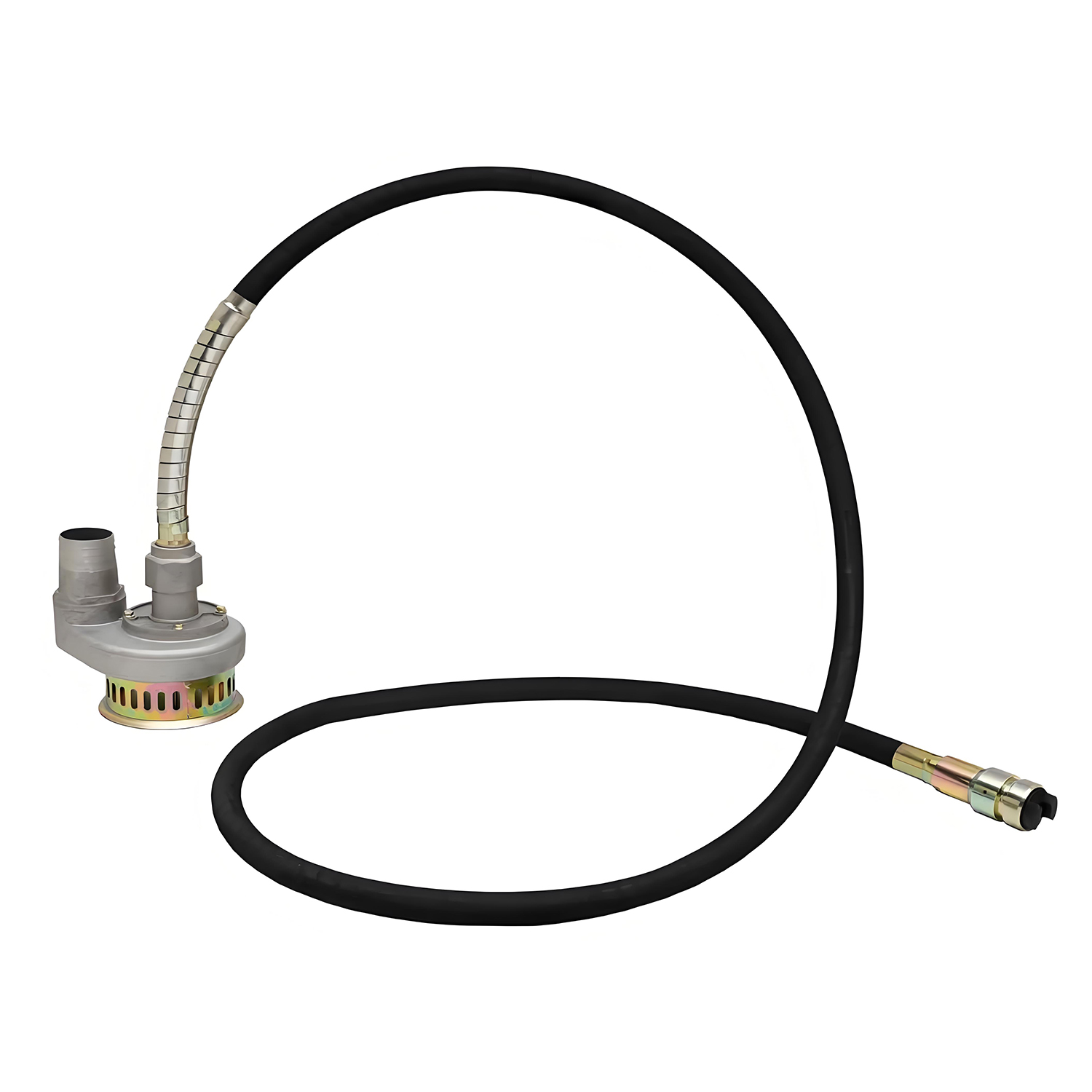 Submersible Pump
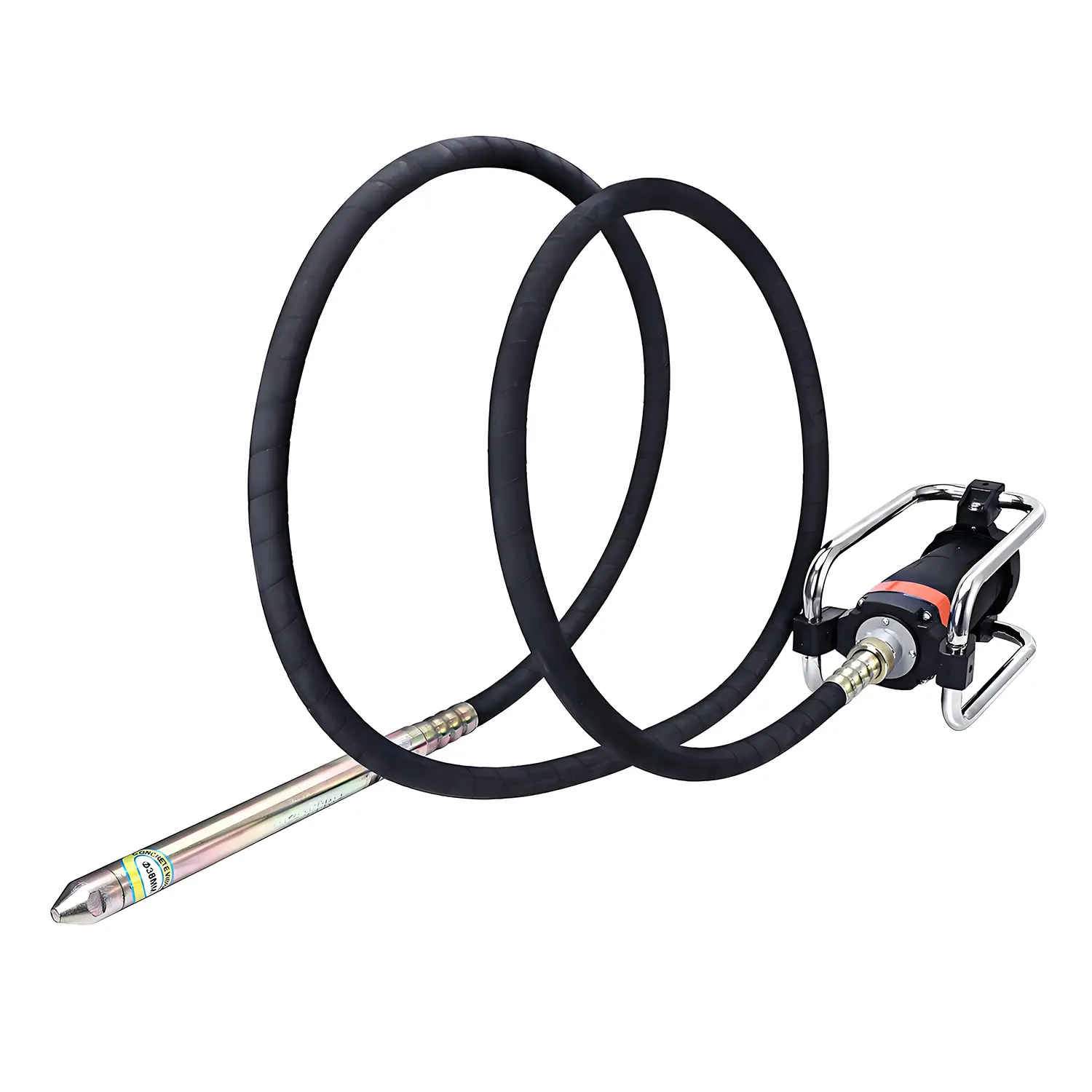 Eccentric shaft
 Pendulum shaft
 Portable vbrator shaft
 Portable concrete mixer
 Vertical concrete mixer
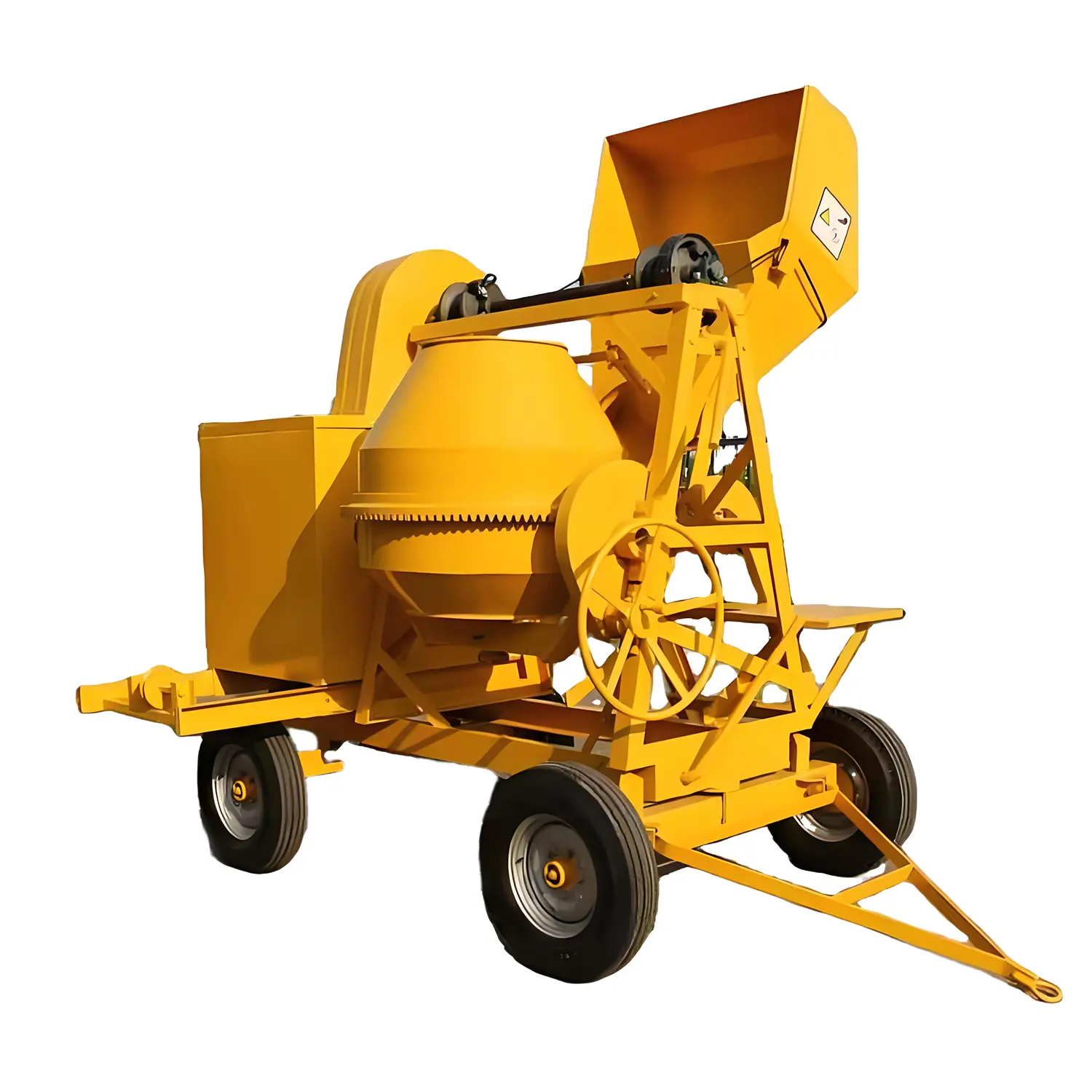 Hydraulic concrete mixer
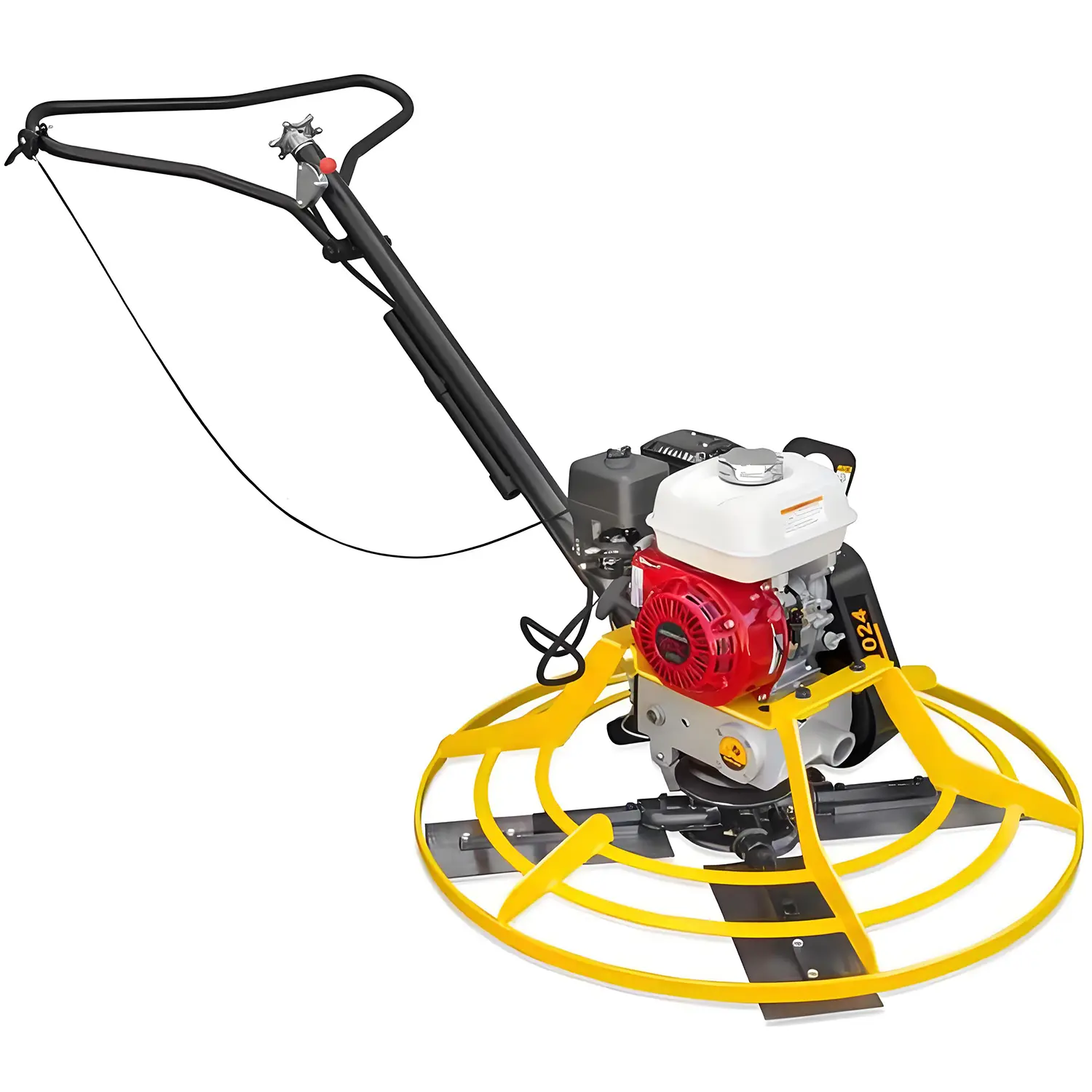 Walk behind power trowel
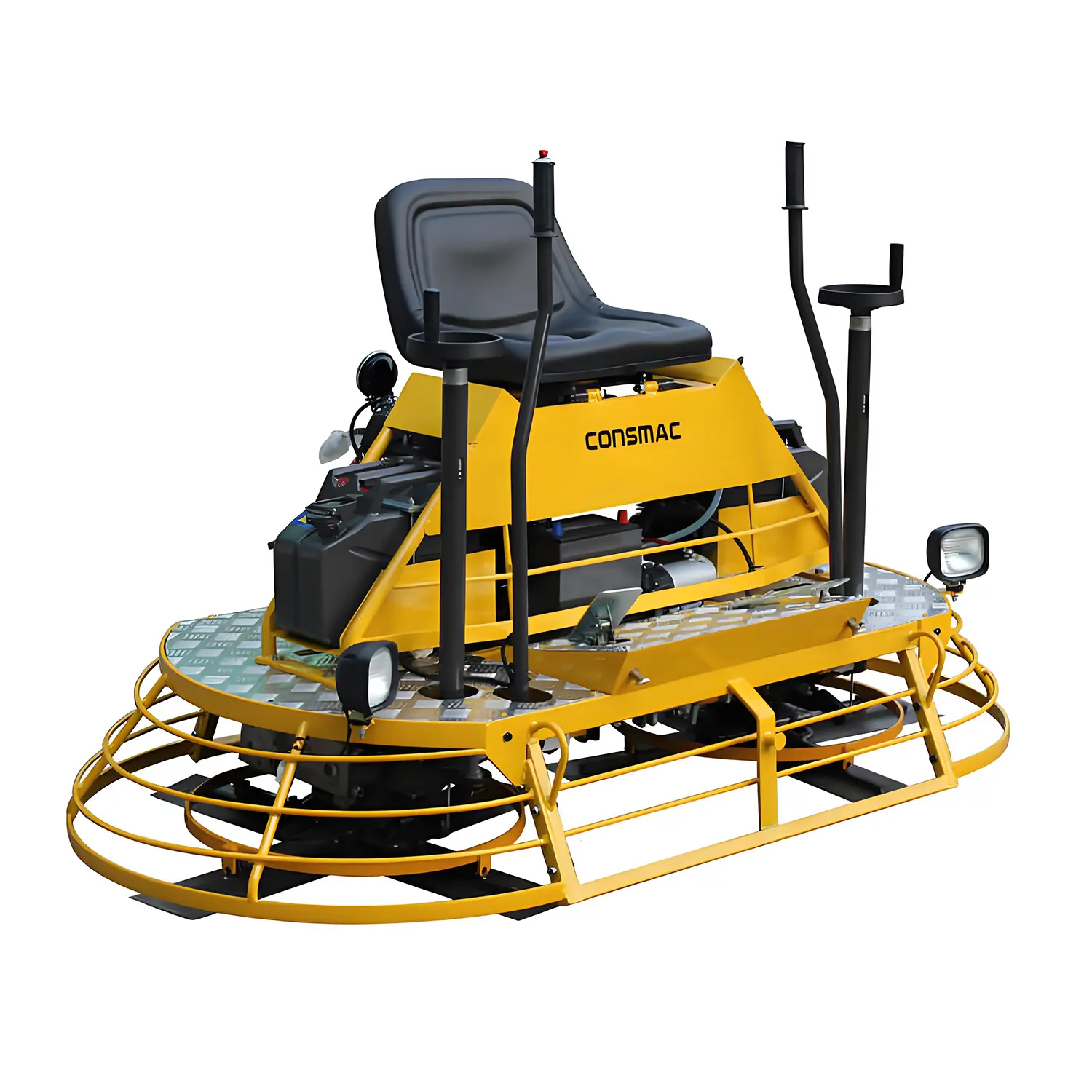 Ride on power trowel
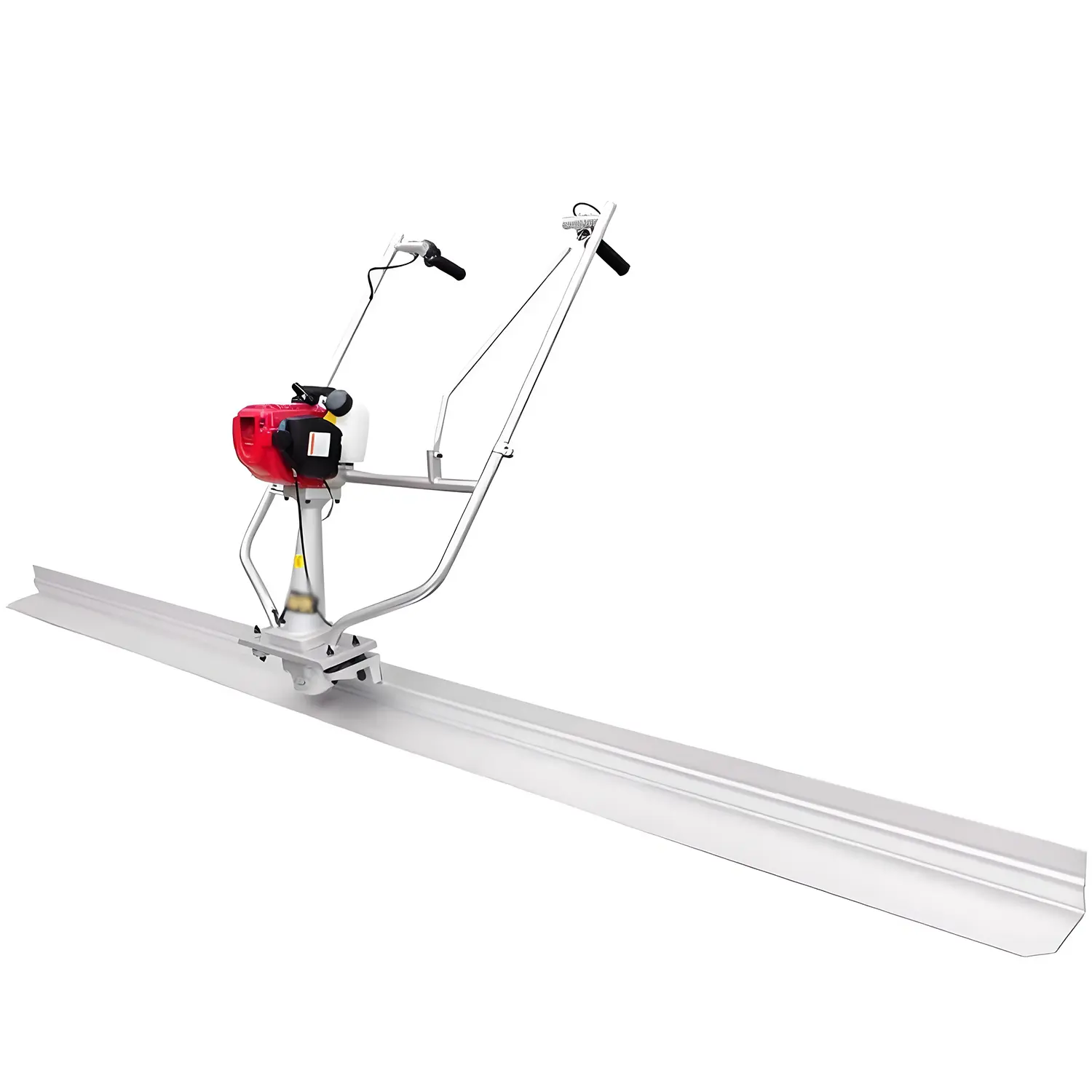 Concrete screed
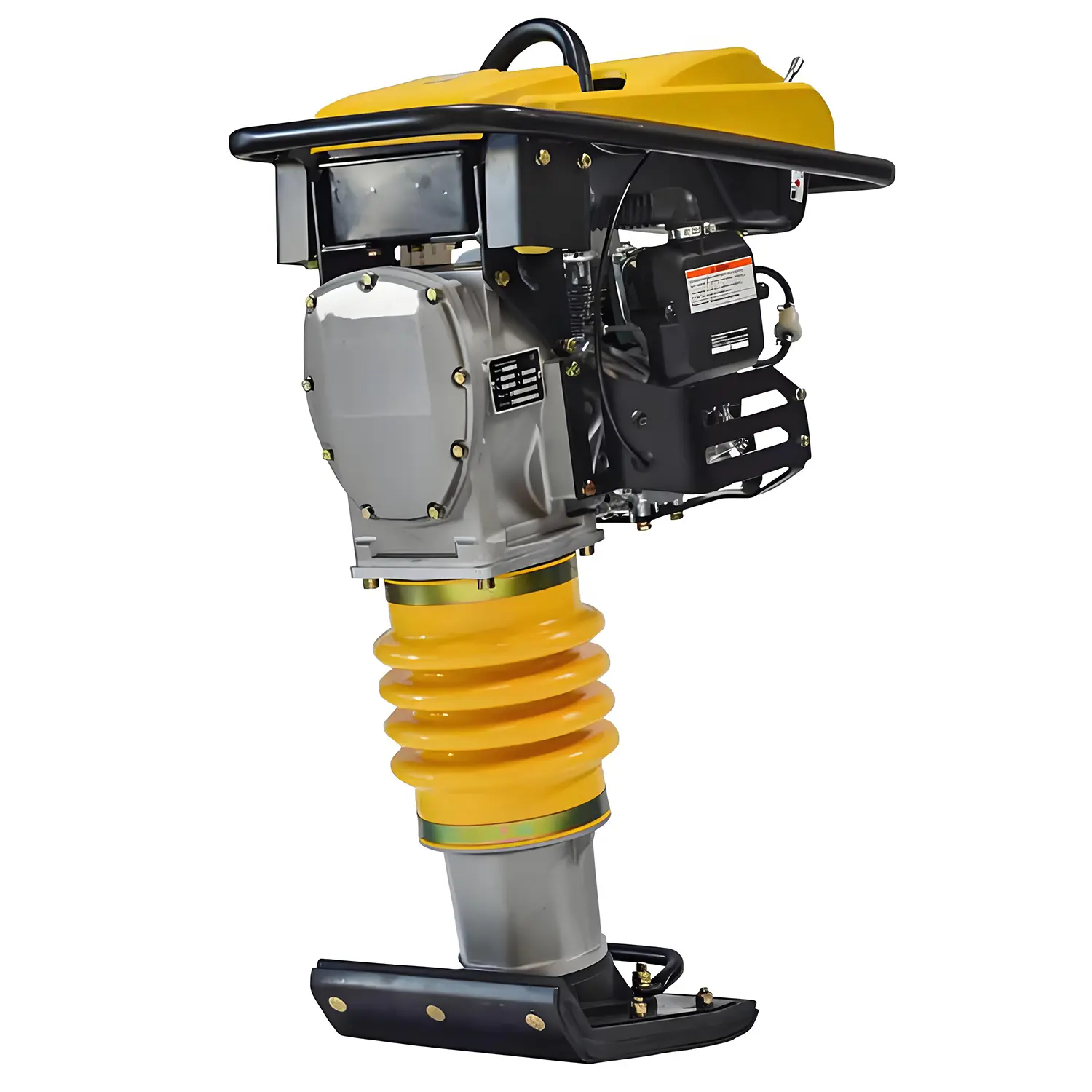 Tamping rammer
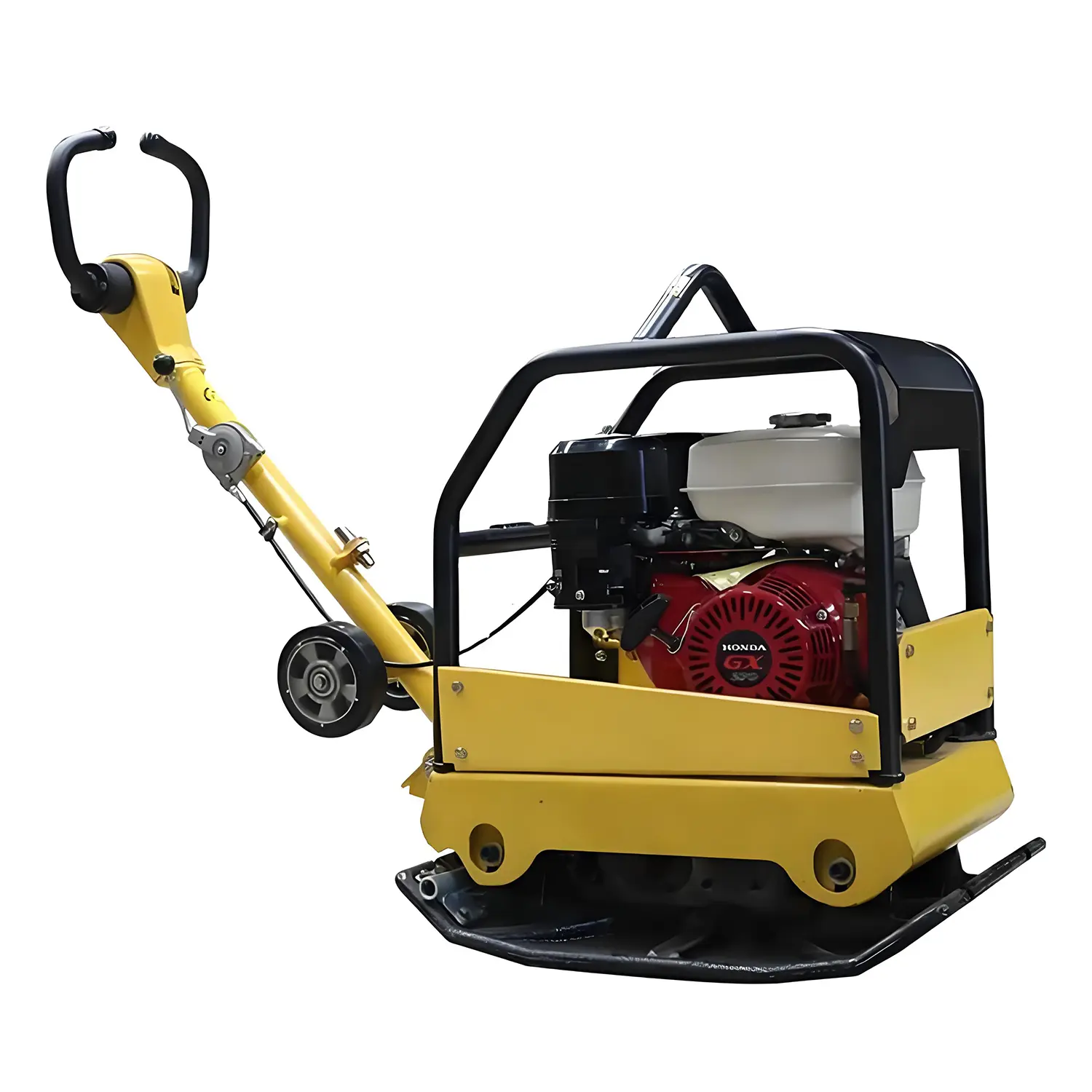 Plate compactor
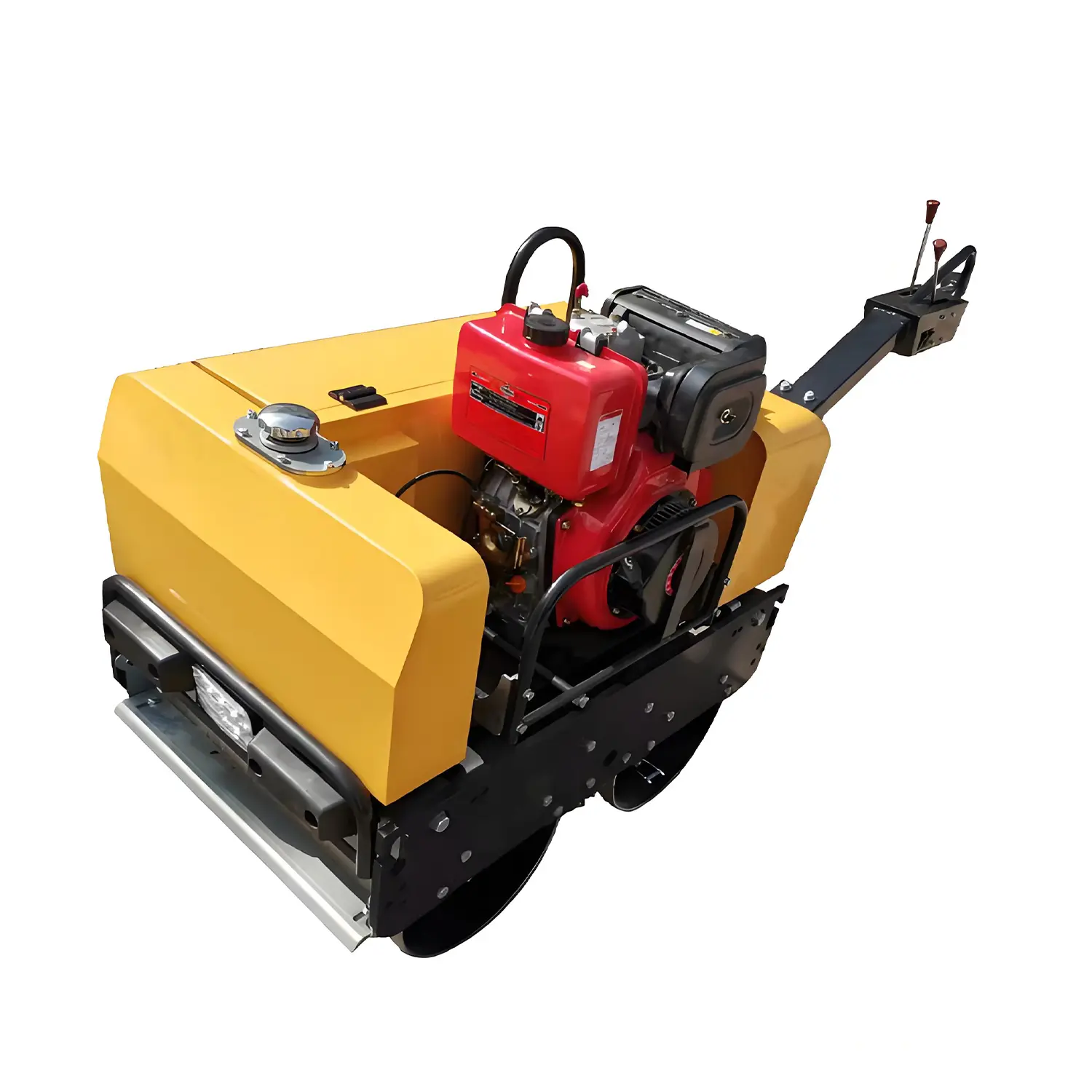 Vibratory roller