Top 10 Blade Compactor Models for Efficient Construction Jobs?
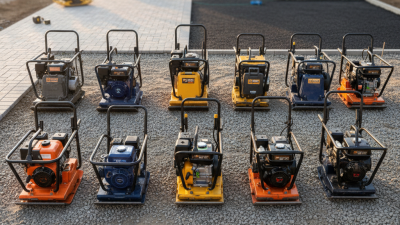
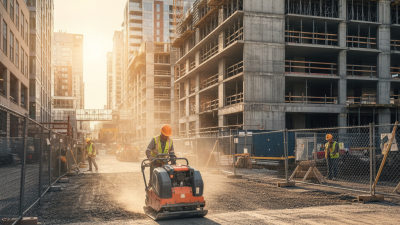
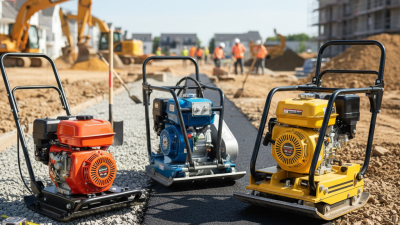
In the realm of construction, efficiency is paramount. The right tools make a significant difference. Among them, the Blade Compactor stands out as an essential piece of equipment. These compactors are designed to improve soil density and ensure a solid foundation for various projects. Their design allows for easy maneuverability and enhanced performance, which can save time and labor costs.
Choosing the best Blade Compactor can be daunting. Many models are available, each with unique features and capabilities. It's crucial to find one that meets your specific job requirements. A well-selected model can lead to better results, while a poor choice might complicate tasks and affect project timelines.
As we explore the top ten Blade Compactor models, we consider factors like power, durability, and user-friendliness. The right model can transform your construction routine. However, reflecting on previous choices can help identify areas for improvement. Acknowledging past errors can guide future decisions for efficiency and effectiveness in construction jobs.
Key Features to Consider in Blade Compactor Models
When looking for an efficient blade compactor, several key features are important.
Vibration force is crucial. It determines how effectively the machine compacts materials.
Higher forces can handle tougher soils. Look for adjustable settings. This allows flexibility for different jobs.
Larger foot plates increase surface area, leading to quicker compaction. Make sure the weight is optimal for your needs.
Heavier models compact more efficiently but may be harder to maneuver.
Engine power is another consideration.
A robust engine enables the compactor to work longer without overheating. Check fuel efficiency.
A machine that consumes less fuel saves costs over time. Maintenance accessibility is vital, too.
Easy access to parts means quicker repairs and less downtime. Look for features that enhance user comfort,
like padded handles or low vibration designs. These make a significant difference during long hours of operation.
Tips: Always test the compactor in your primary working environment.
Different soil types react differently to compaction. It’s essential to find the right match.
Regular maintenance can extend the life of your machine. Don’t ignore minor issues. They often lead to bigger problems later.
Familiarize yourself with the machine’s manual thoroughly. It can offer insights that improve efficiency and performance.
Top Blade Compactor Brands and Their Market Reputation
When it comes to choosing the right blade compactor, understanding brand reputation is crucial. Many brands have established themselves as leaders in the construction industry. They are known for their reliability and customer service. However, not all brands maintain the same level of quality across all their models. Some models may perform excellently, while others could fall short of expectations.
Customer feedback often highlights performance issues. Some users report excessive vibrations or difficulty in handling. These factors can lead to inefficiencies on the job site. On the other hand, many brands have loyal customers who swear by their equipment. These brands focus on innovation and user-friendly designs. They invest heavily in research and development, ensuring their products meet the industry standards.
In addition, the availability of parts can vary significantly between brands. This can affect long-term maintenance costs and downtime during repairs. Some brands may offer excellent customer support, while others leave users without assistance. It's essential to research and read reviews before making a purchase decision. This process can help avoid costly mistakes and optimize performance on the job site.
Top 10 Blade Compactor Models for Efficient Construction Jobs
This chart represents the performance metrics of the top blade compactor models based on their weight, engine power, and operational efficiency.
Comparison of Performance Metrics in Leading Blade Compactors
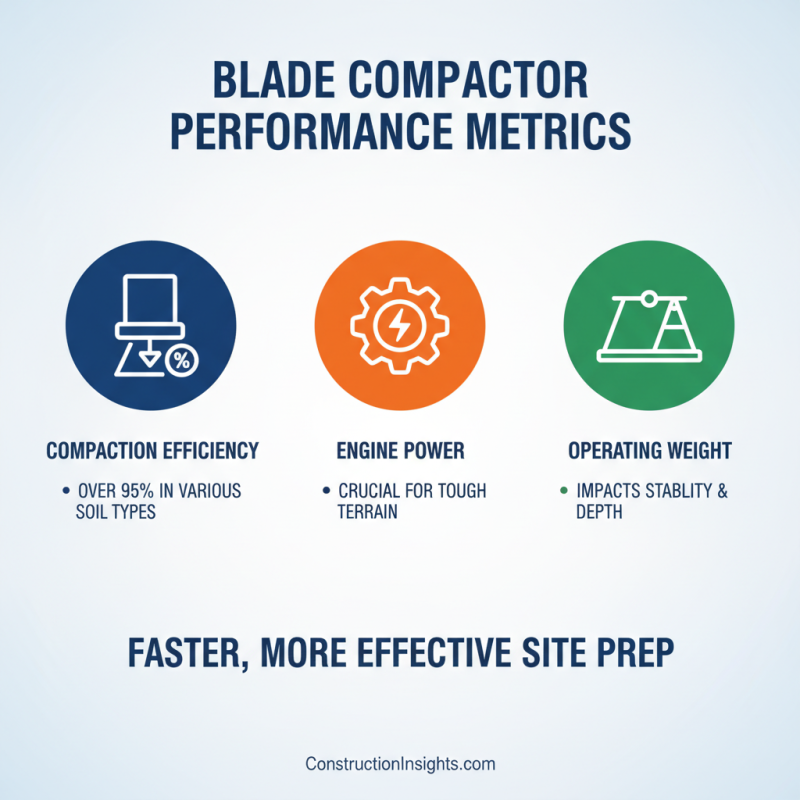
When evaluating blade compactors, performance metrics are crucial. Key factors include compaction efficiency, engine power, and operating weight. Studies indicate that efficient models can achieve over 95% compaction rates in various soil types. This is significant for construction jobs, as it determines how swiftly and effectively a site can be prepared.
Engine power directly impacts compaction capabilities. Devices with higher horsepower often deliver better performance. However, weight also plays a crucial role. Heavier machines penetrate deeper, providing denser compaction. A balance between weight and power must be maintained. Industry data show that machines weighing between 1,800 to 2,500 pounds often yield the best results.
Despite advancements, some models still fall short. Users have reported issues like uneven compaction due to inadequate plate design. Compactor operators frequently face challenges in maneuverability on tight sites. Adjustments and improvements must consider these practical aspects. Ultimately, the best models combine solid power, appropriate weight, and user-friendly features.
User Reviews and Ratings for Popular Blade Compactor Models
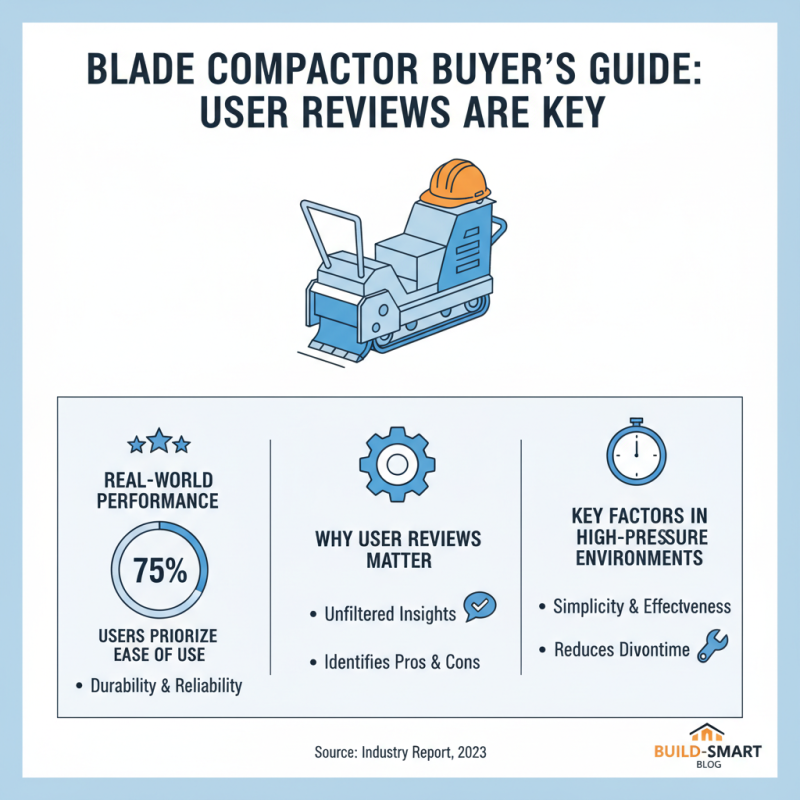
When selecting a blade compactor for your construction tasks, user reviews and ratings are vital. They provide insights into real-world performance and durability. For instance, a recent industry report indicated that nearly 75% of users valued ease of use over other features. Simplicity and effectiveness matter in high-pressure environments.
Many models receive praise for vibration control. Feedback often highlights their efficiency in compacting diverse materials. Users reported that some models achieve up to 95% compaction rate in granular soils. However, complaints around weight distribution arise. Some units tend to tip easily on slopes. This issue can be a safety concern during operations.
Noise levels also draw attention in user reviews. Certain models exceed recommended limits, causing discomfort on site. An industry study found that prolonged exposure to high noise levels can lead to hearing loss. Thus, it’s crucial to consider sound ratings along with other specs. Ultimately, balancing performance with user experiences is key to selecting the right blade compactor.
Cost Analysis: Budgeting for the Best Blade Compactors
When considering blade compactors, cost plays a vital role in decision-making. Prices can vary widely based on features and specifications. Typically, a compact model may range from a few thousand to more than ten thousand dollars. It's crucial to assess what you really need. Sometimes, paying extra for unnecessary features can lead to regret later.
Consider the long-term budget too. Maintenance costs should not be overlooked. Repairs can accumulate, adding more than expected. For a project with tight deadlines, investing in a reliable machine is key. Cheaper models may not withstand heavy use.
Analyzing resale value is essential. A model that retains value can offset initial costs. Think about the versatility as well. A model suitable for various tasks may provide better overall value. Take your time to weigh options. Making a hasty choice now could lead to bigger expenses later.

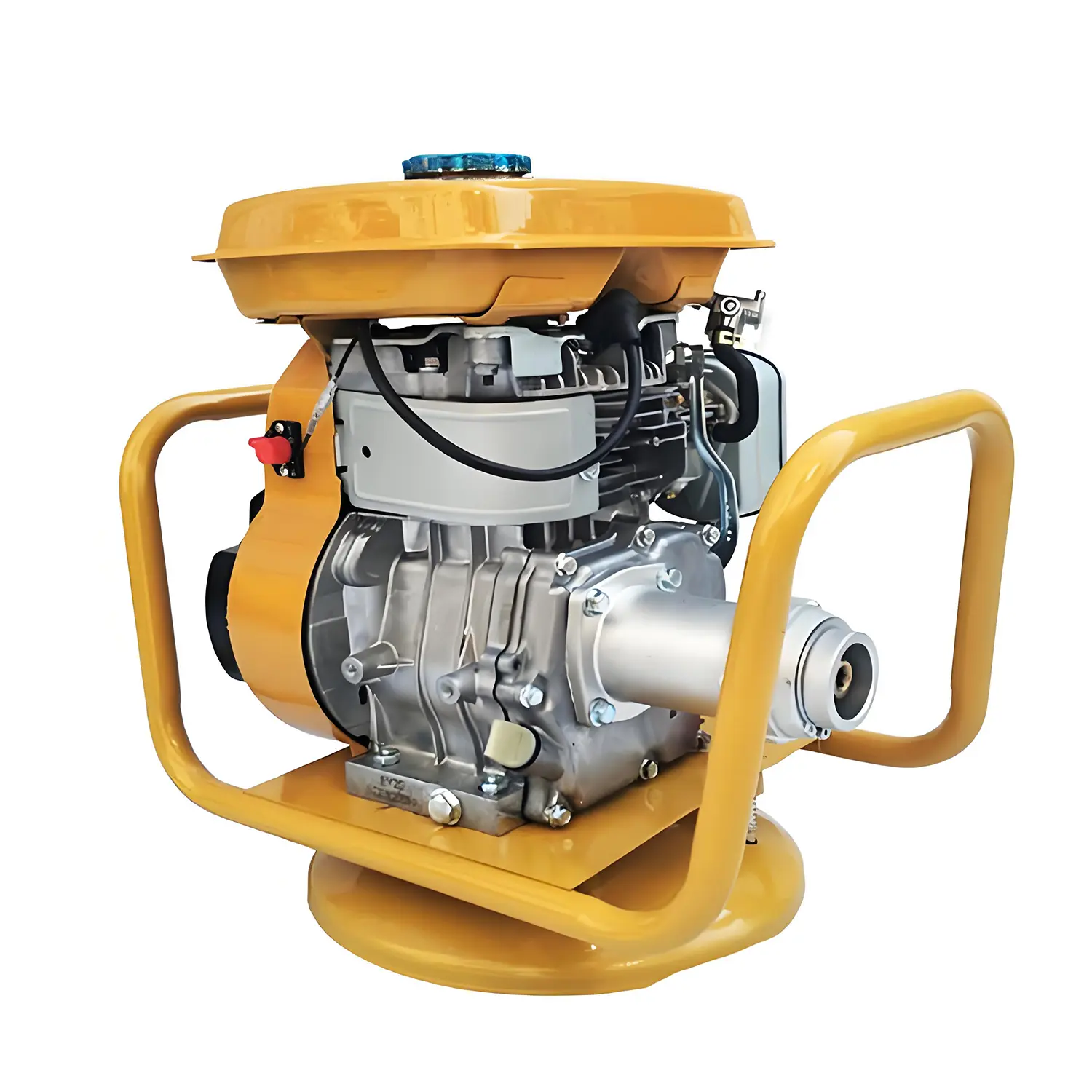 Internal Vibrator
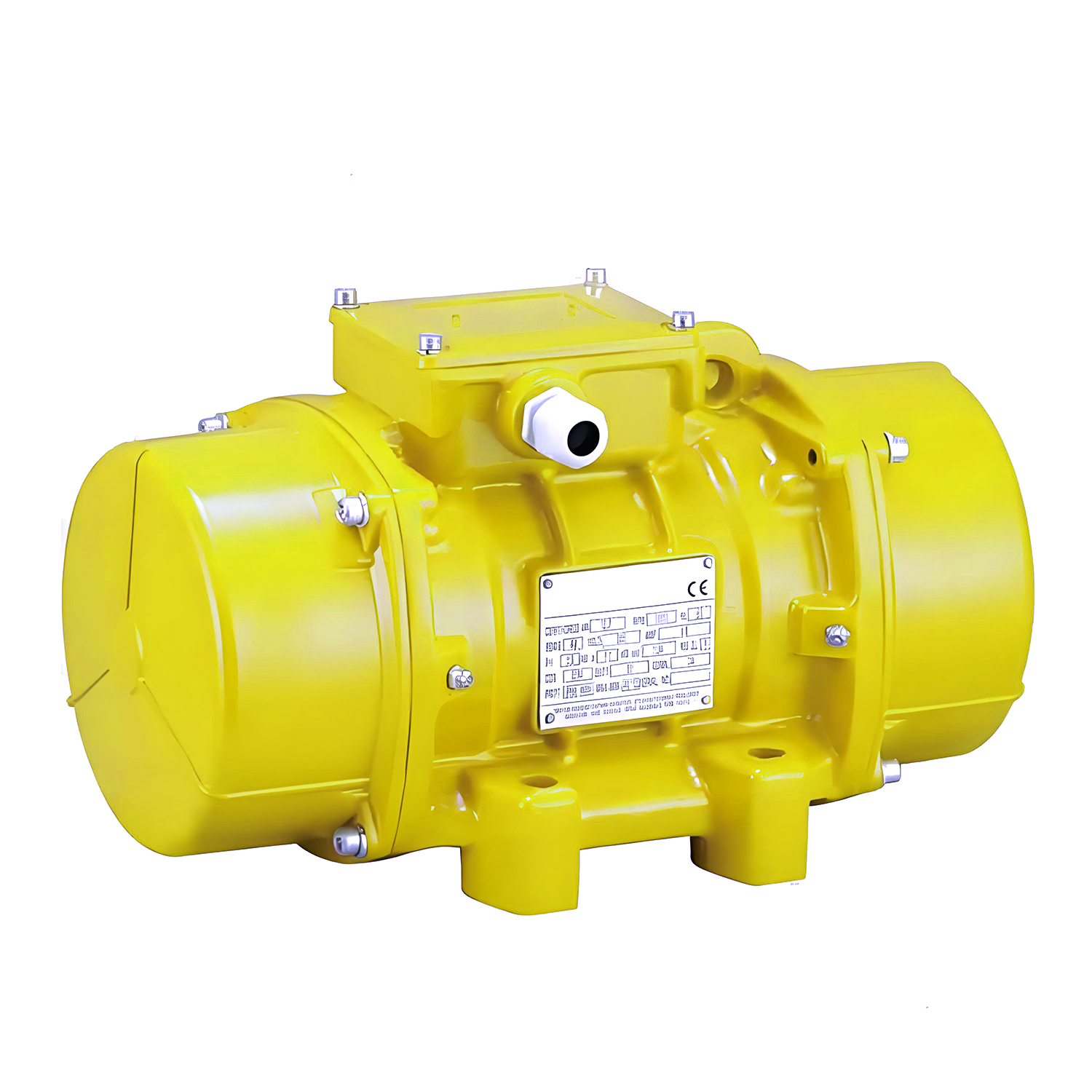 External Vibrator
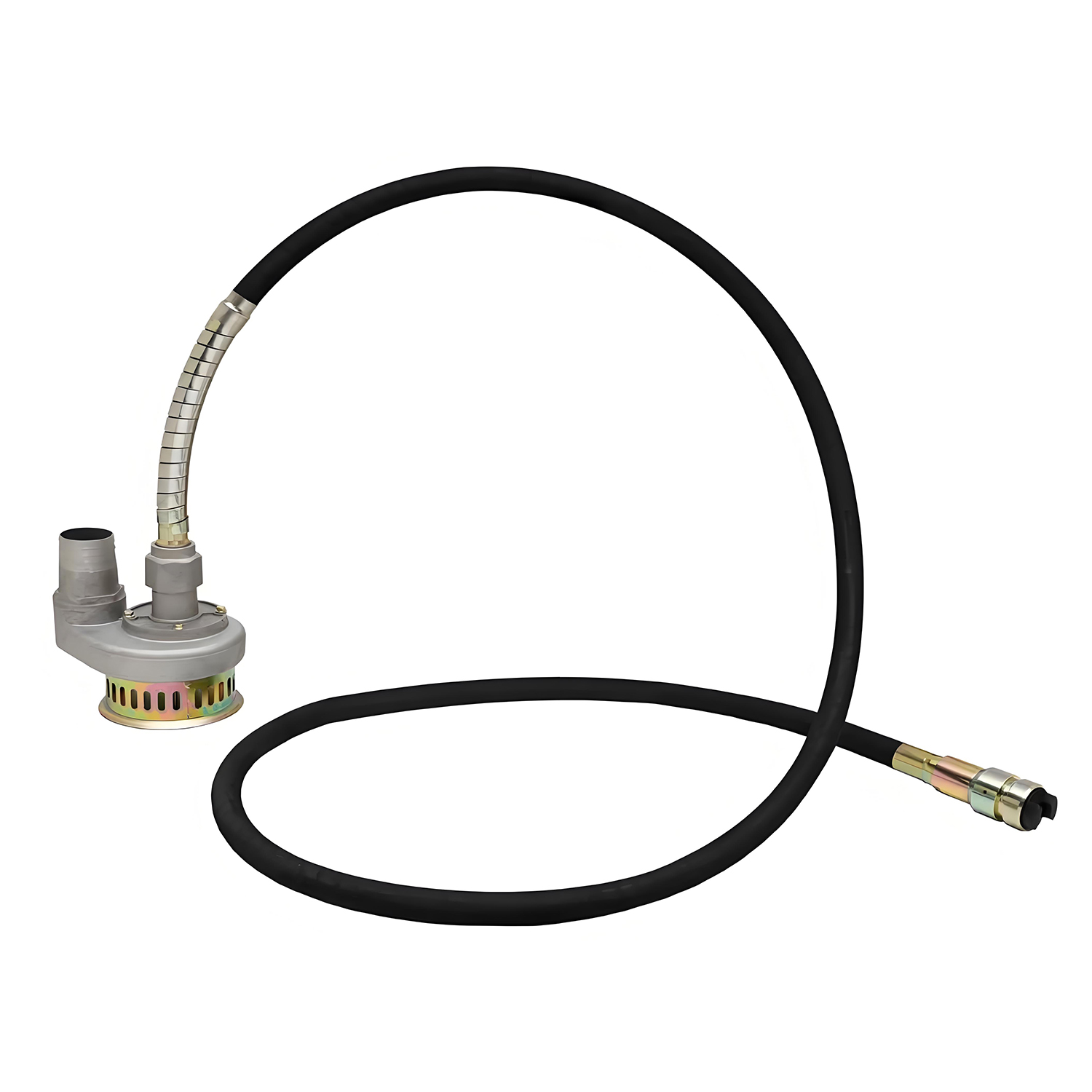 Submersible Pump
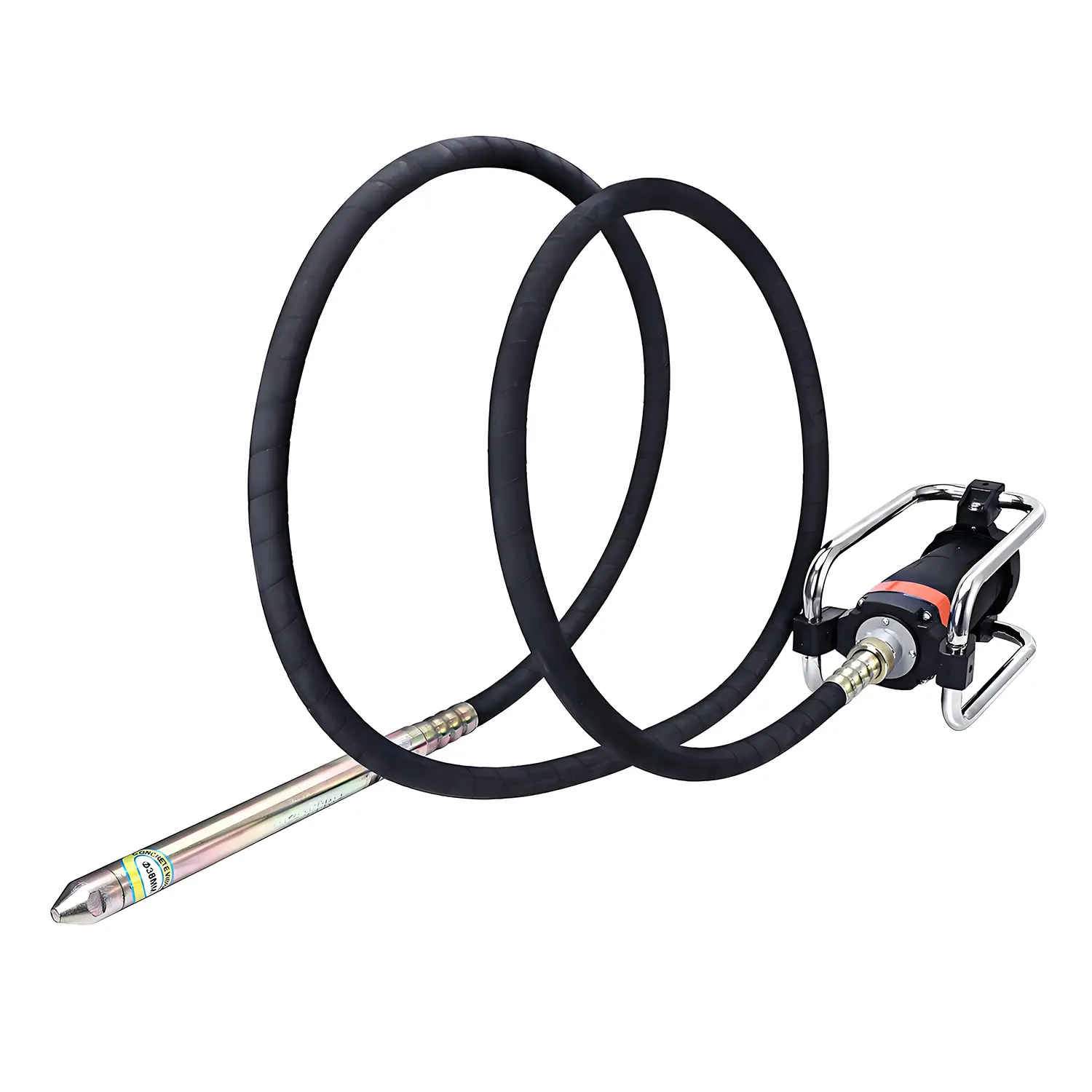 Eccentric shaft
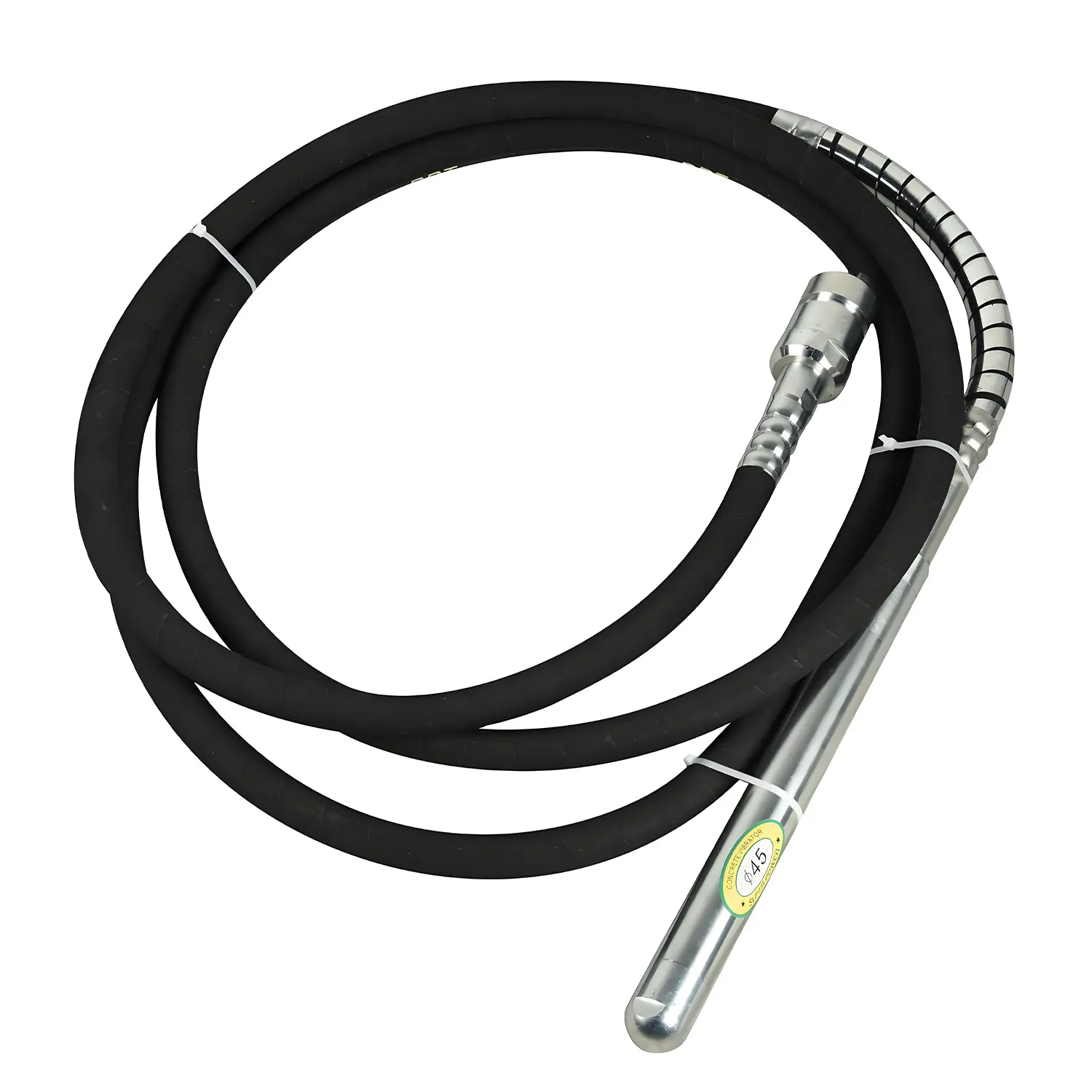 Pendulum shaft
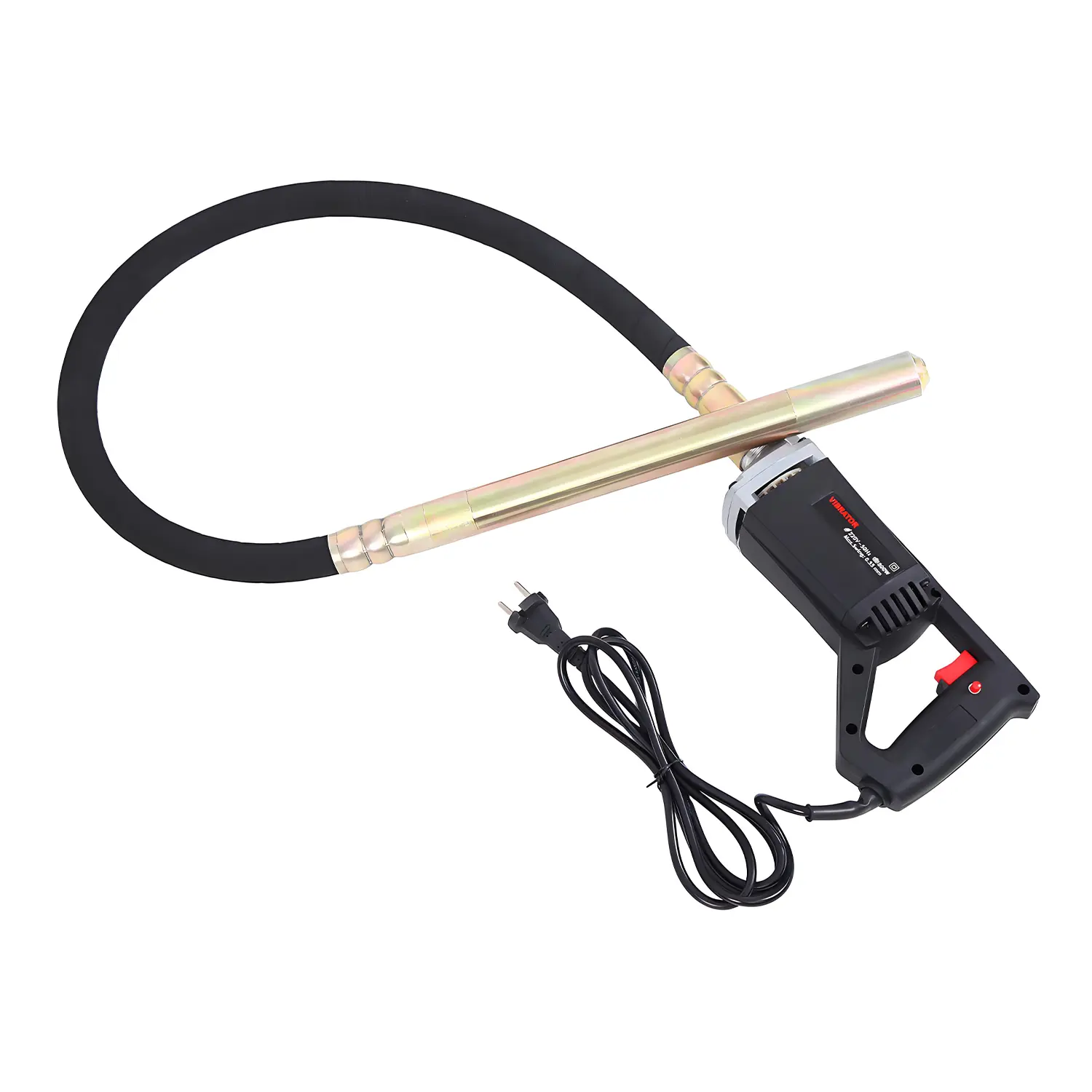 Portable vbrator shaft
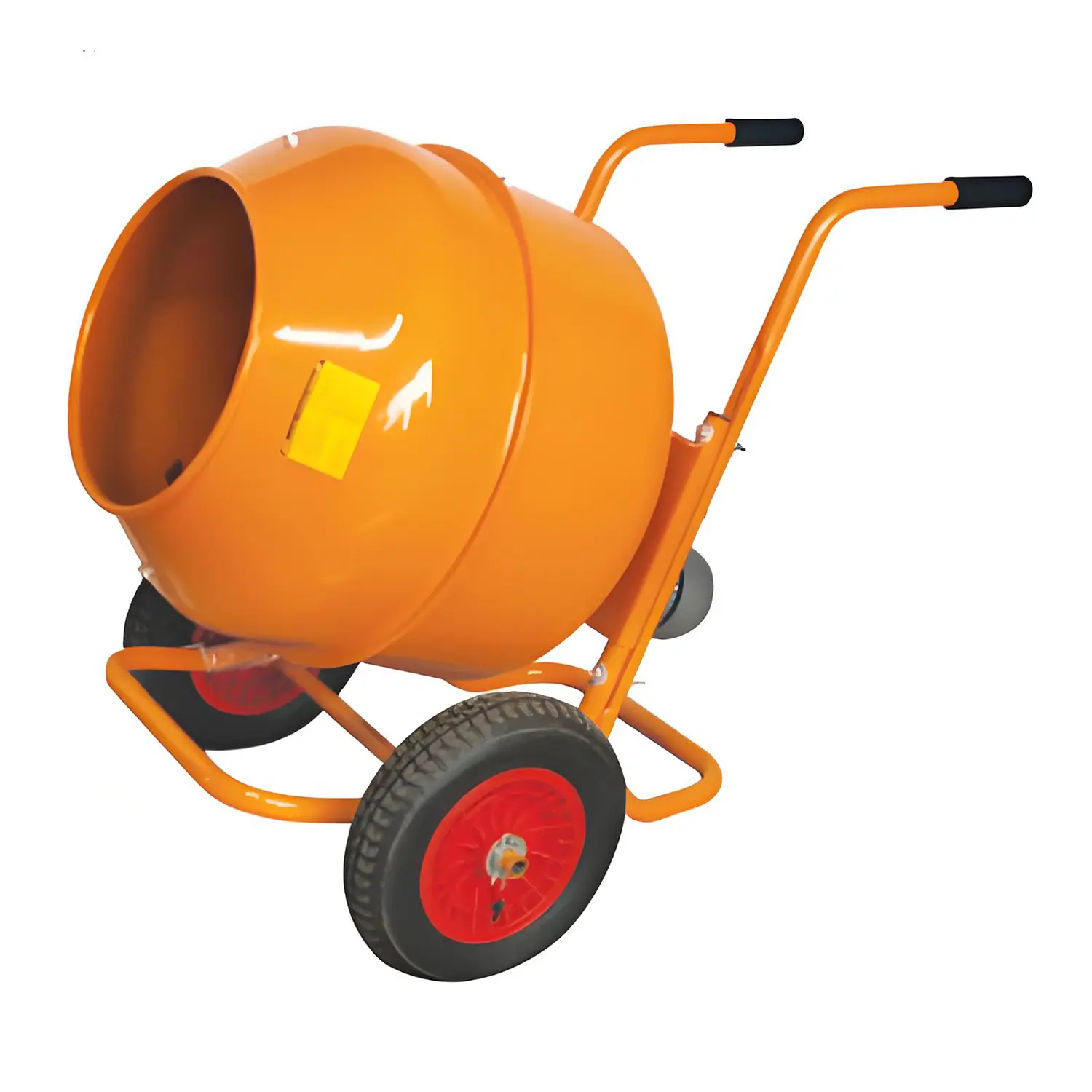 Portable concrete mixer
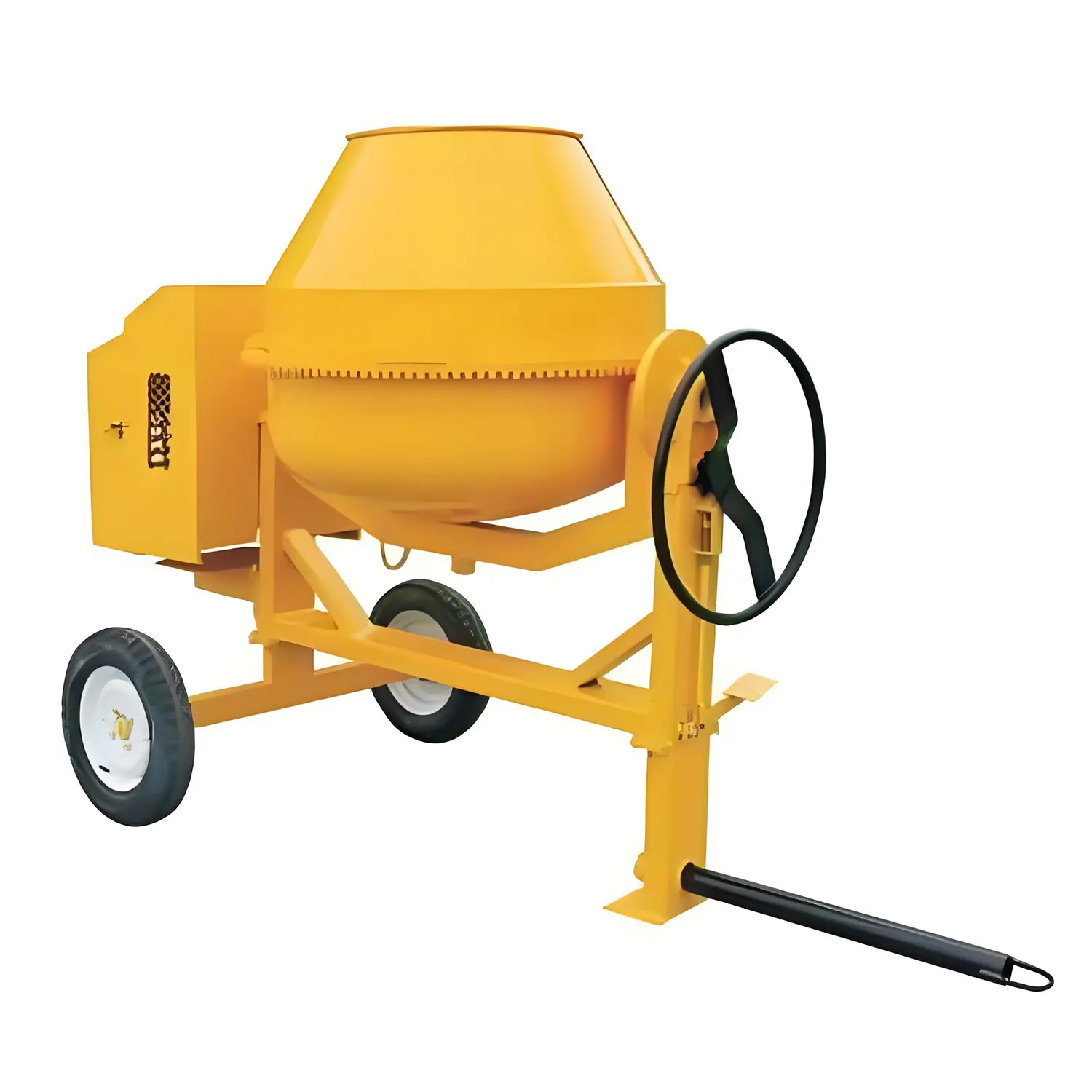 Vertical concrete mixer
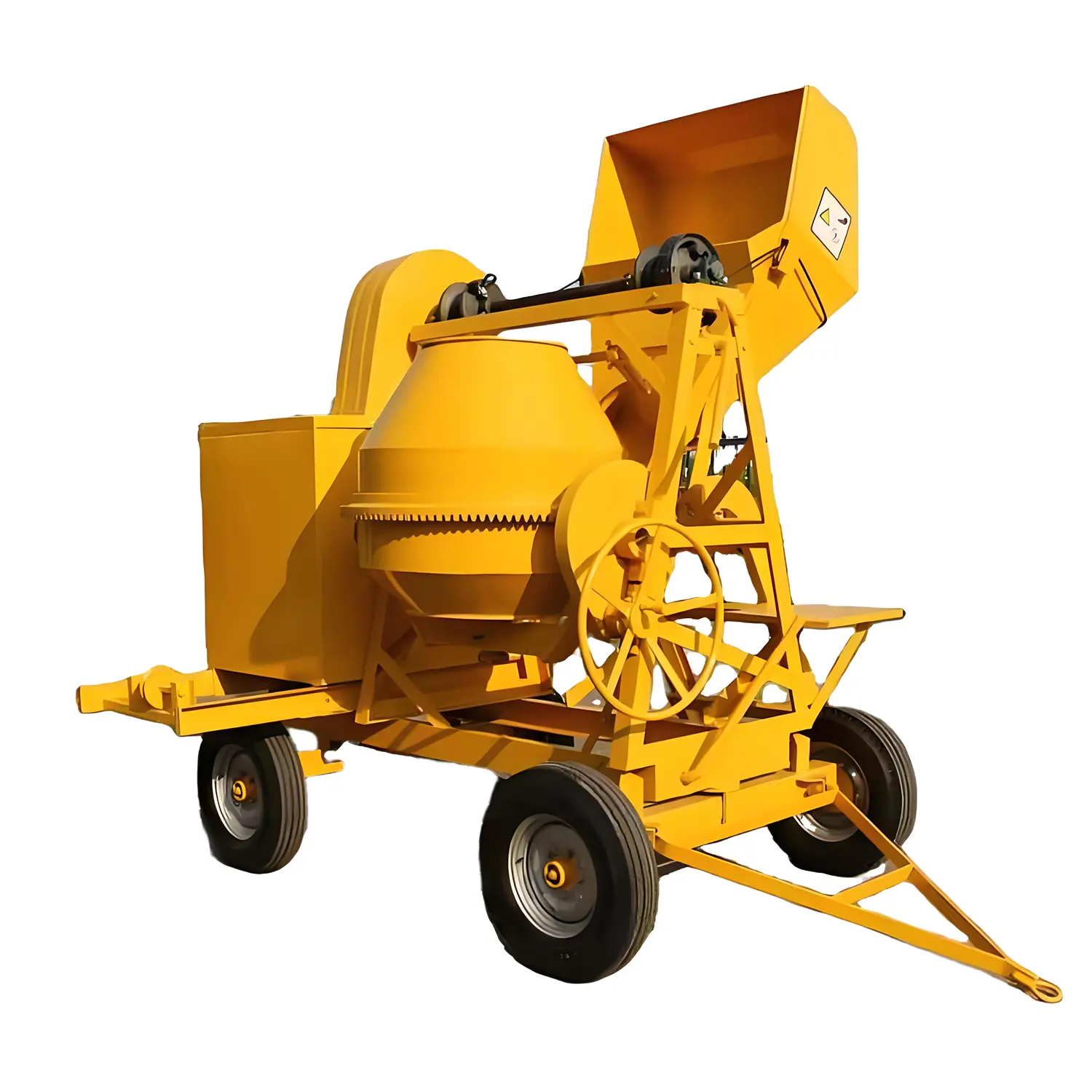 Hydraulic concrete mixer
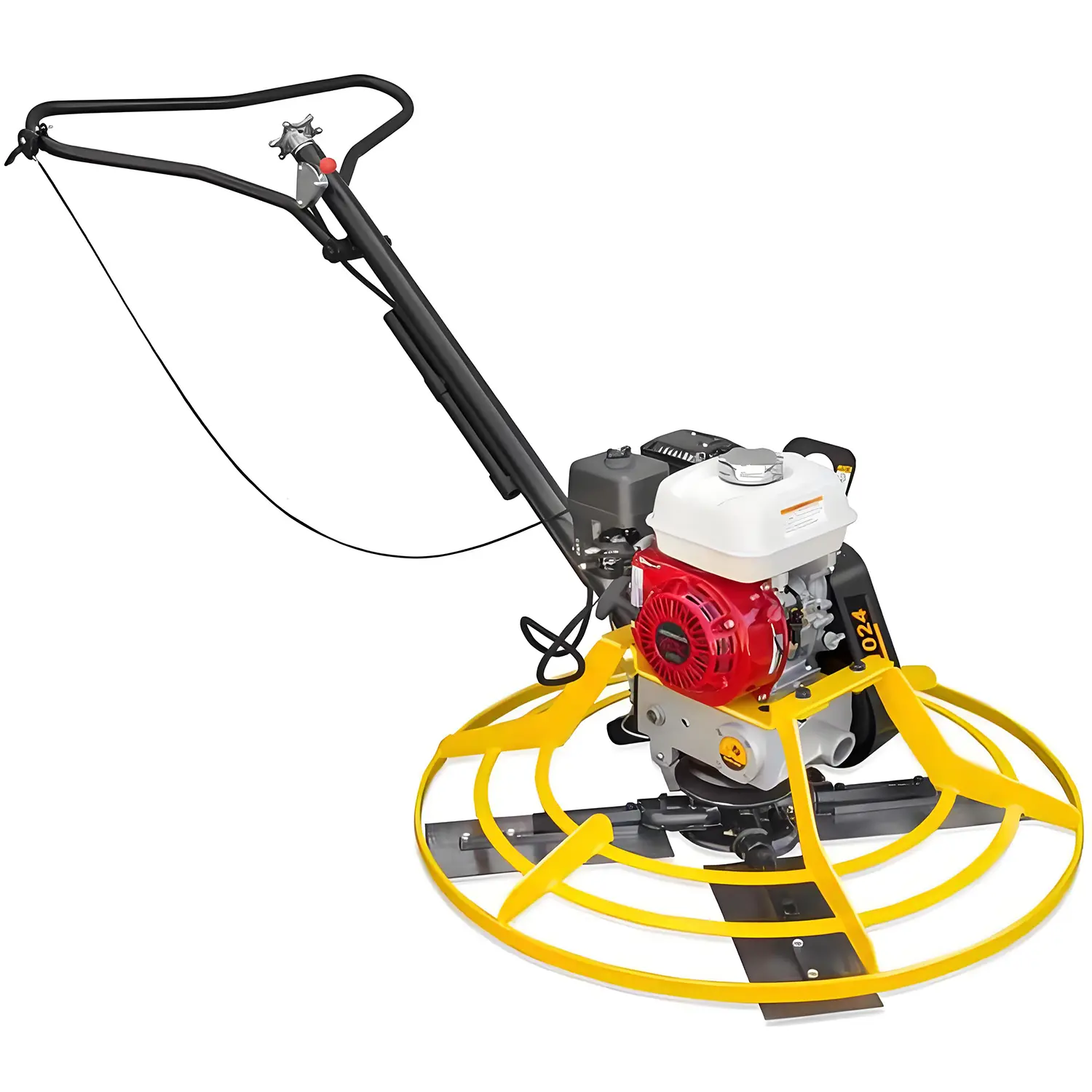 Walk behind power trowel
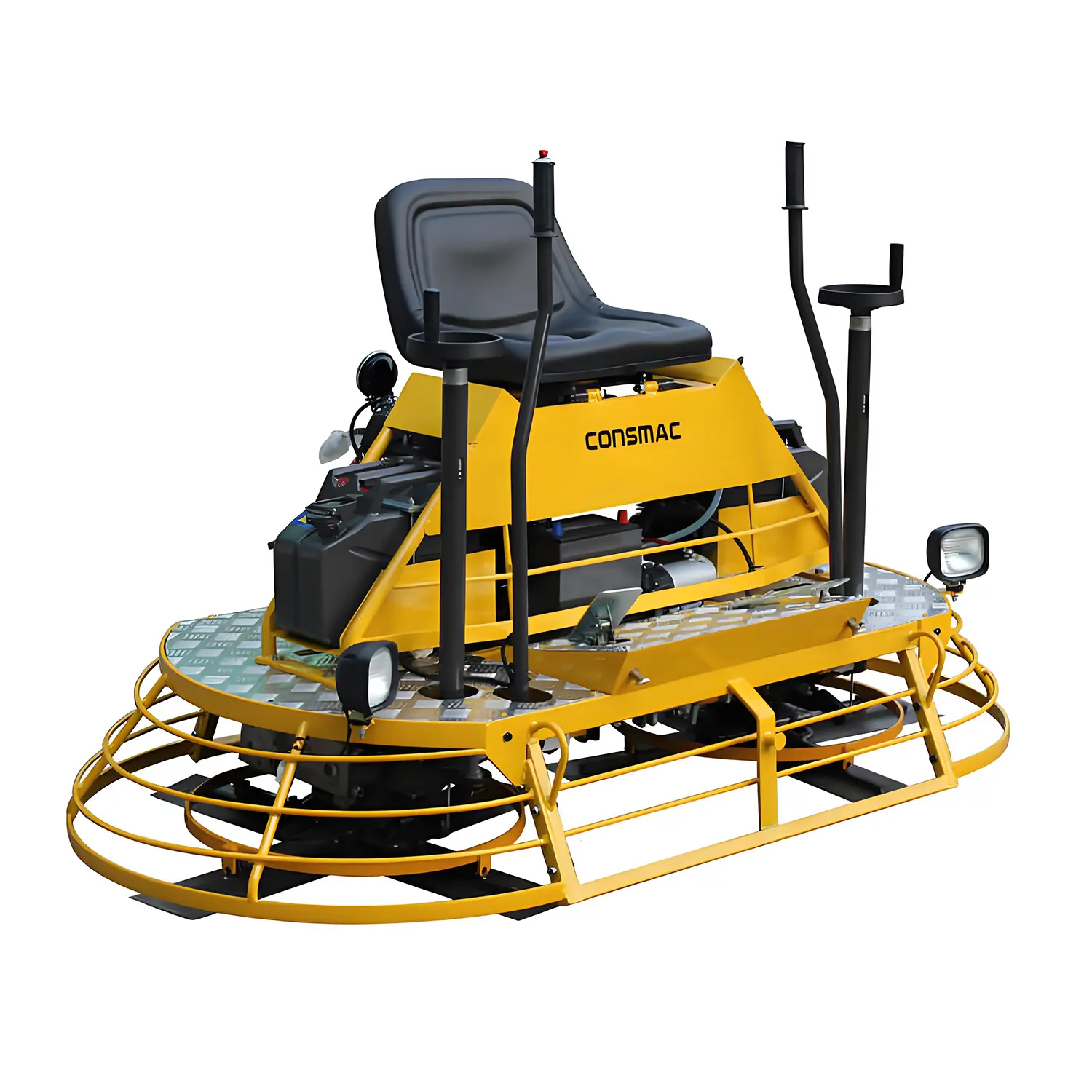 Ride on power trowel
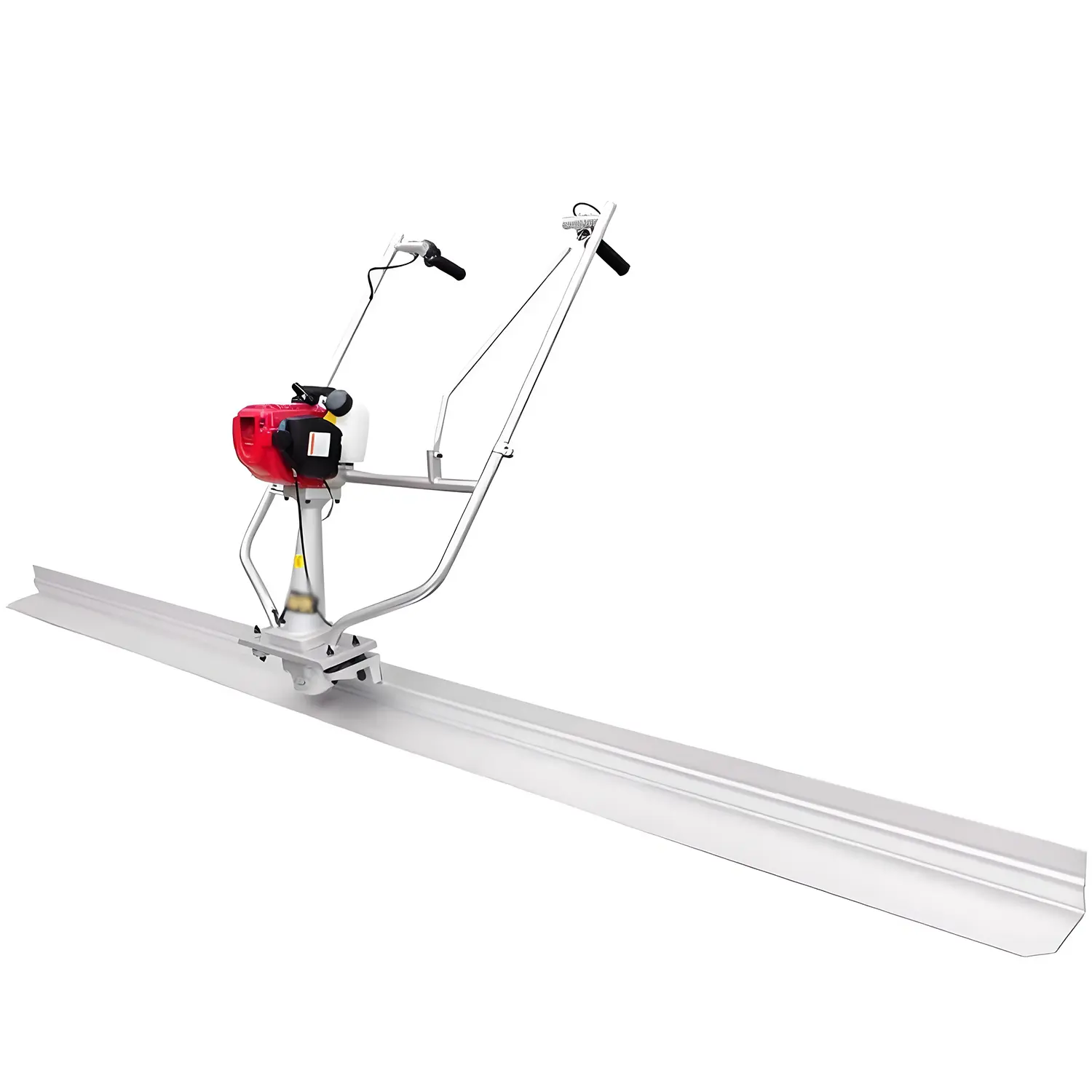 Concrete screed
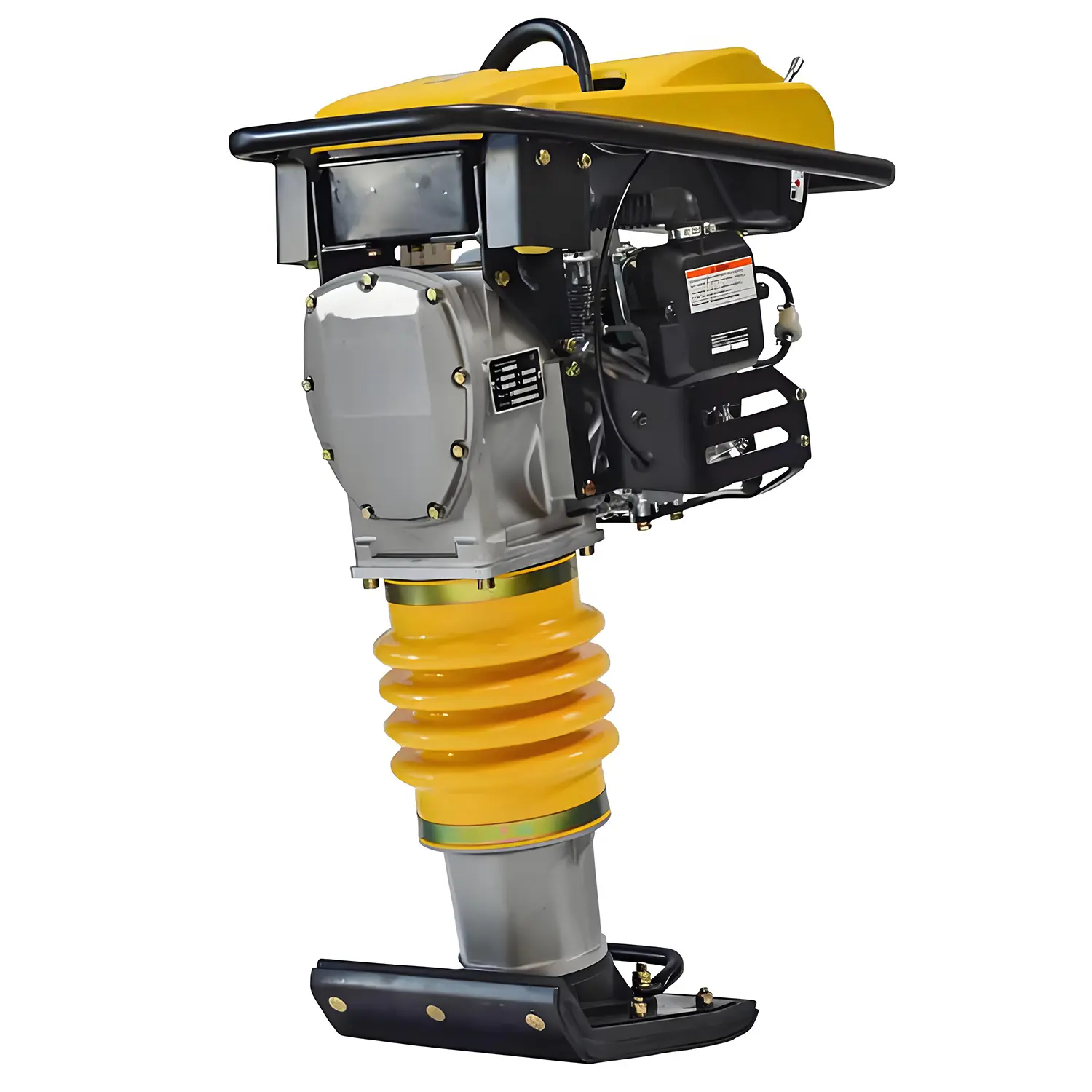 Tamping rammer
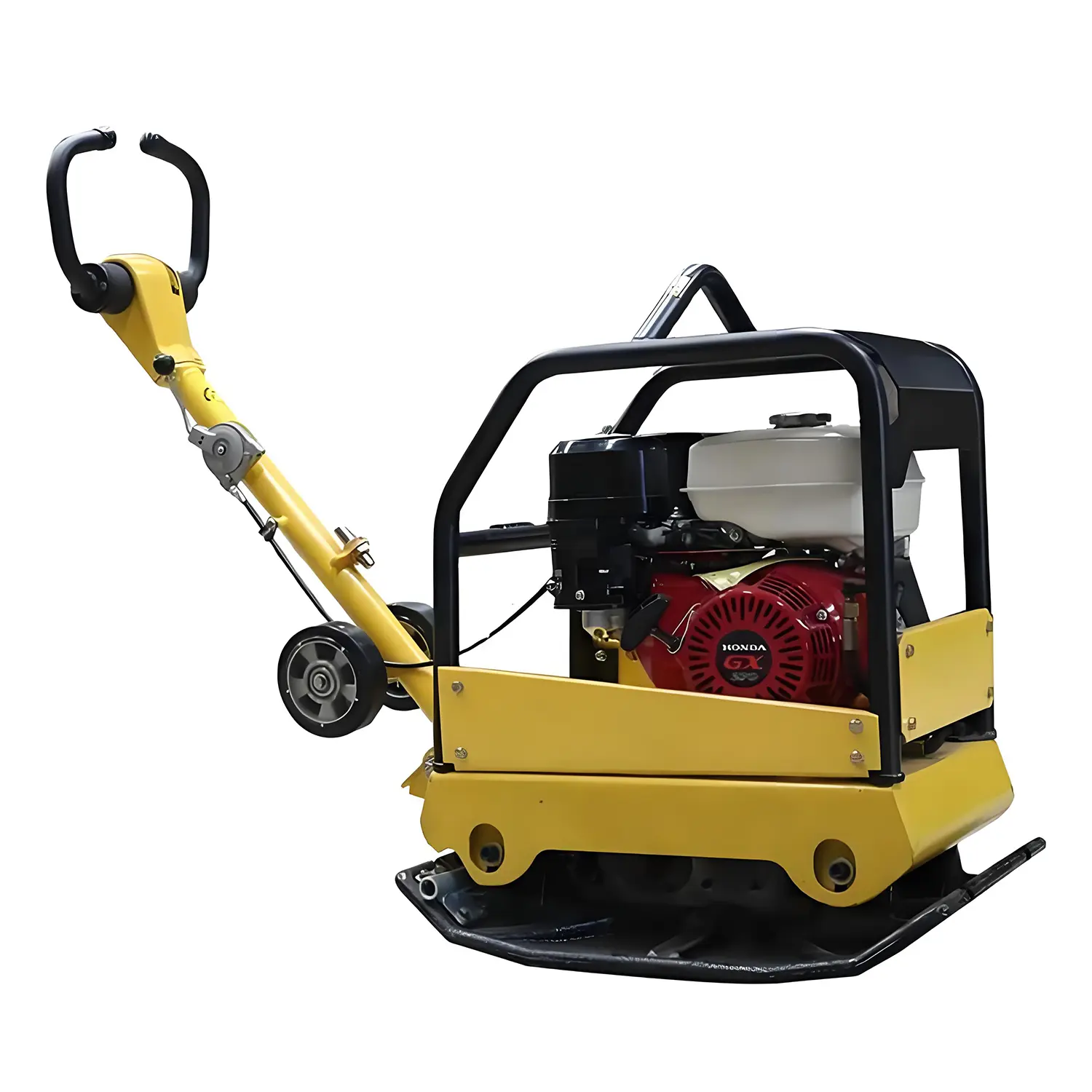 Plate compactor
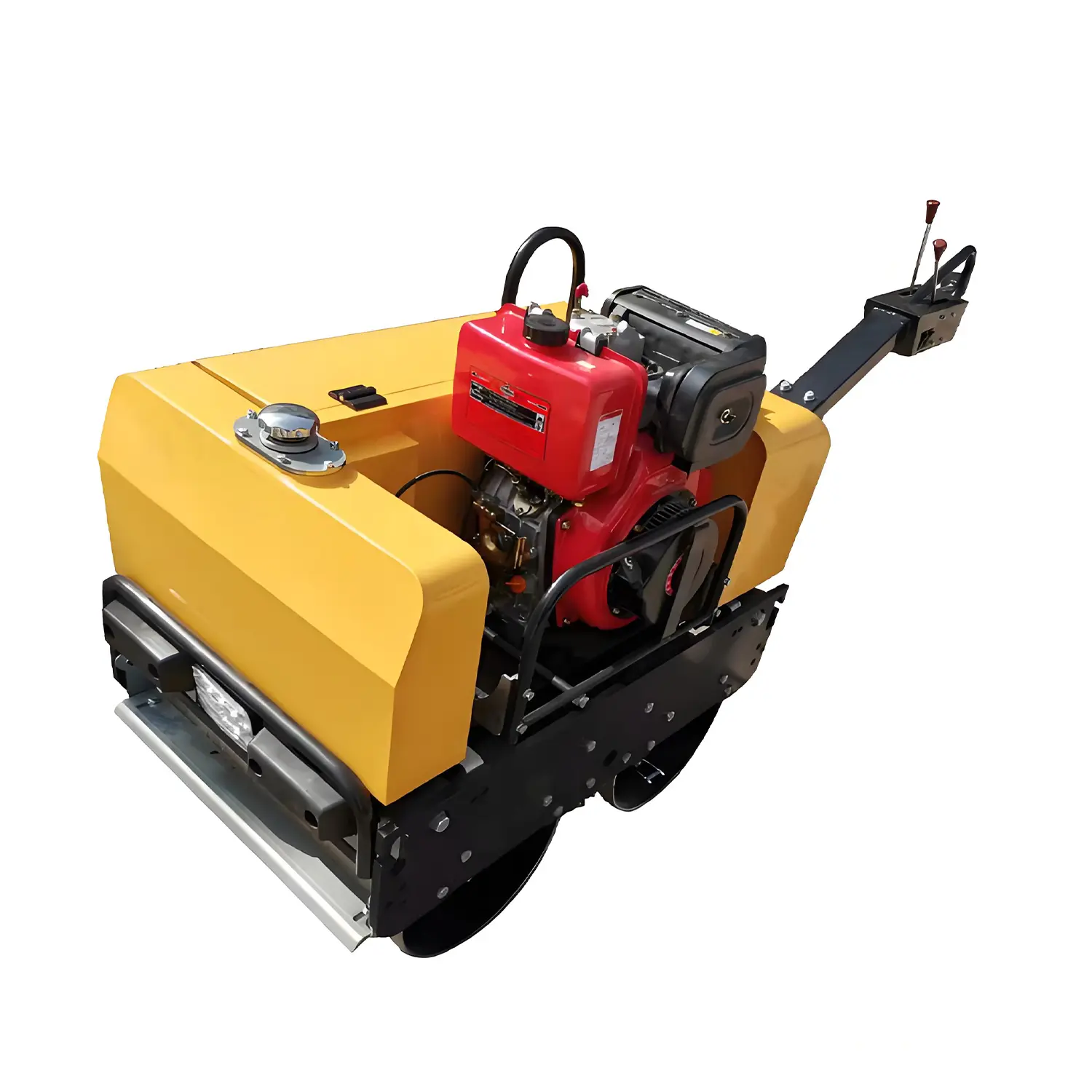 Vibratory roller