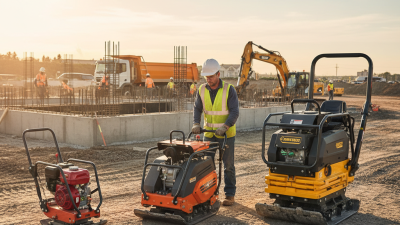
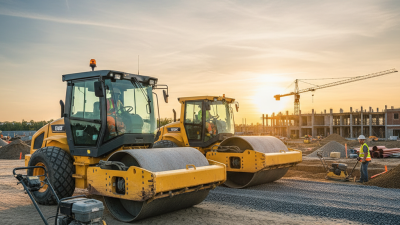
Top 10 Reversible Compactors to Boost Your Construction Projects?
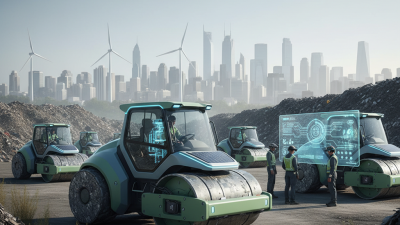
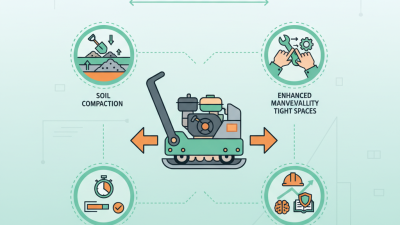
In the realm of construction, choosing the right equipment is crucial. A Reversible Compactor stands out as a versatile tool for various projects. These compactors excel in tight spaces, ensuring efficient soil compaction. Their design allows operators to move in both directions, enhancing productivity and workflow.
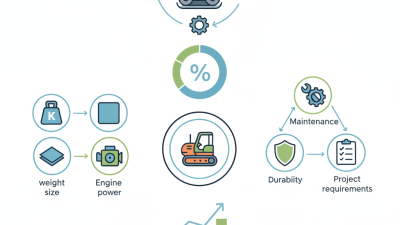
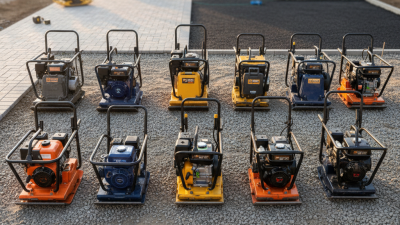
Not all reversible compactors are created equal. With numerous models available, finding the best fit can be challenging. Some models may struggle with certain soil types, leading to inefficiencies. It’s essential to assess specific project needs and conditions. Evaluating features such as weight, power, and size can improve outcomes.
Investing in a high-quality Reversible Compactor can significantly enhance project results. It secures a solid foundation for roads, walkways, and other structures. However, a wrong choice can lead to wasted time and resources. Therefore, understanding the strengths and limitations of each compactor is vital for success.
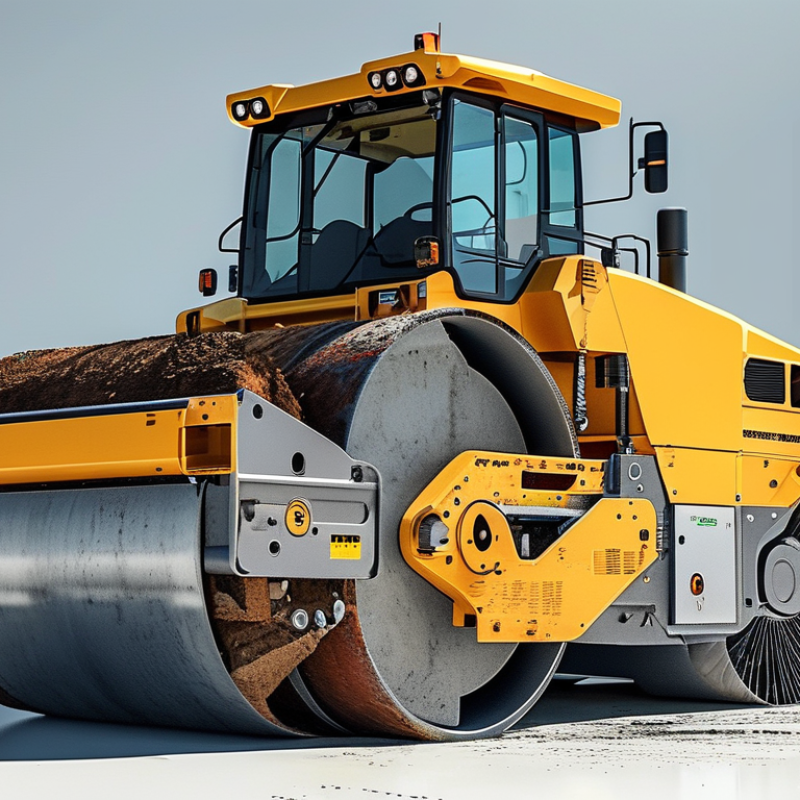
Top Features to Consider in Reversible Compactors for Construction
When selecting reversible compactors for construction projects, several key features demand your attention. Firstly, engine power is crucial. A unit with a higher horsepower can achieve better compaction in less time. According to industry data, compactors with a power range of 4 to 13 horsepower are often ideal for various soil types.
Furthermore, operating weight directly impacts performance. Often, heavier models provide denser compaction. A study suggests that for every 500 pounds of additional weight, the compaction density can increase by 10%. It's essential to evaluate your project's needs carefully because mismatched weight may lead to inadequate soil compaction.
Tip: Always assess the soil type before selecting your compactor. Different soils require varying compaction strategies.
Vibration frequency is another vital aspect. Machines offering adjustable frequency can optimize results on diverse materials. The frequency range impacts how effectively the compactor works on granular versus cohesive soils. Striking the right balance ensures efficiency and reduces project delays.
Tip: Regular maintenance checks not only enhance performance but also prolong equipment lifespan.
Lastly, ergonomics should not be overlooked. Consider handle design and vibration dampening features. Improved design can lead to greater operator comfort and reduced fatigue. Make sure to choose a model that fits your team’s operational style. This attention to detail can prevent potential issues down the line.
Benefits of Using Reversible Compactors in Construction Projects
Reversible compactors have become essential in construction projects for several key reasons. These machines are designed to efficiently consolidate soil, gravel, and asphalt. According to a report by the National Institute of Standards and Technology, effective compaction can reduce overall material costs by up to 15%. This is a significant reduction, especially for large-scale projects where material usage is extensive.
One of the primary benefits of reversible compactors is their versatility. They can work in restricted spaces, making them ideal for urban environments. The compact dimensions allow for easier maneuverability, leading to better project efficiency. Moreover, studies indicate that projects using reversible compactors achieve about 20% quicker compaction rates compared to traditional methods. This means faster progress, and potentially shorter project timelines. However, operators must be trained to use these machines correctly. Inadequate training can lead to insufficient compaction or uneven surfaces, resulting in increased future repair costs.
Noise and vibration are important factors as well. While reversible compactors can be noisy, newer models feature better sound dampening technology, reducing the impact on nearby communities. A balance must be struck between efficiency and environmental factors, and recognizing this is crucial for project managers. Addressing these concerns can enhance project reputation and stakeholder trust.
Comparison of Leading Brands in Reversible Compactors
When selecting reversible compactors, it’s essential to consider features that enhance productivity. Recent industry reports indicate that 70% of construction managers cite compaction efficiency as a critical factor in project timelines. Compactors that offer dual-direction capabilities not only reduce cycle times but also improve material density. The machine's weight distribution plays a crucial role in achieving optimal compaction results.
Leading brands typically feature hydraulic systems for adjustable speed and force. A study by the Construction Equipment Association found that models with variable frequency settings maximize compaction for various soil types. However, operators must ensure proper maintenance. A lack of routine inspections can lead to mechanical failures, impacting overall project efficiency.
Durability is another key consideration. Many standard compactors operate effectively for several years. However, extreme wear can result from improper use or unsuitable surfaces. Construction teams need to be vigilant about training operators on best practices. This oversight can directly impact the lifespan of the equipment and project safety. Without careful planning, even the best models may fall short of expectations.
Tips for Proper Maintenance and Care of Reversible Compactors
Proper maintenance of reversible compactors is crucial for optimal performance on construction projects. According to industry reports, neglecting regular upkeep can lead to a 25% decrease in efficiency. Simple tasks like checking the oil levels, inspecting hoses, and cleaning filters can extend the lifespan of the equipment significantly. Many professionals overlook these steps, leading to costly repairs and downtime.
Additionally, operators should be aware of the importance of proper lubrication. Regularly greasing moving parts prevents wear and tear, which can cause unexpected failures. Surveys indicate that nearly 30% of compactors break down due to insufficient lubrication. Creating a maintenance schedule is essential. This ensures that all necessary checks happen on time, minimizing risks.
Driving habits also impact the longevity of reversible compactors. Operators often push machines to their limits without considering a structured approach. Following recommended operating practices can help mitigate this issue. For instance, avoiding excessive speed during compaction can lead to improved results. In the long run, maintaining a focus on both mechanical care and operational strategy enhances productivity and reduces the likelihood of major repairs.
Applications and Best Practices for Reversible Compactors in the Field
Reversible compactors are essential for efficient construction projects. They serve various applications, making them versatile tools on job sites. These machines are primarily used for compacting granular soils and asphalt. Their design allows for forward and backward operation, enhancing productivity.
In the field, proper usage is crucial. Operators should maintain a steady pace while compacting. Uneven surfaces may cause vibrations, leading to unstable compaction. This might result in some unexpected settling, so checking the ground after compacting is wise.
Tips: Always monitor the compaction depth. Inadequate compaction can lead to costly repairs later. Adjusting the frequency of the machine can also optimize performance based on soil type. Regular maintenance checks prevent breakdowns that could delay progress. Operators must remember that good compaction promotes project longevity.
Top 10 Reversible Compactors for Construction Projects
| Model |
Weight (lbs) |
Working Width (inches) |
Max Compaction Depth (inches) |
Engine Power (HP) |
Applications |
| Model A |
500 |
24 |
12 |
5.5 |
Soil, Asphalt |
| Model B |
600 |
30 |
14 |
6.0 |
Soil, Gravel |
| Model C |
550 |
26 |
13 |
5.0 |
Concrete, Asphalt |
| Model D |
650 |
28 |
15 |
6.5 |
Soil, Asphalt, Concrete |
| Model E |
700 |
32 |
16 |
7.0 |
Soil, Gravel, Asphalt |
| Model F |
800 |
34 |
18 |
7.5 |
Asphalt, Gravel |
| Model G |
720 |
30 |
17 |
8.0 |
Soil, Concrete |
| Model H |
750 |
36 |
20 |
9.0 |
Asphalt, Soil, Gravel |
| Model I |
680 |
29 |
19 |
7.2 |
Soil, Asphalt |
| Model J |
800 |
33 |
21 |
10.0 |
Concrete, Asphalt |

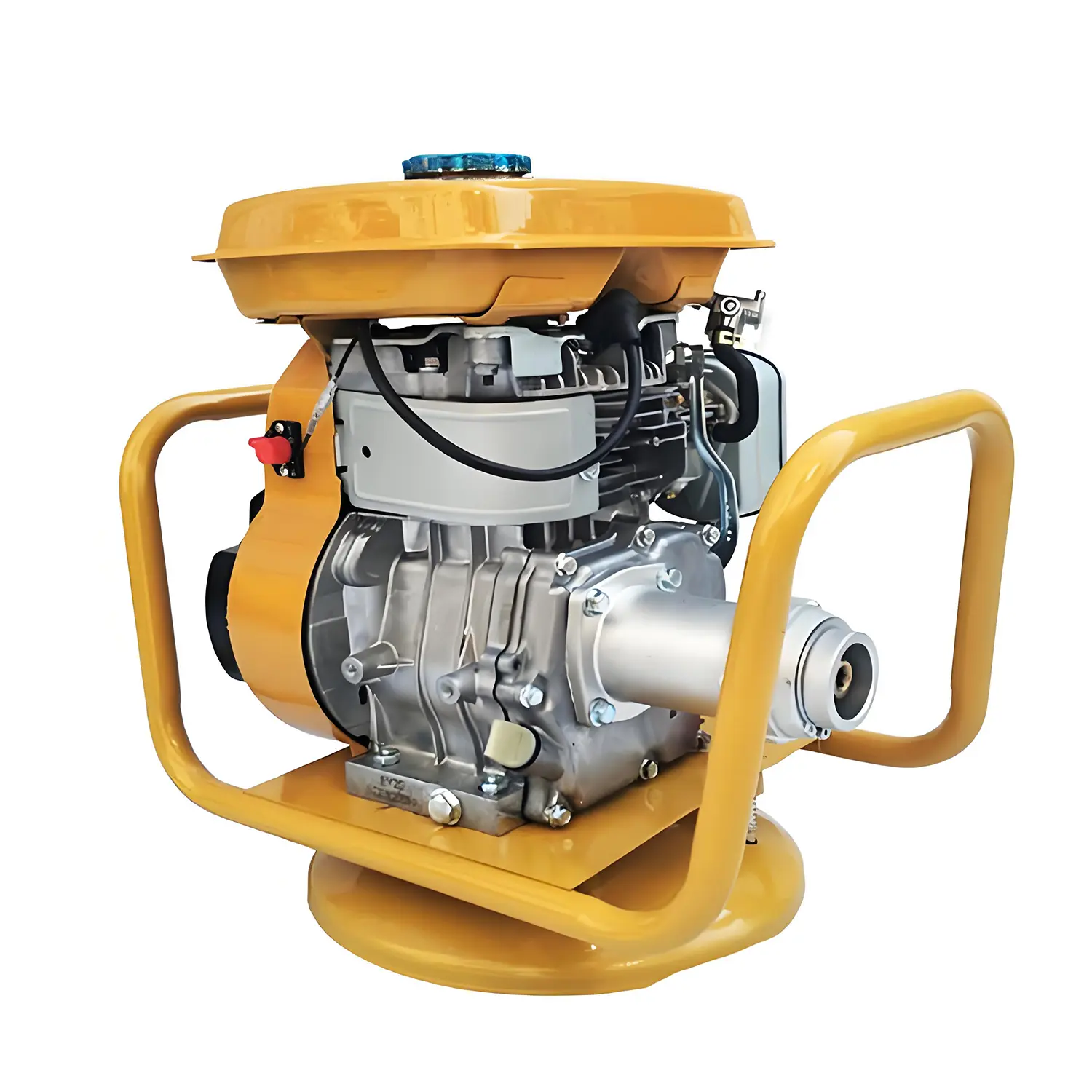 Internal Vibrator
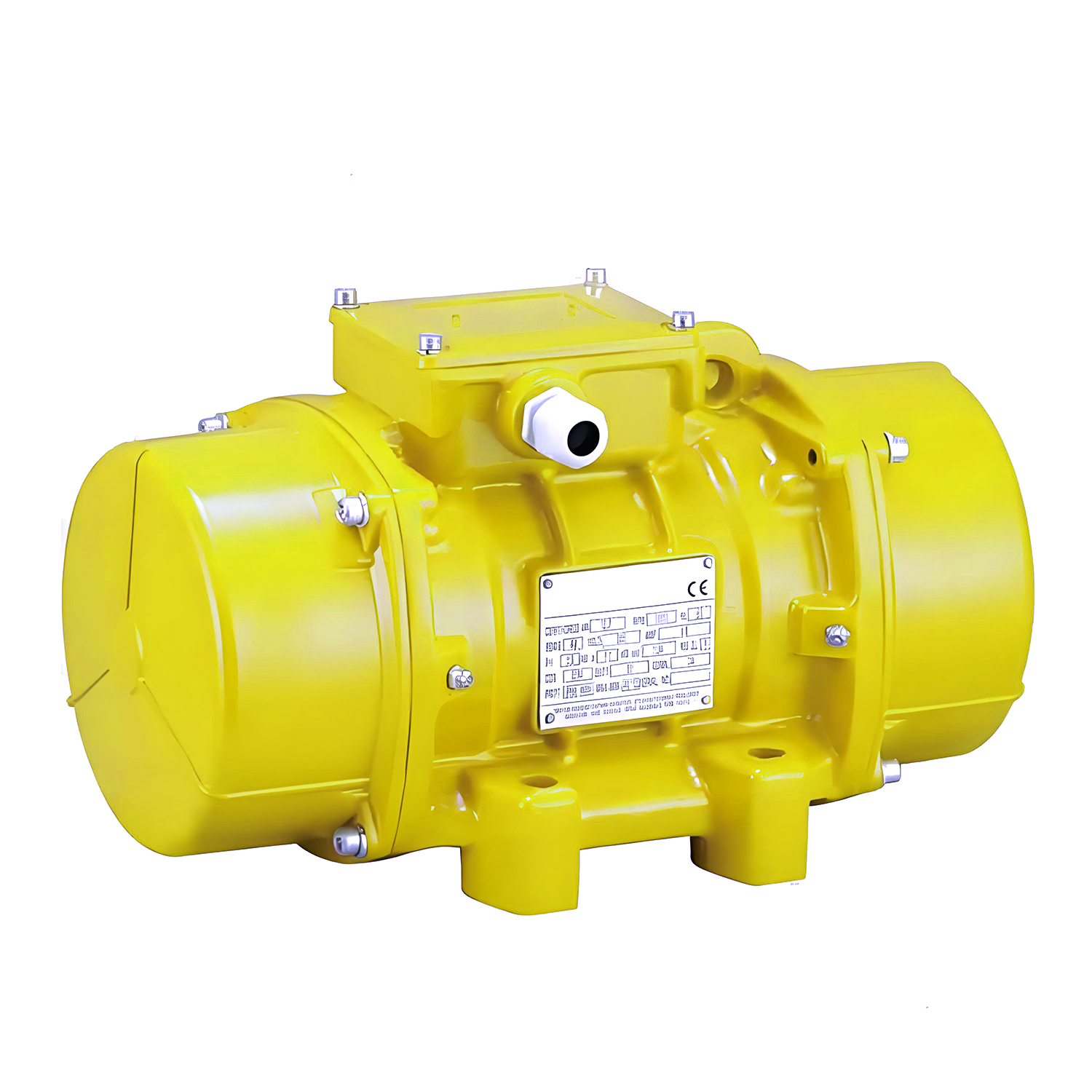 External Vibrator
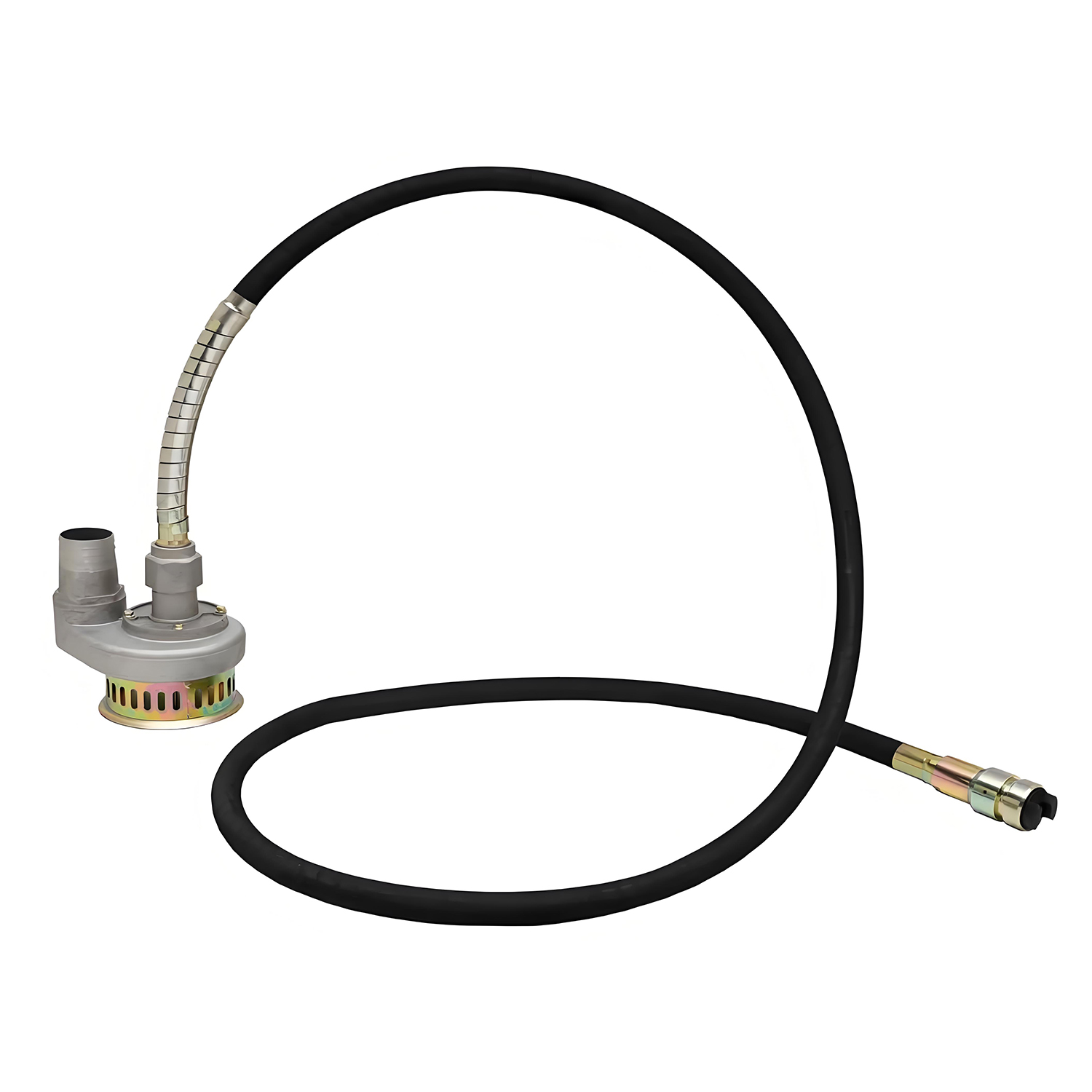 Submersible Pump
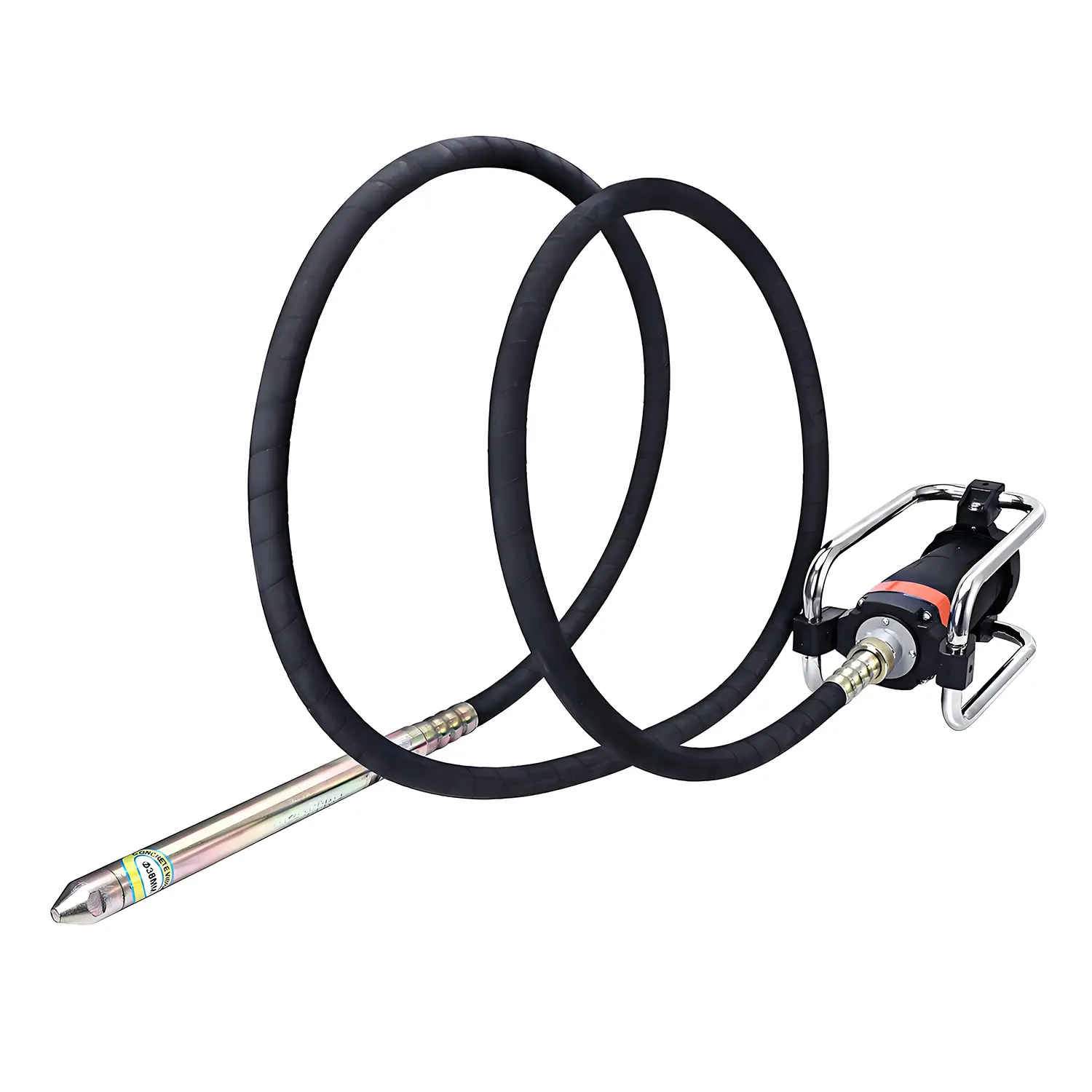 Eccentric shaft
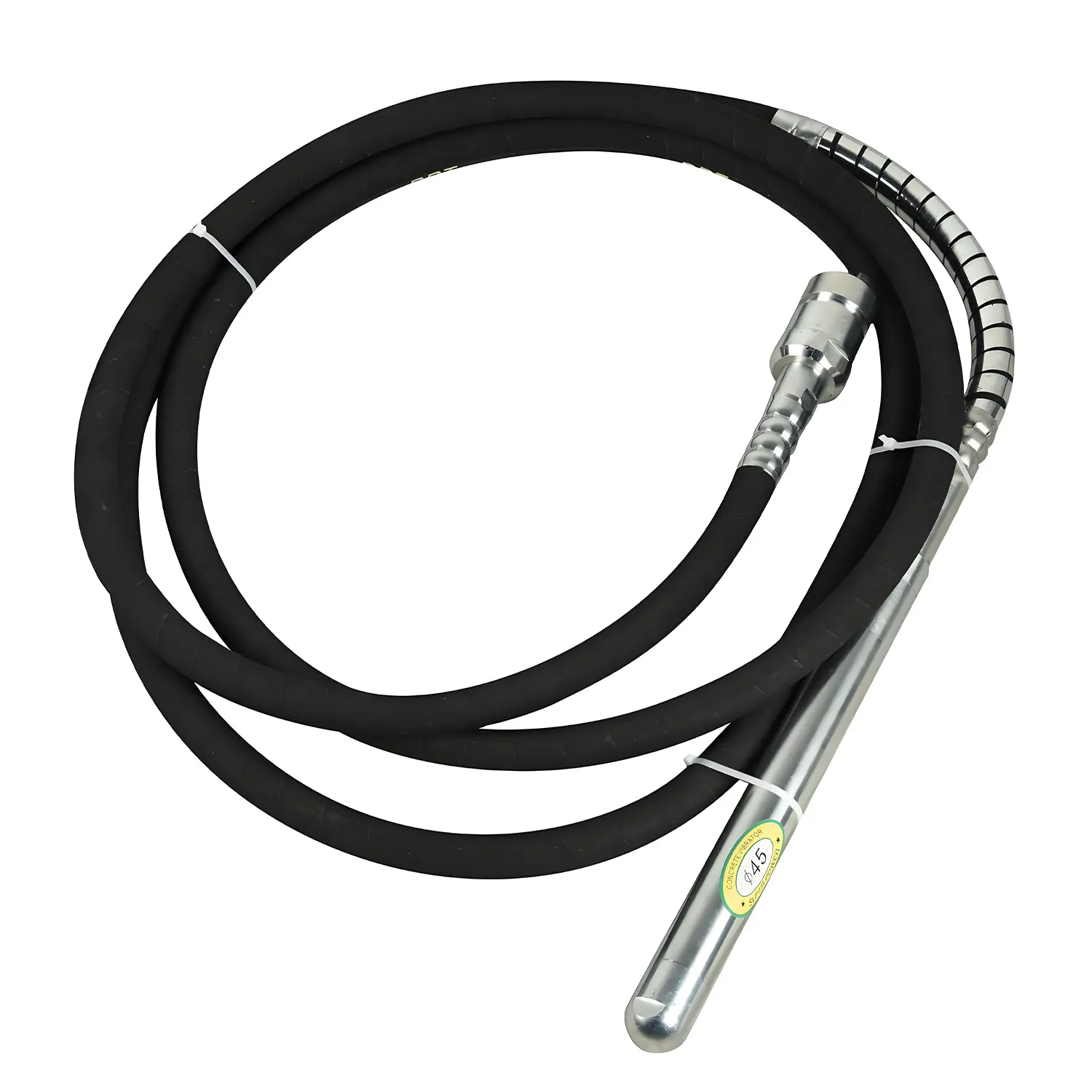 Pendulum shaft
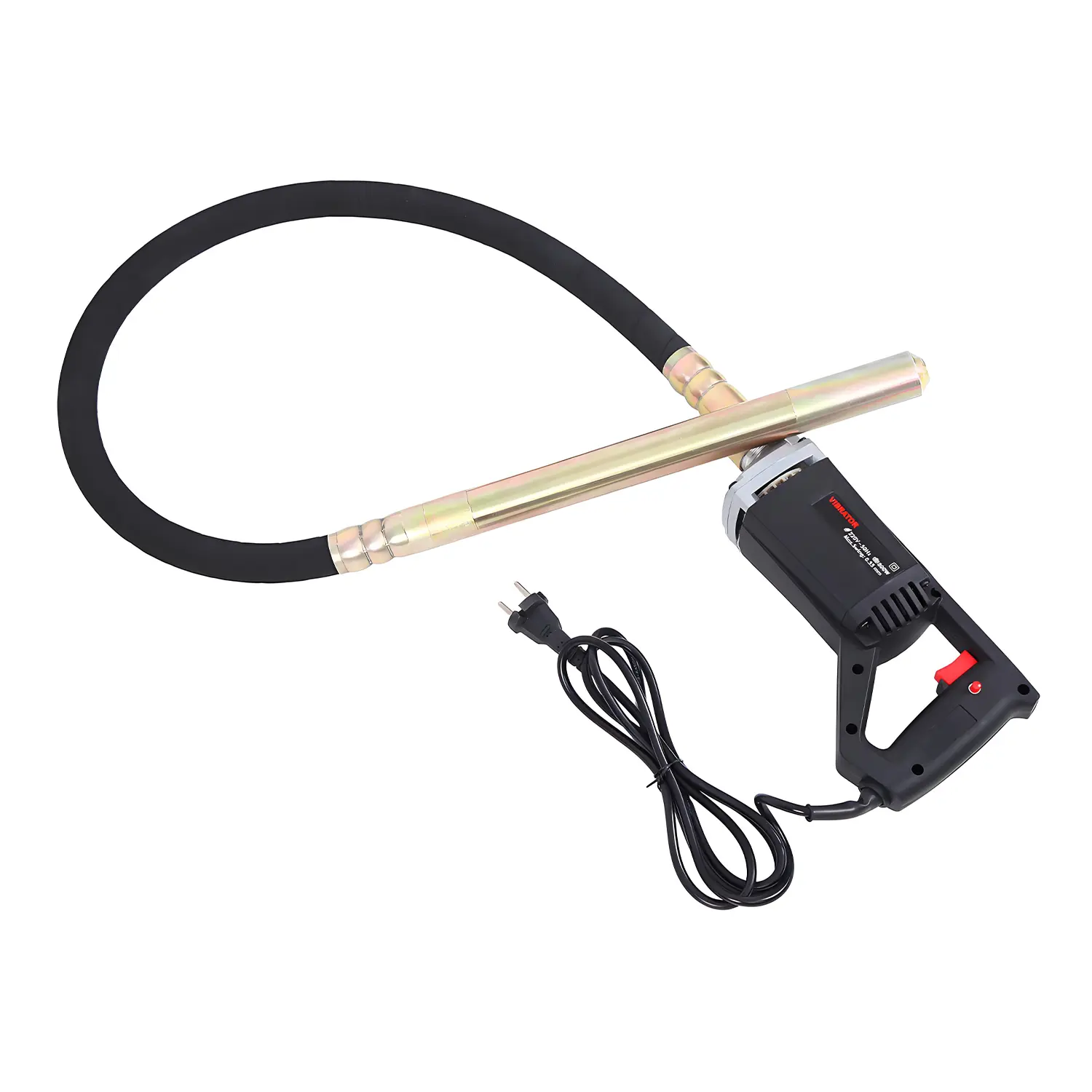 Portable vbrator shaft
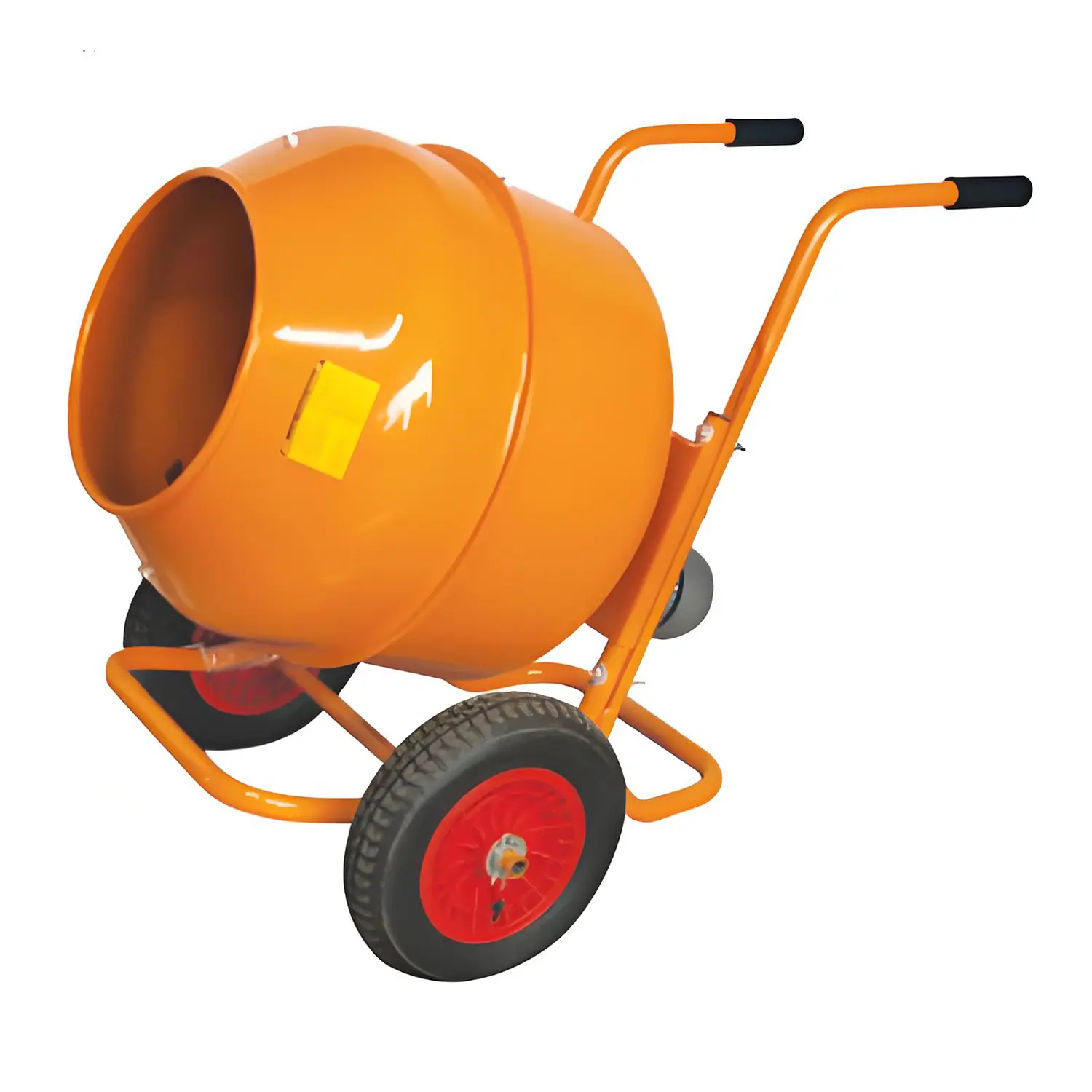 Portable concrete mixer
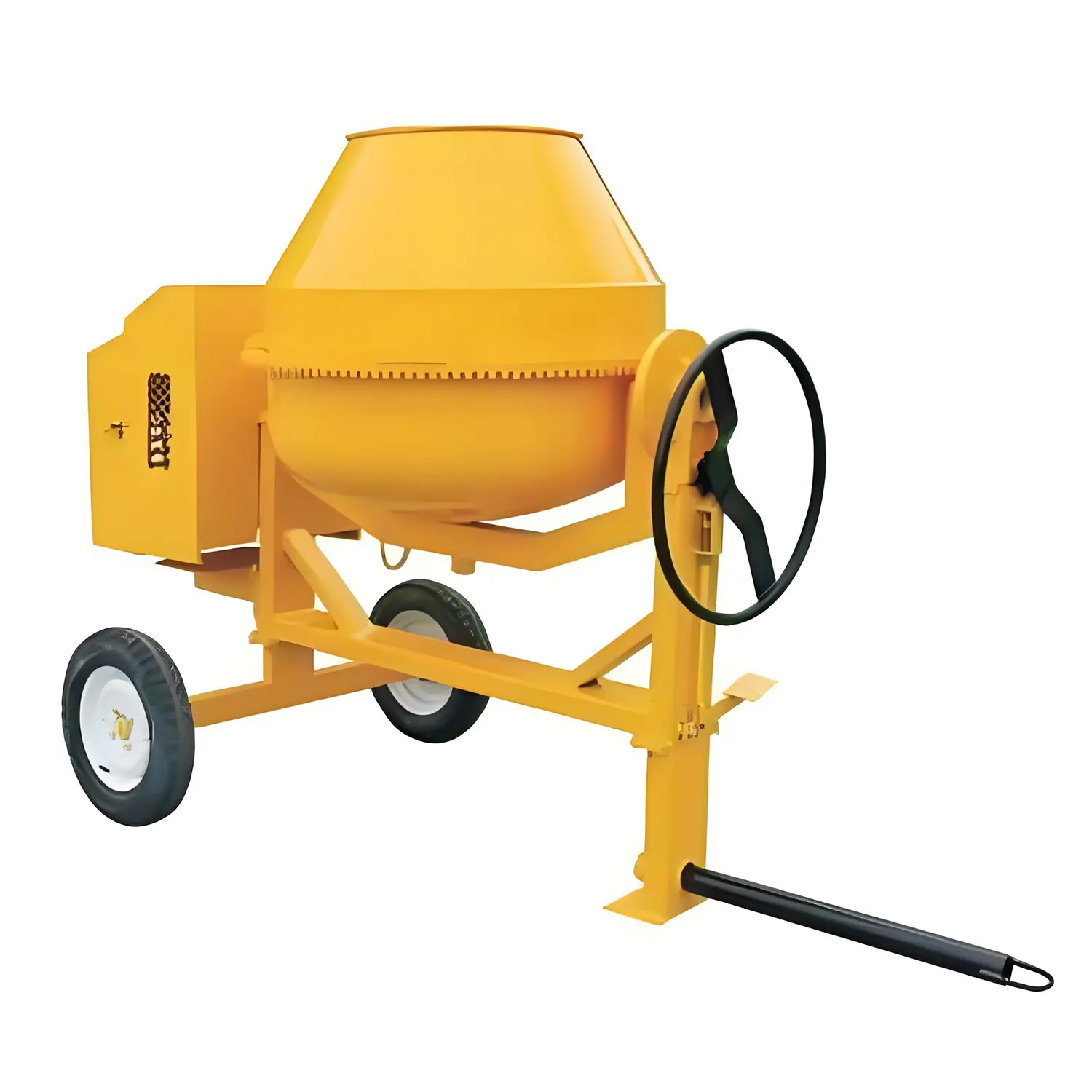 Vertical concrete mixer
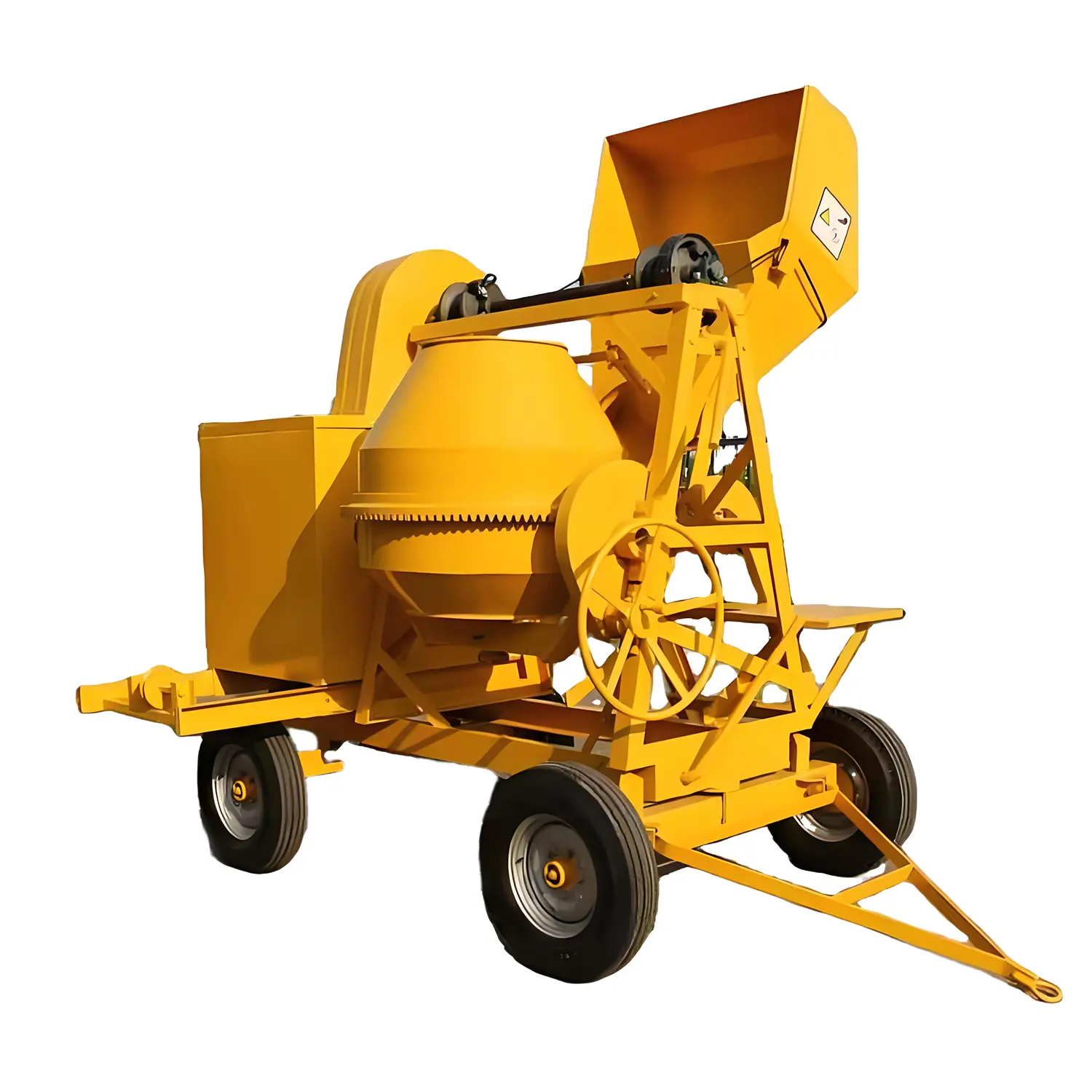 Hydraulic concrete mixer
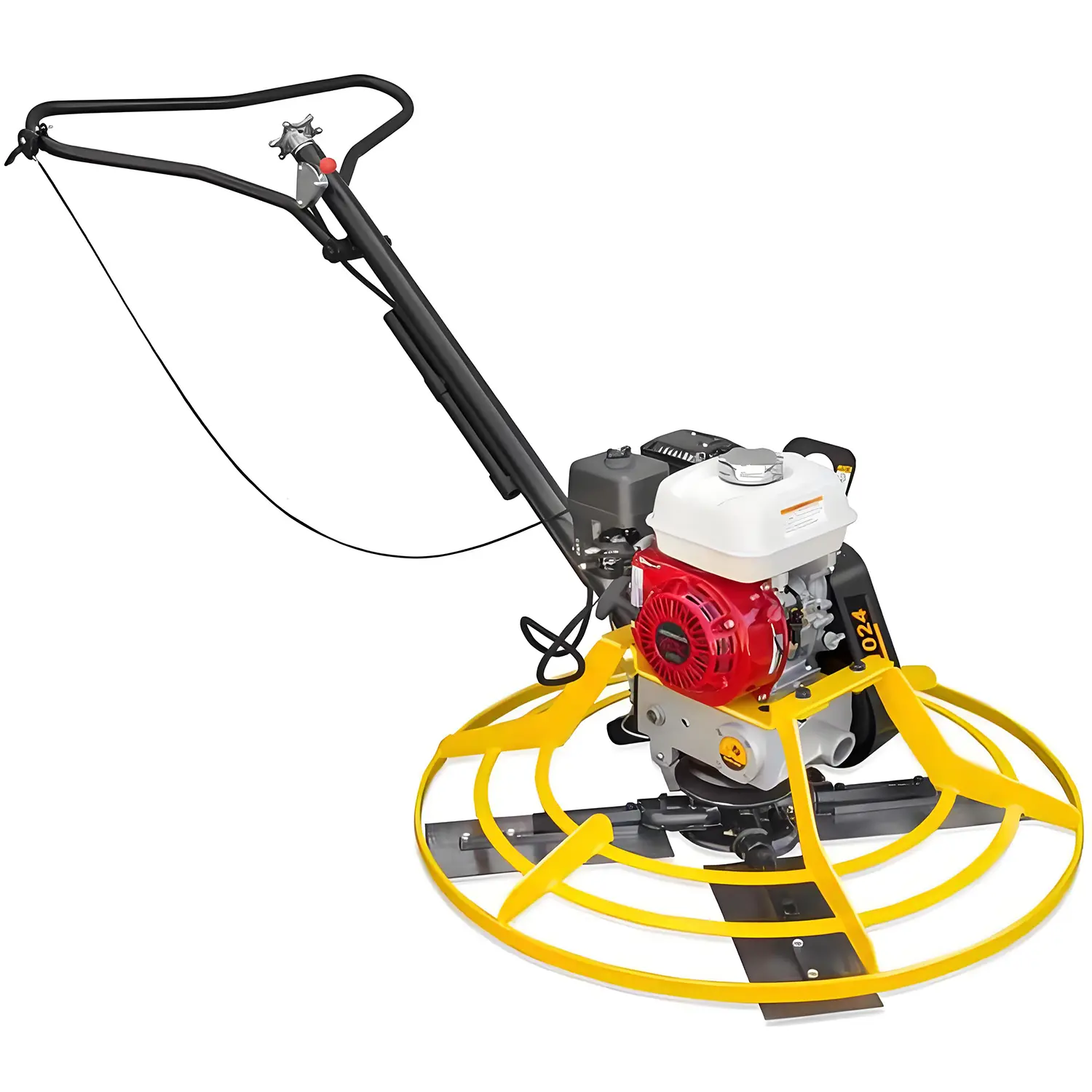 Walk behind power trowel
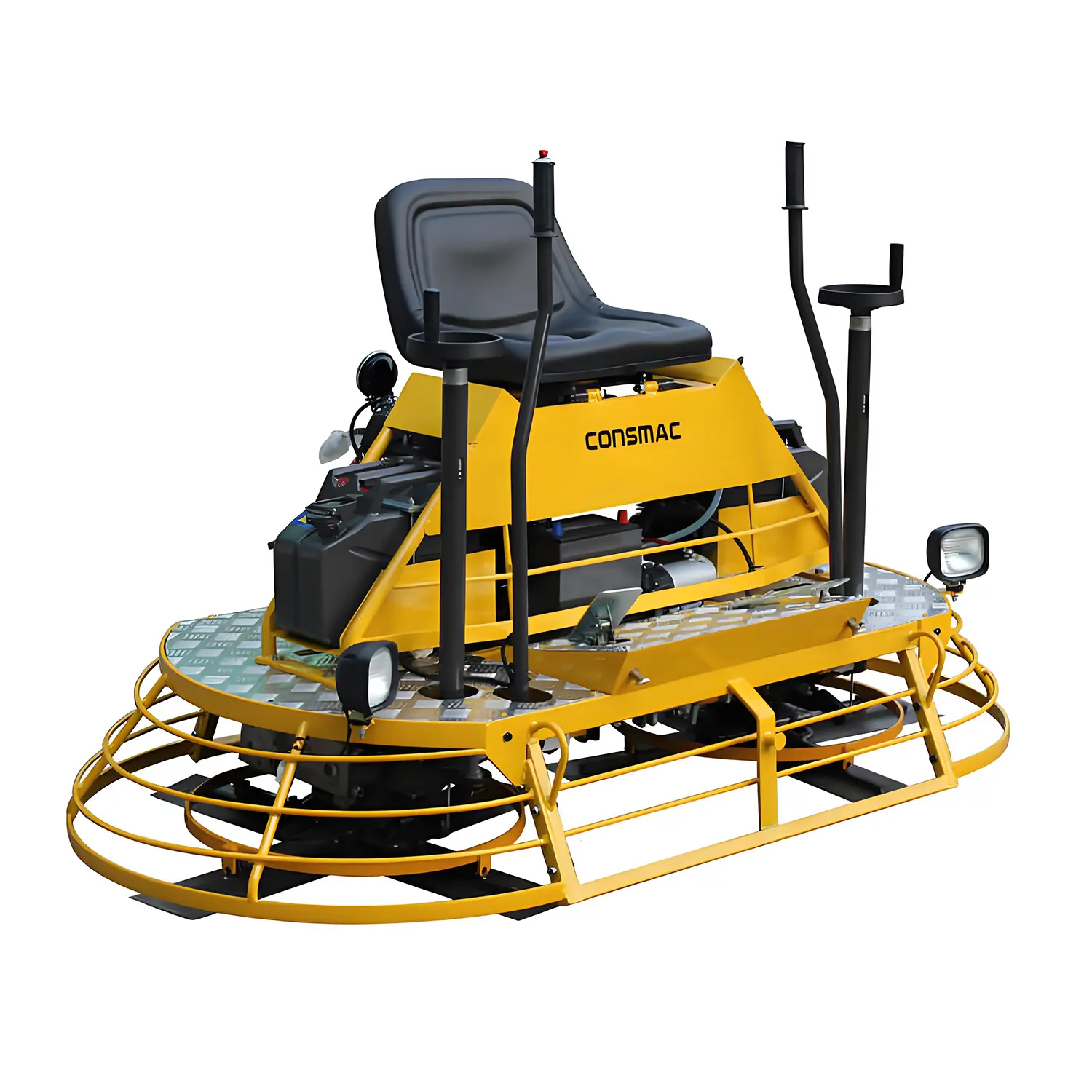 Ride on power trowel
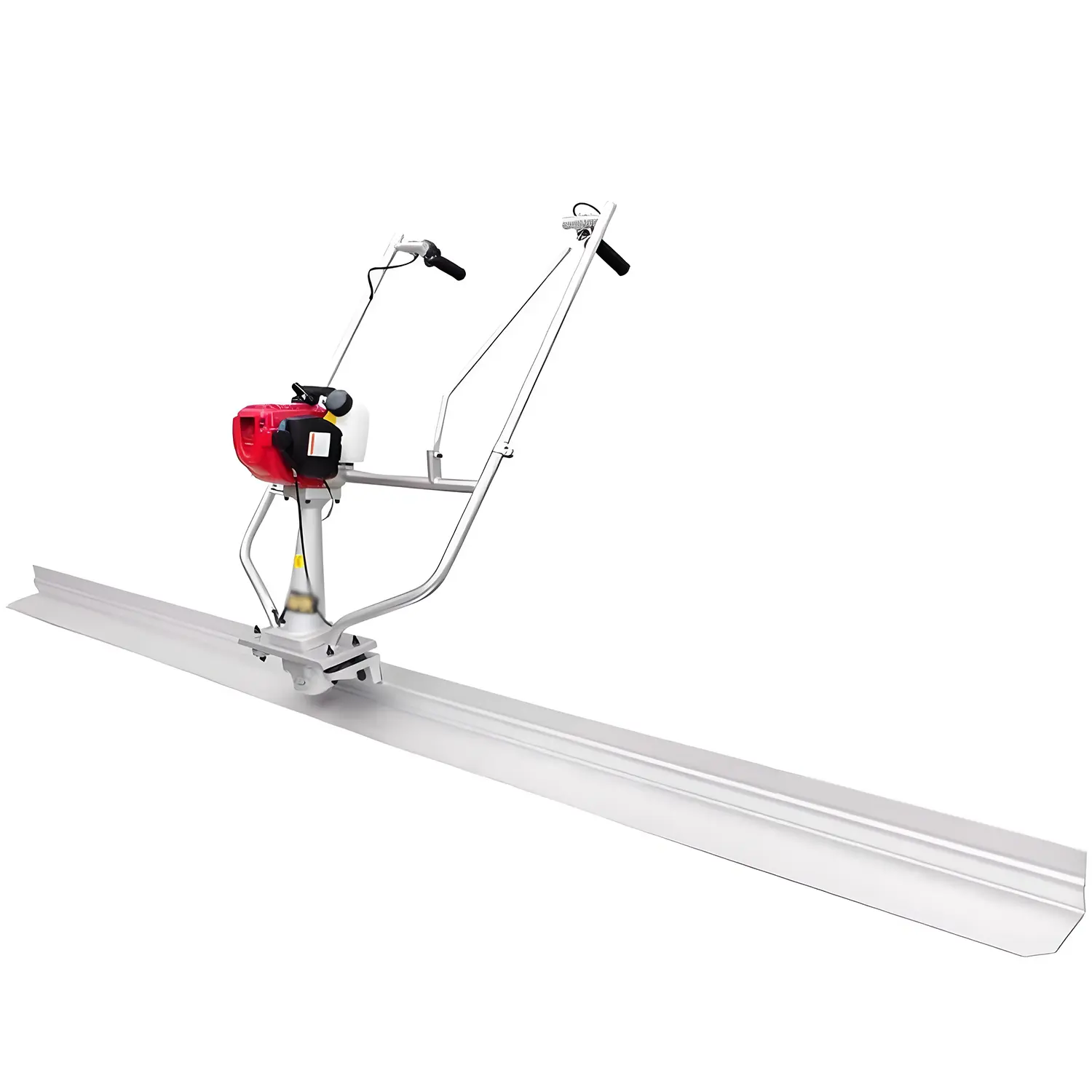 Concrete screed
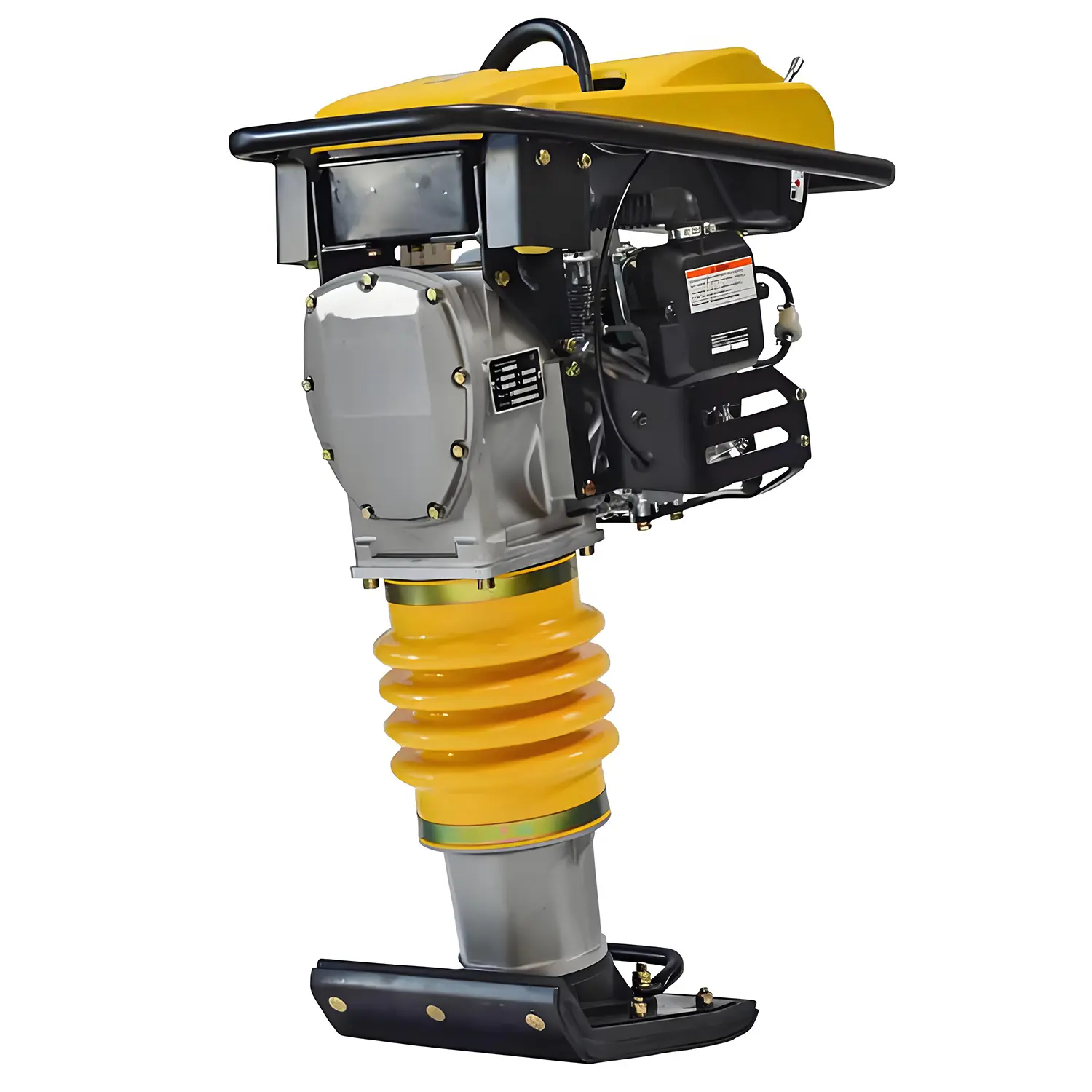 Tamping rammer
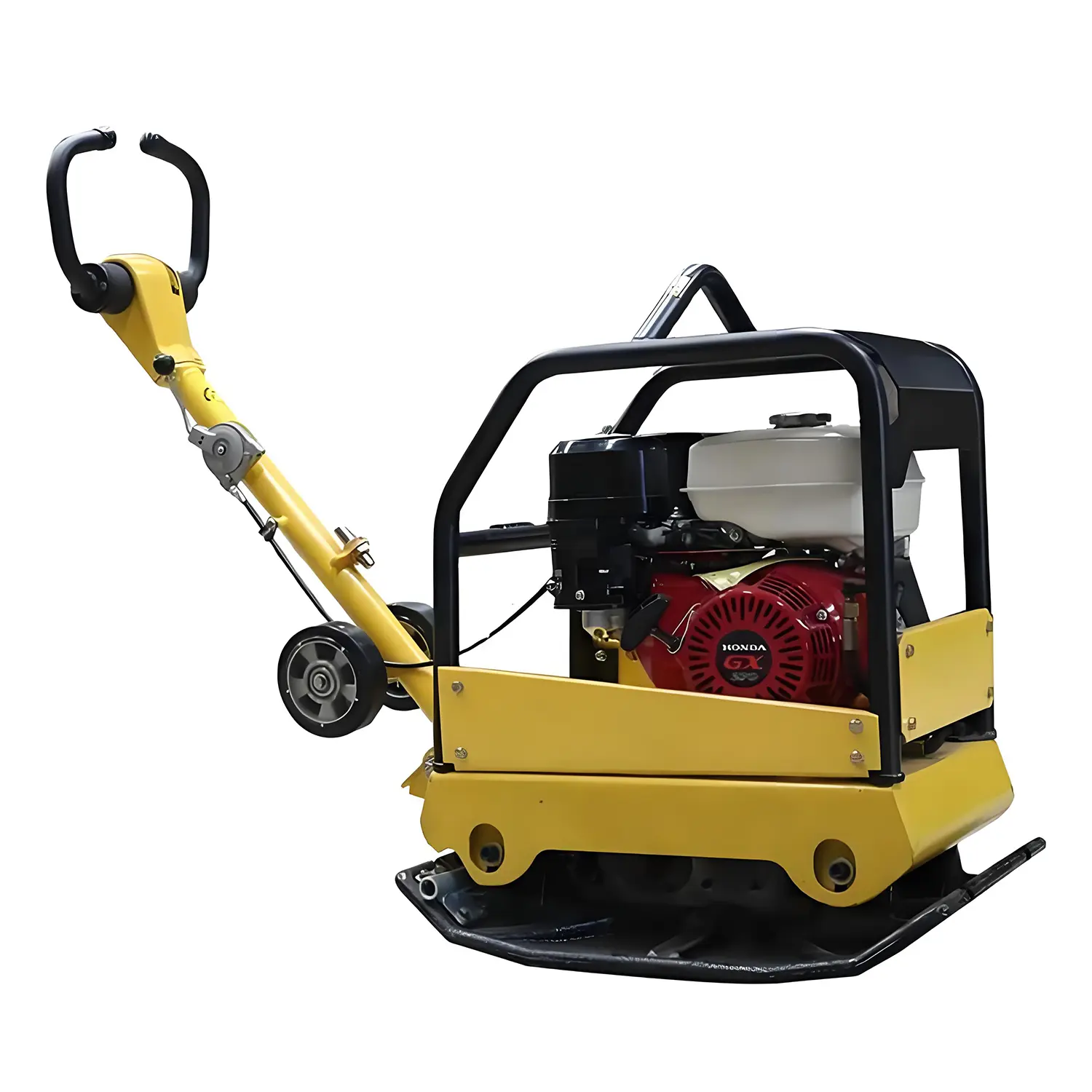 Plate compactor
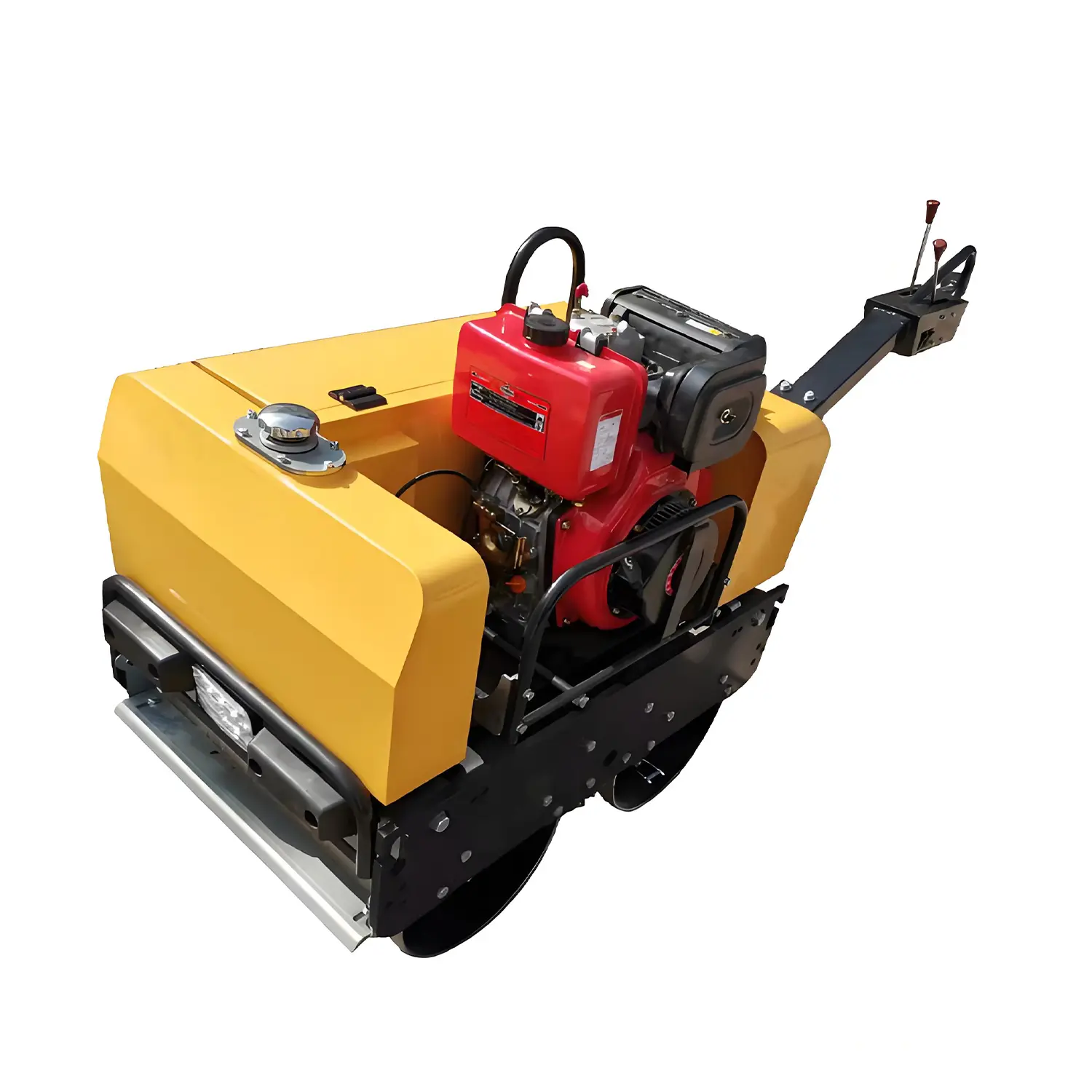 Vibratory roller