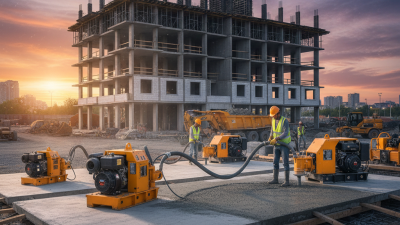
Top 10 Heavy Equipment Roller Models for Optimal Performance and Efficiency
When it comes to construction and engineering projects, the selection of the right machinery is crucial for achieving optimal results. Among the most essential pieces of machinery are Heavy Equipment Rollers, which play a significant role in ensuring a smooth and durable surface for various applications, including road construction, earthworks, and landscaping. These robust machines are designed to compact soil, gravel, and asphalt, thereby increasing the performance and efficiency of any project.
Understanding the different types of Heavy Equipment Rollers available on the market can help operators make informed decisions tailored to their specific needs. From vibratory rollers to pneumatic rollers, each model offers unique features and advantages, making it vital to assess the requirements of the job at hand. This article will delve into the top 10 Heavy Equipment Roller models that stand out for their superior performance and efficiency, providing valuable insights for professionals in the field. Whether it's for large-scale operations or smaller tasks, selecting the right roller can significantly impact the quality and longevity of the work performed.
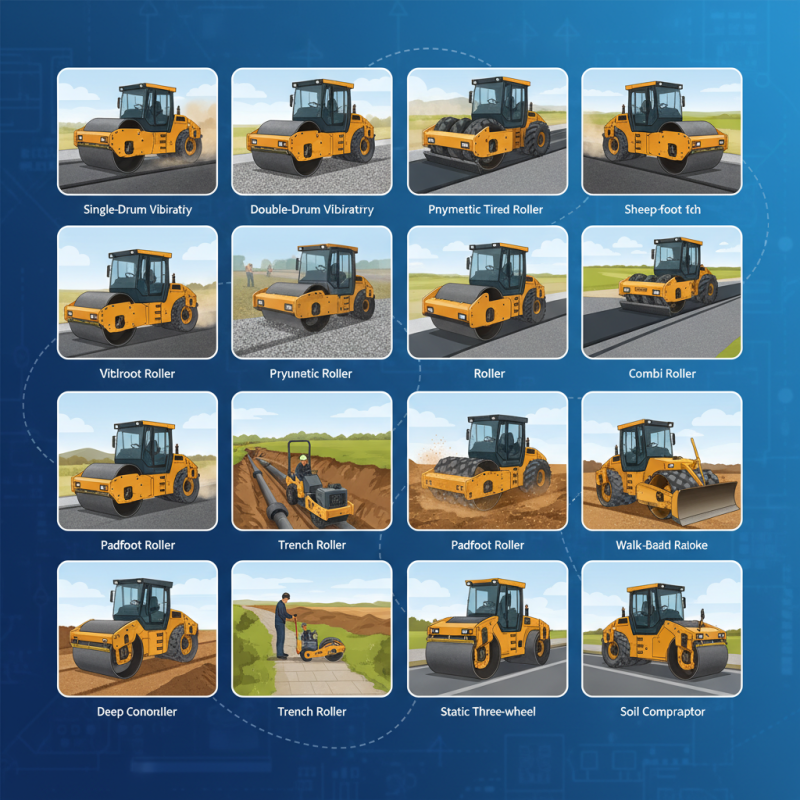
Top Features to Consider in Heavy Equipment Rollers
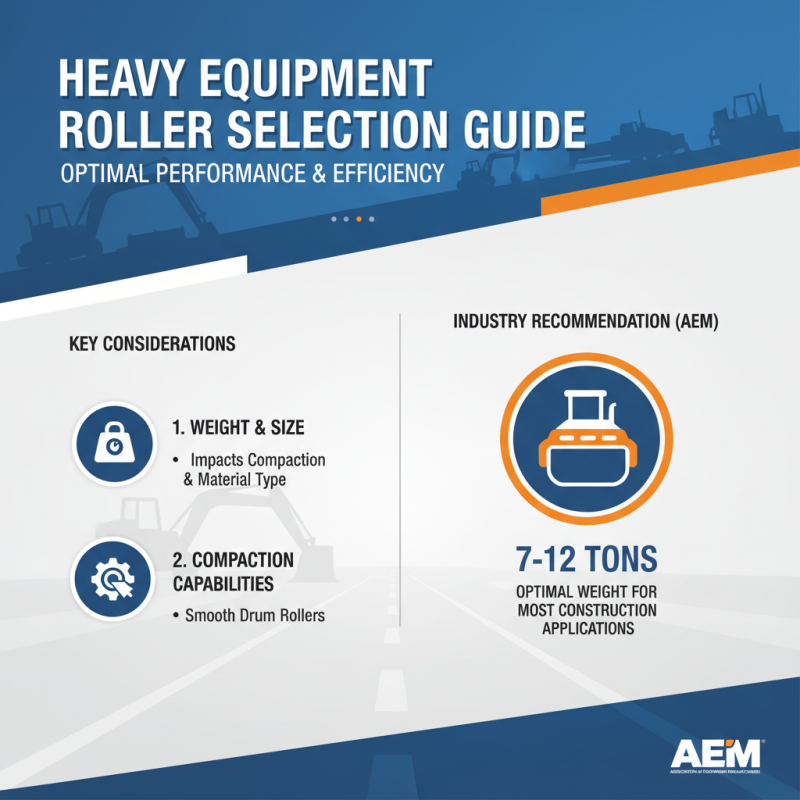
When selecting heavy equipment rollers, it is crucial to consider several key features that can significantly impact performance and efficiency on job sites. One of the foremost factors is the weight and size of the roller, as these directly influence the compaction capabilities and the types of materials that can be effectively compacted. According to a recent industry report from the Association of Equipment Manufacturers (AEM), the optimal weight for smooth drum rollers typically ranges between 7 to 12 tons for most construction applications, allowing for a balance between power and maneuverability.
Another essential feature to examine is the type of compaction system employed by the roller. Rollers equipped with a dual frequency system, which allows for both high and low frequency vibrations, have been shown to improve compaction efficiency by up to 30%, particularly in granular soils. Additionally, the automation of the compaction process, through integrated sensors and technology, enables operators to achieve consistent results while reducing operator fatigue. The integration of these advanced systems can significantly enhance both productivity and material quality, making them a primary consideration for those in the field.
Lastly, the durability and ease of maintenance of heavy equipment rollers cannot be overlooked. Studies indicate that maintenance costs can account for up to 15% of total operational expenses for heavy machinery. Models that feature easily accessible components for routine checks and repairs not only minimize downtime but also increase the overall lifespan of the equipment. In this competitive market, prioritizing these essential features will lead to better investment choices and maximize operational efficiency for contractors.
Comparison of Popular Roller Models on the Market
When it comes to the selection of heavy equipment rollers, understanding the nuances between various models is crucial for achieving optimal performance and efficiency in construction and road maintenance projects. Different roller models offer distinct features, such as weight distribution, vibrational capabilities, and drum configuration, which directly impact their effectiveness on different types of terrain and material.
In the market, there is a diverse array of roller models, each designed to cater to specific needs. For instance, some models are optimized for compacting asphalt, featuring smooth drums that deliver a high-quality finish, while others are built for soil compaction with larger, more robust drums that can handle tough ground conditions. Additionally, factors such as operational weight and engine power can significantly influence the rolling process, enabling prioritized performance depending on project demands. Thus, a careful comparison of roller features, including drum size, compaction force, and maneuverability, will help operators make informed decisions that enhance productivity and reduce costs on the job site.
Top 10 Heavy Equipment Roller Models for Optimal Performance and Efficiency
Performance Metrics: Understanding Roller Efficiency Ratings
When it comes to heavy equipment rollers, understanding performance metrics is essential for selecting the right model for optimal efficiency. Roller efficiency ratings provide valuable insights into how well a roller performs in various conditions, including
compaction effectiveness, fuel consumption, and overall operational productivity.
These ratings typically take into account factors such as the weight of the roller, its drum configuration, and the technology employed in its design, all of which contribute to its compaction capabilities and efficiency on the job site.
To accurately assess roller efficiency, several performance metrics should be examined. Compaction force, or the pressure exerted by the roller on the ground, is a key indicator of its effectiveness. Likewise, specific fuel consumption offers insights into how efficiently the machine uses fuel relative to the amount of work accomplished. Other crucial metrics include speed of operation, maneuverability in tight spaces, and maintenance requirements, as these factors can significantly influence overall productivity and operational costs. Evaluating these performance metrics allows operators to make informed decisions, ensuring they choose rollers that not only meet their immediate project needs but also provide long-term efficiency and cost savings.
Technology Innovations in Modern Heavy Equipment Rollers
In recent years, the heavy equipment industry has witnessed remarkable technological innovations that have significantly enhanced the performance and efficiency of roller models. These advancements not only streamline operations but also improve the overall safety and environmental impact of construction projects. One notable development is the integration of advanced sensors and automation technologies, which allow rollers to monitor soil conditions in real-time and adjust their compaction force accordingly. This intelligent system ensures optimal performance, reducing the risk of over-compaction or under-compaction, and ultimately leading to more durable surfaces.
Moreover, fuel efficiency has become a focal point in the evolution of heavy equipment rollers. Modern models are now equipped with eco-friendly engines that minimize fuel consumption while maximizing power output. These engines, combined with improved hydraulic systems, facilitate smoother operations and lower emissions. Additionally, advancements in communication technology enable rollers to be connected to broader fleet management systems, allowing operators to track performance metrics and maintenance needs from remote locations. This connectivity not only enhances operational efficiency but also reduces downtime, contributing to a more productive workflow on job sites.
Maintenance Tips for Enhancing Roller Longevity and Performance
Proper maintenance of heavy equipment rollers is crucial for ensuring optimal performance and extending their lifespan.
Regular inspections should be conducted to identify any signs of wear and tear, such as leaks in hydraulic systems or cracks in the frame.
Hoses and belts should be checked regularly for signs of damage, and any worn components should be replaced promptly to avoid further mechanical issues that could lead to costly repairs.
Additionally, maintaining the correct operating fluids is vital. Hydraulic fluid levels should be monitored and replaced according to manufacturer recommendations to ensure smooth operation and prevent overheating.
Daily cleaning of the roller’s surfaces helps to prevent rust and other forms of corrosion.
It is also essential to keep the rolling drum free of debris, as materials stuck to the drum can adversely affect compaction and overall performance.
By following these maintenance tips, operators can significantly enhance the longevity and efficiency of their rollers, ensuring they remain reliable workhorses throughout their operational lifespan.

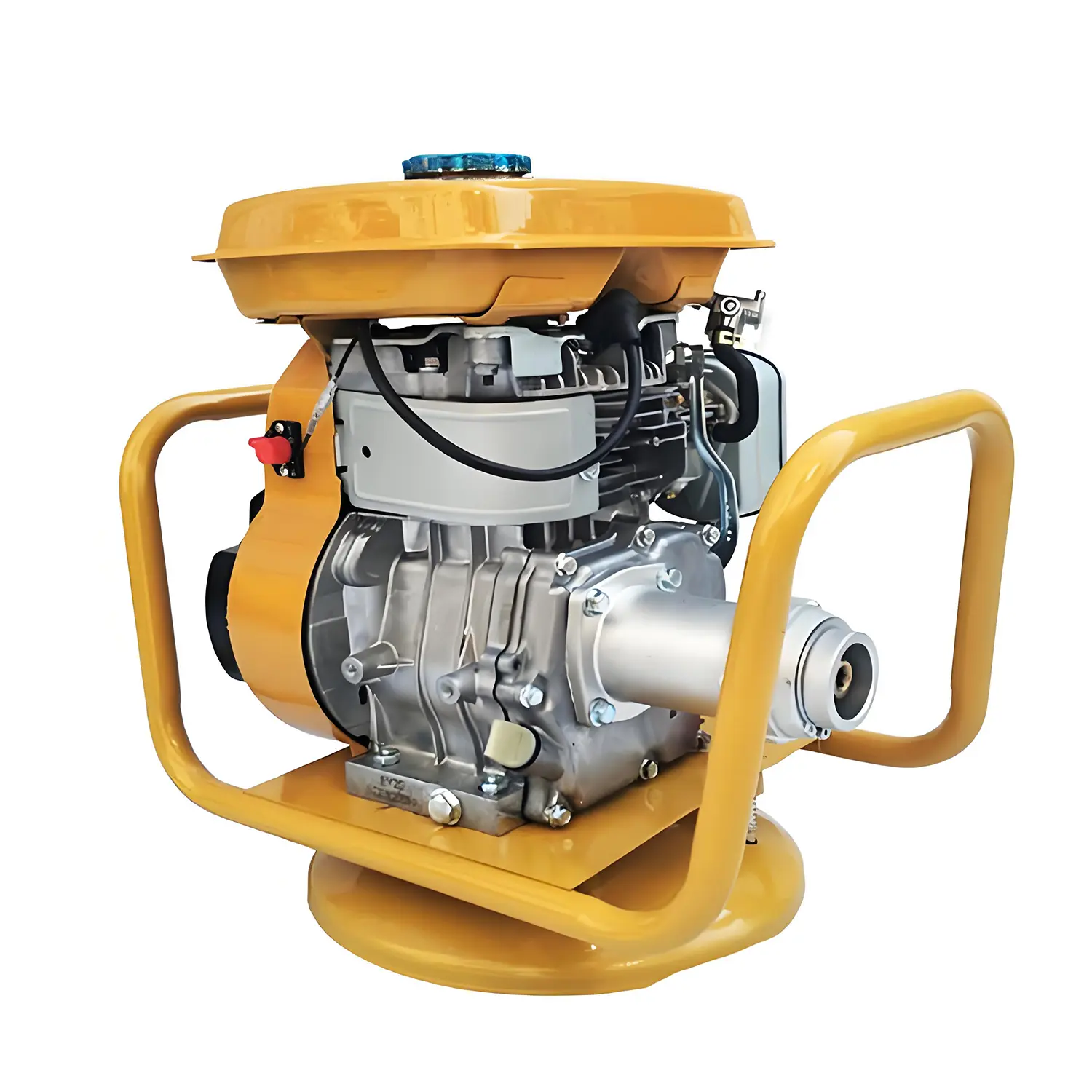 Internal Vibrator
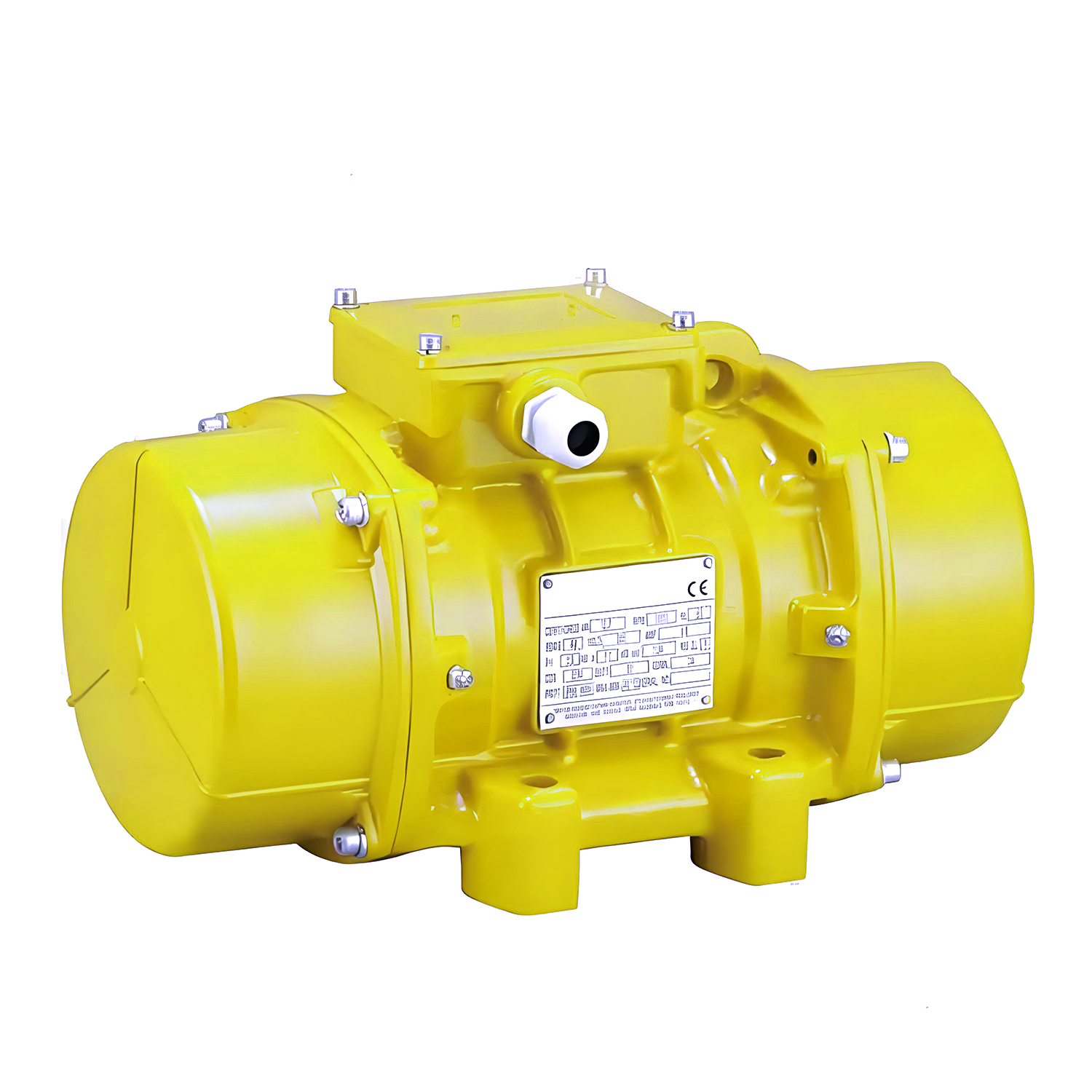 External Vibrator
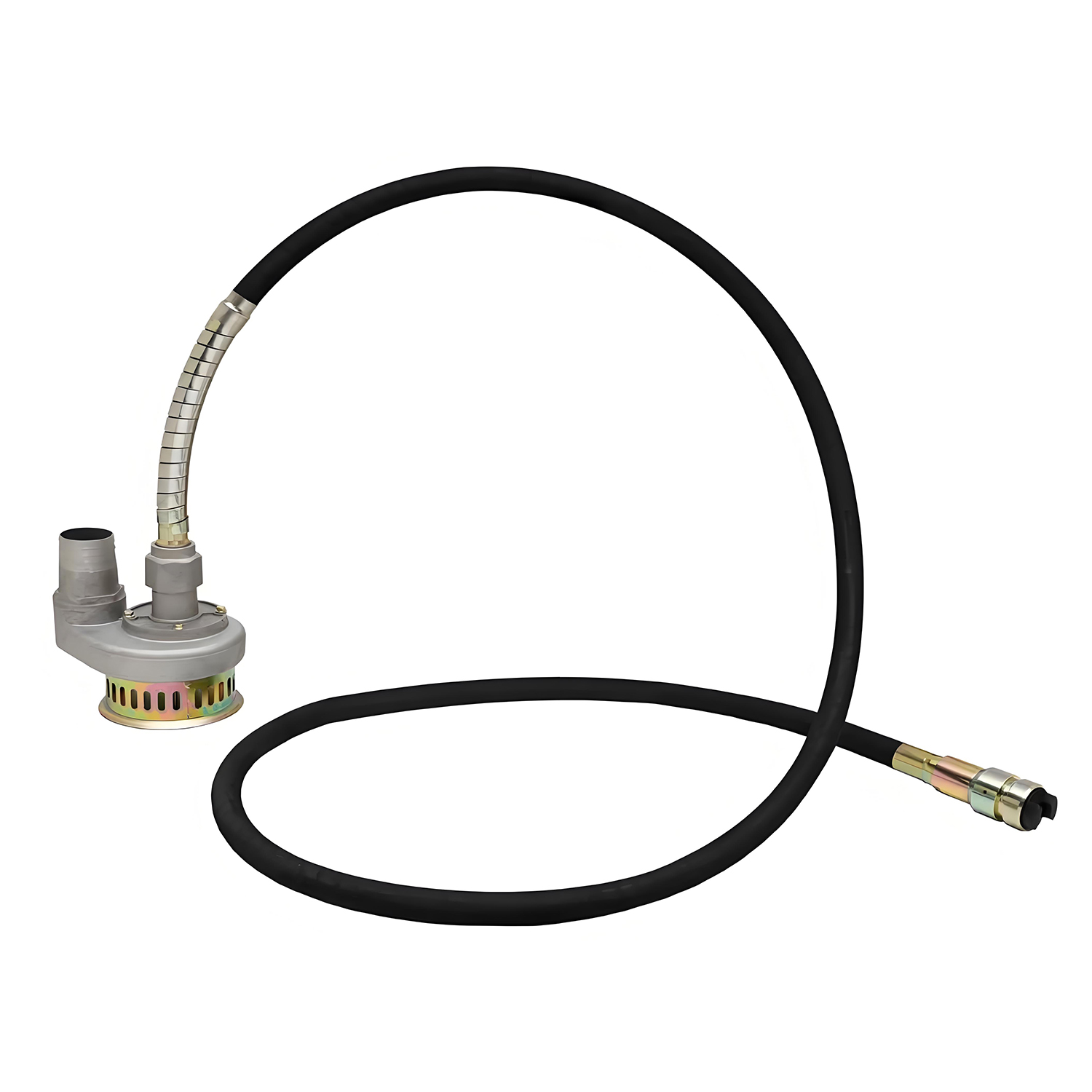 Submersible Pump
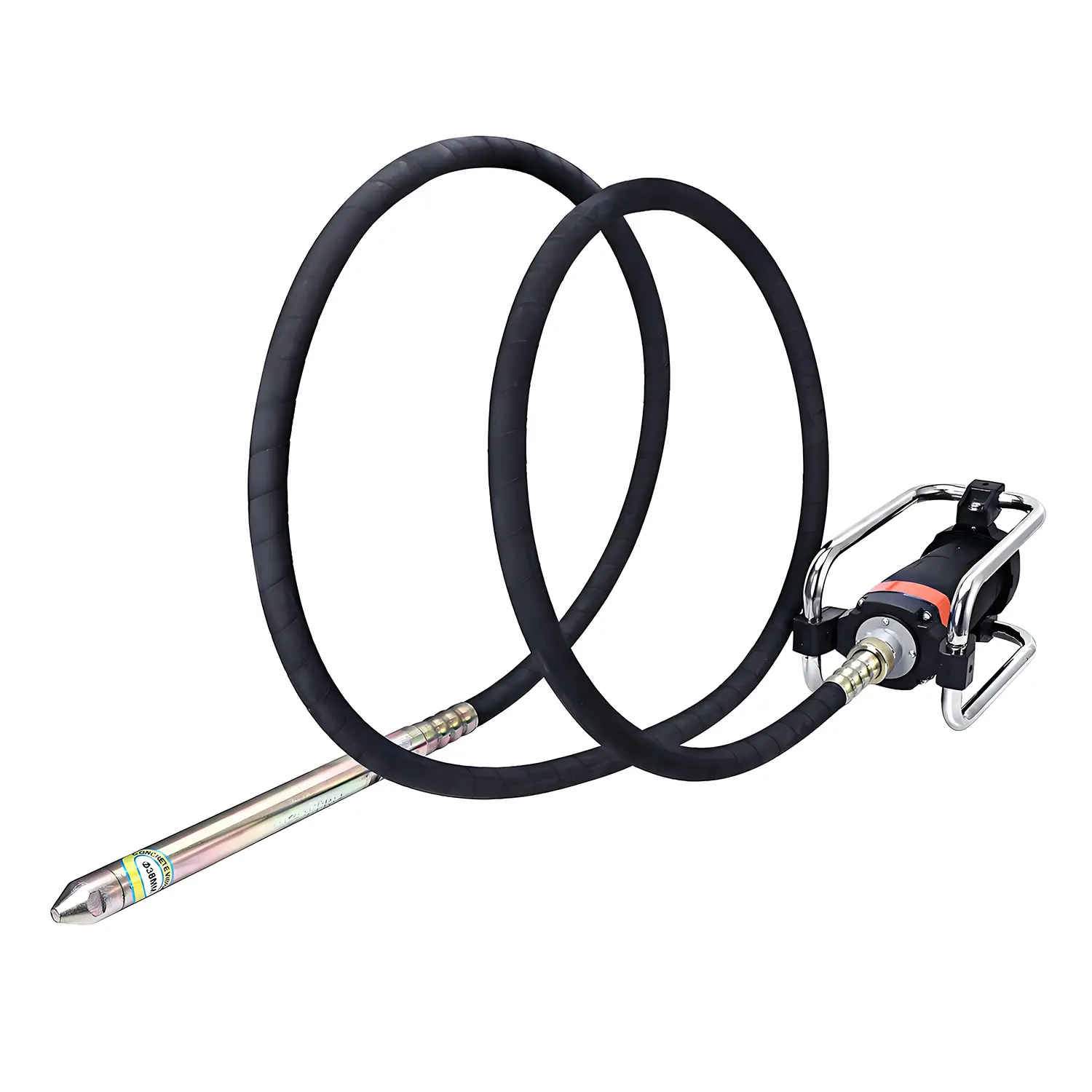 Eccentric shaft
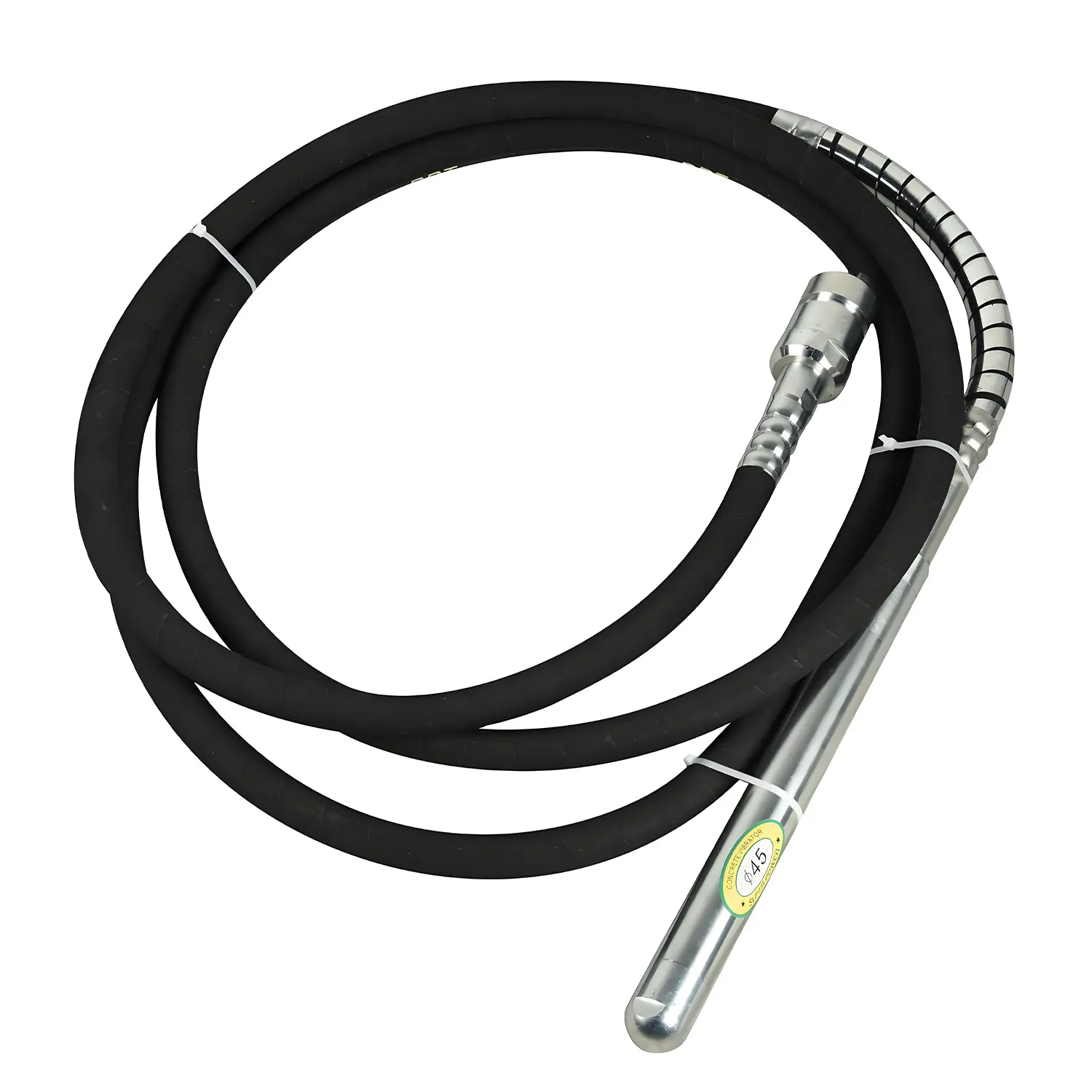 Pendulum shaft
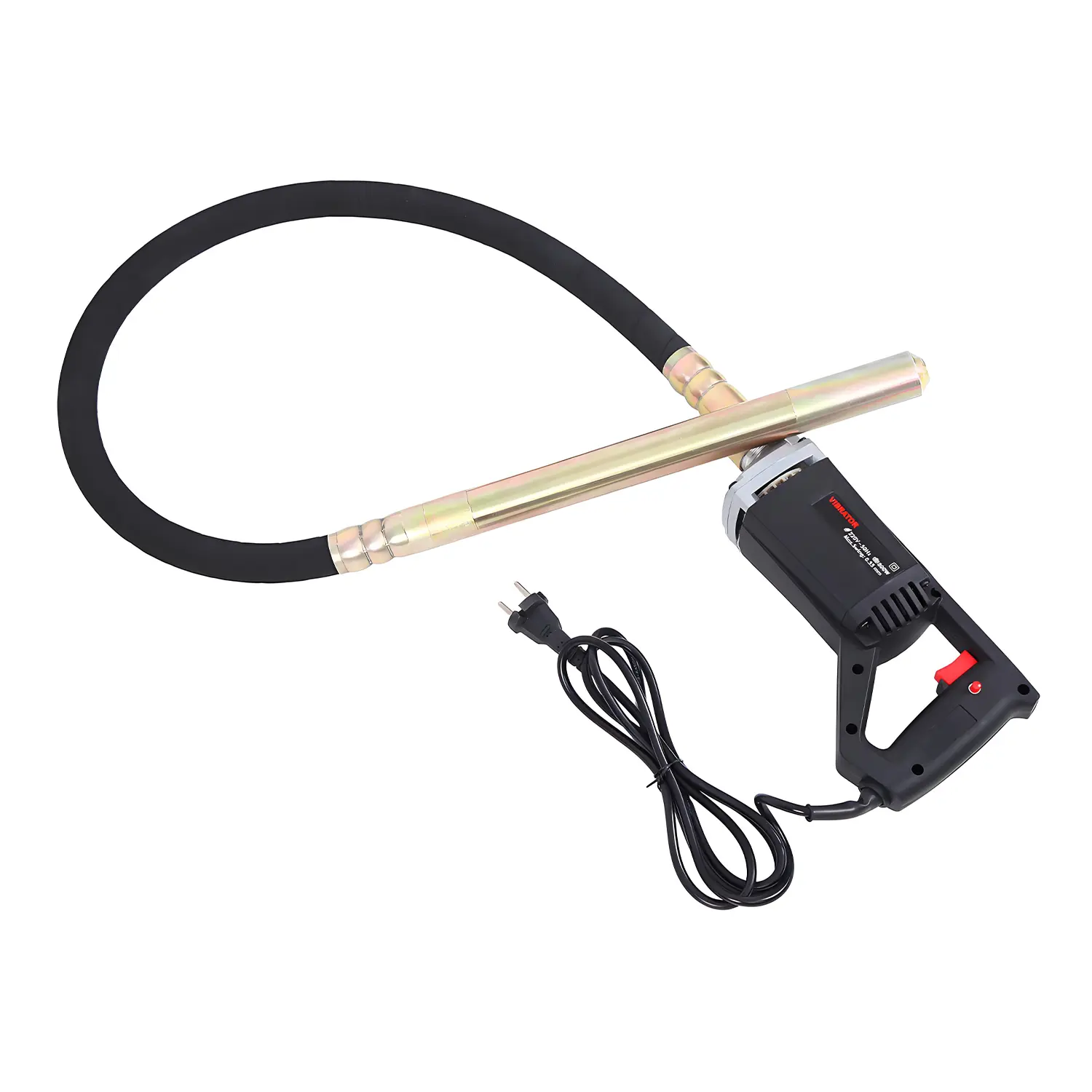 Portable vbrator shaft
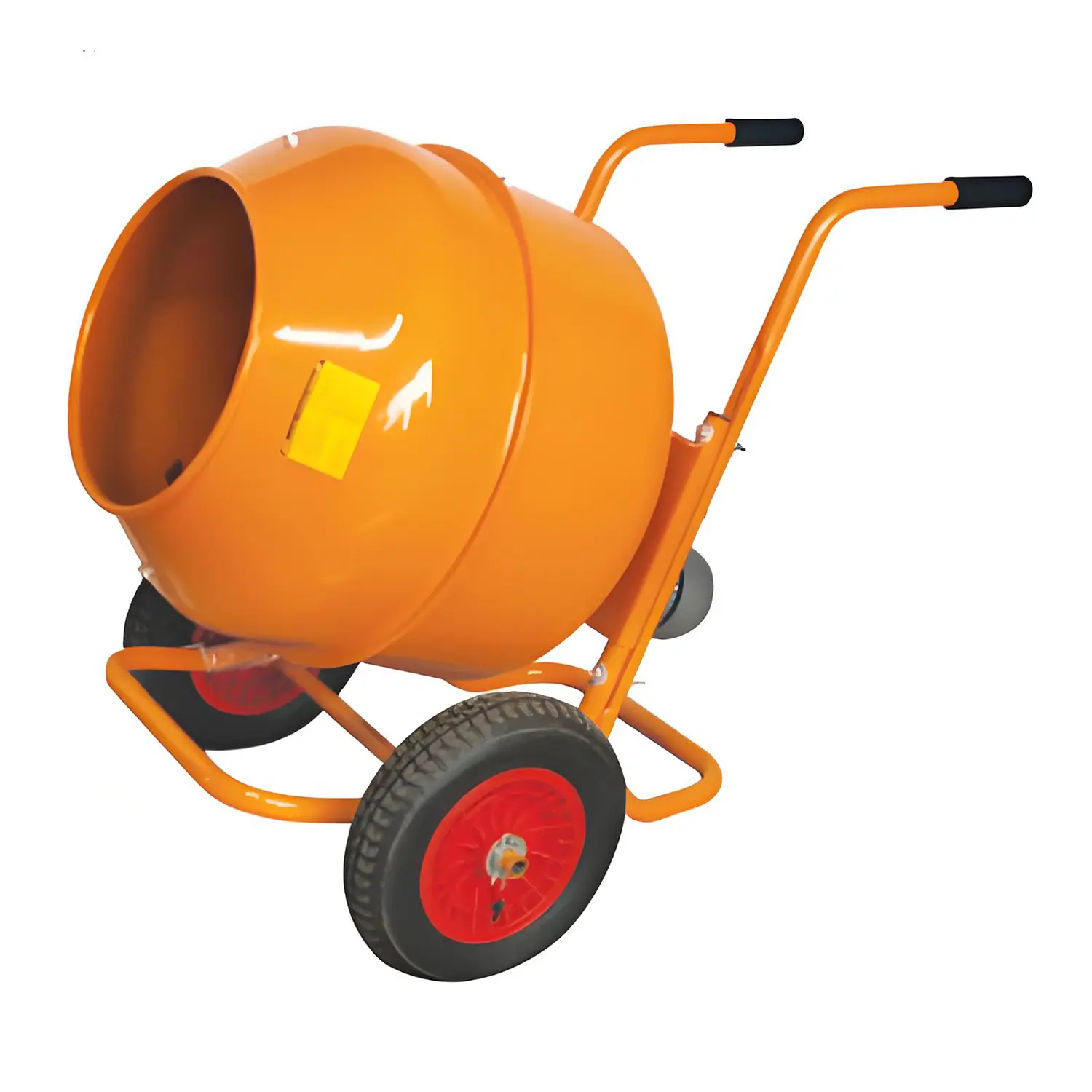 Portable concrete mixer
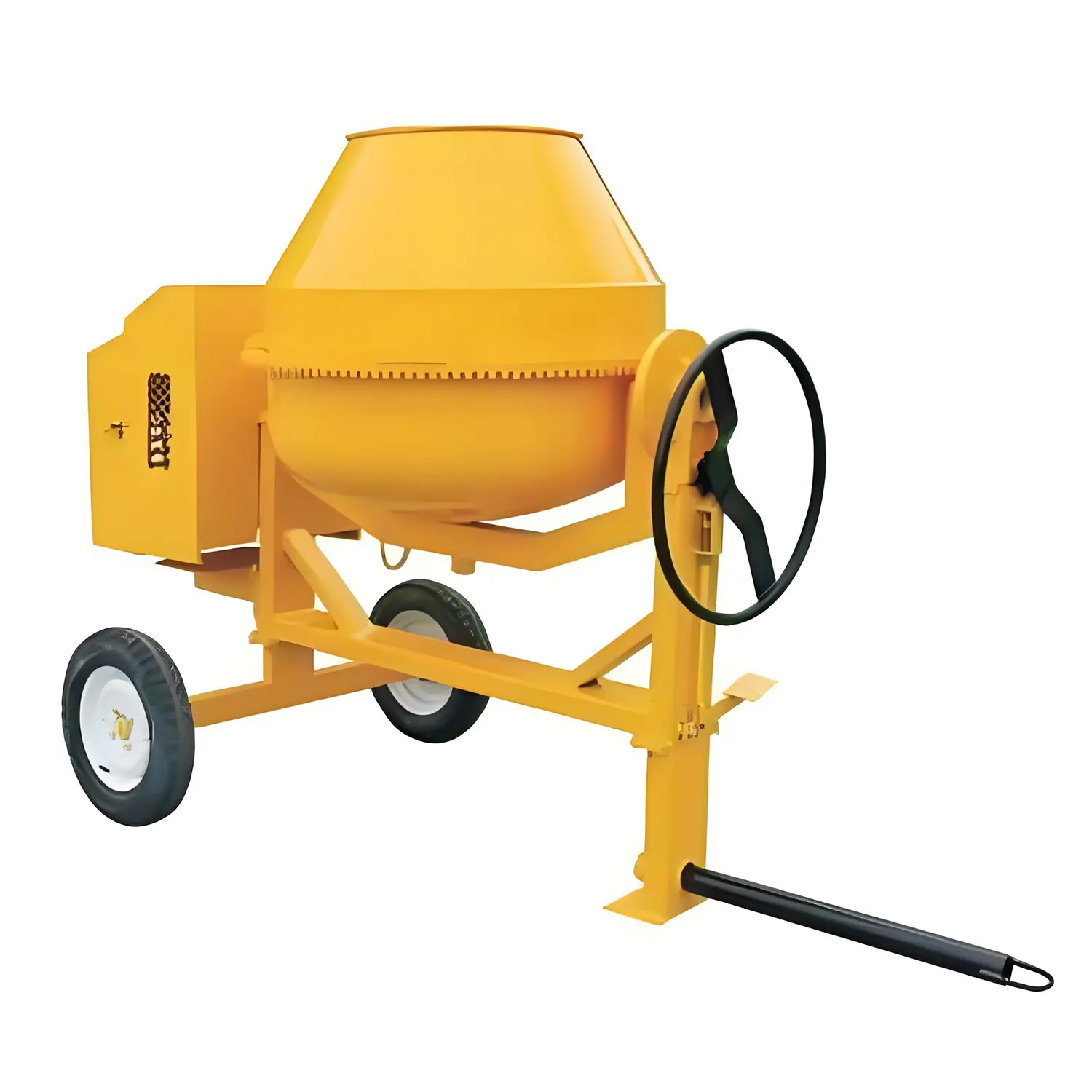 Vertical concrete mixer
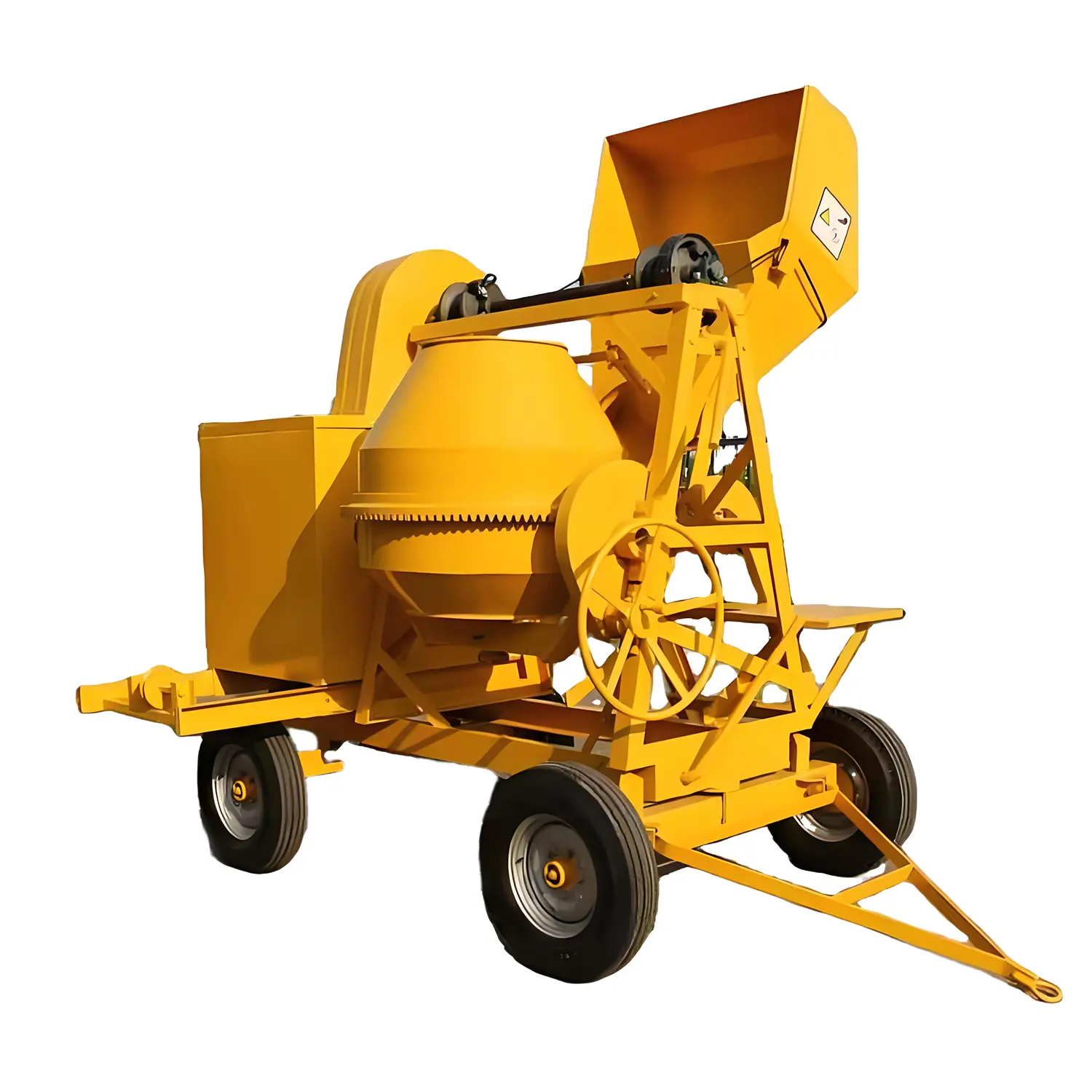 Hydraulic concrete mixer
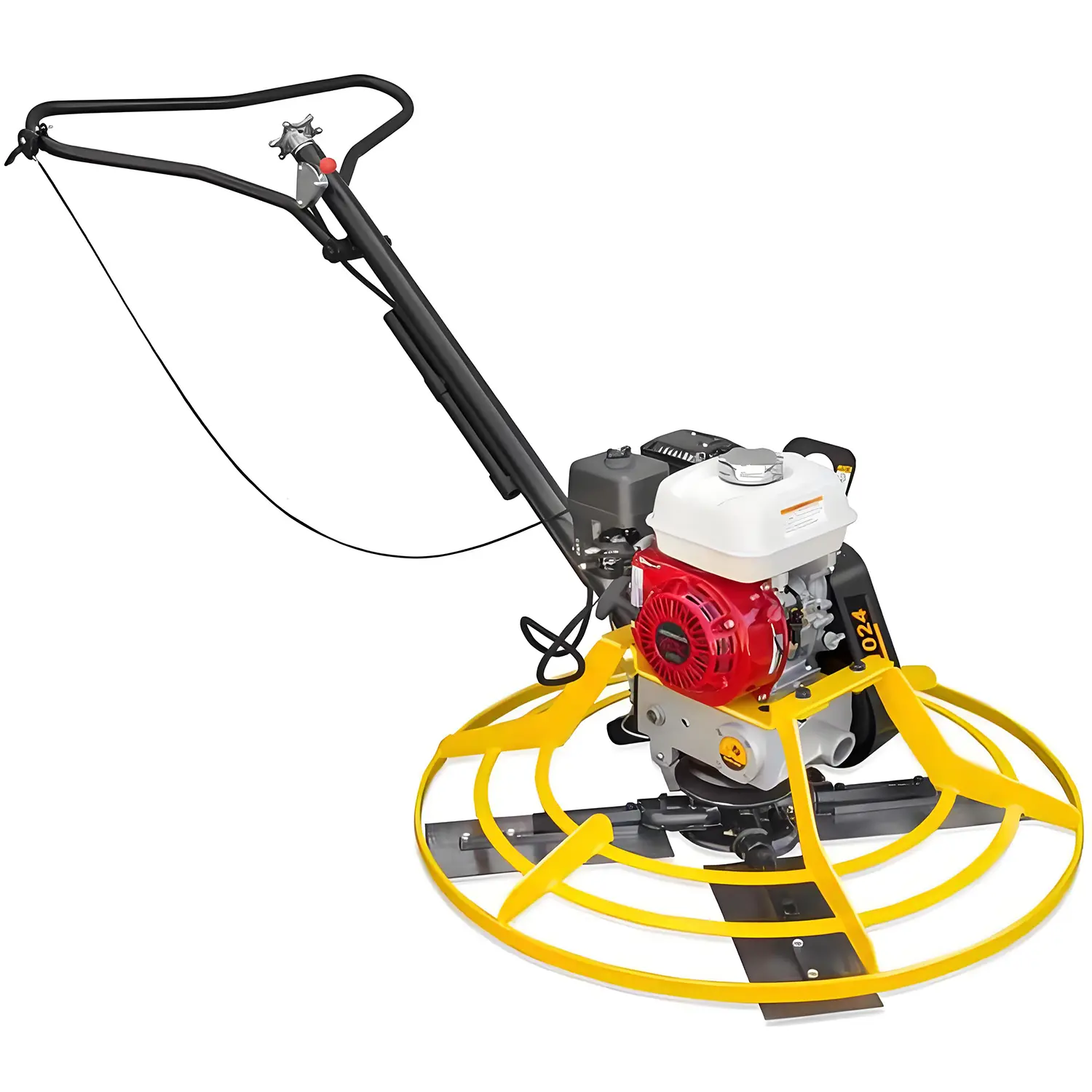 Walk behind power trowel
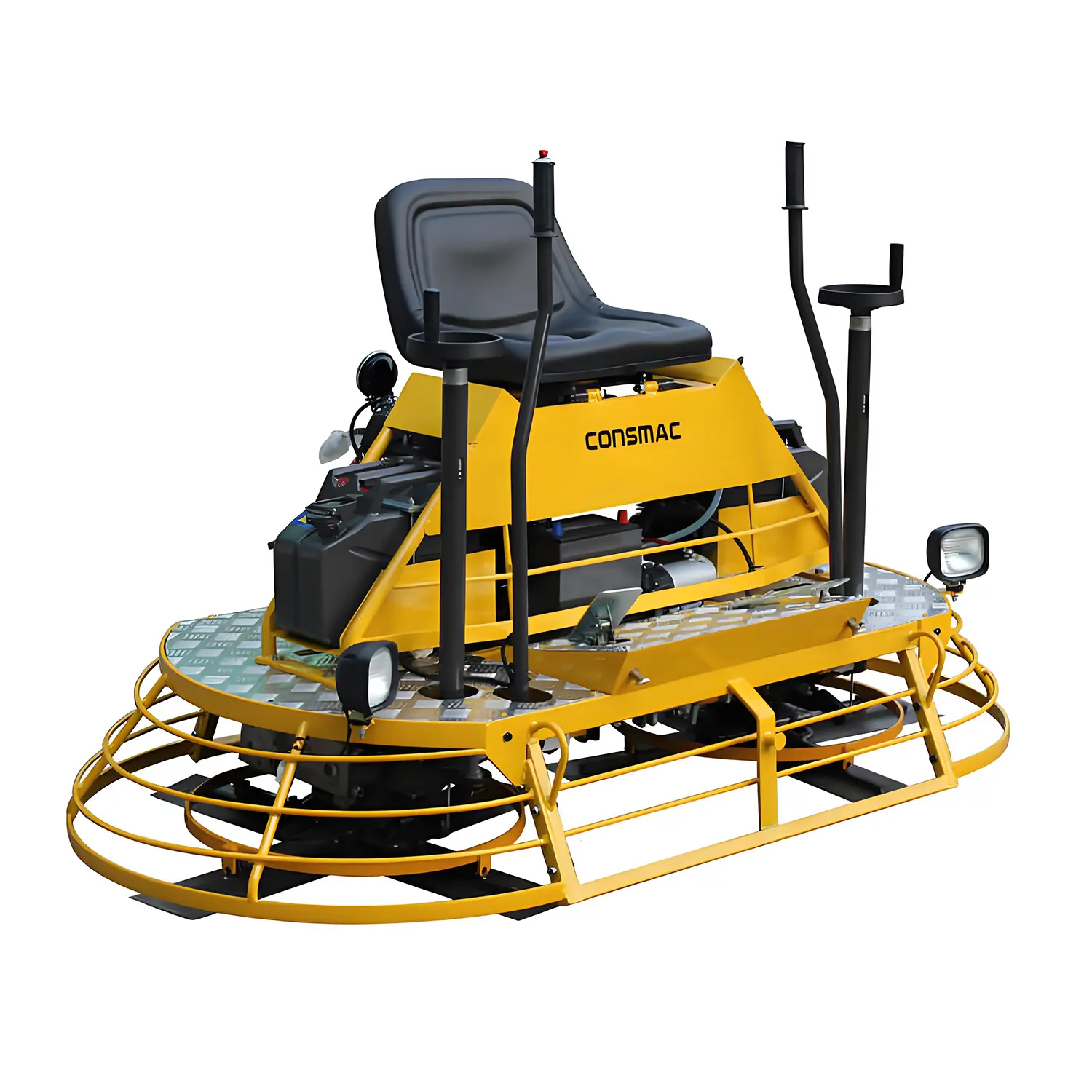 Ride on power trowel
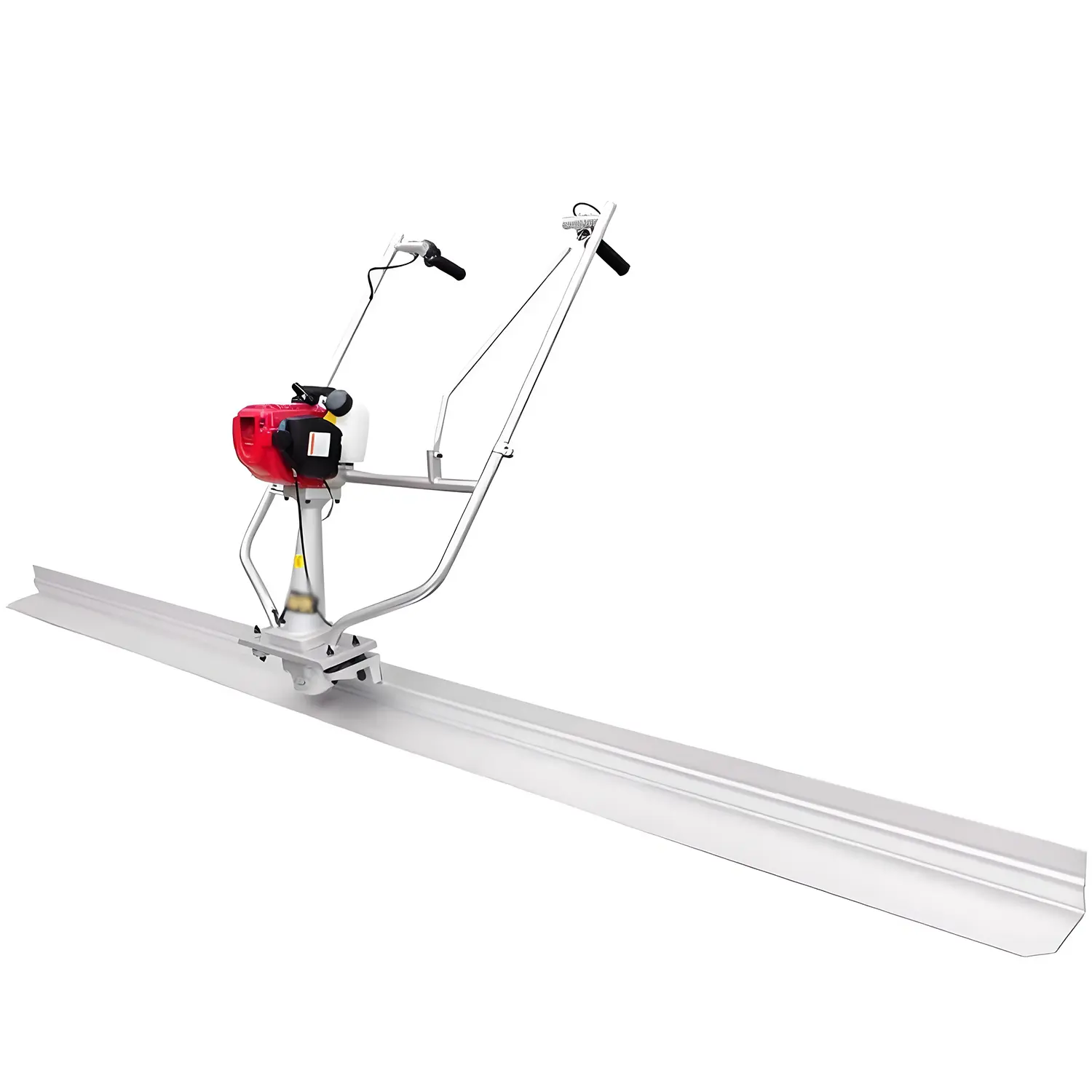 Concrete screed
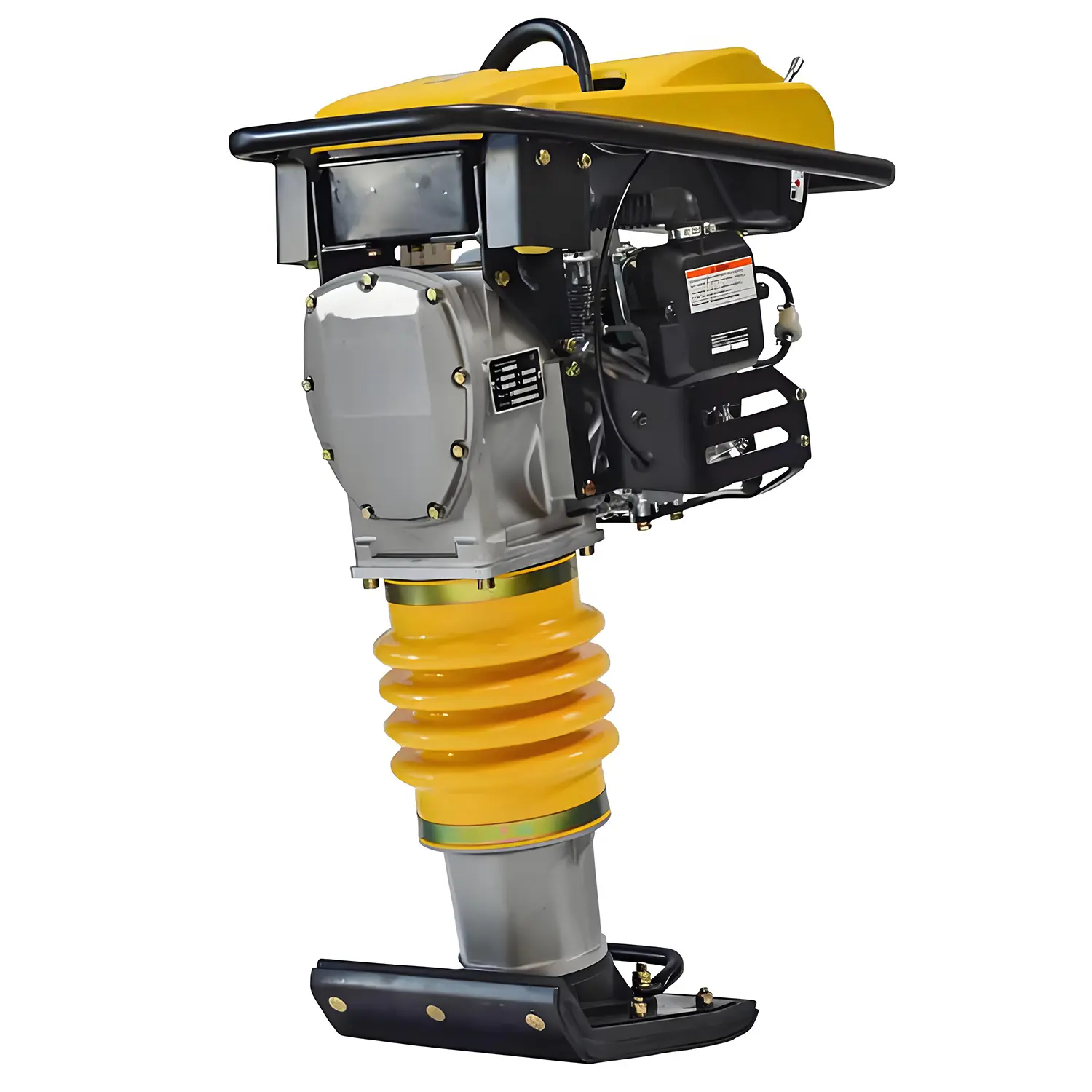 Tamping rammer
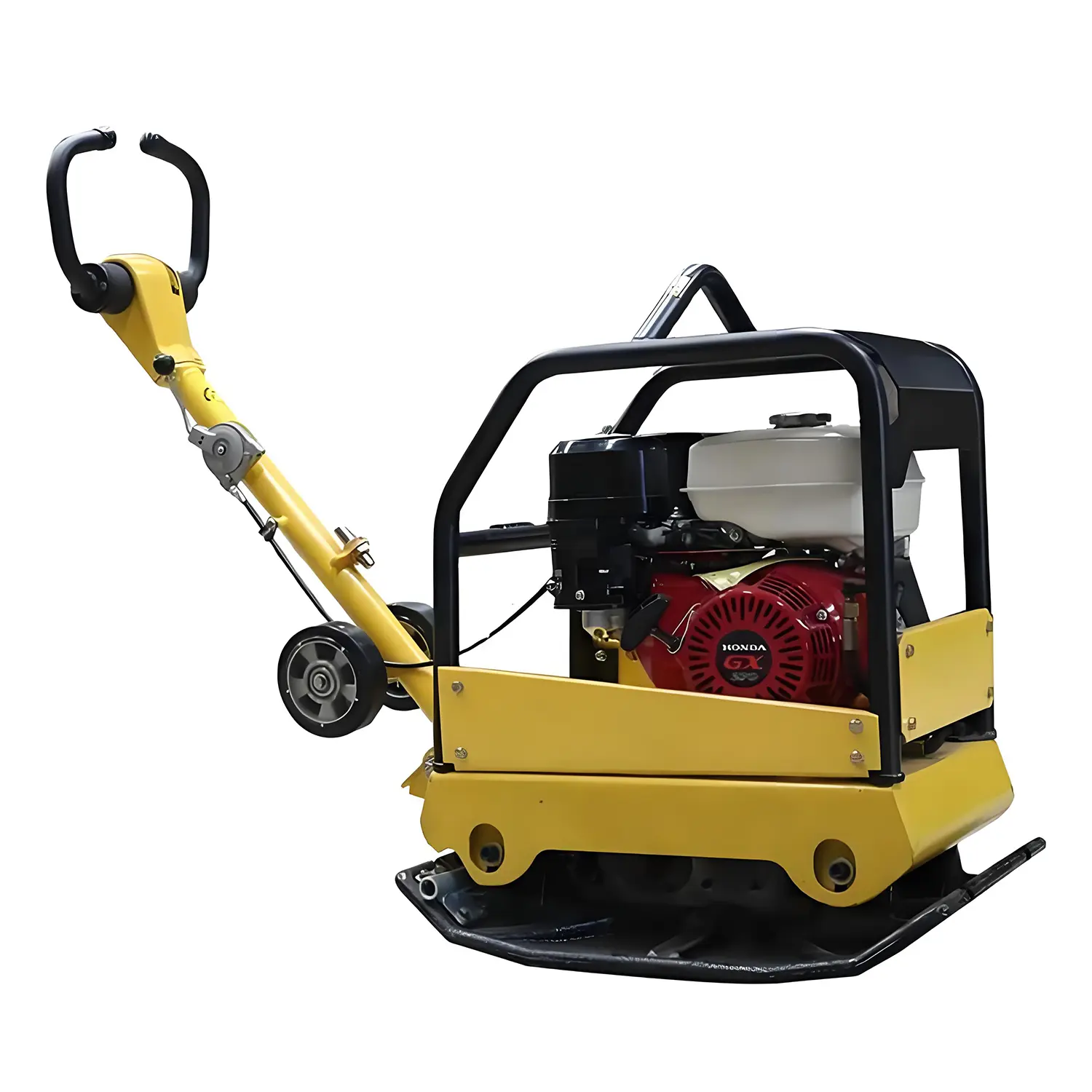 Plate compactor
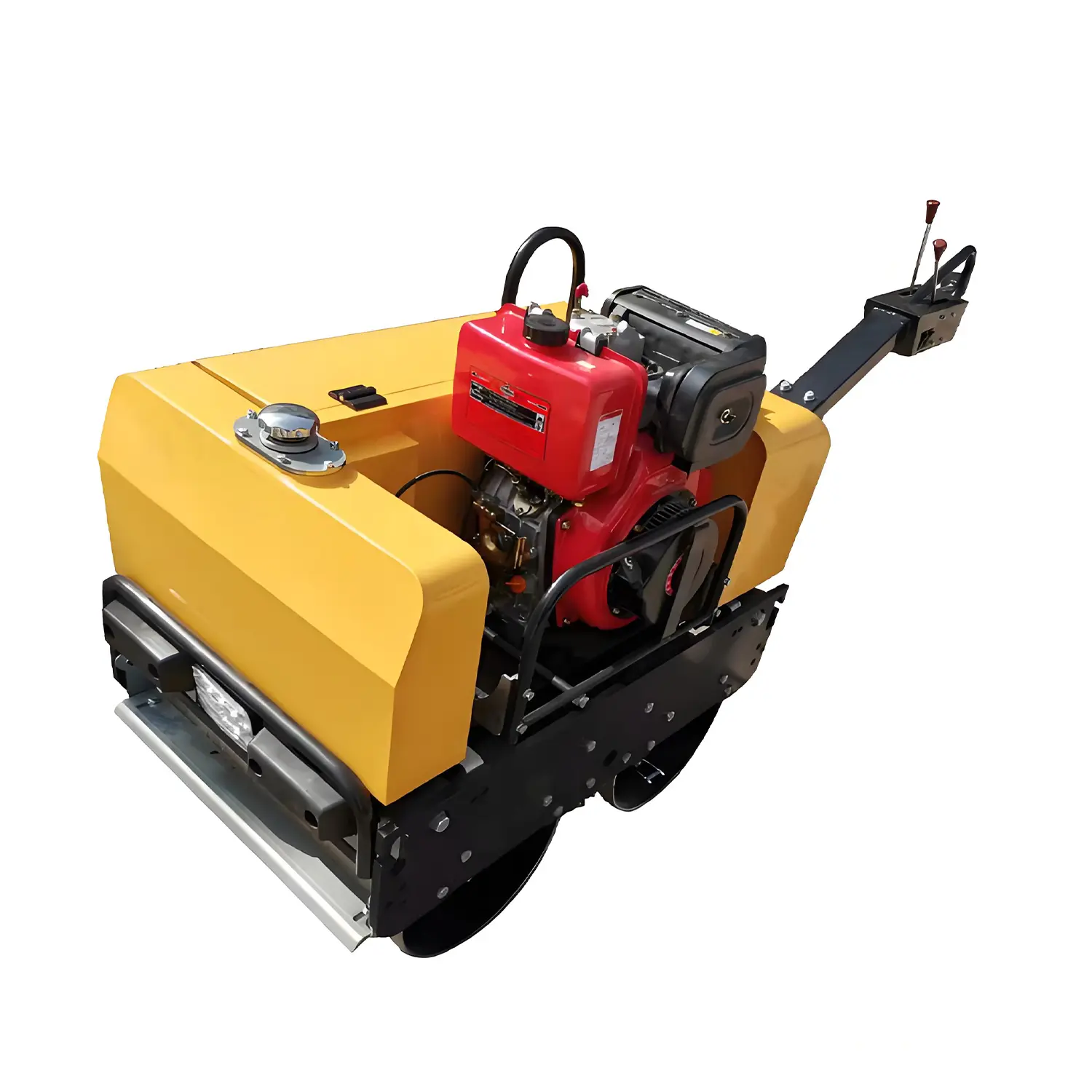 Vibratory roller