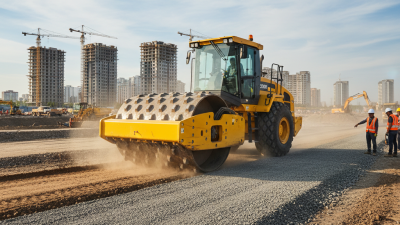
In the realm of construction, efficiency is paramount. One key player that significantly enhances this efficiency is the Heavy Equipment Roller. According to a report by the Construction Industry Institute, utilizing compactors like rollers can reduce project timelines by up to 30%. This machinery ensures proper compaction of soil and asphalt, creating strong foundations for structures.
Expert Jack Thompson, a veteran in heavy machinery, emphasizes, "Without the Heavy Equipment Roller, construction projects face serious delays and challenges." His insights underline the necessity of this equipment in maintaining project momentum. Notably, while the cost of heavy rollers may seem daunting, the long-term benefits far outweigh the initial investment.
However, the adoption of Heavy Equipment Rollers isn’t without its challenges. Some operators may lack training, leading to improper usage. This can affect the overall quality of construction. It raises an important question: Are we prioritizing training as much as we should? The evolution of equipment like the Heavy Equipment Roller showcases its vital role in construction but also reminds us to reflect on best practices in the industry.
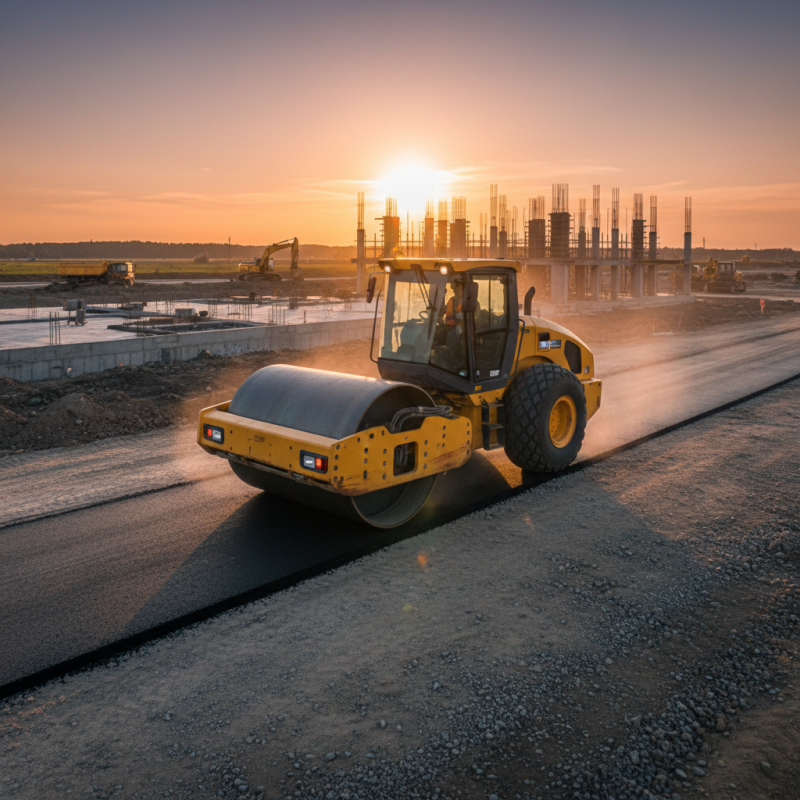
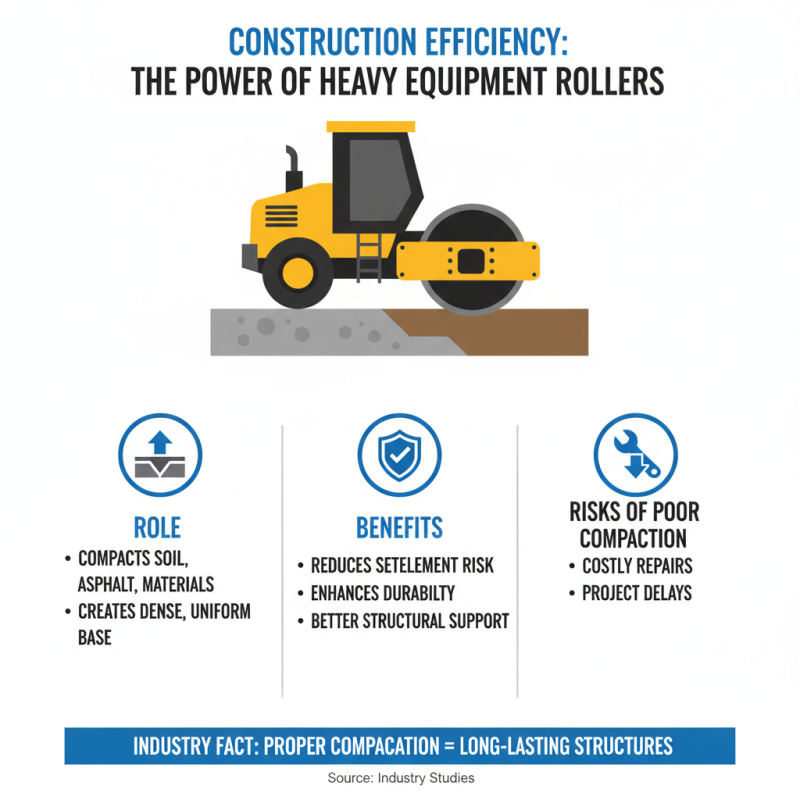
Heavy equipment rollers play a vital role in construction efficiency. These machines compact soil, asphalt, and other materials. According to industry studies, proper compaction can reduce the risk of settlement and enhance durability. A well-compacted base supports structures better. Inaccurate compaction can lead to costly repairs and project delays.
Proper equipment selection is crucial. Different projects require different types of rollers. A recent survey indicated that utilizing the right roller can increase productivity by up to 30%. Operators should be trained effectively. Skilled operators can interpret the soil's response during compaction. Misjudgments can result in insufficient compaction. This leads to issues like cracking or uneven surfaces.
**Tips:** Always assess soil conditions before choosing a roller. Conduct regular maintenance checks on equipment for optimal performance. Compaction tests can help ensure the right pressure is applied. These measures can prevent future problems and enhance overall project success.
Rollers play a crucial role in soil compaction and leveling during construction projects. These machines exert pressure on soil surfaces, ensuring a stable foundation. They compact the soil to increase its density, which is essential for supporting structures. When soil is compacted effectively, it reduces the likelihood of future settlement.
For leveling, rollers create a smooth surface. This is particularly important for roads and pavements. A well-leveled surface allows for proper drainage, reducing water pooling and erosion. The use of rollers helps in achieving the desired grade and contour of the land. However, improper use can lead to problems. Over-compaction may lead to soil stiffness and cracking.
It's important to monitor the compaction process closely. Each soil type requires a specific amount of pressure. Not all rollers are suited for every job. Selecting the right type and adjusting the settings can be challenging but is necessary for optimal results. Mistakes can be costly, leading to project delays and increased expenses. Understanding the key functions of rollers helps in maximizing their efficiency.
| Function | Description | Benefits | Application Areas |
|---|---|---|---|
| Soil Compaction | Rollers compact soil to increase density and stability. | Improves load-bearing capacity and reduces settlement. | Road construction, foundation preparation, landscaping. |
| Leveling | Rollers level out surfaces to create a flat, smooth area. | Ensures a proper drainage system and a stable surface. | Pavement repairs, construction sites, sports fields. |
| Material Distribution | Rollers help in spreading materials evenly on a surface. | Promotes uniformity and reduces material wastage. | Earthworks, backfilling, gravel roads. |
| Surface Finishing | Enhances the finish of the surface by smoothing it out. | Improves aesthetic appeal and functionality. | Asphalt roads, parking lots, paths. |
| Vibration Control | Rollers utilize vibration to enhance compaction efficiency. | Increases compaction rate with less effort. | Construction sites where high-density soil is needed. |
Rollers play a vital role in construction. They help compact soil, asphalt, and other materials. Different types of rollers are used for specific tasks. Understanding these can enhance project efficiency.
The smooth drum roller is common for asphalt projects. It provides even compaction and a smooth finish. According to a recent industry report, using a smooth drum roller can improve road longevity by up to 30%. The padfoot roller is suited for cohesive soils. It excels in compacting clay and silt. A well-compacted base can reduce future settlement issues.
Tip: Regular maintenance of rollers ensures optimal performance. Check the drum for signs of wear. It's wise to replace any damaged parts.
The pneumatic roller uses air-filled tires. It offers flexibility in compaction. This roller is ideal for flexible materials, like asphalt. However, improper use can lead to inadequate compaction. Training operators on best practices is crucial.
Tip: Always monitor moisture levels during compaction. Too much or too little can affect outcomes. Adjust procedures based on site conditions.
This chart illustrates the different types of rollers used in construction and their common applications. Each type of roller is essential for providing the necessary compaction and support during various phases of construction projects.
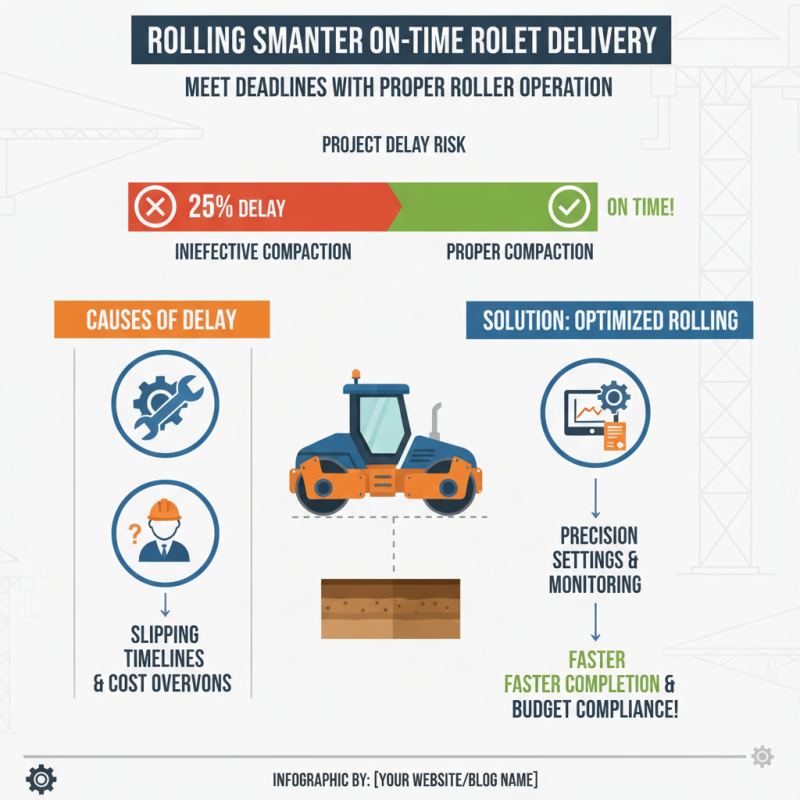
Proper operation of heavy equipment rollers is crucial for meeting construction deadlines. Studies indicate that ineffective compaction can delay projects by up to 25%. This inefficiency often stems from improper roller settings or operator inexperience. Consequently, construction timelines can slip, leading to cost overruns.
The rolling process ensures the ground is stable and ready for subsequent construction phases. On average, well-compacted soil reduces settling by 20%. Yet, many operators overlook the importance of adjusting the roller based on soil type. Failure to do so can cause inadequate density, creating issues that may arise months later.
Construction professionals frequently report challenges in maintaining optimal roller performance. Environmental factors, like moisture content, affect compaction quality. Operators must be vigilant. Regular training can minimize errors. But gaps in ongoing education persist, impacting efficiency. Each mistake can lead to significant delays down the line.
Heavy equipment rollers play a crucial role in construction.
However, safety must remain a priority. Operators must always wear
appropriate safety gear. Hard hats and
steel-toed boots are essential. Also,
reflective vests ensure visibility on
busy sites.
Training is vital for every operator. Understanding how to operate the equipment
safely can prevent accidents. Knowing the surrounding area helps avoid potential hazards.
Regular equipment inspections are necessary. They ensure that all parts function correctly.
Even minor issues can cause serious accidents.
Communication among team members is key.
Using signals or radios keeps everyone informed. This reduces the risk of injuries during
operations. Lastly, adhering to safety regulations should never
be overlooked. Construction sites can be chaotic. It’s easy to lose focus. Taking time to reflect
on safety practices can save lives.